
How to Grow Cardinal Climber Vine in the Low Desert
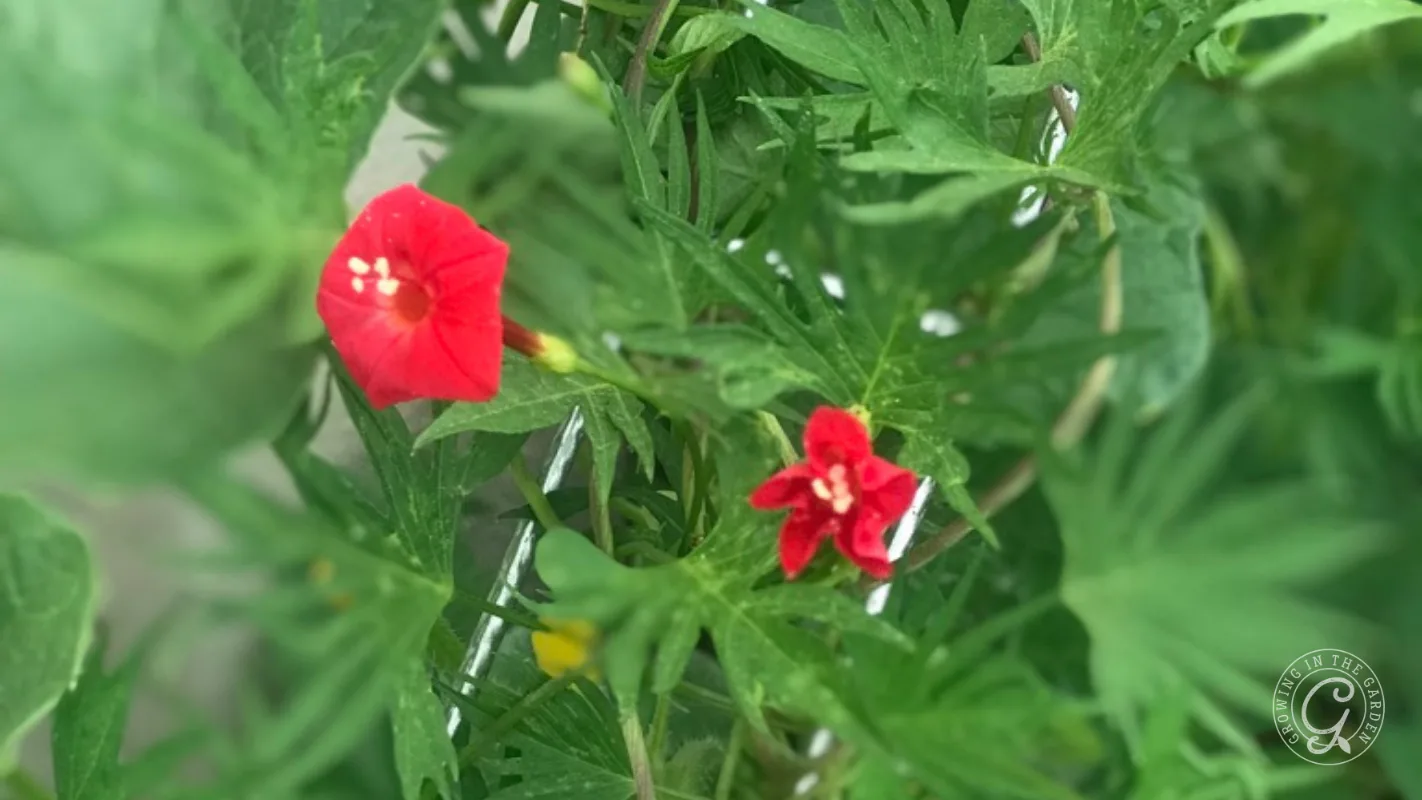
Cardinal climber is a fast, easygoing vine with small red trumpet flowers and fine, ferny leaves. It’s in the morning glory family, it climbs by twining, and it grows from seed without much fuss. Pollinators love it, and the bright red flowers are a favorite with hummingbirds.
In the low desert, cardinal climber does its best work in the shoulder seasons. It likes warmth and sun and handles heat well, but our peak summer heat can be a challenge.
Key Takeaways: Cardinal Climber Vine
- Grow Cardinal Climber after frost in spring or early fall; it thrives in mild temperatures.
- Start seeds indoors for the best results, and soak them overnight to aid sprouting.
- Provide ample sunlight and afternoon shade to help the vine survive the summer heat.
- Cardinal Climber self-sows freely, so manage reseeding by removing unwanted seedlings early.
- The seeds are toxic, so keep them away from kids and pets.
When to Plant Cardinal Climber in the Low Desert
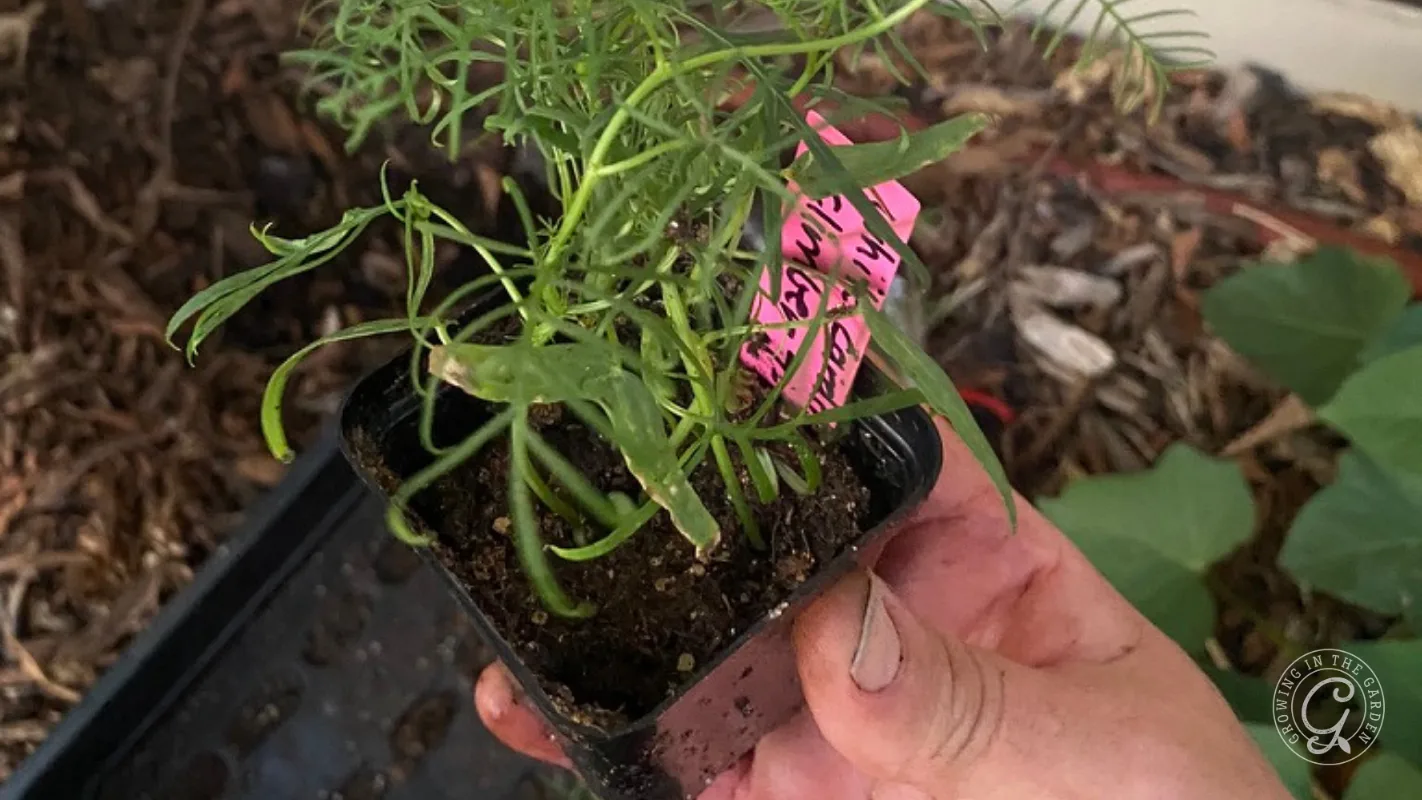
Cardinal climber is a warm-season vine, so plant it after the danger of frost has passed in spring, or in early fall for a second round of bloom. It grows and flowers best in the milder stretches before and after the worst summer heat.
Cardinal climber is frost-tender, so a freeze will kill it. Learn how to protect it from the frost. Our extreme heat usually finishes it too. Getting it through the summer is possible, but only with the right start. It needs to be well established before the heat arrives, either from an early-spring planting that had time to fill in, or from a plant that came through a very mild winter already growing. A young or freshly planted vine won’t make it, and it also needs afternoon shade. For timing that fits your garden, use my low desert vine planting guide.
Starting Cardinal Climber From Seed
Cardinal climber grows easily from seed, and starting your own gives you the most plants for the least money. The seeds have a hard coat, so if you want, nick each one with a nail clipper and soak them overnight before planting. That softens the shell and speeds up sprouting, which usually takes about a week. Here are the cardinal climber seeds I use.
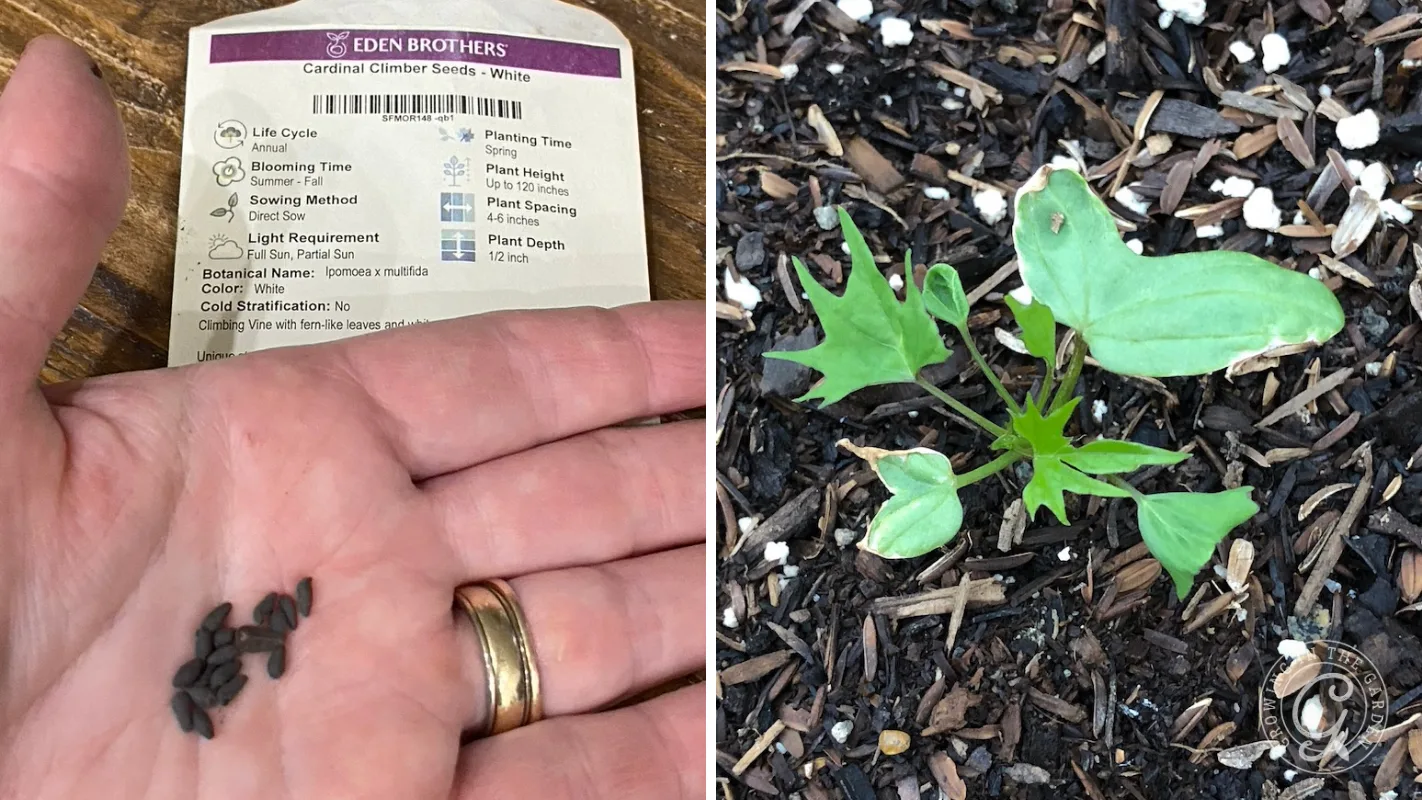
You can start seeds indoors to get a head start. If you do the same, use individual pots and transplant carefully. Like the rest of the morning glory family, cardinal climber doesn’t like having its roots disturbed. You can also sow the seeds right in the garden once the soil is warm, which is the simplest way to grow it. Plant them about a half-inch deep.
Cardinal climber is an heirloom, so the seed comes true year to year and is easy to save. Learn how to save seeds so you can plant your own. It also drops plenty of seed on its own, so you may get volunteers next season.
Where to Plant it and What it Climbs
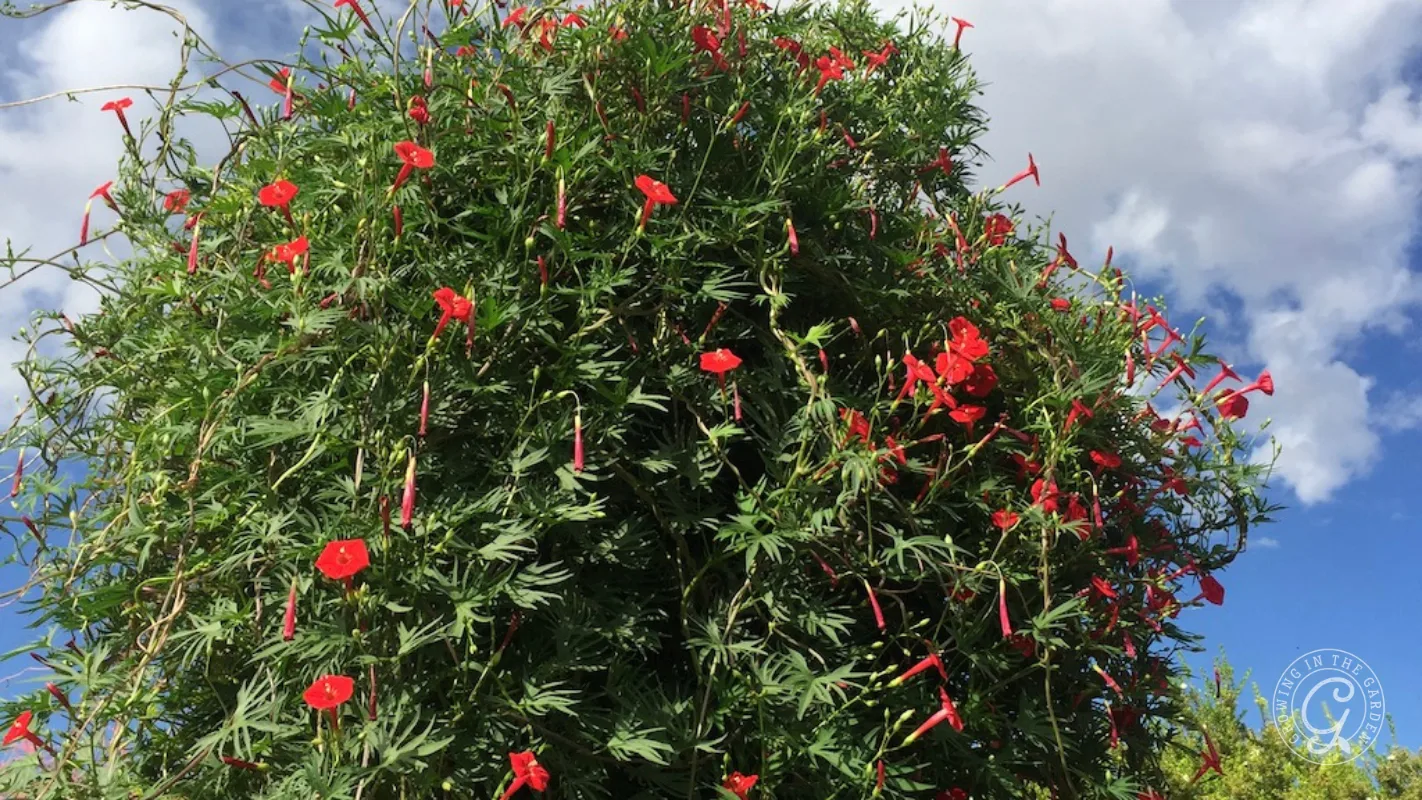
Cardinal climber gets big and full in plenty of sun, so for spring and fall, a spot with lots of light gives you the densest, most flower-covered vine. In less sun, it still grows, but it stays smaller and blooms less.
If you want to carry the vine through the heat, give it morning sun with afternoon shade. A well-established plant with some afternoon protection may survive into fall. Learn how to create shade in your garden.
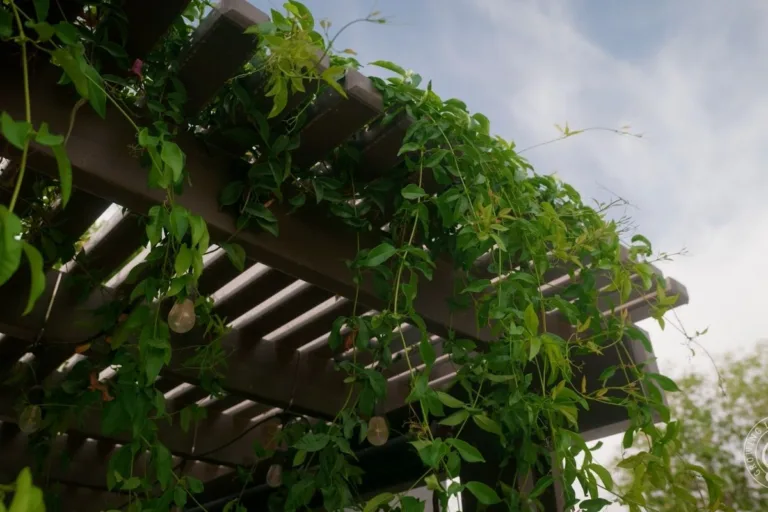
It’s a strong twining vine. Give it sturdy support, and it will climb fast. I’ve grown it up ladder mesh on a block wall and along the top of an arch trellis. Netting, a fence, or a solid trellis all work, as long as the support can hold a vigorous vine. If you’re adding vertical space in your garden, this is a good vine for the job. Set the support in place before you plant so the seedlings have something to grab as soon as they’re up.
Caring for Cardinal Climber as it Grows
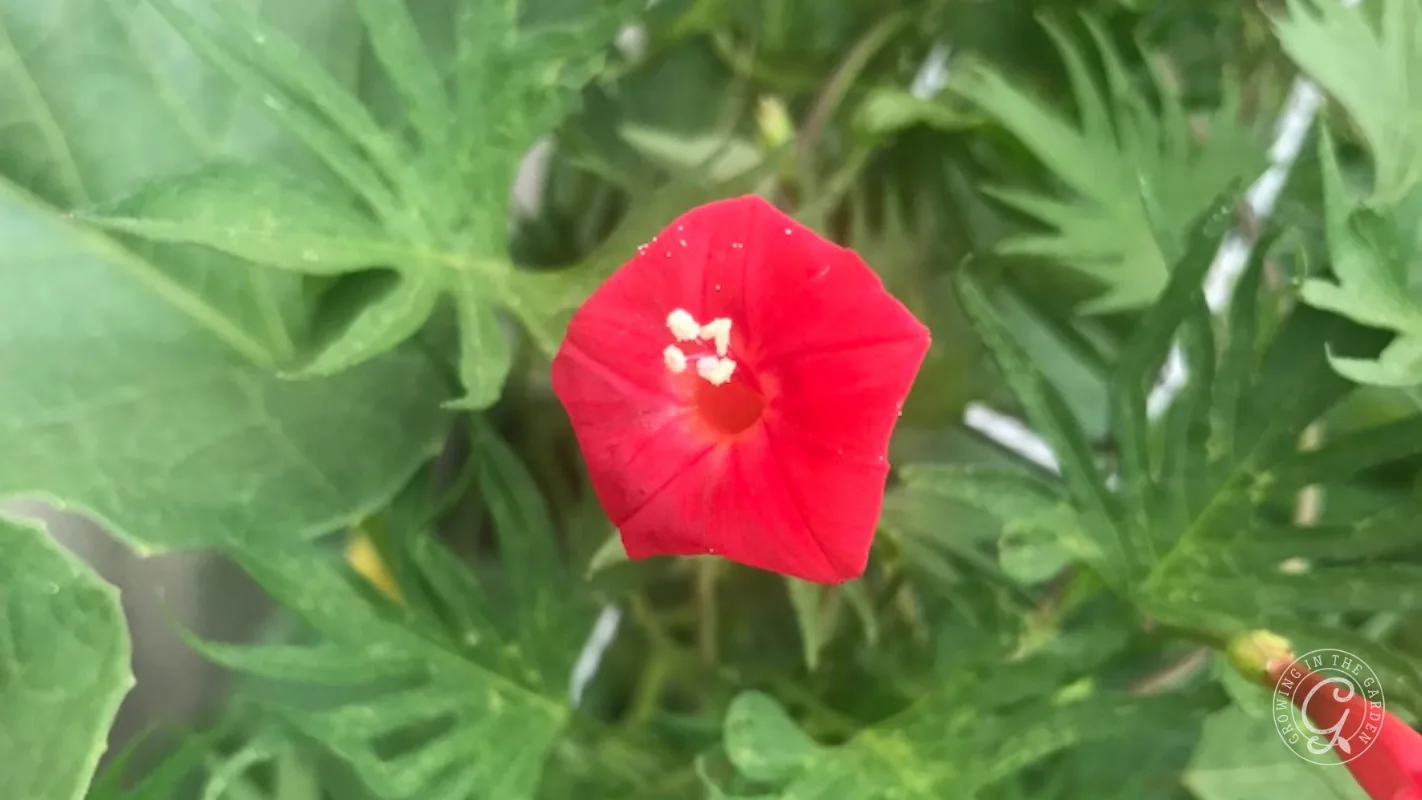
There isn’t much to do once it’s going. Cardinal climber does fine in average or even poor soil, and too much fertilizer gives you leaves at the expense of flowers, so go easy. Water about an inch a week, more during heat, and let it climb. You don’t need to deadhead. The flowers open, bloom, and drop on their own, and new ones keep coming.
Keep an eye on how far it travels. A quick trim keeps it within bounds if it starts to reach past its support.
Problems to Watch For
The two things that end cardinal climber here are heat and frost. Peak summer usually scorches it, and a winter freeze will finish it off. Both are normal, and both are why it does best in spring and fall.
The other thing to watch is reseeding. Cardinal climber self-sows freely, and after a mild winter, those seeds can sprout and spread more than you planned. Pull the volunteers you don’t want while they’re small. If you’d rather limit the seed, snip the green pods off before they dry.
One safety note. The seeds are toxic if eaten, so keep them away from kids and pets, especially if you’re collecting and storing them.
Is Cardinal Climber Worth Growing?
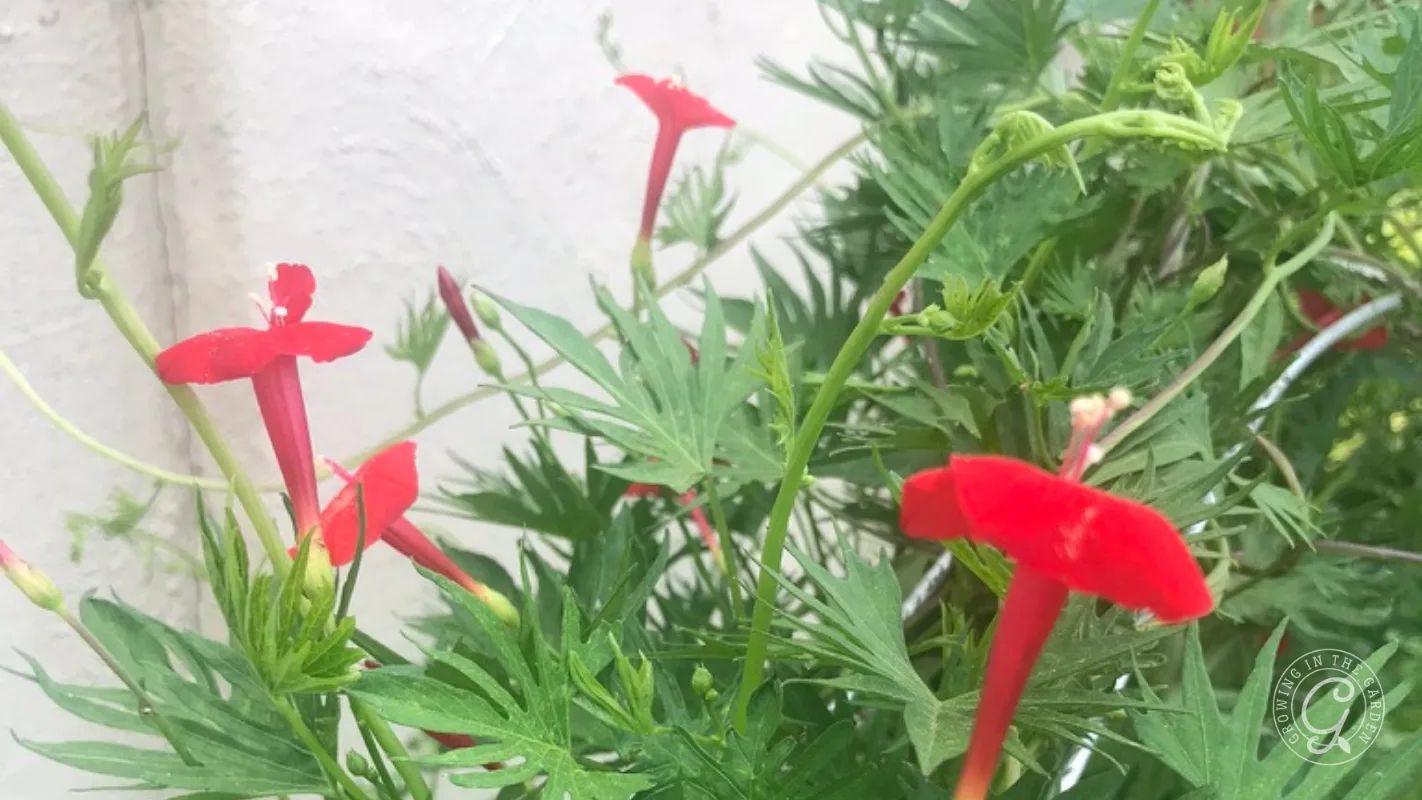
For me, yes. It’s one of the easiest vines to grow from seed; it fills a trellis fast, and the hummingbirds and other pollinators love it. Red is the classic color, and you can also find a white-flowered version if you want something softer. Grow it for spring and fall, give it a sturdy support, and keep an eye on its reseeding. Do that, and it pays you back with very little effort.
Cardinal Climber Vine FAQs
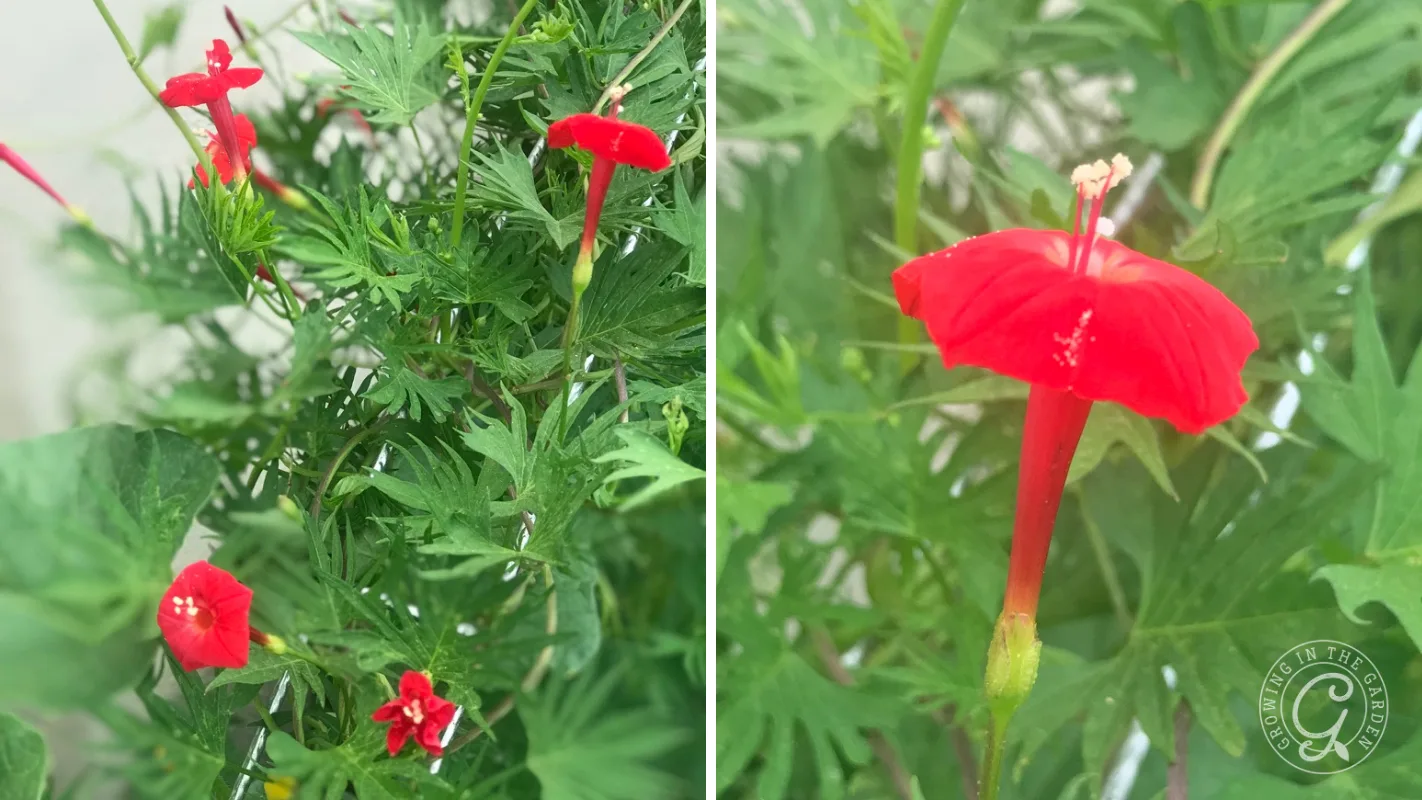
It’s a frost-tender annual. It grows, blooms, and sets seed in a single season, and a freeze ends it. In the low desert, it often reseeds and comes back on its own.
Yes, and it does best in the shoulder seasons. Plant it after frost in spring or in early fall. It likes warmth, but low desert peak summer is usually too extreme, so it flowers best in the milder months on either side.
Yes. The small red trumpet flowers are a favorite of hummingbirds, along with bees and butterflies. It’s one of the better hummingbird vines you can grow from seed.
It isn’t classed as invasive, but it self-sows freely and can spread more than you want. Pull unwanted seedlings while they’re small, or remove the green seed pods before they dry to keep the numbers down.
Yes, the seeds are toxic if eaten, like others in the morning glory family. Keep them away from children and pets, especially any seed you save and store.


When does one sow cardinal climber for low desert, Tucson?
Typically in the fall and grow it through the cooler months. Late September or October.
When does one start seeds for the cardinal climber for low desert, Tucson?