
Pruning Desert Shrubs (Stop Shearing Them)
Most desert shrubs need far less pruning than the average Arizona yard would suggest. A lot of mine never get pruned at all. The ones that do get a light touch once or twice a year. That’s different from what you see up and down every street. Desert shrubs often get rounded into green balls on a set schedule, and, unfortunately, those plants pay the price.
The beauty of native and desert plants is best seen in their natural form and character, don’t shear it away.
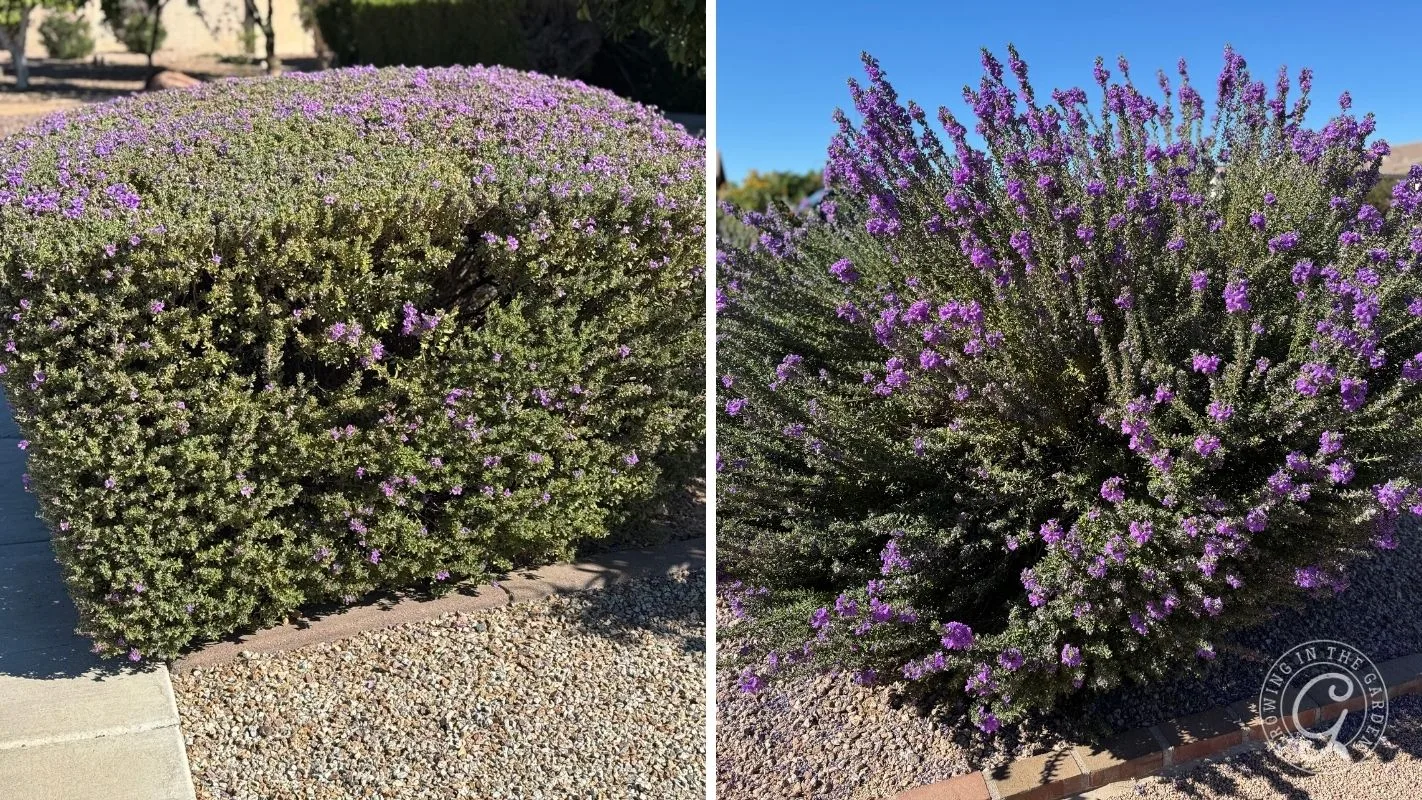
When we lived in Las Vegas, I did exactly what everyone around me did. I bought a hedge trimmer and shaped my shrubs into neat mounds, because that’s what all my neighbors did. I didn’t know any better. Many people who shear their plants don’t either. (You don’t know what you don’t know.) I want to show you what I wish someone had shown me back then.
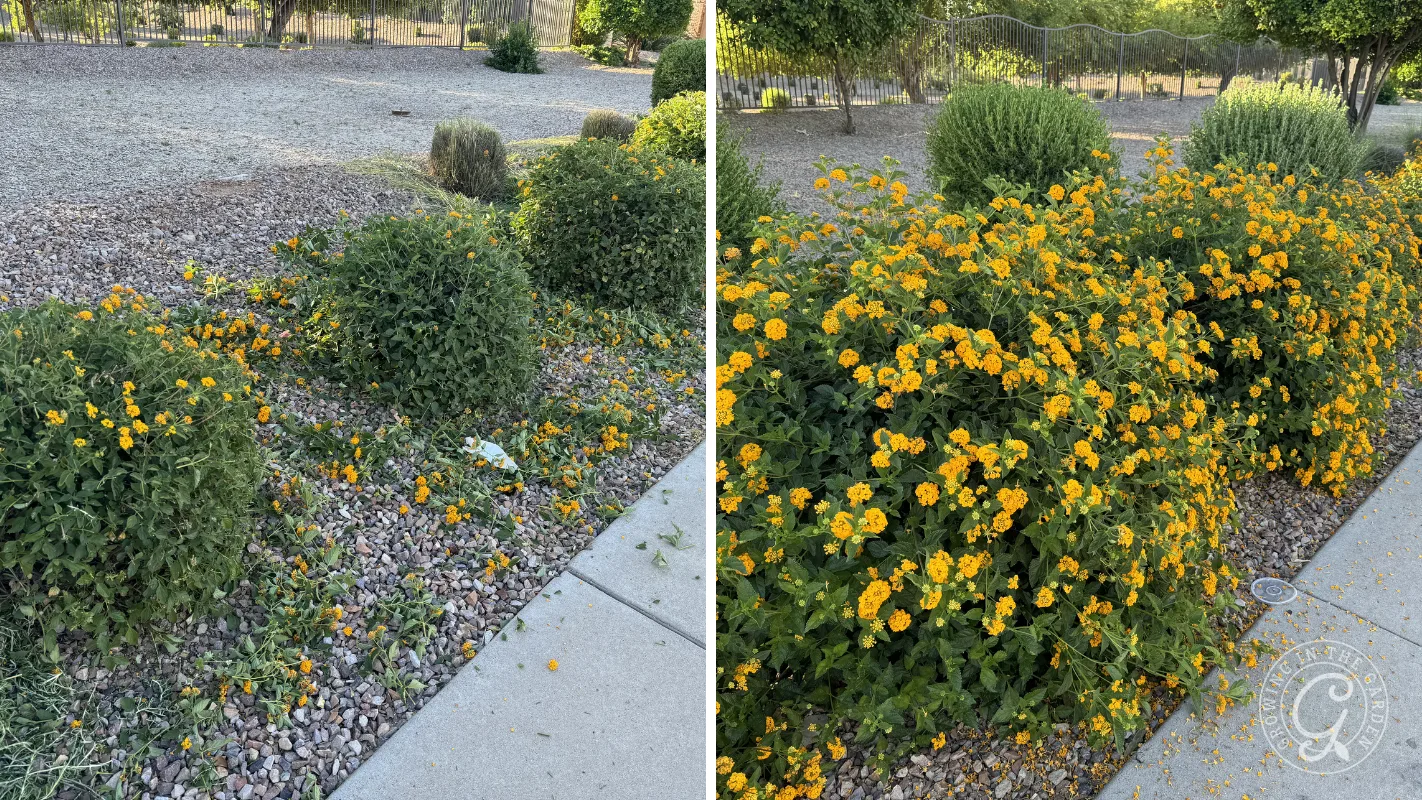
Key Takeaways: Pruning Desert Shrubs
- Most desert shrubs need little or no pruning. A lot of mine never get pruned at all.
- Shearing a shrub into a ball slowly kills it. The inside goes bare and dead, and you cut off the flowers before they open.
- Pick a shrub that fits the space and let it grow into its own shape.
- When a shrub does need pruning, thin it out by hand instead of shearing.
- Prune in spring after the last frost. Skip summer, and leave frost damage alone until the cold has passed.
What We’ll Cover:
- What Shearing Does to a Desert Shrub
- Why Desert Shrubs Aren’t Built for Shearing
- Right Shrub + Right Spot = Less Pruning
- How Often My Own Shrubs Get Pruned
- How I Prune a Shrub That Needs It
- Quick Guide to Pruning Common Desert Shrubs
- When to Prune Shrubs in the Low Desert
- What to Do With Shrubs That Have Been Sheared for Years
- The Tools I Use
- Where the Trimmings Go
- Pruning Desert Shrubs Frequently Asked Questions

What Shearing Does to a Desert Shrub
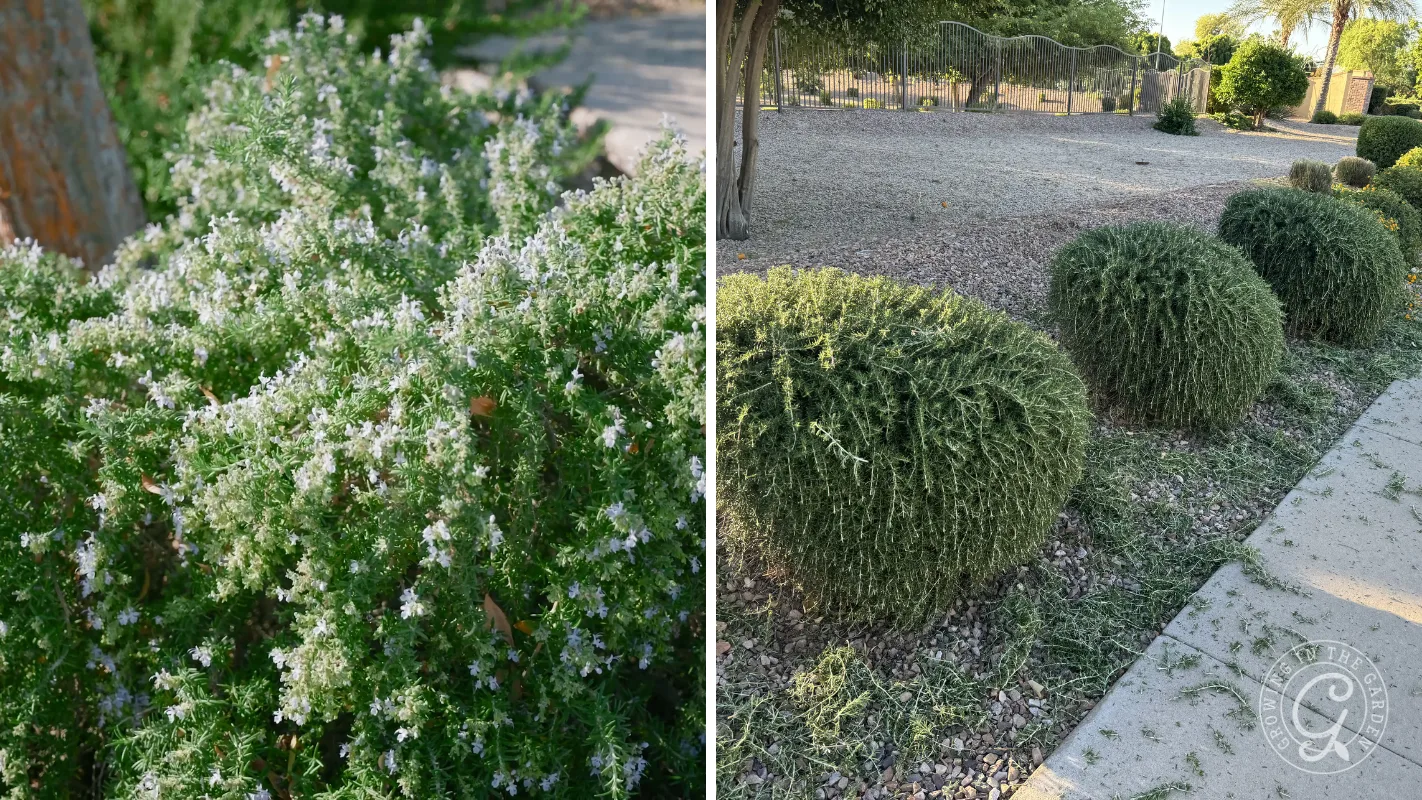
Cut open a sheared shrub and look inside. It’s brown and bare in there. The constant clipping builds a shell of green on the outside, and no light gets past it, so the interior stops making leaves. The only living growth is that thin outer layer. Then, a couple of weeks later, the trimmer comes back through and takes that layer off too. No wonder these plants look rough and die early.
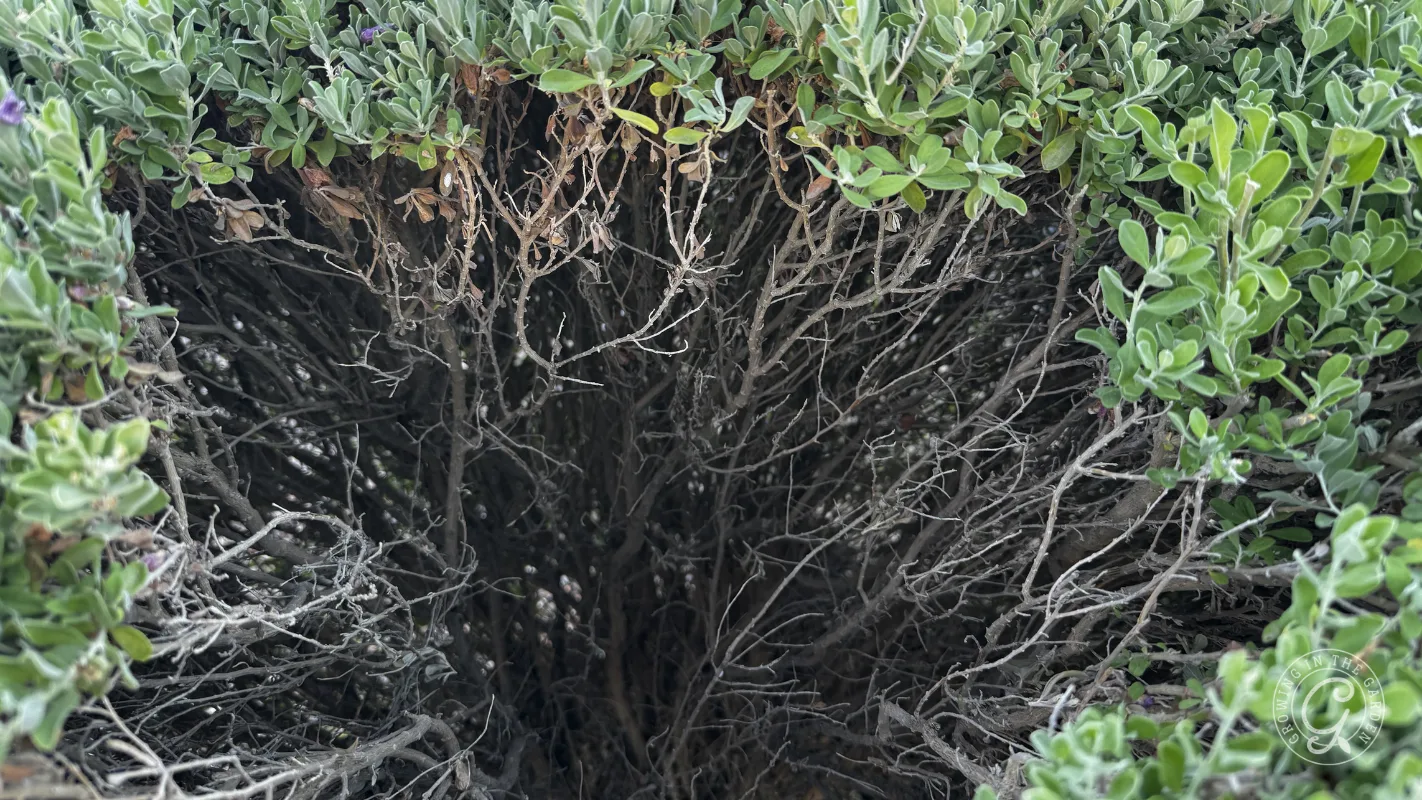
A heading cut removes part of a branch and forces a cluster of new shoots right behind it, which is exactly what builds that dead, leafless interior over time.
Every cut also costs the plant. Leaves make and store food, so repeatedly shearing off the outer growth stresses the shrub. It stays stressed, needs more water to recover, and if it’s a flowering plant, you’re cutting off the blooms that feed pollinators before they ever open. That added water demand works against everything else you’re doing to cut water use in a desert garden.
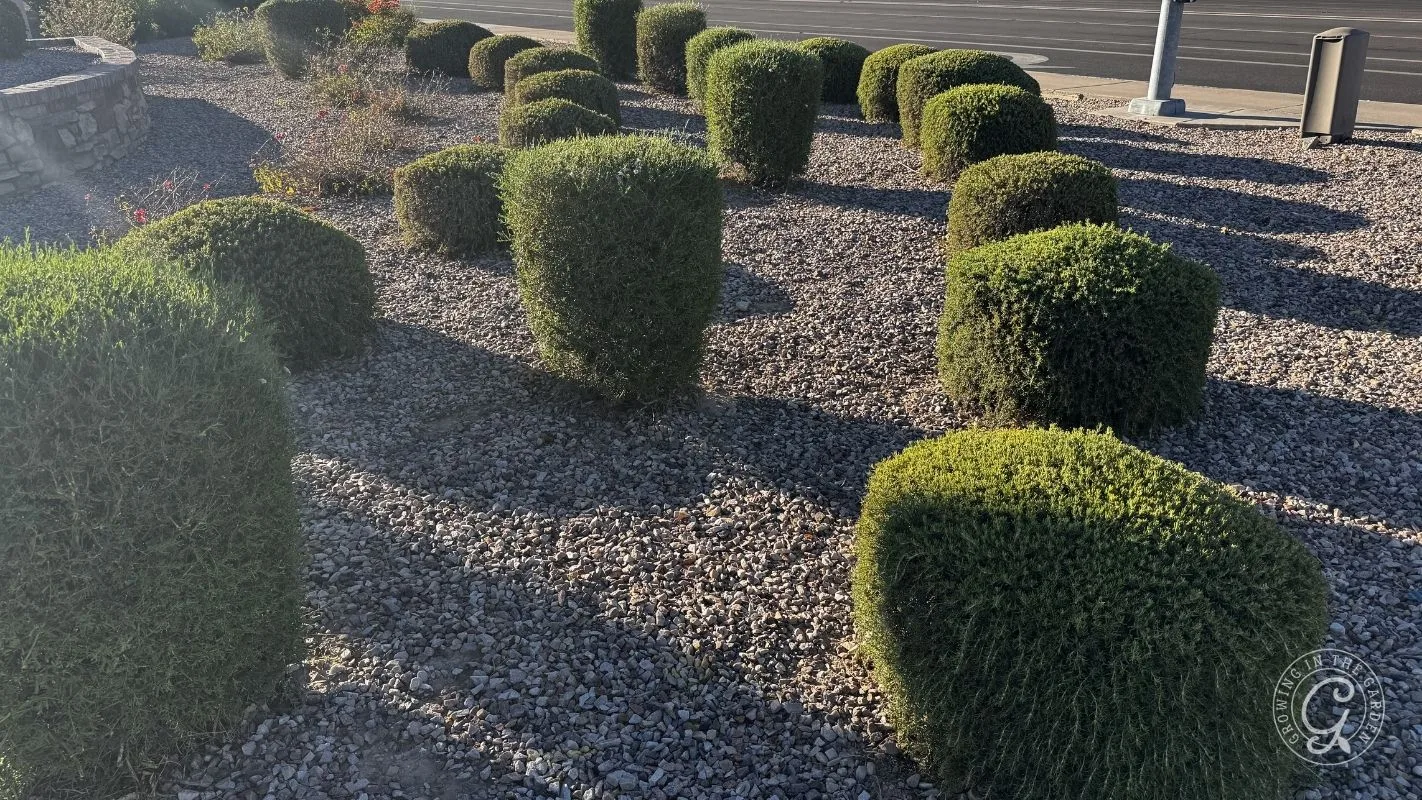
I see it happen all over my neighborhood. Texas sage, bougainvillea, yellow bells, blue bells, rosemary, and more, all sheared constantly with no regard for flowering times. Several plants die every year. When an area gets bare enough, the dead ones get pulled and replaced, and the whole cycle starts over. It’s maddening to watch because the plants aren’t the problem.
Why Desert Shrubs Aren’t Built for Shearing
Some plants are bred for shearing. Japanese boxwood and dwarf myrtle hold up to it because they come from climates with more water and regular rain, so they recover fast. Privet, xylosma, and jojoba also hold up to shearing if you truly want a formal hedge.
Desert shrubs work differently. Texas sage, yellow bells, fairy duster, and the rest evolved to survive on little water under hard sun. If you truly want a clipped, formal hedge, use plants suited to it. A desert native will never be happy pretending to be a boxwood.
Right Shrub + Right Spot = Less Pruning
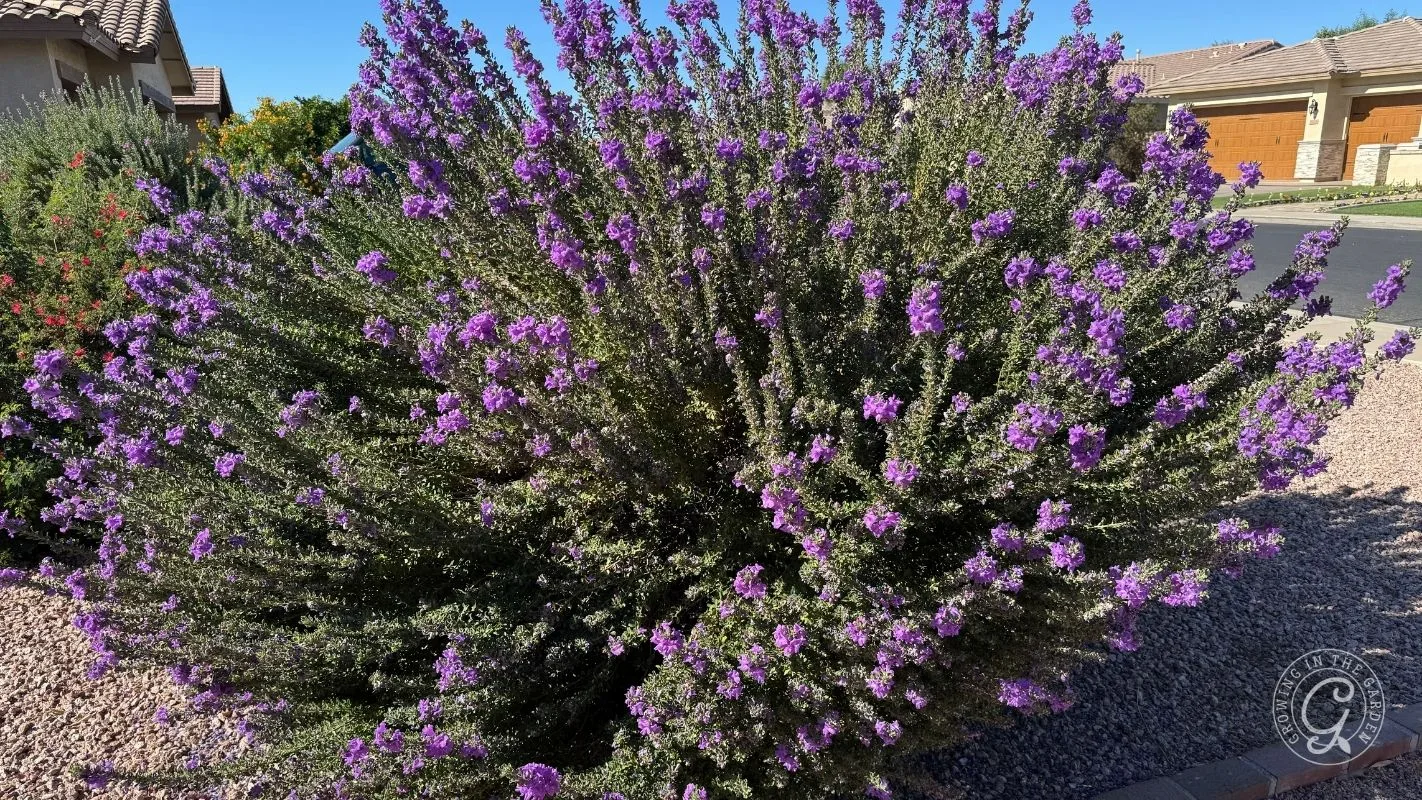
The best pruning decision happens before the plant ever goes in the ground. Look up the mature height and width of the shrub, then give it that much room. A Texas sage that wants to be five feet wide will always look wrong squeezed into a three-foot space, and no amount of shearing fixes that. It only makes it worse. Pick the right shrub for the spot, and most of your pruning problems disappear on their own. Conditions matter too. For especially hot areas, see which plants handle reflected heat, and if you’re planting near a pool, choose plants that can handle that extra heat without creating more maintenance.
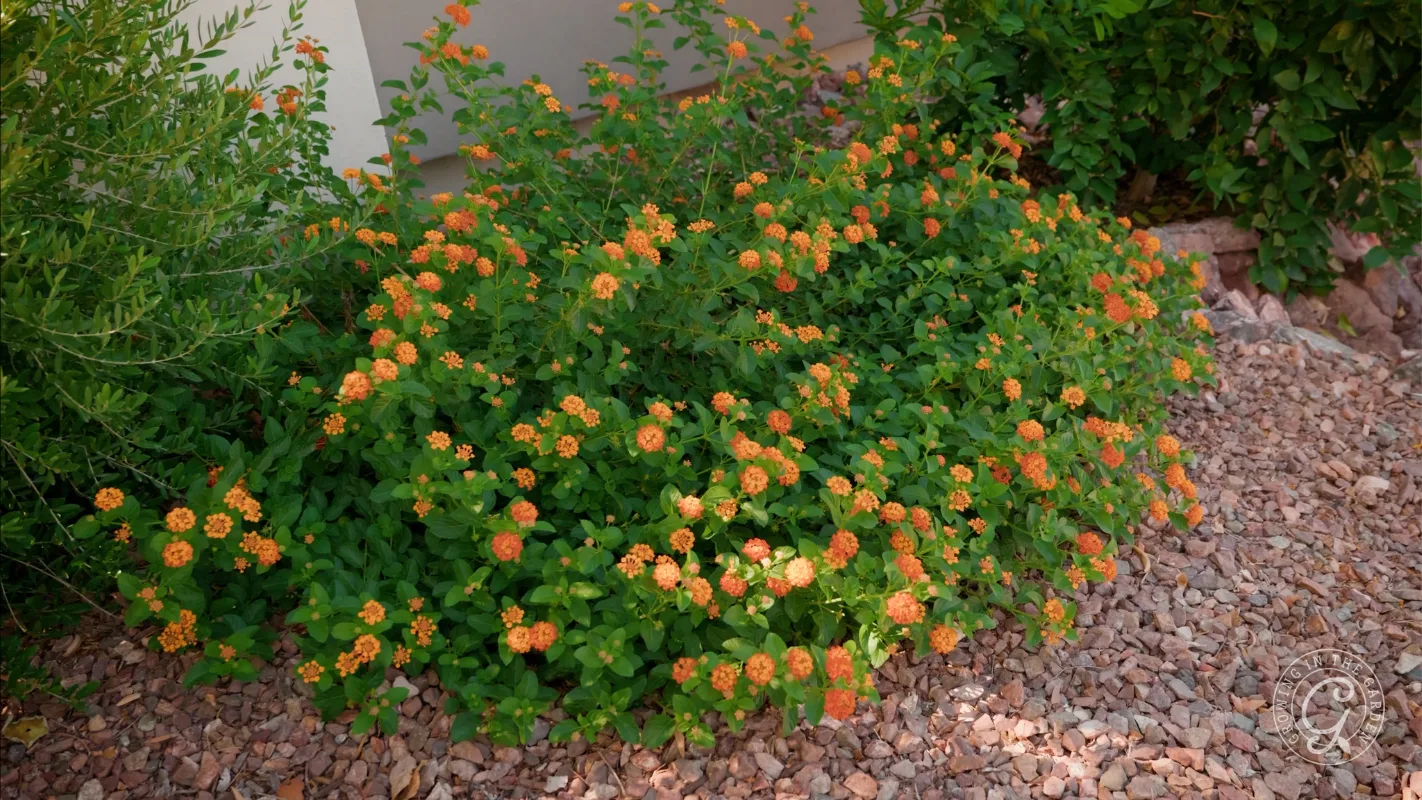
Make every effort to choose shrubs sized for the space you have before anything else. Right plant, right place, and your job is much easier.
How Often My Own Shrubs Get Pruned
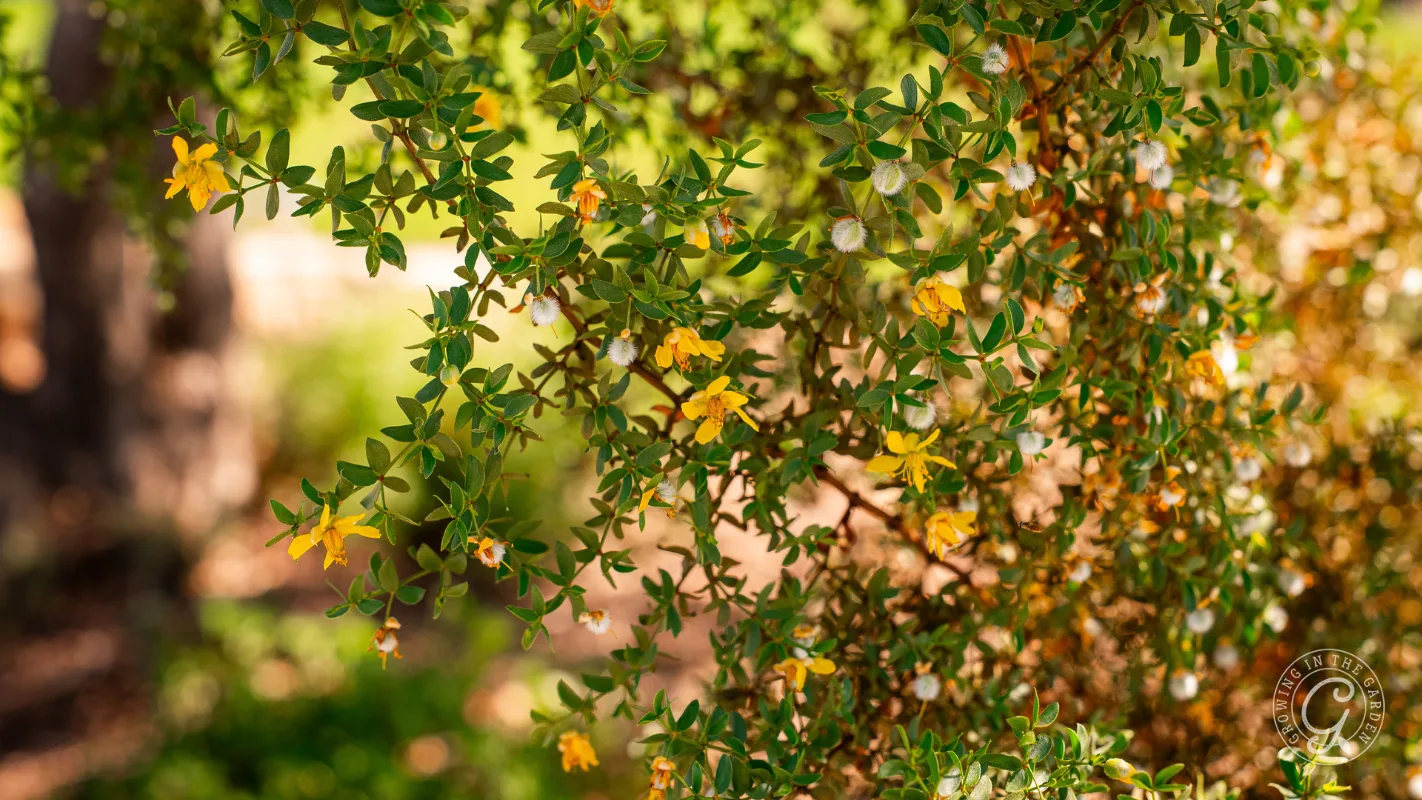
In my own yard, many shrubs aren’t pruned at all. Creosote, milkweed, and many others grow into a natural shape, and I leave them be, other than pruning off dead or damaged branches. Most of my established shrubs get pruned only occasionally as needed.
The exceptions are the spots where I planted things too close together. I still struggle with wanting to plant too many plants in a space that’s not large enough. For those shrubs, I usually cut them back by doing selective thinning or even a rejuvenation pruning every couple of years to give their neighbors room to breathe.
The shrubs I leave alone are the ones that look best. Give a plant enough room and time to show you its natural shape, and most of them ask for very little.
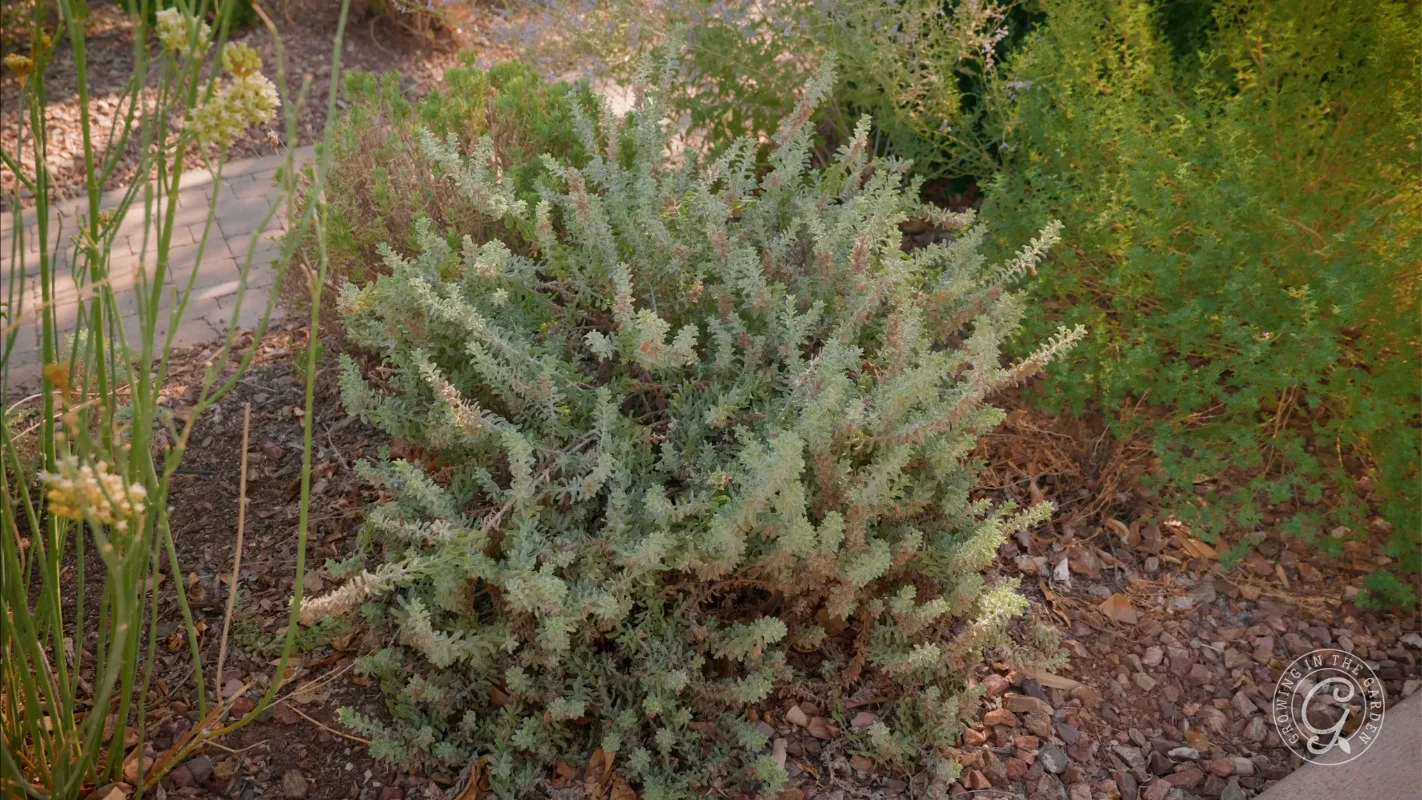
Along with creosote and milkweed, the shrubs that need little or no pruning include jojoba, desert ruellia, Texas mountain laurel, hop bush, and sugar bush. Give them room to reach their full size.
How I Prune a Shrub That Needs It
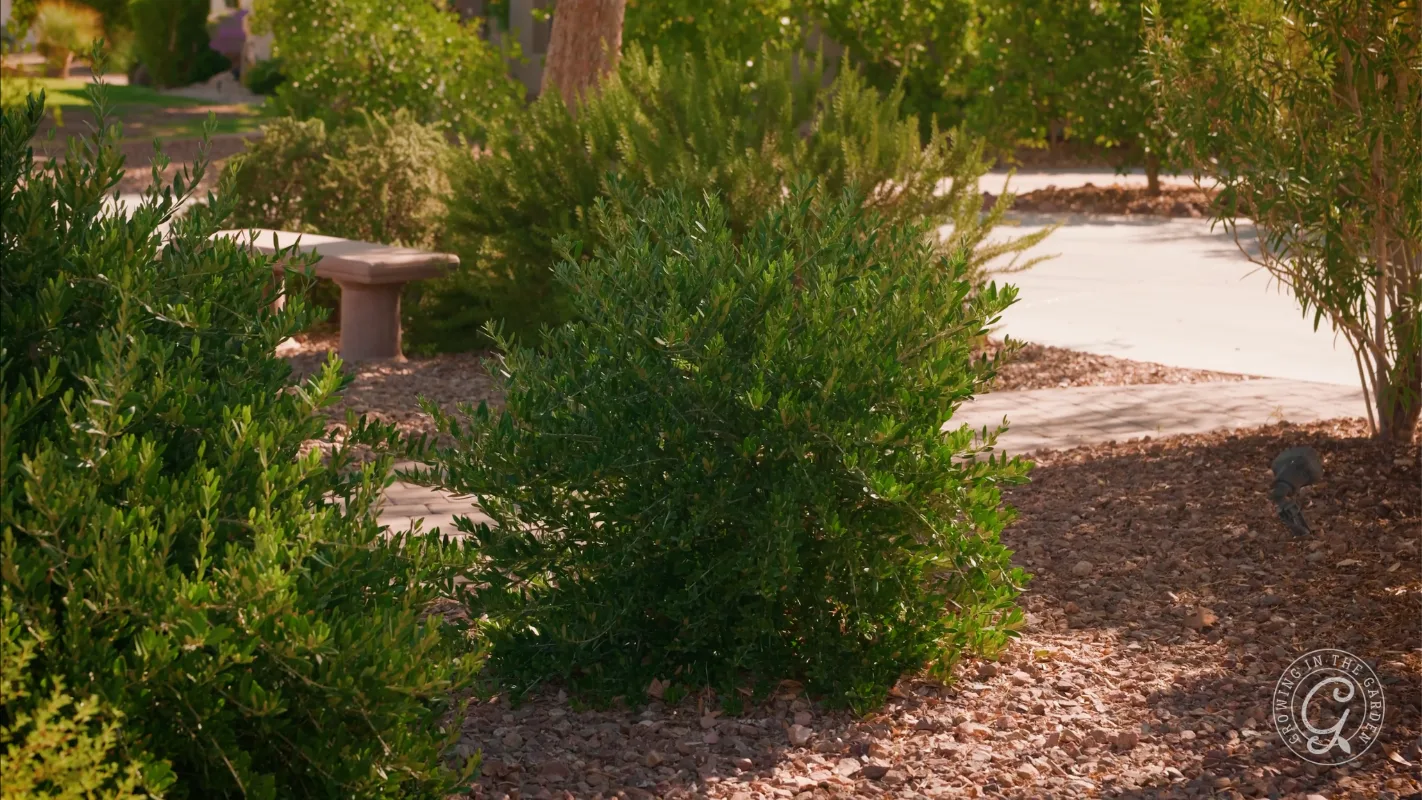
Remember: When pruning shrubs make the cut at a fork in the branch, not at a random place along the branch.
When a shrub needs pruning, here are four ways I do it.
Light Pruning
This is the default for most desert shrubs, especially natives and anything slow-growing. Watch the plant, remove anything dead or broken, and otherwise stay out of its way.
Cutting Back by About Half
When space is tight and a shrub is crowding a walkway or a neighbor, I cut it back by roughly half in spring. Try to follow the plant’s natural lines rather than rounding it off. Use hand pruners, not hedge trimmers.
Selective Thinning
This is my favorite method. Reach into the shrub and remove about a third of the branches, cutting each one all the way back to the main branch or down to the base. That opens up the inside and lets light and air reach the center, without lowering the overall height. Do the same thing the next spring, and again the year after, and by the third year, the whole plant has grown back new.
Keep desert shrubs wider at the base than the top when you thin. Those lower branches shade the roots and hold moisture in the soil, so stripping them off bares the ground to the sun and dries the plant out faster.
Rejuvenation Pruning
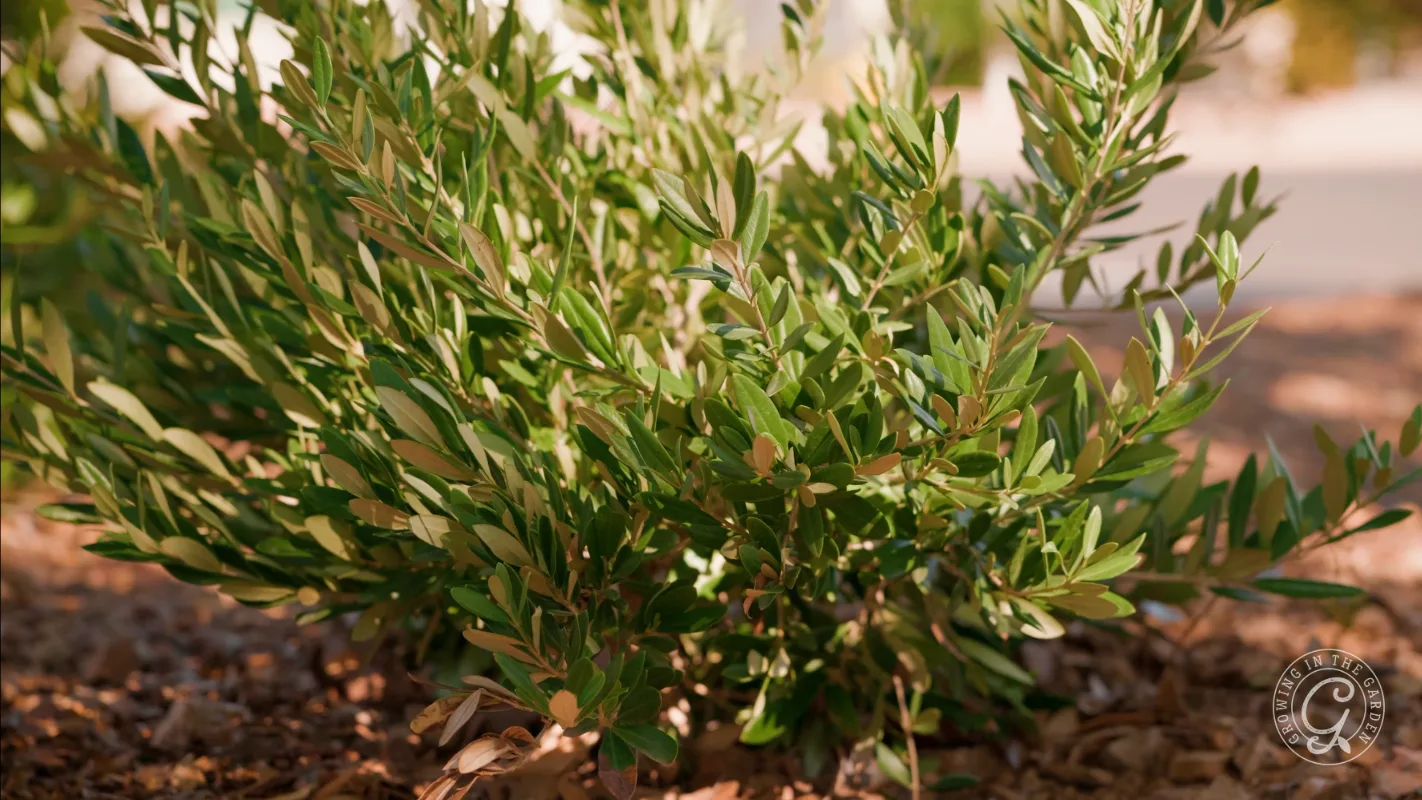
For an old, woody shrub, a hard rejuvenation cut can bring it back to life. In spring, cut it down to about 12 to 18 inches above the ground. That forces a flush of new growth from the base. Thin out the flush of new shoots a few weeks later so the plant doesn’t come back as a dense mess. It takes a while to recover, so give it a season or two. Many plants tolerate this well, especially lantana and oleander. If a plant doesn’t come back, replace it and start fresh.
Not every shrub survives a hard cut. Old rosemary won’t grow back from bare wood, so cutting it down to sticks usually kills it. Cassias, junipers, and arborvitae can die from it too. When you’re not sure a plant will take it, thin it instead of cutting it to the ground.
Quick Guide to Pruning Common Desert Shrubs
| Shrub | When to prune | What to do |
|---|---|---|
| Texas sage | Early spring, only if needed | Thin a few branches. It needs almost nothing if it has room. |
| Rosemary | Late spring, after it blooms | Light pruning only. Never cut into bare wood, it won’t grow back. |
| Oleander | Spring, early summer, or after bloom | Thin it out and remove old wood. Don’t shear. |
| Bougainvillea | Early spring | Cut out dead wood and frost damage. Remove strong shoots as needed. |
| Yellow bells | Early spring | Remove dead wood, then thin lightly. Cut frost damage to living wood after frost danger passes. |
| Orange Jubilee | Early spring | Treat like yellow bells. Remove dead wood and thin lightly. |
| Blue bells (emu bush) | After it blooms | Light pruning as needed. |
| Fairy duster | Late spring, after the first flowers | Light, natural pruning. |
| Lantana | After frost danger passes | Cut it to the ground. Prune anytime to control size. |
| Sages (autumn sage and similar) | Winter or early spring | Cut back old stems and deadhead. Cut vigorous ones back again after summer bloom. |
| Bird of paradise | Late winter or early spring | Cut back hard. Red bird of paradise goes to about six inches. Light summer trim for size. |
| Creosote | Yearly check only | Little to none. Remove dead or damaged branches. |
| Desert ruellia | Anytime, lightly | Little or no regular pruning. Light thinning when needed. |
| Shrubby senna | After seedpods set | Little pruning. Remove seedpods if you want. |
| Jojoba | Rarely | Little to none. Can be sheared for a hedge, but looks best natural. |
Pruning timing and cuts adapted from the University of Arizona Cooperative Extension guide, publication AZ1499.
When to Prune Shrubs in the Low Desert
Don’t prune shrubs at all in their first year. Let them settle in and show you their natural form before you touch them.
After that:
- Spring is the main window for frost-sensitive plants, especially for anything heavy or a hard cut. I wait until after the last frost, usually in March. The closer it gets to summer, the less I prune, because cutting right before the heat piles stress on a plant that’s already working hard just to survive.
- Through the worst of summer, I don’t generally prune until it cools off in fall. Save rejuvenation cuts for spring, not summer.
- Fall works for a light-shaping cut on cold-hardy plants. Leave the hard cuts for spring.
A good rule is to prune a shrub after it finishes blooming. Spring bloomers like rosemary get pruned in late spring, not early, or you cut off the flowers before they open. Summer and fall bloomers can be pruned after they flower or in late winter before new growth starts.
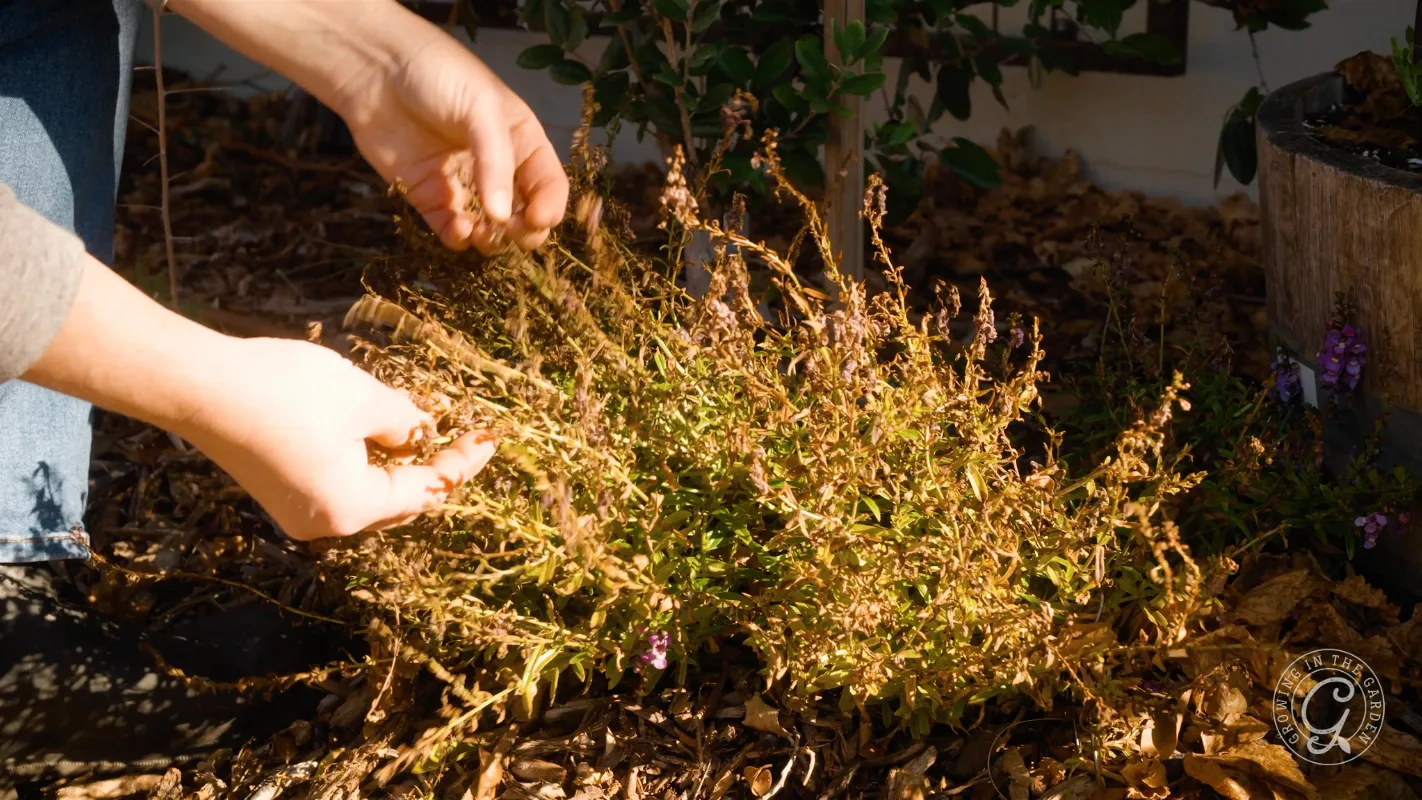
Frost damage often looks bad, and I want to prune it back in January, but that damaged growth actually shields the healthy wood underneath through the rest of the cold nights. I wait until the last frost has passed, then cut back to healthy growth. Read this guide for more information on protecting tender plants through the cold nights.
What to Do With Shrubs That Have Been Sheared for Years
A shrub that’s been kept as a ball for years can sometimes recover. Try a rejuvenation cut in spring, taking it down hard and letting it regrow into its natural shape. Some plants respond and fill back in over a season or two. Others are too far gone to save. If it doesn’t come back, replace it with a shrub sized right for the spot, and this time let it grow the way it wants to.
The Tools I Use
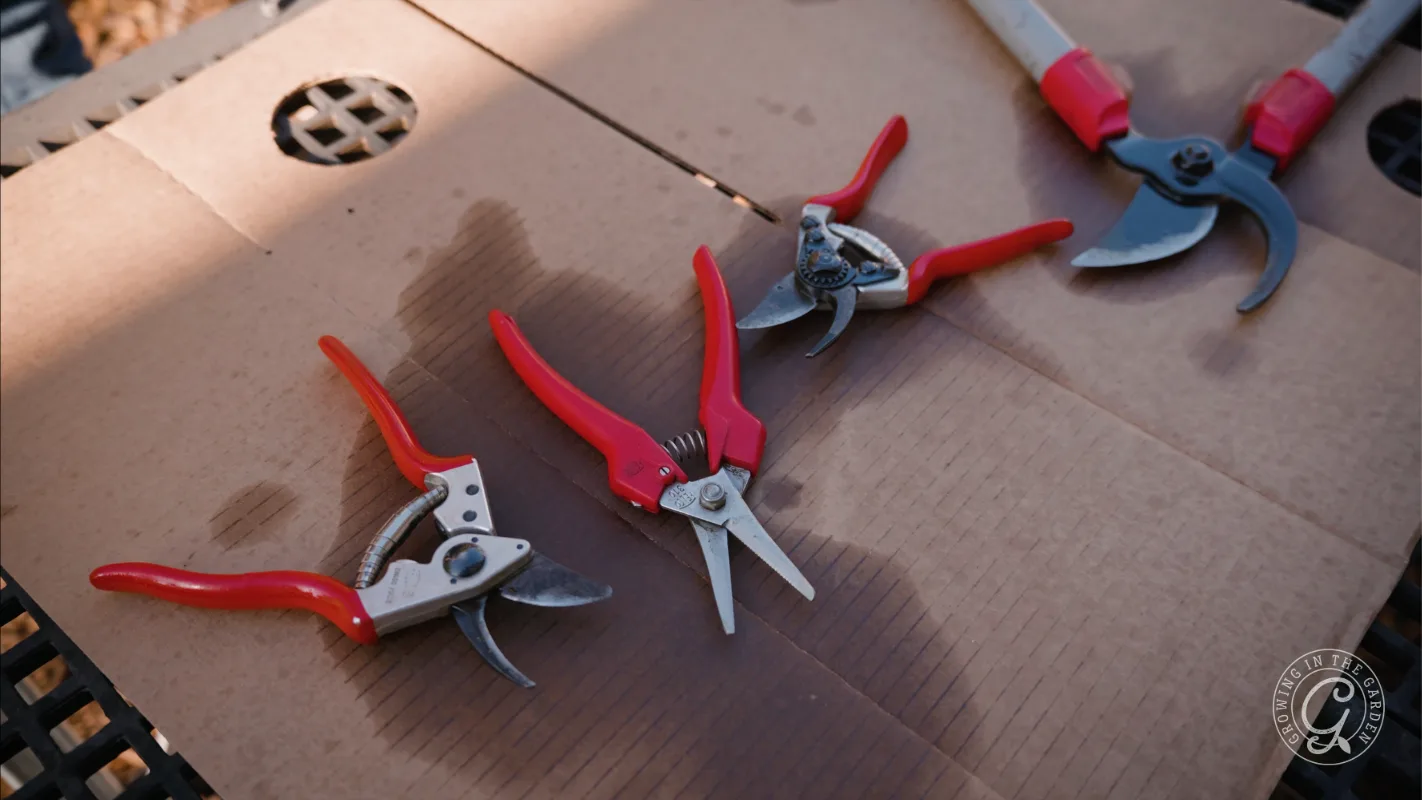
I do almost all my pruning with bypass hand pruners and a pair of loppers for the thicker branches. Bypass blades cross past each other and leave a clean cut that heals. I don’t even own a hedge trimmer. It’s the fastest way to shear, and shearing is the exact thing I’m trying to talk you out of.
Where the Trimmings Go
Pruning makes a pile of trimmings, and I keep mine out of the black trash barrel. Green waste that goes to the landfill breaks down slowly and without oxygen, and that releases methane, a greenhouse gas many times more potent than carbon dioxide. Landfills are one of the largest human sources of it in the country.
- Good: Put them in the green barrel for composting, not the black one.
- Better: Add them to your home compost bin.
- Best: Chop them small and use them as mulch right around your plants, where they feed the soil on the spot.
When I stopped shearing and started giving my shrubs room to grow the way they want to, the whole yard became easier to care for and looked better. The plants bloom more, they last longer, and they look the way they’re supposed to. Most of the shrubs in my neighborhood’s common areas are still sheared, and the same ones keep dying and being replaced. I’ve spoken up before without much luck. But the more people who learn this, the better our odds of changing some minds about what looks best and what’s best for the plant.
Pruning Desert Shrubs Frequently Asked Questions
Spring, after the last frost, is the main window for most shrubs, and I wait until March for anything heavy. Prune less as summer gets closer, since cutting right before the heat adds stress. A light cleanup in fall handles anything that got shaggy over the summer.
Shearing builds a shell of leaves on the outside, shading out the interior, so the plant’s interior dies back to bare wood. It also strips the leaves the plant uses to make food, which increases its water needs, reduces blooms, and shortens its lifespan. Desert shrubs don’t recover from it the way plants bred for hedging do.
Use selective thinning. Reach into the plant and remove about a third of the branches, cutting each one back to the main branch or the base. That opens up the inside and lets light in without lowering the height, and repeating it each spring turns the shrub over to fresh growth in about three years.
Some can take it. Plants like lantana and oleander tolerate a hard rejuvenation cut down to several inches or a foot from the ground, done in spring. Expect a slow recovery, and if the plant doesn’t fill back in, replace it.
No. Leave frost-damaged growth on the plant until the last frost has passed, usually March here. That damaged growth shields the healthy wood underneath through the remaining cold nights. Cut back to healthy growth once the danger is over.
Less than most yards suggest. Many desert shrubs need little or no pruning, and once or twice a year is plenty for the ones that do. Some go two or three years between cuts. Choosing a shrub sized for the space is what keeps the pruning low in the first place.
Source: Schuch, Ursula K. “Pruning Shrubs in the Low and Mid-Elevation Deserts in Arizona.” University of Arizona Cooperative Extension, publication AZ1499, revised 2016. https://extension.arizona.edu/sites/default/files/2024-08/az1499-2016.pdf
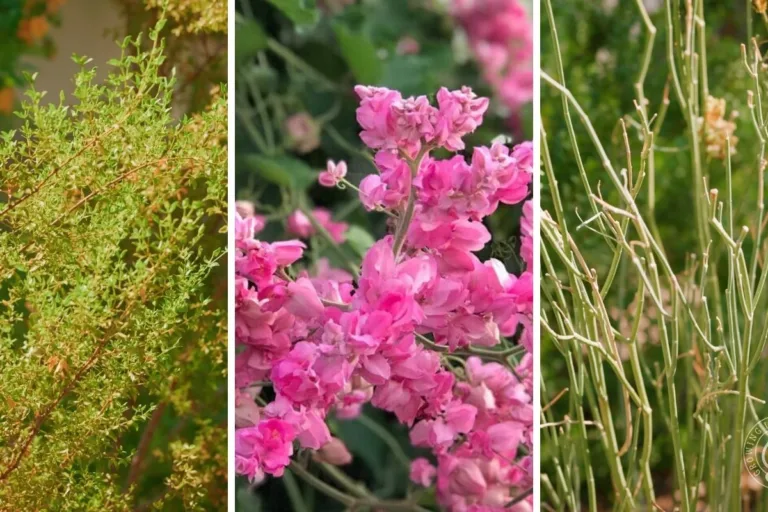

My yellow bells get so tall and wide every year. I have to give them a hard pruning to keep them in check. I use pruning scissors. I live in Yuma AZ
That makes sense. Spring is the best time to prune if you need to.