
10 Best Shrubs for a Beautiful Desert Landscape (and 3 to Skip)
Look around your yard at the end of summer. Do you have dead or struggling plants?
Replacing them with low-water shrubs that are adapted to the desert means your yard won’t suffer the same fate next summer. These drought-tolerant, low-maintenance shrubs look beautiful, help reduce your water bill, and support pollinators and wildlife.
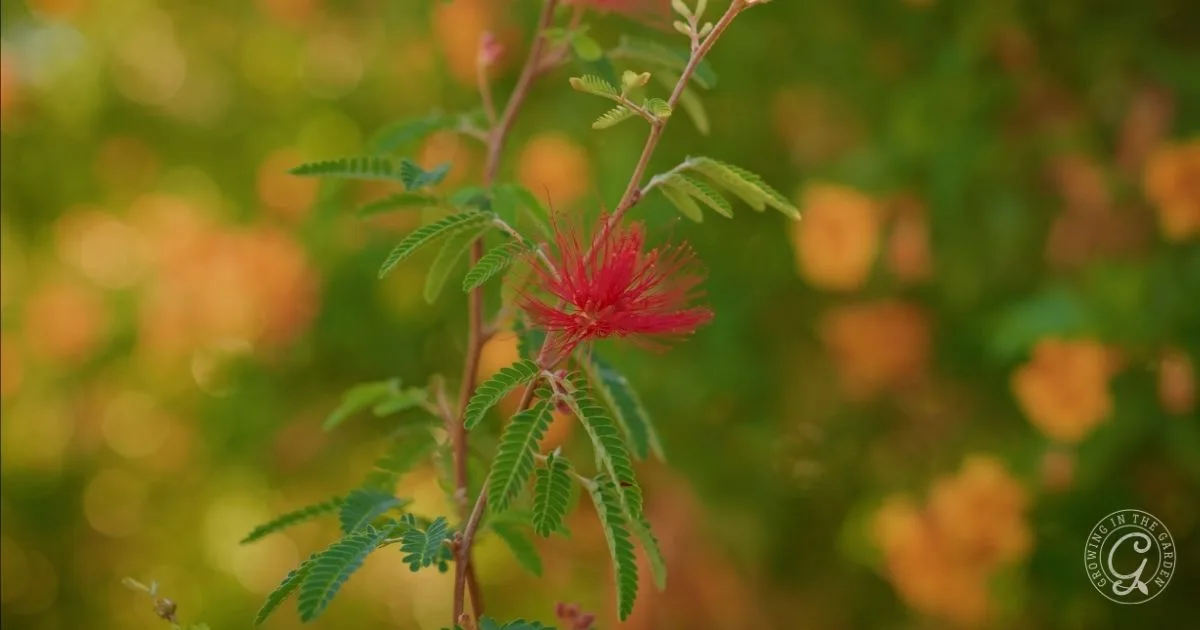
If you’re planning a desert landscape—or reworking one that isn’t working—the key is to choose plants that grow well in the desert: they can handle the heat, thrive in poor soils, and don’t need constant pruning or attention.
These are my top picks for shrubs that survive desert heat and still look good doing it. I’ve also included a few improved varieties that are compact and perfect for smaller urban yards.
Key Takeaways: 10 Best Shrubs for a Beautiful Desert Landscape
- Choosing the best shrubs for desert landscape reduces maintenance and water usage while enhancing beauty.
- Drought-tolerant shrubs like Mexicali Fairy Duster and Blue Bell Emu thrive in desert conditions with minimal care.
- Self-sufficient shrubs support pollinators and contribute to a vibrant, low-maintenance garden.
- Avoid high-maintenance plants like Oleander and Bougainvillea for better landscaping success in the desert.
- Layering shrubs with vines and groundcovers adds visual interest and structure to desert landscapes.
What We Will Cover:

Why Choose Low-Water Shrubs in the Desert?
A successful desert landscape doesn’t have to be filled with only rocks and cactus—low-water shrubs add beauty, structure, and seasonal color without the maintenance demands of traditional landscaping. Choosing drought-tolerant plants that are adapted to heat, wind, and alkaline soil means fewer replacements, lower water bills, and less time trying to keep struggling plants alive.
Many of these shrubs do more than just survive—they support pollinators, provide soil-shading benefits, and blend beautifully with other desert-friendly choices like vines, perennials, and groundcovers. The result is a thriving, low-maintenance landscape that reflects the natural beauty of the desert all year long.
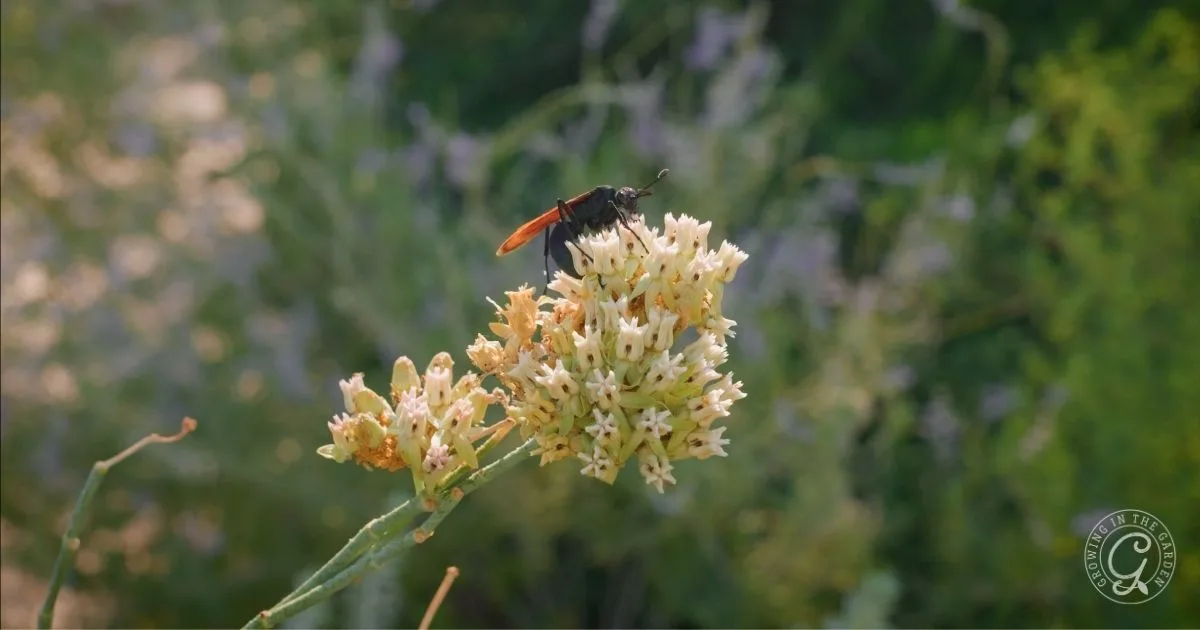
When you’re thinking about landscape shrubs and trees for the desert, the best choices are those truly adapted to our conditions: high heat, low humidity, alkaline soil, and not a lot of water. The bonus? They’re often easier to grow and require very little care once established. Trees are the biggest, longest commitment in a yard. See the best trees for Arizona yards, organized by the size that actually matters.
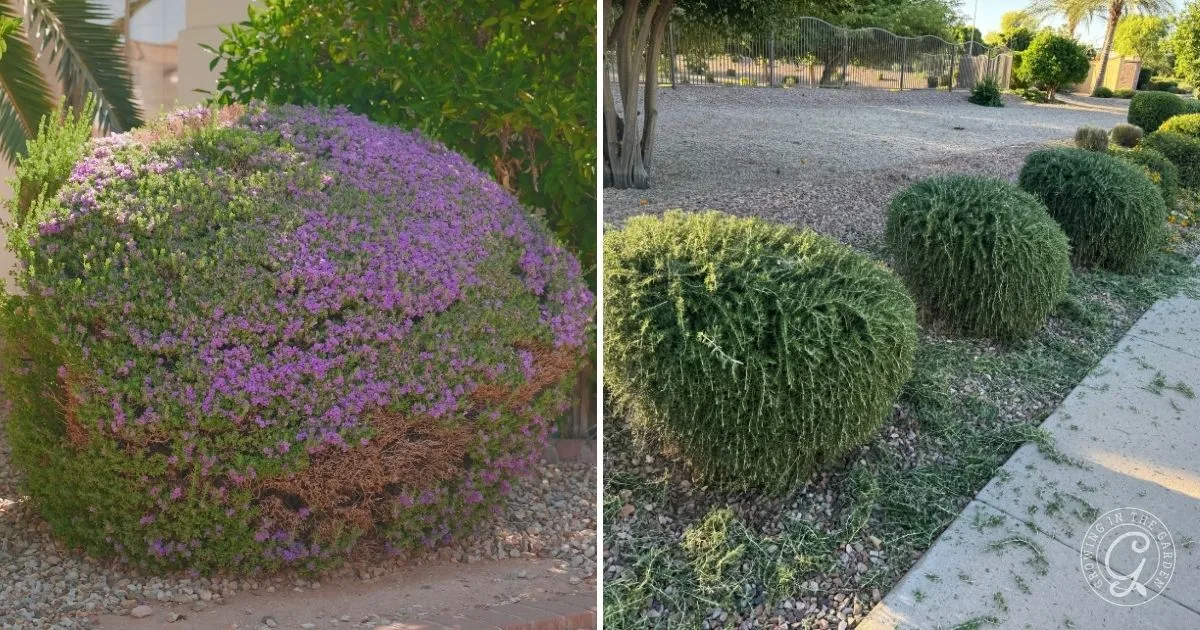
In fact, frequent pruning and scalping—so common in desert landscaping—is usually harmful. Many desert-adapted plants decline or die prematurely from this kind of maintenance. A more hands-off approach allows them to thrive and maintain their natural, healthy shape. If you already have desert shrubs in your yard, learning how to prune desert shrubs the right way will keep them healthy far longer than the usual shearing routine.
These shrubs are desert- tolerant, but where you plant still matters as much as what you plant. Learn what full sun really means in Arizona before choosing a spot.
Best Shrubs for Desert Landscaping
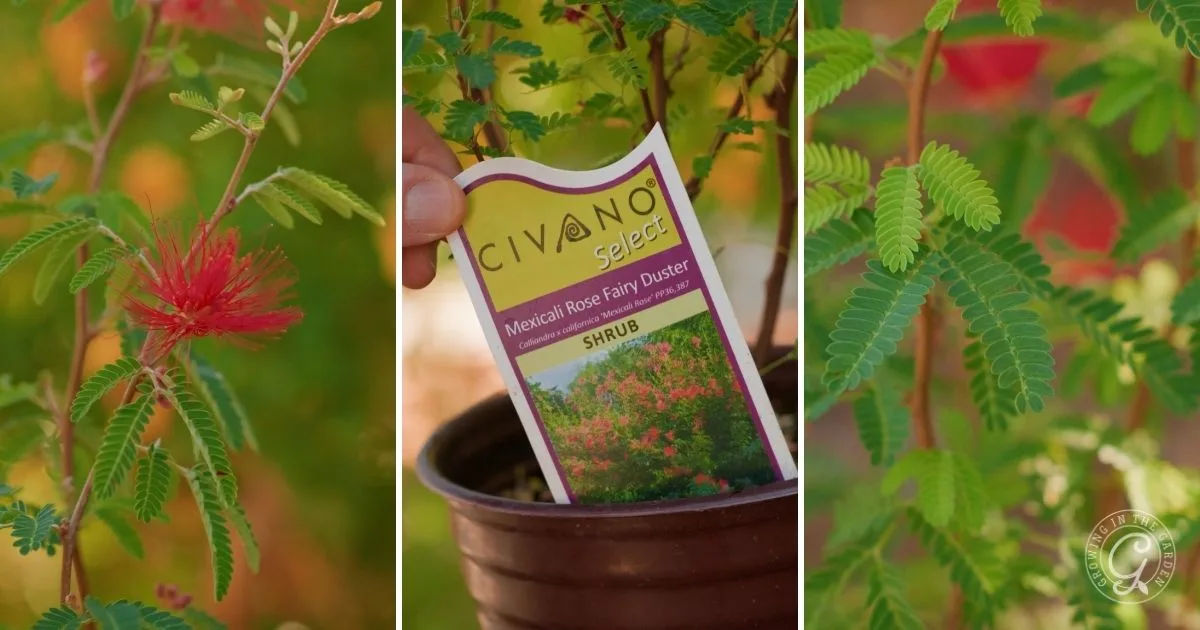
1. Mexicali Fairy Duster (Calliandra californica ‘Mexicali’)
Mexicali Fairy Duster is a drought-tolerant shrub that adds year-round color to your landscape with minimal water. Its compact size and red blooms make it one of the best desert plants for attracting pollinators.
Growing Tips: Prefers full sun and well-drained soil. Very drought-tolerant once established.
Why I Love It: A compact version of Baja fairy duster—about 4 feet tall and wide—with year-round red blooms. Pollinators love it, and its tidy size fits well into smaller urban landscapes.
Mature Size: 4 ft tall × 4 ft wide
Looking for even more color? Consider adding a flowering vine such as skyflower to a trellis, arbor, or fence near your shrubs for months of blooms.
2. Blue Bell Emu or ‘Grey Horizon’ (Eremophila hygrophana)
Blue Bell Emu is a low-maintenance desert shrub with silvery foliage and lavender blooms nearly all year long. This is one of my favorite shrubs that survive desert heat without much care.
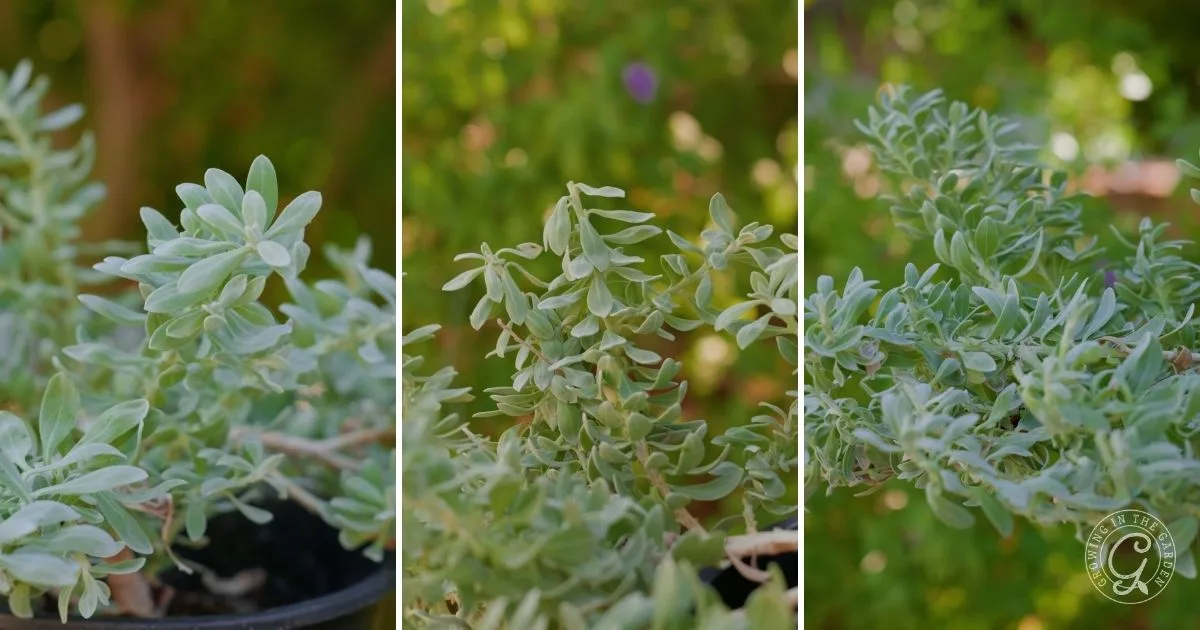
Growing Tips: Plant in full sun with well-drained soil. Needs minimal water once established.
Why I Love It: Silvery foliage and lavender flowers nearly all year. Heat and drought don’t bother it, and it rarely needs pruning.
Mature Size: 3 ft tall × 4 ft wide
3. Desert Globemallow – ‘Orange Crush’ (Sphaeralcea ambigua)
‘Orange Crush’ is a refined version of a native desert shrub, with a compact form and bold orange blooms from fall through spring. It’s ideal for low-water desert landscaping and supports native pollinators. Not every desert-tough shrub is actually native to Arizona. See which ones are in native plants for Arizona.
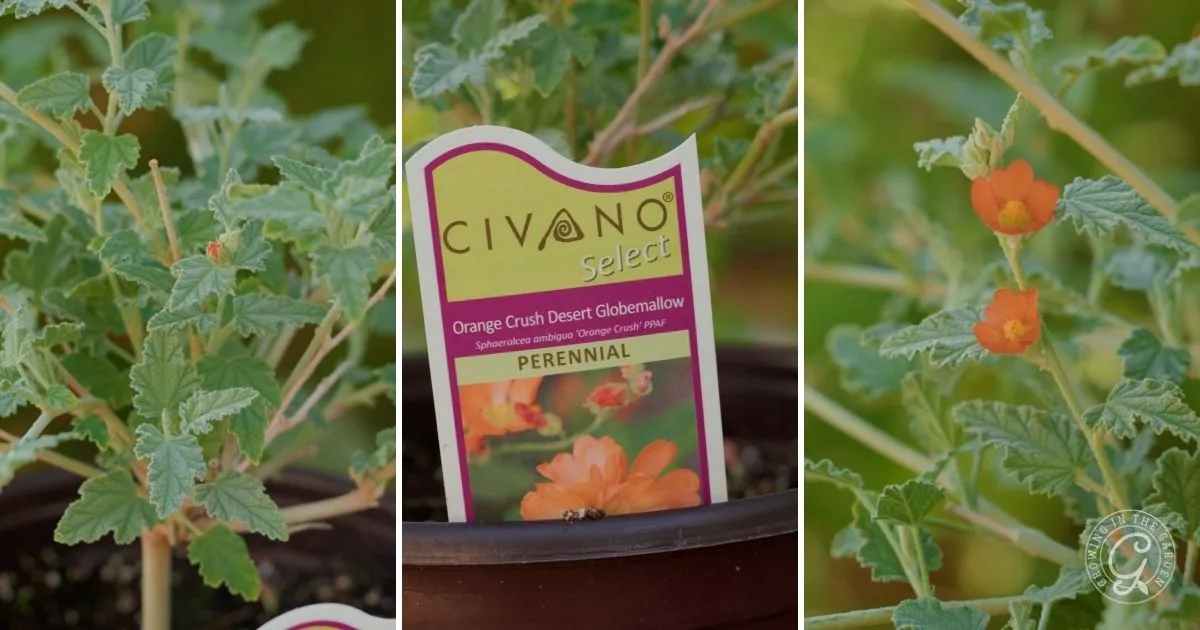
Growing Tips: Full sun and good drainage are key. Very little water needed once it’s going.
Why I Love It: This isn’t your wild, weedy globemallow. ‘Orange Crush’ is compact, blooms from November through May, and looks clean and tidy in any desert garden.
Mature Size: 2 ft tall × 3 ft wide
4. Texas Sage – ‘Little Lynn’ (Leucophyllum frutescens)
‘Little Lynn’ is a compact drought tolerant shrub for Arizona landscapes that stays dense and evergreen. The silvery foliage and lavender blooms make it a standout plant that grows well in the desert with very little maintenance.
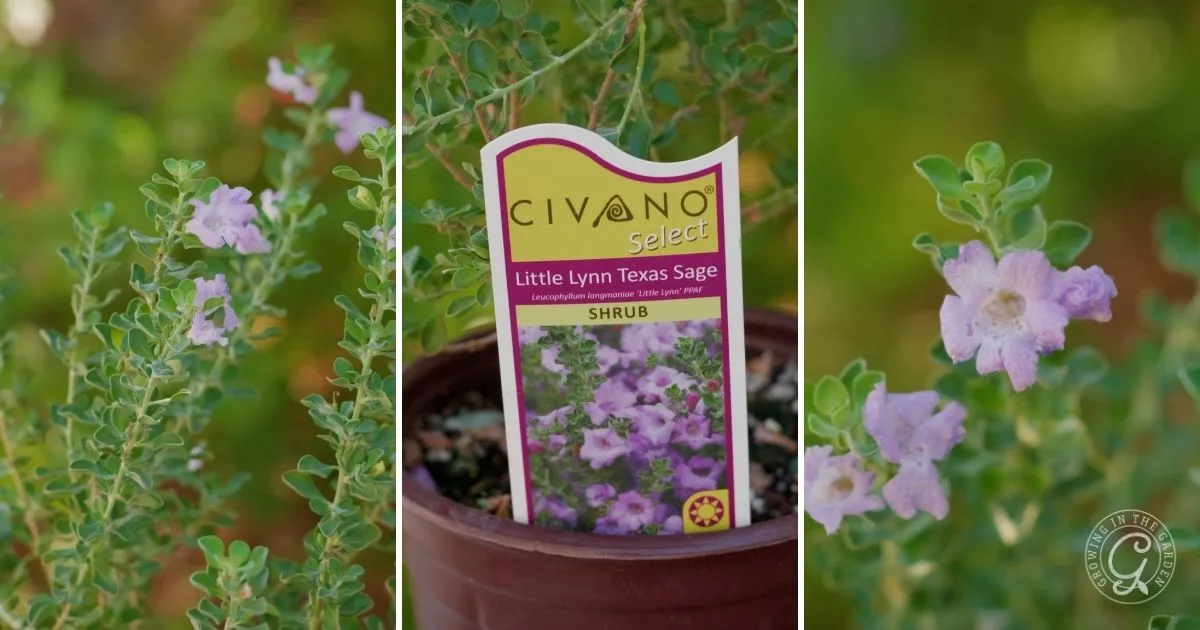
Growing Tips: Needs full sun and excellent drainage. Water deeply but infrequently.
Why I Love It: A smaller version of classic Texas sage. Grows to about 4×4 feet, blooms lavender from spring through fall, and stays evergreen in winter. No need for constant shaping.
Mature Size: 4 ft tall × 4 ft wide
5. Little Rascal Buckwheat (Eriogonum fasciculatum)
This native desert shrub thrives in poor soils and full sun, making it perfect for low-maintenance desert landscapes. It blooms from spring to fall and supports bees, birds, and butterflies.
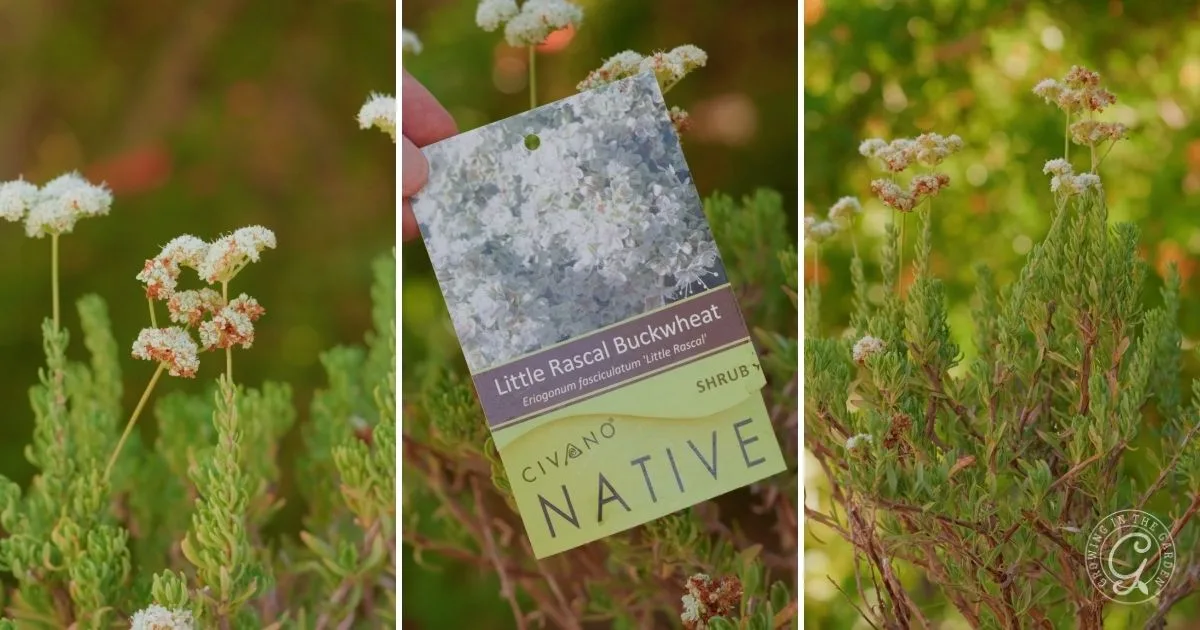
Growing Tips: Thrives in full sun, poor soils, and hot, dry spots.
Why I Love It: Native, compact, and covered in white blooms from spring to fall. Great on slopes and loved by bees, birds, and butterflies.
Mature Size: 2 ft tall × 3 ft wide
6. Dwarf Olive – ‘Little Ollie’ (Olea europaea)
‘Little Ollie’ is a low water shrub for Arizona gardens with a clean, tidy shape and no messy fruit. It’s great for hedges or foundation plantings in any desert landscaping design.
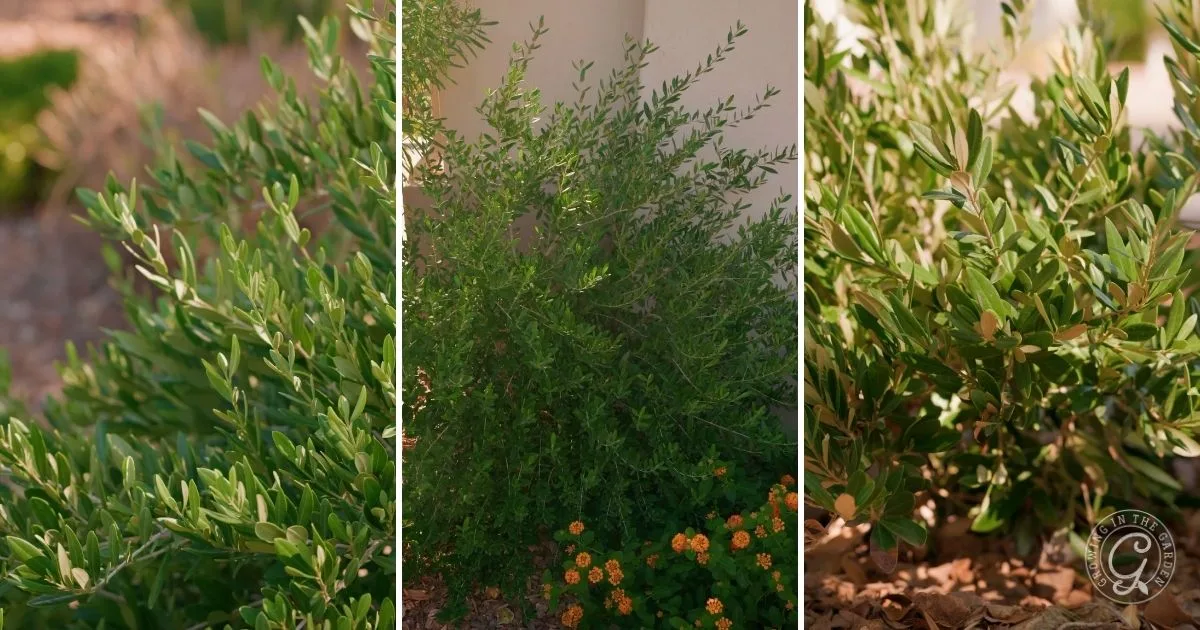
Growing Tips: Needs full sun and well-drained soil. Minimal pruning.
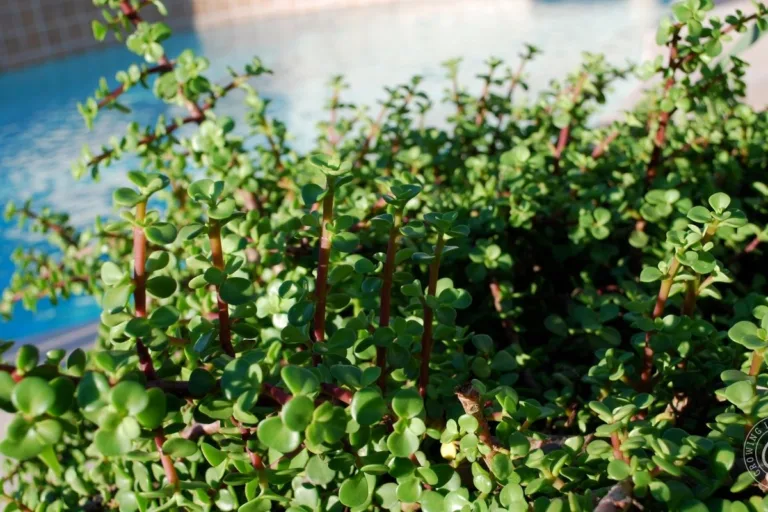
Why I Love It: Evergreen, tidy, and fruitless. Ideal for hedges or as a foundation plant. Stays about 4 feet tall and wide but can grow larger if allowed. I also used Little Ollie in large self-watering planters as part of our Arizona backyard pool remodel because it stays tidy and doesn’t drop messy fruit.
Mature Size: 4 ft tall × 4 ft wide (Can reach 6–10 ft if unpruned)
7. Desert Ruellia (Ruellia peninsularis)
Desert Ruellia is one of the most reliable shrubs for desert heat—with deep green foliage and purple blooms that last through the summer. It fits beautifully into desert landscape designs that need color and structure.
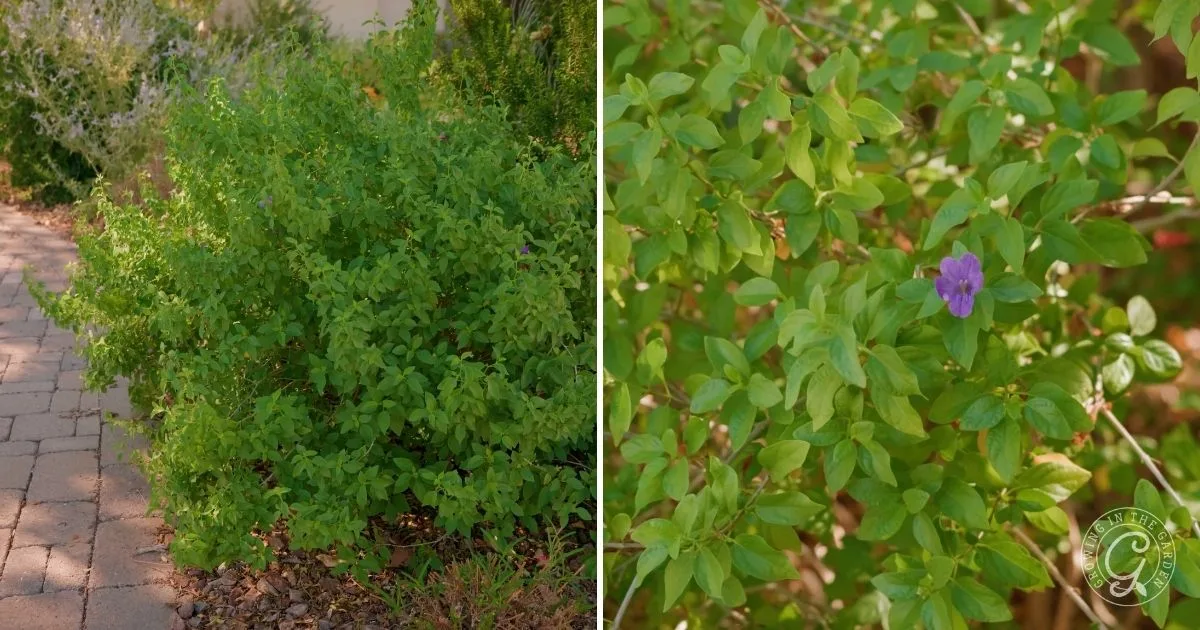
Growing Tips: Full sun to light shade. Low water once established.
Why I Love It: Deep green foliage with purple blooms from spring through fall. Handles reflected heat and keeps blooming through tough summers.
Mature Size: 4 ft tall × 5–6 ft wide
8. Shrubby Germander (Teucrium fruticans)
This low-maintenance desert shrub offers silvery foliage and lavender-blue flowers that pollinators love. It’s a great choice if you’re looking for plants that grow well in the desert and don’t require frequent pruning.
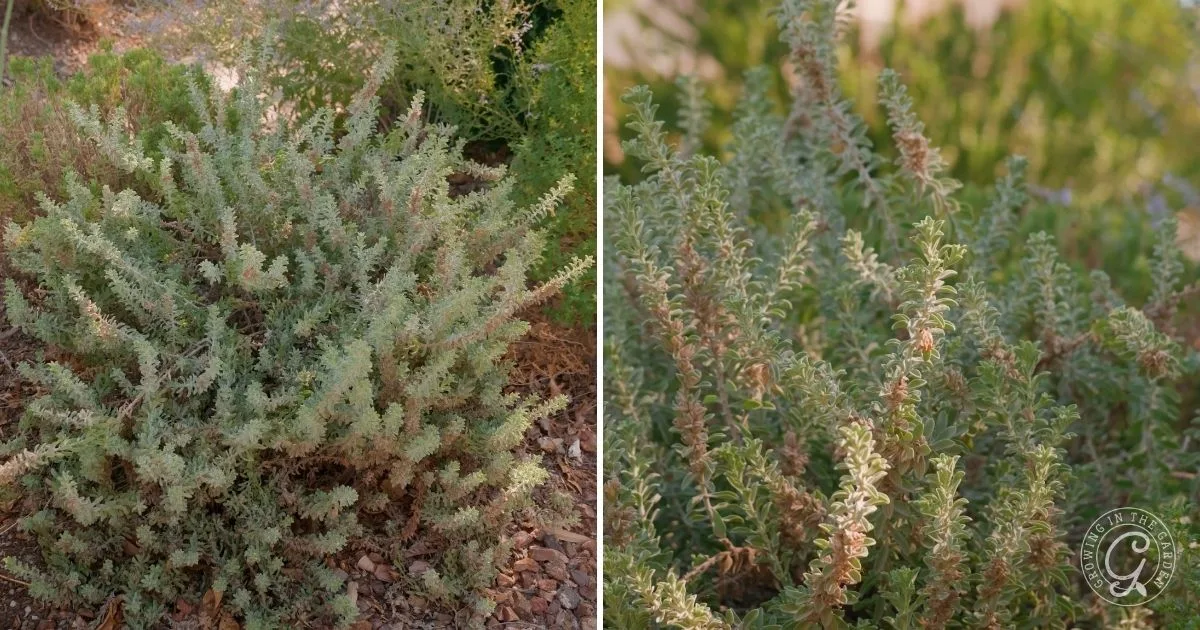
Growing Tips: Full sun and excellent drainage. Avoid overwatering.
Why I Love It: Silver-gray foliage and soft blue blooms. One of the best no-prune, no-fuss shrubs in my garden. Stays full and beautiful year-round.
Mature Size: 3–4 ft tall × 5 ft wide
9. Lantana (Lantana camara)
Lantana is a classic low water shrub with nonstop blooms that attract butterflies all season. It’s a tough plant that handles reflected heat and thrives in Arizona desert landscapes.
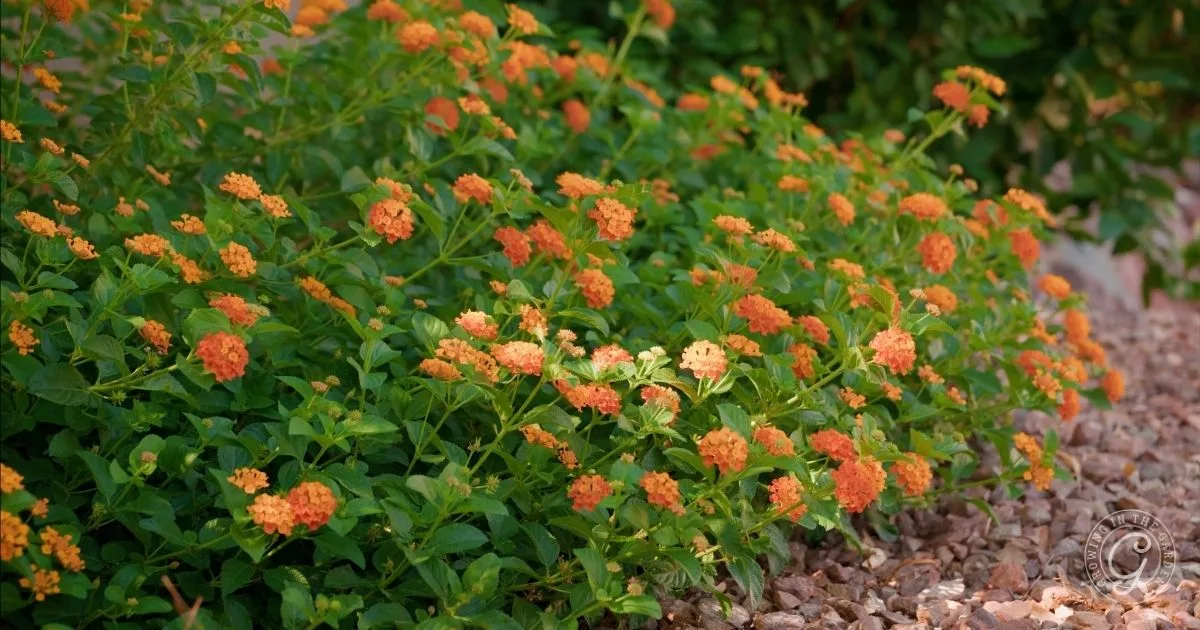
Growing Tips: Give it room and avoid shearing. Full sun preferred.
Why I Love It: Nonstop color and pollinators all season long. Bounces back after frost and thrives in the heat.
Mature Size: 4–5 ft tall × 4–5 ft wide
For ground-level coverage that’s just as water-wise, check out these 10 low-water use groundcovers for hot climates.
10. Butterfly Magic Desert Milkweed (Asclepias subulata)
This desert plant that attracts pollinators is a Monarch host and blooms with almost no effort once established. Butterfly Magic is tougher than traditional milkweed, making it ideal for hot, low-water gardens.
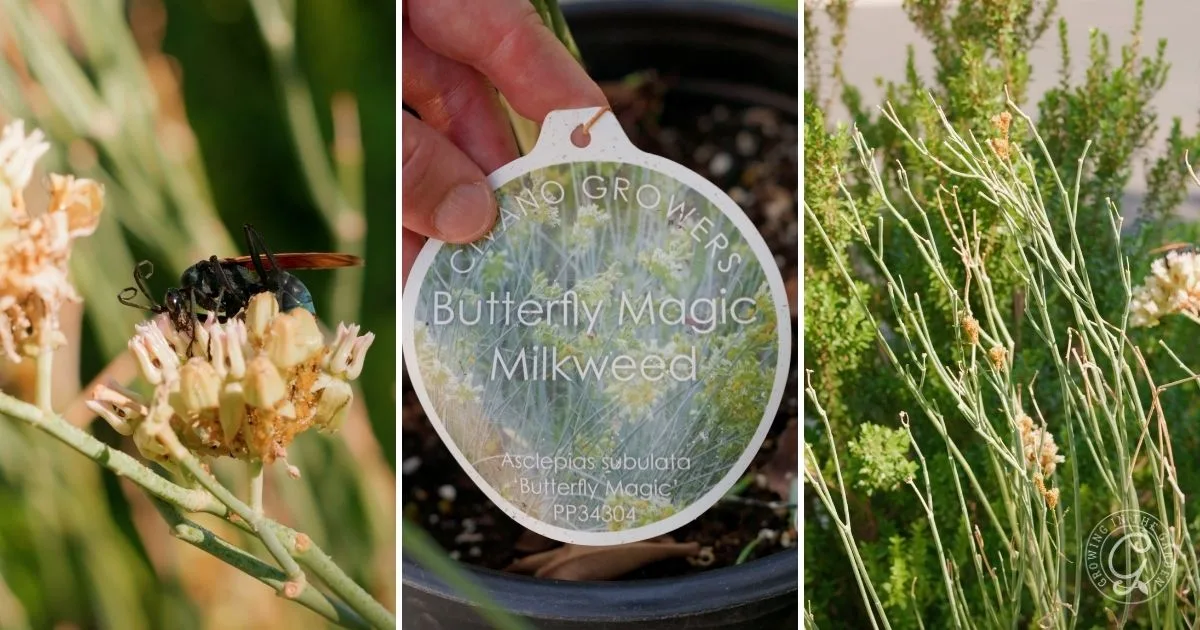
Growing Tips: Needs sun and well-draining soil. Avoid overwatering.
Why I Love It: Monarch host plant with thicker stems and more resilience than typical milkweed. Essential in any pollinator-friendly desert garden. Add nectar clusters and shelter from the Arizona Butterfly Garden Guide to build a full butterfly habitat.
Mature Size: 3–4 ft tall × 2–3 ft wide
Looking to add even more pollinator-friendly plants to your yard? Here are my top perennials for pollinators in the desert garden.
Bonus: Creosote (Larrea tridentata)
Creosote is a native desert shrub known for its iconic scent after rain and its extreme drought tolerance. It’s one of the most reliable shrubs for desert heat and alkaline soils, needing almost no water once established.
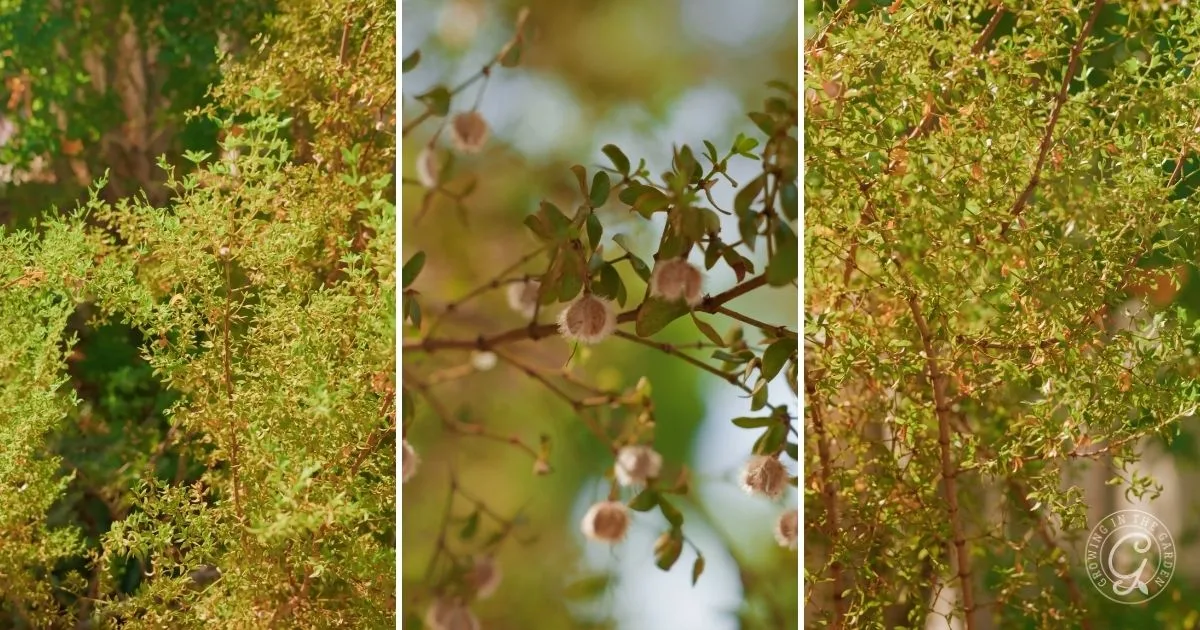
Growing Tips: Full sun and excellent drainage. No water once established.
Why I Love It: The smell of rain in the desert comes from this plant. Native, long-lived, and nearly bulletproof in hot climates.
Mature Size: 6 ft tall × 6 ft wide (can grow larger with age)
Add Layers for a More Beautiful and Functional Landscape
When planning your landscape, think about more than just what’s growing at ground level. Layering your plants by mixing shrubs with vines, groundcovers, and perennials adds interest, structure, and seasonal color to your yard.
If you’re looking for a tough, low-water groundcover to pair with these shrubs, Kurapia is one of my favorite lawn alternatives for desert gardens.
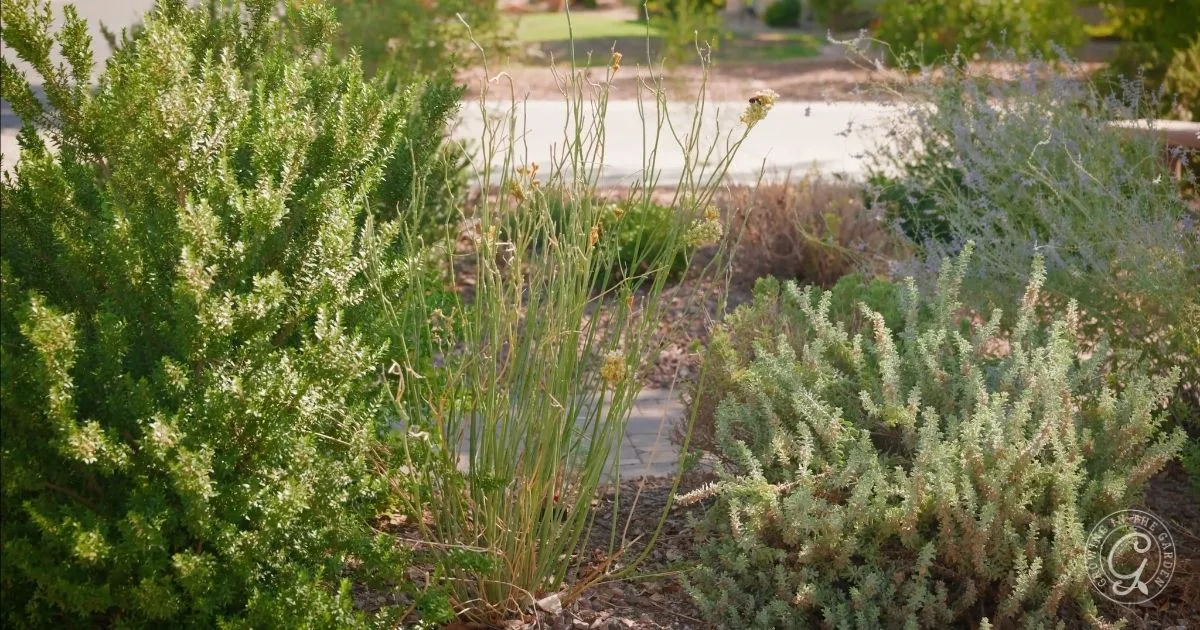
If you’re looking to add vertical interest or soften walls and fences, this Arizona Vine Planting Guide has photos and planting tips for some of my favorite low desert vines. You can also browse all my posts about desert-friendly vines here to find the best fit for your space.
If you are refreshing a landscape after summer, consider replacing high-maintenance choices like queen palms, and this post explains why queen palms are not a good low desert plant.
If your lawn isn’t working anymore, you’re not alone. Here are 5 good reasons to replace grass with low-water groundcovers in the desert.
What to Avoid: 3 Shrubs I Wouldn’t Plant Again
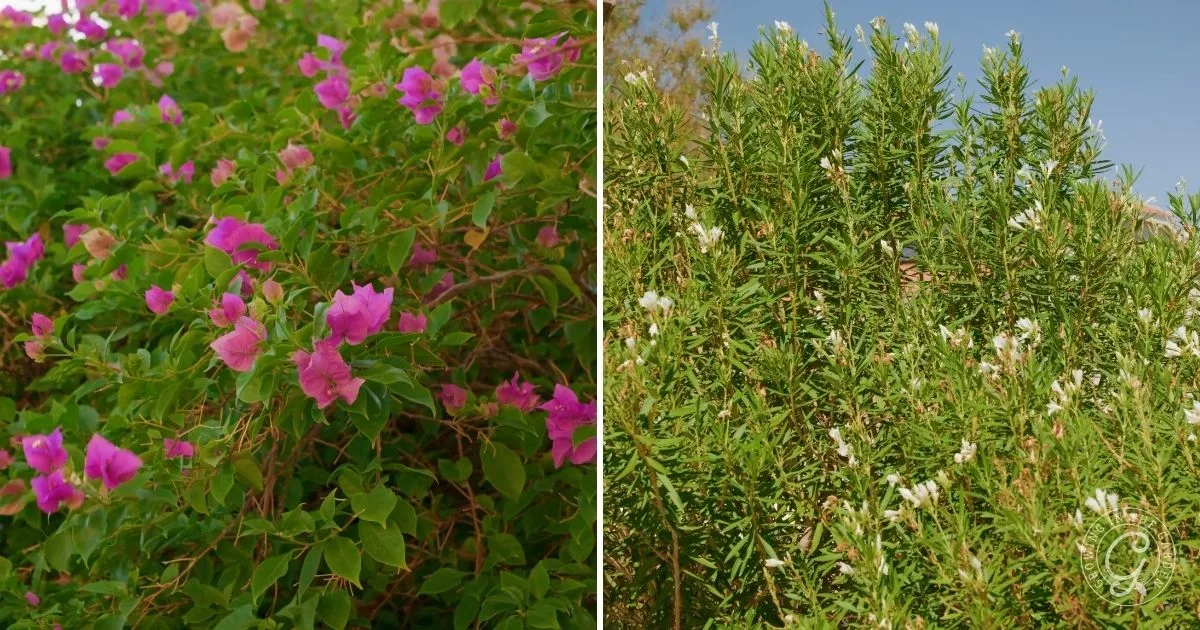
Oleander (Nerium oleander)
Why I Don’t Recommend It: Toxic, high-maintenance, and declining across Arizona due to oleander leaf scorch. I wish I hadn’t planted it in my own yard.
Red Tip Photinia (Photinia × fraseri)
Why I Don’t Recommend It: Struggles in desert heat and alkaline soils. Prone to leaf spot and needs more water than it should.
Bougainvillea (Bougainvillea spp.)
Why I Don’t Recommend It: Beautiful blooms, but the thorns, litter, and frost damage make it a poor fit for most home landscapes. Better options include firecracker plant, tecoma, or trailing lantana.
More Ways to Create a Low-Maintenance Desert Landscape
When you add any of these shrubs to your landscape, you’re creating a low-maintenance, water-wise garden that works with our desert climate—not against it. Some spots in the yard are hotter than full sun. For west walls and driveway plantings, start with these plants that can take reflected heat.
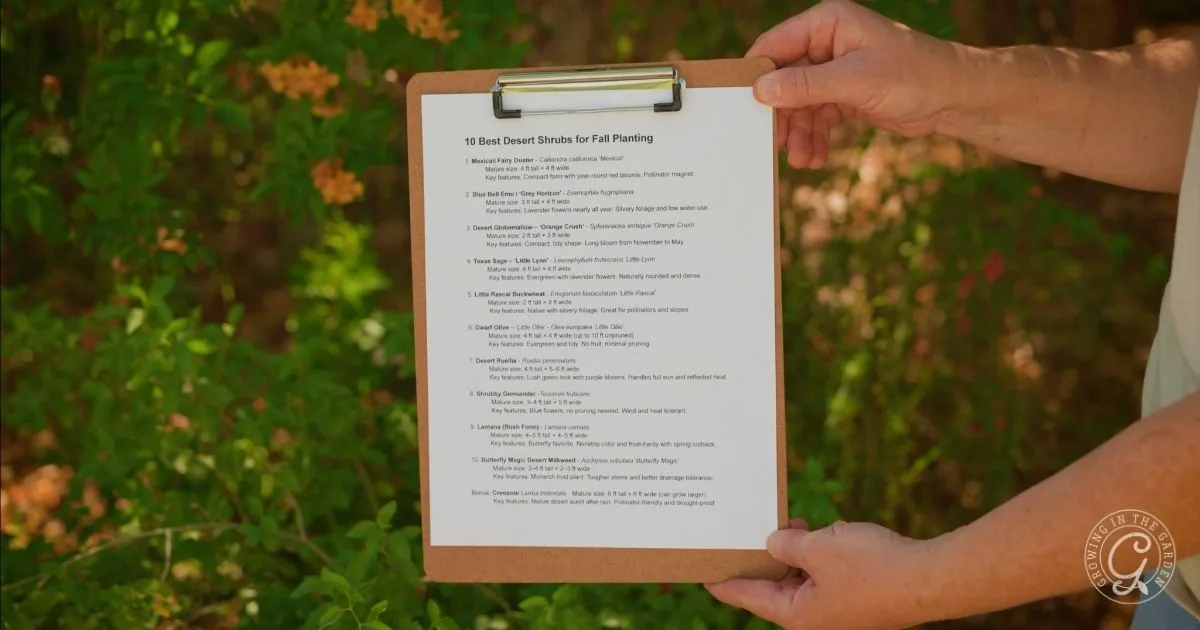
Want a free printable list of these plants to take to the nursery? Download it from my website; link at the top of the page.
Want more ideas for low-maintenance landscaping in the desert? Browse all my posts about desert landscape plants here. If you found this post helpful, share it with a fellow desert gardener.

How and when do I relocate an emu valentine bush
October is usually the best time to move plants around the yard. Pull back any rocks or mulch and dig a wide hole around the bush, digging down and keeping as much of the roots and rootball intact as possible. Prepare the planting hole ahead of time. Dig a hole at least twice as wide as the root ball and just as deep (not deeper) fill it with water and make sure it drains within an hour or two. Then transplant the orignial plant into the new hole at the same level. Fill in the soil around the plant, make sure there is good soil contact. Water well. Hope this helps.
Is this the best time to plant? I’m just wondering what temps it should be below before I put new shrubs in the ground. Thx!
Perfect time to plant. Really anytime beginning in October (unless its an extreme heatwave). Shorter days and cooler nights moderate the day time temps and most plants establish well.
Great choices! And I’m happy to see you’ve given oleander a thumbs down. Another little-known reason not to plant it is that pockets of invasive oleanders have been found in Tonto National Forest and Saguaro National Park.