
12 Hot Weather Crops I Always Grow From Seed
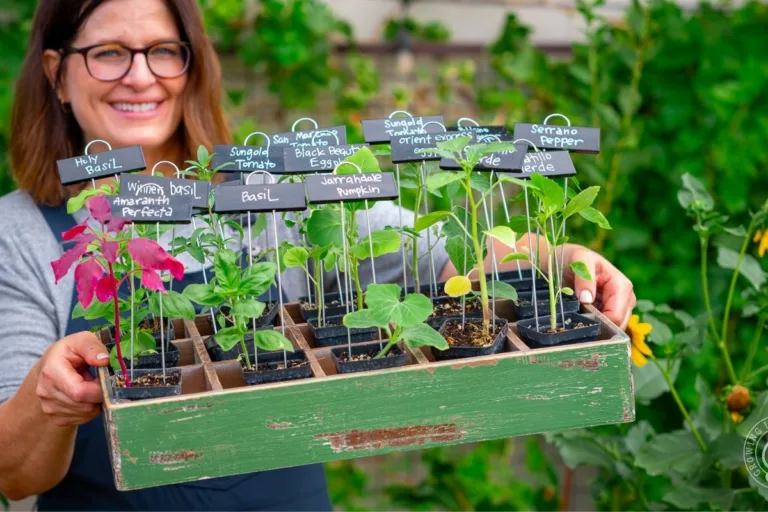
By the time hot-weather transplants show up at the nursery, they’ve often been sitting in small pots for weeks. Some are overgrown. Some are root-bound. And the selection is usually limited to whatever varieties the nursery decided to carry that season.
For a lot of these crops, it’s not just cheaper to grow from seed. They often do better. Keep in mind that for most of these crops, planting earlier in the window can make a difference. Getting seeds in the ground in April or May gives plants time to establish before conditions get difficult. Waiting until June is harder on both you and the plants.
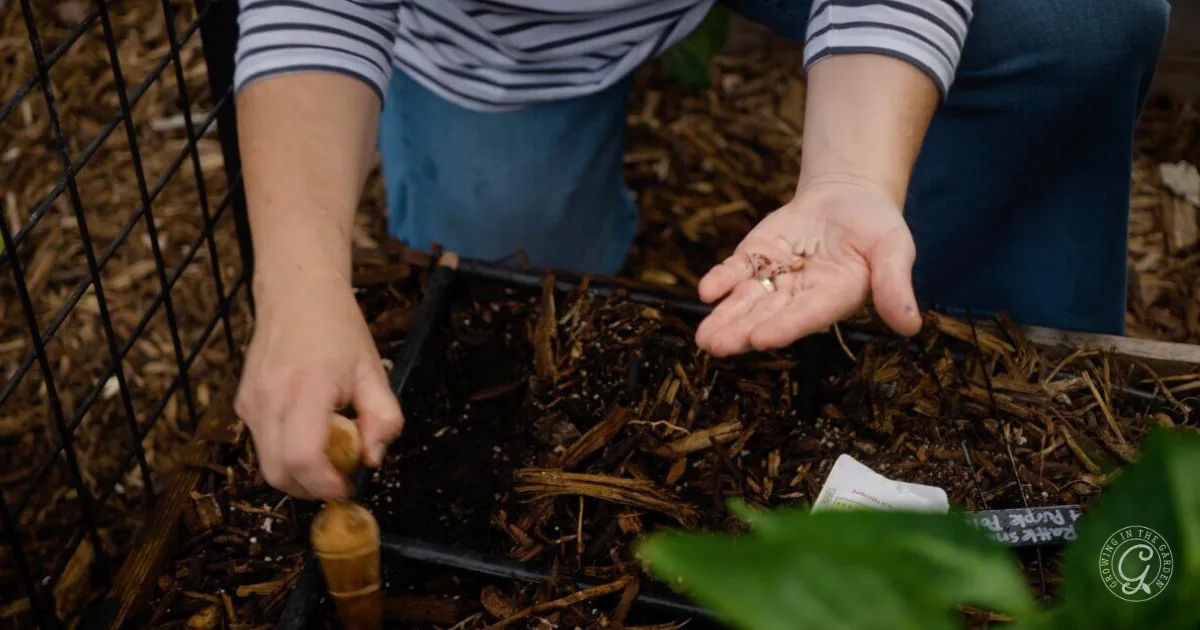
These are 12 hot-weather crops I plant from seed every year. Some give you a quick harvest; others take the whole season. All of them are worth it. If you’re gardening in the low desert, my desert gardening guide and planting calendar will help you know what to plant when and how to adjust for the heat.
Key Takeaways: Hot Weather Crops to Plant from Seed
- Many hot-weather crops do better when direct-sown. No root disturbance, no transplant shock.
- Growing from seed gives you access to varieties you won’t find at the nursery.
- Variety selection matters more than most gardeners realize. Finding the right variety changed everything for crops like Armenian cucumbers.
- Plant as early in the window as you can. April and May are easier on plants than June.
- Keep seeds consistently moist until they sprout. Letting the soil dry out is the most common reason germination fails in the heat.
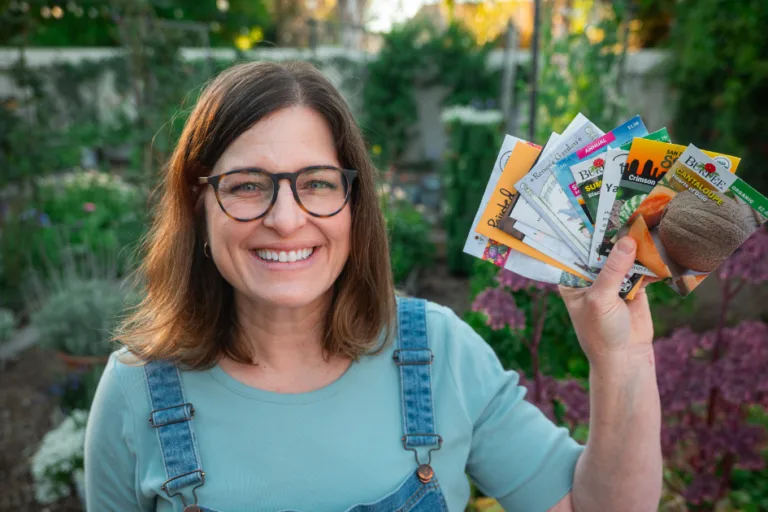
- A packet of seeds costs a fraction of transplants and usually contains more than you’ll use in one season.
What We’ll Cover:

Why Plant From Seed Instead of Transplant
There are three reasons I reach for seeds instead of transplants for these crops.
The plants do better. Crops like squash, cucumbers, melons, and beans don’t like having their roots disturbed. A transplant that’s been sitting in a small pot too long can be root-bound before it even goes in the ground. Direct sowing means the plant grows in place from day one, and that usually shows in how it performs.
You get access to more varieties. This is the one that keeps me coming back to seeds. Nursery transplants give you a handful of options. Seeds open up everything. That’s how I found Painted Serpent Armenian cucumber, Incredible Escalator squash, and the tepary bean varieties that actually thrive here. The varieties that perform best in the low desert aren’t always the ones on a nursery bench.
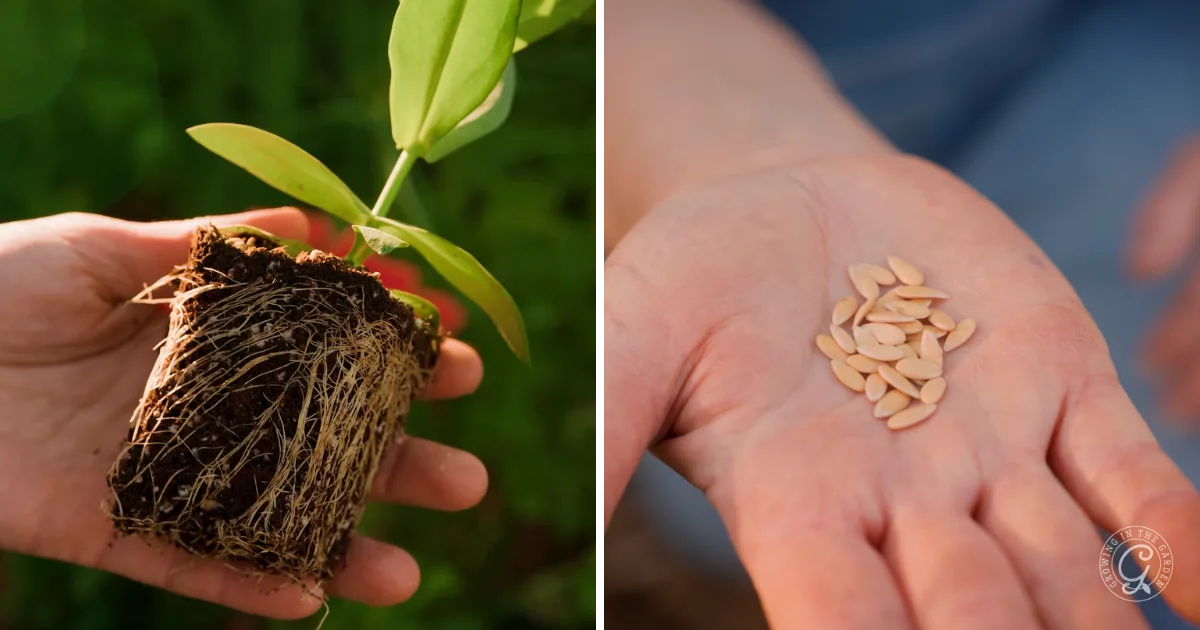
It saves money. A packet of seeds costs a fraction of what you’d spend on transplants, and most packets contain far more seeds than you’ll use in one season. Store them properly and they’ll last several years.
A few things that help when starting seeds in the heat:
- If your garden gets intense afternoon sun, adding shade cloth can help plants stay healthier.
- Make sure you have light, well-draining soil that holds moisture and nutrients.
- Plant seeds at the proper depth and don’t let newly planted seeds or seedlings dry out.
- Add a light layer of mulch at planting, then more once seedlings are established.
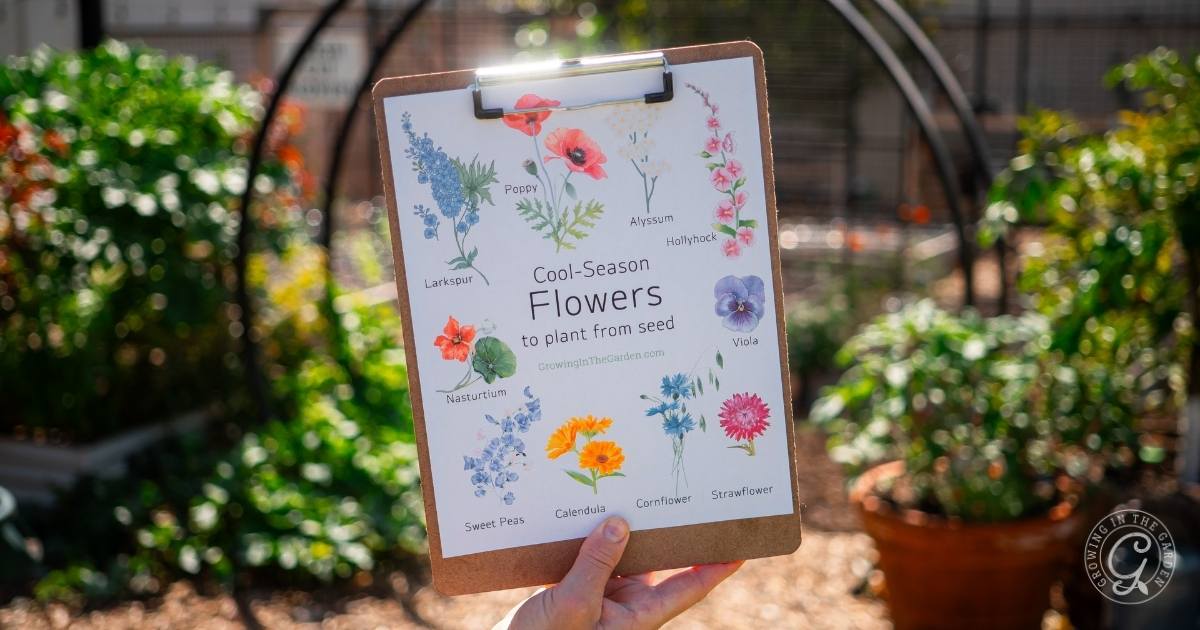
- When the heat fades and it’s time to plant again, here are the cool-season crops I grow from seed.
If you need help with the basics, read “How to Plant Seeds Outside” for tips on planting depth, spacing, and getting seeds established. For more help gardening through rising temperatures, read Summer Gardening in Arizona.
Fast Payoff Crops to Plant from Seed
Summer Squash
Time to Harvest: 40-55 days
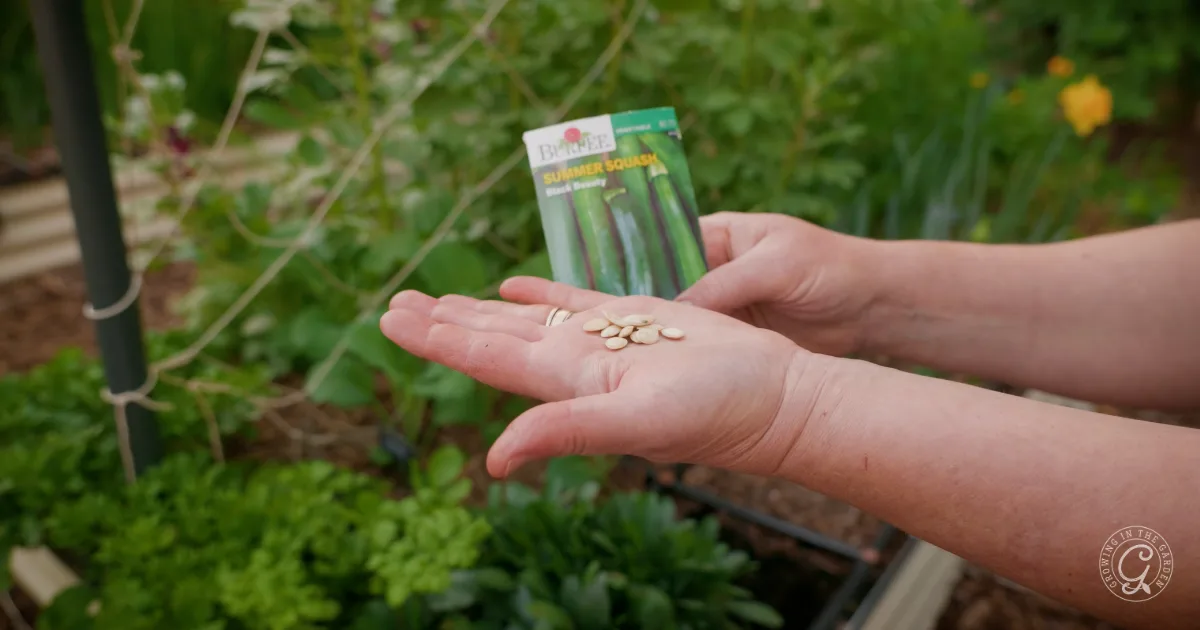
Summer squash seeds are large, quick to sprout, and easy to sow directly in the garden once the soil is warm. Plant seeds in well-amended soil and give each plant plenty of room, because squash grows fast and spreads quickly. Keep the soil evenly moist while seedlings get established.
Once the plants begin to flower, head out in the morning and take a look. If bee activity is low, hand-pollinate to help improve fruit set. Learn more about how to hand-pollinate squash in this guide.
Summer squash grows fast in the warm temperatures of late spring and early summer, but it usually struggles once temperatures get too hot. I like to plant a quick crop in late spring and then plant again at the end of summer to take advantage of our warm fall temperatures.
Learn More About Growing Summer Squash:
Armenian Cucumbers
Time to Harvest: 55-70 days
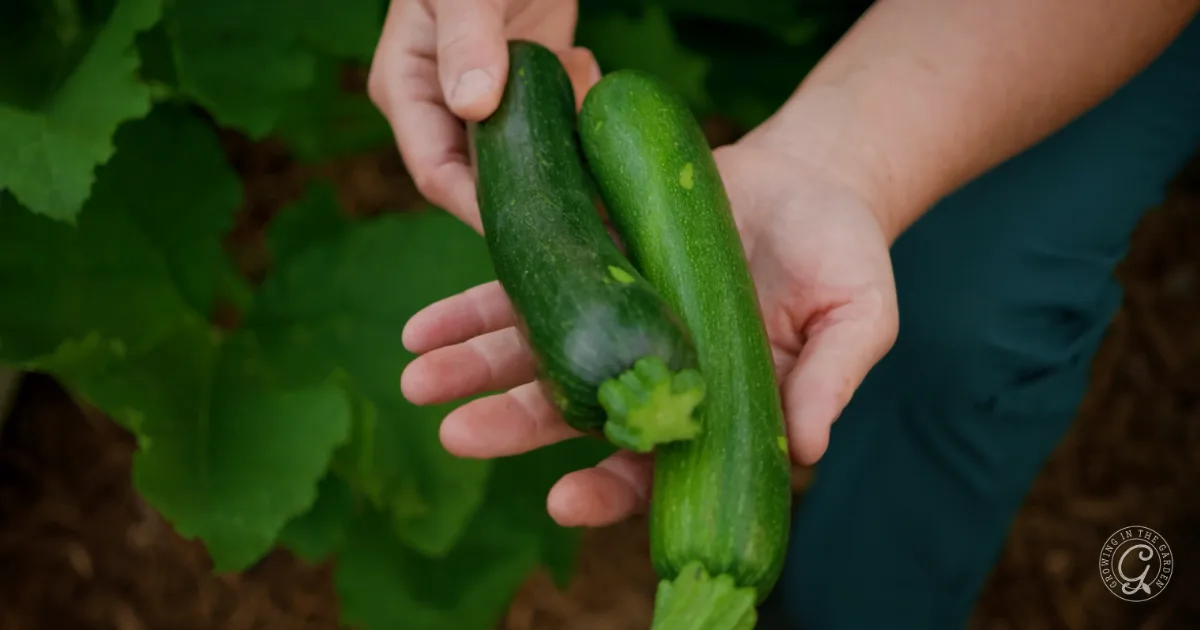
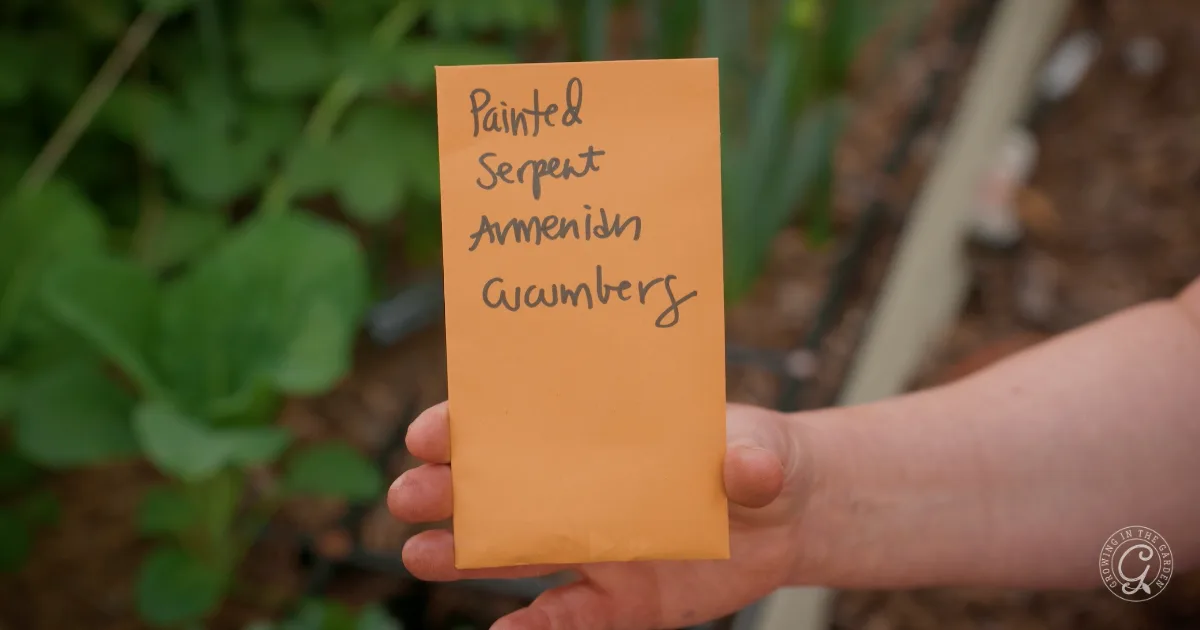
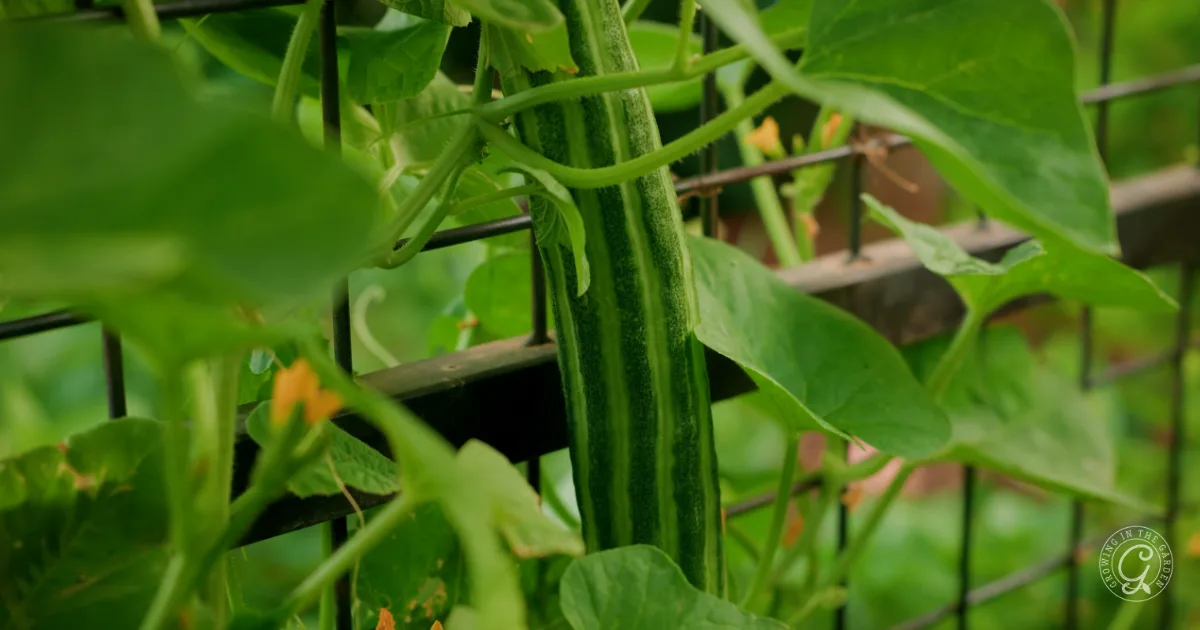
The first Armenian cucumbers I grew were a letdown—bland, watery, not worth the space. But variety makes all the difference with this crop. Once I found Painted Serpent, everything changed. It’s now my favorite cucumber, not just my favorite Armenian cucumber. Better flavor, better texture, and the plants are incredibly prolific. I’m currently growing mine in a whiskey barrel with a trellis, which works well and keeps the fruit straight.
These plants are prolific; you’ll probably have more than you can use. I like to pick them young for the best flavor and texture, and during the season, I often cut one up each day to have with lunch.
Get Painted Serpent Armenian cucumber seeds here.
Learn More About Growing Armenian Cucumbers:
Yardlong Beans
Time to Harvest: 60-75 days
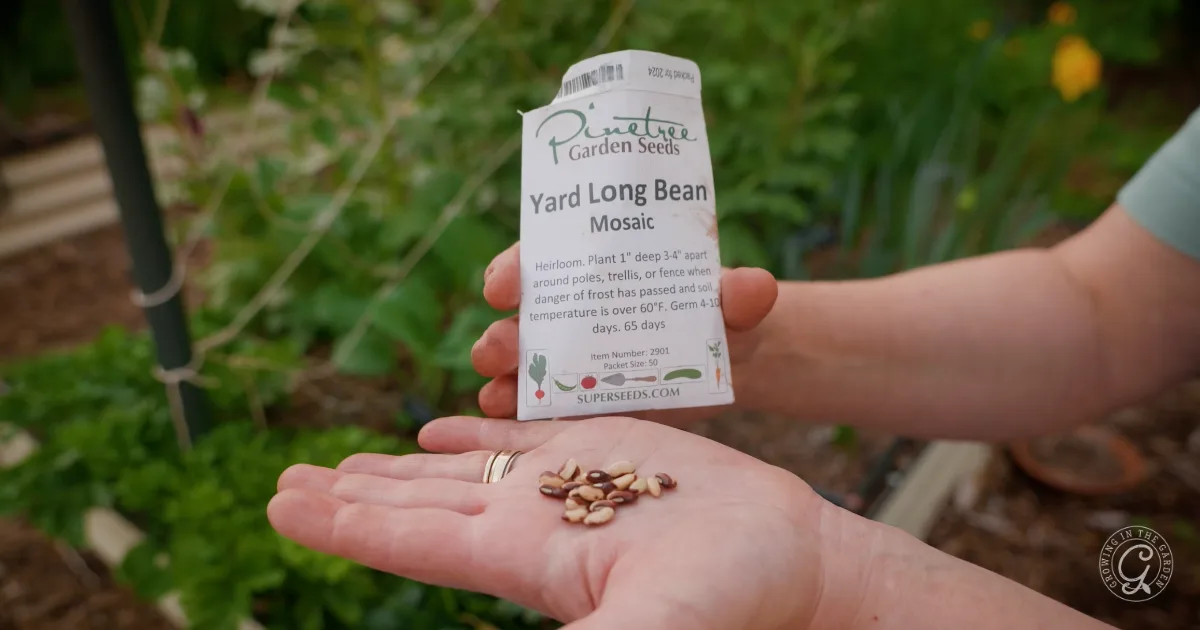
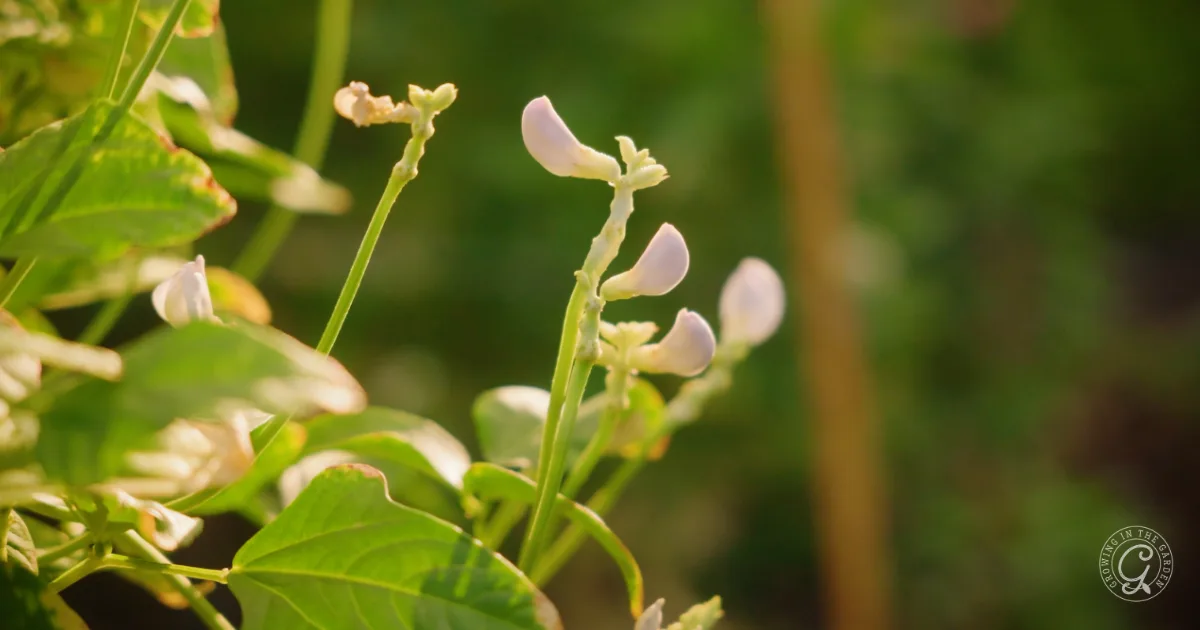
What I like about yardlong beans is the timing. When other beans are slowing down in the heat, these just get going. They thrive in warm conditions and keep producing as long as you keep harvesting. To pick them, just twist the pod off — that simple action seems to signal the plant to keep making more.
Direct sow once the soil is warm and give them a trellis immediately, because they start climbing fast. Harvest them young and use them like green beans, or leave a few on the vine to mature if you want to save seeds.
Learn More About Growing Yardlong Beans:
Basil
Time to Harvest: 30-45 days
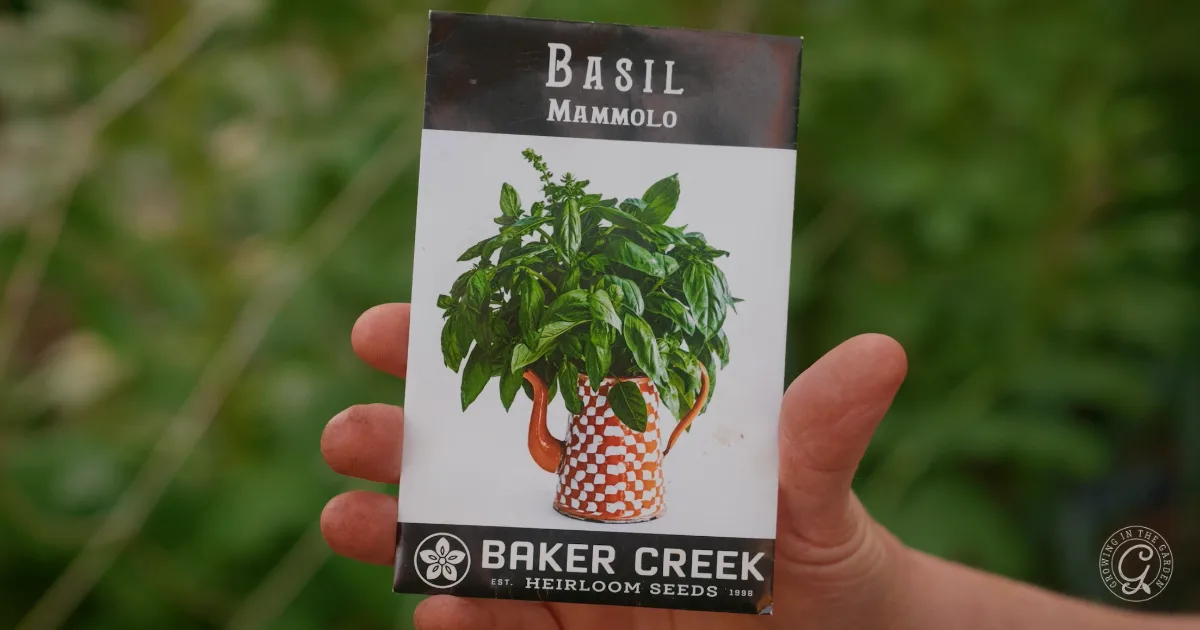
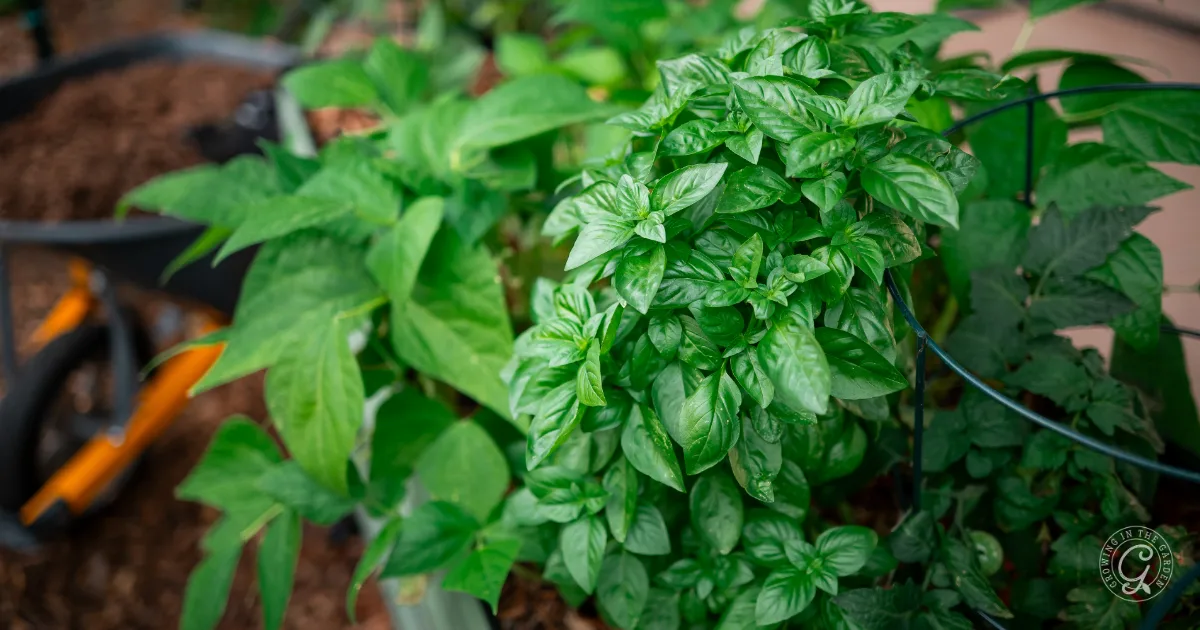
Basil is easy to tuck into any open spot in the garden. The main thing is keeping the soil consistently moist until seeds sprout — if it dries out, germination suffers. Plant a few extra seeds per spot, keep the area hydrated, and you’ll see seedlings emerge within a few days once the soil is warm. Thin to the strongest plants once they’re up.
One thing I’ve learned over the years: smaller-leaved basil varieties handle more sun, while large-leaf types appreciate afternoon shade in the desert heat. It’s worth trying a few different varieties. To encourage full, bushy plants, keep cutting just above two sets of leaves until they reach the size you want. After that, continue harvesting regularly or let some plants flower to support pollinators.
Learn More About Growing Basil:
- How to Grow Basil: A Complete Guide to Growing and Harvesting
- Arizona Herb Planting Guide: A Visual Guide for Low Desert Herbs
Okra
Time to Harvest: 50-65 days
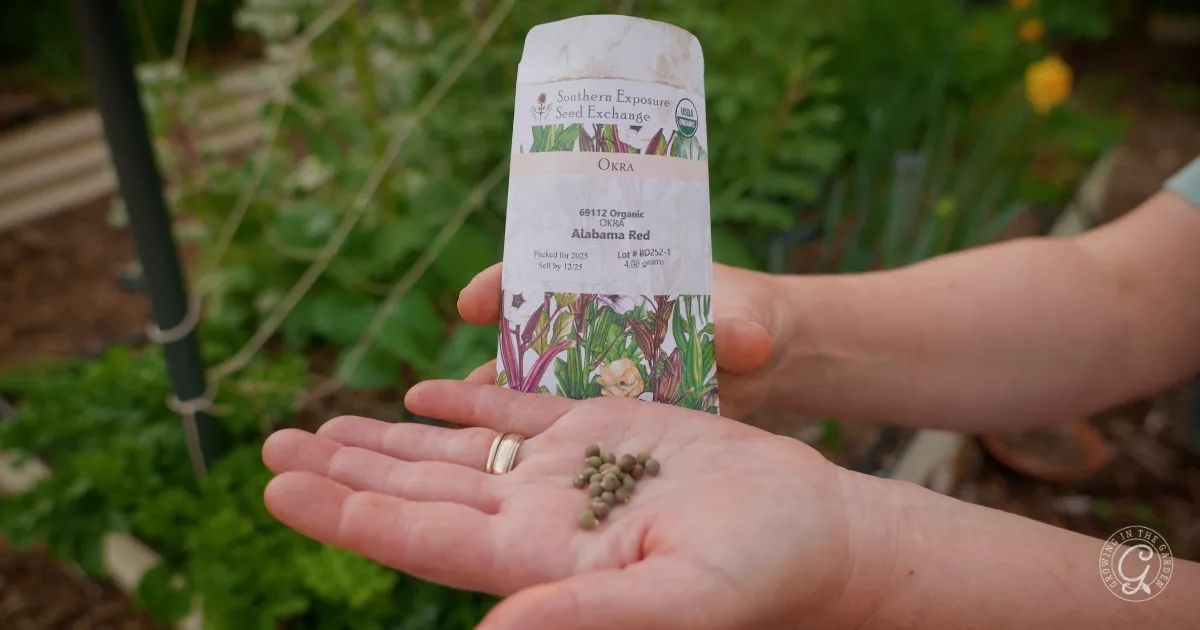
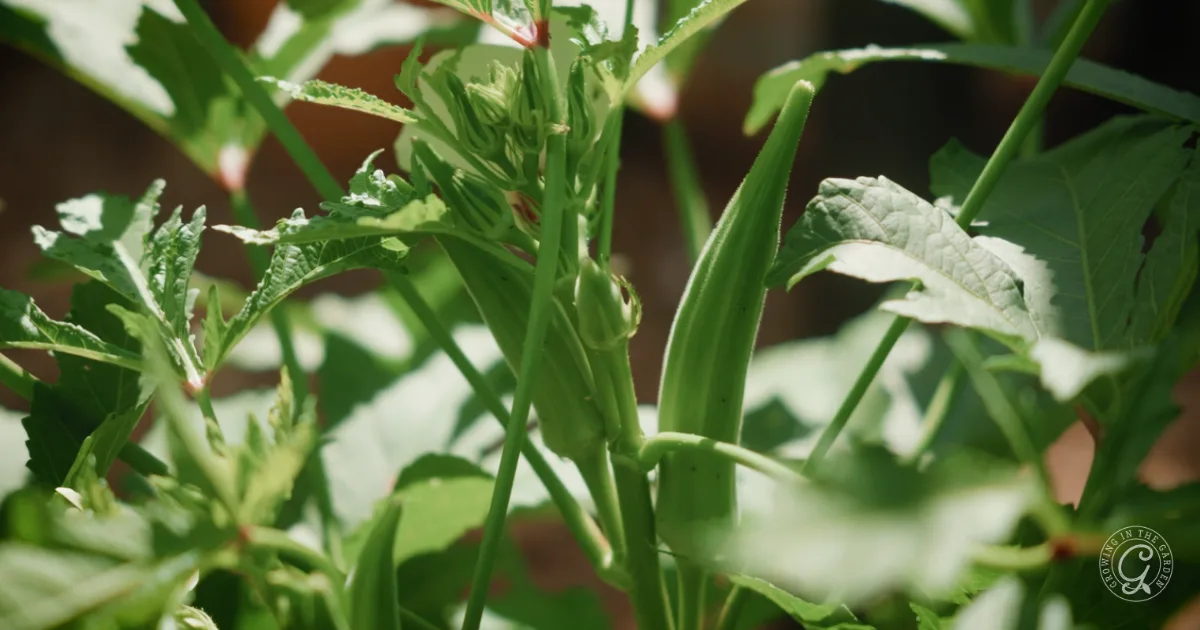
Okra seeds are round and easy to work with; they’re also one of the easier seeds to save from your own plants, which makes it a satisfying crop to grow year after year. Seeds sprout quickly in warm soil. Direct sow, thin after seedlings emerge, then be patient. Okra has a way of looking like nothing is happening for the first several weeks. The plants just sit there. Then all of a sudden they take off, and once they do, they’re one of the most reliable producers in a desert summer garden.
Try a few different varieties to find what you like. The plants get large, so give them space. I like harvesting pods when they are very young and eating them fresh. If that’s not your thing, try some of the recipes I link to below.
Learn More About Growing Okra:
Sunflowers
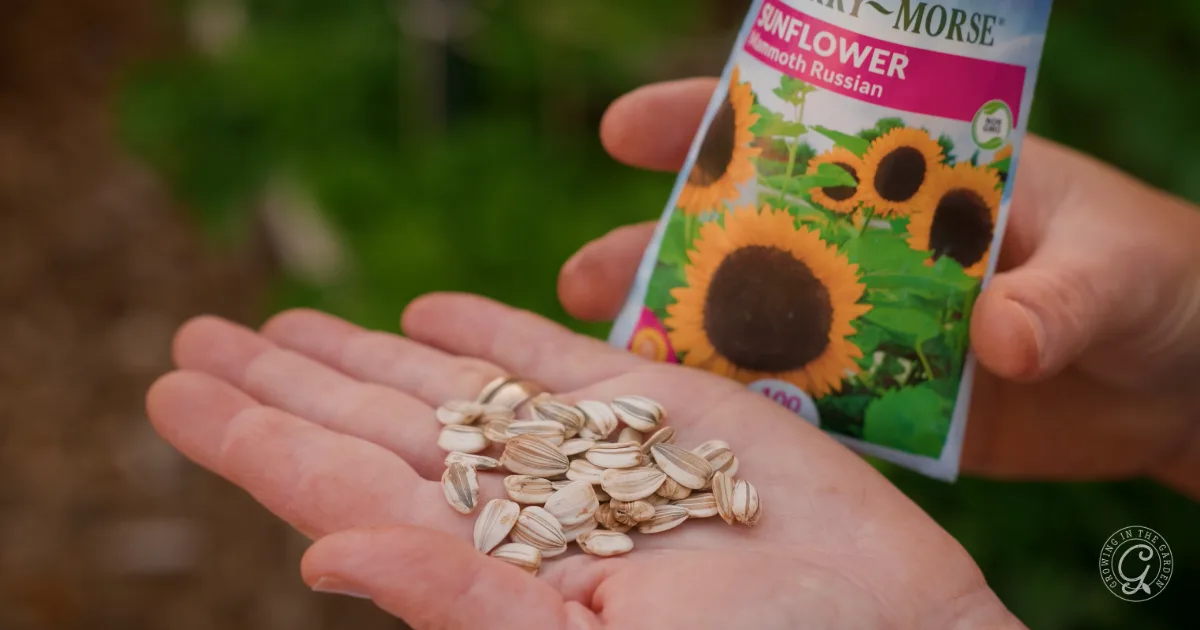
Time to Harvest: 55-75 days for blooms; 80-110 days for seeds
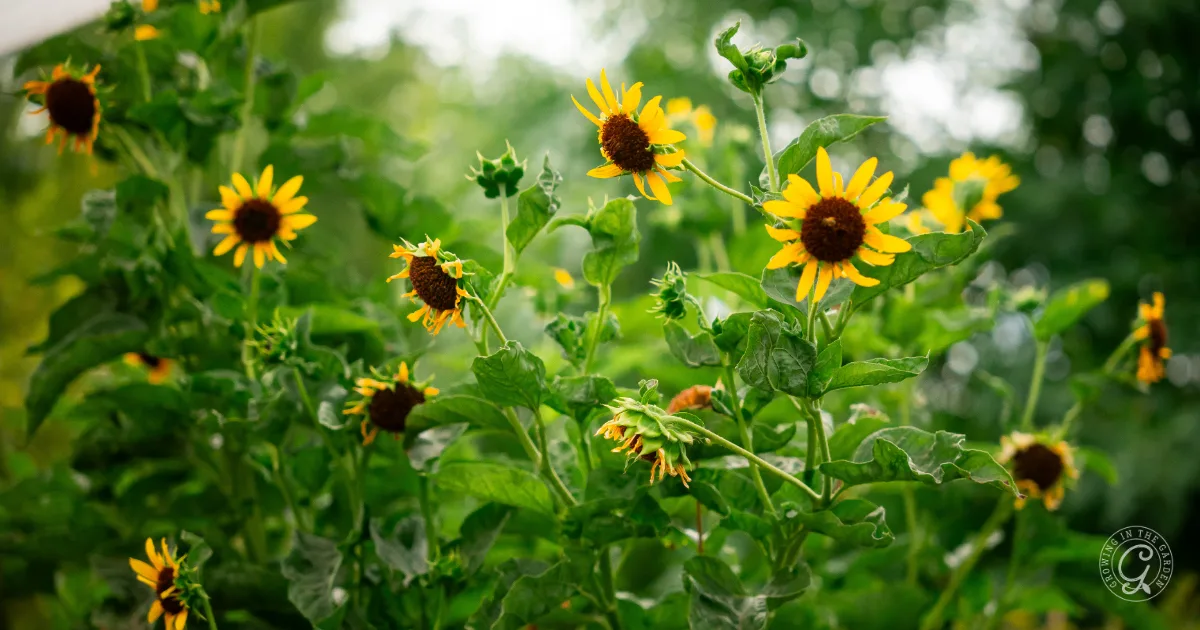
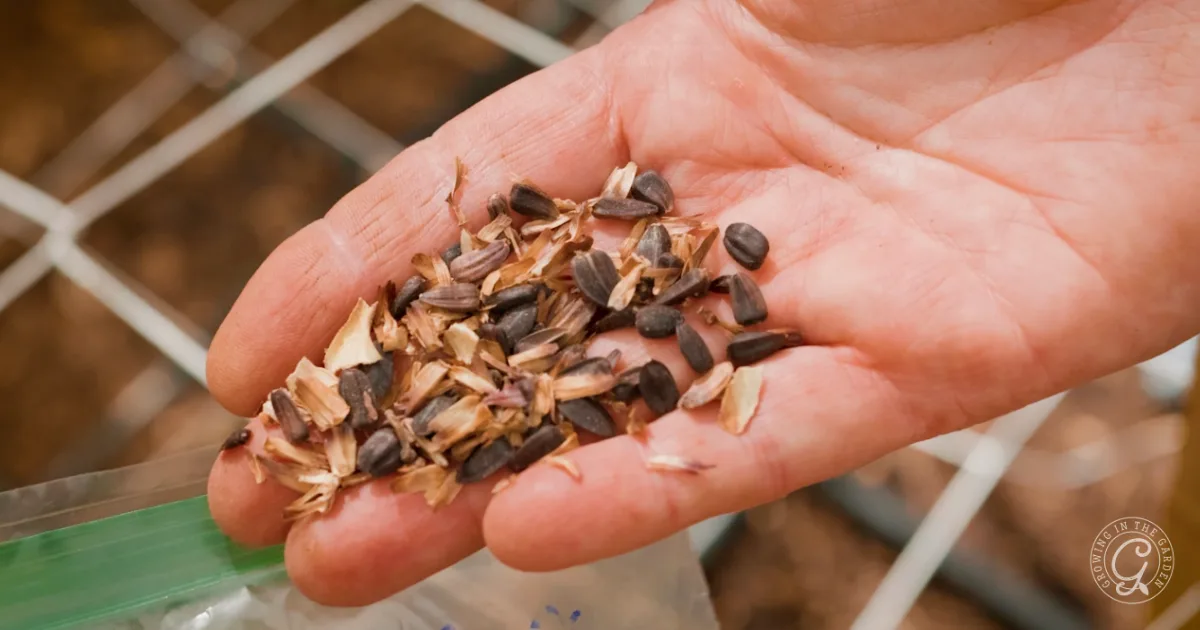
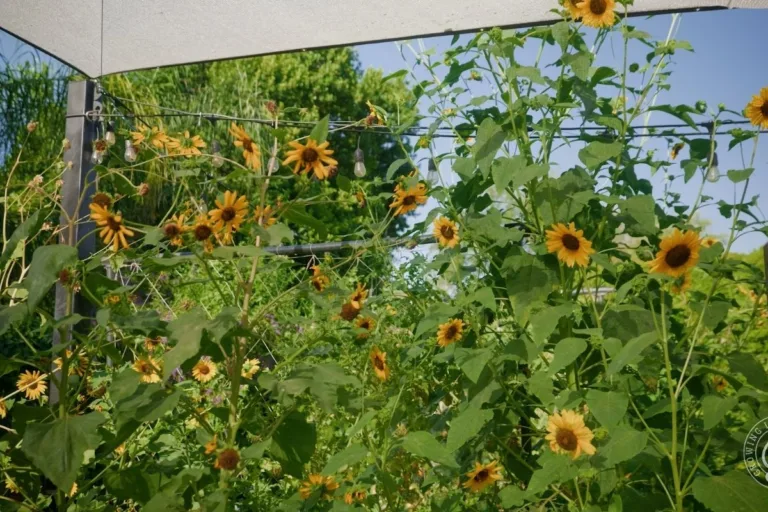
I grow sunflowers for the seeds, the shade, and the birds. A row of sunflowers along the edge of a bed creates natural shade for shorter plants nearby, and once they’re blooming, the lovebirds and yellow finches find them fast. Plant a few seeds together in a hole, let them sprout, then thin to the strongest seedling. They tolerate poor soil and don’t need your prime garden real estate, so edges and borders work well.
For edible seeds, choose confection varieties and wait until the back of the flower head turns yellow and starts to brown before harvesting. For a bonus, plant them outside of your cucumber bed to give cucumbers a living trellis to climb. This year, I planted bitter melon at the base of a large sunflower. It’s already starting to climb.
Learn More About Growing Sunflowers:
- How to Grow Sunflowers
- How to Grow, Harvest, and Roast Edible Sunflower Seeds
- What To Do About Black Bugs On Sunflowers
Long Season Crops to Plant from Seed
These take longer, but planting them now gives them time to grow through summer and into fall.
Cantaloupe
Time to Harvest: 70-90 days
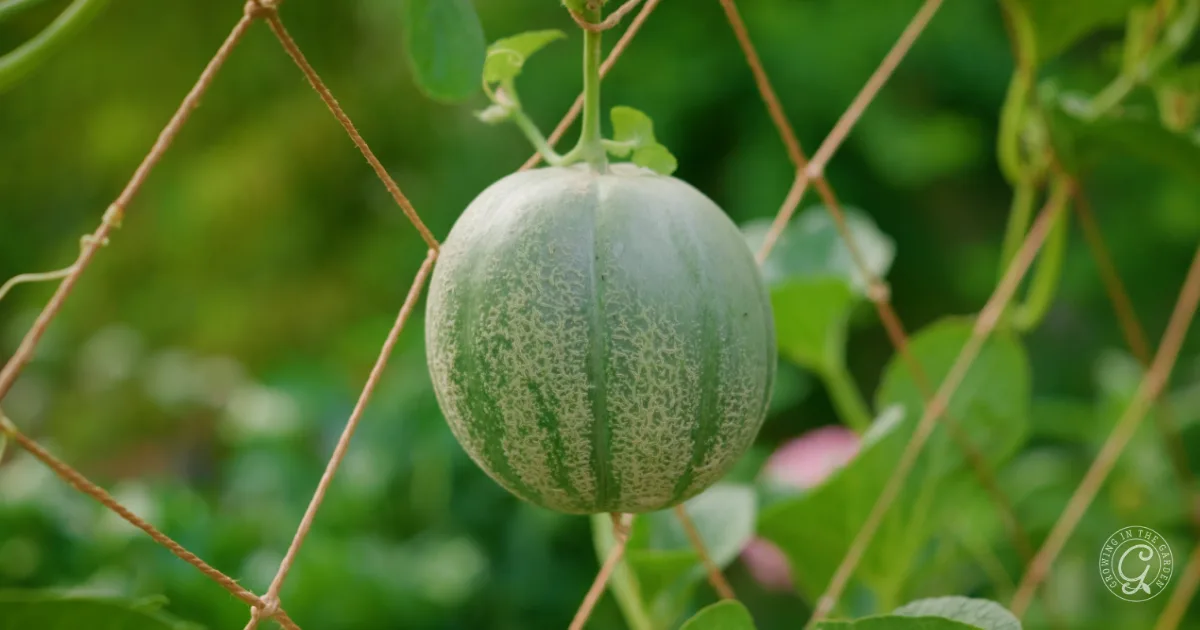
Cantaloupe vines do something useful: they support the fruit on their own through most of the growing season. As the melon ripens, it naturally starts to detach. When you can smell it, you’re close. Give the vine a gentle tug—if it comes off easily, it’s ready. If it doesn’t, check every day. Homegrown cantaloupe is hard to beat.
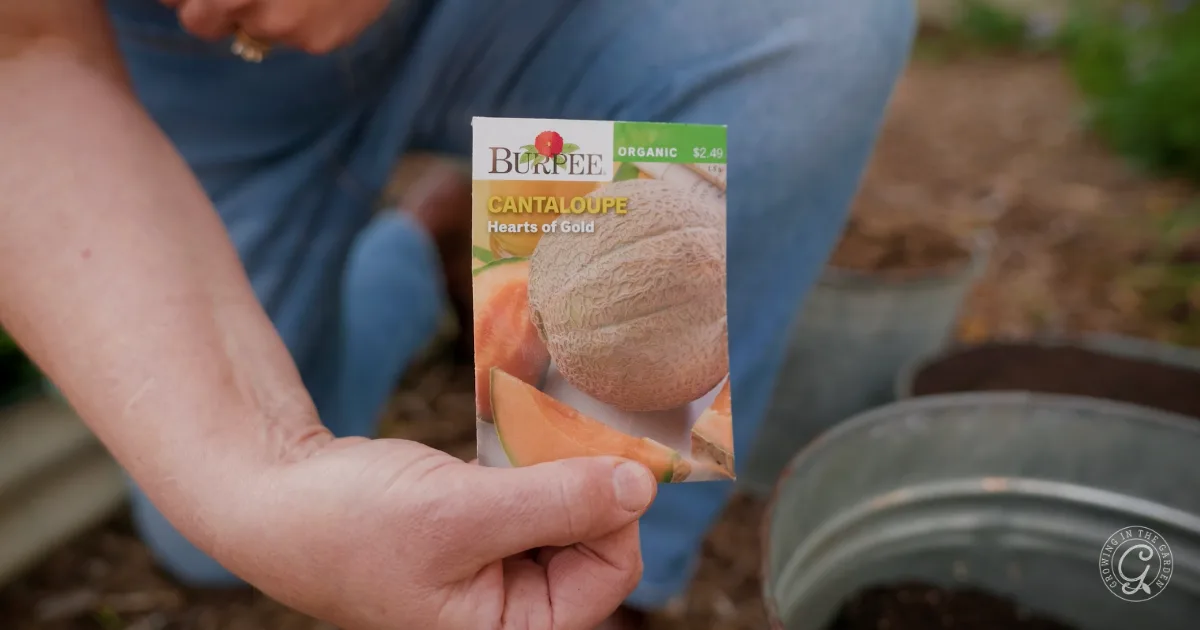
I’ve had reliable results with Heart of Gold. Plant a few seeds spaced a foot or two apart in warm, well-amended soil and give vines room to spread or train them to climb.
Learn More About Growing Cantaloupe:
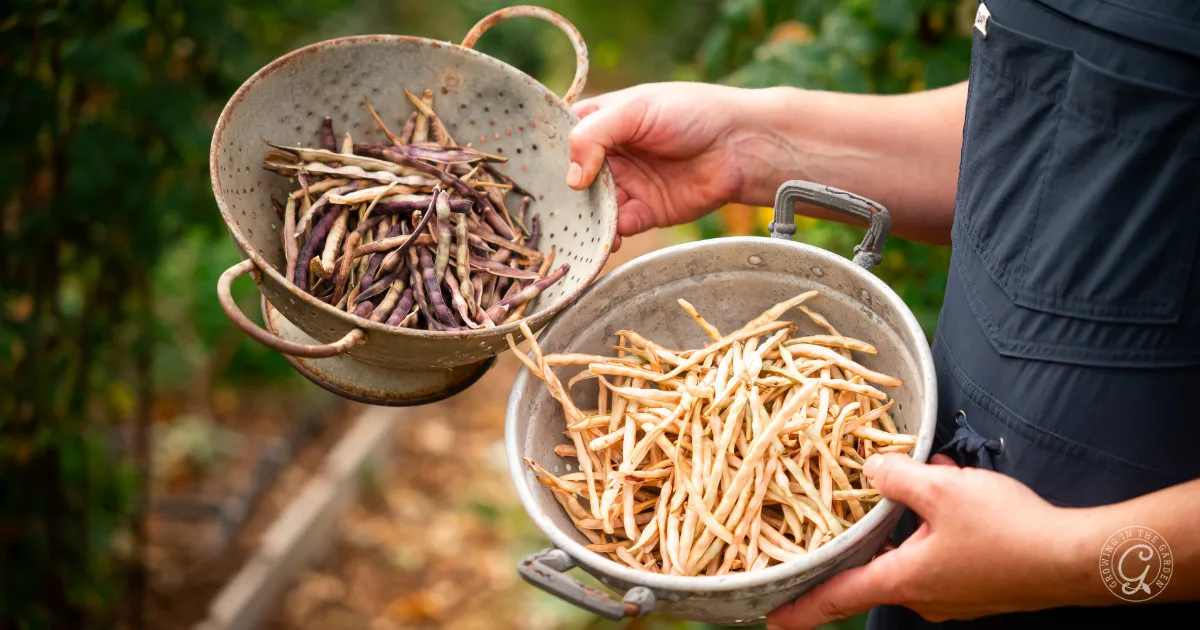
Tepary Beans
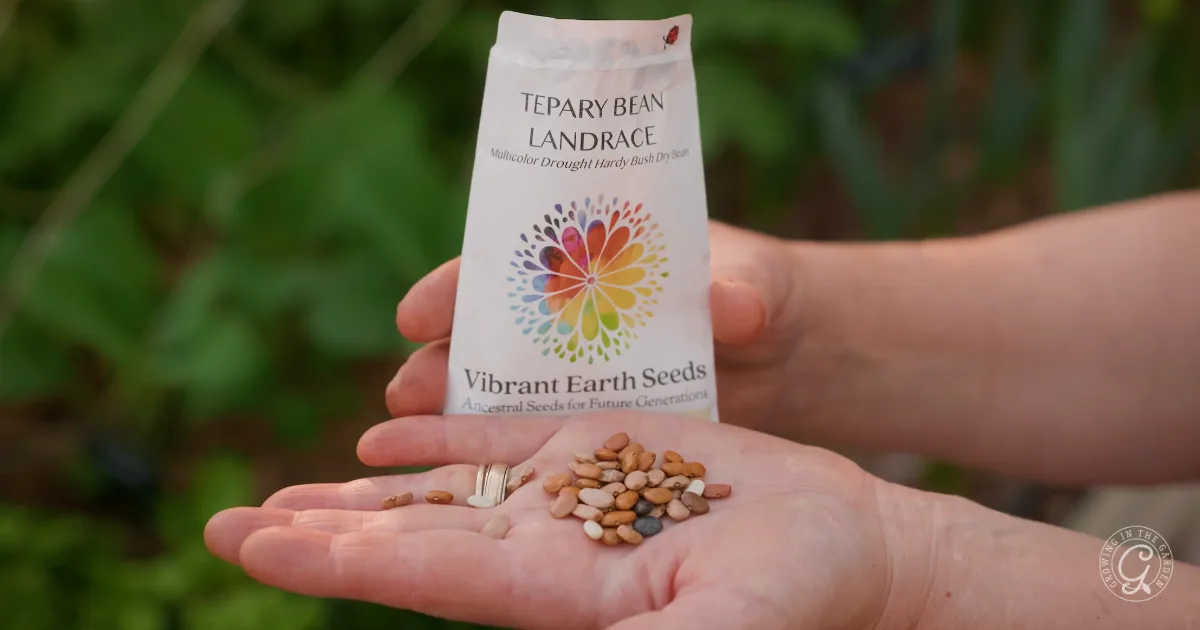
Time to Harvest: 70-90 days for dry beans
Tepary beans are one of the most forgiving crops I grow. They require very little water, handle poor soil, and thrive in the conditions that slow everything else down. I like planting them in the space around okra; they fill in the ground, act as a living mulch, and seem to work well as companions. Direct sow and let them grow a little wild. They’re nutritious too: half a cup of dry tepary beans has over 20 grams of protein.
Learn More About Growing Tepary Beans:
Watermelon
Time to Harvest: 80-100 days
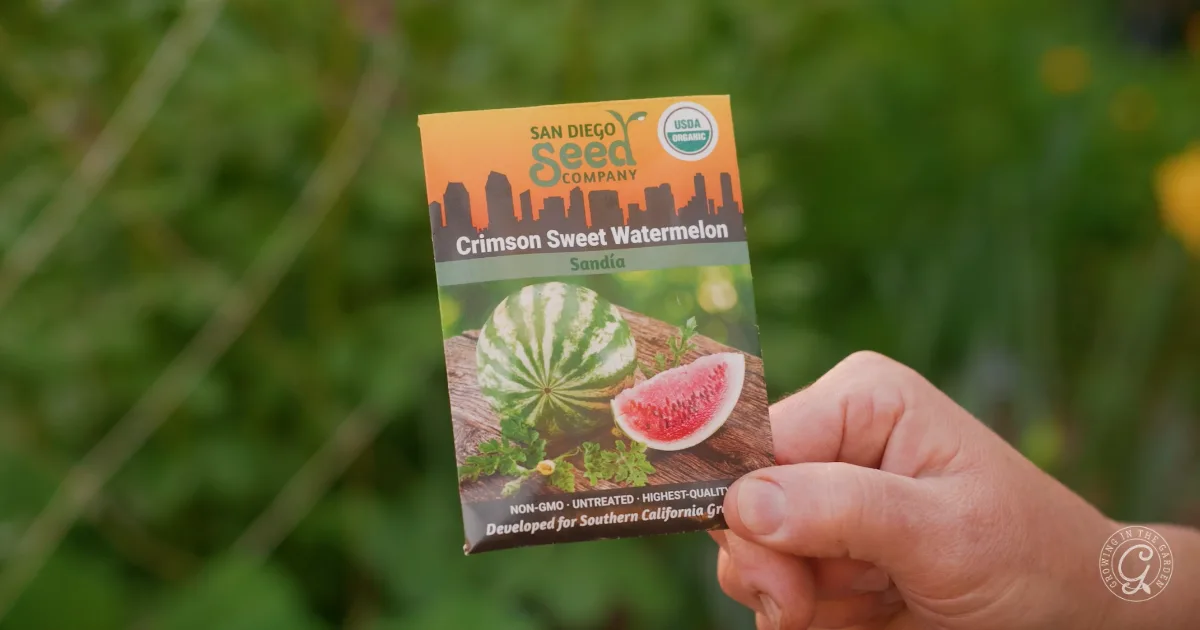
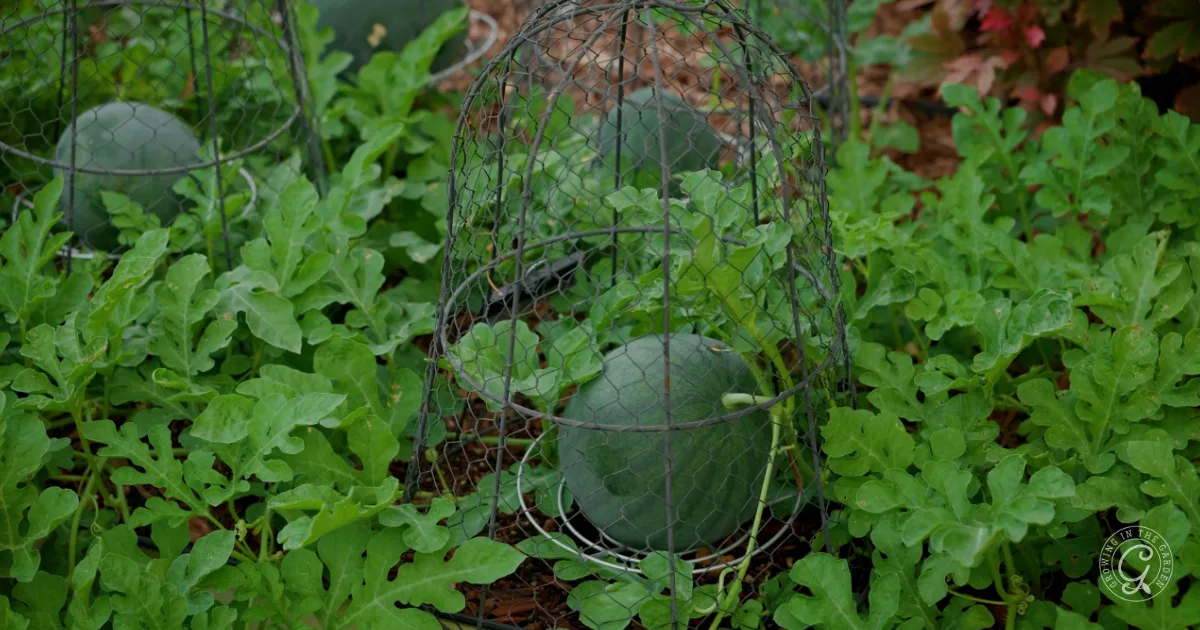
Watermelon is one where variety matters, and the varieties I want are rarely available as transplants. Growing from seed gives you options. The other thing worth knowing: plant as early in the window as you can. Getting seeds in the ground in April or early May gives vines time to establish before the hardest heat arrives. As mentioned, April and May typically are good months to plant crops, and for a full list of the best heat tolerant crops to plant in April and May check out these guides.
Watermelon needs space, so pick a bed along the edge of your garden or dedicate an entire area if you can. Plant seeds in small mounds spaced a couple of feet apart and let the vines spread. The more vines you have, the larger and sweeter your fruit will be. It usually takes me a melon or two to get the timing for harvest just right, but when you pick them at the right time, there’s nothing better than homegrown watermelon.
Learn More About Growing Watermelon:
Butternut Squash
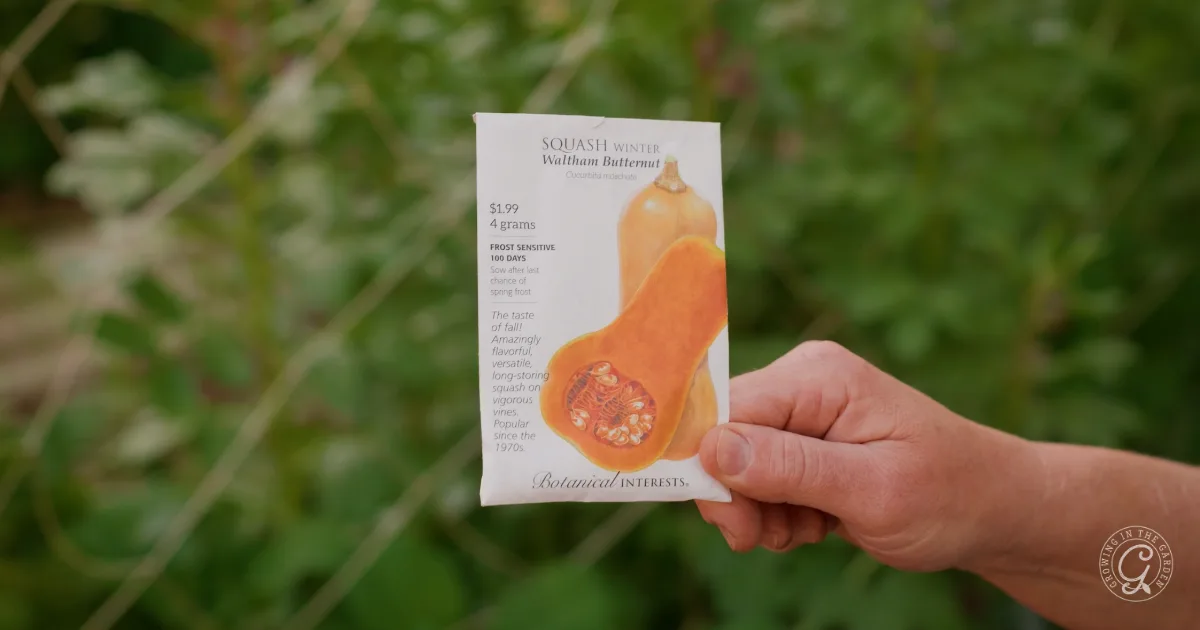
Time to Harvest: 90-120 days
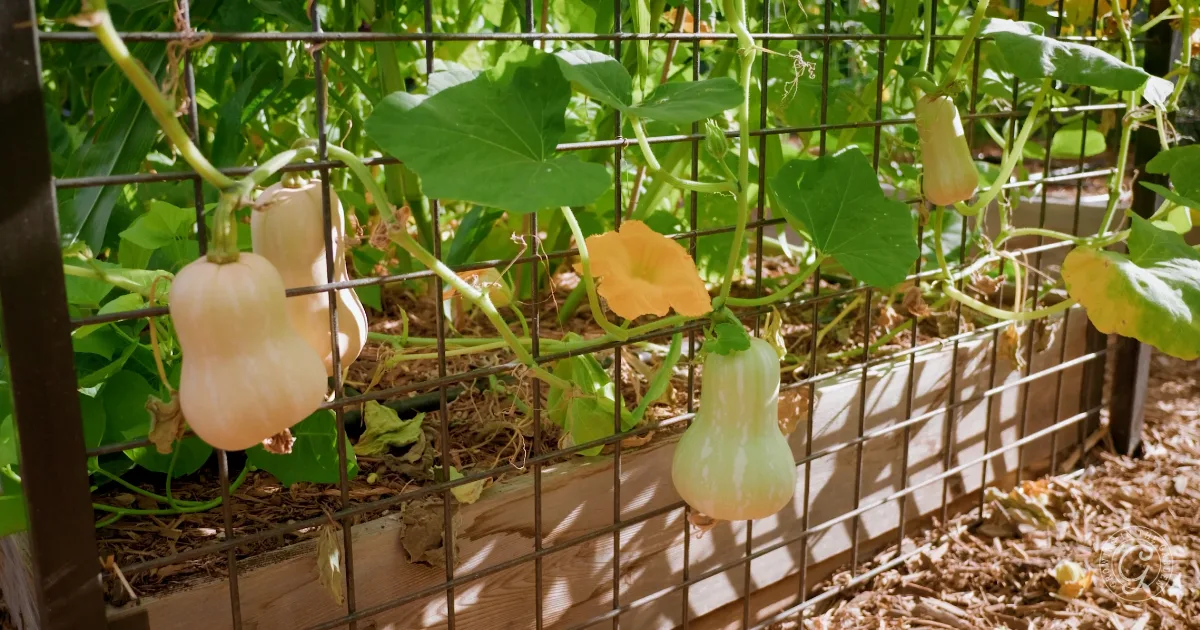
Butternut squash handles heat better than most crops and keeps producing even when temperatures climb. Direct sow once the soil is warm, plant in well-amended soil, and give vines plenty of room. Like summer squash, growing from seed gives you variety access you won’t find on a nursery bench.
As fruits mature, keep an eye on them. Last summer, mine kept producing right through a heatwave, but in extreme heat, fruits that stay on the vine too long can start to split. Harvest as they’re ready.
Get butternut squash seeds here.
Learn More About Growing Butternut Squash:
Peanuts
Time to Harvest: 120-150 days
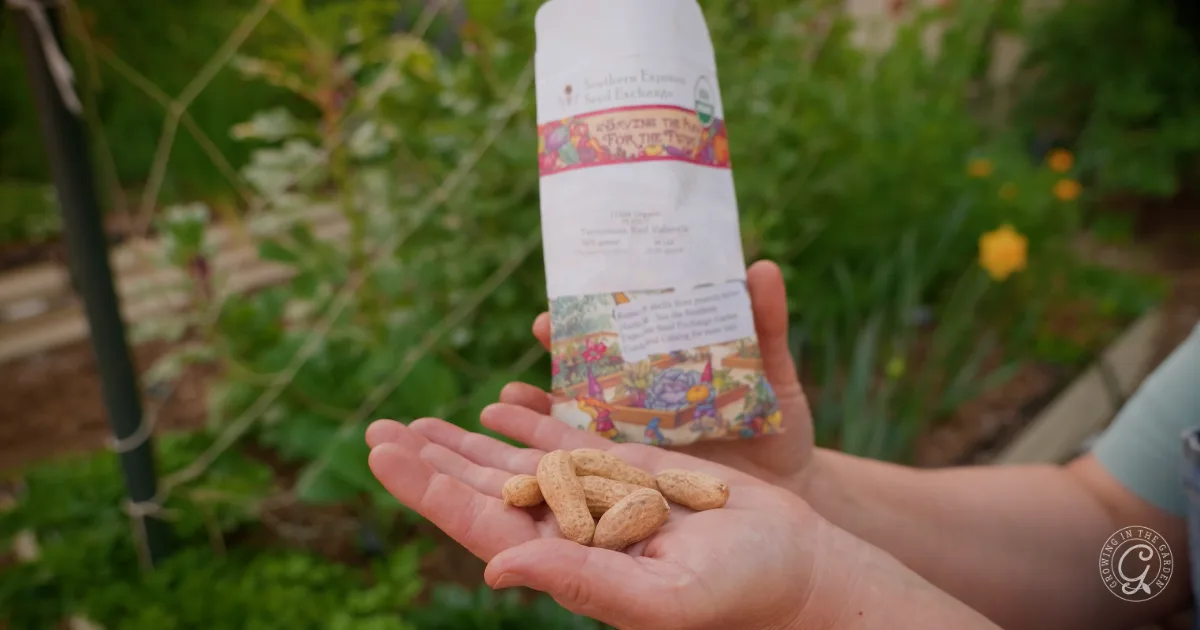
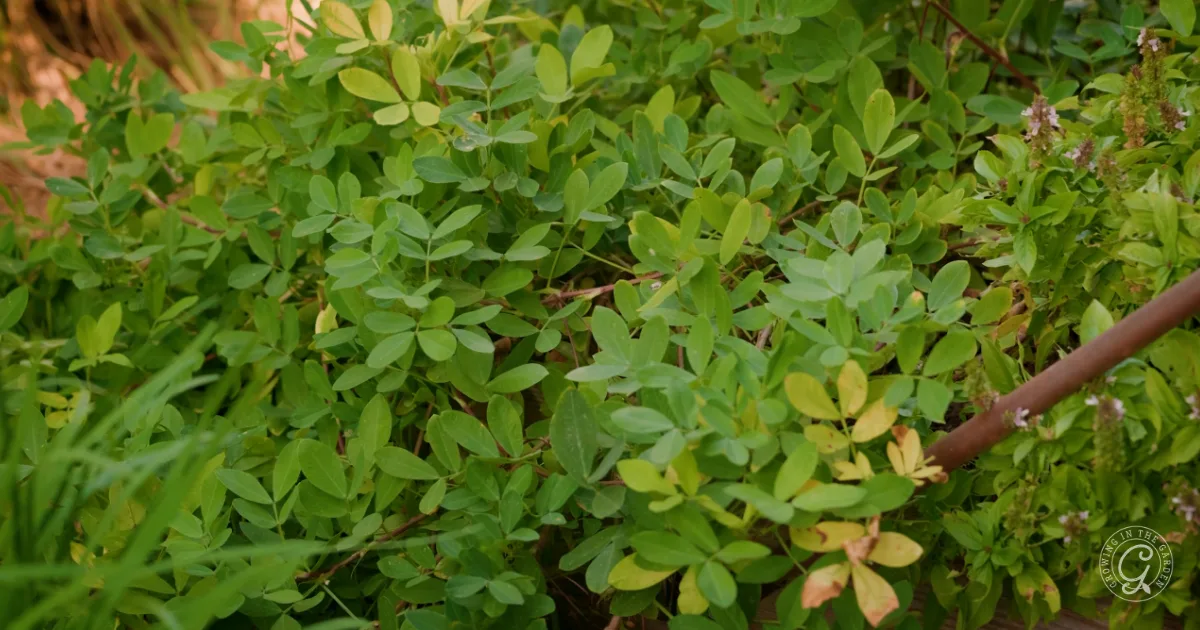
Peanuts are a fun and unique crop that grows surprisingly well in the heat. Plant in loose, well-drained soil and give them plenty of space, ideally in an in-ground bed where they can spread out.
Plant raw, unroasted peanuts removed from their shell. As the plants grow, watch for small yellow flowers. After blooming, those flowers push down into the soil, and that’s where the peanuts form. Once plants are a few inches tall, hill up the soil around them to give those pegs more room to grow down.
Learn More About Growing Peanuts:
Roselle Hibiscus
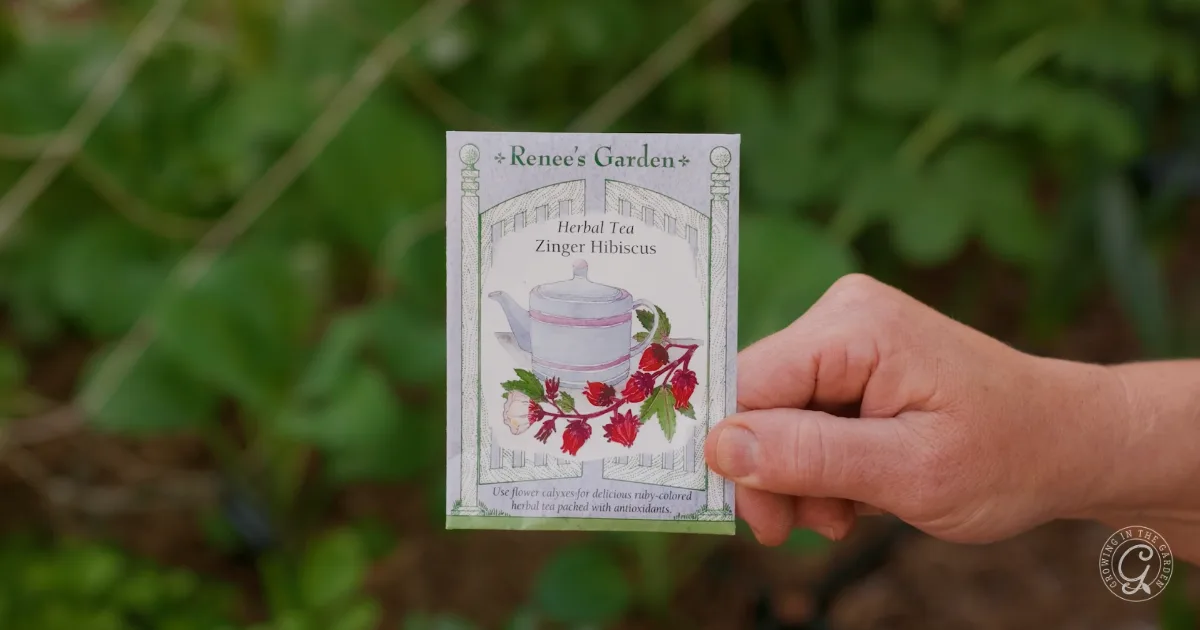
Time to Harvest: 120-180 days
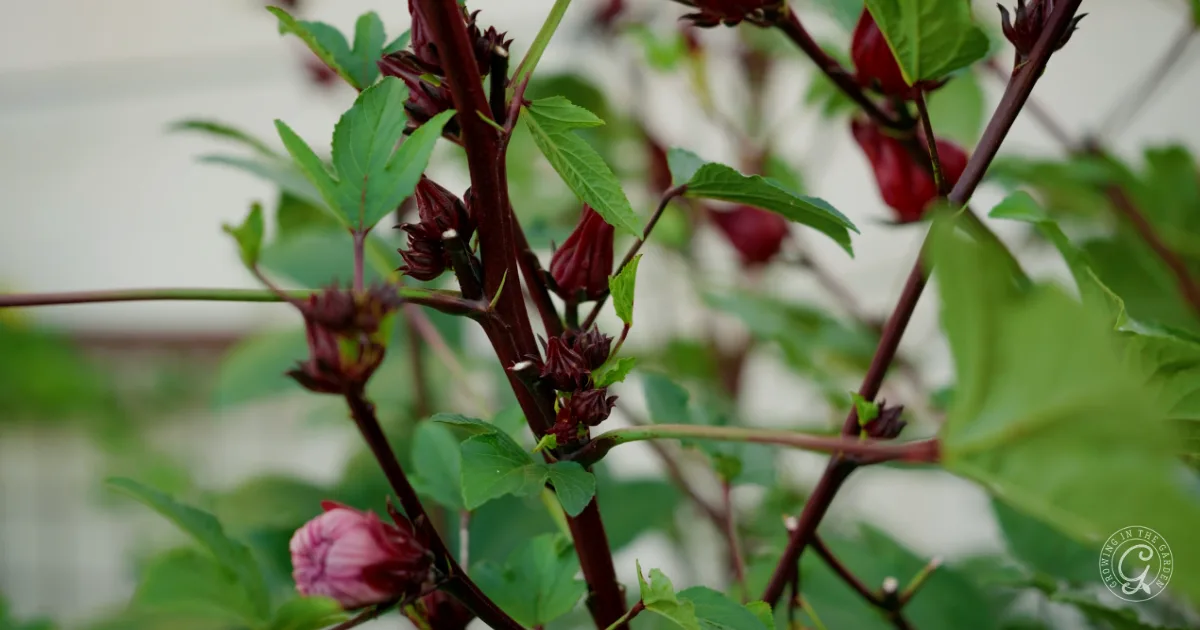
Roselle hibiscus is a long-season crop that won’t start blooming until the days begin to shorten in the fall. Plant early to give it time to grow into a large, established plant. A bigger plant means more calyces to harvest later.
I like growing mine in a whiskey barrel so I can let it grow until frost and not worry about taking it out to make room for fall-planted crops. Once you’ve had roselle tea or jam, it’s easy to see why this plant is worth the wait.
Get roselle hibiscus seeds here.
Learn More About Growing Roselle Hibiscus:
Hot Weather Crops FAQ
Beans, yardlong beans, Armenian cucumbers, squash, watermelon, cantaloupe, okra, basil, sunflowers, tepary beans, peanuts, and roselle hibiscus all germinate well in warm soil. These are warm-season crops that actually prefer the soil to be warm before you plant.
Yes, but earlier is better. Most of these crops do best when planted in April or May in the low desert. Waiting until June means planting in tougher conditions, and some crops won’t have enough time to produce before the hardest heat arrives.
Plant at the correct depth, keep the soil consistently moist until seeds germinate, and add a light layer of mulch after planting. This is the step most people skip, and the most common reason germination fails in heat.
For the crops on this list, seeds are usually the better choice. These crops don’t love root disturbance, and transplants that have been sitting in small pots can already be root-bound before they go in the ground. Seeds are also less expensive and give you far more variety options.


Leave a comment on 12 Hot Weather Crops I Always Grow From Seed