
How to Grow Ginger Successfully (Step-by-Step Guide)
If you’ve been wondering how to grow ginger, this guide will walk you through it step by step, from choosing ginger that will sprout to planting, caring for, and harvesting your crop.
I’ve grown ginger very successfully, and I’ve also had years when it struggled or rotted before harvest. Those successes and failures taught a lot. In this post, I’m sharing the step-by-step instructions for growing ginger that have worked best for me, along with the mistakes to avoid so you can get it right.
In hot climates, ginger needs a little extra planning. It grows best when it gets established before extreme heat arrives, and in frost-free climates, it can even grow as a perennial. If you want to grow more herbs, read my guide to growing herbs in hot climates, and if you garden in places where winters stay mild, take a look at these perennial herbs for hot climates too.
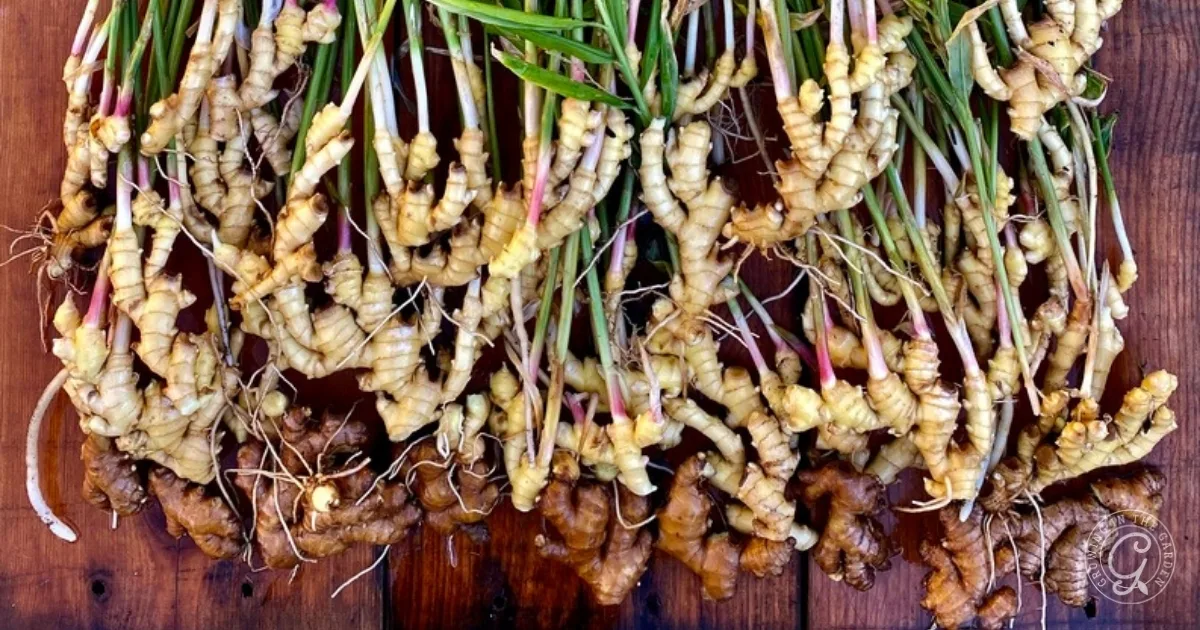
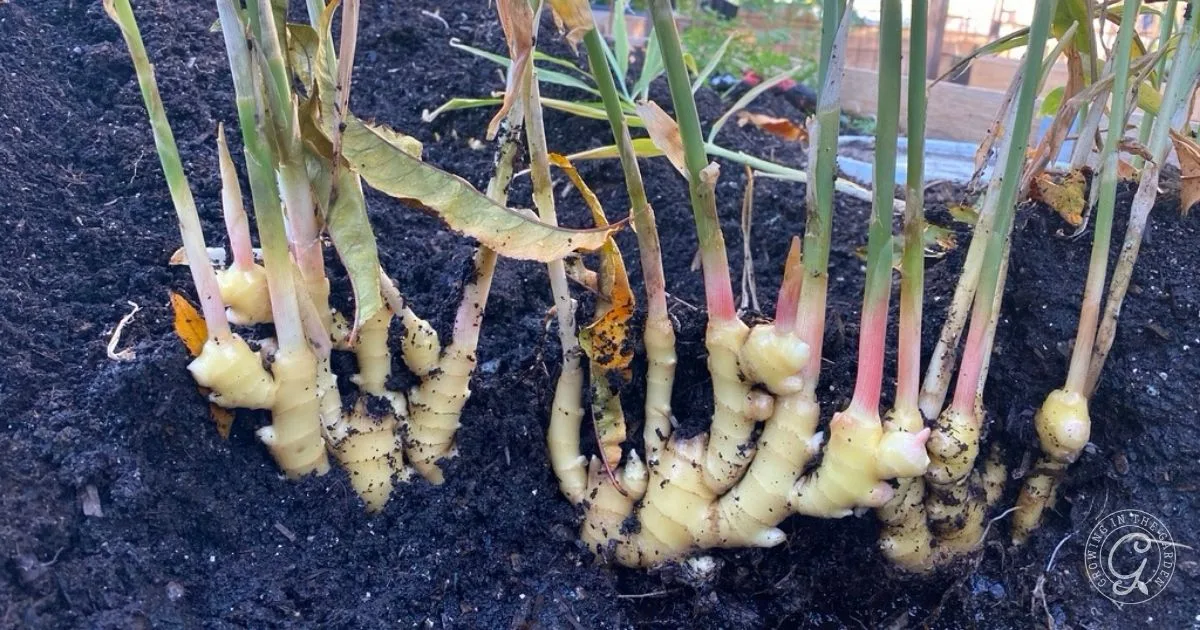
A successful harvest: I presprouted 1 pound of ginger in January, planted the sprouted pieces out in March, grew them in about half of a 4 x 8 raised bed with afternoon shade, and harvested in December. This photo shows the harvest.
Key Takeaways: How to Grow Ginger
- To grow ginger successfully, start with firm, healthy rhizomes and presprout them before planting.
- Plant ginger in warm, loose, well-draining soil and protect it from harsh afternoon sun.
- Water consistently to keep the soil moist, but avoid soggy conditions to prevent rotting.
- Ginger takes a long time to mature, typically requiring 8 to 10 months for a full harvest.
- Common mistakes include starting with bad ginger, planting too early, or exposing it to extreme heat.
What We’ll Cover:
- Can you grow ginger in your climate?
- How to Grow Ginger Step-by-Step
- Growing ginger in containers and grow bags
- Fertilize during active growth if needed
- What to expect as ginger grows
- What can go wrong when growing ginger
- Troubleshooting ginger problems
- How much ginger can you expect to harvest?
- How and when to harvest ginger
- My favorite way to preserve ginger
- Ginger vs. turmeric
- Mistakes I made growing ginger
- Final thoughts on how to grow ginger
- Frequently Asked Questions About Growing Ginger
Can you grow ginger in your climate?
- Hot climates: Get established early, use afternoon shade, avoid extreme heat stress
- Mild climates: Start early, plant after frost, harvest before cool weather slows growth
- Cold climates: Start indoors, grow in containers if needed, move indoors before it gets cold
How to Grow Ginger Step-by-Step
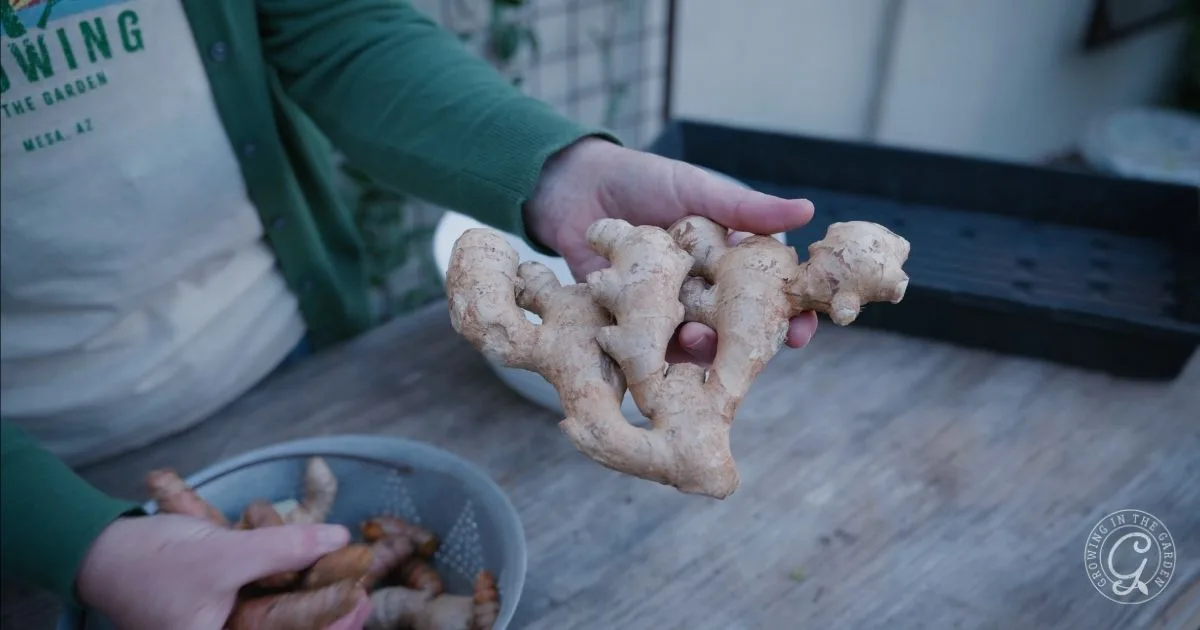
- Step 1: Choose ginger that will sprout
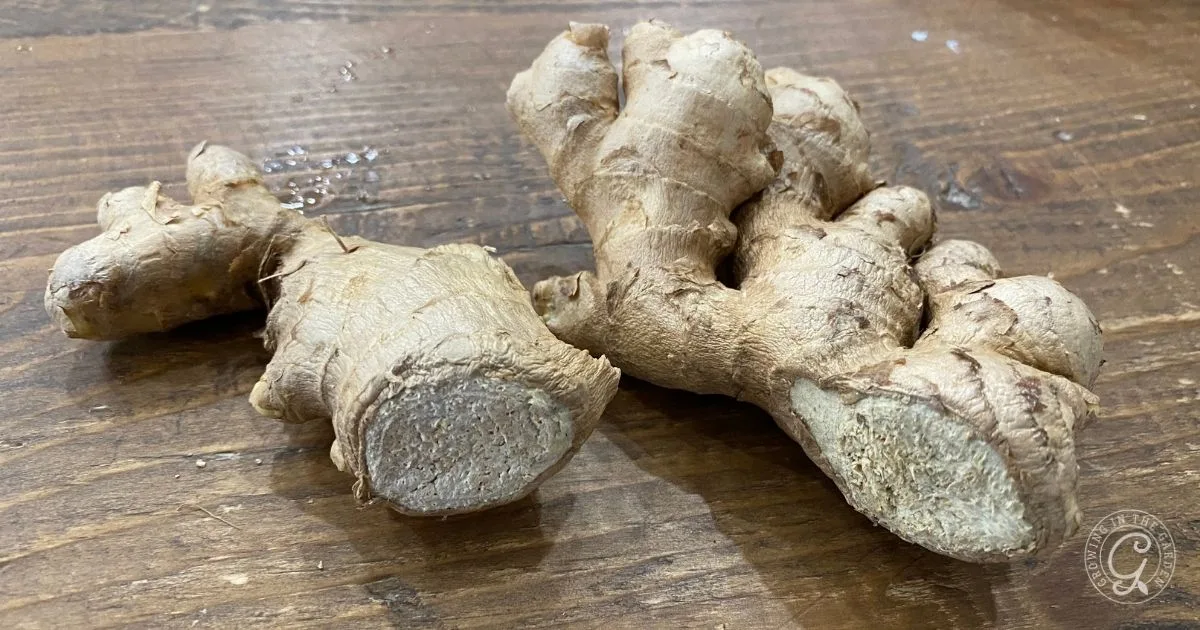
Pick plump, firm pieces with visible buds. Avoid soft, shriveled, or moldy ginger.
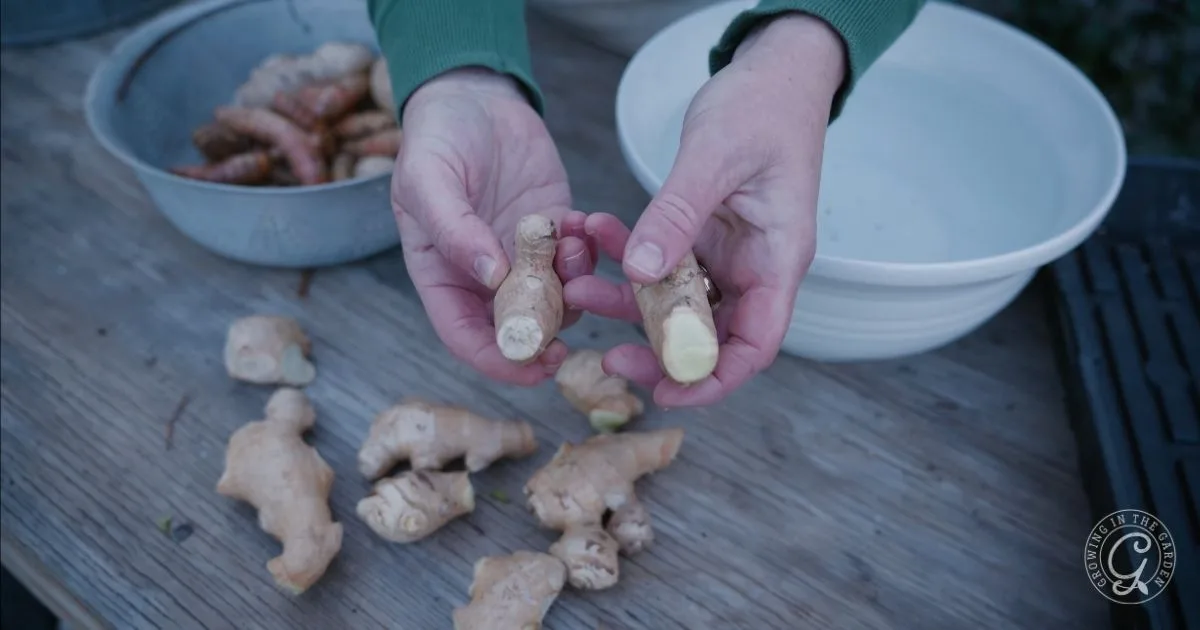
- Step 2: Cut into pieces
Cut ginger into 1 to 2 inch pieces. Make sure each piece has 1 to 3 healthy buds.
- Step 3: Let the cut ends dry
Let the cut pieces sit until the ends dry and heal over. This helps reduce rot after planting.
- Step 4: Pre-sprout in small pots
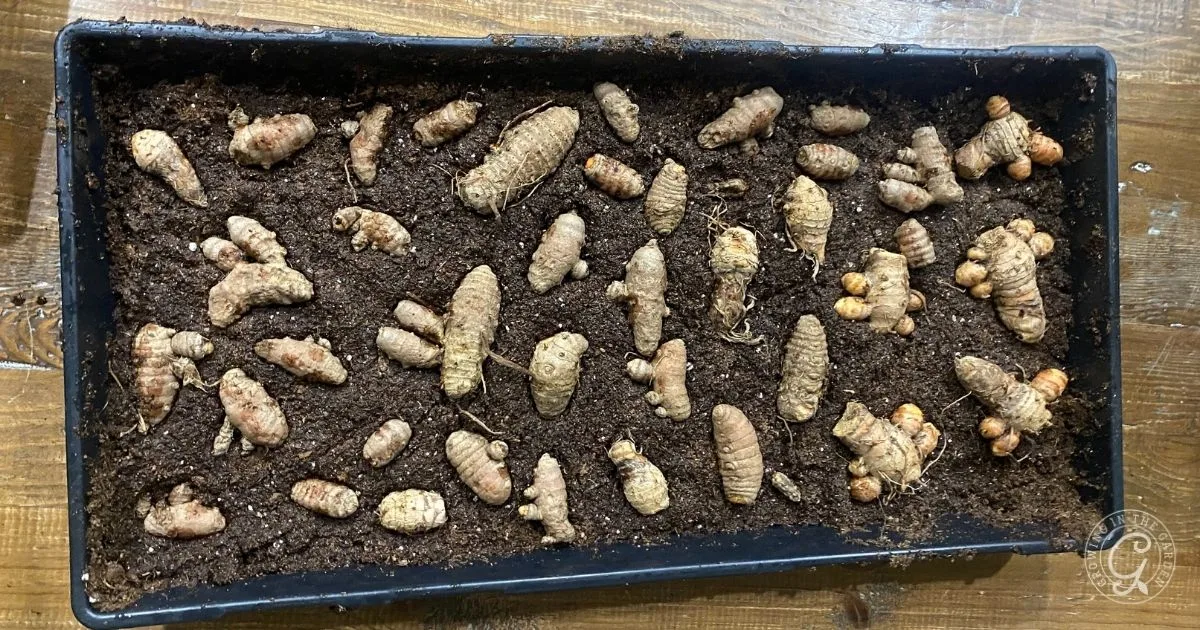
Plant pieces about 2 inches deep in small pots or a seed tray. Keep warm and slightly moist, but not soggy.
- Step 5: Wait for strong sprouts
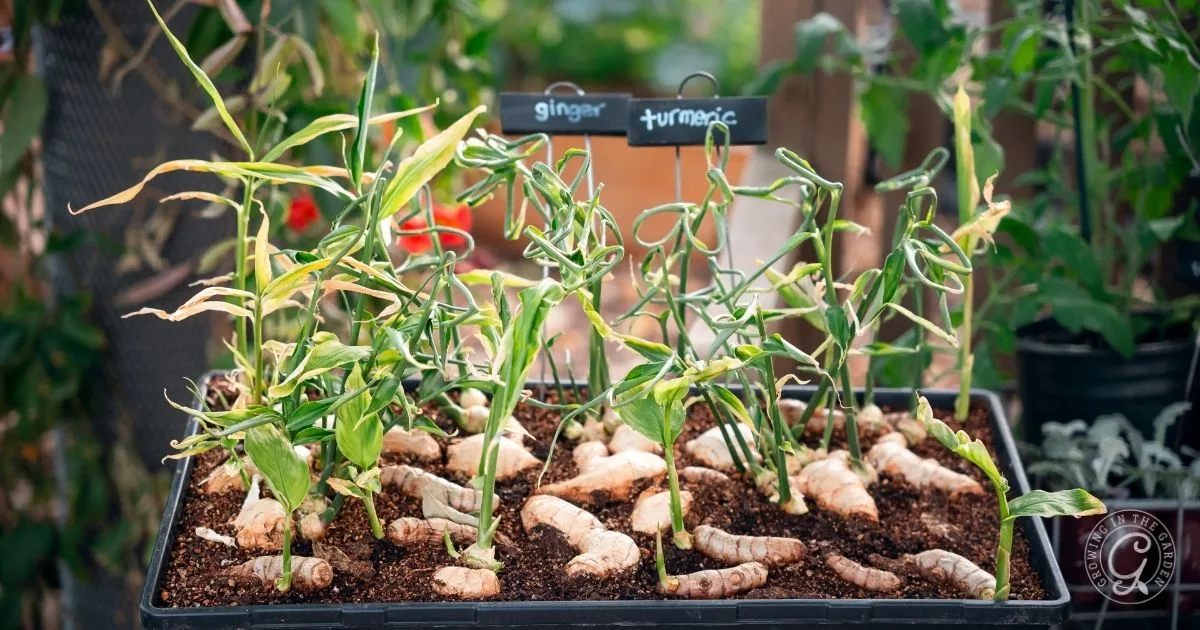
Let ginger grow until it has green shoots and good roots. This gives it a stronger start outdoors.
- Step 6: Plant in warm soil
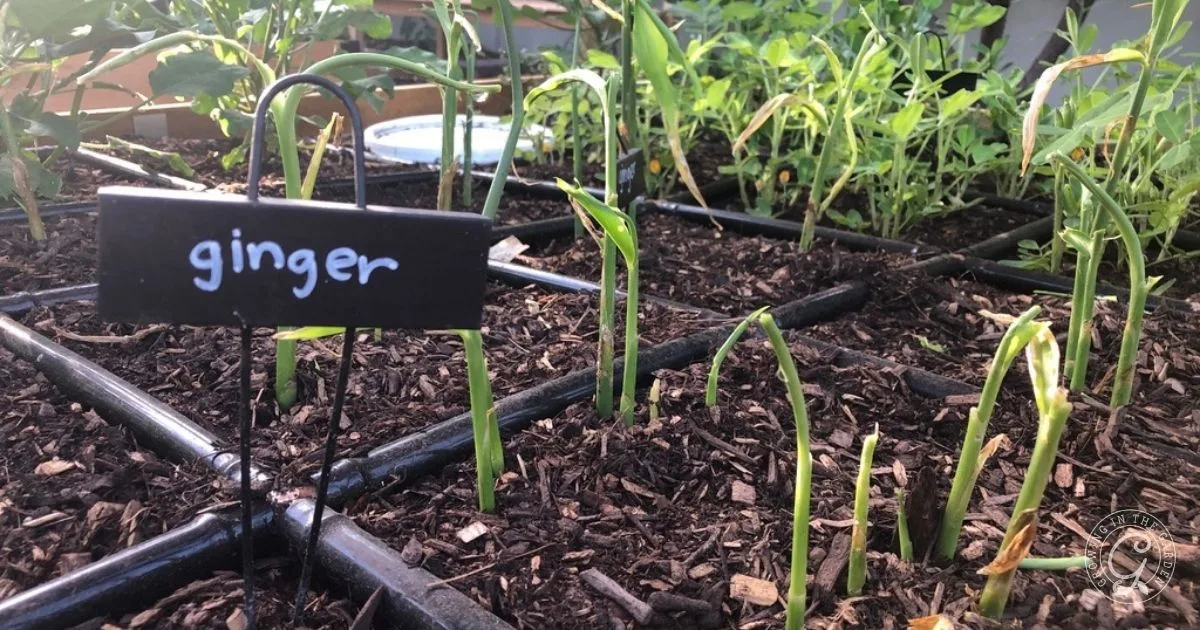
Plant outside once the weather is warm. Ginger grows best in rich, loose, well-draining soil.
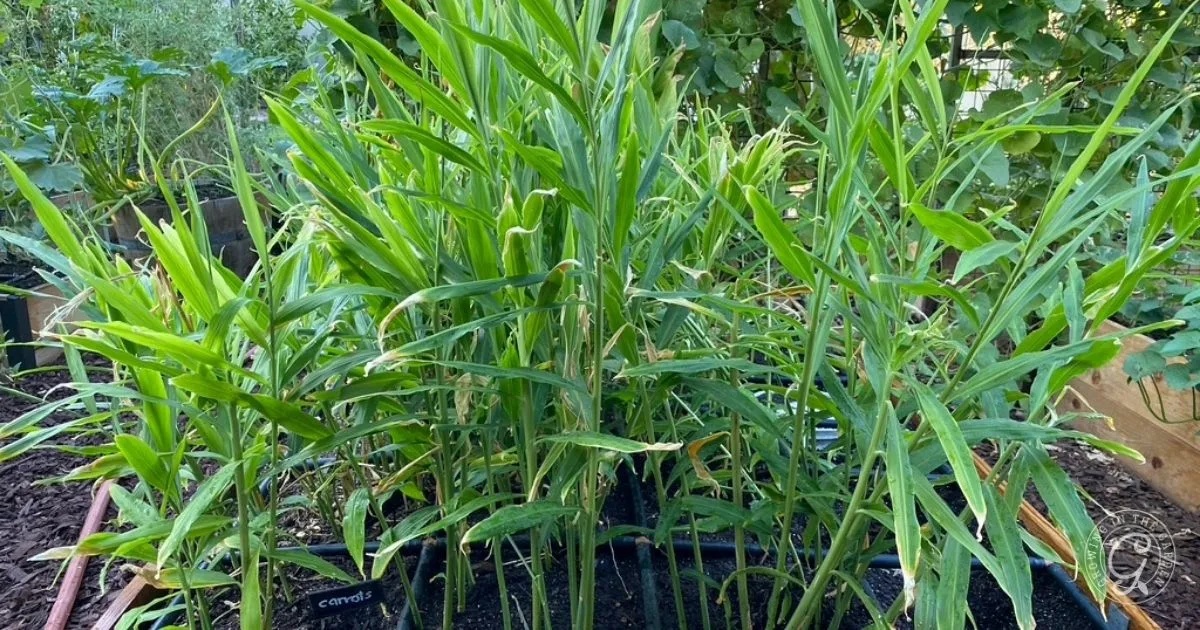
- Step 7: Protect from harsh sun
Give ginger bright light but protect it from hot afternoon sun. In hot climates, afternoon shade helps prevent scorched leaves.
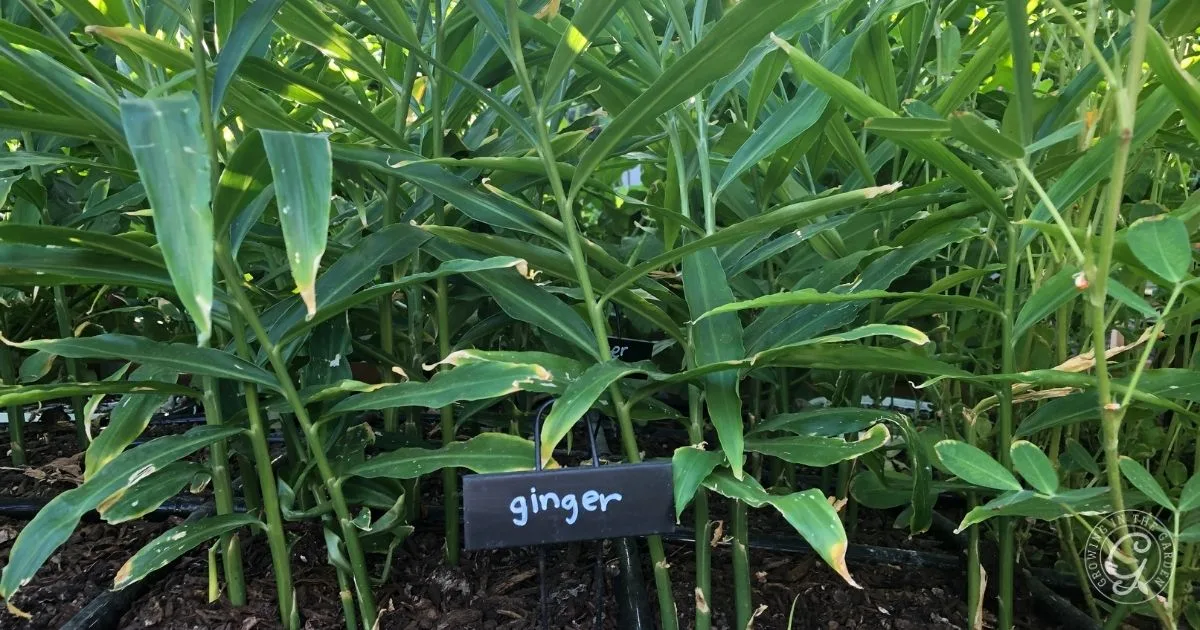
- Step 8: Keep evenly moist
Water regularly so the soil stays lightly moist. Don’t let the soil stay soggy or the rhizomes may rot.
Start with ginger that will actually sprout
The first step is the one most people overlook. If you choose old, soft, shriveled ginger, it may never sprout. Then even if you do everything else right, it still won’t grow. Organic ginger often sprouts more reliably.
Cut and prepare the ginger before planting
- Once you’ve chosen good ginger, cut the rhizomes into pieces about 1 to 2 inches long. Each piece should have at least 1 to 3 healthy buds.
- After cutting, let the pieces dry and heal over before planting. This simple step helps reduce the chance of rot once they go into the soil.
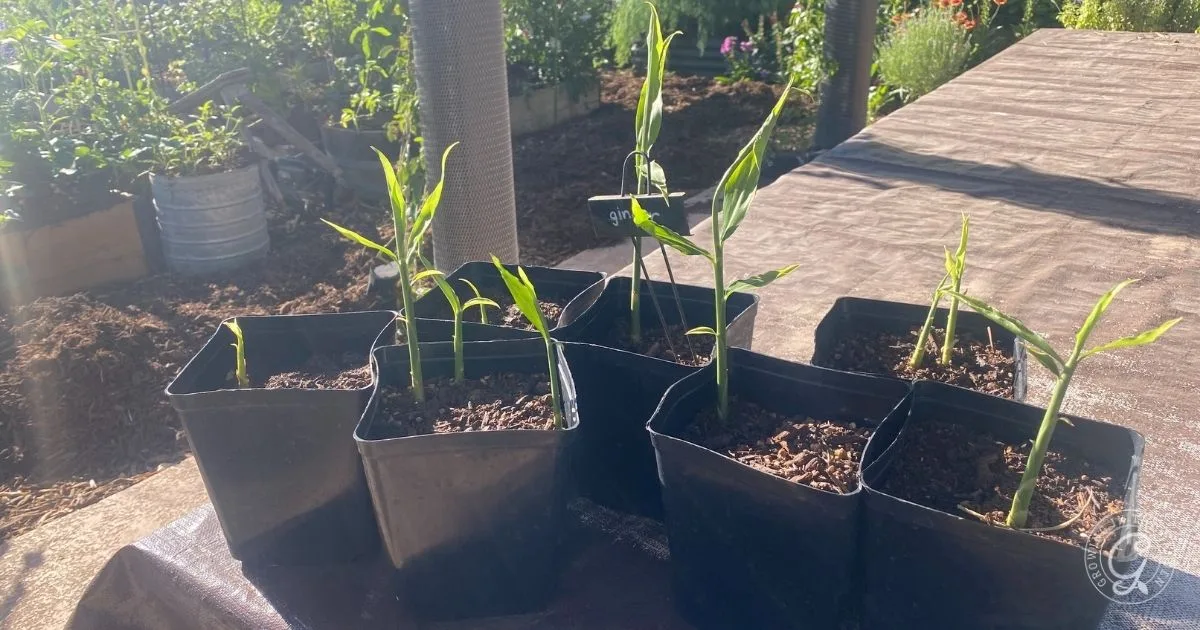
Pre-sprout ginger before planting it outside
This is one of the biggest things that has helped me grow ginger more successfully.
- Instead of planting fresh ginger directly into a garden bed and hoping it comes up, I like to presprout it first. That way, I’m not taking up valuable bed space with ginger that may rot or fail to sprout. By the time I plant it out, I know it’s alive and growing.
- Heat mats, humidity domes, and supplemental lighting help. Ginger sprouts best when soil temperatures are warm, with a minimum of about 68°F (20°C) for sprouting.
I usually start presprouting ginger in January or February, then plant it outside in March once the weather has warmed. I like to give myself at least a month, or even two, to get the ginger well sprouted before planting it outside. It’s nice to have strong plants with green growth and deep roots, rather than fresh-cut pieces that may or may not make it.
Wherever you live, begin presprouting ginger a couple of months before it’s time to plant outside. Plant outside a few weeks after your last frost date.
Once the ginger sprouts, let it keep growing in a bright spot until the weather is warm enough to plant outside. Before moving it outdoors, let it gradually adjust to outdoor conditions for about a week. For step-by-step help with this process, read this guide on how to presprout ginger and turmeric.
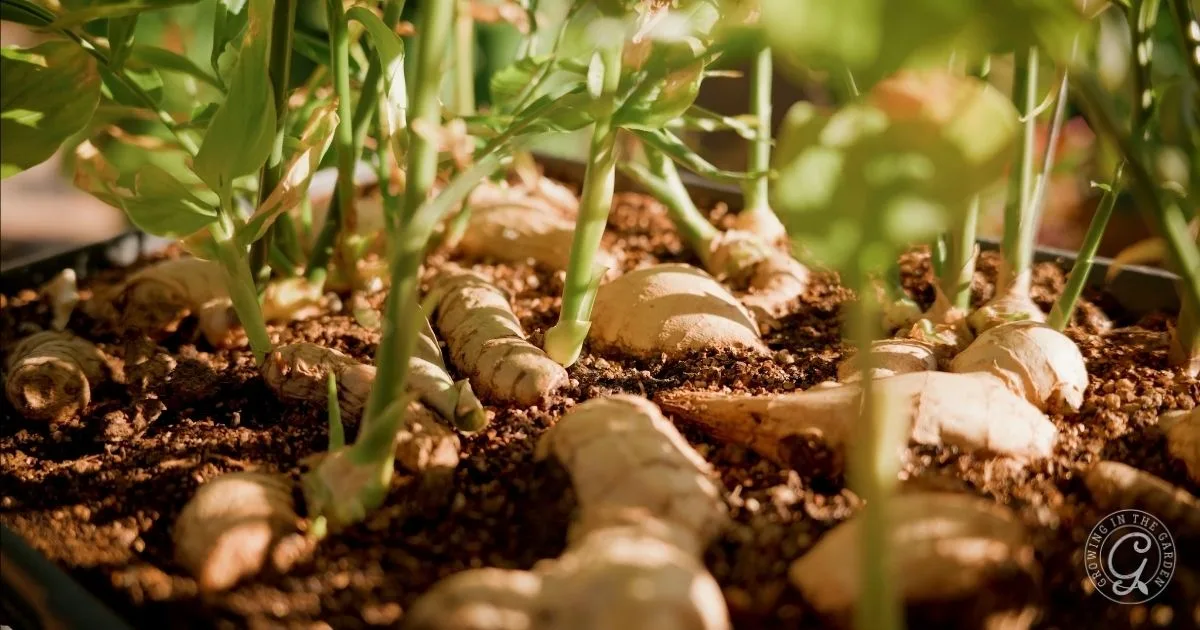
Plant ginger in warm weather in rich, loose soil
Ginger doesn’t like cool soil. Wait until the weather has warmed before planting it outside. If you garden in Arizona or another hot summer climate, don’t wait until it’s already blazing hot to get ginger planted. Ginger needs time to get established before the worst heat arrives.
Ginger is a tropical plant and grows best in warm, humid conditions.
- For the best growth, you want temperatures between 70°F and 85°F (21°C to 29°C). Ideal soil temperature is around 77°F (25°C).
- Loose soil makes it easier for the rhizomes to expand. If the soil stays soggy, ginger is much more likely to rot.
- Mulching with compost or straw helps keep the soil from drying out too quickly, adds nutrients over time, and helps suppress weeds.
Give ginger bright light, but protect it from harsh afternoon sun
This is one of the most important parts of growing ginger well in a hot climate. Ginger likes warmth, but hot afternoon sun can scorch the leaves. Tender foliage burns easily. Choose a spot with bright light and protection from the harshest sun.
One of my mistakes was planting ginger in an area with too much sun. The leaves scorched. In very hot summer climates, ginger does much better in a cooler part of the yard with afternoon shade.
I wish ginger grew well at 115°F, but that kind of heat is usually too much. In very hot weather, plants will slow down, burn up, or rot, especially if they weren’t well established before the hottest part of the season.
Water consistently, but don’t keep the soil soggy
Ginger grows best when the soil stays evenly moist during active growth. At the same time, the rhizomes do not like wet, waterlogged soil. If it’s too dry, growth slows. Too wet and the ginger can rot.
In hot, dry climates, ginger often needs more frequent watering, especially in containers. In humid or rainy climates, drainage becomes even more important. As the weather cools and the foliage begins to yellow, reduce watering.
Growing ginger in containers and grow bags
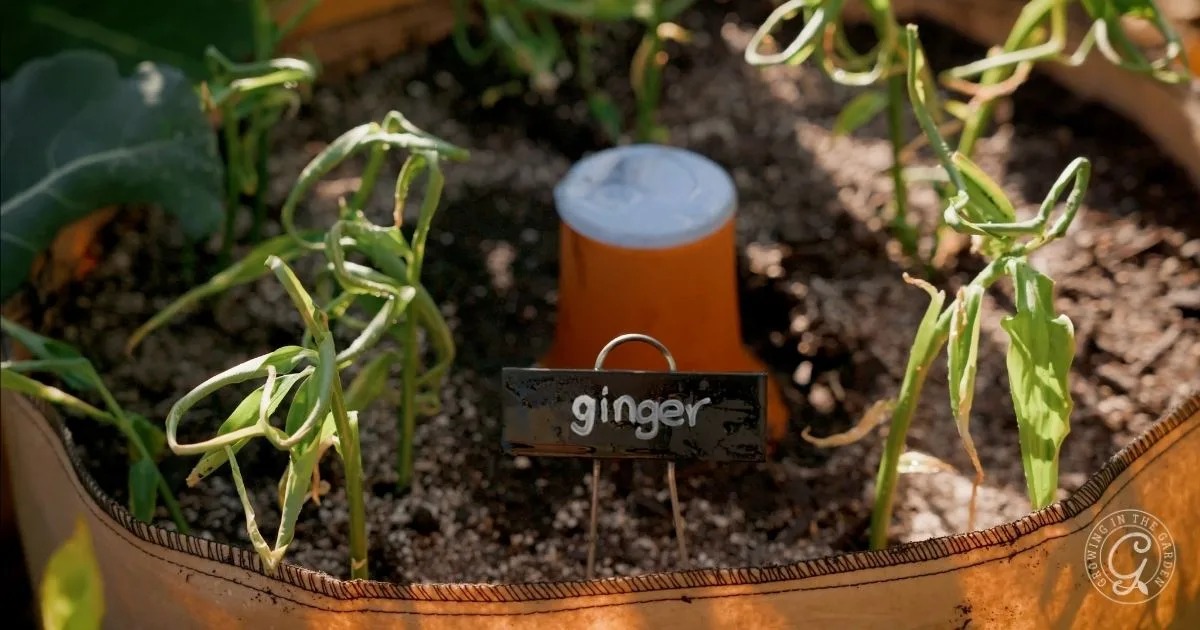
Ginger grows very well in containers, and containers make it easier to harvest.
Use a container that is at least 12 inches (30 cm) deep. Container-grown ginger usually needs more frequent watering and fertilizing than ginger grown in the ground. Adding an olla can help keep ginger from drying out. These are the ollas I use.
Ginger also does especially well in grow bags. In hot climates, I’ve found it helps to group grow bags together and give them afternoon shade. During very hot weather, a little extra humidity can help too. I use the mist setting on a hose nozzle during the heat of the day, and even a little misting can help. I have a mister for my chickens, and the area next to the coop is actually a great place to grow ginger.
To harvest container-grown ginger, dump the container onto a tarp or into a wheelbarrow and sort through the soil.
Learn more about how to garden in grow bags in this guide.
Fertilize during active growth if needed
If your soil is rich and healthy, ginger may not need much extra feeding. If it does need fertilizer, use a balanced fertilizer early in the season to support healthy foliage.
Later in the season, a fertilizer with a little more potassium than nitrogen can help support rhizome development. Avoid heavy nitrogen feeding that encourages too much leafy growth. Stop feeding about 6 to 8 weeks before harvest. I use the Agrothrive fruit and flower fertilizer for fertilizing ginger.
What to expect as ginger grows
Ginger takes time. After planting, it may seem like it isn’t doing much at first. That’s normal. It’s often putting energy into roots before you see growth above the soil. Eventually the sprouts get taller, and more shoots may pop up through the soil.
Plan on a month or two for the ginger to sprout and grow before planting it outside. Once it’s in the ground or in a larger container, it needs at least 6 to 8 months of growing time if possible. Ginger takes about 8 to 10 months to fully mature.
The longer it can stay in the ground during ideal growing weather, the larger the harvest will usually be. When temperatures drop below 50°F (10°C), growth slows dramatically.
In my climate, I’ve even left a few pieces in the ground by accident and discovered they planted themselves for the next year. Ginger goes dormant during the cooler months, then sprouts again when the weather warms in spring.
Because the growing season is so long, it’s easy to save a few nice pieces from your harvest and get them sprouting so they’re ready to plant the next season.
What can go wrong when growing ginger
Most ginger problems come down to a few common issues.
- The first is starting with the wrong ginger. If the rhizomes are too old, too soft, too dried out, or don’t have viable buds, they may never sprout.
- The second is planting at the wrong time. Ginger needs a long, warm growing season. If the soil is still cool or if there isn’t enough warm weather left in the season, growth will be slow and disappointing.
- The third is heat stress before the plant is established. If ginger is exposed to extreme heat before it has a strong root system and healthy top growth, it can rot or collapse.
I’ve seen that happen in my own garden. During a record-breaking hot summer (2020), all of my ginger rotted, and I didn’t get a harvest.
Troubleshooting ginger problems
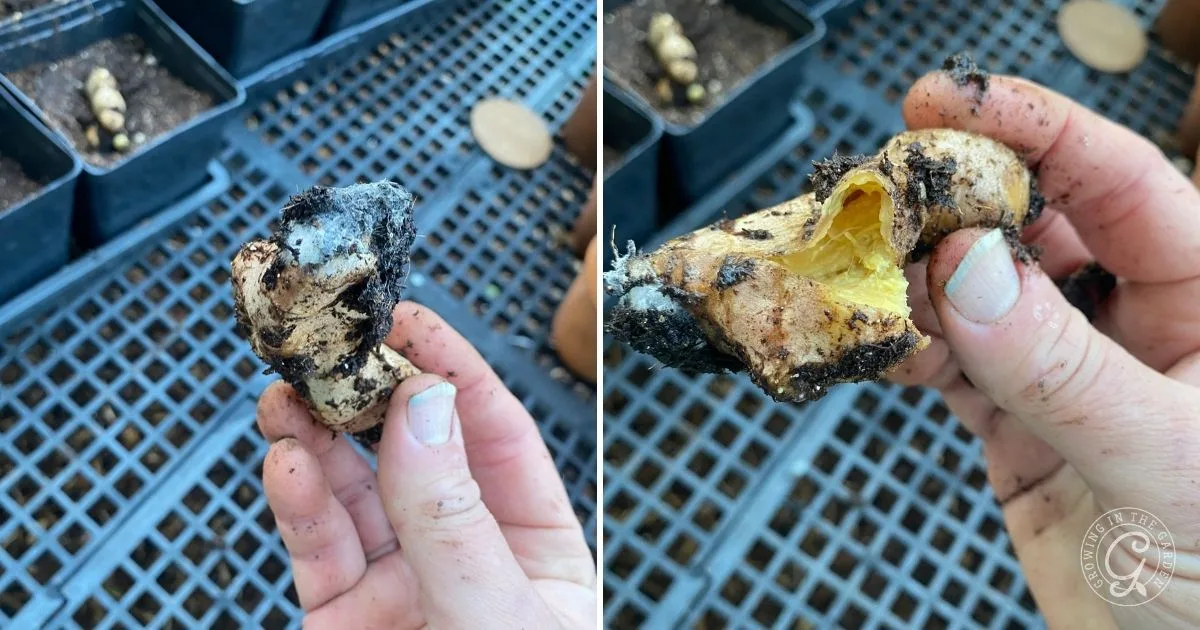
- If ginger isn’t sprouting after about 2 weeks, gently poke the planted piece. If it feels soft, it’s rotting and you’ll likely need to start over.
- If the leaves are burning, the plant is getting too much direct sun. Move containers to a more protected location or put up shade cloth. In very hot climates, avoid direct afternoon sun if possible. Learn more about creative ways to add shade to your garden in this guide.
- If ginger sprouts but then seems to stall, it may simply be putting energy into roots first. Give it warmth, regular moisture, and time.
How much ginger can you expect to harvest?
Each planted piece of ginger can grow into a nice-sized hand of ginger. The longer the season, the larger the harvest. If growth is interrupted by extreme heat or cold, yields will be smaller.
A reasonable expectation is about 2 to 4 times the original size of the planted rhizome, though that depends on climate, growing time, and how well the plant is established before stressful weather arrives.
If you’re growing ginger, you’ll want recipes that use it fresh. This 15-minute long beans recipe with ginger and sesame is one I make all summer.
How and when to harvest ginger
In warm climates, harvest mature ginger after the leaves begin to yellow and die back. If you can, wait as long as possible for larger rhizomes.
In cooler climates, harvest before a hard frost if ginger is growing in the ground. If it’s growing in a container, you may be able to move the pot indoors to extend the season.
To harvest, gently dig up the whole plant. In frost-free climates, ginger can stay in the ground, but it’s still important to avoid overly wet soil during cool weather.
One thing that surprised me the first time I grew ginger was that fresh ginger doesn’t need to be peeled. The skin is soft and tender. The darker part of the harvest is the original mother ginger. It’s still fine to use, but the real prize is the fresh new ginger that formed around it.
My favorite way to preserve ginger
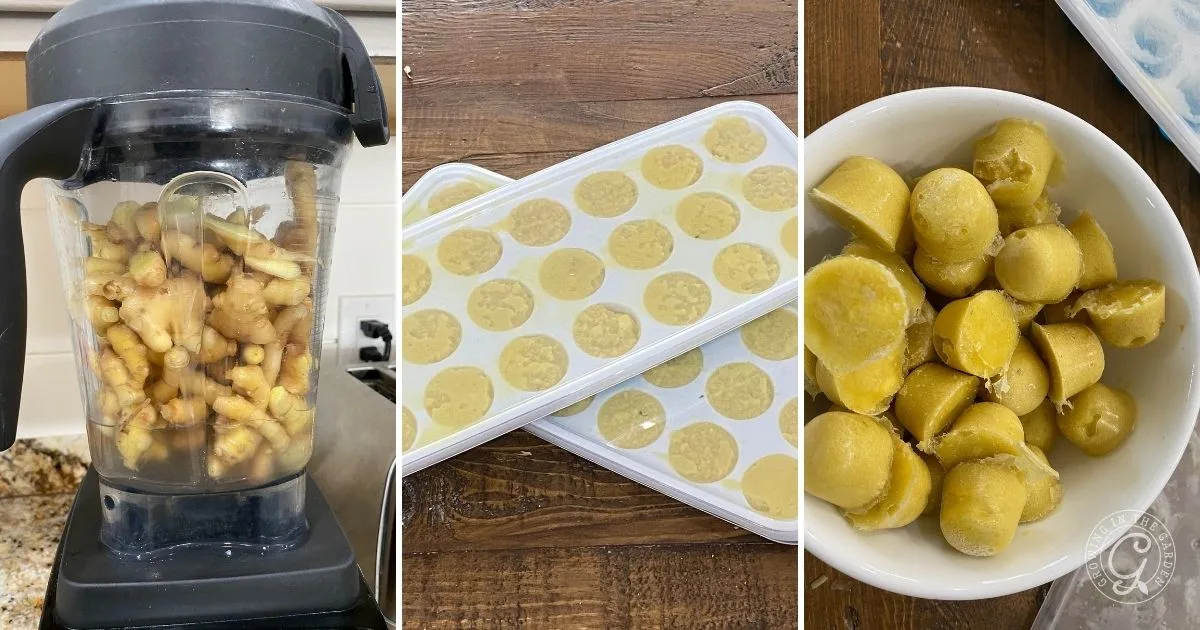
My favorite way to preserve homegrown ginger is to blend it into a puree and freeze it in ice cube trays. Since fresh ginger doesn’t need peeling, it’s quick to process and really convenient to use later.
This guide shares more of the best ways to preserve ginger.
Ginger vs. turmeric

Ginger and turmeric are grown in very similar ways. Both like warm soil, regular moisture, and protection from harsh sun. The biggest difference is that turmeric usually needs even longer in the ground to produce a full harvest.
Learn how to grow turmeric in this guide.
Mistakes I made growing ginger
Some of the most helpful lessons came from what didn’t work.
- I planted ginger in too much sun, and the leaves scorched.
- I planted it when the weather was already too hot, and some of it rotted.
- I skipped presprouting, which left bare spots and wasted space in the garden.
- I also buried ginger more deeply than necessary. It still grew, but it didn’t need to be planted that deep.
Those mistakes taught me that ginger does best when I get it off to a good start before planting, plant it at the right time, and provide shade in my hot summer climate.
Final thoughts on how to grow ginger
If you want to know how to grow ginger successfully, focus on the few things that matter most. Start with firm, healthy ginger. Presprout it first. Plant it in warm weather in loose, well-draining soil. Keep it watered, but not soggy. Protect it from harsh afternoon sun. Then give it time, lots of time.
Ginger is not a fast crop, but it’s a satisfying one. Once you harvest your own fresh ginger and realize how tender and flavorful it is, it’s easy to want to grow it again.
Frequently Asked Questions About Growing Ginger
Ginger is a long-season crop. Plan on 6 to 8 months of growing time, if possible, and about 8 to 10 months for a full harvest. The longer it stays in the ground during warm weather, the larger the harvest usually is.
Yes. Ginger grows very well in containers and grow bags, and containers make it easier to harvest. Use a container that is at least 12 inches (30 cm) deep, and be prepared to water and fertilize more often than you would for ginger grown in the ground.
No. Ginger likes warmth, but it does not like intense afternoon sun, especially in hot climates. In very hot summer areas, give ginger bright light and afternoon shade to help prevent scorched leaves.
If ginger isn’t sprouting after about 2 weeks, gently check the planted piece. If it feels soft, it’s likely rotting and you’ll need to start over. Ginger may also fail to sprout if the rhizome was too old, dried out, or planted in soil that was too cool.
In frost-free climates, yes. Ginger can go dormant during cool weather and sprout again when temperatures warm in spring. I discovered this by accident after leaving a few pieces in the ground, and they basically planted themselves for the next year.



Thank you so much. I found this post very insightful and very helpful. I will share it with all of my friends!
Where do you recommend getting the pieces of ginger to plant?
I usually get organic ginger from a local grocery store.
what a good explanation
Glad it was helpful!
this was very interesting,I finally got a piece of ginger off someone to grow, in this video it looked like the rhizomes were planted flat on the soil but I have got the general idea ,this video has been more explanatory than others I have watched,thankyou..Elizabeth
Detailed and well explained article.
Thanks!
Well explained. It would be helpful to me. I’ll give it a try. Thanks for the update.
So glad it was helpful!
Very useful
As a novice in gardening issues….and as a highly optimist…I expect to benefit a lot from this site,and to become the best gardener in my location. This article was helpful!
Thanks for the information. Very helpful!!
Looking forward to sharing my small harvest. Some I’m looking to freeze in alcohol and some in ginger honey for all of us. And good for our furbaby too, bonus points IMHO. I miss the farmers market we used to go to….where I could get the bruised and battered produce at a cheap price. I made homemade sauce and lots of other things…..
I really enjoyed such topics especially this one how to grow Ginger…
Great info
Will grow and freeze
Most informative…useful information
Most useful
Thanks!
Need more information to improve ginger planting.