
How to Make Roselle Tea (Plus My Citrus Blend)
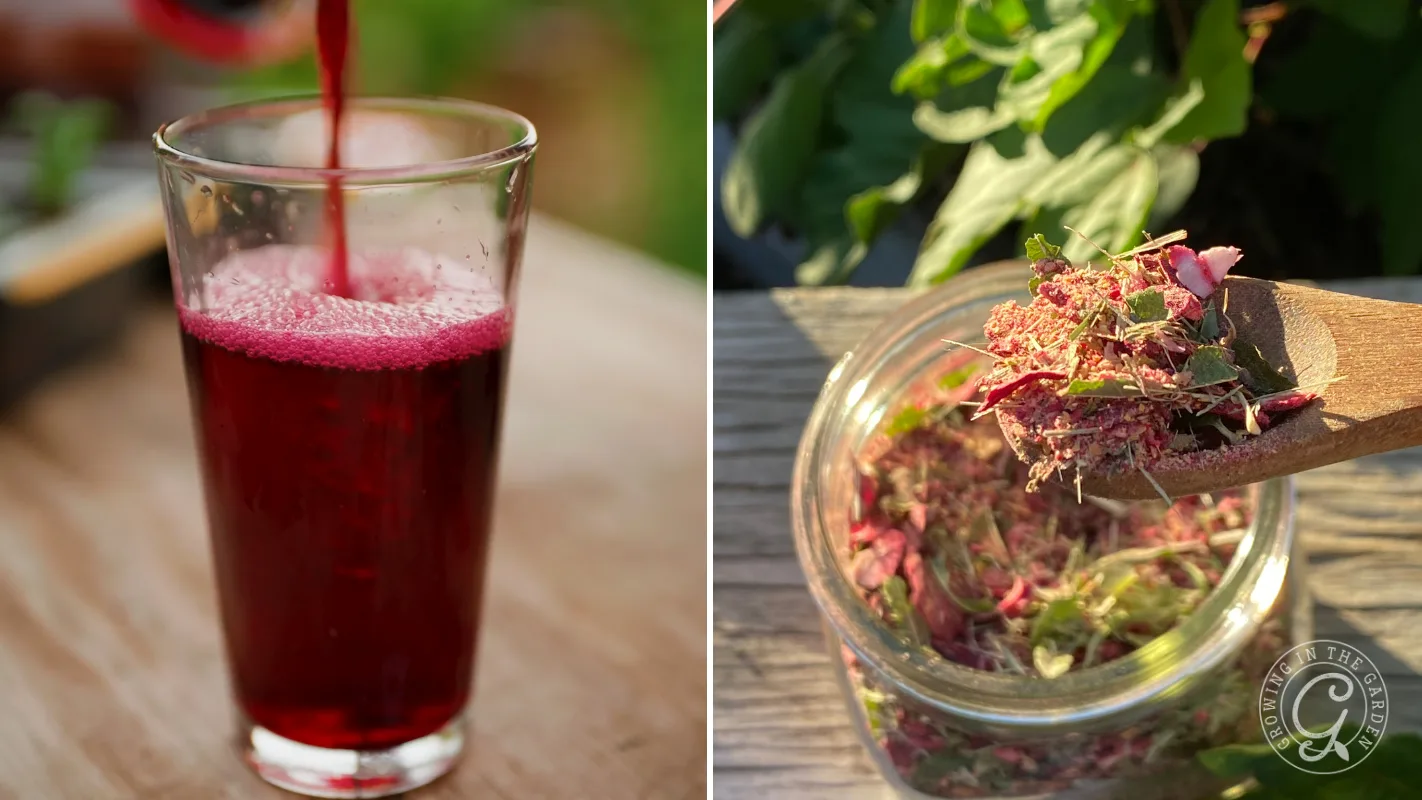
The first blooms on my roselle mean fall is coming, and the first thing I do with a harvest is make tea. I drink it hot in the winter and iced all summer.
When I want something different, I make the citrus blend farther down this page. I keep it mixed in a jar, and everything in it is from the garden. I’ll show you how to make both, along with the change that made the biggest difference in my tea: I stopped boiling the roselle and started steeping it instead.
If you’re not growing roselle yet, start with how to grow roselle hibiscus. Do you have a bunch of harvested roselle and aren’t sure what to do with it? Here’s everything else I make with it.
Key Takeaways
- Roselle makes a tart, deep-red herbal tea that you can drink hot or iced.
- I steep roselle in water just off the boil rather than simmering it on the stove.
- Crumbling dried calyces before steeping gives the water more surface area and, in my experience, makes a stronger cup.
- For iced tea, you can brew it hot and pour it over ice, or cold-brew it overnight in the refrigerator.
- My citrus blend combines roselle with lemon verbena, lemongrass, lemon peel, and a little stevia from my garden.
- Dry or freeze-dry extra roselle if you want to make tea throughout the year.
What We’ll Cover:
- What Roselle Tea Tastes Like
- Don’t Boil Roselle Tea
- How to Make Hot Roselle Tea
- Do You Need to Sweeten Roselle Tea?
- Roselle Tea with Sparkling Water
- How to Make Iced Roselle Tea
- Fresh, Dried, or Freeze-Dried?
- My Roselle Citrus Tea Blend
- Preserving Roselle for Tea
- Is Roselle Tea Good for You?
- Roselle Tea FAQs
- More About Roselle
What Roselle Tea Tastes Like
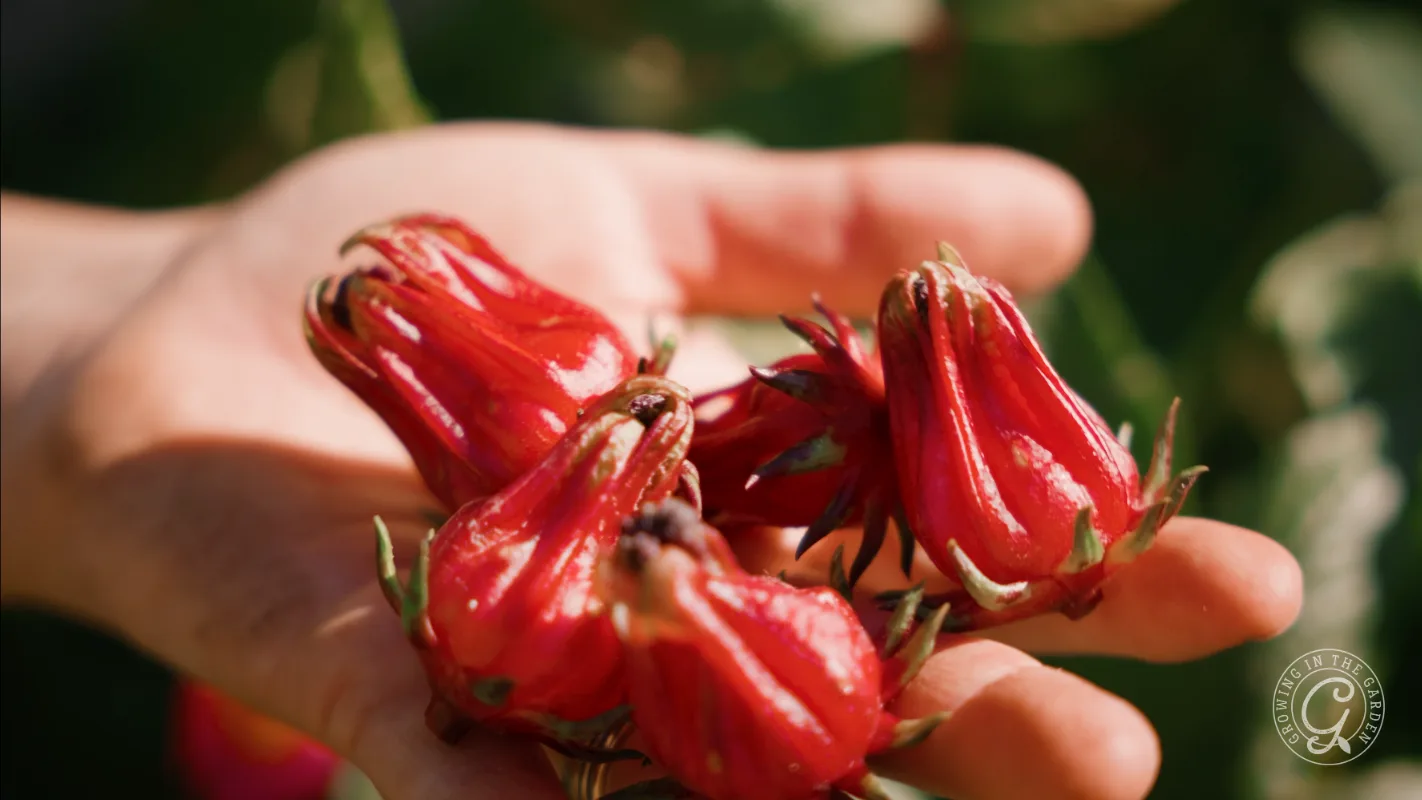
Tart and bright, close to cranberry. It has a richer flavor than most herbal teas and holds up well when iced without getting watery.
Roselle is also used to make drinks like agua de Jamaica, Jamaican sorrel, and karkade.
Don’t Boil Roselle Tea
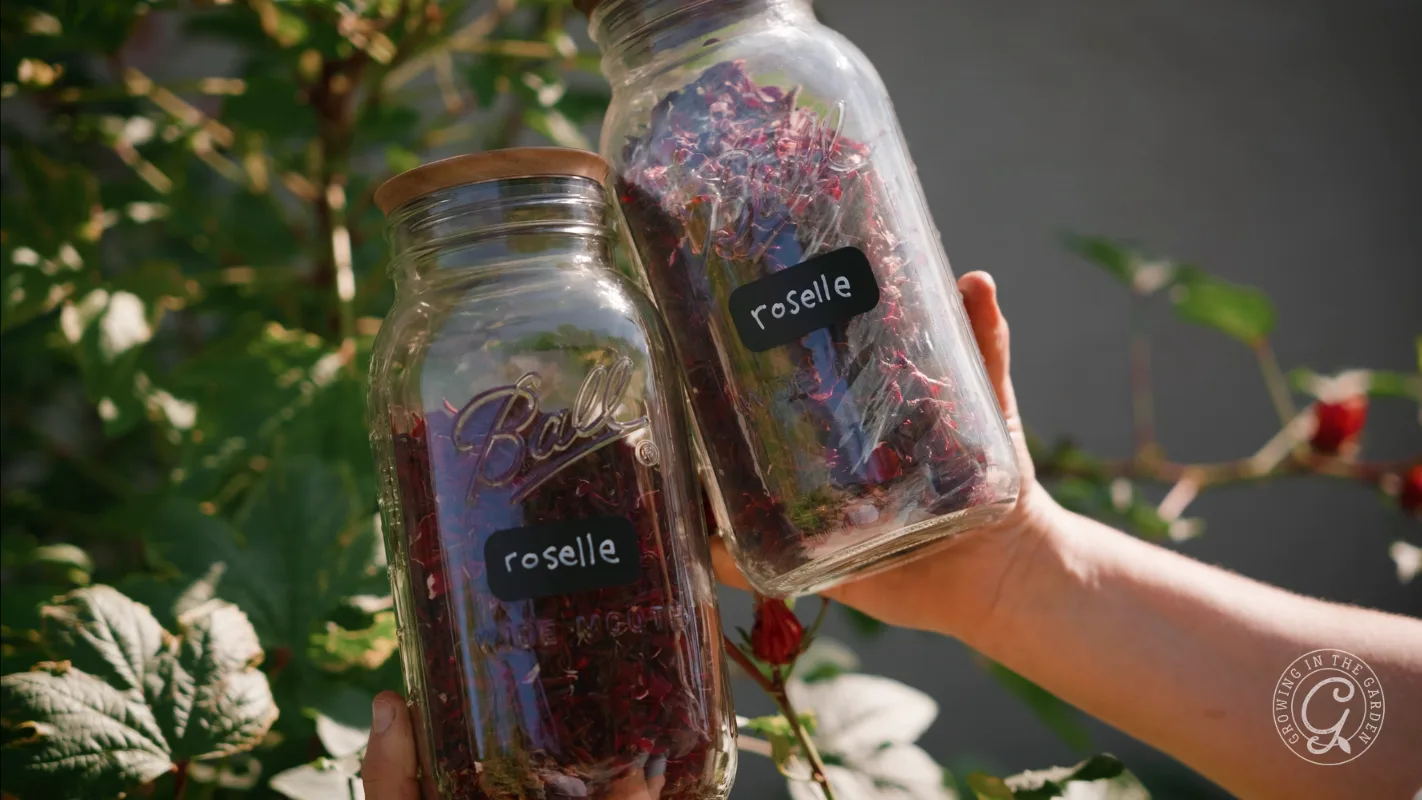
I used to boil or simmer roselle when I made tea. I don’t anymore.
Hot water extracts the color and flavor quickly, but prolonged high heat can also break down some of its anthocyanins.
Now I use water just off the boil, around 195°F, and steep the calyces instead. About 10 to 15 minutes gives me a rich, deep-red cup without simmering it on the stove.
Cold brewing works too. Research has found similar anthocyanin extraction from a long steep at room temperature and a much shorter steep around 194°F. That helps explain why both methods work; one just takes longer.
How to Make Hot Roselle Tea
Per 8 oz cup
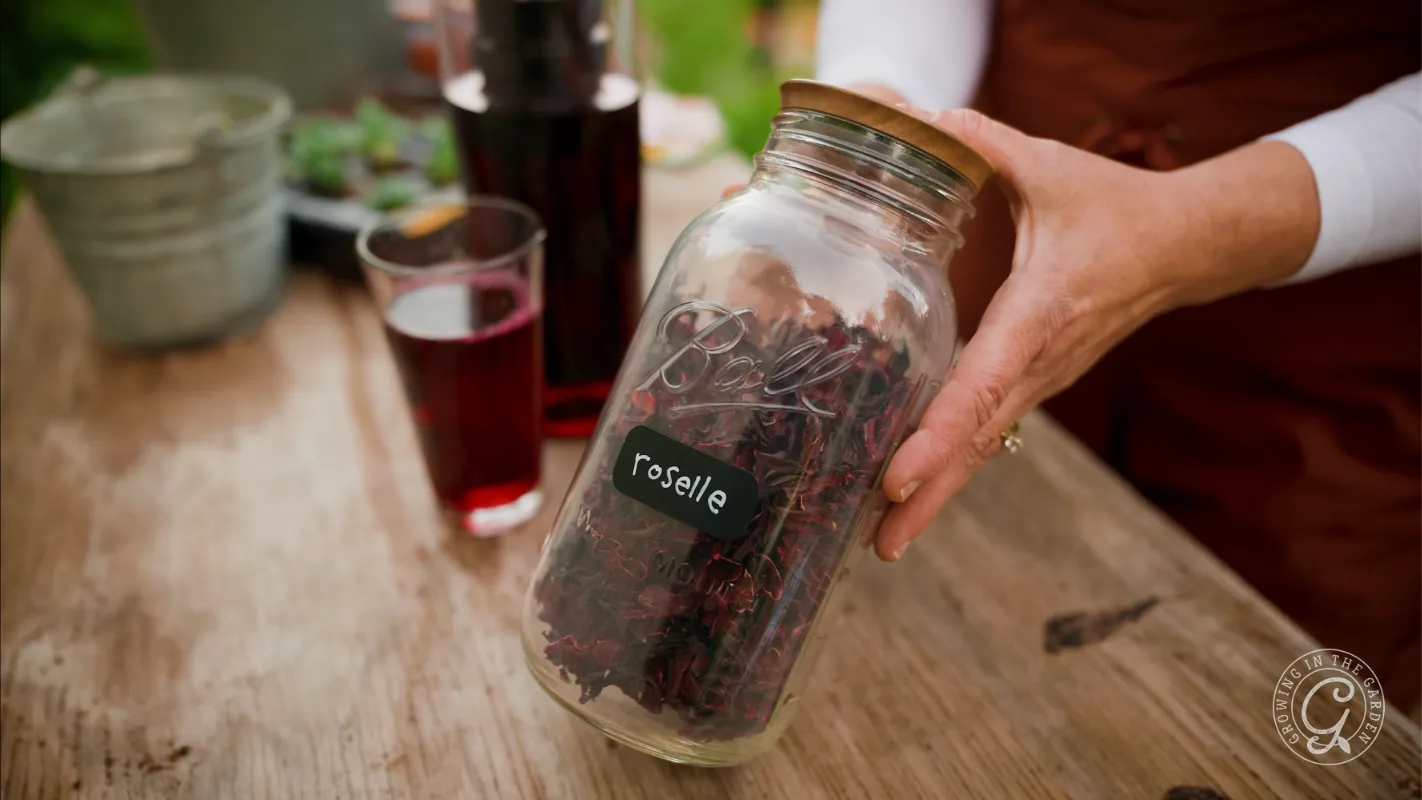
- 1 to 2 teaspoons dried roselle calyces, about 1 teaspoon once crumbled
- 8 oz water, just off the boil
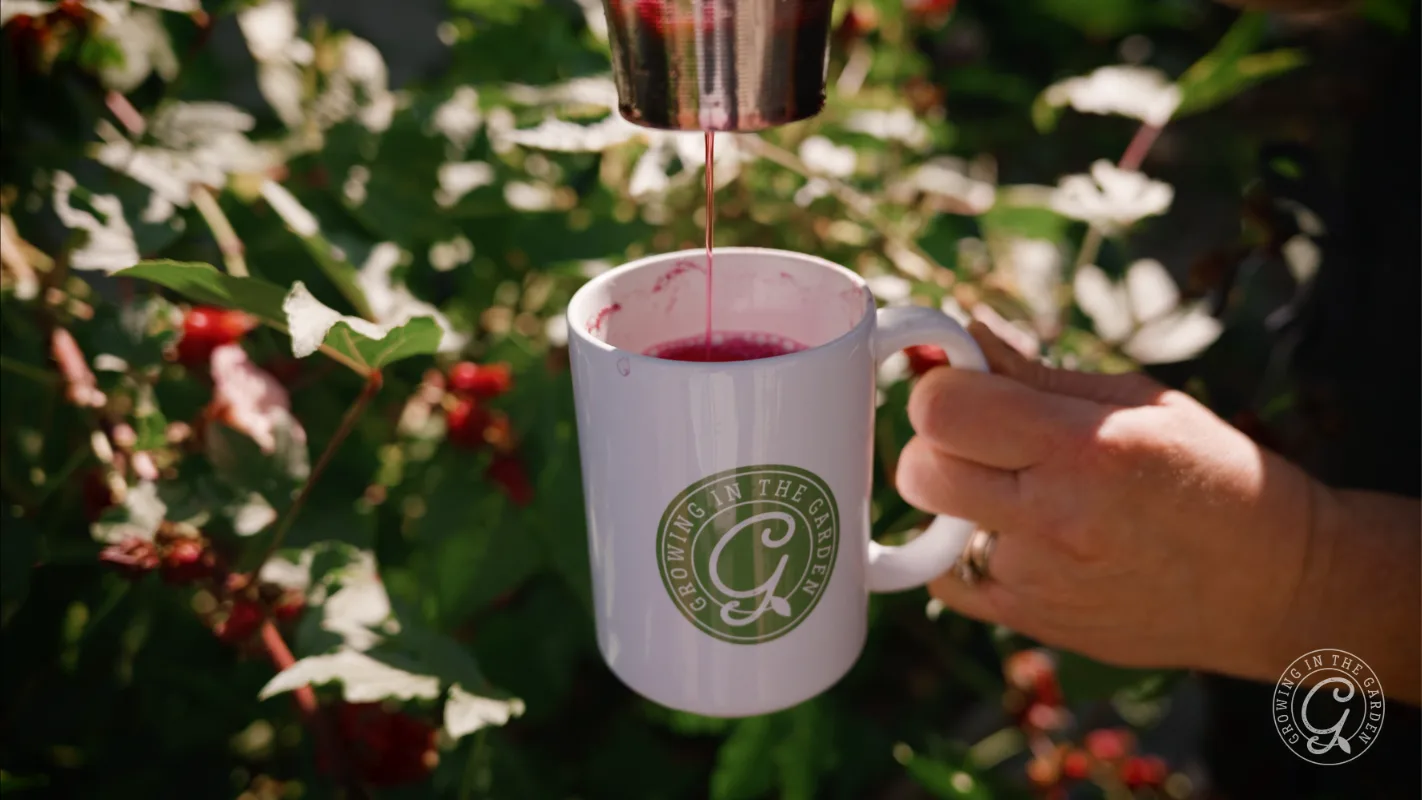
Crumble the dried calyces before steeping. This is one of the things that improved my tea the most. Breaking them into smaller pieces increases the surface area exposed to the water, and I get more color and flavor from the same amount of roselle.
Put the crumbled calyces in an infuser, pour the water over, and steep 10 to 15 minutes. You can add more if you like it strong. It’s hard to overdo.
Do You Need to Sweeten Roselle Tea?
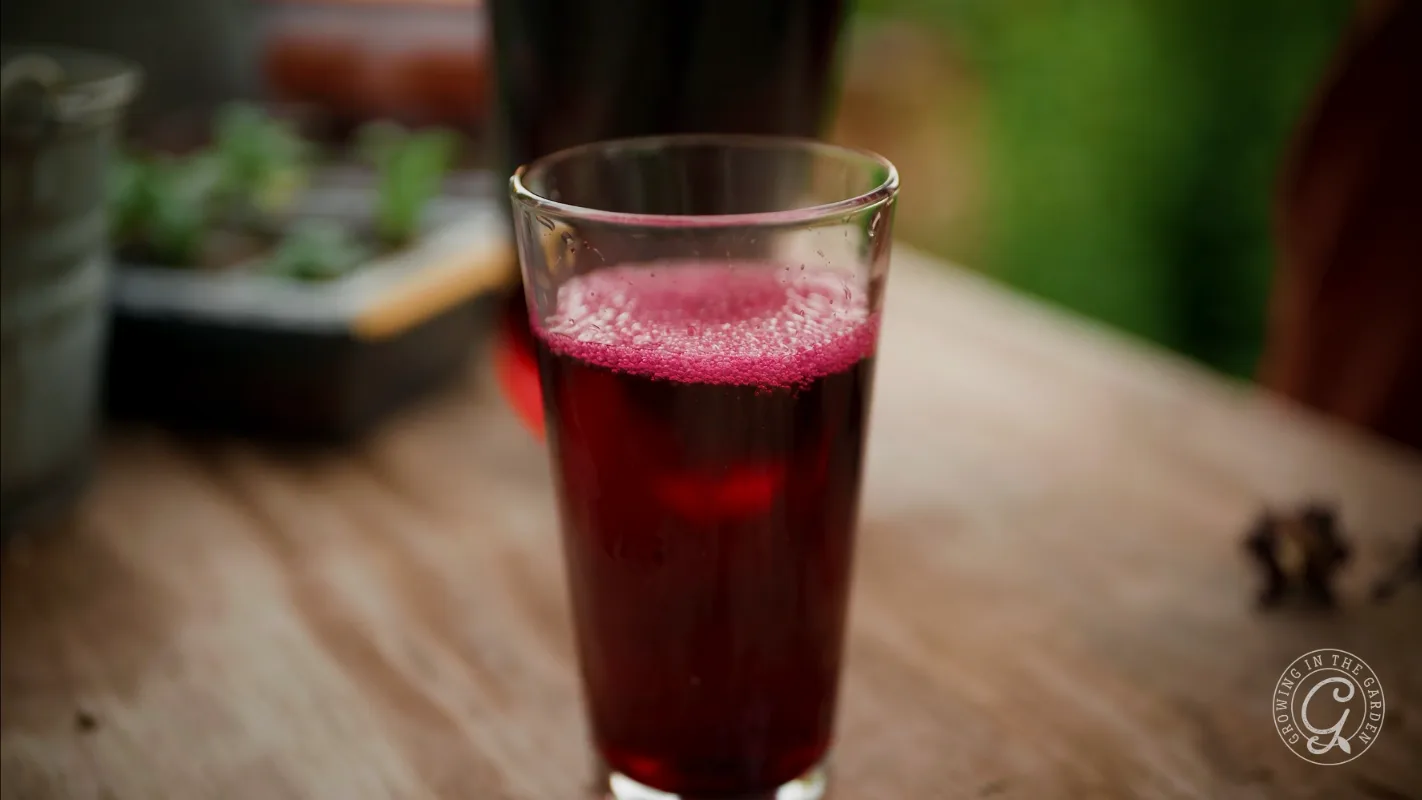
I like it unsweetened, but my kids don’t love unsweetened tea. Roselle tea is tart. During citrus season, I’ll squeeze a little fresh orange juice into it or add a couple of orange slices, which softens the tartness without making it sweet. You can also sweeten it with honey or a little homegrown stevia.
Roselle Tea with Sparkling Water
Mix cold-brewed roselle tea (more info below) with sparkling water, roughly half and half, and adjust to taste. It’s tart, fizzy, and thirst-quenching. No sugar or syrup needed. In hot weather, this is probably my favorite way to drink roselle.
How to Make Iced Roselle Tea
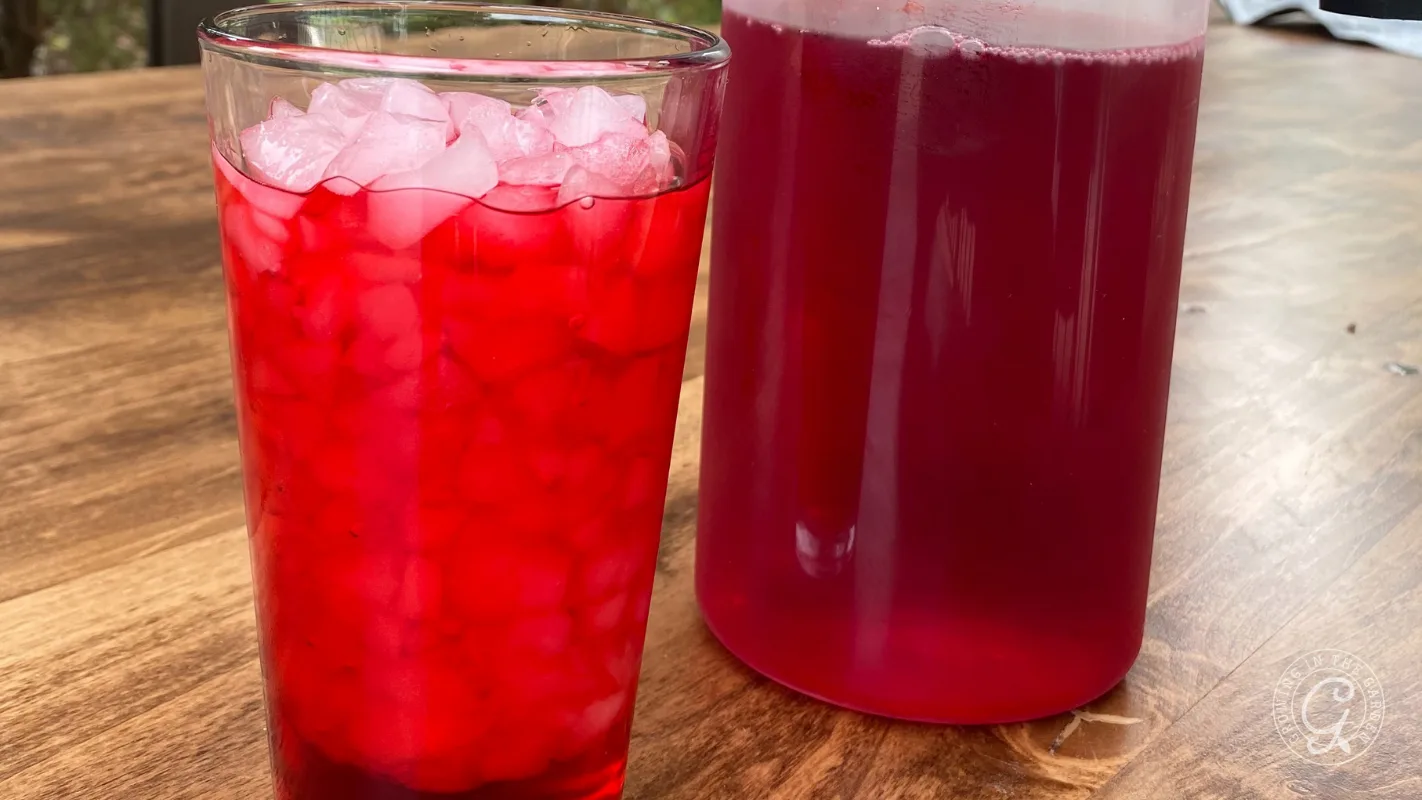
Make it hot and double-strength, then pour it over a full glass of ice. The ice melts into it and brings it back to normal strength. This way is quicker. If you have more time, you can try a cold brew. To cold brew, put crumbled calyces in a steeping pitcher with cold water and leave it in the refrigerator overnight.
- About ½ cup dried calyces, or 1 cup fresh, per 2 quarts of water
Serve over ice with a citrus wedge.
For another refreshing summer drink, try my homemade lemonade made with fresh lemons.
Fresh, Dried, or Freeze-Dried?
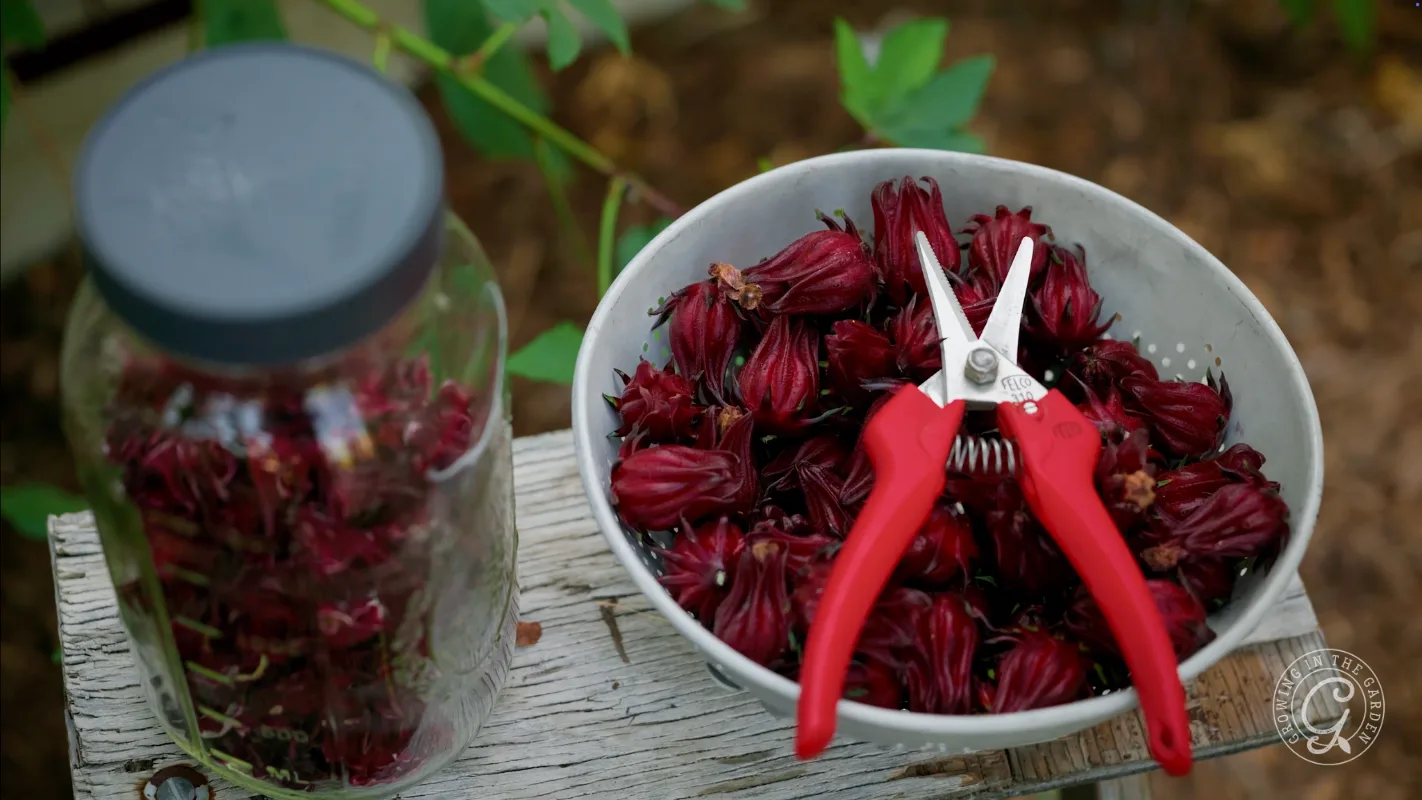
Fresh calyces. What you have at harvest. Use roughly twice the volume a recipe calls for in dried, since fresh is mostly water.
Dried. The standard for tea and what most recipes assume. Stores a year or more in a jar. This is what I’d use if you’re buying rather than growing, and this is a good package to get.
Freeze-dried. I prefer freeze-dried roselle because it keeps the color and flavor so well. More on freeze drying here if you would like to learn more.
My Roselle Citrus Tea Blend
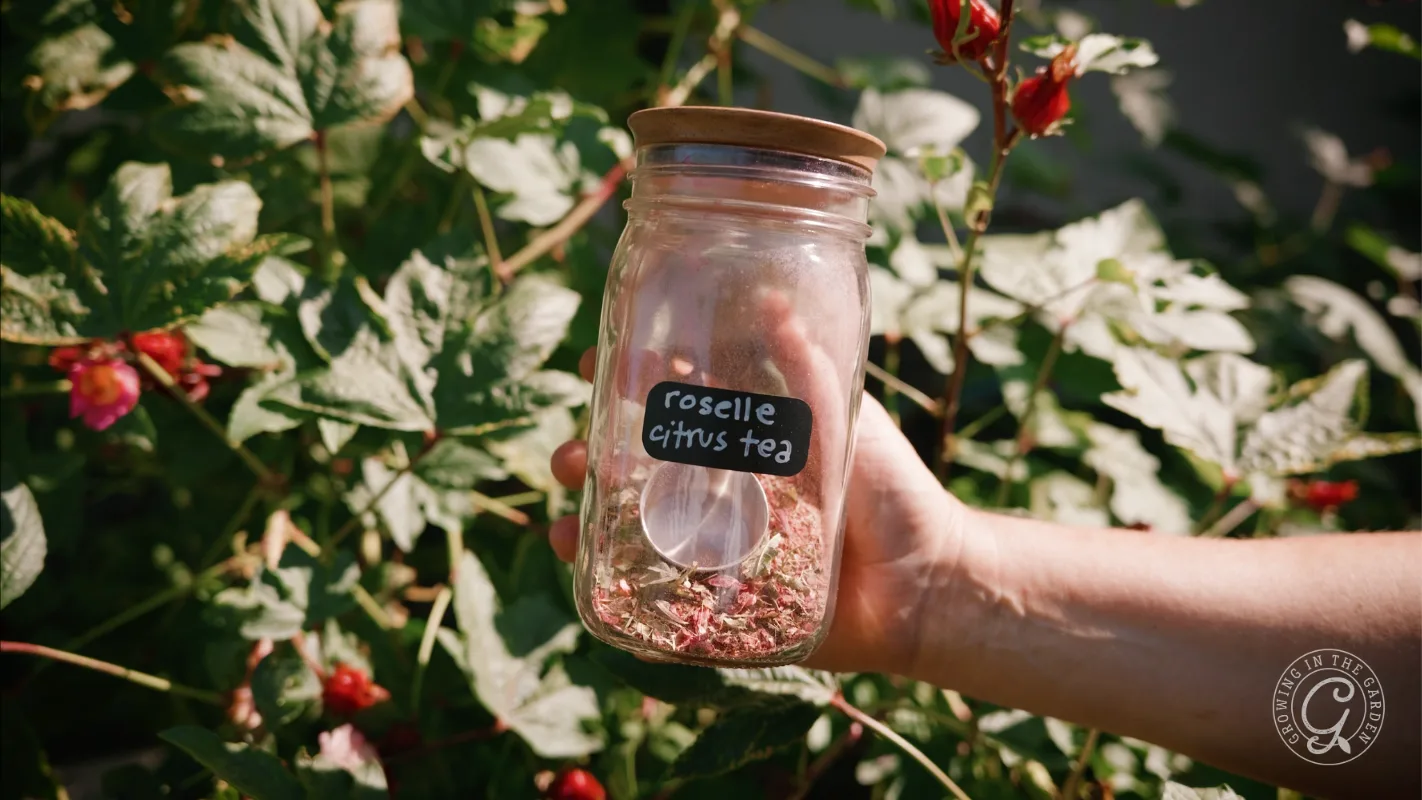
I love keeping this on hand. Roselle is the prominent flavor, but the citrus and herbs round out the tartness and give it more depth. Everything in the blend comes from my garden. It started as a way to use what I had.
The recipe calls for freeze-dried ingredients, but dehydrated ingredients work too. The finished blend may look a little different, but the flavor is still good.
Ingredients:
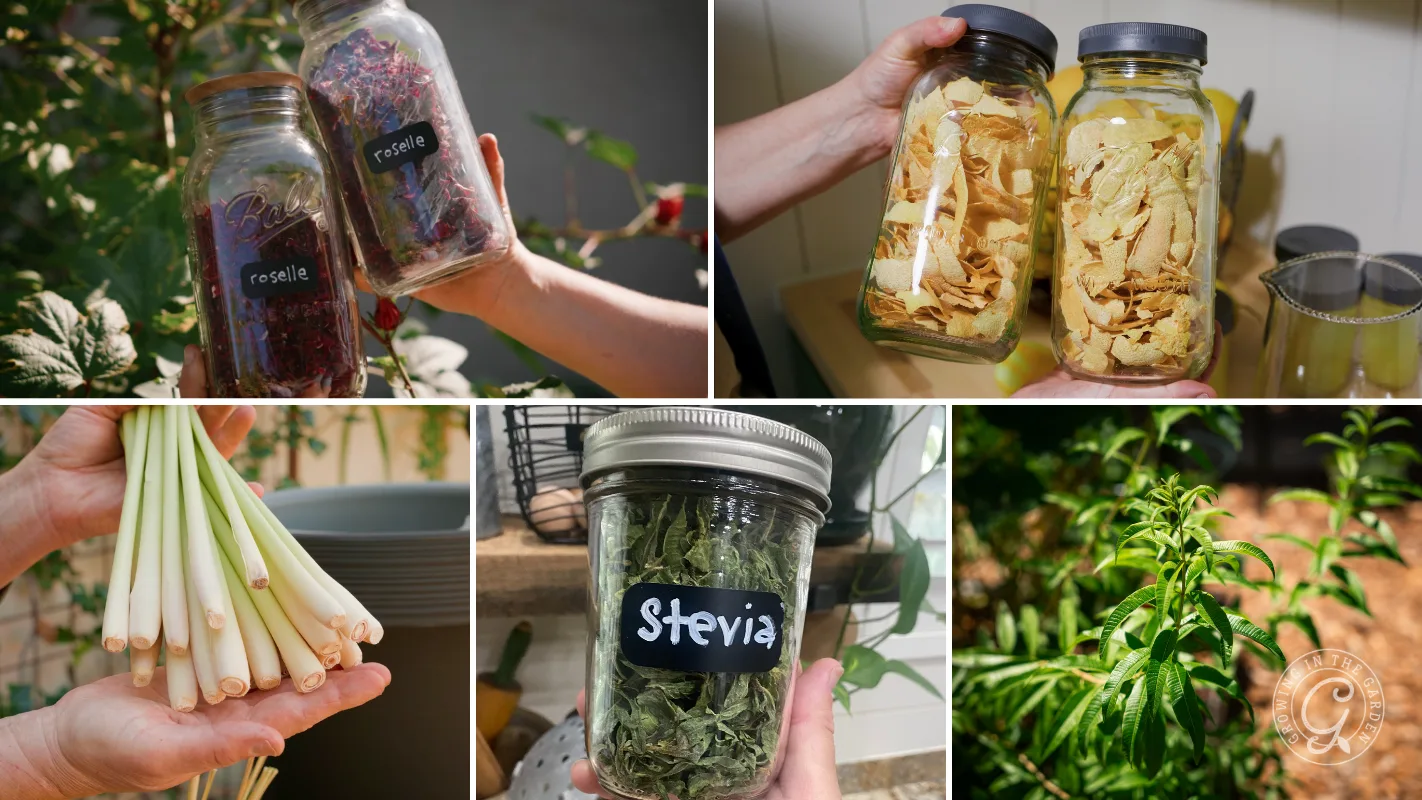
- 1 cup freeze-dried roselle
- ½ cup freeze-dried lemon verbena leaves
- ½ cup freeze-dried lemongrass
- ¼ cup freeze-dried lemon peel
- ¼ cup freeze-dried stevia, or less to taste
Instructions:
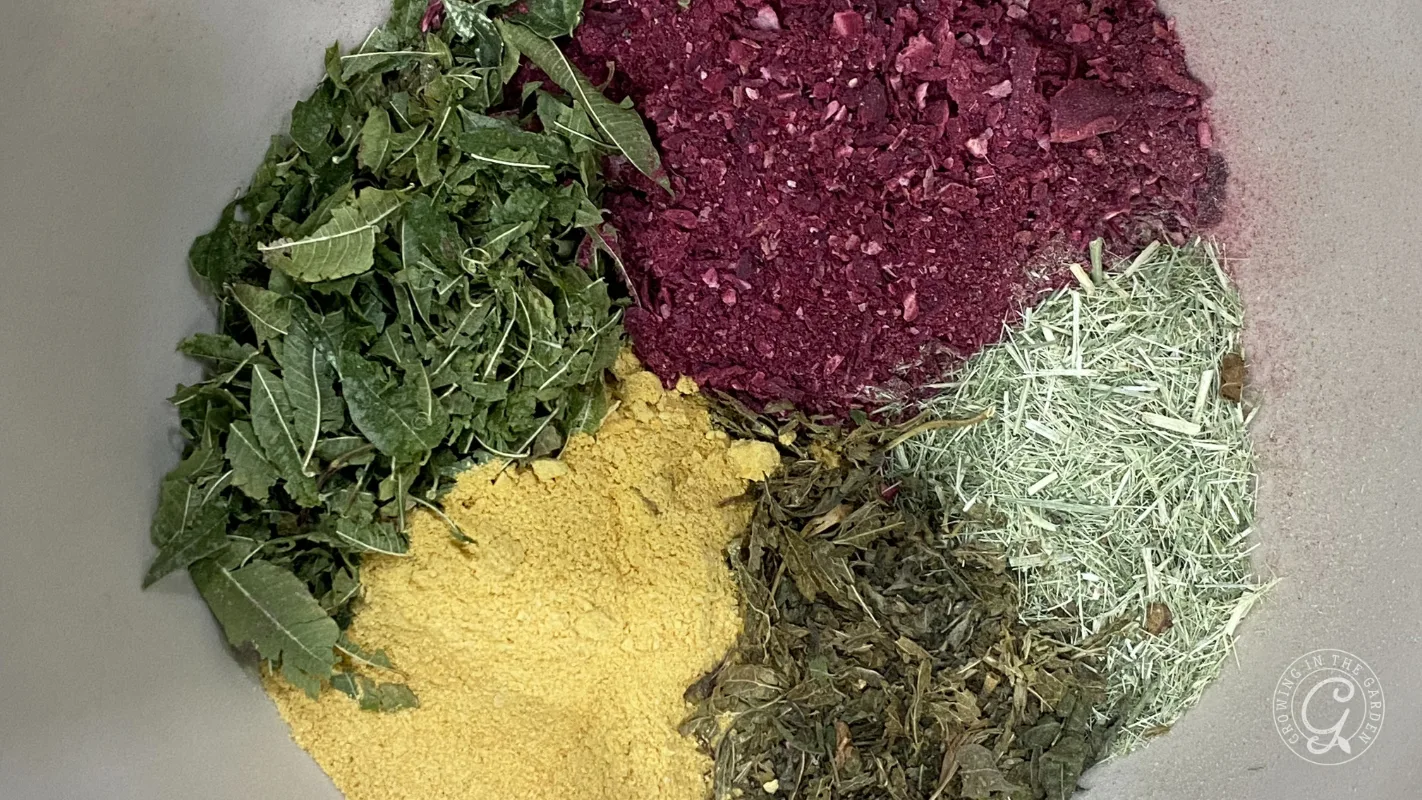
- Put all of the ingredients in a blender.
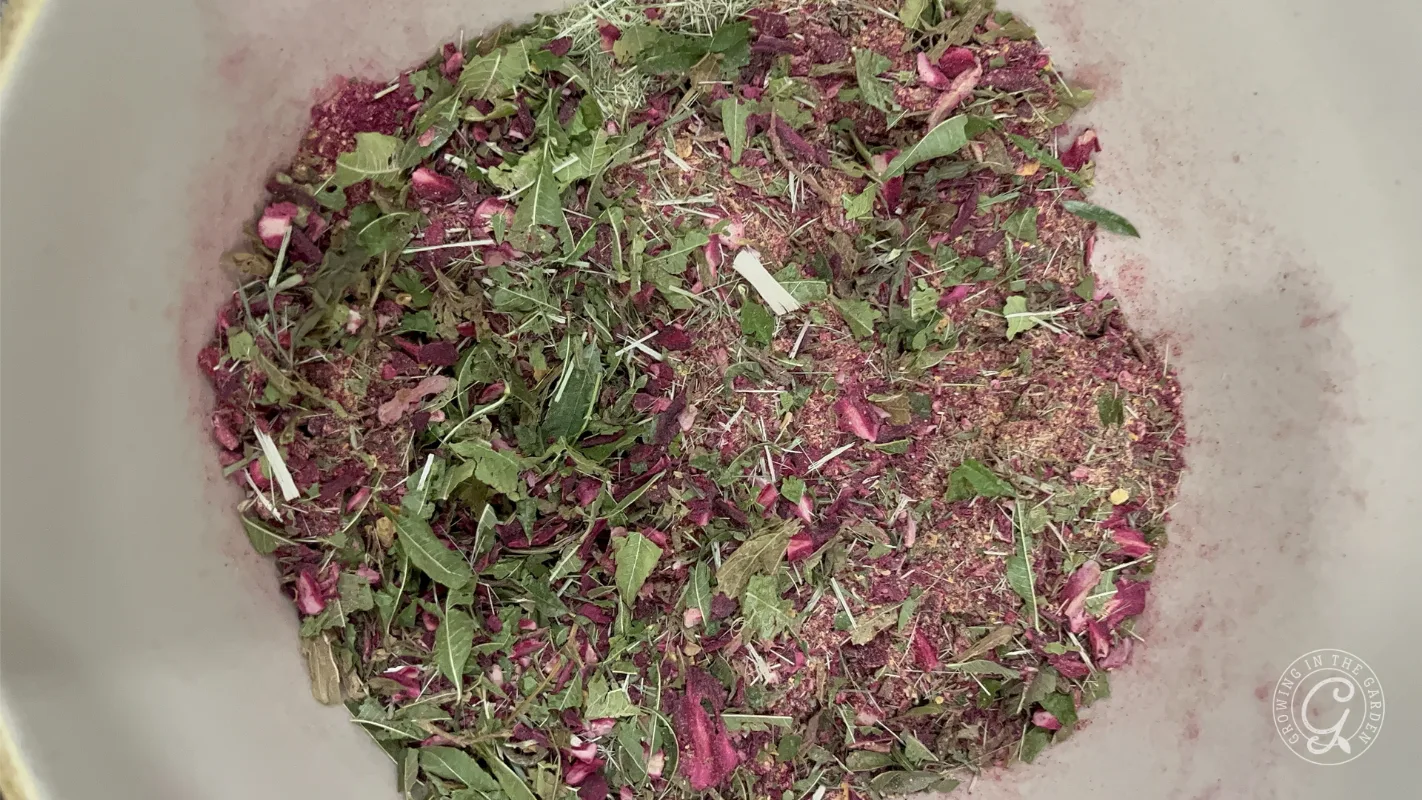
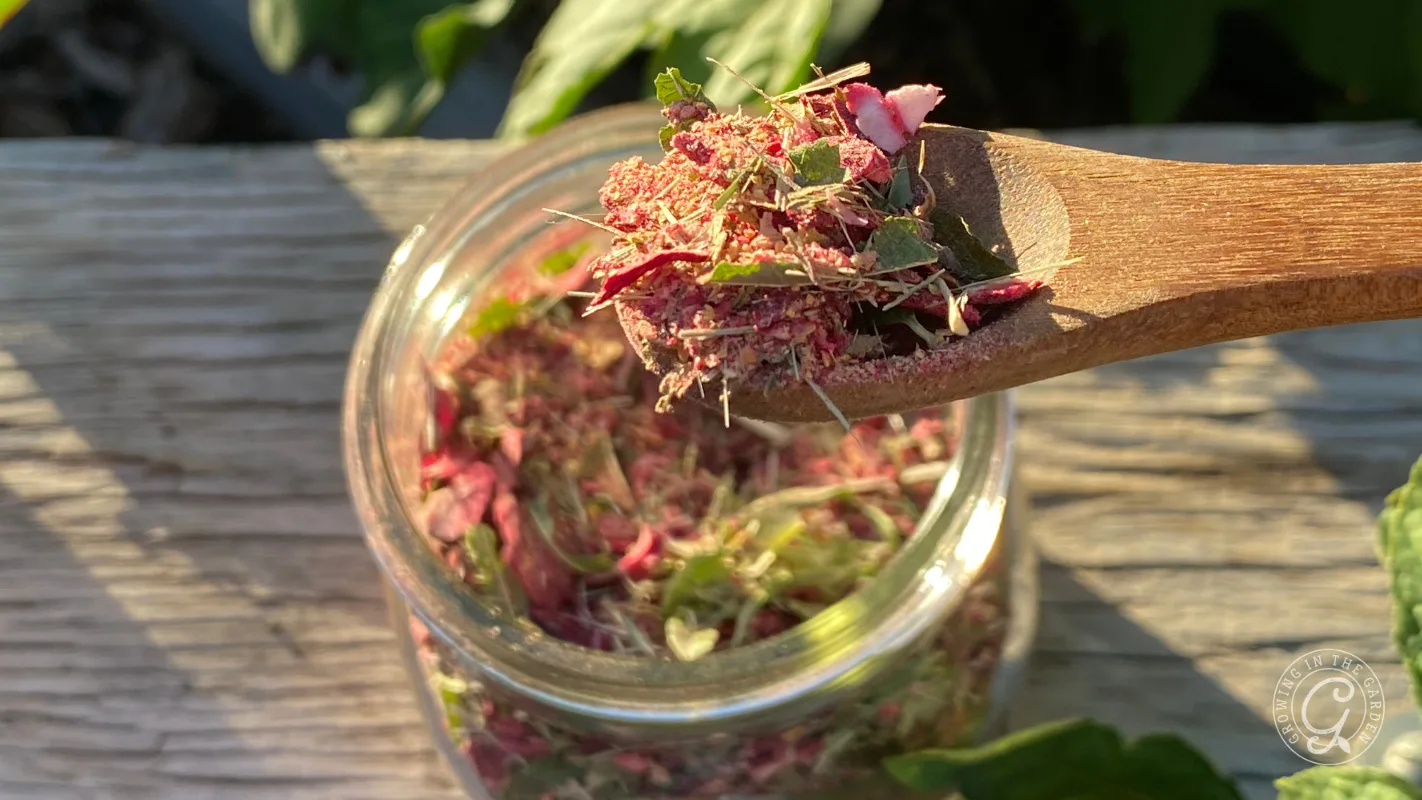
- Pulse a couple of seconds, just enough to chop. You want pieces, not powder.
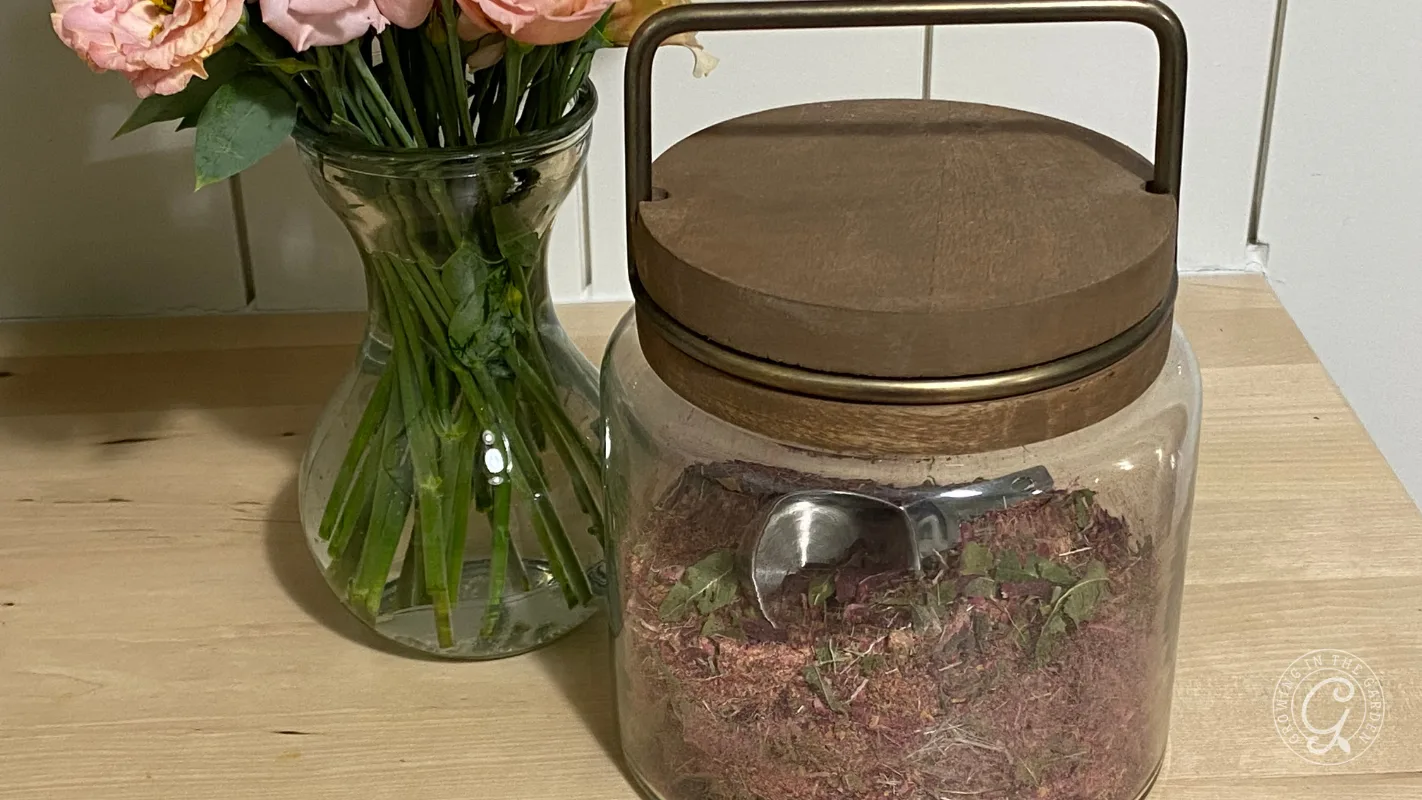
- Store in an airtight jar. It keeps for up to a year.
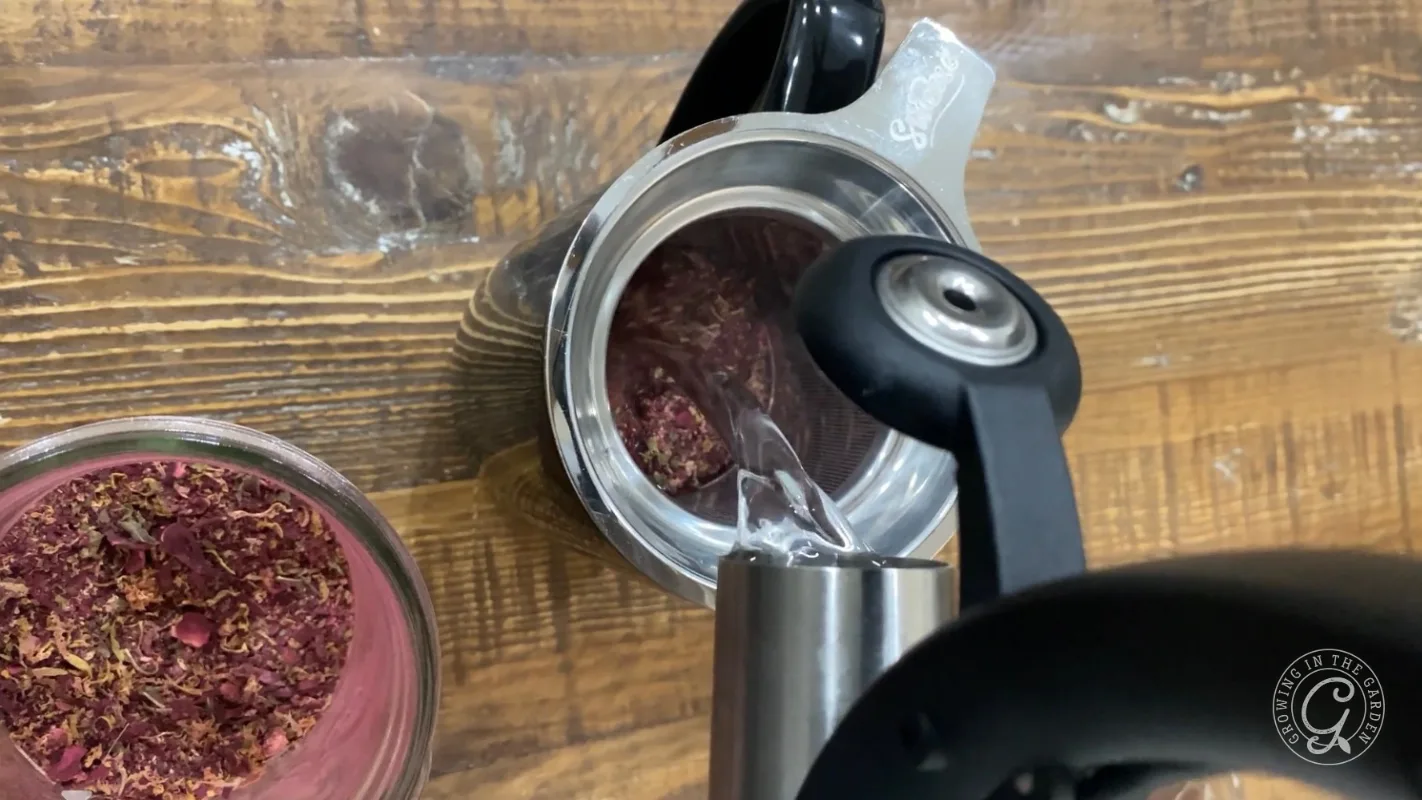
- To brew, steep 2 teaspoons per 8 oz of water just off the boil for 10 minutes.
For iced, steep it the same way, cool it, and pour over ice with lemon slices. It also cold brews well in a pitcher if you’d rather, using about 4 tablespoons per 2 quarts and 6 hours in the fridge.
Preserving Roselle for Tea
Dried calyces store for a year in a jar, which means you can still enjoy your October harvest until you get more the next year.
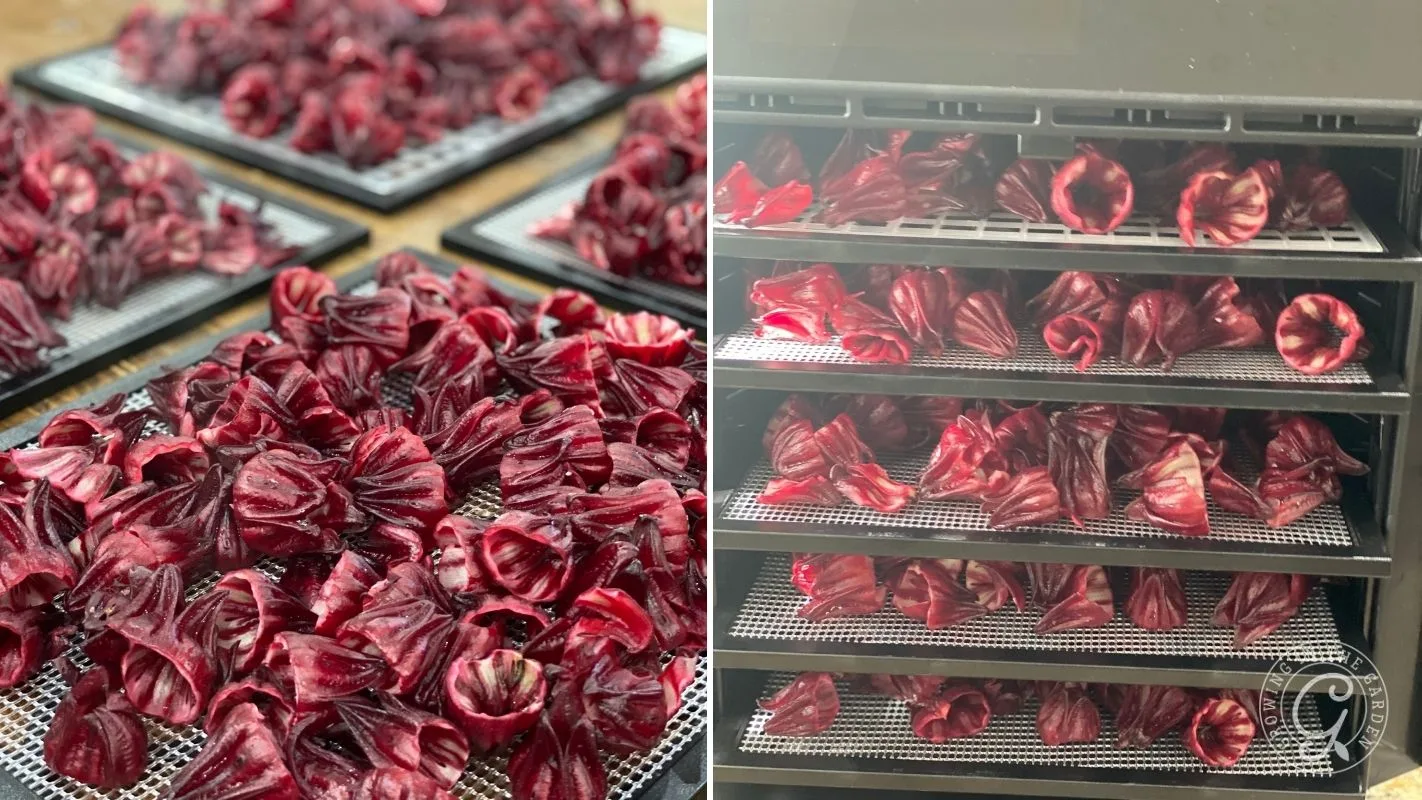
Dehydrating. I dry roselle at 135°F. Spread the prepped calyces in a single layer with room for air to move around them. This is the dehydrator I use. You can also use a smaller dehydrator, but it will take longer. If drying is especially slow, try using fewer trays at a time.
Drying time depends on your machine and how thick your calyces are. Without a dehydrator, use your oven on its lowest setting and check every hour or so.
Freeze drying. I prefer freeze-dried roselle because it keeps the color and flavor so well, and I freeze-dry most of my harvest when I can.
Either way, prep the calyces first: cut them off the seed pod, pull out the dried blossom, and rinse. More on prepping and storing a harvest here.
Is Roselle Tea Good for You?
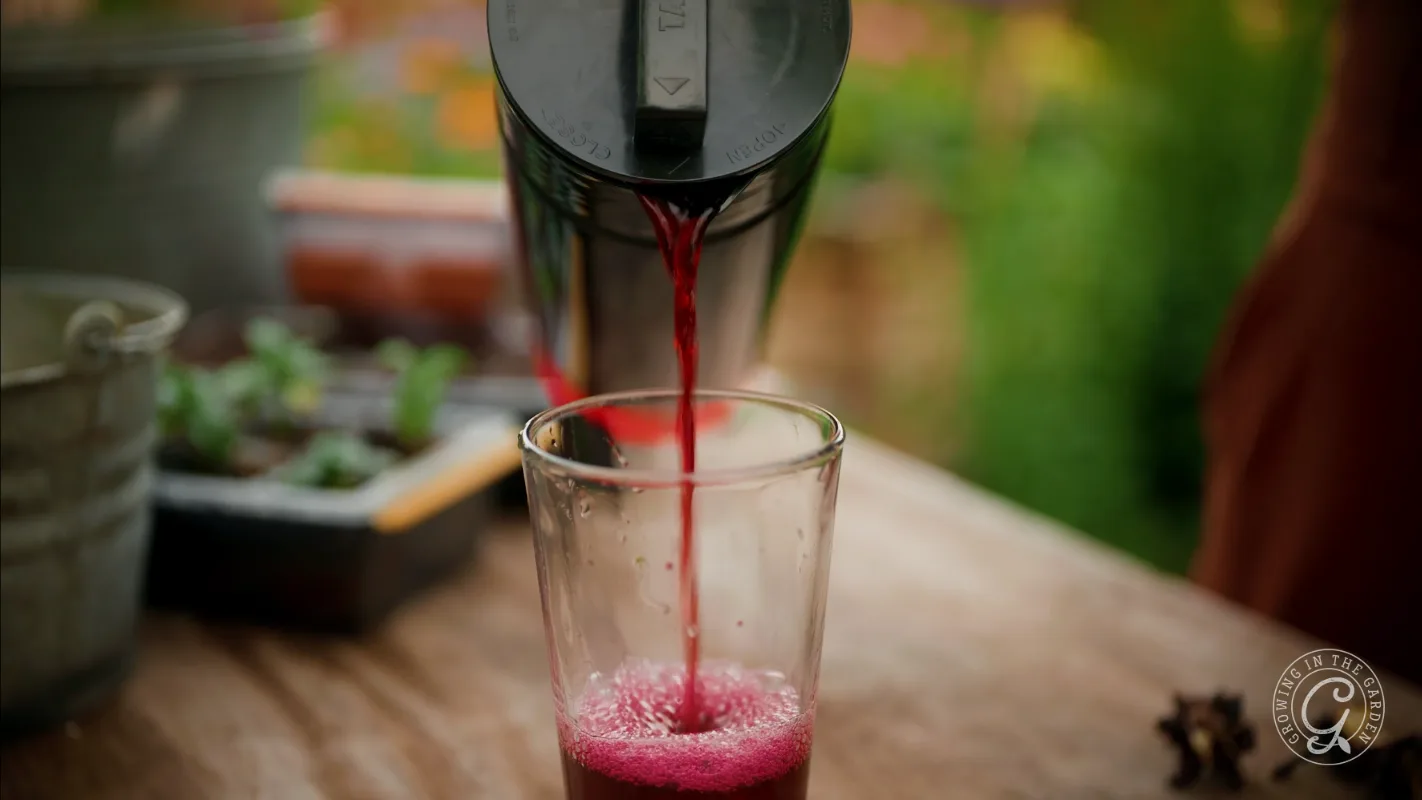
Roselle is rich in anthocyanins, the pigments responsible for its deep red color.
One of the more studied potential benefits of hibiscus is its effect on blood pressure. Several systematic reviews and meta-analyses of controlled trials have found modest reductions in blood pressure with regular hibiscus consumption, although results and doses vary between studies.
I grow roselle because I like the taste and because it grows so well in my climate, not as a treatment for anything. If you take medication for high blood pressure, talk with your healthcare provider before making hibiscus tea a regular part of your routine. Another healthy drink I love to make with my harvest is okra water.
Roselle Tea FAQs
Yes. Use about twice the volume you’d use of dried, since fresh calyces are mostly water.
I prefer not to. Prolonged high heat can break down some of roselle’s anthocyanins. I use water just off the boil and steep for 10 to 15 minutes instead.
I find 10 to 15 minutes works well for hot tea, or 4 to 8 hours for cold brew in the refrigerator. Roselle handles a longer steep well.
Try crumbling the calyces before steeping. I get more color and flavor that way. You may also need more roselle or a longer steep.
You don’t have to, but I recommend it. Breaking dried calyces into smaller pieces exposes more surface area to the water, and I get better color and flavor from the same amount of roselle.
135°F. Note that a small basic dehydrator will struggle with calyces even though it handles herbs fine, since calyces are much thicker and fleshier.
You can, but it’ll be noticeably weaker. The worms in my in-bed vermicomposting bins love the spent calyces.
No. It’s naturally caffeine-free.
Agua de Jamaica is a sweetened, chilled version served as an agua fresca in Mexico. Recipe here.
Yes. Look for whole dried calyces rather than tea dust. This is a good option if you’re not growing your own.
I store dried calyces in an airtight jar and try to use them within about a year, which gets me from one roselle harvest to the next.
More About Roselle
- Ramirez-Rodrigues, M. M., et al. “Physicochemical and Phytochemical Properties of Cold and Hot Water Extraction from Hibiscus sabdariffa.”Journal of Food Science, 2011; 76(3): C428–C435.
- Maciel, L. G., et al. “Hibiscus sabdariffa anthocyanins-rich extract: Chemical stability, in vitro antioxidant and antiproliferative activities.”Food and Chemical Toxicology, 2018; 113: 187–197.
- Ellis, L. R., et al. “A Systematic Review and Meta-analysis of the Effects of Hibiscus sabdariffa on Blood Pressure and Cardiometabolic Markers.”Nutrition Reviews, 2022; 80(6): 1723–1737.
Roselle Tea
Ingredients
Equipment
Method
- Crumble the dried calyces between your fingers. Breaking them into smaller pieces exposes more surface area to the water, and I get better color and flavor this way.
- Place them in an infuser or teapot.
- Heat water to just off the boil. Don’t boil the calyces directly.
- Pour over and steep 10 to 15 minutes.
- Remove the calyces and serve. A squeeze of fresh orange juice softens the tartness if you want it.
- Cold brew variation: Use ½ cup crumbled dried calyces (or 1 cup fresh) per 2 quarts cold water. Steep in the refrigerator overnight, then strain.
- Sparkling variation: Mix cold brewed roselle tea with sparkling water, about half and half.
Notes
- Crumbling dried calyces isn’t required, but I get more color and flavor when I do.
- I prefer steeping roselle in water just off the boil rather than boiling the calyces.
- Roselle can handle a longer steep without becoming bitter the way black or green tea can.
- Fresh roselle contains much more water than dried, so you’ll need more fresh calyces
Tried this recipe?
Let us know how it was!Roselle Citrus Tea Blend
Ingredients
Equipment
Method
- Combine the roselle, lemon verbena, stevia, lemongrass, and lemon peel in a blender.
- Pulse for a couple of seconds, just enough to lightly chop the ingredients. Don’t blend into a powder.
- Store the tea blend in an airtight jar.
- To brew, steep 2 teaspoons of the blend in 8 ounces of water just off the boil for about 10 minutes.
- For iced tea, let the brewed tea cool and serve over ice with lemon or orange slices.
Video



Love how refreshing this tea is. PERFECT for the summer heat!
This tea is delicious and refreshing, would recommend!