
Harden Off Seedlings in Hot Weather Successfully
I killed my tomato transplants in one day.
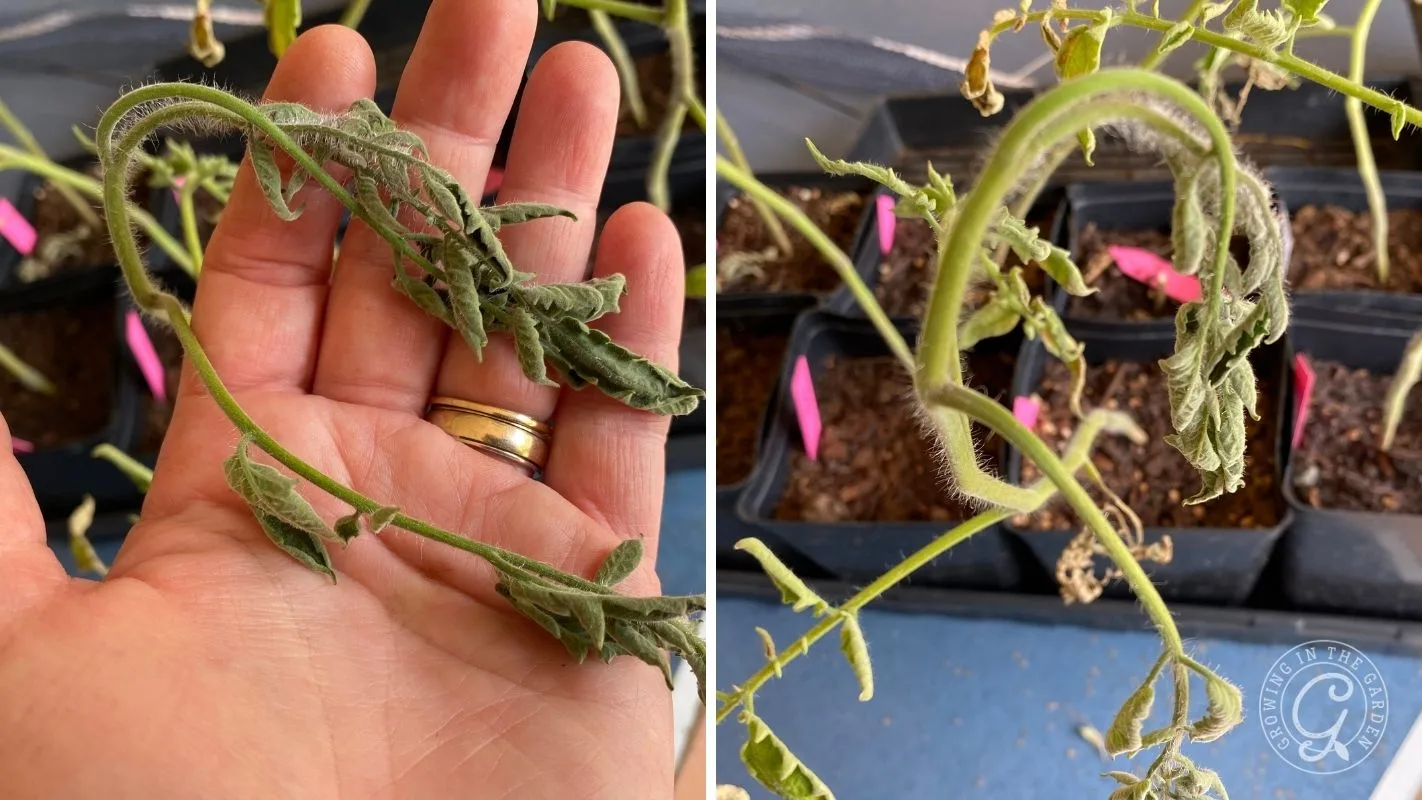
It was August. They were healthy when I set them outside that morning, and by evening, they were done. One day of low desert August sun was all it took. I should have paid closer attention to how they were handling the heat instead of leaving them in the sun all day.
That’s what makes hardening off in the heat different from the version you read about in most spring gardening guides. In spring, you’re gradually getting seedlings used to outdoor conditions, including colder nights. You can usually take a week or more to do it.
In August, you’re moving seedlings from an air-conditioned house into intense sun and temperatures that can be over 105°F. The margin for error is a lot smaller.
If you’re hardening off in spring, start with this guide instead. This post is for planting in the heat, especially monsoon tomatoes and fall garden transplants in the low desert.
Key Takeaways: Harden Off Seedlings in Hot Weather
- Hot-weather hardening off is about preparing seedlings for heat and intense sun, not cold.
- In the low desert, plan on about three to five days rather than stretching the process out for a week or more.
- Start with shade, then gradually add morning or filtered sun.
- The goal isn’t to prepare seedlings for a day of full sun in August. Protect new transplants from afternoon sun while they establish.
- Plant in the evening, mulch well, and keep a close eye on soil moisture.
- Pot size matters. Plugs can dry out incredibly fast, while larger pots give you more room for error.
What We’ll Cover:
- Why Hardening Off is Different in the Heat
- The Size of the Pot Makes a Difference
- How Long Does Hardening Off Take in Summer?
- Where Should Transplants Sit While They Harden Off?
- How Often Should I Water During Hardening Off?
- What if They Start to Wilt or Scorch?
- How to Plant Them Out in the Heat
- Monsoon Planting: Tomatoes and Peppers in August
- Fall Planting: Cool Season Crops in Late September and October
- What About Two Seedlings in One Pot?
- Do I Need to Harden Off if I Started Seeds Outside?
- What About Nursery Transplants?
- FAQs about How to Harden Off Seedlings in Hot Weather
Why Hardening Off is Different in the Heat
Hardening off is the process of gradually moving seedlings from protected conditions to outdoor ones so they can toughen up before you plant them. Their tissues toughen, and the waxy cuticle on the leaves thickens, helping them handle outdoor conditions better. That part is the same no matter what season it is.
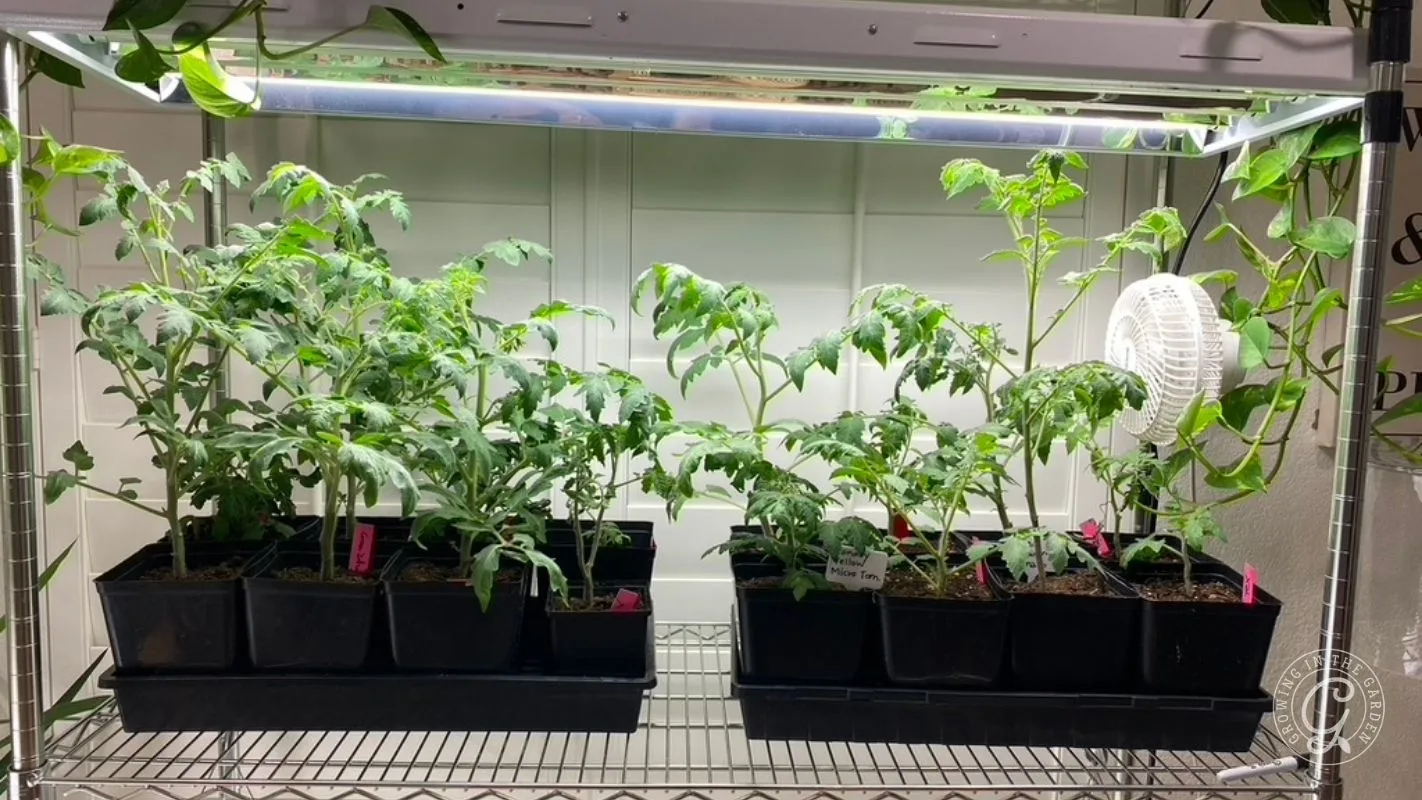
What changes is the stress you’re preparing them for.
- In spring, the threats are cold nights, wind, and frost. You go slowly because you’re waiting for conditions to become safe.
- In summer, the threats are heat, intense sun, and rapid moisture loss from a small root ball. Every extra day the plant sits in a small pot in August is another day it can dry out and overheat.
This leads to the single most useful thing I can tell you about hot-weather transplanting: once seedlings are handling outdoor heat, they’re usually better off getting planted than spending another week sitting in small hot pots. Garden soil holds moisture longer and buffers temperature swings better than a small pot sitting outside in August. The goal is to get them acclimated and planted, without rushing.
The Size of the Pot Makes a Difference
The dividing line isn’t big plants versus small plants. It’s how much soil is around the roots.
- Four-inch pots have the most buffer and have been the most forgiving for me in the heat. They dry out more slowly and give you more room for error.
- Two-inch pots are what most of my transplants are in, and I’ve had good success with them.
- Plugs, the small cells you often get with flower starts, are where I’ve had the most trouble. There’s very little soil in a plug, so it can go from moist to bone dry in a few hours on a hot afternoon. If you’re working with plugs in August, watch them closely and consider potting them up before you try to harden them off at all.
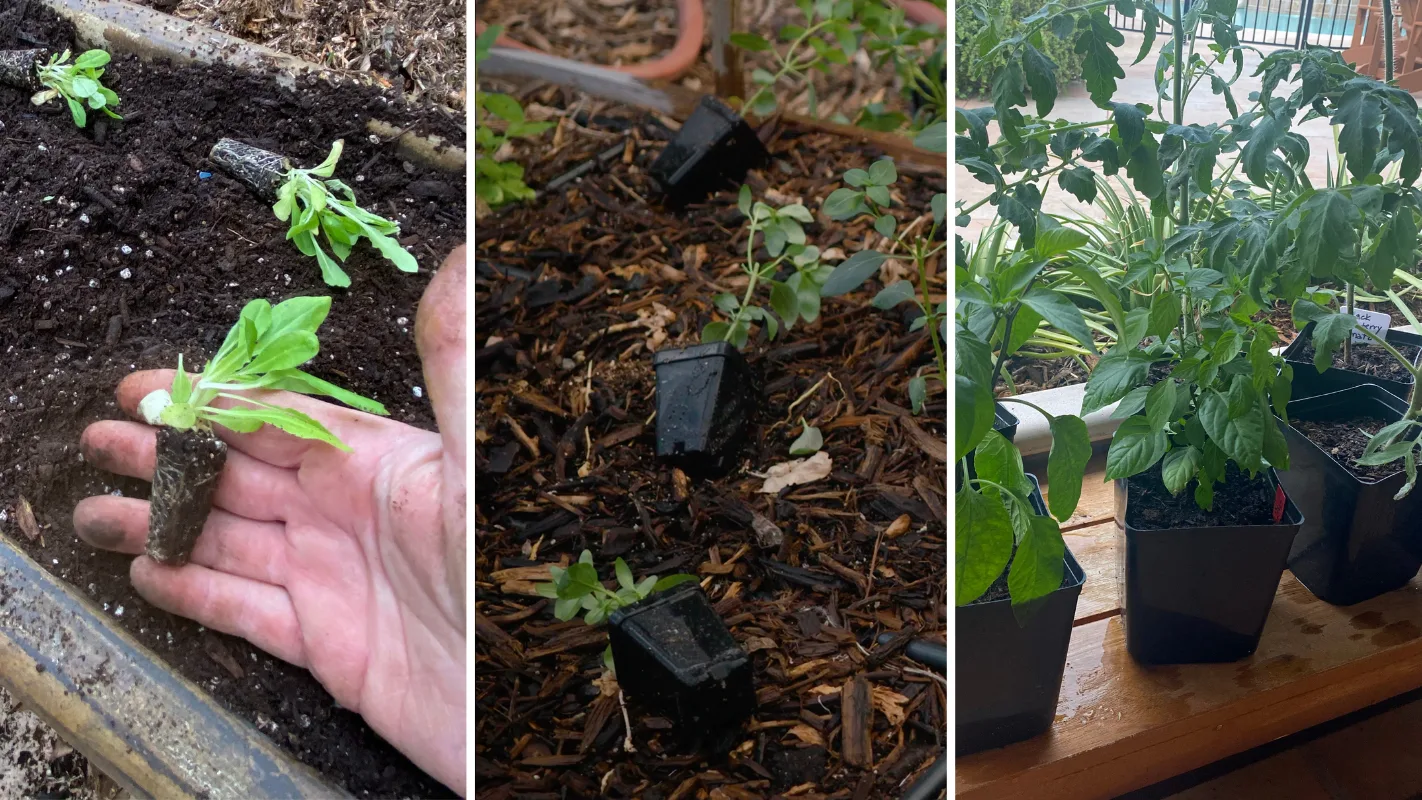
I saw this play out during the October 2024 heat wave. Phoenix hit 113°F on October 1st that year, the first time the city ever recorded 110°F or higher in October, and it happened four separate times that month. My larger transplants came through it. The small plugs did not. They dried out and died.
How Long Does Hardening Off Take in Summer?
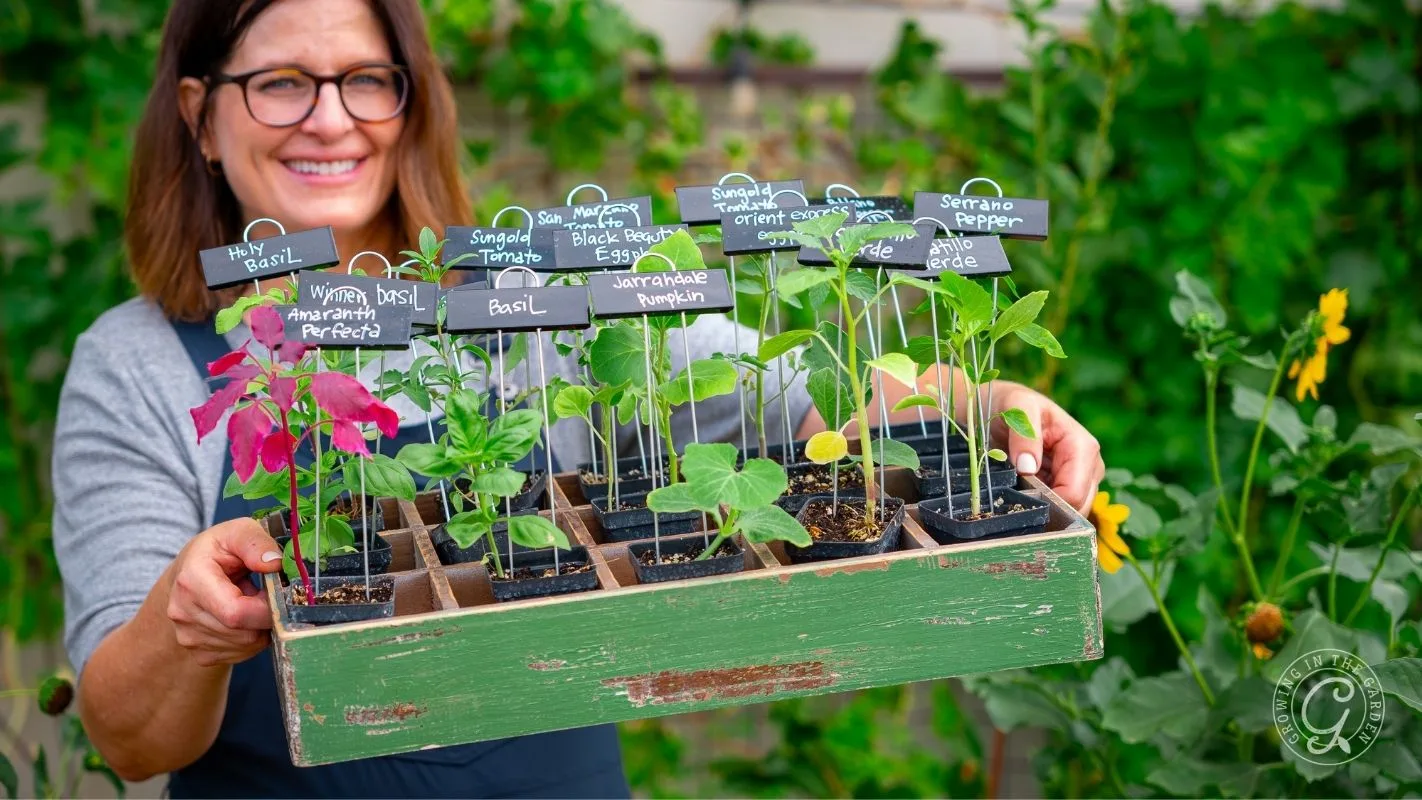
Plan on about three to five days. That’s shorter than the seven to ten days you’ll often see recommended for spring. Sitting in a small pot in August heat is its own kind of stress, so I don’t want seedlings sitting outside in small containers any longer than necessary. But I don’t want to rush them either.
Watch the plants and let their response determine how quickly you move through the process.
A rough guide:
- Day 1: Get them used to the heat first. Keep them in the shade, keep them well watered, and see how they do. Check them after a few hours. If they’re handling it well, leave them outside overnight. If they’re struggling, bring them back inside and try again the next day.
- Day 2: If they came through day one looking good, give them a little early morning sun or filtered sunlight. Watch them closely and move them back into the shade or indoors if they start to struggle.
- Day 3: Increase the amount of morning or filtered sun. If they’re handling the heat well, aren’t wilting or scorching, and the weather looks favorable, a sturdy transplant may be ready to plant that evening.
- Days 4–5: If they need more time, give them another day or two outside with gradually more morning sun. Keep afternoon protection in place. Plant in the evening once they’re handling outdoor conditions without signs of stress.
Treat these days as a guide, not a rule. If a plant looks stressed on day one, back up. If it looks good and you get an overcast stretch, you may be able to move a little faster.
The goal isn’t to get a transplant accustomed to a day of full sun in August. Even after hardening off, I protect newly planted transplants from afternoon sun while their roots get established.
Where Should Transplants Sit While They Harden Off?
The best setup is a spot that gets morning sun and afternoon shade. If you have one, you don’t have to carry pots in and out twice a day. You just leave them there and let them adjust.
East-facing walls, the east side of a raised bed, under the edge of a tree canopy, or under a patio overhang all work. From there, you can move them to spots with a little more sun as they adjust. The table under my patio works well because it gets some morning sun, but then is shaded the rest of the day.
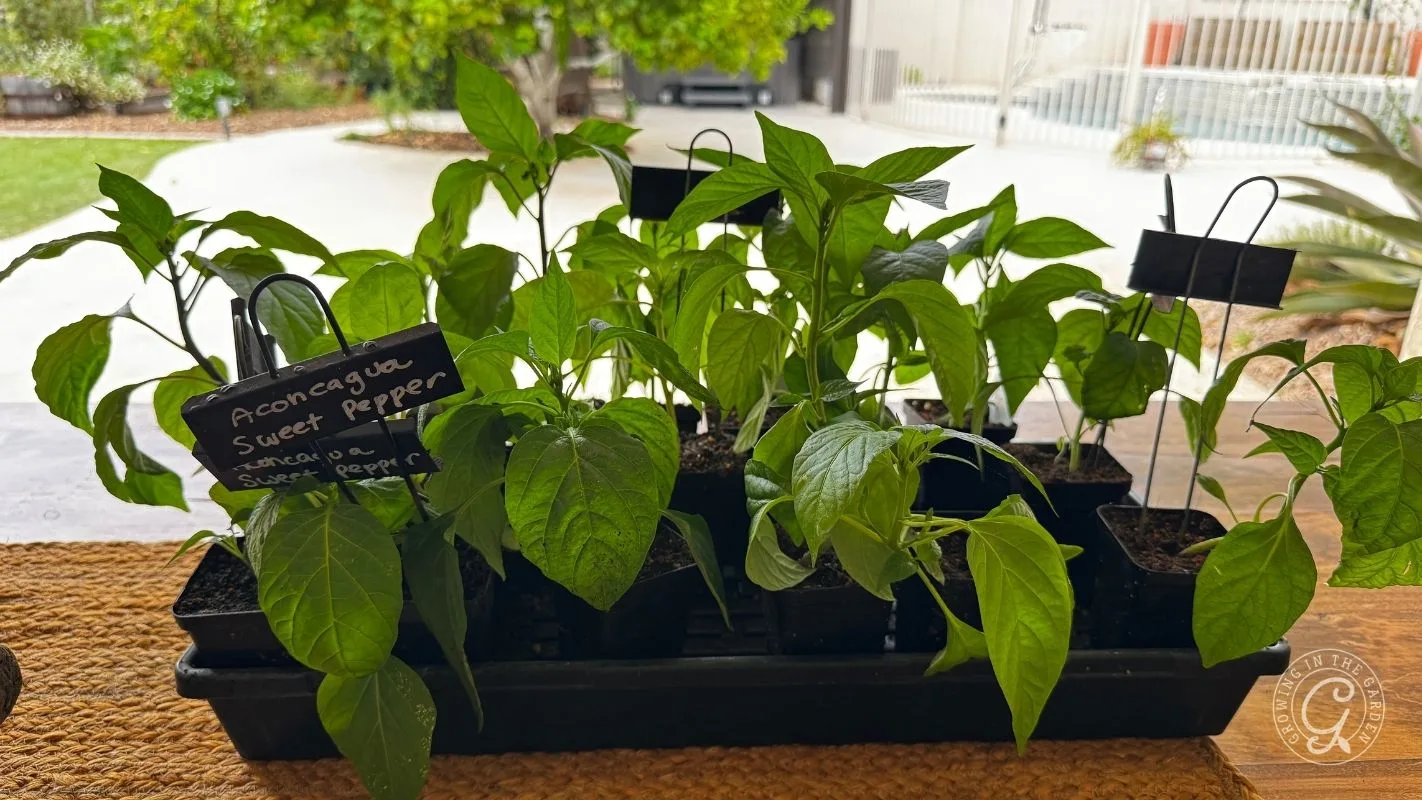
If you don’t have a naturally shaded spot, put shade cloth over your staging area instead. Here are more ways to create shade in the garden.
Bringing them inside in the afternoon works too. It’s just more work, and more handling means more chances to knock them over or forget them outside on a bad afternoon.
How Often Should I Water During Hardening Off?
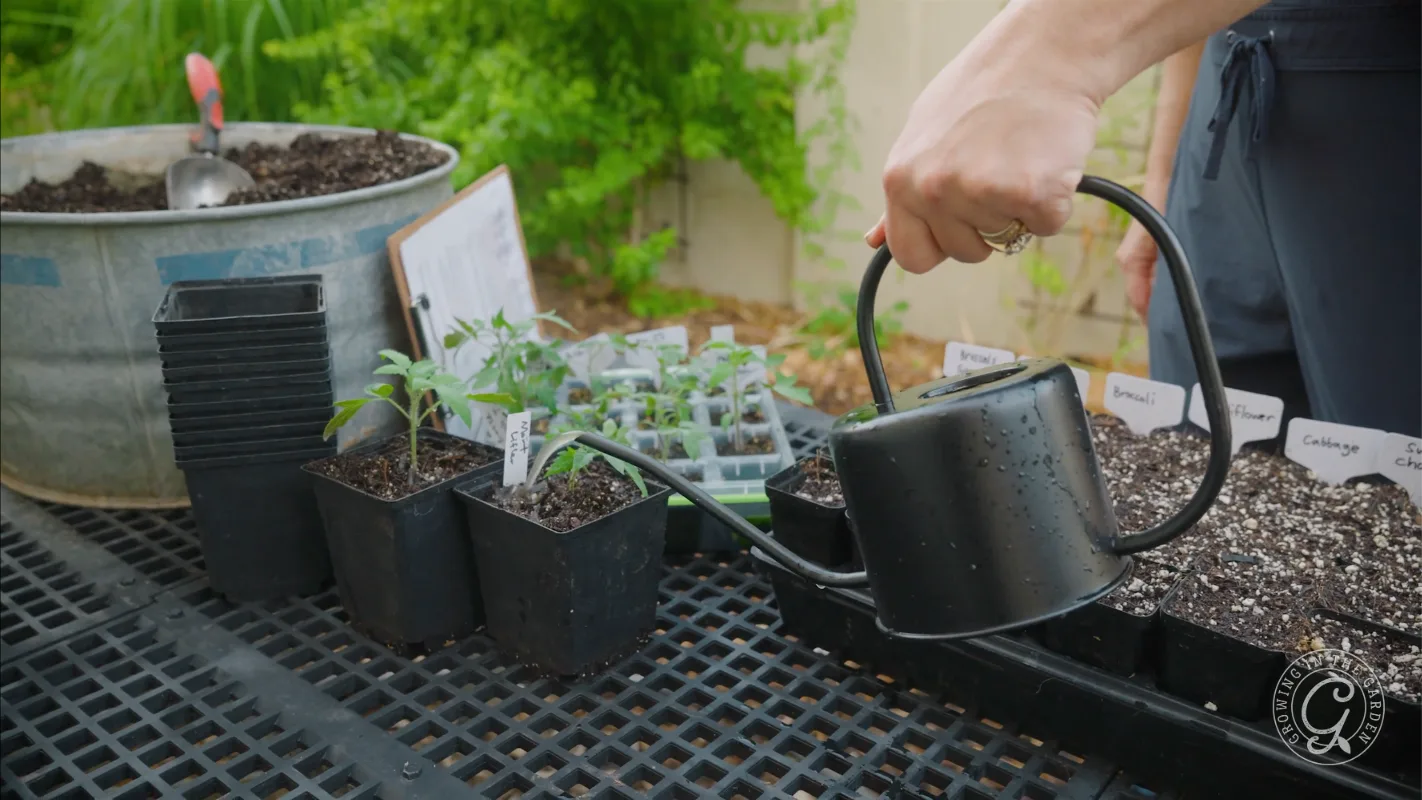
Check them at least twice a day, and more often if they’re in plugs or very small pots. Water when they need it.
Small pots and plugs may need water twice a day once they’re outside in the heat. They also might not. Check the soil and keep the roots and soil well hydrated. Drain excess water if the transplants are still in seedling trays that hold extra water. Sitting in water and soggy soil in high heat can rot the roots.
I don’t fertilize during this short hardening-off period. I’m not trying to push new growth. I’m trying to get the plant acclimated and planted.
What if They Start to Wilt or Scorch?
Back off. It’s ok to wait and try again.
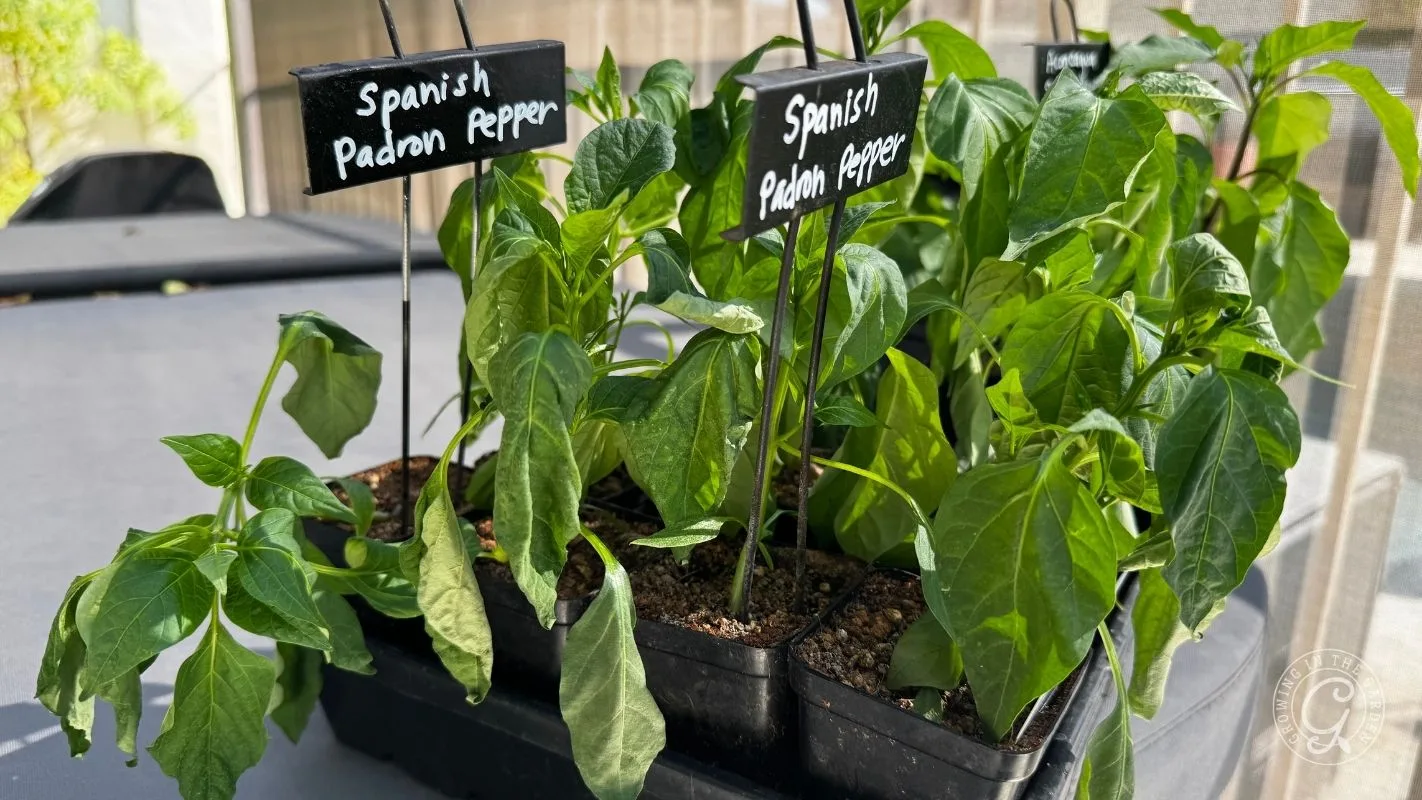
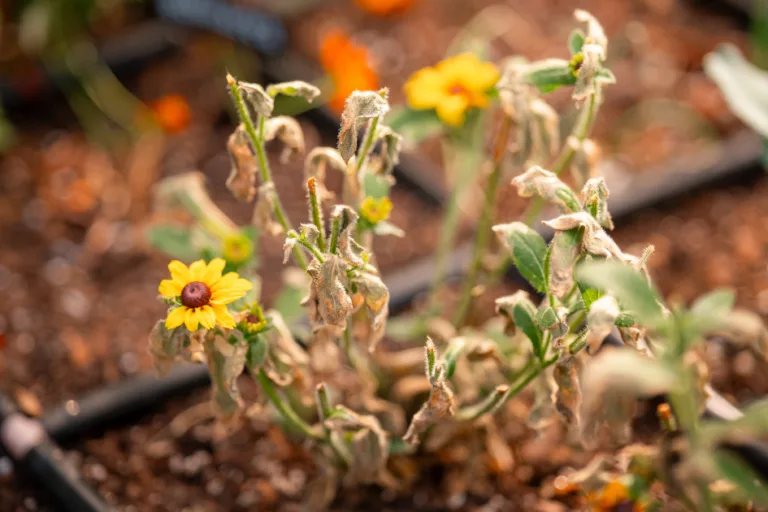
Wilting that isn’t from dry soil, leaves that look bleached or burned, or edges that curl and crisp all mean the plant is getting more than it can handle. Move it back to shade or bring it back inside. Give it a day or two. Try again with less exposure.
If the forecast is brutal, wait for a break. Look for a stretch of cooler or overcast days and aim for that instead of pushing through a heat wave. There’s no prize for planting on schedule.
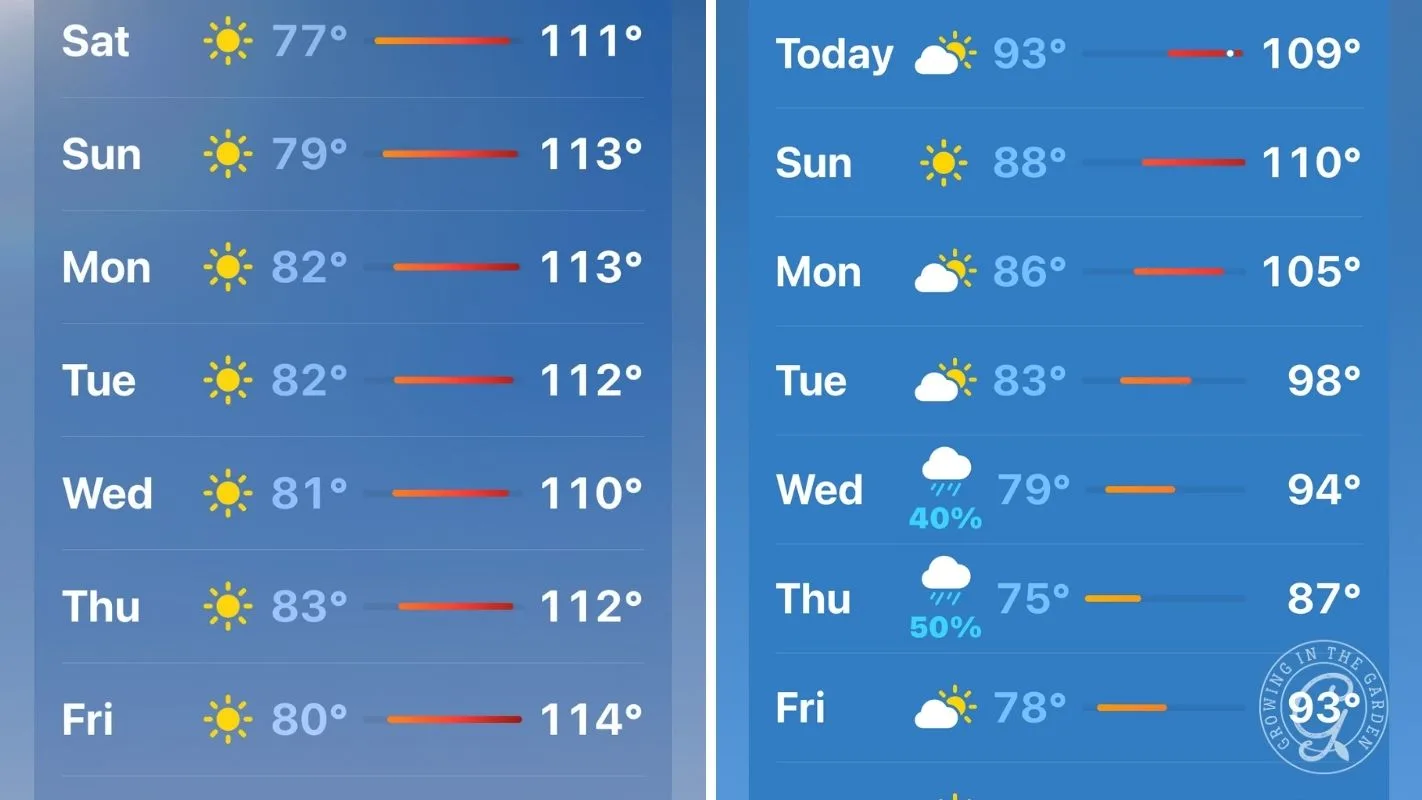
If the weather isn’t cooperating but the plants are outgrowing their pots, pot them up into larger containers rather than forcing planting outside. Here’s how and when to pot up seedlings. A plant in a four-inch pot for another week or so is in much better shape than a plant in the ground on a 110°F afternoon because that was the plan.
Observation is crucial at this stage. Look at the plants and respond to what you see.
It also helps to write down your observations. Which spot in the yard held up, how many days you gave them, which transplants struggled, and what size pot they were in. I keep track of all of it in my Grow Smarter in the Desert Garden Planner and Journal, and it’s the reason I know a two-inch pot handles August fine, and a plug usually doesn’t. Next year that information will help you make more informed choices.
How to Plant Them Out in the Heat
Once they’re handling outdoor conditions without wilting or scorching, get them planted.
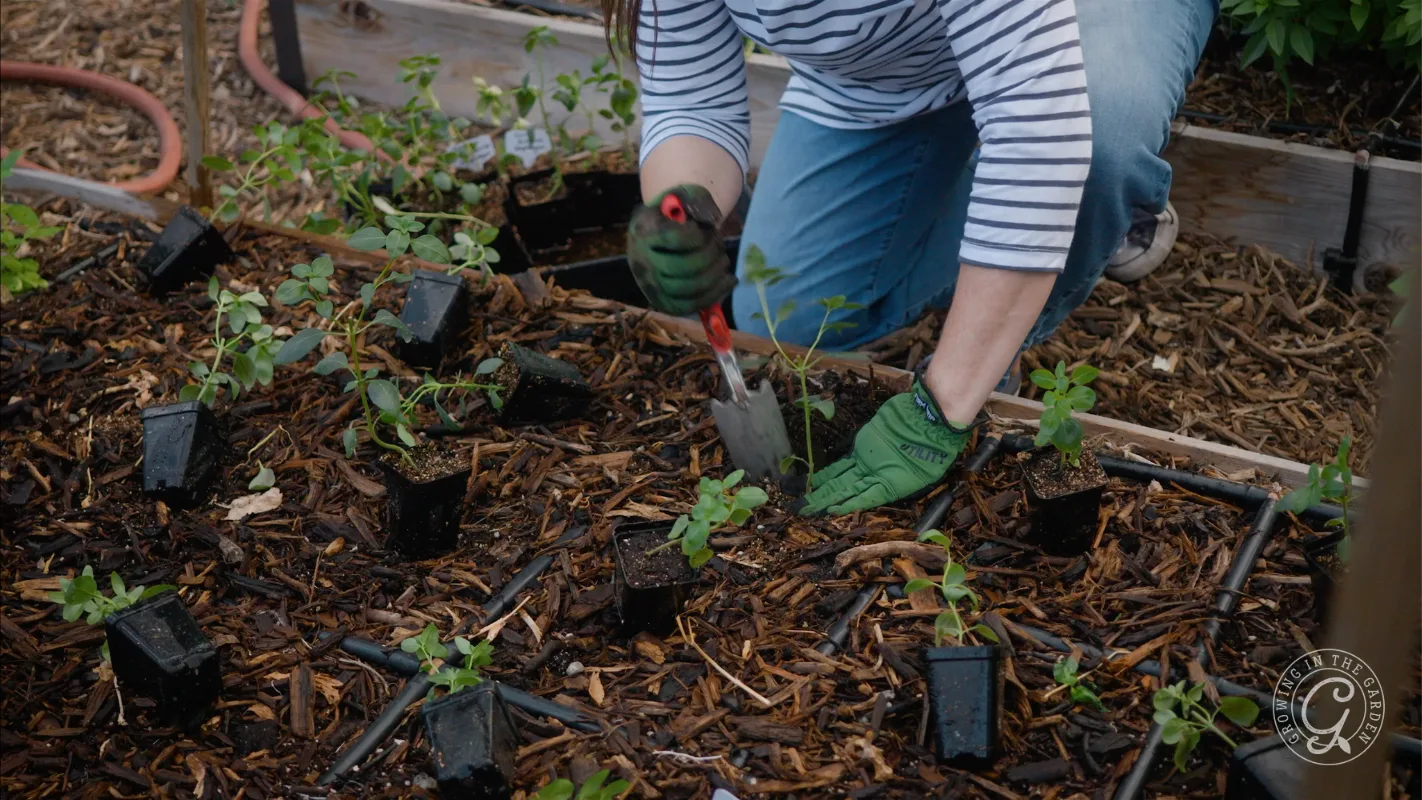
- Plant in the evening. Cooler temperatures let them settle in overnight and recover some before facing sun again.
- Watch the forecast for a cloudy or overcast day. Planting the evening before an overcast day is the best window you can give a new transplant. Monsoon season often hands you these, so take them when they come.
- Provide shade for the first week or two. Shade cloth, a temporary canopy, or the shade of taller plants all work. Hardening off doesn’t mean a new transplant is ready for a full day of August sun. Protect it from afternoon sun while the roots get established.
- Mulch, and don’t be shy about it. A thick layer keeps soil temperature down and moisture in. This does more for a new transplant in August than almost anything else.
- Keep checking. Water once or twice a day, depending on what the soil tells you.
More detail on the mechanics of planting is in my guide on how to plant transplants.
Monsoon Planting: Tomatoes and Peppers in August
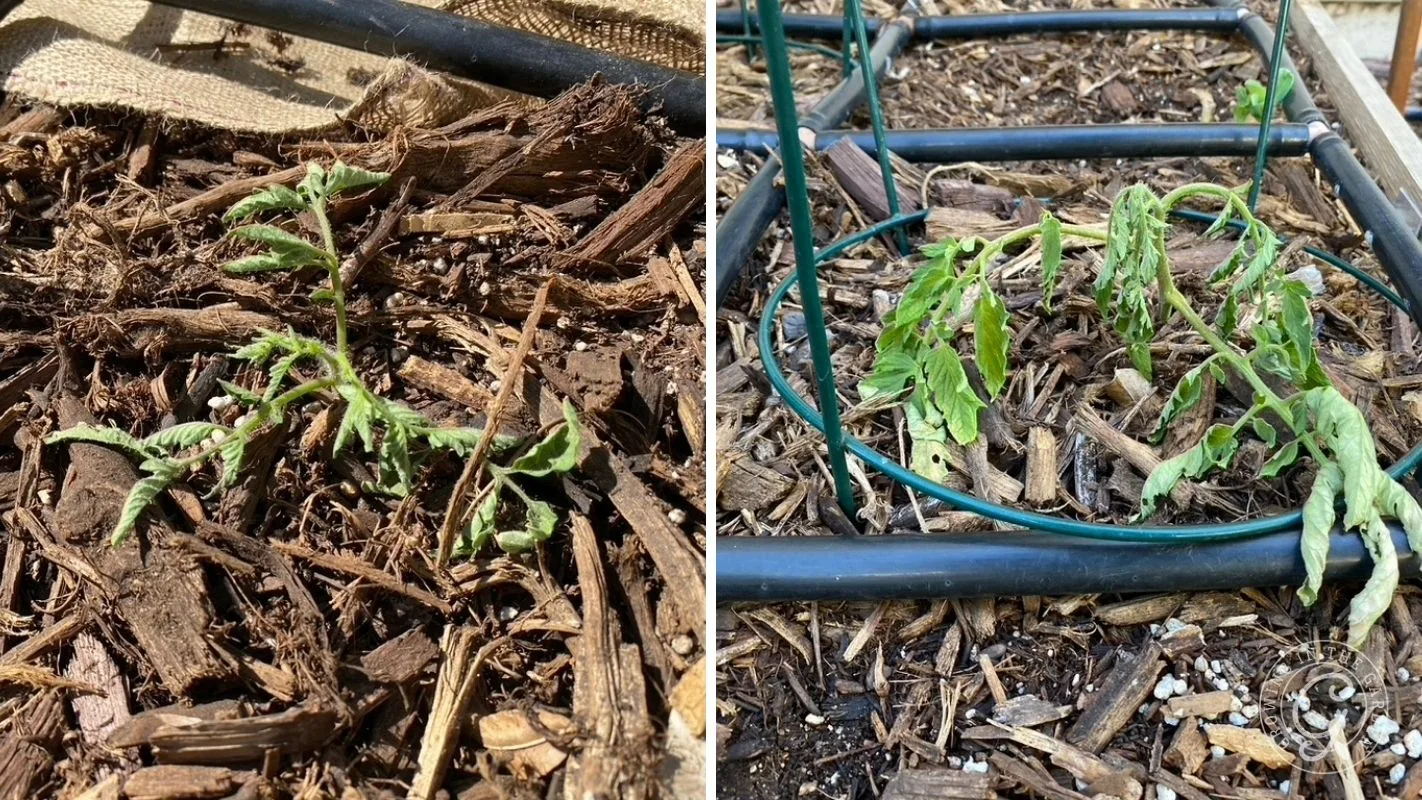
Monsoon planting means getting warm-season crops in while it’s still hot, so they have time to establish and set fruit before it cools down. Tomatoes and peppers are the main ones.
Everything above applies. The added pressure is that August is the hottest part of the process, so the margin for error is thinnest here. This is the time to be picky about transplant size, serious about afternoon shade, and patient about waiting for the right evening to plant.
Monsoon humidity can actually work in your favor. Higher humidity and cloud cover mean less water stress on a new transplant than a clear, dry 110-degree day would bring. More on working with the season in my guide to monsoon gardening in Arizona.
Fall Planting: Cool Season Crops in Late September and October
For broccoli, kale, lettuce, and other cool-season crops, I wait until I see nighttime temperatures start to come down. That’s usually the end of September or the first week or two of October.
Daytime highs can still be hot at that point, and that’s alright. A 100°F day in October is easier on a transplant than a 100°F day in July, because the days are shorter and the nights are cooler. The plant gets more recovery time overnight and fewer hours of sun to endure.
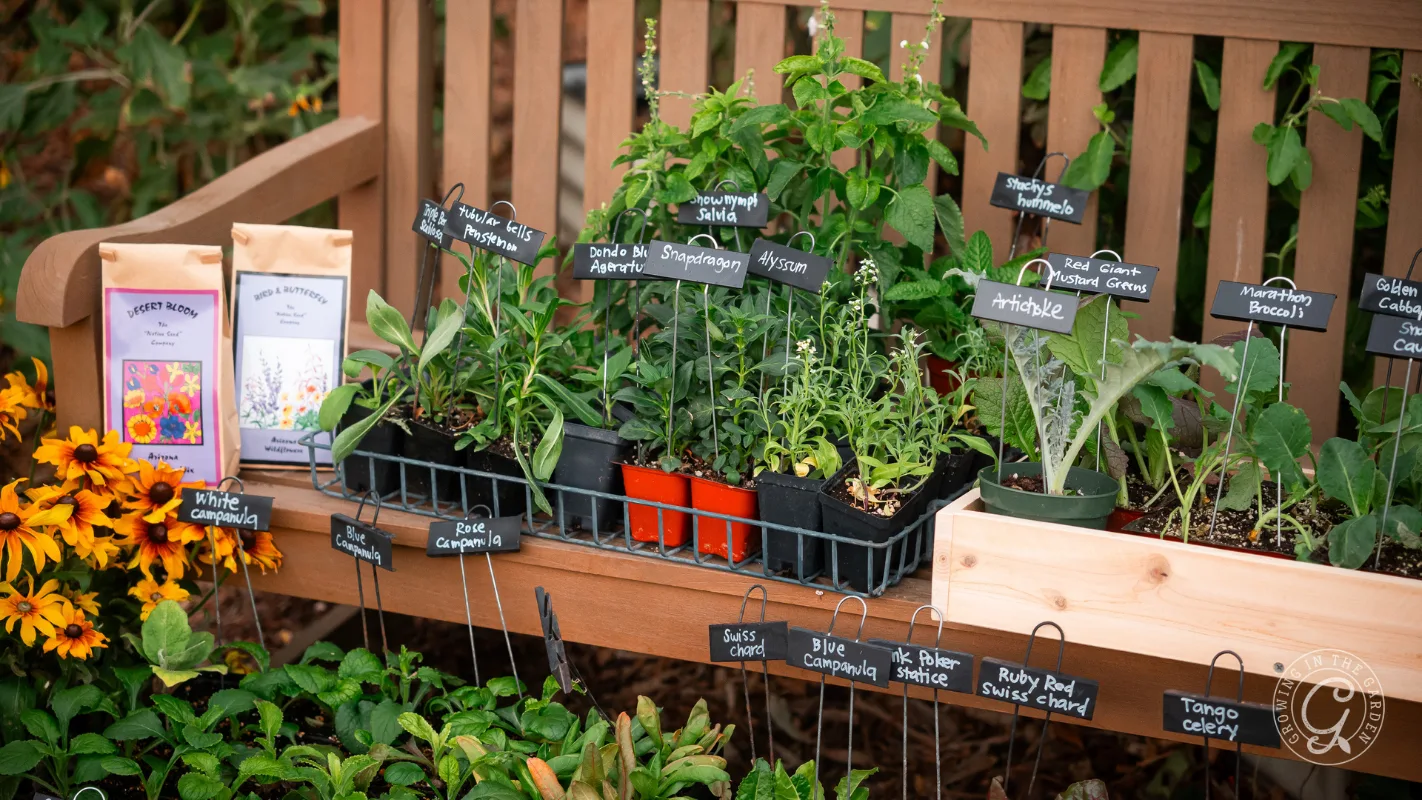
It is still a race against the clock to get these transplants into the ground before the days get too short for them to grow well.
If you’re not sure when to start seeds or set transplants out for fall, my Vegetable, Herb and Fruit Planting Guide and monthly planting calendars lay out low desert timing month by month.
What About Two Seedlings in One Pot?
Cut one off at the soil line. Don’t try to pull them apart. Separating seedlings tears roots, and a plant with torn roots going into August heat is starting from behind. Conditions are already stressful enough.
Other times of the year, when temperatures are mild, I love separating doubles and getting extra plants out of a pot. In the heat, the goal is different. You’re trying to keep plants alive, not maximize how many you have. Take the stronger seedling and let the other one go.
Do I Need to Harden Off if I Started Seeds Outside?
Mostly no. If your seedlings have been growing outside in shade, they’re already used to outdoor light, air movement, and temperature swings. Get them planted when they’re ready, using the same evening planting, shade, and mulch steps above.
Hardening off exists to bridge the gap between indoor conditions and outdoor ones. The advice in this post assumes you started seeds indoors under lights in an air-conditioned house. Here’s how to start seeds indoors if you want the full process.
What About Nursery Transplants?
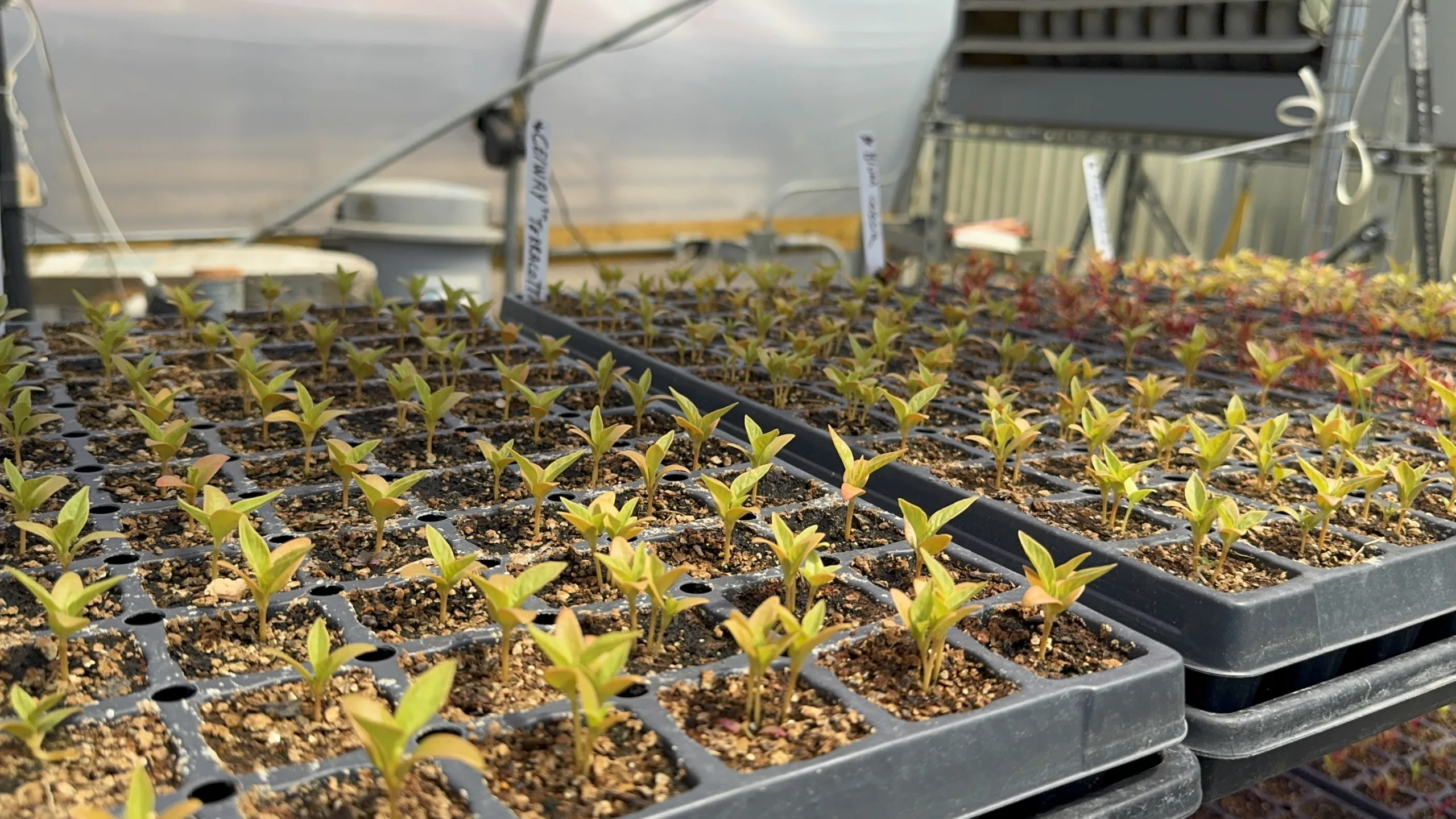
Nursery transplants have usually been hardened off already, so you can skip most of this. Plant them in the evening and follow the same steps: shade for the first stretch, mulch, and check the water once or twice a day.
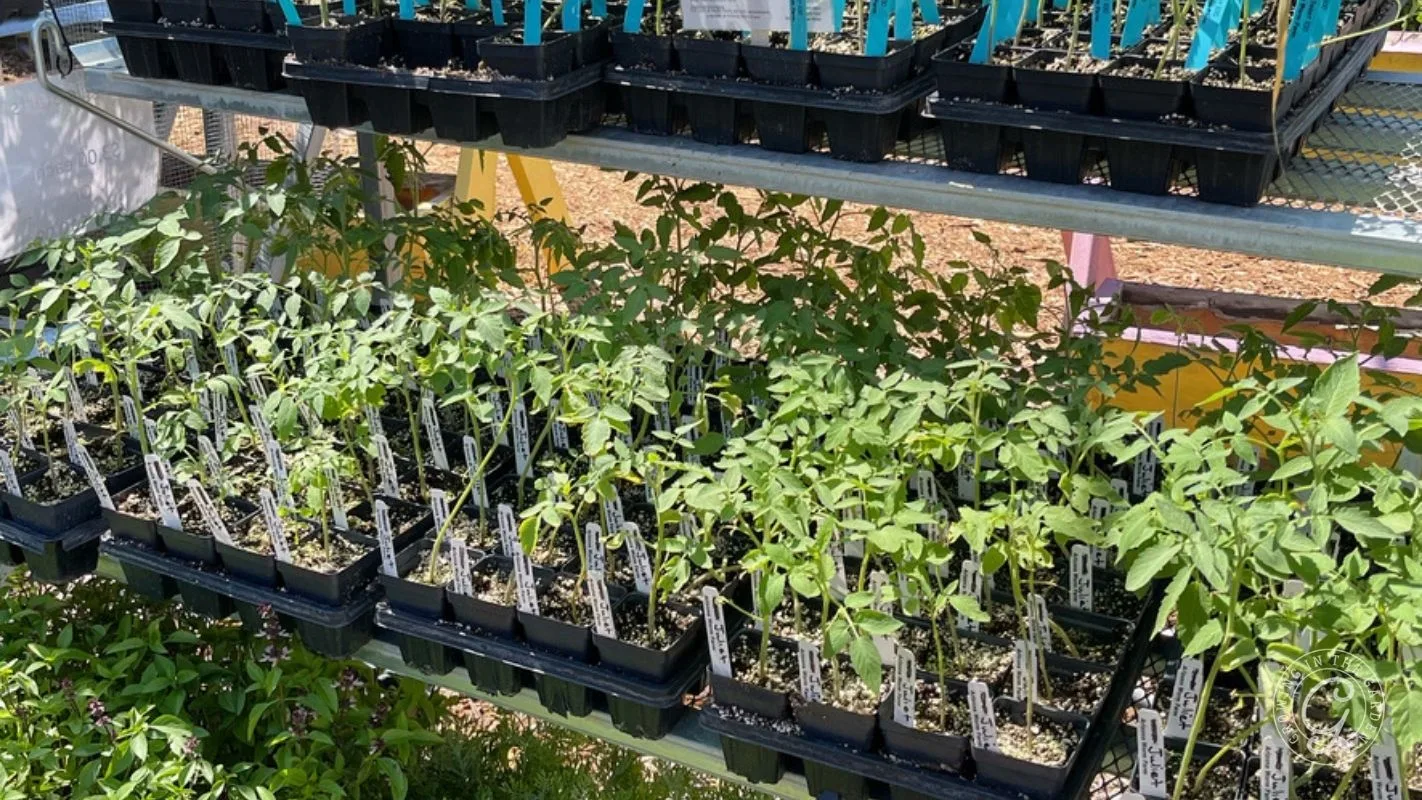
The one thing worth checking is where the plant was sitting at the nursery. A transplant that’s been under a shade structure hasn’t seen full sun yet, so give it a day or two in morning sun before planting. If it’s been sitting out in full sun on a lot in August and still looks good, it’s ready.
FAQs about How to Harden Off Seedlings in Hot Weather
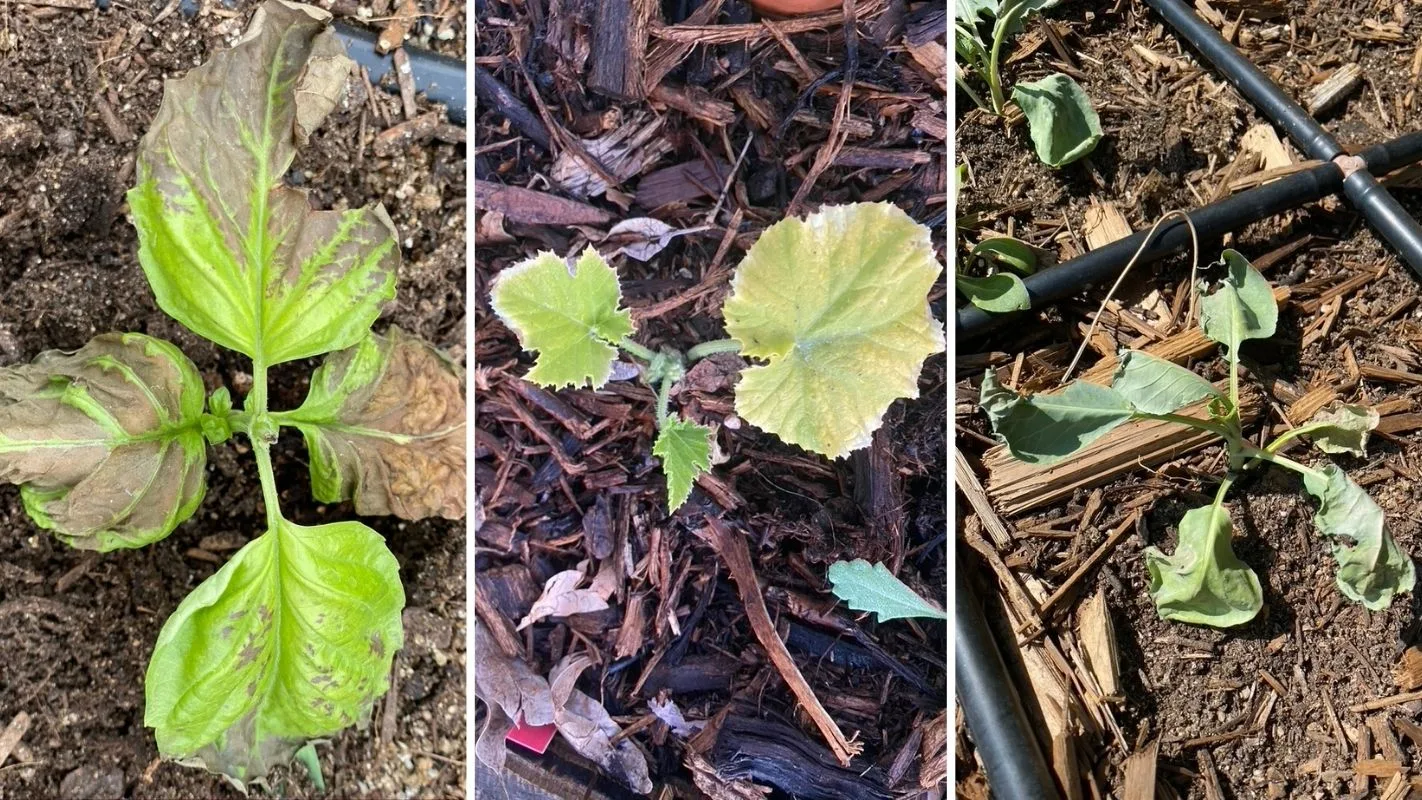
Sometimes. Move them into shade, check the soil moisture, and give them a day. Plants often recover from a single rough afternoon. If they wilt again the next time you put them out, that’s the plant telling you to slow down and give it less exposure. Scorched and bleached leaves won’t turn green again, but the plant can still push new growth if the growing point is alive.
Probably not. New transplants often put energy into roots before they put on any visible top growth, so a stretch of looking stuck is normal. Keep the water consistent, keep the shade on them, and give it time. In heat, a plant that isn’t growing but also isn’t dying is usually working underground.
Plan on about three to five days for most transplants started indoors. Three days may be enough for a sturdy transplant that’s handling the heat well, especially if the weather cooperates. Others need longer. Watch the plant more than the calendar.
I don’t. I wait until the plant is in the ground and showing new growth.
I’d wait. Look for a break in the forecast, a stretch of cooler days, or an overcast run. If the plants are outgrowing their pots while you wait, pot them up into larger containers instead of planting them into extreme heat.
I’ve had the best luck with four-inch pots because they have the most moisture buffer. Two-inch pots work well for most of my transplants. Plugs need the most attention and are the most likely to dry out quickly.
No. That’s especially important in the low desert. The goal isn’t to get an indoor-grown seedling used to an entire day of August sun before planting. Gradually introduce morning or filtered sun, then protect the transplant from afternoon sun after planting while its roots establish.
References and Additional Resources
National Weather Service Phoenix. October 2024 climate records. Phoenix reached 113°F on October 1, 2024, the first occurrence of 110°F or higher in October in the city’s recorded history.
University of Maryland Extension. Hardening Off Vegetable Seedlings in the Home Garden.
Thank you for this excellent article with attention to the details we need for hardening off and transplanting seedlings
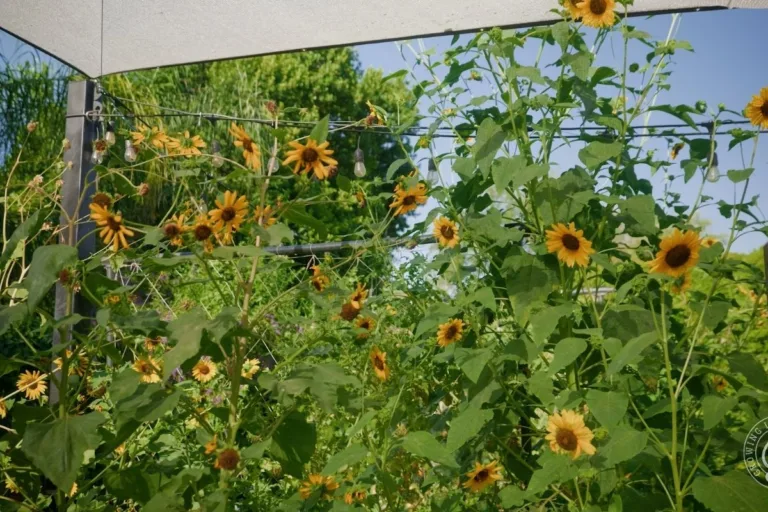
Two questions about summer hardening off are 1 soil temps for planting sunflower seeds outside in August and 2 outside and raised bed soil temperature for seeds and seedlings in general. Because my Vego planters are in a SW aspect even with shade covers the soil temp is still registering 95 degrees in the afternoon– with mulch.
I’m hoping to plant sunflowers as a cover crop in the SW facing bed with drip irrigation and mulch. What do you recommend?
Thank you! I wouldn’t use one soil-temperature number for all seeds and transplants because each crop is different. Warm-season crops can germinate in much warmer soil than cool-season crops. Around 95°F is at the upper end of the germination range for many warm-season vegetables.
For the sunflowers, I’d go ahead and try them. I’d water the bed well before planting, keep the seed area consistently moist while they germinate, and keep the shade cover in place while they’re young. I’d also check the soil temperature first thing in the morning at about planting depth. Your 95°F afternoon reading tells you the bed is getting very warm, but the morning temperature will give you a better picture of what the seeds are experiencing over the full day.
For cool-season seeds and seedlings, I’d wait for the soil to cool or start them indoors rather than trying to force them into 95°F soil.