
How to Harden Off Seedlings for Spring Planting
Have you planted seedlings outdoors that looked healthy growing inside (or in a greenhouse), only to have them collapse after a cold night, bleach out in the sun, or sit in the ground and stall? You may not have hardened them off properly before planting.
Hardening off is the last step of growing seeds indoors, and skipping it is how healthy seedlings die within days of being planted. In this post, you’ll learn how to harden off seedlings before you plant, what to do when spring weather won’t cooperate, and how to tell when you’re moving too fast.
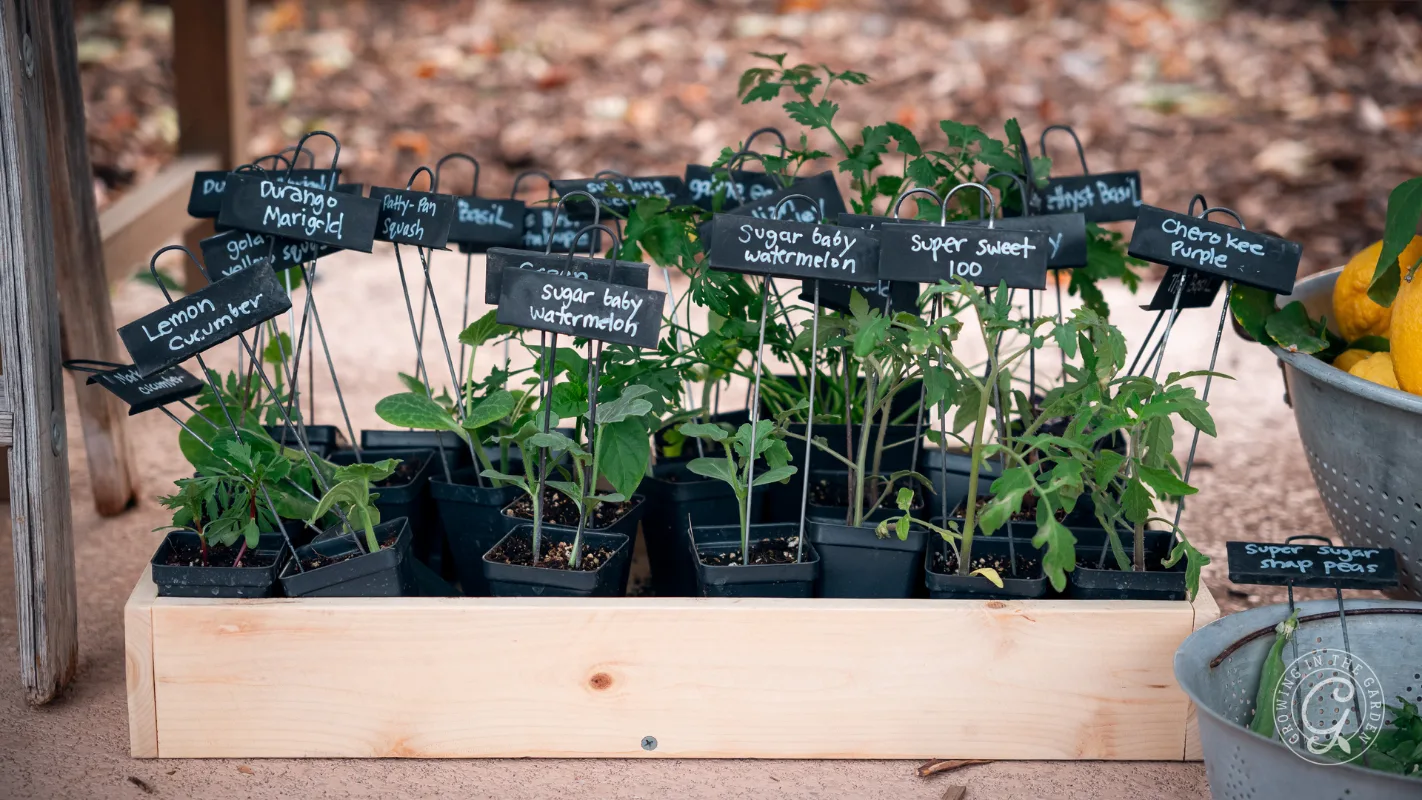
Planting in the heat instead? Hardening off works differently when you’re moving seedlings into high heat and intense sun rather than protecting them from cold. If you’re planting during monsoon season or setting out fall transplants in a hot climate, read How to Harden Off Seedlings in Hot Weather instead. The timeline is shorter and the priorities are different.
Key Takeaways: Hardening Off Seedlings
- Hardening off seedlings is crucial to prepare them for outdoor conditions and increase their chances of survival.
- Gradually expose seedlings to sun, wind, and temperature changes over 7 to 10 days before planting them in the garden.
- Adjust watering while hardening off to prevent stress and promote stronger plants.
- Monitor seedlings for signs of wilting or sunburn, which indicate a need to slow down the exposure process.
- Prepare to protect seedlings from pests during hardening off to ensure their health and viability.
What We’ll Cover:
- What is Hardening Off?
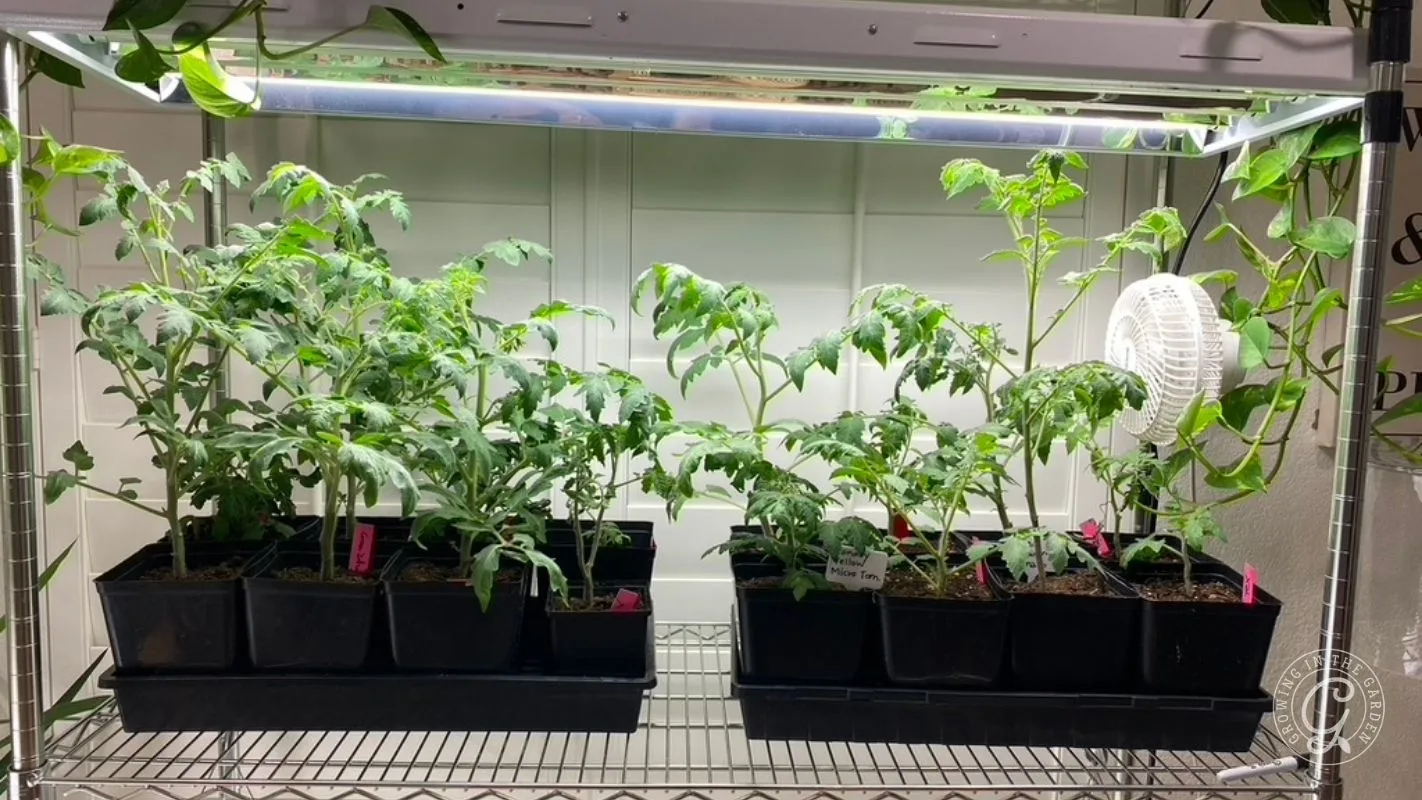
- Starting Seeds Under Grow Lights
- How to Harden Off Seedlings
- How Long Does Hardening Off Take?
- What if the Weather is Unpredictable?
- How Do I Know I’m Moving Too Fast?
- When Can Seedlings Stay Outside All Night?
- How Do I Protect Seedlings From Pests?
- Do I Need to Harden Off Nursery Transplants?
- Hardening Off Seedlings: FAQs
- Final Thoughts

What is Hardening Off?
Hardening off is the process of gradually exposing seedlings to outdoor conditions. As seedlings adjust to more sun, wind, and changing temperatures, their tissues become tougher, their cell walls strengthen, and the waxy cuticle on their leaves thickens. This thicker cuticle helps protect the plant from moisture loss and damaging UV rays. Once hardened off, seedlings are much more likely to thrive outside.
Seedlings grown indoors have never dealt with any of that. The light is weaker, there’s no wind, and the temperature barely moves between day and night. Put that plant straight into a garden bed in spring, and it faces cold nights, real sunlight, and wind all at once, with no defenses built up for any of it.
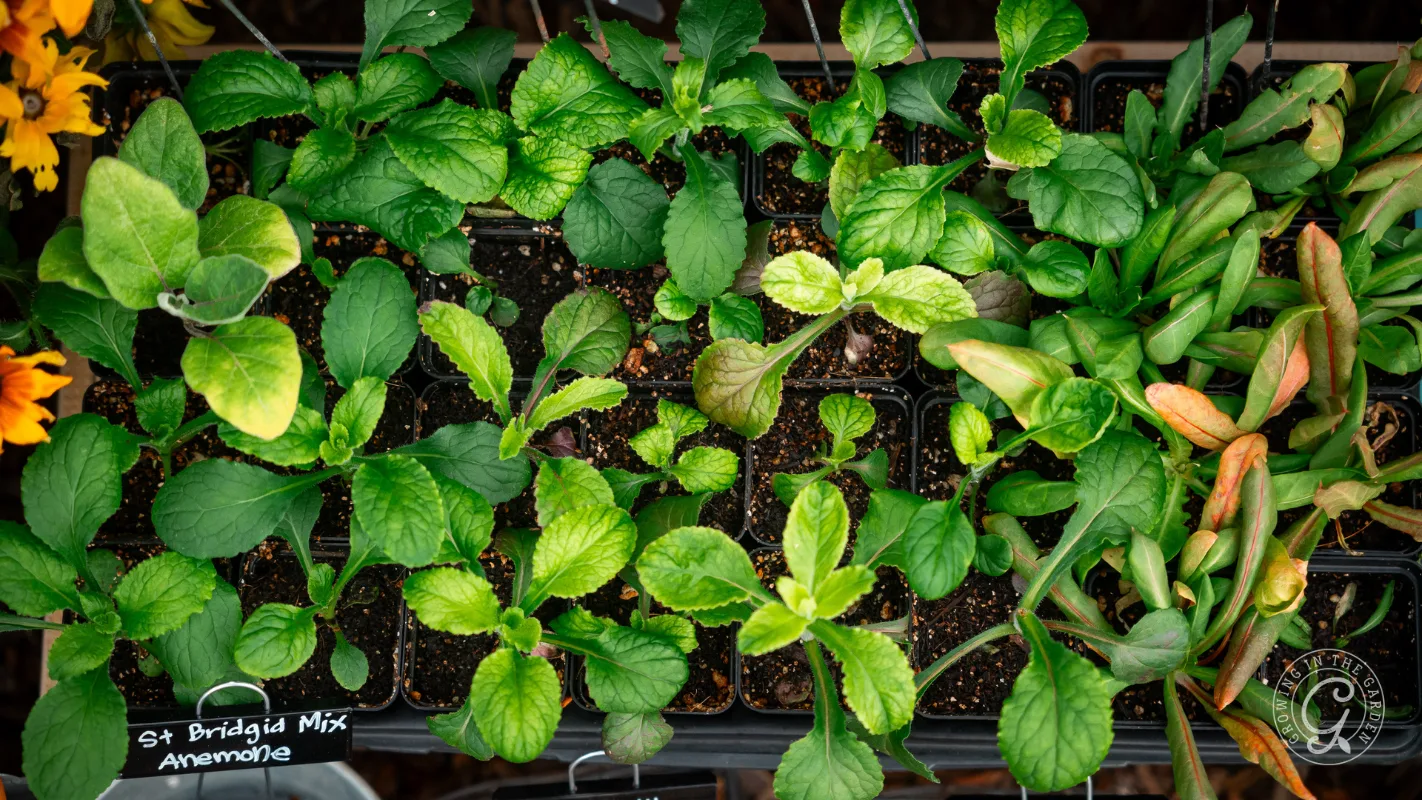
Did you know? The cuticle is the plant’s outermost layer, similar to human skin. It primarily acts as a water permeability barrier, helping reduce evaporation and protect the plant from external stressors.
Starting Seeds Under Grow Lights
Grow lights let you control light intensity and duration while outdoor conditions are still too rough for tender seedlings. Position grow lights according to the manufacturer’s recommendations and run them about 12 to 16 hours a day. Here is one of my favorite grow lights to use.
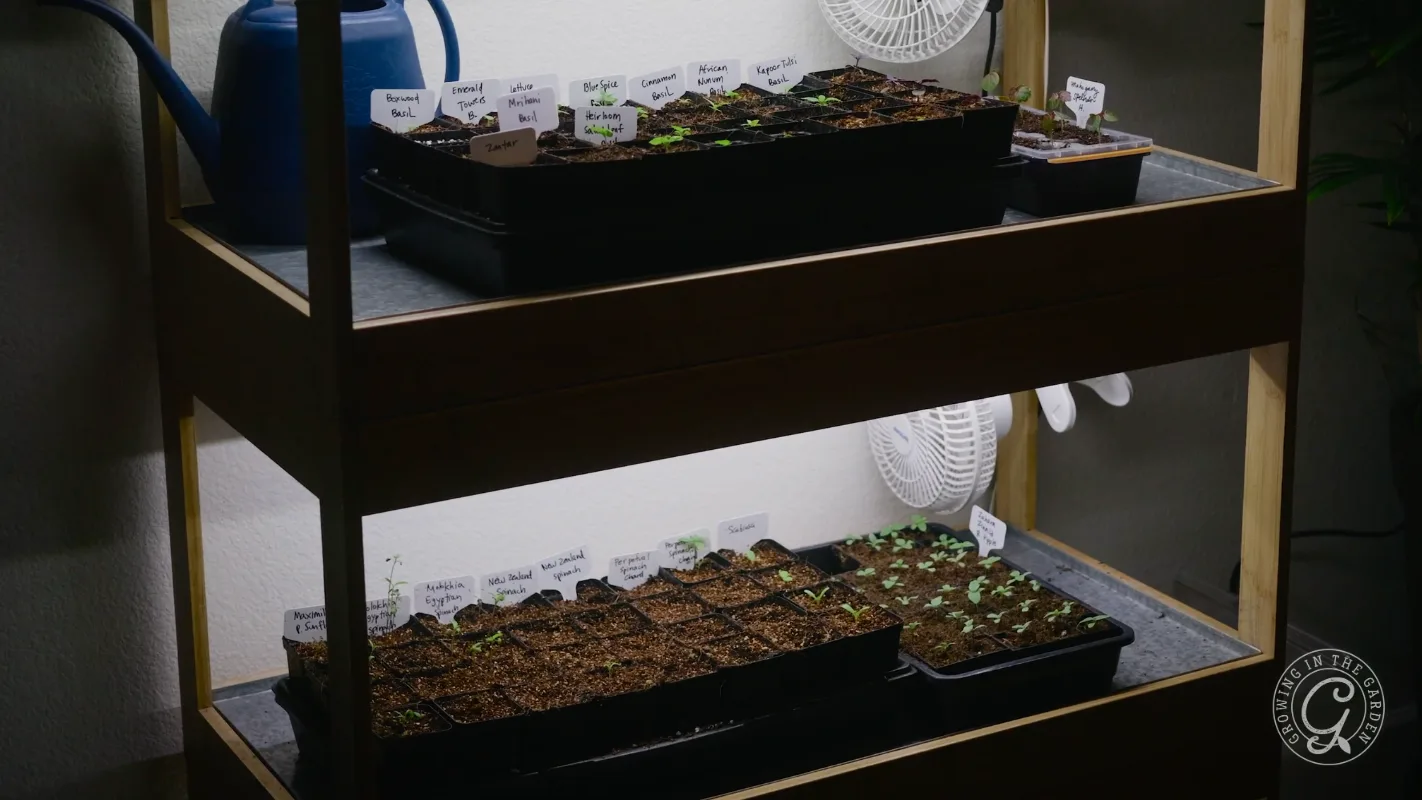
About a week before you start hardening off, gradually shorten the time under lights. That small shift starts the transition before the plants ever go outside.
Full details are in my guide on how to start seeds indoors.
How to Harden Off Seedlings
Start 7 to 10 days before planting
Watering: You don’t want them to dry out, but you can gradually let them go a little longer between waterings. Don’t let them wilt.
Fertilizing: Don’t add extra fertilizer to push new growth while seedlings are hardening off.
Heat mats: If you’ve been using them, start turning them off or lowering the temperature a few days before the seedlings go outside. By the middle of the hardening off period, the plants should be completely off bottom heat.
Two things are happening at the same time in spring. You’re building the plant’s tolerance for sun and wind, and you’re getting it used to colder nights. Both need to progress or the plant isn’t actually ready.
- Days 1 to 2: One to two hours outside in a shaded, protected spot, out of direct sun and wind. Bring them back in.
- Days 3 to 4: Two to four hours. Morning sun is fine now. Still bring them in for the night.
- Days 5 to 6: Most of the day outside with some direct sun. Watch for wilting or bleached leaves. In at night.
- Days 7 to 8: A full day outside, including afternoon sun. If nights are holding above your crop’s minimum, this is when they stay out for their first full night. Put them somewhere protected, against a house wall or under a cover.
- Days 9 to 10: Full days and full nights outside. Check them each morning after a night out. If they come through without damage, they’re ready.
- Planting day: Water seedlings well before planting. A cloudy, calm day is ideal. If it’s sunny, late afternoon gives seedlings time to settle in before facing a full day of sun.
Warm-season crops like tomatoes and peppers should generally wait until nights stay around 50°F (10°C) or warmer. Cool-season crops such as lettuce, broccoli, and kale tolerate much cooler nights, but don’t expose unhardened seedlings to freezing temperatures.
Tip: Keep the soil evenly moist throughout the hardening off process. Seedlings dry out faster outdoors from wind and sun, so check them more often than you would inside.
How Long Does Hardening Off Take?
Usually 7 to 10 days, though it varies by plant and conditions.
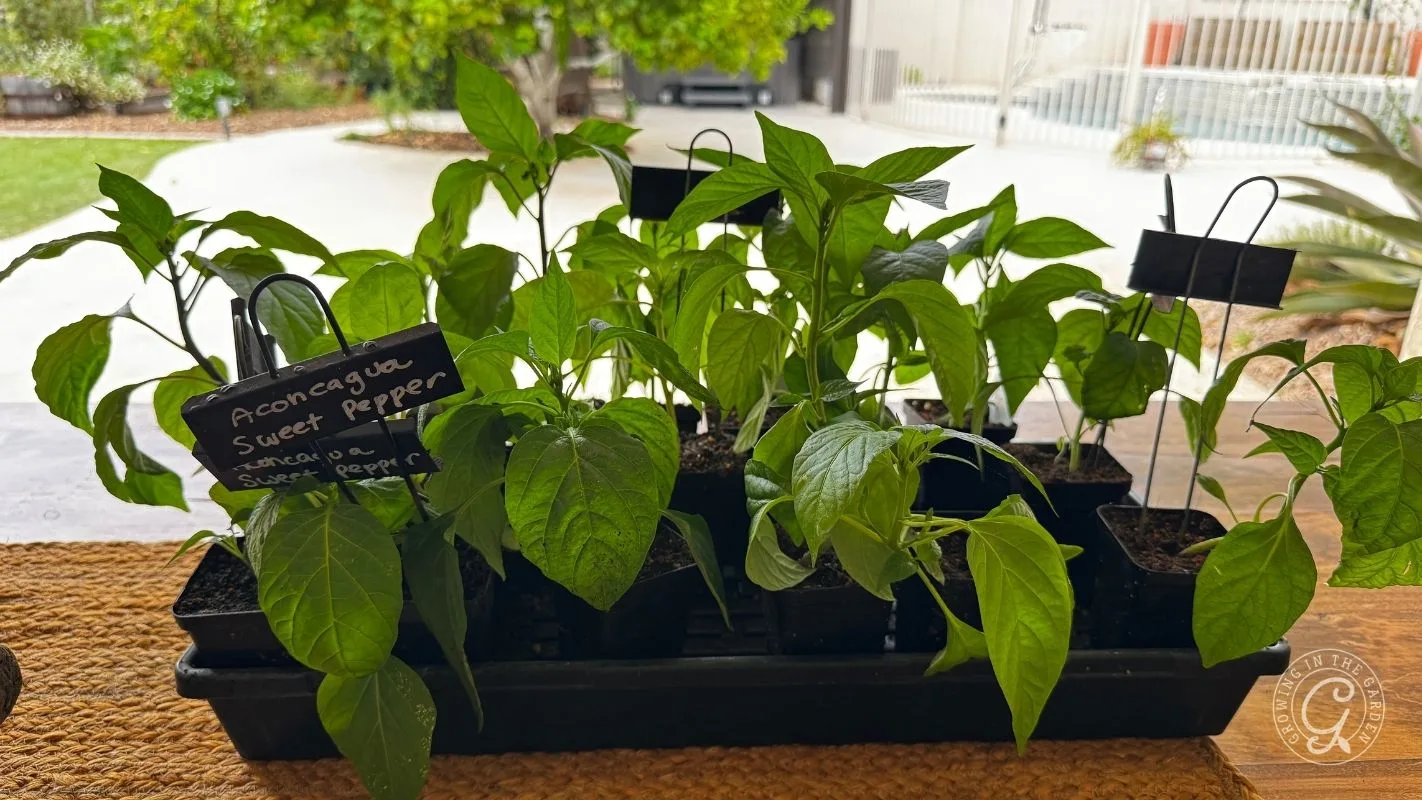
Cold-hardy plants like kale or broccoli are more forgiving during hardening off than tender seedlings like tomatoes or peppers. If you have a cold frame, you can speed things up by using it for a few hours a day before fully exposing plants to the elements.
What if the Weather is Unpredictable?
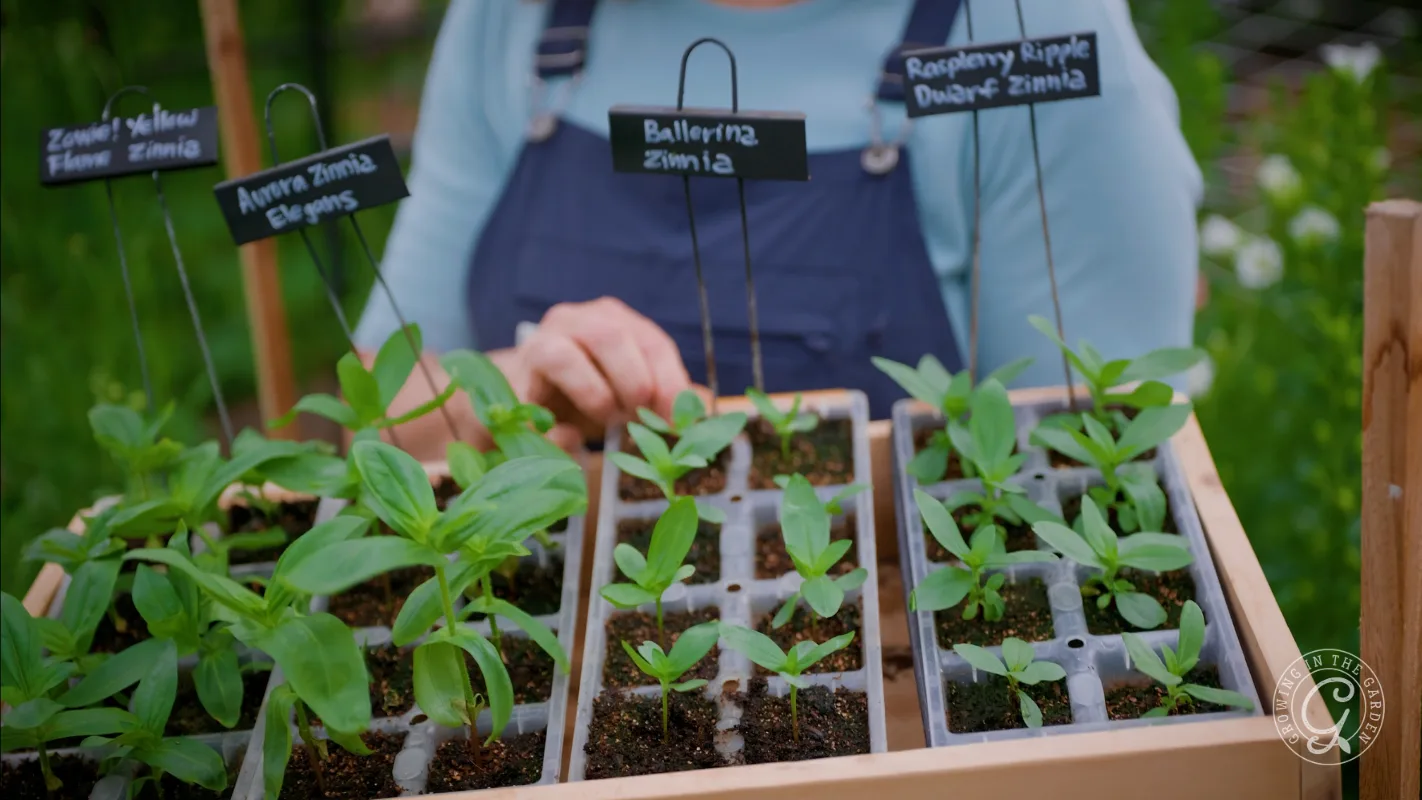
Spring weather rarely cooperates. A few ways to handle it:
- Check the forecast. If nighttime temperatures are expected to dip below 45°F (7°C), or if it’s very windy, bring the seedlings back inside or cover them.
- Use a cold frame or protective cover. Either one buffers temperature swings and lets you keep the process going through a rough stretch.
- Hold off on transplanting. If there’s a risk of late frost or a sharp temperature drop, wait until after your final frost date. Delaying a week costs you very little. Losing a full tray of seedlings is more devastating.
How Do I Know I’m Moving Too Fast?
- Wilting. A plant that wilts when the soil is still moist is telling you it’s getting too much heat or wind. Cut back the exposure time.
- Burnt or bleached leaves. Pale, scorched, or bleached patches mean too much direct sun too soon. Move them back to a shadier spot for a day or two, then reintroduce sun more gradually.
Neither one means the plant is finished. It means back up a step and go slower.
When Can Seedlings Stay Outside All Night?
The first full night outside is the real test of whether a seedling is hardened off. Daytime sun exposure alone doesn’t prepare a plant for a cold night.
- Warm-season crops like tomatoes and peppers can stay out once nighttime temperatures stay above 50°F (10°C). If a cold front moves in, bring them back inside.
- Cool-season crops such as lettuce, broccoli, and kale tolerate much cooler nights, but don’t expose unhardened seedlings to freezing temperatures.
Put them somewhere protected for that first night. Against a house wall, under a patio cover, or inside a cold frame all hold a few degrees of warmth compared to open ground. Check them the next morning before you decide to plant.
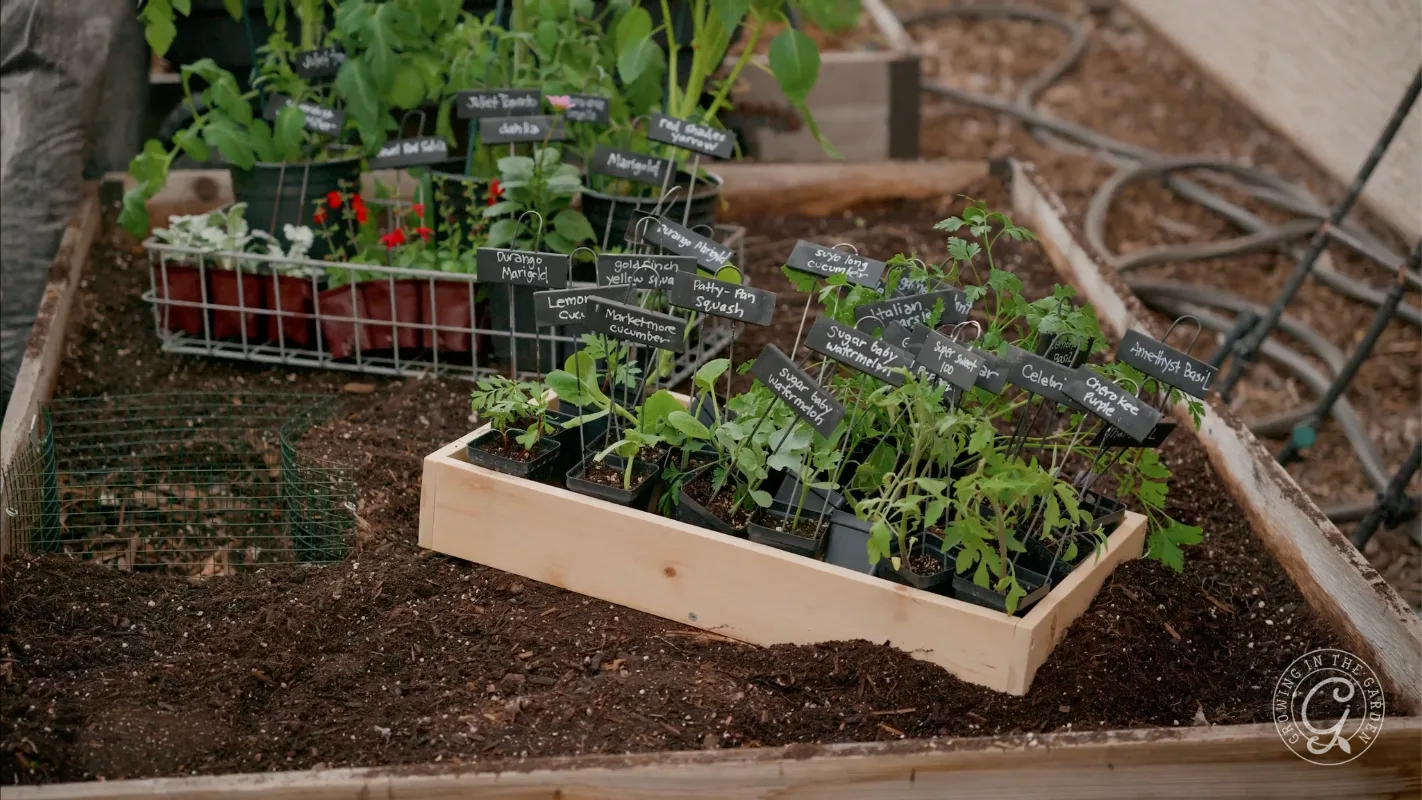
How Do I Protect Seedlings From Pests?
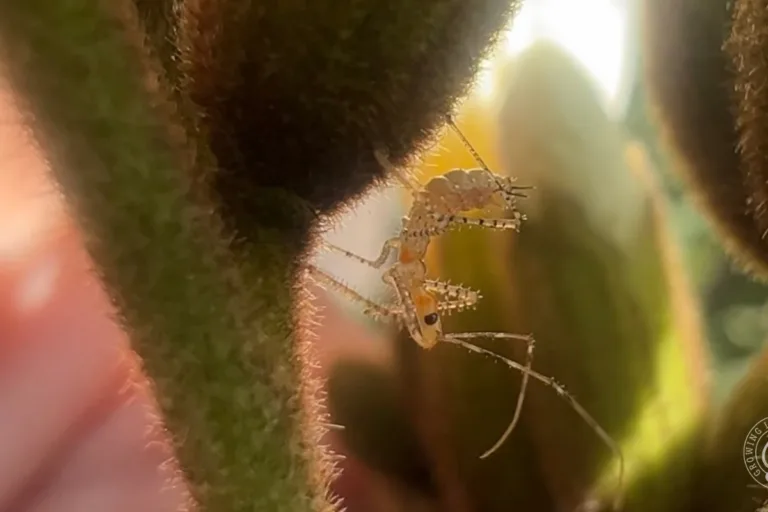
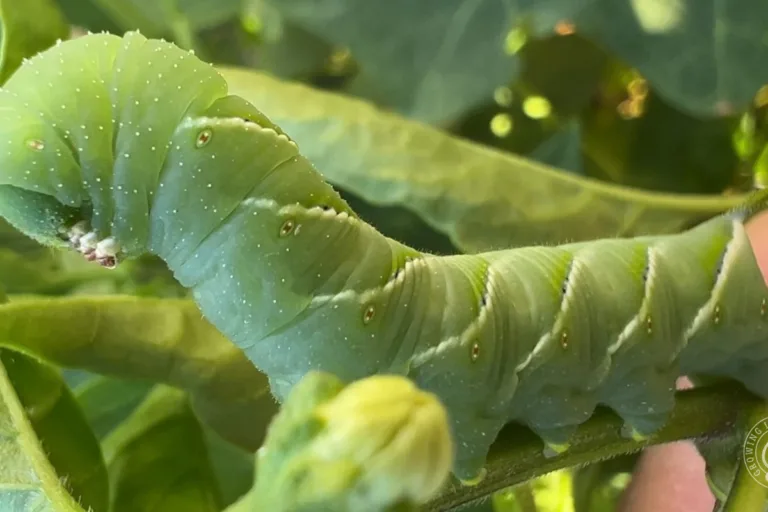
Young seedlings are an easy target for birds, slugs, and insects.
- Physical barriers. Tulle or netting keeps birds off. DIY cloches made from cut plastic bottles protect individual seedlings from insects.
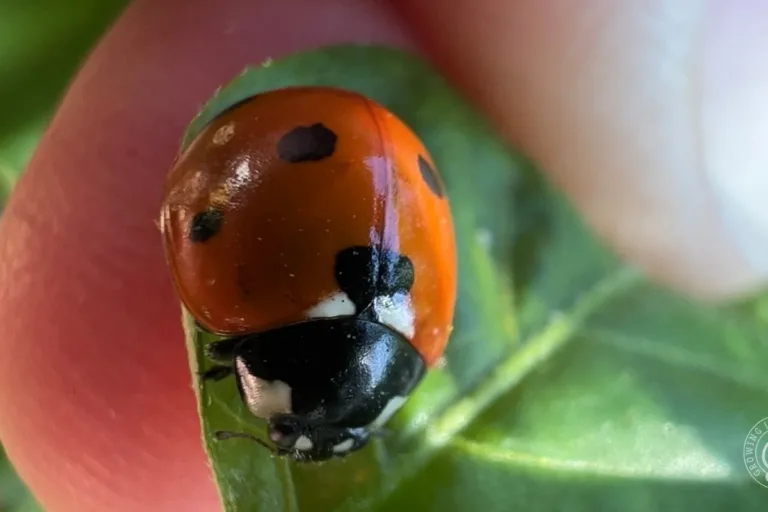
- Natural predators. Encourage beneficial insects like ladybugs instead of buying them. Skipping pesticides is what keeps them around. Here’s more on how to attract beneficial insects.
- Healthy transplants. Well-hardened seedlings hold up better against pests than stressed ones. Getting this process right reduces pest damage later.
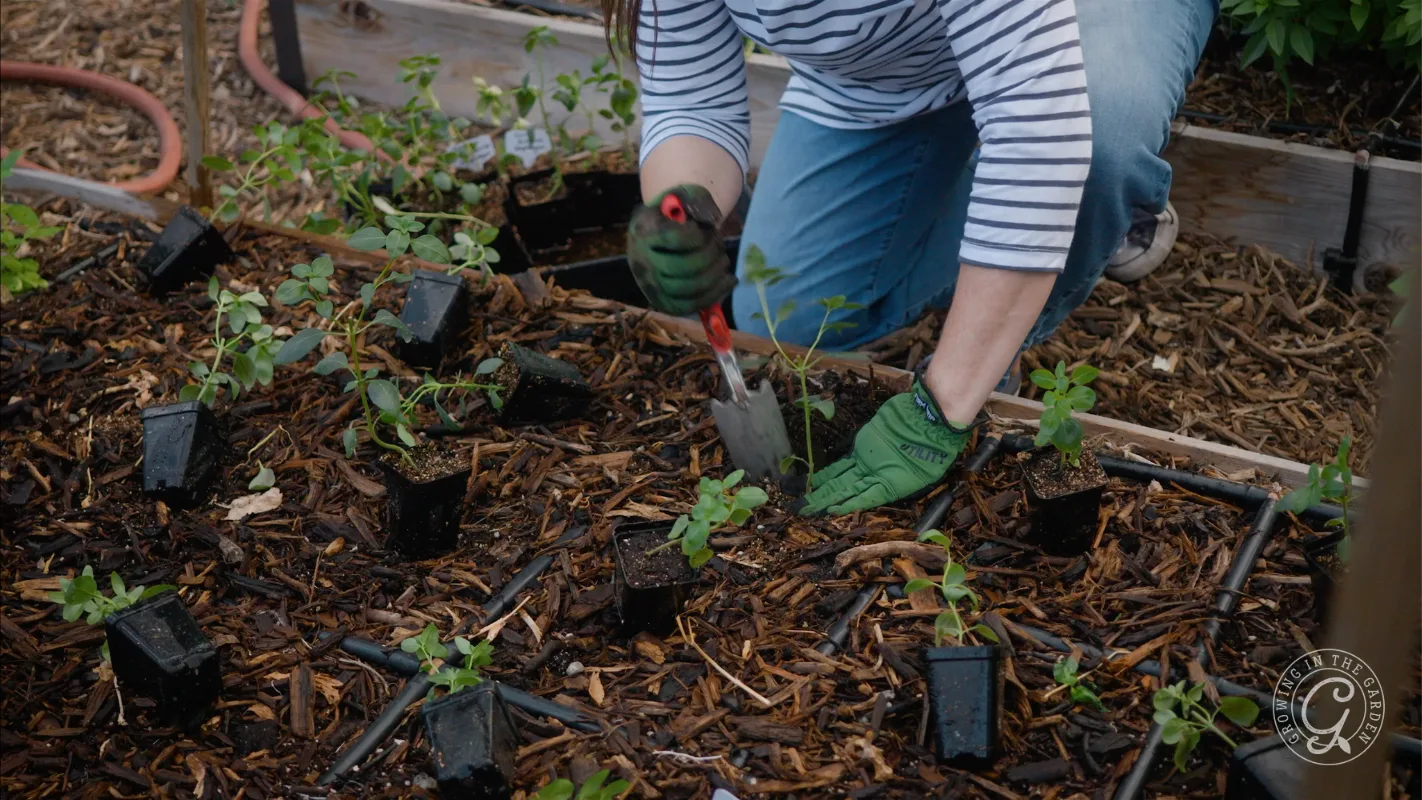
Do I Need to Harden Off Nursery Transplants?
Sometimes. It depends on how the plant was growing at the nursery.
A transplant that’s already been sitting outdoors in full sun and wind may need very little adjustment. But plants grown inside a greenhouse or under a shade structure can still be damaged when they’re suddenly moved into stronger sun and wind.
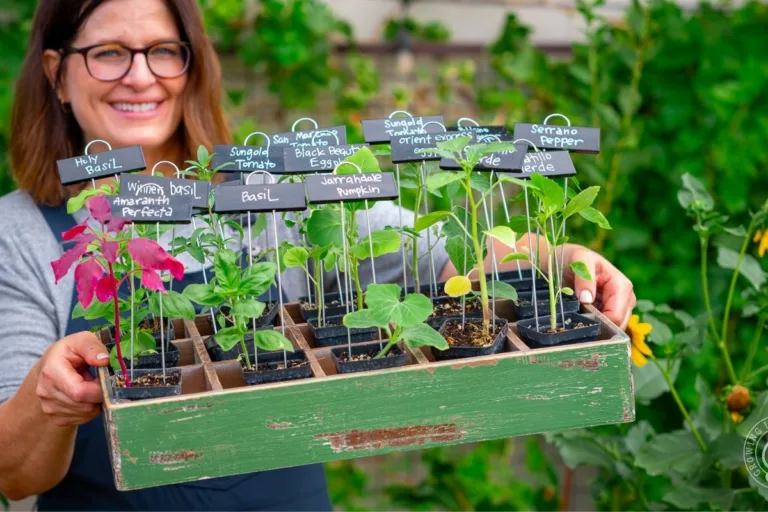
Start them in conditions similar to where they were growing at the nursery, then gradually increase their sun and outdoor exposure for a few days before planting.
Hardening Off Seedlings: FAQs
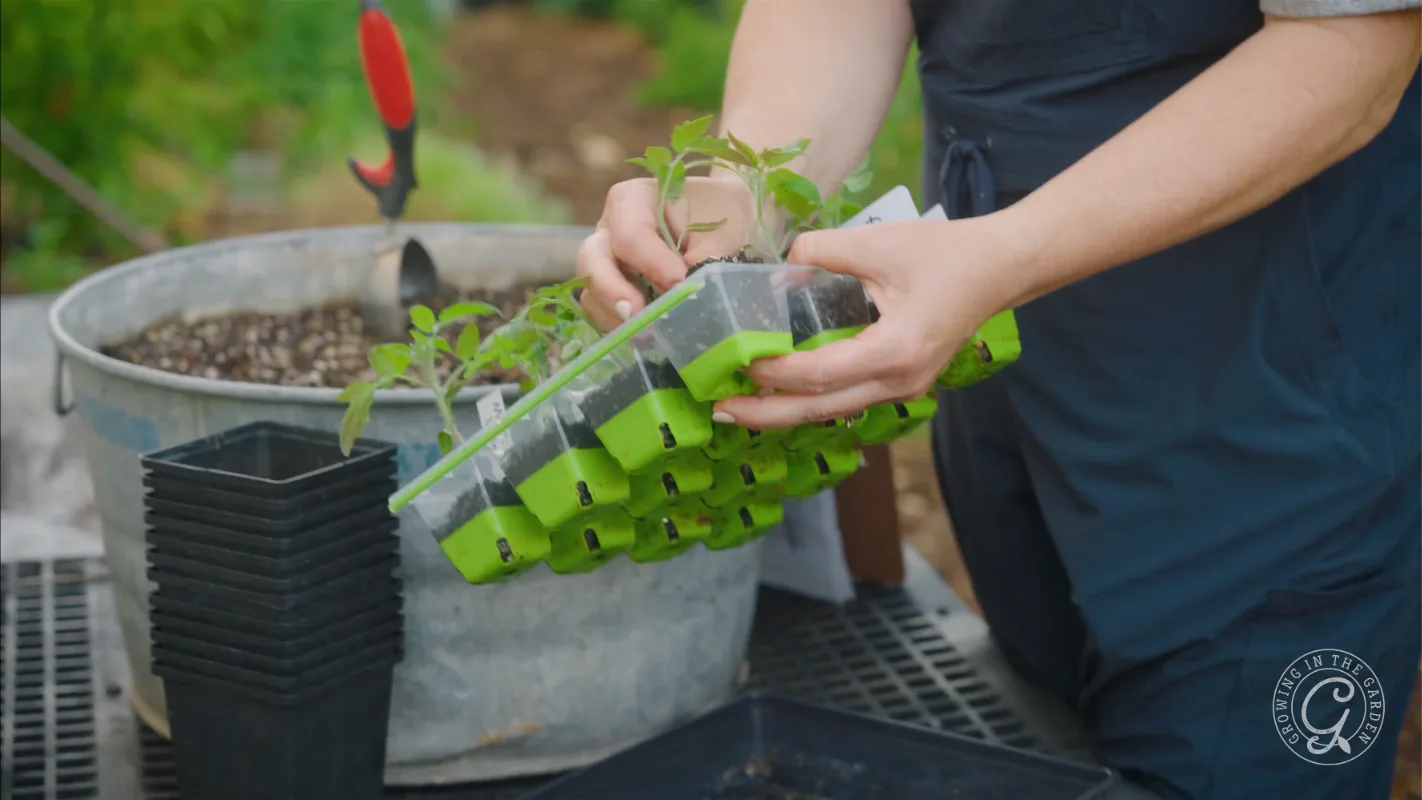
Sometimes they wilt and then recover on their own. Other times it means you need to back off and take it more slowly. Move them into shade, check the soil moisture, and give them a day. If they wilt again the next time out, shorten the exposure.
Probably not. Tomatoes, peppers, basil, and eggplant are all happiest with nighttime temperatures above 50°F, and they tend to sit still until nights warm up consistently. Keep the watering steady and give them time. New transplants often put energy into roots before you see any growth on top.
Mostly no. Seedlings grown outdoors in a protected or shaded spot are already used to real light, air movement, and temperature swings. Move them into more sun over a couple of days and plant them when they’re ready.
Pot them up first, then harden off. Those seedlings have never seen wind or direct sun, and the root systems are used to constant moisture. Here’s when and how to pot up seedlings, and then follow the steps above.
No. Wait until plants are in the ground and putting on new growth.
You can get away with it sometimes, and plenty of gardeners have. The risk is that one sunny afternoon undoes weeks of work. A few days of transition is cheap insurance on plants you’ve been growing since seed.
Final Thoughts
Hardening off is the least exciting part of growing from seed and one of the easiest to rush, especially when the plants look ready and you’re tired of moving trays around. Slowing down for a week protects everything you’ve put into them so far.
Once your seedlings are hardened off, How to Plant Transplants walks through getting them in the ground.
If you’re planting into heat rather than out of cold, read How to Harden Off Seedlings in Hot Weather for the monsoon and fall version of this process.
References & Additional Resources
University of Illinois Extension. (2020, April 6). Starting a Garden: Hardening Indoor Seedlings (Good Growing Blog). https://extension.illinois.edu/blogs/good-growing/2020-04-06-starting-garden-hardening-indoor-seedlings
University of Maryland Extension. (n.d.). Hardening Off Vegetable Seedlings in the Home Garden. https://extension.umd.edu/resource/hardening-vegetable-seedlings-home-garden

I’m new to the hardening off process, and I thought I was doing good until today. All my plants that looked healthy and happy are droopy and wilted. Will they bounce back or did I just kill off all my plants?
Sometimes they wilt and then bounce back – other times that means we have to back off a bit and take it more slowly. I hope yours recovered!
Thanks for providing such informative content—I’ve watched so many of your vids trying to get ready for this season.
I grew transplants from seed this season for the first time in all my few years of gardening. Hardened them off for about a week before transplanting into my garden beds. It’s been about 10 days now and I feel like a lot of my peppers, tomatoes, basil, and eggplants are just… stuck. They’re not dying or wilting, but they’re not really growing in height or bearing new leaves. Fed them fish emulsion a few days ago, deeper infrequent watering, but nothing. I figure okay, a week of root growth underneath the surface… are they just in shock? Is there a way to overcome this or do I consider this a loss??
My guess is they will take off soon, especially as temperatures are consistently warm. (all of the crops you mentioned are happiest with nighttime temps above 50) I’m rooting for them to grow for you, best of luck!!!
@Angela Judd, Thanks! I guess I just have to keep waiting then—while day temps were in the 70s I think night temps have still been in the upper 40s/low 50s. I’m in Tucson, so a little cooler than Mesa.
Hello, I planted chili tepin seedlings in an aerogarden. They are ready to be planted. How do I go about planting them in a pot and hardening them? First time doing anything like this. I live in southern Arizona.
This post may be helpful as you pot them up: https://growinginthegarden.com/when-and-how-to-pot-up-seedlings/ and then follow this blog post’s steps about hardening them off.
Just what I needed. Thank you!