
How I’m Adapting My Low Desert Garden to Earlier Heat
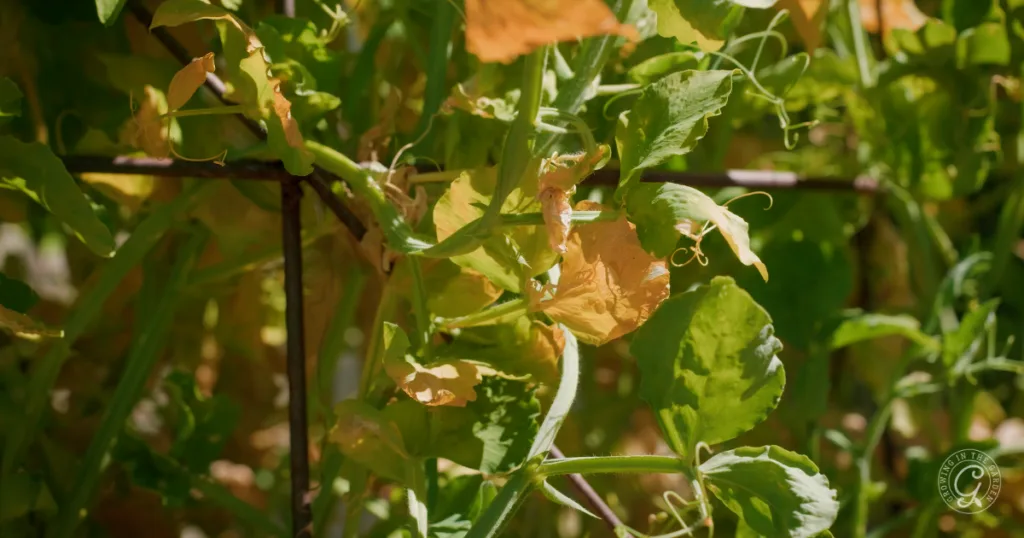
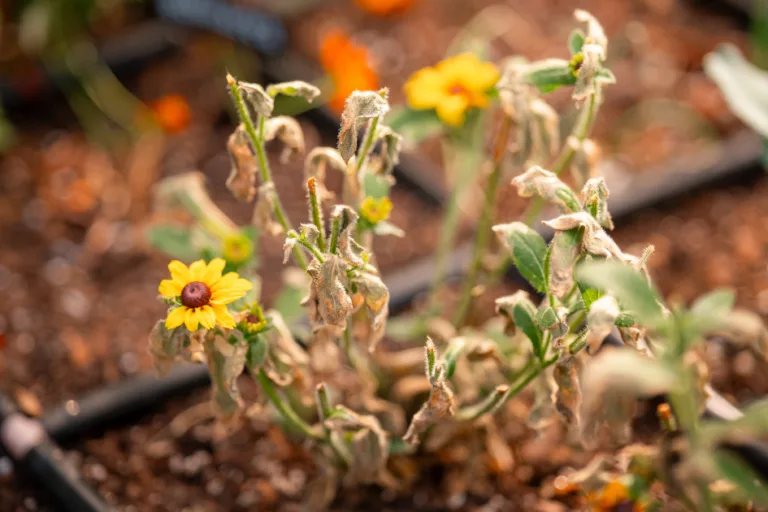
This past March, I went out to my garden and found my spring flowers fried. Crispy edges, scorched leaves, plants that should have had weeks of growing left. That’s not what March usually looks like here. The heat showed up earlier than it used to, and it took the spring flowers with it.
When the weather stops following the patterns you expect, it changes how your whole garden performs. In the low desert, hot temperatures are arriving earlier, rain is less reliable, and spring passes faster every year. That makes it harder for plants to establish and stay productive into summer. Learn more about Summer Gardening in Arizona in this guide.
Key Takeaways
- Garden productivity declines as climate changes; temperatures rise earlier, and rainfall becomes less predictable.
- Implementing changes like earlier shade cloth, more mulch, and efficient water capture can help gardens adapt.
- Being selective about plants and adjusting planting timing improves resilience against extreme heat.
- Creating a cooler microclimate and rethinking soil health are essential for thriving gardens in hotter conditions.
- Redefining success in gardening focuses on maintaining soil health and supporting plants, rather than striving for perfect aesthetics.
What We’ll Cover in This Article:
- I’m Putting Up Shade Cloth Earlier
- I’m Using More Mulch to Cool the Soil
- How I Use My Worm Bins in Summer Heat
- I’m Capturing More Rainwater in My Yard
- How I’m Building a Cooler Microclimate
- I’m Pickier About What I Grow Now
- I’m Putting Small Containers Away Sooner
- Why Planting Timing Is My Biggest Tool Now
- How I Define Success Now
- More Summer Gardening Resources

If your garden hasn’t been responding the way it used to, you’re not alone. Many gardeners are noticing the same thing: plants are struggling sooner, soil is drying out faster, and growing windows are feeling shorter than before.
The good news is that small adjustments can make a big difference. By shifting your approach to planting, soil care, and summer strategy, you can help your garden adapt and stay resilient, even as conditions change. Keep reading for key changes I’m making in my garden to handle earlier heat, less rain, and longer dry stretches.
When temperatures rise earlier and stay high longer, protecting your plants—and your soil—becomes the priority. These first changes are all about reducing stress, holding moisture, and helping your garden handle the hardest part of the year.
I’m Putting Up Shade Cloth Earlier
One of the biggest changes I’m making is putting up shade cloth earlier than I used to. Temperatures above 90°F (32°C) change how plants function. Growth slows, stress increases, and it becomes harder for plants to thrive.
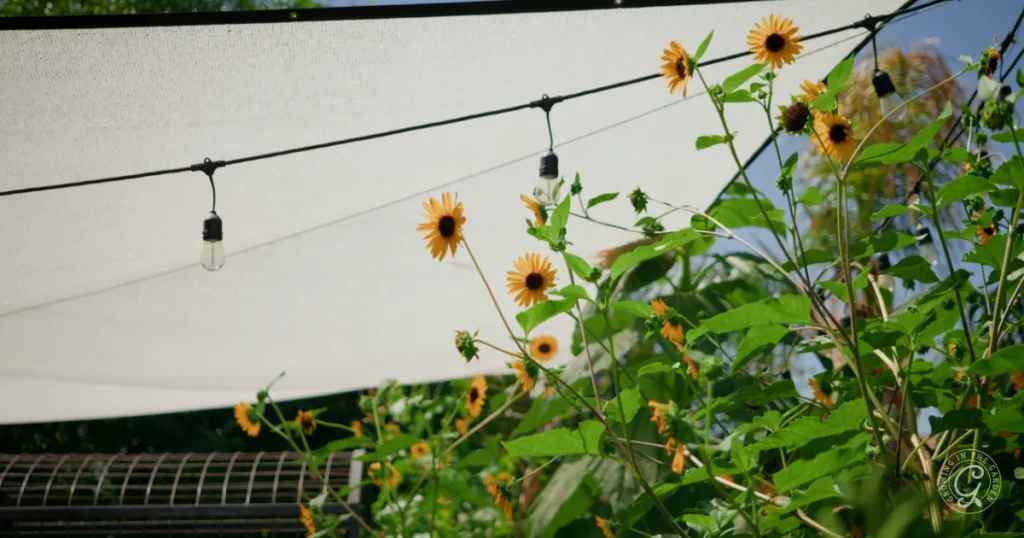
In the past, I would wait until late April to add shade. Now I’m putting it up as early as mid-March, once temperatures reach 90°F. Giving plants that protection earlier helps them stay healthier longer and reduces the overall stress they experience as temperatures rise.
Instead of reacting to the heat, I’m planning ahead and protecting plants before conditions become difficult.
Explore these resources for additional shade strategies:
- How to Add Shade Cloth to a Hot Summer Garden
- How to Create Shade in the Garden
- Why Add Shade to Your Garden in Summer
- Using Sunflowers for Shade in Hot Summer Climates
I’m Using More Mulch to Cool the Soil
As the weather heats up, sometimes the real problem is that the soil is just too hot. Protecting the soil becomes just as important as protecting the plants.
I always use mulch, but I’m using more of it now, especially during the summer. A thicker layer helps keep soil temperatures lower, reduces moisture loss, and supports the soil life that plants depend on.
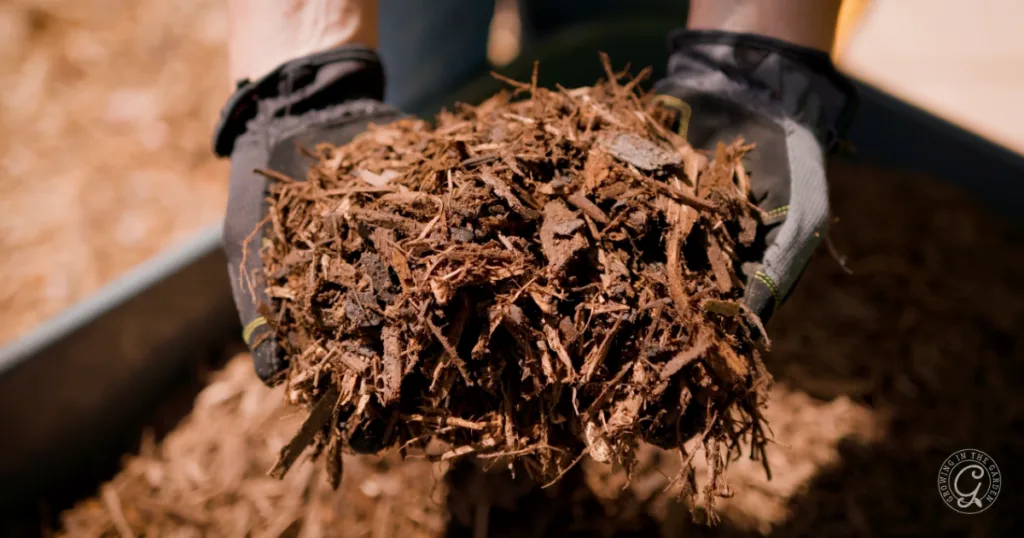
I’m also rethinking areas where I’ve used rock in the past. While rock can work well for some heat-tolerant and desert-adapted plants, I’m replacing it with compost and wood chips in many areas. Mulch does a much better job of holding moisture and improving soil over time. Learn more about how to use mulch to protect your soil in this guide.
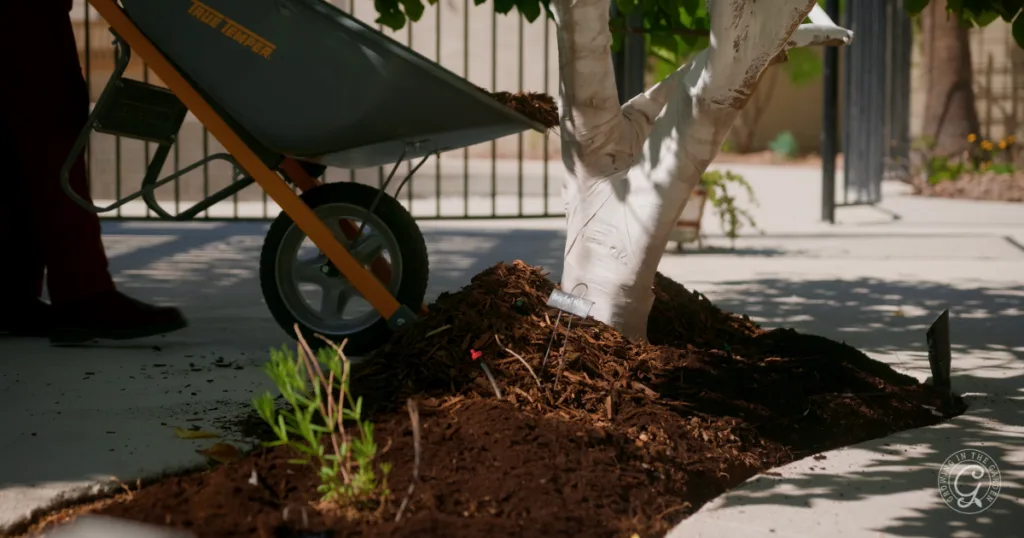
Healthy soil is one of the best ways to help your garden handle heat, and it’s something I’m focusing on more than ever.
How I Use My Worm Bins in Summer Heat
In-bed vermicomposting bins are one of the best ways to support healthy soil.
During the cooler months, worms are active near the surface and quickly turn kitchen scraps into rich worm castings. In the summer, that changes. As temperatures rise, worms tend to move deeper into the soil and aren’t as active near the top, and that’s okay.
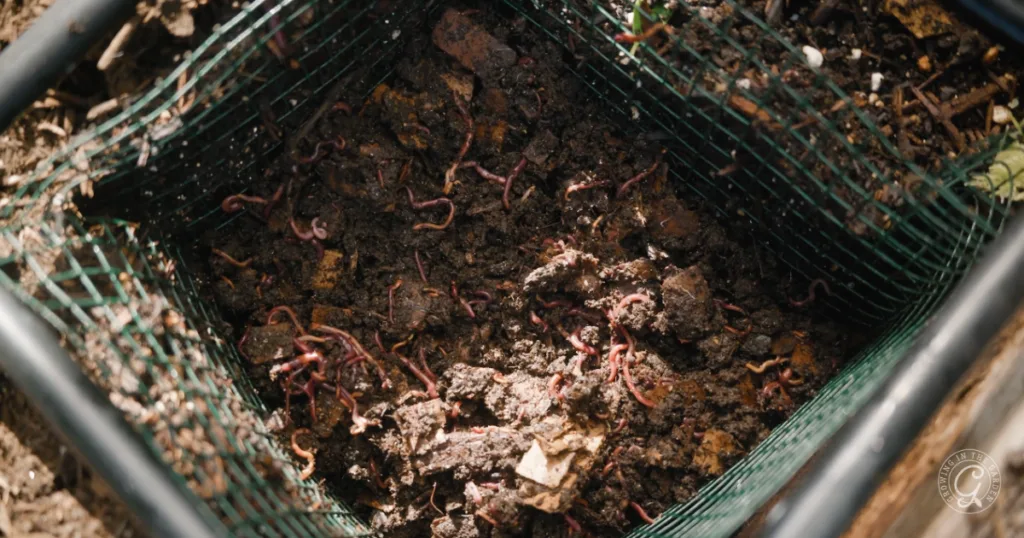
I still use my in-ground bins, but I think of them a little differently during the hottest part of the year. Instead of expecting fast worm activity, I treat them more like composters. I continue adding scraps, knowing they are still feeding the soil and helping maintain organic matter, even if the process looks different.
Learn how to use vermicomposting bins optimally year round with these resources:
- Vermicomposting Made Easy: In-Bed Worm Composting
- In-Bed Vermicomposting: FAQ
- What to Feed Worms in Worm Bins
I’m Capturing More Rainwater in My Yard
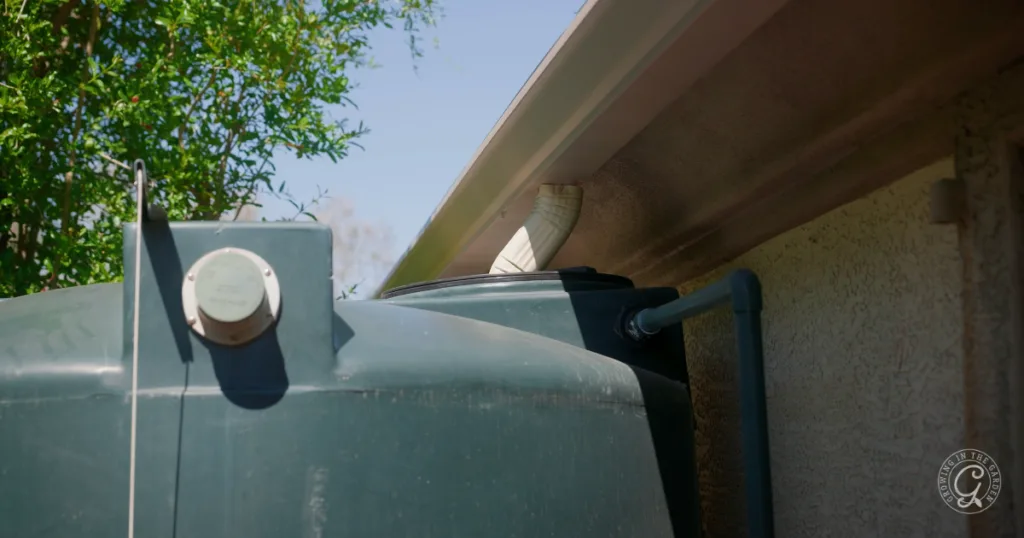
On a larger scale, one of the most important long-term changes I’ve made is focusing more on how water moves through my yard. I’ve added rain tanks, gutters that direct water into basins, and simple swales and berms to slow water down. The goal is to keep as much rain as possible on my property—letting it soak into the soil rather than run off. Learn more in this rainwater harvesting guide.
It’s changed how I think about watering too. Instead of just watering garden beds, I’m thinking about how the entire yard can capture and store moisture. This isn’t an instant fix, but over time it makes a big difference. Holding more water in the soil supports deeper roots and helps plants stay more resilient during long dry periods.
How I’m Building a Cooler Microclimate
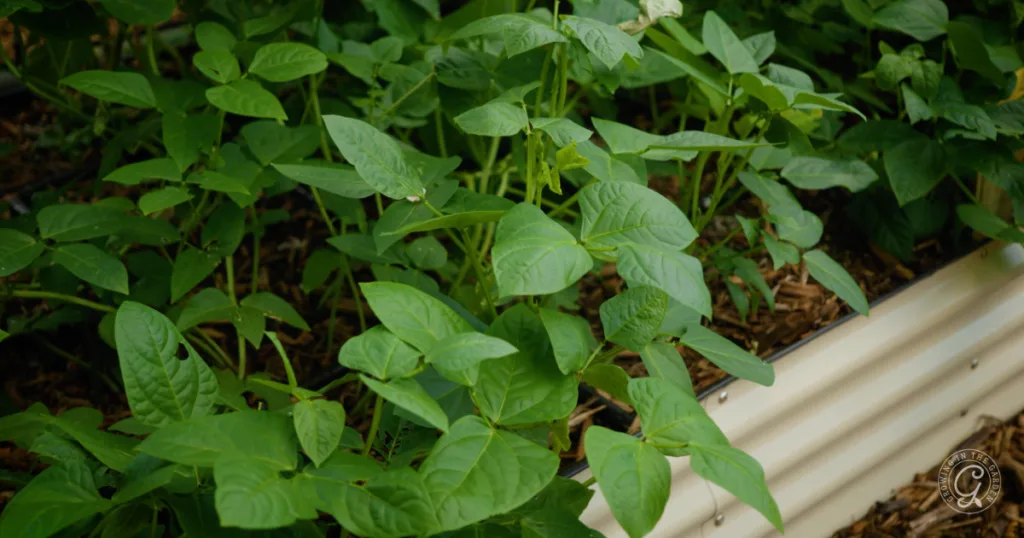
As it gets hotter and drier, I’m paying attention to how my whole yard works, not just the individual beds. A few changes have made a real difference:
- Pulling out rock and replacing it with mulch, because rock holds and radiates heat while mulch cools the soil and holds moisture.
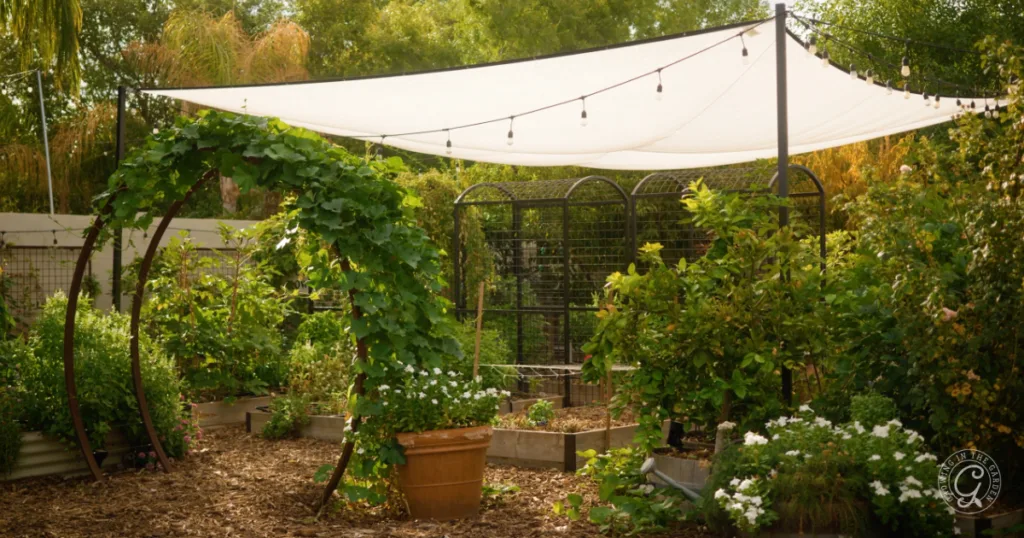
- I’m covering the hot walls in my yard with vines so they stop radiating heat back at nearby plants. These are the vines that hold up to reflected heat and where they do best.
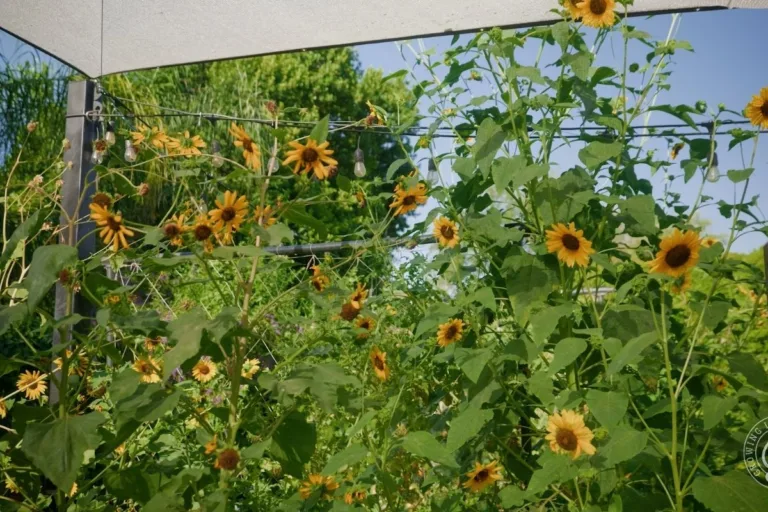
- I added vines to my pergola to block the afternoon sun, and I plant sunflowers where I need quick seasonal shade.
None of this fixes the garden overnight. But a yard with more shade, fewer hot surfaces, and better moisture retention gives every plant a better chance through the worst of the heat.
I’m Pickier About What I Grow Now
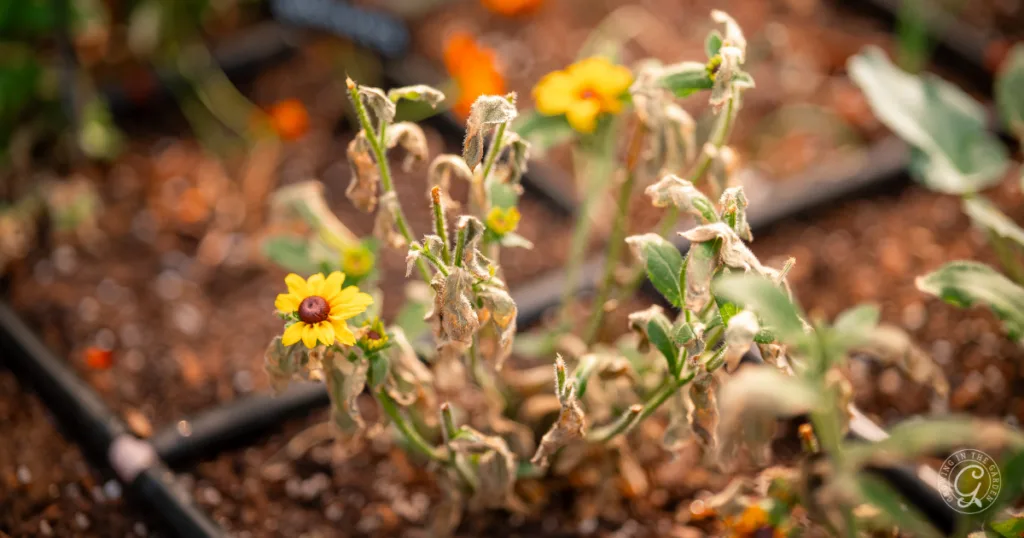
During a class, someone once asked me what I would have done differently at the beginning of the summer if I had known it would be this hot. I’ve thought about that question many times since. My answer is simple: I assume summer will be long and hot, and I plan accordingly from the start.
That shift has changed how I approach what I grow. With hotter temperatures, I’ve had to be more selective about what I’m willing to grow during the summer.
Not every plant is worth trying to push through extreme heat. Instead of forcing crops that struggle, I’m focusing more on plants that naturally handle the conditions well. Cover crops like black-eyed peas, okra, and sweet potatoes are great options. They grow easily, require less water, and help shade and protect the soil.
What I plant is changing in other ways too. The lack of frost this winter may mean fewer peaches, so I’m paying closer attention to chill hours when choosing fruit trees and planting them in the coolest areas of my yard to give them the best chance to succeed.
At the same time, there are benefits. That same lack of frost has meant a longer growing season for some crops—I’m still harvesting tomatoes that were planted last August, and my freezer is full. Paying attention to how conditions are shifting—and adjusting what I grow because of it—has made gardening in the heat much more manageable.
I’m Putting Small Containers Away Sooner
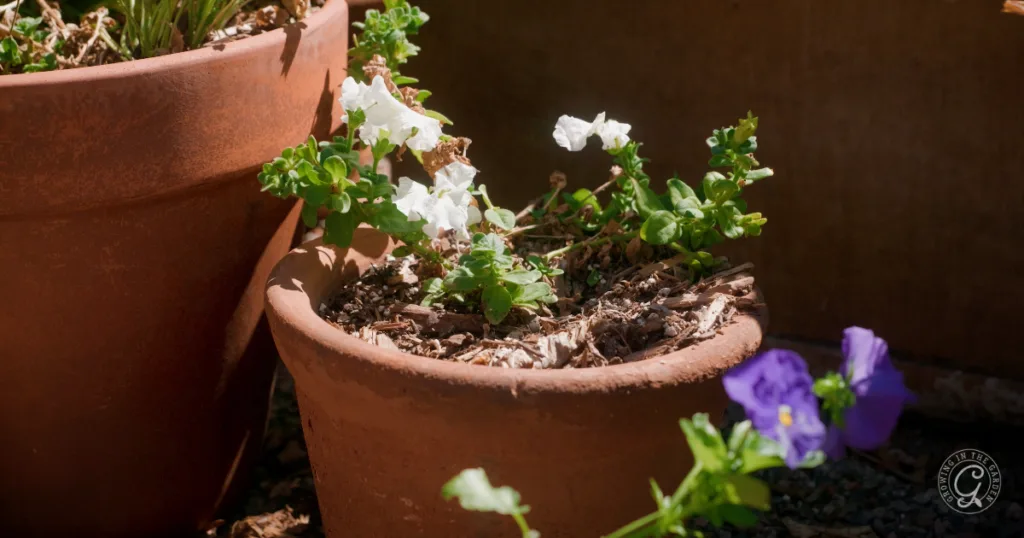
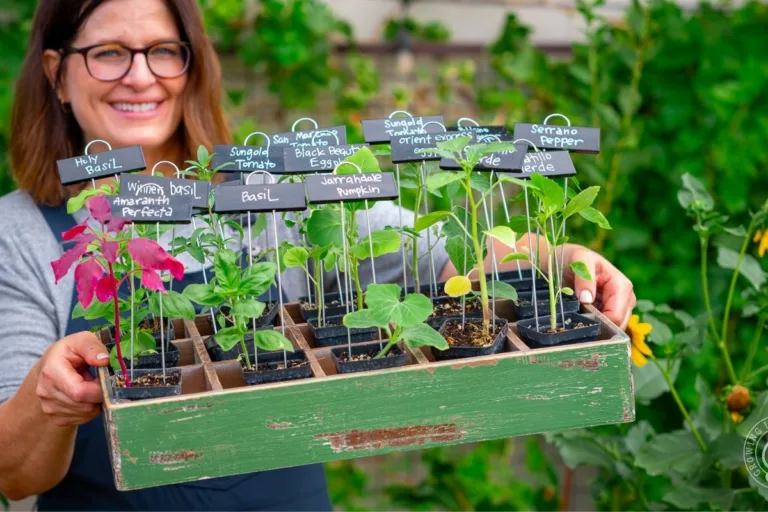
Small containers work well in the cooler months, but once it heats up, I can’t keep up with them. They dry out so fast that I’m watering constantly, and even then, the plants in them struggle far more than anything in my larger containers or my garden beds.
So I’m putting the small ones away earlier now, and moving that planting into the ground or into bigger containers that hold moisture long enough for me to stay on top of it. Learn more about which containers to use and when in this article. The change has saved me a lot of watering time and prevented many lost plants.
Why Planting Timing Is My Biggest Tool Now
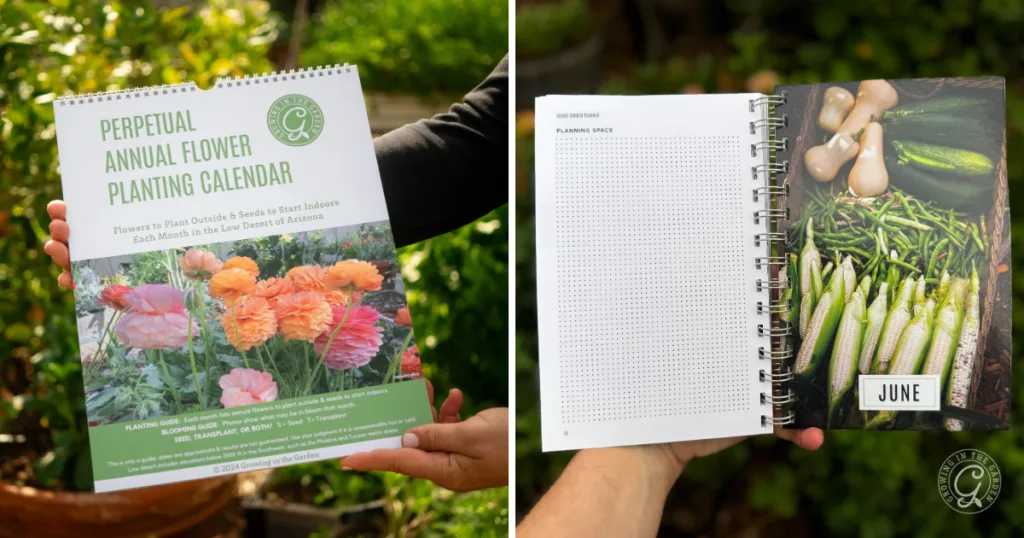
Timing is the biggest part of my plan now. More than shade cloth, more than mulch, getting plants in at the right moment determines whether they produce before the heat shuts them down. If I want a crop to establish and start producing before the worst of summer, I have to plant at the start of the window, not the end. Wait too long, and the plant never gets established before the heat hits.
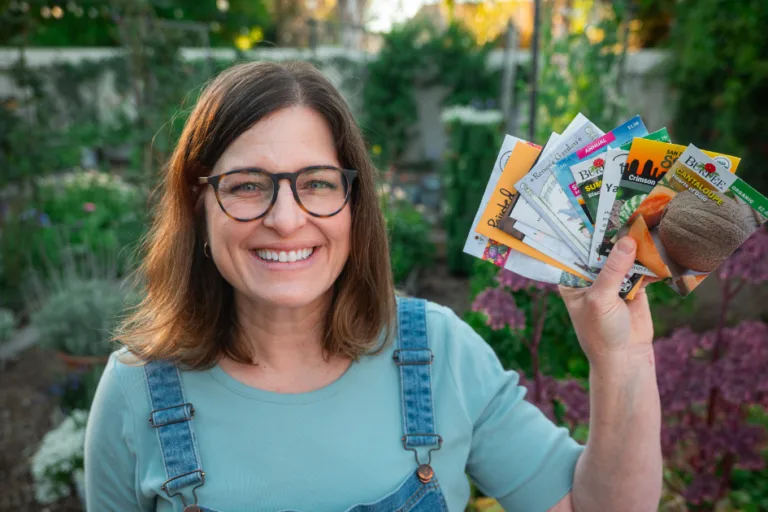
This is the whole reason I built my planting calendars and growing guides. I wanted to take the guesswork out of when to plant because, in the low desert, timing is critical.
How I Define Success Now
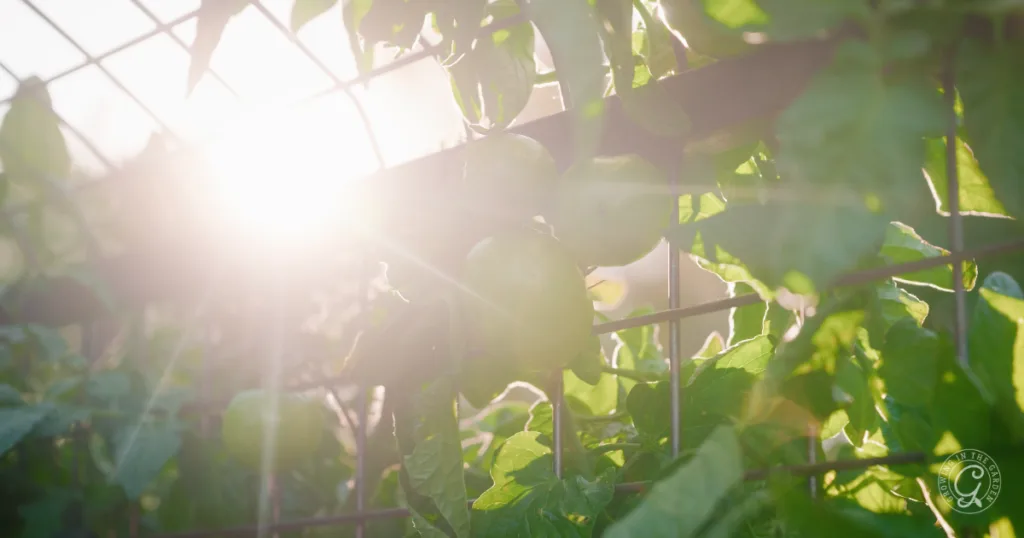
Ultimately, the biggest change I’ve made isn’t in my garden; I measure success differently now. It doesn’t mean a picture-perfect garden or large harvests from every bed. Instead, I focus on keeping the soil healthy and protecting perennial plants through the hottest months.
When I shift my expectations, the garden feels less frustrating and more sustainable. Summer becomes a time to maintain and protect, while I prepare for the more productive growing seasons ahead.
If I expect summer to look like spring, it’s always going to feel disappointing. Instead, I’m focusing on what this season is meant for: protecting soil, supporting plants, and preparing for what comes next. Late summer and fall plantings become even more important, and they’re worth taking the time to plan for.
I’m not trying to garden exactly the same way I used to and just work harder. I don’t think the answer is trying to beat the climate. I think it’s learning how to work with it, maximizing the cooler seasons and making small changes that help my garden handle the hardest part of the year.
Working with the climate, instead of trying to fight it, has made all the difference.
More Summer Gardening Resources
The right tools and information can make this season much more manageable. Here are some additional resources to help you protect your plants, improve your soil, and plan ahead.
- Gardening in Extreme Heat: What to Do During a Heatwave
- How to Prepare Your Garden for a Hot Summer: 10 Essential Tips
- Greenhouse Tips for Hot Summer Climates
If you’d like more support, my classes in the Growing in the Garden Academy cover these topics in greater detail and guide you step by step on what to do and when to do it. You can rewatch my classes tailored specifically to summer gardening: “Beating the Heat: Essential Practices for Low Desert Summer Gardening” and “Hot Summer Gardening: Cover Crops & More”.
Leave a comment on How I’m Adapting My Low Desert Garden to Earlier Heat