
Full Sun or Afternoon Shade? Arizona Landscape Plant Guide
I learned about the sun in my yard through trial and error. Dead plants were the best teacher. I planted according to the plant tag (in full sun), but they didn’t survive the full-sun areas of my yard. The tags weren’t lying, but they were written for a different climate.
This post is about understanding the sun in a low desert yard: what full sun tags actually mean, why morning and afternoon sun are so different here, how the sun shifts through the year, and which landscape plants have proven they can take hot afternoon sun.
For questions about sun and shade in the vegetable garden, see my guide to which vegetables need shade and which thrive in full sun.
Key Takeaways: Full Sun or Afternoon Shade?
- Understanding full sun plants in Arizona requires knowing that tags might not reflect local conditions.
- Afternoon sun is harsher than morning sun, affecting which plants will thrive where.
- Some plants marked as full sun elsewhere need afternoon shade in the low desert: hibiscus and aloe vera, for example.
- Mapping your yard’s sun exposure helps place plants effectively, considering shadow patterns and heat sources.
- A list of desert-adapted plants can help you choose the right options for afternoon sun in Arizona.
What We’ll Cover:
- What a Full Sun Tag Tells You About the Plant
- Morning Sun vs. Afternoon Sun
- The Sun’s Angle Changes Throughout the Year
- Plants That Can Handle Afternoon Sun in My Yard
- Full Sun On the Tag, but Afternoon Shade in Arizona
- What Too Much Sun Looks Like On Plants
- Temporary Shade Can Help
- How to Map the Sun in Your Yard
- Full Sun and Afternoon Shade FAQs
What a Full Sun Tag Tells You About the Plant
Generally, a full sun plant is one that can tolerate eight or more hours of direct sun each day. That’s the definition. The problem is where the tag was written. Be careful with full-sun tags on plants from big-box stores, and even from local nurseries, because the plant may have been grown in California under a much kinder sun. A tag printed for a national audience says nothing about a Phoenix July afternoon.
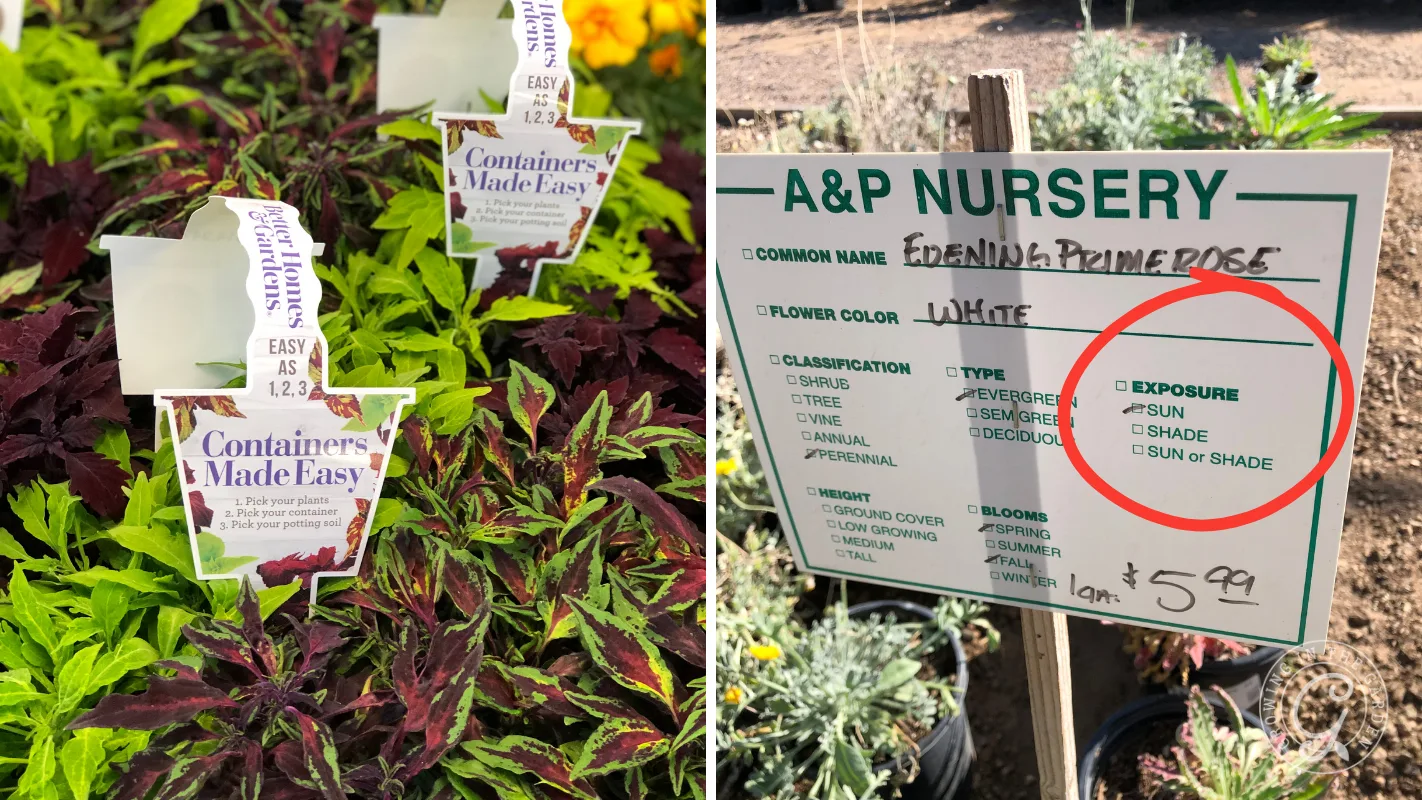
I love local nurseries that have handwritten signs near the plants. Usually those are written by someone at the store who knows the plants and this climate. Those handwritten tags often tell the real story. If you see a printed tag that says full sun and a handwritten sign says “afternoon shade”, believe the handwritten one.
Morning Sun vs. Afternoon Sun
Morning sun is the sun I get on my sunrise walks. It’s light in my face that sets my circadian rhythm, pleasant, sometimes a little warm (ok, a lot warm) in summer. But afternoon sun hits different. The air itself is hot, the light is relentless, the UV is higher, and it is unrelenting until sundown.
Plants feel that difference the same way you do. An east-facing spot that gets six hours of morning sun is a great place to be a plant. A west-facing spot that gets six hours of afternoon sun is one of the hardest places in your yard. Technically, it’s the same amount of sun, but the afternoon sun is more damaging.
The Sun’s Angle Changes Throughout the Year
The same spot in your yard in June and December gets different sun. The sun rides high in summer and drops low in winter, so shadows stretch and shrink through the year.
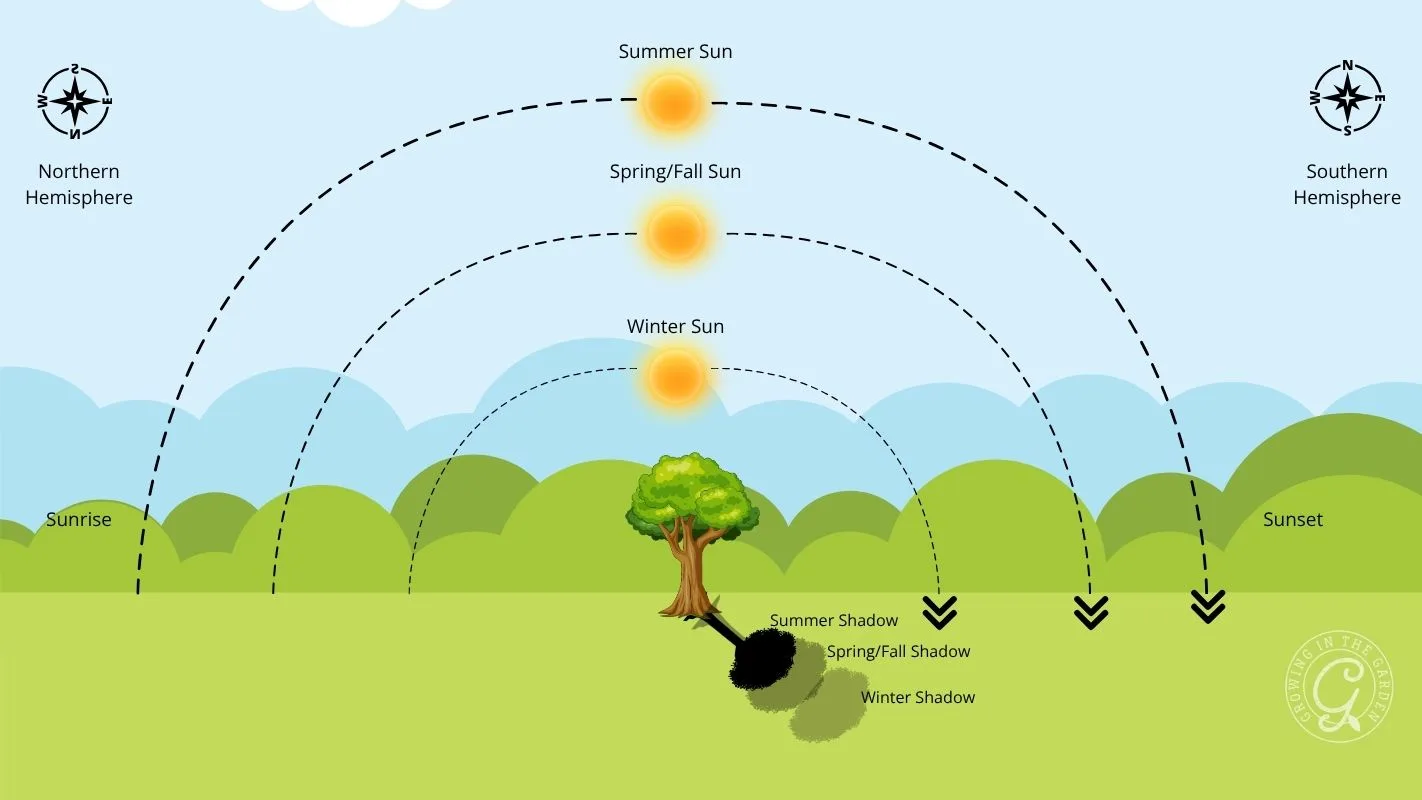
The back area of my yard faces roughly north, and I’m always surprised how long the block fence shadow reaches in the winter and how little shadow there is in the summer. The time of year makes a big difference in how much sun that area receives.
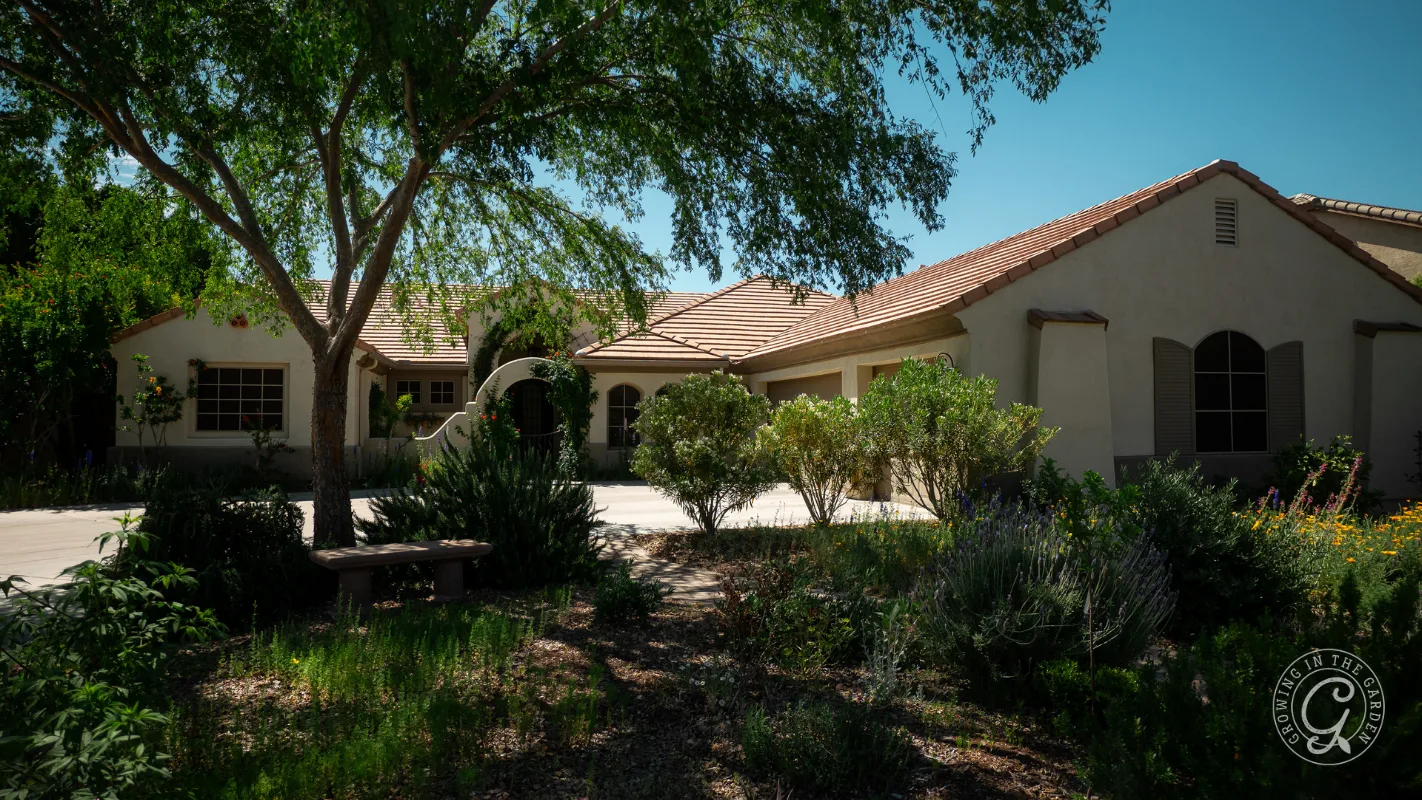
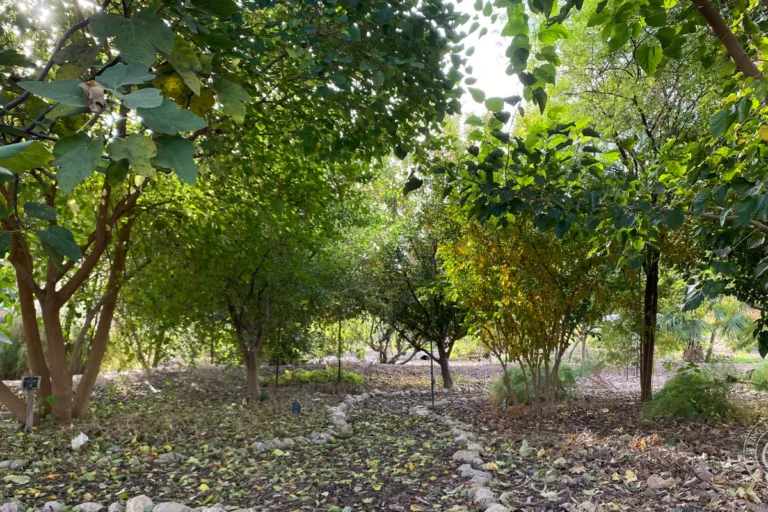
Sunlight in your yard changes over the years too. As the vitex trees in my yard have grown taller, they cast more shade than they used to, and the planting spots underneath them have changed. The elm tree in my front yard keeps getting larger, and its shade now helps the plants near it through the afternoon.
Plants That Can Handle Afternoon Sun in My Yard
When you’re trying to decide what to plant where, use the plant list below to help you decide which landscape plants can handle that tough afternoon sun.
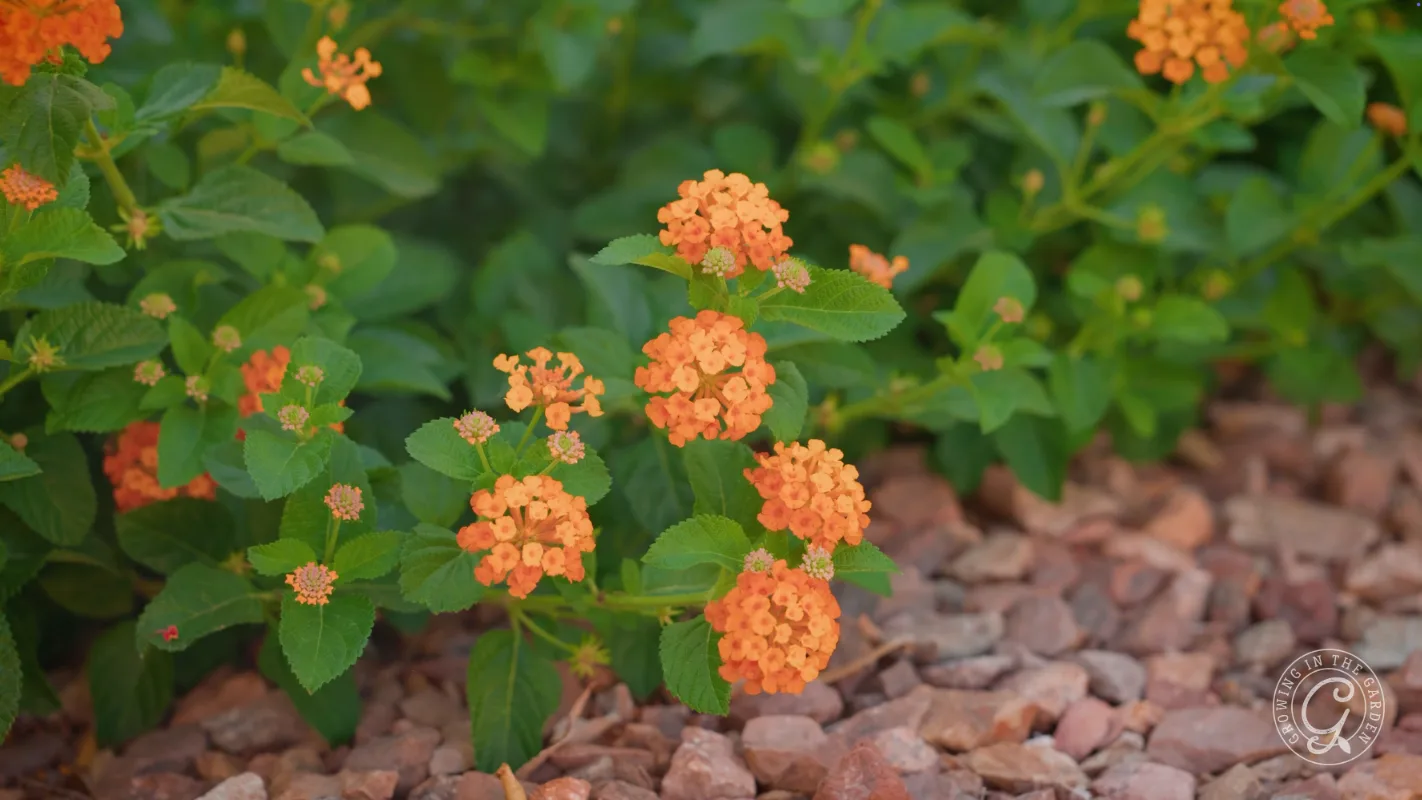
These are desert-adapted plants that have proven they can take our afternoon sun. For the most extreme spots, where sun bounces off a west wall or pool decking, see my guide to reflected heat plants for Arizona.
| Plant | Botanical name |
|---|---|
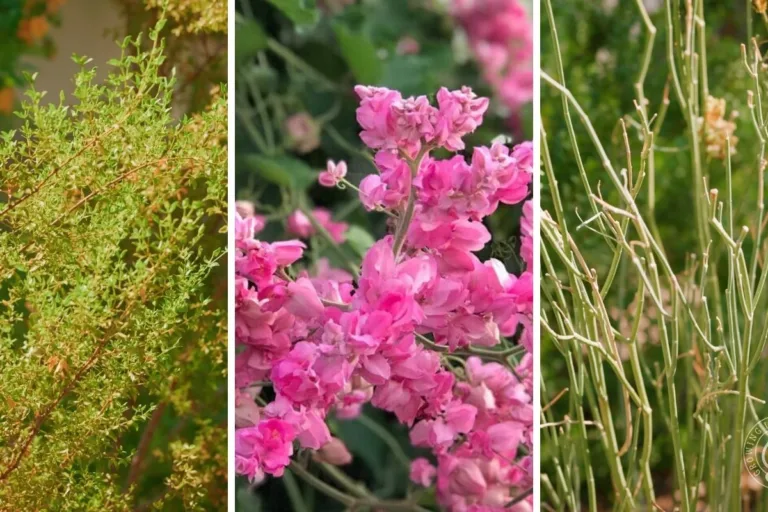
| Lantana | Lantana species |
| Dwarf olive | Olea europaea ‘Montra’ (Little Ollie) |
| Desert milkweed | Asclepias subulata |
| Black dalea | Dalea frutescens |
| Bush dalea | Dalea pulchra |
| Weeping dalea | Dalea versicolor |
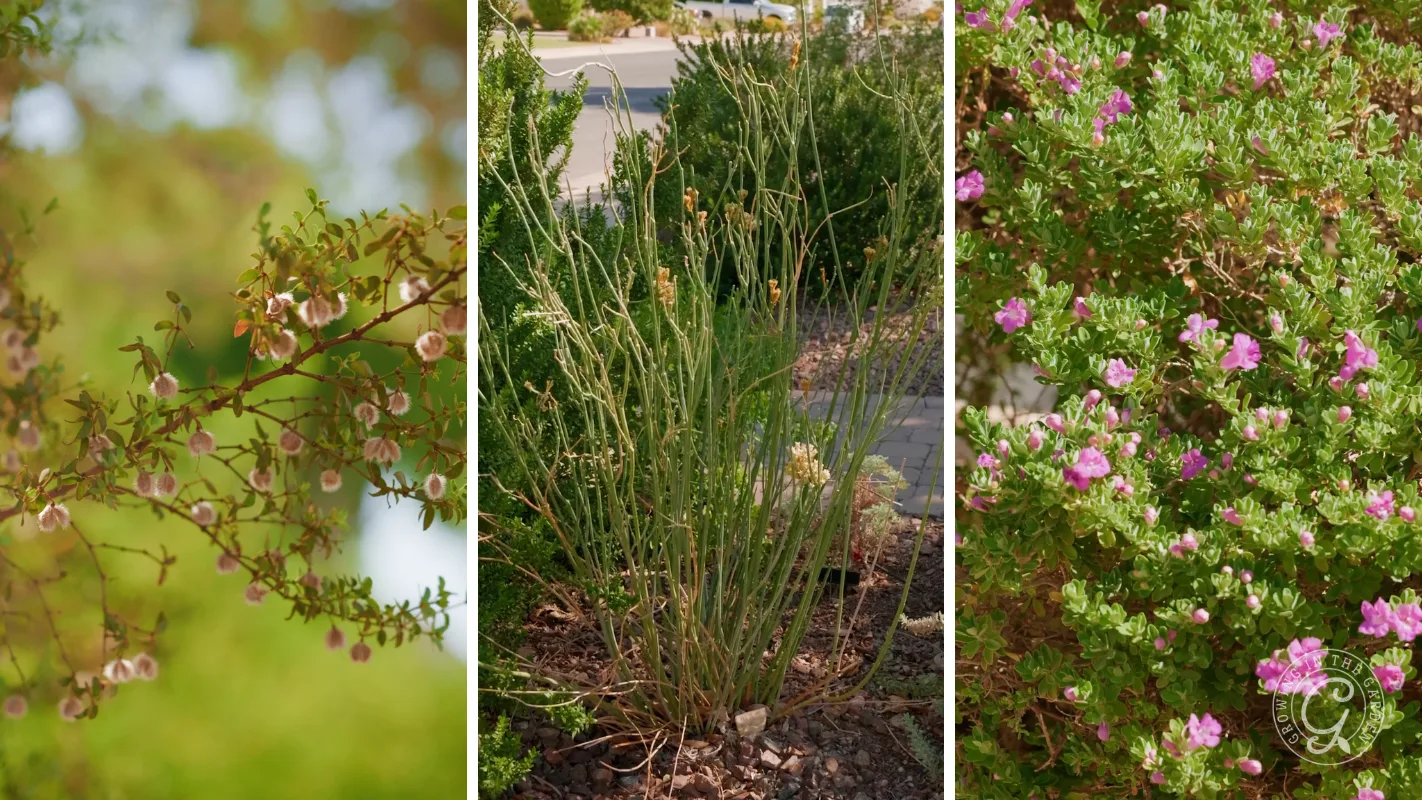
| Turpentine bush | Ericameria laricifolia |
| Texas sage | Leucophyllum frutescens |
| Creosote bush | Larrea tridentata |
| Agave | Agave species |
| Red bird of paradise | Caesalpinia pulcherrima |
| Yellow bells and orange bells | Tecoma stans and hybrids |
| Baja fairy duster | Calliandra californica |
| Globe mallow | Sphaeralcea ambigua |
| Angelita daisy | Tetraneuris acaulis |
| Chuparosa | Justicia californica |
| Rosemary | Salvia rosmarinus |
| Desert spoon | Dasylirion wheeleri |
| Deer grass | Muhlenbergia rigens |
| Golden barrel cactus | Echinocactus grusonii |
| Ocotillo | Fouquieria splendens |
Several of these full sun favorites are true Arizona natives. Learn which ones in native plants for Arizona. A few full sun plants, like rosemary, also hold up well in a pool landscape. See the best plants for around a pool in the low desert.
Full Sun On the Tag, but Afternoon Shade in Arizona
This is the list I wish someone had handed me years ago. These plants are considered full sun in most of the country, but they do better with afternoon shade in the low desert.
| Plant | Botanical name | My note |
|---|---|---|
| Hibiscus | Hibiscus rosa-sinensis | Considered full sun in many areas. Needs afternoon shade here. |
| Plumbago | Plumbago auriculata | Same story. Give it afternoon relief. |
| Cape honeysuckle | Tecoma capensis | Happier with afternoon shade. |
| Yellow dot | Sphagneticola trilobata | Needs shade to grow well here. |
| Aloe vera | Aloe vera | A desert plant by reputation, but it sunburns in our afternoon sun. |
| Sago palm | Cycas revoluta | Fries in afternoon sun. Morning sun or bright shade. |
| Mock orange | Pittosporum tobira | Full sun elsewhere. Give it afternoon shade here. |
| Asparagus fern | Asparagus densiflorus | Yellows and burns in afternoon sun. Morning sun or shade. |
| Gardenia | Gardenia jasminoides | Morning sun only. Afternoon sun is too much here. |
| Star jasmine | Trachelospermum jasminoides | Happier with afternoon shade in the low desert. |
| Boxwood | Buxus microphylla | Scorches in afternoon sun. Give it protection. |
| Natal plum | Carissa macrocarpa | Handles a lot, but afternoon shade keeps it looking good. |
| Pygmy date palm | Phoenix roebelenii | Fronds burn in afternoon sun. Morning sun or filtered light. |
| Roses | Rosa species | Roses need plenty of sun, but afternoon sun in summer is very difficult for them. See my guide to growing roses in hot summer climates. |
| Autumn sage | Salvia greggii | Labeled full sun almost everywhere. Struggles with afternoon sun here. |
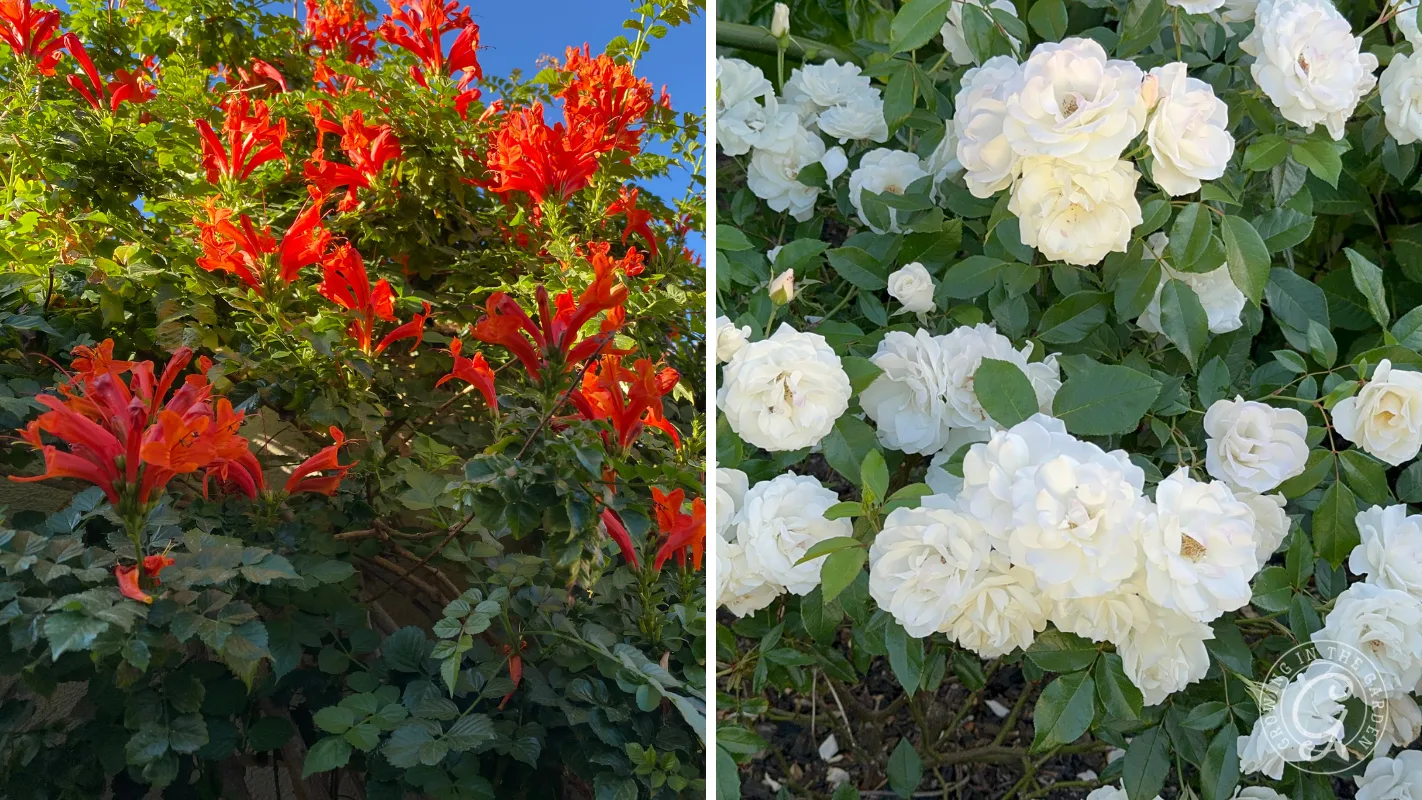
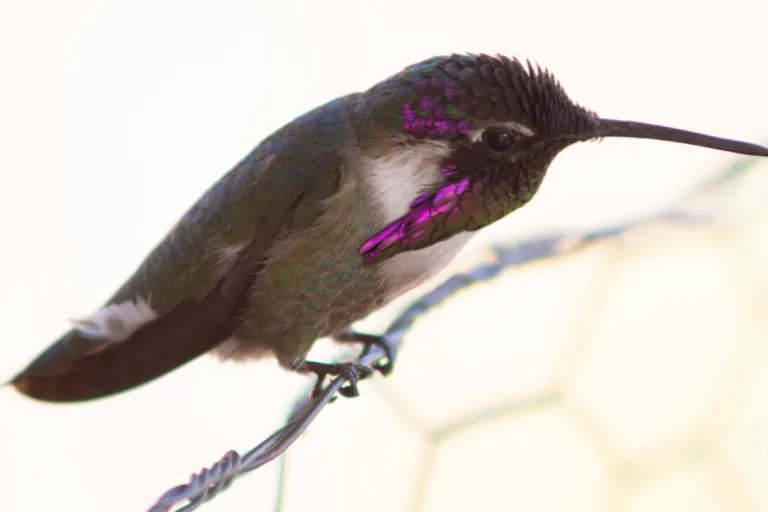
Several of these full and partial sun plants are also excellent choices for hummingbirds. See my guide to attracting hummingbirds in Arizona for more plants that provide nectar throughout the year.
What Too Much Sun Looks Like On Plants
Look at a citrus tree, and you can see exactly where the afternoon sun hits: sun-scorched leaves, burned patches on fruit, all concentrated on the south and west sides. If you have exposed bark, that is especially damaging. On other plants, it shows up as bleached or crispy leaves on the sunny side while the shaded side stays green.
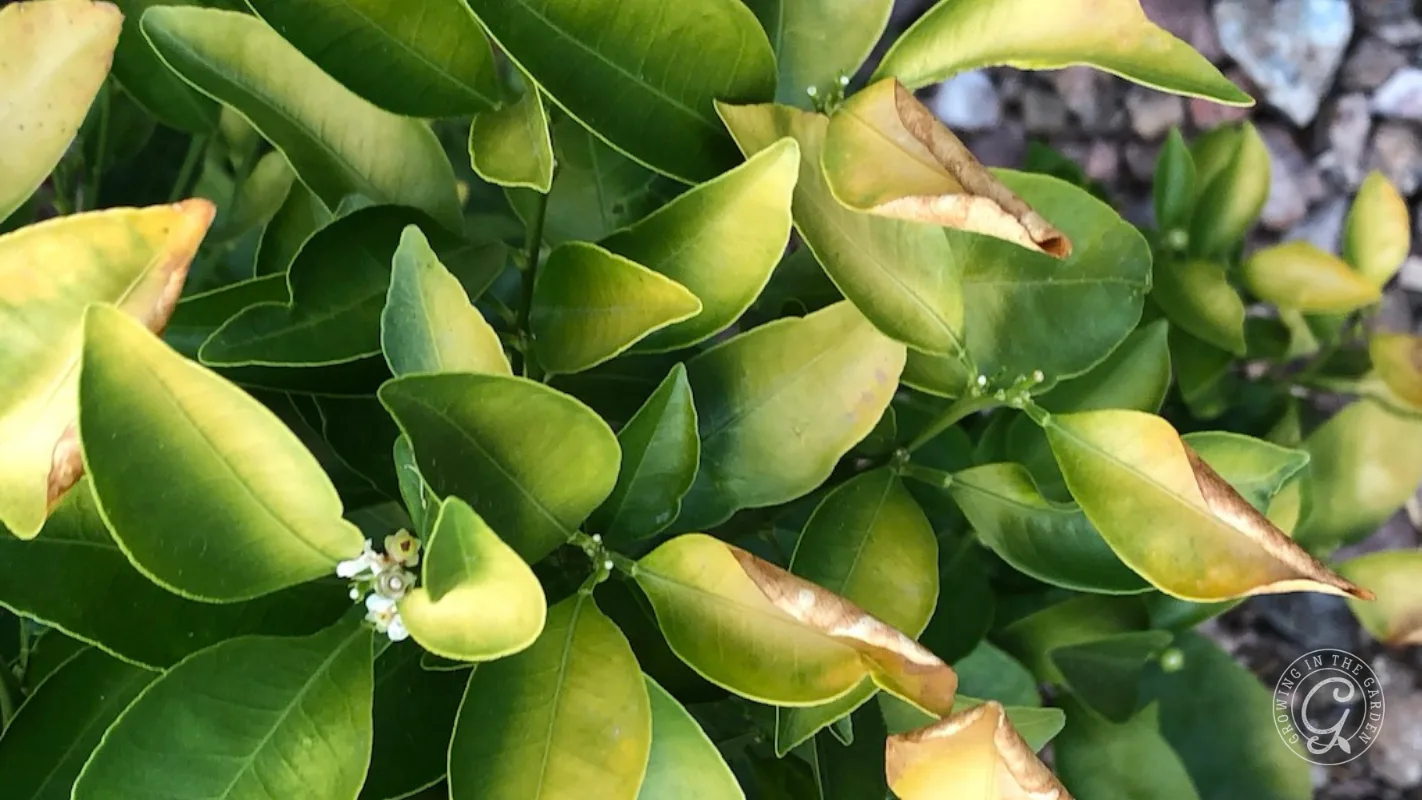
My citrus hedge along the driveway is the proof in my own yard. It gets afternoon sun, and it’s a tough spot for citrus. The citrus planted in more protected areas of my yard does better. But as the elm tree out front has grown, the afternoon shade it provides the citrus hedge has made a visible difference.
If you’re growing citrus, my complete guide to growing citrus in Arizona covers sun protection in more detail.
Temporary Shade Can Help
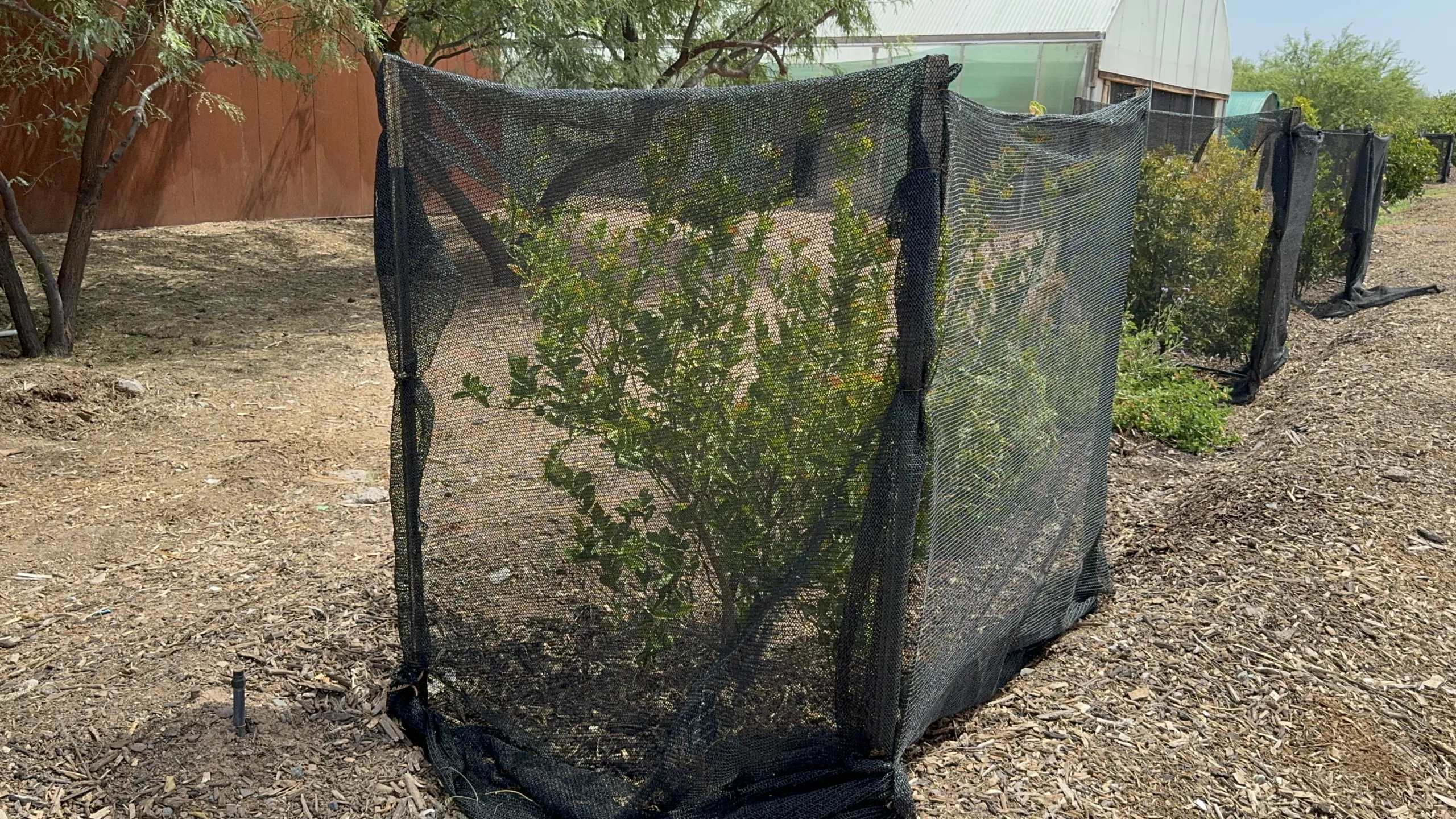
I don’t use shade cloth around my landscape. The exception is a newly planted citrus or fruit tree in its first summer, where temporary shade can help it establish before it faces the full afternoon on its own. In the vegetable garden, I put shade cloth over the full sun area of my vegetable garden every summer.
How to Map the Sun in Your Yard
Spend time in your yard. There are apps that track sun exposure, but your own observation is the best tool you have. This is the same exercise I walk students through in my 30 Days to Your First Desert Garden course, because everything else about plant placement depends on it.
Grab a notebook and sketch your yard, then note:
- Where the sun hits first in the morning
- What provides shade in the afternoon: trees, fences, the house
- Heat sources like walls and rock, and cooling spots with shade or a breeze
- Microclimate features: protected corners and the brutal heat strips
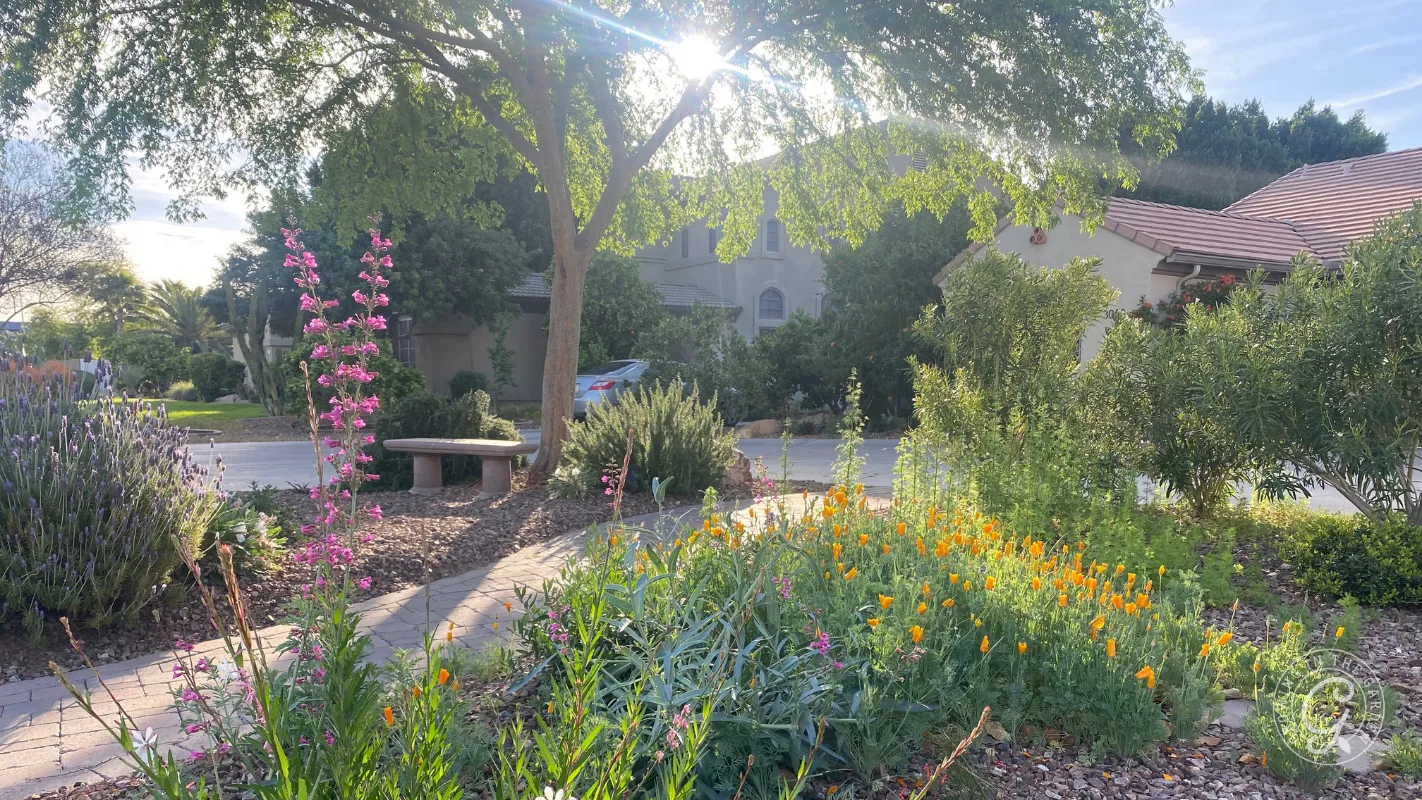
Do it at least once in summer and once in winter, and you’ll get to know the sunlight patterns in your yard. Then when you’re ready to plant, match the plant to the spot: proven desert plants in the afternoon sun, the tag-says-full-sun plants in morning sun with afternoon relief, and the toughest reflected heat plants in the extreme spots.
Full Sun and Afternoon Shade FAQs
A full sun plant tolerates eight or more hours of direct sun a day. In the low desert, treat that as a starting point, since afternoon sun is far more intense than morning sun. Many plants tagged full sun elsewhere need afternoon shade in Arizona.
Some do. Plants like hibiscus, plumbago, cape honeysuckle, and even aloe vera are labeled full sun in milder climates but perform better with afternoon shade in the low desert. Desert-adapted plants like Texas sage, lantana, and creosote handle full afternoon sun.
Look for scorched or bleached leaves on the sunny side of the plant, singed leaf edges, and on citrus, sunscorch on bark and fruit concentrated where afternoon sun hits. Damage on the south and west sides with a healthy north side is a sun problem, and the pattern tells you which spot to fix.
Morning sun is gentler. East-facing spots that get morning sun with afternoon shade are the most forgiving places in a low desert yard. Afternoon sun is intense and should go to proven desert-adapted plants.
Observe it. Note where sun hits first in the morning, what casts shade in the afternoon, and where walls and rock add heat. Sketch it, then check again in a different season, since shadows change dramatically between summer and winter.
Source
- Arizona Municipal Water Users Association (AMWUA). Landscape Plants for the Arizona Desert.

Leave a comment on Full Sun or Afternoon Shade? Arizona Landscape Plant Guide