
Which Vegetables Need Shade (and Which Thrive in Full Sun)
Knowing which vegetables need shade in hot climates can help you harvest longer and keep plants productive through the hottest months of the year. The same crop that thrives in spring may struggle once temperatures climb, while others benefit from a little afternoon protection from the sun.
In this guide, you’ll learn which vegetables benefit from afternoon shade, which cool-season crops can be kept growing a little longer with shade, and which vegetables are built for full sun—even in a hot climate like Arizona’s low desert.
It’s also important to distinguish between shade used to protect plants from heat and a garden that naturally receives limited sunlight. If you’re trying to determine what will grow in a low-light location, see What Grows in Shade? Vegetables, Herbs, and Flowers for Low-Light Gardens.
Key Takeaways about Vegetables that Need Shade
- Knowing which vegetables need shade helps protect your garden from summer heat and prevents plants from bolting or shutting down.
- Vegetables like ginger, turmeric, peppers, and chard benefit from afternoon shade to avoid heat stress.
- Cool-season crops like cilantro and lettuce can thrive longer with afternoon shade as temperatures rise.
- Full-sun vegetables, such as okra and sweet potatoes, require early establishment for successful growth in hot climates.
- Providing the right shade conditions makes a significant difference in your garden’s success and harvest quality.
What We’ll Cover:

What Does Afternoon Shade Mean?
When gardeners talk about afternoon shade, they don’t mean growing vegetables in deep shade. Most vegetables still need several hours of direct sunlight to grow and produce well. But the sun works differently in a desert yard. Plants that are marked full sun may require afternoon shade to survive in these conditions. Before placing landscape plants, learn what full sun really means in Arizona.
In hot climates, afternoon shade simply means protecting plants from the most intense sun of the day, usually between 1 p.m. and 5 p.m. This can be provided by shade cloth, taller plants, structures, or a location that receives morning sun and afternoon shade. For more information on adding shade to your garden read this guide.
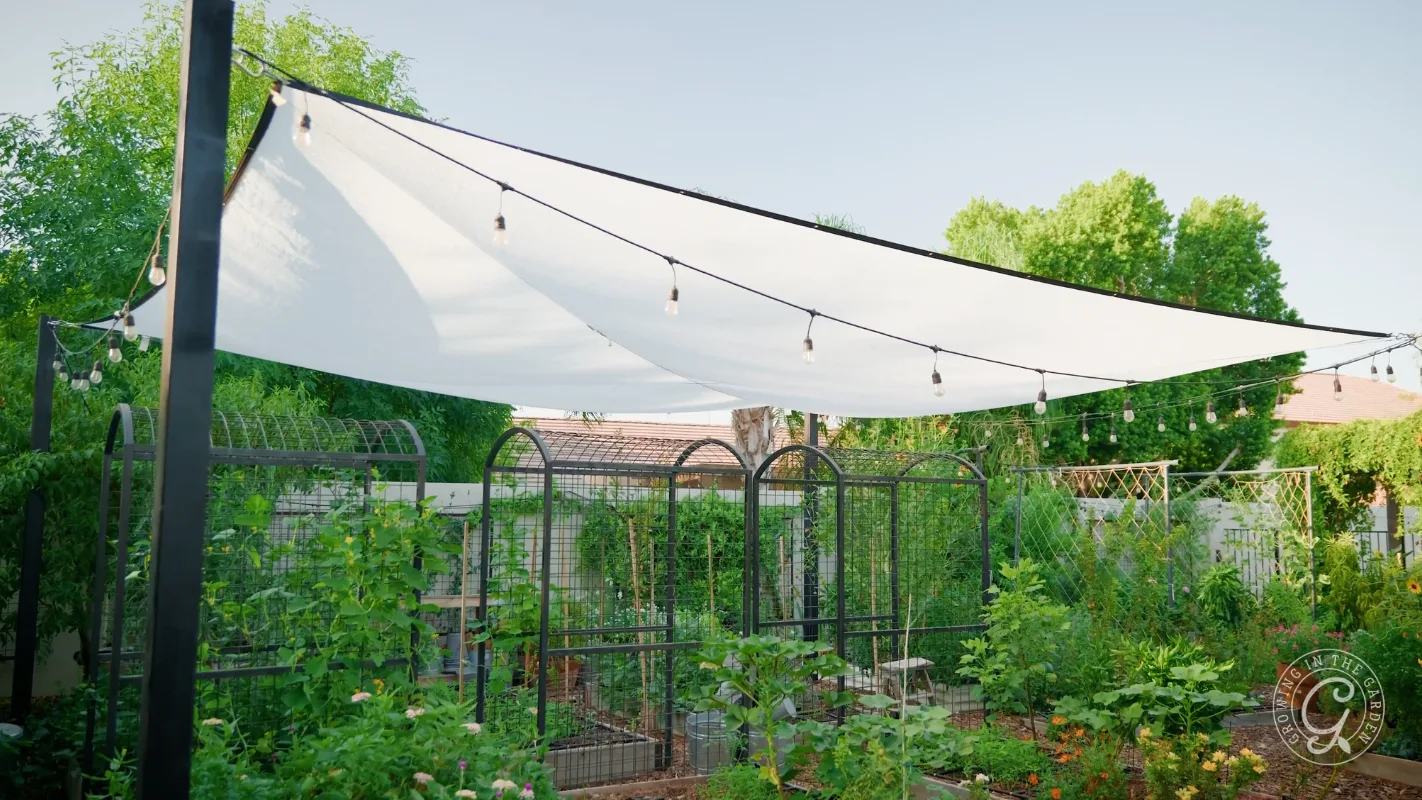
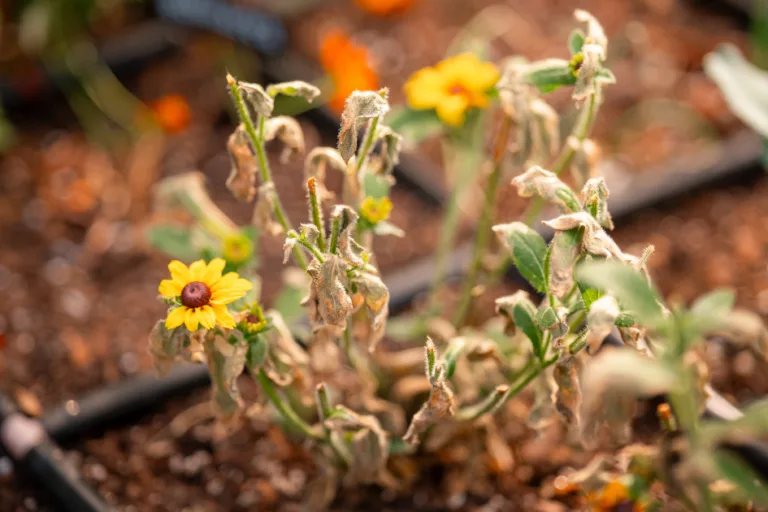
For many vegetables, afternoon shade reduces heat stress, slows bolting, prevents sunscald, and helps plants remain productive longer during the summer.
The same right-plant-right-spot thinking applies beyond the vegetable garden. I use it to decide where each vine grows best, from full sun to afternoon shade, too.
Which Vegetables Grow Best with Afternoon Shade?
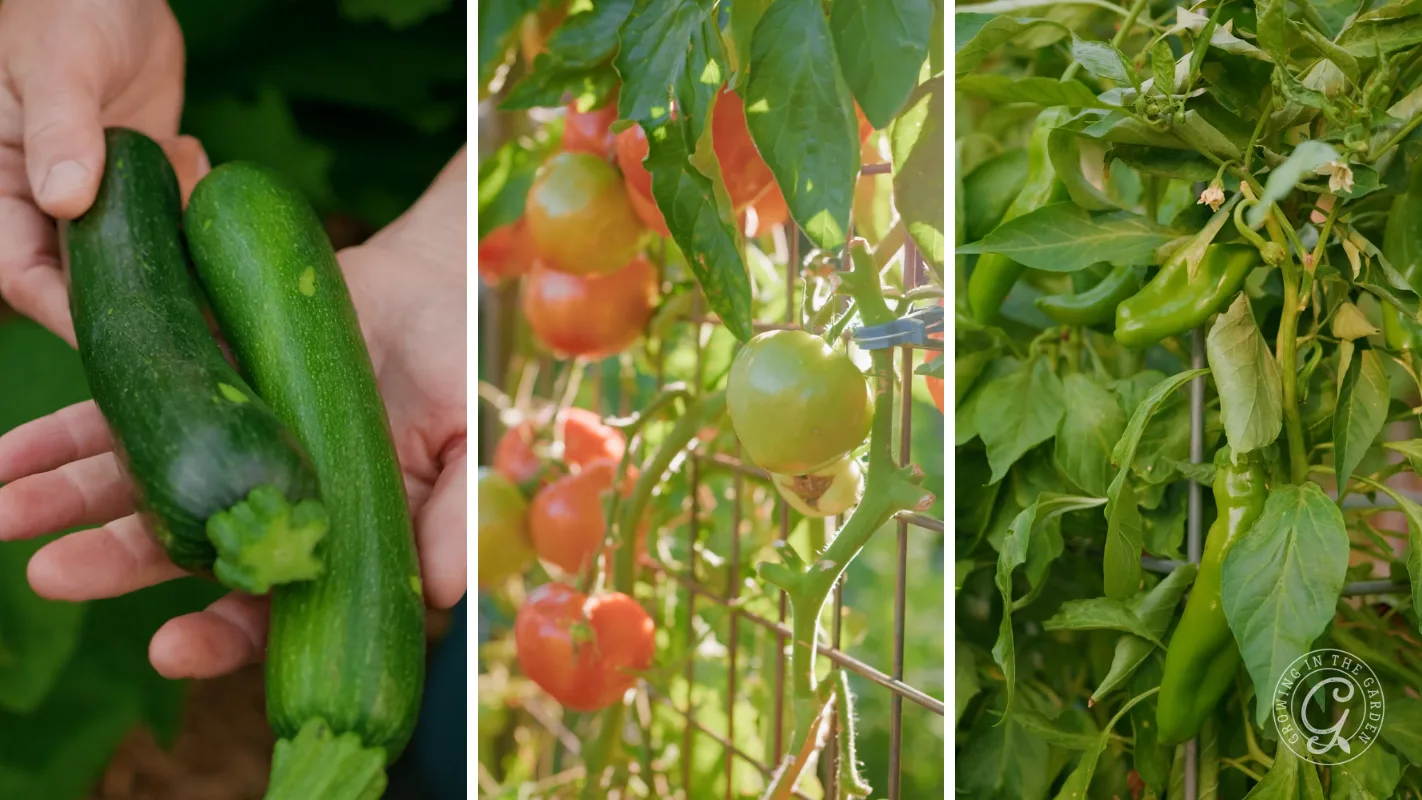
Most vegetables appreciate some relief from intense afternoon sun during the hottest part of summer, but some crops are especially sensitive to heat and direct sunlight.
Ginger and turmeric look tropical and seem like they should thrive in full sun, but their leaves can become scorched quickly. Peppers are another surprising example. While the plants love warm weather, large pepper varieties are susceptible to sun-scald, a condition that damages the fruit when it is exposed to too much direct sunlight. In this case, afternoon shade protects the peppers as much as the plant itself.
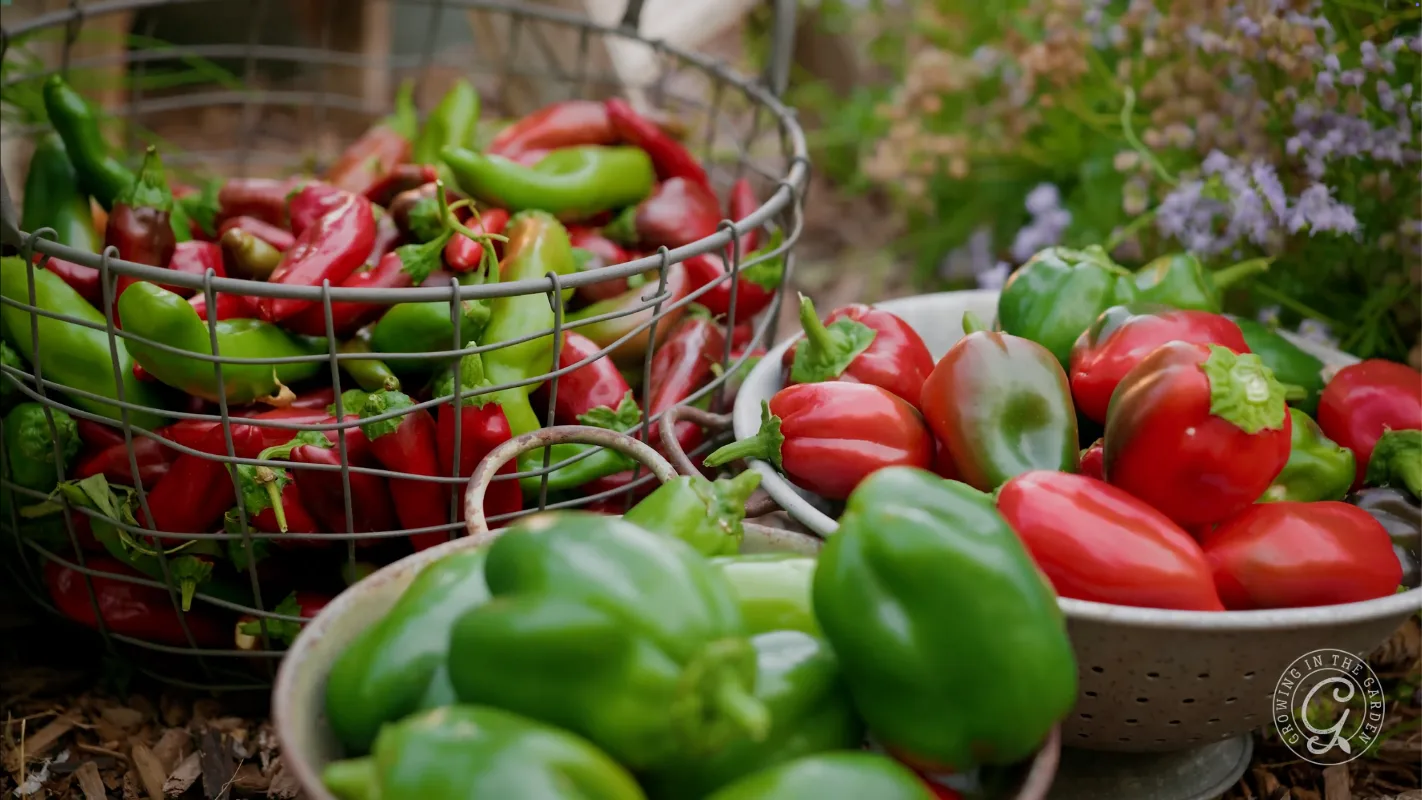
If you garden in a hot-summer climate, consider providing afternoon shade for these vegetables: (Click the name to see the “How to Grow” articles for each crop)
- Ginger
- Turmeric
- Strawberries
- Pumpkins
- Tomatoes
- Peppers
- Eggplant
- Summer squash
- Garlic
- Blackberries
- Artichokes
- Chard
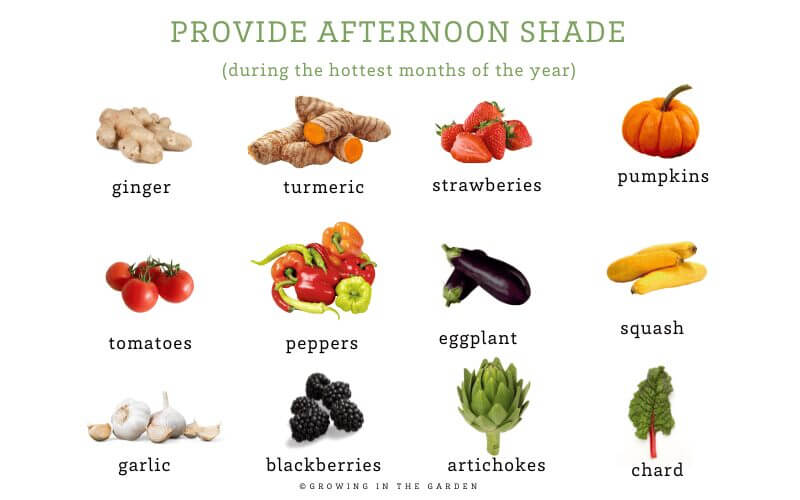
Looking for more hot-climate tips? Check out Summer Gardening in Arizona for planting strategies, timing tips, and heat-smart crop choices.
Use Shade to Extend the Harvest of Cool-Season Crops
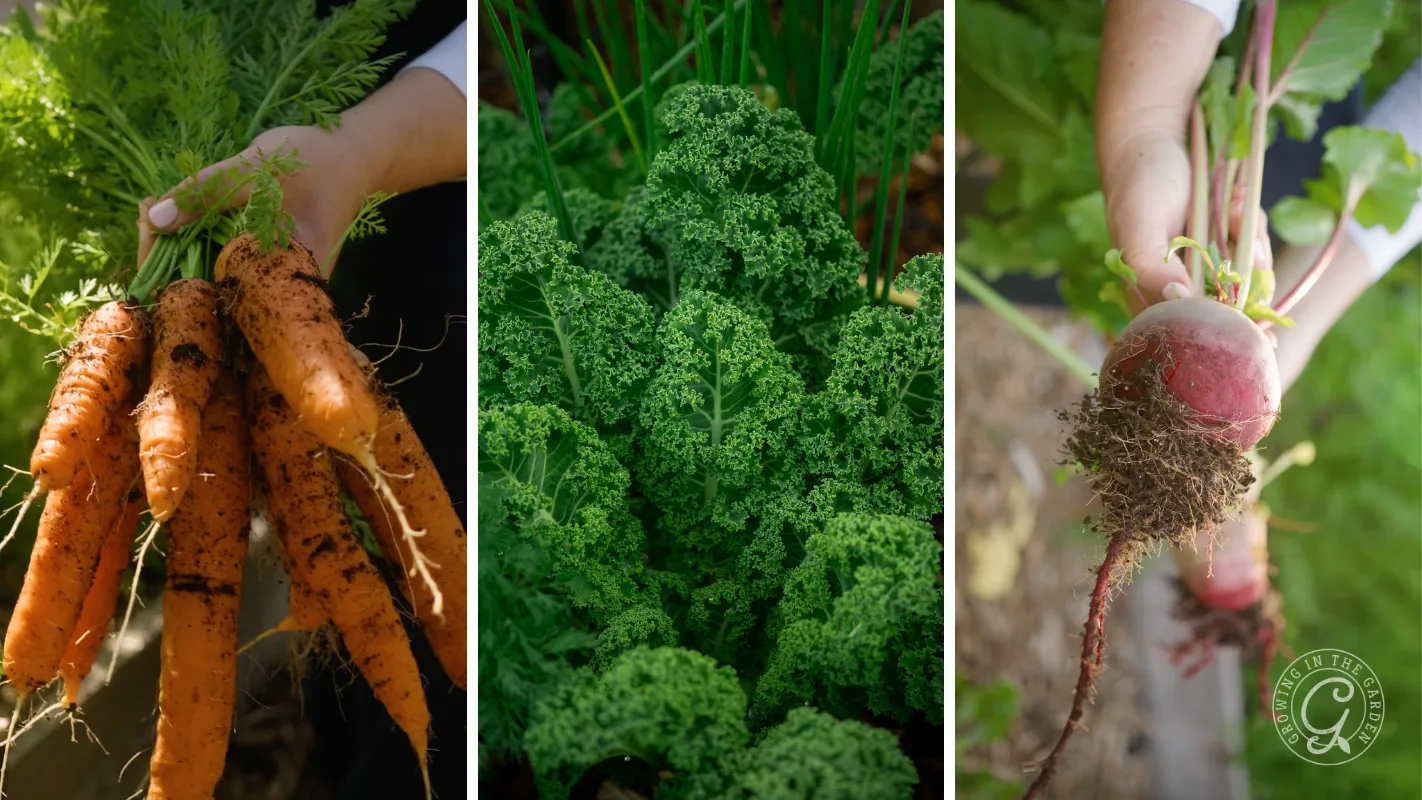
Afternoon shade won’t turn cool-season vegetables into heat-loving plants, but it can help you harvest them for several weeks longer as temperatures rise.
Many cool-season crops begin to bolt, turn bitter, or decline as spring transitions into summer. Providing afternoon shade reduces heat stress and helps plants remain productive longer.
Cilantro is a good example. It bolts quickly once temperatures warm, but afternoon shade can slow the process and extend your harvest. Lettuce and spinach also benefit from protection during the hottest part of the day. Container-grown potatoes often appreciate afternoon shade as temperatures climb, allowing them to finish their growing cycle before summer heat arrives.
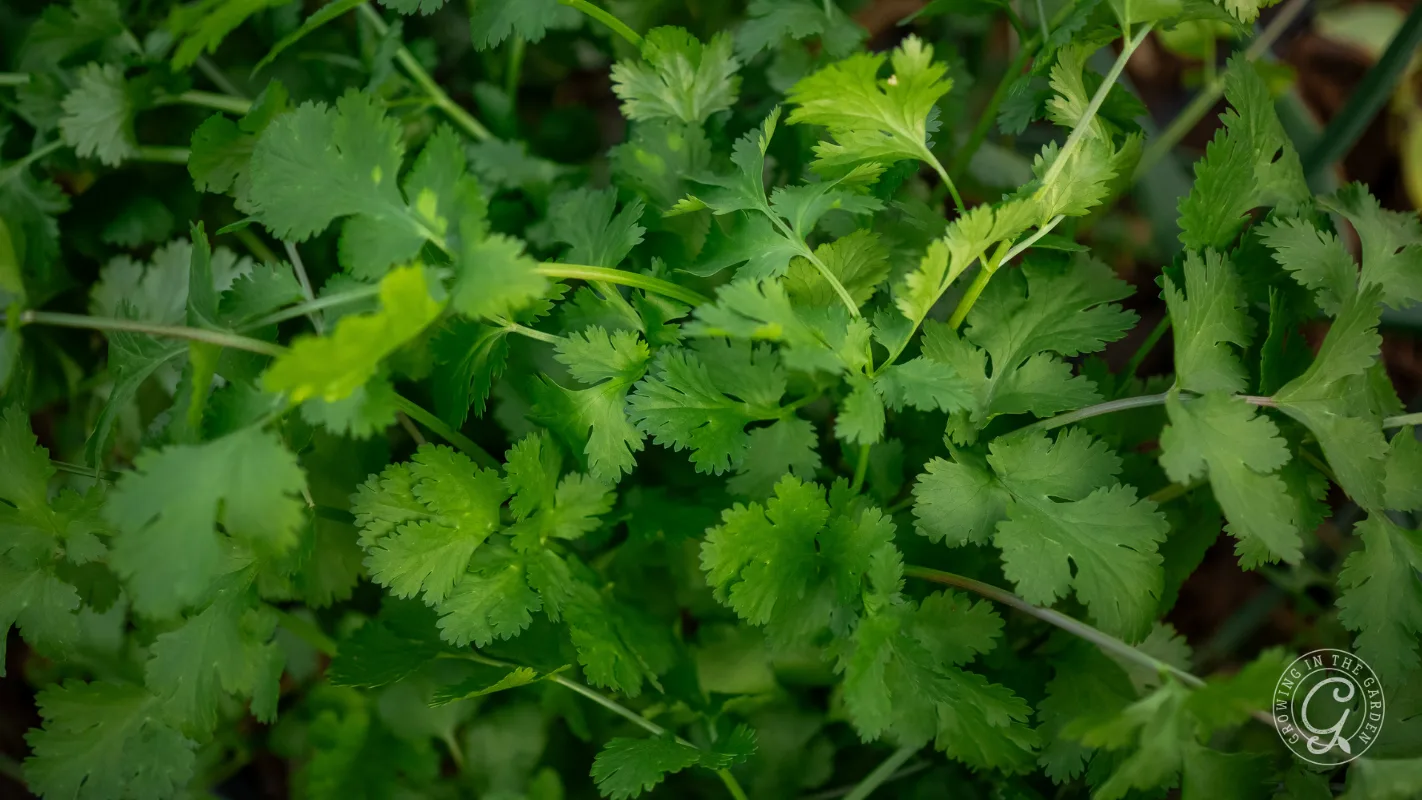
The key is to add shade before plants become stressed. Once crops are bolting, burning, or declining from heat, shade can slow further damage but won’t reverse it.
Cool-season crops that often benefit from season-extending shade include: (Click the name to see the “How to Grow” articles for each crop)
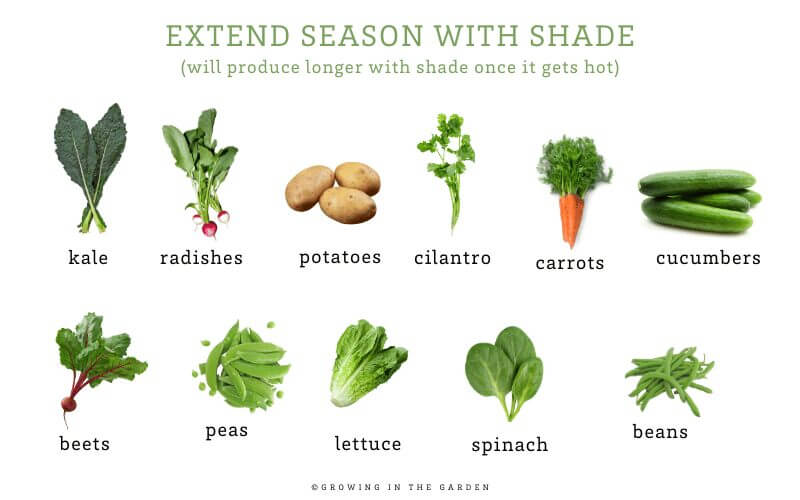
Adding shade helps these vegetables live longer. They’ll keep producing as temperatures rise, giving you fresh produce later in the season.
Shade is just one piece of the puzzle. Read my article on how to help your garden survive summer for more ways to beat the heat and keep your plants thriving.
Which Vegetables Grow in Full Sun?
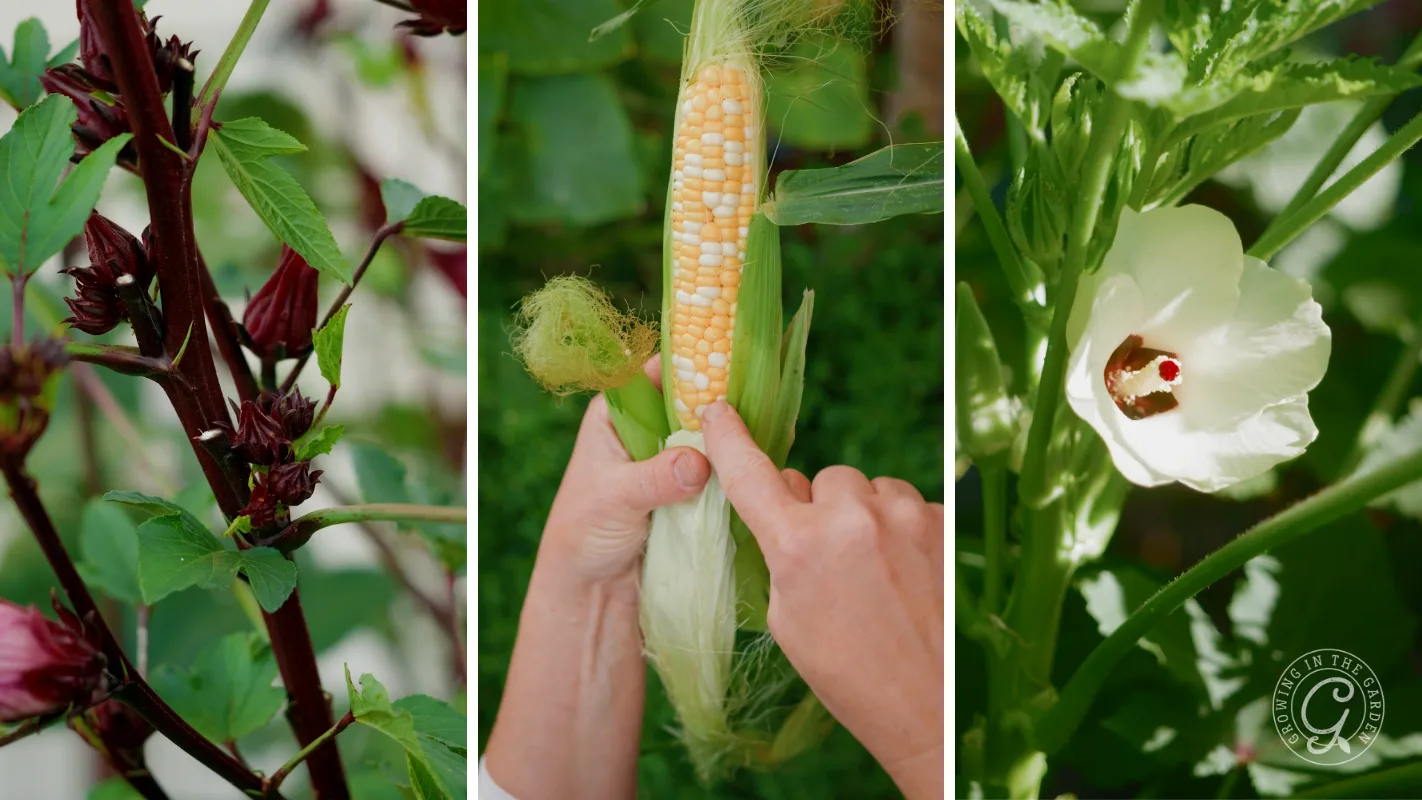
Some crops are built for heat and perform best with all the sunshine they can get. Unlike the crops listed above, these plants generally don’t need afternoon shade and often become more productive as temperatures rise.
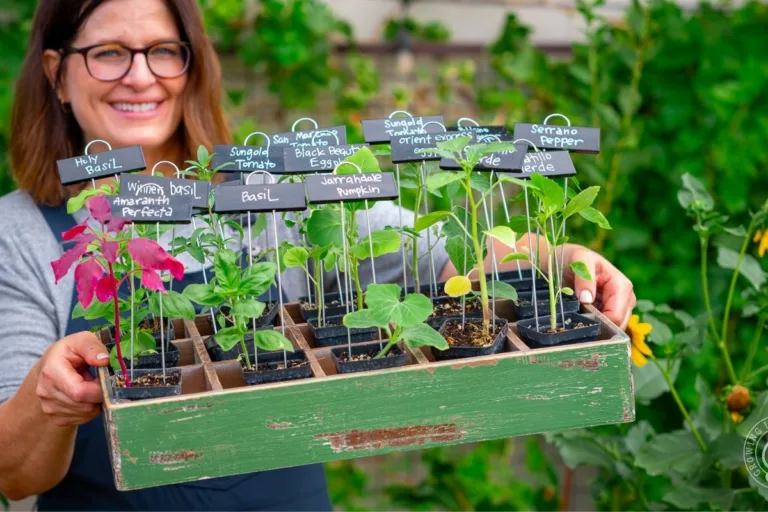
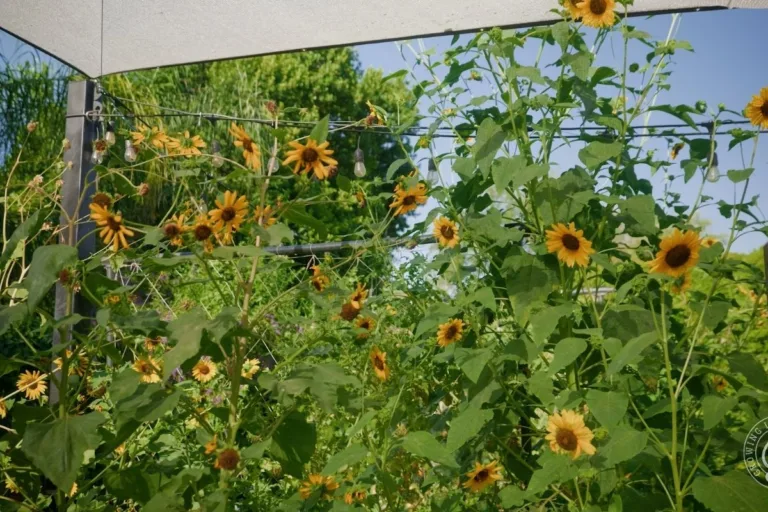
Sunflowers are an obvious example. Okra and roselle, both members of the mallow family, thrive in hot weather and full sun. Sweet potatoes are one of the most reliable summer crops I grow, producing vigorous vines even during the hottest months. Basil also loves warm weather, although I’ve found that smaller-leaved varieties like Mrs. Burns Lemon Basil are especially resilient in direct sun. Larger-leaved basil varieties often appreciate a little afternoon protection.
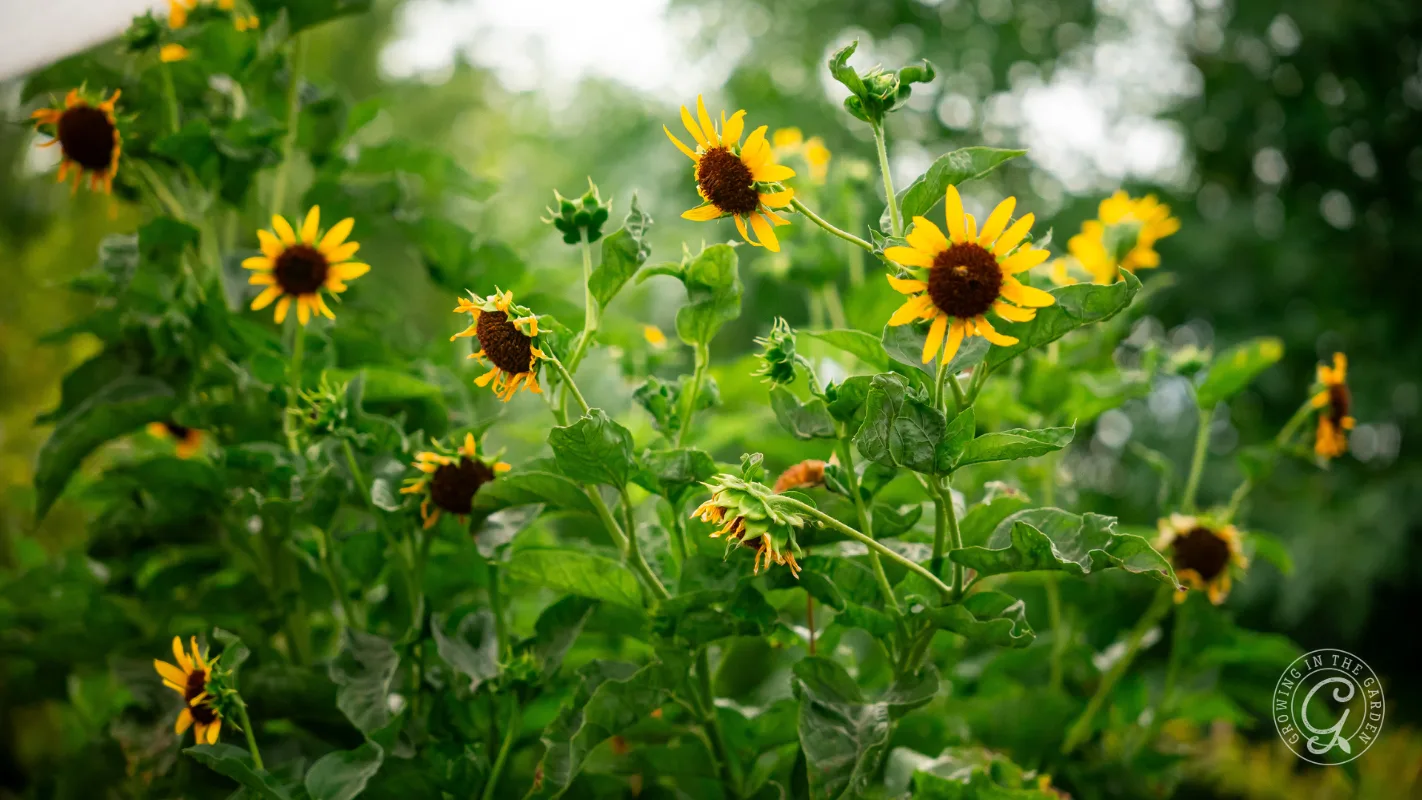
Even heat-loving crops need time to establish before summer arrives. A young transplant set out during a June heatwave will struggle, regardless of how heat tolerant it is. Plant warm-season crops early enough that they can develop strong root systems before temperatures peak.
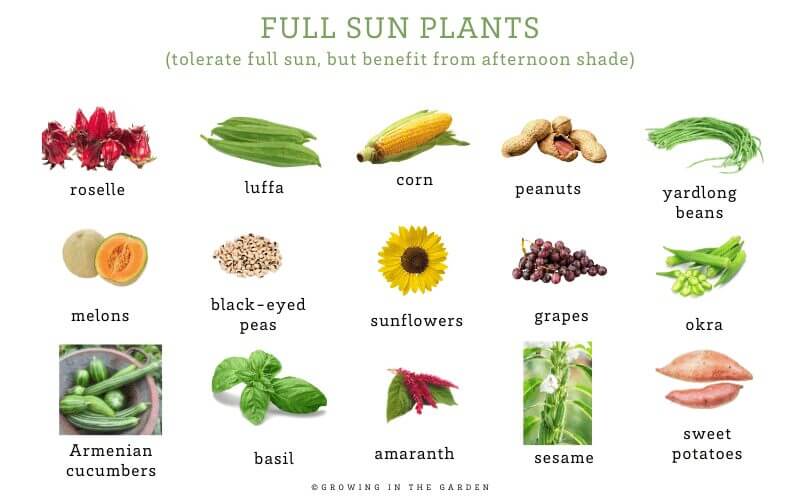
Heat-loving crops that generally thrive in full sun include: (Click the name to see the “How to Grow” articles for each crop)
- Roselle
- Luffa
- Corn
- Peanuts
- Yardlong beans
- Melons
- Black-eyed peas
- Sunflowers
- Grapes
- Okra
- Armenian cucumbers
- Basil
- Amaranth
- Sesame
- Sweet potatoes
Shade and Sun FAQs
In hot climates like Arizona’s low desert, yes. Tomatoes stop setting fruit when temperatures consistently stay above 95°F (35°C), and the fruit itself can sunscald with too much direct afternoon exposure. Afternoon shade helps tomatoes keep producing longer and protects the fruit from burning.
Peppers are heat-tolerant plants, but the fruit — especially on larger varieties — is prone to sunscald in intense afternoon sun. Afternoon shade protects the peppers themselves without slowing down the plant. Most pepper varieties do well with morning sun and afternoon shade during peak summer.
Most basil handles full sun in the low desert reasonably well, especially once established. Smaller-leaved varieties like Mrs. Burns Lemon are particularly resilient. Large-leaved sweet basil is less forgiving in intense afternoon sun. All basil does better if it gets established before the hottest part of the season.
Before they show signs of stress. Once lettuce is bolting or cilantro is going to seed from heat, shade won’t reverse it. Watch the forecast and get shade up when you see consistent 85 to 90°F (29 to 32°C) days ahead. Earlier is better.
Sweet potatoes are one of the most reliable. They go in the ground in late spring, handle full sun and heat well, need relatively little attention through the summer, and are harvested in late fall. Okra and cowpea beans are close behind for low-maintenance, full-sun summer production.
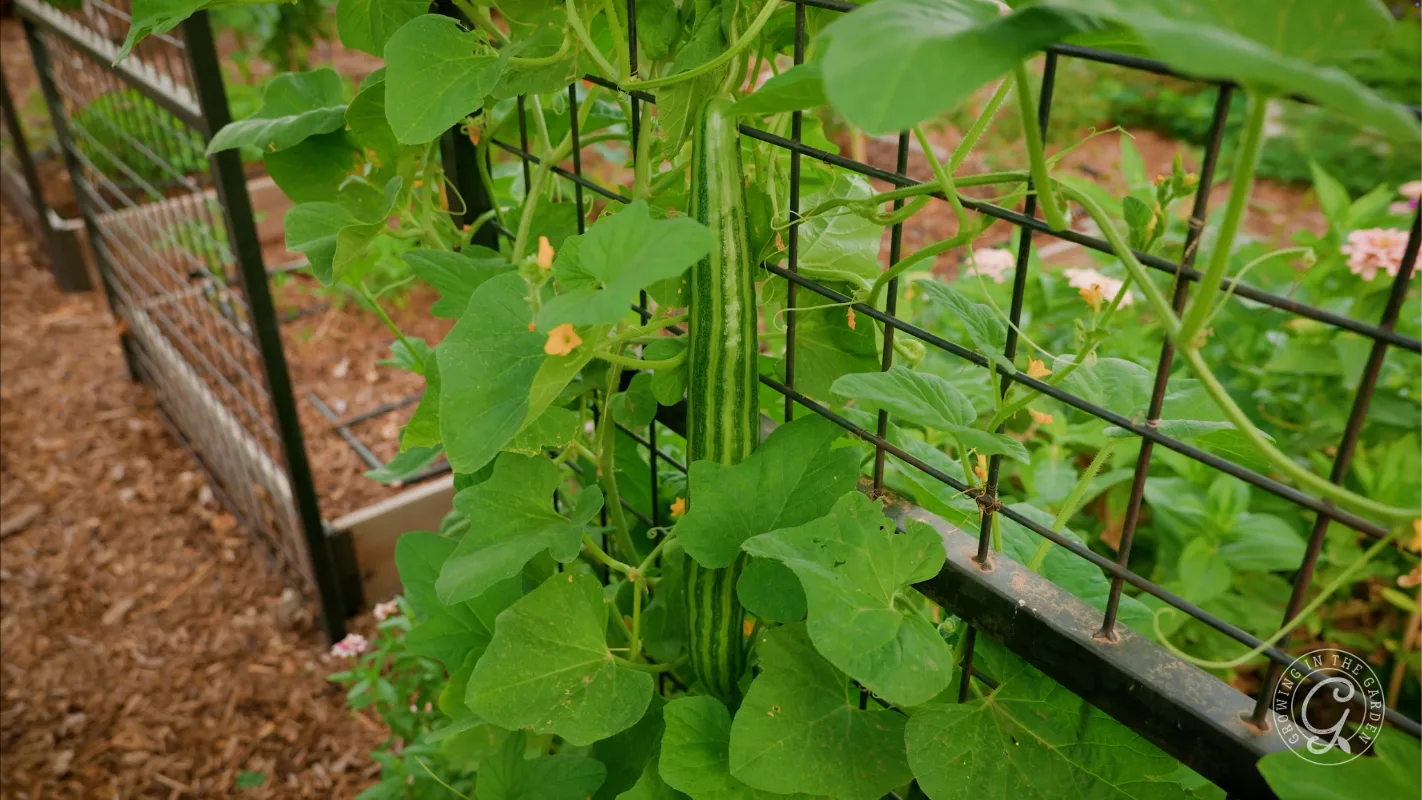
Matching crops to the right amount of sun makes a big difference. In a hot climate, it’s not just about what a plant prefers. It’s about what it can actually handle when temperatures peak and giving it the conditions to keep producing.
More Hot Summer Shade Resources
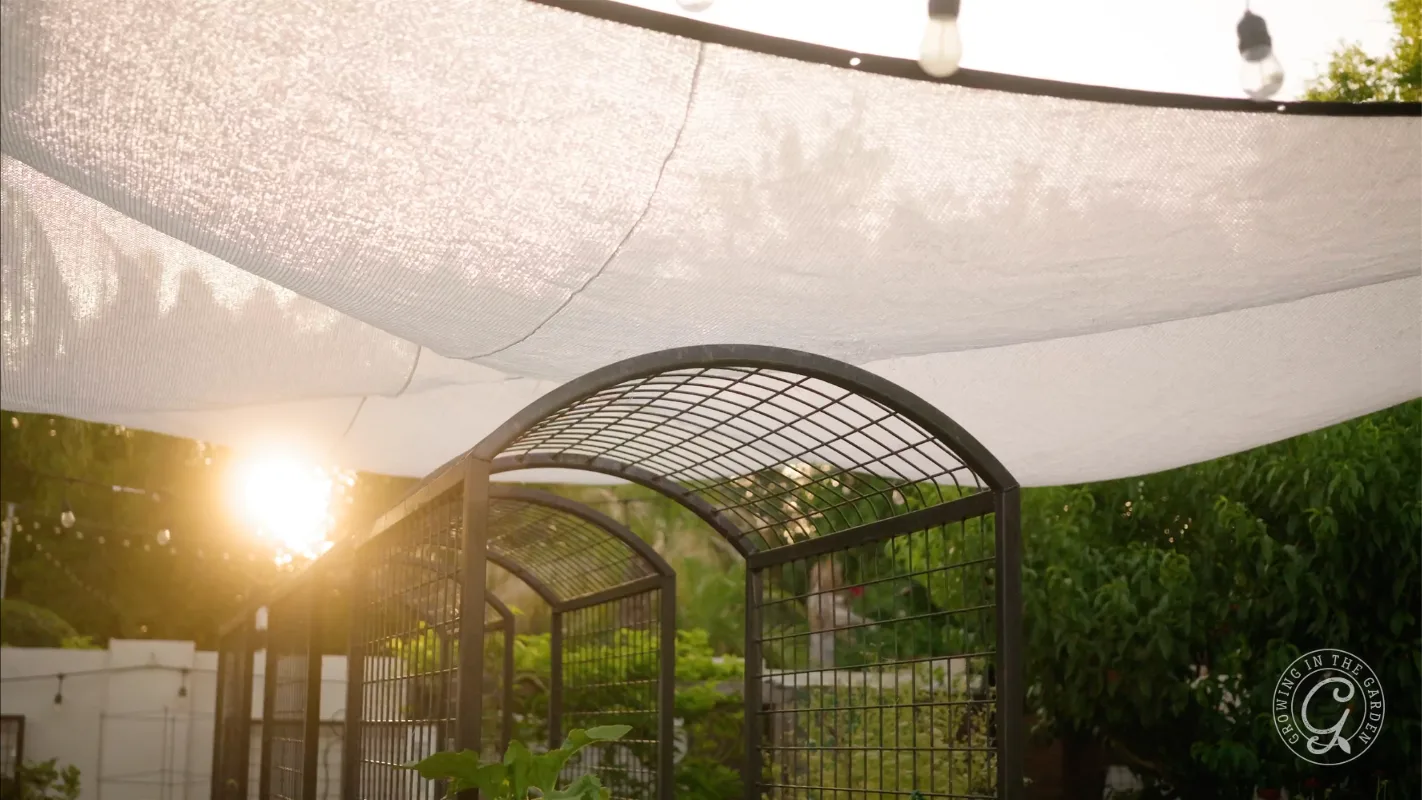
- If you’re looking for the link to the shade cloth I use, here are my shade cloth resources.
- Wondering if your garden really needs shade? In Why Add Shade to Your Garden in Summer, I share how shade protects plants, conserves water, and extends your growing season.
- Looking for creative, budget‑friendly ways to install summer shade cloth? Check out my favorite solutions here.
- Curious about how to build a shade structure step by step? See the full project in this post.

This article was very insightful. I now know which plants need shade and am already seeing results in my garden.