
How to Grow Swiss Chard in Your Garden
I’d never heard of Swiss chard until I started gardening. Now I grow it every year, and it’s one of the few crops I think belongs in every garden. It’s easy, it’s a heavy producer, and it keeps going for most of the year here in the low desert when other greens have quit. If you want to learn how to grow Swiss chard and actually keep it producing for months, this is everything I’ve figured out from growing it in my own Mesa garden.
Key Takeaways: How to Grow Swiss Chard
- Swiss chard is a nutritious, easy-to-grow green that thrives all year in mild climates.
- It’s heat- and cold-tolerant, making it less prone to bolting compared to other greens.
- Start seeds indoors or direct-sow a few weeks outdoors before the last frost date for optimal growth.
- Regular watering, spacing, and harvesting encourage continuous production of Swiss chard throughout the growing season.
- Use Swiss chard in salads, soups, and smoothies to maximize its nutritional benefits.
What We’ll Cover:

Swiss Chard at a Glance
- Why it’s worth it: not day-length-sensitive, so it rarely bolts and holds up in heat far better than spinach or lettuce.
- Best time to plant (low desert): late September through February. In cold-winter areas, plant 2 to 3 weeks before your last spring frost through early summer.
- Sun: full sun is best, but chard still produces in partial shade (4 to 6 hours).
- Planting depth and spacing: half an inch deep, thinned to 6 inches apart (4 per square foot in square foot gardening).
- Days to harvest: about 30 days for baby leaves, 50 to 65 days for full size.
- Harvest: cut outer leaves and leave the center growing. A cut-and-come-again crop that can produce for a year or more.
What Is Swiss Chard?
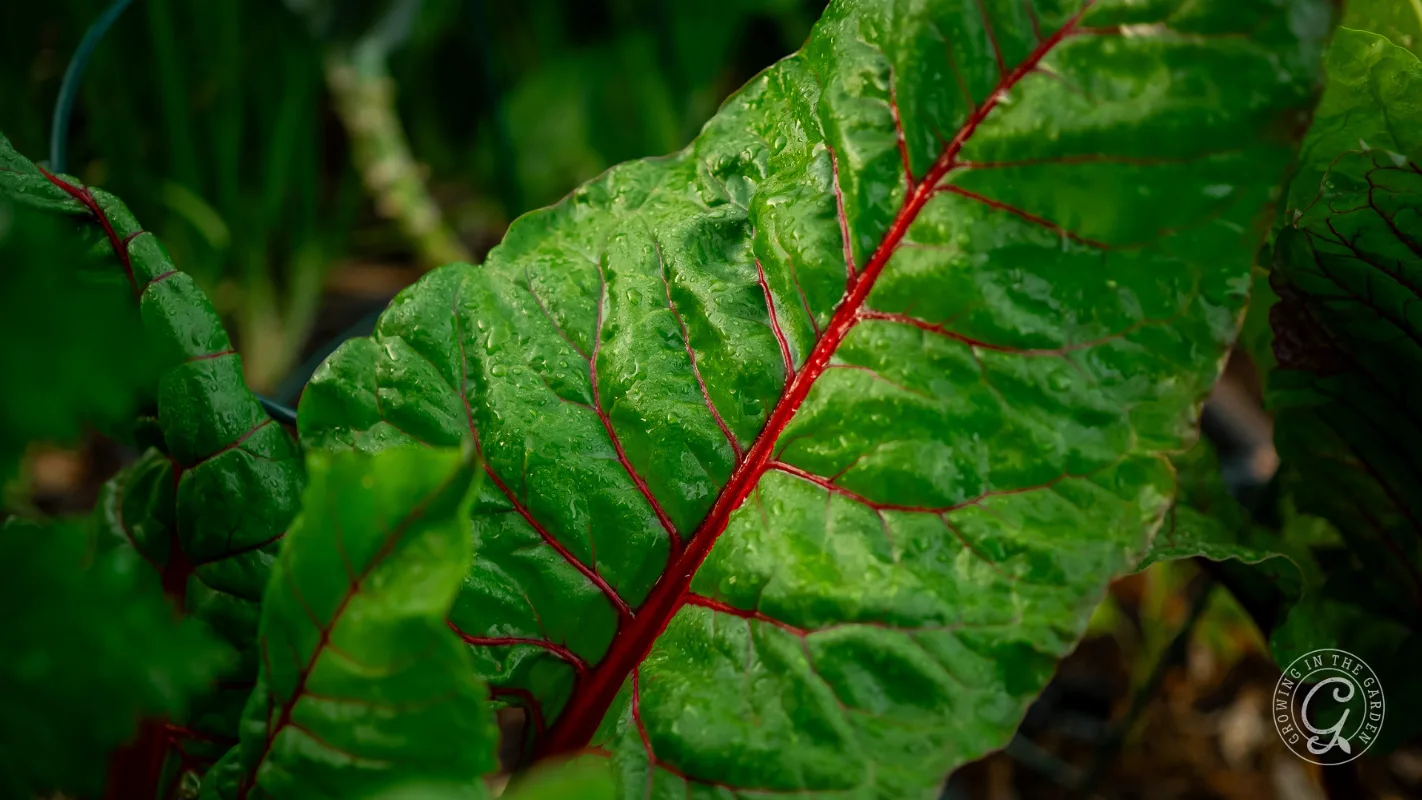
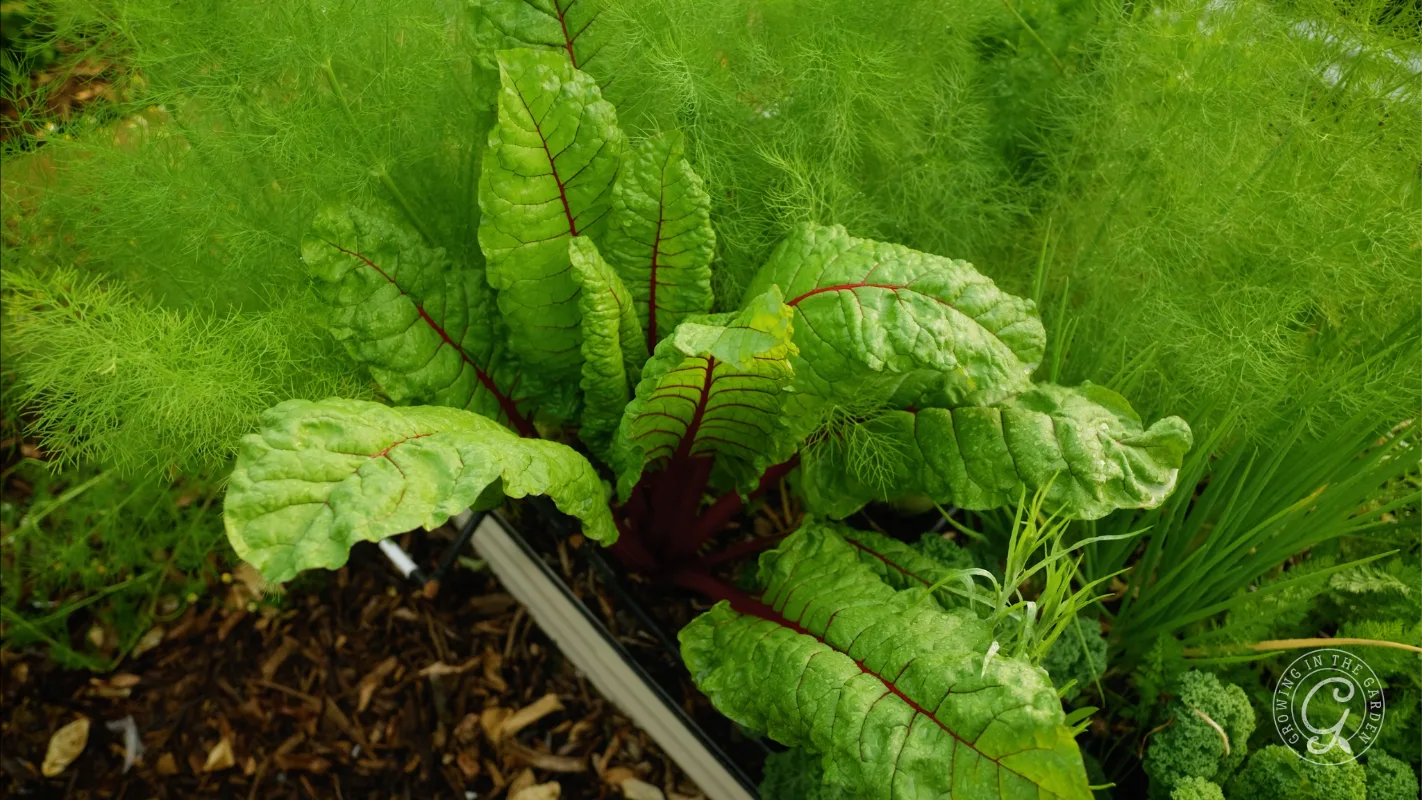
Swiss chard (Beta vulgaris) is a leafy green in the beet family, and the leaves look so much like beet greens that I once harvested a whole bunch of beet tops thinking they were chard. They’re that close. Chard is grown for its broad, crinkly leaves and colorful stems rather than a root.
It’s nutritious, like the greens you already know. Chard is high in vitamins A, C, E, and K, as well as minerals such as magnesium, manganese, and iron. The part that matters most to gardeners is that it isn’t day-length-sensitive. That’s the reason it’s far less likely to bolt in warm weather than spinach or lettuce, and it’s why a single planting can feed you for so long.
Why Grow Swiss Chard?
If I could talk every gardener into growing one green, it would be this one. Here’s why it earns its space:
- It’s genuinely easy. Chard is low-maintenance and forgiving. If you’re still building confidence, it pairs well with other easy cool-season vegetables to plant from seed.
- It keeps producing. In a mild winter climate, you can harvest chard almost year-round, and one plant can keep going for a year or more.
- It holds through heat. Because it isn’t day-length sensitive, chard lasts well into spring and even early summer for me, long after most greens have turned bitter and bolted. For more vegetables that love hot summers, read this guide.
- It’s beautiful. Mixed varieties like ‘Bright Lights’ bring red, gold, pink, and white stems to the bed, which is part of why I plant rainbow chard on purpose.
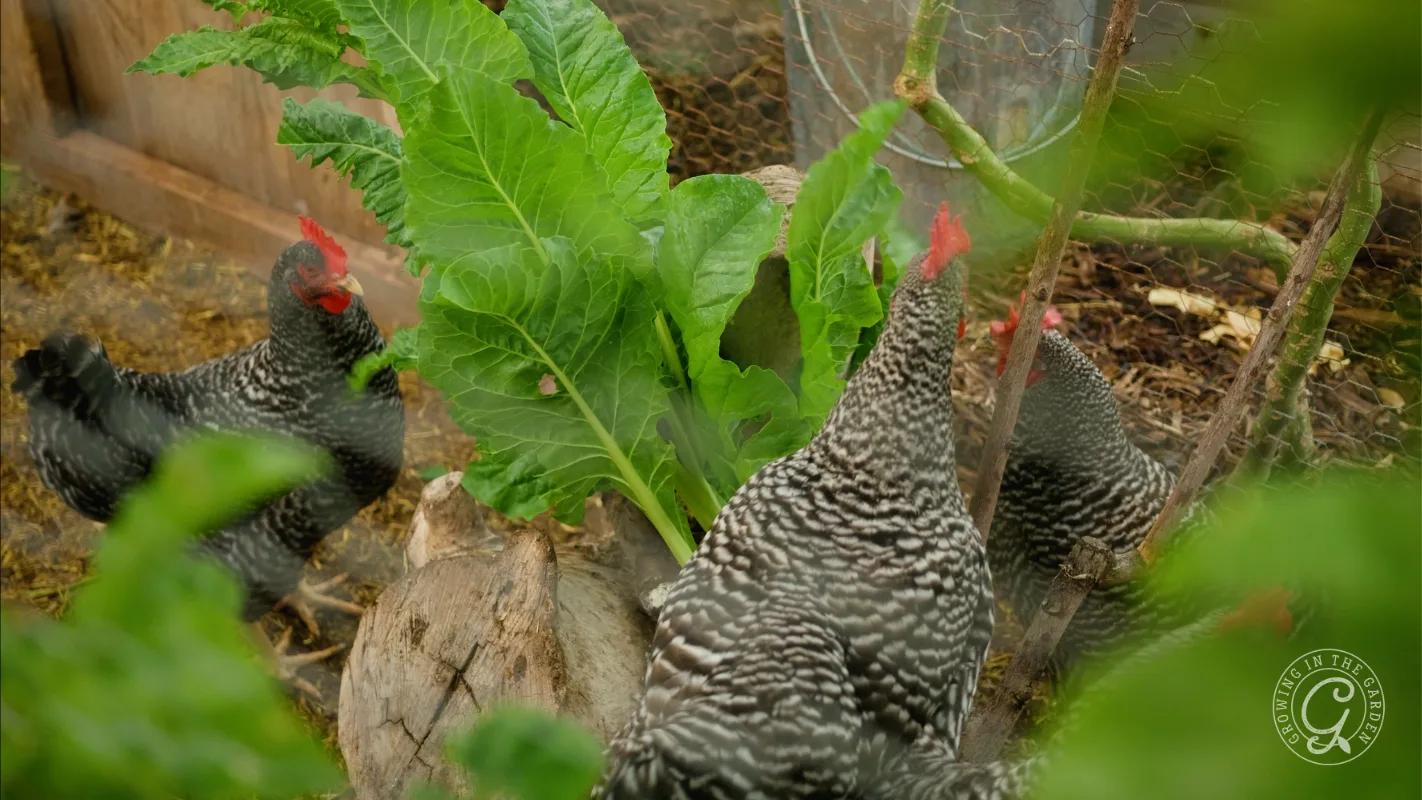
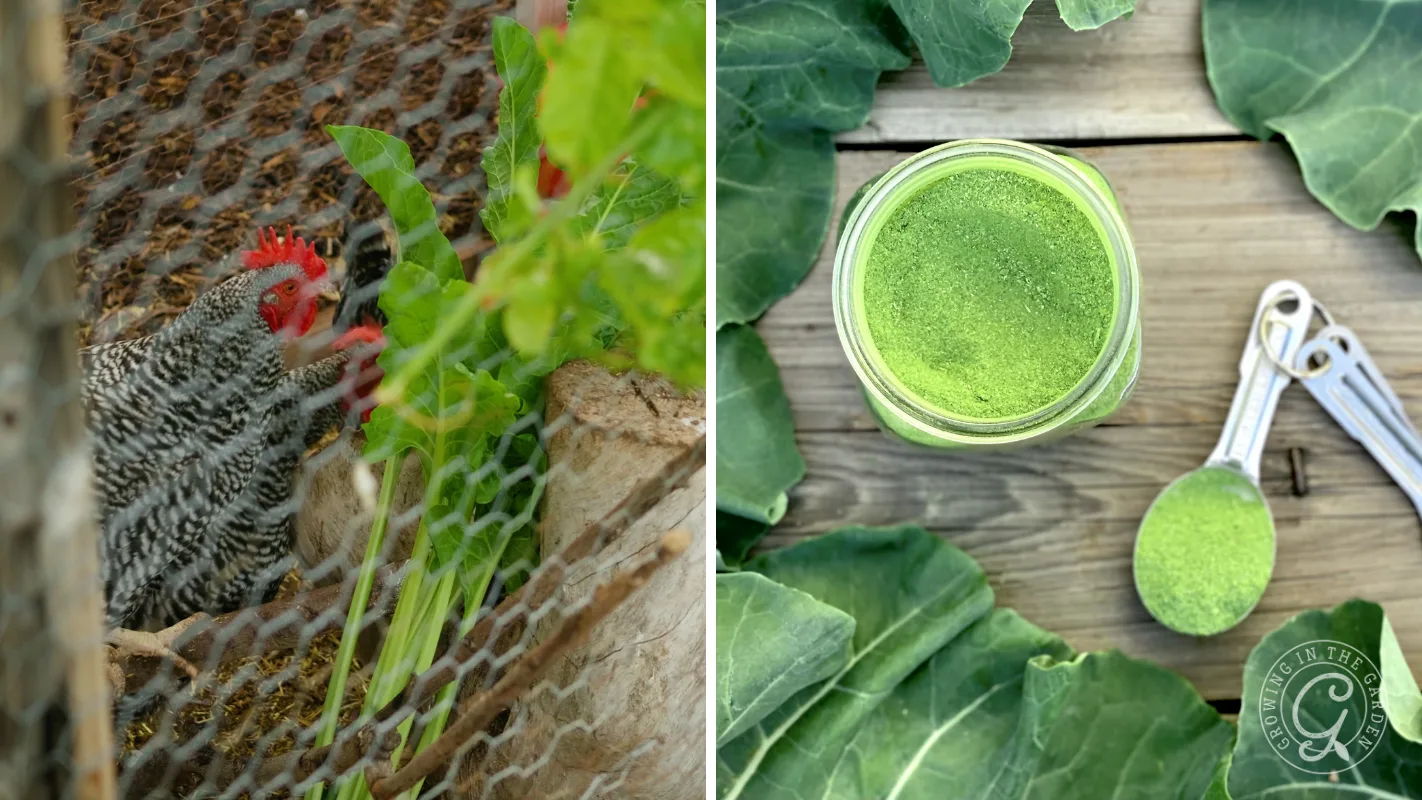
- The chickens love it too. When my hens get into the garden, they head straight for the chard. Nothing goes to waste.
Choosing Varieties of Swiss Chard
“Rainbow chard” isn’t one variety. It’s usually a mix of different colored cultivars sold together, which is how you get that range of stem colors from a single packet. A few I’d point you to:
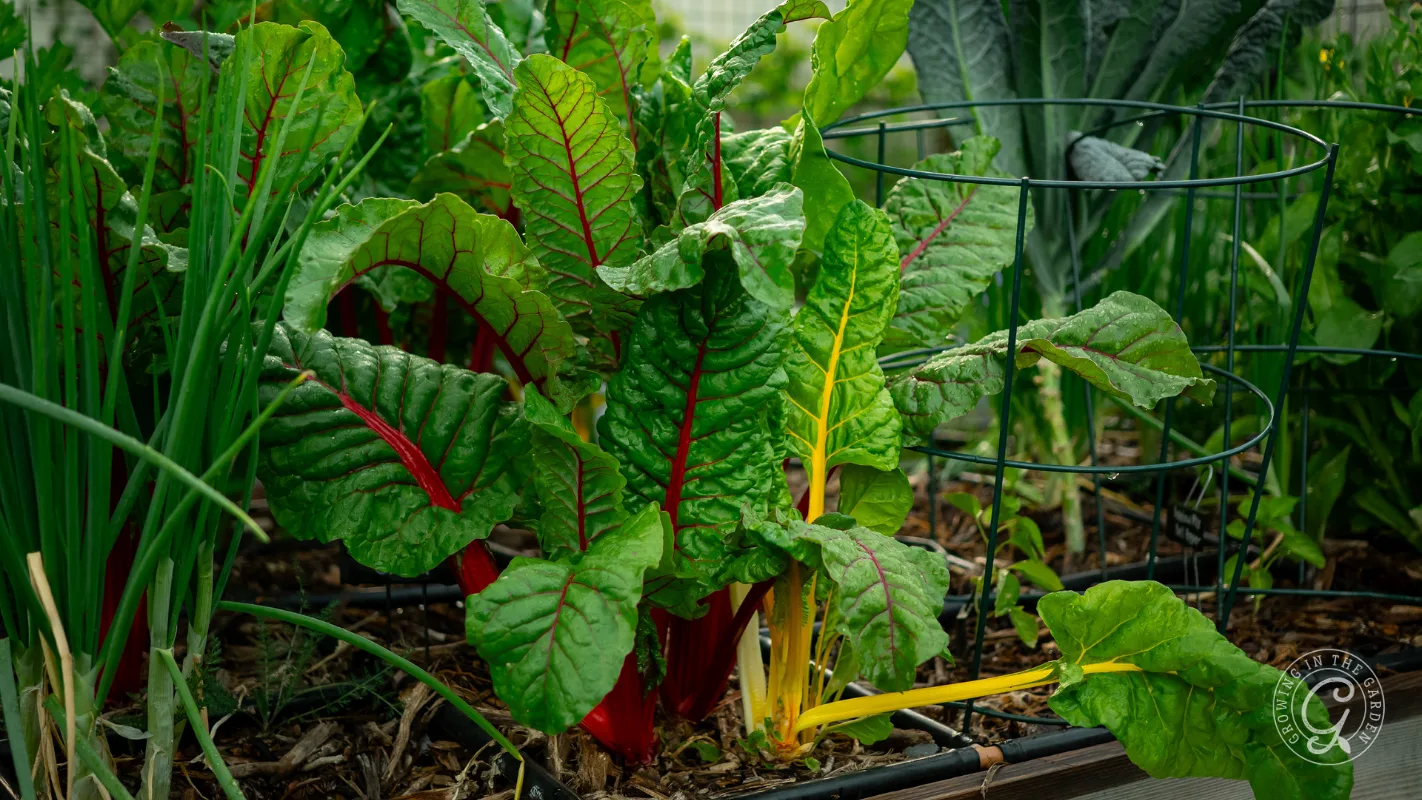
- Fordhook Giant: the classic, with pale green stems and large dark leaves. Handles both heat and cold. About 60 days to maturity. Get seeds here.
- Bright Lights: a blend with red, orange, yellow, pink, and white stalks. About 65 days. Get seeds here.
- Barese: fast-growing and tender, ready as baby leaves in around 30 days. Get seeds here.
When & Where to Plant Swiss Chard
Cold-Winter Climates
- Timing: sow seeds or set out transplants 2 to 3 weeks before your last spring frost. You can keep succession planting through early or mid-summer.
- Overwintering: where temperatures drop below 15°F, protect plants with frost cloth or straw. You can also lift them and move them into a greenhouse to keep them growing through winter.
Mild-Winter Climates
- Timing: plant from fall through spring. Here in the low desert of Arizona, I plant from the end of September through February. You can also start as early as mid-August for a longer season.
- Year-round: chard can be harvested nearly year-round here, and a single plant may keep producing for a year or more.
Site Selection
- Soil: chard does best in well-drained, compost-rich soil.
- Sunlight: aim for 6 to 8 hours of direct sun. This is one of the few crops that will still give you a real harvest in a partly shaded spot with 4 to 6 hours.
- Containers: if space is tight, grow chard in a container at least 8 inches deep holding about 2 gallons of soil. Here’s how to get started with container gardening, and a list of other vegetables that do well in containers.
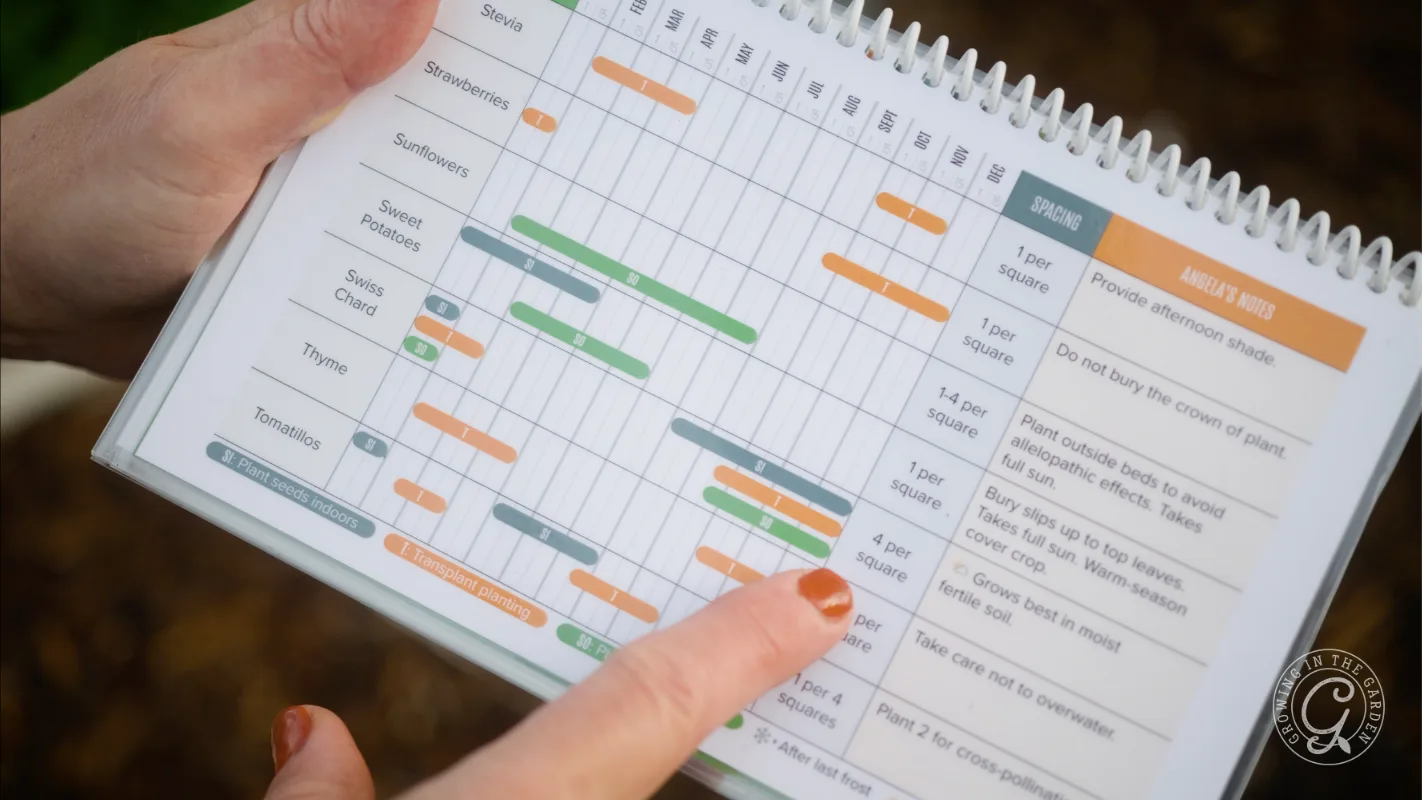
Vegetable, Herb, and Fruit Planting Guide for the Low Desert of Arizona

The ultimate resource for gardeners in arid regions with hot summers and mild winters—designed specifically for the low desert of Arizona.
It features information on how and when to start seeds indoors and when to transplant them outside for nearly 100 different fruits, vegetables, and herbs.
How to Plant Swiss Chard
Seed Starting
- Indoors: sow seeds 3 to 4 weeks before your last frost date. Here’s my full guide to starting seeds indoors.
- Outdoors: direct-sow about 2 weeks before the last frost, once soil reaches at least 50°F.
Sowing Depth and Spacing
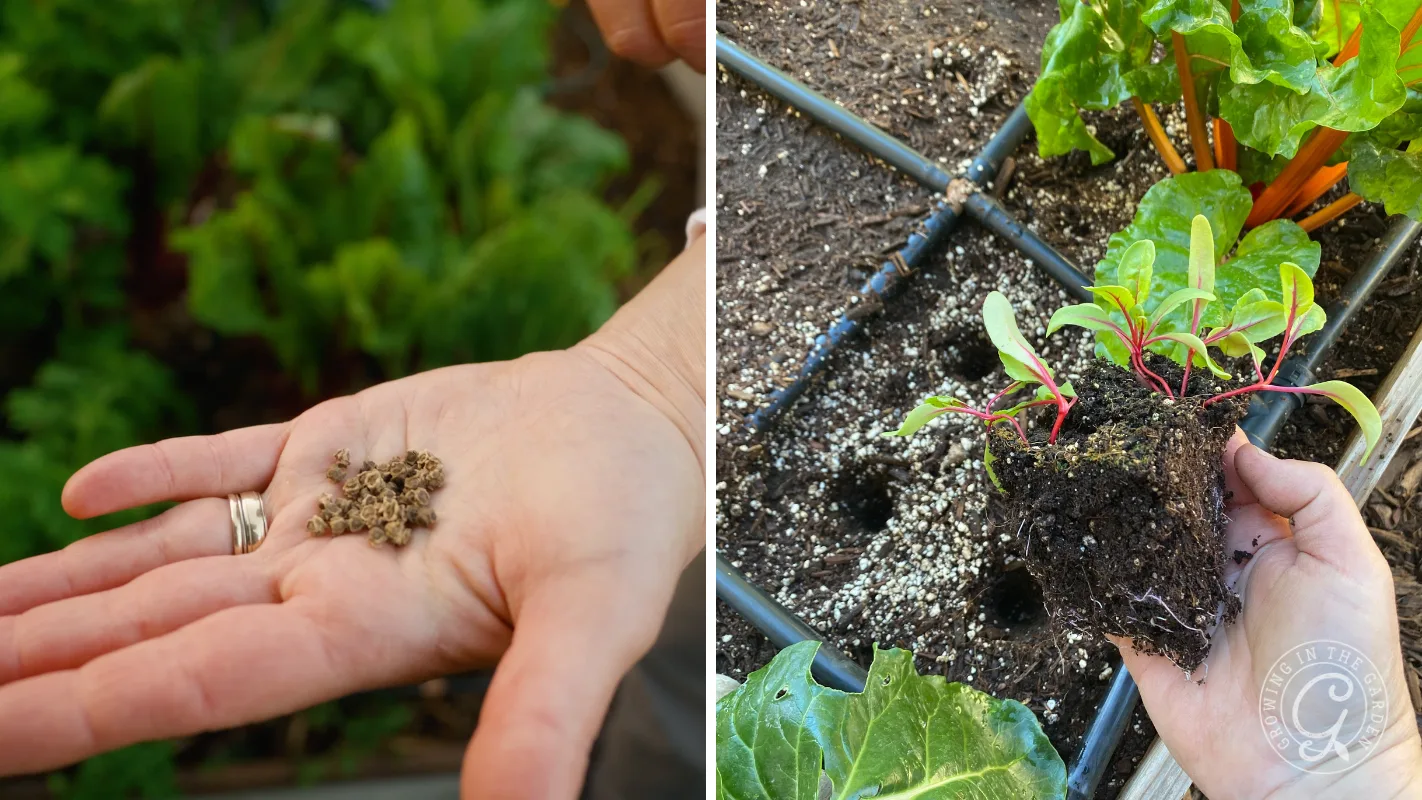
- Plant seeds about half an inch deep.
- Space seeds or seedlings 6 inches apart. In square-foot gardening, plant about 4 per square foot.
- Each chard “seed” is actually a cluster of seeds, so several seedlings usually come up together. Once they reach 3 to 4 inches tall, thin to the single strongest seedling so it isn’t competing.
Transplanting
- Choose young, healthy transplants that haven’t outgrown their container.
- Gently separate any clumped seedlings, or thin them to one seedling per clump.
- Plant at the same depth they were in their pots, 6 to 8 inches apart. Here’s how I plant transplants.
Caring for Swiss Chard
Chard is easy to care for. Give it regular water and decent soil, and it mostly takes care of itself.
- Watering: keep the soil evenly moist, especially while plants are getting established. Consistent water gives you tender, flavorful leaves.
- Fertilizing: if your soil is rich in organic matter, you may not need to fertilize at all during the season. A light side-dressing of compost mid-season is plenty.
- Mulching: mulch around plants to hold moisture and steady the soil temperature. Here’s what I use for mulch and how.
- Pests: chard is largely pest-free. Now and then, you’ll see cabbage worms or leaf miners. Check the undersides of leaves and use row covers if it gets bad. Here’s how to deal with cabbage worms.
- Disease: good spacing and air circulation prevent most problems. Here’s how to prevent and treat powdery mildew.
Harvesting Swiss Chard
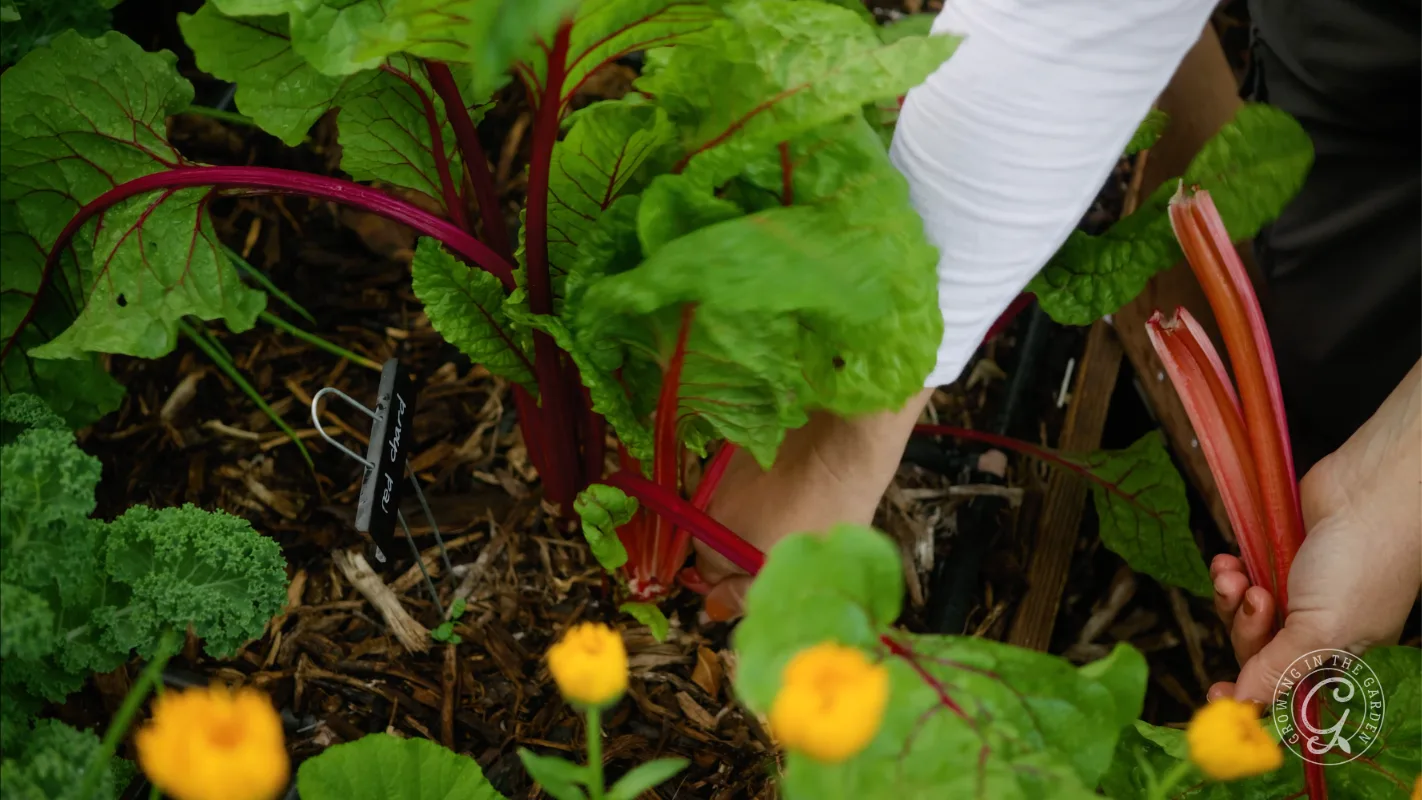
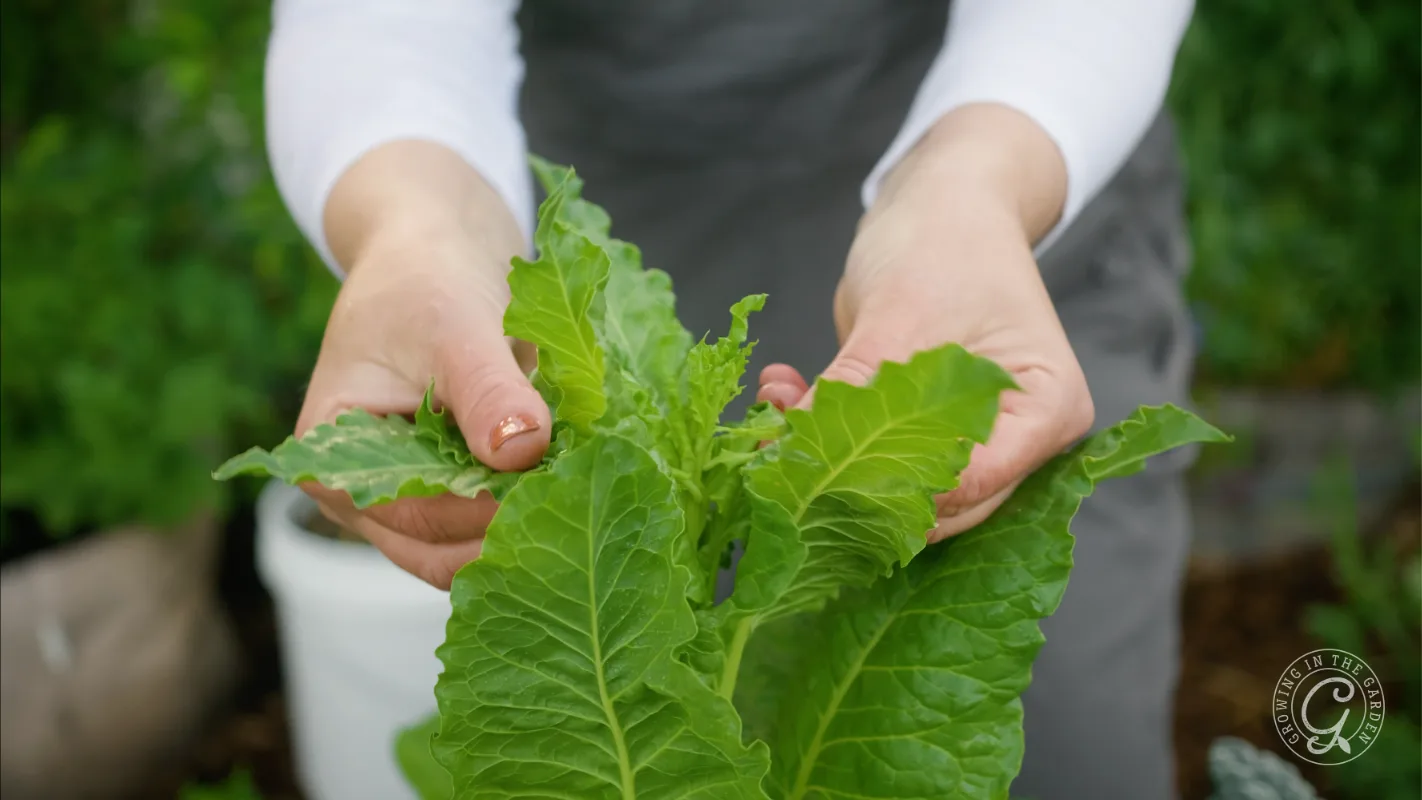
Once plants are 6 to 8 inches tall, you can start harvesting. Chard is a cut-and-come-again crop, so the same plant keeps feeding you all season.
- How to cut: pull or cut the outer leaves and leave the central terminal bud intact. That growing point is what keeps the plant producing.
- How much: don’t take more than about a third of a young plant at once. Older, established plants bounce back fast, even after a big harvest.
- The more you pick, the more you get. Regular harvesting keeps new leaves coming.
- When it bolts: in heat, chard eventually sends up a central stalk to flower and set seed. Once that happens the leaves turn bitter, so it’s best to pull the plant unless you’re saving seed. I harvest mine and hand it to the chickens, which is one of their favorite things in the garden.
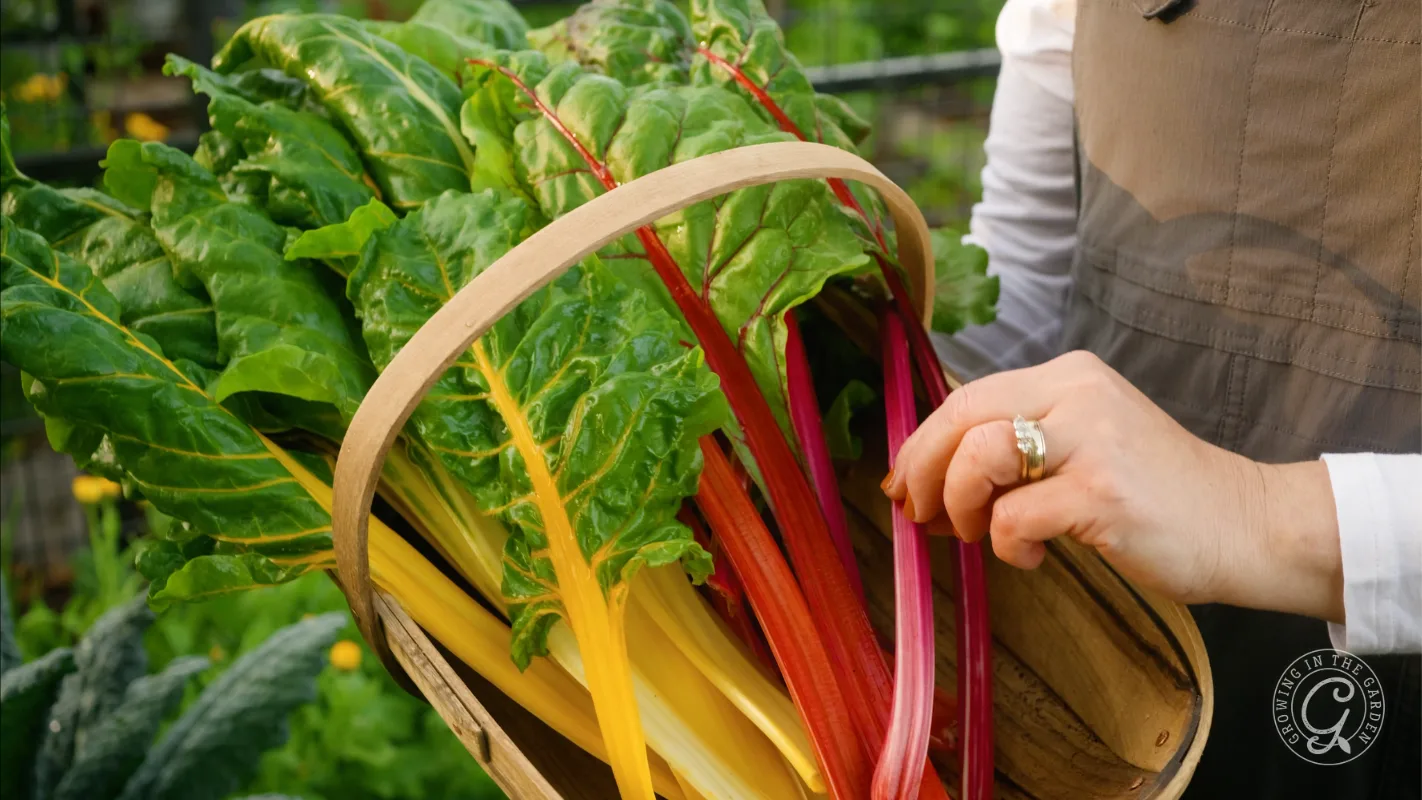
Using & Storing Your Swiss Chard
The more you pick chard, the more it produces, so the real trick is using it. I treat it a lot like spinach or any other green:
- Cook it like spinach. Add it to soups, stews, smoothies, or anything you’d use spinach or kale for. The stems take longer to cook than the leaves, so I separate them and give them a head start.
- Sauté it. My go-to fast side is sautéed Swiss chard with garlic and lemon, cooked stems and all.
- Freeze it. Blanch the leaves and stems briefly, cool, then pack into freezer containers.
- Make green powder. Dehydrate or freeze-dry the leaves and grind them into a powder to stir into smoothies and soups, the same way you can turn other garden greens into green powder.
For more ideas see my list of the 7 Best Recipes for Swiss Chard. And If you enjoy cooking with what you grow, don’t miss this easy guide for how to roast and freeze peppers. It’s a simple way to preserve fresh flavor from the garden.
Swiss Chard Growing FAQs
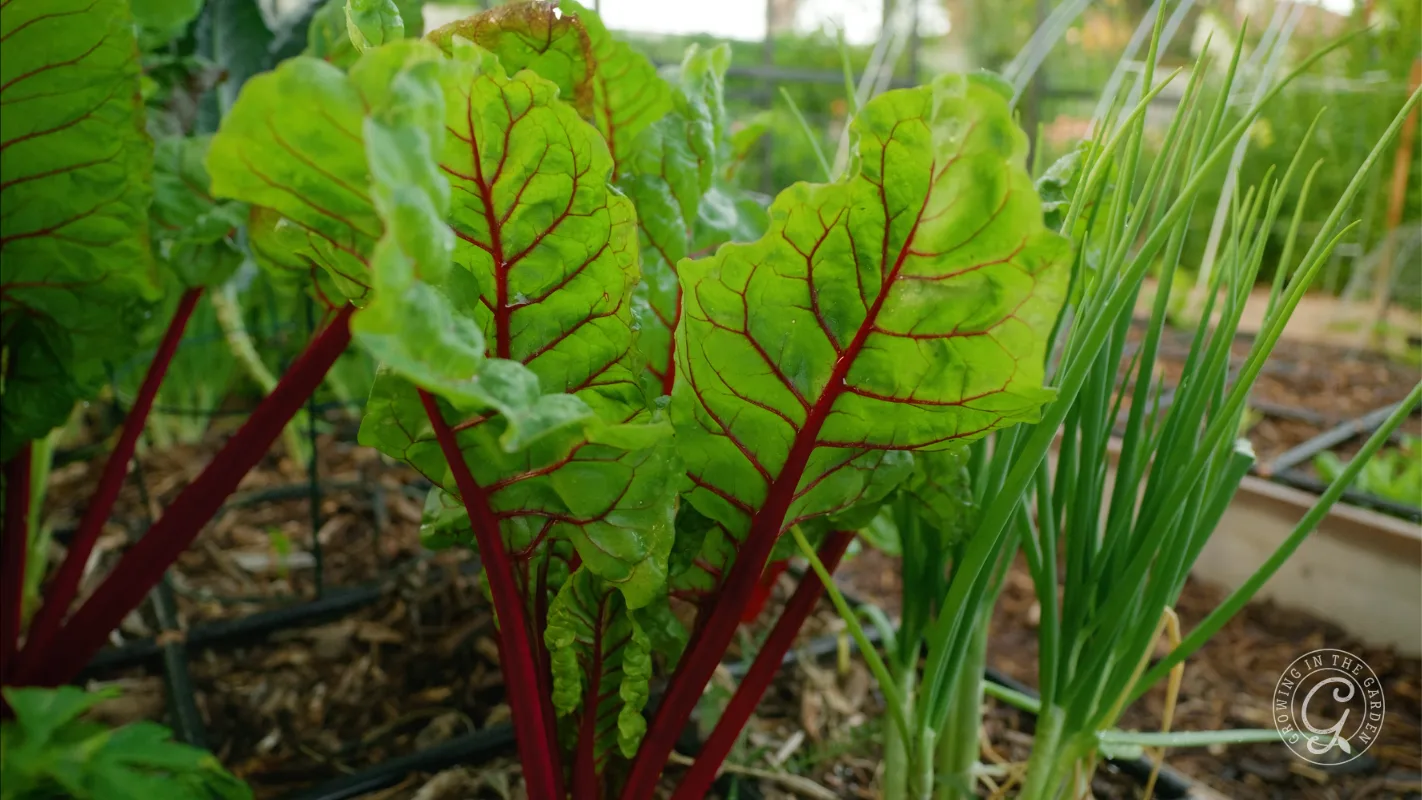
Swiss chard is a biennial, so it grows leaves the first year and sets seed in its second year. In a mild winter climate, one plant can keep producing for a year or more before it bolts. In cold regions, protect it over winter and you’ll often get a second spring crop.
Full sun gives the best growth, but Swiss chard is forgiving. It’s one of the few greens that will still give you a worthwhile harvest in partial shade, around 4 to 6 hours of sun. In the low desert, a little afternoon shade can actually help in the warmer months.
Cut or pull the outer leaves and leave the center of the plant alone. That central growing point is what regrows. Don’t take more than about a third of a young plant at a time, and harvest regularly to keep new leaves coming.
Heat is usually the cause. When chard bolts, it sends up a seed stalk and the leaves turn bitter. Once a plant bolts, pull it unless you’re saving seed. Picking leaves often and keeping plants watered helps delay it.
You can harvest baby leaves in about 30 days, and full-size leaves in roughly 50 to 65 days depending on the variety. After that, a healthy plant keeps producing for months.
In Summary
- Plant at the right time. Fall through February in the low desert, or a couple weeks before your last frost in colder climates.
- Give it space and sun. Thin to one strong seedling, 6 to 12 inches apart, in full sun or light shade.
- Harvest often. Its cut-and-come-again habit means months of leaves from the same plant.
- Use the whole plant. Eat it fresh, sauté it, freeze it, or dry it into green powder. Stems included.
- Let heat tell you when it’s done. When it bolts and turns bitter, pull it and start again (or feed it to the chickens).
If you’re still deciding what to grow this season, this is the one I’d put at the top of the list. Give it a spot, keep picking it, and Swiss chard will out-produce almost anything else in your garden.
Swiss chard is a standout performer. It offers gorgeous color, high nutritional value, and a nearly endless harvest window. With these tips on how to grow Swiss chard, you’ll be well on your way to enjoying one of the easiest and most productive greens in your garden year-round.
Sources:
- WebMD. Swiss Chard: 9 Healthy Facts You Need to Know. Available at: https://www.webmd.com/diet/features/swiss-chard-9-healthy-facts
- Healthline. Swiss Chard: Nutrition, Benefits, and How to Cook It. Available at: https://www.healthline.com/nutrition/swiss-chard
If this post about how to grow Swiss chard was helpful, please share it.

I am new to Arizona and I just found your website. My husband and I purchased our first home in Sierra Vista, however, I am limited to space. The only true space we found is dead center of our back yard. We are unable to use the front or sides of our home because we live in a homeowners association community. Also, my husband built me 2 (2×4) garden beds 6″ deep. I noticed that my chard wilts a lot and my vegetables leaves are turning yellow. Help as this is the first time I am attempting to grow our own vegetables.
Focus on the basics: Soil, watering, planting at the right time, etc. It can take a while to figure things out. Experience is the best teacher. You may need to provide some shade in the summer. This post may be helpful: https://growinginthegarden.com/gardening-for-beginners-how-to-start-a-garden-in-8-simple-steps/