
Sautéed Swiss Chard With Garlic and Lemon
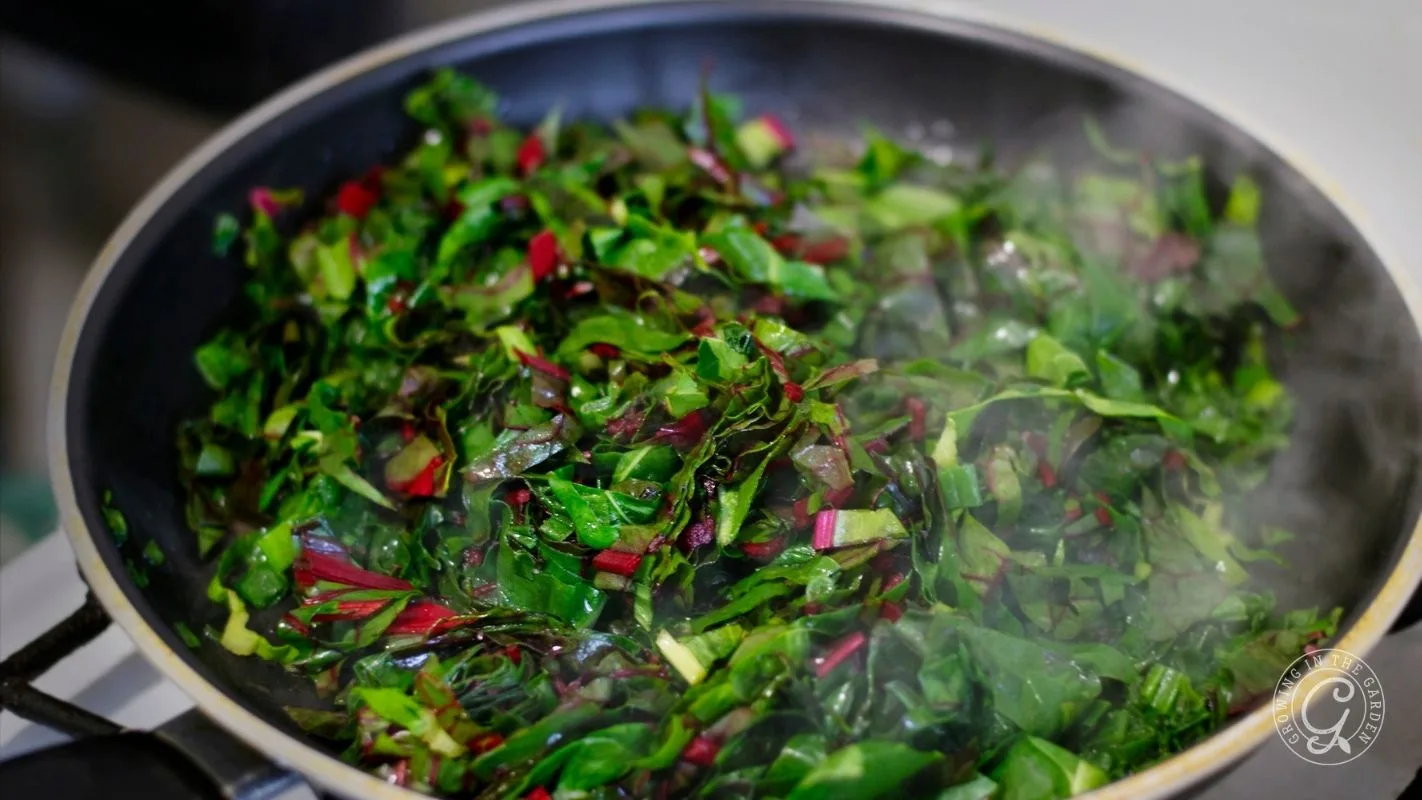
You grew a big, beautiful bunch of Swiss chard. Now you’re standing in the kitchen wondering what to actually do with it. Sautéed Swiss chard with garlic and lemon is what I make most often for my family, and it’s ready in about 20 minutes.
Key Takeaways: Sautéed Swiss Chard
- Sautéed Swiss chard with garlic and lemon is a quick dish ready in about 20 minutes.
- Use the stems of Swiss chard as well; they’re edible and add flavor if cooked properly first.
- The preparation involves washing, chopping, and sautéing the stems before adding the leaves for even cooking.
- Finish the dish with fresh lemon juice to enhance the flavor and serve right away.
- Leftovers can be used in various ways, like in eggs, pasta, or soup.
Why I Cook Swiss Chard This Way
I’d never even heard of Swiss chard before I started gardening. Now I grow it every year. It’s a reliable producer, and the more you pick it, the more it gives you, so the real challenge is using it!
Chard isn’t day length sensitive the way lettuce and spinach are, so it doesn’t rush to bolt. It keeps producing in my garden through spring and into early summer without turning bitter, well after most other greens have given up. That gives me a long stretch of harvests to cook from.
Sautéing uses the whole plant, and the flavor is mild and slightly sweet once cooked. Chard isn’t as bitter as kale or mustard greens to begin with, and a quick cook plus a hit of lemon at the end is just right.
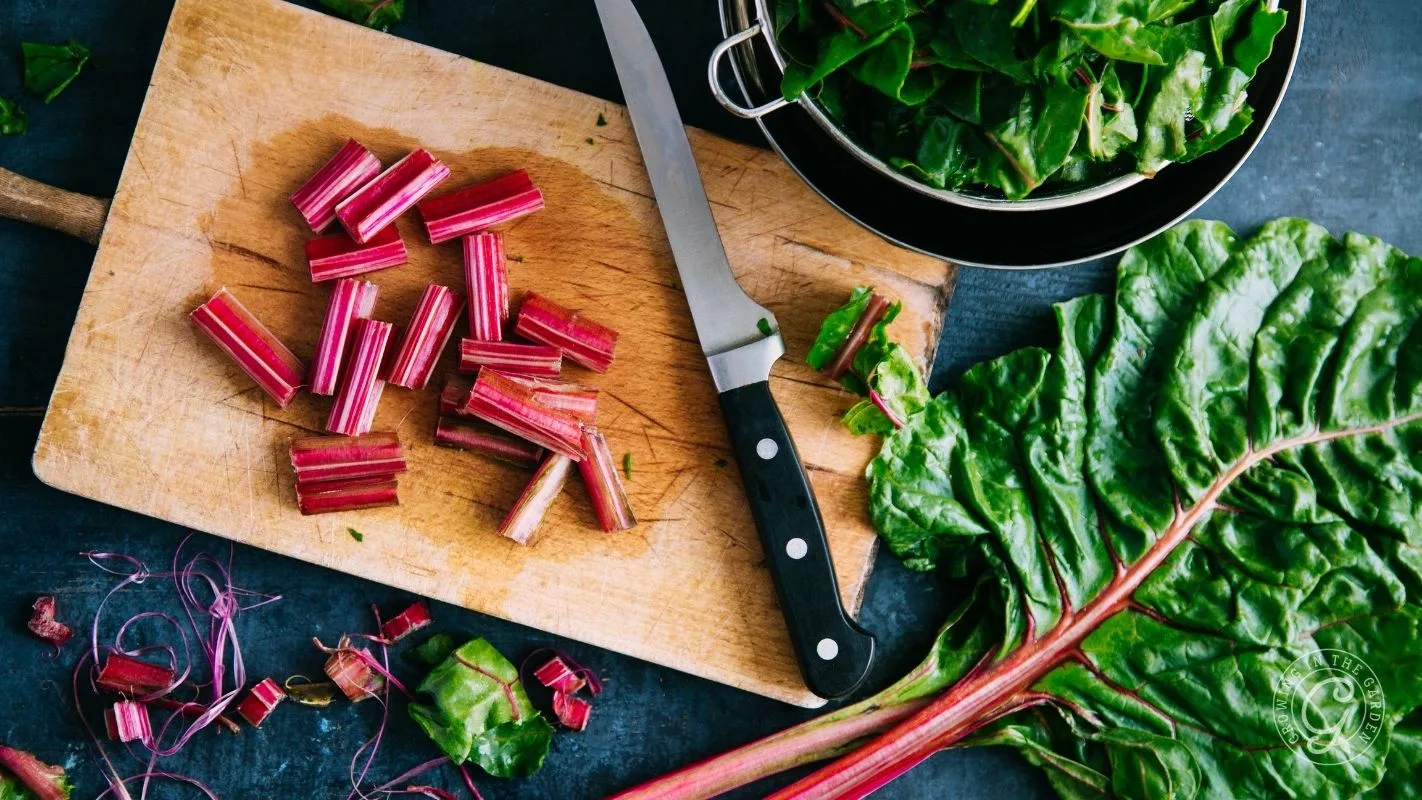
Don’t leave out the stems. Those colorful stalks are completely edible; they just take longer to cook than the leaves. I separate them and start them first, so they have time to soften. Throwing them out is throwing away half of what you grew. (My chickens are happy to take any chard I don’t, but that’s a waste of good food.)
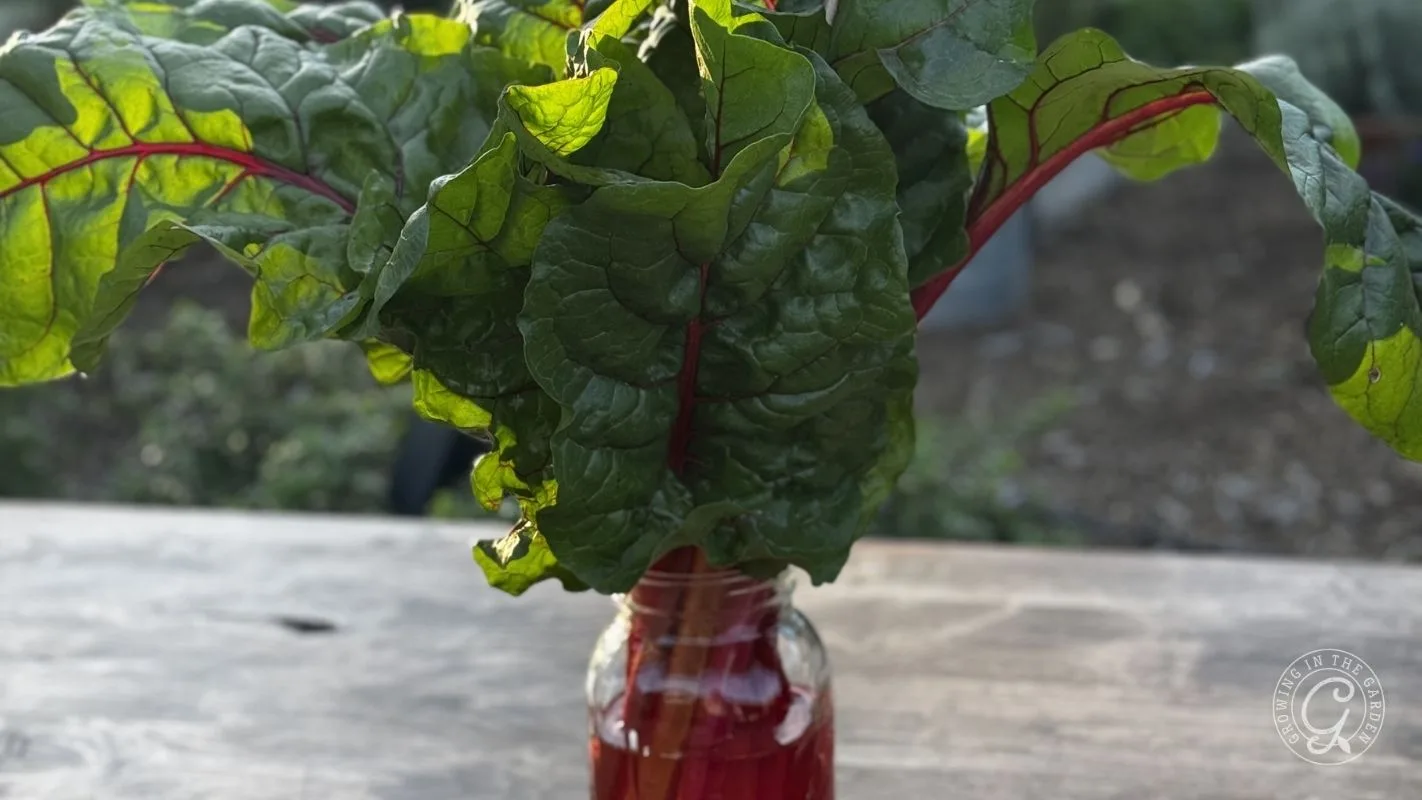
Once it’s cut, I stand chard stem-side down in a jar of water and keep it on the counter like a vase of flowers. Mine is too tall for the fridge, and it stays fresh for days that way. The leaves are pretty enough that I’ve even given a jar of chard to my veggie-loving friends instead of a bouquet.
If you haven’t planted chard yet, or you want to grow more of it, start with my full guide on growing Swiss chard from seed. It covers timing, varieties, and how to harvest so the plant keeps coming back.
Key Ingredients
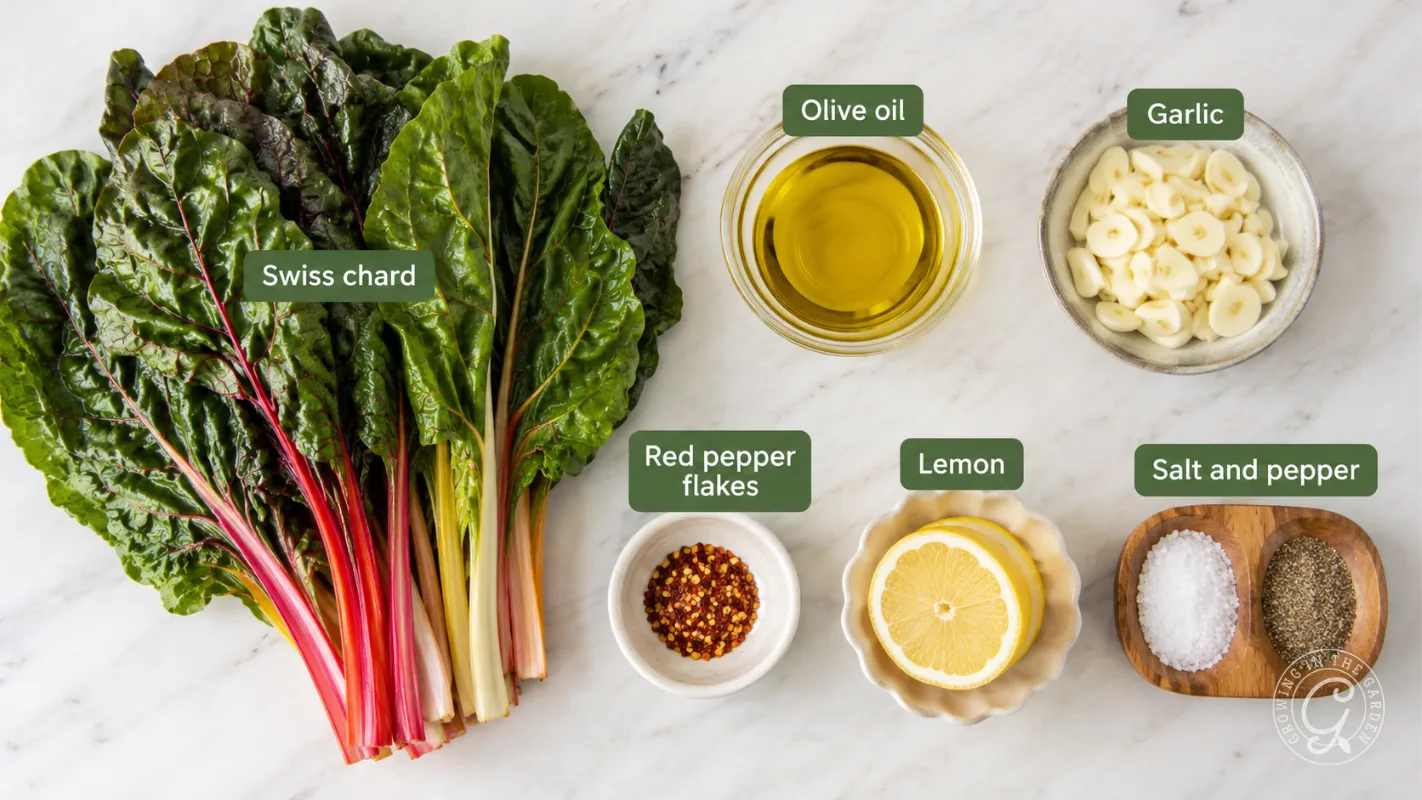
You only need a handful of things, and you probably already have most of them.
- 1 large bunch Swiss chard (about 8 to 10 cups chopped)
- 2 tablespoons olive oil
- 3 to 4 garlic cloves, thinly sliced
- 1/4 teaspoon red pepper flakes (optional)
- 1/2 lemon (about 1 tablespoon juice)
- Salt and pepper to taste
Swiss chard: I measure chard by the cup rather than by the bunch. Leaf size changes throughout the season—early harvests have small, tender leaves, while mature plants produce much larger leaves. Measuring by cups gives you a more consistent amount. Rainbow chard is my favorite because the colorful stems make the finished dish beautiful, but any variety of Swiss chard works well.
Garlic: Thinly sliced garlic gives this dish a mellow garlic flavor and turns lightly golden as it cooks. If you prefer a stronger garlic flavor, mince the cloves instead. Learn how to grow garlic.
Lemon: Fresh lemon juice brightens the greens’ earthy flavor. Add it at the end of cooking to keep the flavor fresh.
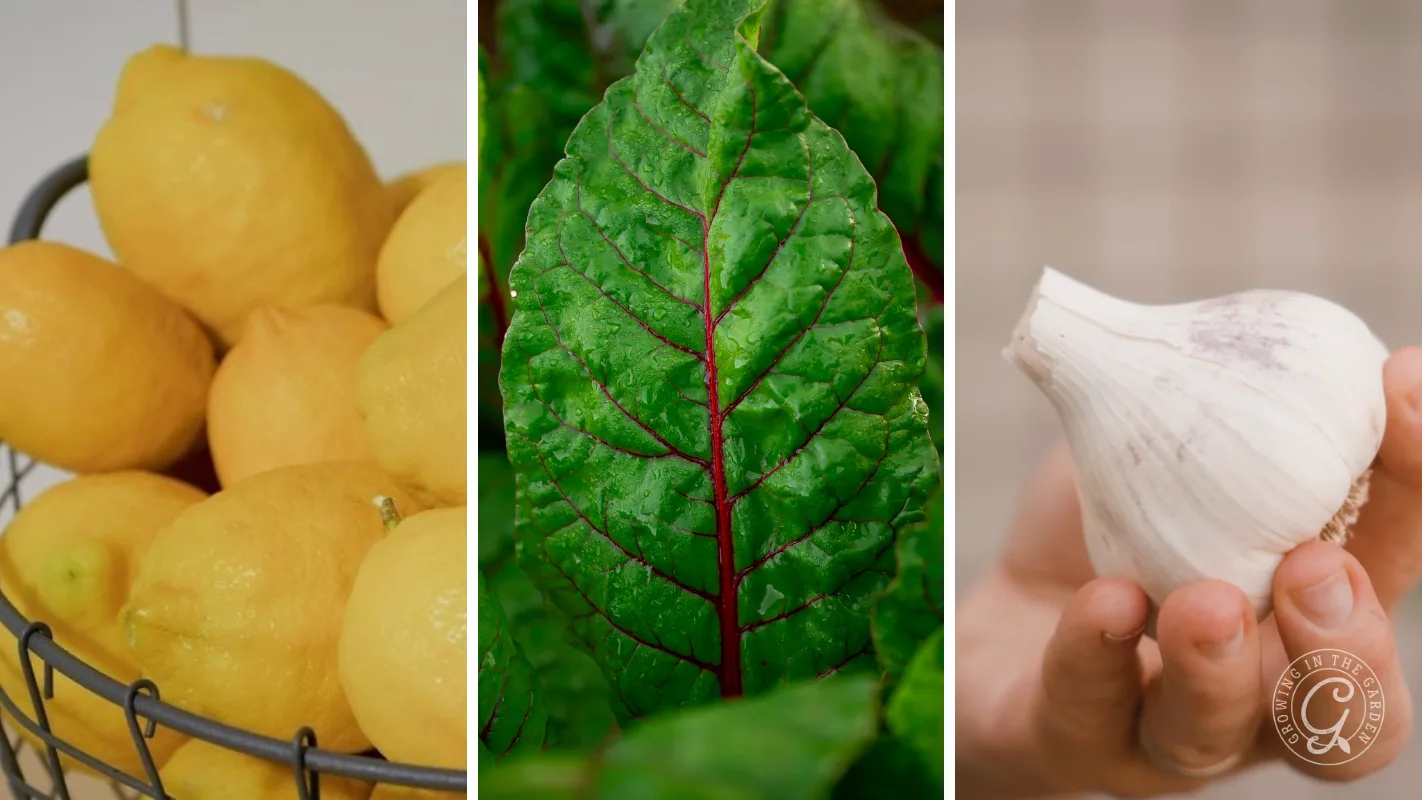
Olive oil: A good-quality extra virgin olive oil adds richness and helps soften the garlic and chard without overpowering their flavor.
How to Sauté Swiss Chard
- Step 1: Wash and Chop
Rinse the chard well. To separate the stems, I either run a quick V-cut down both sides of the stem, or hold the leaf flat and pull the stem up and away. Either one strips the leaf off in seconds. Cut the stems crosswise into half-inch pieces, roughly chop the leaves into two-inch pieces, and keep the stems and leaves in separate piles.
- Step 2: Start the Stems
Heat the olive oil in a large skillet over medium heat. Add the stems and cook for 3 to 4 minutes, until they start to soften.
- Step 3: Add the Garlic
Stir in the sliced garlic and the red pepper flakes if you’re using them. Cook for about 30 seconds, just until the garlic smells good. Don’t let it brown. My favorite version adds chopped I’itoi onions, greens and all, or garlic chives at this point. Both bring a lot of extra flavor straight from the garden.
- Step 4: Wilt the Leaves and Finish
Add the chopped leaves and toss. Cook for 2 to 3 minutes, until they wilt. If your pan is crowded, cover it for a minute to let them steam. Turn off the heat, squeeze the lemon over the top, season with salt and pepper, and toss. Serve right away.
6 More Ways to Use Swiss Chard
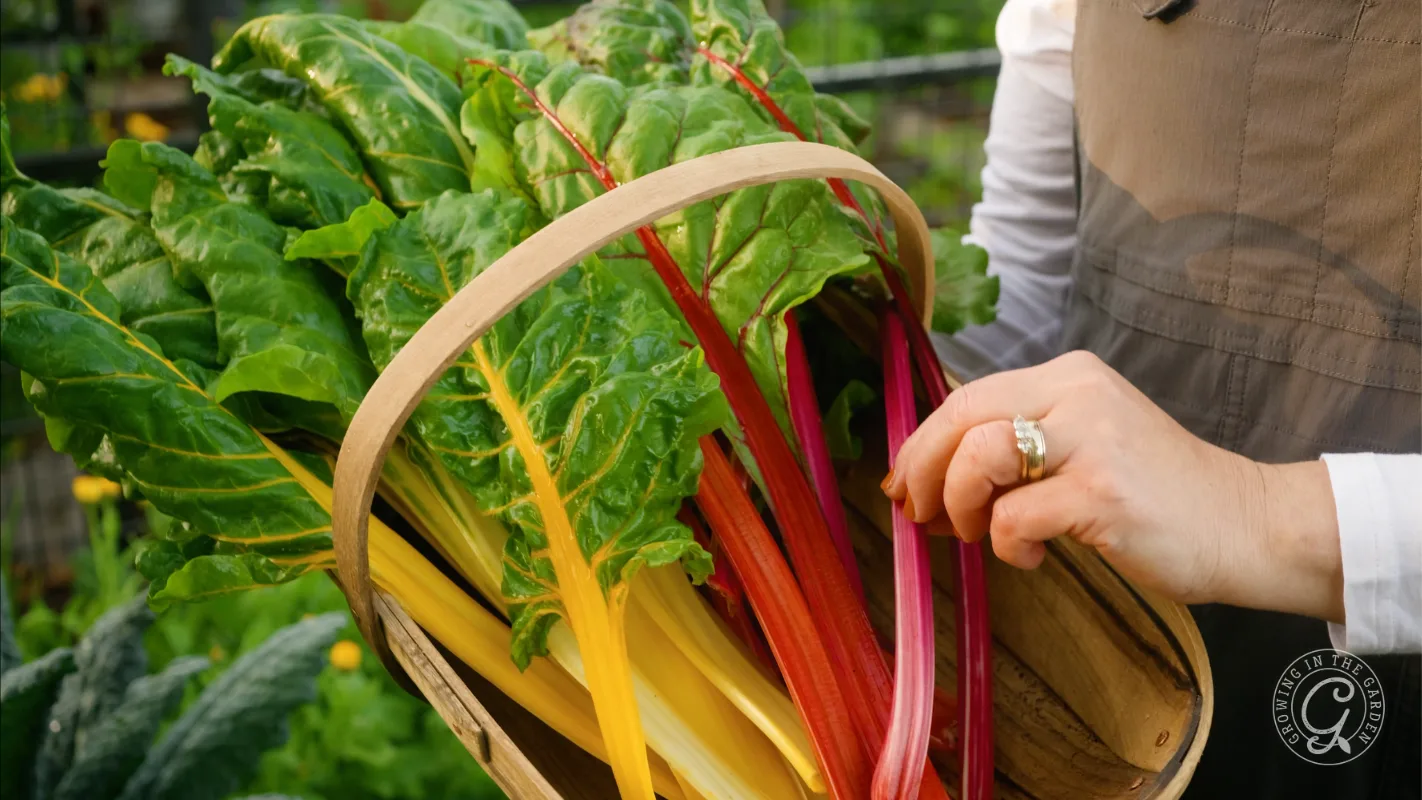
Sautéing is my default, but chard is one of the most flexible greens in the kitchen, and like most things I cook straight from the garden, it doesn’t need a complicated recipe. Here are six more ways I use it through the season.
Blend It Into Smoothies
Chard is my nearly year-round smoothie green, especially in the heat when spinach and kale are long gone. Roughly chop it, stems and all, and blend it with your liquid first so it breaks down completely before you add fruit and everything else.
Toss It With Roasted Vegetables
When a sheet pan of vegetables is almost done, roughly chop some chard leaves, no stems for this one, and toss them in. Finish roasting for just the last few minutes. The chard wilts into the vegetables, adding real flavor and a nutritional boost. (If you want to use the stems, add them when there are still 10-15 minutes of cooking time left.)
Stir It Into Soup
Chop the stems and add them early with your larger, firmer vegetables. Chop the leaves and add them near the end of cooking so they hold their color. It’s especially good in a sausage and bean soup or a pot of minestrone.
Bake It Into Flautas
Sauté ground beef or turkey, then stir in beans and chopped chard, with or without the stems. Roll the filling in tortillas, brush them with butter, and bake at 425°F for 15 to 20 minutes. Easy and delicious.
Add It to Eggs
Cook the chopped stems with omelet veggies like peppers first so they soften, then fold the leaves into scrambled eggs or an omelet right at the end.
Dry It Into Green Powder
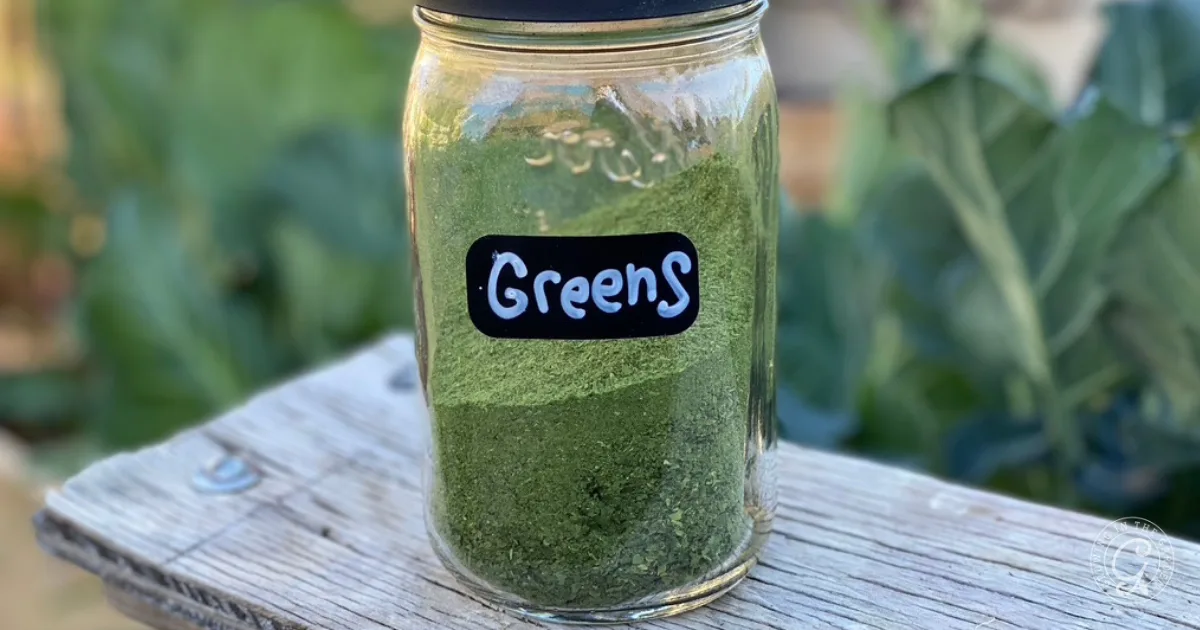
When you have more chard than you can use, dehydrate the leaves and grind them into powder. It’s a simple way to add nutrition to smoothies and soups, the same method I use to turn other garden greens into green powder.
Sautéed Swiss Chard Recipe FAQs
Yes. Swiss chard stems are edible and good. They’re firmer than the leaves, so cook them a few minutes first, then add the leaves once the stems have softened.
Not much. Chard is milder than kale, and cooking it brings out a slightly sweet, earthy flavor. The squeeze of lemon at the end balances any remaining bitterness.
You separate the stems from the leaves so they cook evenly, but you cook both. The stems go in the pan first because they need the extra time.
Young, tender leaves are fine raw in a salad. Mature leaves are better cooked, since cooking softens them and mellows the flavor.
Stand it stem-side down in a jar of water, or wrap it unwashed and keep it in the fridge. Either way, wash it right before you cook.
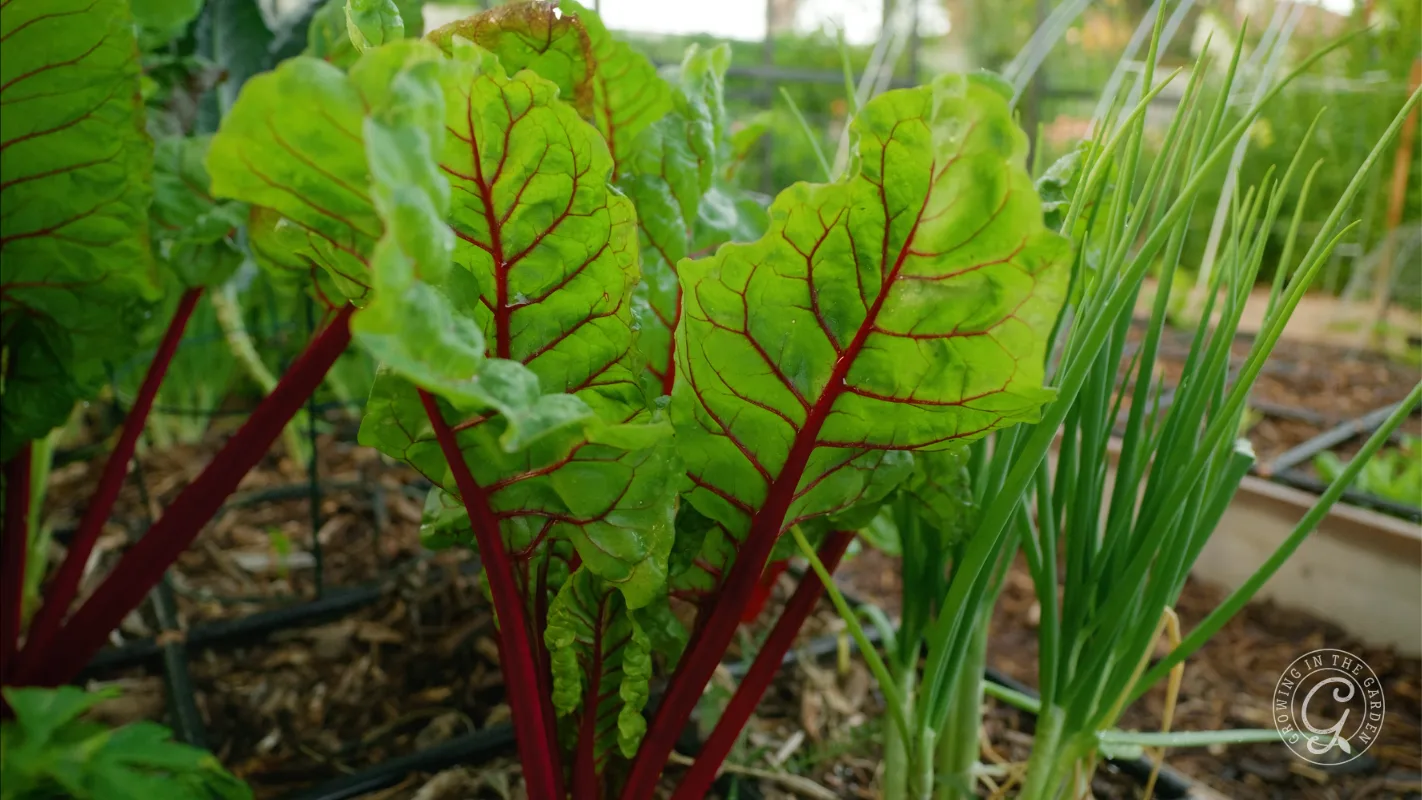
Want a steady supply of chard to cook with? It’s one of the most forgiving cool-season greens to grow here. Learn when and how to plant Swiss chard in the low desert and you’ll have it on hand all season.
Sautéed Swiss Chard With Garlic and Lemon
Ingredients
Method
- Rinse the chard well. Slice the stems off the base of the leaves and cut them crosswise into half-inch pieces. Roughly chop the leaves into two-inch pieces. Keep stems and leaves separate.
- Heat the olive oil in a large skillet over medium heat. Add the stems and cook 3 to 4 minutes, until they begin to soften.
- Add the garlic and red pepper flakes. Cook about 30 seconds, until fragrant. Do not let the garlic brown.
- Add the leaves and toss. Cook 2 to 3 minutes until wilted, covering the pan briefly if needed to help them steam.
- Turn off the heat. Squeeze the lemon over the chard, season with salt and pepper, and toss. Serve right away.
Notes
- Measure chard by the cup, not the bunch. Leaf size changes a lot through the season, so cups give a more accurate amount.
- Any color of chard works. I grow rainbow chard for the mix of red, gold, pink, and white stems.
- The stems take longer than the leaves, so always start them first.
- For more garden flavor, sauté chopped I’itoi onions (greens included) or garlic chives along with the garlic.
- No lemon on hand? A splash of vinegar gives the same bright finish.
- Make it a meal by serving over polenta or grains, or alongside roast chicken or salmon.
- Store leftovers in the fridge for up to 3 days. Reheat gently in a skillet.


Quick, easy & delicious! An easy side that’s packed with nutrition.