
How to Roast and Freeze Peppers
If your fall garden is overflowing with peppers, you’re not alone. Late fall in the low desert often brings an abundance, and I’m not sorry about it. Roasting and freezing them is my favorite way to preserve that sweet, smoky flavor for months to come. I love using medium-heat peppers like Carmen for this easy method. Once roasted, they’re perfect to keep on hand for adding to sauces, soups, pizzas, or just about any meal.
What We’ll Cover:

Fall Is the Best Time for Peppers
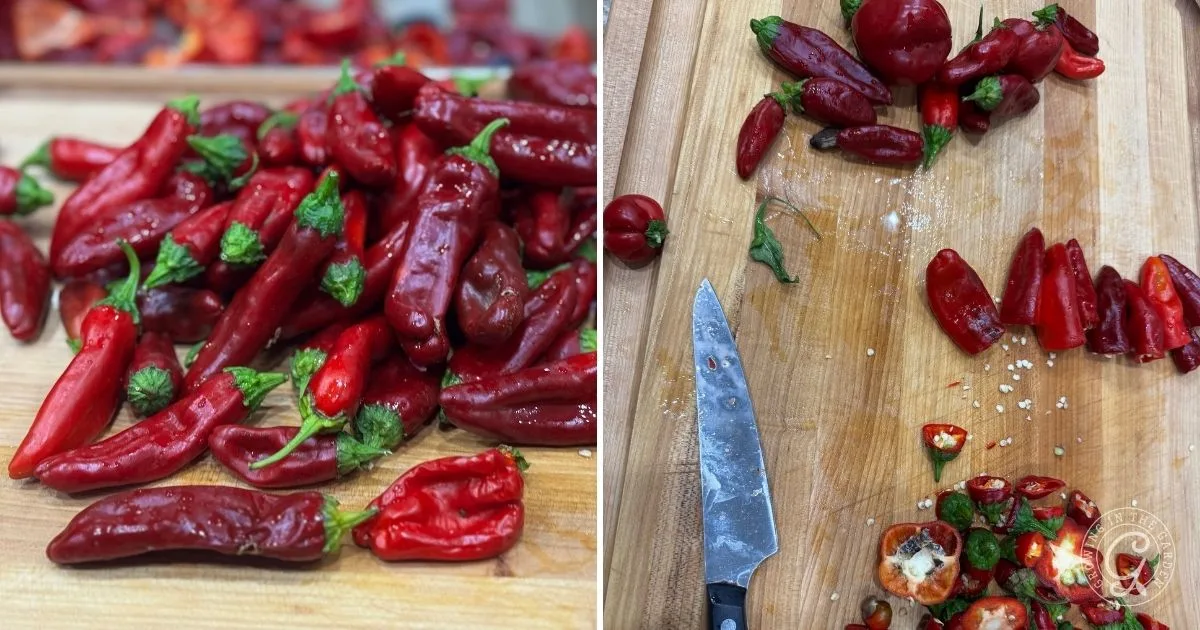
It’s late fall in the low desert, and that usually means one thing: an abundance of peppers. I added several pepper plants to my yard this spring, and now we’re reaping the rewards. When the garden gives you more peppers than you can use fresh, roasting and freezing them is the perfect way to capture that flavor for later.
Best Peppers for Roasting
Thick-walled, sweet, or mildly spicy peppers are perfect for roasting. Carmen, Corno di Toro, and Bell peppers develop rich, caramelized flavor and soft texture, while medium-heat types like Anaheim, Poblano, and Hungarian Wax roast beautifully too. Thin-walled hot peppers can be roasted, but they’ll cook much faster and may not peel as easily—and that’s okay, they still taste great.
Before you begin, always wear gloves when handling hot or medium-spice peppers; oils from the peppers can linger on your skin and cause a burning sensation. Avoid touching your eyes or face while working with them.
Want help choosing the best peppers to grow? See my guide to Types of Peppers and How to Grow Them
Why I like Roasting Peppers
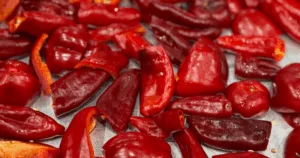
Roasting peppers brings out their natural sweetness and adds a smoky depth that works beautifully in so many dishes. It softens the peppers, intensifies their flavor, and makes the skins easy to remove—something you don’t get with raw peppers.
A little effort now means you’ll have that freshly roasted flavor anytime you need it. With this method, you can roast several peppers at once and freeze them in portions, making meal prep easy for months to come. Roasted peppers are incredibly versatile and can be added straight from the freezer to soups, sauces, pastas, eggs, and more.
How to Store or Freeze Roasted Peppers
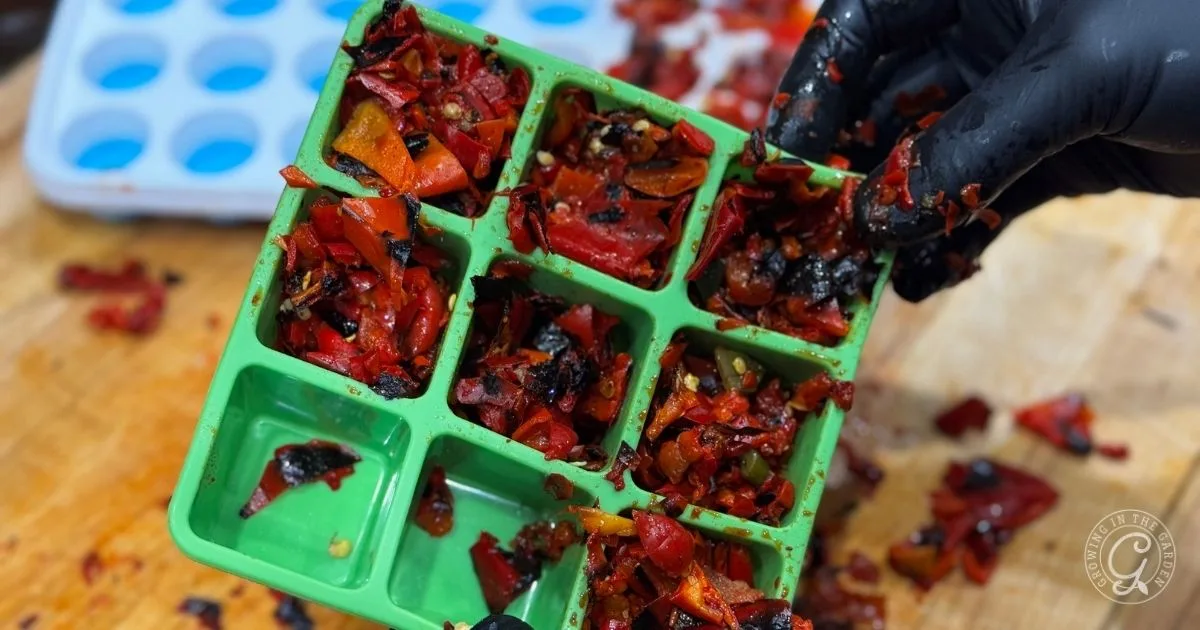
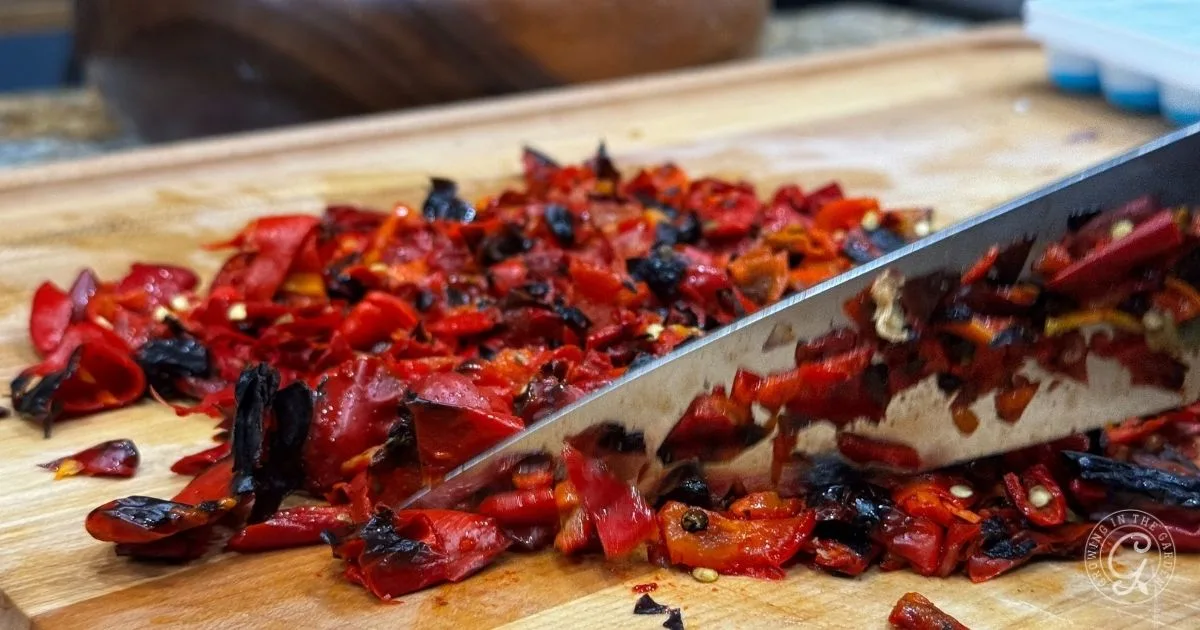
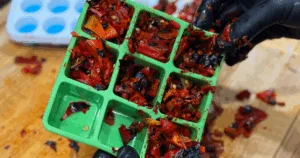
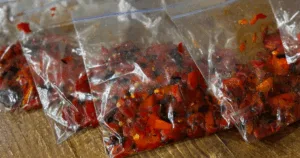
I like to chop up the peppers and then portion roasted peppers into two sizes of silicone molds before freezing. Once frozen, I pop them out and store them in a freezer bag. This makes it easy to grab just what I need—whether it’s a teaspoon or two tablespoons—for soups, dips, or sauces.
If you’d rather refrigerate them, store peeled, sliced, or whole roasted peppers in an airtight container covered with olive oil. They’ll keep in the fridge for up to two weeks. For longer storage, freezing is best.
Favorite Ways to Use Roasted Peppers
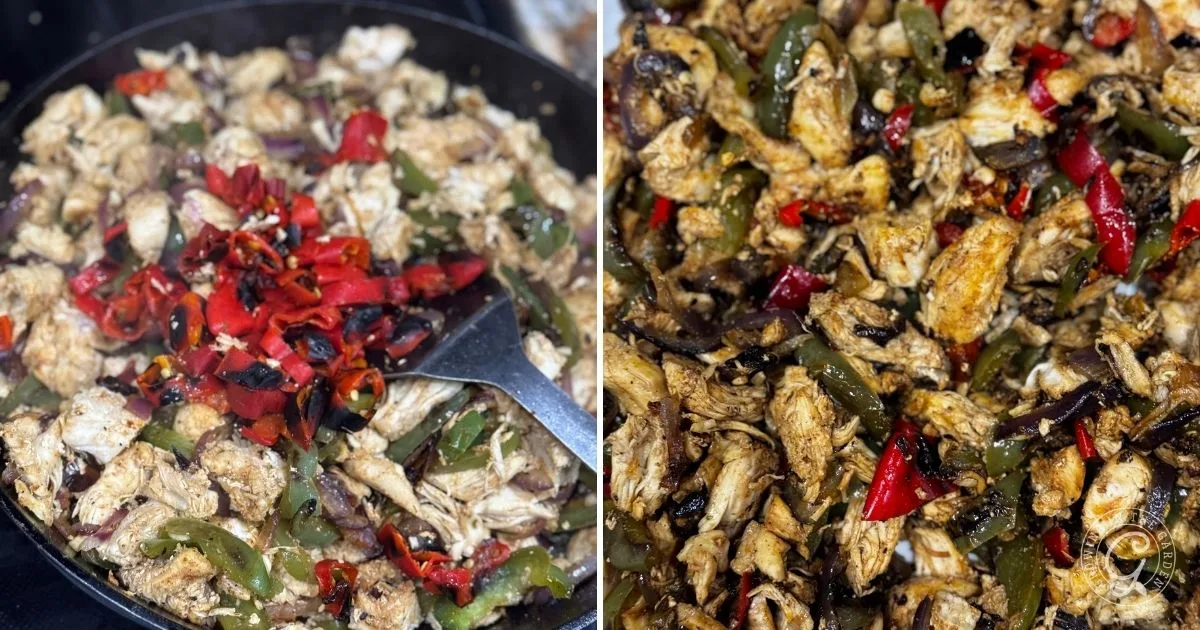
Roasted peppers are one of those ingredients that instantly elevate any dish. Here are a few of my go-to uses:
- Dips and Sauces: Blend them into hummus, romesco sauce, pesto, or creamy pasta sauces.
- Salads, Sandwiches, and Wraps: Add strips to salads, sandwiches, or antipasto platters for soft texture and smoky flavor.
- Egg Dishes: Fold into scrambled eggs, omelets, or frittatas.
- Pizzas and Soups: Use as a pizza topping or blend into a hearty roasted red pepper soup.
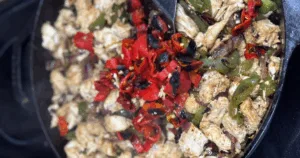
- Fajitas or Tacos: Toss a few roasted strips into your skillet for instant smoky heat.
How to Roast & Freeze Peppers
Ingredients
Equipment
Method
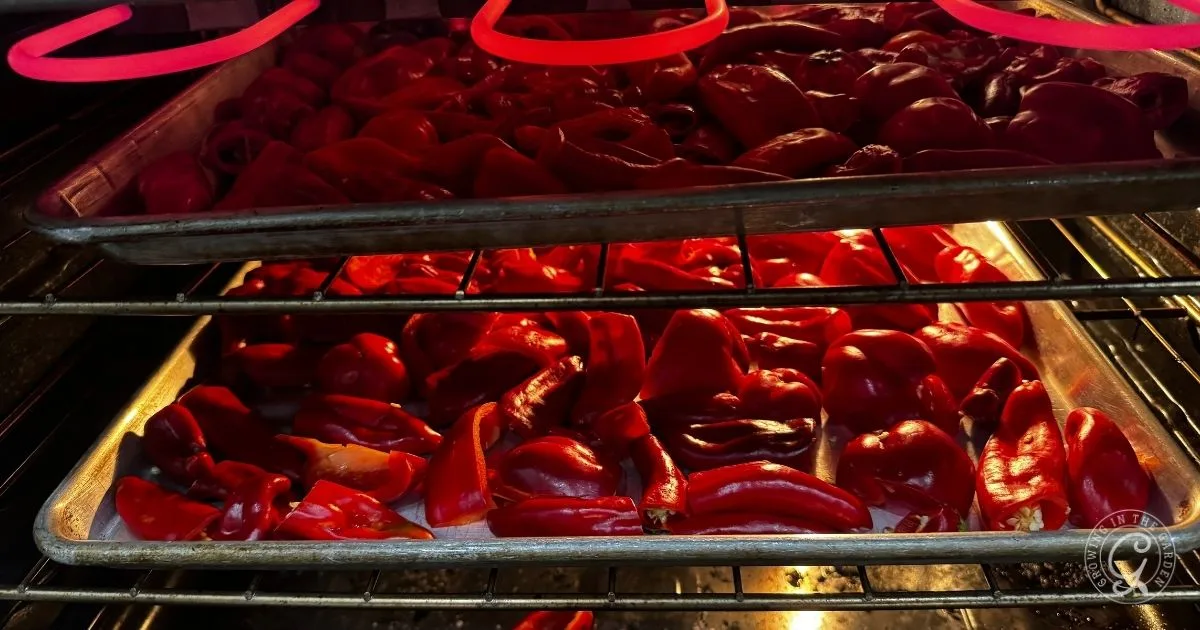
- Preheat your oven to 425–450°F (220–230°C), or use the high broil setting. Line a baking sheet with parchment paper or foil.

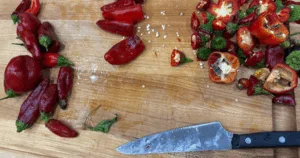
- Wash the peppers, slice them in half lengthwise, and remove the stems, seeds, and membranes.
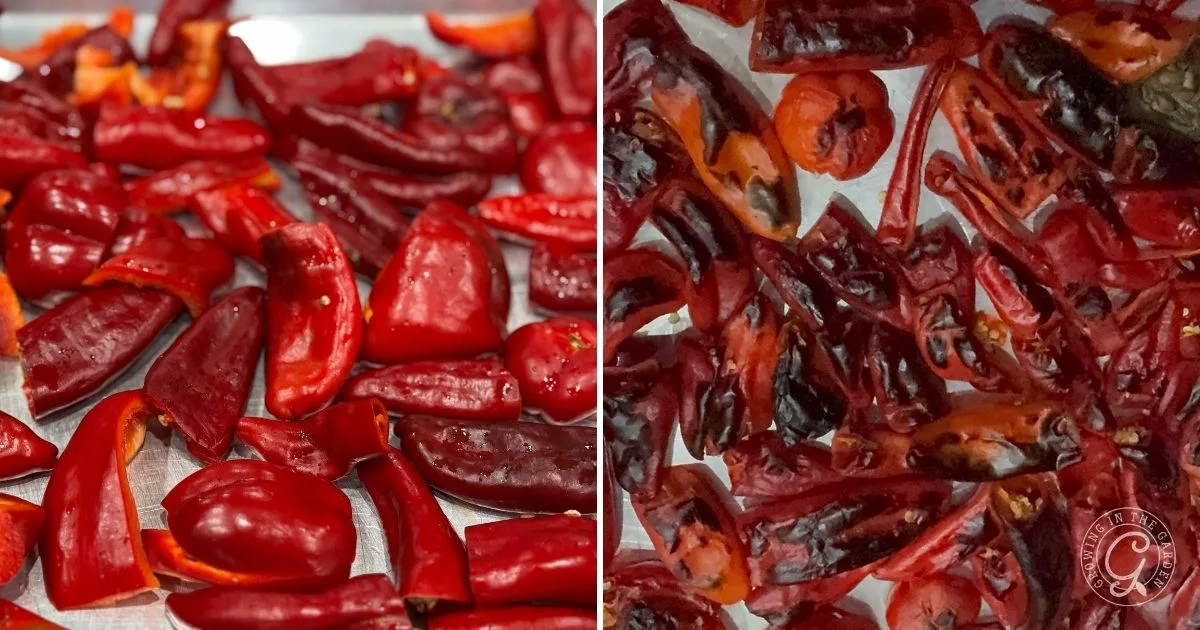
- Place peppers skin-side up on the baking sheet.
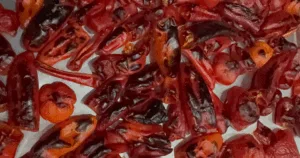
- Roast for 20–30 minutes, until the skins are charred and blistered. Keep a close eye on the peppers; you may need more or less time.
- If all sides aren’t charred, use metal tongs to turn the pepper until the entire skin is blackened and blistered.
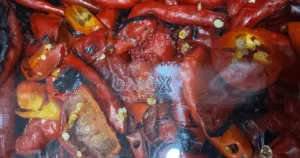
- Transfer the hot peppers to a bowl and cover tightly with plastic wrap, a lid, or a clean towel. You can also place them in a paper bag and fold it closed. Let them steam for 10–15 minutes to loosen the skins.
- When cool enough to handle, peel off the skins with your fingers or a paring knife. Avoid rinsing the peppers under water so you don’t wash away flavor. If your peppers are thin-walled and the skin doesn’t peel easily, that’s fine—leave it on; the taste is still delicious.
- Chop or slice peppers as desired.


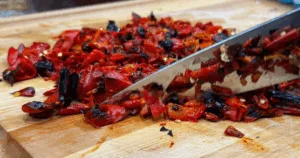
- Chop the roasted peppers and portion them into small silicone molds in two sizes, depending on how you plan to use them.
- Freeze until solid, then pop the frozen portions out of the molds and transfer them to a freezer-safe bag. This makes it easy to grab just the amount you need for soups, dips, or sauces.
- For short-term storage, keep peeled, sliced, or whole roasted peppers in an airtight container covered with olive oil in the refrigerator for up to two weeks. For longer storage, freezing is the best option.
Notes
Sweet/Mildly Spicy Varieties — Carmen, Corno di Toro, and Bell peppers Medium-Heat Varieties — Anaheim, Poblano, Hungarian Wax Thin-walled hot peppers can be roasted, but be careful! They cook much faster and may not peel as easily. They still taste amazing and are great for meal prep.
Tried this recipe?
Let us know how it was!Find More Like This
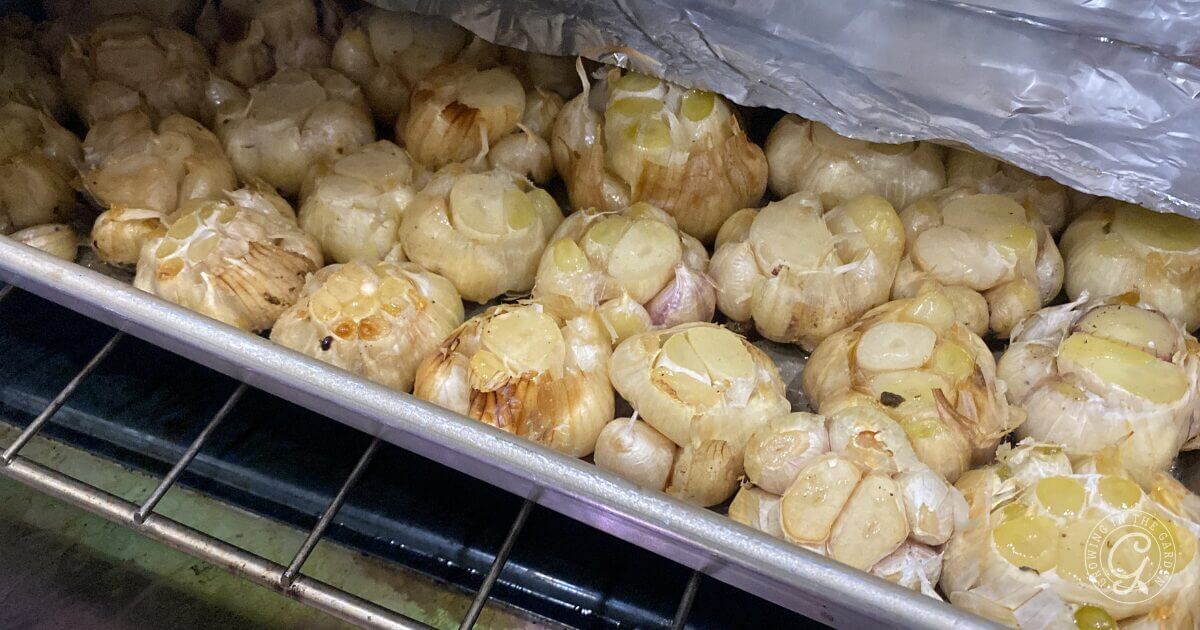
How to Make & Freeze Roasted Garlic – Another easy, flavor-boosting technique that complements roasted peppers in sauces, spreads, and meals.
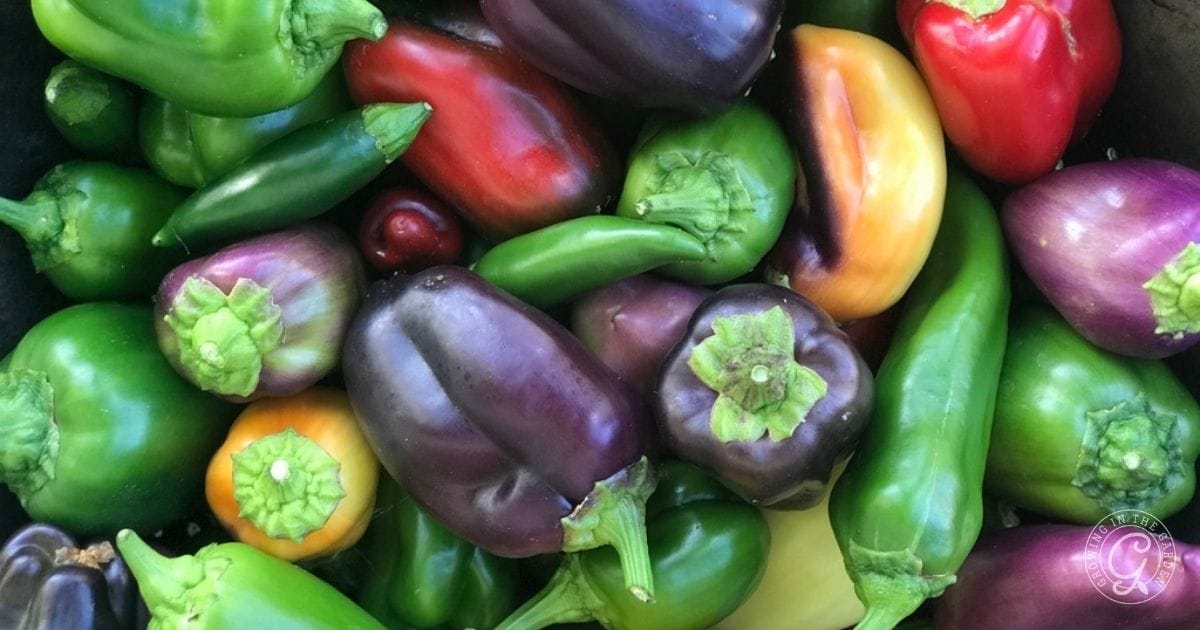
Growing Peppers – Learn how to grow healthy, productive pepper plants so you’ll have plenty to roast and freeze.

Pomegranate Jalapeño Cream Cheese Dip – Bold, sweet-and-spicy appetizer that pairs beautifully with roasted peppers on an appetizer board.
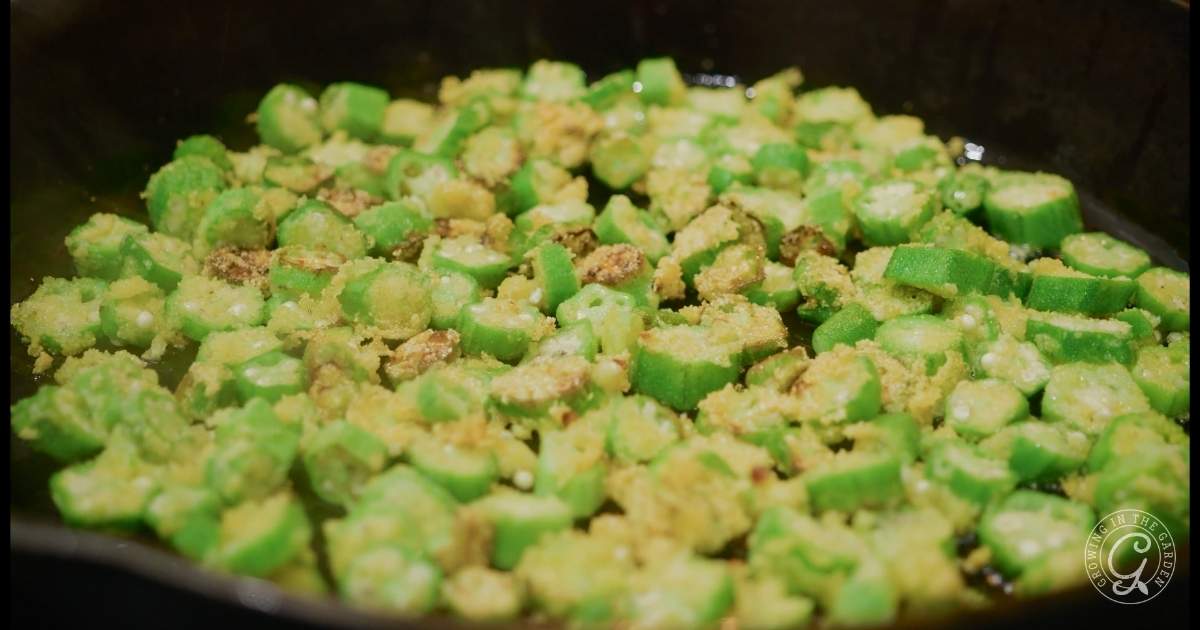
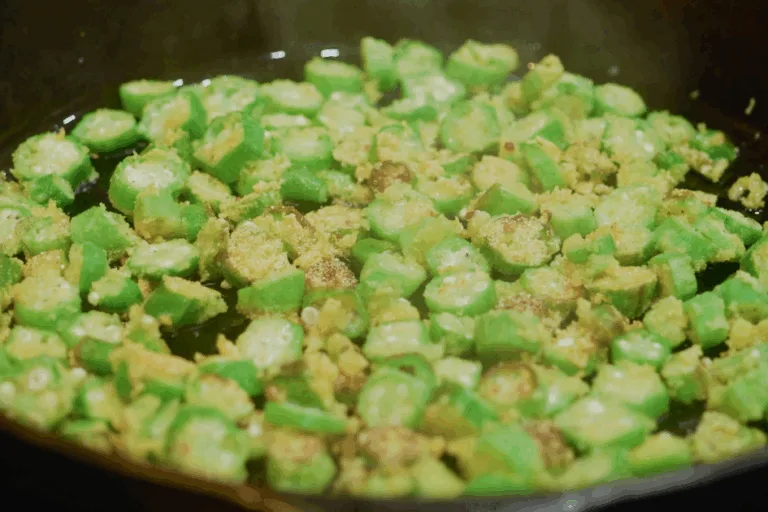
Best Recipes for Okra – Simple, flavorful ways to use fresh okra—perfect if you love making the most of your garden harvest.
How do you like to use roasted peppers? I’d love to hear your favorite combinations in the comments below.
Leave a comment on How to Roast and Freeze Peppers