
10 Cool-Season Crops I Always Grow From Seed
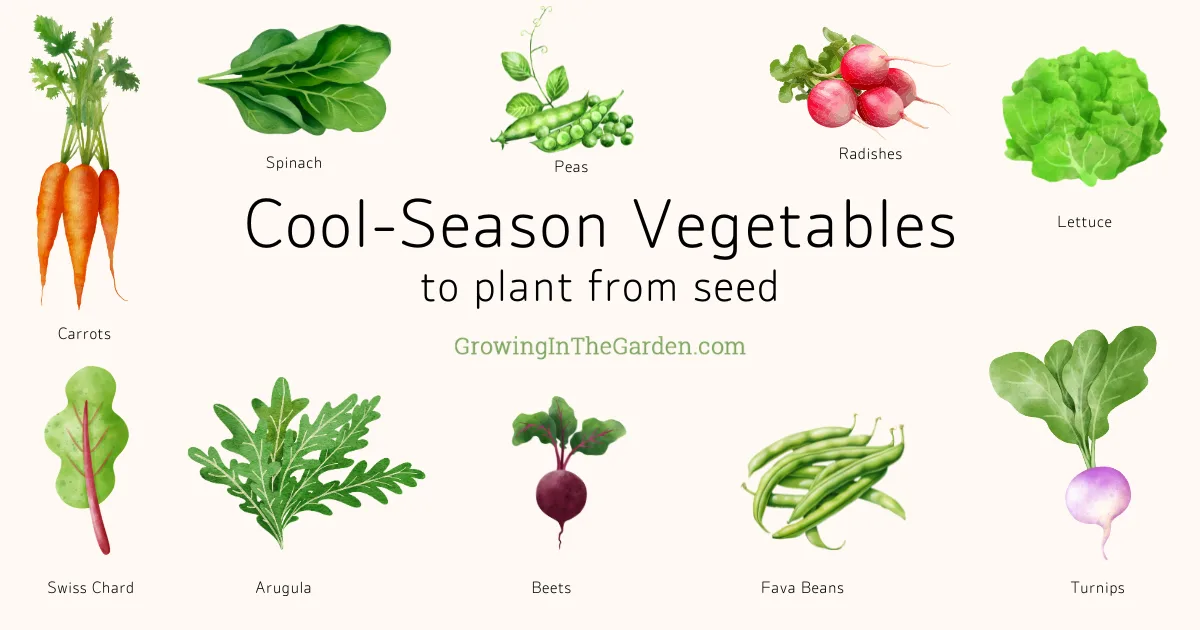
Buying a garden full of transplants gets expensive fast. But many cool-season vegetables grow well when sown directly in the bed, which saves money and offers more varieties than you’ll find at the nursery or big-box store. These are the vegetables I plant from seed each fall in my Mesa garden. In the low desert, that means I generally plant these beginning in October.
I usually grow all of these from seed each season. Most are simple to grow and you get a good harvest from them. A couple, like spinach, can be tricky when the weather doesn’t cool down. I’ll tell you where I’ve had trouble so you know what to watch for.
If you’re new to gardening, or you want a quick reference for terms like bolting and germinate, my Gardening Glossary keeps the terminology clear.
When I’m sowing seeds and the soil is still warm, it can be tricky. Seeds need steady moisture to germinate, and desert soil dries out by midday. A light layer of mulch over the bed helps retain moisture. If it’s still hot, sometimes I lay burlap over the newly seeded rows. The burlap helps remind me where to water and keeps the soil hydrated longer. Once you see the seeds sprout, remove the burlap.
For the timing that works in hot climates, see what to plant in October in the low desert. If you’re getting started while the summer heat lingers, learn more about how to transition your garden from summer to fall.
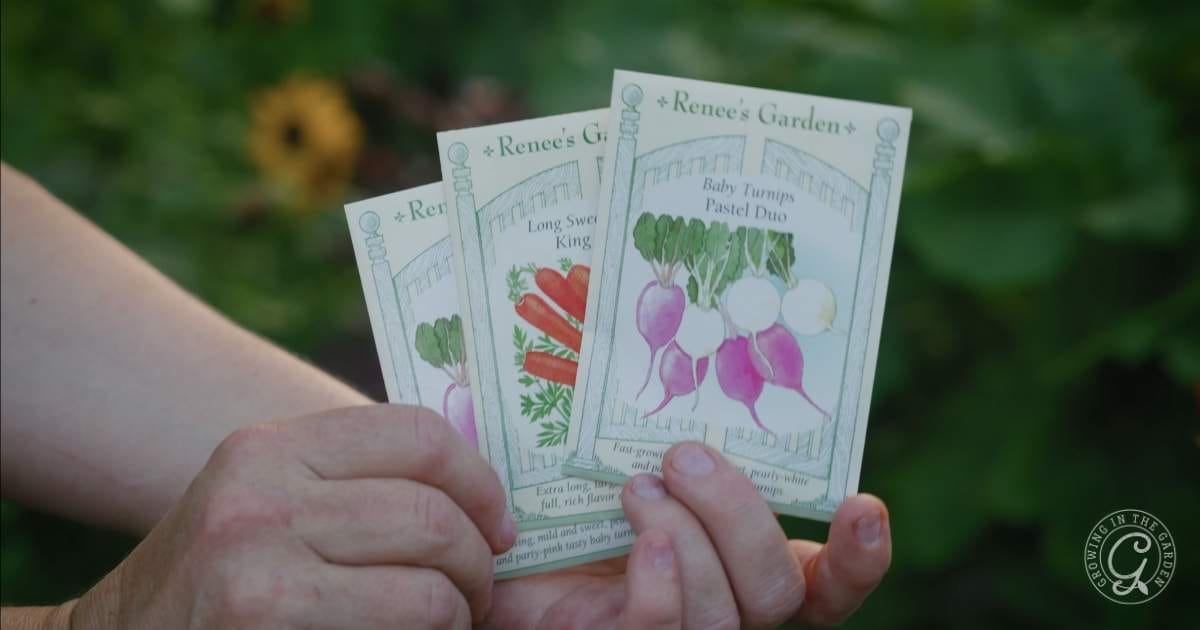
Cool Season Vegetables to Plant from Seed:
1. Carrots
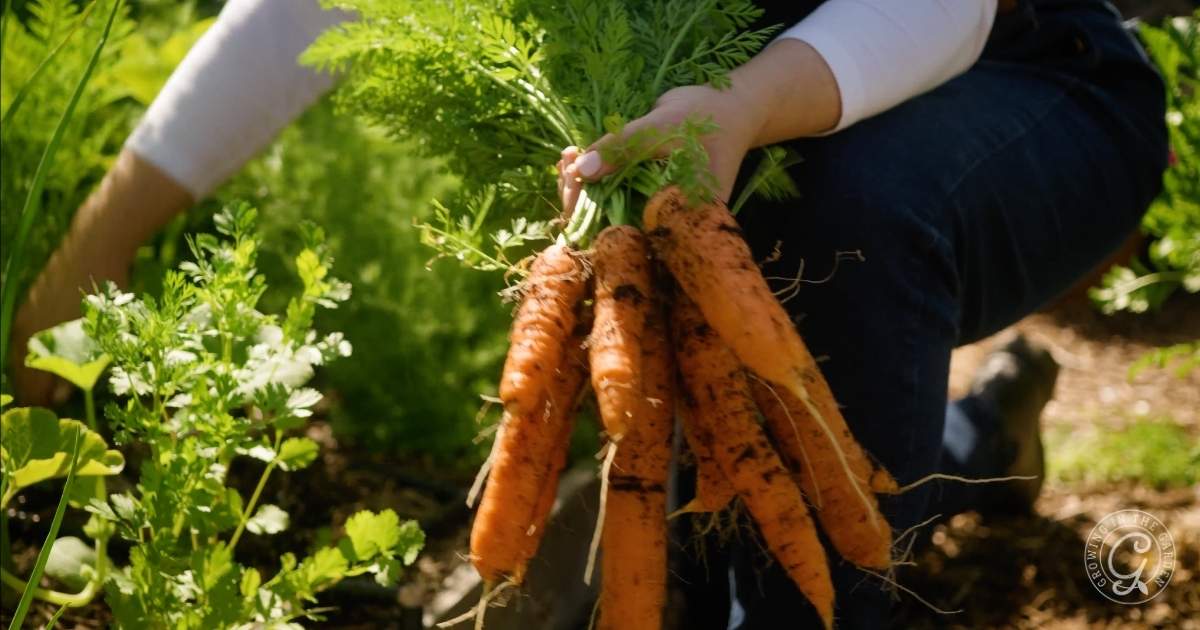
Carrots need loose, well-drained soil and steady moisture until they come up, which is the tricky part. Sow the seeds thinly, then thin the seedlings early so the roots have room to size up. Carrots bolting can also be an issue here. When fall temperatures swing warm again, carrots can bolt before they’ve made a decent root. A bolt-resistant variety like Yaya holds up to those swings better than most. If it’s still hot when I sow, I cover the row with burlap to keep the soil moist until the seeds germinate. Learn how to grow carrots in this article.
Favorite Varieties:
2. Turnips
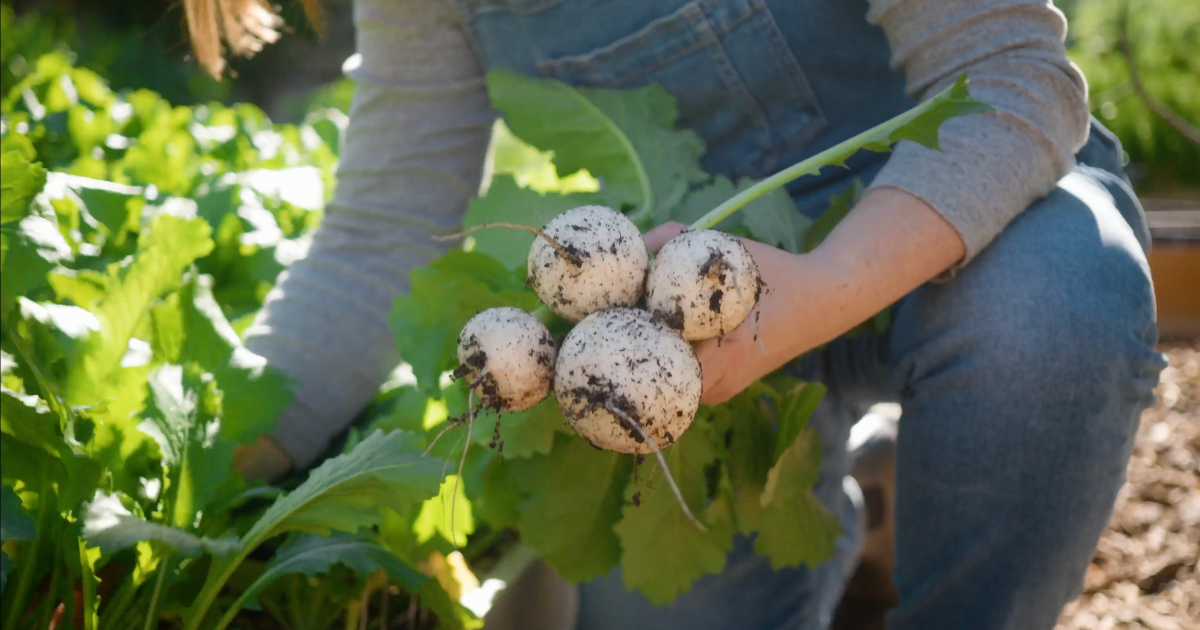
Turnips grow fast and love cool weather, which makes them an easy direct-sow crop. Sow the seeds right in the bed and thin the seedlings to about four inches apart. They aren’t picky about soil. Pull them small and tender, or let them size up for storage. Learn how to grow turnips in this article.
Favorite Varieties:
3. Swiss Chard
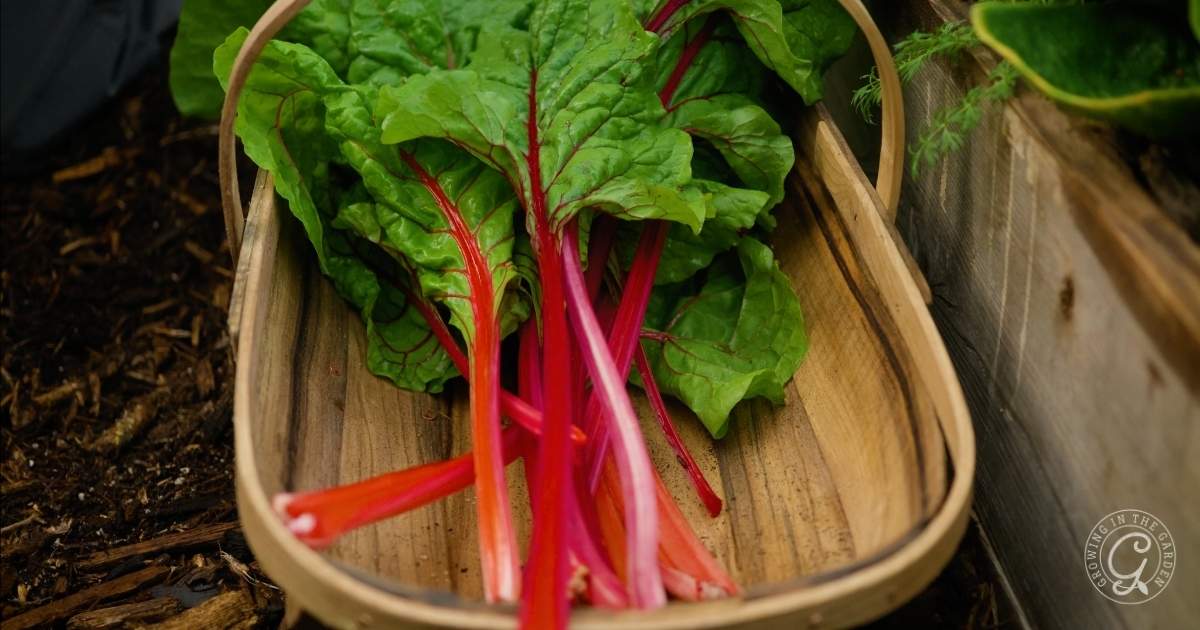
Swiss chard is one of the most forgiving greens I grow. It takes a light frost (if we get one), keeps producing through spring, and often carries right into early summer. Sow the seeds about half an inch deep and thin to six or eight inches apart. One planting feeds you for months. Learn how to grow Swiss chard in this article.
Favorite Varieties:
4. Spinach
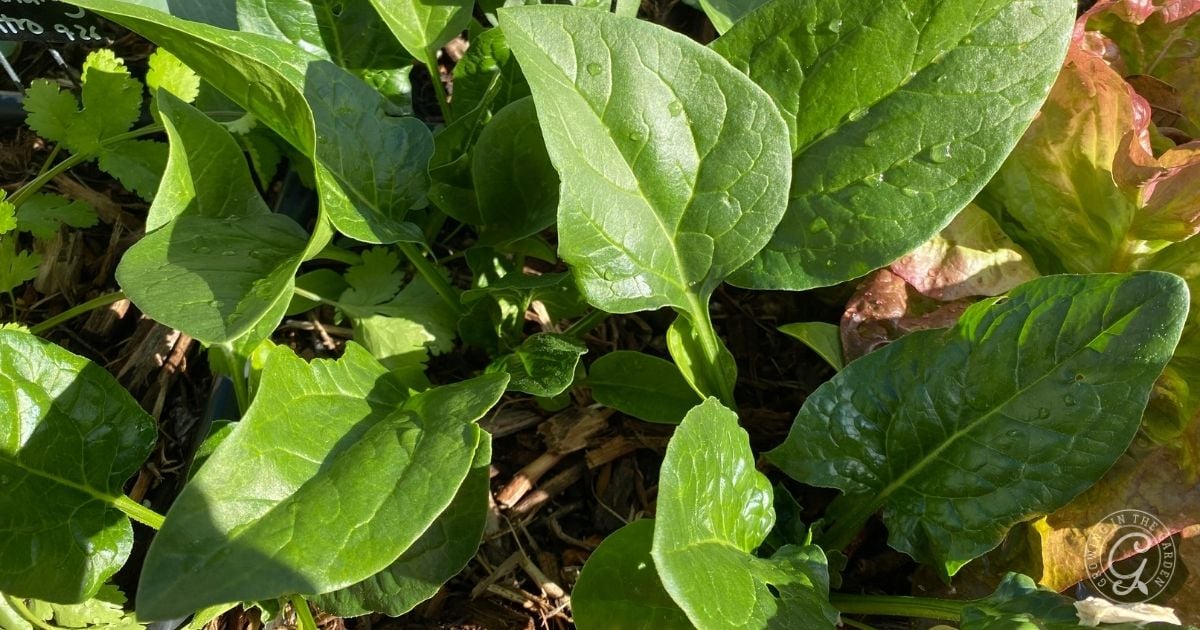
Spinach can be tricky. It wants cool weather and even moisture, and it bolts if temperatures fluctuate, which they tend to do here in early fall. I wait to plant until the nights have cooled and don’t let the soil dry out. Learn how to grow spinach in this article.
Favorite Varieties:
5. Lettuce

Lettuce grows quickly from seed and gives you a lot of picking for very little effort. Scatter the seeds thinly and barely cover them. Thin leaf lettuce to about four inches apart, head lettuce a bit more. Keep it watered, and the leaves stay tender and sweet. Learn how to grow lettuce in this article.
Favorite Varieties:
Want even more ideas for what to plant this season? Here’s another list of easy fall vegetables that thrive in mild winter climates—plus a few that aren’t worth the space.
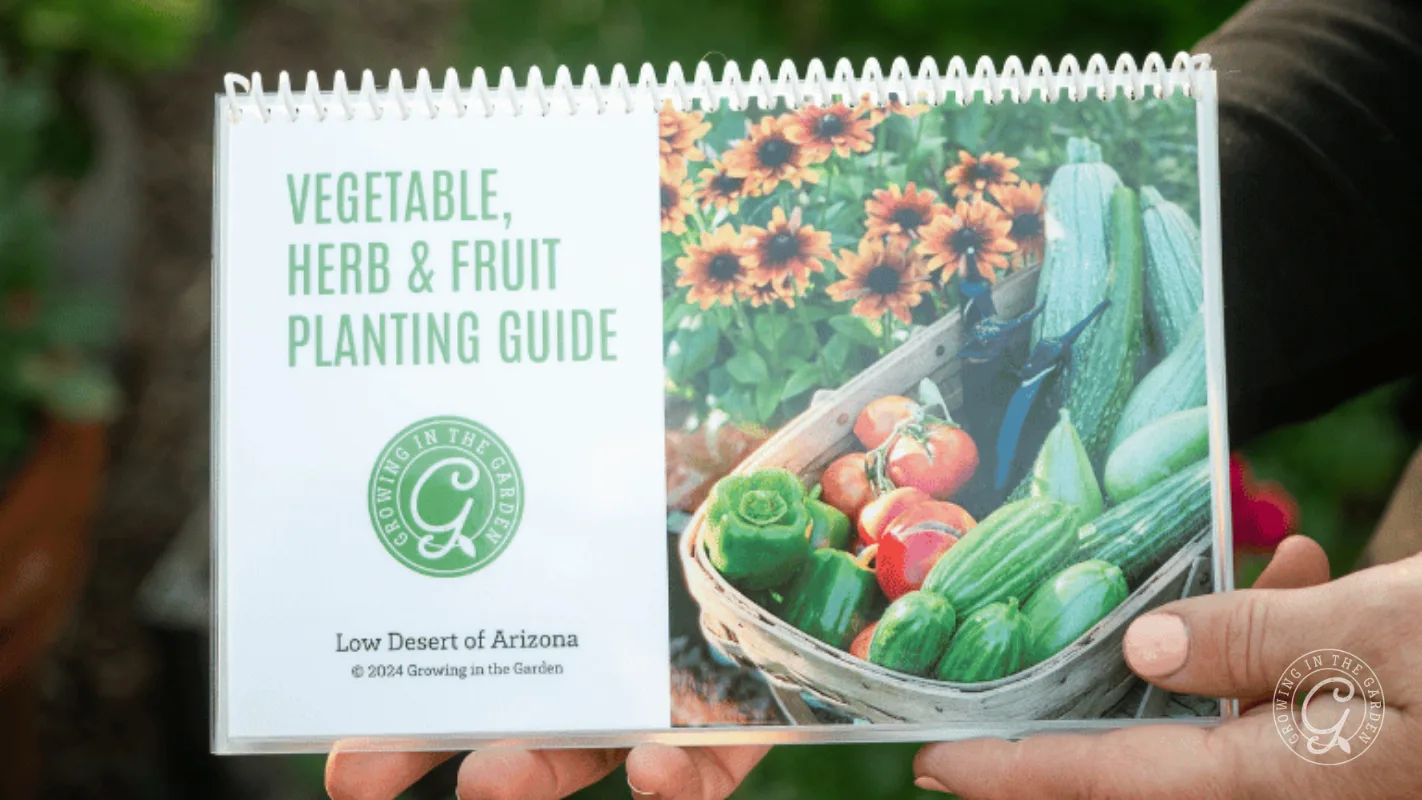
For low desert planting dates and spacing information for these vegetables, see my Vegetable, Herb & Fruit Planting Guide.
6. Radishes

Radishes are the fastest thing in the fall garden, often ready in a few weeks. Sow directly and thin to about two inches apart. Steady moisture keeps them mild and crisp instead of hot and pithy. Gardening with kids? Start here. The seeds are big enough for small hands, and they come up fast. Get more tips for gardening with kids in this article. Learn how to grow radishes in this article.
Favorite Varieties:
7. Peas
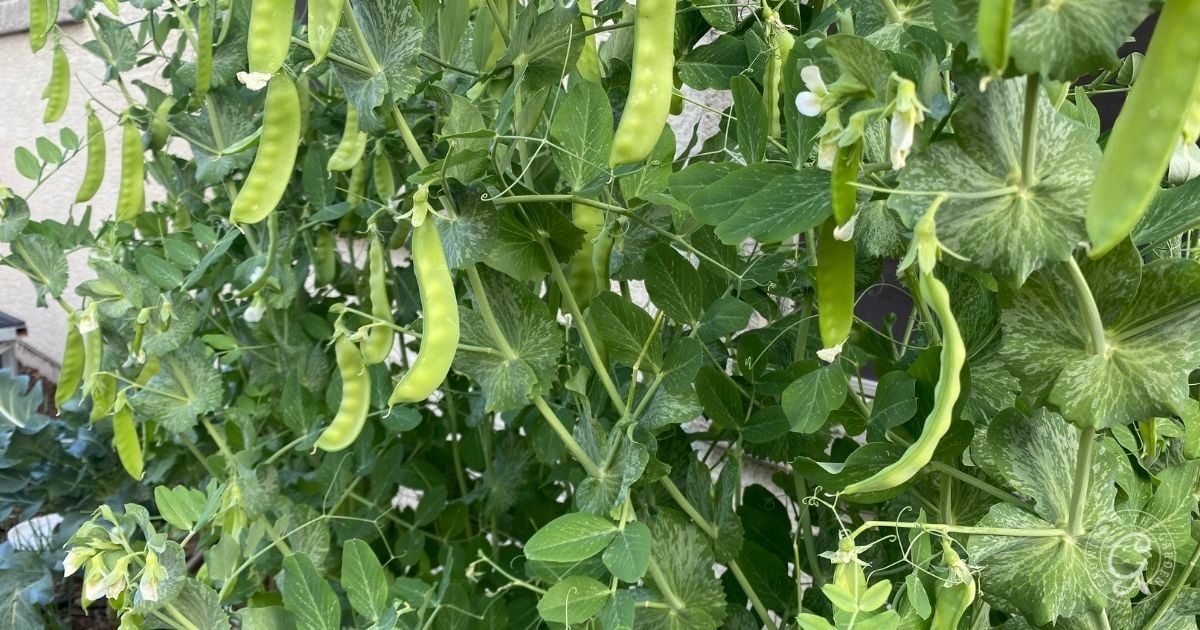
Peas love cool weather and shrug off a light frost. Sow the seeds about an inch deep and give them a trellis to climb from the start. Keep the water steady once they flower and set pods, since that’s when they need it most. Learn how to grow peas in this article.
Favorite Varieties:
8. Beets
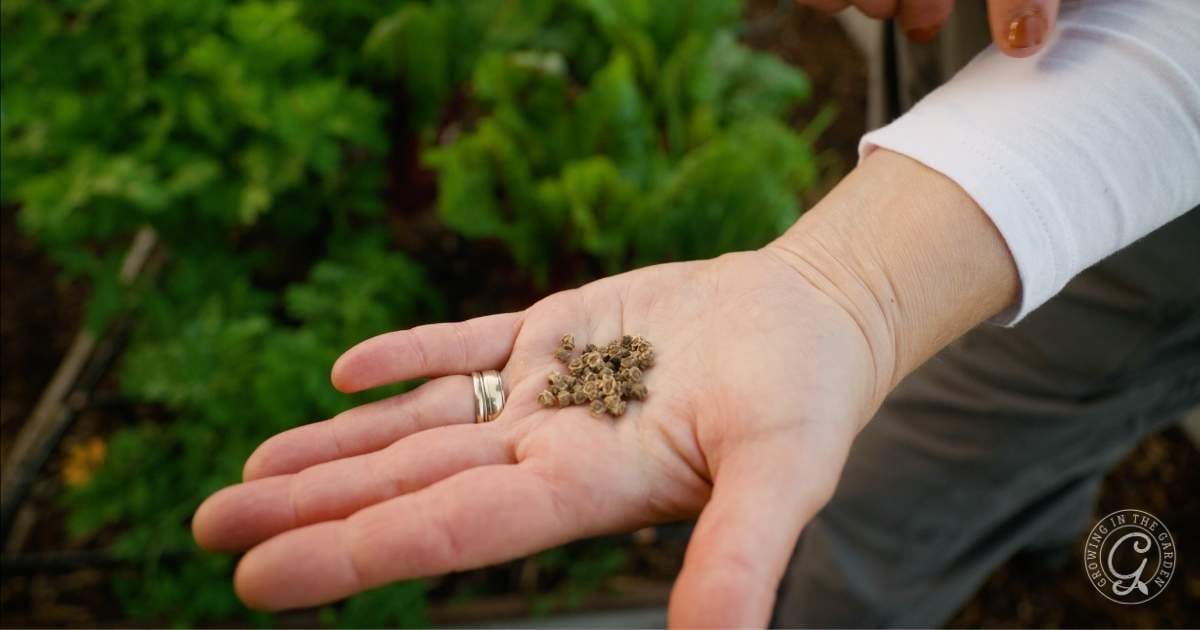
Beets give you two crops in one: greens and roots. Sow the seeds directly and thin the seedlings to three or four inches apart. They do best in loose soil with plenty of compost worked in. Learn how to grow beets in this article.
Favorite Varieties:
9. Arugula
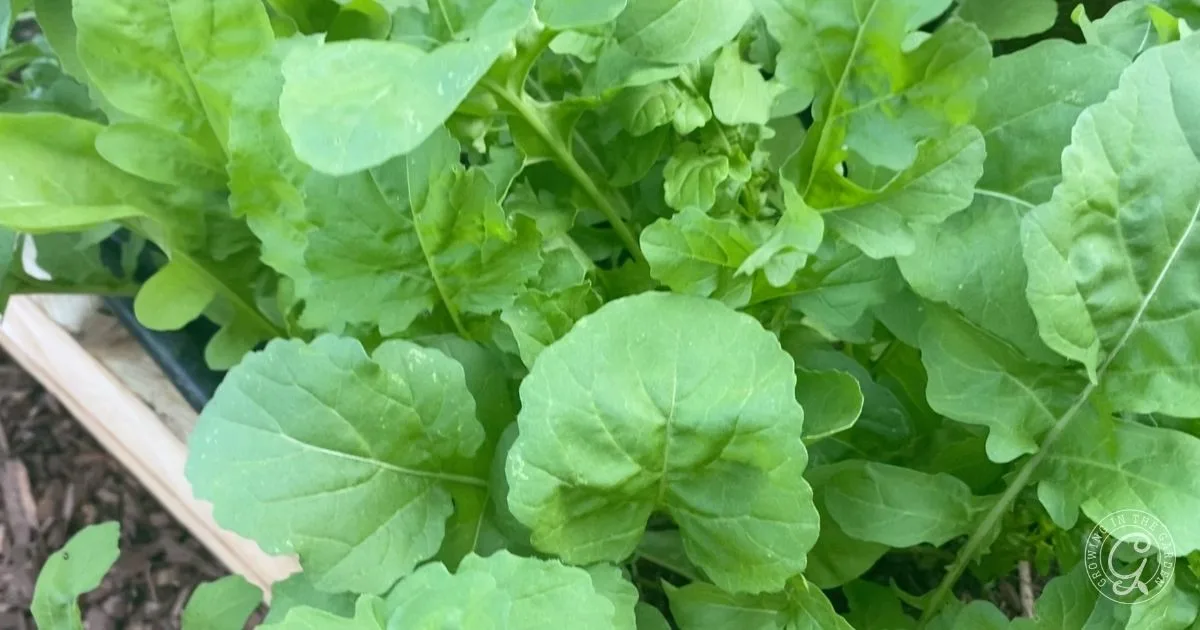
Arugula is fast, peppery, and hard to mess up. Sow directly and thin to a few inches apart. Pick it young for mild baby greens, or let it mature for a sharper bite. Leave a few plants to flower, and they reseed themselves for the next round. Learn how to grow arugula in this article.
Favorite Varieties:
10. Fava Beans
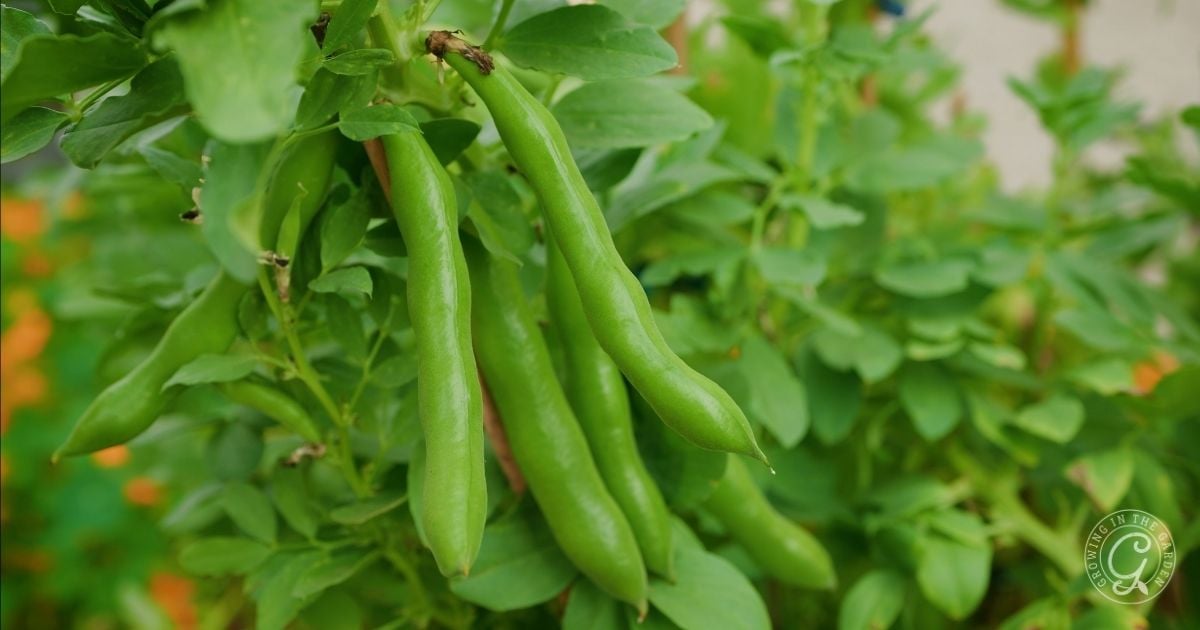
Fava beans earn their spot for more than the harvest. The beans are good to eat, the plants fix nitrogen and feed the soil, and the flowers attract pollinators into the garden through the cool months. Sow the seeds directly in fall and let them grow through winter. Even if you never eat a single bean, they leave the bed better than they found it. Learn how to grow fava beans in this article.
Favorite Variety:
Need help selecting what to grow? Explore the Ultimate Plant Index for inspiration and growing tips, all in one place.
FAQ about cool-season vegetables to plant from seed
There are quite a few. Carrots, turnips, Swiss chard, spinach, lettuce, radishes, peas, beets, arugula, and fava beans all grow well when sown directly in the bed. Sowing from seed costs a fraction of the cost of buying transplants and gives you many more varieties to choose from.
October is my month for sowing all of these. That’s when the soil has started to cool and the plants have a long, mild stretch ahead of them. Then, I continue planting many of these for a few months as spots open up in the garden. In other mild-winter climates, sow about six to eight weeks before your first expected frost.
Carrots bolt when the weather swings warm again after they’ve sprouted, which happens often in early fall here. Planting a bolt-resistant variety like Yaya helps, and so does sowing at the right time rather than too early when it’s still hot.
From seed, by a wide margin. A packet of seeds costs about the same as one or two transplants and plants a whole row. Cool-season crops germinate reliably from direct sowing, so there’s little reason to pay for starts.
Yes, if you keep the soil moist. Seeds need steady moisture to germinate, and warm soil dries fast. A light layer of mulch helps, and I lay burlap over newly seeded rows to hold moisture, then pull it off as soon as the seeds sprout.


Leave a comment on 10 Cool-Season Crops I Always Grow From Seed