
Mulching Your Garden: Benefits, Best Materials, and How to Use Them
Mulch is one of the most helpful things you can add to a desert garden. It protects the soil, saves water, and keeps plants happier in our heat. In this guide, I’ll show you why mulching matters, which materials work best, how much to use, and how to time mulch so your garden thrives in every season.
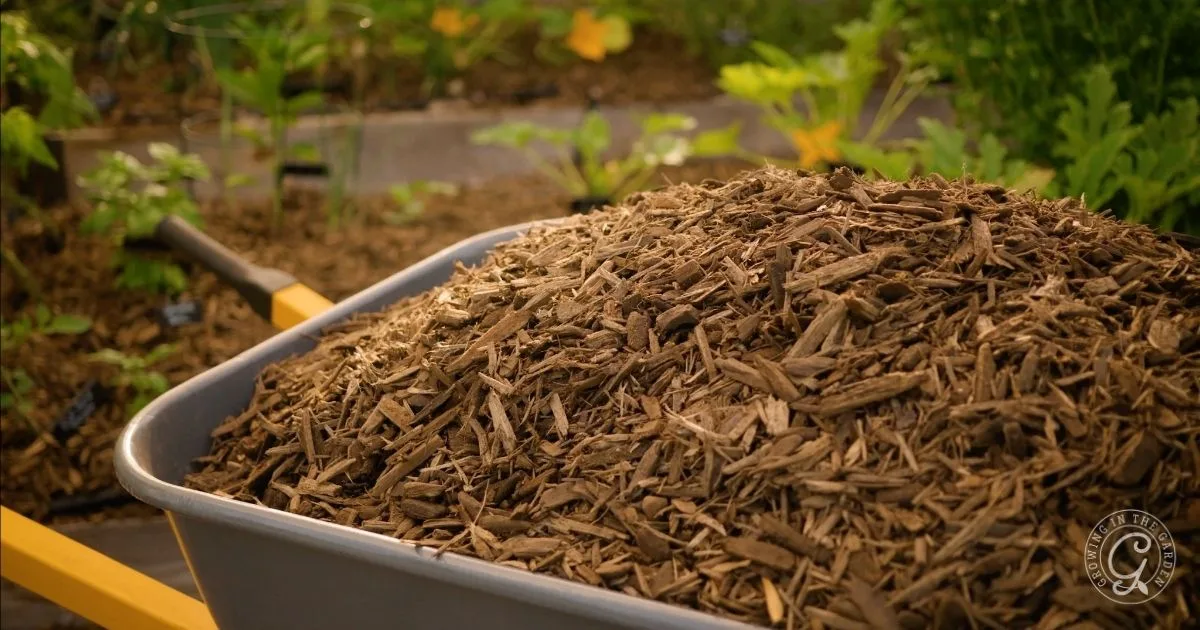
Key Takeaways: Mulching Your Garden
- Mulching your garden is essential for cooler soil, water retention, and weed suppression.
- Use 3-4 inches in summer and 1-2 inches in winter for flower and vegetable beds.
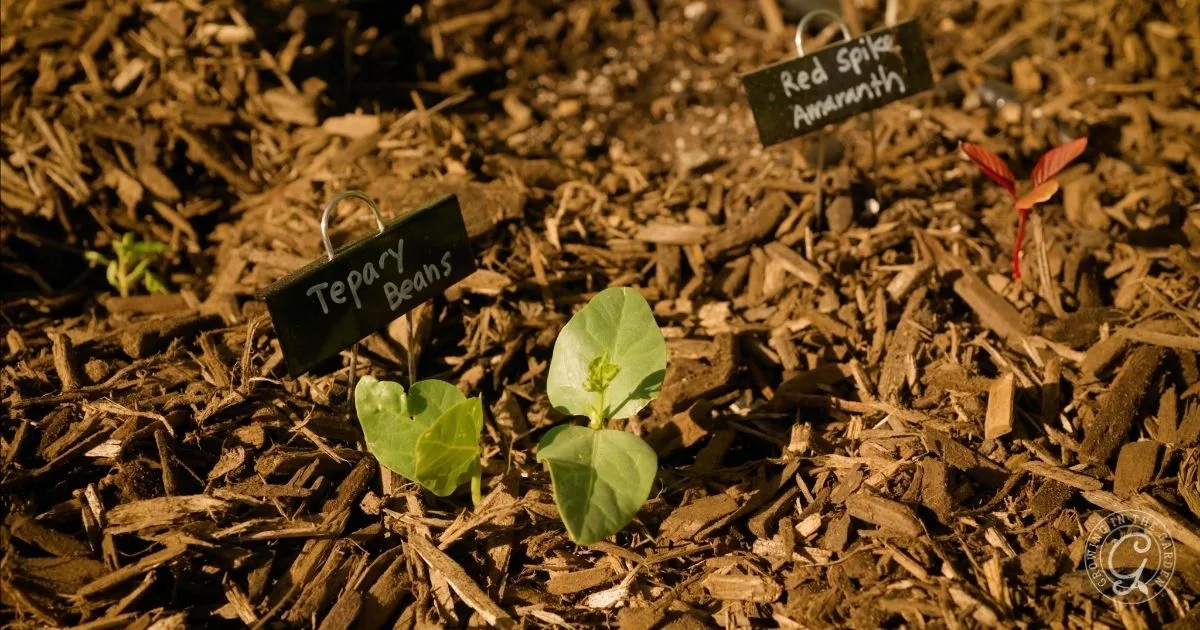
- Apply mulch after seedlings are a few inches tall, keeping it away from plant bases.
- Choose organic materials like compost, leaves, or straw for effective mulching.
- Refresh your mulch once or twice a year to maintain its benefits.
What We Will Cover:
I walk through my process in this video.
Benefits of Mulch
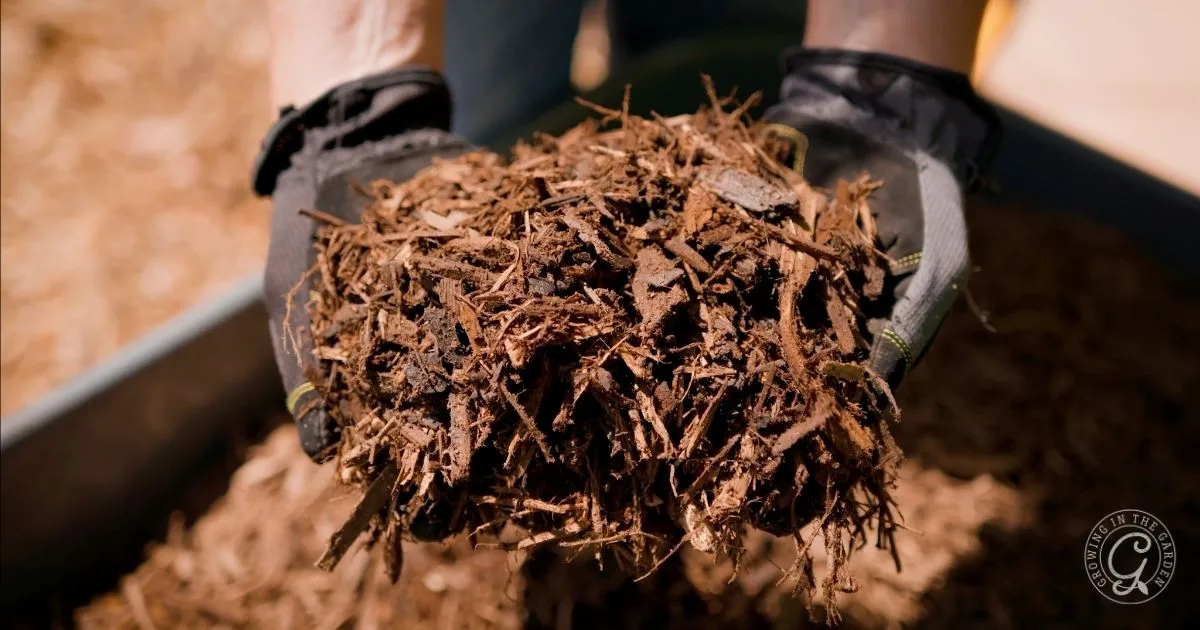
1) Cooler soil and steadier temperatures
Hot soil is hard on roots. A layer of mulch shades the surface and reduces temperature spikes. Summer plants handle heat better when the root zone stays cooler and more stable.
2) Less evaporation and deeper watering
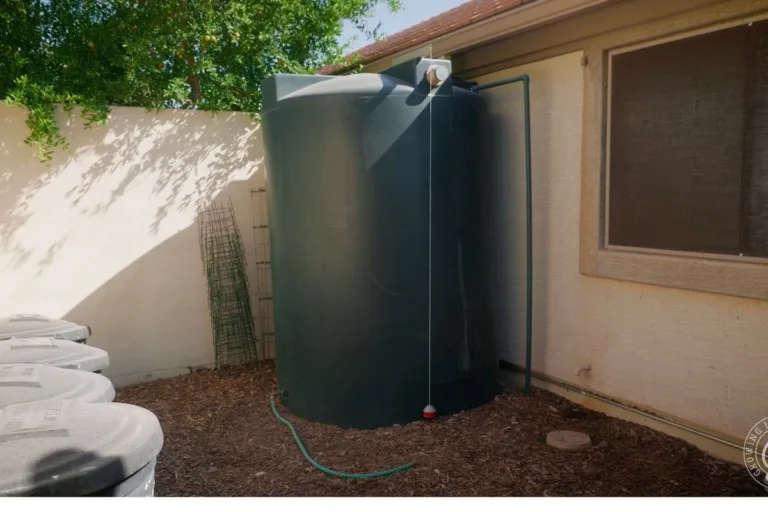
Mulch slows water loss from the soil surface. You can water less often and keep moisture where roots can use it. That saves water, time, and money. It works even better when you’re catching the rain in the first place. Here’s how I harvest rainwater to keep more of it in the ground.
Mulch helps soil stay moist, but if your soil is already repelling water instead of absorbing it, start with my guide on how to fix hydrophobic soil in the desert garden so the water can actually soak in.
3) Fewer weeds
Mulch blocks light at the surface. This helps prevent new weed seeds from sprouting and makes it easier to pull the few that slip through.
4) More organic matter over time
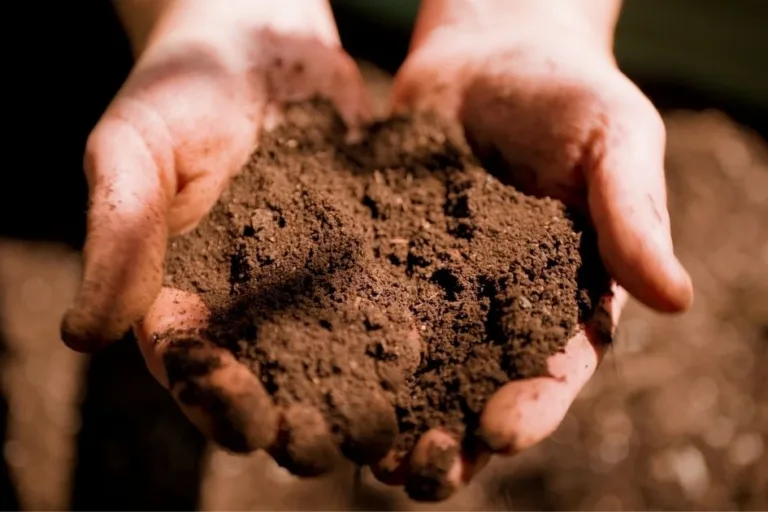
Natural mulches break down and feed the soil. That means better tilth, more beneficial organisms, and healthier plants.
If plants still struggle after mulching, use my Garden Troubleshooting Guide to check watering, nutrients, and pests.
How Much Mulch and When to Apply It
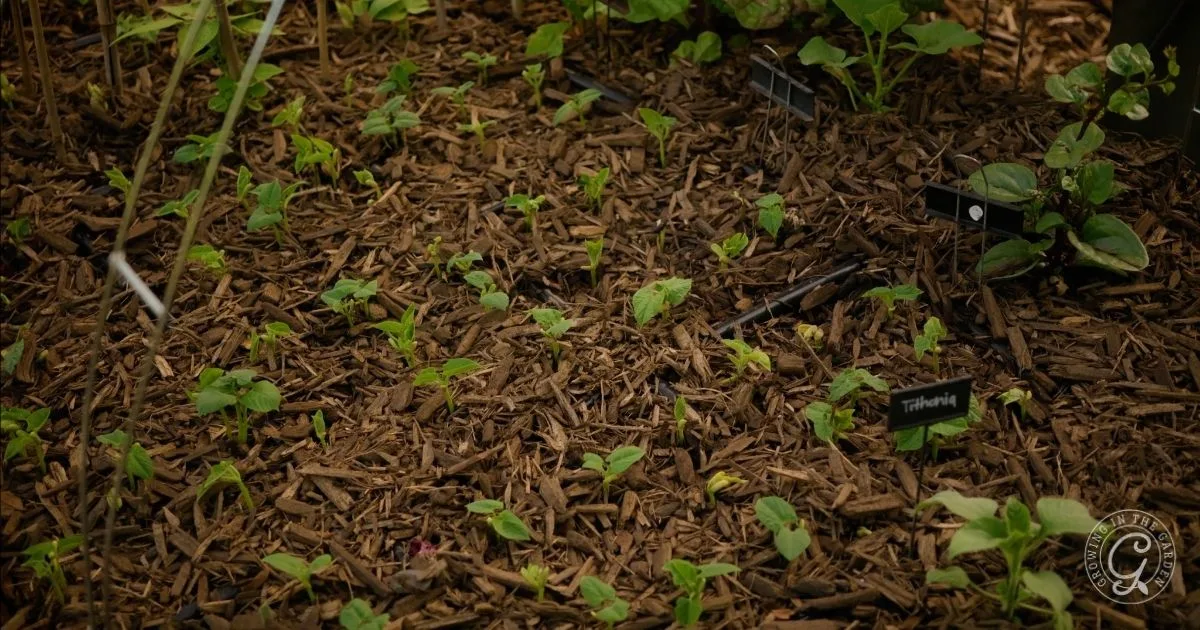
Hot soil is one of the first problems I hit each summer, so I’m using more mulch now that the heat comes earlier than it used to.
The right depth depends on the season and the material.
- Vegetable and flower beds
- Summer: 3–4 inches (7.5–10 cm) of medium to coarse mulch to buffer heat.
- Winter: 1–2 inches (2.5–5 cm) so the soil can warm up on sunny days.
- Keep mulch an inch away from stems and crowns.
- Paths
- 3–4 inches (7.5–10 cm) of coarse material that lasts longer.
- Trees and shrubs
- 2–4 inches (5–10 cm) in a wide ring. Keep mulch off the trunk and visible root flare.
A wide mulch ring helps keep fruit tree roots cooler and reduces water loss, which is especially helpful for apricots in the low desert.
Timing in the low desert (Phoenix area):
Top up mulch twice a year. I refresh after fall planting and again in late spring before It gets hot.
Where to Place Mulch and How to Apply It
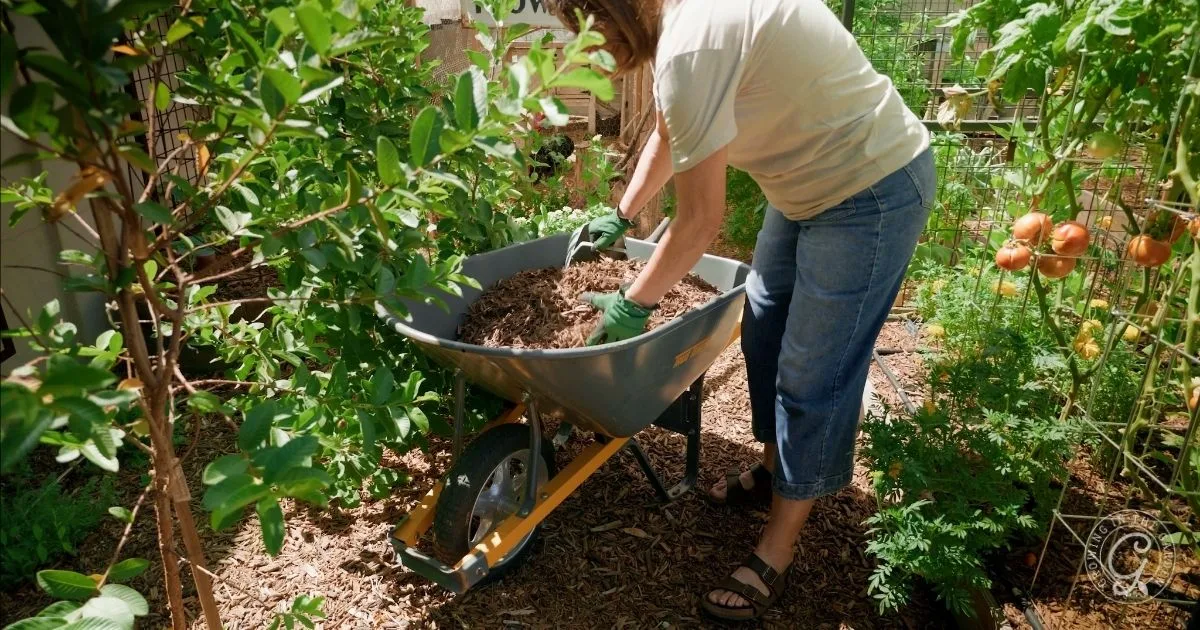
- Wait until seedlings are a few inches tall before mulching.
- Keep mulch pulled back from the base of plants. Leave a small gap around stems and crowns.
- If you use Garden Grids like I do, place the mulch on top of the grids. If grids end up resting on mulch later, adjust run times and check moisture with your hand.
- When refreshing beds, rake and fluff matted mulch first so water can move through.
- Before adding compost, pull back chunky wood chips. Spread compost, then replace the chips. If your mulch has mostly broken down into small pieces, top-dress compost right over it and then refresh the mulch.
Mulch helps protect roots from heat and reduces evaporation, but plant choice still matters, so read why queen palms are a poor fit for the low desert if you are considering one.
Which Mulch to Use: Beds, Paths, and Trees
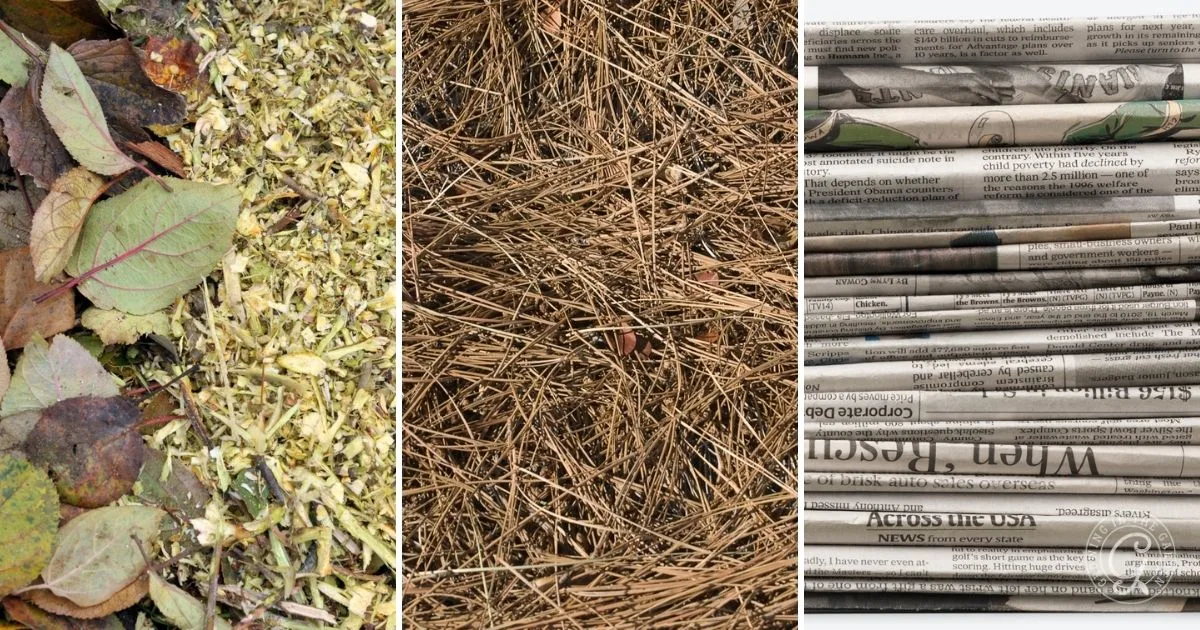
Compare materials at a glance and choose what fits your beds, paths, and trees.
Compost
- Best for: Beds and around transplants.
- Pros: Nutrient-rich, fine texture, easy to plant through.
- Notes: Excellent as a top layer or under a coarser mulch.
- Source: Make your own (learn how to compost in this guide), or try local bulk options like Arizona Worm Farm.
Leaves, leaf mold, or shredded leaves
- Best for: Beds and under shrubs.
- Pros: Free, breaks down nicely, plants love it.
- Notes: Shred if possible to reduce matting and improve water movement.
Straw (not hay)
- Best for: Veggie beds, potatoes, garlic, onions.
- Pros: Light, airy, good insulation.
- Notes: Use pesticide-free straw. Avoid hay due to seeds.
Pine needles
- Best for: Beds, berries, paths.
- Pros: Light, airy, does not compact.
- Notes: As a surface mulch, pine needles do not significantly acidify soil. Do not rely on them to change pH.
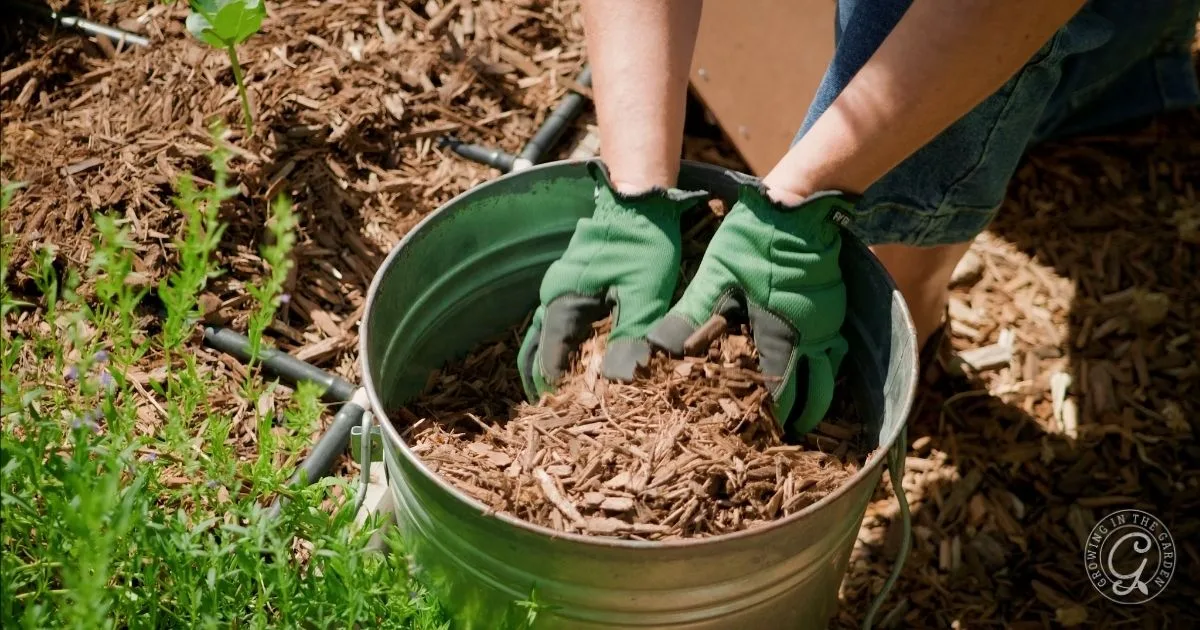
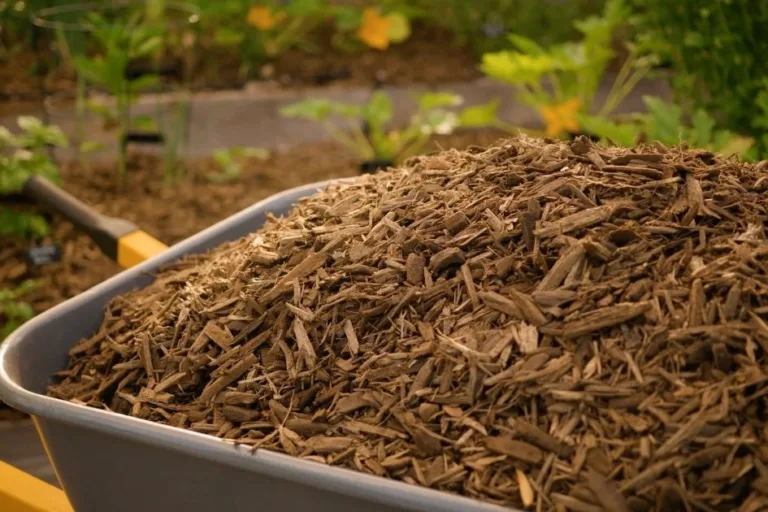
Bark and wood chips
- Best for: Paths, around perennials and trees, and as a top layer in beds.
- Pros: Long-lasting, good weed suppression in paths.
- Notes: On beds, put a thin layer of compost under fresh chips, or plan a light nitrogen boost for heavy feeders. Do not till chips into soil.
Chopped cover crops or grass clippings
- Best for: Beds during active growth or after a cover crop.
- Pros: Full of nutrients, feeds soil life.
- Notes: Apply in thin layers. Do not use Bermuda clippings or clippings from lawns treated with herbicides.
Cardboard or newspaper
- Best for: Paths and sheet-mulch projects.
- Pros: Good light block for weeds.
- Notes: Overlap seams, wet it well, and cover with compost or chips. Avoid glossy inks. I use this cardboard shredder to get the cardboard to a manageable size.
Rock or gravel
- Best for: Desert natives and xeriscape.
- Notes: Rock raises soil temperature and water demand. I avoid rock around vegetables, herbs, and tender ornamentals in our heat.
Sourcing ideas:
- Local compost and wood chips: Arizona Worm Farm
- Arborist chips: ask a local arborist or try ChipDrop
- Straw: farm and feed stores
- Leaves: your own yard and friendly neighbors
Safety Notes for Desert Homes
Persistent herbicides in compost or manure
Some hay and lawn products contain herbicides that pass through animals and compost. Always ask suppliers about testing. If you bring in a new compost source, do a simple bean or pea bioassay before using it across the garden.
Before using a new compost or manure source, run a simple pea or bean bioassay: sow peas in cups of clean potting mix versus mixes containing 25% and 50% of the material. Grow 2–3 weeks. If seedlings in the test mixes show curled or stunted growth while the control looks normal, the batch may contain persistent herbicides. Do not use it in garden beds
Wildfire and termites near structures
Keep a clean buffer near the house. Pull mulch back from foundations and wood siding. Do not pile organic mulch against walls or trunks. Use rock or bare soil directly along the foundation if needed, and keep irrigation aimed away from the house.
Mulch FAQs for Desert Gardeners
No. Pine needles are acidic on the tree, but as a surface mulch they do not appreciably lower soil pH. Their acidity neutralizes as they break down. If you need to lower pH, use elemental sulfur and test soil first.
On top. If the grids shift or end up on mulch later, adjust run times so water reaches the root zone. Check moisture with your hand and water deeply when needed.
Surface wood chips do not rob nitrogen from established plants at root depth. A short-term drawdown happens right at the soil-mulch line. For hungry crops or tiny seedlings, add a thin layer of compost under fresh chips or give a light nitrogen boost at application. Do not till chips into the soil.
Summer beds: 3–4 inches (7.5–10 cm) of medium to coarse mulch
Winter beds: 1–2 inches (2.5–5 cm)
Paths: 3–4 inches (7.5–10 cm)
Trees and shrubs: 2–4 inches (5–10 cm) in a wide ring, kept off the trunk
If your mulch layer is still chunky wood chips, yes. Pull it back, spread compost, then replace the chips. If it has mostly broken down into small pieces, top-dress compost and then refresh mulch.
Organic mulch, rock, and clutter can all provide shelter. Keep mulch away from foundations, reduce harborage near the house, and seal entry points. Maintain airflow and avoid overwatering near structures.
Yes. Cedar works for paths, ornamentals, and as a surface mulch in edible beds. Like any woody mulch, it is high in carbon and slow to break down. Avoid sawdust-fine products in veggie beds and do not till any wood product into the soil.
I skip rock for edibles. Rock heats the soil. Save it for desert natives and use organic mulch where you want cooler soil.
Yes, in thin dried layers. Never use clippings from Bermuda grass or from lawns treated with persistent herbicides. Dry clippings before you spread them.
Refresh once or twice a year. I refresh after fall planting and again before summer heat.
Yes. Overlap, wet, and cover with compost or chips. Avoid glossy inks. In beds, use sparingly so water and air move well.
I use the wood chips from Arizona Worm Farm as mulch in my raised beds, containers and in my pathways.
Keep Learning
- How to Water Your Garden
- How to Refresh Old Potting Soil
- The Best Soil For Raised Beds
- How to Fill Raised Beds
- How to Remove Bermuda Grass Without Chemicals
If this guide was helpful, please share it. You can also leave a comment below with your mulch questions and what is working in your garden.


Hi Angela,
Your website is my favorite reference for all my gardening questions here in Phoenix. My question is, what do you think of coco mulch made from renewable coconut husks? Thank you!
Thanks for the kind words. Choose a washed, buffered product and rinse bricks until the water runs clear, then spread 2–3 inches thick and keep it a few inches from stems. It can blow in our wind, so use chunkier chips or dampen after spreading, and if you are mulching heavy feeders, add compost or a light nitrogen feed first.
I recently bought rice hulls for mulch. They are smaller in size and easy to spread in the bed and less messy, but kind of expensive. I saw pine shavings normally used in the horse stall for bedding at the feed store. Any concern for rice hulls or pine shavings as mulch?
Both can work. Don’t mix them into the bed (will tie up nitrogen). Make sure both are chemical free before using. Buy rice hulls from a supplier that publishes a heavy‑metal analysis or sells “PBH” (parboiled rice hull) specifically for horticulture.
Hi Angela,
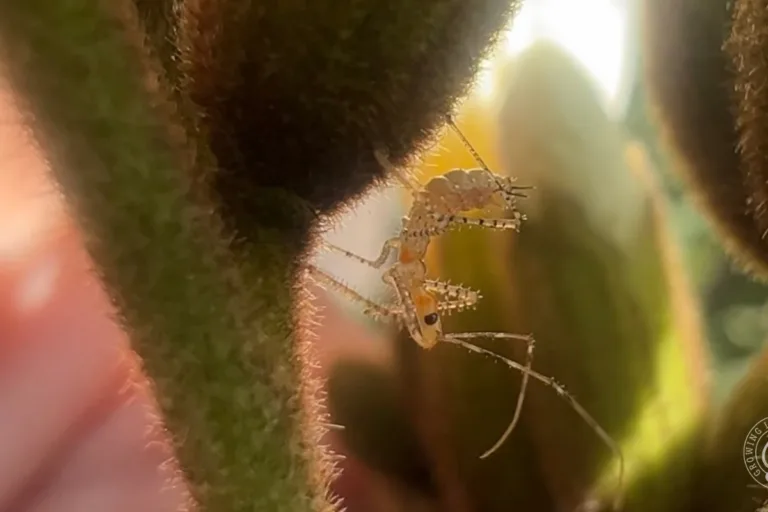
Thanks for commenting back so fast with all my questions, it has been super helpful here in St. George. My husband and I are trying to start some permaculture in an area of our backyard. It will be mulched and I am afraid it will bring in the roaches. Have you experienced more nests or infestations with mulch all over the ground?
Yes. We have more roaches. I do feel like there is a natural ecosystem that develops and if you let them other predators will help keep populations in check. I do let my chickens out if I come upon a bunch of them to help take care of them. They are great at eating cockroaches.
Have you found a favorite mulch/cover? It seems from your posts and videos you use straw but I also see wood chips. Do you have a specific plan or reason for using one or the other?
Hi Michael – I use wood chip mulch for the most part. For some of the lighter crops like carrots I use a lightweight straw https://collabs.shop/mhecuh
Should mulch in garden beds be removed before preparing the beds before planting? Should I mix it into the soil? I use small pieces of bark from chip drop.
Thank you!
I use wood chips as well. If you can, pull back (or remove) the wood chip mulch before adding more compost, etc. Then put the mulch back on top.
For a truck load of mulch for$30, check out Tempe AZ recycled compost.
Can mulching the entire yard area like you have done attract termites? We paid a lot to get rid of an infestation. I’d hate to have to go through that again.
Possibly. If you have had a problem in the past, I would check with the exterminator that helped you previously.
If we shouldnt put mulch down until the plants are a few inches tall, then what do you suggest forkeeping soil moist if I am direct seeding during the summer?
You may want to go ahead and apply the mulch when you are seeding – maybe thin it out a bit around the seedling as it emerges.
It looks like you have a feed scoop in the wheelbarrow in the first photo – can you please share which one it is and where you got it? Thanks
I got mine at an antique store years ago, but this is a similar one on Armazon. https://amzn.to/3wfWEgc