
How to Grow Apricots in Arizona (Low Desert Guide)
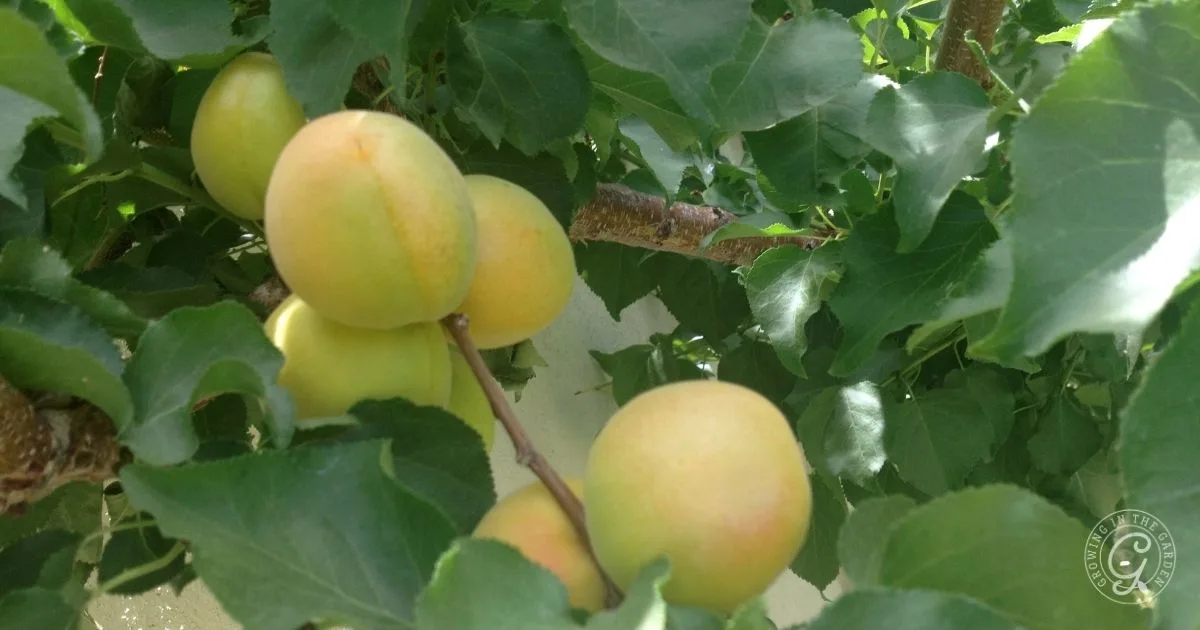
Apricots are one of the best “early reward” fruit trees for the low desert. When you pick the right variety, they can ripen in May and June, often before the worst summer heat arrives. The key factors are choosing a low-chill variety, protecting blooms from late frosts, and keeping the tree healthy in hot, dry conditions.
If you’ve been looking for how to grow apricots in Arizona or how to grow apricots in the low desert, this guide walks you through variety selection, planting, care, pruning, thinning, and troubleshooting.
Key Takeaways
- Choose low-chill apricot varieties to thrive in Arizona’s climate, aiming for 400 chill hours or less.
- Plant bare-root apricot trees in January or early February for best results.
- Ensure apricot trees receive full sun and excellent drainage for healthy growth.
- Regular pruning and thinning of fruit help maintain tree health and yield larger apricots.
- Monitor for common issues like frost damage, low pollinator activity, and sunburn, addressing them promptly.
Table of contents
- Can you grow apricots in the low desert?
- Chill hours (and why they matter in Arizona)
- Best apricot varieties for the Arizona low desert
- Do apricot trees need a pollinator?
- Where to plant an apricot tree in the desert
- When to plant apricot trees in Arizona
- How to plant an apricot tree
- Apricot tree care in Arizona
- Harvesting apricots in the low desert
- Common apricot problems in Arizona (and what to do)
Can you grow apricots in the low desert?
Yes, but variety selection matters. Apricots bloom early. That’s great for early harvests, but it also means late frosts can damage blooms. In the low desert, you’ll also want varieties that need low chilling hours, so they wake up and bloom normally after our mild winters.
Not sure which fruit trees make the most sense for your yard? Here are my top picks for the best fruit trees for the Arizona low desert.
Chill hours (and why they matter in Arizona)
“Chill hours” are the number of hours a tree experiences in cool temperatures during winter. If your tree doesn’t get enough chill, you might see:
- uneven leaf-out
- delayed or scattered bloom
- poor fruit set
- low yields
In the low desert, it’s smart to choose apricot varieties with 400 chill hours or less. In Maricopa County, many areas average about 300–400 chill hours in a typical year.
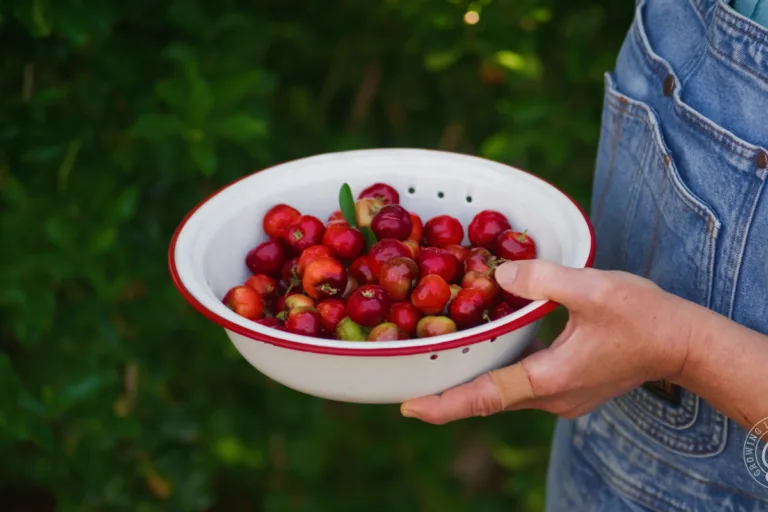
If you want to add a fruit that does not rely on winter chill hours, Barbados cherries are a fun option to try in warm microclimates.
Best apricot varieties for the Arizona low desert
These are commonly recommended low-chill options for warm-winter climates:
- Gold Kist (about 300 chill hours)
- Blenheim (Royal) (about 400 chill hours)
- Katy (about 400 chill hours)
- Modesto (about 300–400 chill hours)
Even with “right” low-chill varieties, our winter chill can vary year to year, so apricots can be inconsistent. Some years you get a great bloom and a heavy crop. In other years (warmer winter, or uneven chill), you can get a lighter, scattered bloom and fewer apricots.
If you live in a cooler microclimate or at a higher elevation, you may also see varieties like Castlebrite, Patterson, or Royal Rosa listed, but many of those have higher chill-hour needs and are less consistent in the Phoenix-area low desert.
Tip: Buy trees from a local nursery when possible. Local selections are more likely to be on rootstock that performs well in our soils.
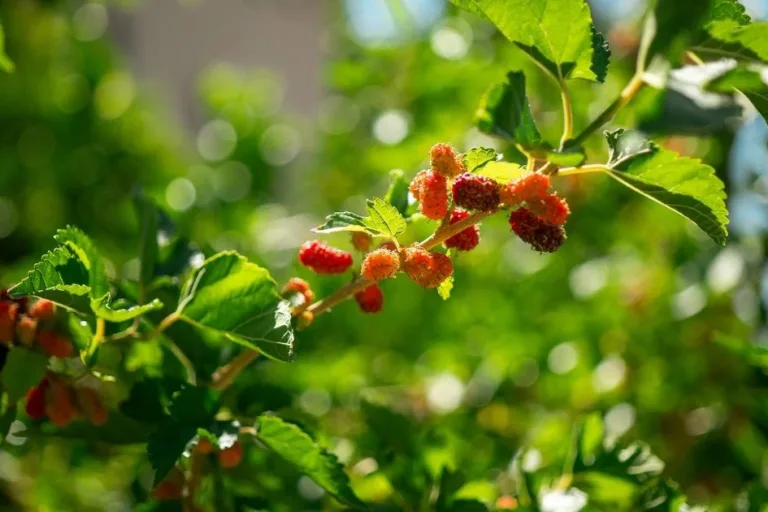
If you want another spring-fruiting option that thrives in heat, here is my guide on how to grow mulberries in a hot, dry climate.
Do apricot trees need a pollinator?
Most apricot varieties grown in backyards are self-fruitful, meaning you can get fruit with just one tree. Check the tag to be sure.
But having more than one apricot (or having lots of pollinator activity) can sometimes improve fruit set. If your tree blooms well but sets little fruit, the issue is usually weather during bloom (cold snaps, wind, rain), lack of pollinator activity, or stress from irrigation or heat, not the lack of a second tree.
If you want a plan for harvesting fruit across the seasons, this post walks through great options to plant.
Where to plant an apricot tree in the desert
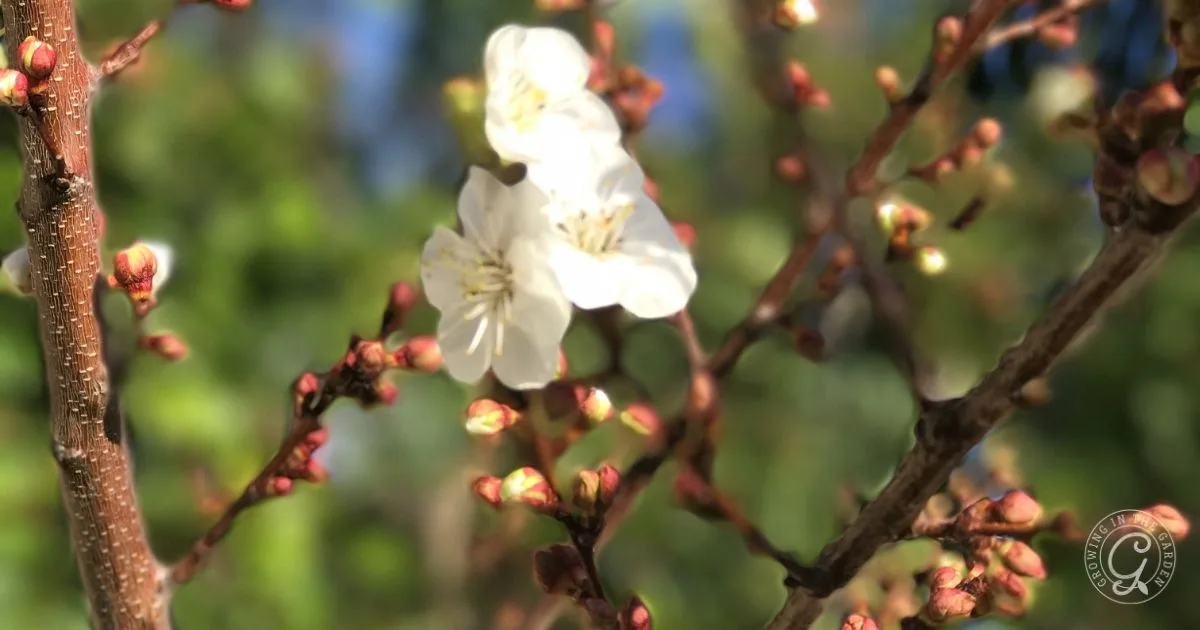
Apricots do best with:
- Full sun (at least 6–8 hours)
- Excellent drainage (this is non-negotiable)
- Room to grow (plan on about 15–20 ft / 4.5–6 m spacing depending on the tree and how you prune)
Low desert placement tips:
- Avoid planting a young apricot where it will get reflected heat from a west-facing block wall. That extra heat can stress the tree and increase the risk of sunburn.
- If your yard is brutal in summer, consider a spot with light afternoon shade for the first couple of years, or plan to use shade cloth temporarily.
When to plant apricot trees in Arizona
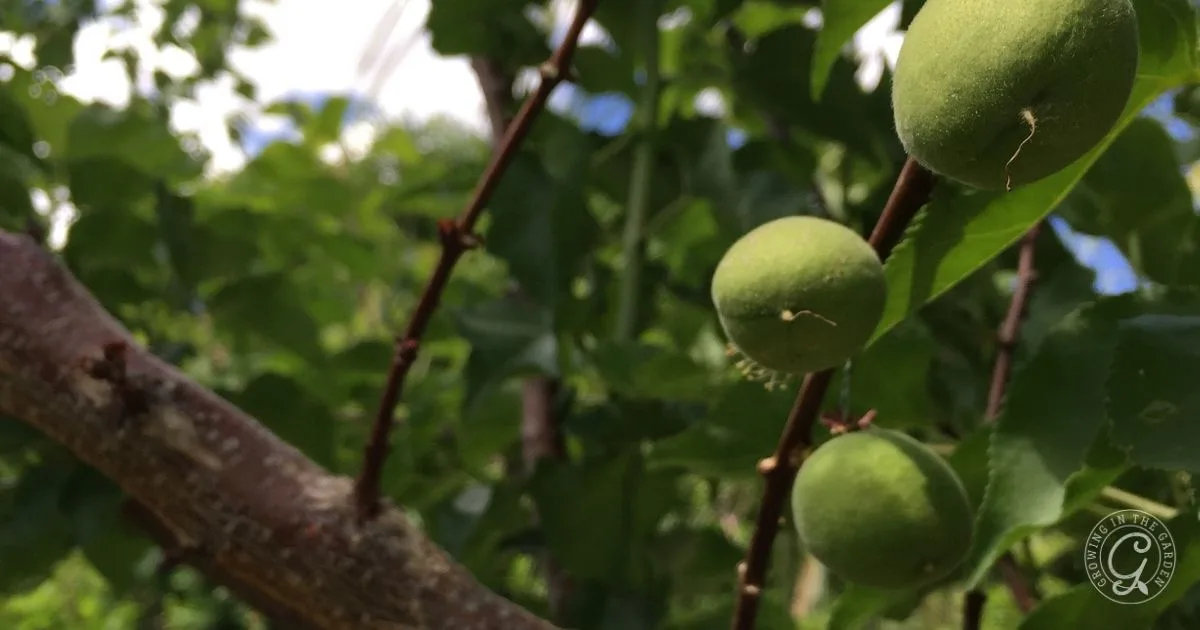
- Bare-root apricot trees: plant from December through early February
- Container-grown trees: plant in fall though early spring (avoid planting right before extreme heat if you can)
For a step-by-step walkthrough, see: Planting Bare Root and Container Fruit Trees: A Step-by-Step Guide.
January is a great time to plant bare-root fruit trees in the low desert. Here’s what else to do in the garden that month.
How to plant an apricot tree
- Dig a wide hole (wider is more important than deep).
- Check drainage before you commit to the spot. If water sits, choose a new location or plant on a mound.
- Set the tree at the right height. Keep the graft union above soil level. Don’t plant too deep!
- Backfill with native soil and water deeply to settle soil around roots.
- Build a watering basin around the tree (especially helpful in the desert).
- Mulch 3–4 inches (7–10 cm) deep, keeping mulch a few inches away from the trunk.
Apricot tree care in Arizona
Watering
Apricots need frequent irrigation while getting established, then deeper watering less often once it’s growing well. See my monthly blog posts for monthly watering guidelines.
A good rule: water deeply enough to wet the root zone, then let the top few inches dry slightly before watering again. In summer, that usually means more frequent watering. In winter, much less. Learn more here: How to Water Your Garden.
Fertilizing
Apricots respond well to spring fertilizing. Too much nitrogen can cause excessive leafy growth and can increase some disease issues, so aim for steady, moderate feeding. If you want a simple way to feed them, use this method: Organic Fruit Tree Fertilizing: Four Simple Steps.
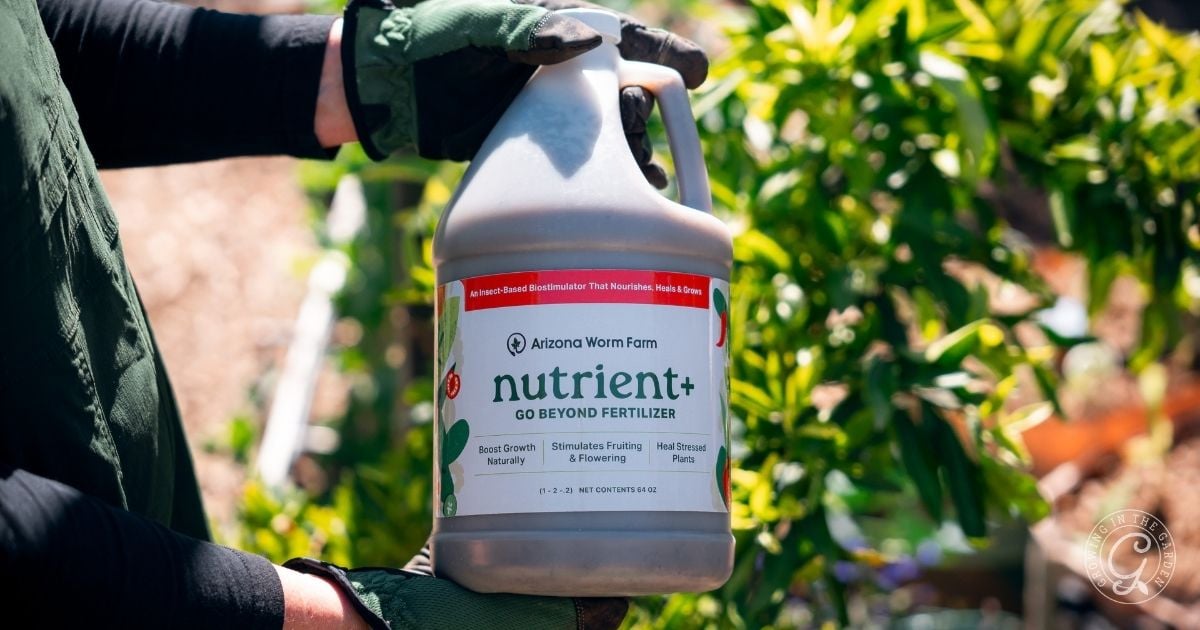
Additional support for fruit trees: Nutrient+ can help promote healing, growth, and fruiting. Apply three times a year: Valentine’s Day, Memorial Day, and Labor Day. Use alongside mulch, compost, and worm casting applications.
Pruning
Apricots are usually trained to an open center (vase shape) to let light and air into the canopy. Learn more here: When and How to Prune Fruit Trees.
- Prune while dormant, before bud break, and avoid removing more than about one-third of the canopy in a single year.
- Keep the center open and remove crossing branches.
- Keep trees lower than “orchard height” so you can harvest and protect fruit more easily.
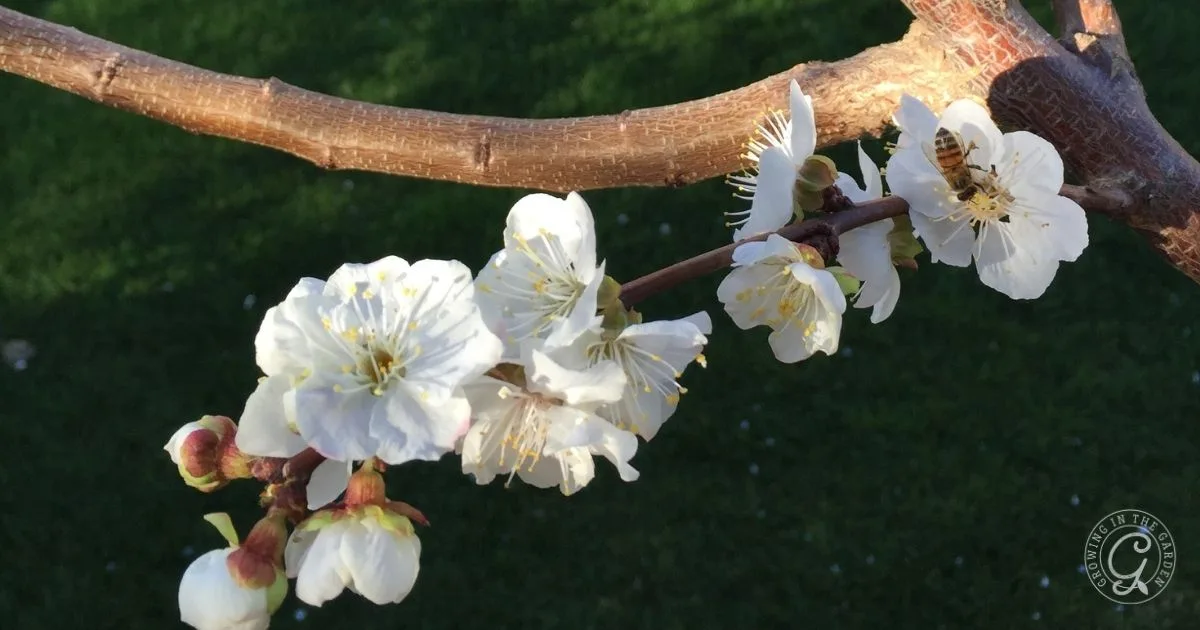
Protect apricot blooms from late frosts
Apricots often bloom early, which is part of why they ripen so early in the season. In the low desert, an occasional late frost can damage blossoms and reduce your harvest.
If a frost is in the forecast while your tree is blooming:
- If possible, cover the tree before sunset with frost cloth (or a lightweight blanket for a small tree), and secure it so it traps warmer air.
- Remove the cover the next morning once temperatures rise.
- If the soil is dry, water the day before a freeze. Moist soil holds more heat overnight than dry soil.
For step-by-step instructions, see: How to Protect Plants During a Freeze.
Thin fruit for better size and healthier branches
Apricots often set heavily. Thinning improves fruit size and helps prevent broken limbs. Learn more here: How to Thin Fruit Trees and Why You Should.
When to thin: once fruits are roughly 3/4–1 inch (2–2.5 cm).
How much to thin: aim for about 2–4 inches (5–10 cm) between fruits on the branch. If you want larger fruit, thin a little more aggressively.
Protect trunks and young trees from sunburn
Sunburn and sunscald are real problems for young fruit trees in the desert, especially on the south and west sides.
Helpful strategies:
- Paint the trunk and lower branches with a 1:1 mix of white interior latex paint and water.
- Provide temporary shade during extreme heat.
- Avoid stripping too many lower limbs early on, since they help shade the trunk. Learn more here: How to Protect Bark from Sunburn.
Harvesting apricots in the low desert
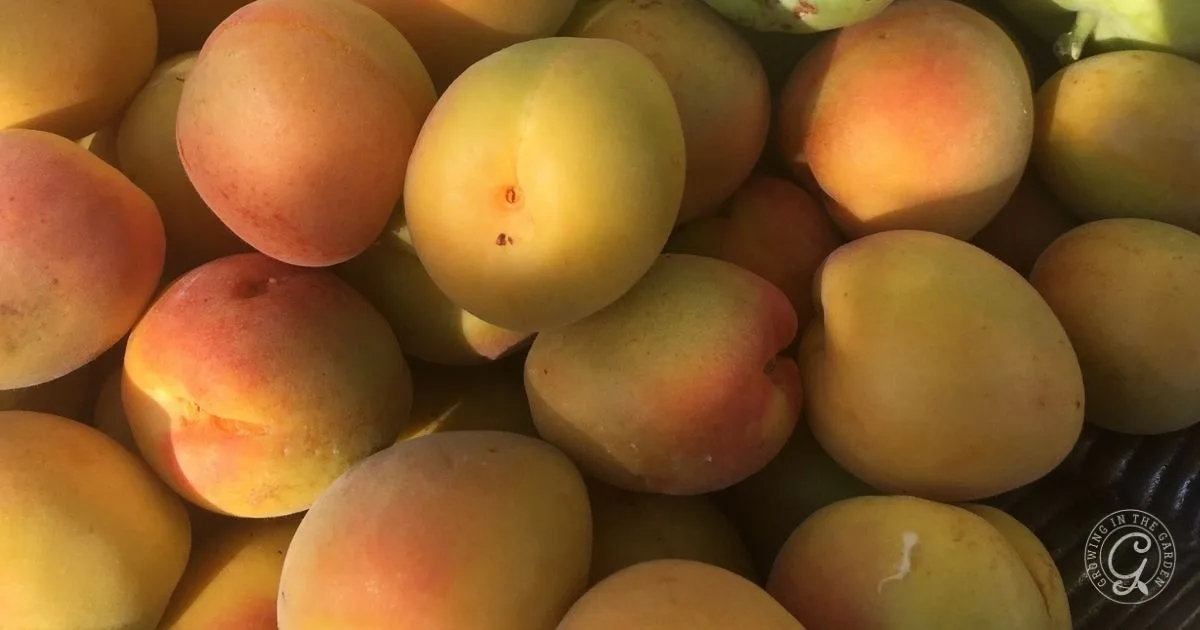
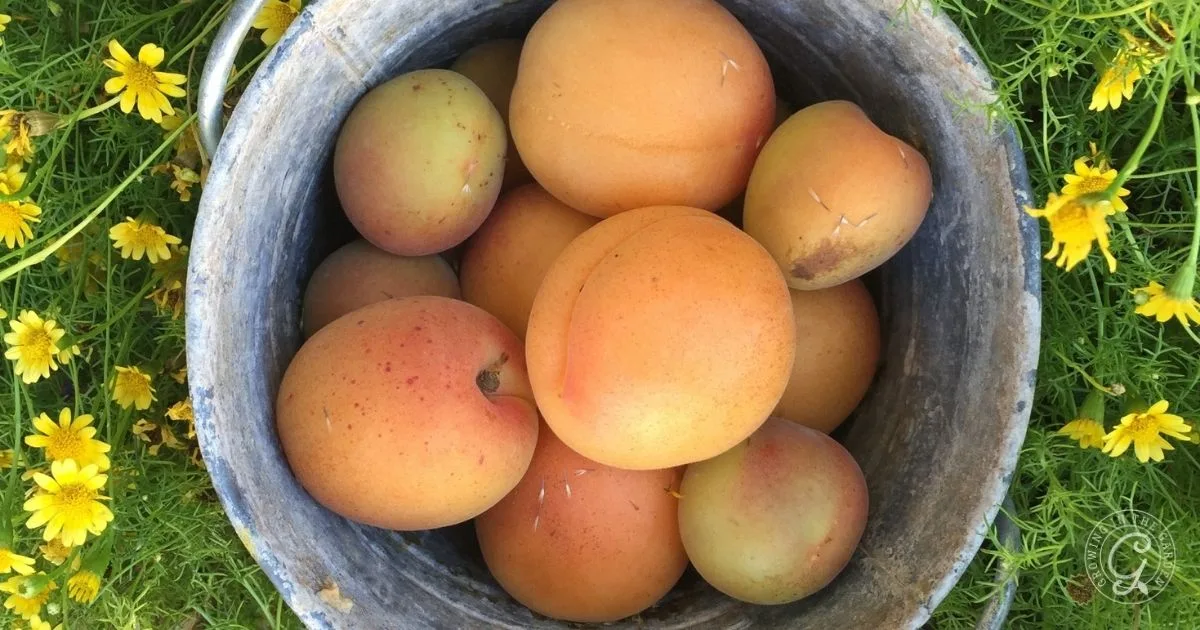
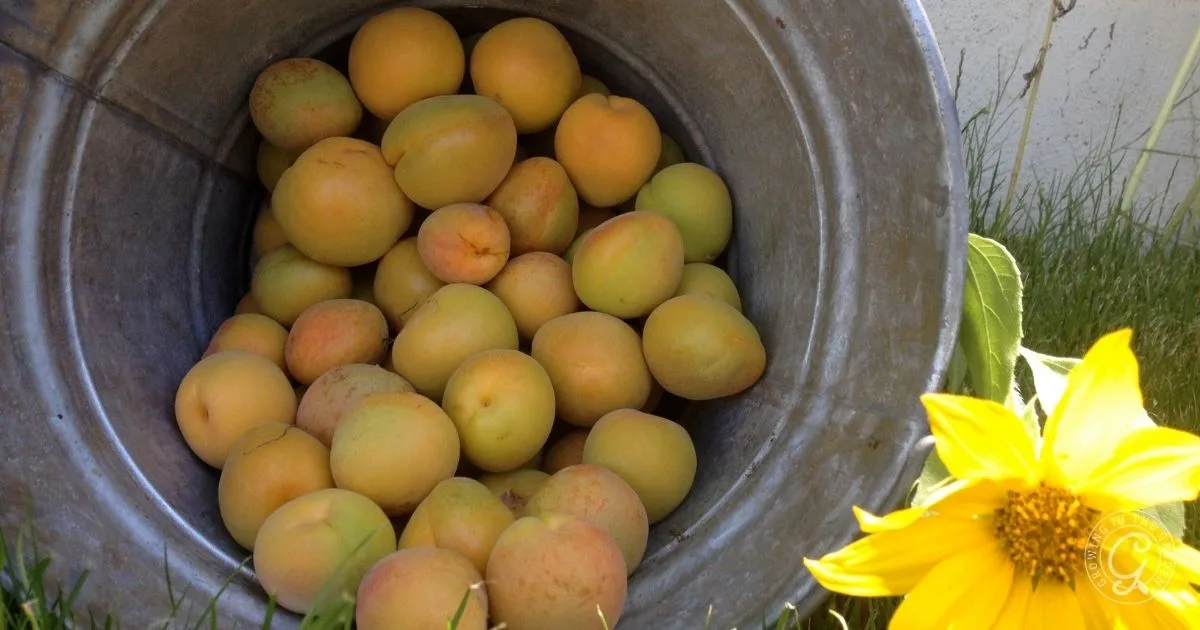
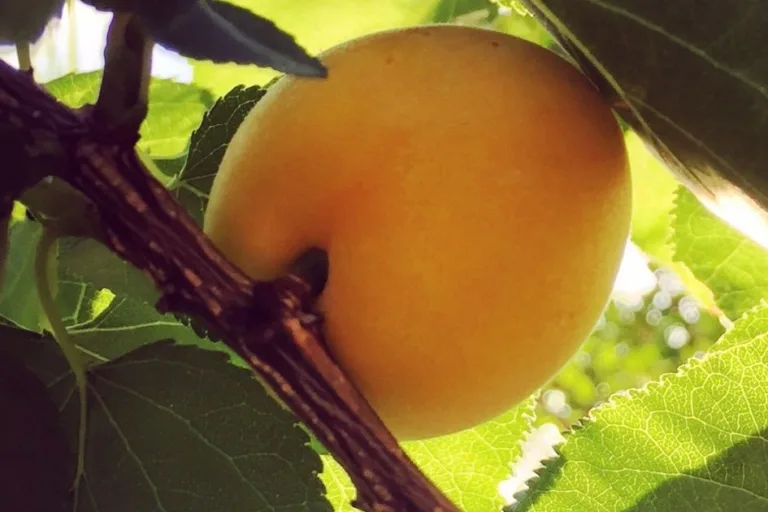
In much of the low desert, apricots are harvested in May through June. Apricots don’t all ripen at once, so plan to pick over several days or weeks.
- Pick when the fruit is fully colored and slightly soft with a gentle squeeze.
- Handle gently. Apricots bruise easily.
- If birds find the fruit first, you may need to harvest a little early and let them finish ripening indoors.
Common apricot problems in Arizona (and what to do)
“My apricot tree blooms but doesn’t fruit.”
Most common causes:
- frost damage during bloom
- low pollinator activity during bloom
- water stress (too dry or too wet)
- the variety needs more chill than your yard provides
“My fruit is small, and the tree is overloaded.”
That’s a thinning issue. Thin earlier and more consistently next year.
“The bark looks damaged on one side of the trunk.”
Often sunburn or sunscald. Protect the trunk.
“I’m seeing gummy sap on branches.”
Apricots sometimes ooze amber-colored gum from branches or the trunk. This is called gummosis, and it’s usually a sign the tree is responding to stress, injury, borers, or canker diseases. If gum is mixed with sawdust-like frass at the base of the trunk, check for peachtree borers. If gum appears on limbs near old pruning cuts along with sudden dieback, it can be a canker issue like Eutypa. The best approach is to reduce stress, protect bark from sunburn, and prune out dead or infected wood.
“Something is boring into shoots or fruit.”
If you notice tiny holes in apricot fruit or wilted shoot tips, a moth larva is often the cause. These pests can bore into tender shoots early, then move into developing fruit. Prune out damaged shoot tips, remove fallen fruit, and pick off any ‘mummy’ fruit left on the tree. For small trees, bagging fruit after thinning is one of the best ways to prevent worms inside fruit without spraying.
Sources:
- University of Arizona Cooperative Extension: Deciduous Fruit and Nuts for the Low Desert (AZ1269, revised 05/27/2025)
- UC IPM (home and landscape): Sunburn and whitewashing guidance
- UC IPM: Apricot pest and disease guidelines
- University of Arizona Cooperative Extension: Pruning Citrus


Leave a comment on How to Grow Apricots in Arizona (Low Desert Guide)