
How to Grow Apples in Arizona (Low Desert Guide)
Apples in the low desert can be tricky, but they’re not impossible. If you’ve wondered how to grow apples in Arizona, the biggest challenge is our mild winters. Most apples need more cold weather than we get in the Phoenix area, so many classic varieties look healthy but never set fruit. I learned that the hard way with Fuji and Gala. Beautiful trees, zero apples.
If you want apples in the low desert, choose low-chill varieties. In this guide, I’ll explain chill hours, share the varieties that actually work here, and walk you through planting, watering, and protecting fruit and bark from our intense sun.
Key Takeaways: How to Grow Apples
- Growing apples in Arizona requires choosing low-chill varieties that thrive in mild winters.
- Chill hours are crucial; aim for varieties needing 250 hours or less for successful fruiting in the low desert.
- Top recommendations include Anna, Golden Dorsett, and Ein Shemer for better pollination and yields.
- Plant apple trees in cooler months and ensure adequate watering while protecting them from intense sun.
- Pruning, thinning, and rootstock selection also play important roles in successful apple growth in Arizona.
What We’ll Cover:
- Understanding Chill Hours (This is Why Most Apples Fail Here)
- Best Apple Varieties for the Low Desert of Arizona
- Do You Need Two Apple Trees?
- When to Plant Apple Trees in Arizona
- Where and How to Plant for the Best Apples
- Watering Apples in the Desert
- Fertilizing Apples in Hot Climates
- Heat Protection
- Pruning and Thinning
- Pests and Problems to Watch for on Apple Trees
- When to Harvest Low-Chill Apples in Arizona
- FAQ: How to Grow Apples in Arizona’s Low Desert
Understanding Chill Hours (This is Why Most Apples Fail Here)
Chill hours are the number of hours in winter when temperatures stay cool enough to help a deciduous fruit tree break dormancy, bloom, and set fruit. A common rule of thumb is counting hours between 32°F and 45°F (0°C to 7°C) during the chill season.
In Maricopa County, many areas average roughly 300–400 chill hours in a typical year. For dependable crops most years, it’s smart to choose varieties with around 250 chill hours or less.
Bottom line: if your apple needs 600+ chill hours, it probably won’t fruit reliably in the low desert.
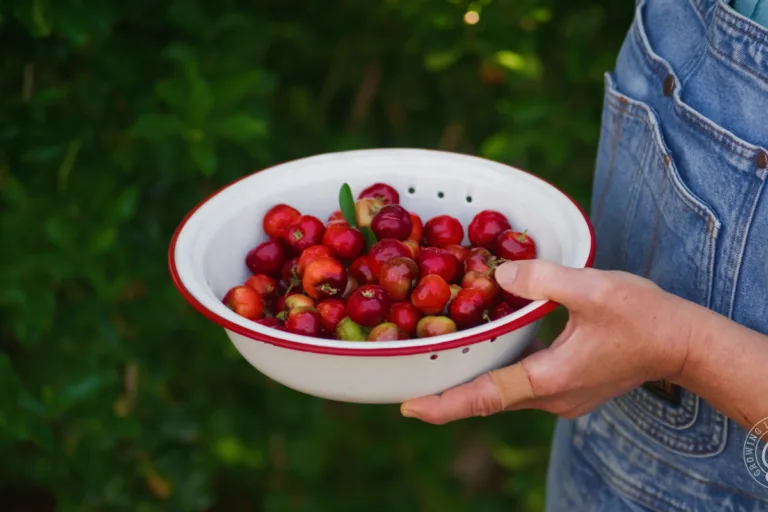
If you are looking for a warm-climate fruit that grows more like an evergreen shrub than a deciduous tree, learn how to grow Barbados cherries (acerola) here.
Best Apple Varieties for the Low Desert of Arizona
These varieties are listed by the University of Arizona Extension as low-chill apples for the low desert, along with their typical chill requirements.
My top recommendation
Anna (200 chill hours)
A great choice for mild-winter climates in southern Arizona. UA Extension notes it can be self-fruitful, but it often does better with a pollinator like Dorsett Golden or Ein Shemer.
Great partners for pollination and bigger harvests
Golden Dorsett (100 chill hours)
UA Extension calls it productive throughout the low desert and lists a 100-hour chill requirement.
Ein Shemer (100 chill hours)
Very low chill requirement, and UA Extension specifically notes it’s an excellent pollenizer for Anna, with fruit in early summer (June in the low desert).
Other low desert options to try
- Beverly Hills (300 chill hours)
- Gordon (400 chill hours)
- Gala is listed much higher (500–600 hours), though UA Extension notes preliminary testing may suggest it could be lower. I’d still consider it a gamble in the low desert.
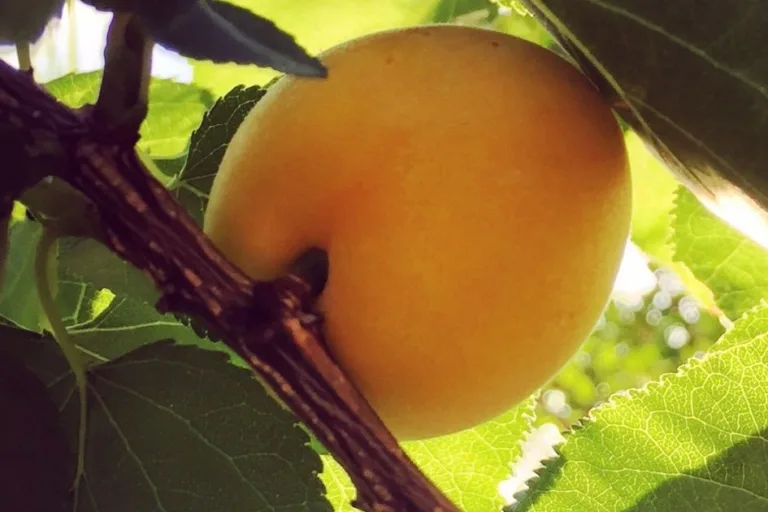
If you are planting other low-chill deciduous fruit trees, apricots are another great option and they ripen early, often before summer heat hits. Learn more in my guide to how to grow apricots in Arizona.
Rootstock matters in the low desert
Rootstock can affect mature size and how well a tree handles stress like drought, salty, or alkaline conditions. This is one reason it’s smart to buy from a nursery that carries rootstocks that perform well locally.
Do You Need Two Apple Trees?
Some low-chill apples can set fruit on their own, but yields are often better with a compatible pollinator nearby. UA Extension lists Anna as self-fruitful or pollinated by Dorsett Golden or Ein Shemer, and notes Ein Shemer is an excellent pollenizer for Anna.
If you have room for two trees, a simple, reliable pairing is:
- Anna + Golden Dorsett, or
- Anna + Ein Shemer
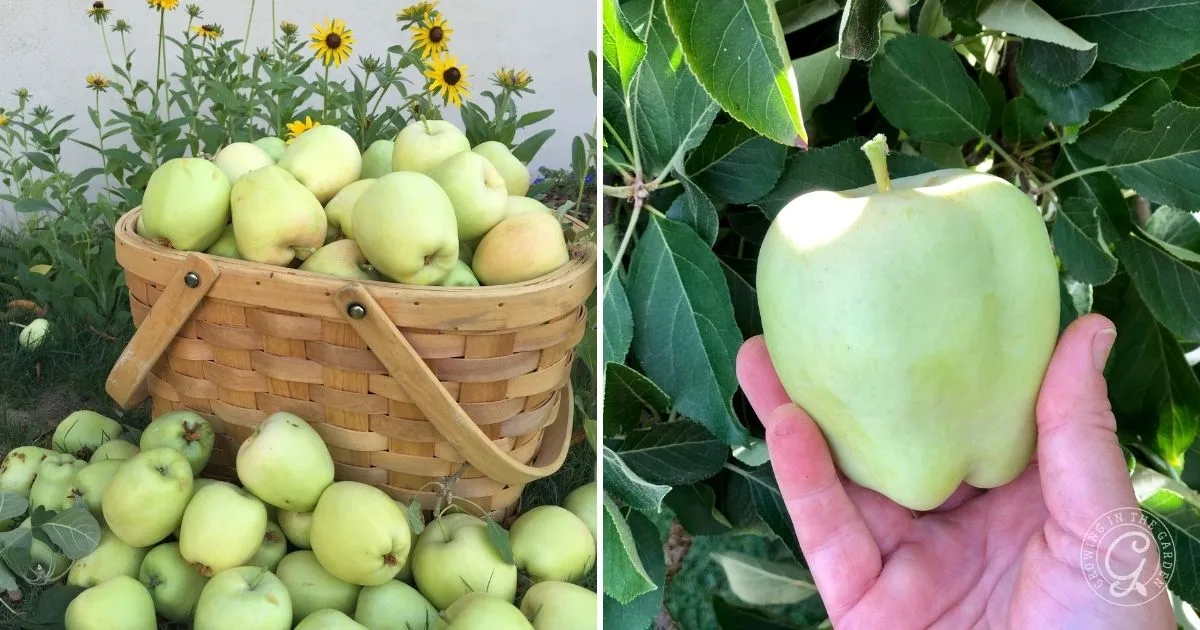
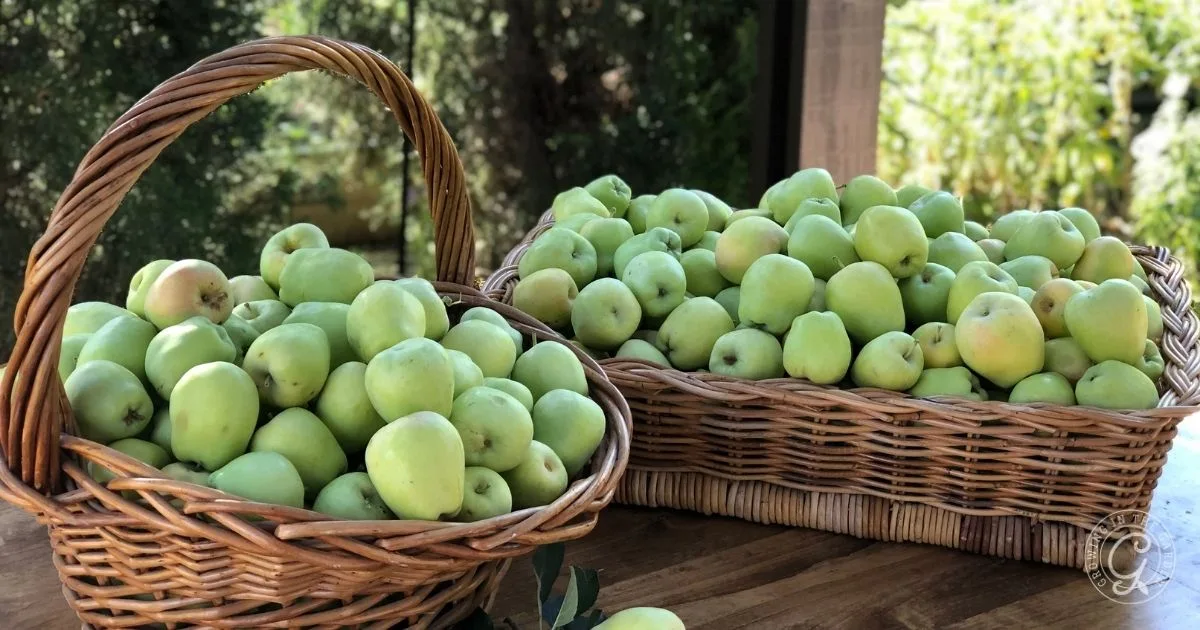
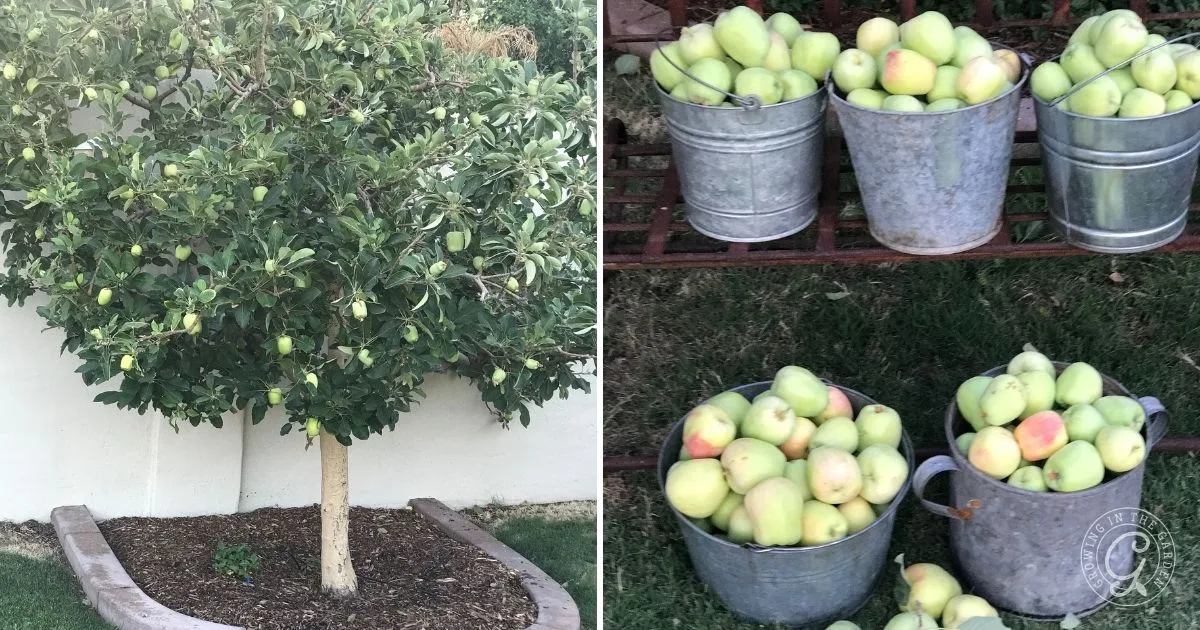
But that being said, I’ve only grown Anna apple by itself, and as you can tell from these harvest pictures, I’ve had great success with just one tree.
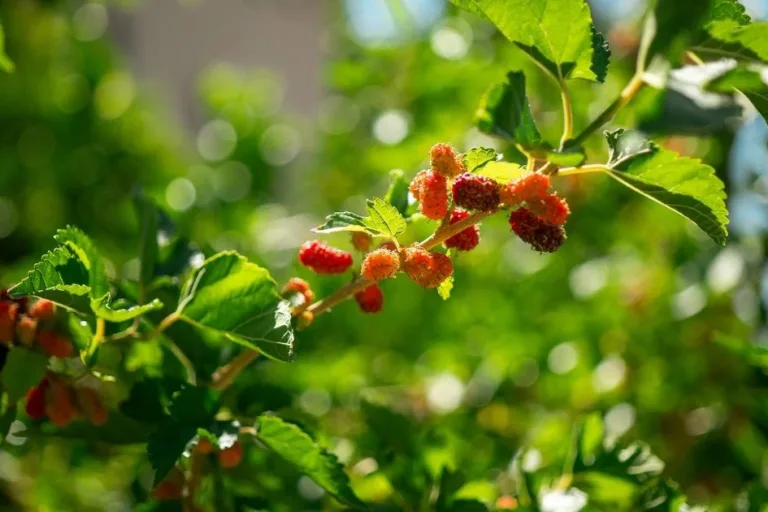
Mulberries are a great companion fruit tree for low desert gardeners because they are productive and low-maintenance, and you can learn more here: how to grow mulberries in a hot, dry climate.
When to Plant Apple Trees in Arizona
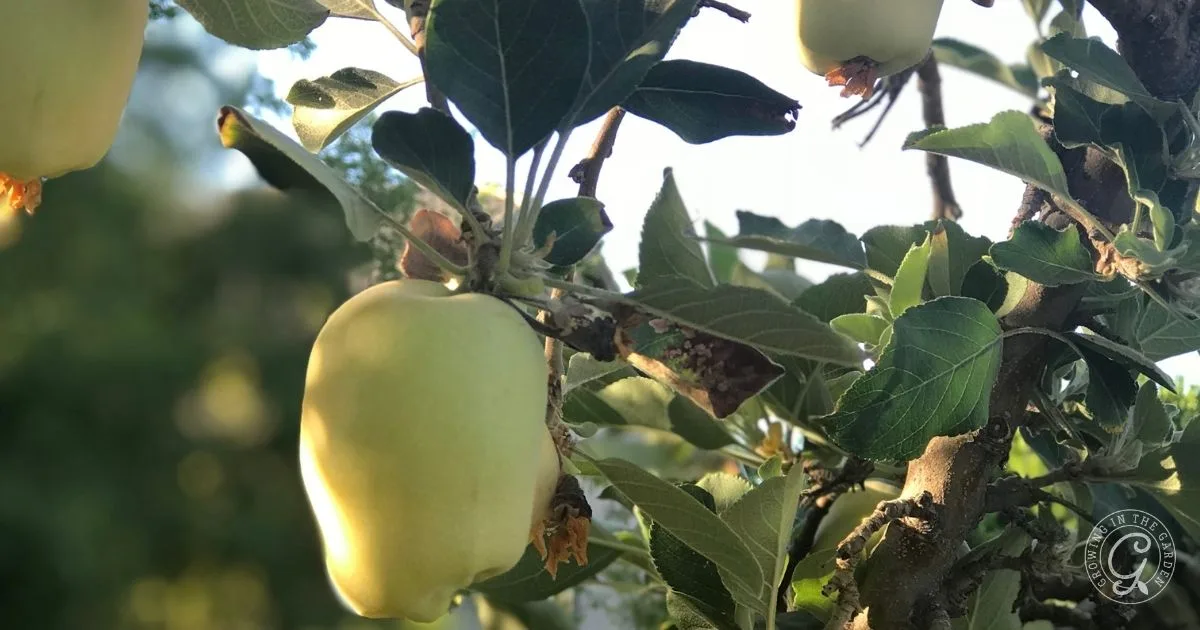
In the low desert, fruit trees establish best when planted in cooler weather so roots can grow before summer heat arrives.
I recommend planting from October through March. If you’re planting bare-root, winter is ideal. If you’re planting a container tree, you’ll still get the best results when you plant during the cool season. That cool-season rule holds for almost every fruit tree in the low desert. The big exception is date palms, which prefer to be planted in the heat of summer.
For a quick look at the best planting times for other fruit in the low desert, see my Arizona fruit planting guide.
Where and How to Plant for the Best Apples
Sun: Full sun is best in many climates, but in the low desert, apples benefit from protection from the afternoon sun, especially when they’re young. A spot with morning sun and some afternoon shade helps reduce stress and lowers the risk of sunburn on bark and fruit.
Soil: Well-draining soil helps prevent root problems. Apples do best in soil that drains well, holds moisture evenly, and has plenty of organic matter. In the low desert, the most common issues are poor drainage, alkaline soil, and salt buildup.
Before you plant, do a quick drainage test. Dig your planting hole, fill it with water, and see how long it takes to drain. Ideally, it should drain within a few hours. If it doesn’t drain, choose a different spot or plan to improve drainage before planting.
When you plant, backfill with native soil rather than heavily amending the hole. Filling the hole with rich soil can create a “pot in the ground” where roots stall or circle rather than expand outward. Instead, after planting, top-dress with worm castings and compost, then finish with a thick layer of mulch to protect roots from heat and help the soil improve over time. For full planting details, read this guide.
Space: Check the tree’s mature size and leave plenty of room for airflow, pruning, and harvesting.
Watering Apples in the Desert
The goal is deep, consistent watering while the tree gets established, then deeper watering less often once it’s growing well. See my monthly blog posts for monthly watering guidelines.
- Water deeply so moisture reaches the root zone, not just the surface
- Mulch helps keep roots cooler and helps keep moisture in the soil
- During extreme heat, young trees may need extra water to avoid stress
Fertilizing Apples in Hot Climates
In the low desert, focus on feeding the soil and developing a strong root system to help the tree withstand intense summer heat.
A simple method that works well for fruit trees (including apples) is this 4-step routine:
- Add microbes (worm castings or worm tea with active biology)
- Add compost as the main slow-release “food”
- Cover with a thick layer of mulch (6 inches is not too much!)
- Water deeply to move nutrients down and encourage deeper roots
- Do this three times a year (around Valentine’s Day, Memorial Day, and Labor Day)
The first year: Light fertilization is all that is needed. Use worm castings, compost, mulch, and deep watering.
Established trees: If additional fertilizer is needed beyond feeding with compost, use a balanced fertilizer in small doses rather than a single heavy feeding. Feed in late winter and, if required, a lighter follow-up after fruit set if the tree looks pale or growth slows. Avoid late-season, high-nitrogen fertilizing.
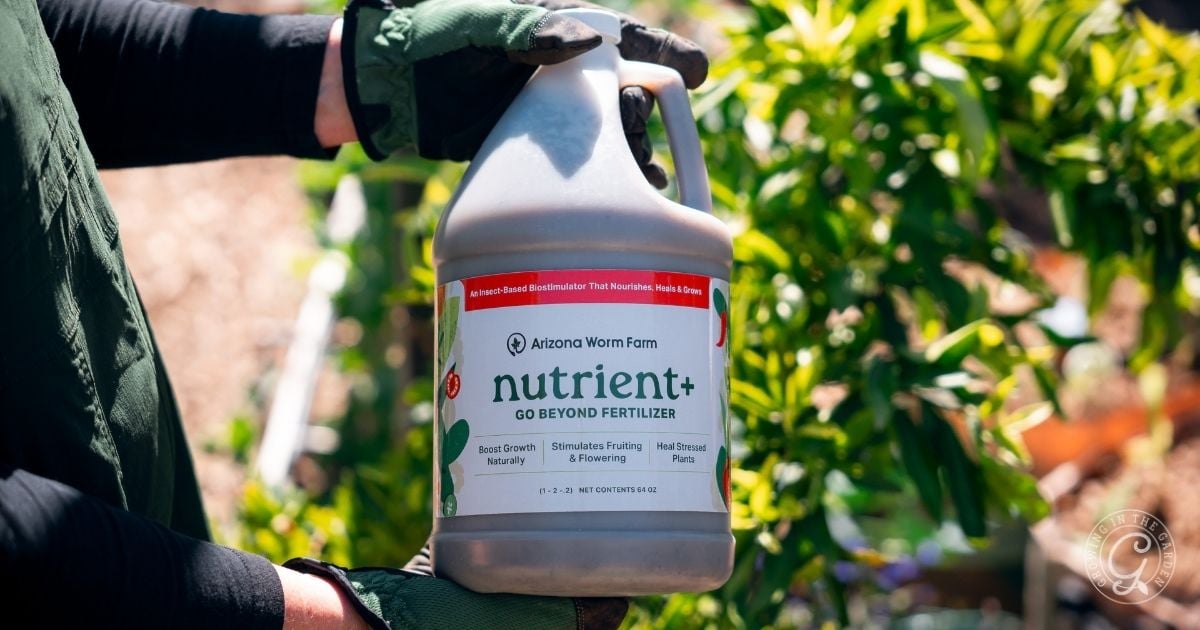
Additional support for fruit trees: Nutrient+ can help promote healing, growth, and fruiting. Apply three times a year: Valentine’s Day, Memorial Day, and Labor Day. Use alongside mulch, compost, and worm casting applications.
Heat Protection
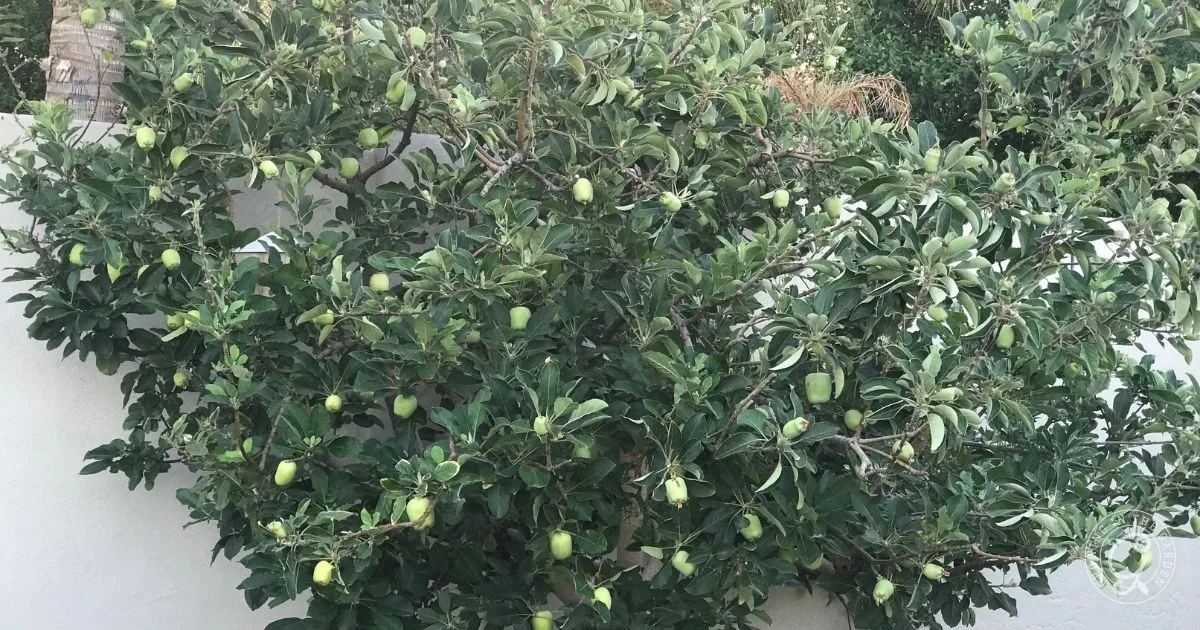
- Heat protection is what keeps apples productive in the low desert. Focus on keeping roots cool, reducing stress, and protecting fruit and bark from afternoon sun.
- Apply several inches of organic mulch over the root zone, keeping it a few inches away from the trunk. Mulch cools soil, reduces evaporation, and improves soil over time.
- Choose early varieties and don’t let ripe fruit hang too long. In our heat, fruit can soften and sunburn quickly.
Prevent sunburn on fruit and bark:
- Keep a leafy canopy, avoid heavy summer pruning
- Thin fruit so apples stay shaded
- Use west-side shade cloth during extreme heat
- Consider kaolin clay if sunburn is a repeat issue
- Paint exposed trunk and main limbs with 50:50 white interior latex paint + water
Pruning and Thinning
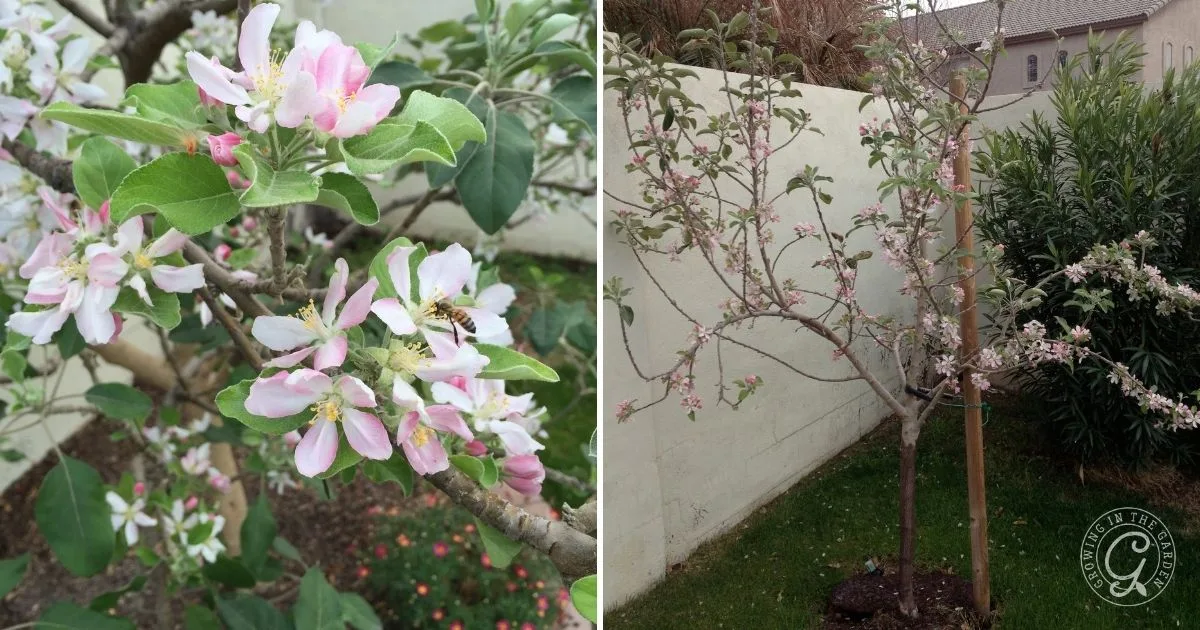
Prune while dormant in late winter to keep the canopy productive and manageable. Start by removing dead, damaged, or crossing branches, then thin out crowded growth and keep 3–5 strong main limbs so light and air can reach the center without overexposing the trunk and fruit to sun. Keep summer pruning light to avoid exposing fruit and bark. If you want a simple walkthrough for when to prune and what to cut, this pruning guide breaks it down step by step.
Thin fruit to improve fruit size and reduce branch breakage. Thinning is one of the easiest ways to improve your harvest, and this guide to thinning fruit trees shows you when and how.
- Thin to 1 apple per cluster, keeping the largest, healthiest apple (and the one that’s most shaded by leaves if possible).
- Then aim for about 6–8 inches (15–20 cm) between apples along the branch.
Pests and Problems to Watch for on Apple Trees
- Aphids may show up in the spring on tender new growth. Start with a strong spray of water and use organic controls if needed. Learn how to take care of aphids in this guide.
- The hot, dry, dusty conditions of summer are perfect for spider mites. Check the undersides of leaves and rinse foliage if needed.
When to Harvest Low-Chill Apples in Arizona
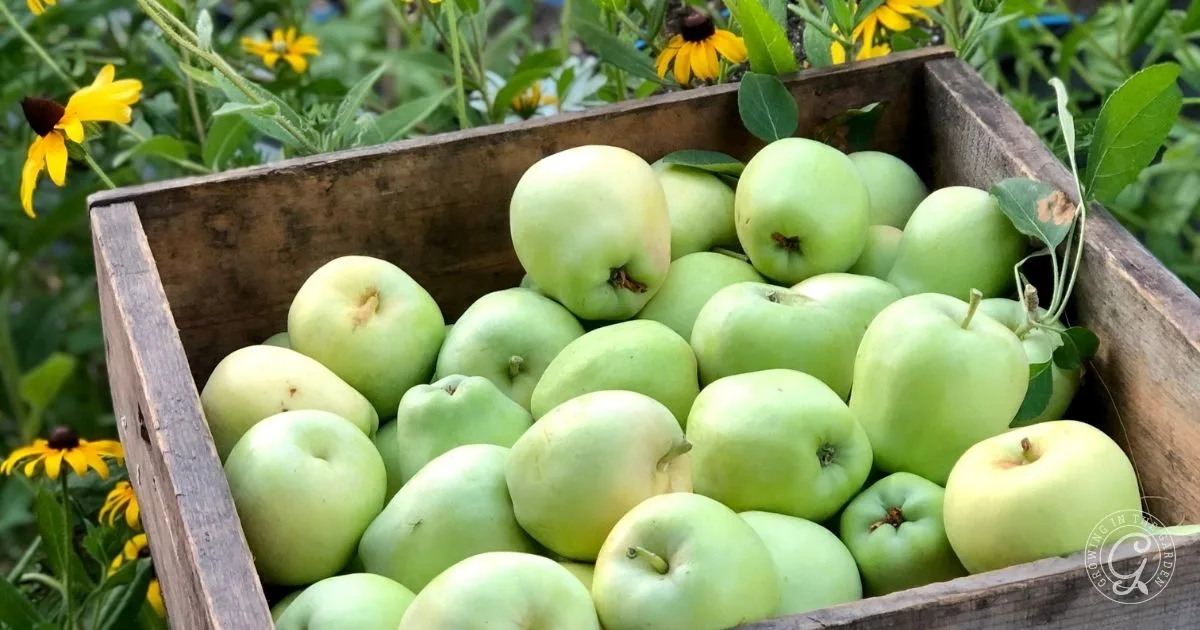
Many low-chill apples, including Anna, are early-season apples in the low desert. Harvest is often late spring into early summer, and the exact timing depends on the variety, your microclimate, and the weather that year. The most important tip is not to let ripe fruit hang too long. In our heat, apples can soften fast and fruit left on the tree can cook or sunburn.
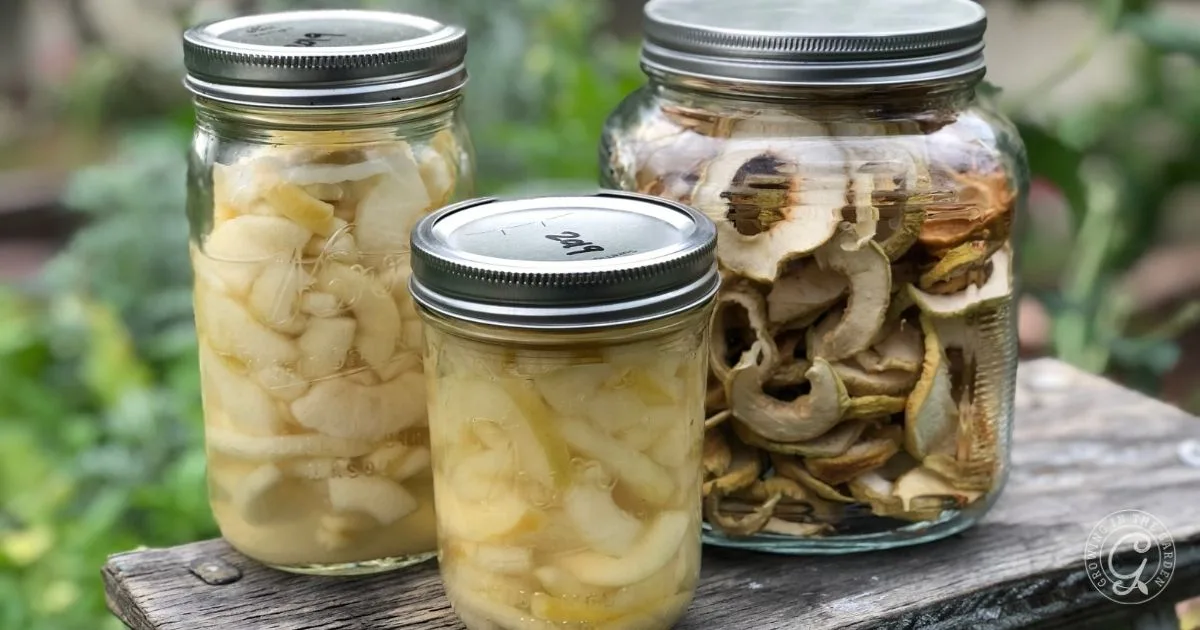
Once you’ve harvested, here are my favorite ways to use and preserve Anna apples. One of my favorite ways to use fresh apples is this German Apple Pancake. It’s a family birthday tradition, and canned apples work well too if you want to make it later in the year.
FAQ: How to Grow Apples in Arizona’s Low Desert
Yes. The key is choosing low-chill apple varieties and protecting trees and fruit from heat and sunburn.
Chill hours are a way to measure how much winter cold a deciduous fruit tree receives. If a variety needs more chill than your area gets, you’ll see uneven leaf-out, weak bloom, and poor fruit set.
It varies by year and microclimate, but many low desert yards do best with varieties in the low-chill range of 250 or less.
Reliable low-chill choices include Anna, Dorsett Golden, and Ein Shemer. Beverly Hills is another option. Gordon can work in some yards and some years, but it’s less reliable than the lowest-chill varieties.
They can look healthy, but they often won’t produce consistently in the low desert because they typically need more chill than we get. If you want reliable fruit, start with low-chill apples instead.
Most apples produce better with a compatible pollinator nearby, even if the tag says self-fruitful. But you can get good harvests with just one Anna apple.
In most home landscapes, having both trees in the same yard is usually enough. The most important factor is that the two varieties bloom at the same time.
You can, but it’s more challenging because containers heat up and dry out quickly in summer. If you try it, choose an ultra dwarf tree, use a large container, and be prepared to water more often. In-ground planting is easier in the long term in most low-desert yards.
Source:
Deciduous Fruit & Nuts for the Low Desert, University of Arizona Extension

Leave a comment on How to Grow Apples in Arizona (Low Desert Guide)