
How to Get Rid of Aphids (and When to Ignore Them)
Aphids have a way of showing up right when your kale looks perfect, or your roses are covered in new buds. But aphids are rarely an emergency in a home garden. In fact, a small aphid outbreak may attract the beneficial insects you actually want in your garden. I keep an eye on aphids, but I never treat right away.
This comprehensive guide will help you decide when to leave aphids alone and when to intervene. Learn how to tip the balance toward natural control by encouraging beneficial insects and a healthier garden ecosystem.
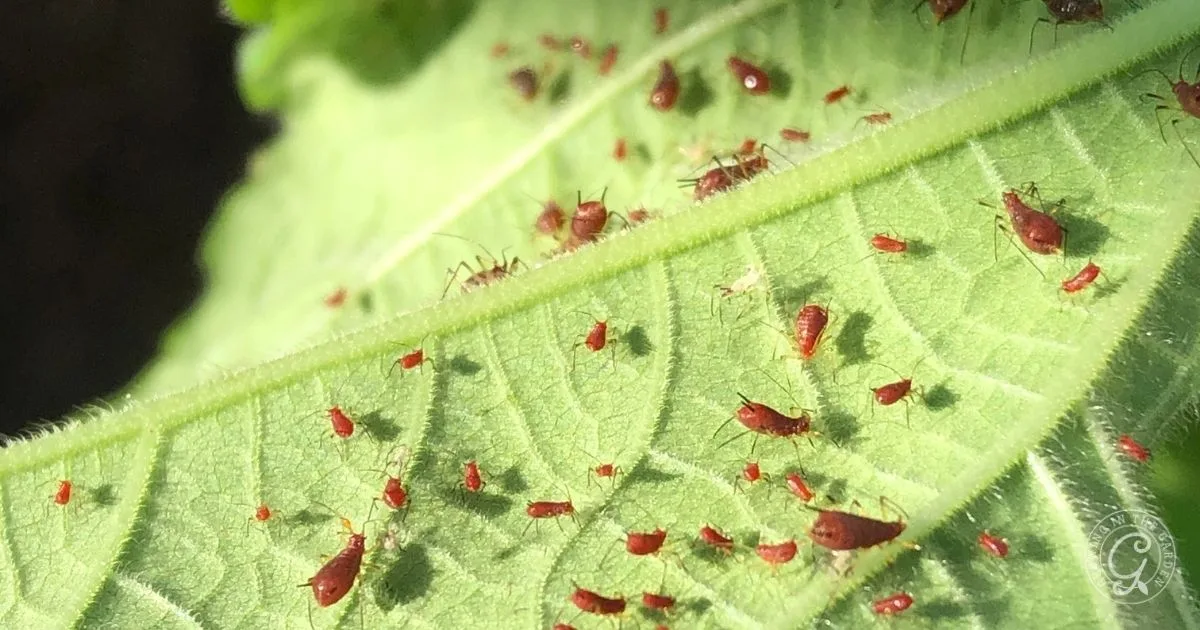
Key Takeaways: How to Get Rid of Aphids
- Aphids are common in gardens but rarely require emergency action; they can attract beneficial insects.
- Observe your plants first; ignore low populations if they don’t stress healthy plants or prevent beneficials from arriving.
- Intervene if seedlings are infested, new growth is distorted, or beneficials don’t show up after a week.
- Use low-interference integrated pest management (IPM) techniques, such as water sprays or hand-picking clusters.
- Plant flowers and herbs to support beneficial insects that naturally help control aphids.
What We’ll Cover:
- What Aphids Look Like
- Why Aphids Show Up
- When to Ignore Aphids
- When to Step In
- The Aphid Plan: Low-Interference IPM That Protects Beneficials
- Aphids on Kale and Broccoli: What Works Best
- Aphids on Roses: What to Do (Without Disrupting Beneficials)
- A Quick Note About Ants and Aphids
- Which Beneficial Insects Help with Aphids?
- FAQ about Getting Rid of Aphids

What Aphids Look Like
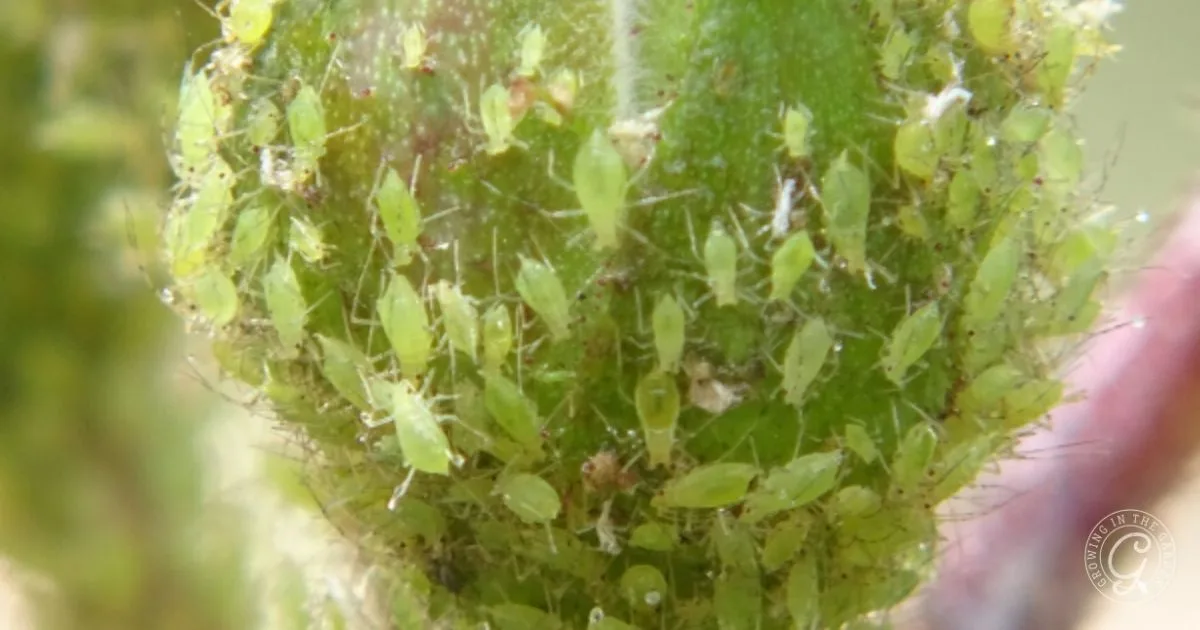
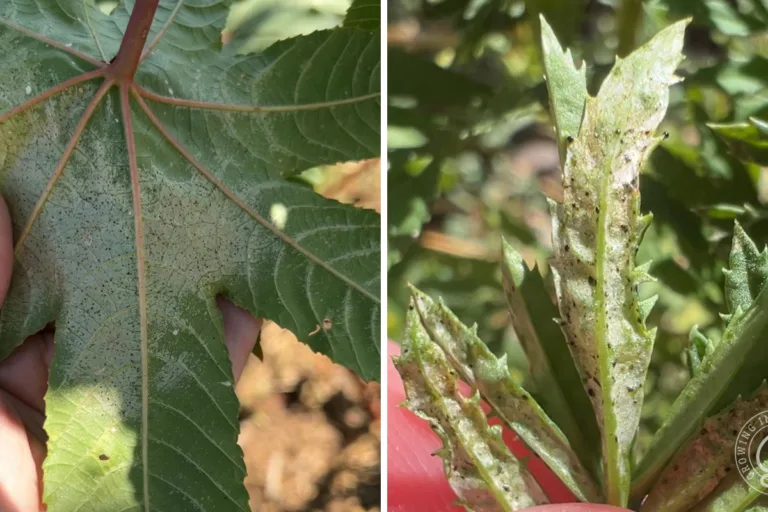
Aphids are tiny, soft-bodied insects that cluster on tender growth: new leaves, stems, and flower buds. You’ll often notice:
- Groups of pear-shaped insects (green, gray, black, yellow, or pink, depending on the type)
- Curled or puckered leaves
- Sticky residue on leaves (honeydew)
- Ants “farming” them for that honeydew
- Sooty mold growing on sticky leaves
Aphids can show up on almost anything, but you’ll see them often on:
- Brassicas: kale, broccoli, cabbage, cauliflower
- Roses
- Many vegetables and fruit trees
- Ornamentals like flowering plums and crape myrtles (common landscape hosts)
If it’s not aphids, sometimes the problem looks similar at first glance:
- If tiny white insects flutter up in a cloud when you touch the plant, you’re dealing with whiteflies, not aphids. Start here: How to Get Rid of Whiteflies (Even in Hot Climates).
- If leaves look stippled or dusty and you see fine webbing, spider mites may be the real issue (add link to your spider mite post).
- Squash bugs and black bugs on sunflowers are different pests that require different approaches.
- Long brown bugs with leaf-shaped hind legs are leaf-footed bugs, not aphids or beetles. Learn how to get rid of leaf-footed bugs here.
Why Aphids Show Up
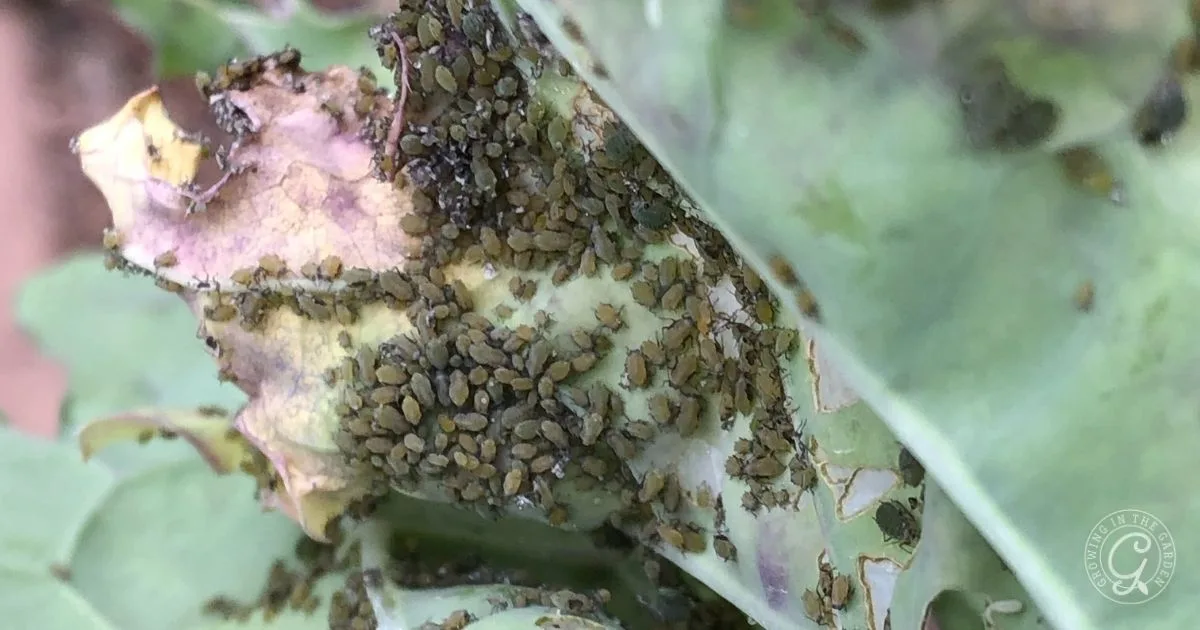
Aphids love soft, fast growth. A key prevention step is avoiding excess nitrogen and minimizing plant stress. That’s why they’re common on:
- New spring flushes
- Plants that got a heavy nitrogen boost
- Stressed plants (heat, inconsistent watering, crowded airflow)
- Crops nearing the end of their life cycle
Aphids reproduce quickly, which is why “a few” can become “a lot” in a short window. They also produce winged adults when populations get crowded, which helps them spread to nearby plants.
However, aphid populations often crash naturally due to predators, parasitoids, and changing seasons. Some are also heat-intolerant and fade as temperatures climb.
When to Ignore Aphids
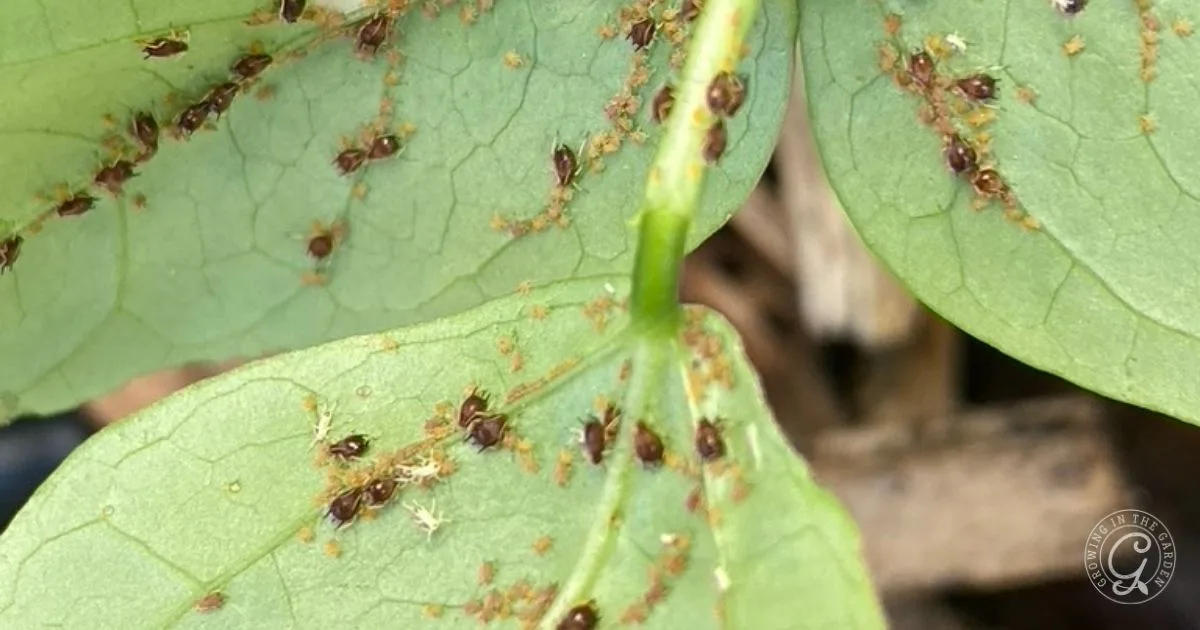
When I see aphids in my garden, I almost get excited because I know that means beneficials will show up soon. So rather than treating, my go-to treatment is being an interested observer. For more ways to prevent pest flare-ups before they start, see 5 Ways to Prevent Garden Pests Organically.
Ignoring aphids is often the smartest move when:
- The plant is established and still growing well. A few aphids rarely slow a healthy plant down.
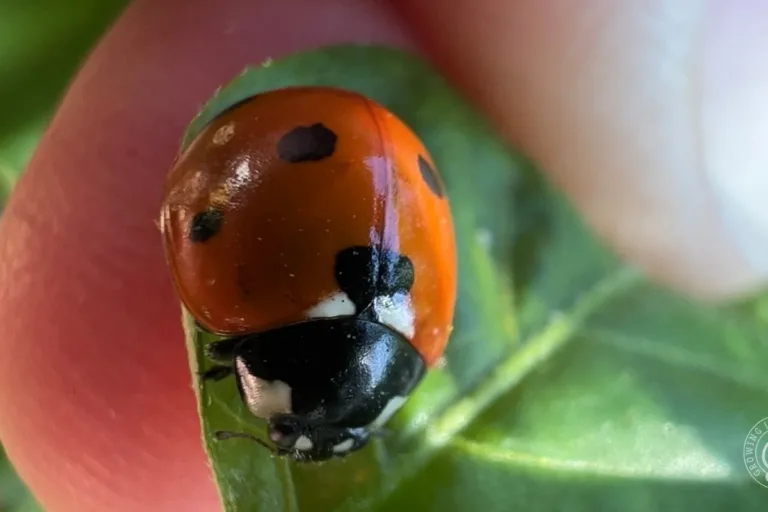
- You’re already seeing beneficial insects (or signs they’ve arrived). Look for ladybug larvae, lacewing eggs, hoverfly larvae, or aphid “mummies.”
- The infestation is light and contained. A small cluster on one stem tip is often just “dinner” for what’s coming next.
- Your plant is already close to the end of its season. Older, stressed, or finishing plants often attract aphids. That’s normal, and it can help draw beneficial predators into the garden.
- The leaves look mostly normal. If you’re not seeing widespread curling, stunting, or sticky honeydew everywhere, you can usually wait it out.
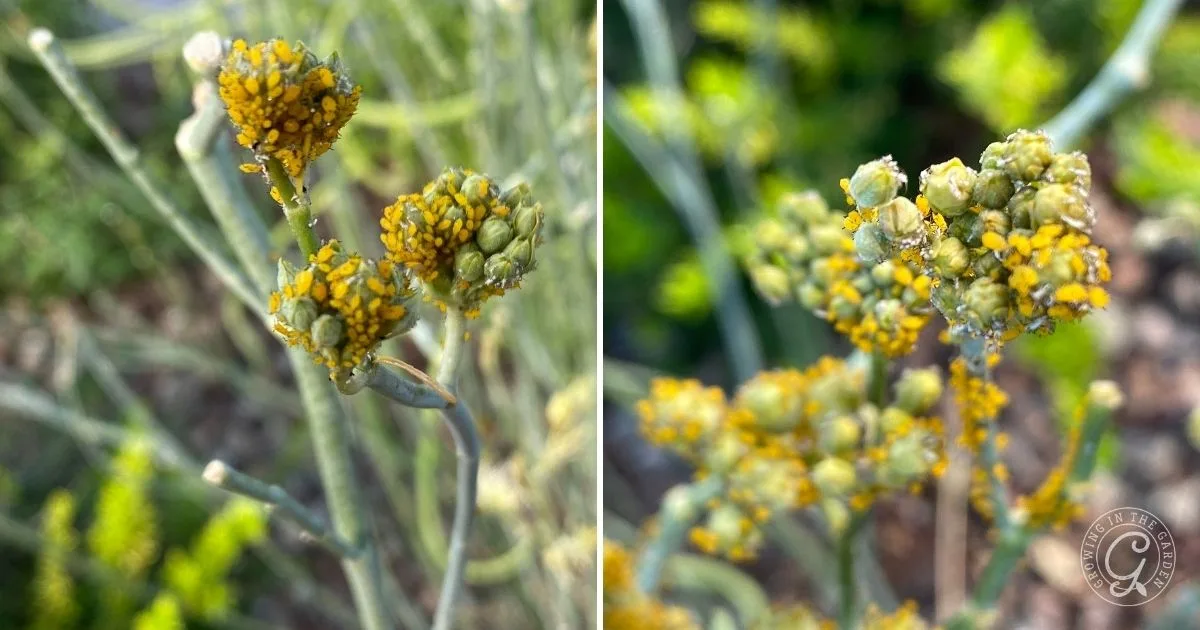
What about aphids on milkweed?
Aphids on milkweed are normal and mostly cosmetic. They do not bother Monarch or Queen caterpillars, and they do not keep butterflies from visiting. Do not treat or worry about it. Caterpillar eggs are tiny and easy to dislodge, so efforts to make milkweed aphid-free can cause harm.
When to Step In
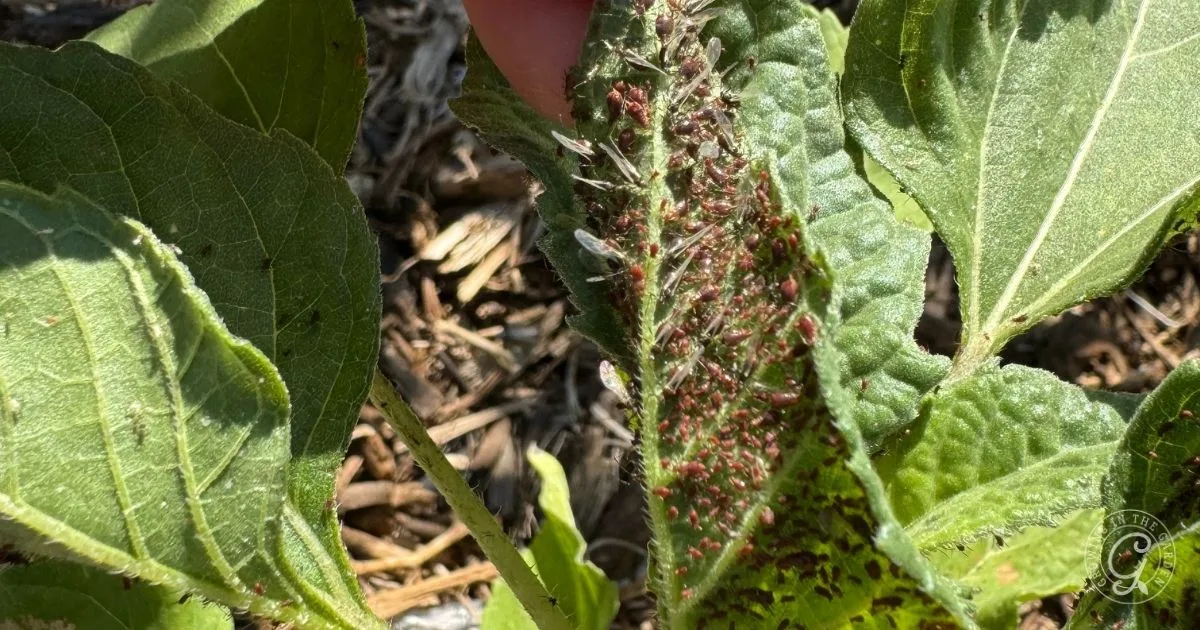
Very rarely do I intervene, even with a spray of water, but there may be cases where you want to prevent infestations from becoming larger. Here are some situations to consider acting:
- Seedlings or very young transplants are getting covered. They don’t have much leaf area to spare, and heavy feeding can stall them fast.
- New growth is severely distorted, and the plant is staling. If the growing tip is getting twisted, curled, or sticky and the plant stops putting on new growth, it’s time to step in.
- You’re not seeing any beneficials after a week or more, and aphids keep building. Sometimes the helpers are slow to arrive.
Your goal is not “zero aphids.” Your goal is “not enough aphids to seriously set the plant back.”
The Aphid Plan: Low-Interference IPM That Protects Beneficials
1) Start with plant health
Before you touch the aphids, check the basics: Is it getting enough sun, steady moisture, and airflow?
And did it recently get a lot of nitrogen? That fresh green growth is attractive to aphids. Healthy plants tolerate pests better, and stressed plants attract problems faster.
2) Look for the “good guys” first
If you see predators, give them time. A small aphid colony is food, and food is what keeps beneficial insects in your yard. Before you wipe anything off a leaf near an aphid colony, it is worth knowing what you are looking at. This guide to identifying beneficial insect eggs will help you tell the difference between a pest and something working in your favor
3) Remove the worst clusters by hand (or with pruners)
If one stem tip is loaded, clip it off. That’s often enough to bring the infestation down without disrupting the predator-prey cycle.
4) Use a strong spray of water (the only “treatment” you need here)
For sturdy plants, knock aphids off with a firm stream of water. Most dislodged aphids won’t make it back onto the plant. Spraying also rinses off honeydew. Repeat as needed for a few days. If you want the bigger picture for handling garden pests without harsh treatments, read Organic Pest Control That Really Works.
5) Build an “insectary” effect with flowers and herbs
This is where your long-term aphid control gets easier. Many beneficial insects need nectar and pollen at some point, even if their larvae are the ones doing the aphid-eating. Supporting predators and parasitoids means keeping something in bloom year-round and avoiding practices that wipe them out.
Great aphid-supporting plants include:
- Sweet alyssum (a powerhouse for attracting aphid-eaters like hoverflies and ladybugs)
- Letting herbs flower: dill, cilantro, parsley
- Small, nectar-rich blooms sprinkled throughout the garden (not just in one corner)
If you want a simple rule: plant a flower and an herb in every bed (or each container grouping). For a simple, repeatable way to add blooms that support beneficial insects, see Planting for Pollinators: How to Create an Insectary Border.
Aphids on Kale and Broccoli: What Works Best
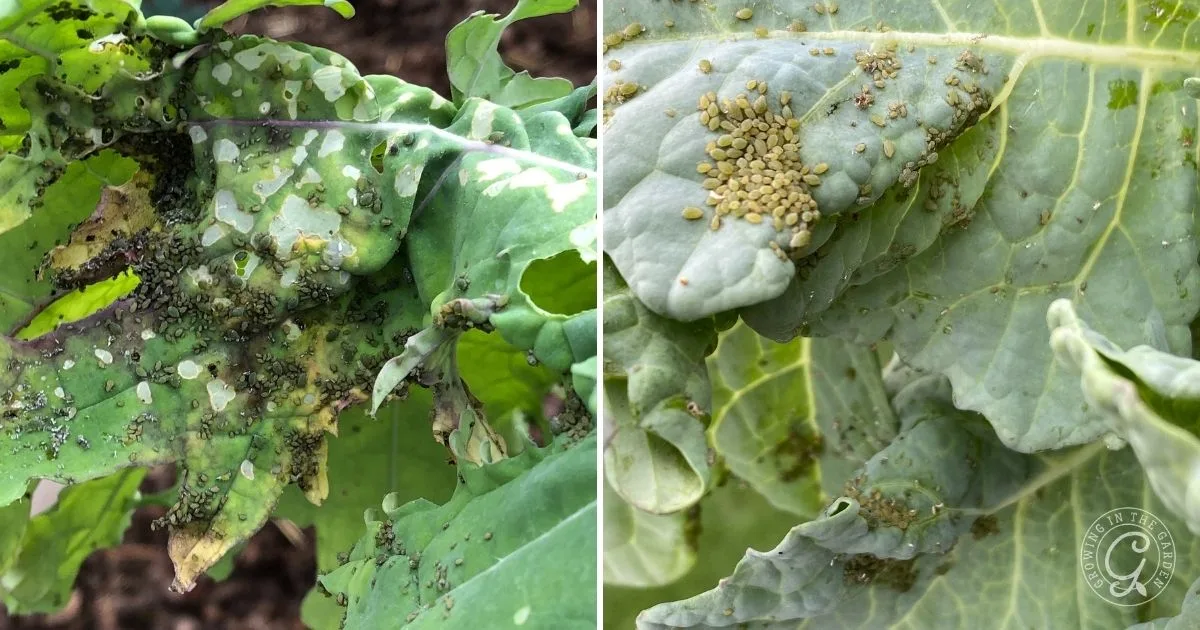
With kale and broccoli, aphids often pack into tight curls and textured leaves. Early on, don’t let a few aphids bother you. A few aphids on the outer leaves are normal.
- If a leaf is severely infested, remove it and move on.
- If aphids are covering the growing tip, that’s when you may want to intervene and spray them off with a strong stream of water.
- And if the plant is near the end of production and aphids are taking over, it may be time to cut the plant off at the base and feed the infested plant to your chickens.
If you’re seeing aphids show up on fall brassicas, these timing and setup tips can make a big difference: Fall Gardening in Arizona: Tips for Success.
Aphids on Roses: What to Do (Without Disrupting Beneficials)
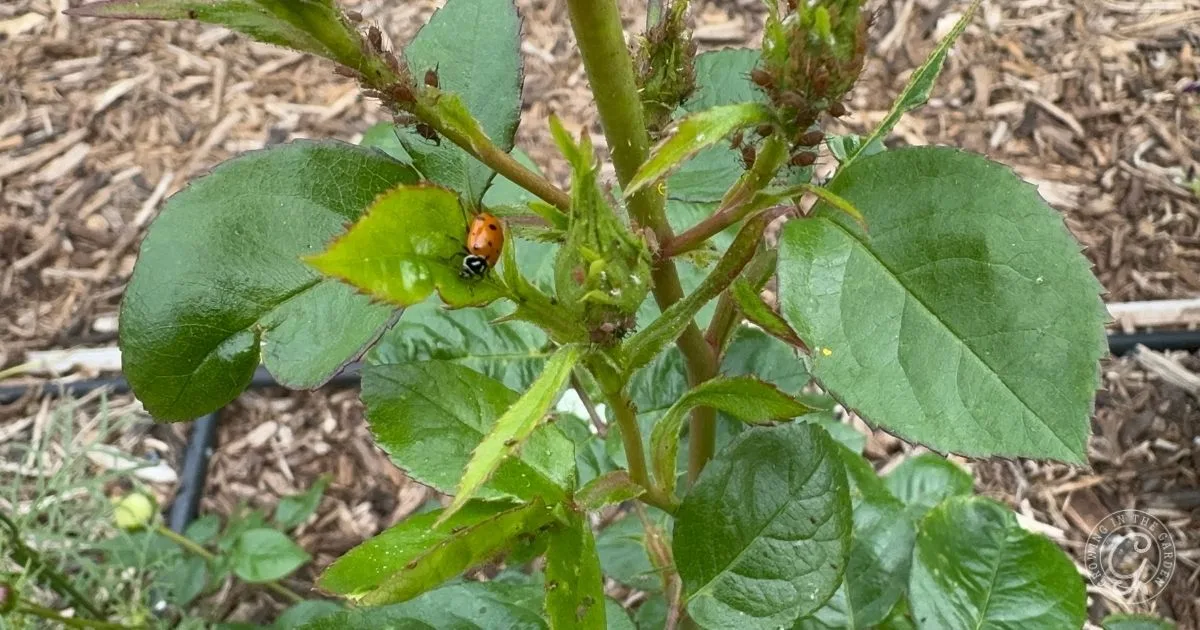
On roses, aphids usually gather on soft new stems, buds, and tender leaves. Most of the time, I’m an interested observer and don’t treat at all. If you want to intervene, start with the gentlest options:
- Pinch or prune off heavily infested tips.
- Blast with water, especially on buds and stems.
- Then step back and let the helpers work once they arrive.
Roses are a classic place where “a few aphids” often turn into a ladybug party if you don’t panic. I plant sweet alyssum at the base of all my roses for exactly that reason. If you want more easy companions to tuck into empty spots in fall and winter beds, here are my favorites: 10 Easy to Grow Cool-Season Companion Plants.
If your flowers look rough but you are not seeing clusters of aphids, thrips may be the culprit, especially on roses. Learn how to get rid of thrips on roses in this article.
A Quick Note About Ants and Aphids
If you’ve got ants running up and down the plant, the plant looks sticky, and there are aphids too, the ants are likely farming the aphids. They protect aphids from predators so they can harvest the sticky honeydew that aphids produce.
In my experience, treating for ants is often what helps bring aphid numbers back into balance and lets beneficial insects do their job. I use these Terro ant baits to treat the ants.
Ants “farm” aphids when they protect aphids from predators so they can collect the sticky sugary liquid aphids produce, called honeydew.
Which Beneficial Insects Help with Aphids?
Here are some of the most common aphid-eating beneficial insects, the life stage (instar) that does the eating, and plants that help attract and support them. If you want more help identifying what you’re seeing and how each beneficial helps, start with Beneficial Insects as Natural Pest Control.
Predators that eat aphids (larvae do most of the work):
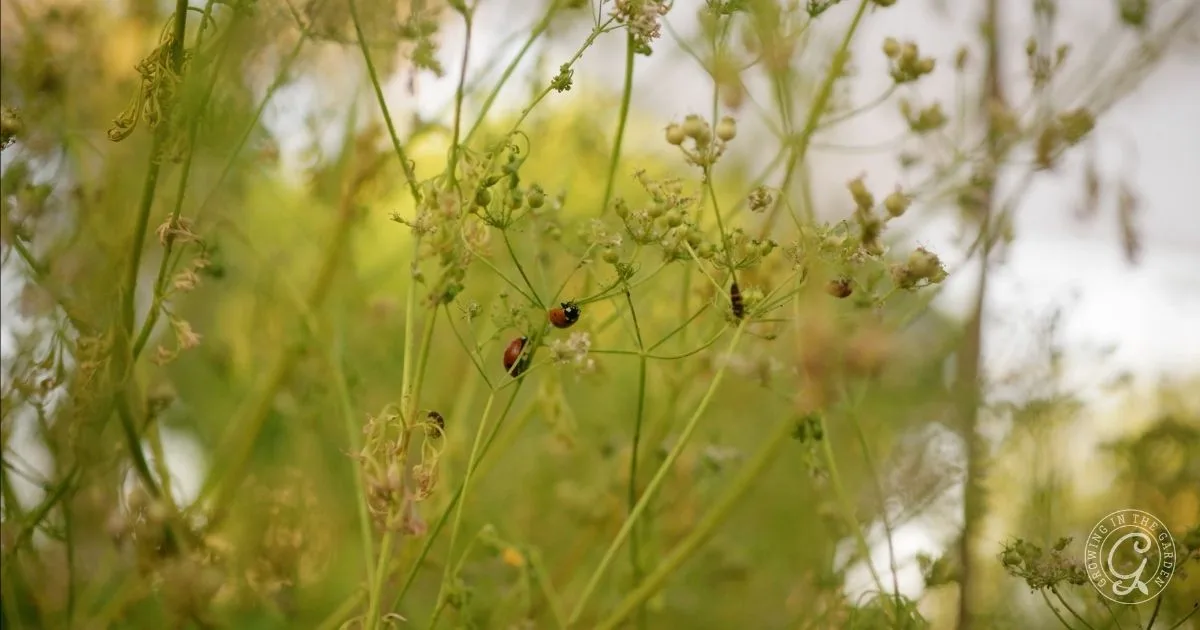
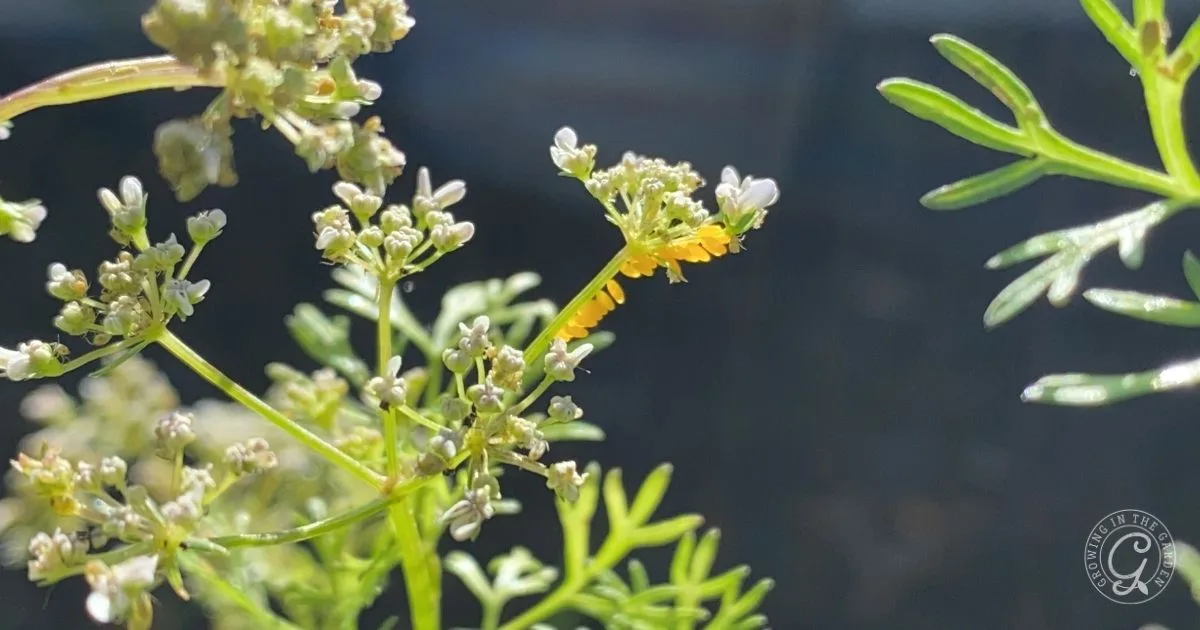
Lady beetles (ladybugs)
- Aphid-eating stage: Larvae (all 4 larval instars) and adults eat aphids.
- Plants they visit for nectar and pollen: cilantro (coriander), dill, fennel, golden marguerite, marigold, sunflower, tansy, mountain mint, and buckwheat.
If you’re hoping to use ladybugs for aphid control, I recommend focusing on attracting and supporting local populations rather than purchasing them. Learn why in my guide called Don’t Buy Ladybugs: Learn How to Attract Them Instead, and discover more about the ladybug lifecycle and how to attract ladybugs to your garden.
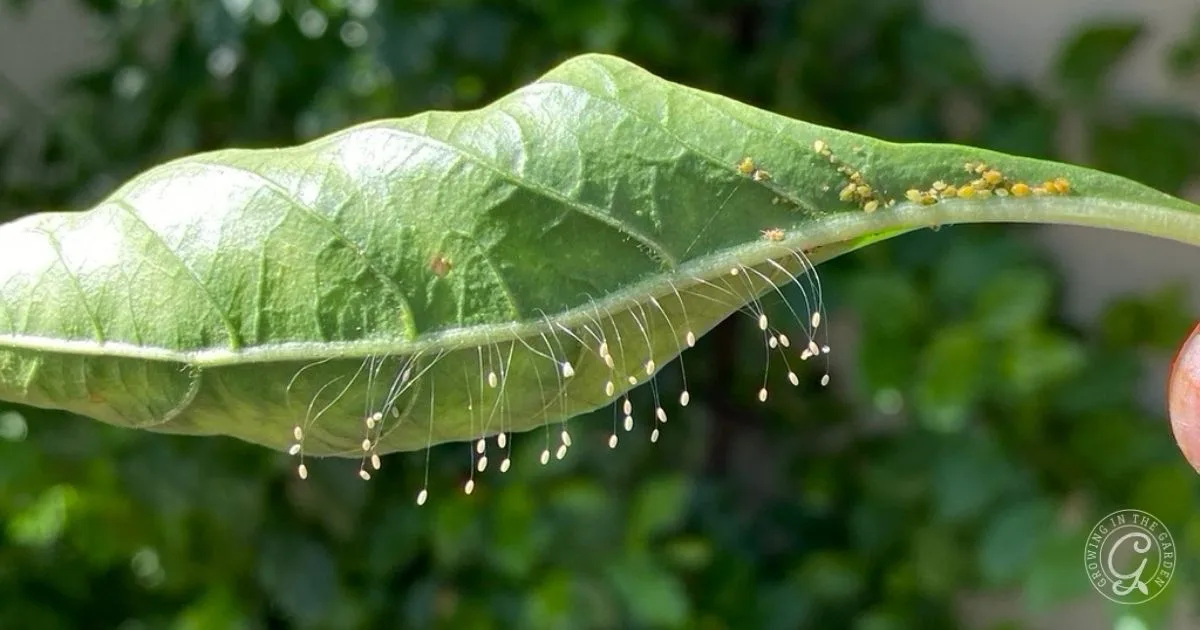
Green lacewings
- Aphid-eating stage: Larvae (3 larval instars) are the hunters. Adults mostly use nectar, honeydew, and pollen.
- Plants they visit for nectar and pollen: cilantro, dill, fennel, tansy, sunflower, plus other small, open flowers.
Lacewings are equally effective at controlling aphids and have one big advantage in the low desert—they stay active during summer when ladybugs have migrated. Learn how to attract lacewings and recognize their lifecycle stages here.
Hoverflies (syrphid flies)
- Aphid-eating stage: Larvae feed on aphids. Adults feed on nectar and pollen.
- Plants that strongly support them: sweet alyssum, buckwheat, cilantro, and dill.
Hoverfly larvae are one of the most effective natural controls for aphid colonies and are present in the low desert almost year-round. This guide to hoverflies in the garden explains what to look for at every stage.
Aphid midges (Aphidoletes)
- Aphid-eating stage: Larvae (3 larval instars) are predatory.
- What draws them in: adults are most tied to aphid colonies (honeydew), and they do best when the garden is friendly to beneficials overall (lots of blooms, no broad-spectrum sprays).
Parasitoids:
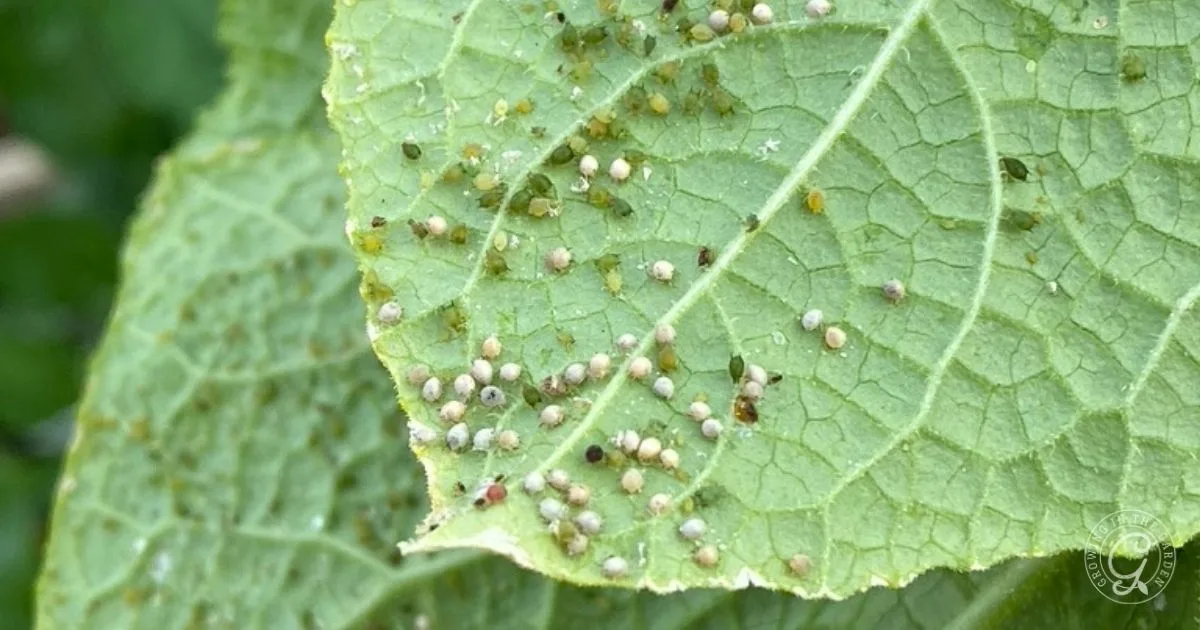
Aphid parasitoid wasps (the “aphid mummy” makers)
- Aphid-eating stage: the wasp larva develops inside the aphid (and can go through multiple larval instars) and kills it.
- Plants that support adults with nectar: sweet alyssum, cilantro (coriander), dill, fennel, parsley, lemon balm, zinnia, cosmos, buckwheat.
For a full guide on parasitic wasps, read this guide.
Generalist predators:
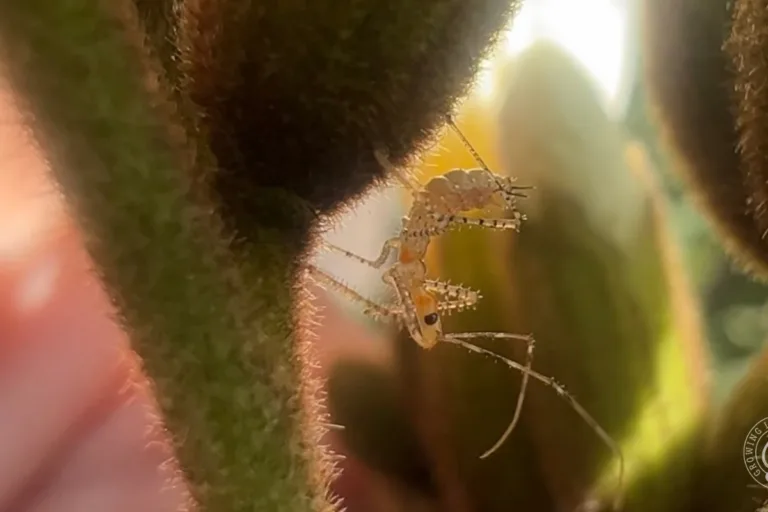
Minute pirate bugs (Orius)
- Aphid-eating stage: nymphs and adults eat aphids (and other soft-bodied pests).
- Plants commonly found around: fennel, spearmint, cosmos, marigold (plus lots of flowering plants in general).
Big-eyed bugs and damsel bugs
- Aphid-eating stage: nymphs and adults are predators.
- Plants that help support them: fennel, cosmos, marigold, spearmint (and other small-flowered plants).
FAQ about Getting Rid of Aphids
Rarely, especially if the plant is established. Seedlings are the main time aphids can truly set you back.
No. A garden with zero pests is usually a garden with fewer beneficial insects. Balance beats perfection.
Not always. Sometimes they’re simply part of the season. That said, excess nitrogen and plant stress can increase outbreaks.
A strong spray of plain water is an effective first step on sturdy plants.

Leave a comment on How to Get Rid of Aphids (and When to Ignore Them)