
How to Grow Alyssum and Attract Pollinators
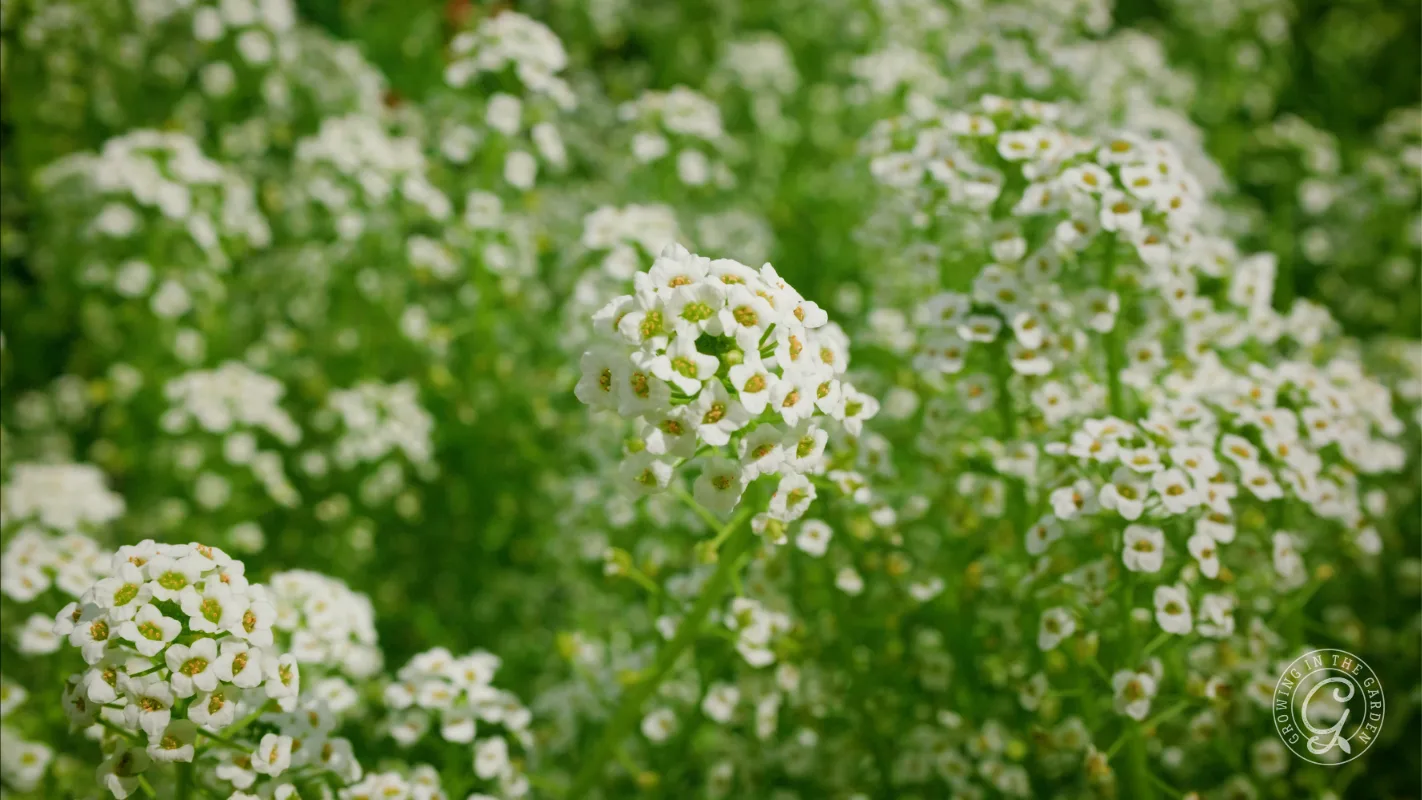
Sweet alyssum is a little flower that does a lot of work. It’s beautiful, it smells wonderful, and it’s one of the best companion plants you can add to your garden for pest control. It’s a low-growing annual, it’s easy to plant, and the tiny blooms pull in beneficial insects and pollinators like almost nothing else I grow.
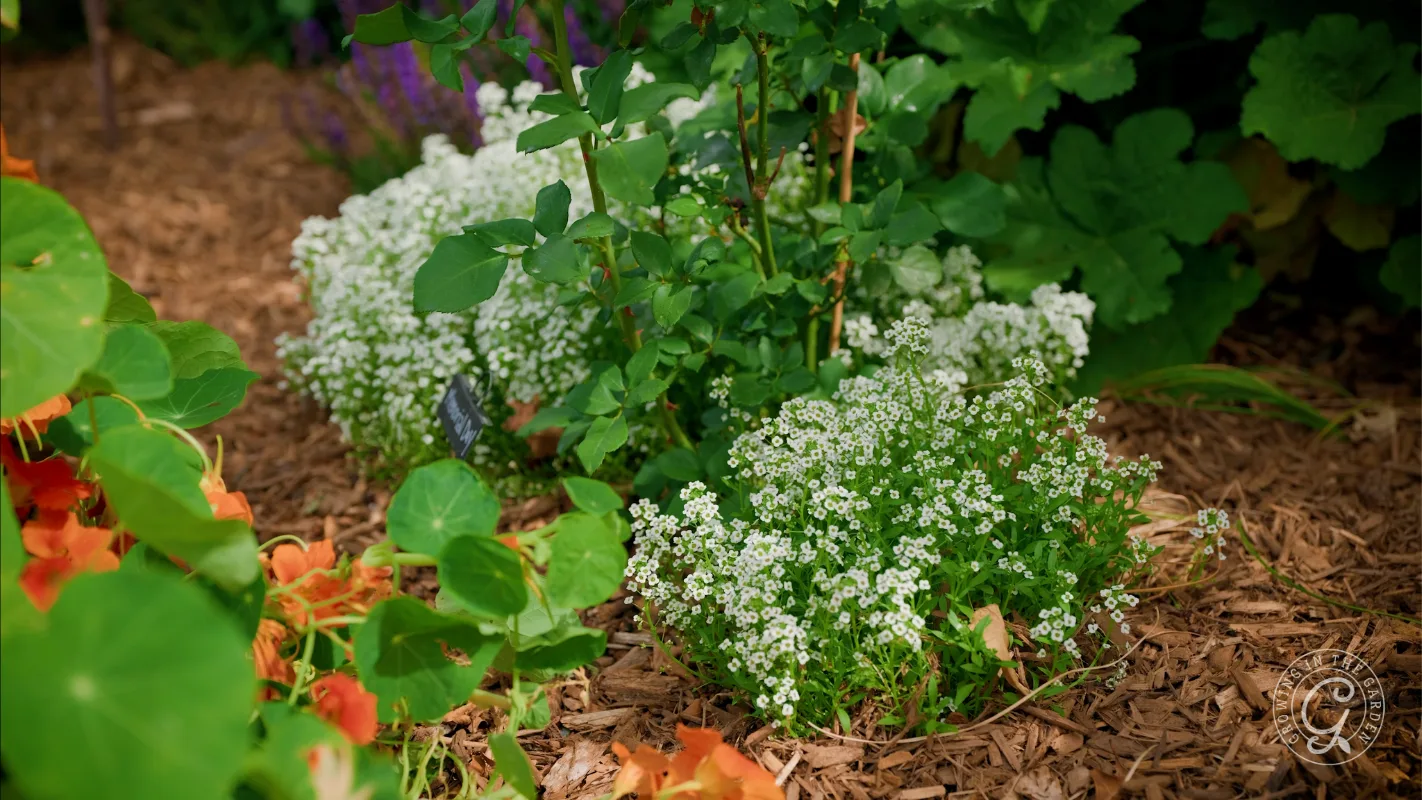
I add it to raised beds, containers, and in-ground areas. It grows well just about anywhere. When it fills in and gets large, you can’t miss the smell. It has a delicate, honey-like fragrance that’s sweet without being overpowering.
Key Takeaways: How to Grow Alyssum
- Sweet alyssum is an excellent companion plant for pest control and attracts beneficial insects.
- Plant sweet alyssum in zones 5 through 9, ideally in sunny spots with good drainage.
- Start seeds indoors before the last frost or sow them outdoors after frost danger has passed.
- Alyssum blooms attract hoverflies and ladybugs, helping to control aphid populations effectively.
- Regular watering and occasional trimming can enhance alyssum’s growth and flowering; many varieties self-seed for next season.
What We’ll Cover:
Prefer to watch? I walk through all of the growing tips in this video:

How Alyssum Earned a Permanent Spot Around My Roses
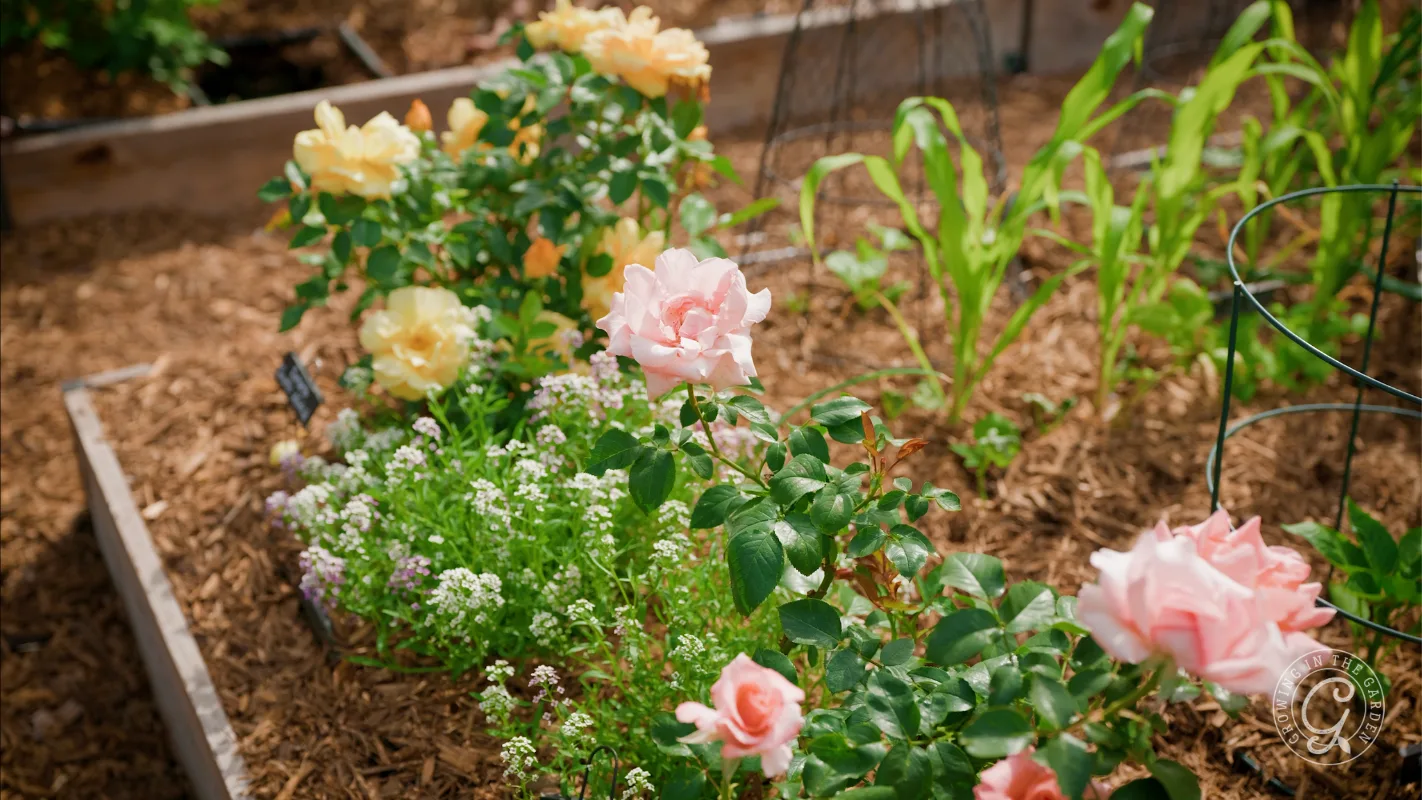
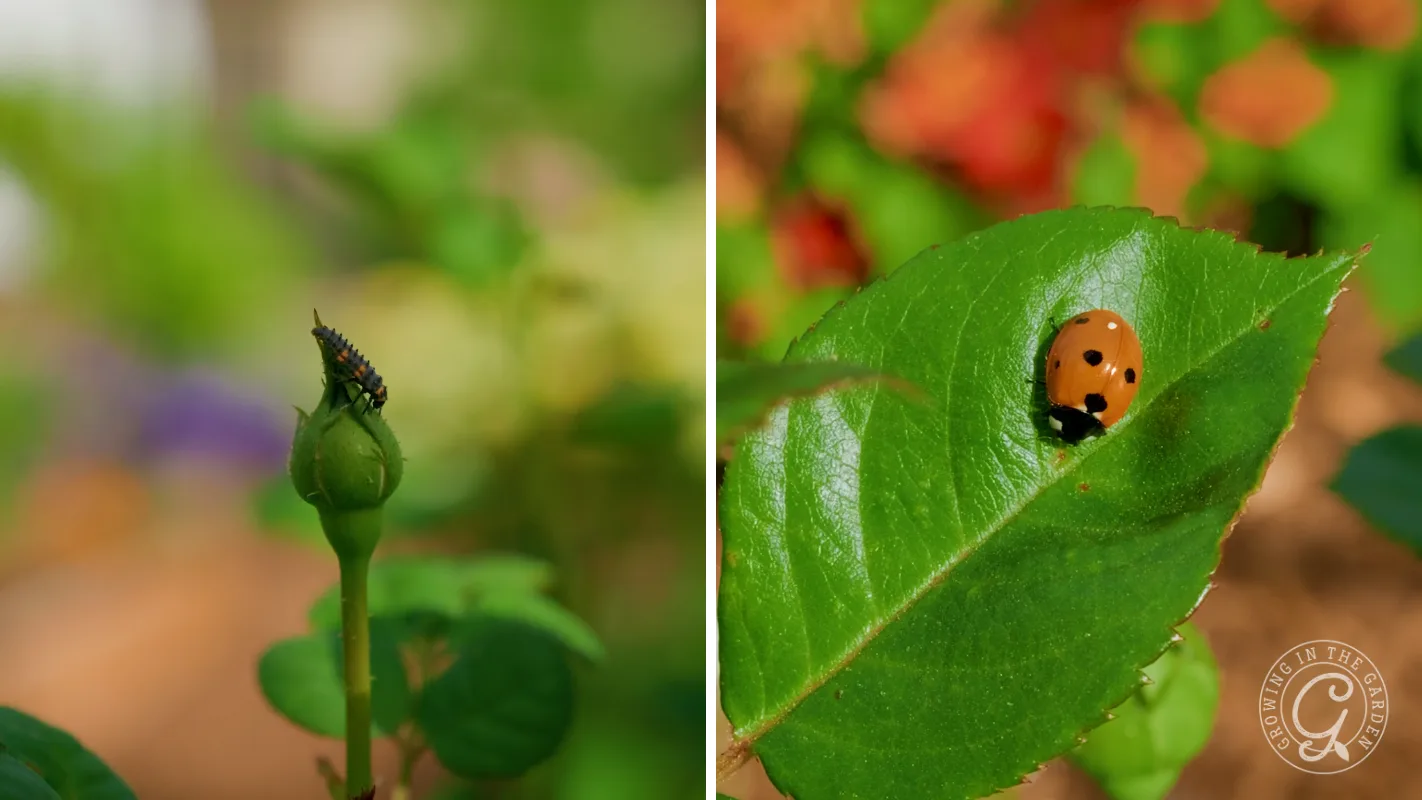
I’m still fairly new to roses, and I had no idea how many aphids they attract. I’m used to letting beneficial insects like lacewings and ladybugs handle aphids, so now I plant sweet alyssum all around my roses.
The alyssum has exploded with growth, and the whole area is buzzing with insects and bees. I’ve spotted a few aphids, but I’m not worried about them. They’ll get taken care of, and I get to sit back and enjoy my roses.
What Growing Zones Does Alyssum Like?
Sweet alyssum usually does well in zones 5 through 9. In milder climates, around zones 9 to 11, it may overwinter and act more like a short-lived perennial. It handles light frost with little trouble, but it won’t survive a hard freeze or high heat.
When Should You Plant Alyssum?
In cooler climates, start seeds indoors a few weeks before your last frost, or sow seeds outside once the danger of frost has passed.
Here in the low desert, plant from October through March. Alyssum grows well through the cooler months and really explodes with growth in the spring. Once it starts getting hot, it usually dies back and I take it out during the hottest part of the summer.
Where Should You Plant Alyssum?
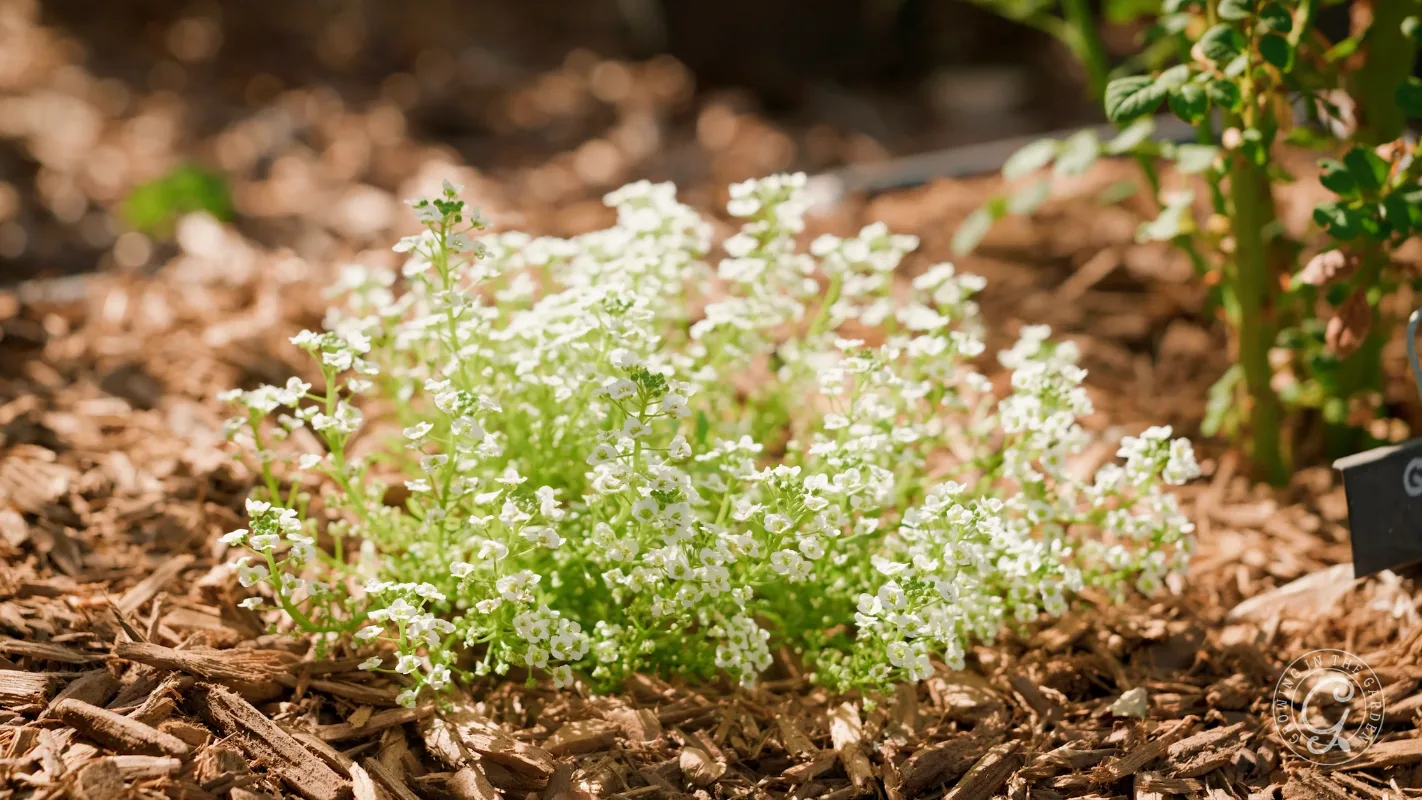
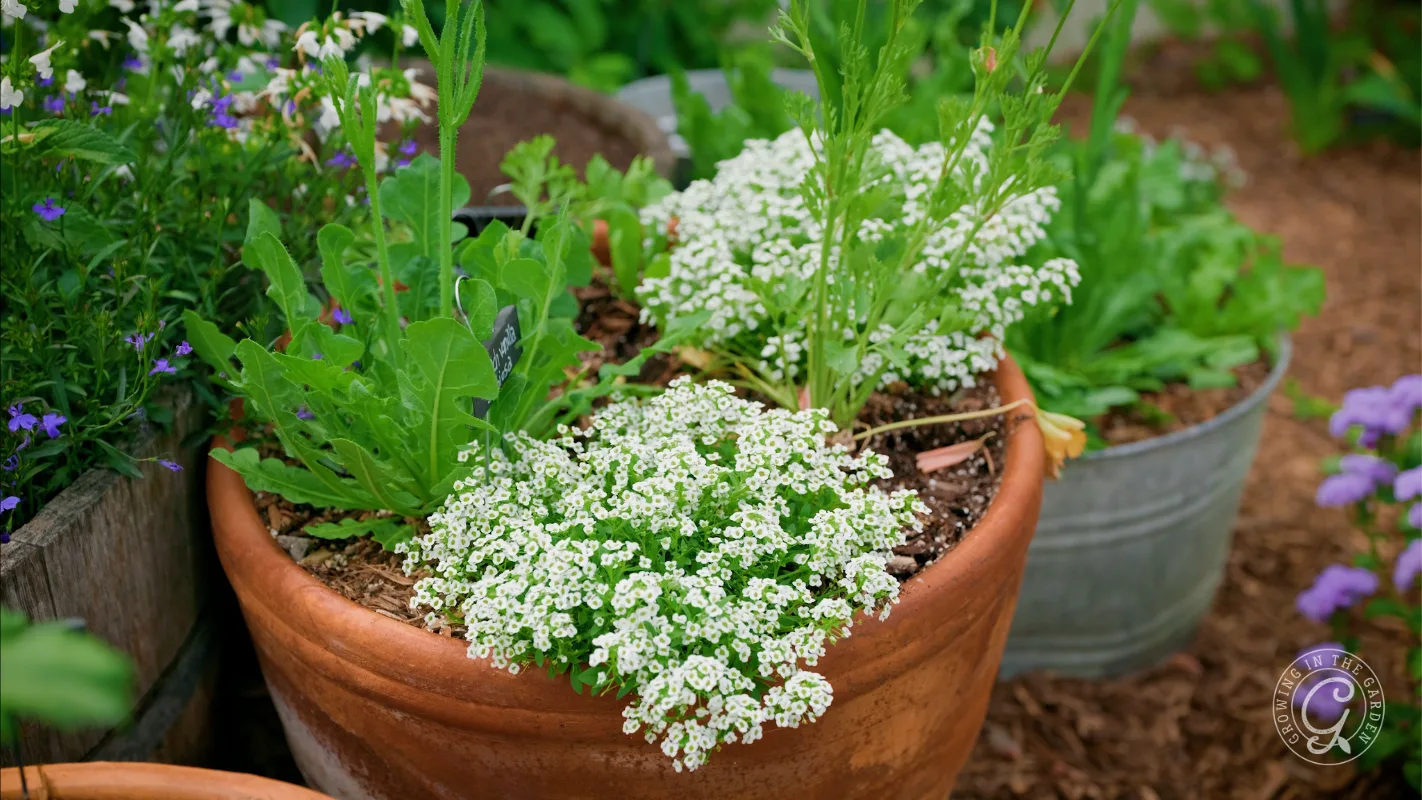
Choose a spot with plenty of sun. In hot climates, afternoon shade helps it last longer into the summer. Alyssum stays low, usually three to nine inches tall and six to twelve inches wide, so it’s perfect for the edges of beds, along pathways, and in hanging baskets.
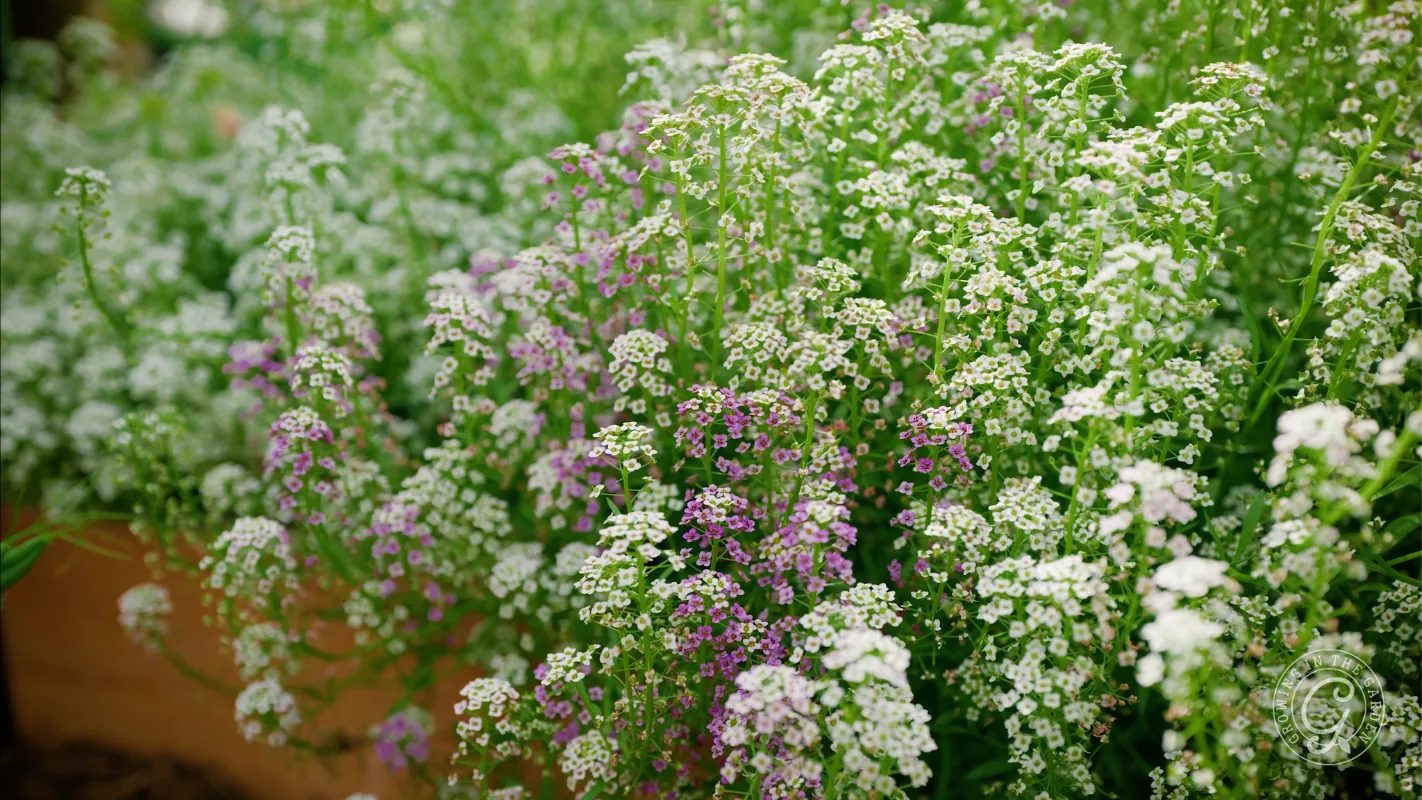
Alyssum needs good drainage. Heavy clay can lead to rot, so add compost or plant in raised beds. The most common variety is white, but it also comes in colors like pink and purple.
How Do You Grow Alyssum From Seed?
If you’re seeding directly into the garden, sprinkle the seeds on top of the soil. Don’t bury them. They need light to germinate. If you have rain and cloudy weather coming, that’s a good time to sow. The seeds sprout fast, sometimes in just a few days.
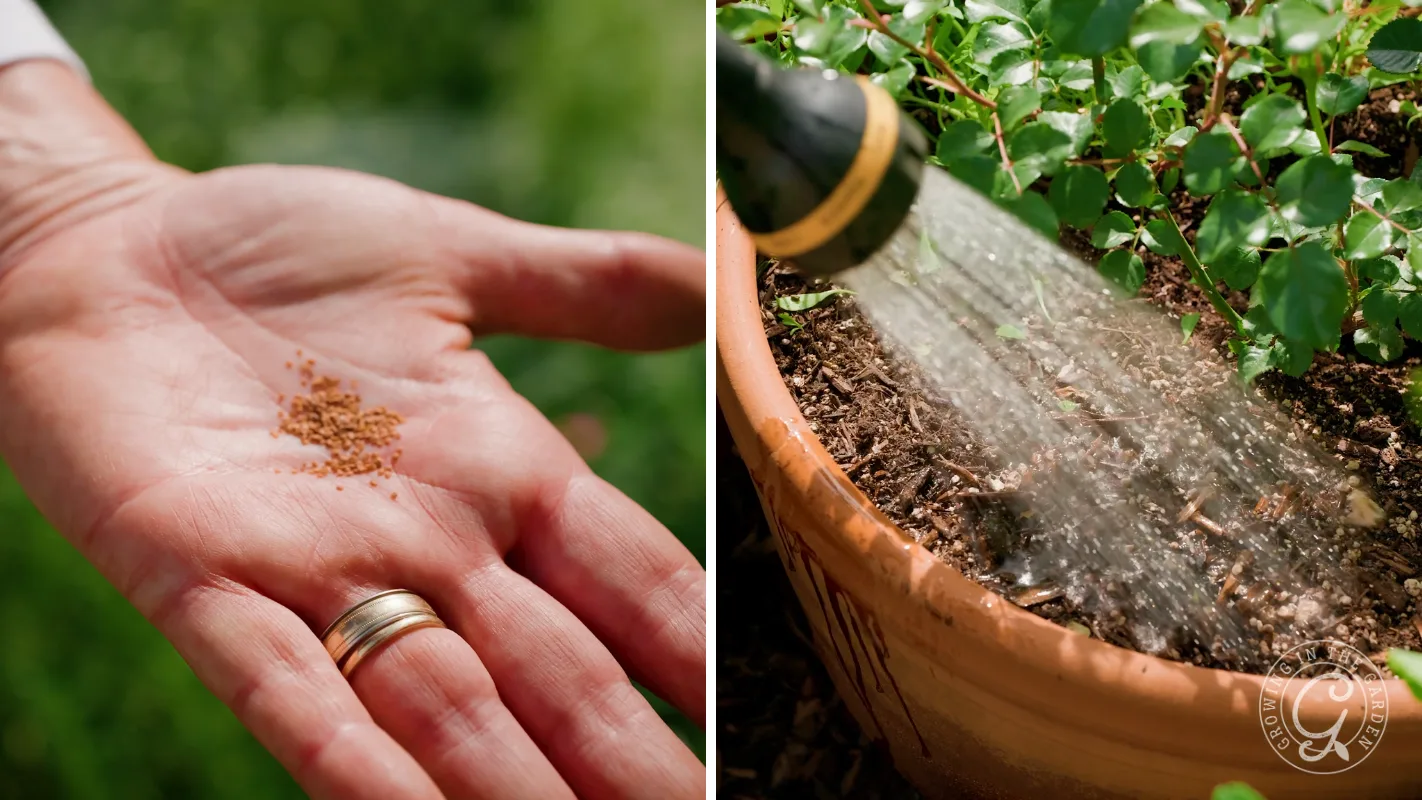
Once they’re up and growing, thin them to about six to twelve inches apart so they don’t overcrowd each other.
Growing from seed also gives you more varieties to choose from. A few I like are Allure Pastel Blend, Oriental Nights, Rosie O’Day, and Tiny Tim. If you want a few more cool-season flowers to start alongside it, here are 10 easy cool-season flowers to plant from seed.
What About Transplants?
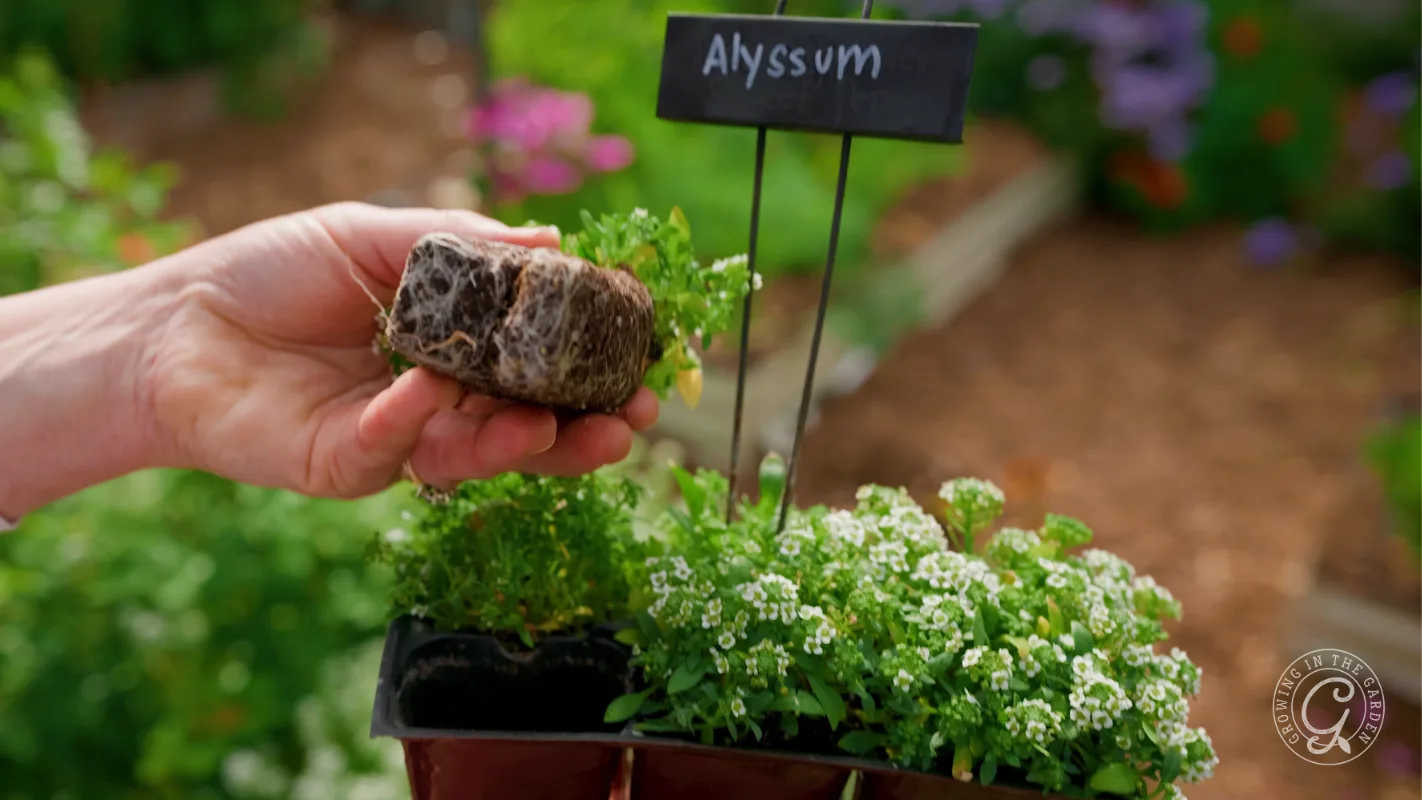
If you’d rather buy transplants, grab a few small ones at the nursery. They’re easy to find. I always end up buying more than I think I need, because I keep finding a spot for one more.
Space transplants about a foot apart and keep them well watered until they’re established. Their small root balls dry out quickly before they settle in. Once they get going, you’ll see growth pretty fast. For more fall color that grows as easily as alyssum, see my 10 easy-to-grow fall flowers.
How Do You Care for Alyssum?
Give alyssum regular water, but don’t overwater. It doesn’t like soggy feet. In containers and hanging baskets, check moisture more often since they dry out faster. Here’s how I water outdoor potted plants.
I don’t do much feeding. I add compost and worm castings when I plant, and that’s usually it for the season.
A quick trim halfway through the season encourages a second flush of flowers. One warning: if it’s already getting hot, that same trim will stress the plant and can kill it. Only trim while the weather is still mild.
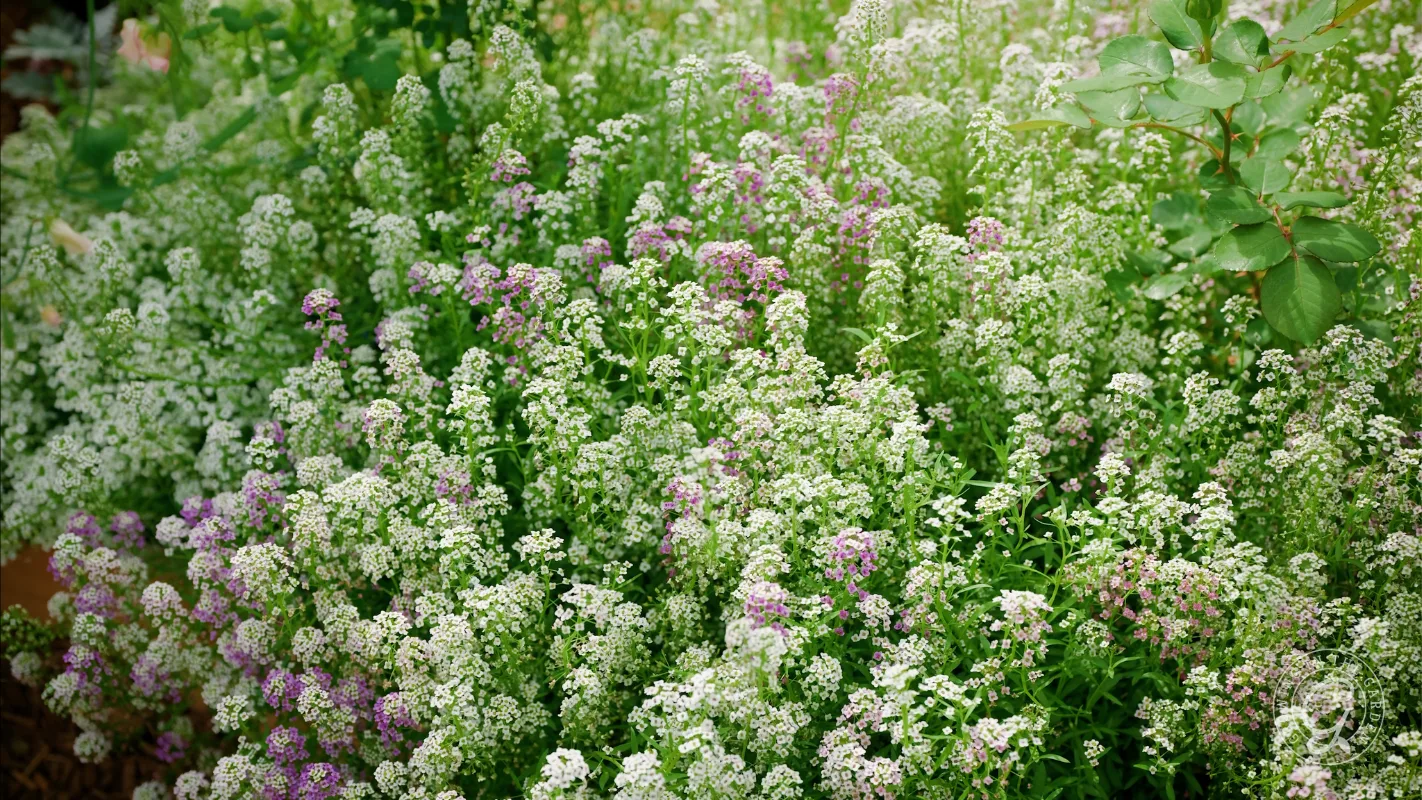
Many alyssum varieties drop seeds and come back the next season. If you’d like volunteers next year, let some spent flowers stay on the plant. You can also collect seeds from dried blooms and save them for next year.
How Does Alyssum Help With Aphids?
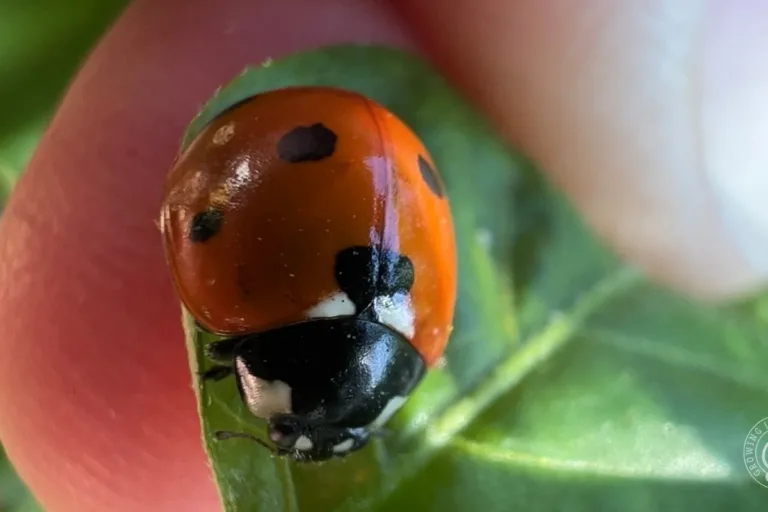
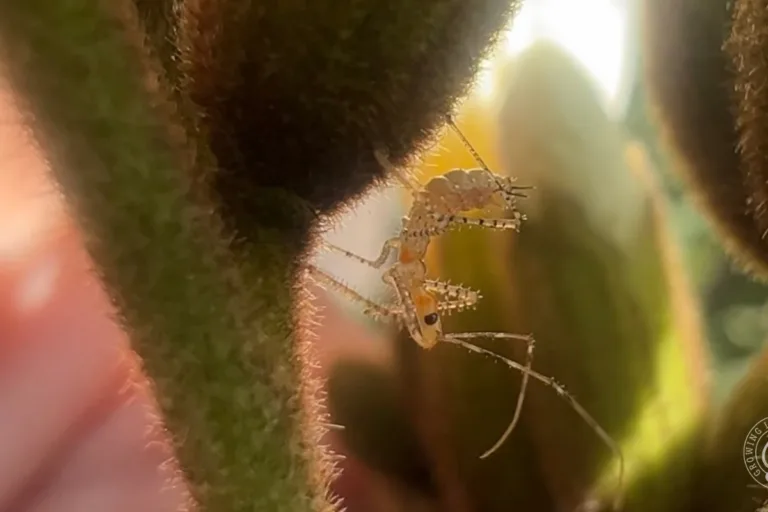
Alyssum blooms are tiny, which makes them irresistible to hoverflies, ladybugs, and parasitic wasps. Those insects and their larvae eat aphids, along with other pests. So if you have aphids on your lettuce or roses, alyssum brings in the help. Plant it near roses, lettuce, brassicas, or anything prone to aphids. You can read more in how to get rid of aphids and this guide to plants that attract beneficial insects.
When you spend time in your garden each day, watch the pest cycles. You’ll see the aphids, and right when you think it’s time to step in, pause. This gives the beneficial insects a chance to work. They will come!
Sweet alyssum is easy to grow and wonderful to smell. If you like the idea of natural pest control, this is one to plant. Your vegetables, your roses, and the beneficial insects will thank you.
For more low-desert flower ideas to pair with it, browse my Arizona annual flowers visual guide.
Growing Alyssum FAQs
In cooler climates, start seeds indoors a few weeks before your last frost, or sow outdoors once frost danger has passed. In the low desert, plant from October through March. Alyssum is a cool-season flower and grows well until it gets hot.
Yes. Its tiny flowers attract hoverflies, ladybugs, and parasitic wasps, and those insects and their larvae eat aphids. Plant it near roses, lettuce, and brassicas, then give the beneficial insects time to do the work before you step in.
Plenty of sun. In hot climates, some afternoon shade helps it last longer into the summer. It grows well in raised beds, containers, and in-ground areas.
Sprinkle seeds on top of the soil and don’t bury them, since they need light to germinate. Cloudy, rainy weather is a good time to sow. Seeds sprout in a few days, and you thin seedlings to six to twelve inches apart.
A trim halfway through the season encourages a second flush of flowers, but only while the weather is still mild. If it’s already getting hot, cutting it back will stress the plant and can kill it.
Many varieties self-seed and come back the following season. Leave some spent flowers on the plant if you’d like volunteers next year. In mild-winter climates it can overwinter and act like a short-lived perennial.


Leave a comment on How to Grow Alyssum and Attract Pollinators