
How to Grow Amaryllis: Easy Care from Bulb to Bloom
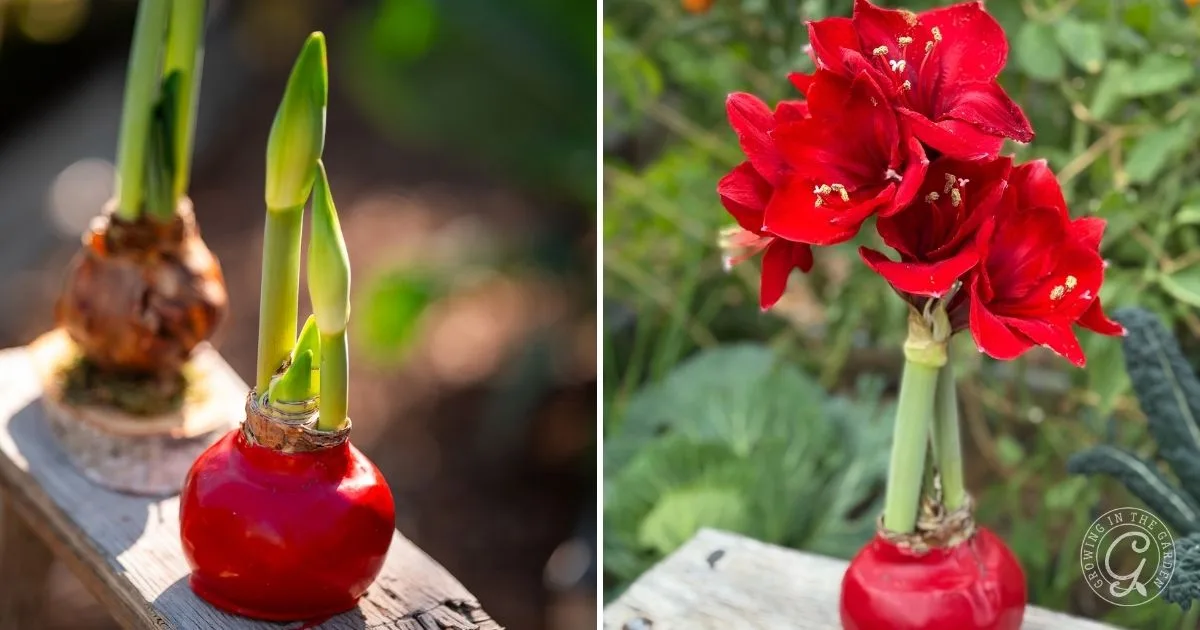
Did you get an amaryllis bulb for Christmas? Good news, you don’t have to toss it once the blooms fade. With a little care now and some simple steps later, you can enjoy those gorgeous flowers again next year. Whether you’re growing it indoors for the holidays or planting it outside afterward, this guide will help you learn how to grow amaryllis and keep it thriving year after year.
What We’ll Cover:
Did You Know?
- Amaryllis bulbs often bloom about 6–8 weeks after planting, making them popular for timed holiday blooms.
- With the right care, an amaryllis bulb can last up to 15 years (or more!) and rebloom annually.
Related Posts:
Holiday Amaryllis Care (Indoor Care During Winter)
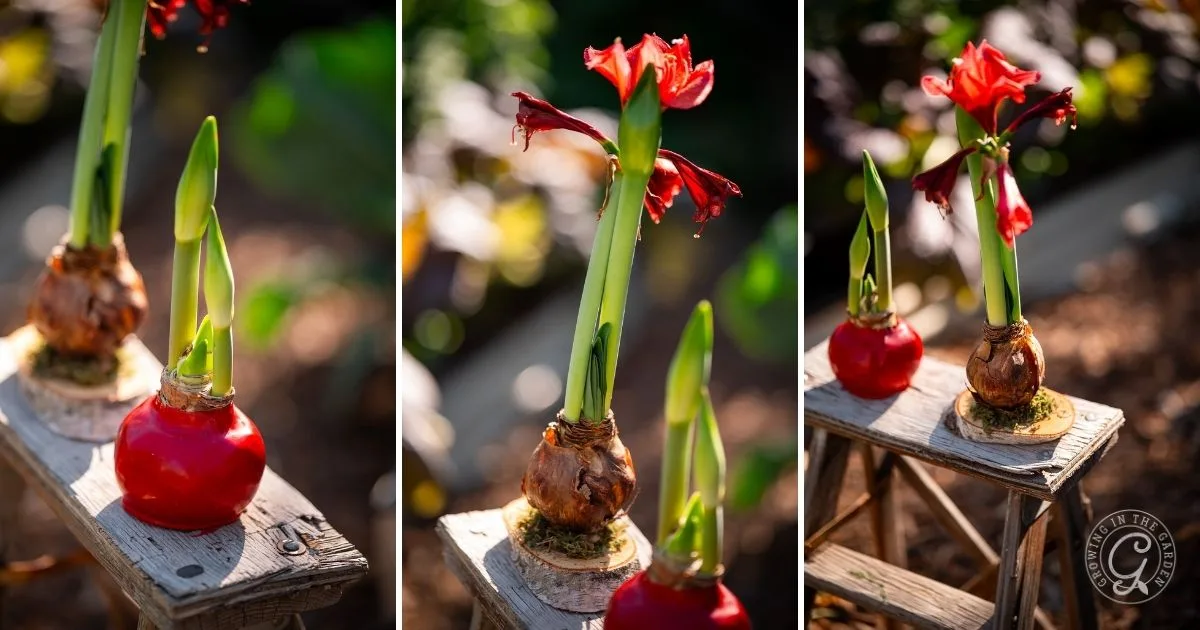
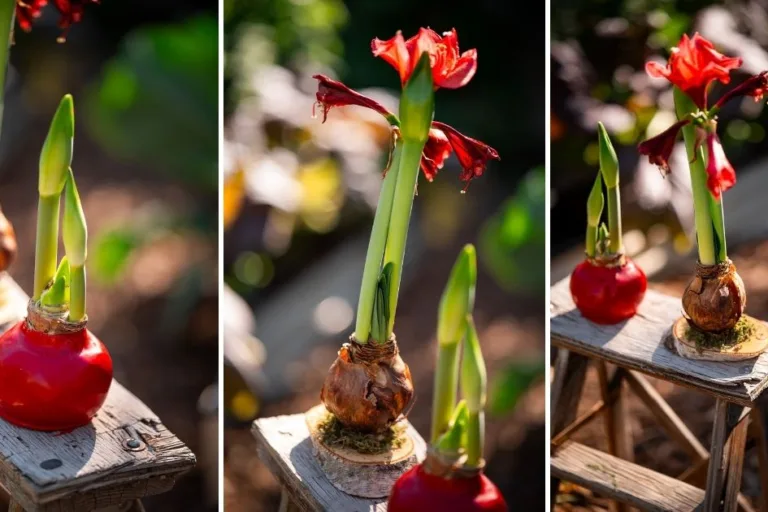
Most people receive their amaryllis bulbs as holiday gifts, often already planted or in a decorative box. Here’s how to help yours bloom beautifully indoors this winter:
- Light: Place your amaryllis in a bright spot indoors. Give it bright light near a sunny window. Too little light will make it tall and floppy.
- Watering: Water sparingly at first. Once you see growth, keep the soil lightly moist but never soggy. Overwatering is one of the most common mistakes with amaryllis.
- Temperature: Keep it warm, around 65–75°F (18–24°C). Cooler nighttime temperatures will help the flowers last longer once they open.
- Support: As the flower stalk grows, it can get top-heavy. Use a small stake or support if it starts to lean.
- After Blooming: When the flowers fade, cut the bloom stalk down to just above the bulb, but keep the leaves. The leaves will continue gathering energy for next year’s blooms.
Once the danger of frost has passed and your soil has warmed above 65°F, you can move your amaryllis outdoors or plant it in the ground for the next growing season.
Why Grow Amaryllis?
If you’ve only grown amaryllis indoors, you’re in for a treat. These plants are tough, dependable, and rewarding to grow.
- Big, bold blooms that brighten up your garden or home
- Low maintenance and easy to care for
- Long-lasting bulbs that bloom year after year
Choosing the Right Bulb
Start with a healthy bulb and you’ll set yourself up for success.
- Bigger bulbs mean bigger blooms. A large, firm bulb often produces multiple flower stalks.
- Check for firmness. Avoid bulbs that feel soft or have moldy spots.
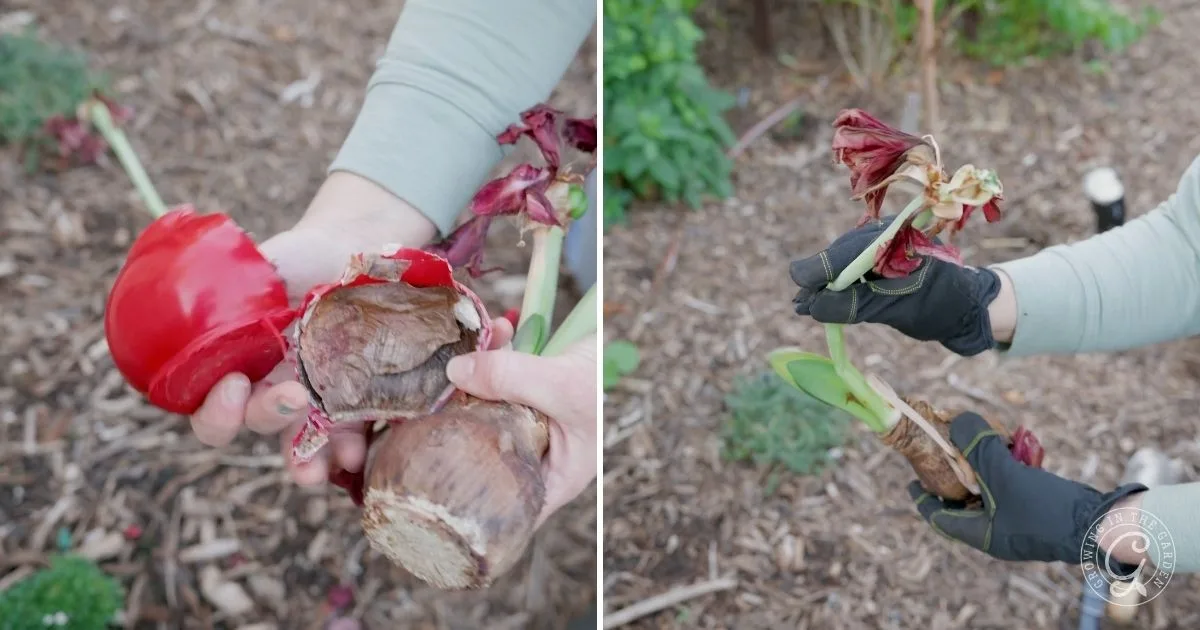
- Remove any wax coating and spent blooms. If your bulb came coated in wax, gently remove it before planting. They usually come right off. Leave foliage, but remove spent blooms.
When to Plant Amaryllis
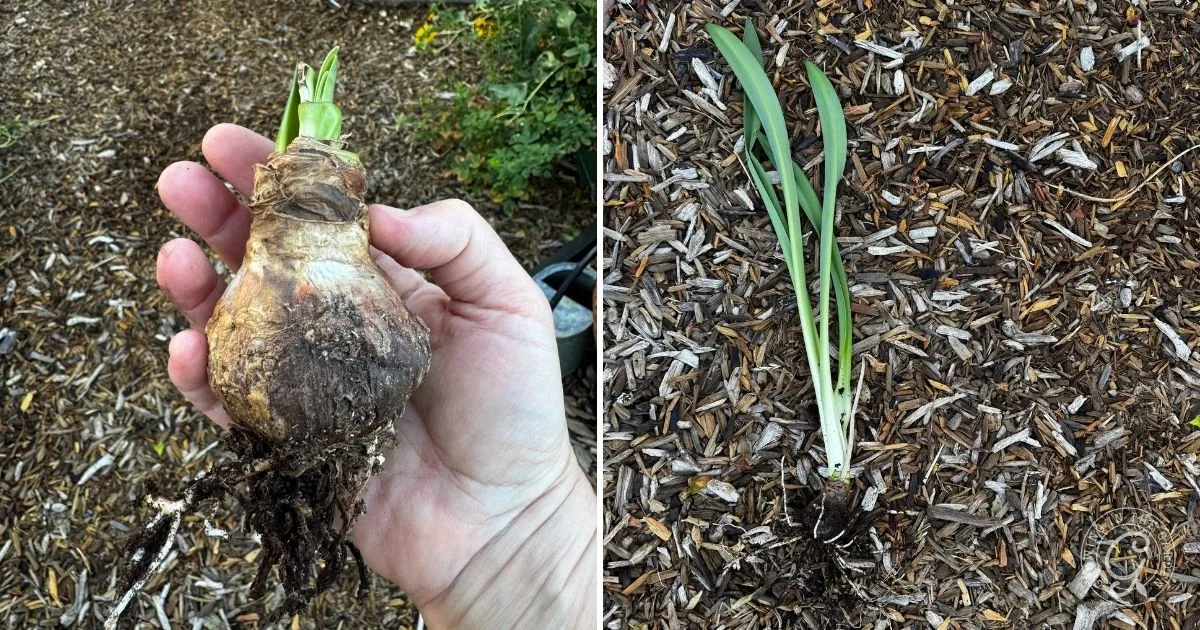
- Warm climates (Zones 8–11): Plant outdoors once the soil temperature is consistently above 65°F, usually between February and March.
- Cooler climates (Zones 7 and below): Start bulbs indoors in late winter or early spring, then move them outside once frost danger has passed.
Where to Grow: USDA Hardiness Zones
- Zones 9–11 (frost-free to very mild winters): Can be grown outdoors year-round in the ground.
- Zone 8: Foliage can be damaged by frost. Some gardeners keep bulbs outdoors with protection, but containers are safer if freezes are common.
- Zones 7 and colder (including Zone 6): Grow in containers and bring indoors before frost.
- Zone 6 note: Holiday amaryllis can rebloom in Zone 6, but it is not winter hardy there. Grow it in a pot, let it spend summer outside, then bring it indoors before frost to rest and rebloom.
Container-grown bulbs (Zones 7 and colder): Bring the pot indoors before frost, but keep it growing in bright light while the leaves are green (this is how the bulb stores energy for next year). In early fall, stop watering and let the pot dry out. After the leaves yellow, place the bulb in a cool, dark spot around 50–55°F for 8–10 weeks. Then return it to warmth and bright light and begin watering again.
How to Plant Amaryllis
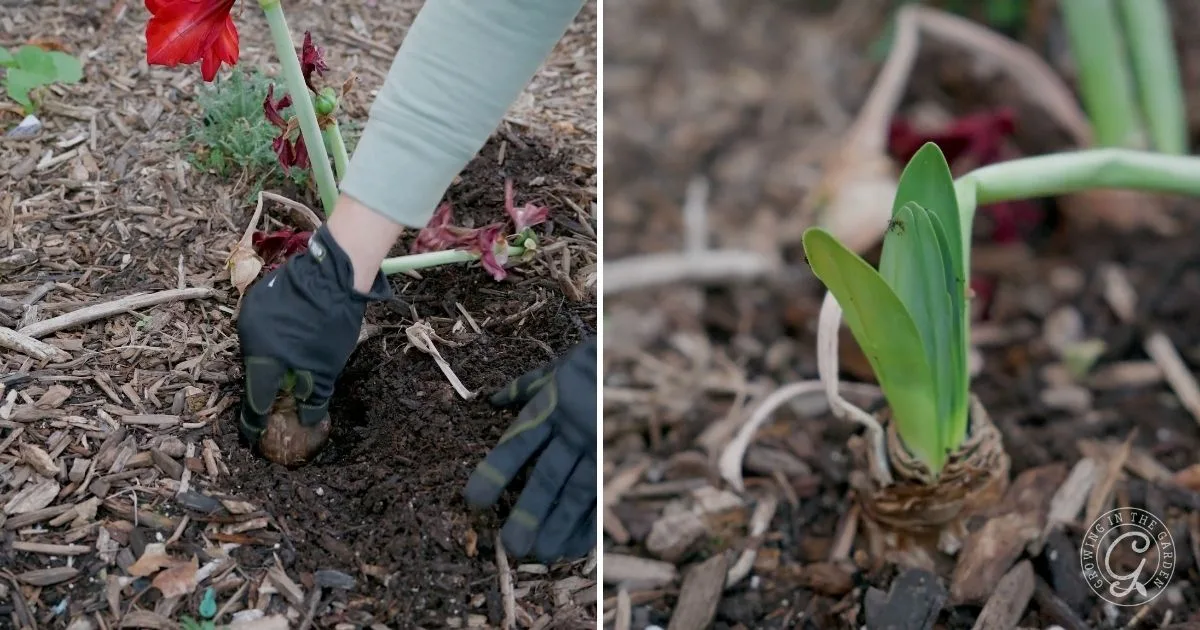
Here’s how to get started:
- Choose the right spot:
- Outdoors: Look for well-draining soil with partial to filtered sunlight.
- Indoors or containers: Use a snug pot with drainage holes. Amaryllis prefer tight spaces and often bloom better in smaller pots.
- Remove any wax: After it finishes blooming, carefully remove the wax and pot it up. Just know that waxed bulbs are often sold as one-season gifts, so reblooming is less reliable than with a regular potted bulb.
- Planting depth: Position the bulb so the top third stays above the soil line. This prevents rot and allows air circulation.
- Watering: Give it a deep watering after planting, then keep the soil evenly moist but not soaked.
- Light: Indoors, place near bright indirect light. Outdoors, aim for morning sun or light shade during the hottest part of the day.
Aftercare and Reblooming Tips
In the low desert, outdoor-planted amaryllis usually bloom around April or May. Once your amaryllis finishes flowering, a little attention will help it bloom again next year.
- Remove spent blooms once they fade to prevent the plant from forming seeds. This saves the bulb’s energy for next year’s growth.
- Keep the leaves. They’re busy making food for the bulb through photosynthesis, which helps ensure strong blooms next season.
- Water regularly throughout the growing season, keeping the soil lightly moist.
- Fertilize every two to three weeks if desired, using a balanced, water-soluble fertilizer. This helps the bulb store nutrients for future blooms.
- Ease off watering and stop fertilizing once the leaves begin to yellow and the bulb starts to go dormant.
- Remove spent leaves only after they’ve turned completely yellow and died back naturally.
Let the bulb rest during the cooler months. As temperatures warm again, you should see fresh green growth and new buds emerging, beginning the blooming cycle once more.
If you want blooms at a specific time (like December), give the bulb a planned 8–10 week rest period in fall, then restart growth about 6–8 weeks before you want flowers.
Overwintering in Cooler Climates
If you live in a cooler climate, here’s how to protect your bulbs:
- Container-grown bulbs: Bring pots indoors before the first frost. Keep them in a cool, dry place like a garage or basement, and water sparingly during dormancy.
- In-ground bulbs: Dig up bulbs before the ground freezes. Store them in a paper bag or in dry peat moss in a cool, dry place until spring.
Common Problems and Fixes
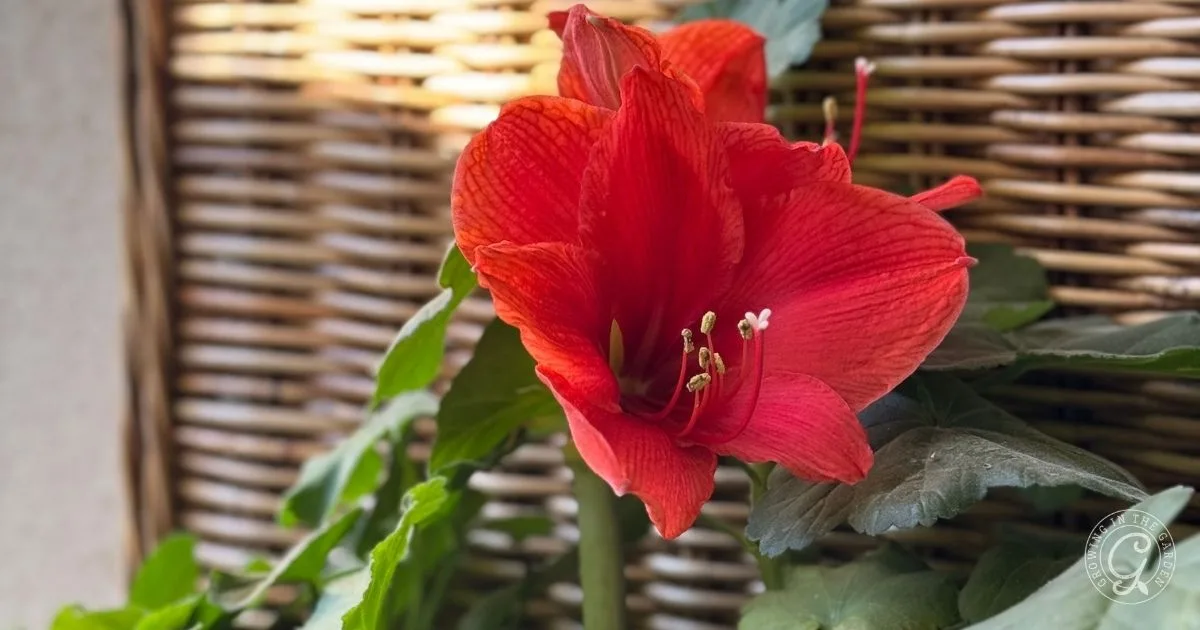
- No blooms: Usually caused by too little light, not enough nutrients, or a pot that’s too large. Move to a brighter spot, fertilize, or repot into a smaller container.
- Bulb rot: Caused by poor drainage or overwatering. Let the soil dry slightly between waterings and make sure the pot drains well.
- Yellowing leaves: Often part of the natural dormancy cycle, but check for soggy soil to be sure it’s not too wet.
Amaryllis Care at a Glance
| Care Category | Indoors (Holiday Season) | Outdoors (After Planting) |
|---|---|---|
| Light | Bright, indirect sunlight | Morning or filtered sunlight |
| Watering | Lightly moist, not soggy | Even moisture, excellent drainage |
| Temperature | 65–75°F (18–24°C) | Above 65°F (18°C) soil temperature |
| Fertilizer | Every 2–3 weeks once leaves appear | Every 2–3 weeks during growth |
| Planting Depth | Top third of bulb above soil | Same – top third above soil |
| Zones | Start indoors anywhere | Grow outdoors year-round in Zones 8–11 |
| Dormancy Care – Dormancy is the tool you use to control timing (like aiming for holiday blooms). | Let foliage die back naturally | Reduce watering and allow rest period |
Final Thoughts
Don’t throw out that holiday amaryllis, plant it instead. With good light, proper watering, and a bit of seasonal care, you’ll enjoy beautiful blooms year after year. Now you know exactly how to grow amaryllis and keep it healthy through every season.


I just want to know how to grow larger amaryllis bulbs in the season. I went to Keukenhof in Amsterdam a few years ago and was blown away at how they
Depends on where you live. Hard to compete with Amsterdam. Climate makes a big difference.