
How to Grow Cauliflower
Cauliflower is on my skip-it list for new gardeners. So why do I plant it every year?
Because when the weather cooperates, homegrown cauliflower is worth it. The catch is that how well it grows often depends on the weather. Our winter temperatures often fluctuate, and cauliflower struggles when they do. That’s why my cauliflower harvests aren’t as consistent as other cool-season crops.
I’ve grown cauliflower every year since I started gardening, and I plant a few heads each October in my Mesa garden. Here’s what I do to give them the best chance even when the weather keeps things interesting.
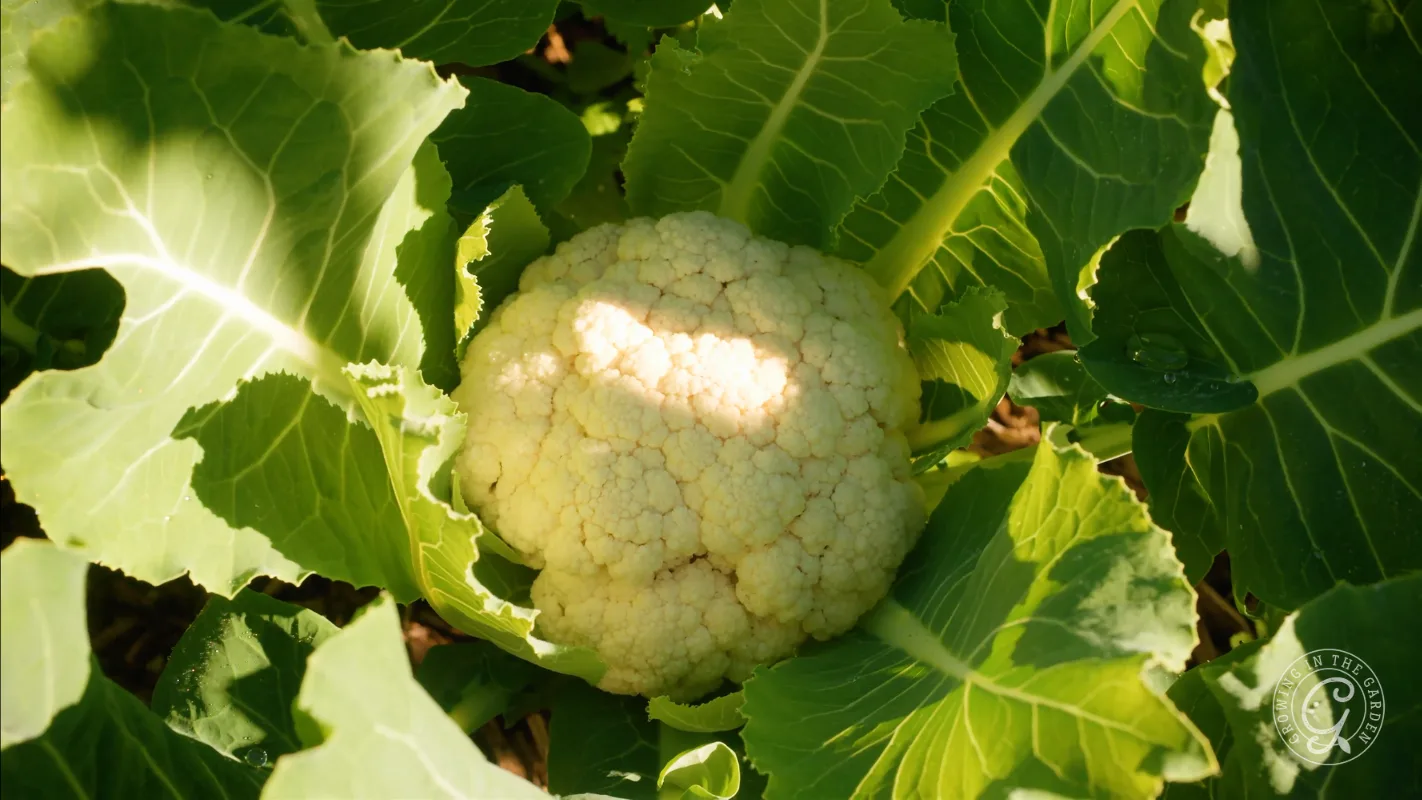
Key Takeaways: How to Grow Cauliflower
- Cauliflower depends on the weather more than most cool-season crops. Steady cool temperatures give you bigger heads. Wide temperature swings make it struggle.
- In the low desert, I start seeds indoors or buy transplants and plant them in October.
- Harvests can start in as few as 2 months. Mine usually come from December through March or April.
- Keep the water consistent and feed the soil. I use worm castings in my beds and fertilize once or twice during the season.
- Watch for cabbage moths early. I handpick the caterpillars and use Bt if needed.
- Tie up the leaves to blanch white heads unless your variety is self-blanching. Harvest before heat or waiting too long ruins the head.
Why Cauliflower Is Harder to Grow Than Other Cool-Season Crops
The secret to growing cauliflower is consistent cool weather. When we have a cool winter with consistent temperatures, I get my largest heads. We can’t control the weather, but we can plant on time, keep the water consistent, feed the soil, and harvest before the heads go past their prime.
If you’re new to gardening, start with something more forgiving. My list of the easiest vegetables to grow in a mild winter climate is a better place to start. Add cauliflower once you have a season or two under your belt.
When to Plant Cauliflower
In the low desert, I plant cauliflower in October. You can plant transplants outside from mid-September, once nights start to cool, through January. Start seeds indoors from August through December. My list of what to plant in October in the low desert shows what else goes in that month.
In colder climates, cauliflower needs at least two months of cool weather to mature. For a spring crop, start seeds indoors 6 weeks before your last spring frost and plant transplants 2 to 4 weeks before that frost. For a fall crop, start seeds up to 14 weeks before your first fall frost. Plant transplants 6 to 8 weeks before that frost, once daytime temperatures drop below 75ºF.
Starting Cauliflower From Seeds or Transplants
I usually start my own seeds indoors, and some years I buy transplants. Seeds give you more variety choices, and transplants are the shortcut.
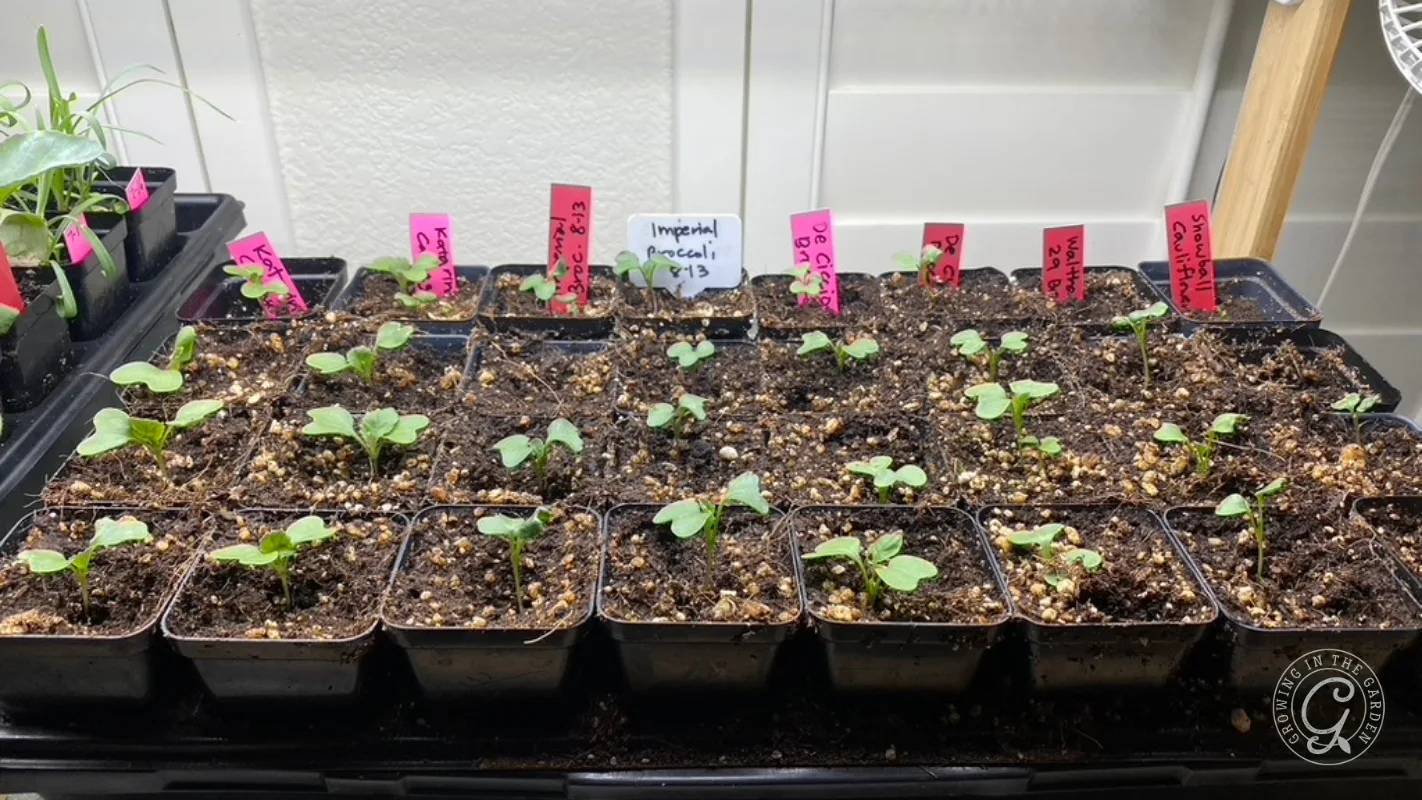
When I start seeds, I sow them about ¼ inch deep. I plant the seedlings outside once they have 2 or 3 sets of true leaves. My post on hardening off seedlings can help you transition them successfully outdoors.
If you buy transplants, look for compact plants with green leaves on a short stem. Skip leggy plants. Plant them at the same level they sat in the nursery pot, or slightly deeper if they’re a little leggy. Space plants 18 to 24 inches apart.
Cauliflower Varieties I Grow
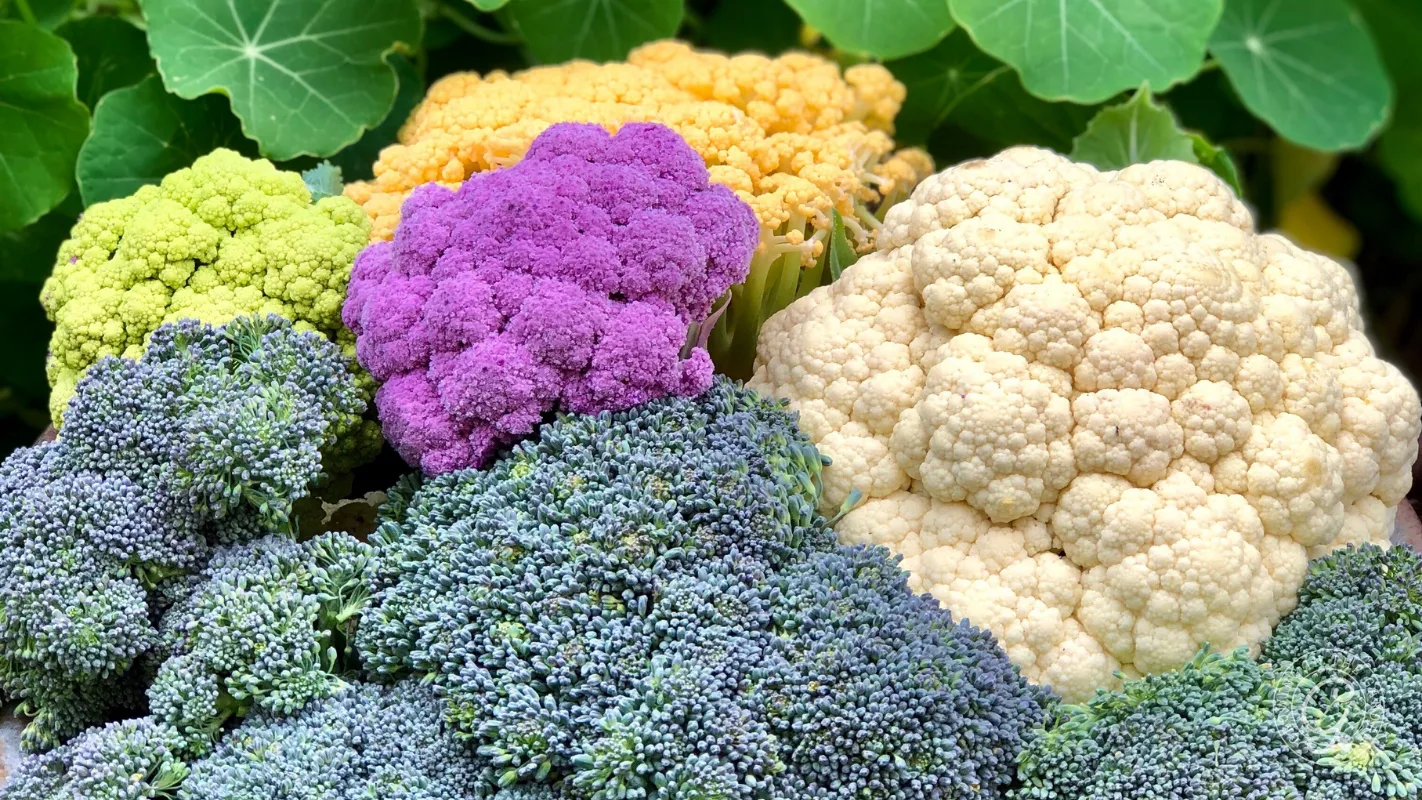
I’ve grown Snowball, a classic white cauliflower. Amethyst is a purple variety with amazing taste. Purple Crush is another purple variety I’ve had good results with.
How I Water and Feed Cauliflower
Cauliflower needs consistent water. Don’t let the bed dry out between waterings. Water at the base of the plants to keep the leaves dry, and add a layer of mulch to hold moisture in.
I add worm castings to my garden beds to keep the soil rich. My post on the benefits of worm castings in the garden explains why I use them. During the season, I feed cauliflower once or twice with AgroThrive.
Dealing With Cabbage Moths on Cauliflower
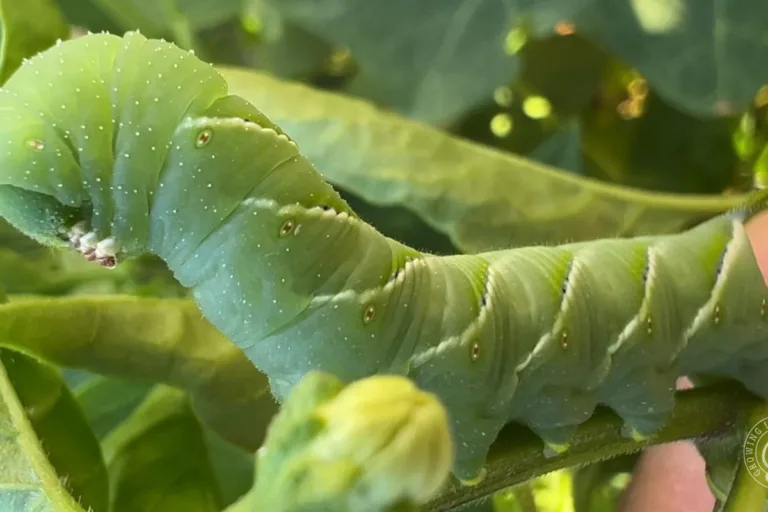
Cabbage moths are the biggest pest problem on my cauliflower, especially early in the season. The moths lay eggs on the leaves, and the green caterpillars that hatch chew holes in them.
I check the leaves and handpick the caterpillars. If there are too many to keep up with, I use Bt (Bacillus thuringiensis), an organic spray that targets caterpillars. My guide on getting rid of cabbage worms covers more ways to manage them.
How to Blanch Cauliflower
White cauliflower heads turn yellow or green in the sun. Blanching keeps them white. Some varieties are self-blanching, which means their leaves naturally curl over the head. If yours isn’t, tie the outer leaves over the head once you can see it forming.
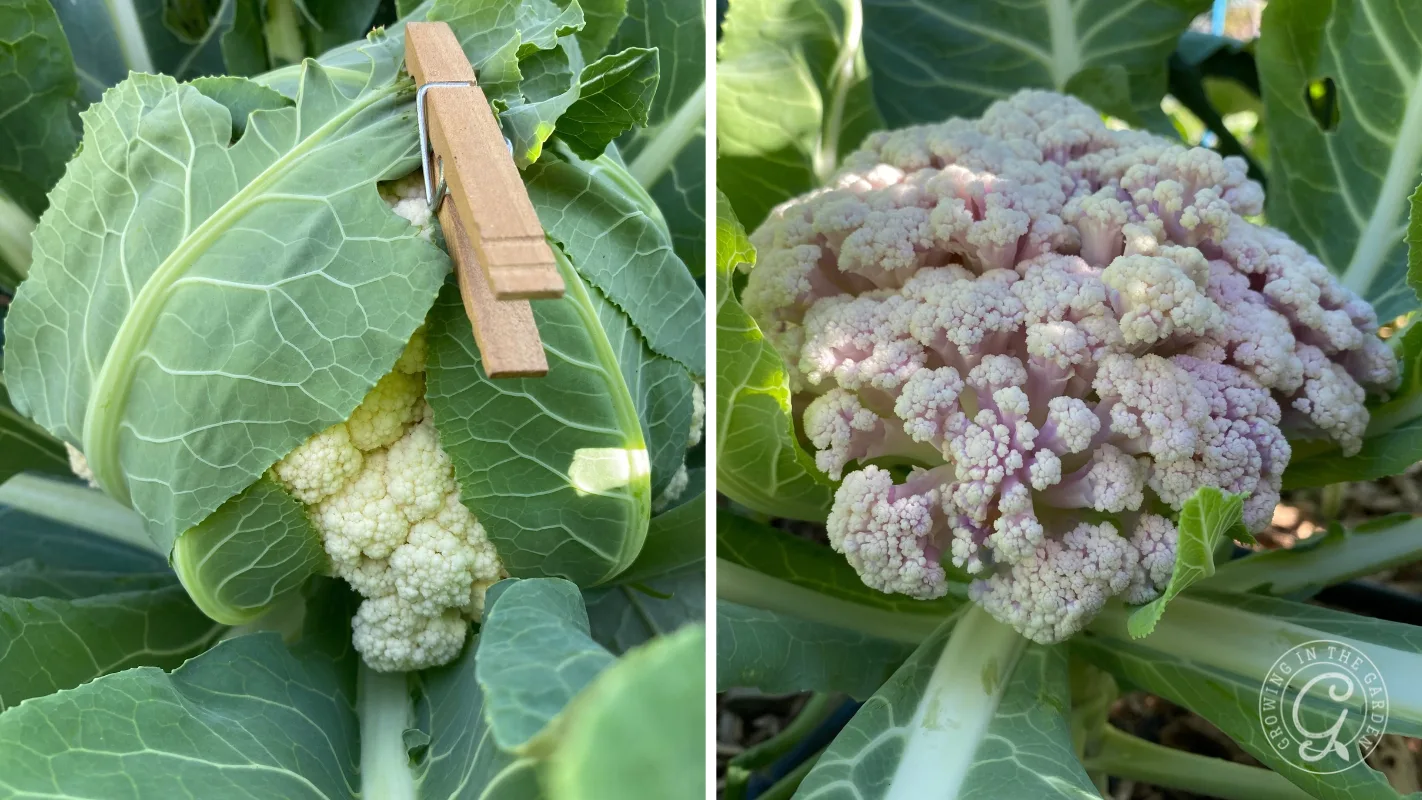
Tie them loosely. Purple varieties don’t need blanching.
When to Harvest Cauliflower
In good weather, cauliflower can be ready in as few as 2 months from transplant. If we’re having a cool winter, my earliest harvests come in December, and they keep going through March or April, until it gets too hot.
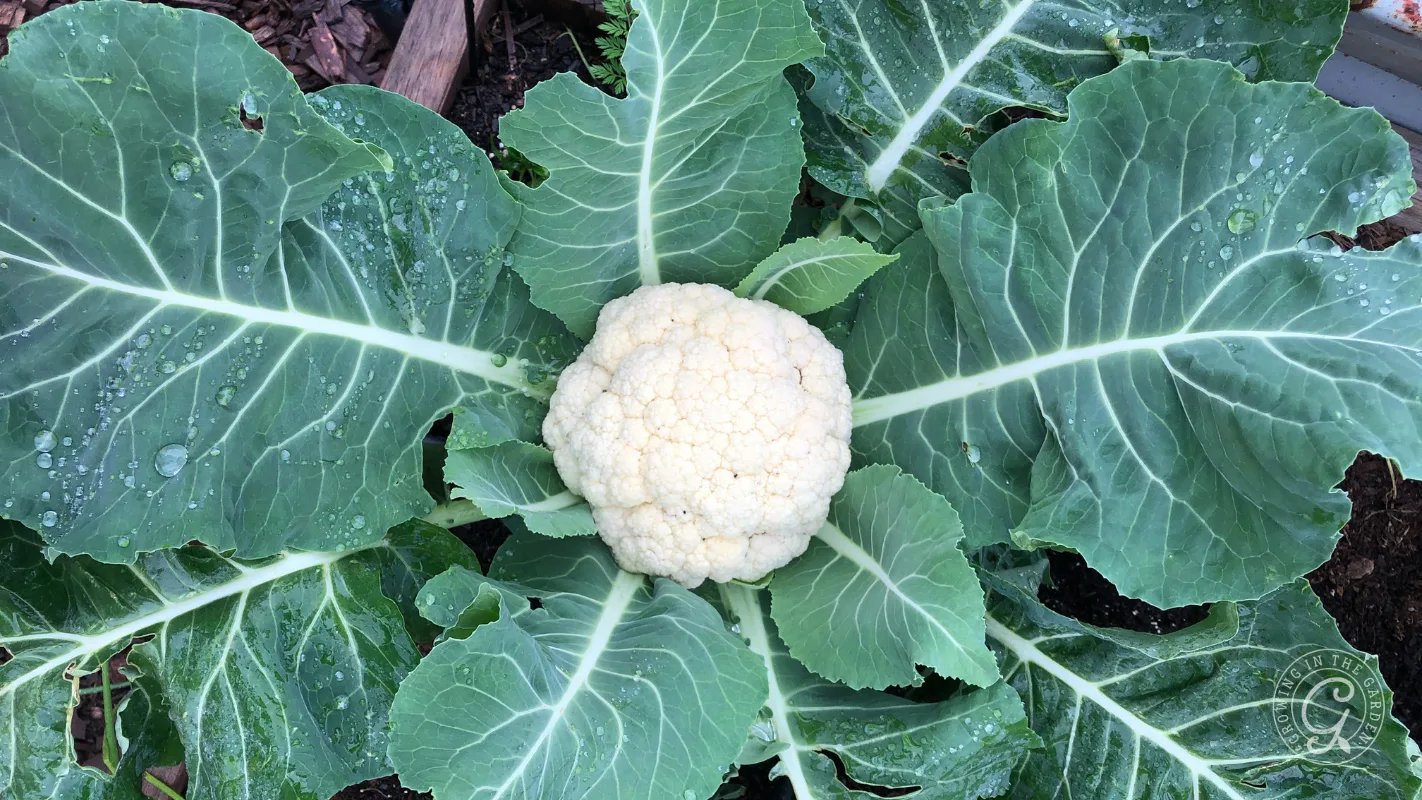
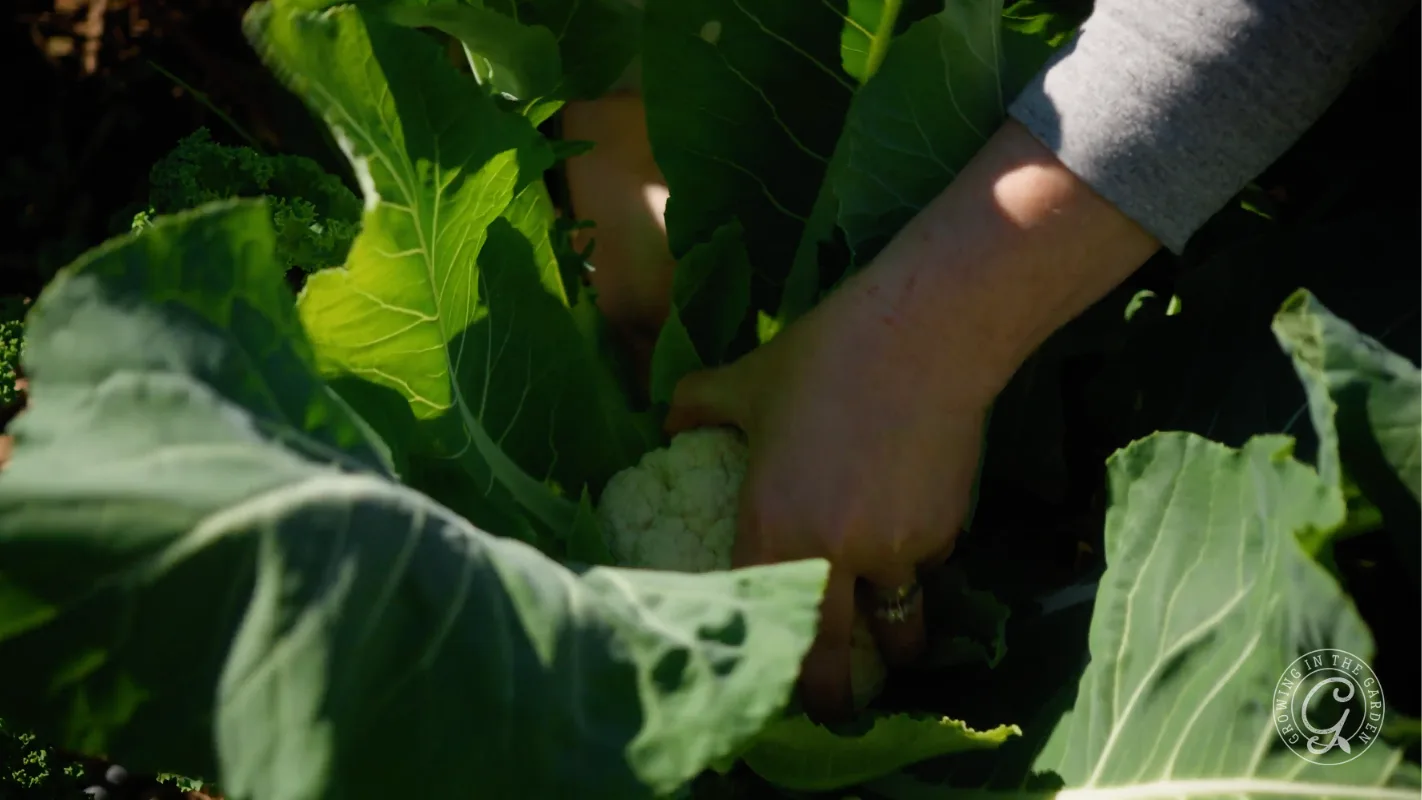
Harvest when the head is compact and firm. Cut the stem below the head with a sharp knife. Head size depends a lot on the weather, so don’t judge yourself by grocery store heads.
Don’t wait too long. Heat, or a head left in the garden too long, makes the curds loosen and start to bloom. Each plant makes one head, so once you cut it, the plant is done.
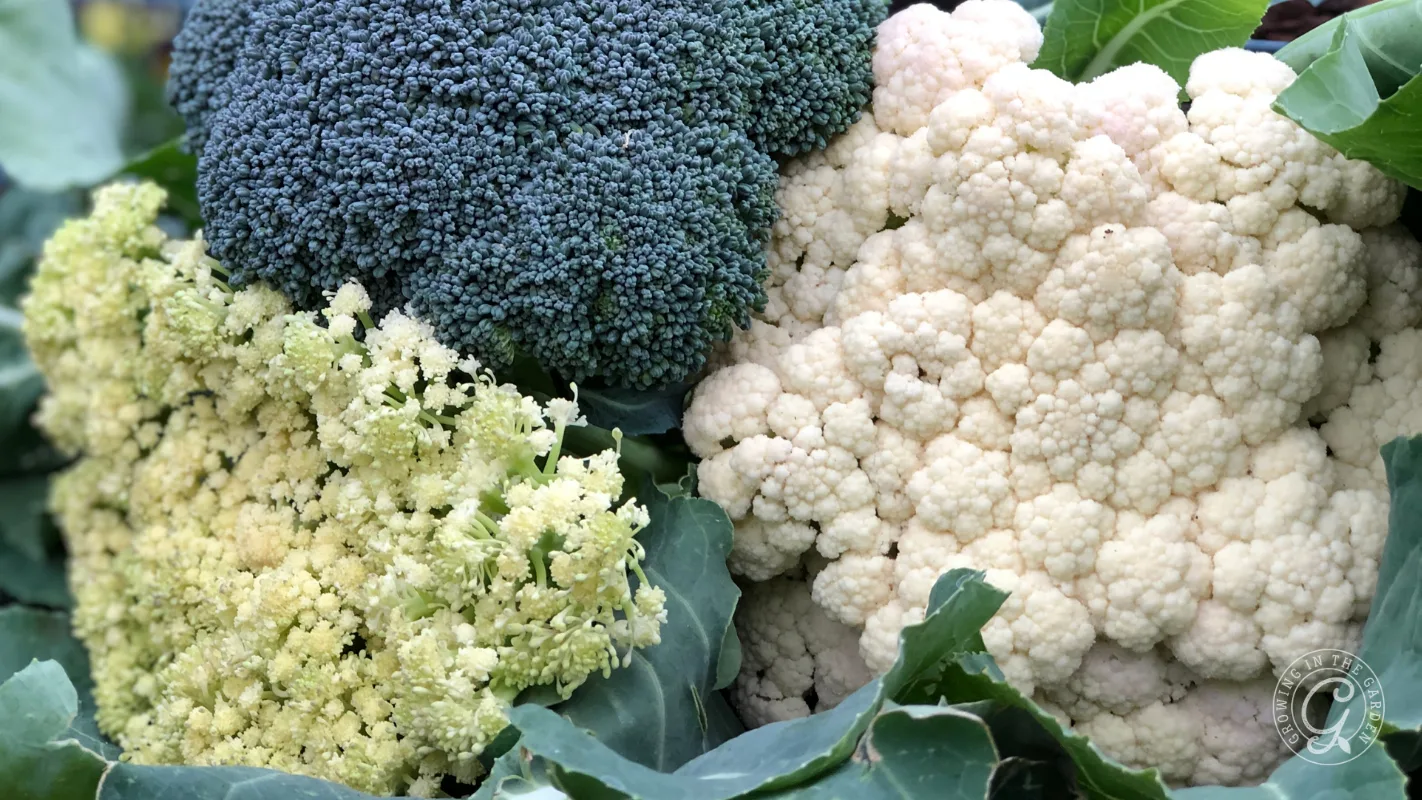
Fresh cauliflower keeps about a week in the refrigerator. To freeze it, blanch the florets for 3 minutes and follow the same steps in my post on how to freeze broccoli. Don’t toss the big outer leaves. Here’s how to use broccoli and cauliflower leaves in the kitchen. Here are my 5 best cauliflower recipes.
When Cauliflower Goes Wrong
Some years the weather causes problems no matter what I do. Buttoning (tiny heads that form too early) and blooming (heads that loosen and turn ricey) are the problems I see most. My guide to what’s wrong with my cauliflower and how to fix it covers the common problems and what causes them.
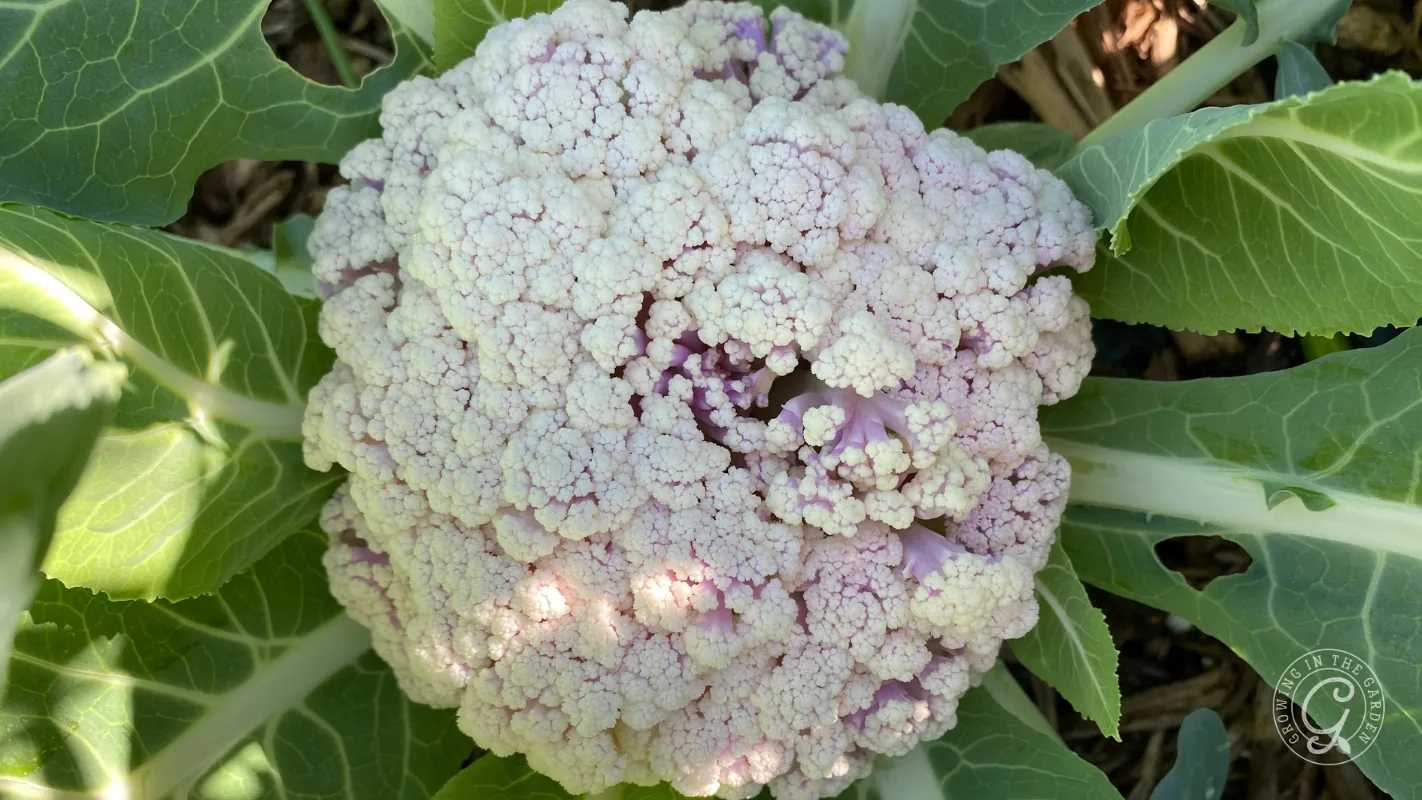
Cauliflower is part of the cabbage family, along with broccoli, kale, and Brussels sprouts. See my guides on how to grow broccoli and growing Brussels sprouts in Arizona.
Growing Cauliflower FAQs
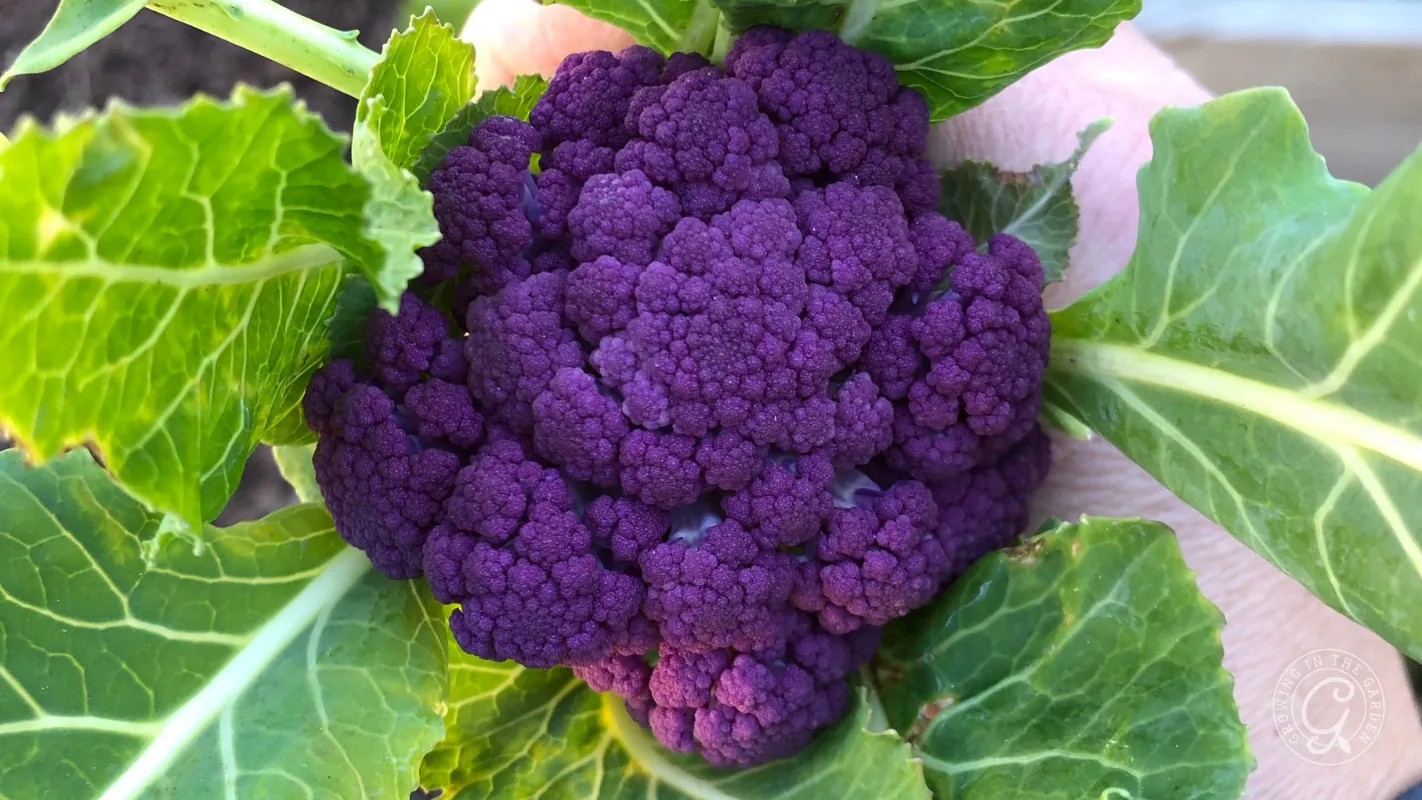
Consistent cool weather and even watering. My largest heads come from long stretches of consistent cool temperatures. Wide temperature swings make cauliflower struggle, so plant on time and keep the soil evenly moist.
One. Each cauliflower plant grows a single head. Once you harvest it, the plant is done.
No. Cauliflower is grown as an annual. After you cut the head, pull the plant and replant the next season. I plant new cauliflower every October.
In good weather, cauliflower can be ready in as little as 2 months after transplanting. In my low desert garden, harvests run from December through March or April, depending on the weather.
Space cauliflower plants 18 to 24 inches apart. They grow large leaves that need room.

It’s been 4 weeks and none of my seeds have emerged in my garden yet (planted 1st week of November and each week successively). Do I have a bad batch of seeds? Should I plant more of the same?
Cauliflower seedlings generally emerge quickly. As long as you have been keeping the area hydrated, the seeds may be to blame. You can do a germination test indoors or buy fresh seeds and see if that helps.
I live here in Phx. How big do my started-inside cauliflower seedlings need to be to plant in the garden?
Usually once they have 2-3 sets of true leaves.
should I trim some of the large bottom leaves that are close to the ground? it’s pretty full
If they are damaged, then yes – remove them. Otherwise the leaves provide the energy for the growing cauliflower and it’s best to leave as many as you can.