
How to Grow Garbanzo Beans (Chickpeas)
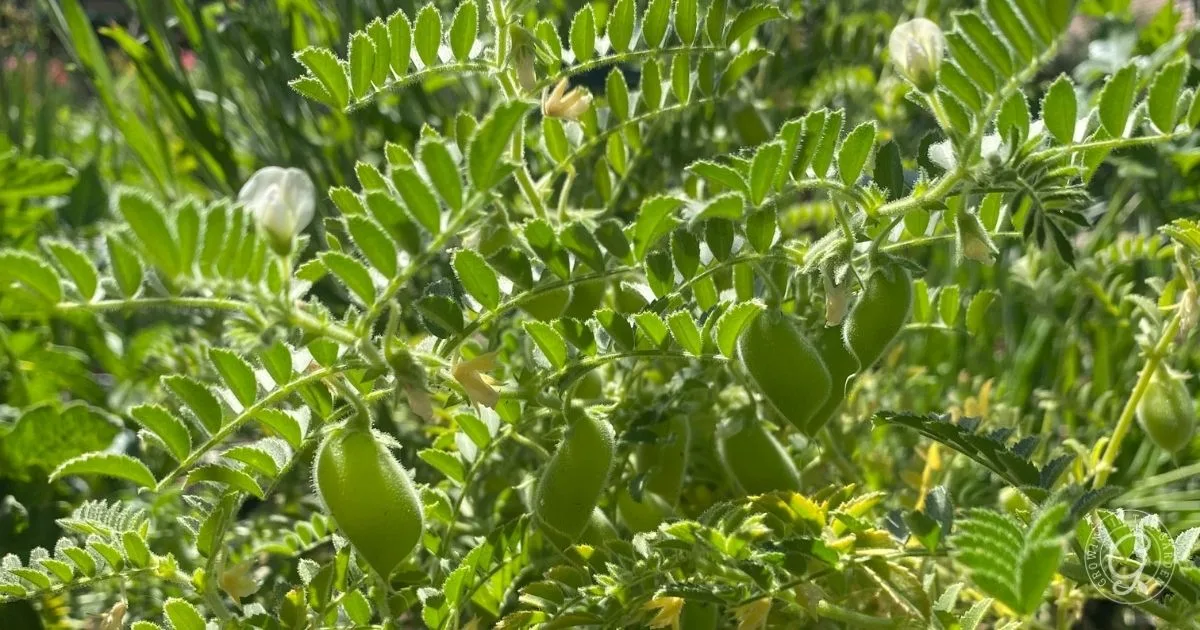
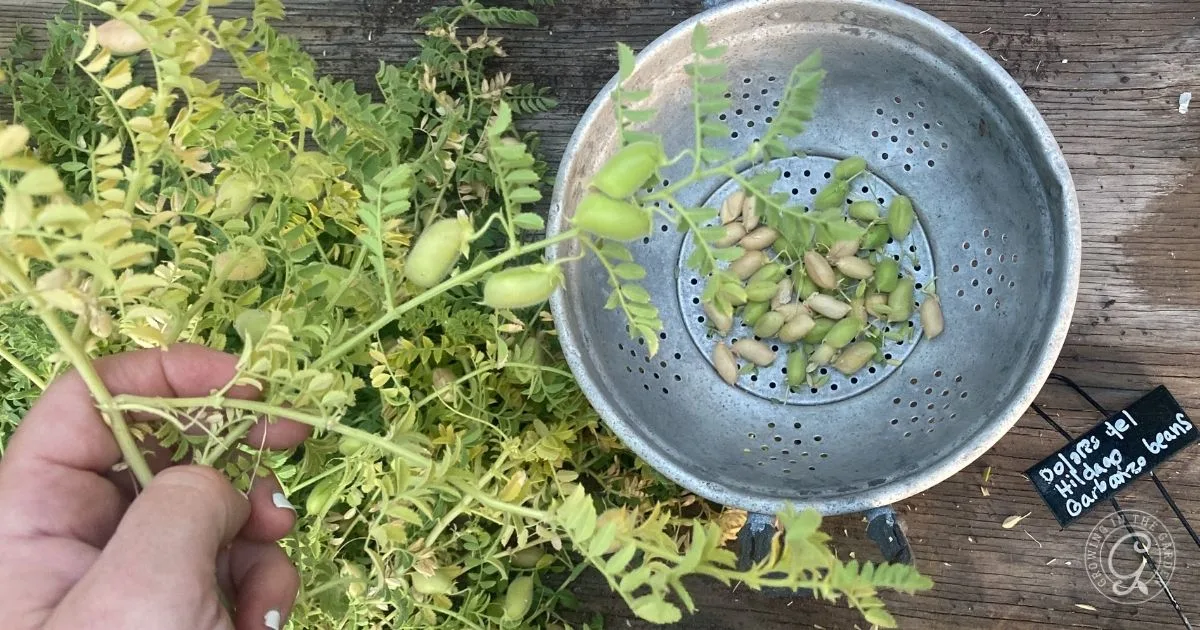
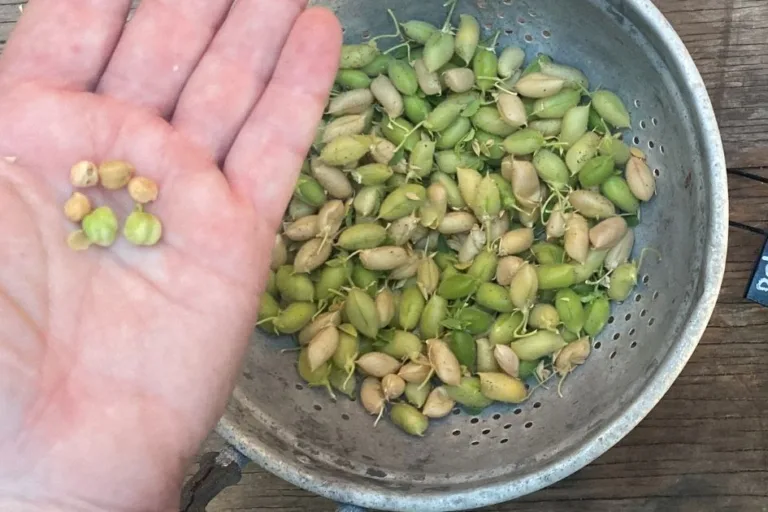
If you have only ever eaten chickpeas from a can, growing garbanzo beans at home is an entirely different experience. The plants are pretty, a little wild-looking, and the harvest is fun. You can pick some pods “green” to cook right away, then let the rest mature for dried beans for the pantry.
Garbanzo beans (also called chickpeas) are cool-season legumes that grow best in mild weather. They need well-drained soil and don’t like soggy conditions or long stretches of humid, rainy weather. Learn how to grow garbanzo beans with the tips in this guide.
Key Takeaways
- Growing garbanzo beans at home offers a unique experience compared to canned chickpeas, with beautiful plants and enjoyable harvesting.
- Plant garbanzo beans in mild weather, ideally a few weeks before the last frost for best results in various climates.
- Choose a well-drained, sunny spot and ensure proper soil preparation to help the plants thrive.
- Harvest fresh green chickpeas for immediate use or let pods dry for long-term storage once they turn tan.
- Address common problems by managing heat and preventing fungal diseases through proper planting and crop rotation.
Table of contents
When to plant garbanzo beans
General planting dates (most climates)
Use your last frost date as your anchor.
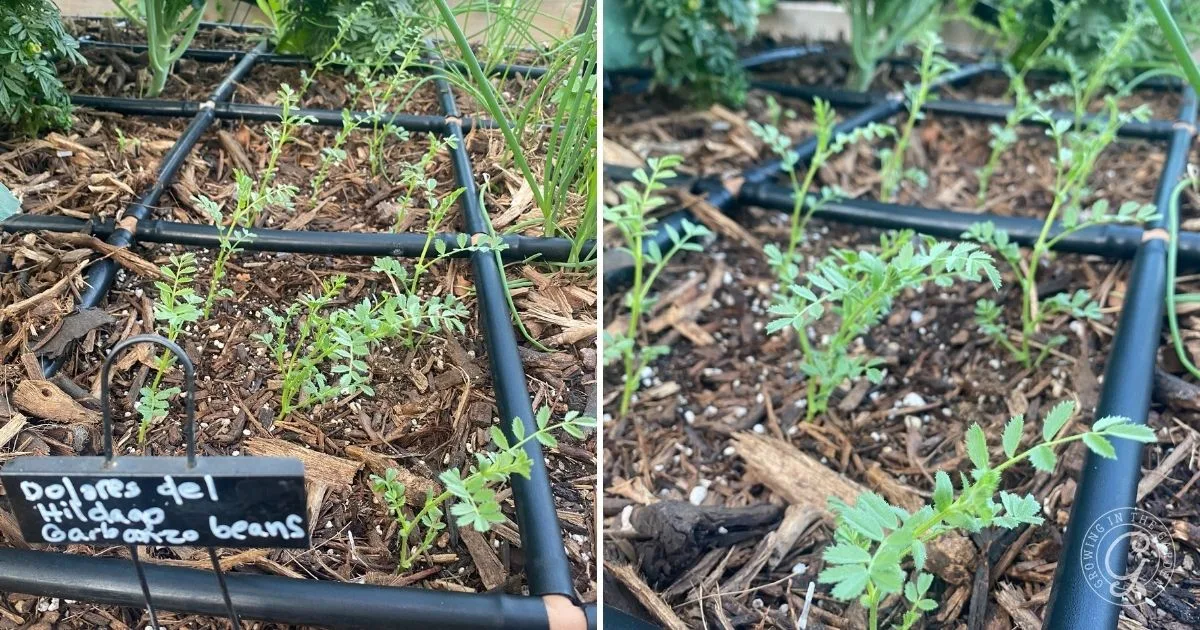
- Cold winter climates (zones 3–6): Direct sow in early spring, about 2–4 weeks before your last frost, once soil is roughly 45–50°F (7–10°C) or warmer.
- Milder climates (zones 7–8): Direct sow in late winter to early spring. You want plants growing strongly before summer heat arrives.
- Warm winter, hot summer climates (zones 9–10): Chickpeas usually do best as a fall to winter crop so flowering and pod set happen during mild weather.
Chickpeas grow best with daytime temperatures around 70–84°F (21–29°C) with mild nights. If it gets hot when the pods are developing, you’ll get fewer pods. But, once plants are established, many gardeners are surprised by how tough they can be.
Low desert of Arizona planting dates
Low desert tip: plant earlier in that window when possible so plants are established and setting pods before real heat arrives.
How much can you expect to harvest?
Garbanzo beans are fun to grow, but they are not the easiest crop to grow in large quantities in a small home garden. Each pod usually has 1–2 chickpeas, so the harvest can feel slow once you start shelling.
A realistic dry yield for home gardeners is about 0.25 to 0.75 ounces (7 to 21 g) of dried chickpeas per square foot, depending on variety, spacing, and how dry the season stays during harvest.
- 10 sq ft: about 2.5–7.5 oz (70–210 g)
- 25 sq ft: about 6–19 oz (170–540 g)
- 50 sq ft: about 12–38 oz (340–1,080 g), roughly ¾–2⅓ lb
- 100 sq ft: about 25–75 oz (700–2,125 g), roughly 1½–4¾ lb
If you want to harvest about 1 pound (450 g) of dried chickpeas, plan on roughly 25–65 square feet of planting space.
Garbanzos are totally worth growing even if you only get a small jar or two. They are a great “experience crop,” and harvesting a batch for fresh cooking plus some dried for storage is a lot of fun.
Report on Garbanzo Bean Varieties from Native Seeds Search:
“Two garbanzo varieties we grew (and how they handled our weather)” from Native Seed Search (Instagram Post).
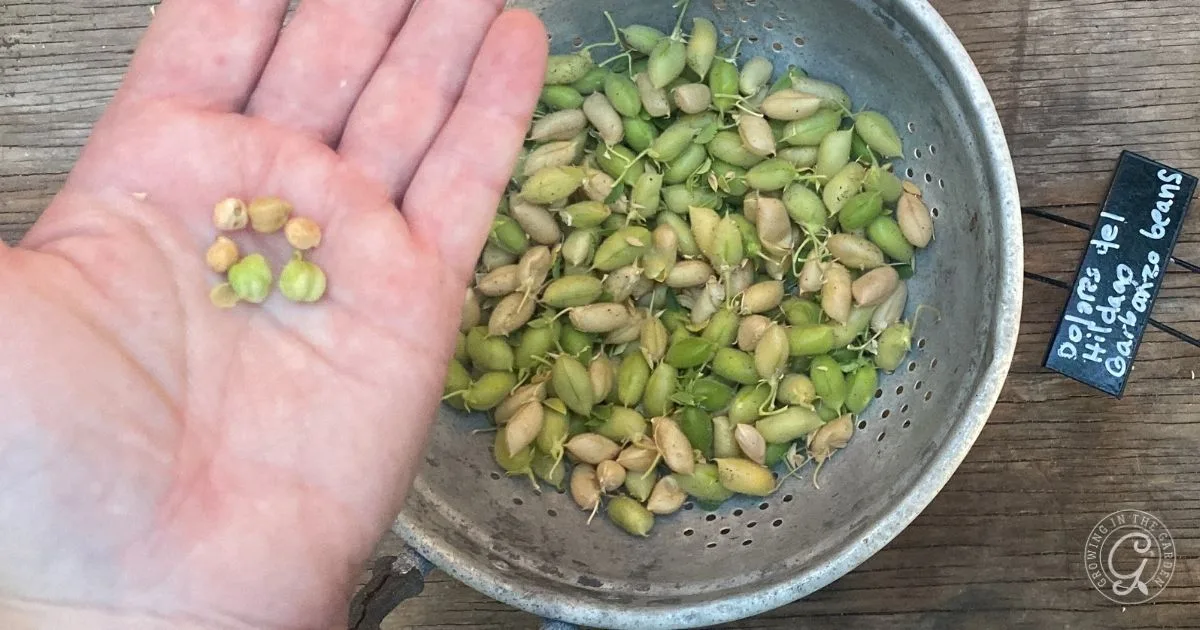
“We grew two varieties of garbanzo beans for the cool season: Garbanzo del Norte from Vadito, New Mexico and Dolores Hidalgo from Guanajuato in Central Mexico. As the pods begin to dry and turn a light tan color, we will harvest and hand shell them.
Both did well through the multiple frosts we had over winter and early spring. Even better, they have also been going strong through late spring temperatures in the 90s. If you garden in a place where the season swings from chilly nights to warm spring days fast, this is one reason chickpeas are worth trying.”
How to plant garbanzo beans
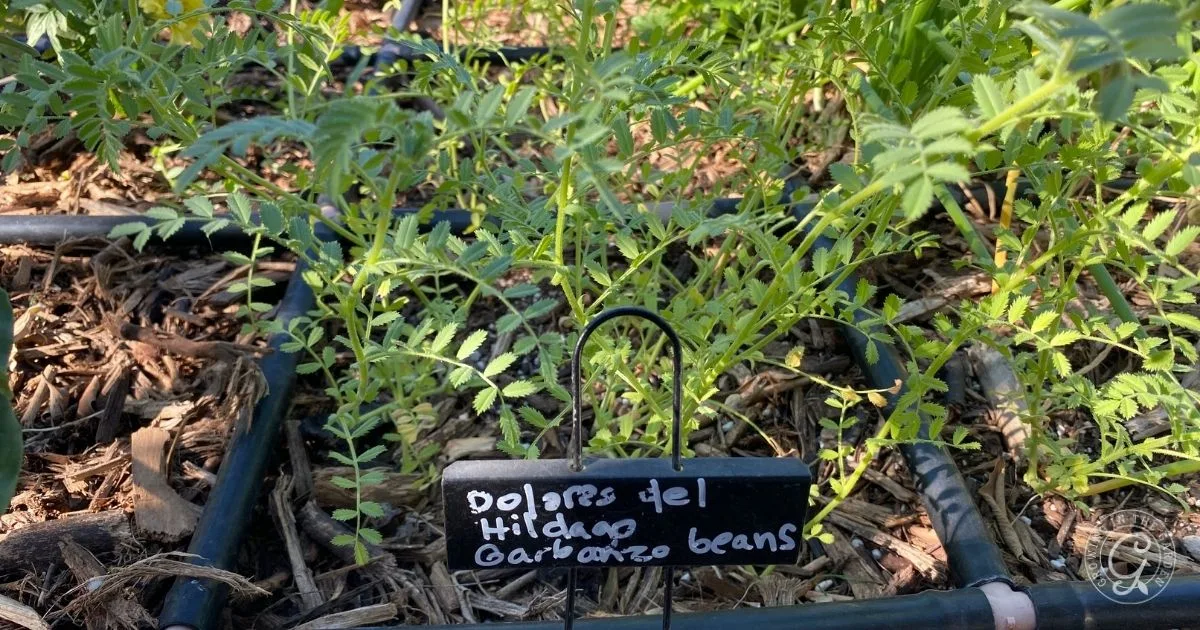
- Choose the right spot: Full sun with excellent drainage.
- Prep the soil: Mix in compost if your soil is poor, but avoid heavy nitrogen fertilizers (they push leaves instead of pods).
- Optional but helpful: inoculate your seed. Chickpeas need a specific rhizobia that can be different from peas and many other legumes. If your garden has never grown chickpeas, an inoculant can help.
- Planting depth: About 1–2 inches deep (2.5–5 cm).
- Spacing:
- Plant seeds 4–6 inches apart (10–15 cm) About 9 per square in square foot gardening.
- Space rows 18–24 inches apart (45–60 cm)
Water gently after planting, then keep the soil lightly moist until you see sprouts.
When you are shopping, look for an inoculant that says one of these on the label:
- “Chickpea” or “Garbanzo bean” inoculant
- “Cicer” inoculant
- Contains Mesorhizobium ciceri (best sign you have the right one)
Avoid “garden combo” inoculants unless chickpea/garbanzo is explicitly listed, because chickpeas don’t reliably nodulate with common inoculants used for peas and many other legumes.
Caring for chickpea plants
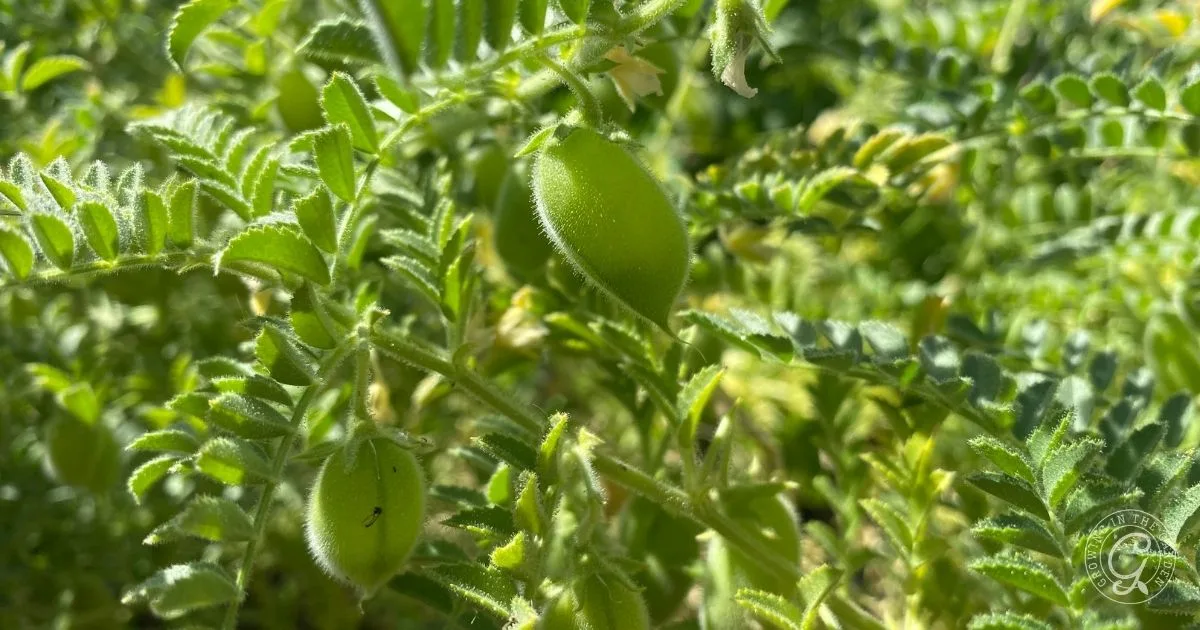
Watering
- Maintain consistent moisture until plants are established. Once plants are established, water deeply, then let the soil dry slightly between waterings.
Chickpeas handle dry conditions better than wet feet. Long wet periods can lead to disease issues.
Mulch
A thin layer of mulch helps even out soil moisture and temperature. In warm climates, mulch also reduces stress as spring temperatures rise.
Fertilizing
- If you added compost at planting, you may not need much else.
- Avoid high-nitrogen fertilizers. Chickpeas are legumes and, with the right inoculation, can supply much of their own nitrogen.
Support
Most chickpeas stand on their own. If plants get floppy (wind, rich soil, or heavy watering), planting a little closer together can help.
Harvesting garbanzo beans
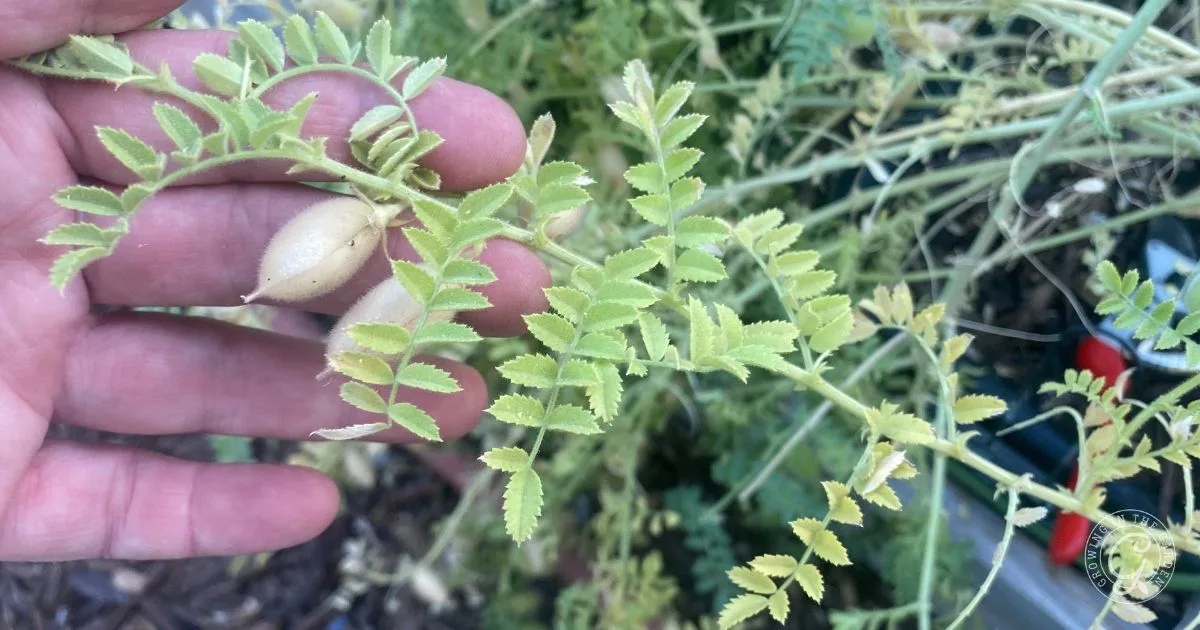
Option 1: Harvest “green” chickpeas (fresh eating)
When pods are plump and still green, you can pick them and eat the chickpeas fresh (tender, slightly sweet, very snackable).
A simple way to enjoy them: boil the pods briefly, then pop out the beans, as you would with edamame.
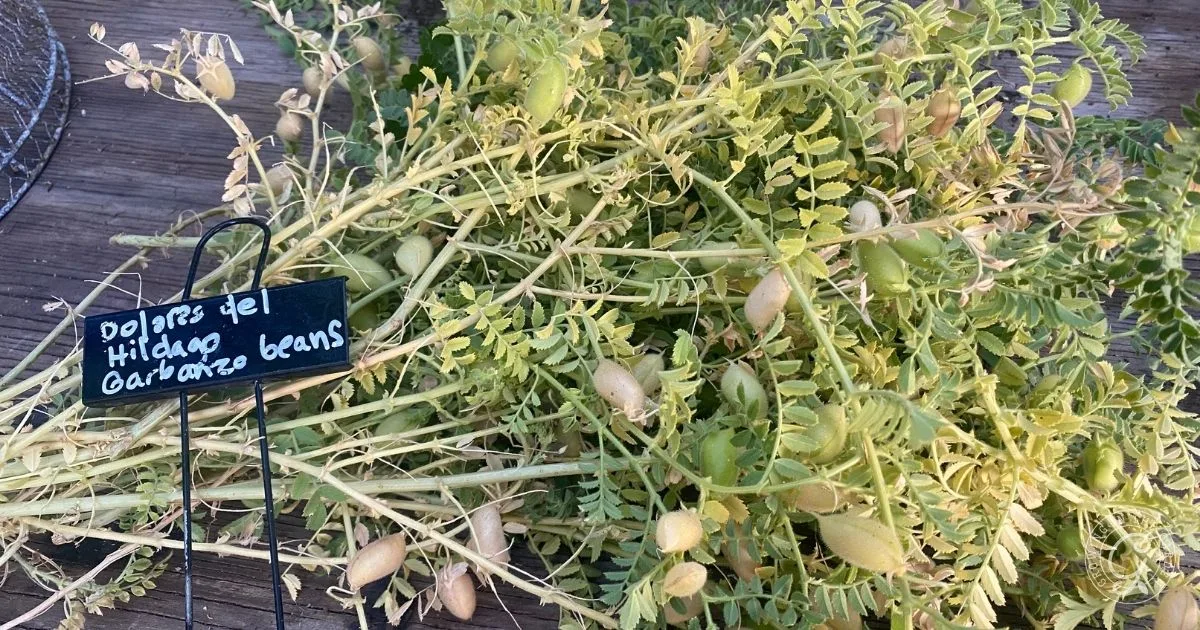
Option 2: Harvest dried chickpeas (pantry beans)
For dried beans, patience pays.
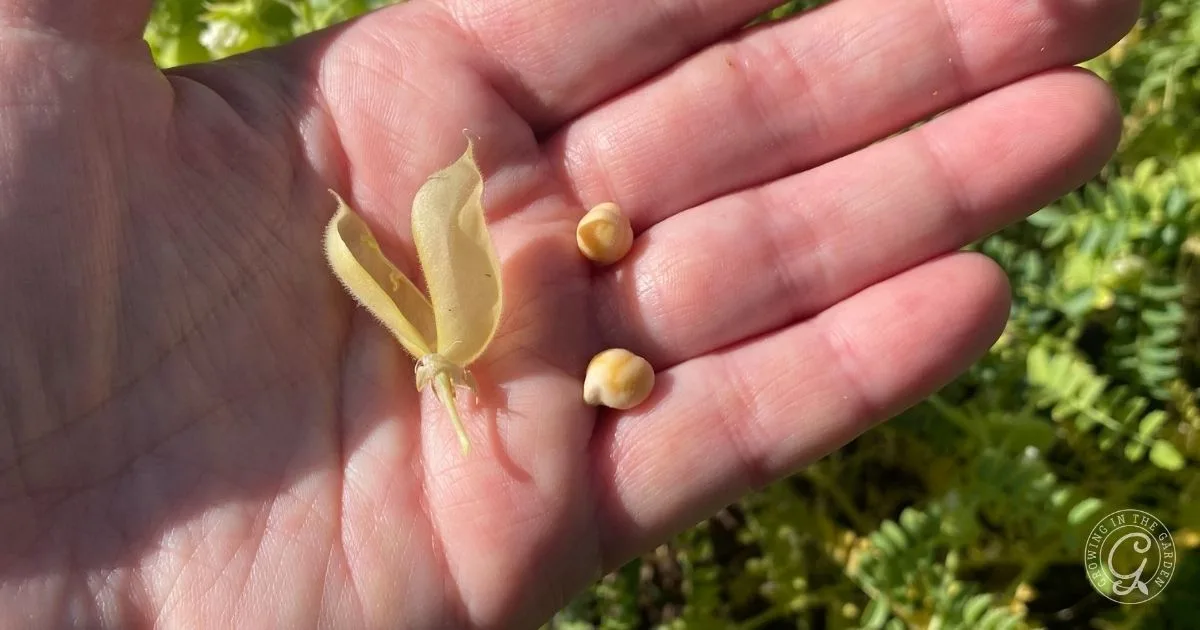
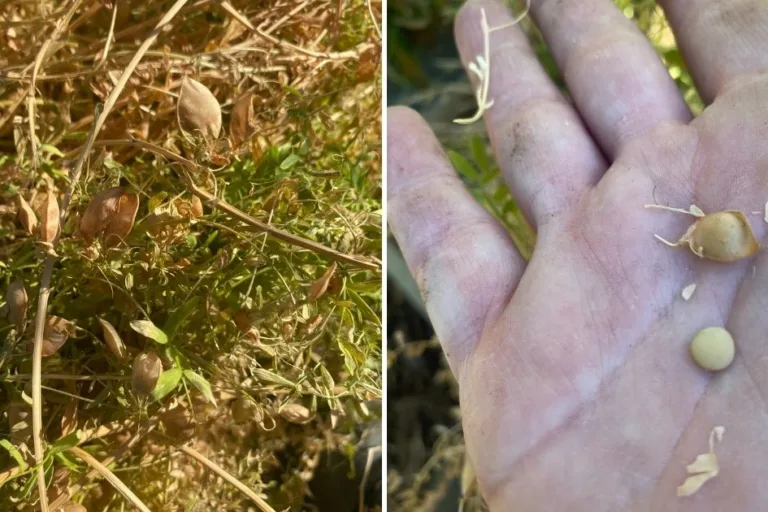
- Let pods turn tan and dry down on the plant.
- When pods are dry and rattle a bit when you shake them, it is time to harvest.
- Pull or cut the plant and let it finish drying with good airflow.
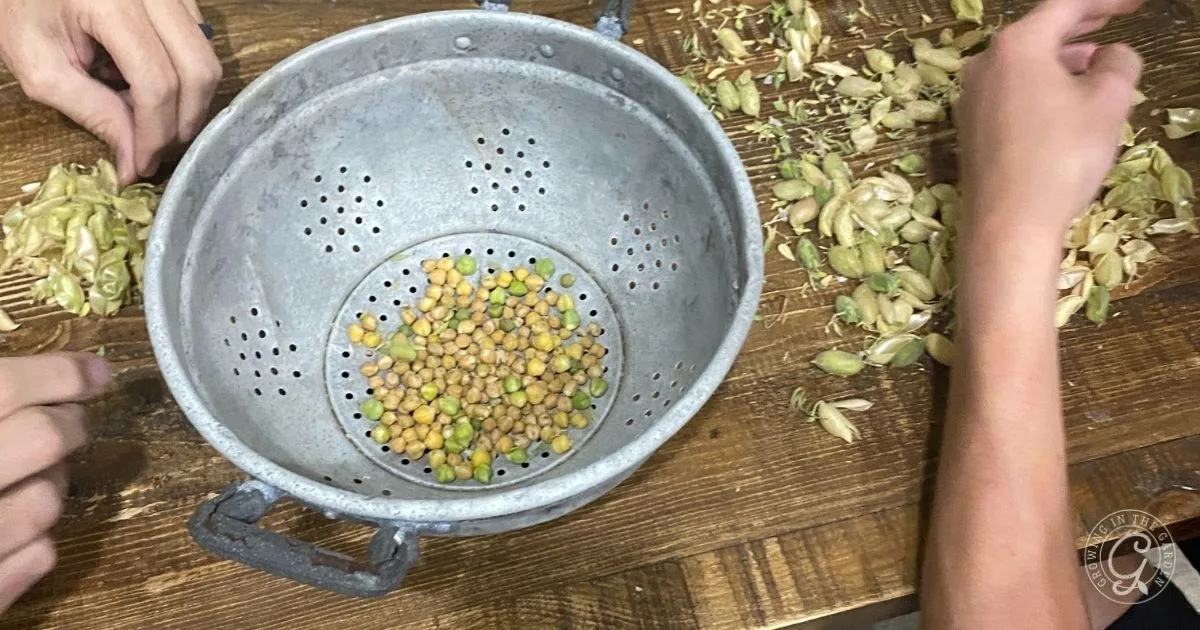
- Hand shell the pods, then store beans in airtight containers.
Common problems
Too much heat during flowering
If your plants look healthy but the pod set is low, heat is often the reason. Chickpeas are happiest when flowering happens in mild weather. Plant earlier in the season.
Wet weather and fungal disease
In rainy or humid conditions, chickpeas can be prone to fungal diseases. Prevention helps a lot:
- Plant in full sun with good airflow
- Avoid overhead watering
- Rotate crops (do not plant chickpeas in the same spot every year)
- Remove and dispose of infected plant debris
FAQ: Growing garbanzo beans
Usually no. They are more of a bushy plant than a climber.
Many varieties mature in roughly 85–110 days, depending on weather and type.
They can tolerate some frost, especially as young plants. Hard freezes or extended cold during flowering can reduce flowers and pod set. If a cold snap hits during bloom, cover plants overnight.
If your garden has never grown chickpeas, it is a smart step. Use an inoculant labeled for chickpeas or the appropriate group for chickpea rhizobia.
Yes, with excellent drainage and enough room for roots. Chickpeas are naturally deep-rooted, so a deeper pot generally performs better than a shallow one.
Want to grow another bean, too?
Garbanzo beans are cool-season crops, so it helps to choose your next “bean” based on the season it prefers. Click on the crop name to go to the grow guide.
- If you love buttery beans: lima beans are another good option once the weather is warm.
- Cool-season legumes: If you like planting in fall and winter, try fava beans (an edible crop that also improves the soil) and lentils (a great cool-season pantry staple).
- Mild-season classics: For traditional green beans and other common beans, aim for the mild windows of spring and fall when temperatures are not extreme.
Hot-season favorites: When summer heat hits, switch to heat lovers like black-eyed peas, asparagus beans (yardlong beans), and tepary beans. These are some of the most reliable “beans” for hot climates.
Also fun: If you want a fast-growing vine with lots of flowers, grow purple hyacinth bean vine (grown more for looks than for harvest).
Leave a comment on How to Grow Garbanzo Beans (Chickpeas)