
How I Grow Black-Eyed Peas in My Low Desert Garden
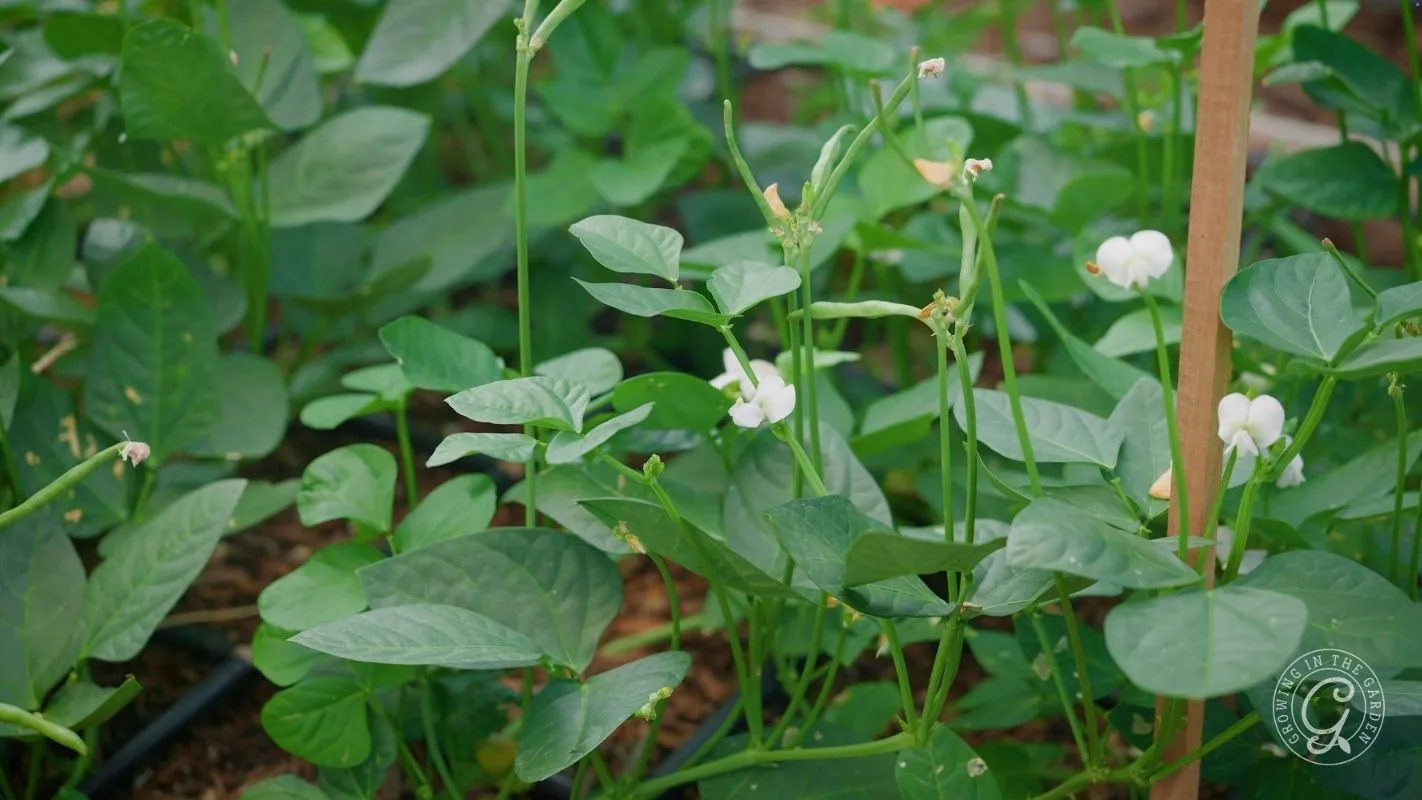
I’ve been growing black-eyed peas for more than ten years, and they’re one of the easiest things in my garden. I plant them from seed anytime between April and August, let them fill in bare spots as spring crops finish up, and harvest them throughout the season. They also work as a summer cover crop to keep my soil alive during our hot summers.
Key Takeaways: Growing Black-Eyed Peas
- Black-eyed peas thrive in heat and are easy to grow from April to August, filling gaps in the garden.
- Harvest them at three stages: snap, green shell, and dry, depending on your cooking needs.
- Store shelled green peas in the fridge short term, or blanch and freeze for long-term storage to maintain texture.
- Use black-eyed peas as a cover crop to enrich the soil, cutting them at the base to retain nitrogen-rich roots.
- Cowpeas attract beneficial insects, making them useful as trap crops near other vegetables.
What We’ll Cover:
Why I Keep Growing Them
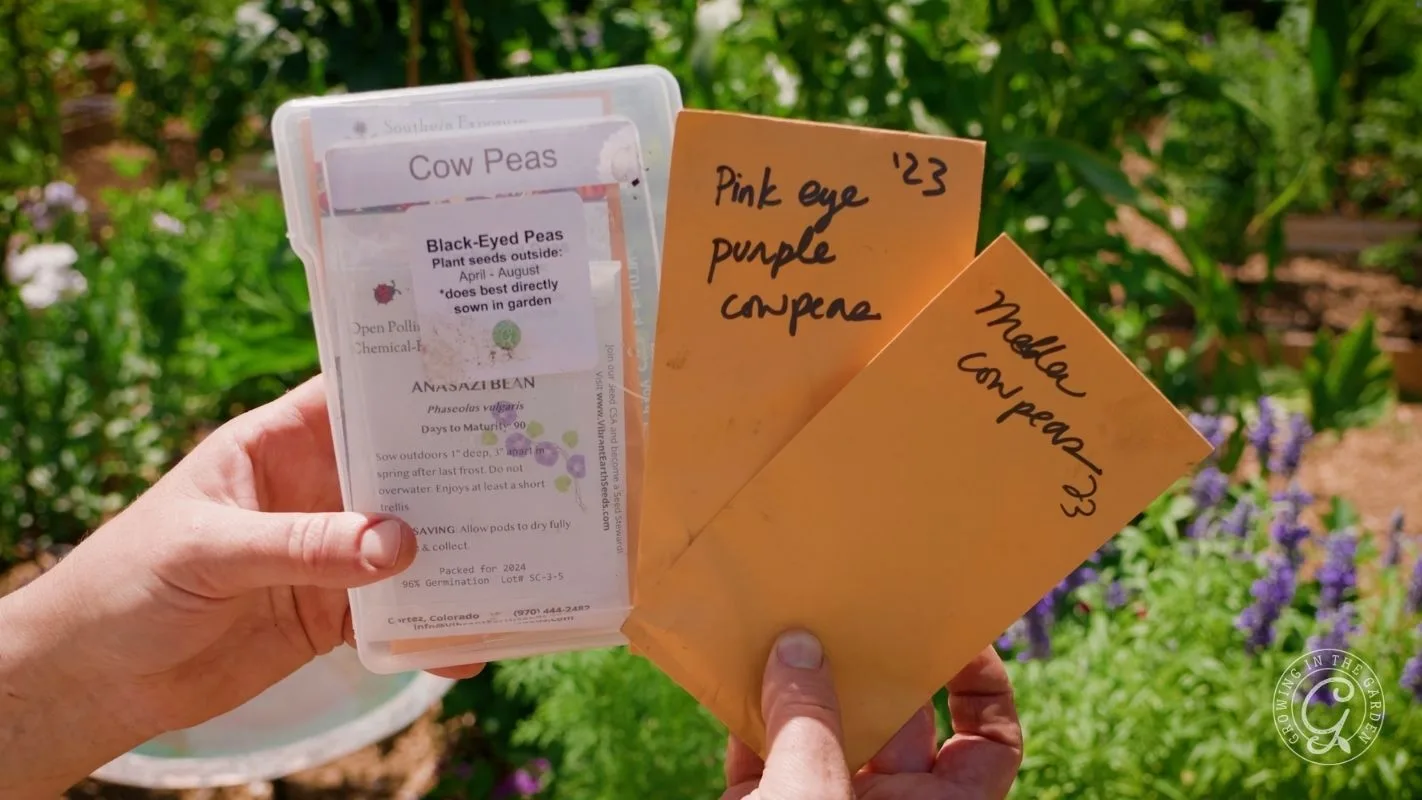
Cowpeas are a simple way to fill empty spots over the summer. As soon as a spot opens up in the summer, I drop a few cowpea seeds in and let them grow until fall planting starts. It’s an easy way to keep something growing and productive in a bed that would otherwise sit bare through the worst of the heat.
Black-eyed peas earned a permanent spot in my garden because they like the heat. I plant Melder Cow Peas (a saved variety) or Heirloom Queen Anne cowpeas, and I’ve also grown Pinkeye Purple Hull cowpeas.
How to Plant and Grow Black-Eyed Peas
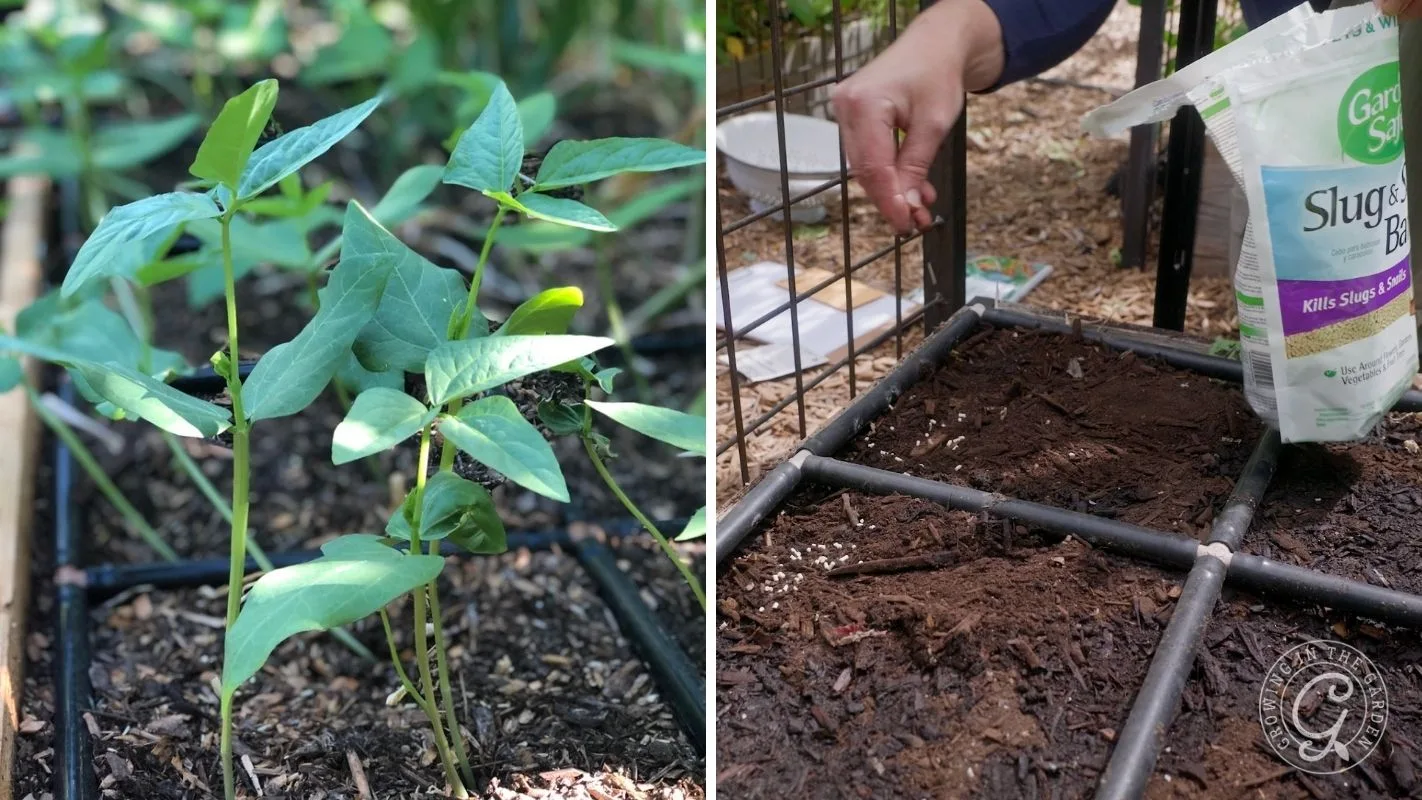
- Black-eyed peas prefer warm soil. Plant cowpea seeds when soil temperatures are at least 65°F. In the low desert of Arizona, plant cowpea seeds from April through August. I’ve had seedling damage from slugs and snails right after planting. A slug and snail bait put down when you plant can save some of your seedlings.
- Black-eyed peas grow in areas with full sun but don’t mind afternoon shade.
- Space cowpea seeds 6 inches apart and plant seeds 1 inch deep in loose, well-draining soil. If using square foot gardening, plant 4 beans per square.
- The beans tolerate some drought but do best with regular, deep water, especially when flowering.
- Mulch the soil well.
- Cowpea vines grow quickly. Provide a trellis for them to climb or allow beans to grow wild, and they will become entangled and massed together.
Grow Black-Eyed Peas as a Companion Plant
Black-eyed peas grow well up corn as part of a three-sisters planting, alongside squash. Planted together, the three support each other in ways that make the whole bed more productive. I cover the full method in my three sisters garden guide.
- The corn stalks give the climbing beans something to grow up, plus some shade and moisture retention for the squash vines below. The beans fix nitrogen that feeds the corn and squash. The wide squash leaves serve as a living mulch, retaining moisture and crowding out weeds.
- To set this up, plant the corn first. Once the stalks are about 6-12 inches tall, plant four cowpea seeds around each one. About 2 weeks after the beans come up, plant squash seeds near the corn.
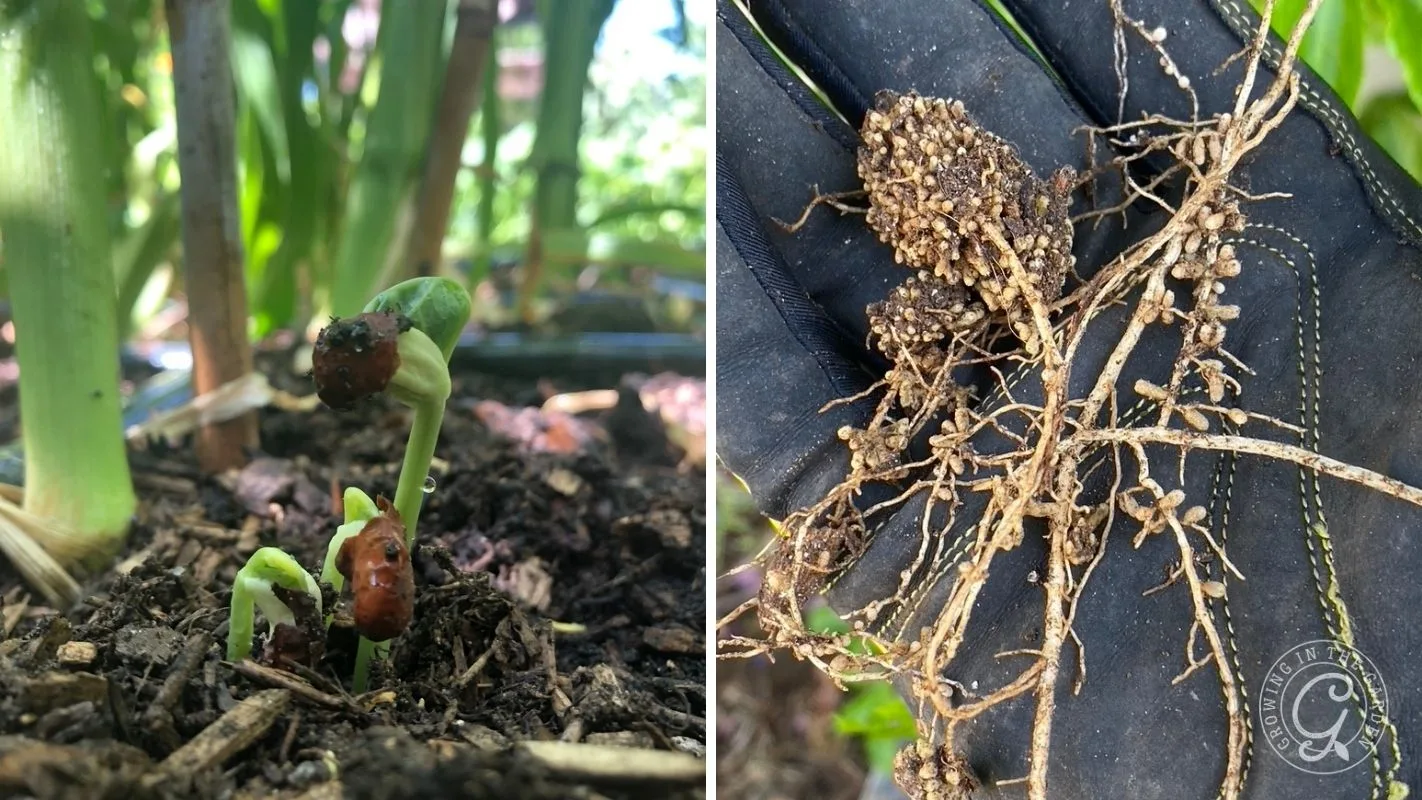
Beans fix nitrogen by working with soil bacteria. Cutting the plants off at the soil line and harvesting before they flower returns the most nitrogen to the bed.
Harvesting at Three Stages
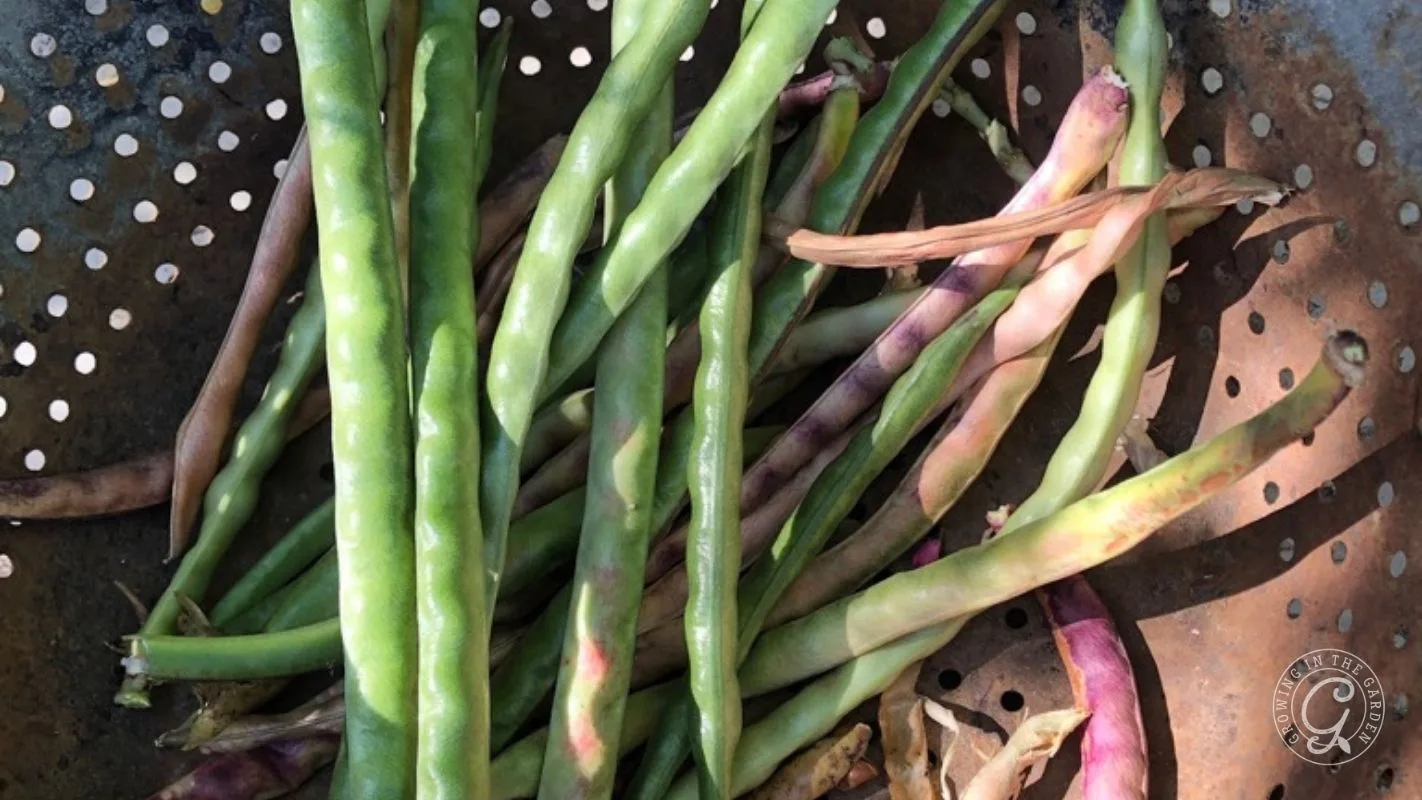
Black-eyed peas aren’t a one-harvest crop. You can pick them at three different stages depending on what you want to do with them.
- The snap stage. Pick the pods when they’re long and slender, before the seeds inside have started to swell. At this point, you treat them the same way you’d treat a green bean. You can eat them fresh or use them in this asparagus bean recipe.
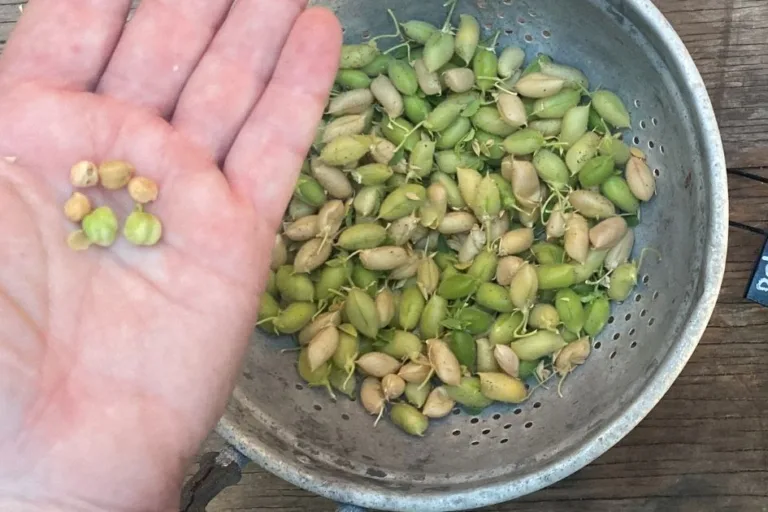
- The green shell stage. This is the most common stage to eat them. The seeds are fully formed but still holding a lot of moisture.
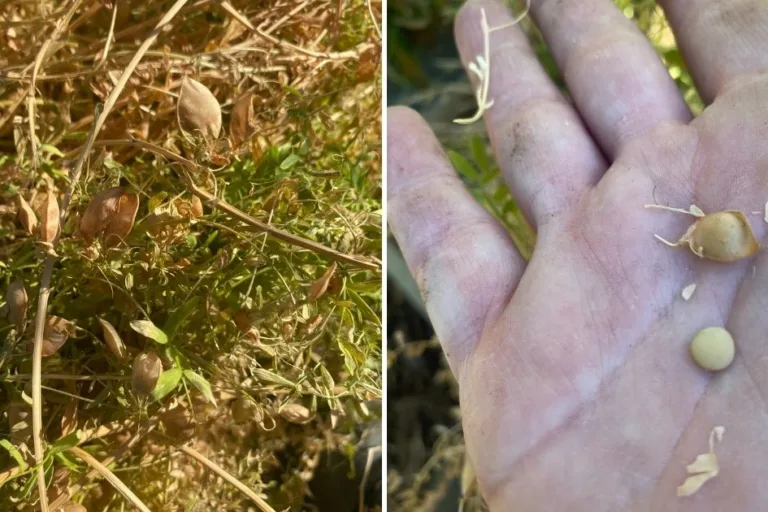
- The dry stage. Leave the pods on the vine until they’ve gone completely brown and brittle. The seeds should be hard enough that you can’t dent one with a fingernail. The beans will need to be soaked before eating.
Storing What I Harvest
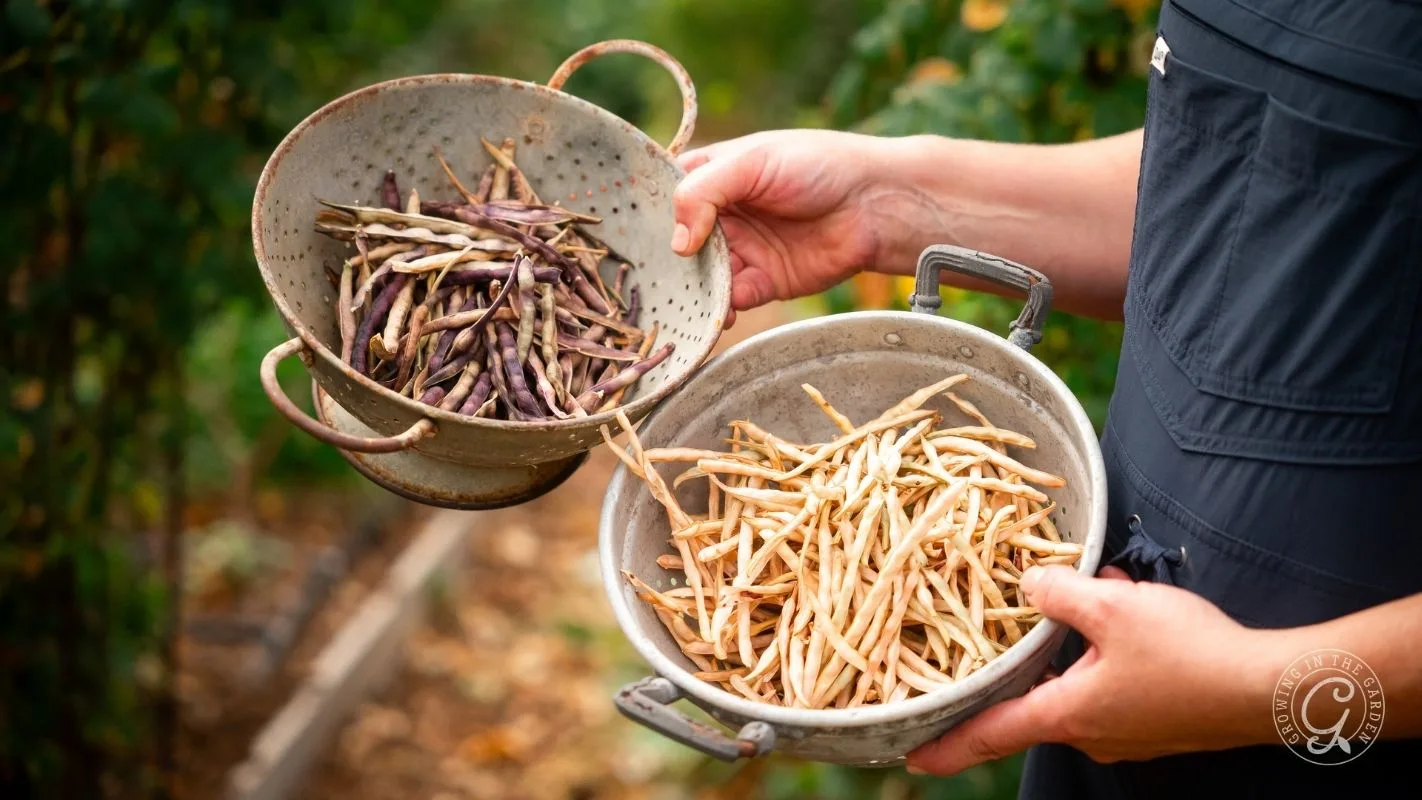
How I store them depends entirely on which stage I picked them at.
- Short term, in the fridge. Shelled green peas are perishable. Put them in a bowl covered with a damp paper towel, and use them within three to five days.
- Long-term, in the freezer. This is the best way to preserve the fresh-picked texture. The peas need to be blanched first, or they’ll turn mushy. I drop the shelled peas into boiling water for two minutes, then shock them in an ice water bath for two minutes to stop the cooking. Drain them well, then pack them into freezer bags. They’ll keep for about a year this way.
- Long-term dry storage. This is the traditional pantry method. After the pods are dry on the vine, I spread the shelled peas on a screen in a well-ventilated spot for another four to seven days to make sure they’re completely dry.
I used to just toss my dried peas into a paper sack, and I ended up with cowpea weevils because the eggs are laid in the garden and hatch once they’re in storage. Now I put the dry peas in a sealed bag in the freezer for 48 to 72 hours before storing them. That kills off any eggs or larvae before they become a problem. After that, they go into glass jars with tight lids, kept somewhere cool and dark.
Using Black-Eyed Peas as a Cover Crop
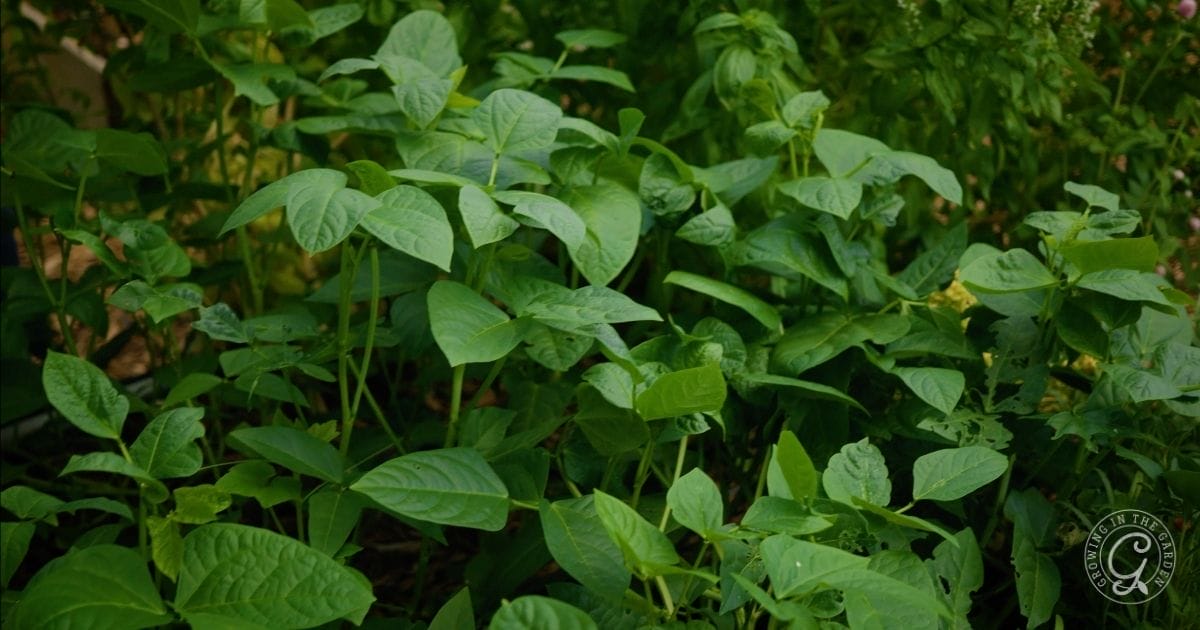
If I’m not ready to replant a bed yet, cowpeas fill the space, add organic matter, and feed the soil while I figure out what’s next.
When I’m done with a planting, I cut the plants off at soil level instead of pulling them. That leaves the nitrogen-rich root nodules in the ground, where they feed whatever I plant next. I’ll top the bed with compost, or sometimes skip that step entirely and just let it break down on its own.
Black-eyed peas are a heat-tolerant cover crop I plant to keep the soil alive over summer. I go into the full list of options, along with the winter side of cover cropping, in my fava beans as a cover crop post and my summer cover crops post.
Save Seeds to Share and Plant
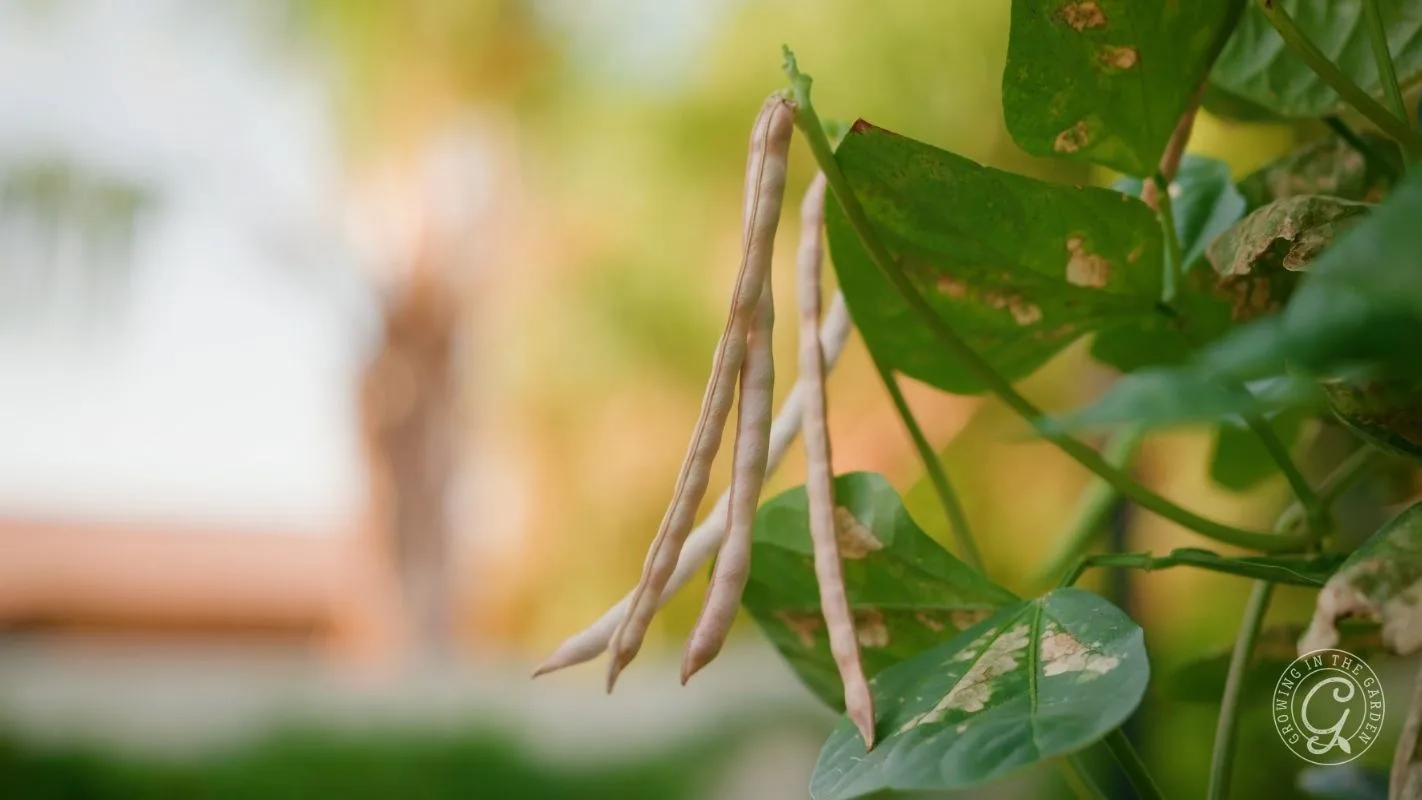
After a successful harvest, leave the seeds on the vine until they are completely dry, then save a few to plant next season. Don’t forget to put the dried beans in a sealed bag in the freezer for 48 to 72 hours and then store them in a glass jar to prevent weevil damage.
A friend shared a handful of cowpeas with me several years ago. That handful of “Melder cowpeas” has multiplied exponentially. Countless beans have since been eaten, planted, and shared with others.
What I Make With Them: Texas Caviar
This recipe disappears fast at our house. (Too fast for me to get a picture!) My boys eat a huge bowl of it if I make it when we’re all together.
Here’s what goes into it:
- 1 ½ cups black-eyed peas, cooked, rinsed, and drained well
- 1 (15-ounce) can black beans, rinsed and drained well
- 1 (11-ounce) can corn, drained well
- 1 to 2 avocados, diced
- ½ cup diced red bell pepper
- 1 cup diced Roma tomatoes
- 2 tablespoons finely chopped red onion
- ¼ cup chopped cilantro
- ⅓ cup Italian dressing
- ½ tablespoon fresh lime juice
- Salt and pepper to taste
- Tortilla chips for serving
Add the drained corn and beans to a serving bowl, then toss in the avocados, red pepper, tomatoes, red onion, and cilantro. Pour the dressing over everything, then fold in the lime juice, salt, and pepper until everything is evenly coated. Serve right away with tortilla chips.
If you’re making this ahead, hold off on chopping and stirring in the avocados until right before you serve it. Leftovers should be kept in the fridge.
Black-Eyed Peas Frequently Asked Questions
I plant mine anytime from April through August, direct-seeded, as warm-season crops finish up and free up space.
Yes. Cut the plants at soil level rather than pulling them, so the nitrogen-rich roots stay in the ground and feed your next crop.
Cowpea weevils lay eggs in the field before harvest, and those eggs hatch once the peas are in storage. Freezing your dried peas for 48 to 72 hours, then storing them in a sealed container, kills the eggs and larvae before they become a problem.
No, though you can let them climb one if you want to save space. Mine often just sprawl across the bed.
Leave a comment on How I Grow Black-Eyed Peas in My Low Desert Garden