
What’s Wrong With My Cauliflower? Purple, Loose, or Bitter Heads
The first time I grew cauliflower, it turned out perfectly. I thought, “This is easy!” The next year was a different story. The heads took forever to form, and when they finally did, they were separated and not pretty.
What I didn’t realize was that the first year, we’d had perfect cauliflower-growing weather with consistently cool (but not freezing) temperatures. The second year brought freezing nights mixed with warmer-than-average days. Those temperature swings caused problems for my cauliflower.
Cauliflower can be one of the most temperamental crops in the cabbage family. Weather plays a big role, but inconsistent watering, nutrient problems, and other stresses can also affect how the heads develop. Here’s what I’ve learned growing cauliflower in my Mesa garden, what causes the most common problems, and how to fix them.
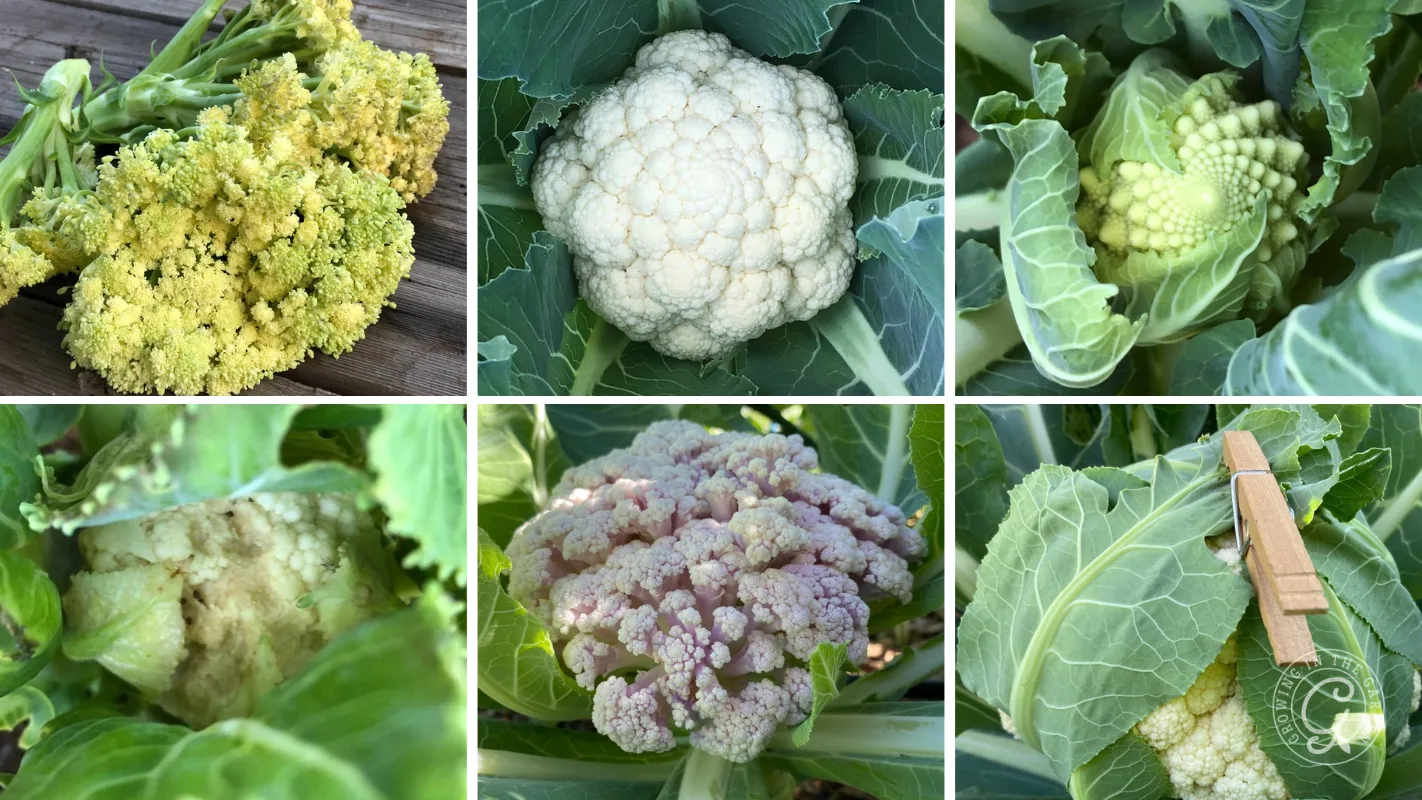
Key Takeaways: Cauliflower Problems
- Purple or pink on a white head comes from sun hitting the curd. It’s harmless. Tie the leaves over the head to prevent it.
- Loose, separated, or ricey heads usually follow heat or big swings between warm and cold weather.
- Tiny heads that form too early (buttoning) come from stress, often weather swings or root-bound transplants.
- A head that starts blooming has been left too long or hit by heat. Harvest sooner next time.
- Bitter cauliflower usually comes from heat and uneven watering. Purple varieties taste less bitter in my garden.
- Cabbage moths are the early pest. Aphids and sometimes harlequin bugs show up as it warms
What We’ll Cover:
- Quick Reference: What’s Wrong with My Cauliflower?
- Why Is My Cauliflower Turning Purple or Pink?
- Why Is My Cauliflower Loose, Separated, or Ricey?
- Why Are My Cauliflower Heads So Small? (Buttoning)
- Why Is My Cauliflower Blooming or Bolting?
- Why Is My Cauliflower All Leaves and No Head?
- Why Does My Cauliflower Taste Bitter?
- What’s Eating My Cauliflower?
- Cauliflower Problems FAQs
Quick Reference: What’s Wrong with My Cauliflower?
| What You See | Usual Cause | What I do |
|---|---|---|
| Purple or pink on a white head | Sun hitting the curd | Tie the leaves over the head |
| Loose, separated, or ricey head | Heat or big temperature swings | Harvest as soon as the head is firm |
| Tiny head that forms too early | Stress from weather swings or root-bound transplants | Pull it and use what I can |
| Head opening into flowers | Left too long, or heat | Harvest sooner next time |
| All leaves, no head | Too warm, too little light, or not enough time | Wait for cool weather, check the sun |
| Bitter taste | Heat and uneven watering | Keep water steady, try purple varieties |
| Holes in leaves | Cabbage moth caterpillars | Handpick, use Bt if needed |
Why Is My Cauliflower Turning Purple or Pink?
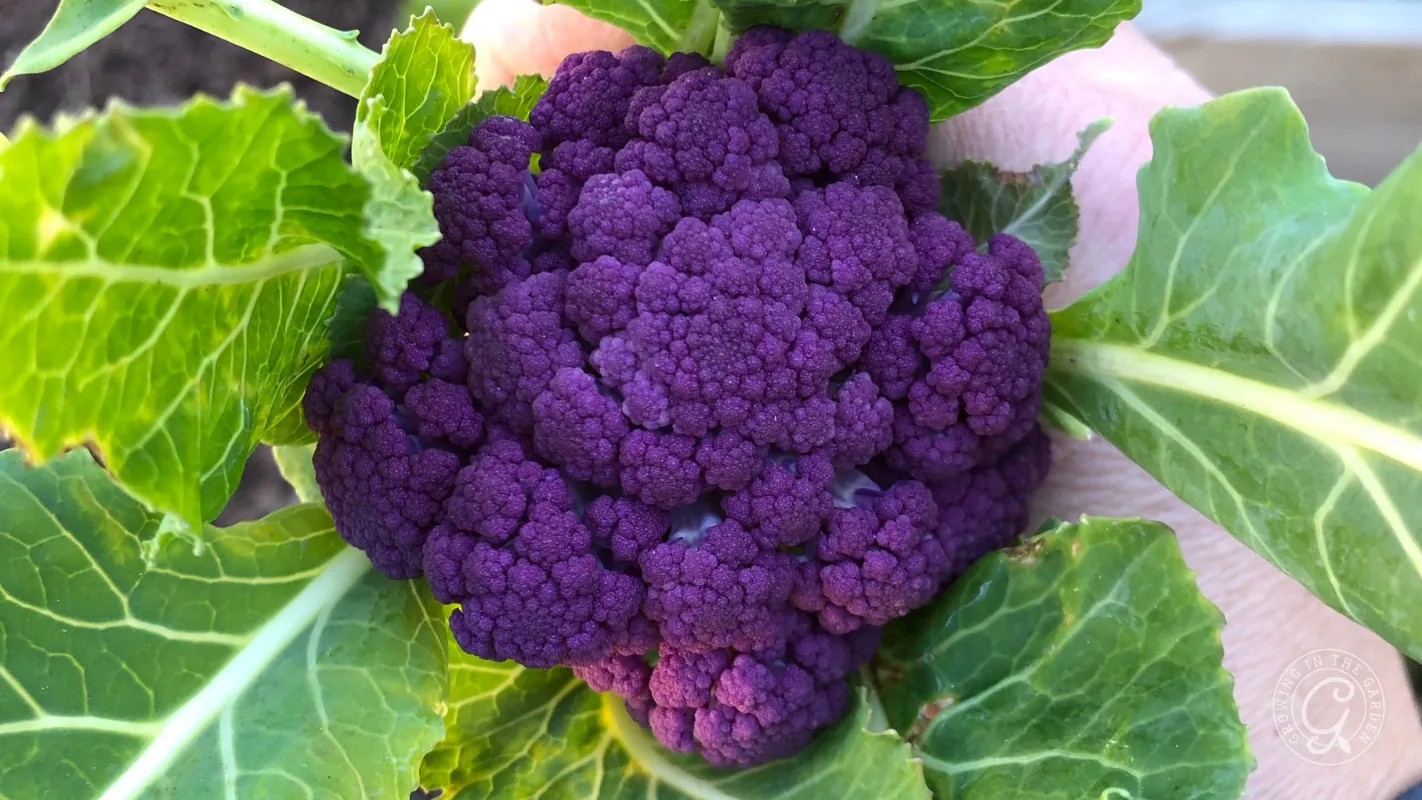
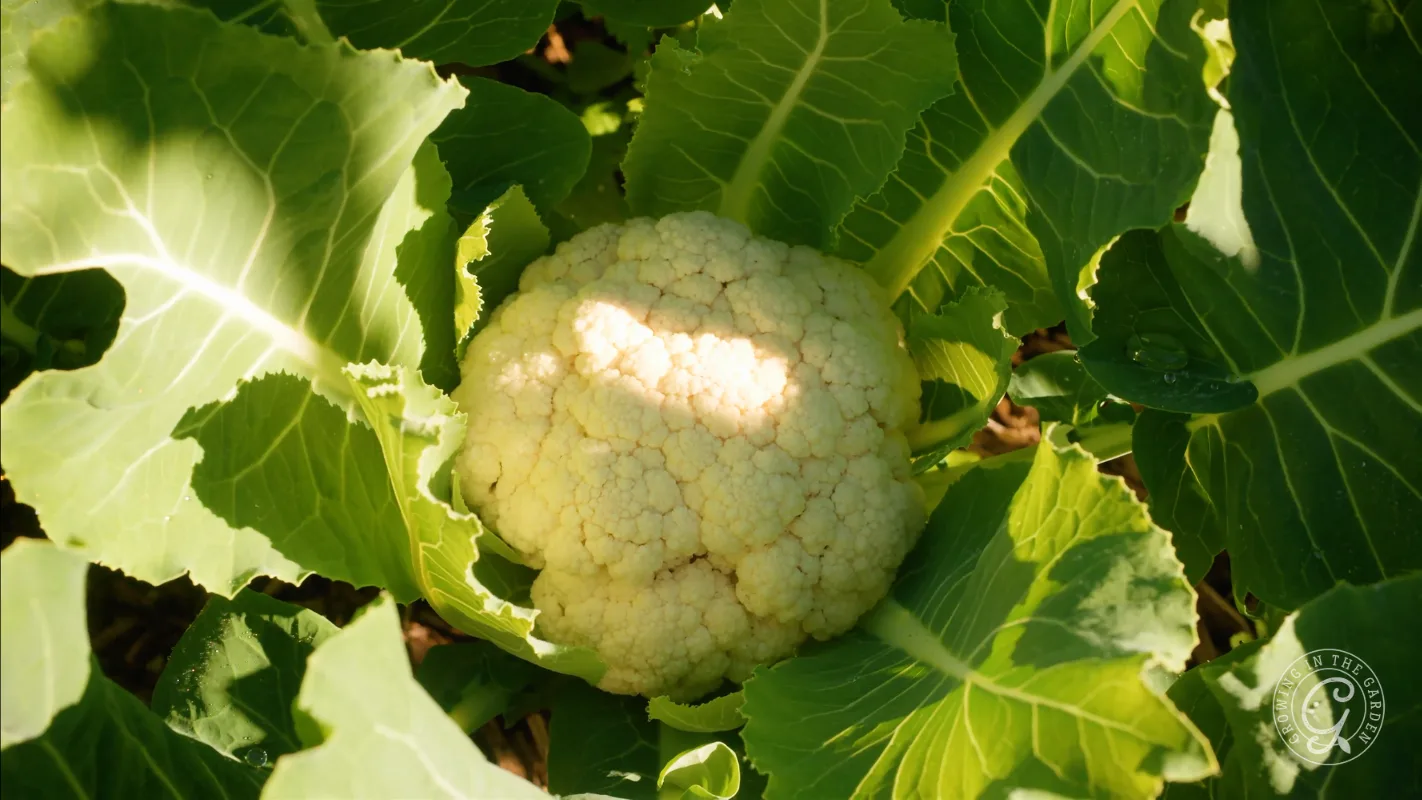
Purple or pink on a white cauliflower head comes from sunlight. When sun hits the curd, the plant makes red and purple pigment, and hot weather makes it worse. Some white varieties are more prone to it than others.
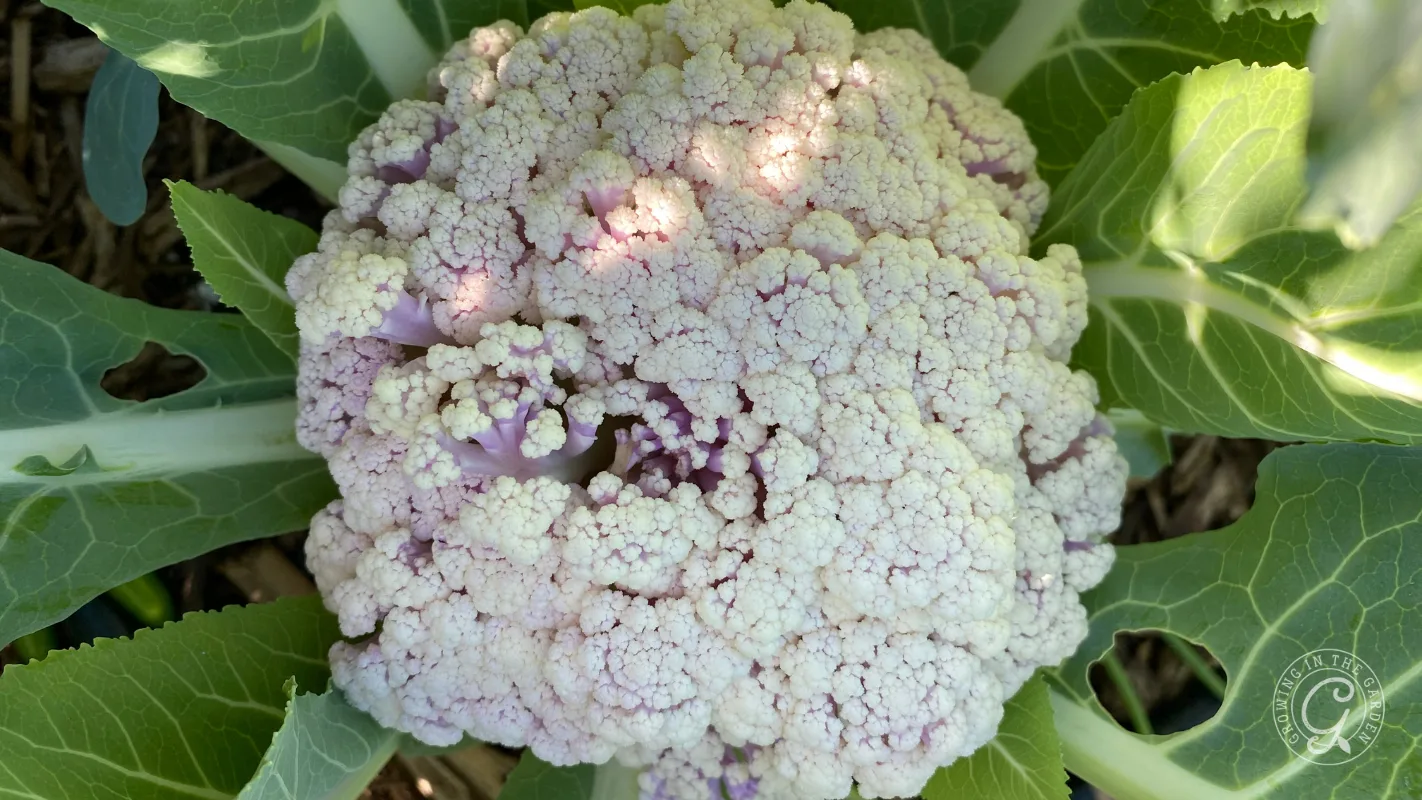
The color is harmless. It’s the same kind of pigment that makes purple cauliflower purple. It changes how the head looks, not whether you can eat it.
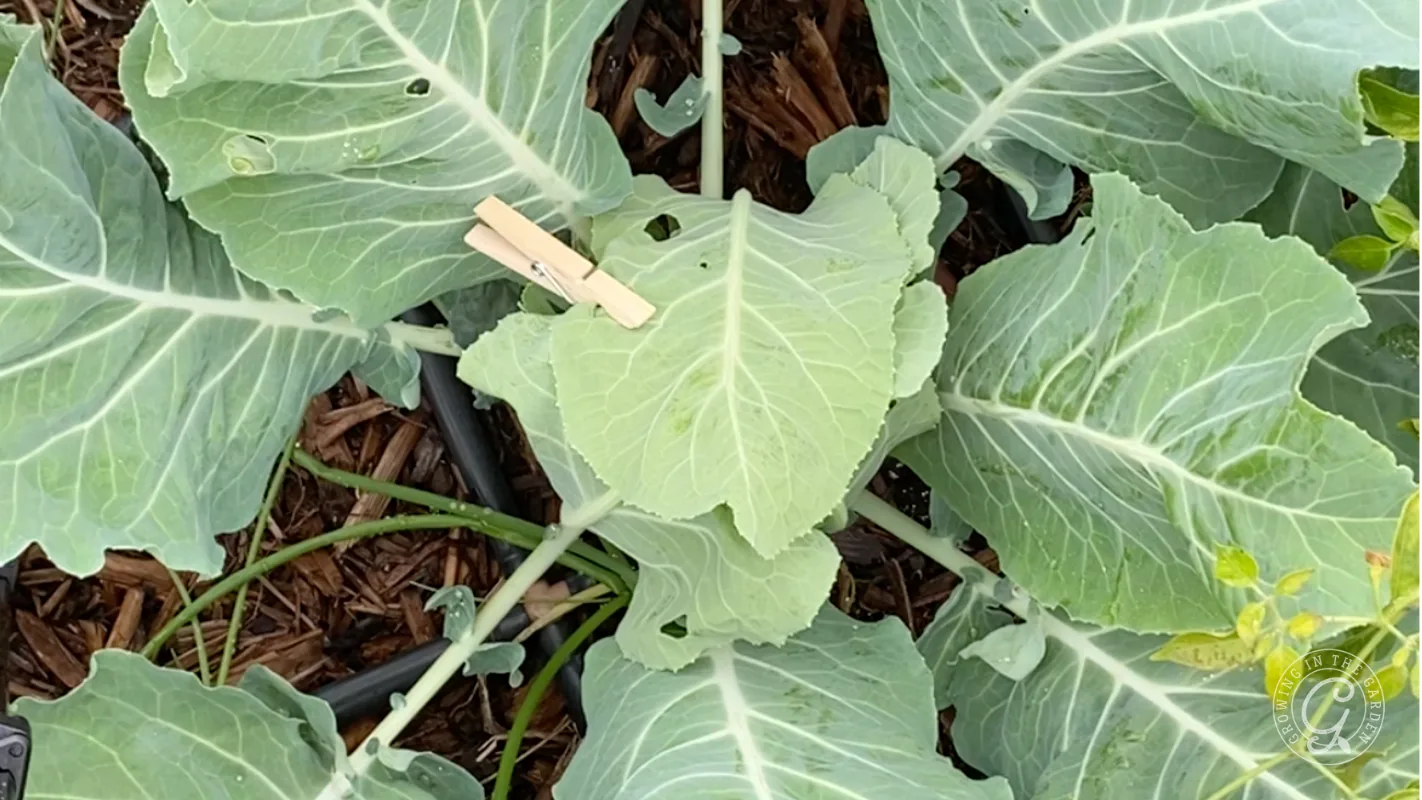
To keep white heads white, blanch them. Once you can see the head forming, tie the outer leaves up over it. Some varieties are self-blanching and curl their own leaves over the head. Purple varieties don’t need blanching. My guide on how to grow cauliflower from planting to harvest shows how I tie the leaves.
Why Is My Cauliflower Loose, Separated, or Ricey?
This is what happened to me that second year. Instead of a tight, smooth head, the curds pull apart and look grainy or fuzzy, like grains of rice.
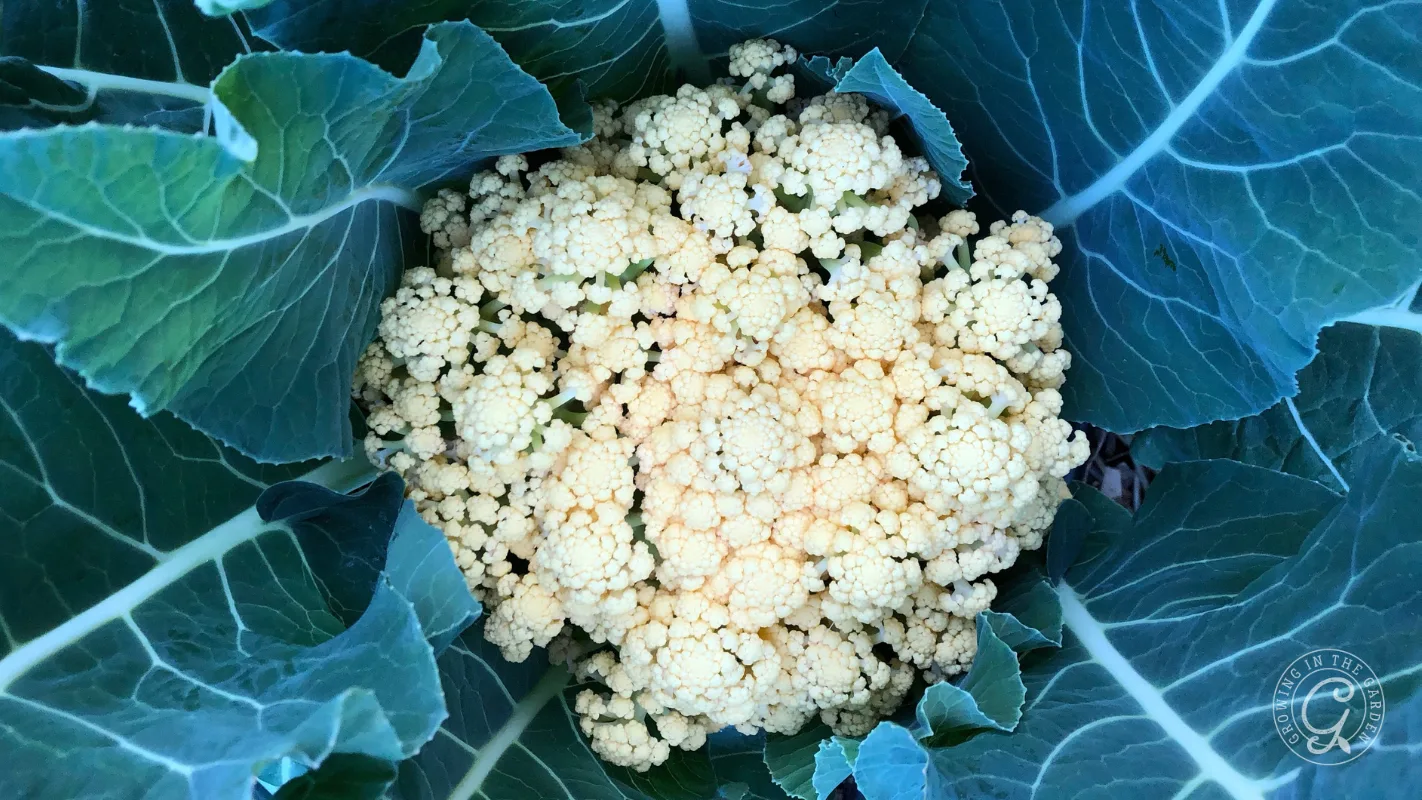
In my garden, it follows swings between warm and cold weather, which are common here. Heat, direct sun on the head, and faster growth after the head forms can all cause it. Too much nitrogen can too.
A loose head won’t tighten back up. Harvest as soon as the head is firm and full-sized for that plant. Don’t wait for it to get bigger.
Why Are My Cauliflower Heads So Small? (Buttoning)
Buttoning is when a plant forms a tiny head early, while the plant is still small. The leaves can’t feed a full-sized head, so it stays small.
It’s one of the most common problems I see. Stress is the usual trigger. For me, that’s usually weather swinging between warm and cold. Transplants that sat too long in their pots and got root-bound are also more likely to button. Pick young, compact transplants and plant them on time. Dry soil and too little nitrogen can also cause buttoning.
When a plant buttons, I usually pull it. I feed it to my chickens or harvest what I can and chop it up for a salad.
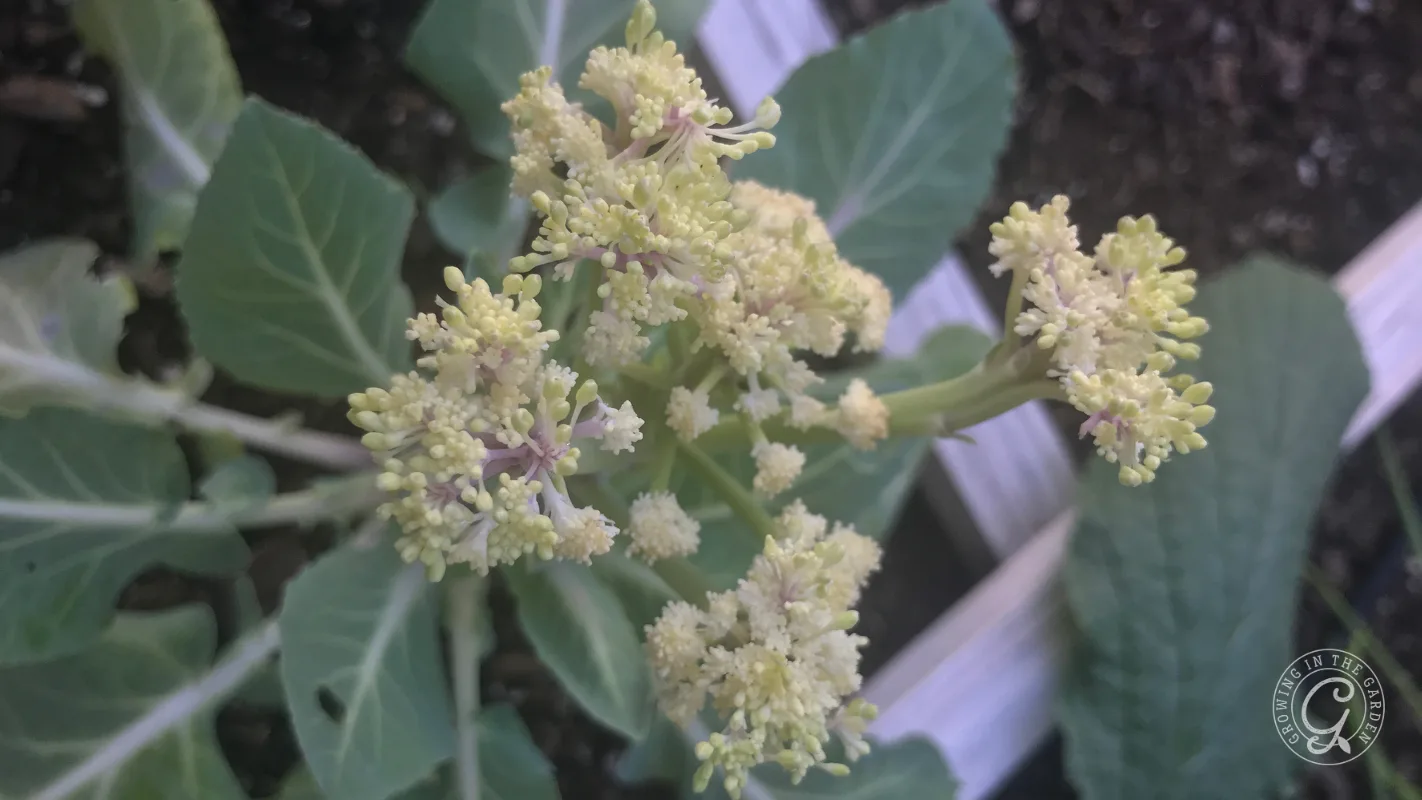
Why Is My Cauliflower Blooming or Bolting?
When a head starts to open up and turn into flowers, it’s bolting. The plant has switched from growing a head to making seeds. It happens when a head is left in the garden too long, or when the weather heats up.
Once a head starts blooming, it won’t tighten back up. I pull the plant and use what I can. Next time, check heads every few days once they form, and harvest as soon as they’re firm. In the low desert, get cauliflower in the ground early enough to mature before spring heat. Here’s when to plant cauliflower in the low desert.
Why Is My Cauliflower All Leaves and No Head?
If your plant is big and healthy but has no head, here’s what usually causes it.
- It’s too warm. Cauliflower needs cool weather to form a head. When days stay above 86ºF and nights above 77ºF, plants keep growing leaves instead.
- It needs more time. In my garden, heads take longer to form when the weather doesn’t cooperate. That second year, mine took a long time to show up.
- It isn’t getting enough sun. Plants that grow tall and thin with no head may need more light.
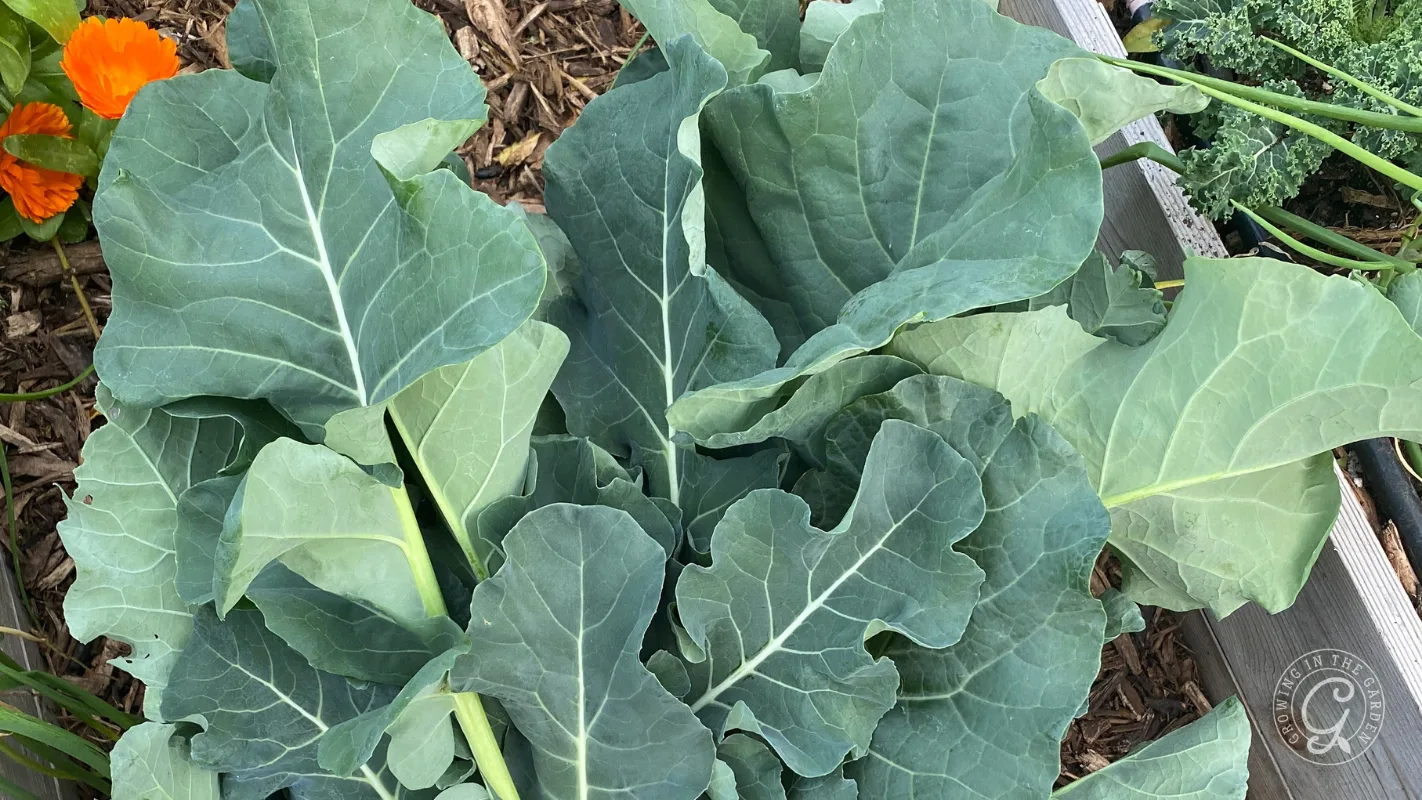
If it’s still cool, give it more time. If it’s heading into spring heat, it probably won’t make a head. The leaves are still good to eat. Here’s how to use broccoli and cauliflower leaves.
Why Does My Cauliflower Taste Bitter?
Bitter cauliflower usually comes from heat, too much sun on the head, dry soil, or uneven watering. Harvesting late and overcooking can make it worse.
Keep the water consistent and harvest on time. In my garden, purple varieties like Amethyst and Purple Crush taste less bitter than white ones.
What’s Eating My Cauliflower?
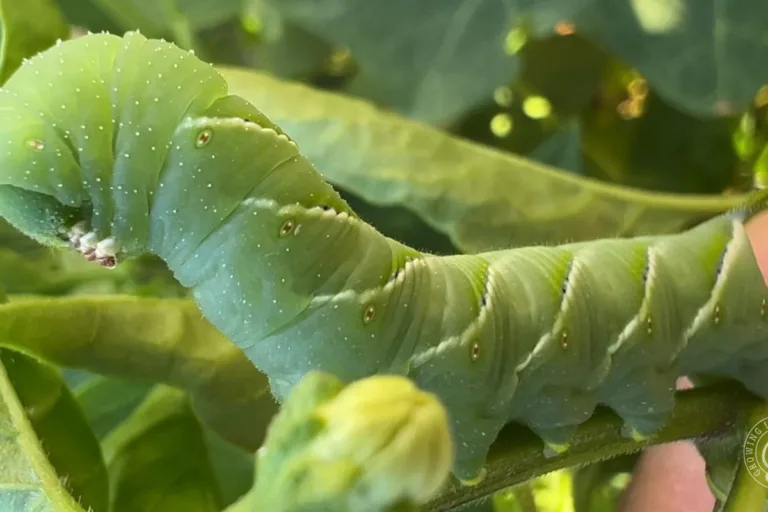
Cabbage moths are the first pest I see each season. They lay eggs on the leaves, and the green caterpillars chew holes. I handpick them and use Bt if there are too many. My guide on how to get rid of cabbage worms has more options, including floating row cover.
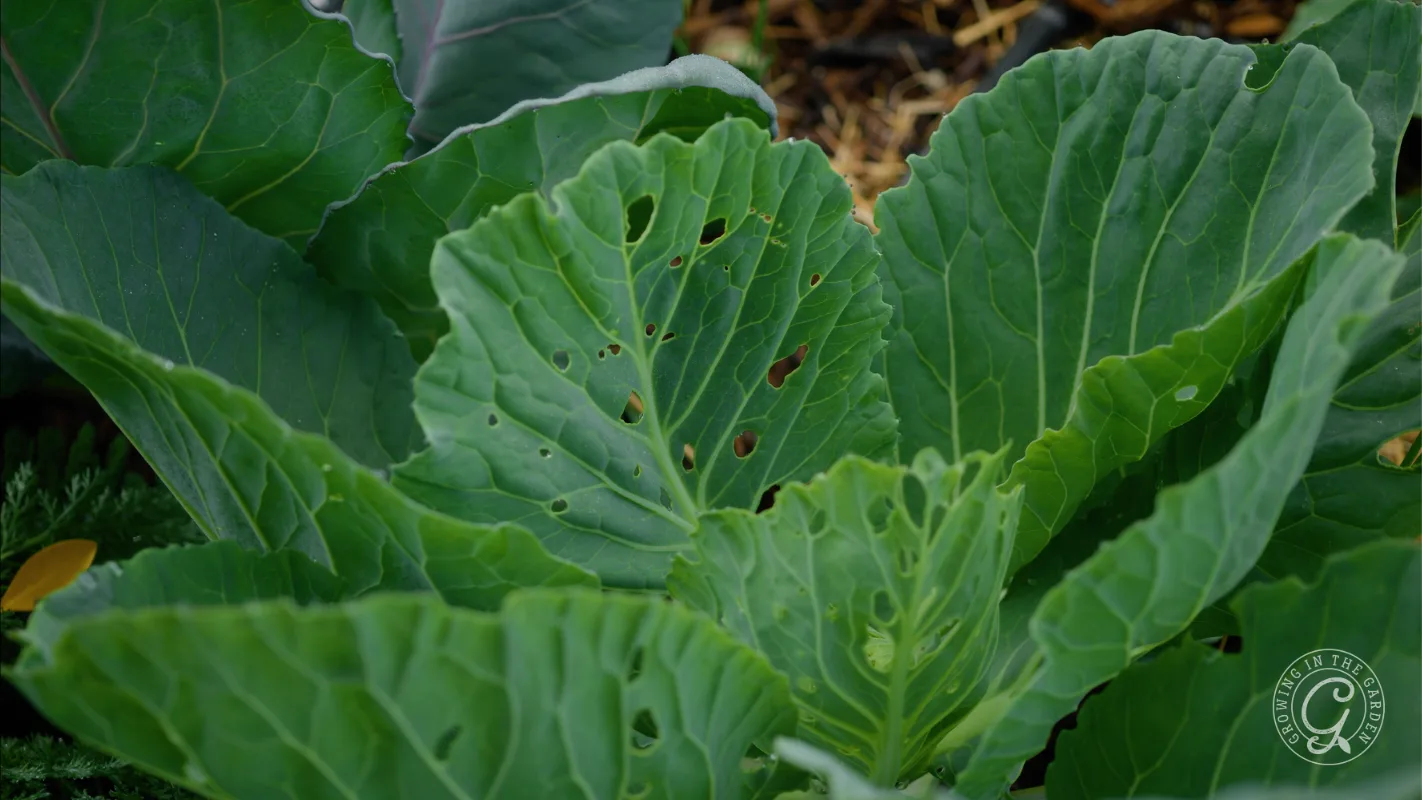
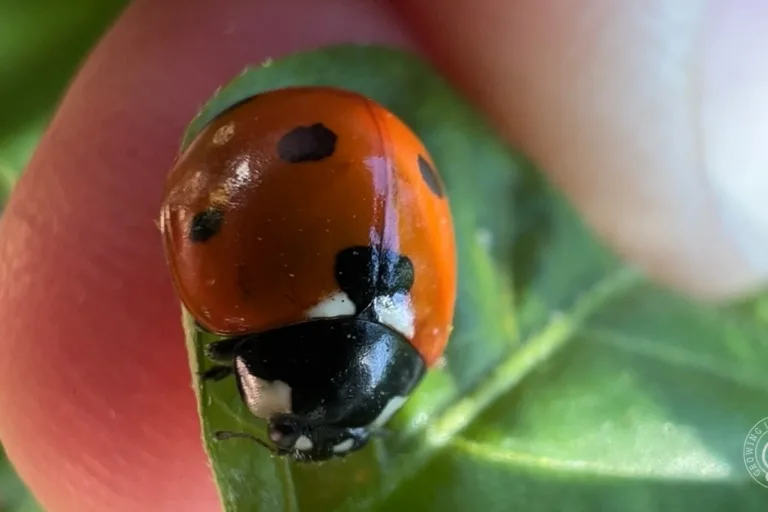
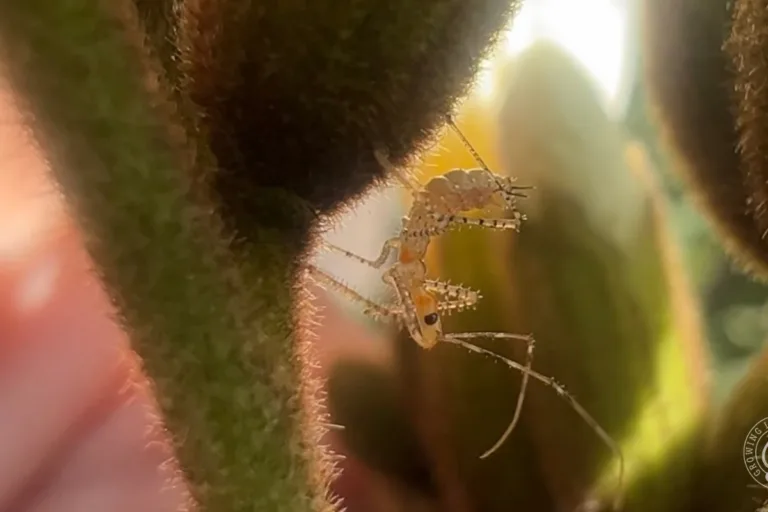
As the weather warms, aphids show up on my cauliflower, and sometimes harlequin bugs too. Here’s how I get rid of aphids in the garden.
Cauliflower takes more patience than other cool-season crops. When you do get a good head, here are my 5 best recipes for cauliflower.
Cauliflower Problems FAQs
Yes. The color on a white head comes from sun hitting the curd. It’s the same kind of pigment that makes purple varieties purple, and it’s harmless. To prevent it, tie the leaves over the head as it forms.
Loose or separated heads usually follow heat or big swings between warm and cold weather. Too much nitrogen and waiting too long to harvest make it worse. Harvest as soon as the head is firm.
Usually the weather is too warm, the plant needs more time, or it isn’t getting enough sun. Cauliflower needs cool weather to form a head.
I do. When a head starts to bloom, I pull the plant and chop up what I can for a salad. Whatever I don’t use goes to my chickens.
I add worm castings to my garden beds and feed cauliflower once or twice during the season with an organic fertilizer. Avoid heavy nitrogen once heads start to form, since it can make them loose.
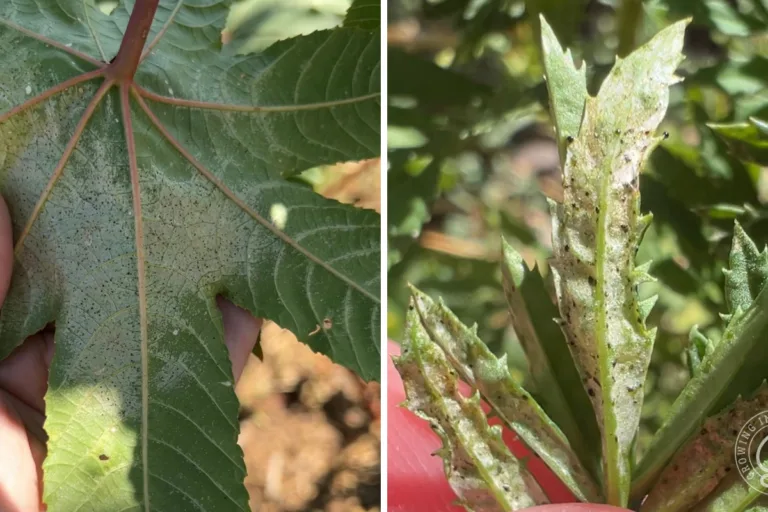
My cauliflower never even tried to grow a head, even though I started the seeds in a tray in early spring and kept them watered. Only one seed germinated (disguised as lettuce, but that’s another story) and almost as soon as I transplanted it I had huge leaves but no head, then yellow flowers. From what I’ve seen though the leaves if not the flowers should still be edible – ?
I have cauliflower seedlings which are producing heads far too early. These were purchased from the “cheapie bin” at a local garden centre. They have been transplanted to my garden.
Have they been left too long in the original plant seeding container too long?
If they were stressed and root-bound, yes, they could button or produce heads too soon.
My cauliflowers keep on growing upwards and are very thin and tall and don’t look like they can hold a head if any grow what has happened to cause this. The broccoli is nice and wide and a lot shorter
They may not be getting enough light.
My Cauliflower hasn’t grown much since I planted it a month ago. It has rained a lot here in PA, and I know they don’t like soggy feet but is this the reason or could it be something else I did wrong?
Cauliflower is definitely the most temperamental member of the brassica family. That could be it, the weather this year has been extremely difficult in some regions. Hang tight and hopefully, it will come out of it and begin to thrive.