
Beneficial Insects as Natural Pest Control
Did you know that nature has its own pest control service? It’s true! A diverse array of beneficial insects are nature’s “secret weapon” in the garden. They will do the heavy lifting in controlling garden pests as organic pest control if you let them.

Key Takeaways: Beneficial Insects as Natural Pest Control
- Beneficial insects are essential for organic pest control, maintaining a healthy garden ecosystem.
- Identifying beneficial insects can help you differentiate them from harmful pests, as 99% are beneficial.
- Daily observation is crucial in monitoring pests and understanding the lifecycle of beneficial insects.
- Encouraging beneficial insects involves planting diverse flowers and avoiding pesticides, which disrupt the ecosystem.
- Understanding the predator-prey cycle helps maintain balance in your garden, promoting biodiversity and effective pest control.
What We Will Cover:
Beneficial insects are organic gardeners’ best friends, helping to maintain a healthy balance in the garden ecosystem. This blog post will help you identify these insects, understand their role in pest control, and provide tips for encouraging beneficial insects in your garden.
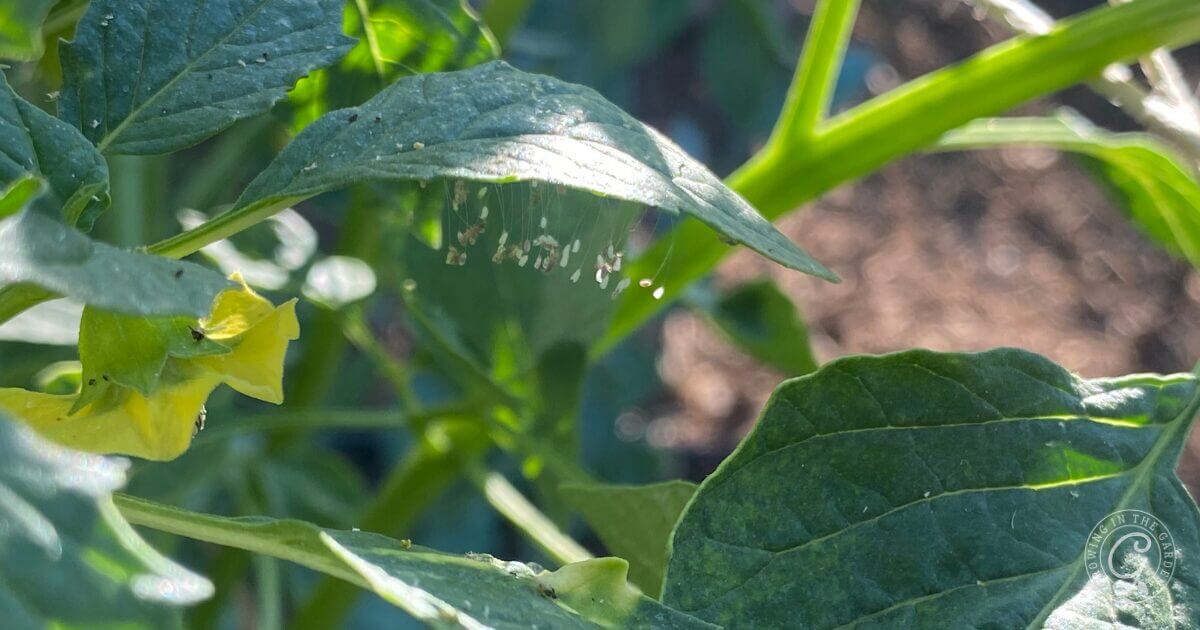
A Natural Approach to Pest Control: Identify the Bugs in Your Garden
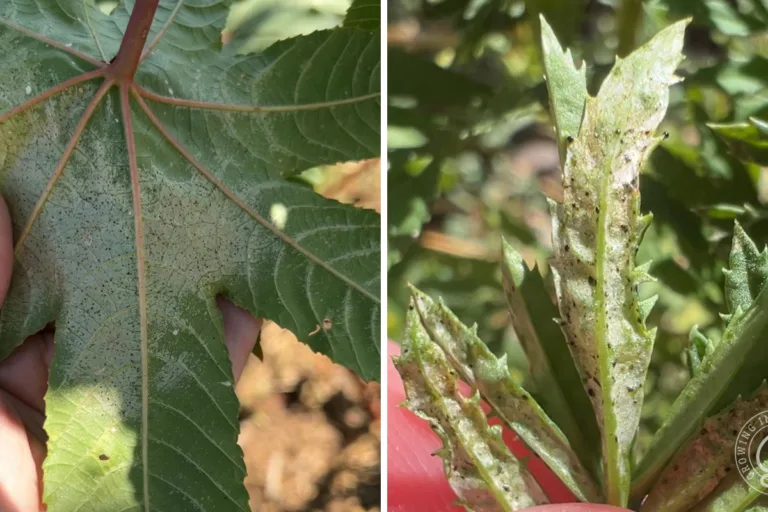
The first step in utilizing beneficial insects and bugs as organic pest control is learning to identify the good bugs from the bad. In gardening, insects are a natural part of the ecosystem. While some can harm your garden, many are beneficial and vital to maintaining a healthy balance. Being able to tell a beneficial insect from a pest is one of the most useful skills you can develop in the garden. This visual guide to common garden insects and their lookalikes is a good place to start.
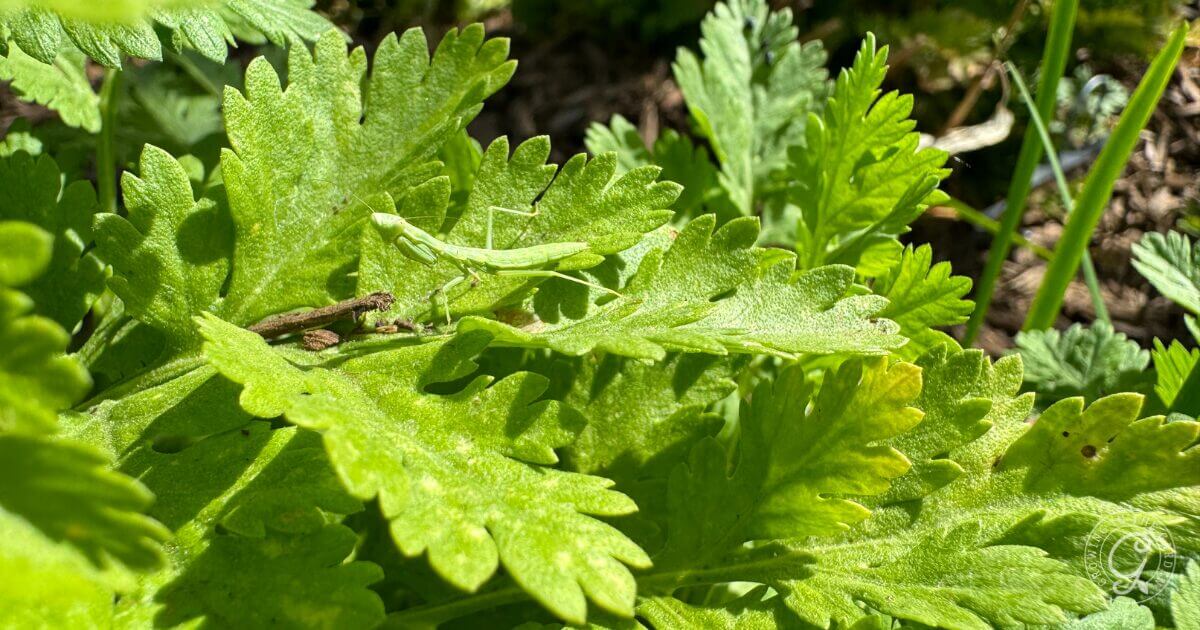
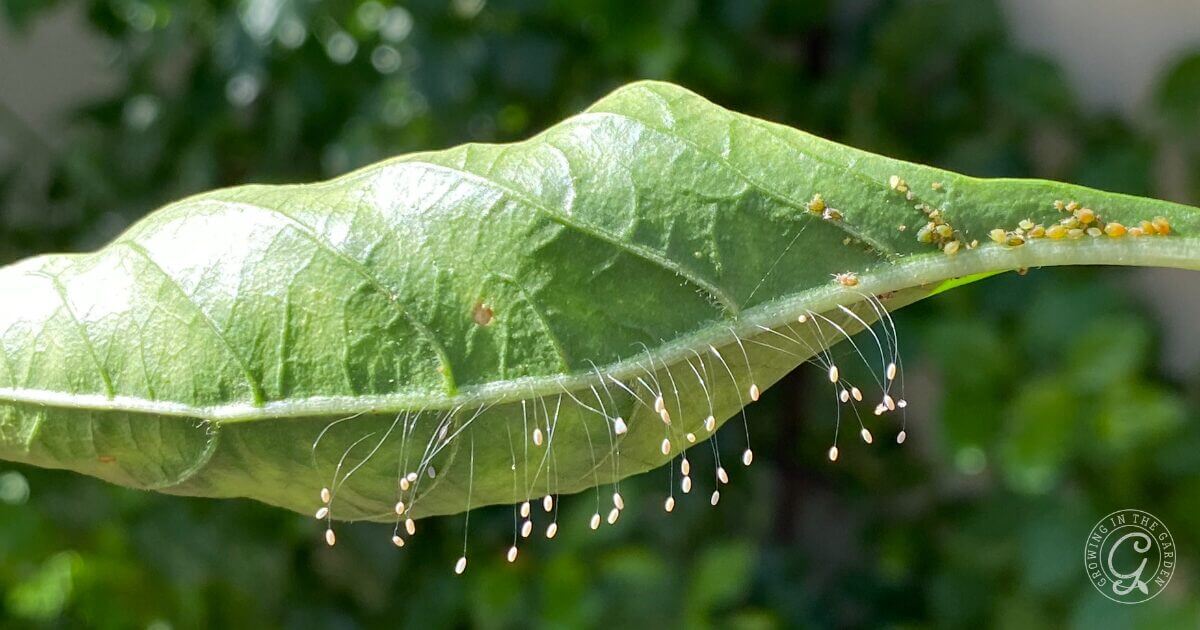
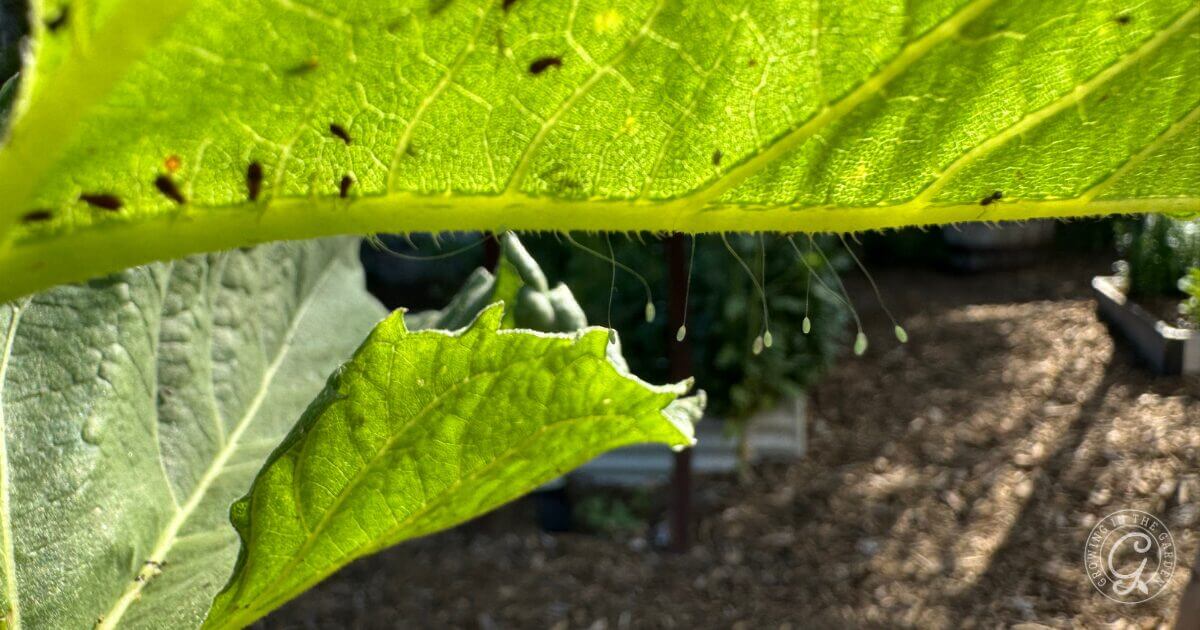
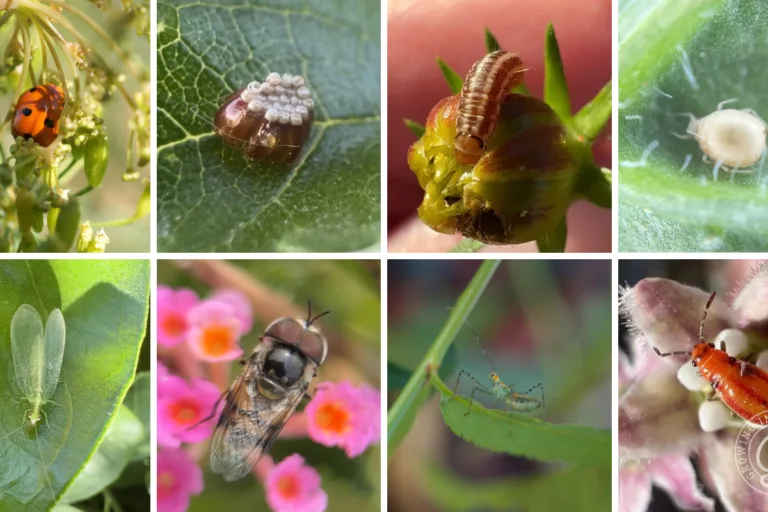
When you notice an insect, take time to identify it. Believe it or not, ninety-nine percent of insects are beneficial or benign, and only one percent are harmful–it can feel like more than that sometimes!1 Learning to recognize beneficial insects starts with the eggs. This identification guide covers ladybug, lacewing, assassin bug, hoverfly, and parasitic wasp eggs so you know what to leave alone.
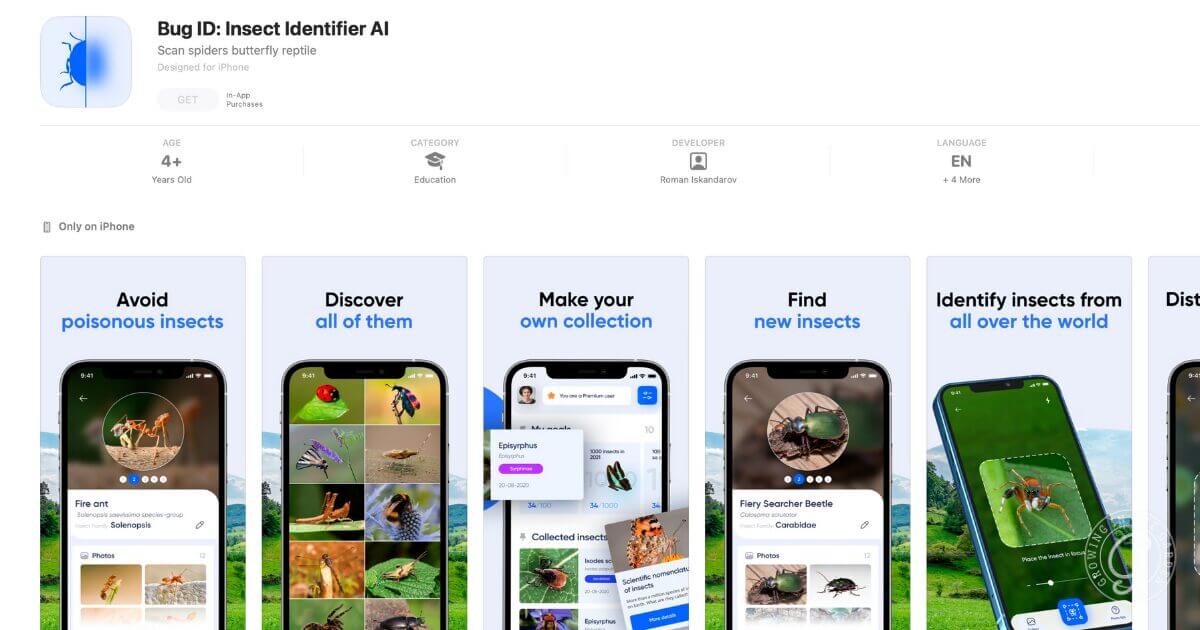
Technology has made identifying insects much easier. You can now use the camera on your iPhone or Android phone to take a picture of the insect and use Visual Lookup or Google Lens feature to identify it. There are also user-friendly apps such as Seek and Bug ID that can be used for this purpose. Additionally, image searches on Google can help identify pests and insects that you come across.
The Importance of Daily Observation
Monitoring your garden daily is crucial, especially during peak pest seasons. Regular observation can help you catch pest problems early on. You may not intervene, but you will know what is happening.
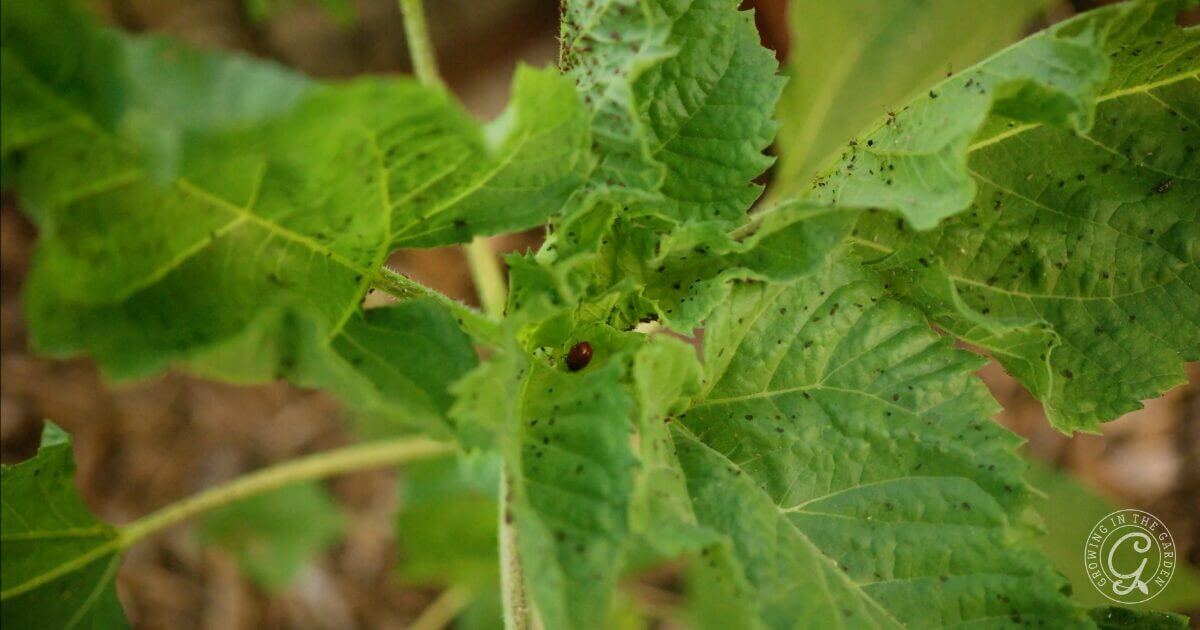
Daily monitoring also provides an excellent opportunity to observe the natural cycles of insects in your garden. Understanding the lifecycle of beneficial insects and their patterns in your garden will help you encourage their presence.
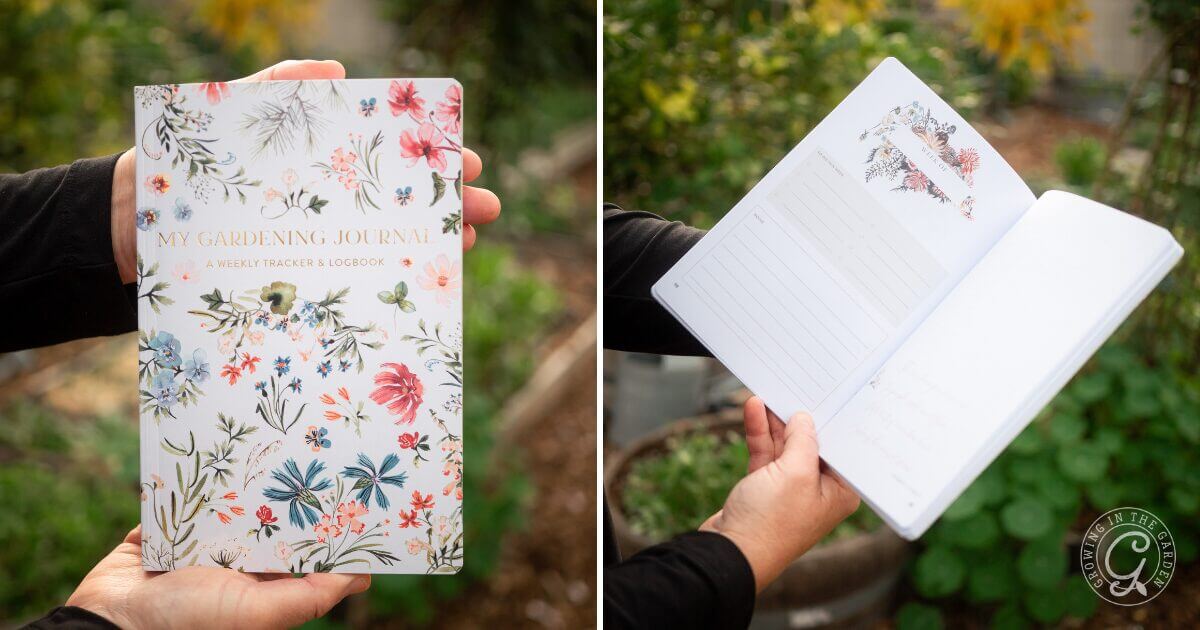
Keep a garden journal or take pictures of insects throughout the year so you can look back and identify the patterns that emerge in your garden’s ecosystem.
The Role of Beneficial Insects in Natural Pest Control
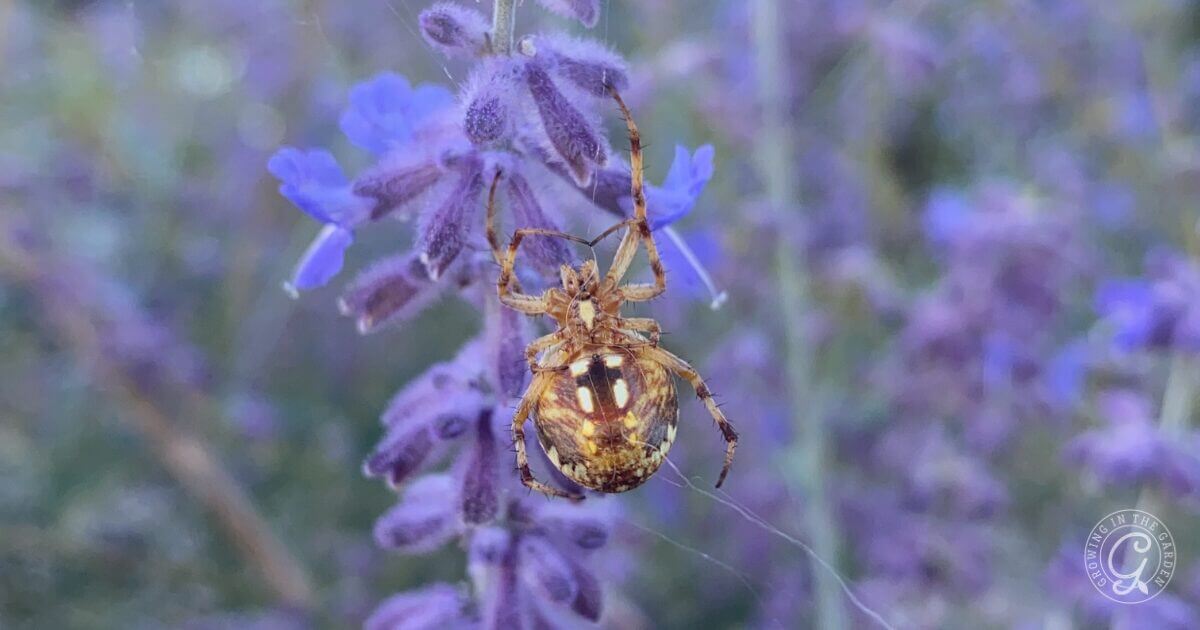
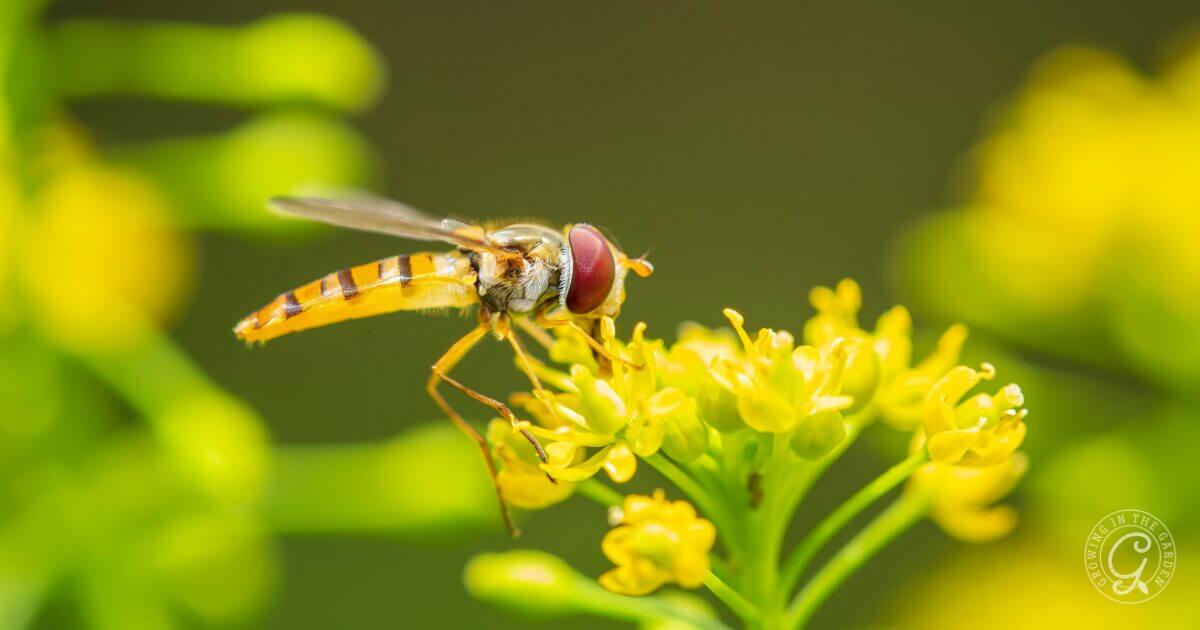
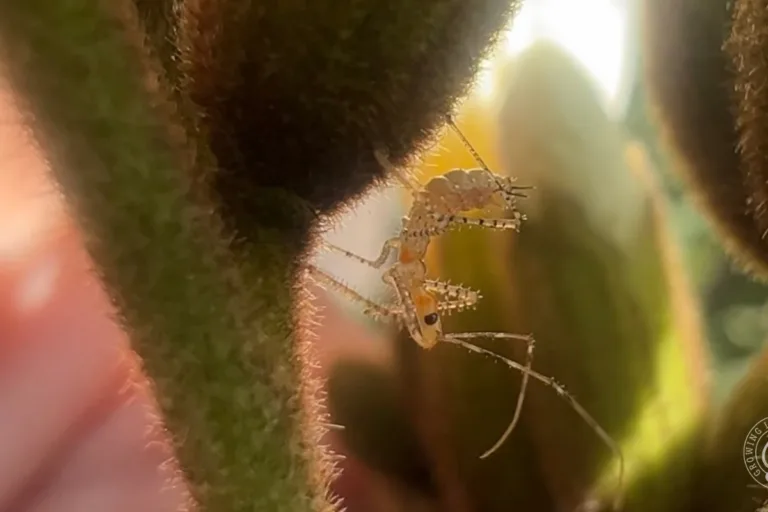
Beneficial insects, like assassin bugs, lacewings, and syrphid flies, play a significant role in maintaining balance in the garden. These insects act as organic pest controllers, feeding on various pests and their eggs. Some of the most effective predators in the garden are the ones working at a scale you can barely see. This guide to the predators of thrips, spider mites, and whiteflies covers tomato bugs, stilt bugs, and minute pirate bugs.
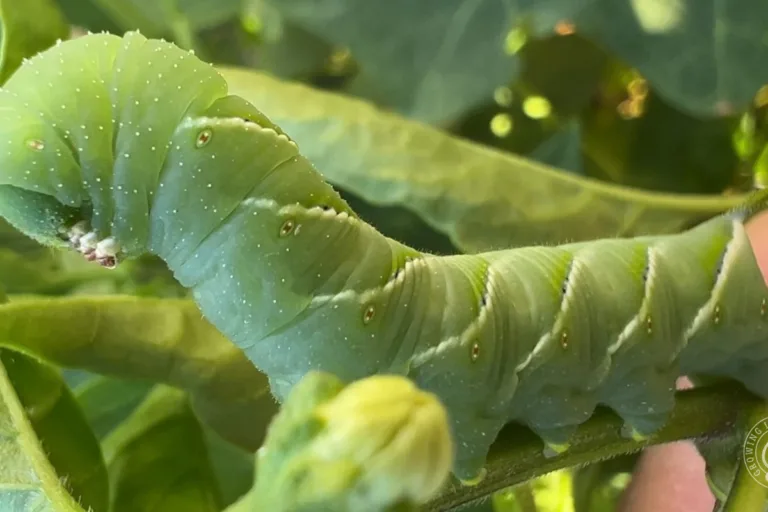
Assassin bugs help control nearly any insect, including hornworms, beetles, aphids, and caterpillars.1

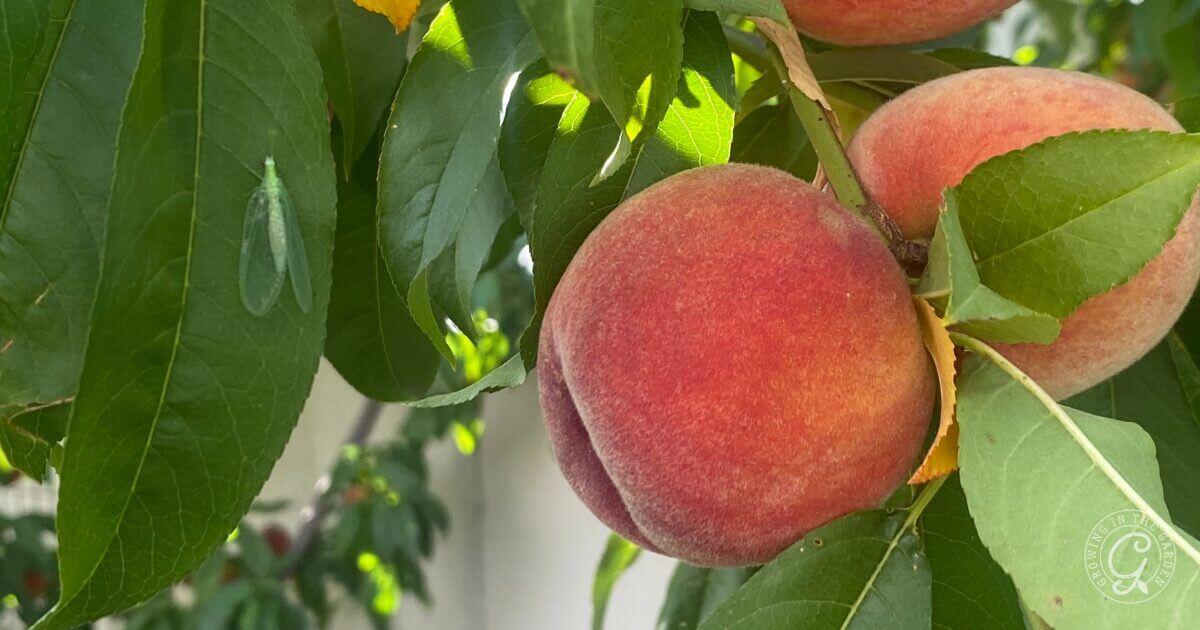
Lacewings help manage aphids, beetle larvae, mealybugs, spider mites, caterpillars, whiteflies, and more.1
Lacewings deserve their own close look. Their lifecycle is fascinating and their larvae are among the most voracious pest predators in the low desert garden. See the full guide on lacewings’ lifecycle and how to attract them.
Praying mantis can help with moths, crickets, grasshoppers, flies, beetles, and caterpillars.1

Tachinid flies can help with caterpillars, beetles, cutworms, larvae, squash bugs, and more.1

Parasitoid wasps manage aphids, beetle larvae, cabbage worms, beetles, cutworms, leafminers, mealybugs, squash vine borers, hornworms, flies, bugs, whiteflies, and many more.1

In this guide, discover the benefits of insect hotels and learn how to effectively use them in your garden to attract beneficial bees and lacewings.
Aphids are one of the most common pests beneficial insects manage in home gardens. Here’s how I decide when to ignore aphids and when to step in: How to Get Rid of Aphids. Beneficial insects also help keep whiteflies from rebounding once you knock them back. Read more about how to deal with whiteflies in the garden.
Don’t Interfere in the Predator-Prey Cycle
The predator-prey cycle is at the heart of natural pest control. In this cycle, the prey (pests) attract predators (beneficial insects) by providing them with food. The predators, in turn, keep the pest populations in check, preventing damage to your garden.

Ladybugs are attracted to gardens with aphid populations, which provide an important food source. As they feed on aphids, ladybugs help keep pest populations under control. If you’d like more ladybugs in your garden, learn why I recommend attracting them rather than buying them in Don’t Buy Ladybugs: Learn How to Attract Them Instead. To better understand how ladybugs develop and what their eggs, larvae, and adults look like, see Ladybugs in the Garden: Lifecycle and How to Attract Them.
In this cycle, pest and predator populations fluctuate but are never zero. We may begin noticing pests just as their numbers peak, which is the level that will lure beneficial insects. If we insert ourselves and eliminate the pests, it disrupts the cycle. Instead, be patient and give the beneficial insects time. They will come!1
This cycle underscores the importance of biodiversity in the garden. A diverse range of plants provides various food sources for insects and offers a variety of habitats for them to live in. This, in turn, encourages the presence of a diverse range of insects, including the beneficial ones that help with pest control.

Encouraging Beneficial Insects in Your Garden
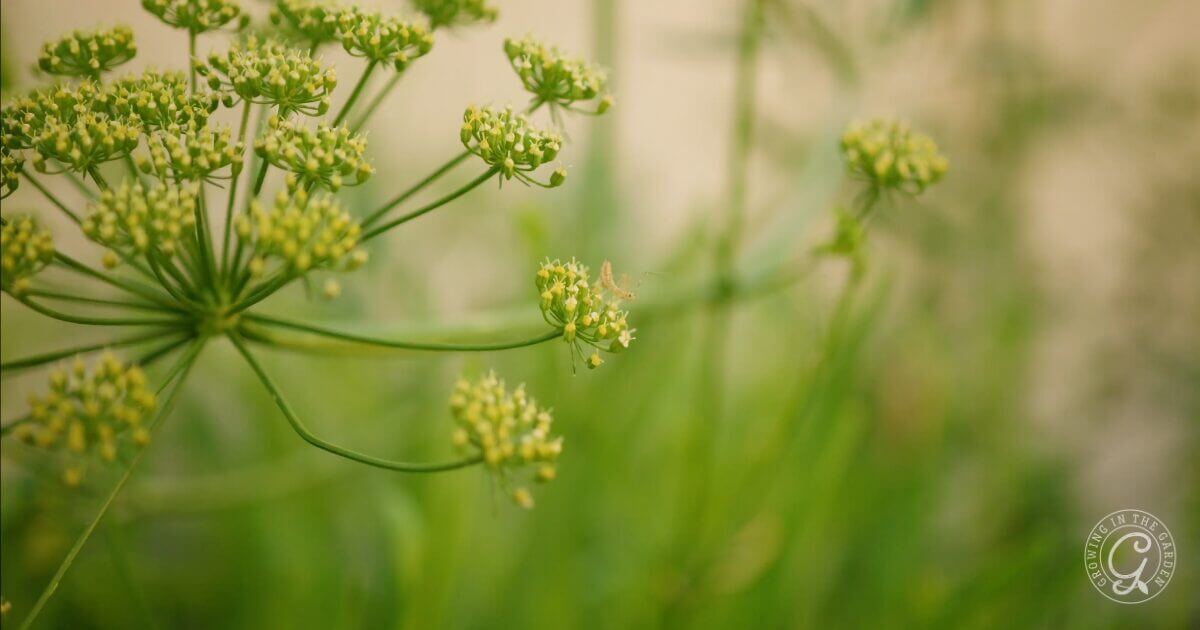
There are several ways you can encourage beneficial insects in your garden. First, you can provide them with the food they love. Planting various herbs and flowers that bloom at different times can attract and support beneficial insect populations. Learn more about which plants will help attract beneficials in this blog post.
Attracting the right insects can make support pollinators and reduce harmful insects naturally. Read Planting for Pollinators: Create a Simple Insectary Border in Your Garden for ideas that work in any space.
Second, avoid using pesticides, even organic ones. While pesticides may kill harmful insects, they also harm the beneficial ones, disrupting the ecosystem’s delicate balance. Pesticides can also lead to the development of pesticide resistance in pests, creating a new set of problems.1
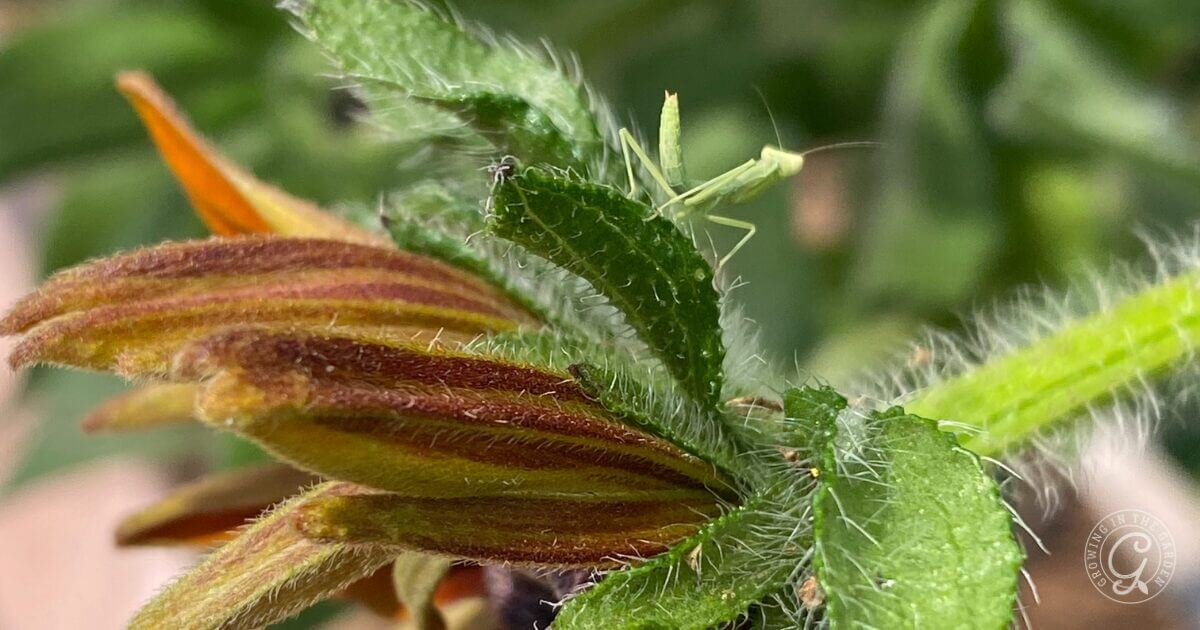
Additionally, you may choose to introduce beneficial insects into your garden. If you do this, consider a beneficial insect subscription service from Heirloom Roses, which gets its insects from trusted insectaries. These introduced insects can help bolster populations throughout the season. Do not purchase ladybugs from local nurseries. Learn why in this blog post.
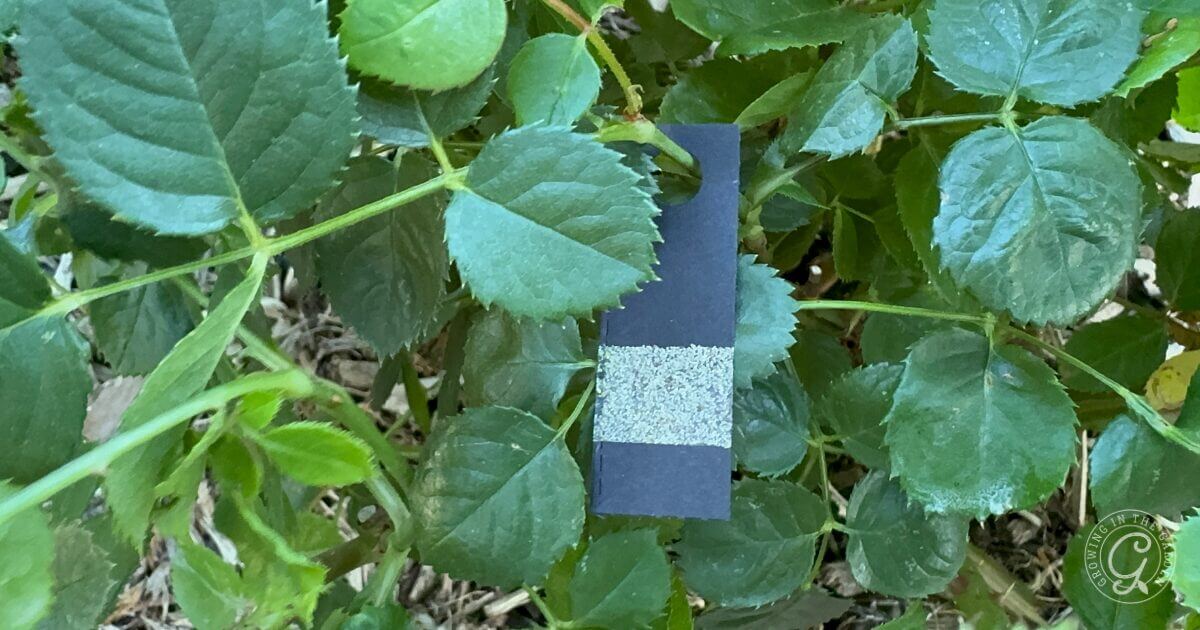
Discover more about creating a pollinator-friendly garden in my post, “Perennials for Pollinators in Your Desert Garden”, where I share tips on supporting local wildlife and promoting a healthy garden ecosystem.
In conclusion, understanding the role of beneficial insects in pest control and taking steps to encourage their presence can lead to a more balanced and sustainable garden. By avoiding the use of pesticides and creating a diverse, insect-friendly environment, you can enjoy a thriving garden without the need for harmful chemicals.
References
1. Attracting Beneficial Bugs to Your Garden, A Natural Approach to Pest Control, Jessica Walliser.
Further Reading
Plant Partners, Science-Based Companion Planting Strategies for the Vegetable Garden, Jessica Walliser.
The Organic Gardener’s Handbook of Natural Pest and Disease Control, A Rodale Organic Gardening Book. Edited by Fern Marshall Bradley, Barbara W. Ellis, and Deborah L. Martin.
If this post about beneficial insects as pest control was helpful, please share it:



Great. I am about to start a finca/homesteading project in a country I did not grow up in! I find glad that many of the things I knew before as a gardener and naturalist, still apply! Wonderful review and yes some new things too!
Best of luck to you!