
How to Get Rid of Whiteflies (Even in Hot Climates)
If you bump a plant and a little cloud of white specks flies up, you may have whiteflies. They love warm weather, and once established, they can be challenging to eradicate. But if you catch them early and target the right life stage, you can get them under control. Use the tips in this guide to identify and treat whiteflies and also encourage beneficial insects that help prevent future outbreaks.
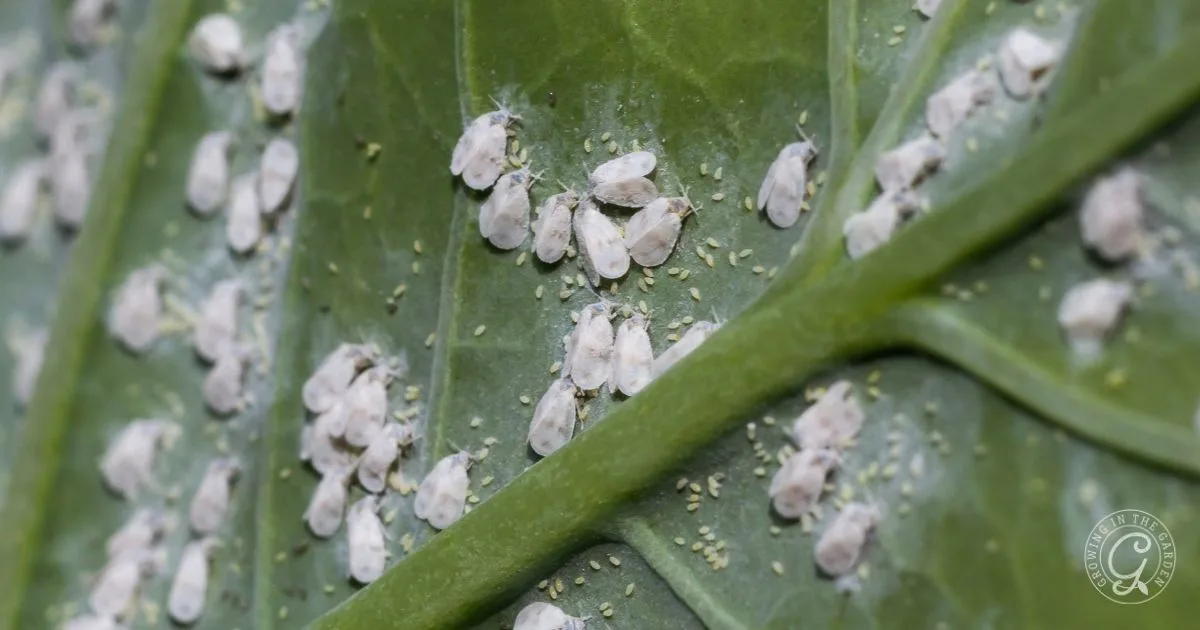
Key Takeaways: Getting Rid of Whiteflies
- Whiteflies are tiny pests that thrive in warm weather and can be hard to control due to their rapid life cycle.
- Focus on the immature stages on the underside of leaves to effectively manage them and repeat treatments for best results.
- Common crops affected by whiteflies include beans, cucumbers, and tomatoes, with signs like yellow leaves and a cloud of insects when disturbed.
- To get rid of whiteflies, start with scouting and water sprays, then consider insecticidal soap and support for beneficial insects.
- Avoid bringing whiteflies home by checking transplants and using monitoring tools like yellow sticky traps.
What We Will Cover:
- What Are Whiteflies?
- What Whiteflies Look Like (Adults vs. Immature Stages)
- Why Whiteflies Are So Hard to Control in Hot Weather
- Whitefly Life Cycle (Why Repeat Treatments Matter)
- Crops Whiteflies Attack
- Signs You Have Whiteflies
- How to Get Rid of Whiteflies: Step-by-Step
- Getting Rid of Whiteflies FAQs
- Related Posts You May Like

What Are Whiteflies?
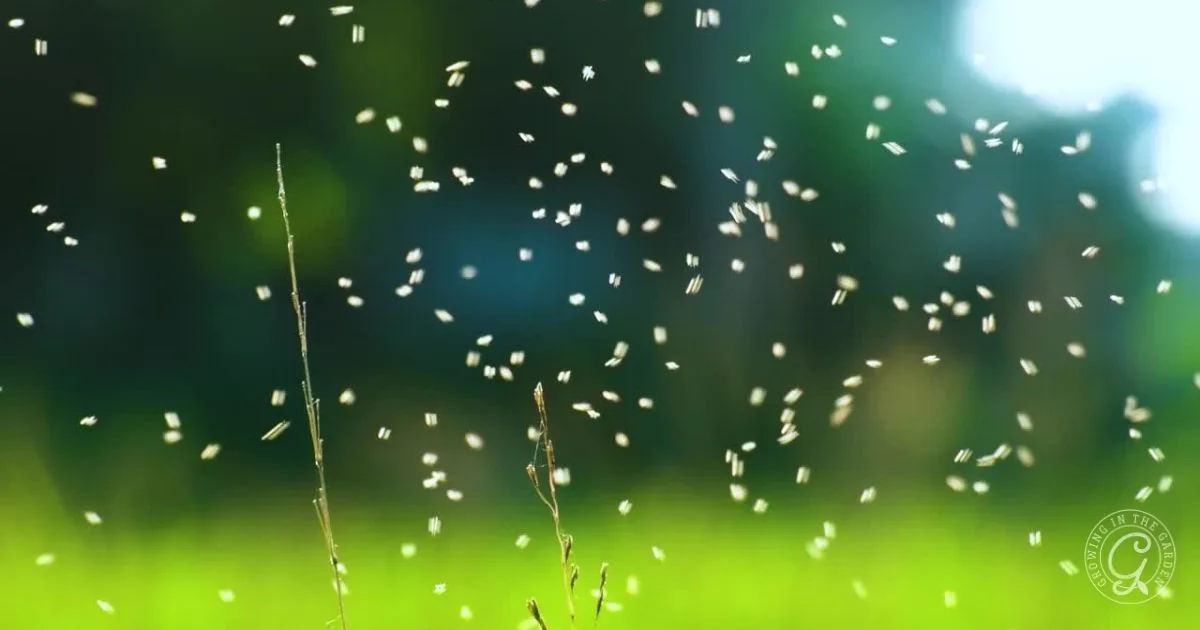
Whiteflies are tiny, moth-like insects with pale yellow bodies and four powdery white wings. They feed with piercing-sucking mouthparts that pull sap from plants. Despite their name, they are not true flies. They are “true bugs” (Hemiptera), closely related to pests such as aphids, mealybugs, and scales.
Some whiteflies, especially silverleaf (sweetpotato) whitefly, also spread serious plant viruses, such as Tomato yellow leaf curl virus.
Whiteflies are one of those pests where the basics matter most. If you want a simple overview of the organic tools that actually help, start here: Organic Pest Control That Really Works.
What Whiteflies Look Like (Adults vs. Immature Stages)
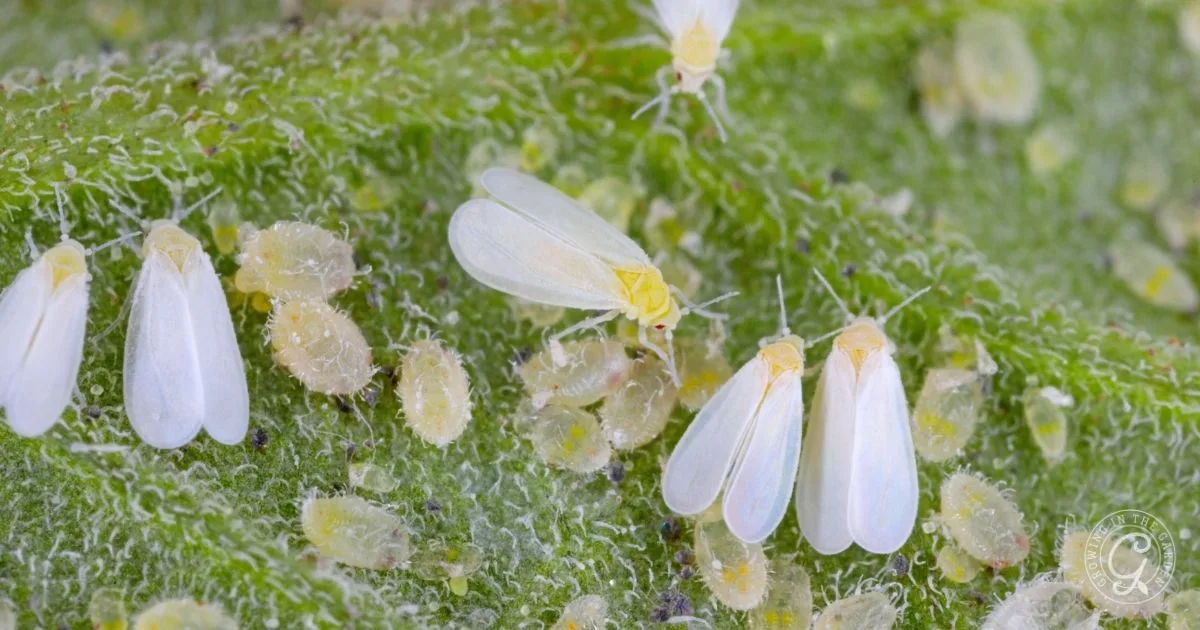
Adults: tiny white insects that flutter up when you disturb a plant.
Immature stages (nymphs): flat, oval, scale-like insects that cling to the underside of leaves. This is the stage that does most of the feeding damage.
If the insects aren’t fluttering white, but instead clustering on new growth and leaving sticky honeydew, this may be aphids. If you see long, narrow brown bugs with leaf-shaped hind legs clustered on stems or fruit, you’re likely dealing with leaf-footed bugs. And if leaves look scarred, silvery, or stippled and you spot tiny, narrow insects, thrips are likely the culprit.
Why Whiteflies Are So Hard to Control in Hot Weather
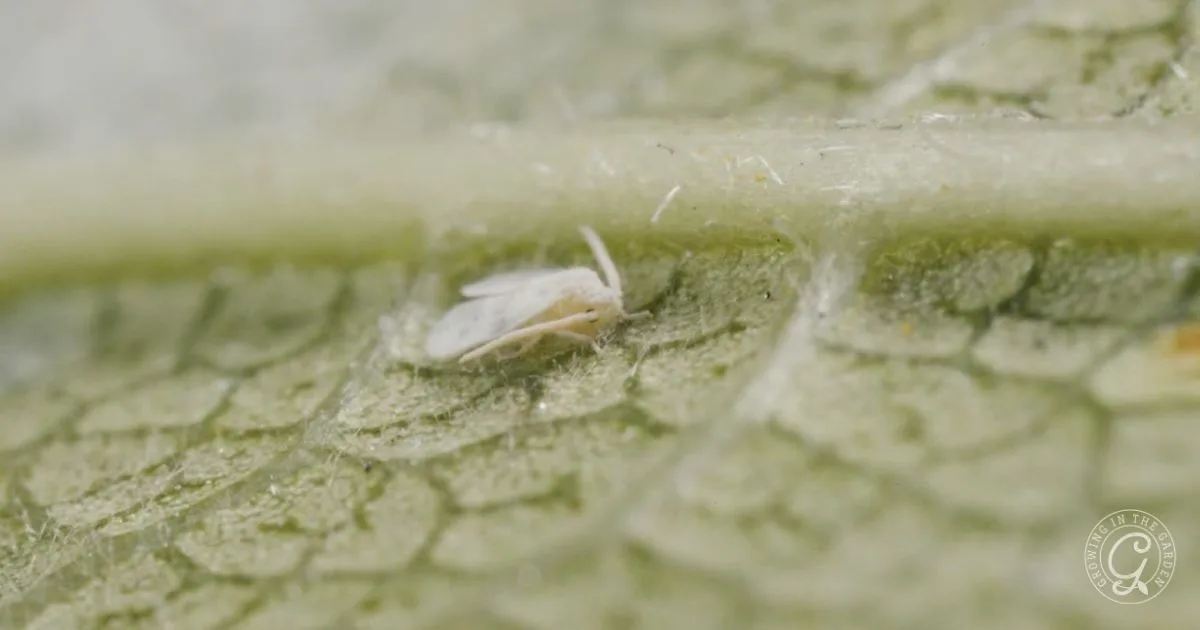
Whiteflies can go from egg to adult in as little as about 3 weeks under favorable conditions. They multiply quickly in warm weather. They are also easy to miss early on because most of the problem is happening on the underside of leaves.
If you’re planting a fall garden in the low desert, timing and crop choices can make pest problems much easier to manage. Here are my best tips: Fall Gardening in Arizona: Tips for Success.
Whitefly Life Cycle (Why Repeat Treatments Matter)
Whiteflies develop through egg → crawler → multiple nymph stages → “pupal” stage → adult. Eggs are laid on the underside of leaves. The first stage (crawler) moves briefly, then settles and feeds in place. Whitefly eggs can sometimes be confused with the eggs of other insects. Hoverfly eggs are often mistaken for whitefly at first glance. This guide to hoverflies in the garden explains how to tell them apart and why the distinction matters.
This is why one spray rarely fixes the problem. You are usually dealing with overlapping generations simultaneously. Prevention is always easier than chasing a full infestation. Here are my best habits for stopping pests before they take over: 5 Ways to Prevent Garden Pests Organically.
Crops Whiteflies Attack
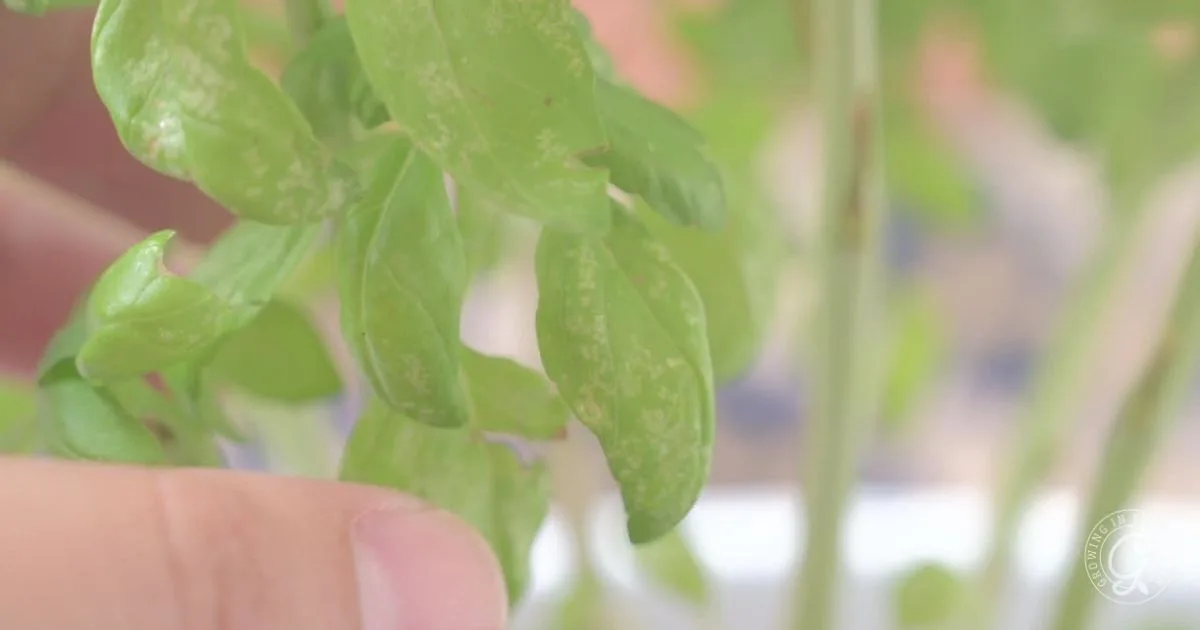
Whiteflies can show up on a lot of crops. Common trouble spots include beans, brassicas, cucumbers, squash, sweet potatoes, and nightshades (tomatoes, peppers, eggplant), as well as many ornamentals.
Planting French marigolds with tomatoes from the start of the season can slow whitefly buildup. Learn how to grow marigolds in hot climates and when to plant them.
Signs You Have Whiteflies
- Leaves turning yellow, looking weak, or dropping early
- Stunted growth
- A cloud of tiny white insects appears when the plant is disturbed
- Sticky honeydew on leaves, often followed by black sooty mold
- Sooty mold is growing on the honeydew, and it can interfere with photosynthesis
How to Get Rid of Whiteflies: Step-by-Step
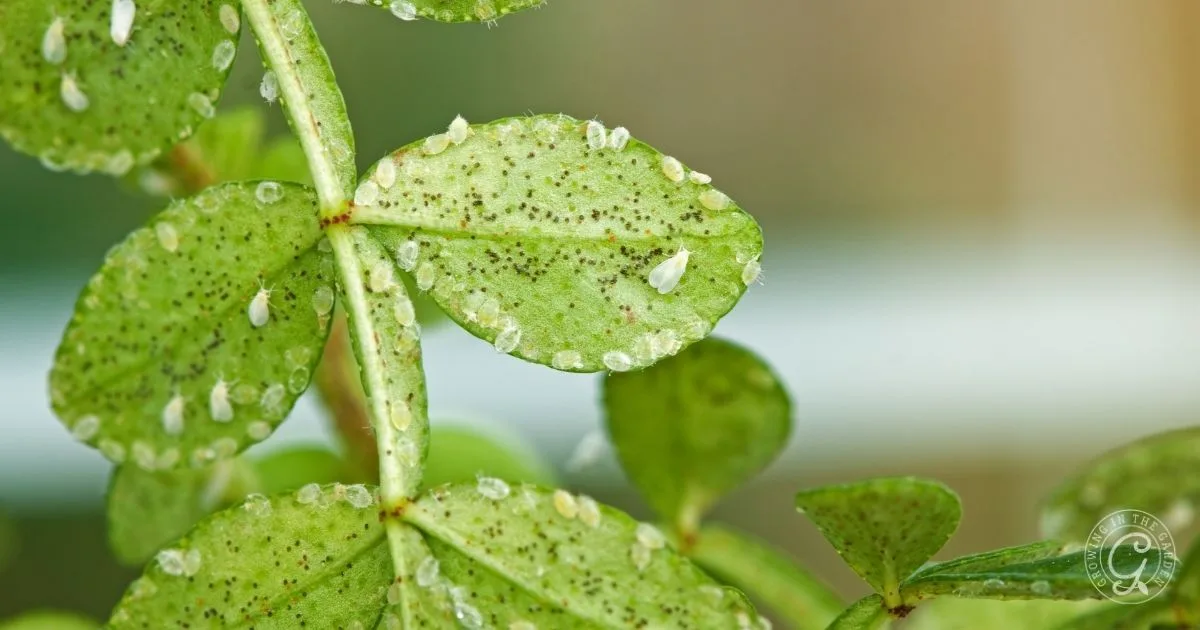
Step 1: Don’t bring them home
Check the underside of leaves before buying transplants. A small infestation can spread fast once it’s in your garden.
Step 2: Support beneficial insects
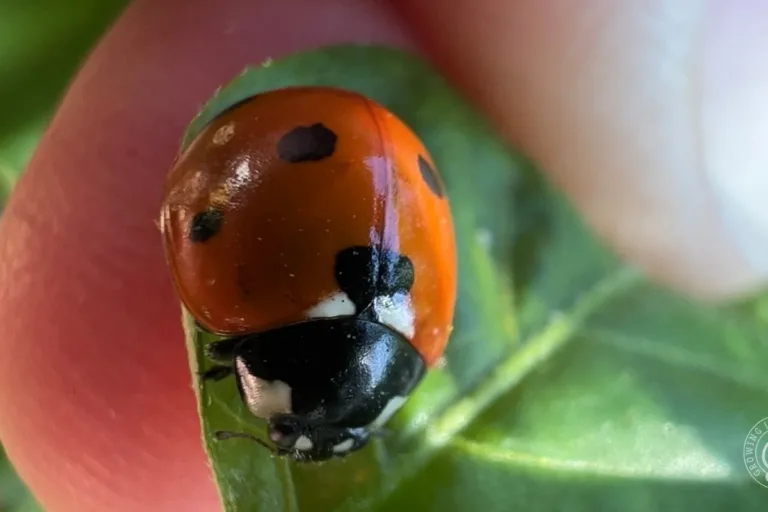
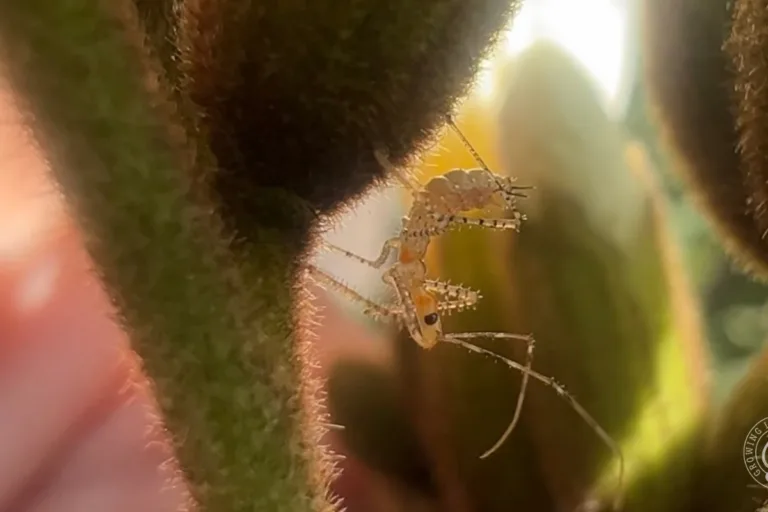
Predators and parasitoids help keep whiteflies from getting out of control or rebounding. Avoid broad-spectrum insecticides that wipe out the helpers along with the pests. Support and encourage beneficial insects that help control whiteflies, such as big-eyed bugs, damsel bugs, lacewings, ladybugs, minute pirate bugs, and parasitic wasps. Tomato bugs can destroy dozens of whitefly eggs per day, but most gardeners kill them assuming they are a pest. This guide to the predators of thrips, spider mites, and whiteflies shows you how to recognize them. Learn how to identify beneficial insect eggs so you can protect these garden allies at every stage of their life cycle.
The long-term fix is letting the good bugs do their job. Here’s how to attract and protect them in your garden: Beneficial Insects as Natural Pest Control.
Step 3: Scout and monitor
- Check leaf undersides a couple of times a week during warm weather.
- Use yellow sticky traps to monitor adult activity and catch an early spike.
Step 4: Remove what you can
- Remove heavily infested leaves (bag and trash).
- Blast the undersides with a strong spray of water to knock insects off.
- If you catch it early, even just removing leaves can make a big difference.
Step 5: Use controls correctly
- Insecticidal soap works only on contact, so you have to thoroughly spray the underside of leaves.
- Avoid DIY dish soap mixes. They’re more likely to burn plants.
- In hot climates, timing matters. Plants under stress (hot, above about 90°F; humid; drought-stressed; or tender new growth) are more likely to be damaged by soap sprays.
- Horticultural oil can be effective, but it also carries a higher risk of leaf burn in hot weather. Don’t use when temperatures are above 90°F.
Hot, dry weather can bring more than one pest at a time. If you’re also seeing stippling, webbing, or dusty-looking leaves, read this next: Spider Mite Prevention & Organic Control.
Getting Rid of Whiteflies FAQs
No. Despite the name, they’re not true flies. They’re sap-sucking “true bugs,” related to pests like aphids, mealybugs, and scale.
Most sprays used in home gardens (soaps and oils) work on contact and have little to no residual effect once dry. Plus, eggs and protected immature stages may escape the first round of treatment, so repeated treatments are usually necessary.
It’s often sooty mold, growing on sticky honeydew from whiteflies (and other sap-suckers). The fix is controlling the insect that’s producing honeydew.
They help, but think of sticky traps as a monitoring tool and a way to reduce adult numbers slightly. The real battle is on the undersides of leaves where immature stages feed.
Start with scouting, water spray, and leaf removal. If you can reduce the numbers early, everything else works better.
Source: The Vegetable Garden Pest Handbook: Identify and Solve Common Pest Problems on Edible Plants – All Natural Solutions! by Susan Mulvihill.
Leave a comment on How to Get Rid of Whiteflies (Even in Hot Climates)