
How to Grow Cucumbers in Hot Climates
The first year I grew cucumbers, I had a bumper crop and thought it was easy. Looking back, we had a long, mild spring. It was perfect cucumber weather. Since then, I have learned what really makes the difference in hot climates: plant at the right time, choose heat-friendly varieties, and keep moisture consistent.
This guide shares what works in my hot, dry garden in Mesa, Arizona, and how you can grow crisp, flavorful cucumbers in your climate. If you have struggled with bitterness, poor fruit set, or heat damage, you are not alone. Use the steps below to get a reliable, delicious harvest.
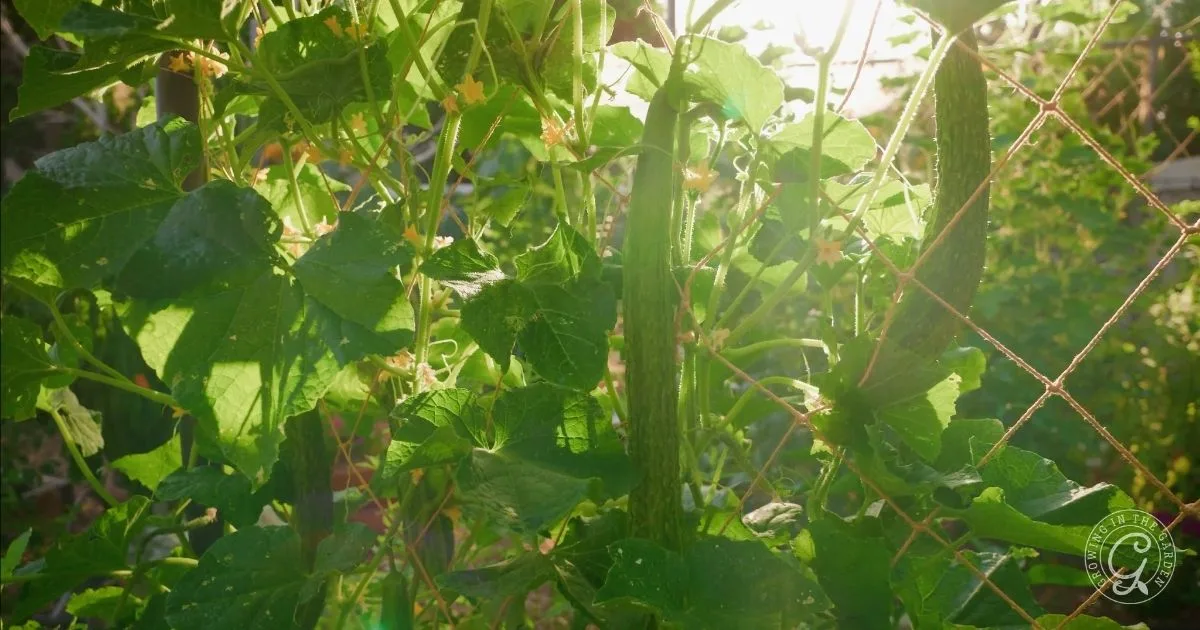
Key Takeaways: How to Grow Cucumbers
- Plant cucumbers in hot climates once the soil warms to at least 60°F, ideally around 70°F for germination.
- Choose heat-tolerant varieties like ‘Diva’ and Armenian cucumbers, which resist bitterness and thrive in extreme temperatures.
- Water cucumbers consistently, using methods like drip irrigation to maintain moisture and prevent bitterness.
- Use vertical gardening techniques for better air circulation, easier harvesting, and to save space.
- Monitor for pests and ensure pollination for successful fruit set; hand-pollinate if necessary.
What We Will Cover:

When to Plant Cucumbers in Hot Climates
Cucumbers prefer warm, not hot, weather and do not thrive in extreme heat. When temperatures soar, the plants may turn bitter, stop producing, or die back. Timing is everything.
General Planting Timing
- In most warm climates, plant outdoors in spring once all danger of frost has passed and the soil has warmed to at least 60°F (15°C).
- Late summer plantings are also possible in areas with long growing seasons. Plant about 6 to 8 weeks before your first expected frost.
- Soil temperatures between 70 and 90°F (21 to 32°C) are ideal for germination.
Low Desert Timing (Zones 9b and 10a)
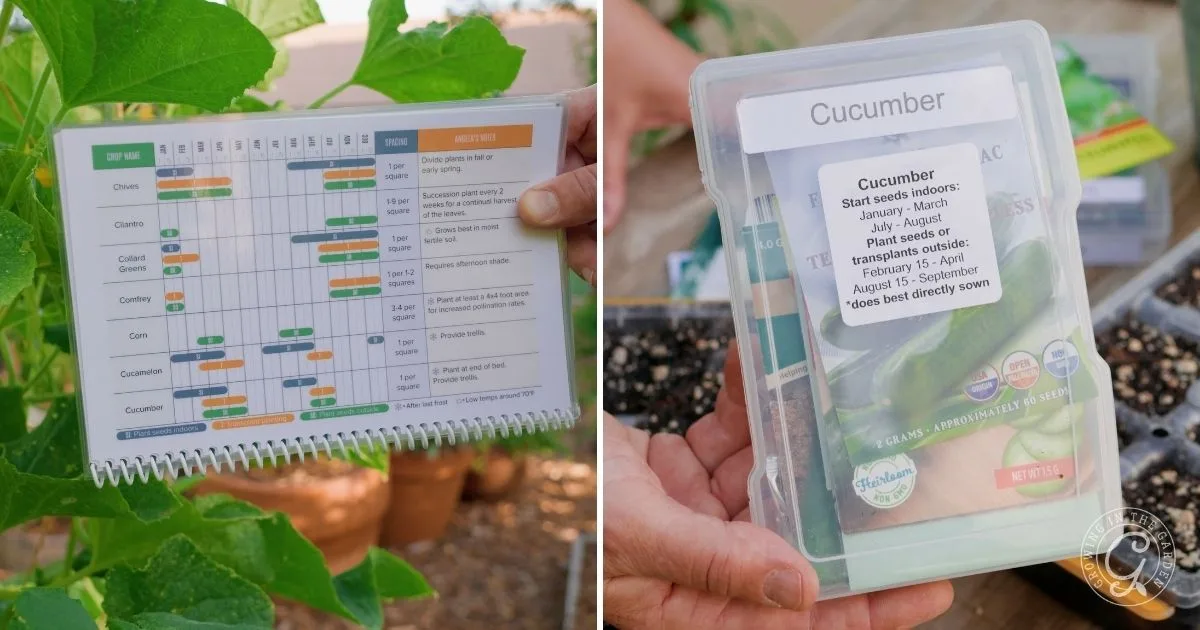
- Spring planting window: Late February through early March
- Fall planting window: Late August through early September
Planting early gives your cucumbers a better chance of maturing before the most intense heat of summer sets in. Some years, the heat arrives fast and growing is difficult, but in years with a long spring, the plants grow and produce well. The Low Desert Vegetable, Herb & Fruit Planting Guide is available here.
Best Cucumber Varieties for Heat
Choosing the right variety helps reduce bitterness and improve production in hot climates. To learn more ways to prevent bitter cucumbers, read this guide.
Traditional Cucumbers
Look for varieties labeled as “burpless” or “bitter-free.” These types contain lower levels of cucurbitacin, the compound that causes bitterness.
- ‘Diva’ – Crisp, mild, and dependable in warm conditions.
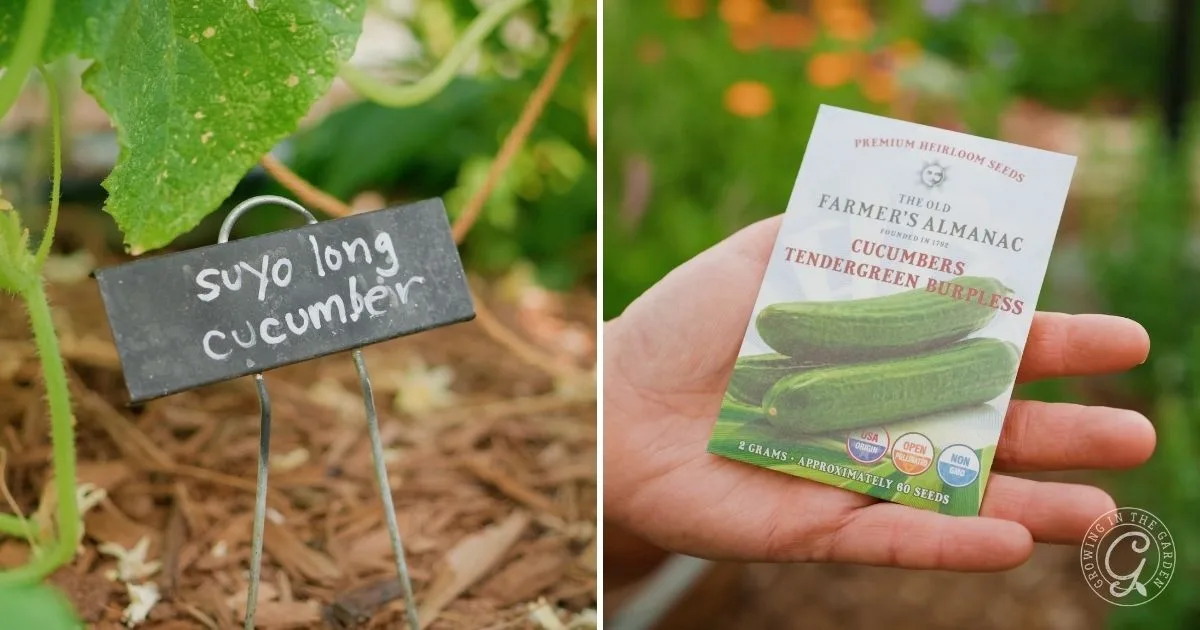
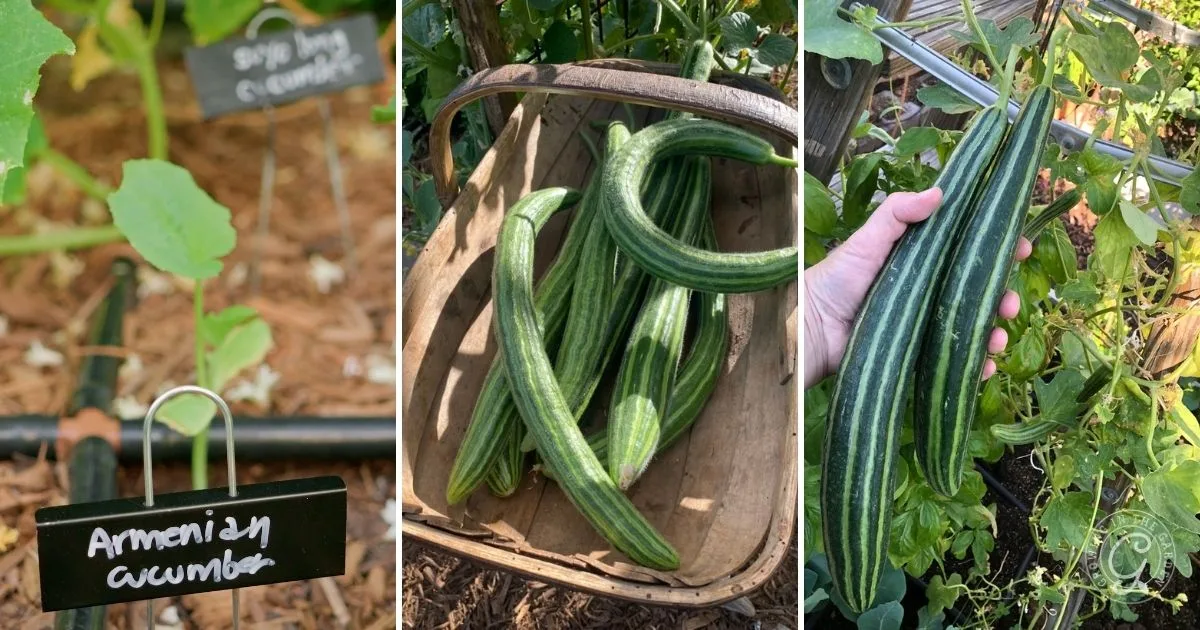
- ‘Suyo Long’ – A Japanese cucumber with sweet, thin-skinned fruits. Japanese varieties in general are less likely to turn bitter and are ideal for slicing fresh.
Armenian Cucumbers for Summer Heat
Armenian cucumbers are technically melons, but they grow and taste like cucumbers. They do not turn bitter, and they handle extreme heat better than true cucumbers.
- Excellent choice for summer growing
- Continue producing when temperatures reach 110°F (43°C)
- My favorite variety: ‘Painted Serpent’
Read this article to learn more about how and why to grow Armenian cucumbers.
Seeds or Transplants?
Both methods work, depending on the season.
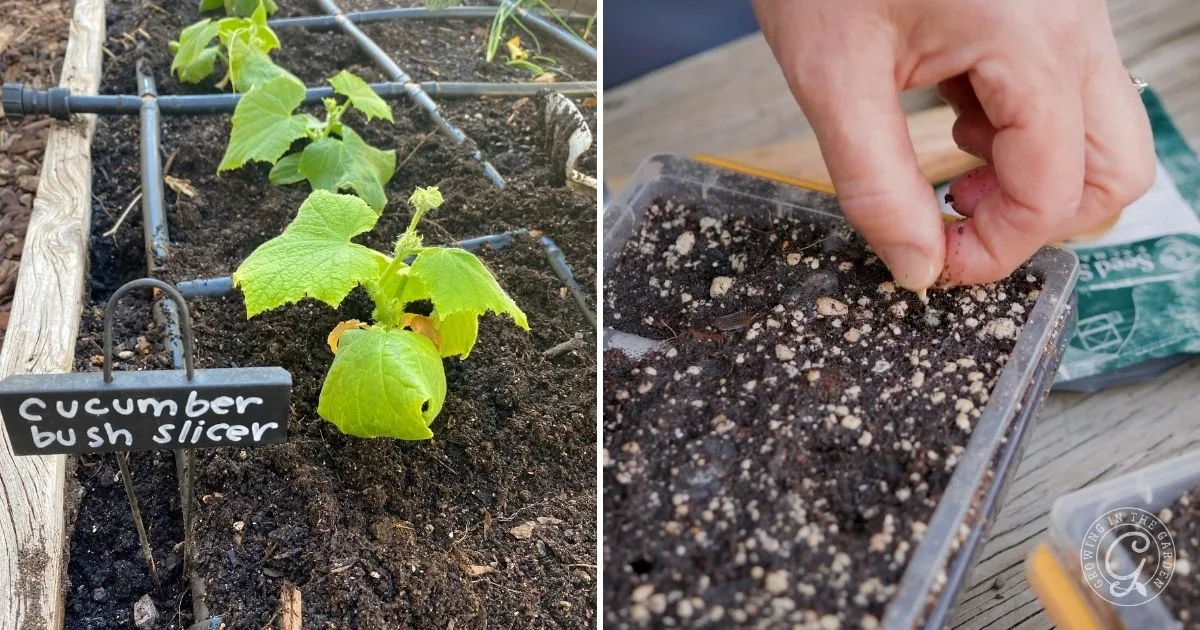
- Start from seed if soil temperatures are at least 60°F (15°C)
- Use transplants to get a head start in early spring while the soil is still warming up
Cucumber seeds sprout best in soil between 70 and 90°F (21 to 32°C). Always avoid disturbing the roots too much when transplanting.
Grow Vertically for Better Results
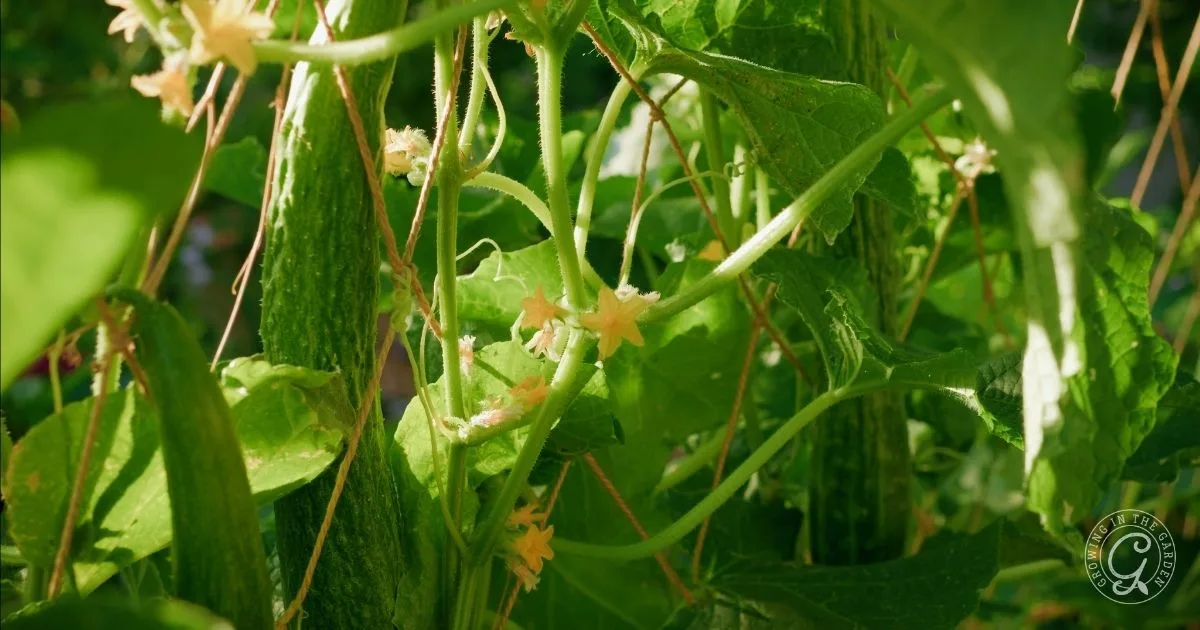
Trellising helps save space, improves airflow, keeps fruit cleaner, and makes harvesting easier. I grow all my cucumbers vertically using several different methods. (Click on the name to learn more about each type)
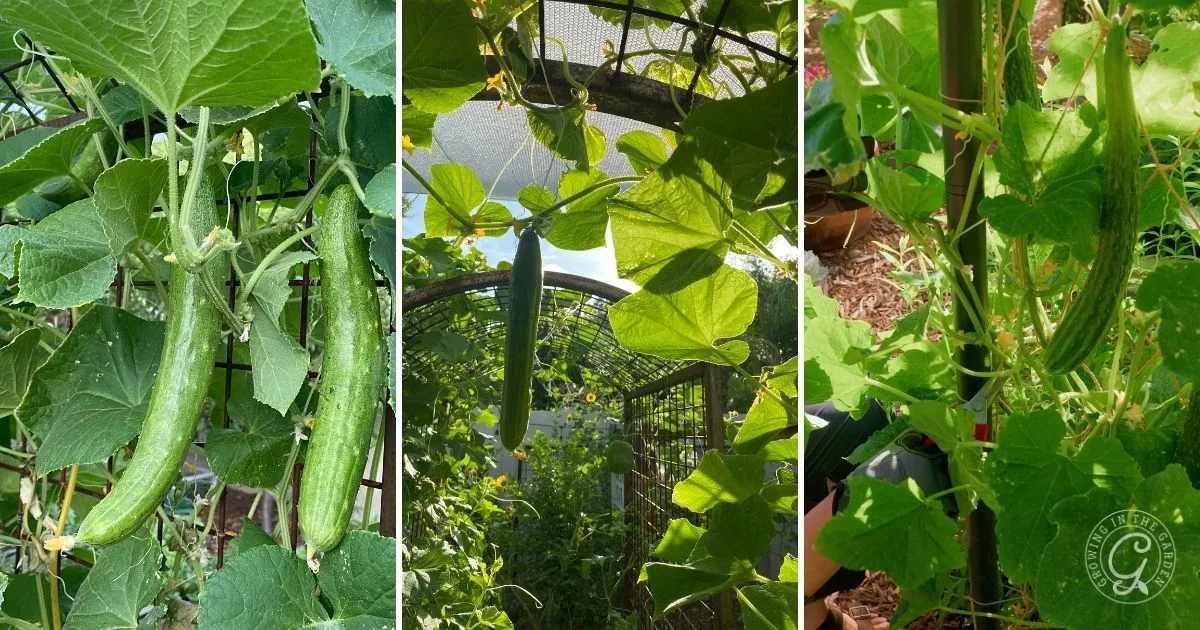
Cucumbers don’t need a fancy setup, and these inexpensive vertical gardening ideas and creative ways to garden vertically are a great place to start if you want simple supports for raised beds or containers.
Pollination and Flowering
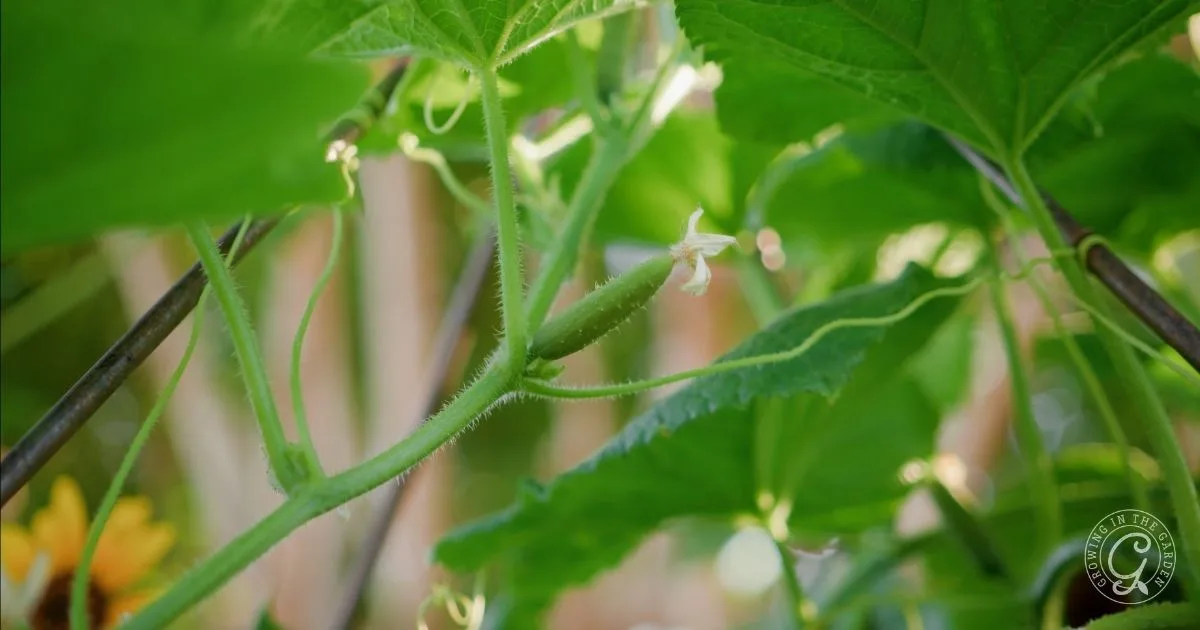
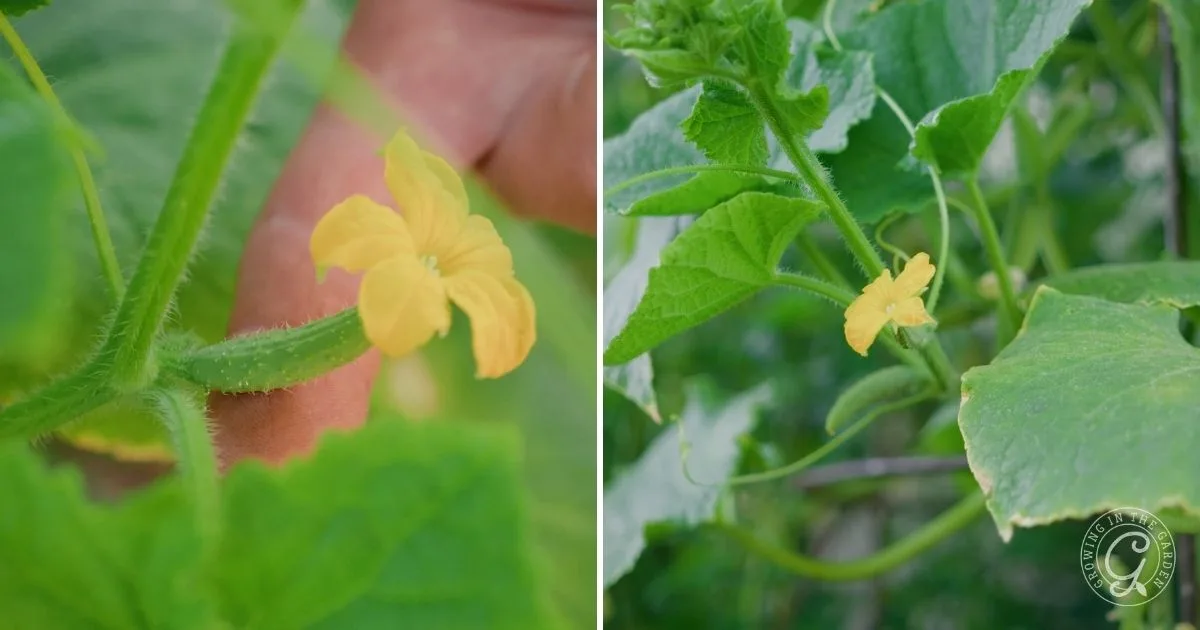
Cucumber plants produce both male and female flowers and rely on pollinators like bees to set fruit.
- Plant flowering herbs or flowers nearby to attract pollinators
- If female flowers are wilting without forming fruit, pollination may be the issue
- Hand-pollination is possible by transferring pollen from a male to a female flower
Learn more here: How to Hand-Pollinate Squash
Watering Tips for Hot Climates
Cucumbers are thirsty plants and require ample water to grow well. In hot summer conditions, they require more water than usual. So make sure to water them regularly and deeply. You can also provide them with shade by using shade cloth or by planting them near taller plants. This will prevent them from getting scorched by the sun and keep them cool.
Cucumbers are sensitive to inconsistent watering. Even one dry spell can lead to bitter fruit.
- Use drip irrigation to keep moisture levels consistent
- Add mulch to conserve soil moisture and keep the root zone cool
- In containers, use an oya or other method to provide steady moisture at the roots
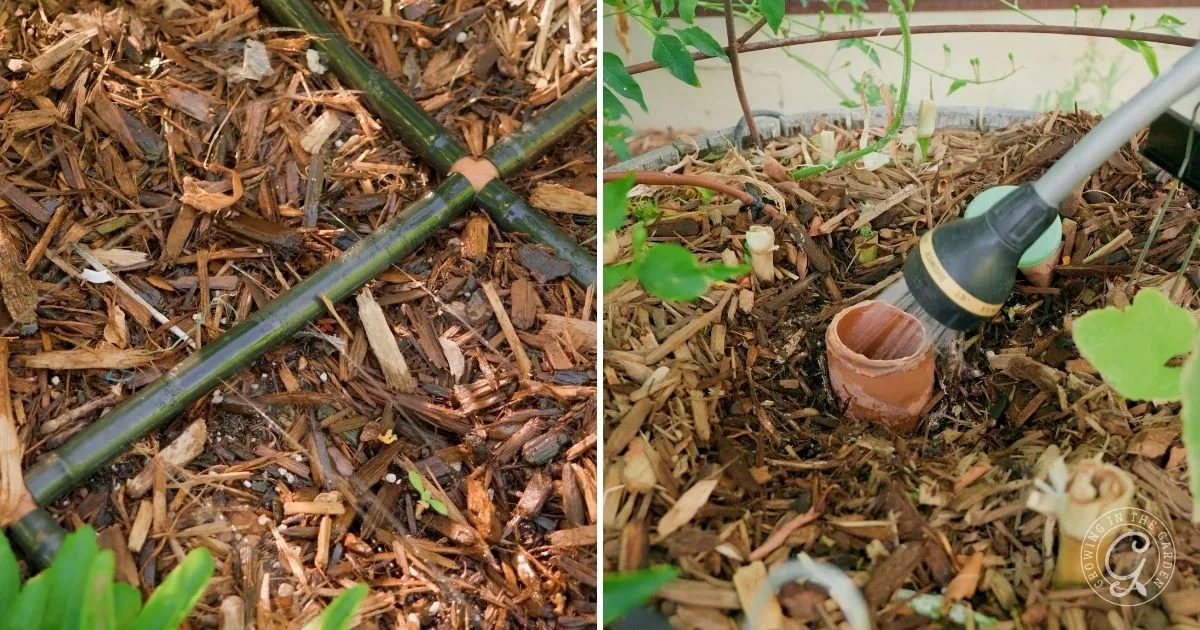
Learn more: How to Water Your Garden and How to Mulch Your Garden
Common Pests and How to Handle Them
Hot, dry weather can invite several pests. Keep an eye out for the following:
| Pest | Symptoms | Management Options |
|---|---|---|
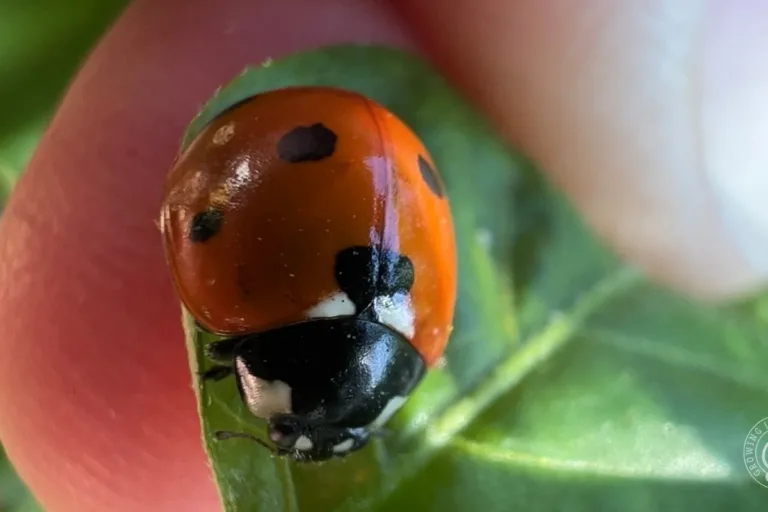
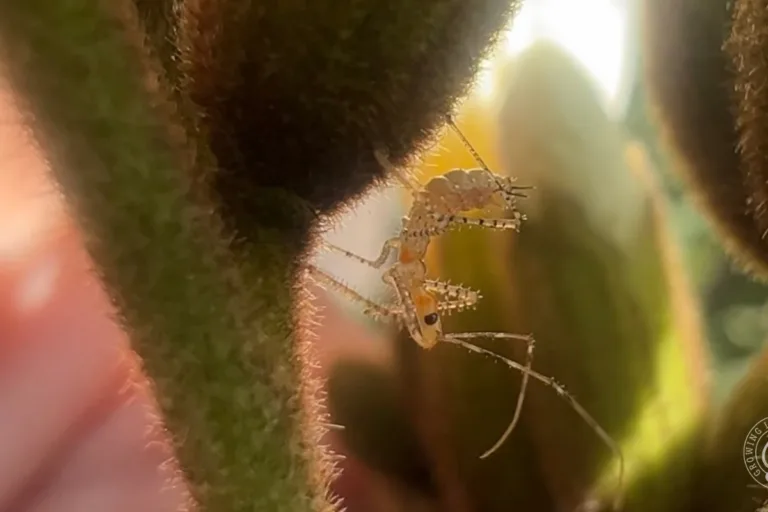
| Aphids | Clusters on new growth | Rinse with water; attract ladybugs with flowers |
| Spider mites | Fine webbing on leaves | Rinse regularly; reduce plant stress |
| Whiteflies | Swarm of small white insects | Encourage airflow; plant repellents |
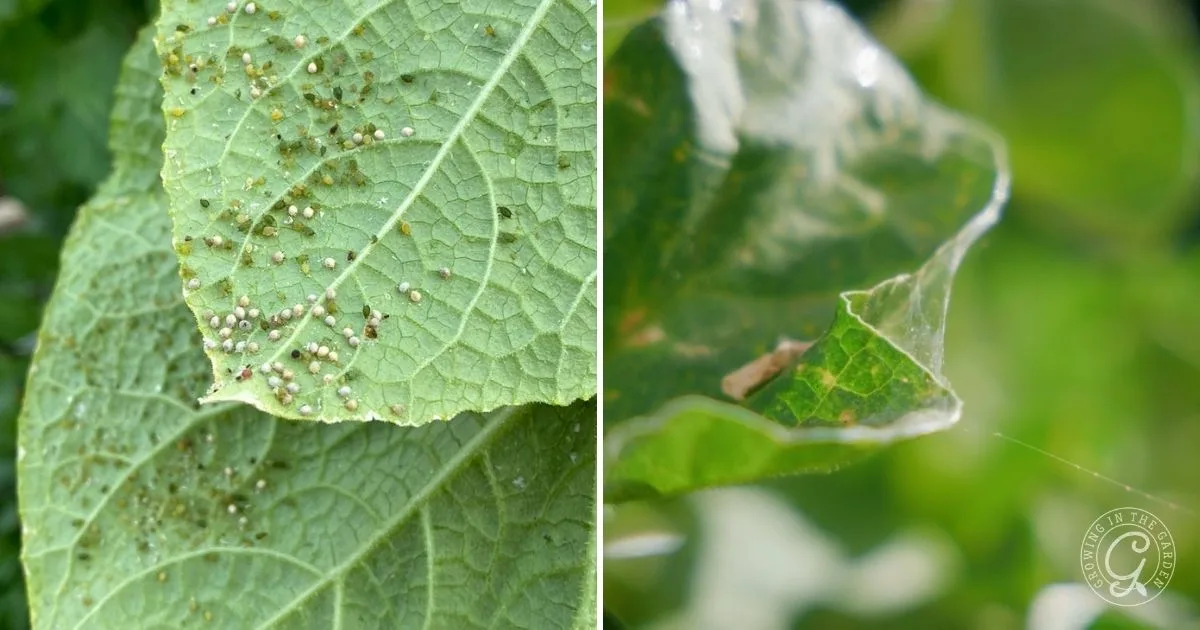
Use companion plants to attract beneficial insects and reduce pest pressure. Best Cucumber Companion Plants
Harvest and Storage Tips
Harvesting cucumbers at the right time is important for the best flavor and texture. Cucumbers should be picked when they are firm but still slightly tender. Cucumbers are best harvested when small, and the flower is still attached. Overripe cucumbers can get bitter and lose their crispness. So keep a close eye on your plants and harvest regularly to keep the fruits coming.
Harvest cucumbers in the morning when temperatures are cool. Cut the stem or twist rather than pulling at the fruit to break off.
Immediately immerse them in cold water to disperse “field heat” to increase the quality and life of the picked fruit.
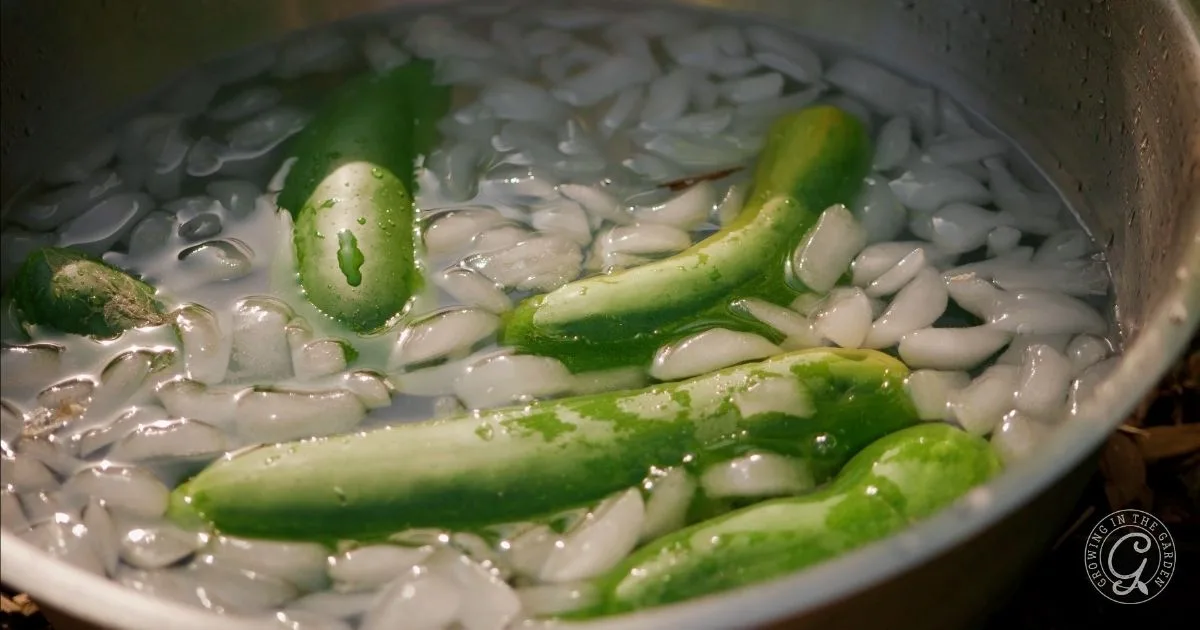
Harvest cucumbers frequently to keep the plants productive.
- Wrap harvested cucumbers in a dry paper towel
- Store in an airtight container in the crisper drawer
If you are harvesting a lot at once, here are some ideas:
- Add to fresh salads
- Make cucumber water or chilled dips
- Toss into smoothies
- Quick refrigerator pickles are an easy way to preserve extra cucumbers
- Share with neighbors
Cucumber Frequently Asked Questions
Plant after your last frost when soil reaches at least 60°F, with 70°F ideal for germination. In many warm regions that means spring, with an additional late-summer planting 6 to 8 weeks before the first frost. In the low desert, plant from late February to early March and again from late August to early September.
Traditional cucumbers struggle once extreme heat sets in. For midsummer, grow Armenian cucumbers instead. They taste like cucumbers, tolerate heat, and do not turn bitter. Learn how to grow Armenian cucumbers.
Choose varieties labeled burpless or bitter-free. Favorites include ‘Diva’ and Japanese types such as ‘Suyo Long’. These have lower cucurbitacin levels, the compound linked to bitterness. For more tips, see: How to Prevent Bitter Cucumbers.
Keep soil evenly moist. Drip irrigation helps prevent the dry-then-soak cycle that can cause bitterness. Mulch to moderate soil temperature and reduce evaporation. In containers, an oya can provide steady moisture at the root zone. More details: How to Water Your Garden
Aphids on new growth, spider mites leaving fine webbing, and whiteflies that flutter when disturbed are common in hot, dry gardens. Spray with water to knock them back, thin plants for airflow, and encourage beneficial insects by planting cilantro or dill nearby. See: Cucumber Companion Plants.
Wrap in a dry paper towel and place in an airtight container in the crisper. This absorbs excess moisture and reduces exposure to ethylene, which can speed ripening.
Fresh salads, cucumber water, chilled dips, smoothies, and quick refrigerator pickles are all easy options. Vertical growing and frequent harvests keep fruit straight, clean, and ready to use. For ideas on space-saving supports, see: Creative Ways to Garden Vertically.
Final Thoughts
Growing cucumbers in hot climates is possible with careful planning. Focus on proper timing, choose heat-tolerant varieties, support your plants with trellises, and keep the soil evenly moist. When you get it right, you will enjoy crisp, refreshing cucumbers all season long.

It’s June and still no cucumber sets. Flowers, yes, but no sets. Why? We are in Tucson and now in the upper 90’s and 100 degrees.
That’s frustrating. Are you getting male and female flowers? Are they getting pollinated? You may need to help the bees out.
Do cucumbers need more than one plant to grow cucumbers?
No. Each plant will produce both male and female flowers.
Just leave one of the three plants. Snip the other two off at the base to kill them. You are planting 3 seeds to ensure you get one good plant every 12 inches.
Hi! When you recommend that once seedlings have 3 leaves, thin to one every 12”, do you mean 3 sprouts from the 3 seedling, or 3 leaves per sprout?