
How to Prevent & Fix Bitter Cucumbers
Nothing is worse than biting into a cucumber, expecting a fresh garden taste, only to be met with a bitter taste. If you’ve ever wondered why your cucumbers are bitter and what you can do about it, you’ve come to the right place. This blog post will explore the reasons behind bitter cucumbers and provide helpful tips for preventing them from ruining your garden harvests. If you’re looking for more tips for healthy plants and better harvests, learn how to grow cucumbers successfully in hot climates. Do you have bitter cucumbers already? Keep reading for a few tips on “fixing” bitter cucumbers.
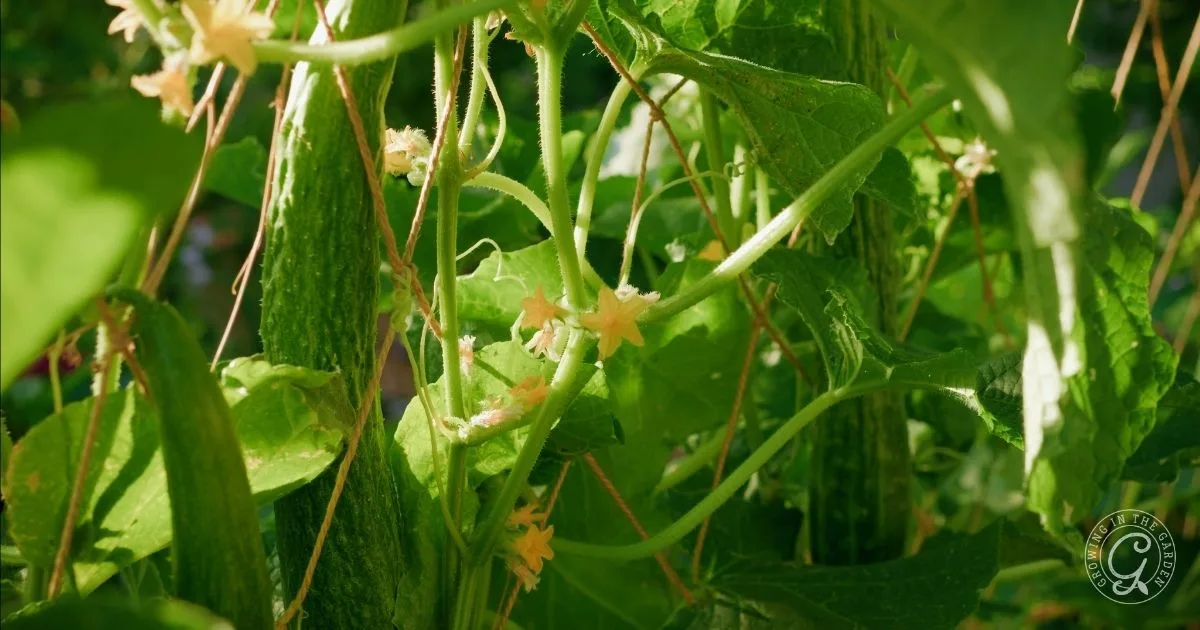
Key Takeaways: How to Prevent & Fix Bitter Cucumbers
- Bitter cucumbers arise from cucurbitacins, which can accumulate due to environmental stress or genetic predisposition.
- To prevent bitterness, choose varieties known for being less bitter, like burpless types or Armenian cucumbers.
- Maintain consistent watering and avoid excessive heat to promote healthy cucumber growth.
- Fertilize with compost and pick cucumbers at the right time to avoid bitterness.
- You can reduce bitterness in harvested cucumbers by peeling, removing ends, or soaking in salt water or vinegar.
What We’ll Cover:

Why are Cucumbers Bitter?
Unfortunately, there’s no way to identify a bitter cucumber visually. However, one bite of a bitter cucumber leaves no doubt!
Cucumbers become bitter due to the presence of compounds called cucurbitacins. These naturally occurring chemical compounds can be found in various parts of the cucumber plant, including the leaves, stems, and fruit. While cucurbitacins serve a protective function for the plant by deterring pests and herbivores, they impart a bitter taste in high concentrations.
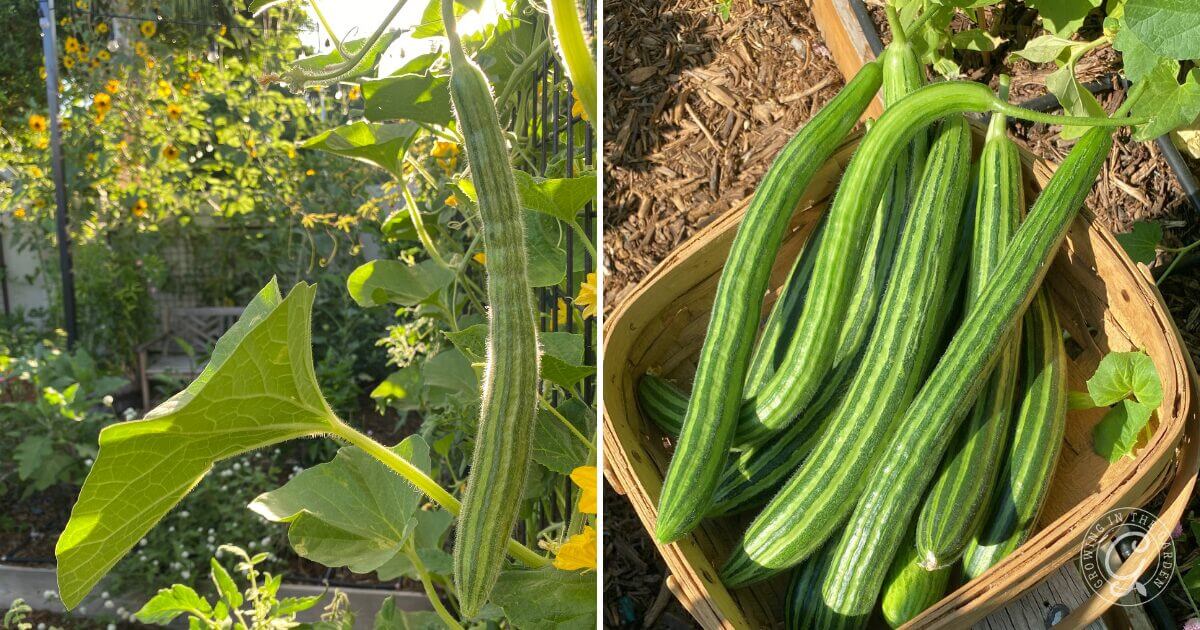
Several factors can influence the levels of cucurbitacins in cucumbers, including environmental conditions such as temperature fluctuations, inconsistent watering, and nutrient deficiencies. For example, the cucumbers may become stressed and bitter if the temperature swings between hot and cold or the soil is too dry or too wet. Genetic factors also play a role, as some cucumber varieties are predisposed to produce higher levels of cucurbitacins.
5 Tips to Prevent Bitter Cucumbers
1. Choose less bitter cucumber types
Choosing the right variety is one of the most critical factors in preventing bitter cucumbers.
Commonly grown slicing cucumbers like ‘Straight Eight’ or ‘Marketmore’ can sometimes be more prone to bitterness, especially under stressful growing conditions. Pickling varieties such as ‘Boston Pickling’ can also exhibit bitter tendencies without optimal care.

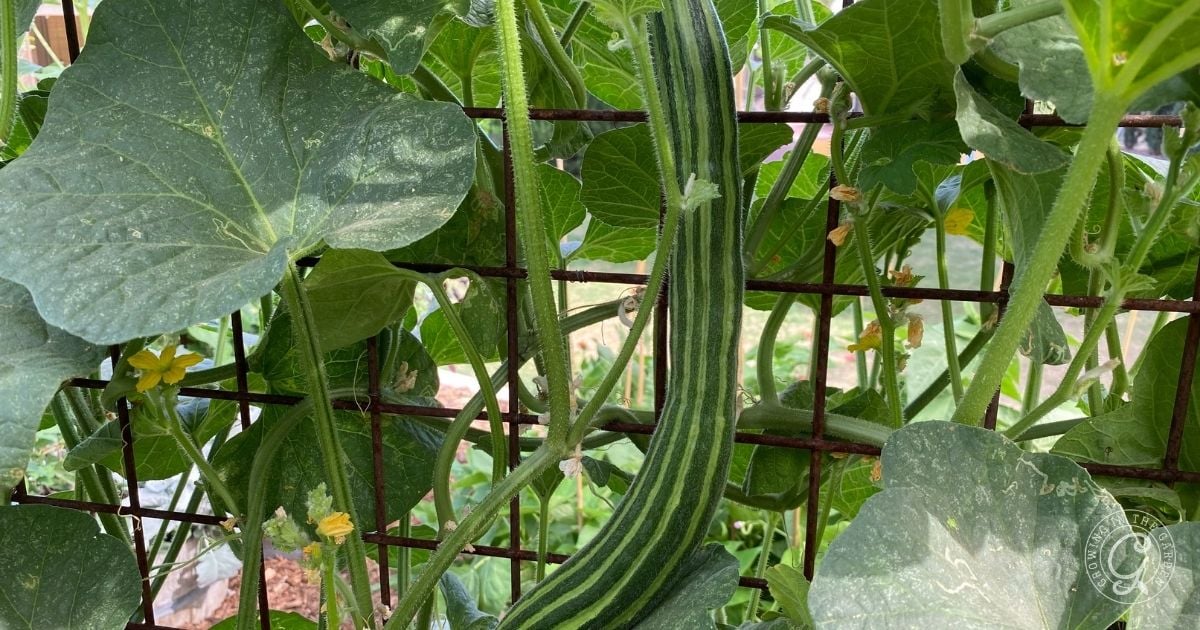
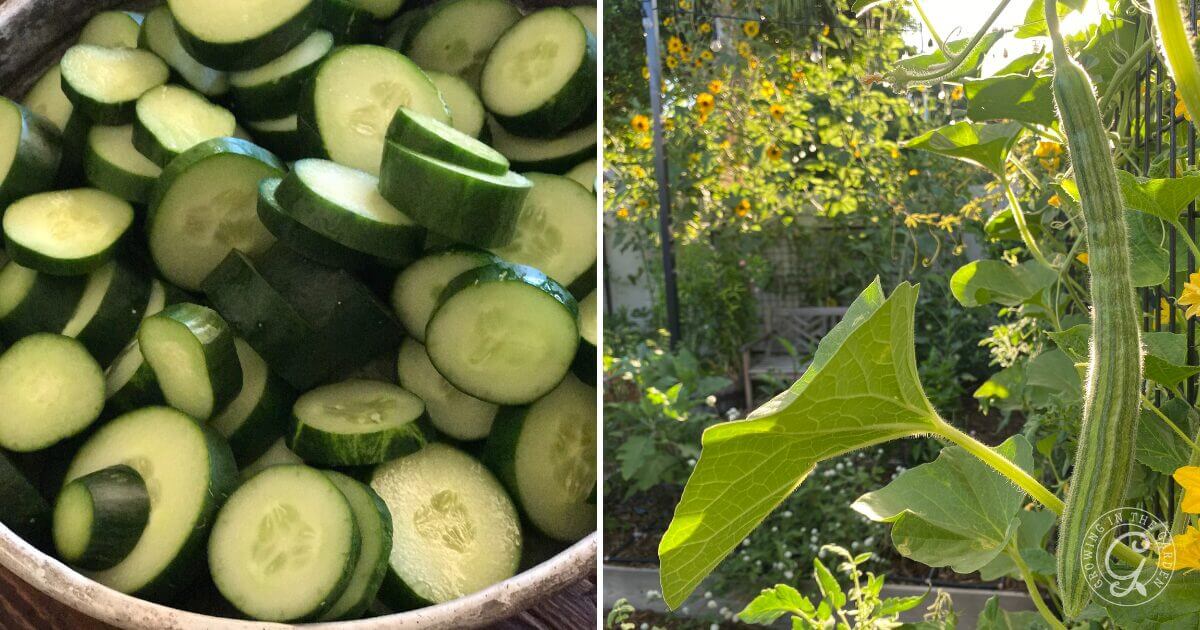
Conversely, varieties labeled as “burpless” or “bitter-free,” like ‘Tasty Green‘ or ‘Suyo Long,’ have lower levels of cucurbitacins, making them a safer bet for a consistently sweet flavor. Another safe bet, especially for hot climate growers, is Armenian cucumbers. They are known for their mild flavor and lack of bitterness. Get Armenian cucumber seeds here.
Learn more about how to grow Armenian cucumbers in this blog post.
2. Don’t grow cucumbers when it’s too hot
Cucumbers thrive in warm temperatures and need plenty of sunlight, but excessive heat can cause them to become bitter. If you live in a hot summer climate, plant early in the season so cucumbers can finish up before it gets too hot. The low desert also has a second planting window for cucumbers during our fall warm season.
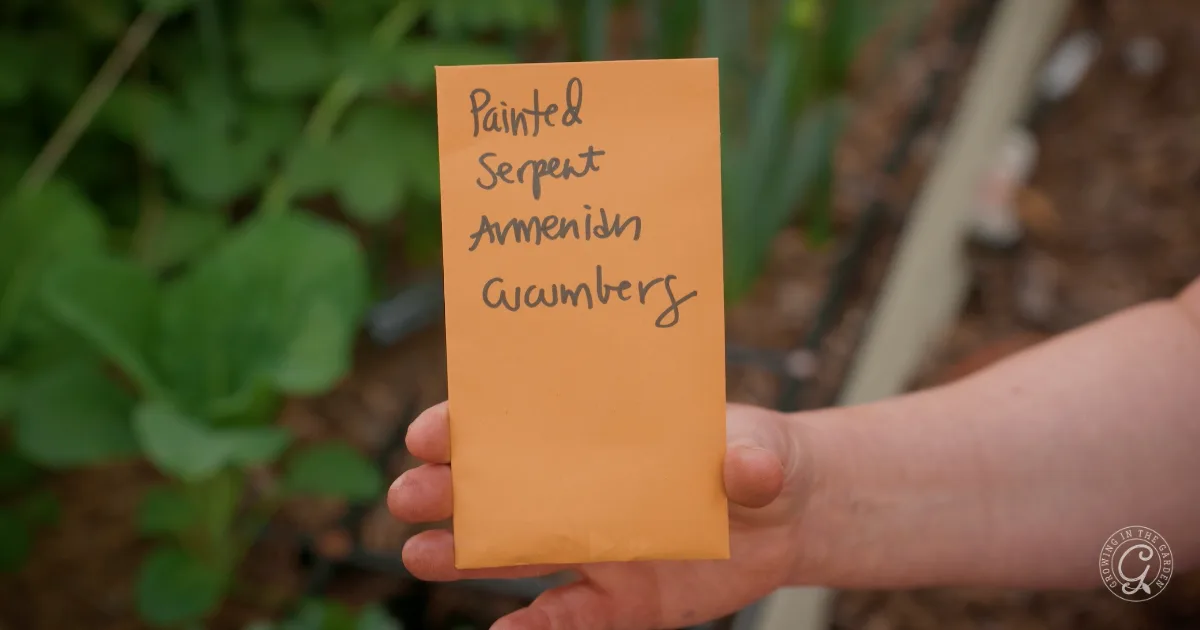
Providing shade during the hottest parts of the day can extend the growing season in hot summer climates. If your warm season is short, plant hot season, heat-loving Armenian types like Painted Serpent Cucumbers instead. These cucumbers are adapted to thrive in high temperatures and can tolerate heat stress better than other varieties. This blog post shares more ideas for heat-loving crops.
3. Water cucumber plants correctly
Proper watering is crucial for preventing bitterness in cucumbers. Inconsistent watering can stress the plants and lead to bitter-tasting fruit. Keep the soil consistently moist by watering deeply and regularly, especially during hot weather or when the fruits develop. A thick layer of mulch can help keep moisture levels more even. Learn how to use mulch in this guide. Avoid overwatering, as soggy soil can also cause bitterness in cucumbers.
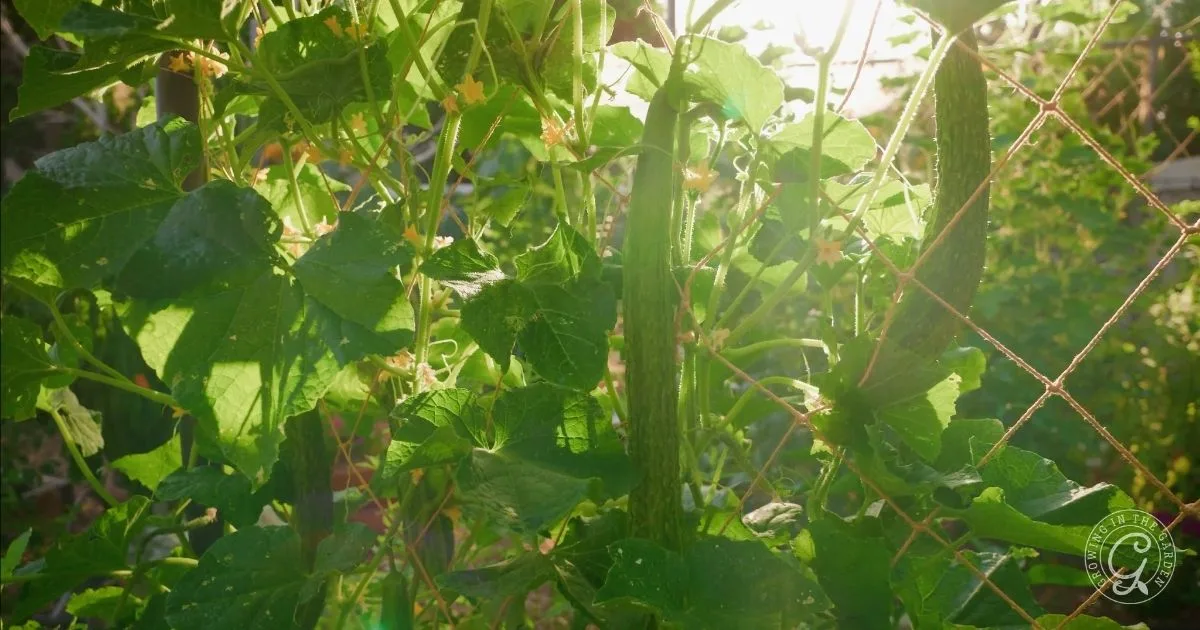
Having some sort of watering system in place can help with consistent watering. It doesn’t have to be fancy; a battery-operated timer with a soaker hose can be effective. I use garden grids from Garden in Minutes in my raised beds. They provide consistent even watering that helps prevent water stress in plants. (Use code Angela10 to save $10 off $100 or GITG5 to save 5 percent on any size order).
4. Don’t skimp on compost
Cucumbers are heavy feeders and require adequate nutrients to grow healthy and flavorful fruit. Before planting your cucumber seeds or seedlings, ensure your soil is rich in organic matter and amend it with compost or balanced fertilizer. You may consider regular light applications of worm castings, compost, or a fruiting fertilizer.
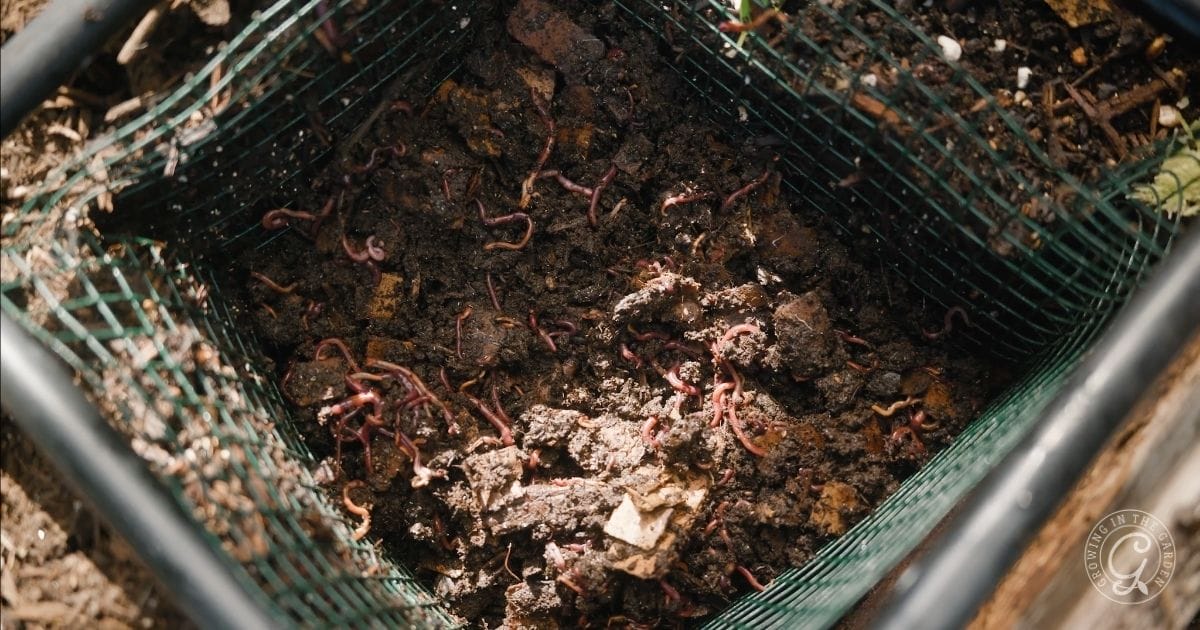
In-bed vermicomposting bins are an excellent way to provide your garden beds with microbe-rich worm castings that feed your soil throughout the season. Learn more about how to add in-bed vermicomposting bins to your beds in this blog post.
5. Harvest cucumbers young
Timing is vital when it comes to harvesting cucumbers to prevent bitterness. Pick your cucumbers when they reach their ideal size according to the variety you’re growing—usually around 6-8 inches long for slicing and smaller for pickling types. The cucumbers should be firm and have a glossy skin. Overripe cucumbers tend to be more bitter, so don’t let them sit on the vine too long before harvesting.
Can You “Fix” a Bitter Cucumber?
If one cucumber is bitter, should I pull the whole plant?
If you notice a plant producing bitter cucumbers, address the plant’s needs (watering, sunlight, fertilizer) to ensure they are being met so the remaining cucumbers won’t also be bitter. However, if the reason for the bitterness is high heat, you may be better off removing the plant and starting over with Armenian types.

What about the bitter cucumbers I already picked?
If you harvested bitter cucumbers, all hope is not lost. Before using them in your recipes, try several tricks to help reduce their bitterness. One method is to peel off the skin and remove the ends of the cucumber before slicing or chopping it. The skin and ends often contain higher concentrations of cucurbitacin, so removing them can help mitigate some bitterness.
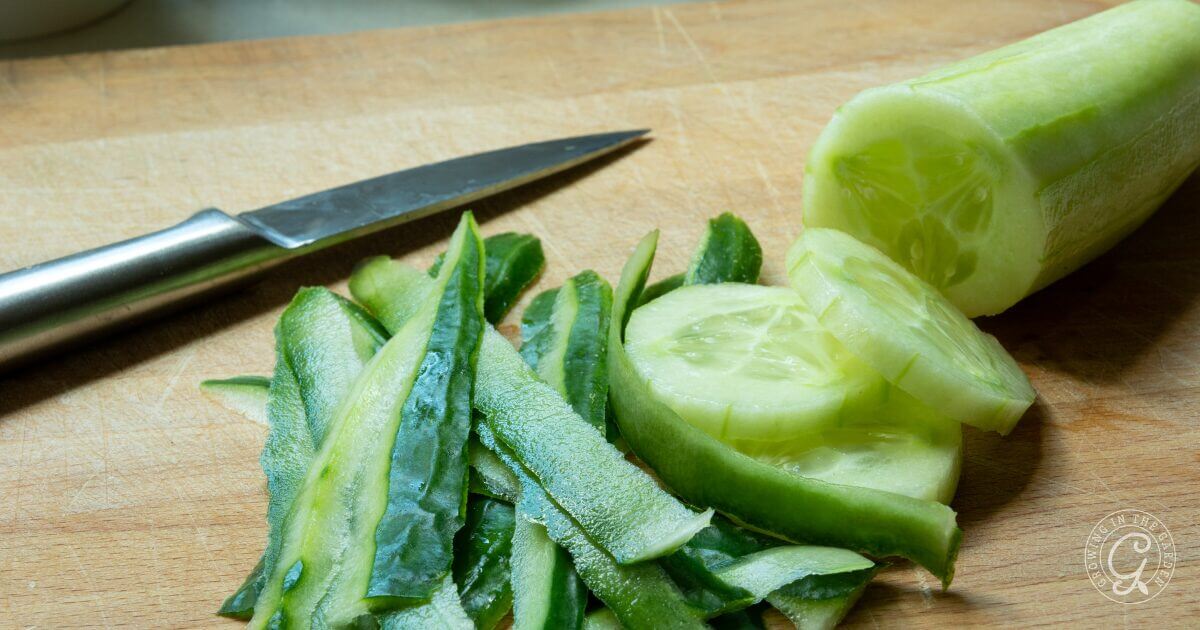
If peeling doesn’t eliminate the bitterness, you can also try soaking sliced cucumbers in salt water or vinegar for about 30 minutes before using them in your dishes. Mix one or two tablespoons of salt or vinegar for every four cups of water and submerge the cucumber slices in the solution. This process helps draw out some bitter compounds from the cucumber flesh, resulting in a milder flavor.
Understanding why your cucumbers turn out bitter and taking steps to prevent it can ensure you enjoy delicious and crisp cucumbers all season. By choosing the right varieties, providing optimal growing conditions, and harvesting at the right time, you can significantly reduce the chances of encountering bitter cucumbers in your garden or kitchen.



What is the ratio of salt to water? I have a lot of bitter ones.
1-2 Tablespoons for about a quart of water.
Angela…ALL of my cucumber, squash, nd cantaloupe plants are producing only MALE flowers. Because it is affecting all of these different plants, I am suspecting a soil deficiency of some kind. Can you help with this?