
What to Plant in September in Arizona (Low Desert Guide)
September in Arizona’s low desert signals the shift from summer’s intense heat to slightly milder days, making it an ideal time to refresh your garden. The sun’s angle is changing and lowering. While the temperatures are still warm, the cooler mornings and evenings provide a perfect window for beginning the transition into fall and winter planting. This article will explore what to plant in September.
The low desert includes elevations below 3500 ft in the Southwest, such as the Phoenix and Tucson metro areas.
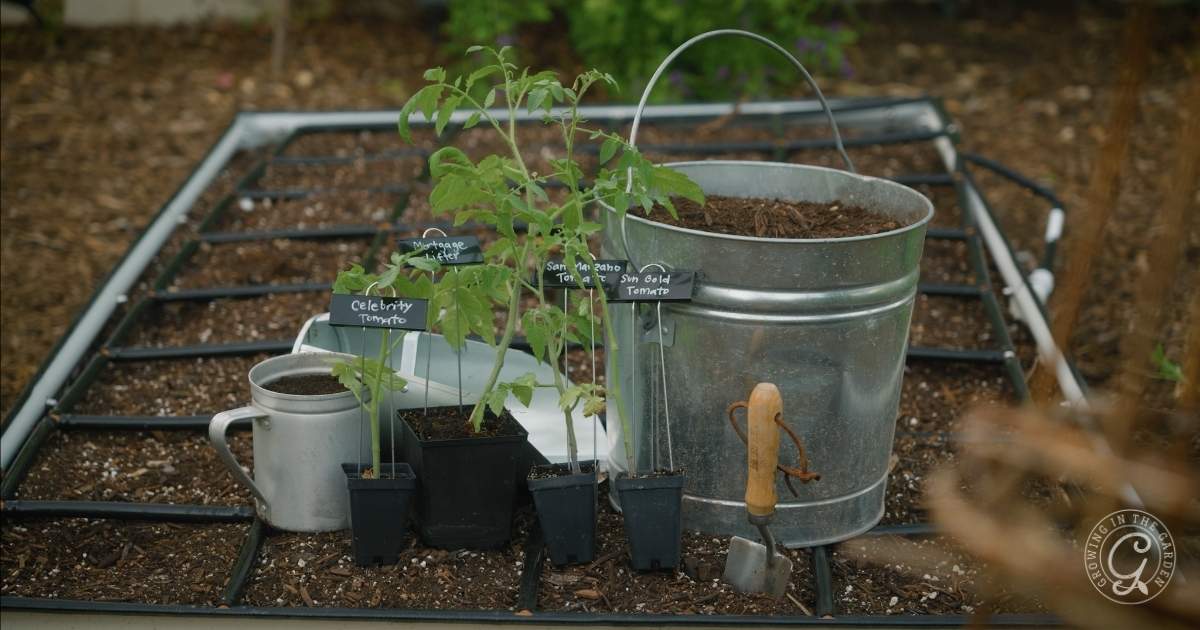
Key Takeaways: What to Plant in September
- September marks a transition for gardening in Arizona’s low desert, making it ideal for planting cool-season crops.
- Before planting, prepare your garden beds and consider soil testing for better growth results.
- Recommended vegetables to plant this month include beans, cucumbers, and tomatoes, while carrots and spinach should wait until nighttime temperatures drop.
- For flowers, consider planting marigolds and geraniums all month long; wait until after September 15 for calendula and snapdragon.
- Use the Arizona Vegetable Planting Guide to learn when to plant and what crops to choose based on the season.
What You’ll Learn in This Post:
- What to Do Before You Plant During September in Arizona
- What to Plant Outside in September in the Low Desert: Vegetables, Herbs & Fruit
- Which Seeds to Start Indoors in September: Vegetables, Herbs & Fruit
- Flowers to Plant Outside in September in The Low Desert
- Flower Seeds to Start Indoors in September
- Frequently Asked Questions: What to Plant in September in Arizona’s Low Desert

What to Do Before You Plant During September in Arizona
As you decide what to plant in September (and upcoming months) in your low desert garden, think about what you enjoy growing the most. Which cool-season crops do you most look forward to in the garden? Which foods taste best from the garden? What do you love having easy access to? Mid-September and October are prime cool-season planting months.
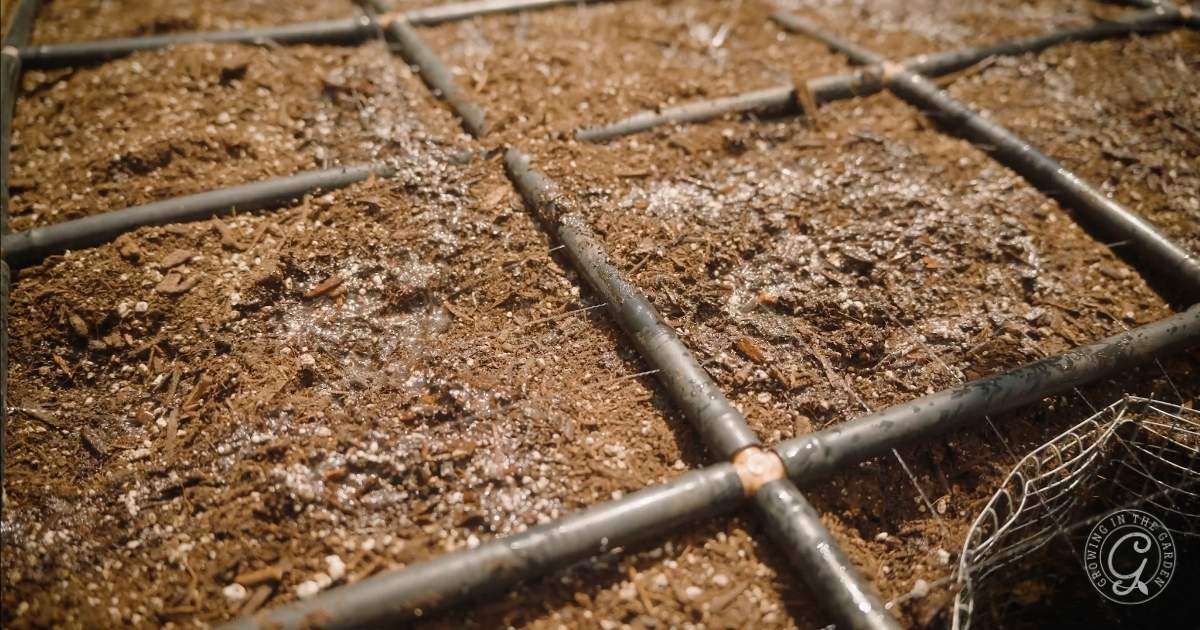
- Before you start planting, take time to reset your space after summer. Here’s how to transition your garden from summer to fall.
- Prepare beds for planting (this post tells you how). Add compost, worm castings, and other organic matter to the soil.
- If you’re not going to plant for at least a month, then plant a last round of cover crops–black-eyed peas early in the month or buckwheat later in the month. The plants don’t have to get very large before they are chopped and used as organic matter to benefit your soil.
- If your garden hasn’t been growing well, consider having your soil tested. I use this test kit from Amazon. Based on the soil test, add a balanced fertilizer if needed.
- Take time to harden off your seedlings correctly so they can adjust to the heat.
- Provide extra shade and water for new plantings.
Want more information about gardening in Arizona? This blog post shares seven tips for how to grow a vegetable garden in Arizona. For fall kick-off planting with space to log results, learn more about the Low Desert Garden Planner or buy it in my shop.
What to Plant Outside in September in the Low Desert: Vegetables, Herbs & Fruit
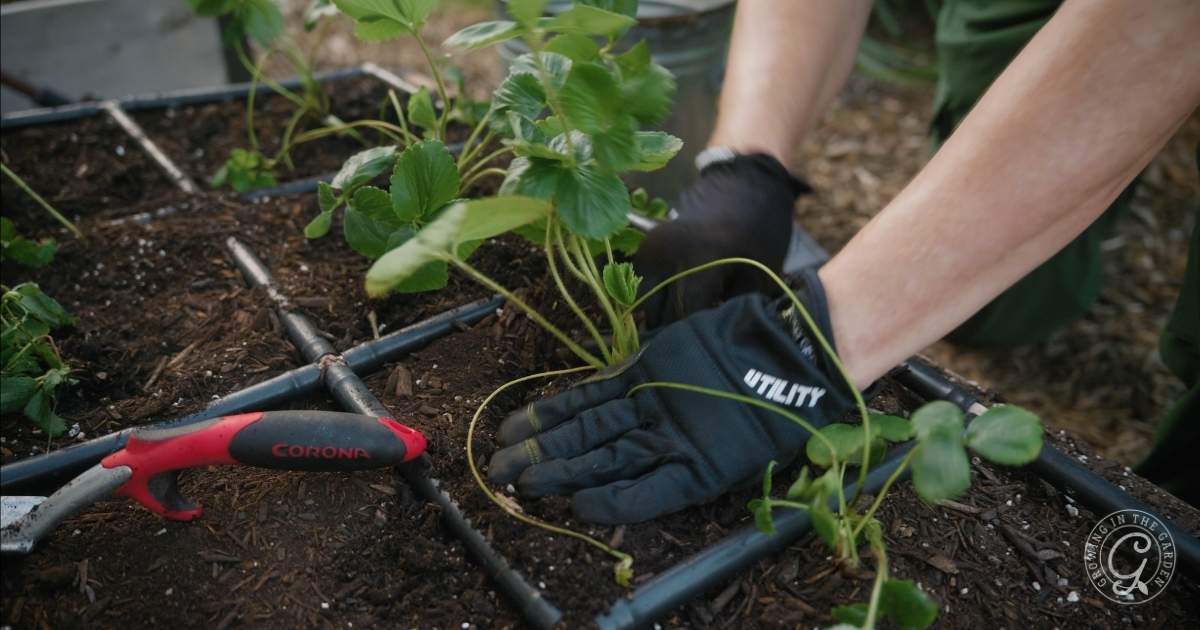
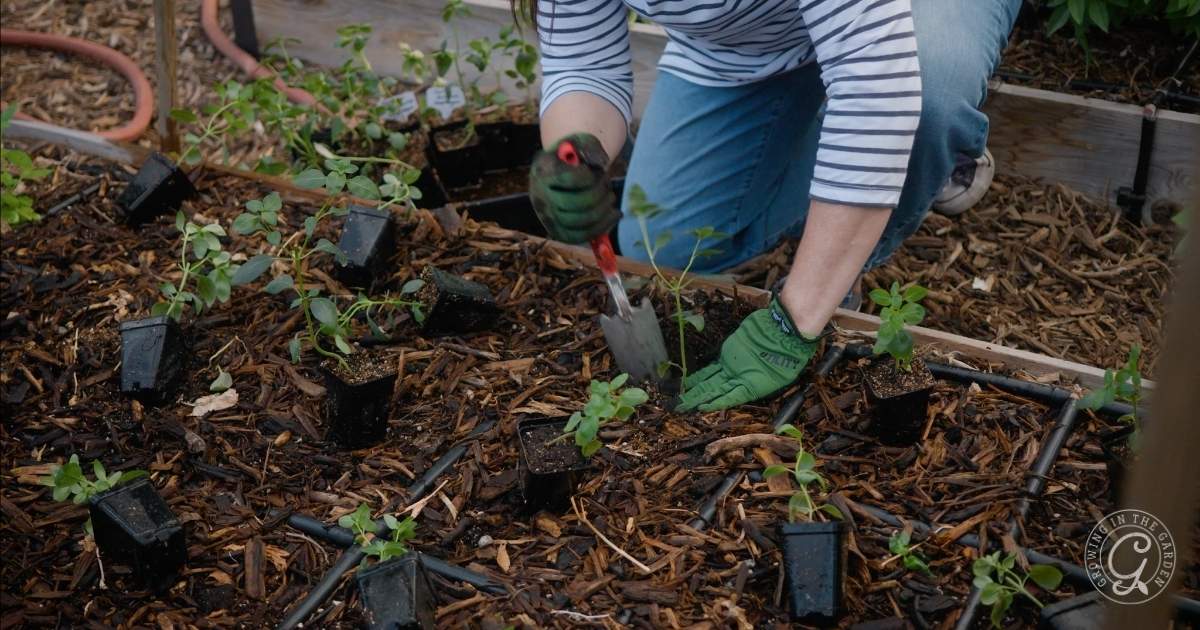
When planting, take care with transplant stems. Handle by roots or leaves; they can grow more of both. Damage to the stem can be fatal to the plant.
(Click the link to read “How to Grow” articles on my website.)
All month long:
- Bean (Bush & Pole) (S)
- Cucamelon (T)
- Cucumber (ST)
- Edamame (S)
- Eggplant (T)
- Ground Cherry (T)
- I’itoi Onion (bulb)
- Pepper (T)
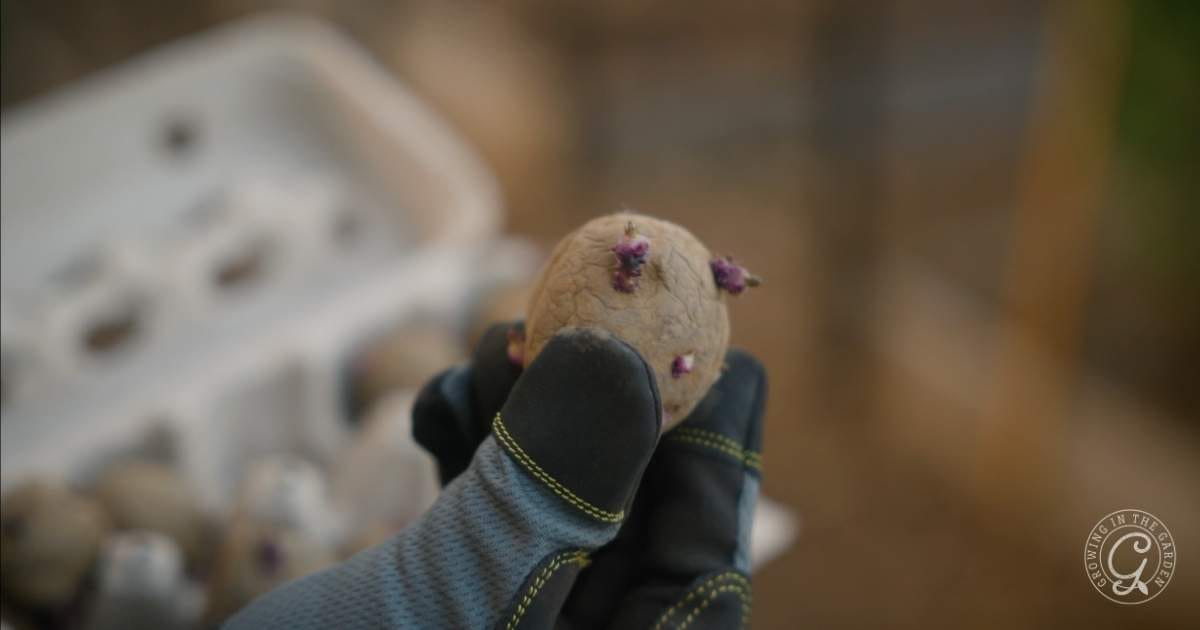
- Potato (seed potato)
- Shallots (ST Bulb)
- Summer Squash (ST)
- Tomatillo (T)
- Tomato (T)
*After September 15 (or when nighttime temps begin to drop)
- Arugula (ST)
- Beet (ST)
- Bok Choy (ST)
- Broccoli (ST)
- Brussels Sprouts (T)
- Buckwheat (S)
- Cabbage (ST)
- Carrot (S)
- Cauliflower (ST)
- Celery (T)
- Collard Greens (ST)
- Kale (ST)
- Kohlrabi (ST)
- Lettuce/Endive (ST)
- Mustard (ST)
- Onion (Green) (S)
- Parsnip (S)
- Peas (S)
- Radish (S)
- Rutabaga (S)
- Saffron Crocus (bulb)
- Spinach (ST)
- Strawberry (T)
- Swiss Chard (ST)
- Turnip (S)
SEED, TRANSPLANT, OR BOTH? S = Seed / T= Transplant
Pay close attention to the weather this month. If temperatures are still in the 100s and the nights are still hot, wait to plant cool-season crops. A soil thermometer is helpful. If the soil temperatures are at or above 85°F, the soil is still very warm–wait to plant. Seeds like lettuce and cilantro need cooler soil. Learn how to check the soil temperature.
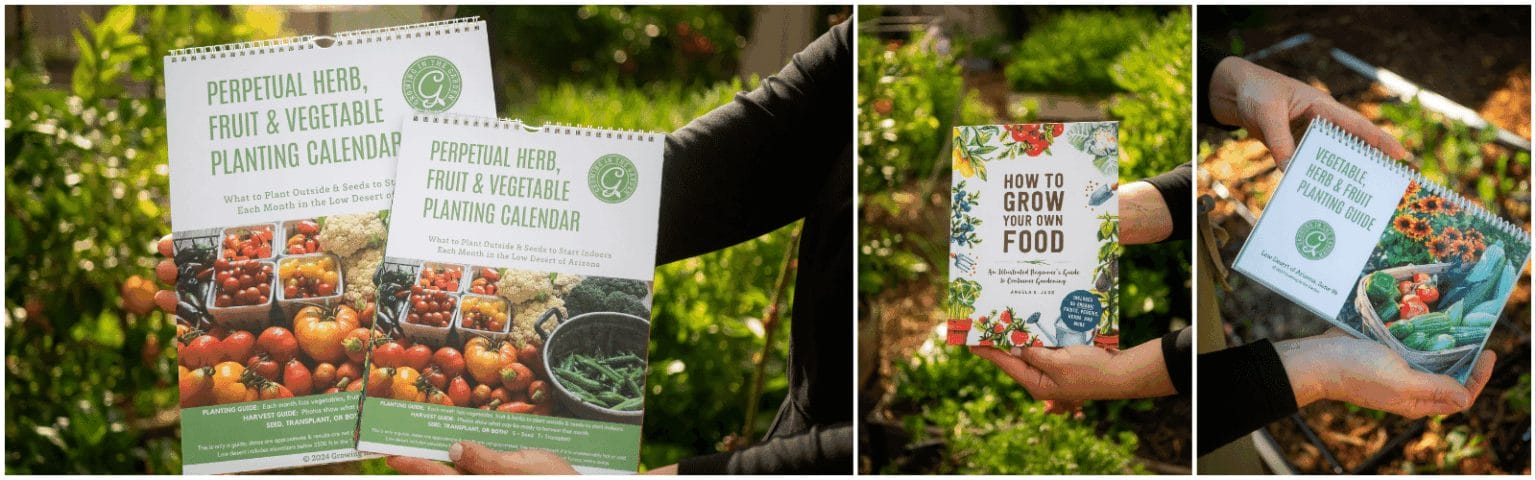
Arizona Vegetable Planting Guide helps you learn when to plant vegetables in the low desert of Arizona and whether to plant seeds or transplants. Once you plant, use the What to Harvest in September in Arizona guide to know when each crop is ready.
Which Seeds to Start Indoors in September: Vegetables, Herbs & Fruit
(Click the link for seed sources)
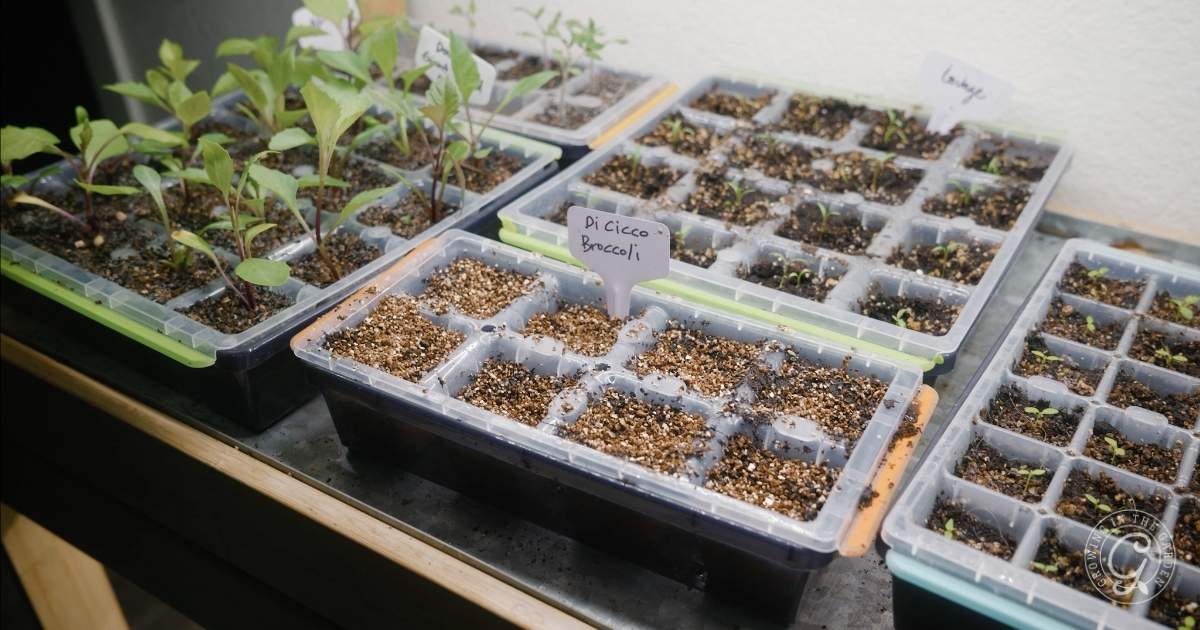
Want seeds you can count on? Take a look at my go-to varieties and the seed-starting supplies I rely on.
Flowers to Plant Outside in September in The Low Desert
(Click the link to read “How to Grow” articles on my website.)
All month long:
- Baby’s Breath (ST)
- Begonia (T)
- Bells of Ireland (S)
- Dianthus (T)
After September 15 (or when nighttime temps begin to drop):
- African Daisy (S)
- Calendula (ST)
- Clarkia (T)
- Cornflower (S)
- Delphinium (S)
- Flax (S)
- Gaillardia (ST)
- Gazania (T)
- Larkspur (S)
- Linaria (S)
- Lobelia (T)
- Ornamental Cabbage/ Kale (T)
- Petunia (T)
- Phlox (S)
- Saffron Crocus (bulb)
- Salpiglossis (T)
- Salvia (T)
- Snapdragon (T)
- Verbena (T)
SEED, TRANSPLANT, OR BOTH? S = Seed / T= Transplant
Flower Seeds to Start Indoors in September
(Click the link for seed sources)
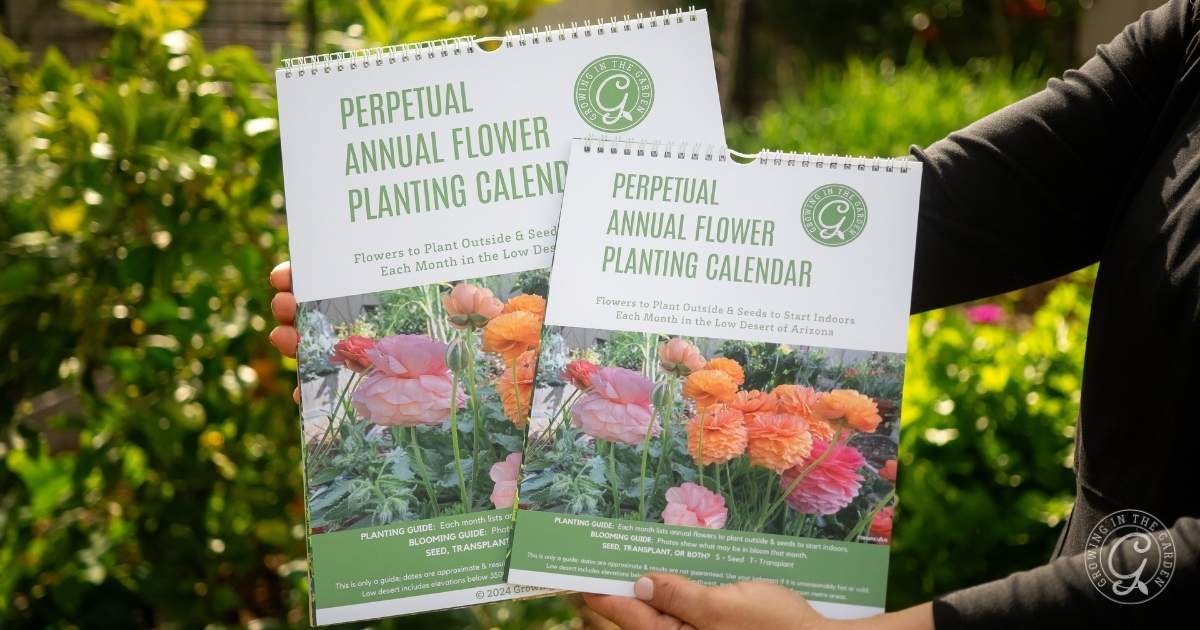
Arizona Annual Flowers Planting Calendar helps you learn when to plant flowers in Arizona and whether to plant seeds or transplants.
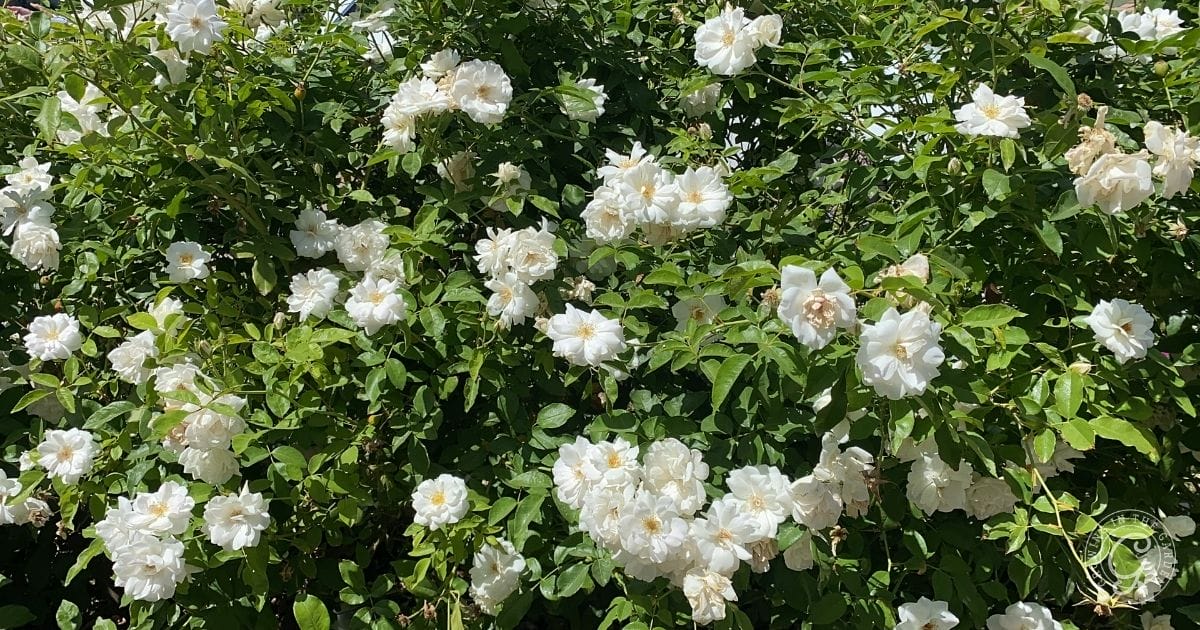
Make plans for planting roses next month. Choosing the right varieties helps ensure your roses survive the summer heat. Roses such as Memorial Day, Iceberg, Mother of Pearl, and Julia Child are excellent choices as they are known for their resilience and ability to withstand high temperatures.
I get all of my roses from Heirloom Roses. I love that they are own-root roses (no grafts!) and that they meet the highest standards for disease resistance. You know you are getting robust, disease-free roses with strong roots when you get them from Heirloom Roses. Use Code GARDENAZ26 for 20% off roses, perennials, and bulbs. Order now and have them shipped when you are ready to plant (up to 8 months later).
For a deeper dive into gardening topics like the ones covered in this post, check out my online and in-person gardening classes.
Read “Arizona Garden in September ” for a printable checklist and information about September gardening tasks for the low desert.
Frequently Asked Questions: What to Plant in September in Arizona’s Low Desert
Elevations below 3,500 feet in the Southwest, including the Phoenix and Tucson metro areas. Many gardeners are in zones 9a–10a.
Yes. Days are still warm, but cooler mornings and evenings help new plantings establish. Mid-September and October are prime cool-season planting months.
Beans, cucumbers, summer squash, tomatoes, and peppers as transplants, eggplant transplants, edamame, ground cherry, tomatillo, cucamelon transplants, I’itoi onion bulbs, seed potatoes, and shallots.
Carrots, beets, radishes, turnips, peas, lettuce and endive, arugula, spinach, Swiss chard, kale, collards, green onions, parsnips, rutabaga, bok choy, cabbage, broccoli, cauliflower, celery, kohlrabi, mustard, and strawberry transplants.
If soil is 85°F or warmer, wait. Lettuce and cilantro need cooler soil to germinate well. Check with a soil thermometer and plant once nights and soil temperatures begin to drop
S = sow from seed. T = plant a transplant. Use seeds for quick crops like radishes and arugula. Use transplants for longer crops like tomatoes, peppers, and many brassicas.
Yes. Give light afternoon shade and keep seedbeds evenly moist. Plant in the morning to reduce stress.
Yes. Gradually increase sun and outdoor time over 5–7 days. Start with morning sun, protect during the hottest hours, and keep soil consistently moist.
As temperatures ease, water deeply but less often. Keep the top inch of soil moist for new seeds and transplants until roots establish.
Sow a quick cover crop. Use black-eyed peas early in the month or buckwheat later. Chop and incorporate while still tender to feed the soil.
Yes. Add compost and worm castings to refresh organic matter. If growth has been poor, use a soil test and add a balanced organic fertilizer if needed.
Plant transplants after September 15 when nights begin to cool. Keep crowns at soil level, mulch well, and water consistently.
Start broccoli, cabbage, cauliflower, kale, collards, parsley, lettuce, onions from seed, celery, and Swiss chard for October transplanting.
All month: marigold, dianthus transplants, geranium transplants, baby’s breath.
After Sept 15: calendula, alyssum, nasturtium, snapdragon, stock, cornflower, larkspur, delphinium, petunia transplants, ornamental cabbage and kale.
See “Arizona Garden in September” for the printable checklist and watch the September planting video for a quick overview of timing and tasks.
If this post about what to plant in September in Arizona was helpful, please share it.



Thank you for sharing your knowledge! I have a lilac vine that’s been growing beautifully until now. All of a sudden it is looking like it’s dying. I’ve wondered about cutting it back, but now I may have to. Can you tell me a good time to cut it? I took a picture, but not sure how to send it. Thank you.
I would wait until temperatures cool more before cutting anything back. Ideally, look for new growth lower on the vine and cut just above that.
So excited to get my September planting started! This guide says you can plant strawberries now, but your strawberry guide says most people plant in the spring, which is what I’ve done in the past as well. Will I be able to get an okay harvest if I plant now, or should I wait? (I’m also living here in Mesa) 🙂
Hi Danielle – check the bottom of the strawberry guide for the Arizona tips. We are usually different from most areas 🙂 Planting now will give you the best chance of success. You may get a fall harvest but you will definitely get a good spring one and more established plants are more likely to survive the summer.