
What to Harvest in September in Arizona
September brings the first signs of seasonal change to the low desert garden. Even though afternoons are still hot, cooler mornings and shorter days help gardens begin the transition from summer survival mode into fall growing season. It’s a busy month filled with harvesting, clearing spent plants, refreshing beds, and getting ready for one of the best gardening seasons of the year.
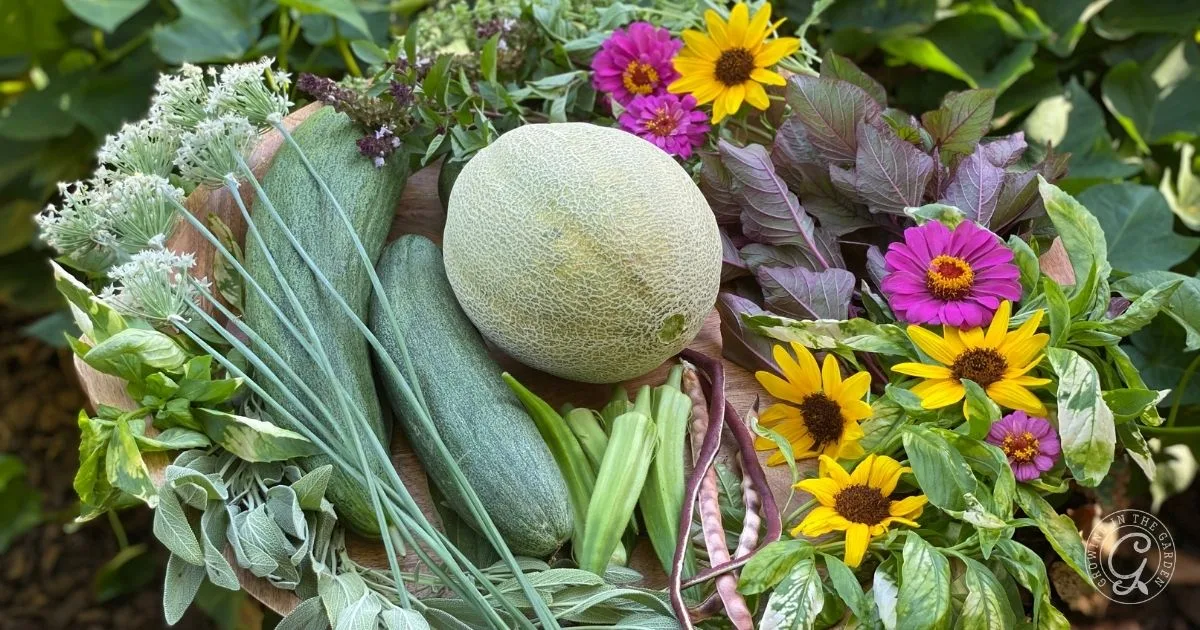
Key Takeaways: Harvesting in September
- September signals seasonal change in the low desert garden, making it busy for harvesting and preparations.
- Okra and luffa thrive in September; harvest okra pods daily for best results and luffa when mature for sponges.
- Key crops ready for harvest include peppers, tomatoes, and Armenian cucumbers; each has specific indicators and harvesting methods.
- Maintain freshness through proper storage; for instance, refrigerate peppers and squash to prolong their lifespan.
- Stay consistent with watering and monitoring for pests to ensure a productive and healthy garden this month.
Gardening is year-round in the low desert, so there is almost always something to pick and something to plant. Cleared a bed today? See What to Plant in September in Arizona for quick replacements, and grab the Arizona Garden in September printable checklist for this month’s tasks.
Okra thrives in September’s heat and often becomes even more productive as days begin to shorten. Harvest pods when they are small and tender—usually 2 to 4 inches long—and pick frequently to encourage plants to keep flowering and producing. Luffa vines also grow quickly this time of year. Harvest luffa young for eating while the fruits are still tender, or allow them to fully mature and dry on the vine if you want to make natural sponges. September is also a good time to continue training vigorous vines, checking plants often for oversized fruits, and staying consistent with watering to keep production strong through the heat. Learn more about growing productive okra, harvesting and using luffa, and managing fast-growing garden vines with these helpful guides.
What We’ll Cover:
- Quick harvest guide for September (Arizona low desert)
- Harvest by crop
- Herbs to pick this month
- Seeds and grains to harvest in September
- What to plant after you harvest
- Post-harvest handling that matters in the heat
- Pests and produce quality in September
- What’s in Bloom in September in the Low Desert of Arizona?
- September Harvests FAQs

Quick harvest guide for September (Arizona low desert)
| Crop | Ready when… | How to harvest | Storage tip |
|---|---|---|---|
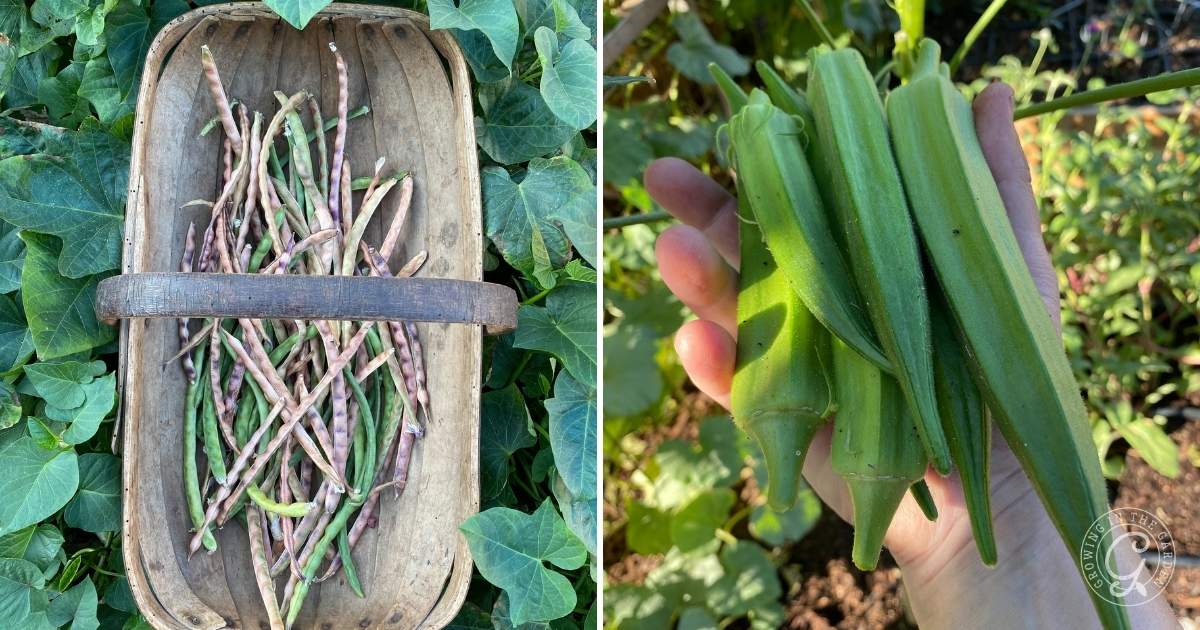
| Okra | Pods 3–5 inches, flexible when bent | Cut daily or every other day | Use fresh in 2–3 days or make okra water |
| Armenian cucumbers | 12–18 inches, skin firm, seeds soft | Snip with pruners | Refrigerate 5–7 days; avoid temps below 45°F |
| Peppers | Full size and glossy; color by variety | Cut, leave a short stem | Crisper drawer 1–2 weeks, keep dry |
| Eggplant | Skin glossy, seeds pale | Clip with pruners, keep cap on | Best at 50–55°F; short fridge stay |
| Tomatillos | Husk splits and fruit fills it | Twist or snip | Counter 1–2 days, then fridge up to a week |
| Tomatoes | Breaker stage or fully colored | Fruit slips from the stem; aroma present | Room temp to finish ripening |
| Summer squash | 6–8 inches, tender skin | Cut with a bit of stem | Refrigerate 3–5 days |
| Cantaloupe | Leave to mature on the vine | Lift and twist (slip stage) | Chill whole up to 1 week |
| Watermelon | Creamy ground spot, dry tendril at node | Clip with pruners | Chill before serving |
| Luffa (sponges) | Full size; skin yellows and dries later | Leave to mature on vine | Dry fully before peeling |
For a comprehensive list of what to harvest in September and throughout the year, learn more about the Low Desert Garden Planner or buy it in my shop.
Harvest by crop
We can garden year-round here in the low desert, and it seems there is always something to plant and harvest. If you’re following my planting guide, here are some of the vegetables you may harvest during September.
Peppers
Ready: Fruits are full-size and glossy. Green peppers are less sweet; allow full color for maximum flavor.
How to harvest: Cut, do not pull. Leave a short stem to prevent tearing. Pick 1–2 times a week to keep the flowers setting.
Keep it fresh: Store dry in the crisper. Avoid sealed bags if condensation forms.
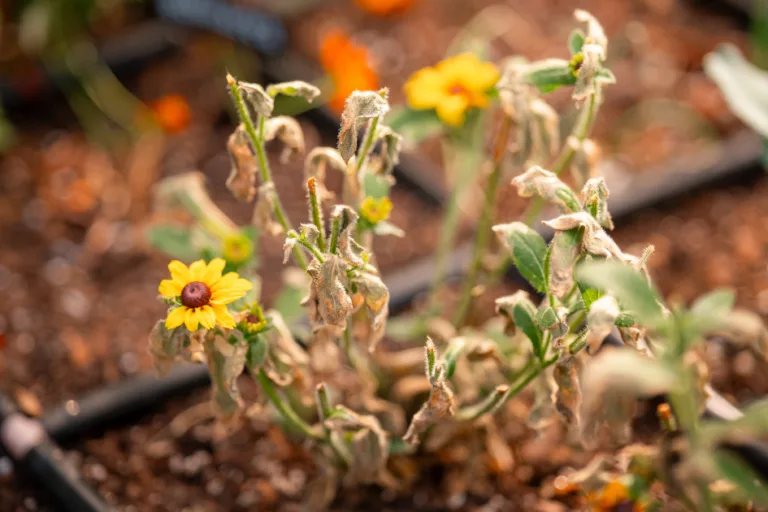
Troubleshooting: Pale soft patches are sunscald. Improve leaf cover and water deeply but less often.
Learn more: How to Grow Peppers
Okra
Ready: Pods 3–5 inches. Larger pods turn fibrous.
How to harvest: Cut daily or every other day. Wear sleeves if sensitive to the plant.
Keep it fresh: Use within a couple of days or slice and freeze. Make okra water.
Troubleshooting: Production slows when pods are left to oversize. Frequent picking keeps plants flowering.
Learn more: How to Grow Okra
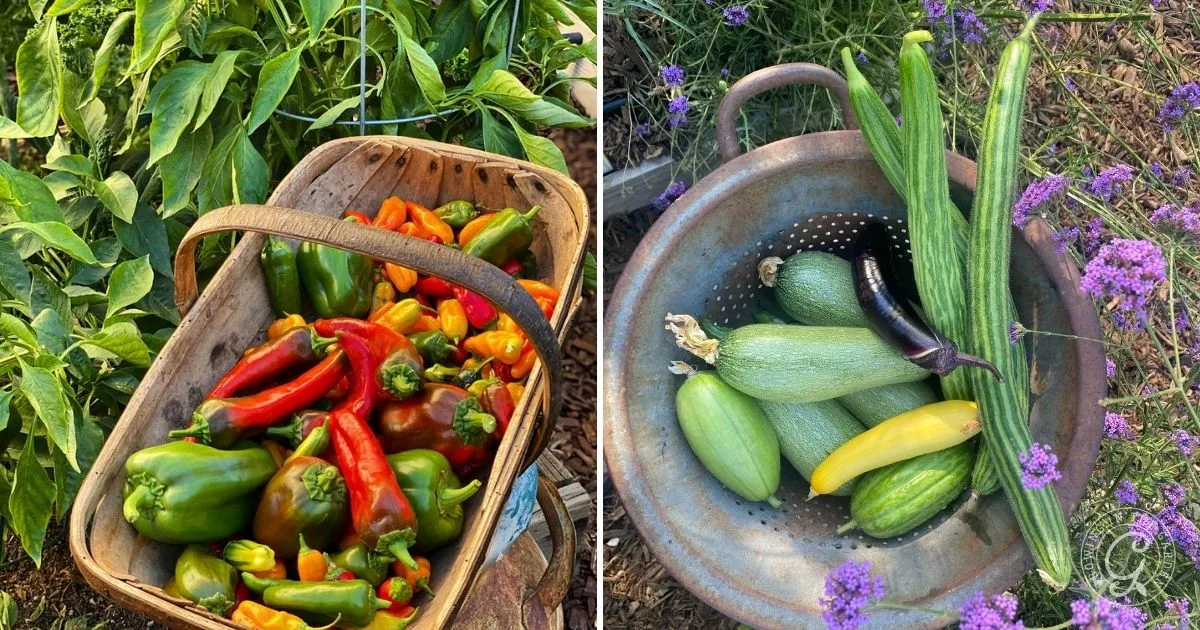
Armenian cucumbers
Ready: 12–18 inches while seeds are still soft.
How to harvest: Snip in the morning for crisp texture.
Keep it fresh: Refrigerate, but avoid very cold spots.
Troubleshooting: Mulch and water consistently.
Learn more: How to Grow Armenian Cucumbers
Tomatoes (over-summered plants)
Ready: Pick at breaker stage to reduce cracking and bird pecks after late monsoon rains.
How to harvest: Gently twist or clip. Sort out cracked fruit and use it first.
Keep it fresh: Ripen indoors at room temperature. Do not refrigerate unripe fruit.
Troubleshooting: If plants look tired, here’s how to evaluate and revive over-summered tomato plants so they can produce again in fall.
Learn more: How to Grow Tomatoes in Arizona
Tomatillos
Ready: Husks split and the fruit fills them.
How to harvest: Twist or snip. Remove husks before storing.
Keep it fresh: Counter for a day or two, then refrigerate up to a week.
Troubleshooting: Sticky residue is normal. Rinse before using.
Learn more: How to Grow Tomatillos
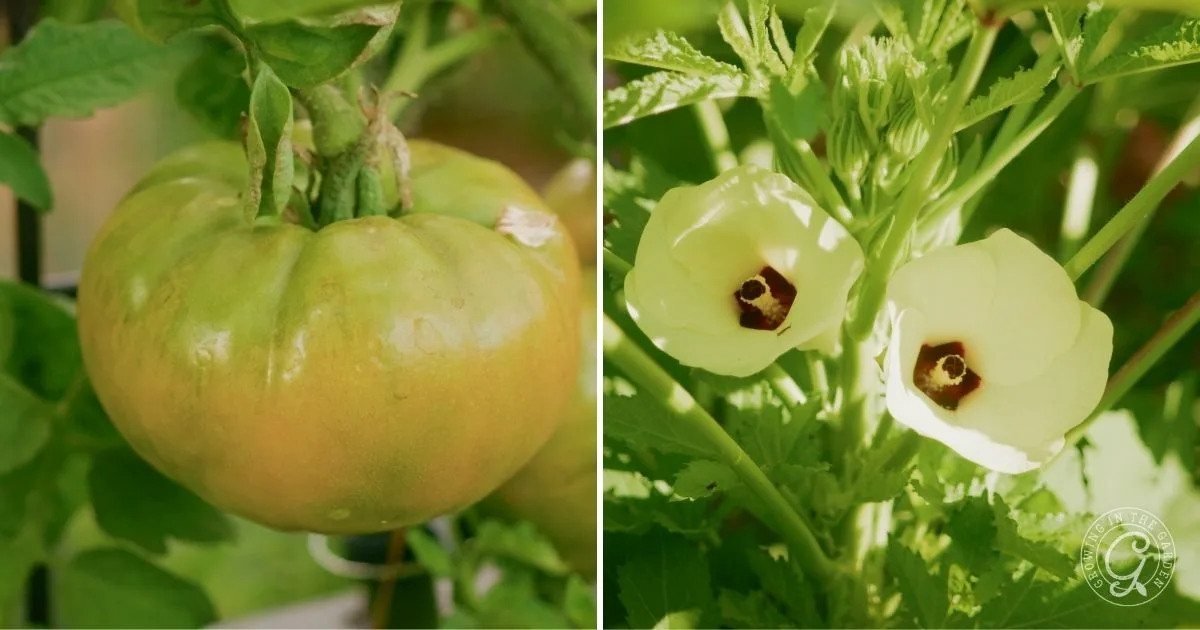
Eggplant
Ready: Skin is glossy and springs back from a gentle thumb press. Dull skin usually means seeds are tough inside.
How to harvest: Clip with pruners and keep the cap on.
Keep it fresh: A Cool room is ideal. If refrigerating, keep it brief.
Troubleshooting: Scarring or bronzing can be sun or wind exposure. Improve airflow and even watering.
Learn more: How to Grow Eggplant
Summer squash (zucchini, yellow)
Ready: Small and tender at 6–8 inches for most varieties.
How to harvest: Cut with a short stem. Frequent picking prevents seedy giants.
Keep it fresh: Refrigerate and handle gently to avoid bruising.
Troubleshooting: Misshapen fruit often means low pollination. Hand pollinate in the morning if needed.
Learn more: How to Grow Summer Squash
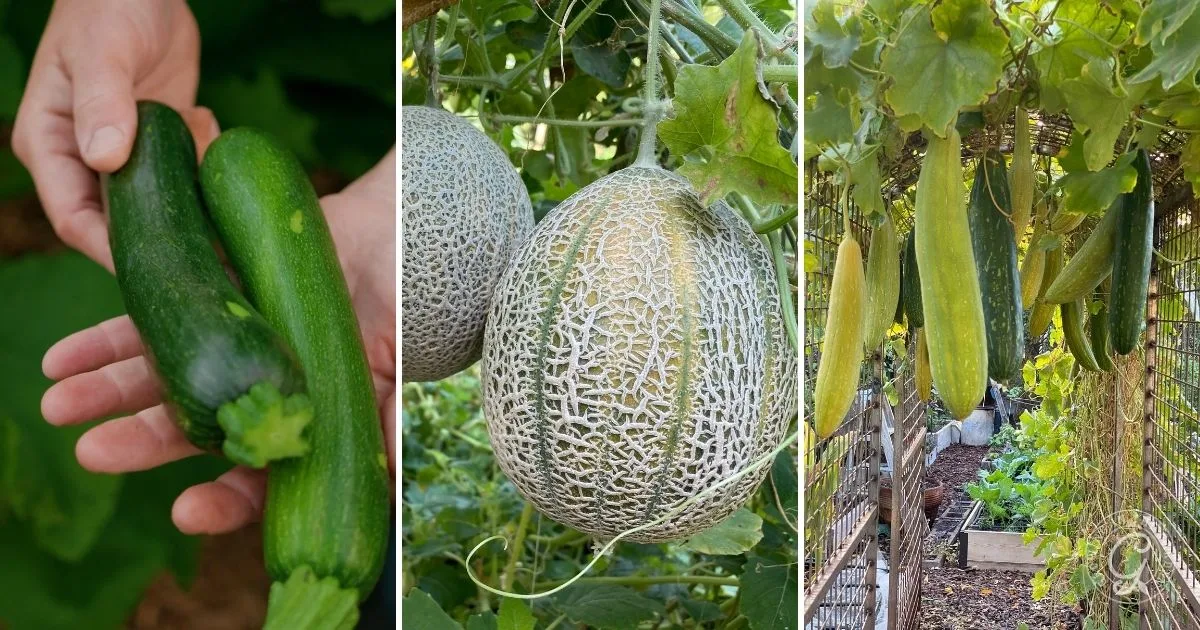
Melons (cantaloupe and watermelon)
Cantaloupe ready: Netting raised, sweet aroma, and fruit slips from the stem with a gentle lift.
Watermelon ready: Creamy yellow ground spot and the tendril nearest the fruit dries.
Keep it fresh: Chill whole melons before serving.
Troubleshooting: Cracking follows uneven watering. Keep moisture steady during ripening.
Learn more: How to Grow Cantaloupe and How to Grow Watermelon
Luffa
Ready for eating: Pick very young, finger-sized.
Ready for sponges: Leave on the vine until full size, and the skin begins to yellow and dry.
Tip: Dry fully before peeling and cleaning the fibrous interior.
Learn more: How to Grow Luffa
Herbs to pick this month
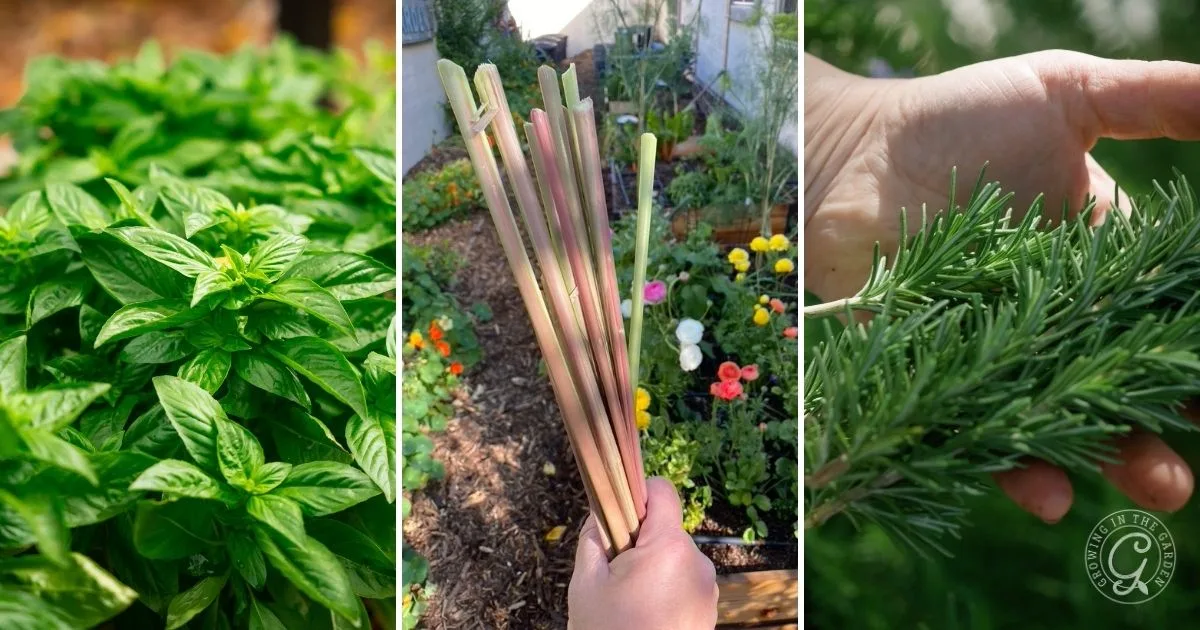
- Basil: Tip-prune above a leaf pair. Never remove more than one third.
- Lemongrass: Pull outer stalks at thumb thickness.
- Woody herbs (rosemary, thyme, oregano, sage): Light cuts often. Morning harvest concentrates oils.
Learn more: How to Grow Basil, How to Grow Lemon Grass
Seeds and grains to harvest in September
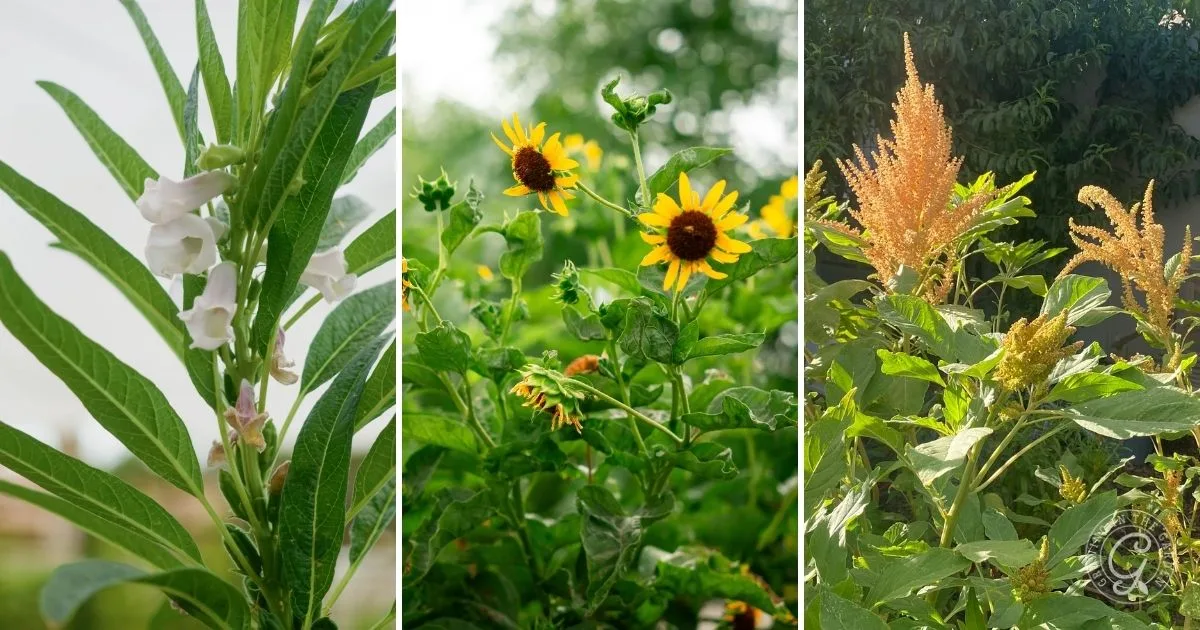
- Sesame: Pods are brown and begin to split. Cut stems and dry in a paper bag to catch shattering.
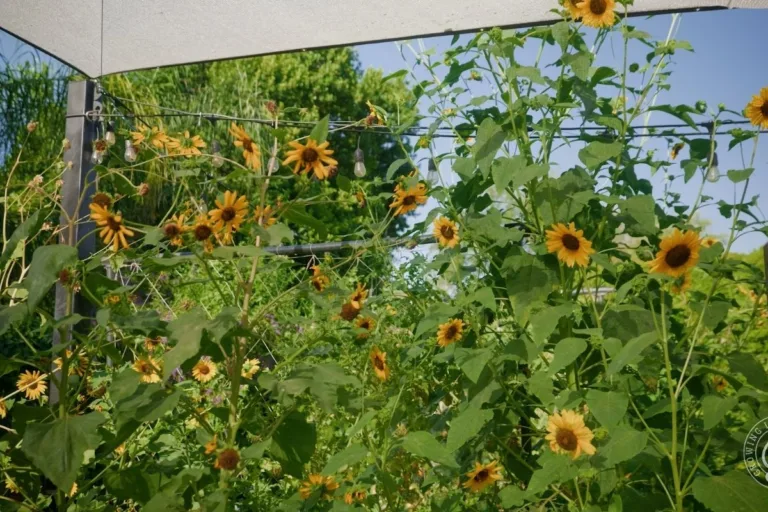
- Sunflowers: Back of the head turns golden-brown. Cover with mesh to protect from birds, then cut and finish drying.
- Amaranth: Pick baby leaves at 2–4 inches, cut fully colored tassels for bouquets, and for grain, wait until heads look dull and seeds rub free (often late September to November), then cut and dry under cover.
Learn more: How to Grow Sesame, How to Grow Sunflowers, How to Grow Amaranth
What to plant after you harvest
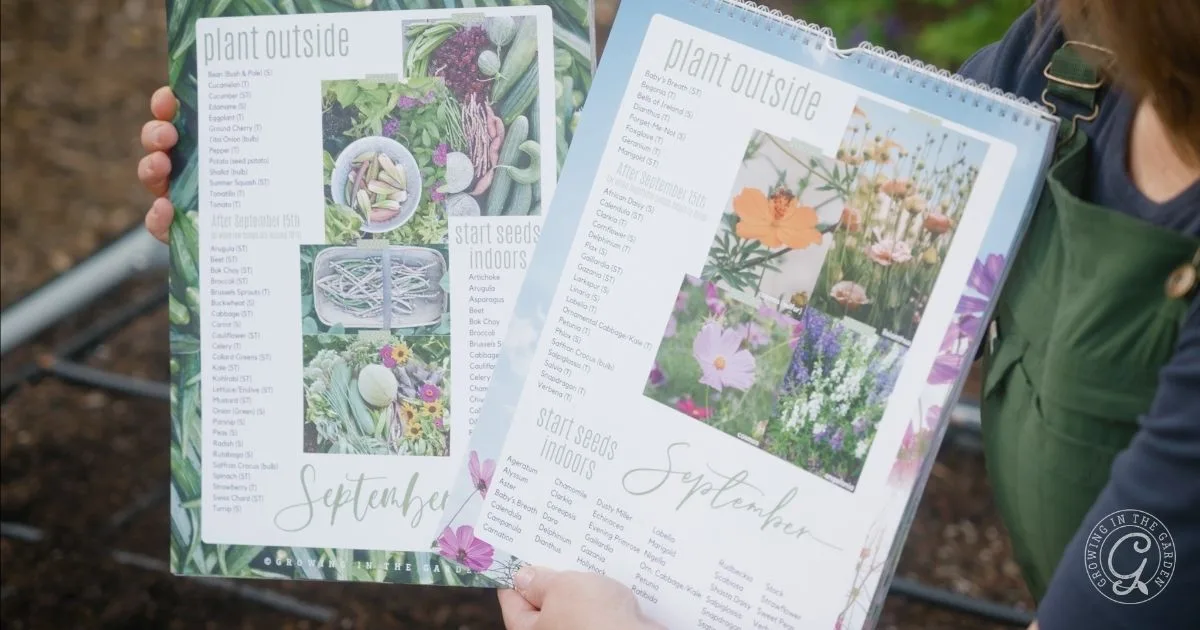
Keep beds productive by replanting right away. See What to Plant in September in Arizona for exact timing and seed vs. transplant recommendations. Purchase these calendars in my shop.
Post-harvest handling that matters in the heat
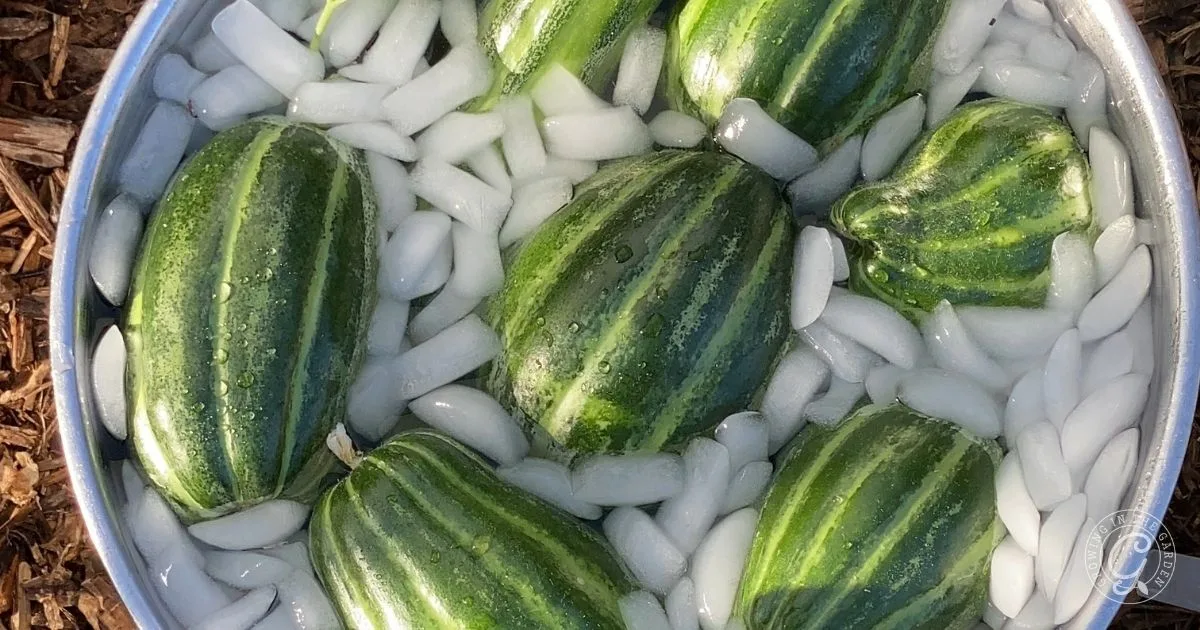
Harvest in the morning and cool off crops quickly for the longest storage life. Store tomatoes at room temperature until fully ripe. Keep peppers and squash dry in the crisper. For watering and heat stress tips, see When To Water Plants in Hot Weather.
Pests and produce quality in September
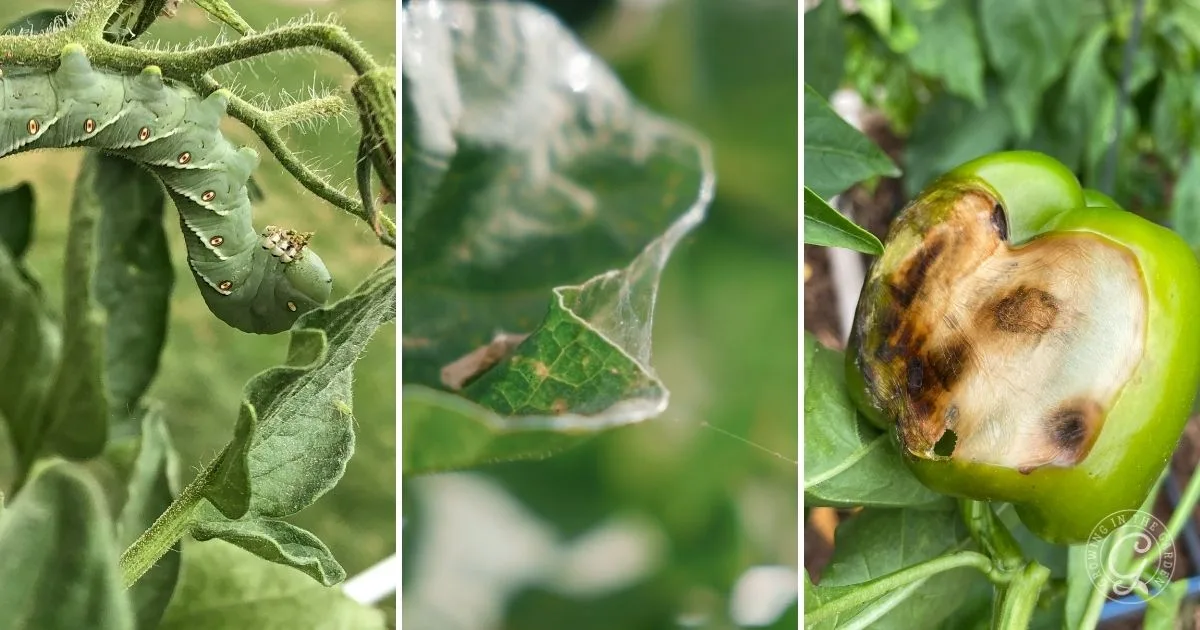
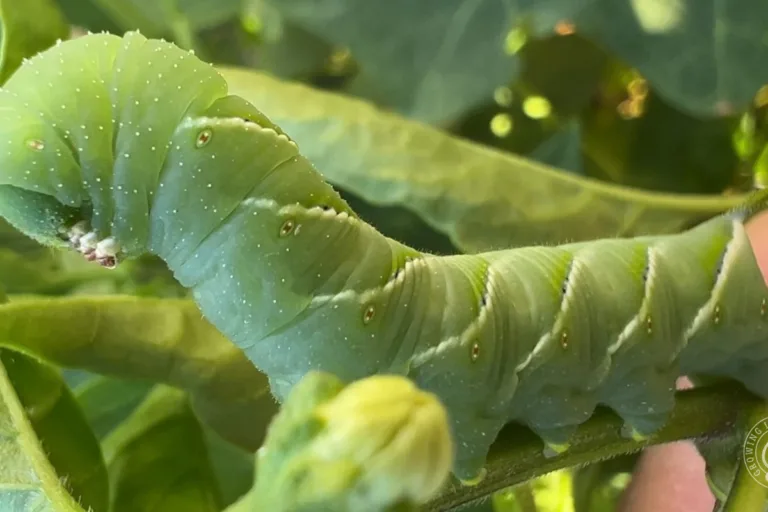
- Hornworms on tomatoes and peppers. Hand-pick early.
- Whiteflies and mites on squash and cucumbers. A strong water spray and good airflow help. Learn how to deal with spider mites in this guide.
- Cracking and sun damage on tomatoes. Provide shade and even watering, pick at first blush, and finish indoors.
What’s in Bloom in September in the Low Desert of Arizona?
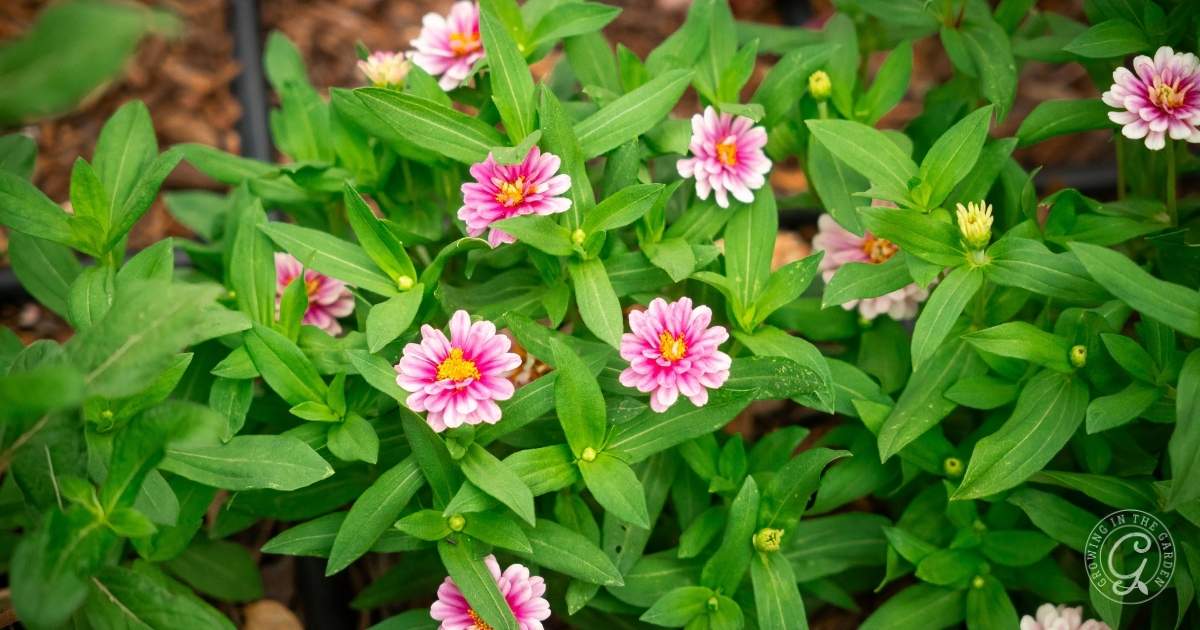
September marks a transition in the garden. Summer’s blooms continue while the first fall flowers start to appear.
(Click on the link for each flower’s “How to Grow” blog post.)
Possible blooms this month include amaranth, angelonia, basil, celosia, coreopsis, cosmos, four-o-clock, gaillardia, garlic chives, gazania, gomphrena, lisianthus, luffa, mahogany splendor hibiscus, portulaca, purple hyacinth bean vine, roselle hibiscus, rudbeckia, salvia, statice, sulfur cosmos, sunflower, tithonia, verbena, vinca, and zinnia.
September Harvests FAQs
Daily or every other day. Small pods stay tender and keep plants producing. See How to Grow Okra.
September temperatures are often too hot for regular cucumbers harvested this month. More tips in How to Prevent Bitter Cucumbers.
Skin should be glossy and bounce back from a light press. Dull skin often means seeds are tough. Details in How to Grow Eggplant.
Yes. Pick at the breaker stage to reduce cracking and bird pecks, then ripen indoors. See How to Turn Green Tomatoes Red.



Leave a comment on What to Harvest in September in Arizona