
How to Grow, Harvest, Divide, and Use Lemongrass
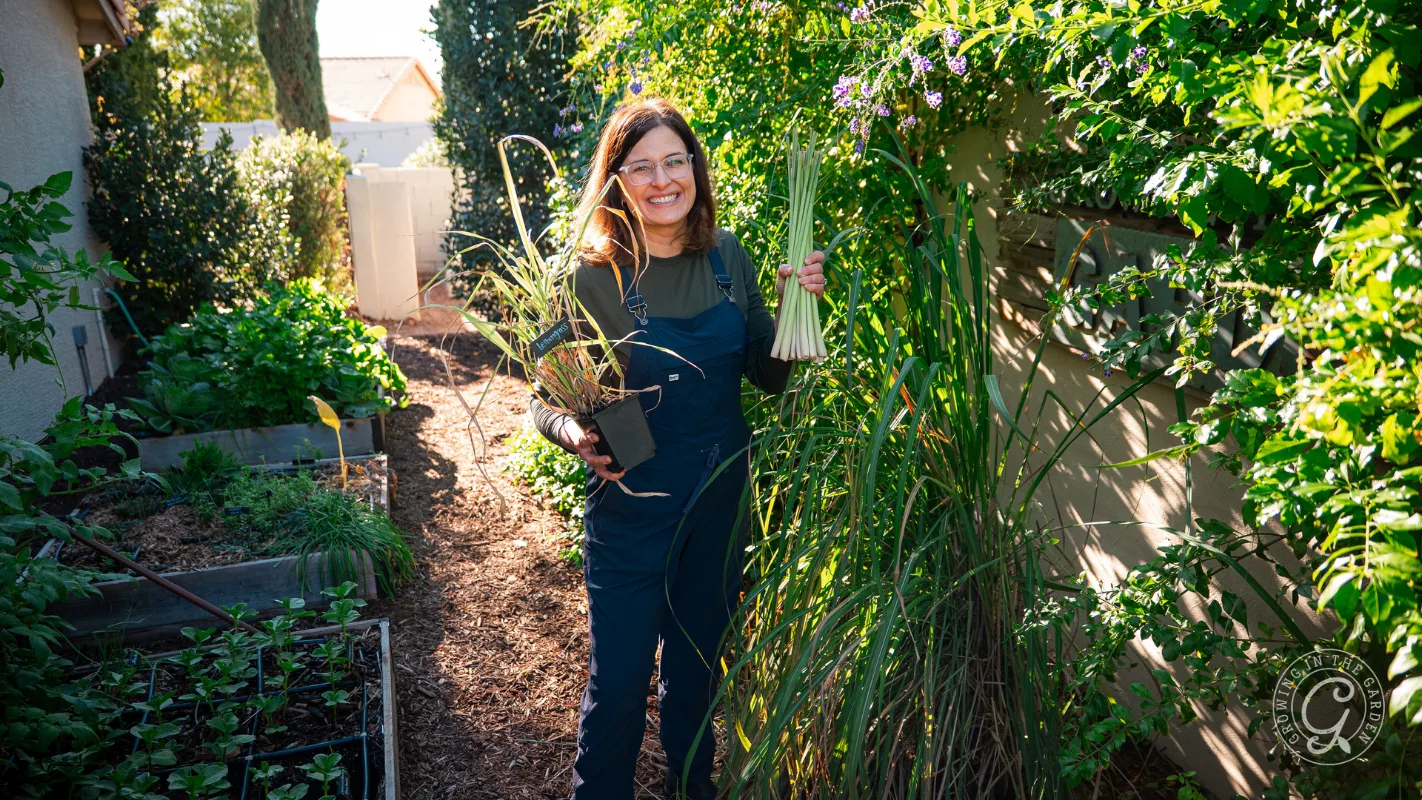
Lemongrass is one of the easiest perennials I grow here in the low desert. It comes back every year, it smells wonderful, and a single plant gives me more than enough for cooking and tea. It also raises a lot of questions. Can you grow it from a grocery store stalk? Does it need full sun? Does it really keep mosquitoes away? And why does it keep turning brown in a pot?
I’ve grown lemongrass for several years now, and I’ll answer all of those from what’s worked in my garden.
Key Takeaways: Growing Lemongrass
- Lemongrass is an easy-to-grow perennial that thrives in the low desert, coming back each year if conditions are suitable.
- Plant lemongrass after the last frost, ideally in spring or fall, and ensure it gets plenty of sun with afternoon shade during extreme heat.
- You can start lemongrass from grocery store stalks by rooting them in water, and they need well-draining, organic-rich soil.
- To harvest without harming the plant, cut outer stalks close to the ground while leaving the center intact for future growth.
- Lemongrass can be used in various dishes, and while it has citronella properties, it does not significantly repel mosquitoes.
What We’ll Cover:
- When Should You Plant Lemongrass?
- Where Should You Plant Lemongrass?
- Does Lemongrass Repel Mosquitoes?
- What Are the Easiest Ways to Start Lemongrass?
- Can You Grow Lemongrass From Grocery Store Stalks?
- What Soil Does Lemongrass Need, and How Much Space?
- What Size Pot Does Lemongrass Need?
- How Often Should You Water Lemongrass?
- How Do You Harvest Lemongrass Without Killing the Plant?
- When and How Do You Divide Lemongrass?
- What Part of Lemongrass Do You Use for Cooking?
- What Are My Favorite Ways to Use Lemongrass?
- Will Lemongrass Come Back Every Year?
- Growing Lemongrass FAQs

When Should You Plant Lemongrass?
In most areas, plant lemongrass after your last frost date, once the weather is warming up. It’s tropical, so it takes off when the nights are mild and the days are warm.
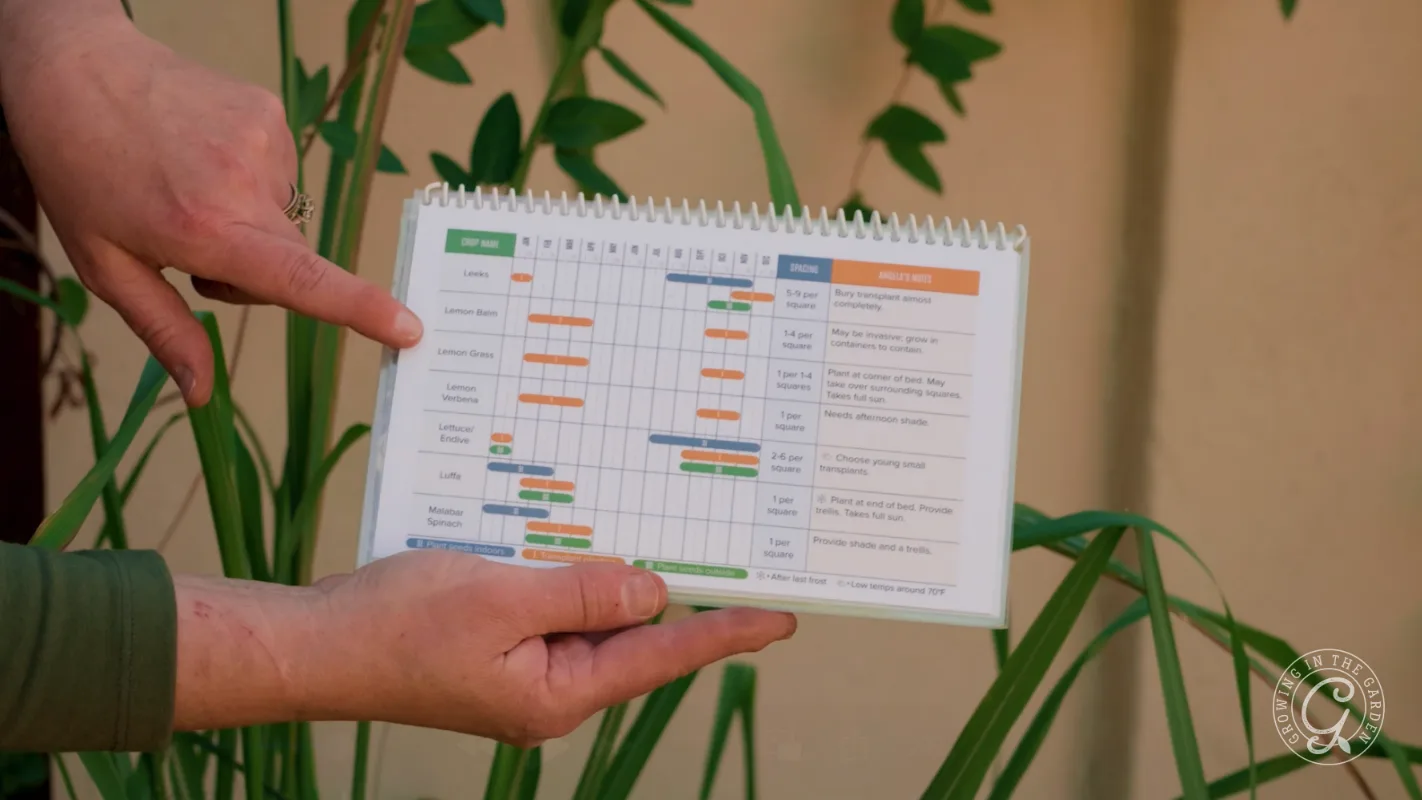
If you garden in the low desert of Arizona, you get two planting windows. Plant in spring from mid-February through April. You can also plant in fall, in October and November, once the worst heat has passed but the soil is still warm.
Where Should You Plant Lemongrass?
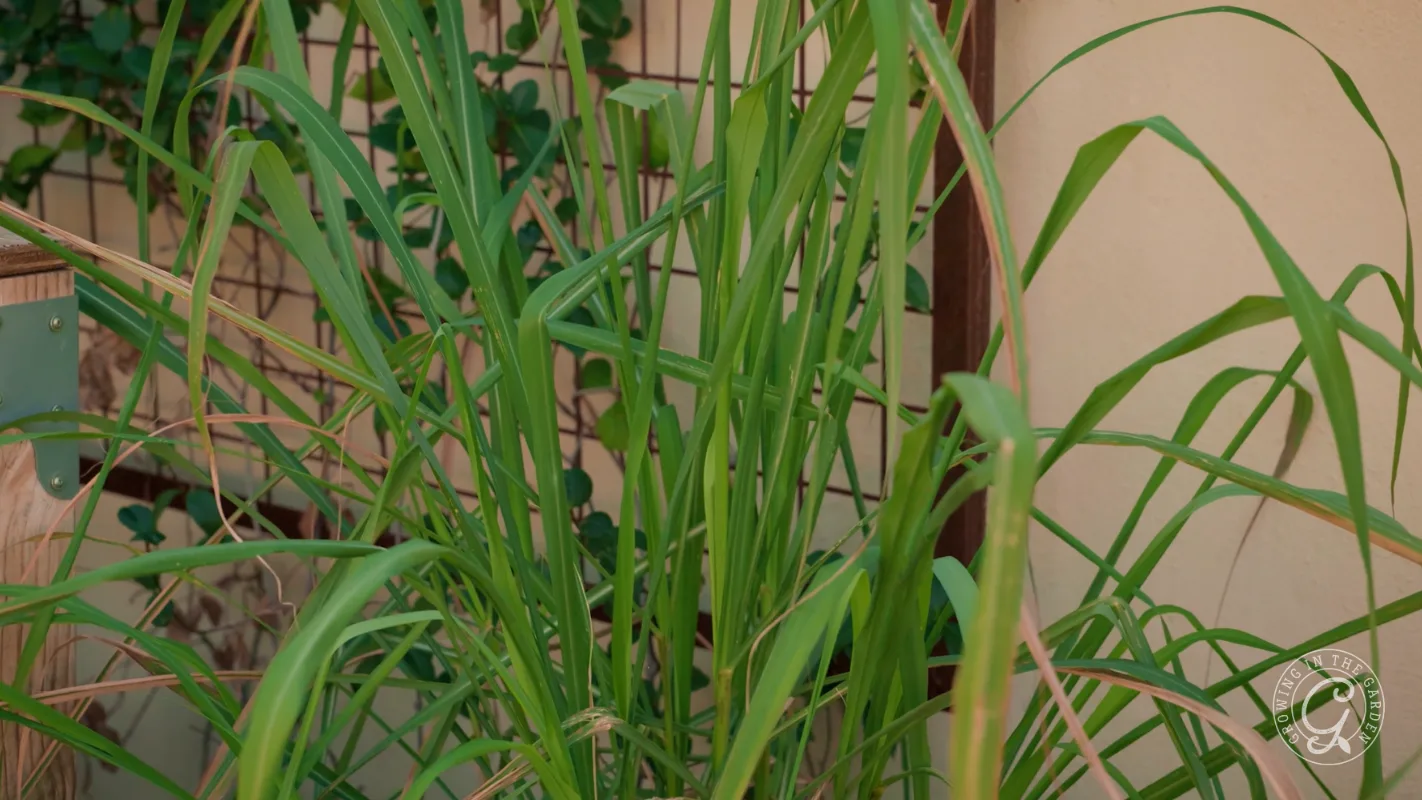
Lemongrass loves light and warmth. In very hot climates, though, full sun all day is too much, especially in containers. Give it morning sun, and in extreme heat, give it some afternoon shade. Learn how to add shade to your garden.
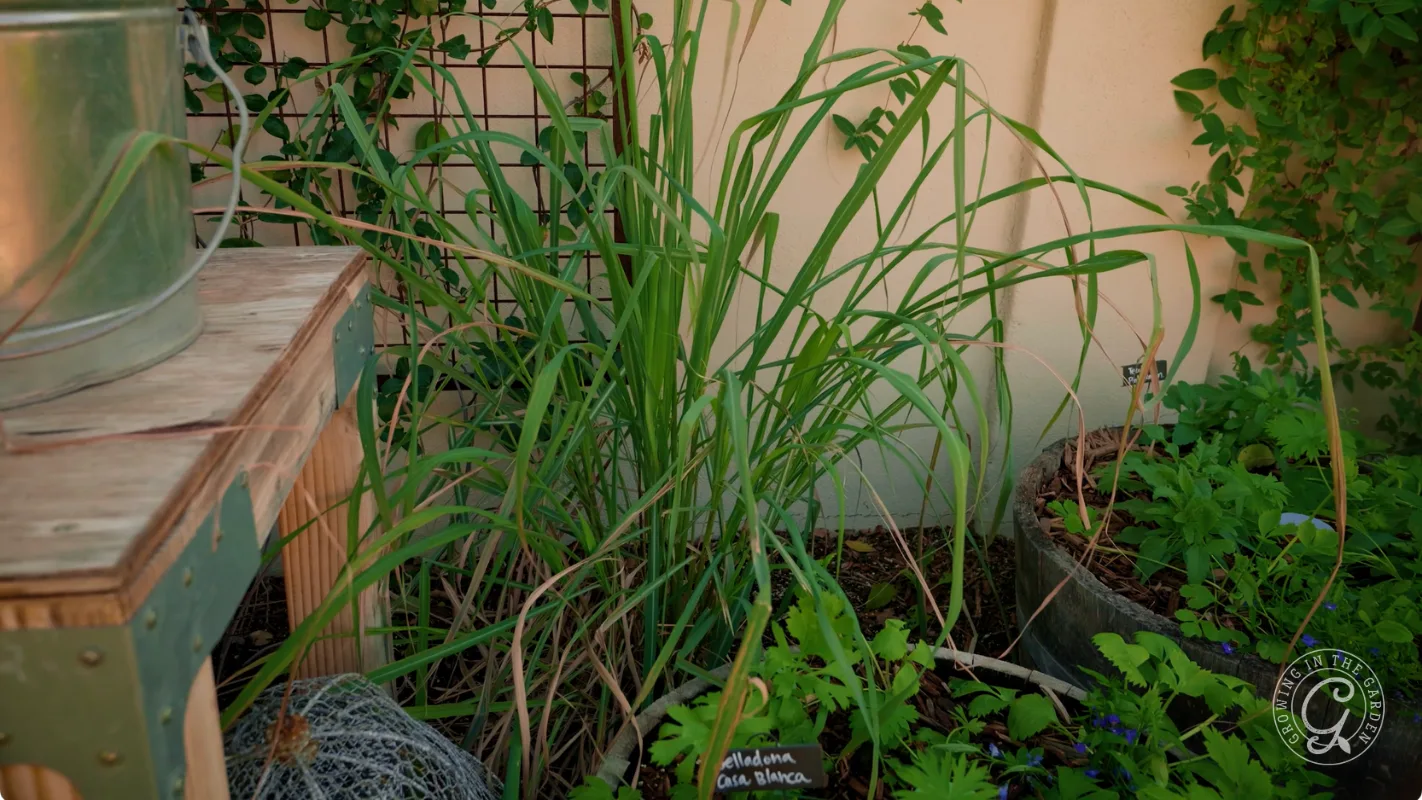
If your plant looks crispy and scorched even though you’re keeping up with watering, it may not be a watering problem. It may be getting too much afternoon sun. Mine gets six to eight hours of sun but has afternoon shade.
I have one lemongrass on an east-facing wall, and it’s done really well there for several years. I recently added another on a north-facing wall, and it’s growing more slowly, but it’s happy there too.
Does Lemongrass Repel Mosquitoes?
I wish. Lemongrass does have citronella-type compounds, but planting it in your yard, even near your patio, usually won’t stop mosquito bites. The repellent effect comes from the oils, and they have to be concentrated to work.
Grow lemongrass for cooking and for tea. For fewer mosquitoes, get rid of standing water in your yard.
What Are the Easiest Ways to Start Lemongrass?
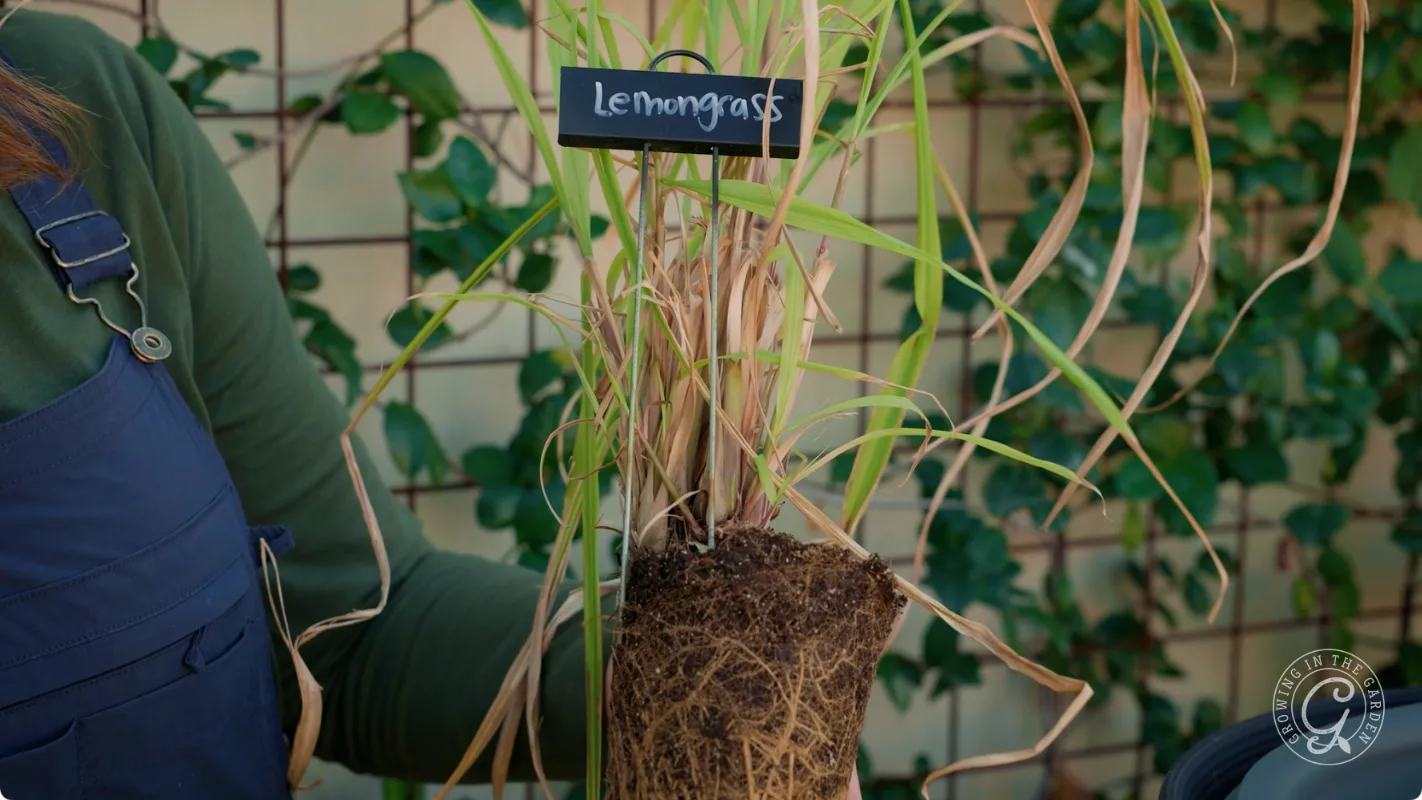
You can start lemongrass three ways: from a transplant, from a division, or from a cutting. The easiest by far is starting with a transplant or a division. If you know someone who grows lemongrass, ask for a division. One clump gives them plenty to share.
Can You Grow Lemongrass From Grocery Store Stalks?
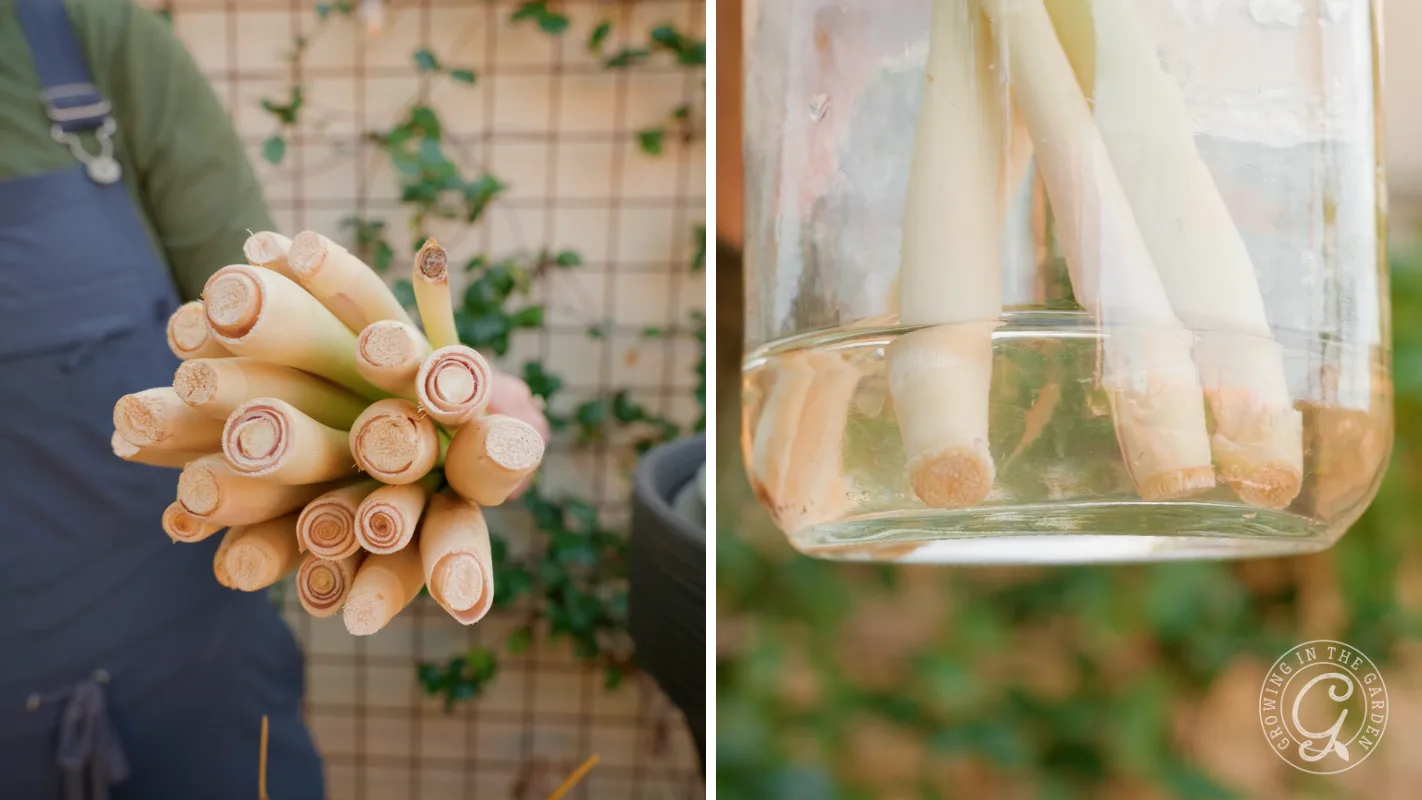
Yes, and it’s a fun way to start. Choose stalks that are firm and fresh, and try to get them with as much of the base attached as possible.
Peel off a layer or two of the dry outer stalk. Then set the base in a glass with an inch or two of water. Change the water every couple of days. In a week or two, you should see roots. Once roots form and you see new leaves sprouting from the center, plant it in soil with the crown just above the surface.
What Soil Does Lemongrass Need, and How Much Space?
Lemongrass grows best in well-draining soil that’s high in organic matter. If you’re planting in the ground, work in plenty of compost before you plant. In containers, use a good-quality potting mix.
Spacing matters, because lemongrass gets big. In the ground, give it room to spread and space transplants about two feet apart. If you use square foot gardening, you can grow one lemongrass per square foot, but put it in a corner. It will happily take over the squares next to it. For most home gardens, one plant is plenty.
What Size Pot Does Lemongrass Need?
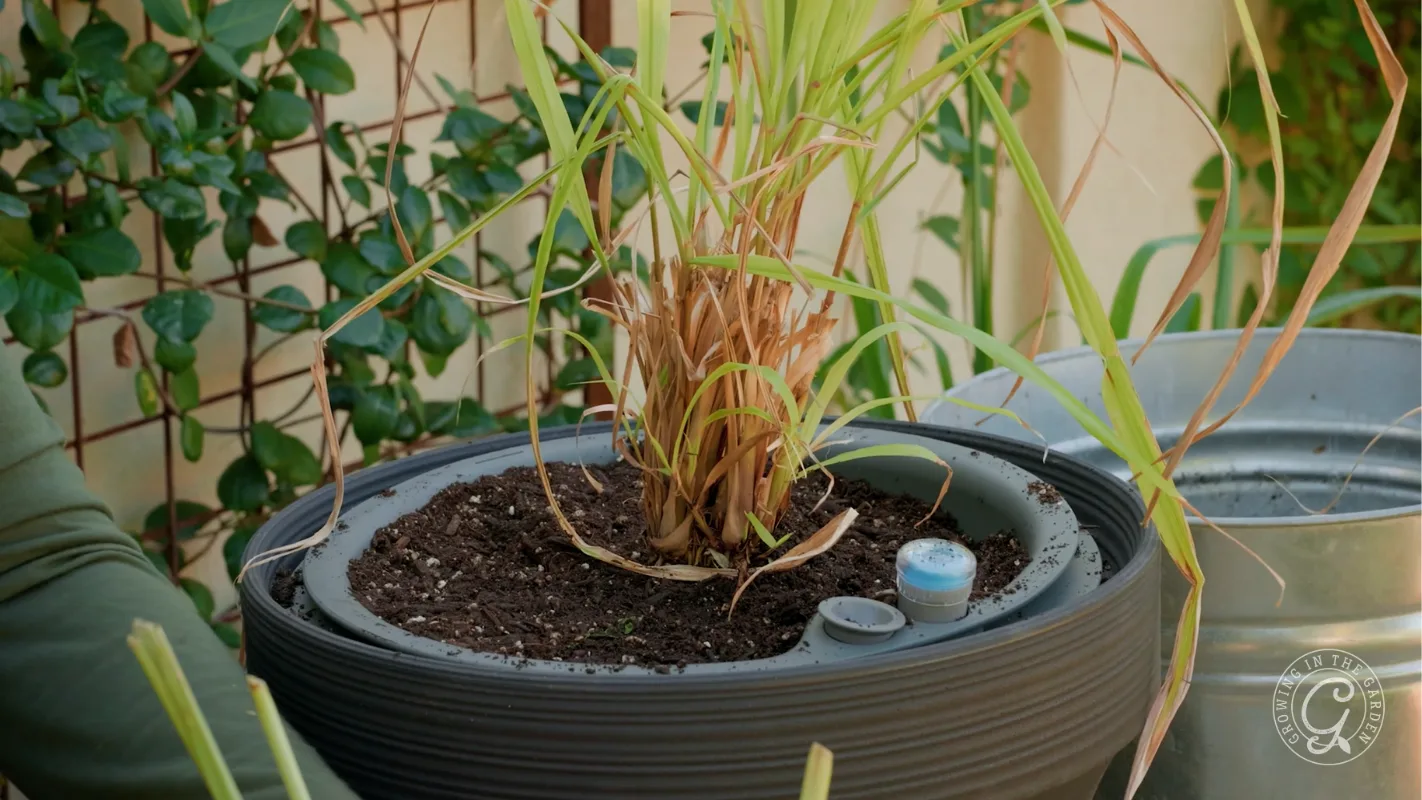
Go bigger than you think. Lemongrass grows tall and gets top-heavy, and small pots dry out fast. A self-watering container works really well here because it keeps the plant from drying out between waterings.
Drying out is also what makes lemongrass turn brown in a pot. A pot that’s too small makes it happen even faster. Size up, and you’ll deal with this a lot less.
How Often Should You Water Lemongrass?
Lemongrass does not like to dry out. In the ground, water regularly until it’s established, then keep the soil evenly moist. In containers, check more often, because pots dry out faster.
To check, feel the soil a couple of inches down. If it’s dry, water deeply. If there’s still moisture, wait. If you struggle to keep up in summer, mulch helps a lot, even in containers. It slows evaporation and keeps the soil evenly moist.
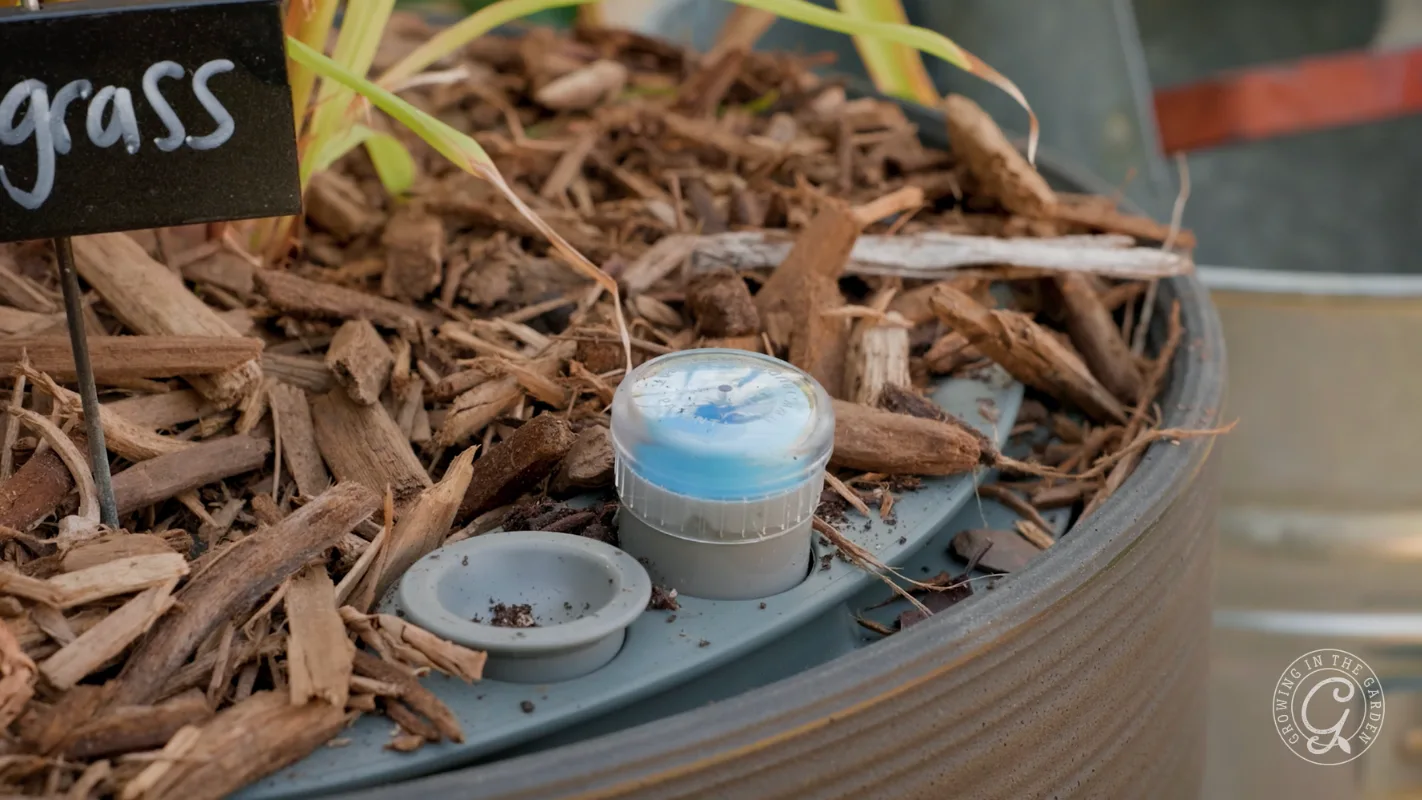
Lemongrass in the ground usually won’t need much fertilizer. For containers, a monthly feeding with a liquid organic fertilizer during the growing season keeps it going.
How Do You Harvest Lemongrass Without Killing the Plant?
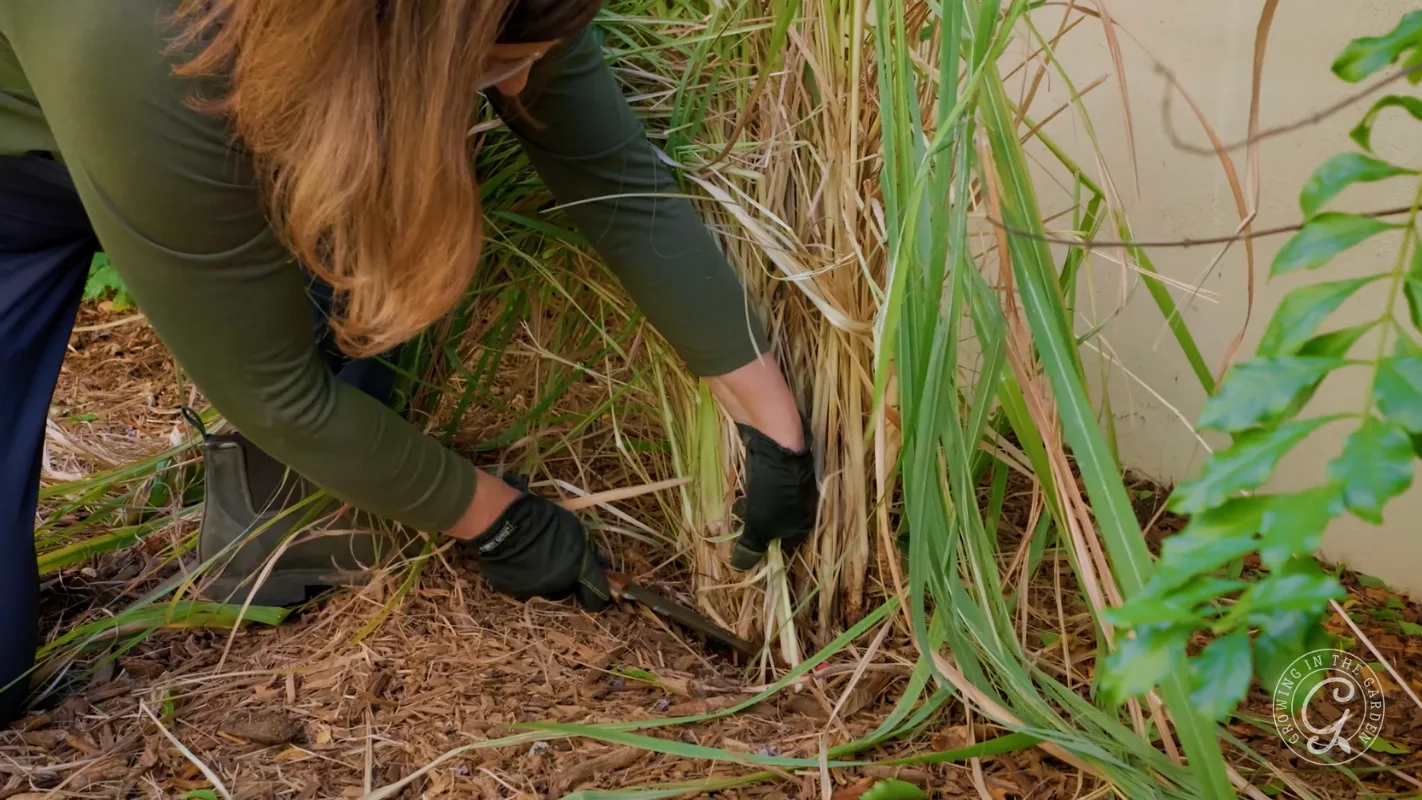
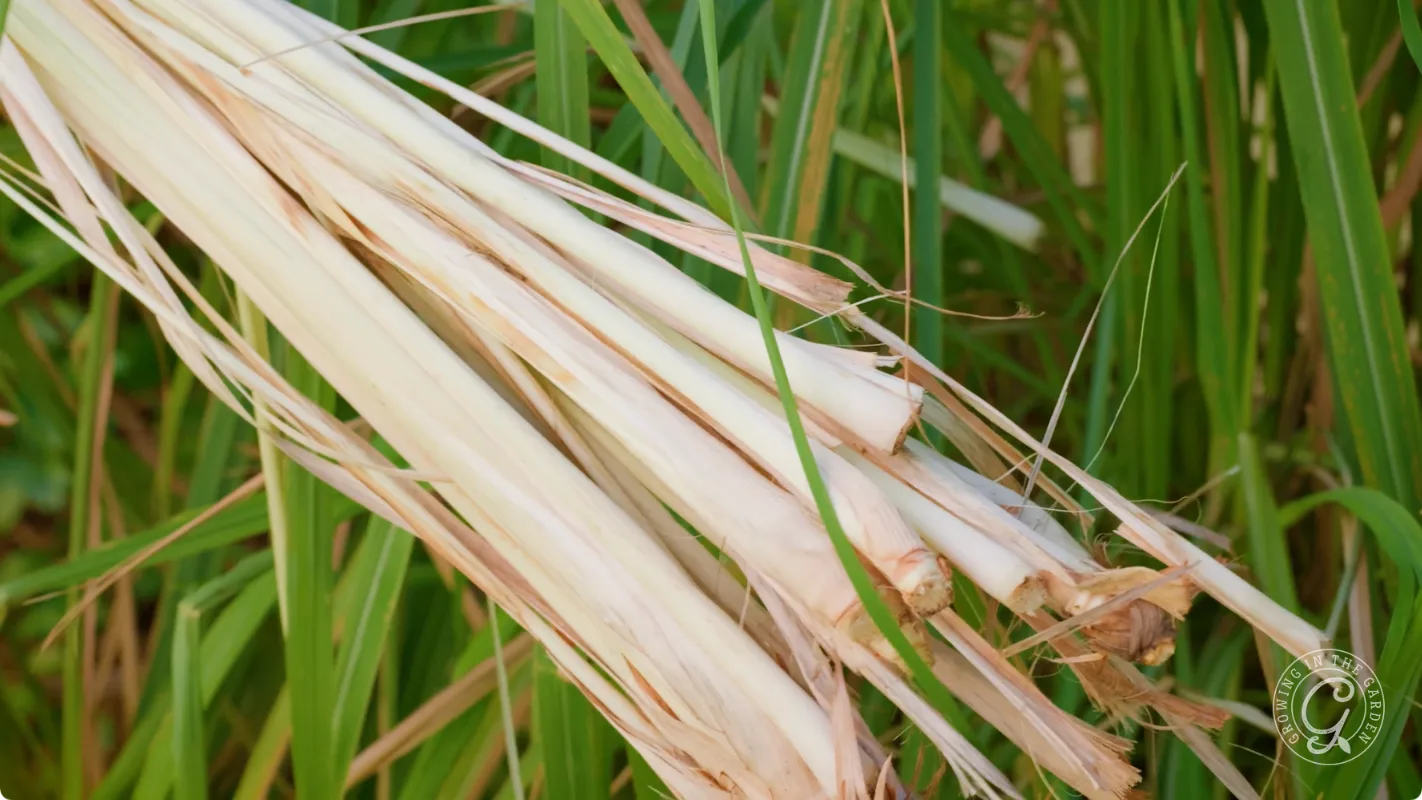
Once the stalks are about pencil-thick or larger, you can start harvesting. Harvest the outer stalks first. Cut individual stalks as close to the ground as possible, and leave the center growth alone. The center is where new stalks form, so if you protect it, the plant keeps producing. A good rule is to never take more than about a third of the plant at a time.
When and How Do You Divide Lemongrass?
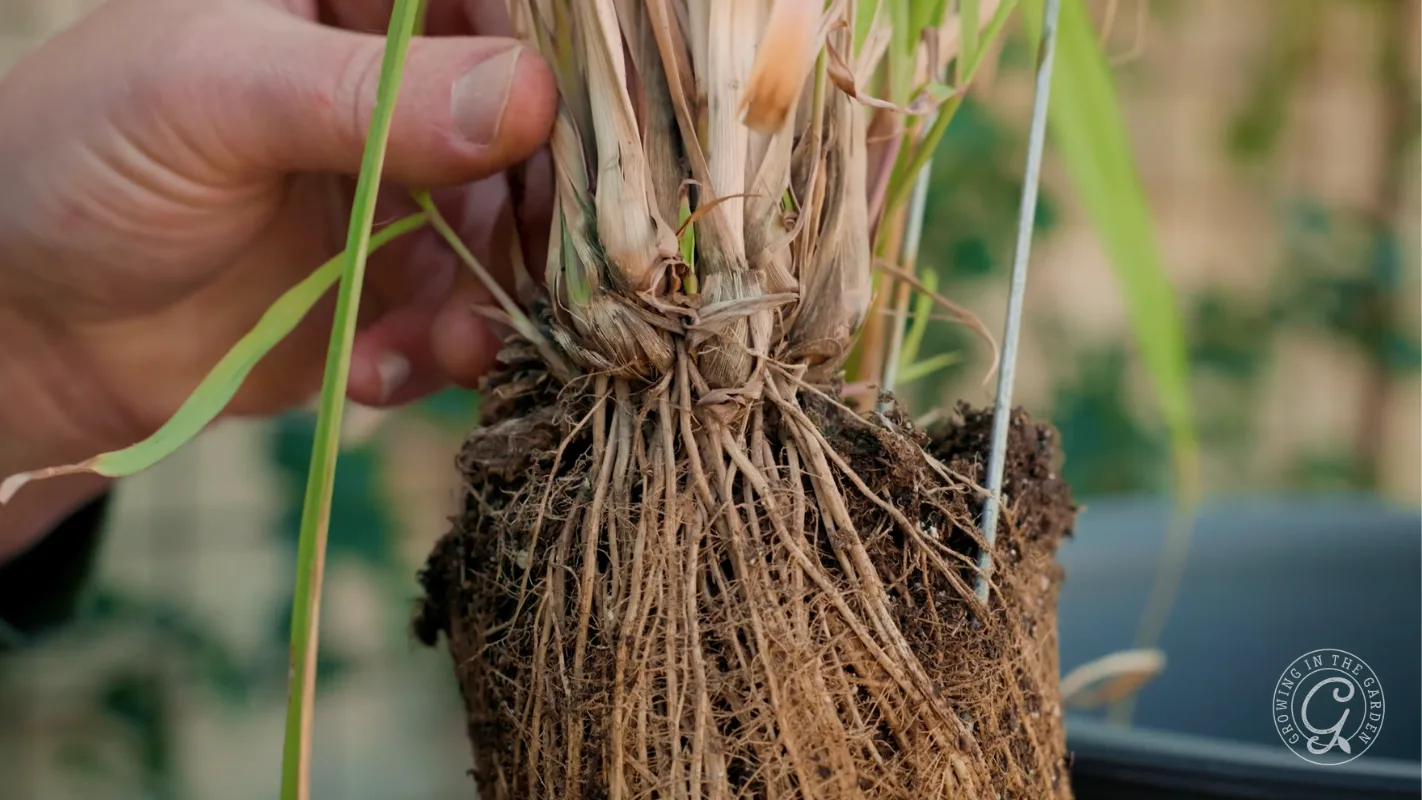
Once your plant becomes a large clump, you can divide it. The best time is in spring, after your last frost date.
To divide it, cut the stalks back, water the plant well, then dig up the clump and separate it into sections with roots attached. Repot the divisions or plant them out, and share the extras with friends. Dividing every few years keeps the clump healthy and gives you more plants for free.
What Part of Lemongrass Do You Use for Cooking?
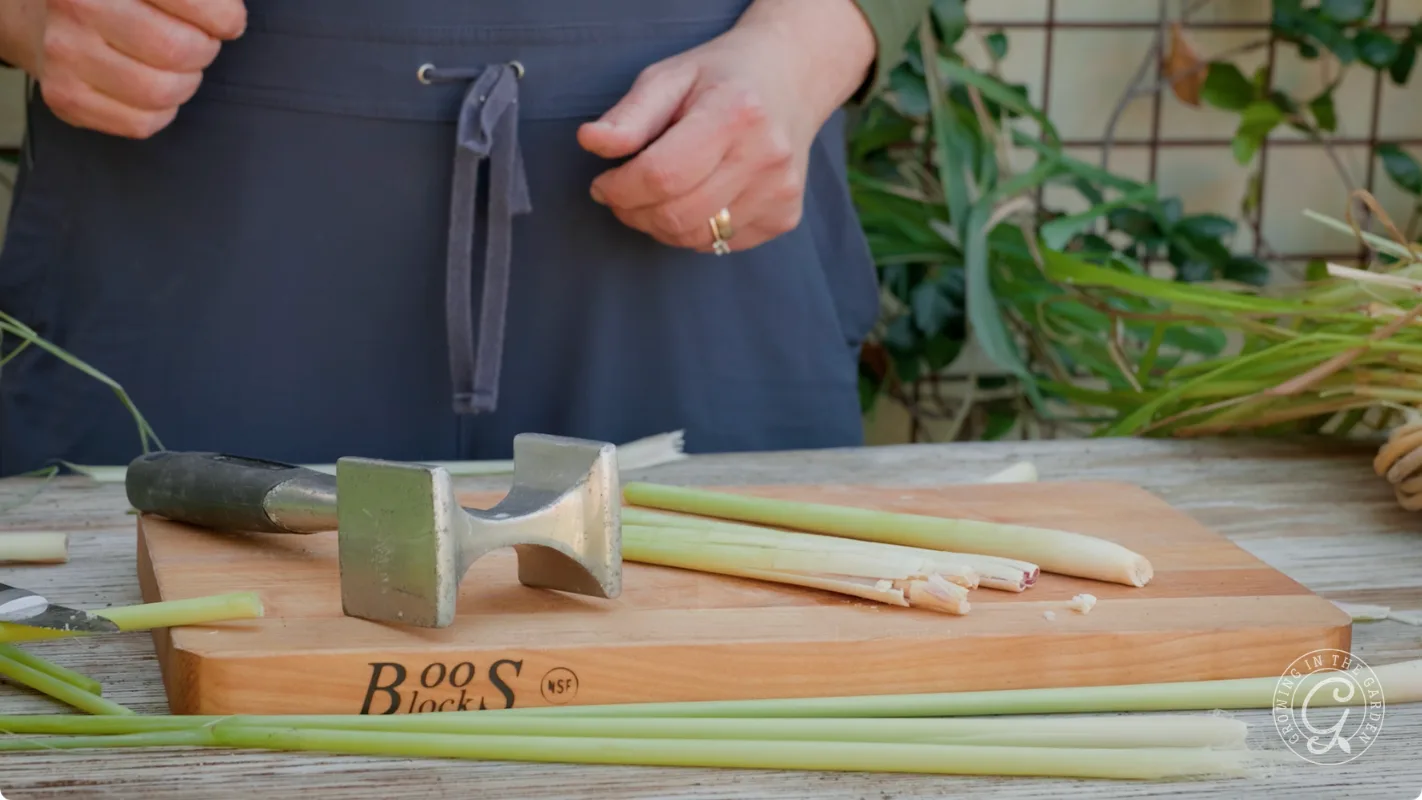
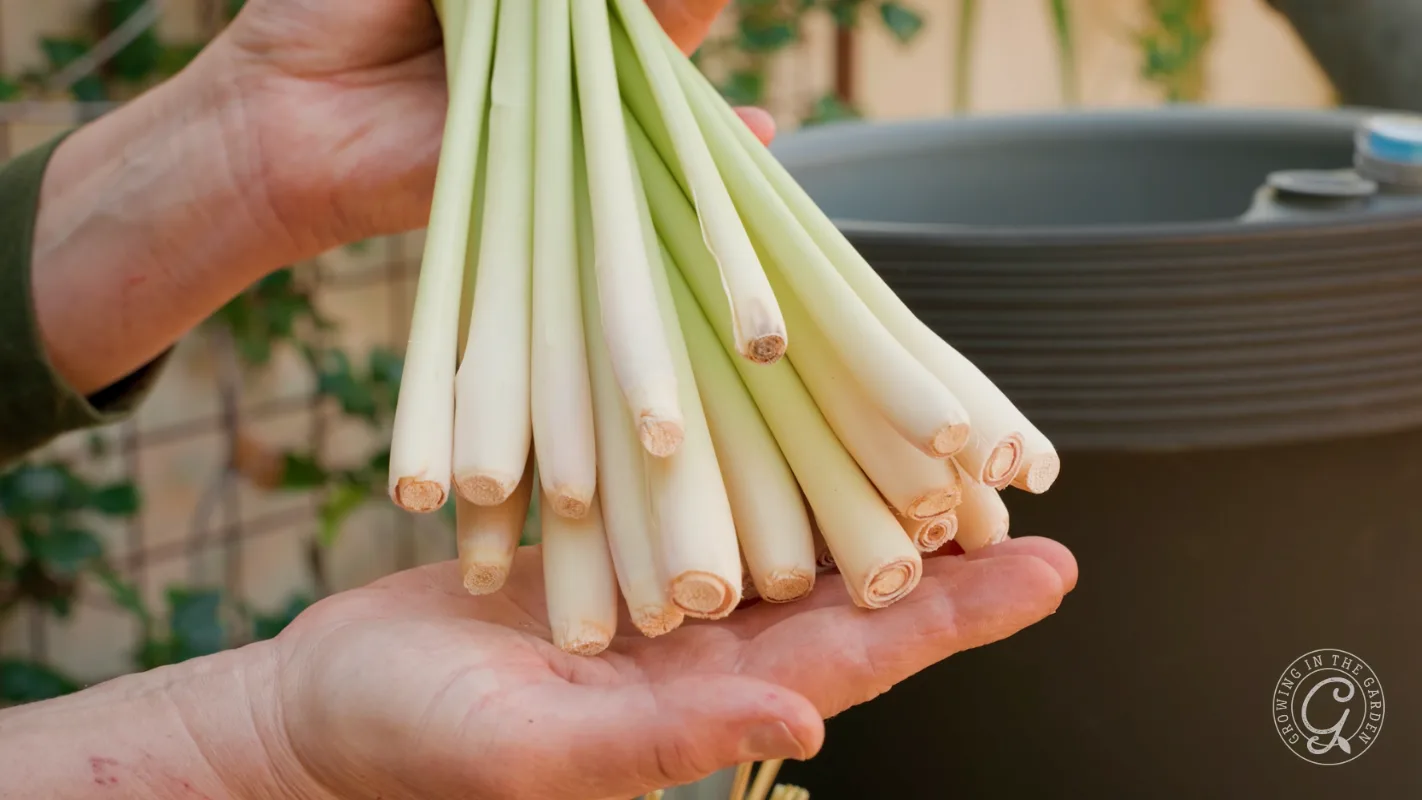
The tender section near the base is what you want. Remove the tough outer layers and use the inner core. You can chop it very finely, or use several-inch pieces to flavor soups and broths and then pull those pieces out before serving. If you pound or bruise the stalk first, it releases more flavor.
The upper green leaves are excellent for tea.
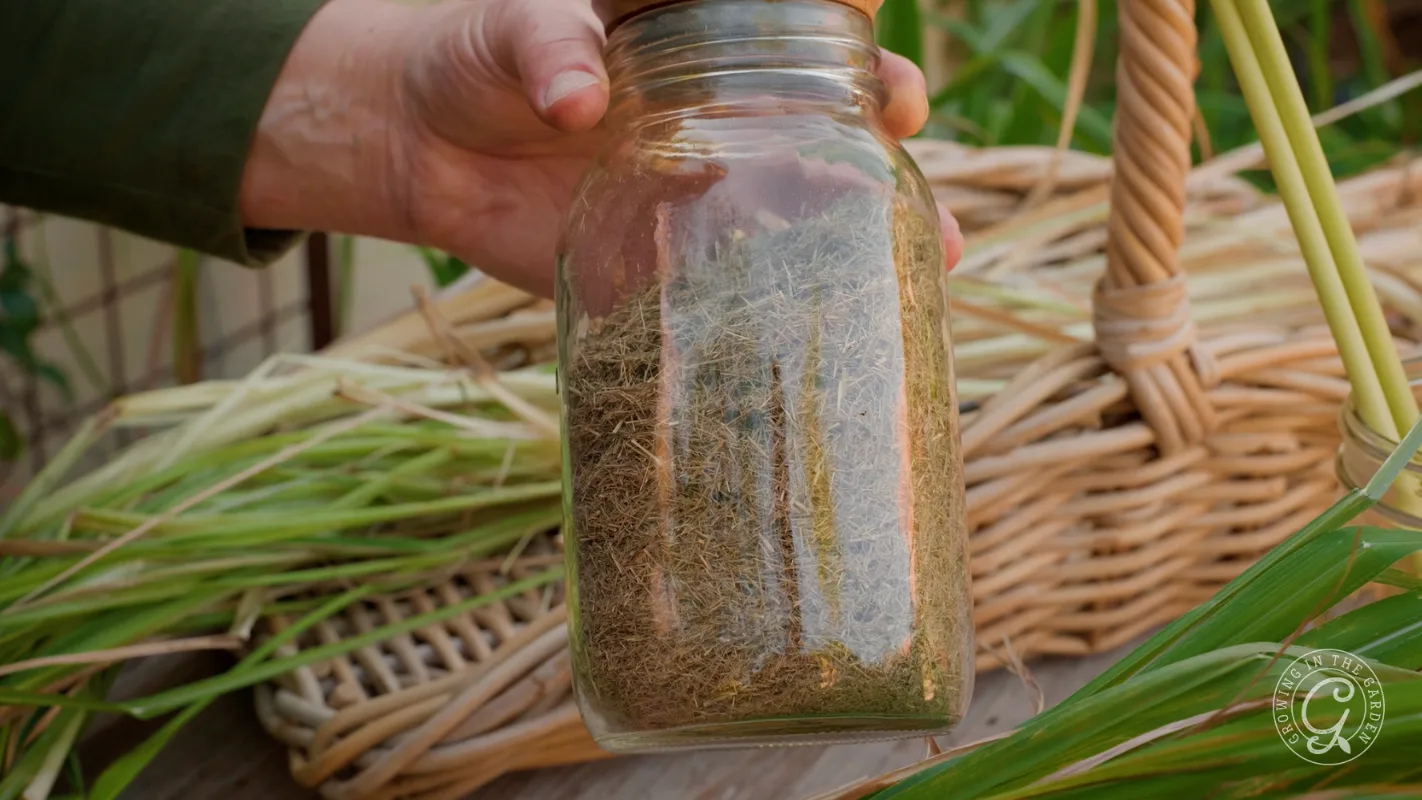
For storage, keep stalks in the fridge for short-term use. For longer storage, chop and freeze them, or freeze whole stalks in a freezer bag. You can also dry the stalks and leaves and store them in a cool, dry place.
What Are My Favorite Ways to Use Lemongrass?
A few things I come back to:
- Soups and broths, like Tom Kha Gai (chicken coconut soup). Add bruised pieces while it simmers, then pull them out before serving.
- Jasmine rice with ginger and lemongrass, finely chopped so you can eat it.
- Tea from the upper green leaves. I bundle and dry the leaves so I have it on hand year-round.
Will Lemongrass Come Back Every Year?
It depends on where you garden. Lemongrass is cold-sensitive. In warm-winter climates, it’s a perennial and regrows from the base. In colder climates, it’s usually treated as an annual unless you bring it indoors. Learn more about perennial herbs I love growing in my yard.
Here in the low desert, it comes back every year. In March, I cut it back at the base to make room for fresh new growth.
If you live where it freezes, grow lemongrass in a pot. Before frost, move that container to a protected spot or indoors. Put it in bright light and water less. It will slow down and go a little dormant, so don’t expect much new growth over winter. The goal is to keep it alive until spring, then move it back outside once temperatures warm up.
Lemongrass is one of the easiest perennials to grow here in the low desert. Find a spot, plant one, and don’t forget to use and enjoy it.
For more on growing herbs in our climate, read my Arizona herb planting guide for the low desert.
Growing Lemongrass FAQs
Yes. Choose firm, fresh stalks with as much of the base attached as possible. Peel off a dry outer layer, set the base in an inch or two of water, and change the water every couple of days. Roots usually form in a week or two. Once roots and new center leaves appear, plant it in soil with the crown just above the surface.
Not in a way you’ll notice. Lemongrass has citronella-type compounds, but the oils have to be concentrated to work as a repellent. Growing it near your patio won’t stop bites. Grow it for cooking and tea, and get rid of standing water to cut down on mosquitoes.
Almost always, that means it’s not getting enough water. Lemongrass doesn’t like to dry out, and a pot that’s too small makes it happen fast. Go with a larger container or a self-watering pot, mulch the top, and keep the soil evenly moist.
It loves light and warmth, but in very hot climates, full sun all day is too much, especially in containers. Give it morning sun and some afternoon shade in extreme heat. Mine gets six to eight hours of sun with afternoon shade.
Harvest the outer stalks first, cutting close to the ground, and leave the center alone since that’s where new stalks form. Don’t take more than about a third of the plant at a time.
In warm-winter climates like the low desert, yes. It’s a perennial and regrows from the base. In colder climates, it’s often grown as an annual unless you overwinter it indoors in a pot.



Thank you! I will move it so it gets more sun and hope for the best! (It already gets dried tips even though I water it daily). :/
How much direct sun can lemongrass handle in the summer in Phoenix? I have some planted in a container and a lot of the stalks are bending (not arching). It may be due to not enough direct sun but I fear putting it in direct sun for too long here. How many hours of direct sun does yours get in summer and is it morning-only? Thank you!
Mine gets 6-8 hours of sun, but shade in afternoon. I have mine on a north facing wall and one an east facing wall.
We had Filipino neighbors and one day the Grandpa showed up at our door with a group of lemongrass stalks in one hand, and a mashete in the other!! I didn’t know lemongrass could be grown here! But we ENJOYED it SO MUCH for a long time, until I cut too much of the plant off and there was nothing left… this was our favorite recipe, using our lemongrass: https://www.foodnetwork.com/recipes/vietnamese-coconut-lemongrass-chicken-recipe-1942569 And she also told me she stuffed and injected her turkey with it at Thanksgiving… they invited us over and it was the juiciest turkey I’d ever tried!! Since then, each year we put lemongrass in our turkey! Lemongrass is a rare and beautiful gift! Thanks for sharing! Your post inspired me and the next day I saw lemongrass at Lowe’s and brought it home… excited to get it growing again!
Lemongrass has such a wonderful flavor. Thanks for the recipe, I appreciate it.
Thanks for your help
You’re welcome!