
How to Plant Pots – Tips for Container Gardening
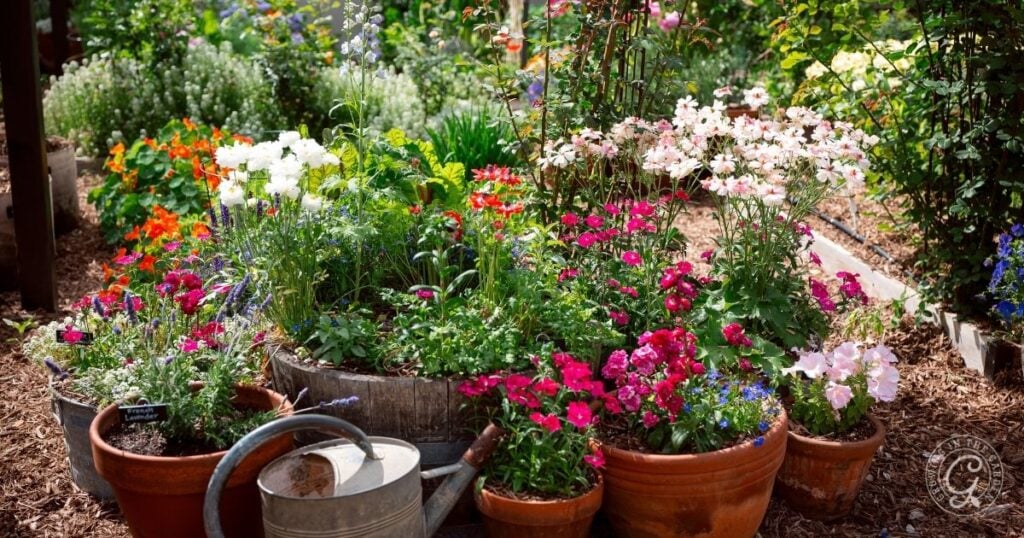
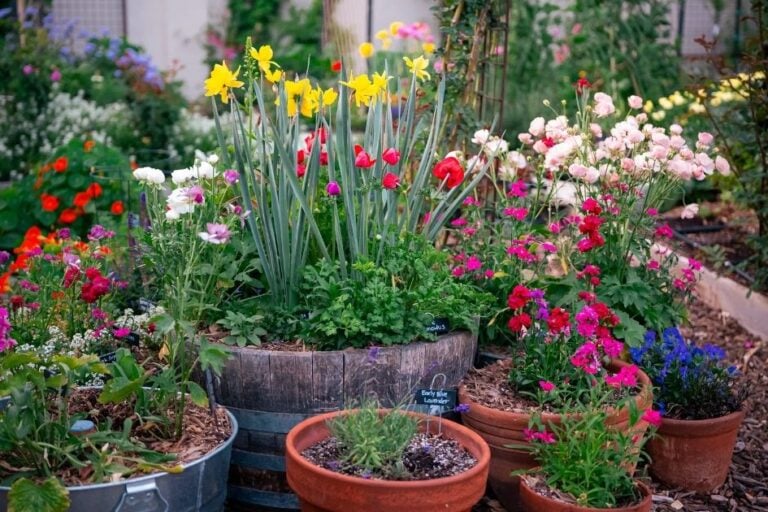
Planting flowers in pots on the patio, porch, or by your front door is a simple way to add beauty and color to the space. Best of all, you get to play in the dirt – no weeding required.
Follow these eight tips for beautiful containers, and your containers will not only look great, but they will last longer and thrive.

Key Takeaways: How to Plant Pots
- Choose pots that fit your style and group them in odd numbers for better aesthetics.
- Provide proper drainage by ensuring pots have holes at the bottom to prevent root drowning.
- Use potting soil instead of garden soil for better drainage and root health in containers.
- Select plants based on sunlight and water requirements to ensure they thrive together.
- Water regularly, feed with organic fertilizer, and remember to deadhead flowers for optimal growth.
What We’ll Cover
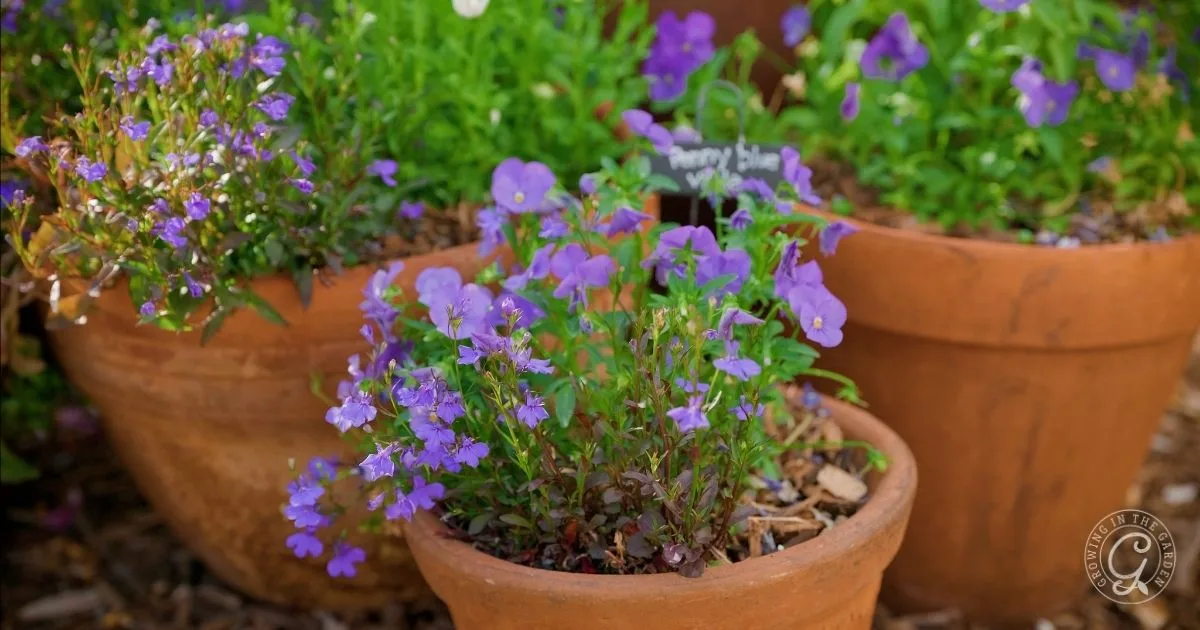
1. Choose your pots
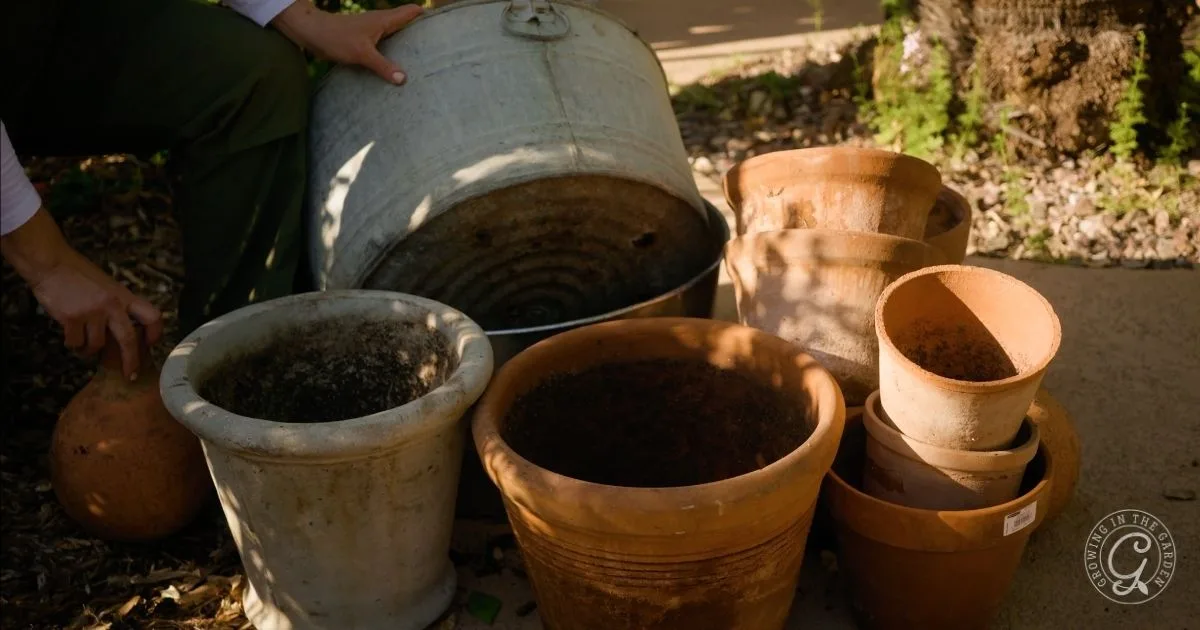
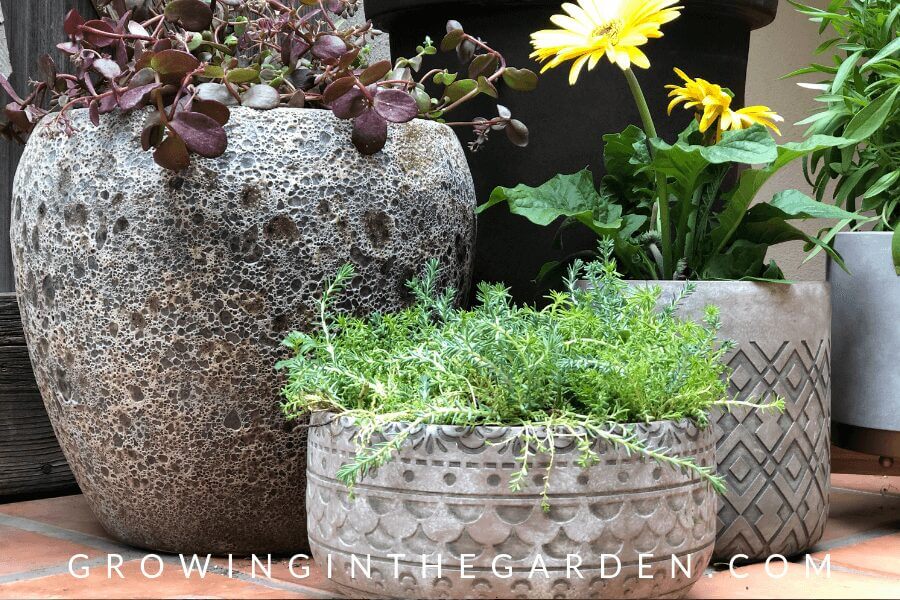
Select pots you love. The containers you choose are part of the design. Look for containers in a style that suits your home. Neutral-colored pots let the plants be the stars, while brightly-colored pots draw your attention to it.
Groupings of odd numbers generally look better together. Consider the size of your containers; annuals need at least 8 inches of soil. For multiple plants, look for containers at least 12 inches wide. Choosing the right pot matters just as much as the soil you fill it with, so check this container size guide to see which size container works best for different vegetables and herbs.
2. Provide drainage
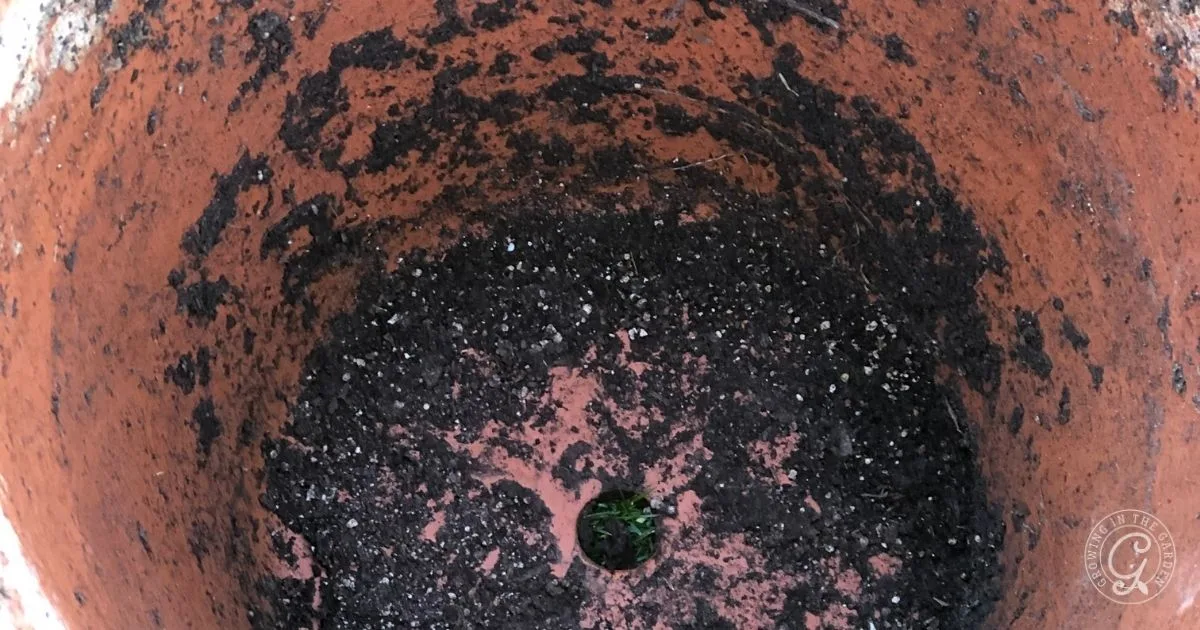
The containers need holes in the bottom to allow excess water to drain. If the containers do not have holes, add your own. Roots need oxygen; drowning the roots with water will kill most plants.
3. Fill the containers with potting soil

Regular garden soil is too heavy for containers. Potting soil allows excess water to drain out of the container easily while providing air for the roots to breathe. Fill the entire container with soil rather than adding rocks or other fillers. Your plants will benefit from the added soil.
4. Choose the correct plants
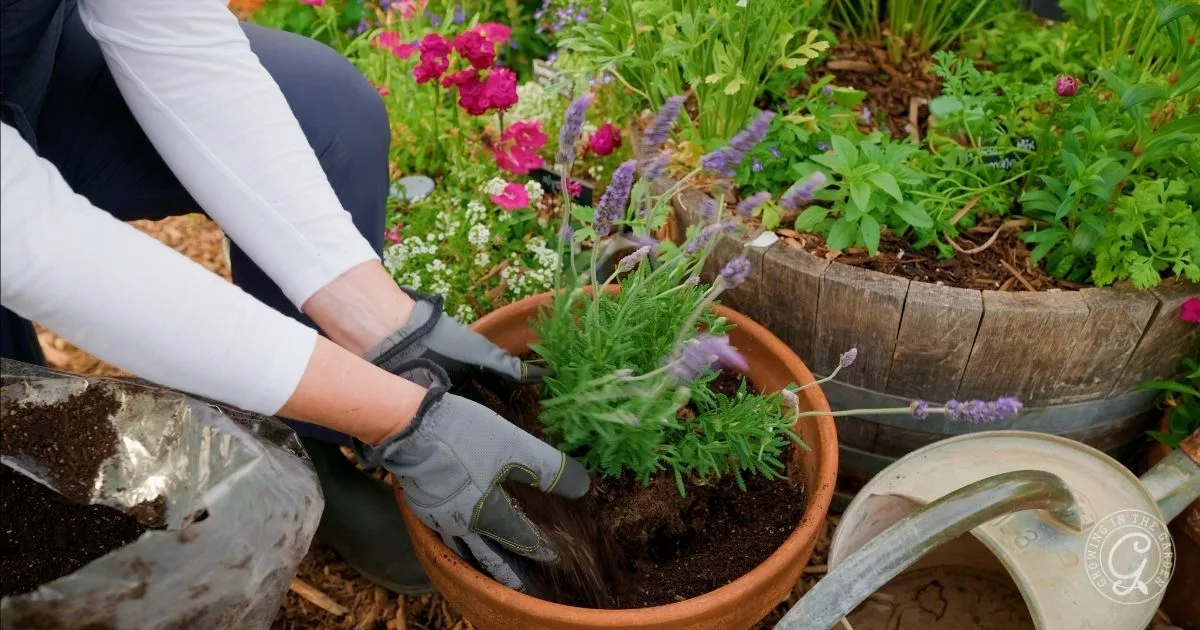
Some plants prefer full sun, while others do best with some shade. Know before you plant where you will put your potted plants, and choose the correct plants for the light available to them – whether it is in the sun, partly in the sun, or completely in the shade.
In addition to similar sun requirements, select plants that have similar water requirements. If you combine plants with different needs, some won’t thrive. The light and water requirements are normally listed on the plant information tag.
5. Allow plants room to grow
Don’t overcrowd plants. Select plants that are relatively small, and give them room to grow. Smaller plants adapt better to the growing conditions you provide. Their smaller root systems also absorb water better than plants whose roots have become overgrown in a nursery pot.
6. Water containers properly
Potted plants dry out more quickly than those in the ground. Watering your containers in the morning allows the plants to absorb moisture before the heat of the day.
Check potted plants daily for signs that they need water. Customarily, when the top inch or two of soil is dry, it is time to water. Watering slowly and deeply allows the roots and potting soil to absorb the water before it drains from the bottom.

7. Feed potted plants regularly
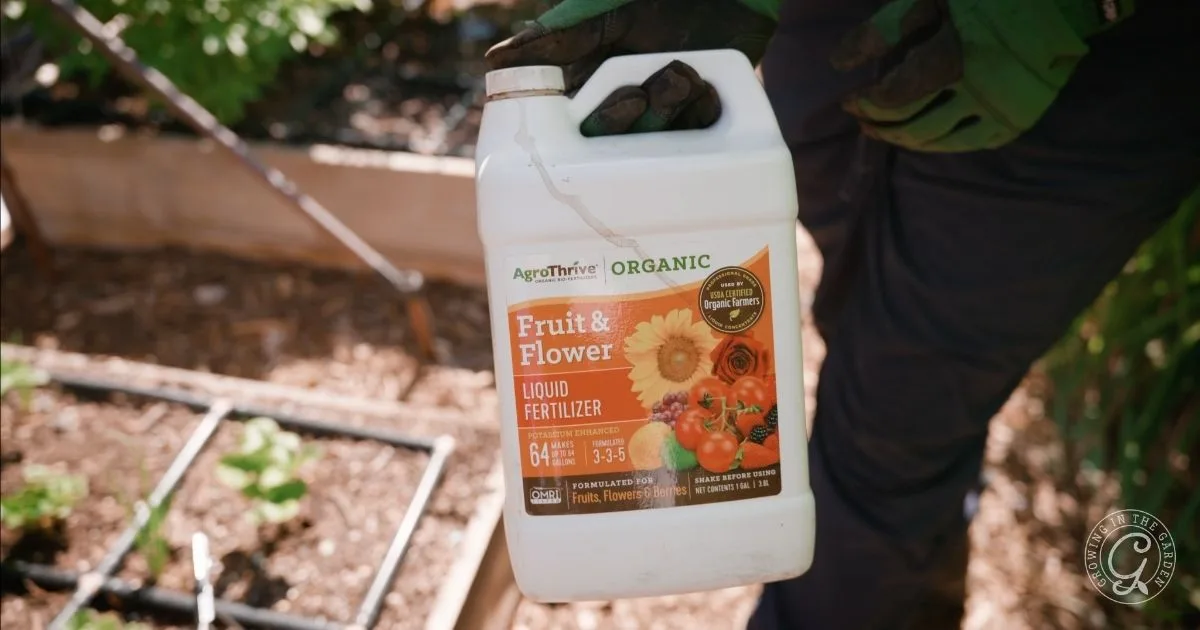
Plants in containers must be fertilized more often because nutrients are leached out of the drain holes with the water. It’s best to fertilize regularly with an organic fertilizer. The microbes in the soil activate the organic amendments, and the nutrients are slowly released to plants.
8. Pinch back and deadhead flowers
Cut back tall spindly stems of plants to the first or second set of leaves to encourage fullness. Make it a practice to ‘deadhead’ or remove spent blooms each time you water. Cutting off played-out flowers encourages the plant to produce more flowers instead of shifting its focus to producing seeds
My container gardening resources:
For more resources, I have several videos and blog posts that provide step-by-step guides, tips, and tricks for successful container gardening.
- Container Gardening for Beginners: 10 Steps for Success
- 20 Best Vegetables for Container Gardening
- Gardening in Grow Bags: 5 Tips for Success
- The Best Way to Water Containers
- Container Gardening Playlist on YouTube
- How to Grow Herbs in Containers
If you enjoy container gardening, you’ll love the benefits of elevated beds—check out my guide, How to Grow in Elevated Garden Beds, to learn how to get started.
Looking for more small space gardening ideas? Don’t miss my post on GreenStalk Gardening Tips, where I share what’s worked (and what hasn’t) in my Arizona garden.
To learn more about gardening in containers, read my book on this topic. Learn more about the book “How to Grow Your Own Food: A Beginner’s Guide to Container Gardening” in this post or purchase the book here.

And to learn even more about container gardening check out Growing in the Garden Academy. I teach monthly classes and cover dozens of timely gardening topics. Join us on Patreon to start learning today and don’t miss my class tailored specifically to this topic: Container and Grow Bag Gardening
If this post about how to plant pots was helpful, please share it.


My houseplants are happiest when I feed them liquid fertilizer every week during their growing phases (spring thru fall). During their more dormant times in winter I feed them only once a mth. Almost every Spring, I divide my larger plants and share them. However, I am not faithful about these schedules 🙁 because I also invest most of my time in a large outdoor Edible Landscape.
Many Blessings to y’all……………..
Wonderful site and article. How often is “regularly” when fertilizing potted plants? Thanks.
Good question. Depends on the type of fertilizer. Liquid fertilizer can be as often as once a week – some slow-release fertilizers are less often about once a month. Check the package for directions.