
How to Grow Edamame
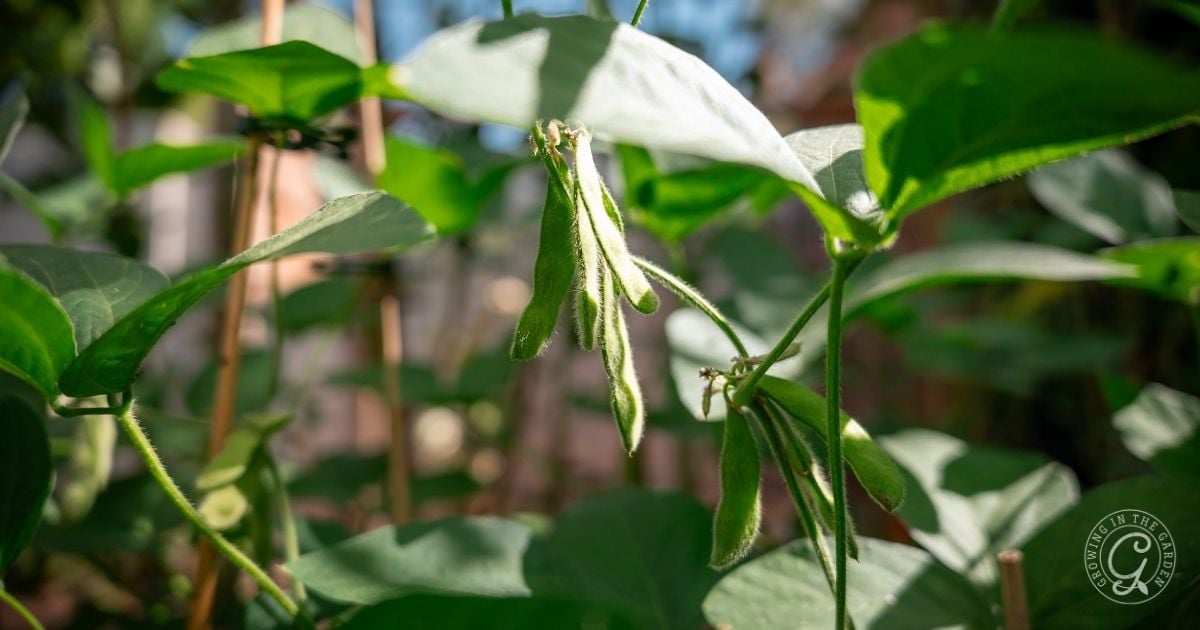
Edamame, young, tender soybeans harvested before they fully mature, are one of those garden crops that’s incredibly rewarding to grow at home. Timing is key, but with the right conditions, you’ll harvest delicious edamame beans fresh from your garden.
In this guide, I’ll walk you through how to grow edamame successfully, share harvesting tips, and answer common questions.
What We Will Cover:
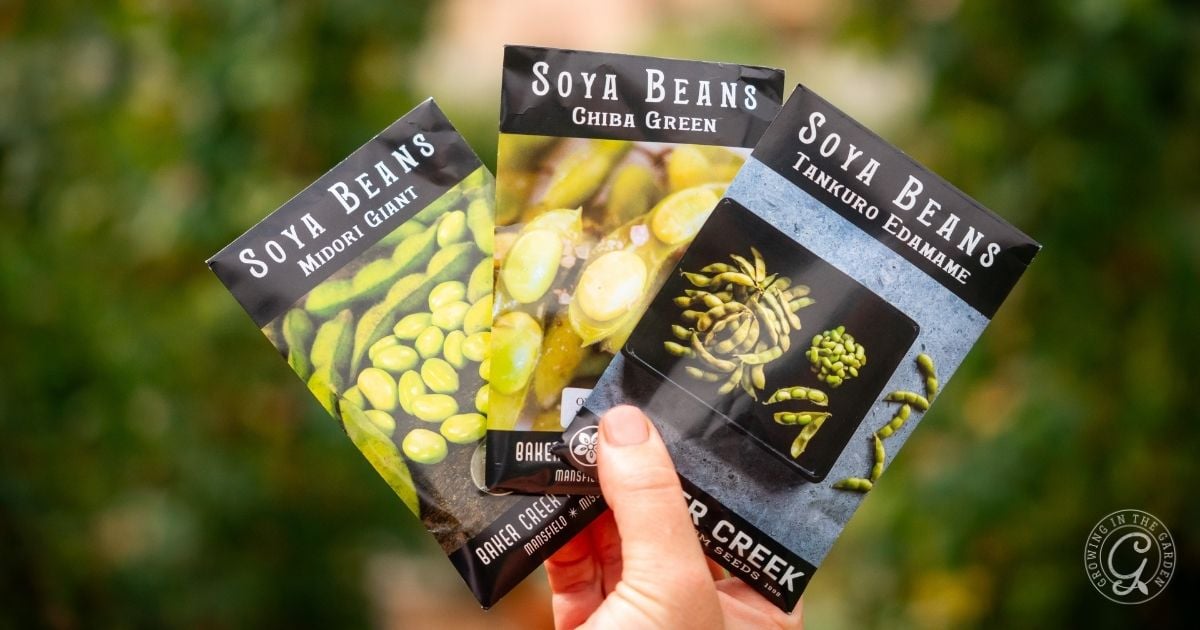
When to Plant Edamame Seeds
General planting dates:
Plant edamame seeds outdoors after your area’s last frost date, once the soil warms up (typically late spring through early summer).
Low-desert planting dates:
Edamame grows best in the low desert if planted during two key windows:
For more details about planting timing, check out my low desert planting guide.
In hot climates like Arizona, getting this timing right is essential. Planting too early risks frost damage; planting too late exposes your plants to intense summer heat.
Best Soil for Edamame
Edamame thrives in loose, fertile, and well-draining soil. Aim for slightly acidic to neutral soil (pH around 6.0–7.0).
To improve your garden soil:
- Add organic compost or aged manure before planting.
- Incorporate worm castings to boost nutrients and soil structure.

Edamame benefits from regular moisture, so ensure your soil retains moisture without becoming waterlogged.
Tip: I use watering grids to maintain consistent moisture levels for my edamame. Check out the watering grids I use here.
How to Plant Edamame
- Spacing: For square-foot gardening, plant 1–4 edamame plants per square foot.
- Seed depth: Plant seeds about 1–1½ inches (2.5–4 cm) deep.
- Watering: Water thoroughly after planting. Keep soil evenly moist, especially during flowering and pod development.

Edamame Growing Tips for Success
- Edamame is sensitive to frost and extreme heat. Protect young plants from unexpected late frost with row covers.
- Mulch around plants to retain moisture, control weeds, and moderate soil temperature.
- Avoid overhead watering to reduce fungal disease risks.
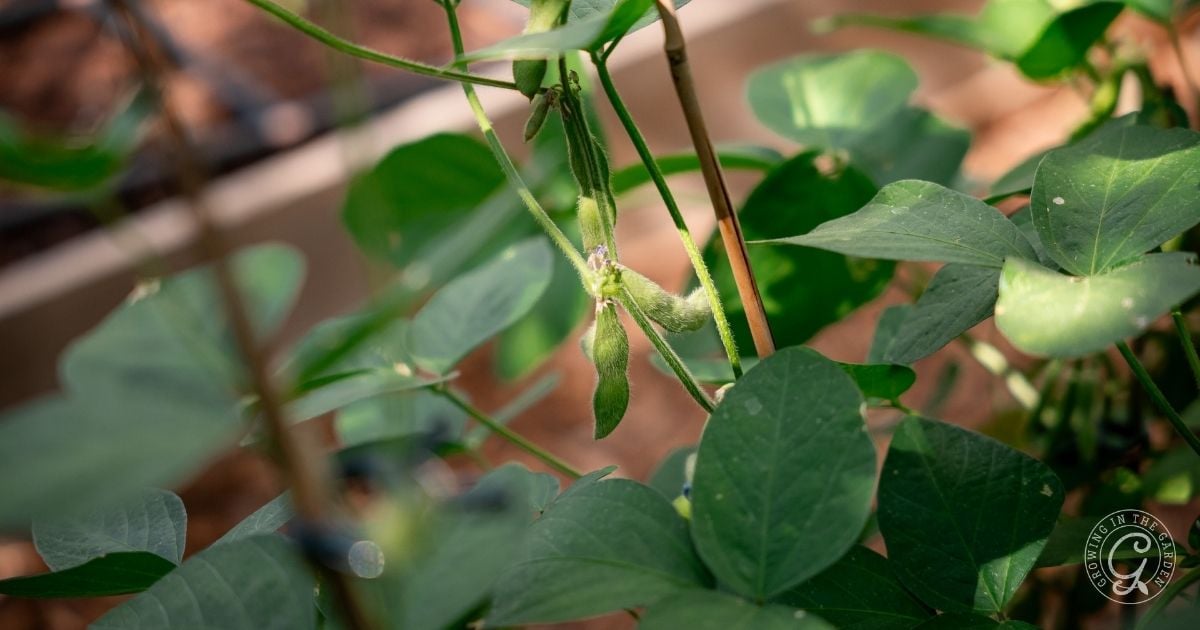
- Edamame plants may require some support as they grow taller. Edamame typically grows 18–24 inches (45–60 cm) tall. I use bamboo poles to help keep them upright and healthy.

How Long Does It Take to Grow Edamame?
From planting seeds to harvesting pods typically takes about 75–90 days. Timing varies slightly by variety and weather conditions.
In warm climates like Arizona’s low desert, you may see slightly faster growth if temperatures remain consistently warm (but not hot).

Harvesting Edamame Beans
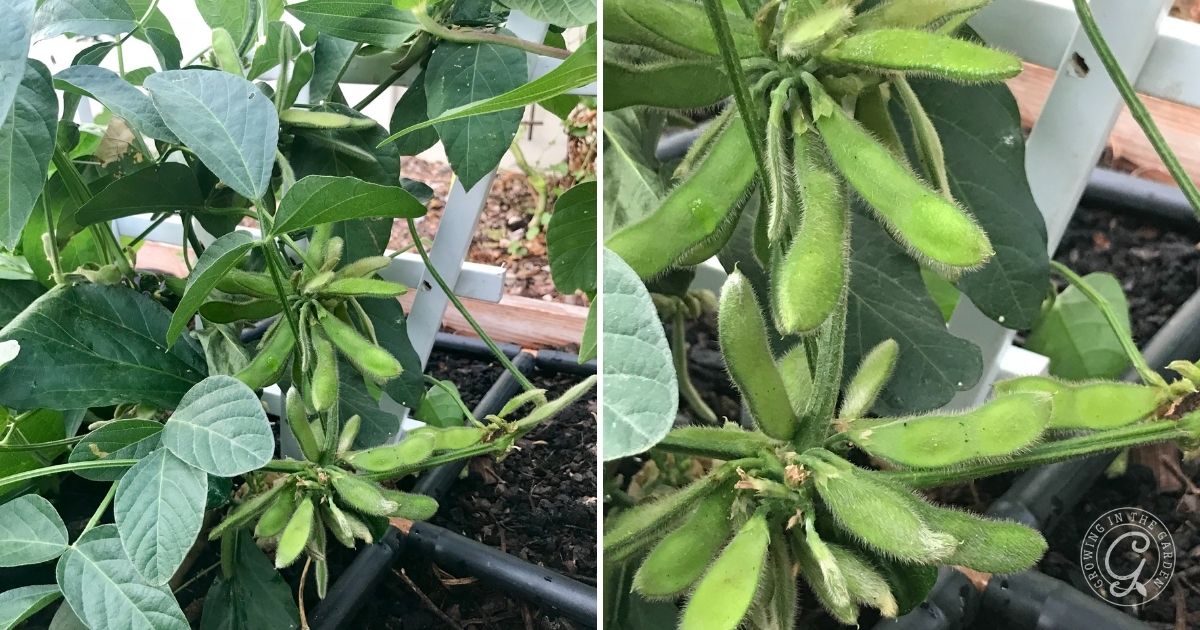
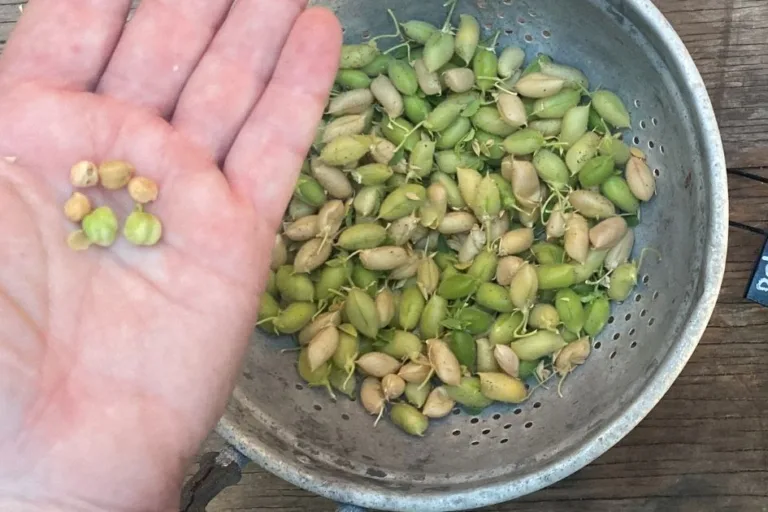
Harvest edamame when pods are bright green, plump, and fully filled, typically about 2–3 inches (5–7.5 cm) long. Test a pod first by gently squeezing it; it should feel firm and well-filled.
Edamame pods mature simultaneously, making it possible (and convenient!) to harvest the entire plant at once:
Whole-plant harvesting: Cut the plant at the base when pods reach peak ripeness. This method simplifies harvesting, especially when growing multiple plants.
Edamame Harvesting Time & Storage
Harvest edamame beans promptly to avoid over-maturity. Overripe beans lose their sweetness and tenderness.
Using and storing edamame:
- Fresh edamame pods taste best steamed or boiled lightly and salted.
- Store fresh pods refrigerated in airtight bags for up to a week.
- For longer storage, blanch pods in boiling water for 2–3 minutes, cool quickly in ice water, drain, and freeze in airtight containers or freezer bags.
Pro Tip: Blanching stops the enzymes that cause beans to lose flavor, texture, and color in storage. It also kills surface bacteria and helps preserve that just-picked taste.
Looking for another nutritious and protein-packed crop to try? Check out this guide on how to grow peanuts, a fun choice that also loves warm weather.

Other Beans to Grow
Edamame beans are just one delicious choice. If you enjoy growing beans, here are some other types to try, each with their own growing and harvesting methods:
- Fava Beans: Cover Crop and Edible Harvest
- Bush & Pole Beans
- Asparagus Beans (Yardlong Beans)
- Tepary Beans
- Borlotti Beans
- Black Eyed Peas
- Purple Hyacinth Bean Vine
- Lima Beans
FAQ: How to Grow Edamame
Plant edamame in the low desert from late March through April and again from August through September.
Edamame beans typically take 75–90 days from planting seeds to harvest.
Yes, edamame grows well in containers. Use pots at least 12–18 inches (30–45 cm) wide and deep, with good drainage. Water regularly, as containers dry out quickly.
Edamame thrives in loose, fertile, well-draining soil with a slightly acidic to neutral pH (6.0–7.0). Add compost or worm castings for best results.
Edamame requires full sun, meaning at least 6–8 hours of direct sunlight per day.
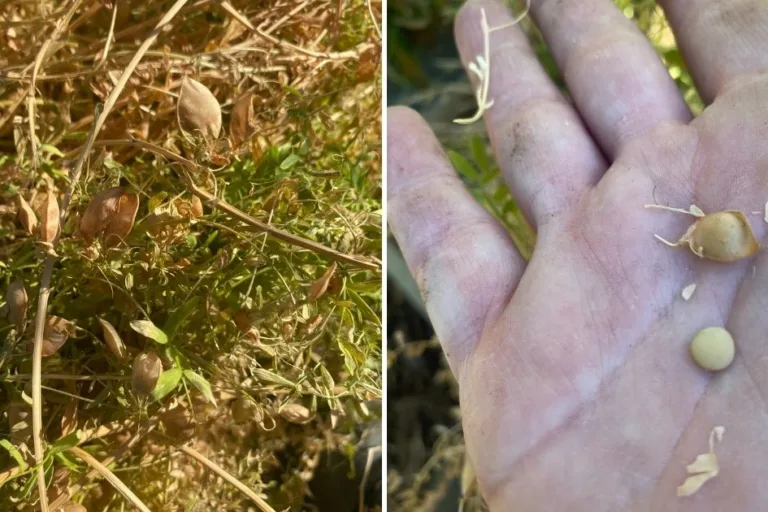
Let pods mature fully on the plant until dry and brown. Remove pods, let seeds dry completely indoors, and store seeds in a cool, dry place in labeled envelopes until next planting season.
Good companions for edamame include cucumbers, corn, carrots, marigolds, and potatoes. Avoid planting near onions or garlic, which can inhibit bean growth.
Select healthy plants and allow pods to fully mature and dry on the plant until they are brown and brittle. Harvest dried pods, remove the beans, and let them dry completely indoors for about a week. Store seeds in a labeled paper envelope or airtight container in a cool, dry place until planting next season.
Final Tips on Growing Edamame

Edamame can be tricky because they don’t handle extreme temperatures well. But once you get the timing right, you’ll be rewarded with delicious, nutritious beans fresh from your garden.
Have you tried growing edamame? I’d love to hear about your experience or answer your questions below.
If this post was helpful, please share it.

Love this, thank you! I have 2 questions:
What is the purpose of blanching the pods before you freeze them?
And how do I harvest seeds for next season?
Hi. Good questions! Blanching stops the enzymes that cause edamame to lose flavor, texture, and color in storage, and it helps preserve that fresh-picked taste. To save seeds, let pods fully mature and dry on the plant until brown and brittle, then shell and dry the beans completely before storing them in a cool, dry place for next season.