
A Tiny World on a Leaf: Predators of Thrips, Mites, and Whiteflies
Some of the most frustrating garden pests are the ones you never actually see. You notice the damage first, and by then it feels too late. In this post Jean covers the three pests behind most of that damage, then introduces the predators quietly handling them. Two of these predators have a reputation for being pests themselves, which is exactly why they get killed by gardeners who do not know what they are looking at. If you have read her guides to lacewings, ladybugs, and hoverflies, this one covers the beneficials working at a much smaller scale.
Key Takeaways: A Tiny World on a Leaf
- Garden pests like thrips, spider mites, and whiteflies cause significant damage before they’re even seen.
- These pests have natural predators, including tomato bugs, stilt bugs, and minute pirate bugs.
- Predatory insects can effectively control pest populations, as long as gardeners recognize them and avoid mistaking them for harmful pests.
- Maintaining a healthy garden environment and encouraging beneficial insects help manage pest issues without chemicals.
What We’ll Cover:
Guest post and photos by Jean Elston. This post is part of the series Low Desert Garden Insects with Jean Elston.
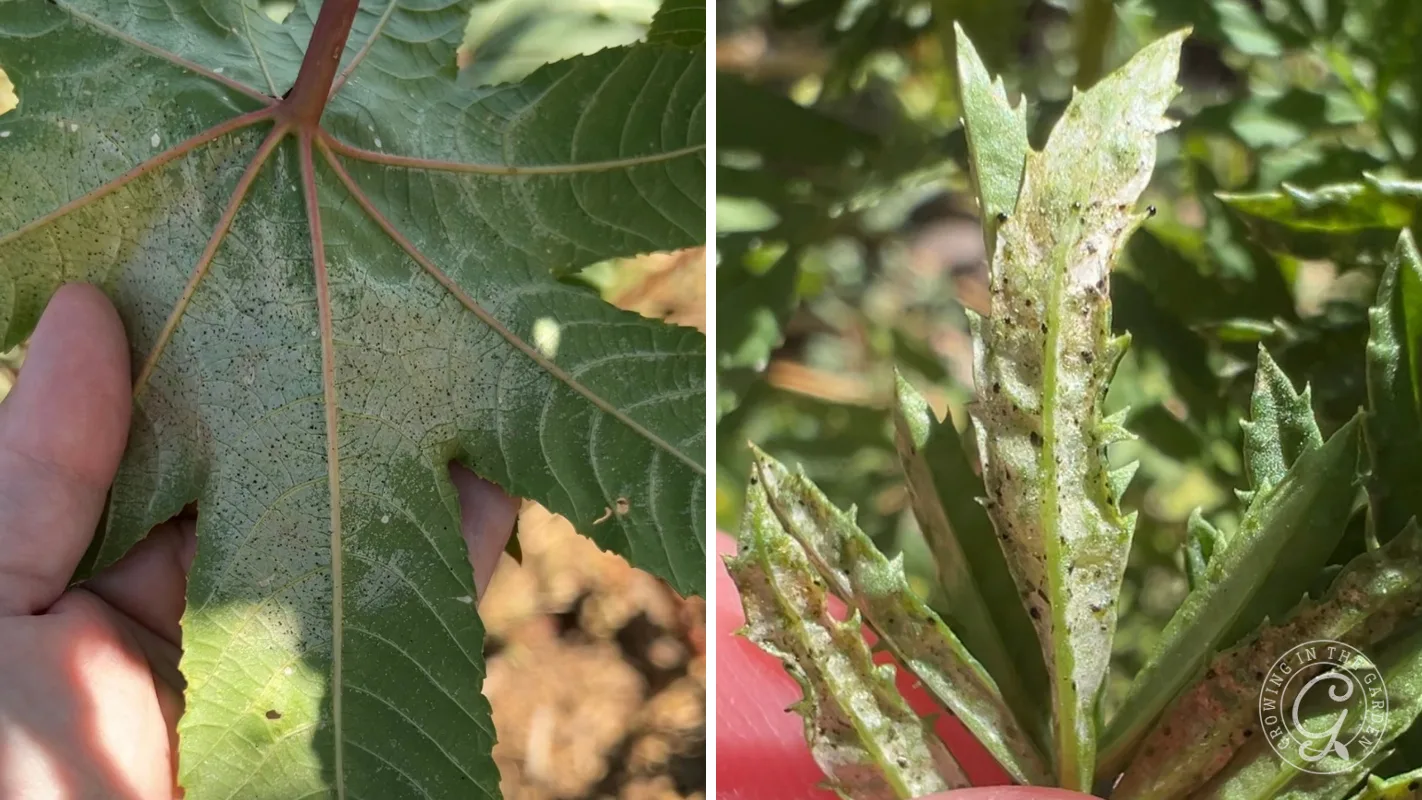
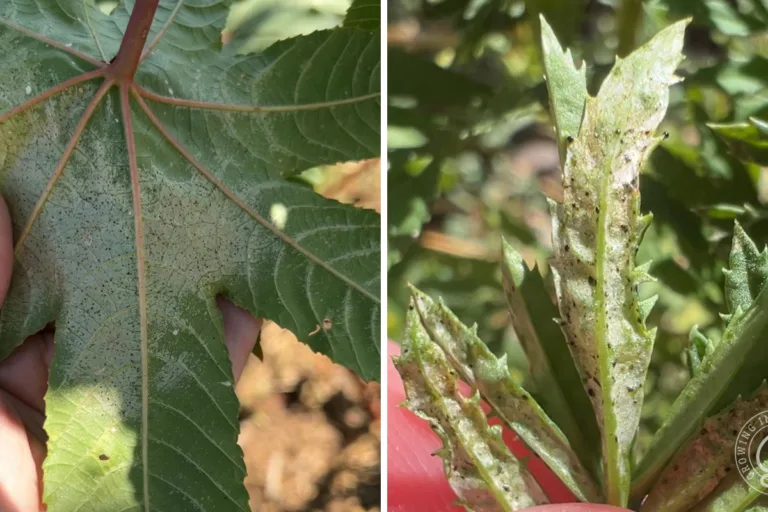
It is the damage that is noticed before anything else. Silvery coloring of leaves with black tiny specs. Or rust coloring on the leaves combined with fine webbing. Maybe a flutter of tiny white dots when a leaf is moved. All you really know is the leaves are drying out, wilting and the plant is suffering.
Welcome to the microscopic world of thrips, spider mites and whiteflies and their predators.
Now saying microscopic does not imply that you will never see these insects. Rather noticing them is far more difficult with the naked eye and you’re likely to see the adults.
The good news is that all three of these have predators already hunting them, and a few of those predators are ones most gardeners mistake for pests. More on that after we look at what we are dealing with.
Before we can talk about some insects that are helping to deal with our issue, we should cover a bit more about these insects and their lives on a leaf.
Thrips
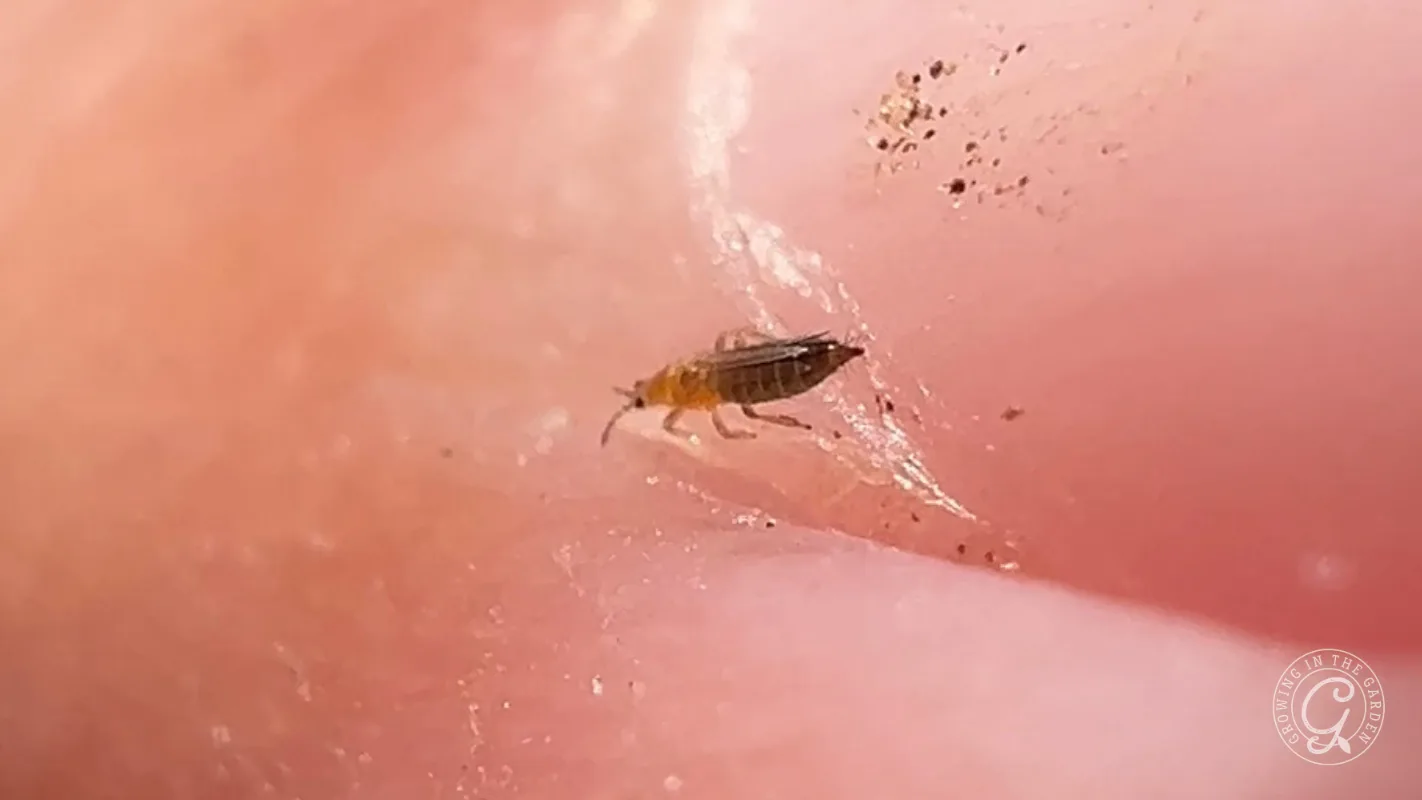
One of the great difficulties with thrips are the fact the female deposits the eggs into the plant tissue. This protection means any chemicals or even weather will not impact them.
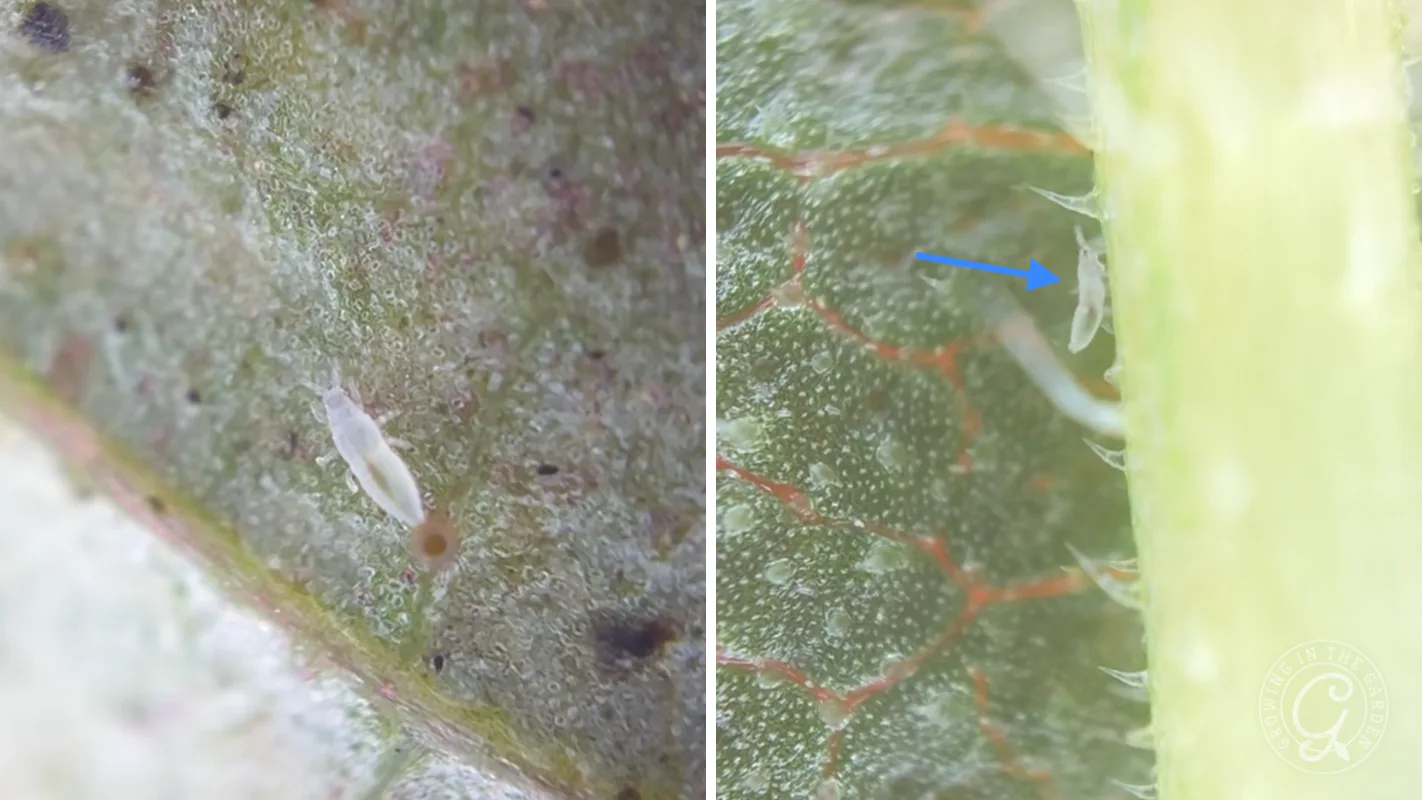
It does not take long before the larvae hatch and start roaming around on the surface. These long wingless insects are extremely difficult to see, especially since most are translucent at this time, blending in with the leaf. Unfortunately they are voracious at this stage as well, leaving behind silver scars and tiny black dots everywhere they go.
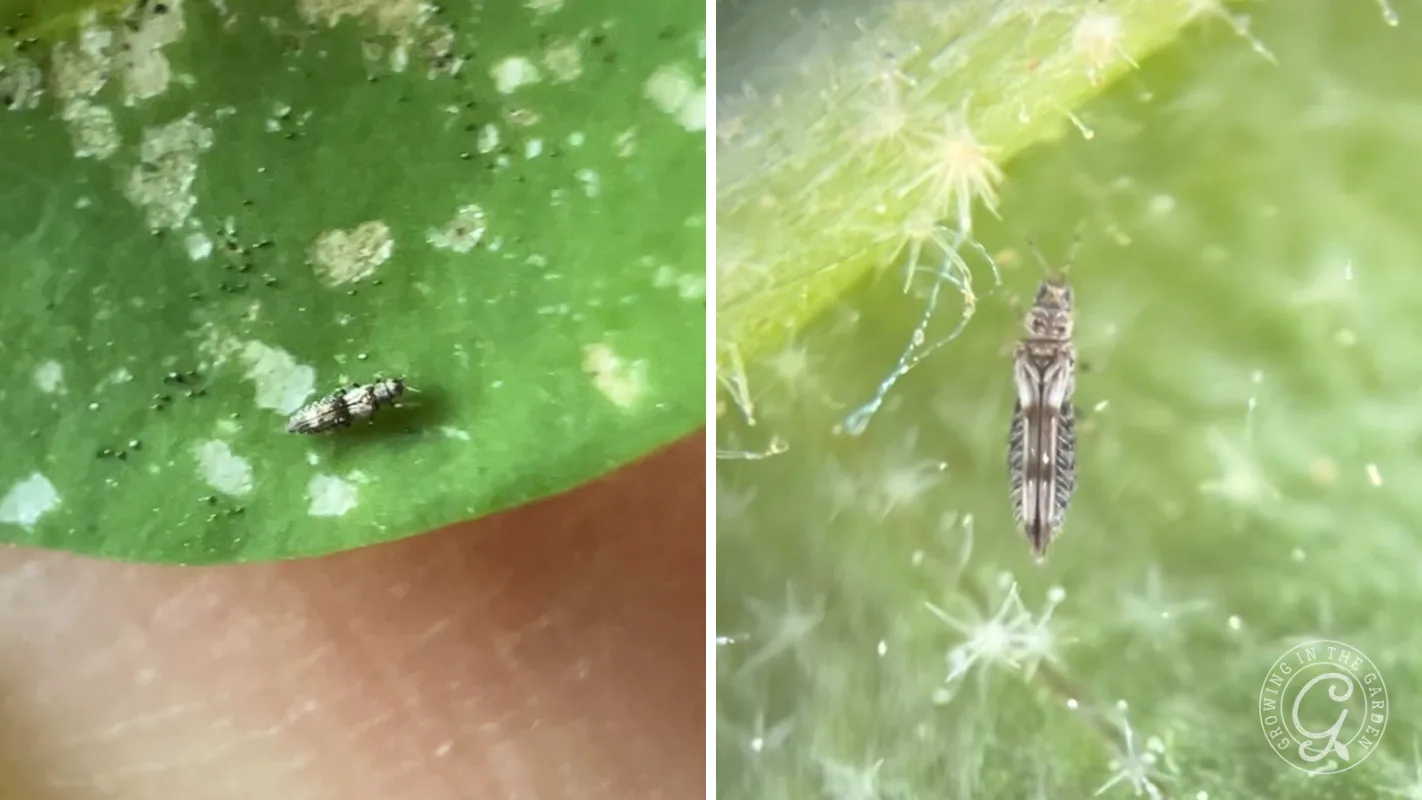
Eventually they have finished growing and are ready to pupate. While there are a few species that will pupate directly on the leaf, most will drop to the soil and form in the ground. After a few days, a fully emerged adult starts heading out to start the process over again.
For a closer look at managing them directly, this guide covers how to get rid of thrips organically.
Spider Mites
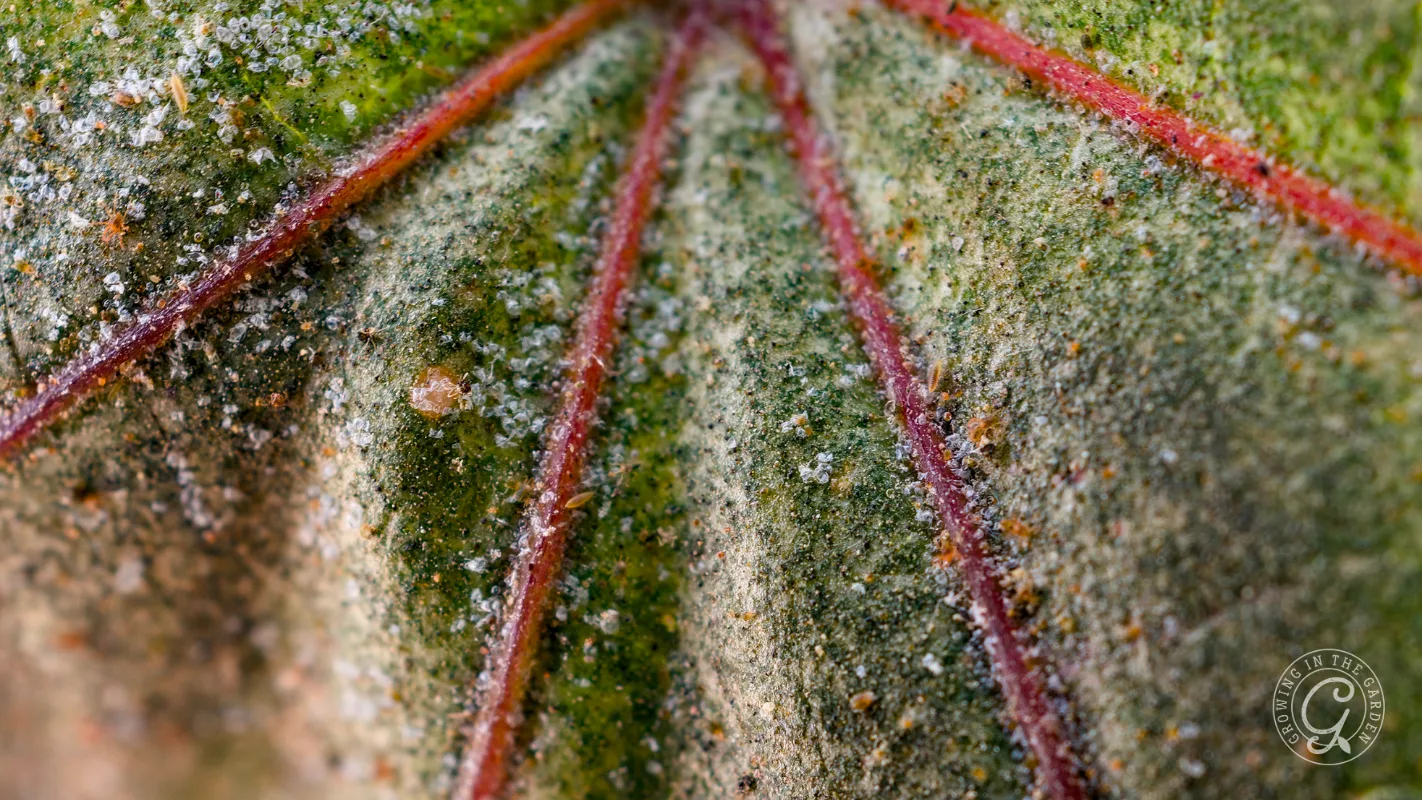
As with thrips, spider mites are notorious for the damage rather than actually seeing them directly. The rust covered leaves (build up of encasings, eggs and molts), the crispy leaves that are layered in a fine webbing. As the name implies, they are arachnids and while they are related to ticks, spider mites mostly focus on plants.
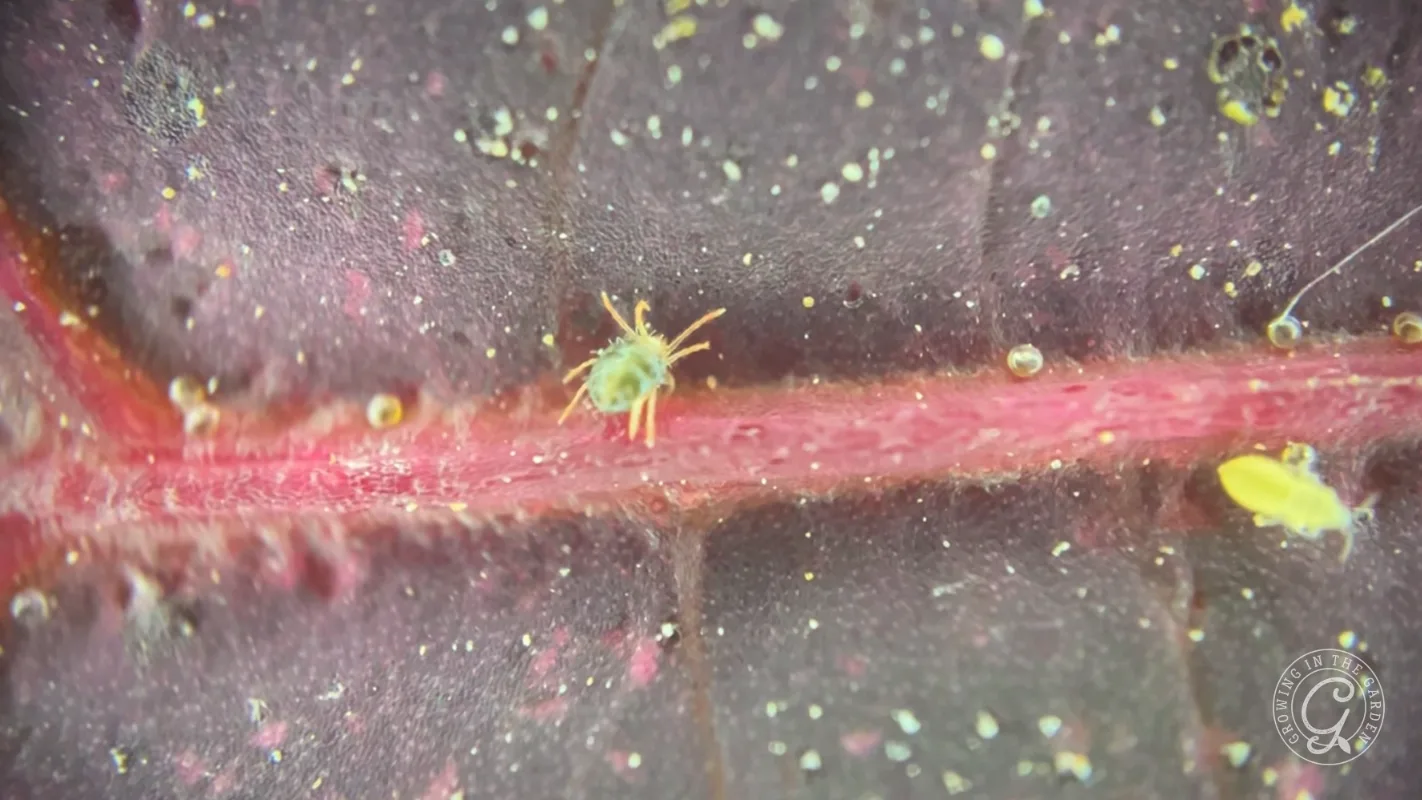
Having one of the fastest reproductive rates possible, our dry, hot weather helps speed up an already fast process, allowing the mite to go from egg to mature adult within a week.
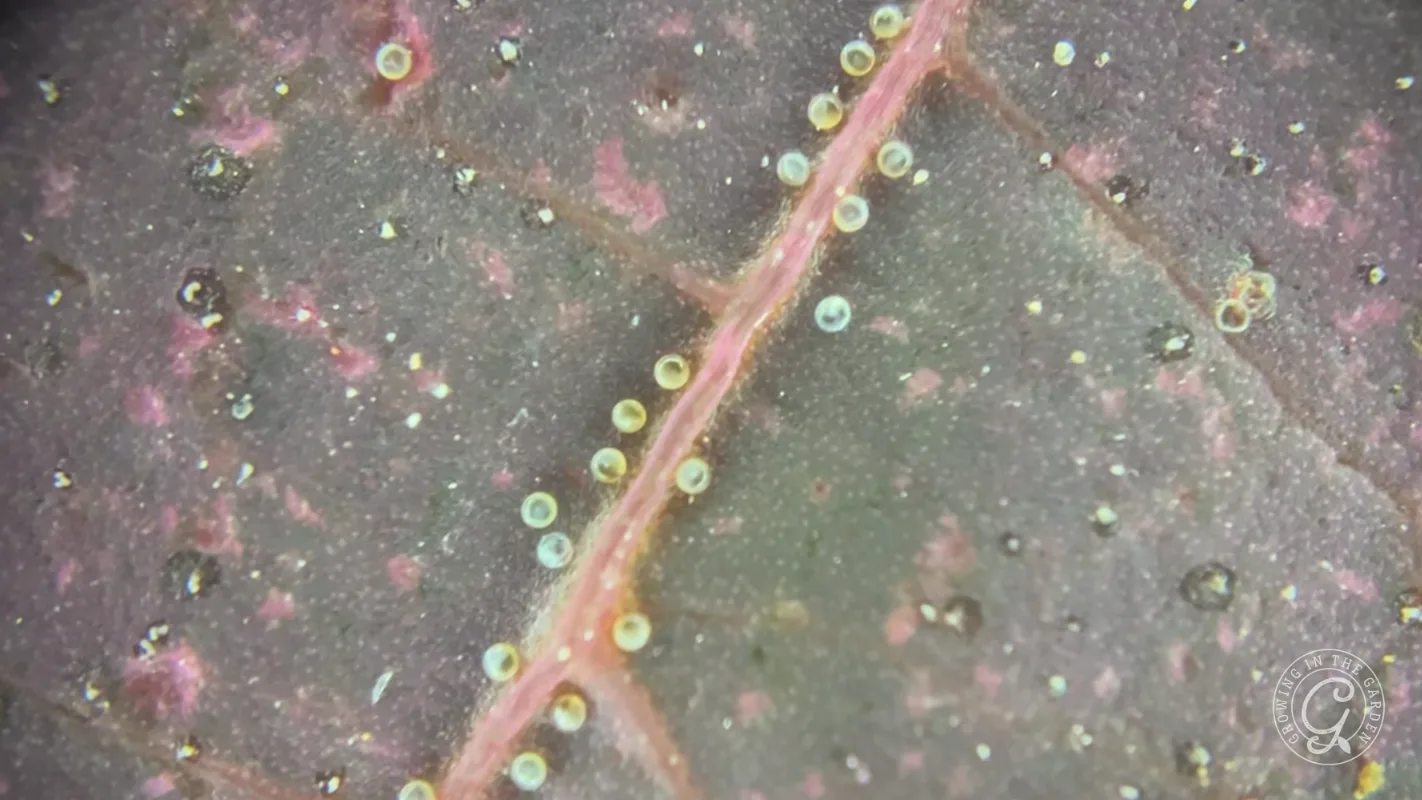
Eggs are spherical, laid along the veins of a leaf (top or underside) and initially they have six legs when they emerge. Coloring can vary from pale green to yellow, though it can be difficult to tell as they can blend in with the leaf at this early stage.
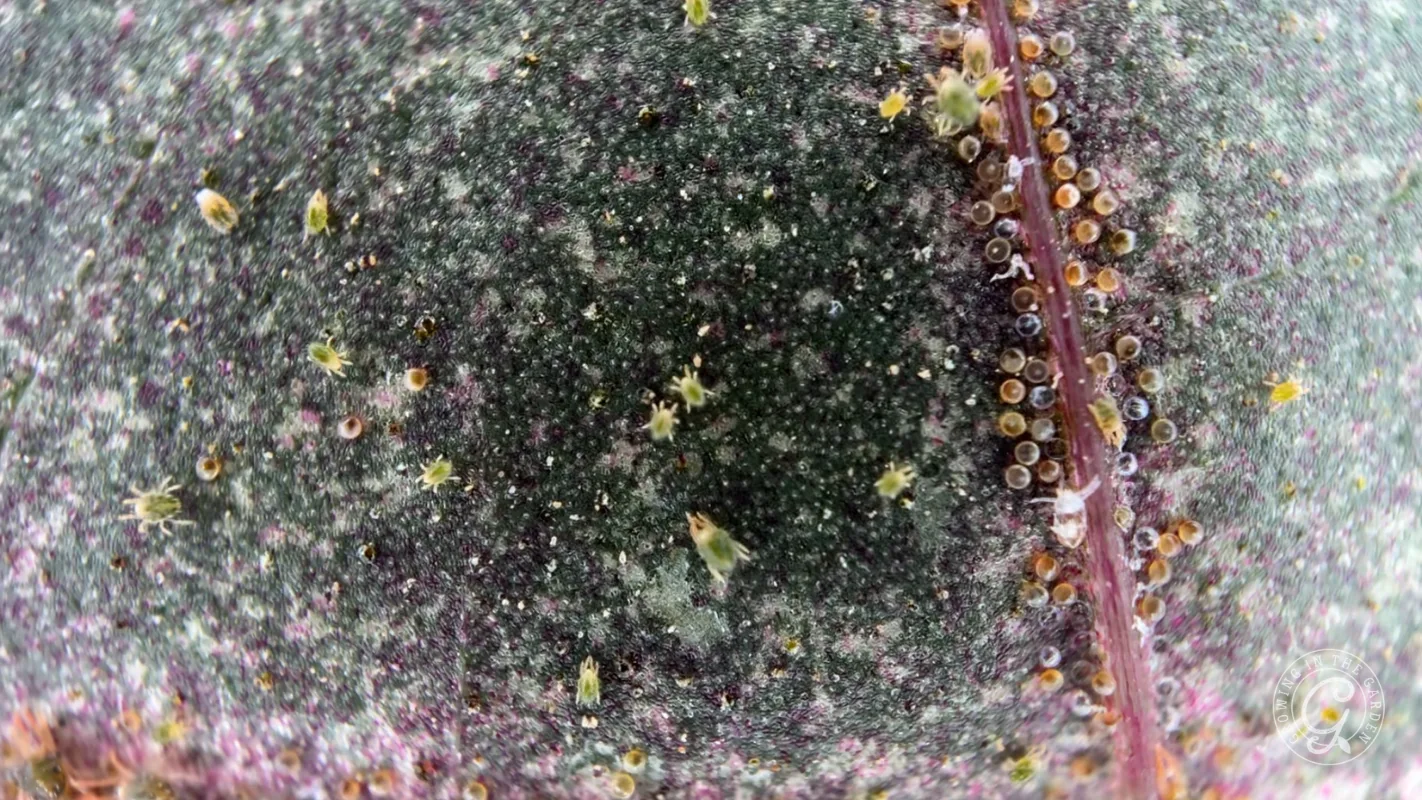
As with many other arachnids and insects, they go through several molting cycles, leaving behind the exoskeleton which collect on the leaf. Whether or not another generation is produced will depend on conditions, winter time will slow things down and the female would burrow into the soil until warmer weather. Again, a huge reason we can have some extra challenges here in the low desert, as we sometimes do not experience a cold enough winter to create a pause in their lifecycle.
If they have already taken hold, this guide covers spider mite prevention and organic control.
Whiteflies
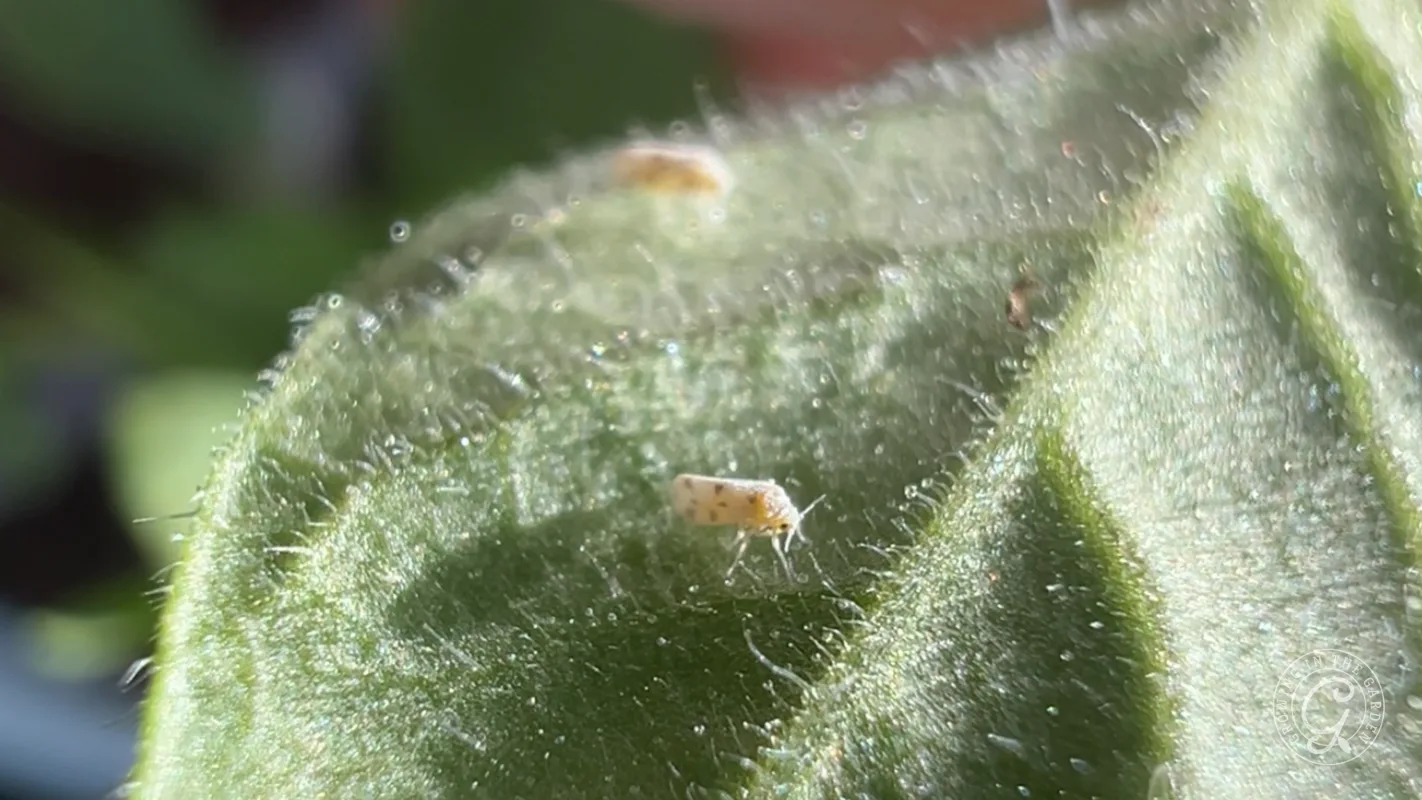
Despite their name, they are not true flies. In fact they are related to aphids and mealybugs. This makes sense as they, just like aphids, suck the life out of the plant.
Eggs are not something that one is generally going to find as one can imagine the size. If you did come across them, they would be on the underside of a young healthy leaf closer towards the newer growth, arranged in a circle. These tiny white ovals will darken slightly before hatching within a week of having been laid.
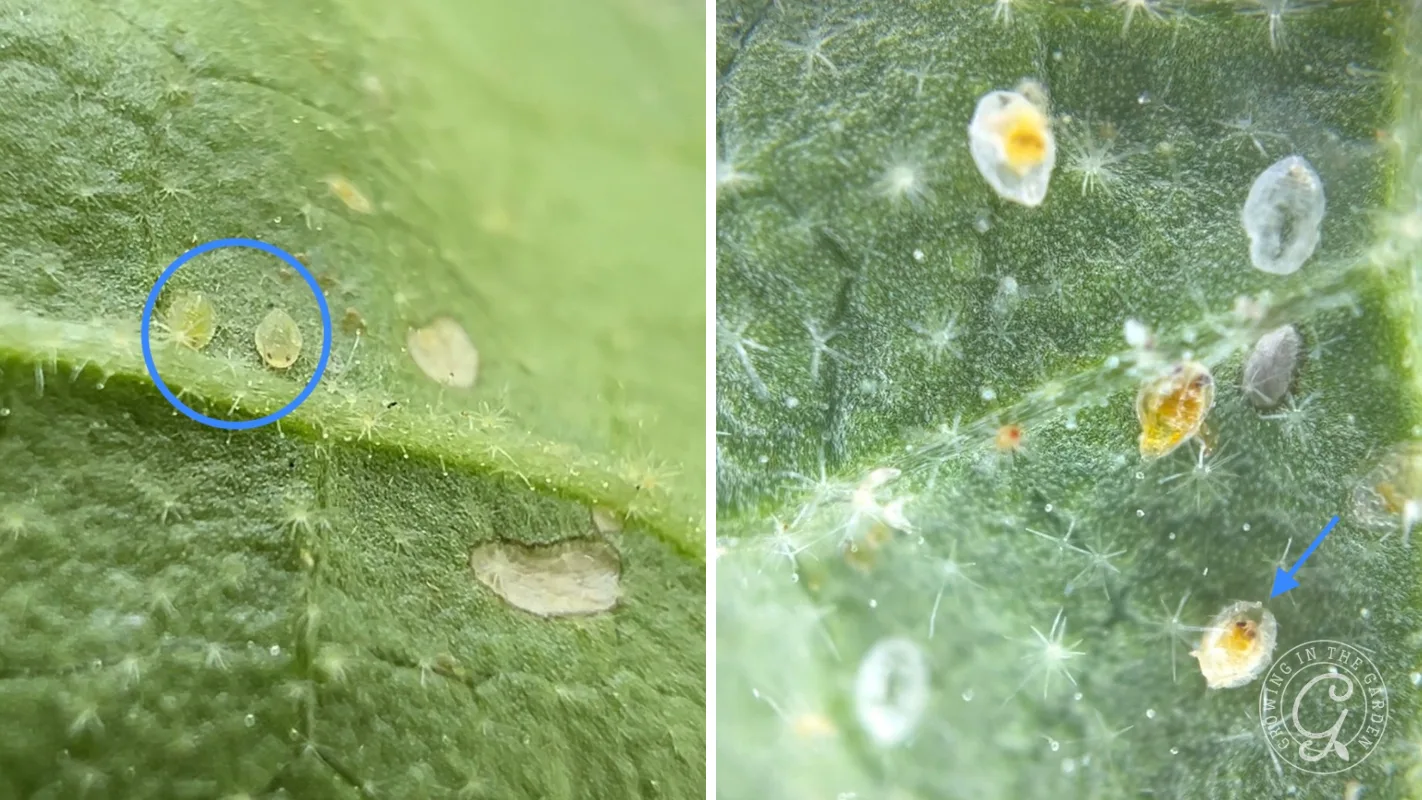
Once the whitefly hatches, it is only mobile for a brief period of time during this nymph cycle. Appropriately called the “crawler” it simply moves a short distance to find a vein. Much like a needle extracting blood, the nymph inserts its “mouth” into the vein to start sucking on the sap from the plant.
This is where it remains until adulthood. As the whitefly molts it looses legs, flattens against the leaf and can look a bit like scale. A huge difference though is scale is generally not translucent nor singled out on the underside of a leaf.
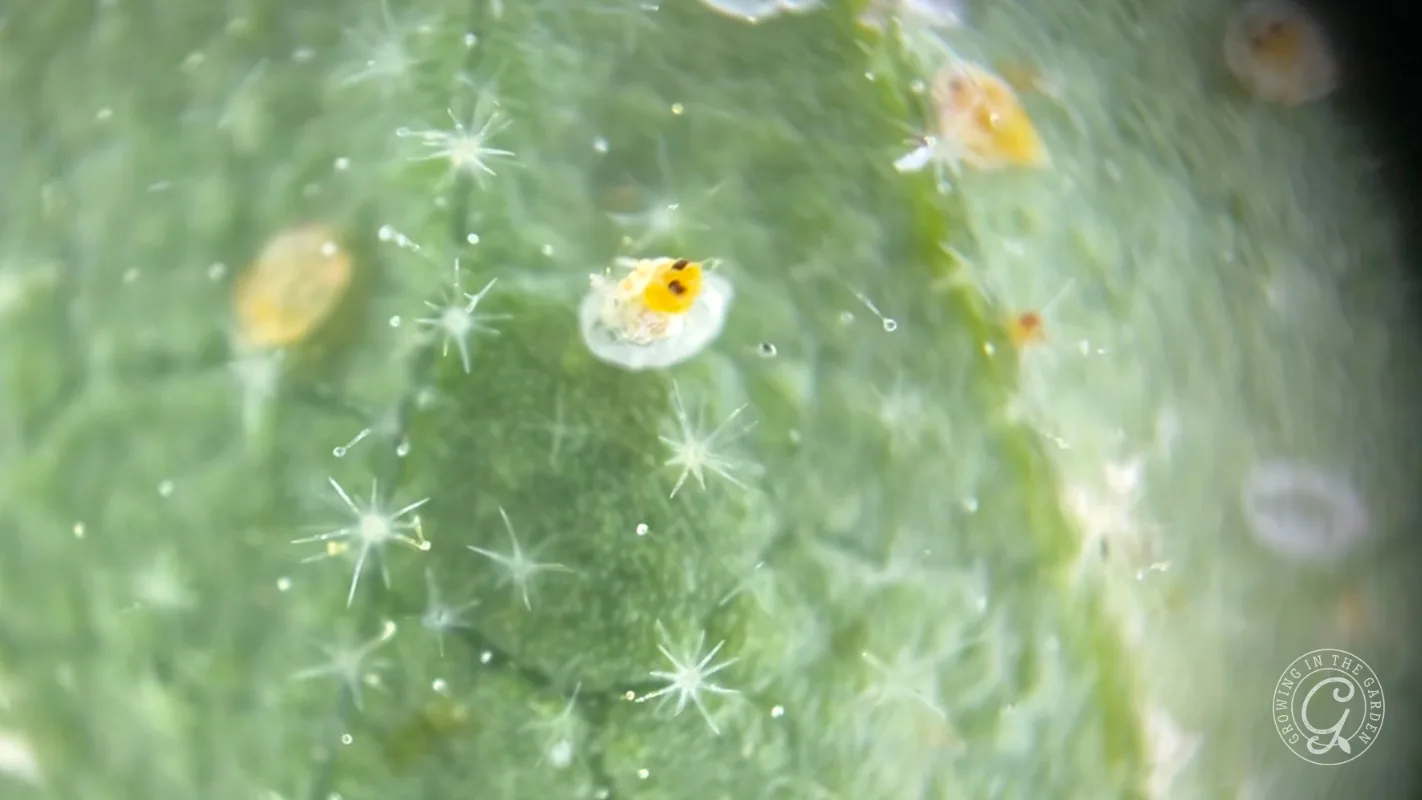
The final stage before adulthood, pupa lasts about a week. This is where it develops a distinctive look: “glowing” red eyes. At this point it has completely been encased and is developing into an adult.
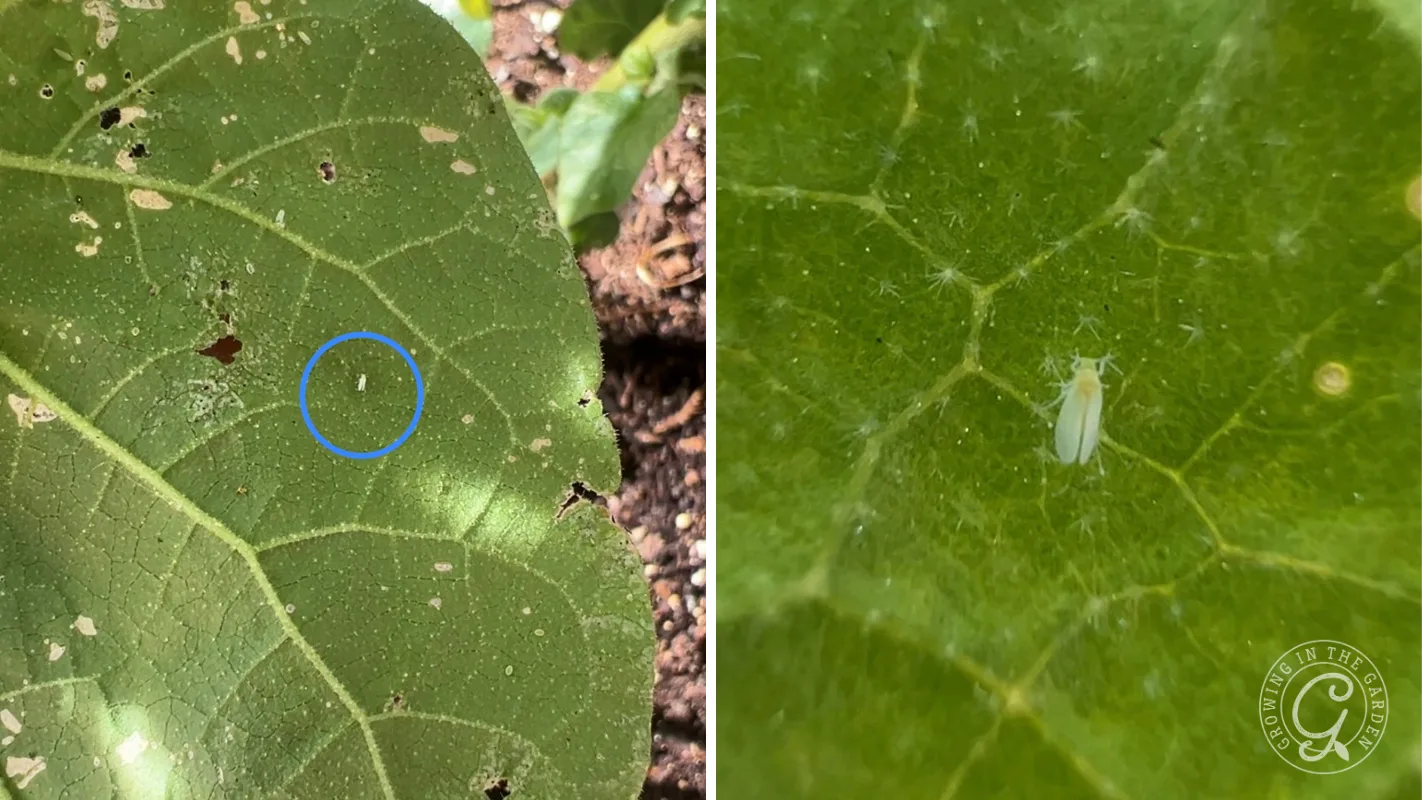
As seen with many other insects emerging from pupa encasing, the adult whitefly creates a slit and a tiny, moth-like insect is visible. At this stage, they are feeding on the plant sap, focusing a great deal of their efforts on the underside of new growth. Along with weakening the plant, they also excrete honeydew, same as many of the sap-sucking insects. Not only can this attract ants, but often creates black fungus (sooty mold).
For more on managing them directly, this guide covers how to get rid of whiteflies.
Coming to the Rescue: Predators of Thrips, Mites, and Whiteflies
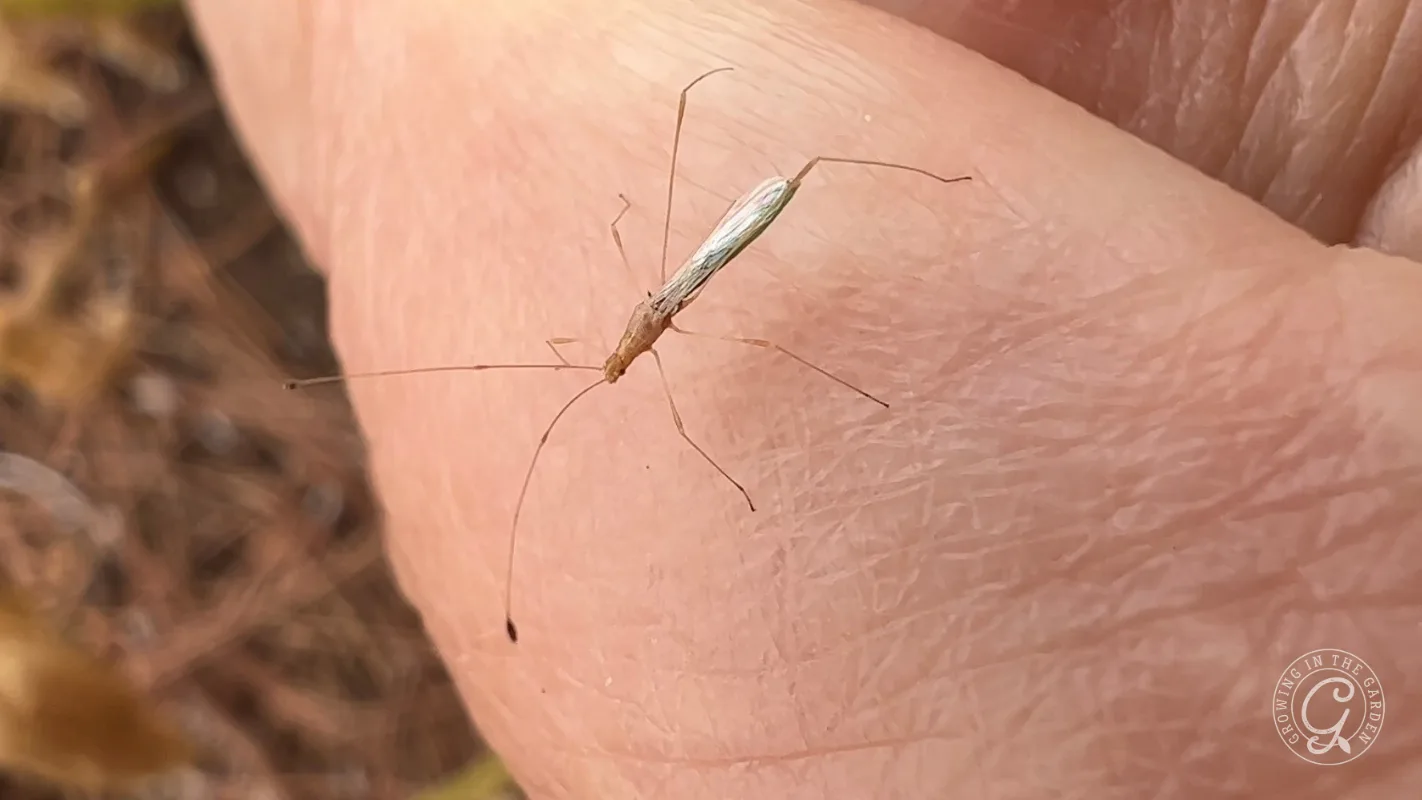
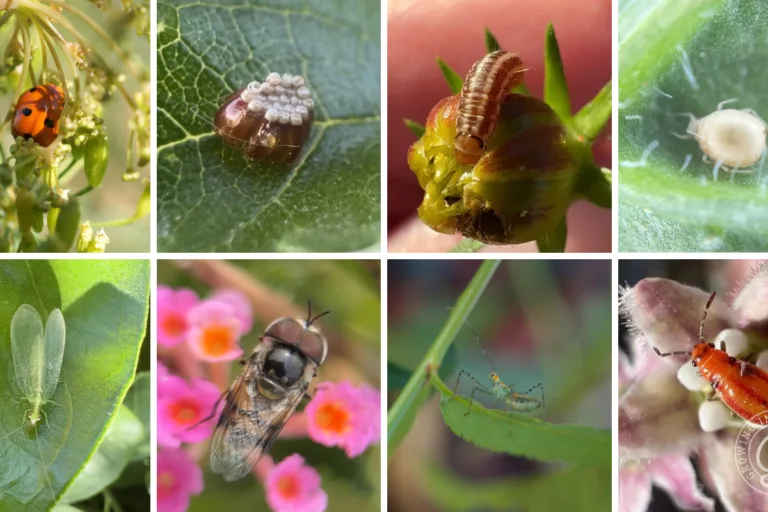
So we have these three major challenges every gardener faces. Often they are found together and it seems as though there is nothing helping to prevent or deal with them. Reality is many insects are actively consuming them, from lacewing larvae to ladybug larvae along with many others. There are a few that are often overlooked that we need to consider, even though two of them are not entirely beneficial.
Firstly there are predatory thrips and predatory mites. There is a great irony that nature has provided the solution for dealing with thrips and mites by having a predatory cousin. Scolothrips, Franklinothrips and Phytoseiidae are genera of mites and thrips that target their cousins—hunting and relentlessly eating all stages of the lifecycle.
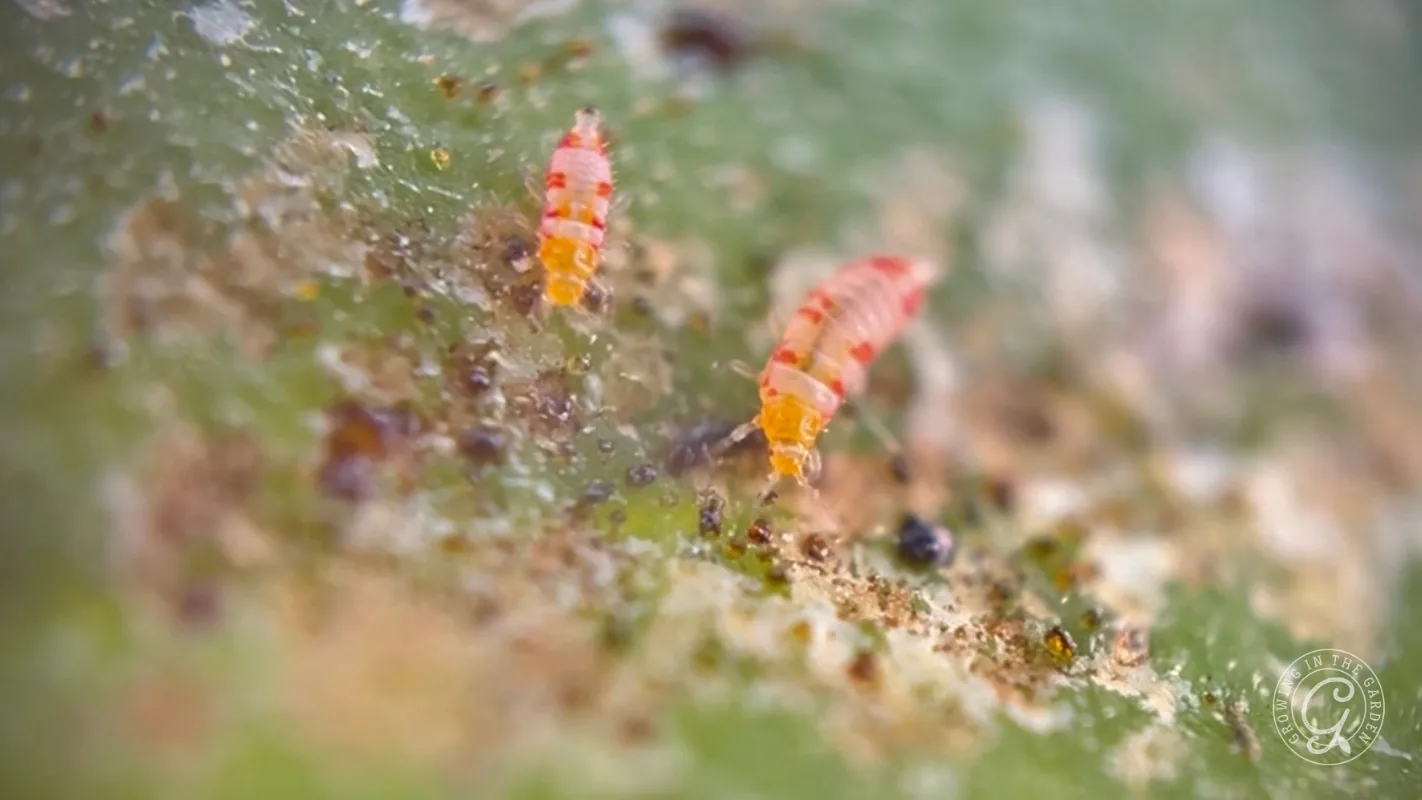
Given the fact they are the same size as those they are hunting along with not always showing up naturally, we will focus a bit more on three insects you can actively see without straining your vision.
The Whitefly Predator: Tomato Bugs
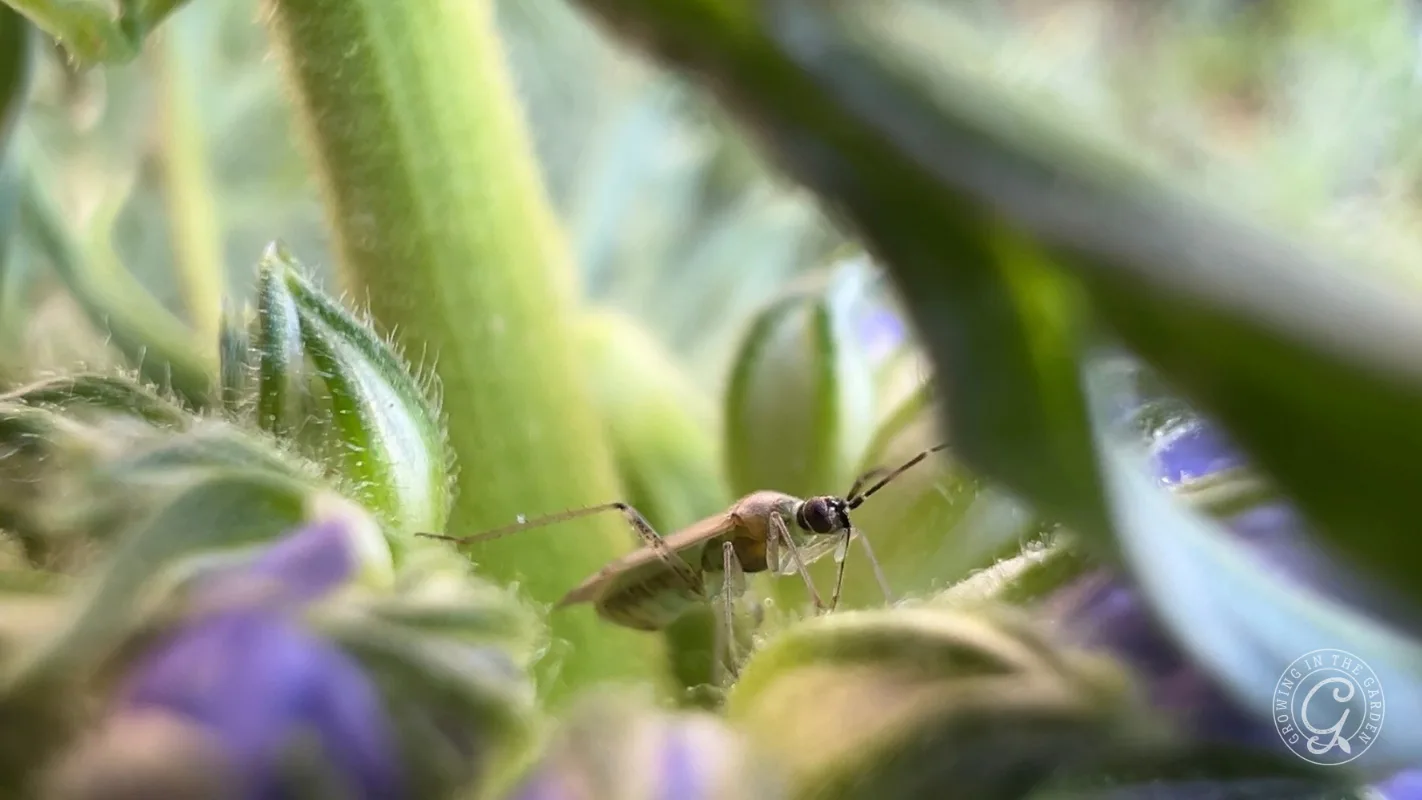
While there is a solid chance of having seen this bug, particularly if you are growing tomatoes, more than likely you have assumed it was a pest. Yes, tomato bugs will feed a bit on plants, however that is only when there are not enough soft-bodied insects around for them to consume.
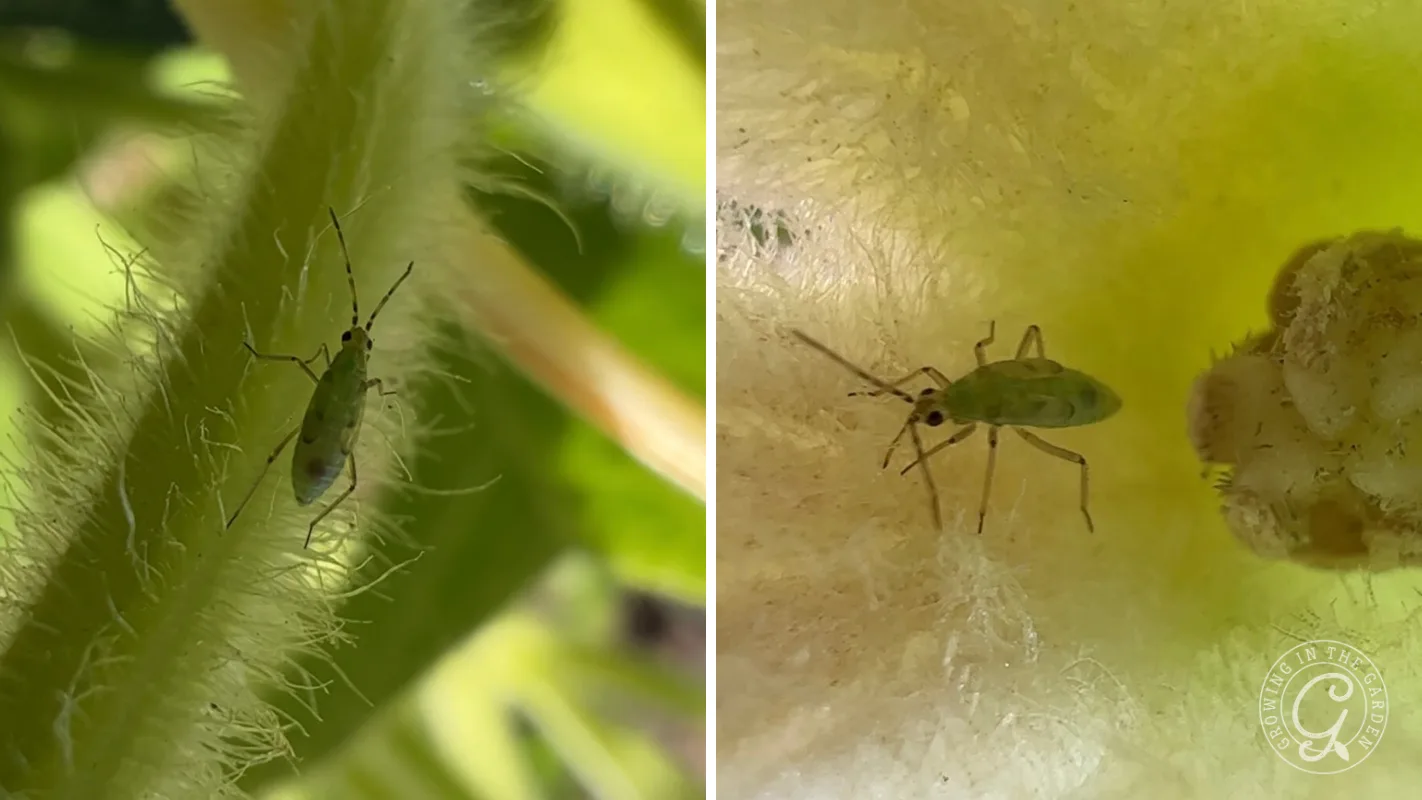
These slender, active insects are on the hunt for one of their favorite bugs: whiteflies. Using their antennae, they will detect the chemicals of other insects along with the movement. Once a target is located, they use their needle-like mouthparts to pierce the body.
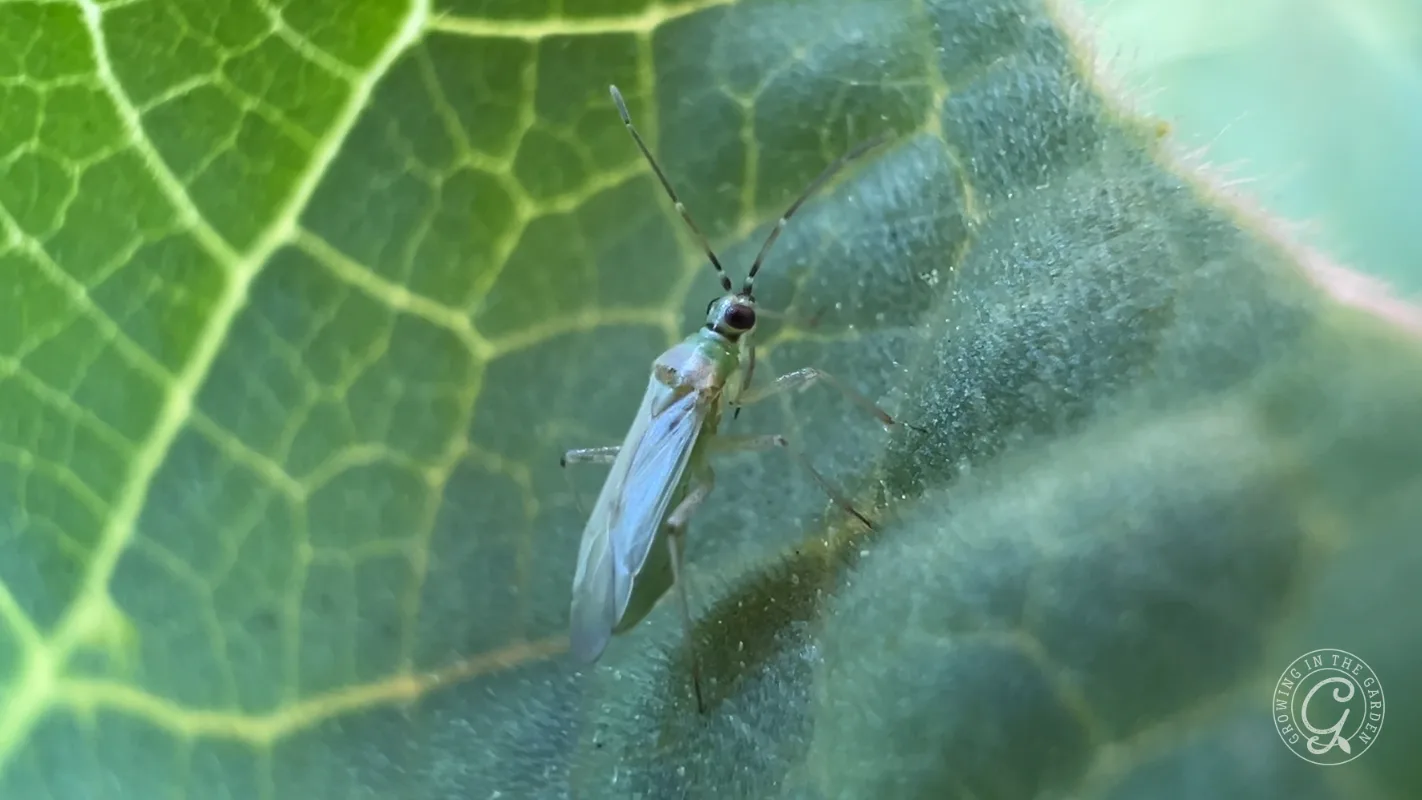
That is not to suggest they only focus on whiteflies. The tomato bug will happily consume the thrips along with spider mites, plus any other insect that comes along. But the whitefly truly is the prized target, destroying dozens of eggs per day.
Stealth Predator of Whiteflies and Micro Insects: Stilt Bugs
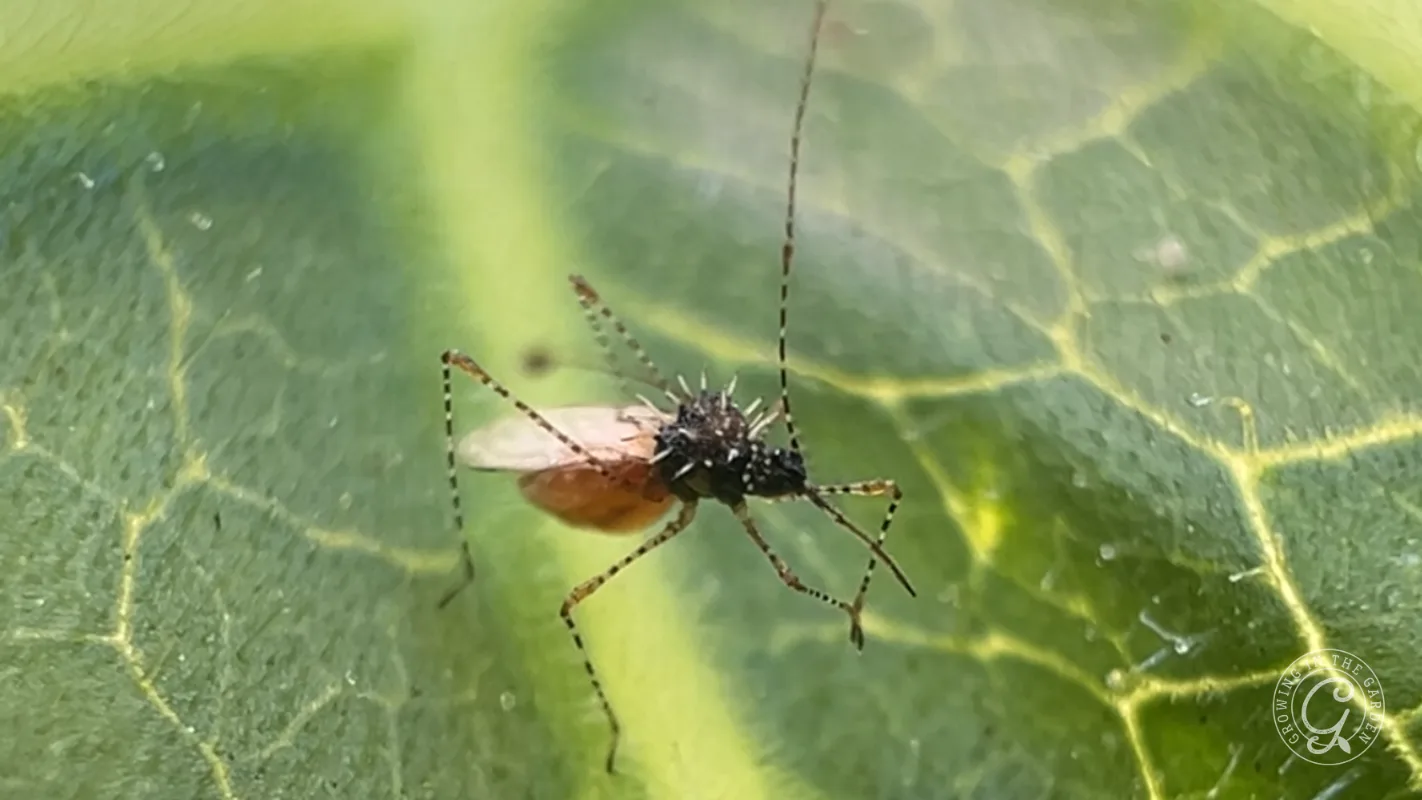
Often found alongside the tomato bug is another insect that can get a bad rap. With their delicate body, looking a bit like a miniature walking stick, stilt bugs (of the Berytidae family) are a bit of a mystery for most gardeners.
Generally, they are found on plants within the nightshade family (Solanaceae) like tomatoes and peppers, as their legs allow them to navigate the hairy plant surface, finding various insects that are often trapped in the sticky glandular trichomes (plant hair).
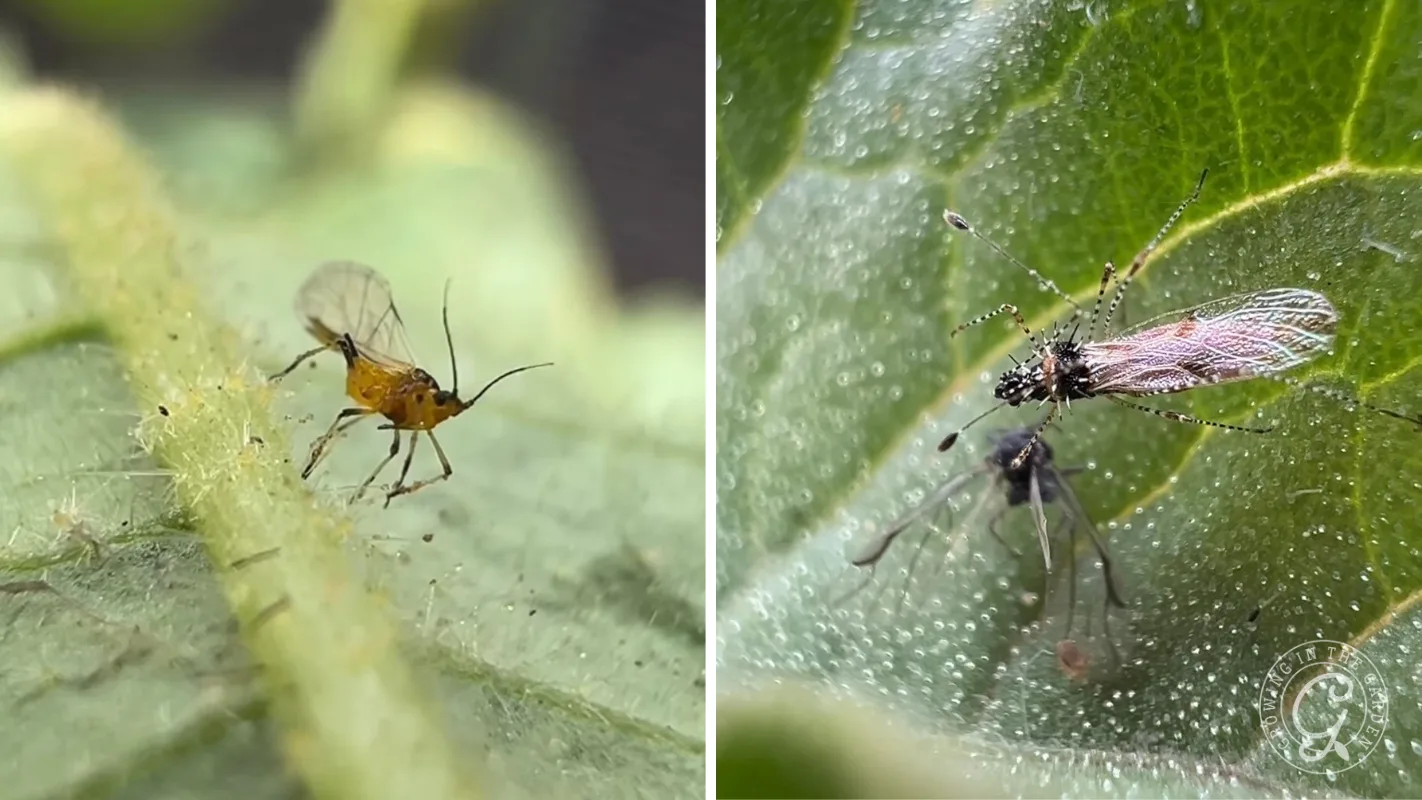
But when our plant is having a problem, we often assume finding these bugs on said plant means they are the cause. Fortunately for the bug, that is not the case. Instead these bugs are consuming many of the whiteflies you might also find on the plants, along with thrips and spider mites.
They rely on their slow, methodical movement for hunting. Their long legs allow them to carefully walk around a plant that often immobilizes and kills others. Approaching silently, they easily kill their targets, going through numerous whiteflies, thrips, spider mites and even aphids over their lifetime.
Thrip Predator: Minute Pirate Bugs
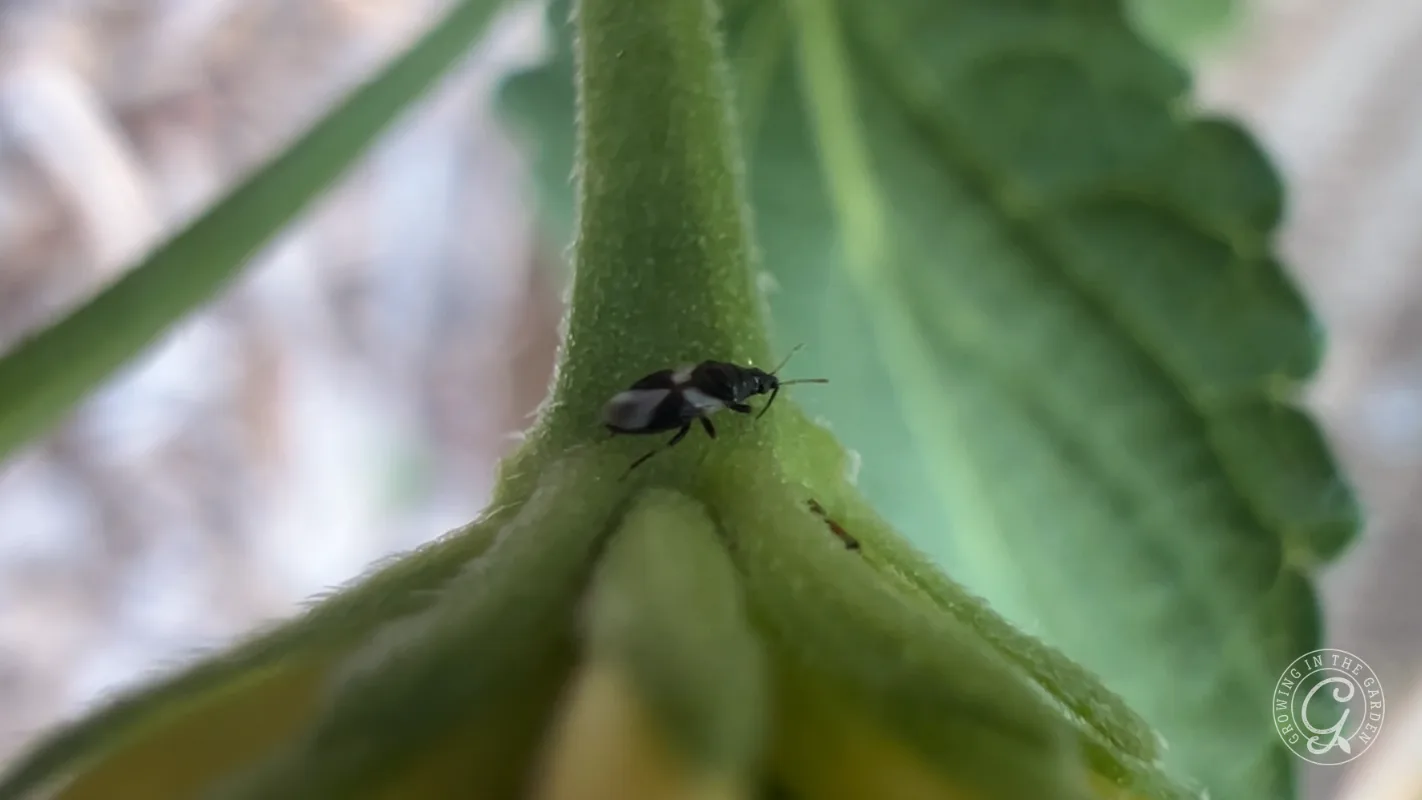
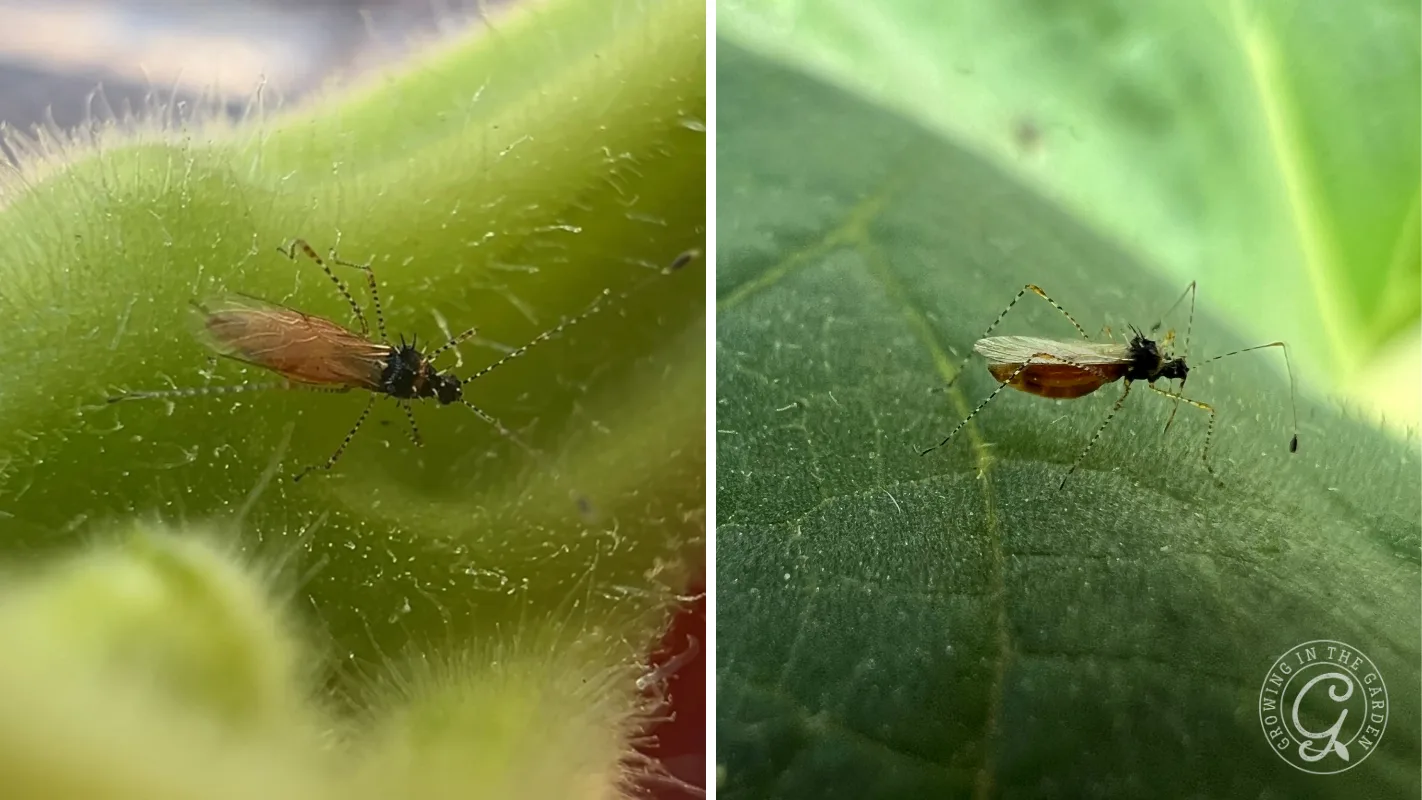
Certainly not the only bug that is helping out, but the last one to touch on for this post is the minute pirate bug (Orius species).
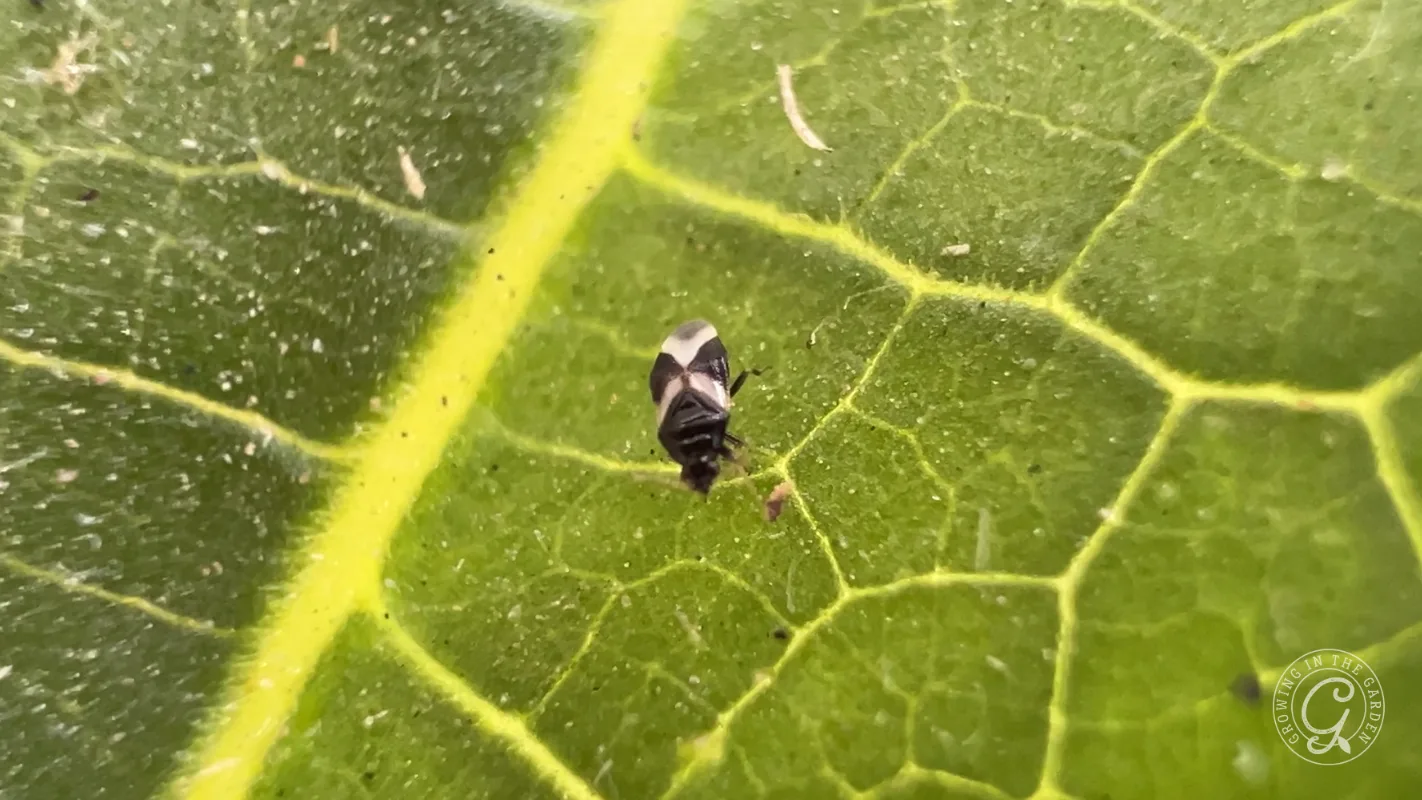
Their size and features may suggest a bug that is hardly a threat, particularly when you are finding them roaming around among the flowers. They are, however, one of the most aggressive insects. These tiny black and white true bugs are known for consuming a vast amount of prey, along with having enough attitude to take on insects even larger than themselves.
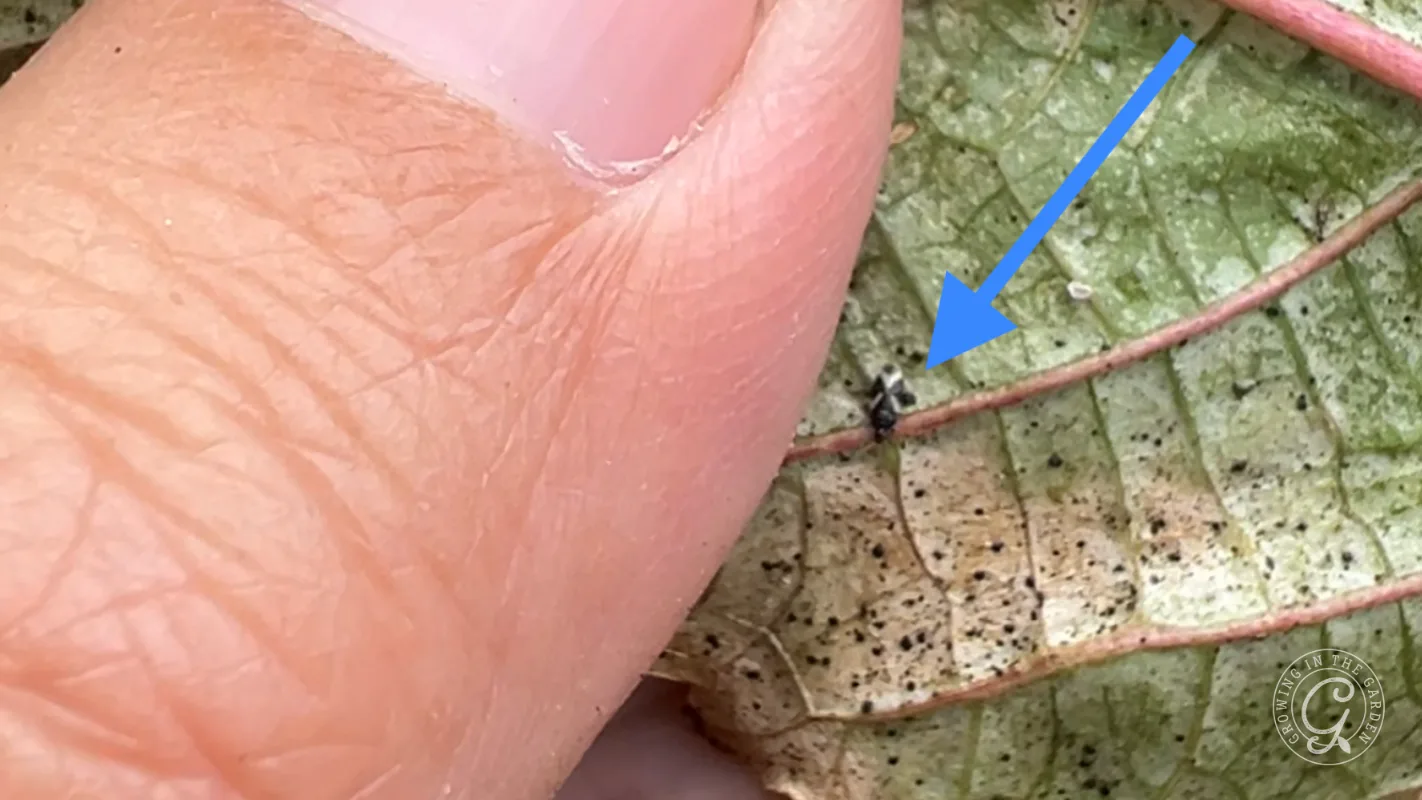
What makes them particularly unique is the fact that they will kill far more than they need. It is not uncommon for a minute pirate bug to be feeding on an insect, and before finishing, grab another one, leaving behind a half-consumed body.
While that is a bit disturbing to think about, it does help us in the garden as they are a huge predator of thrips. Considering the size of thrips and their ability to crawl into small spaces, the size of the minute pirate bug becomes a huge benefit. They’ll also work their way through spider mite colonies at an incredible rate, and while whiteflies are not a major focus for them, they’ll still take out any they come across.
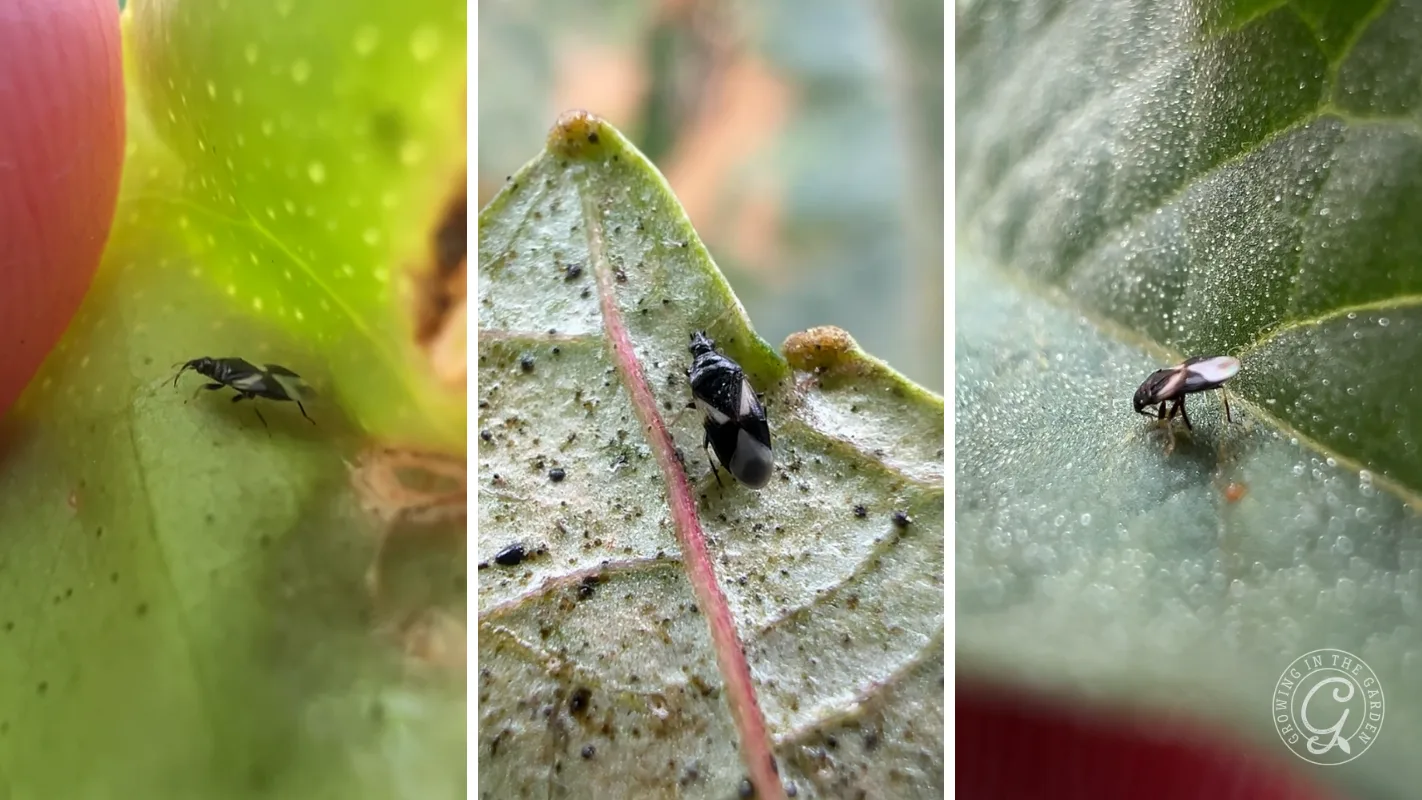
Once again, nature has provided a great deal of what is needed to tackle the issues regarding the insects that are bothering our garden. As long as we are providing flowers, eliminating the use of chemicals and encouraging diversity, most problems will take care of themselves. For a broader look at how these predators work together, this guide to beneficial insects for pest control covers the full picture.
Predators of Thrips, Mites, and Whiteflies FAQ’s
They can, but that is a rare situation, and they are not actively looking to bite people.
Check to make sure it is a stilt bug or tomato bug. Secondly, see if there are whiteflies or other soft-bodied insects in the area. If the bug has run out of prey to feast on, then it will turn to feed on the plant. As long as there are just one or two bugs on the plant and the plant is healthy, it will not be an issue.
First, double-check that no minute pirate bugs (lacewing larvae or others) are in the area. Secondly, look over the health of the plant. If it is one or two leaves, while the overall plant is healthy, keep waiting. If truly concerned, consider hosing off the leaves with some water, though keep in mind you might be washing away predatory thrips or mites in the process.
Tomato bugs are slender and active, moving quickly across the plant as they hunt. They will feed lightly on plants only when soft-bodied prey runs out. If you are finding them alongside whiteflies, thrips, or spider mites, they are working in your favor.
Stilt bugs feed on whiteflies, thrips, spider mites, and aphids. They are most often found on nightshade family plants where their long legs let them move across sticky plant hairs that trap smaller insects.
About the Author
For more than thirty years, Jean has been growing plants and spending time in nature, both in California and Arizona. With a background in fine art, she honed her skills in observation, a critical element for anyone striving to have a garden. Currently, she is finishing her doctoral studies in ecology (special focus on entomology), while helping others to work with nature in order to have a thriving ecosystem.You can find more of her work as “Red Shoe Gardener” on YouTube and Instagram.



Leave a comment on A Tiny World on a Leaf: Predators of Thrips, Mites, and Whiteflies