
Hoverflies: An Underrated Garden Predator
Jean’s series on garden insects keeps getting better. This fifth post introduces one of the most underrated predators in the low-desert garden: the hoverfly. If you have been following along, you already know what ladybug larvae, lacewing larvae, and parasitic wasps look like at work in an aphid colony. Hoverfly larvae are among the good guys, too, and Jean’s photos prove it. If you have ever mistaken a hoverfly larva for a caterpillar, this post will encourage you to look a little more closely at your plants.
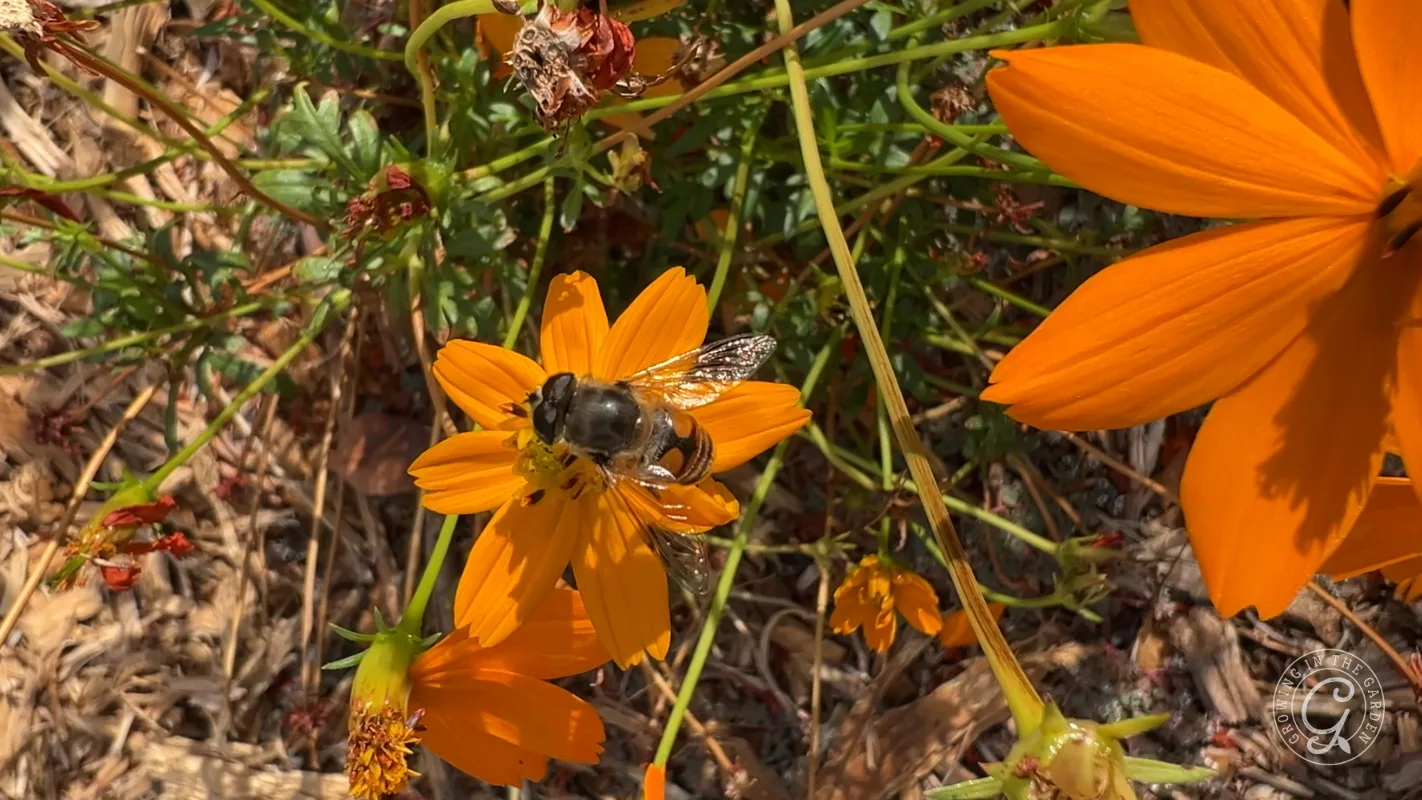
Guest post and photos by Jean Elston. This post is part of her series Low Desert Garden Insects.
Key Takeaways: Hoverflies
- Jean’s article introduces hoverflies as underrated predators in low-desert gardens, highlighting their role in controlling aphid populations.
- Hoverfly larvae resemble small aphids and can consume up to 400 aphids in their larval stage, promoting garden health.
- The article explains how to differentiate hoverfly larvae from caterpillars based on body shape and feeding behavior.
- Adult hoverflies are effective pollinators and mimic wasps to avoid predators despite not being harmful themselves.
- To attract hoverflies, plant flowers like daisies, yarrow, and zinnias, which appeal to these beneficial insects.
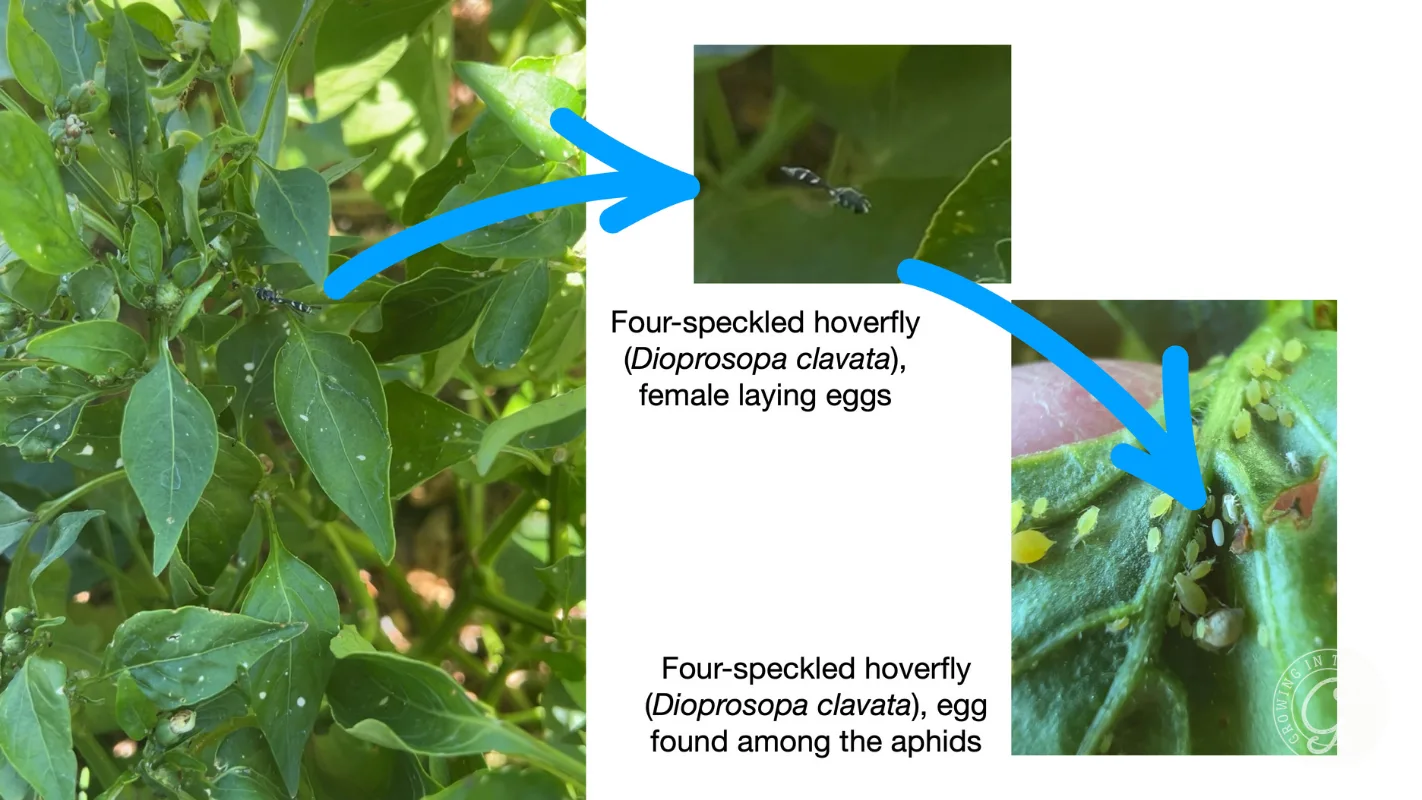
With an egg easily being dismissed as a speck or a whitefly and the larvae mistaken for a caterpillar, it is not hard to imagine the difficulty of recognizing this amazing insect. They have several common names, such as flower flies or syrphid flies, and the term I grew up using: hoverfly.
When we think about beneficial insects, flies are not ones that top our list. We might think of a few of them as helping to pollinate flowers or the larvae helping to breakdown organic material. In the case of hoverflies though, they are doing far more than enjoying the flowers in our gardens.
The Search for Eggs
If there was ever an egg that was difficult to find, it would be of the hoverfly. Finding a single grain of white rice among an aphid colony is hardly something that most of us are going to be able to do. Still, that does not mean you will never find them, especially if you do have aphids and are checking on your plants.
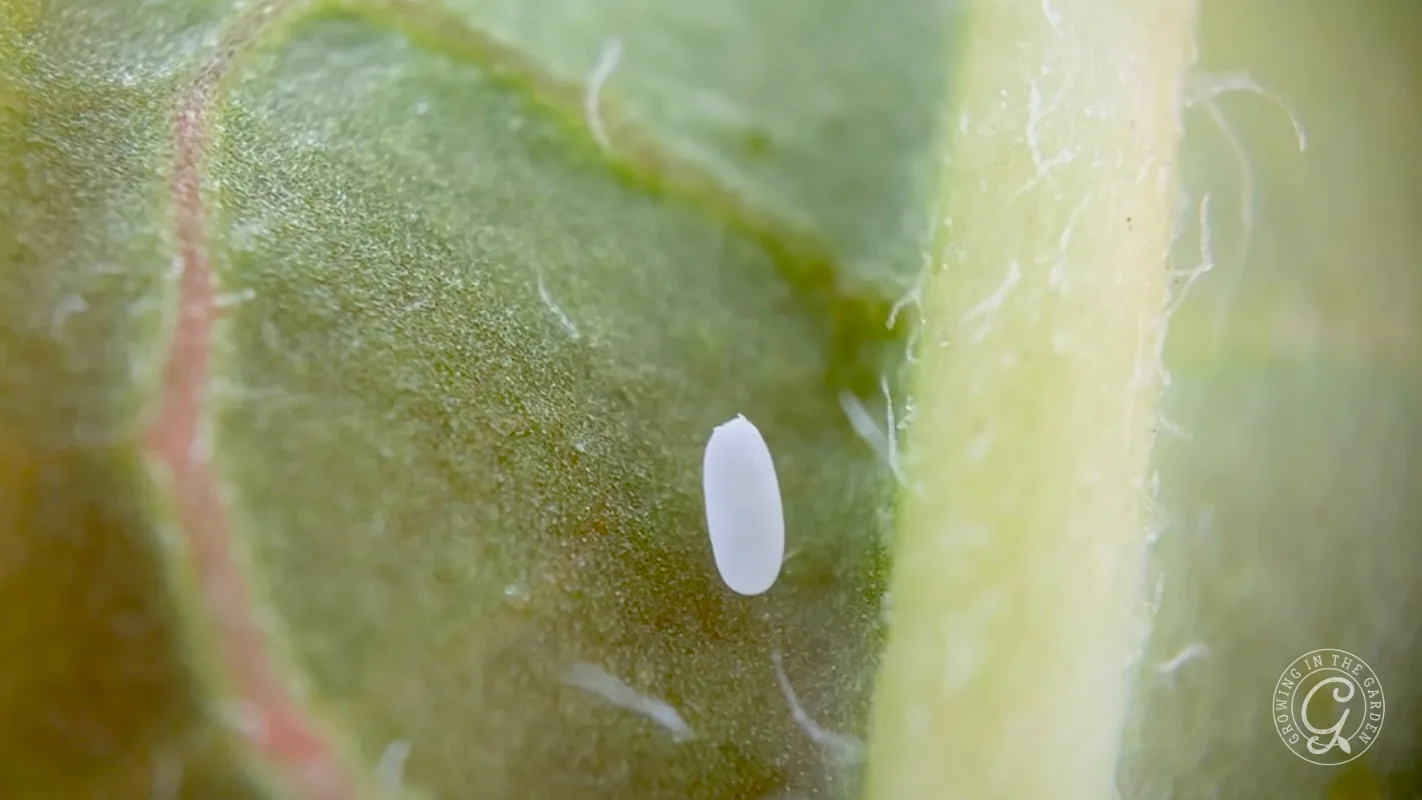
Initially you might think it is a whitefly — a justified confusion, though one that is easily dismissed as a whitefly will move. Plus whiteflies can often be separate from an aphid colony, which means it is not a hoverfly egg as the female purposefully deposits the egg among the aphids. For a closer look at what hoverfly eggs look like alongside other beneficial insect eggs, see this guide to identifying beneficial insect eggs in the garden.
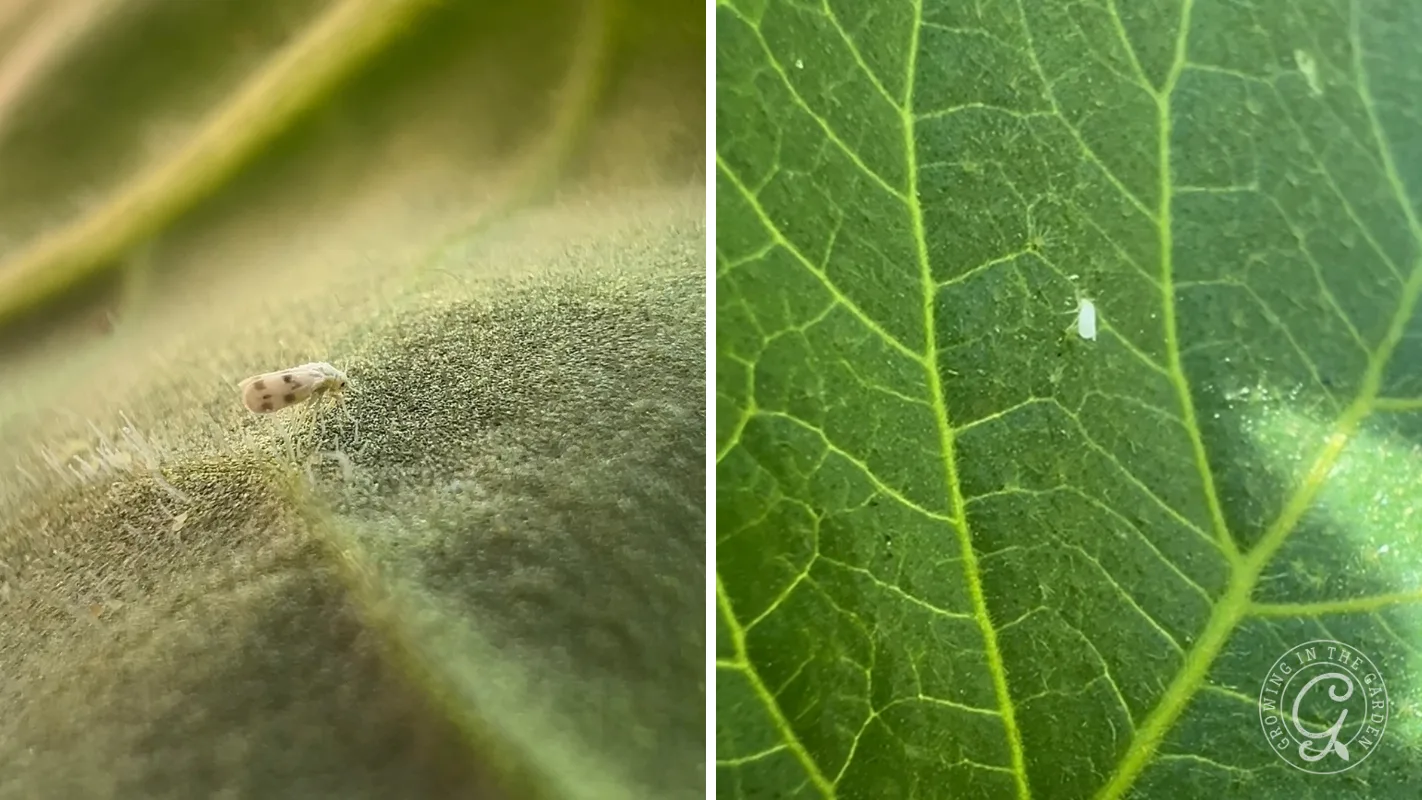
Usually the eggs will hatch in a few days — how quickly will depend on the temperature (hotter weather will speed up the process). Not only are they the most beneficial to our gardens after hatching, they are in a vulnerable state of being mistaken for a different insect.
A “Caterpillar” Among the Aphids
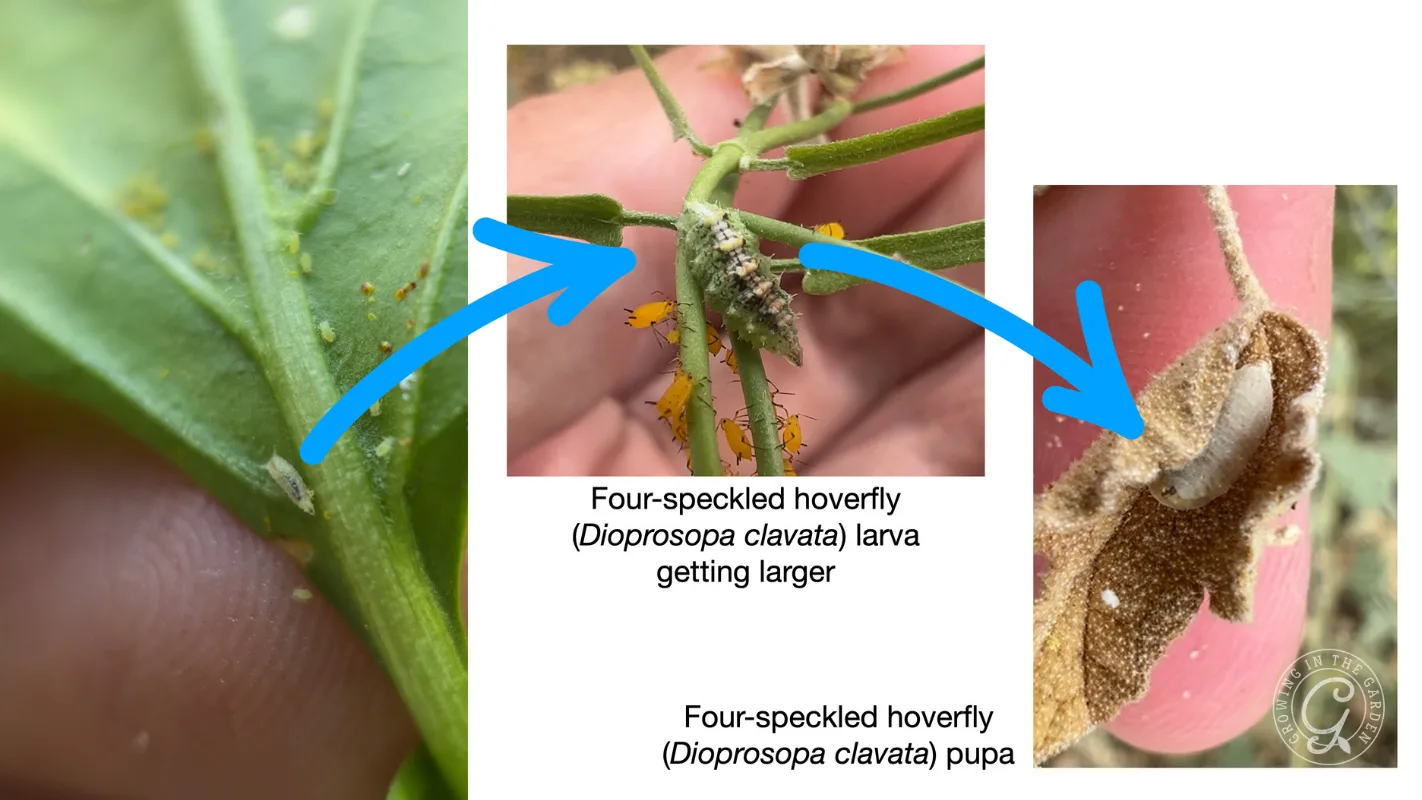
After hatching, the hoverfly larva is not easily seen. Considering the small egg it emerged from, it has some growing to do before we can easily detect it. They are roughly the size of the small aphids at this stage, and as the weeks go by they will eventually become far larger than the aphids being consumed.
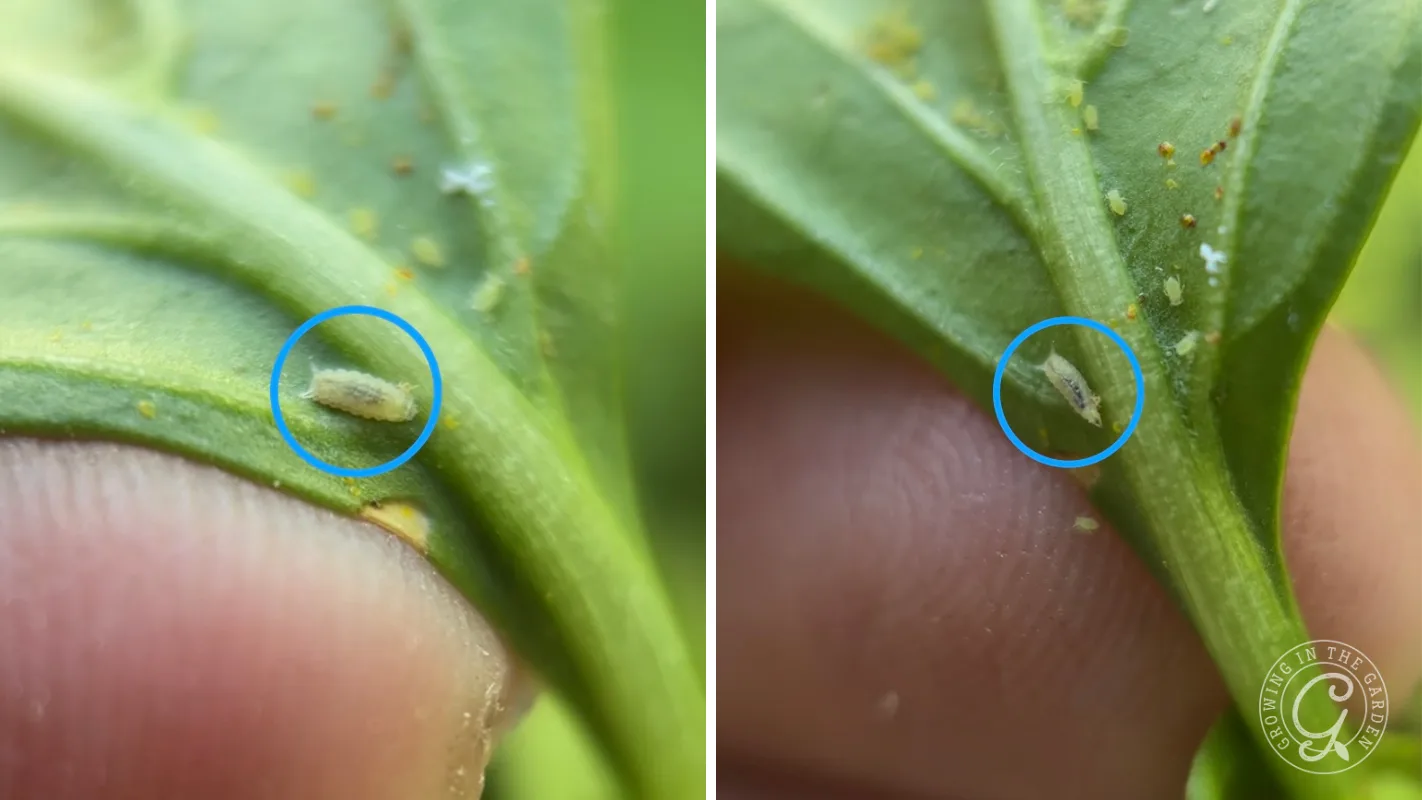
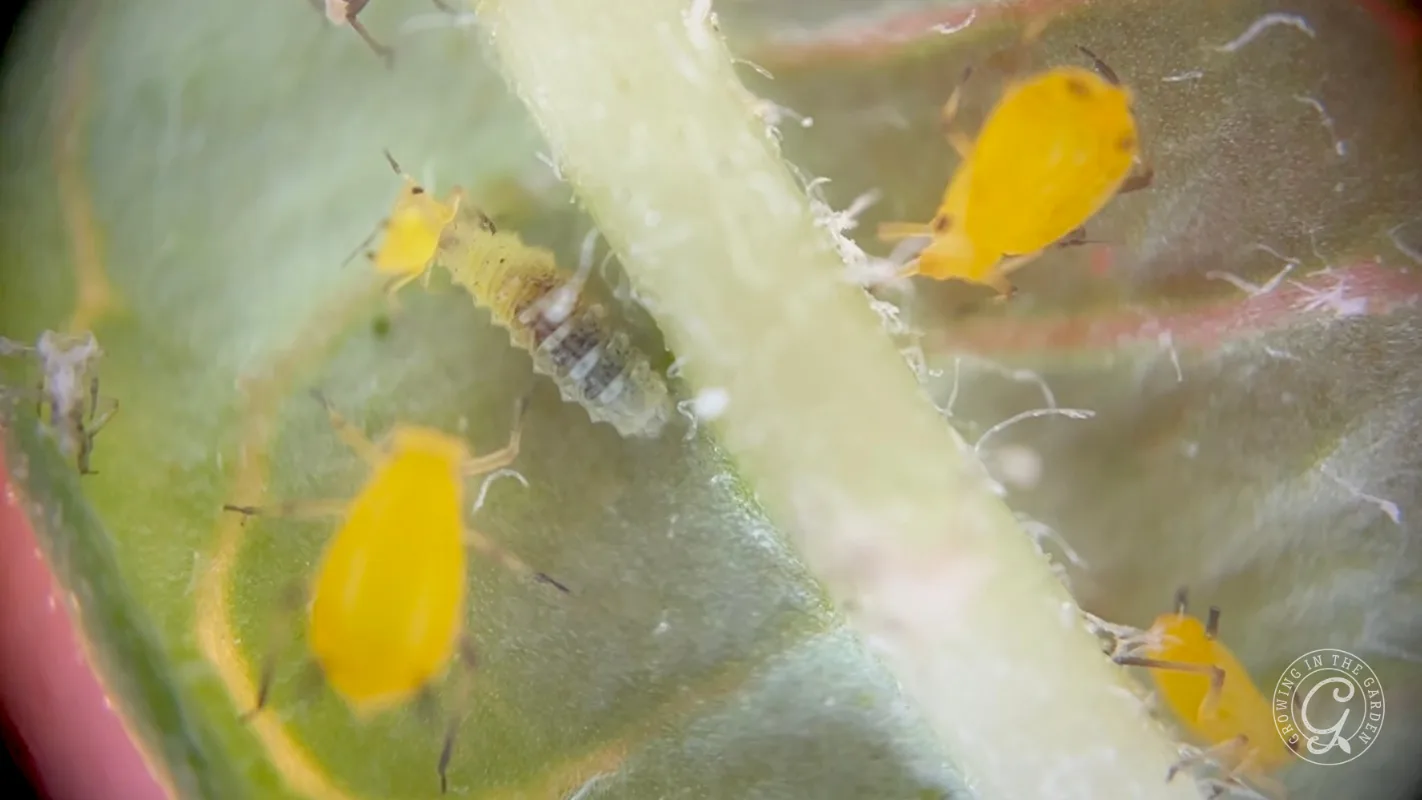
Truly they are voracious, similar to the lacewing and ladybug larvae, with one larva easily consuming thirty aphids a day. Within the one to three week period of the larval stage, it is not difficult for one larva to consume 400 aphids.
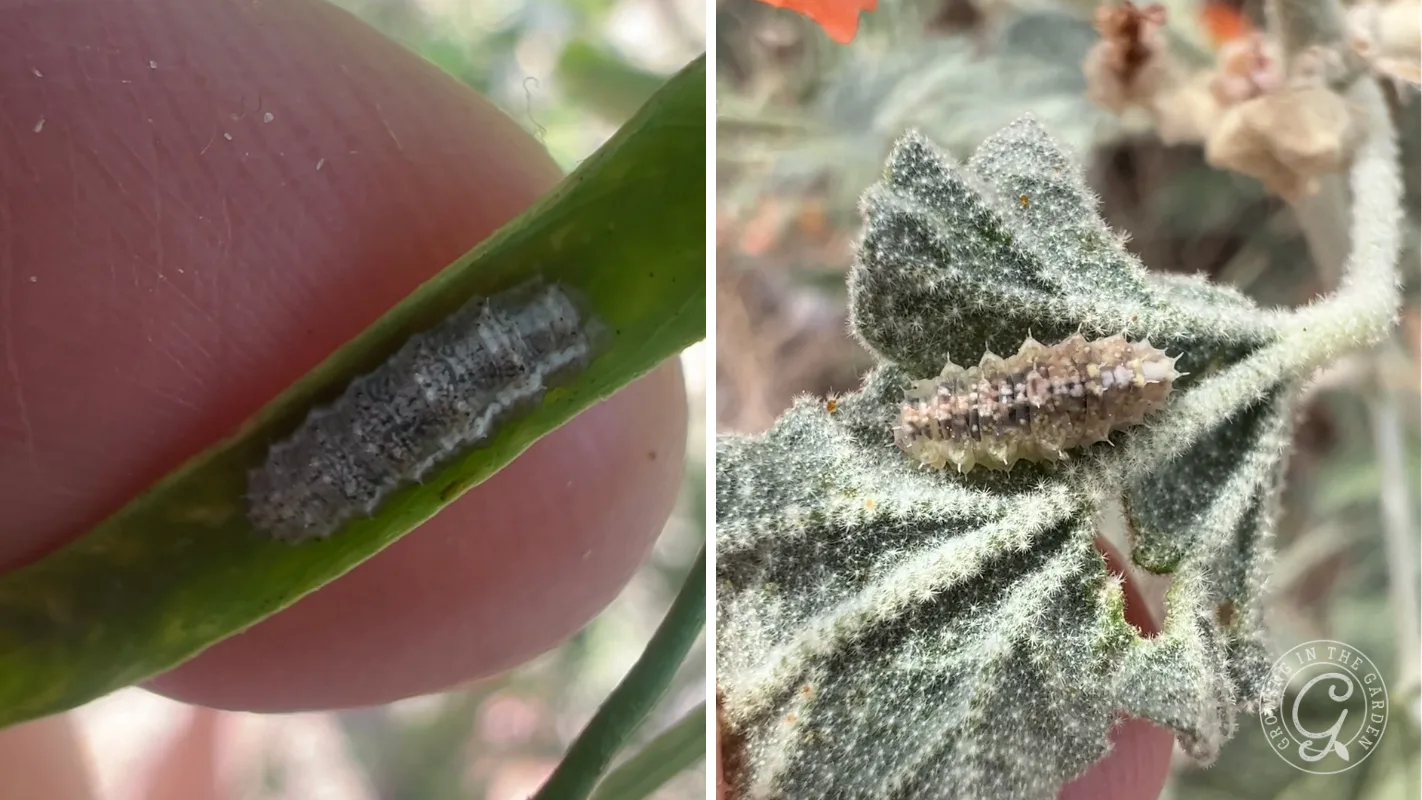
Having an established population of larvae among the aphids, they will quickly get rid of the colony without any additional help.
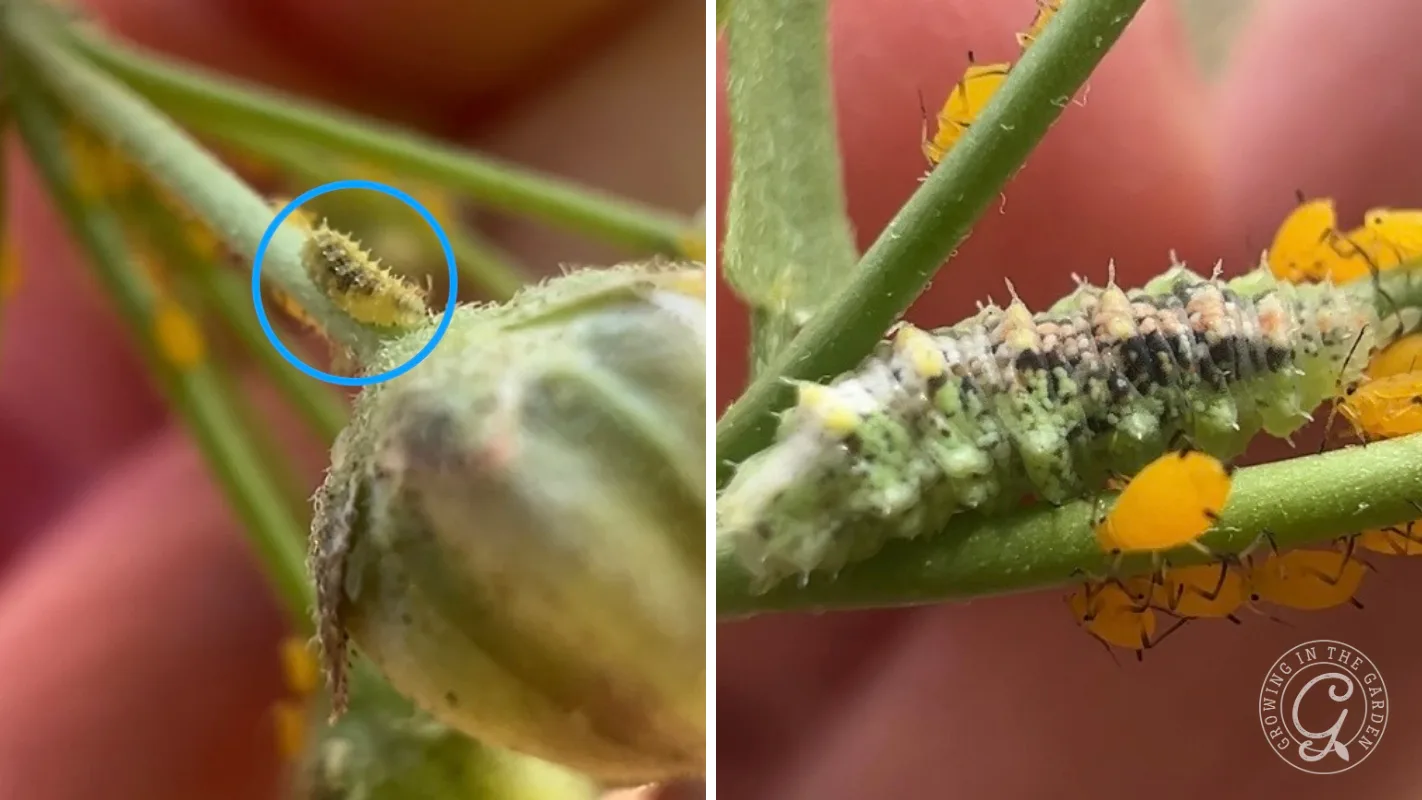
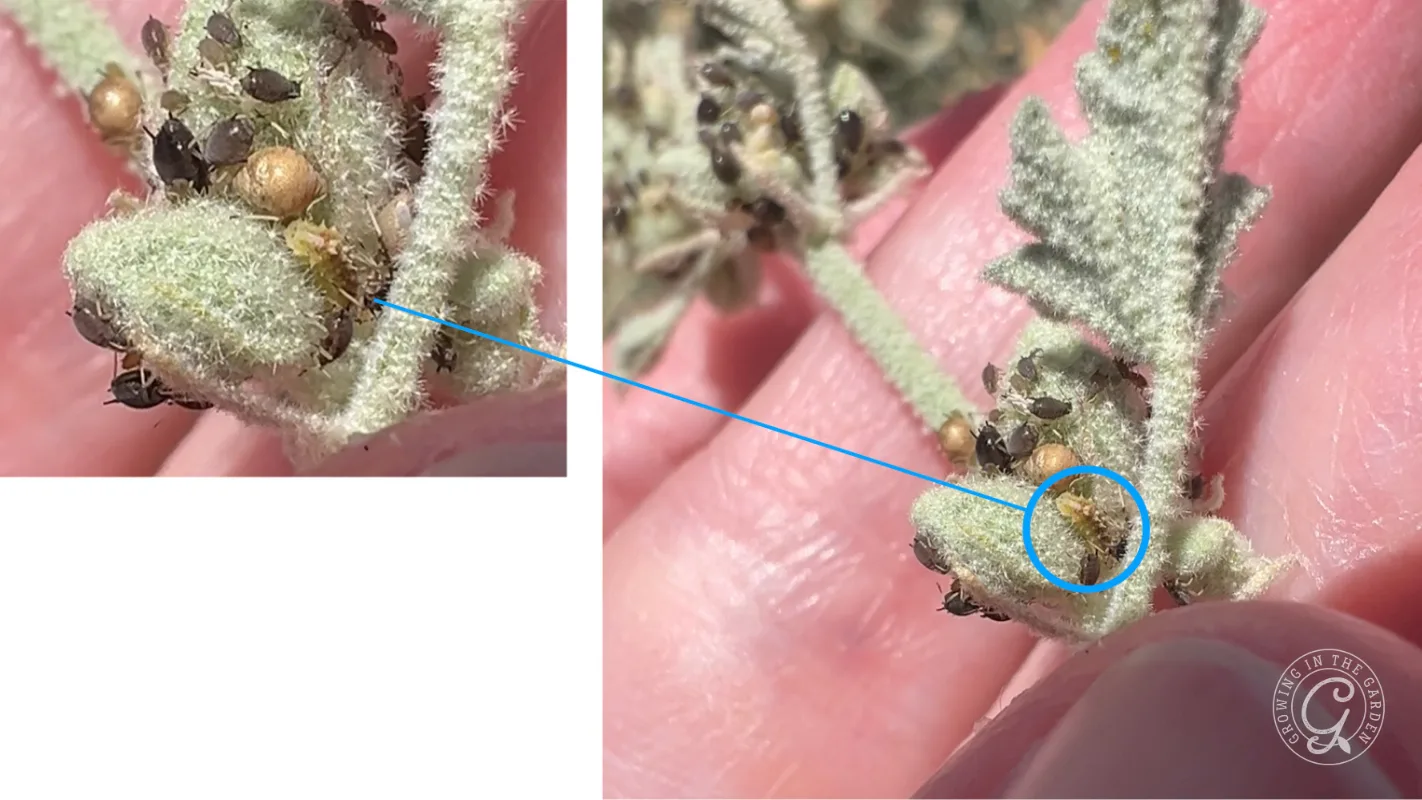
Often it is once the larva is close to pupation that we tend to find this caterpillar-looking creature. This is a critical moment of observation. Caterpillars, such as budworms or inchworms, will also be found on plants, maybe on the same plant.
The two features that help distinguish between caterpillars and hoverfly larvae: body shape and behavior.
Caterpillars are tubular — a round shape rather consistent from head to the end. They also have legs, which are lacking on the hoverfly larva, though this aspect might be more difficult to identify in person.
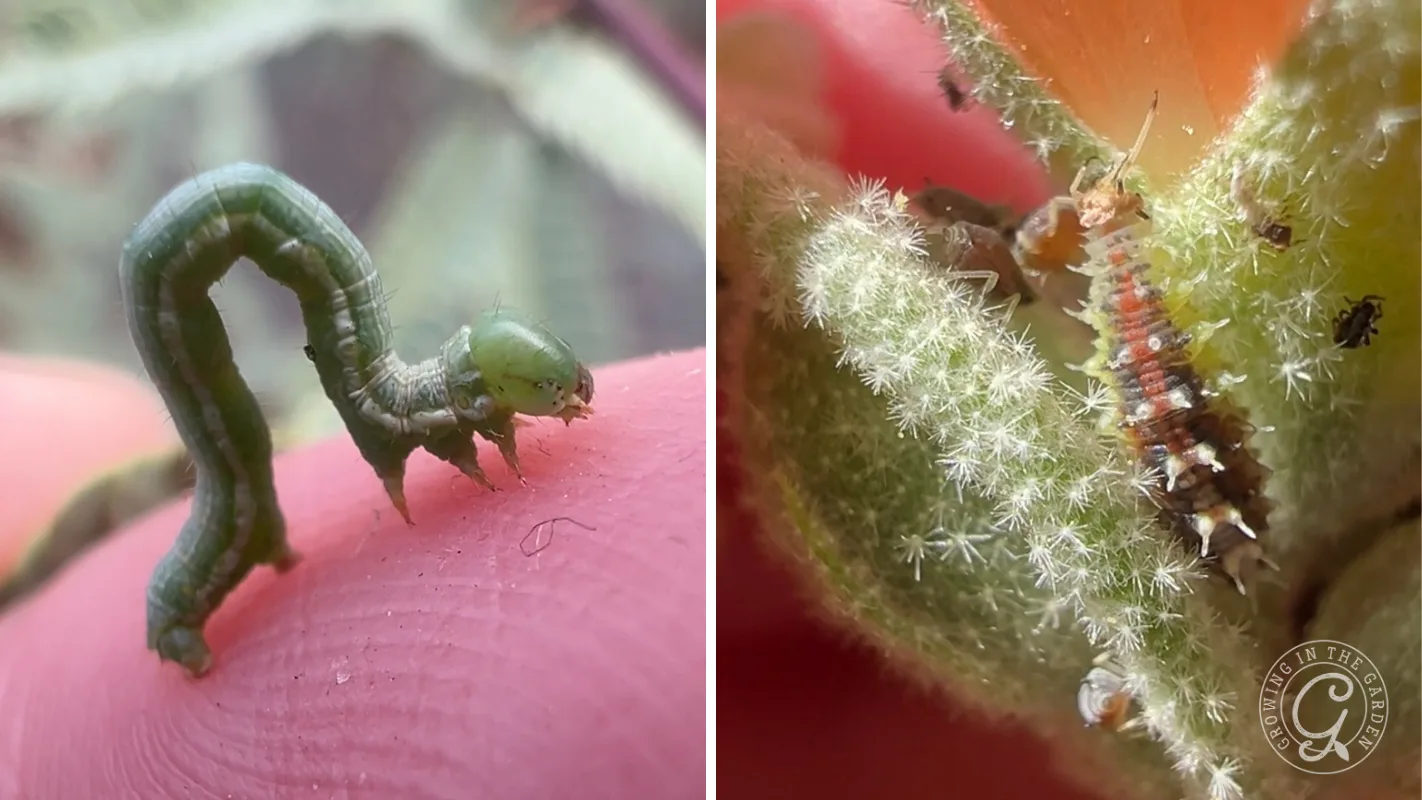
The hoverfly larvae, on the other hand, has a tapered body, thicker in the center with the head coming to a fine tip point. Technically the larvae are not caterpillars — rather they are maggots, moving in a slug-like manner.
As for behavior, the budworms and similar caterpillars are going to be consuming the plant. Unlikely to find them with the aphids, though some might be nearby. The hoverfly larvae will be focused solely on the aphids, either resting between feeding or actively consuming them.
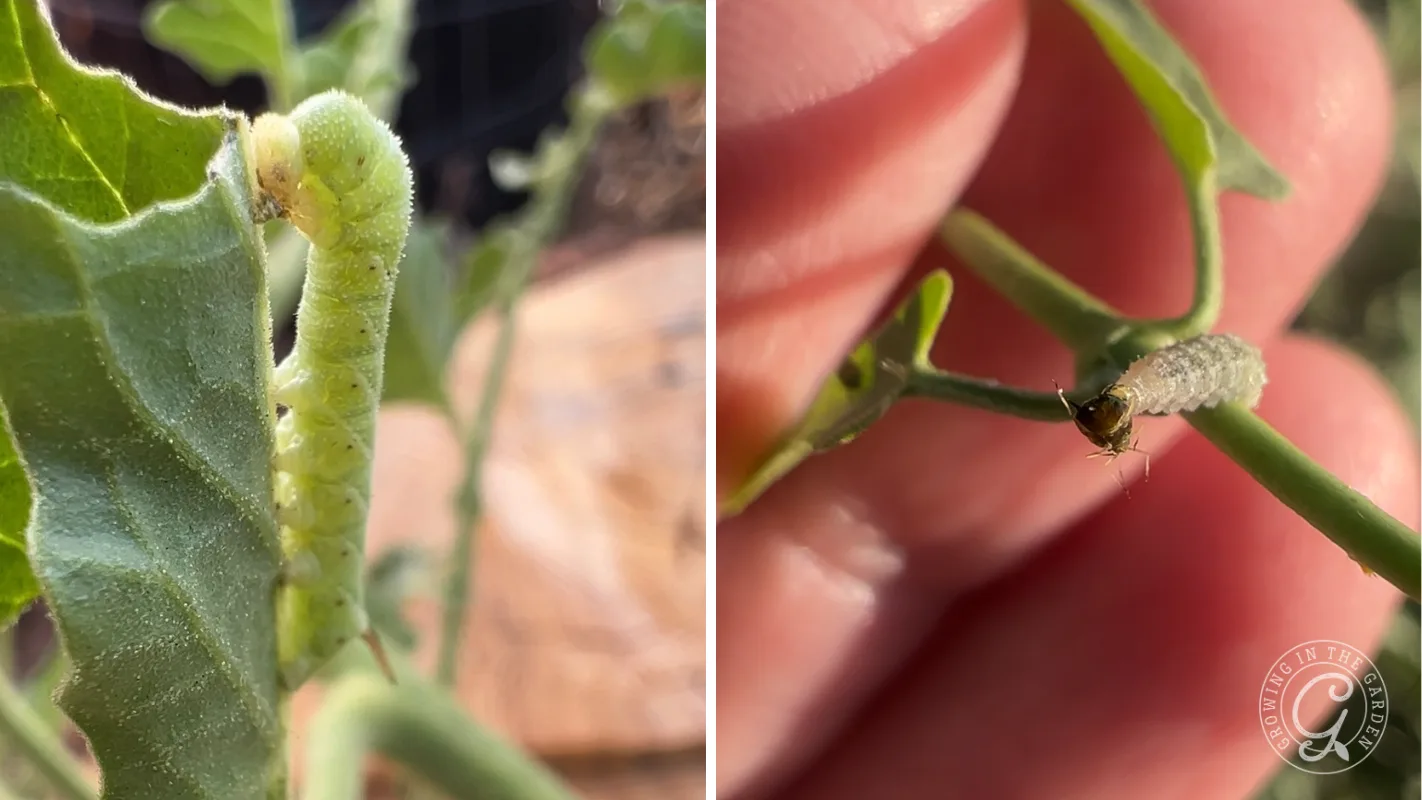
After feasting to its fill, the hoverfly larva is ready for the next stage of life.
A Mysterious Encasing
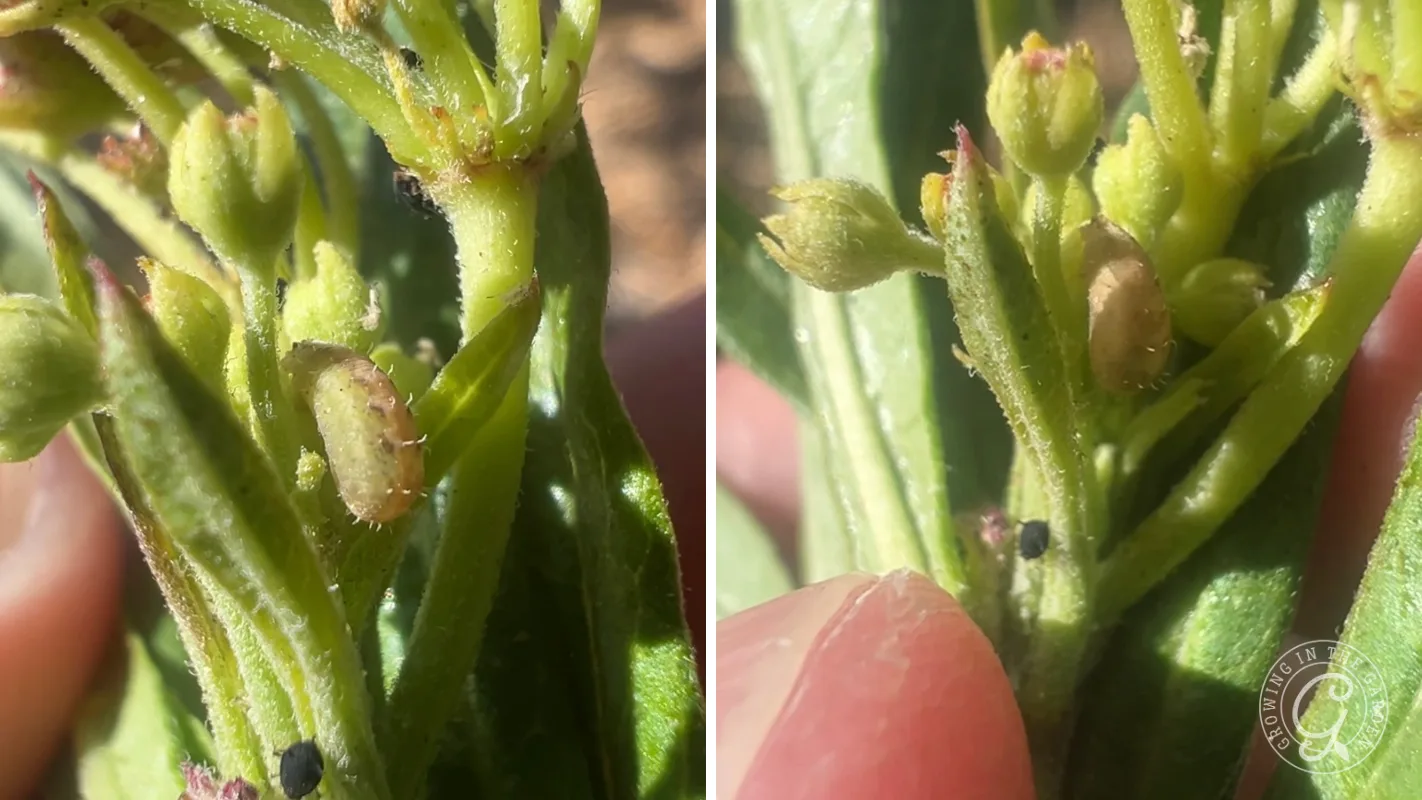
Finding a protected location often on a stem or on a leaf, the larva settles, as if resting. Initially it does not appear anything is happening. Slowly, over the course of the day, a protective shell will encase the larva. After another day, the larval coloring is less visible.
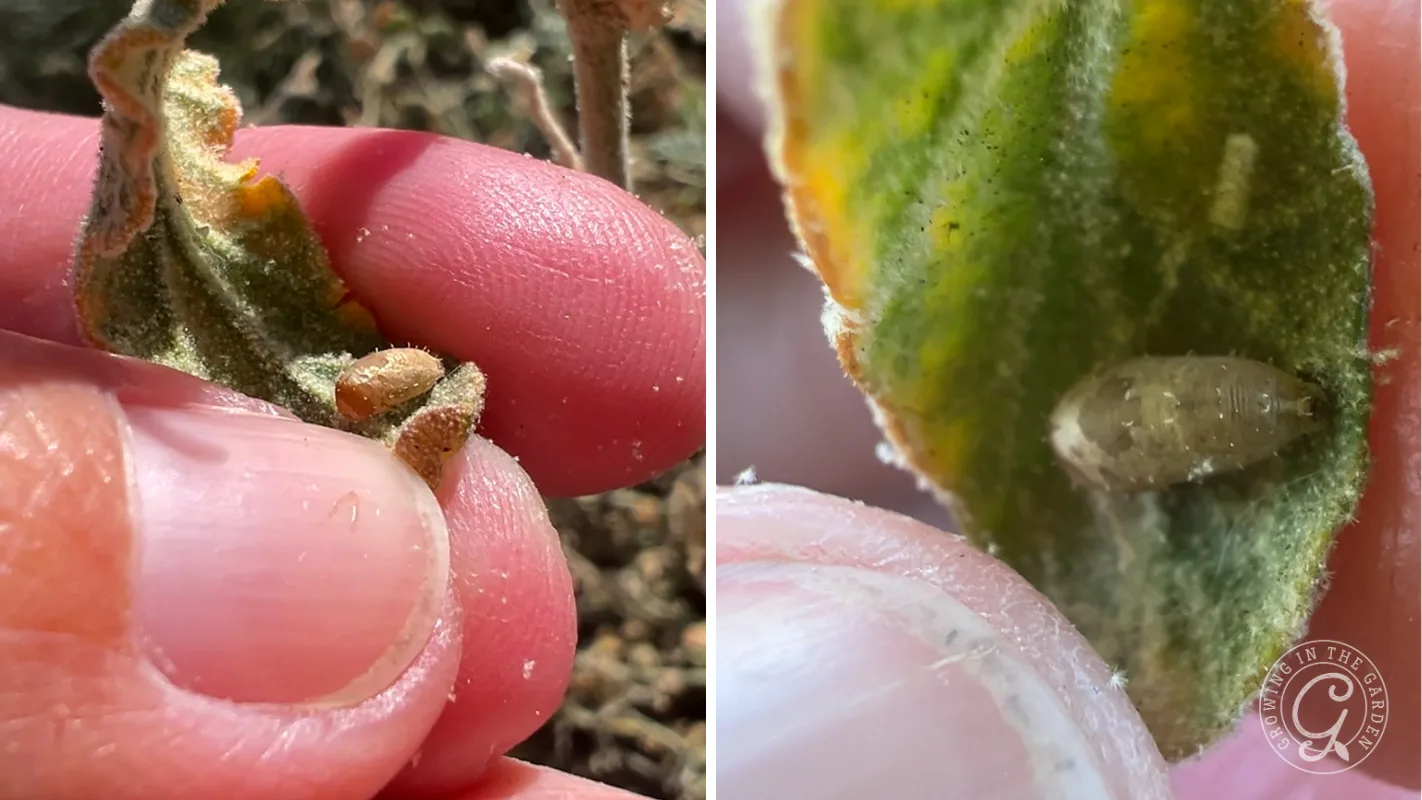
The pupa itself is often tan or a light brown, slightly larger than the pinky fingernail. Once you have seen one, it is hard to mistake the tear-drop shape for anything else.
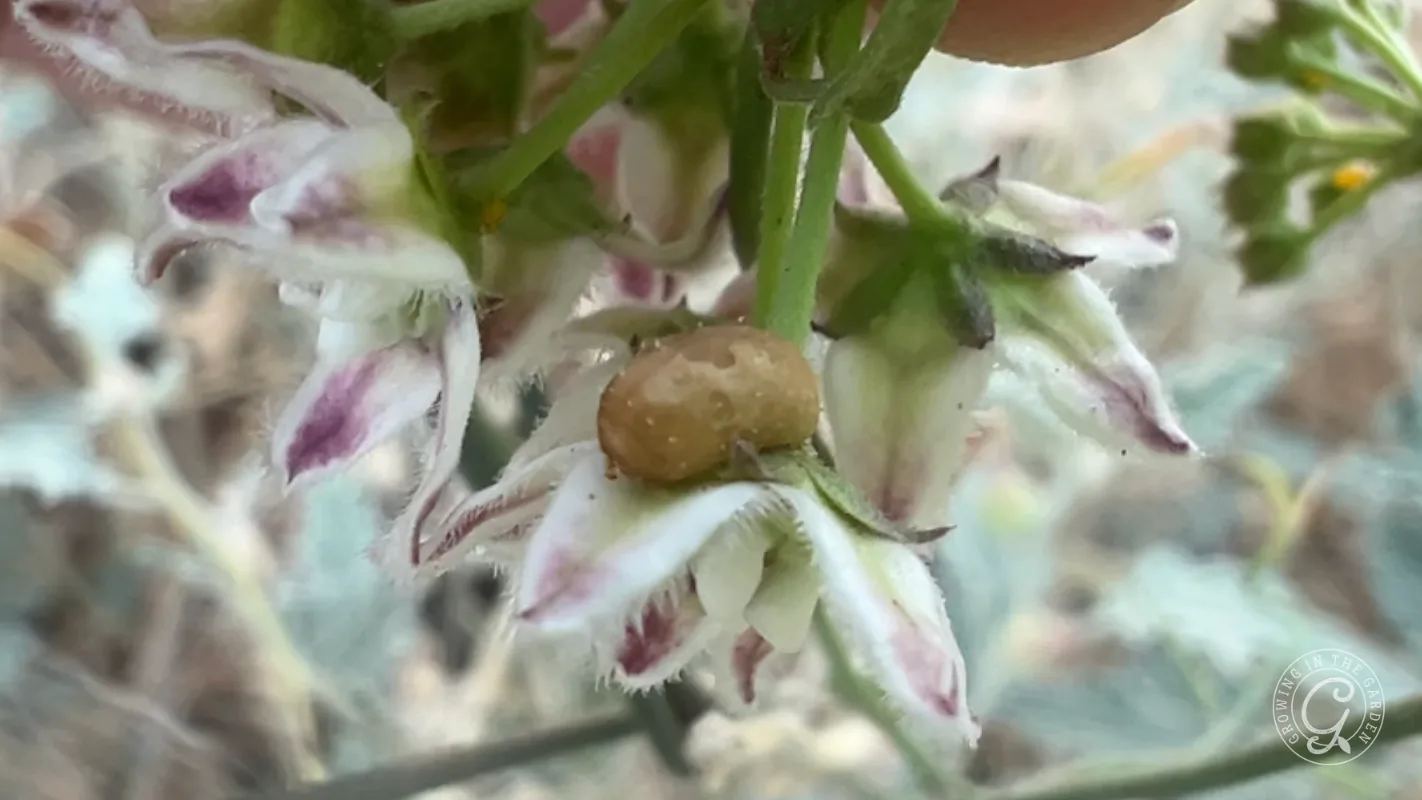
Inside the casing, over the course of at least a week, the larval tissue breaks down to reform into the adult fly body.
Eventually it will emerge to start the cycle over again, looking for nectar rich flowers while searching for a mate. In our low-desert region, where we can have a warm winter, hoverflies can produce more than one generation each year, helping to deal with the aphids that are less likely to be overwintering.
Seeing the World With Fresh Eyes
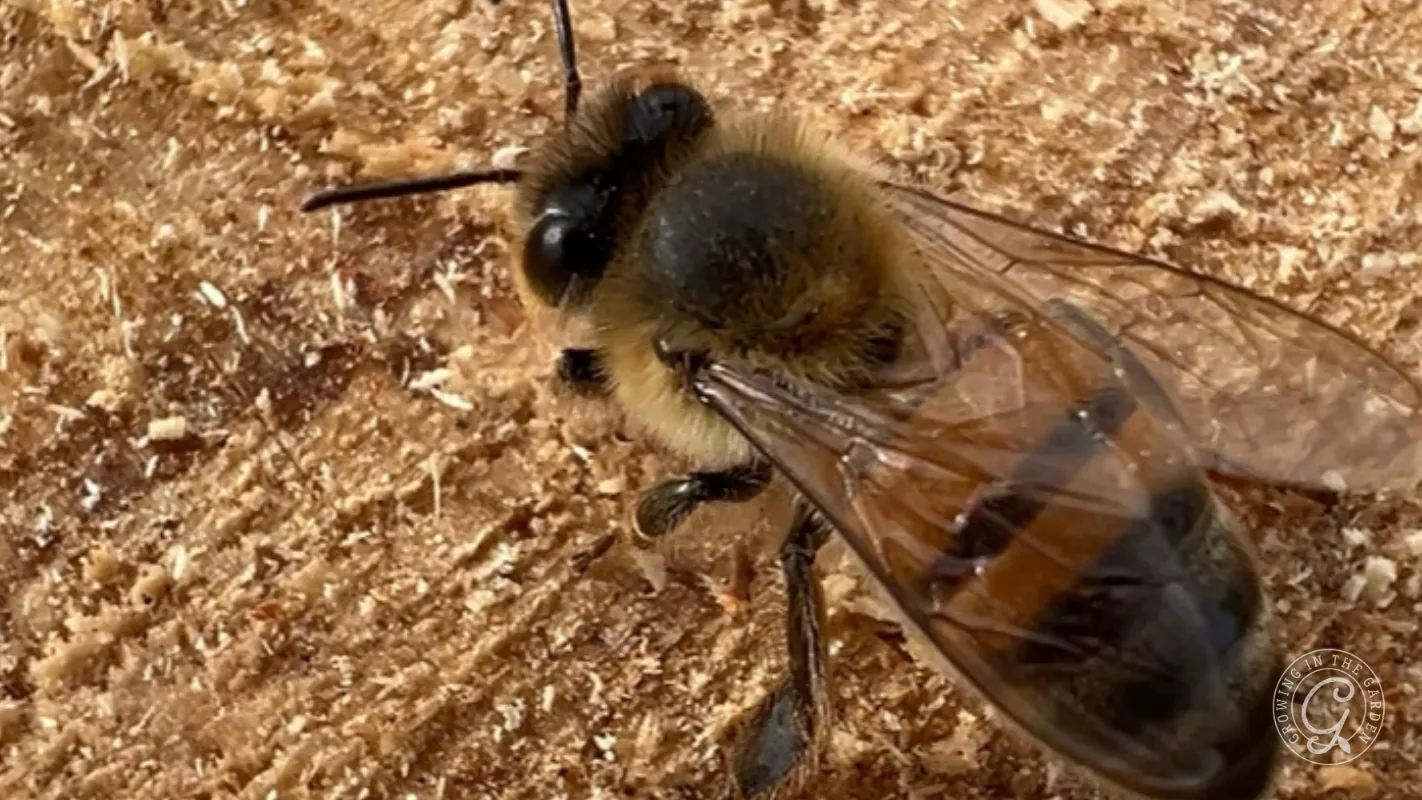
As is the case with many insects, the adult form looks completely different than the larval stage. Same holds true with hoverflies, now looking similar to a wasp or a bee, focusing on flowers instead of feeding on aphids.
In fact, after bees, hoverflies are considered the most effective pollinators. This is because they are known to remain active during times when bees are less active.
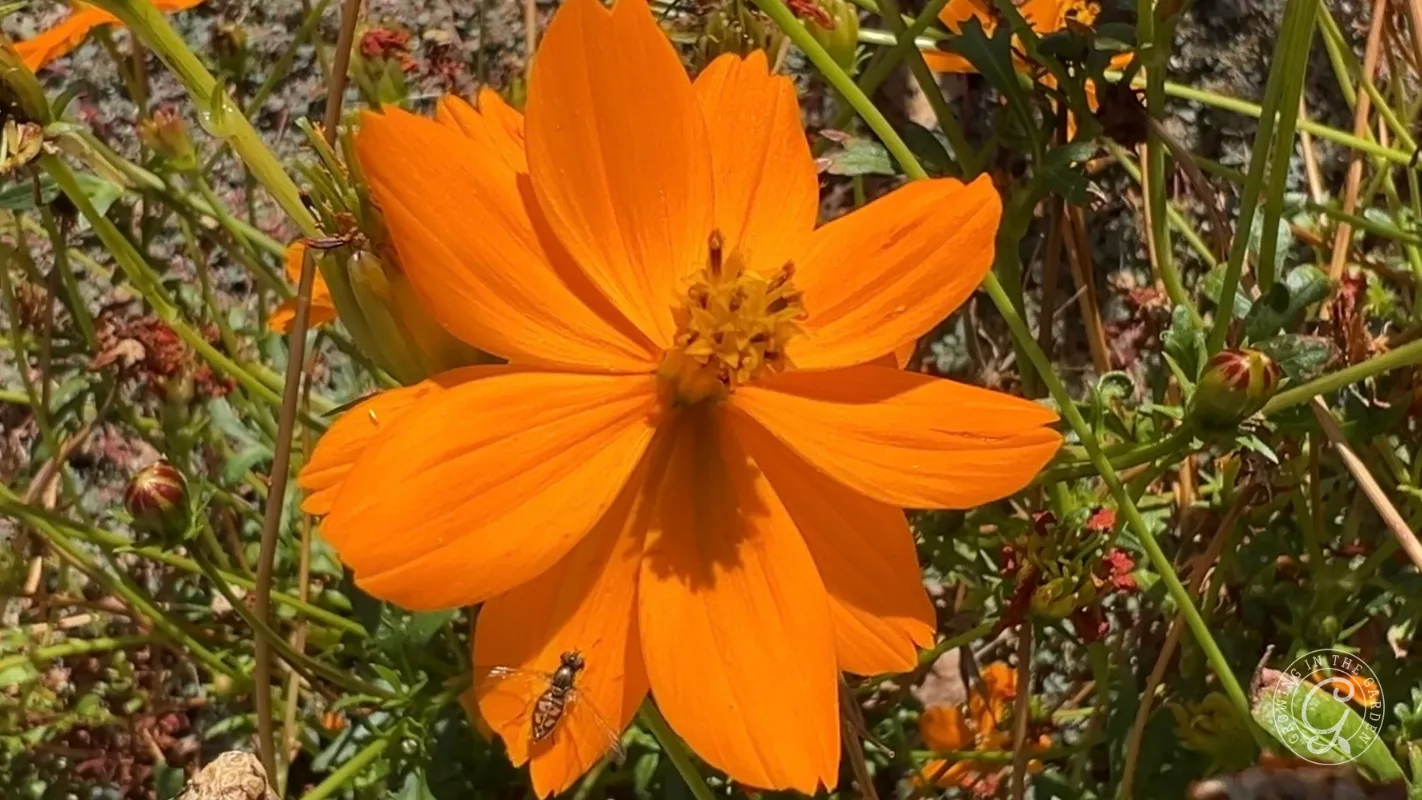
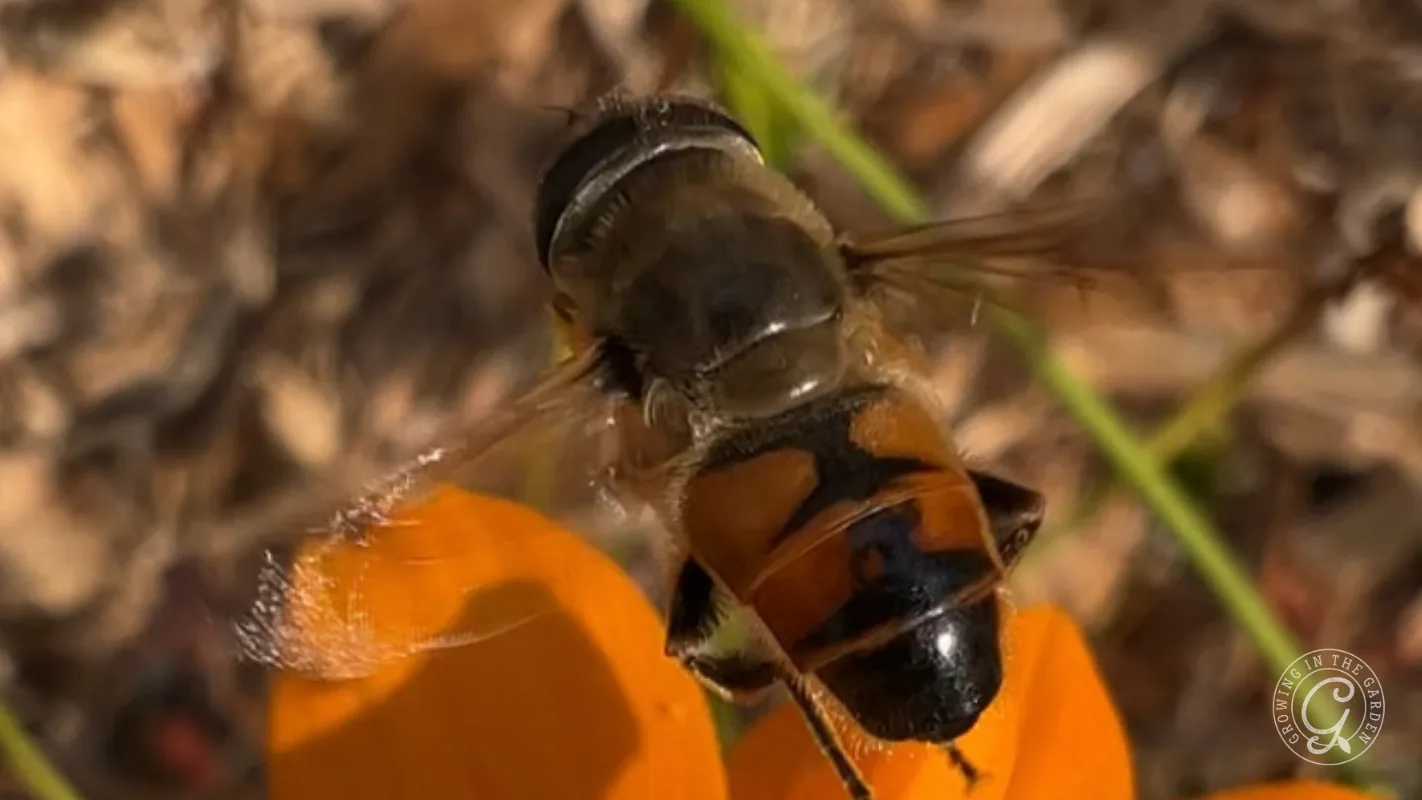
The main reason for this visual mimicry (called Batesian mimicry) is to avoid predators. As hoverflies do not sting, they are making a point of looking like insects that do. Also worth noting that crab spiders, which are frequently found around flowers, will avoid wasps. So the hoverflies that mimic wasps are more likely to be avoided by the spiders.
Adult Hoverfly Compared to Honey Bee:
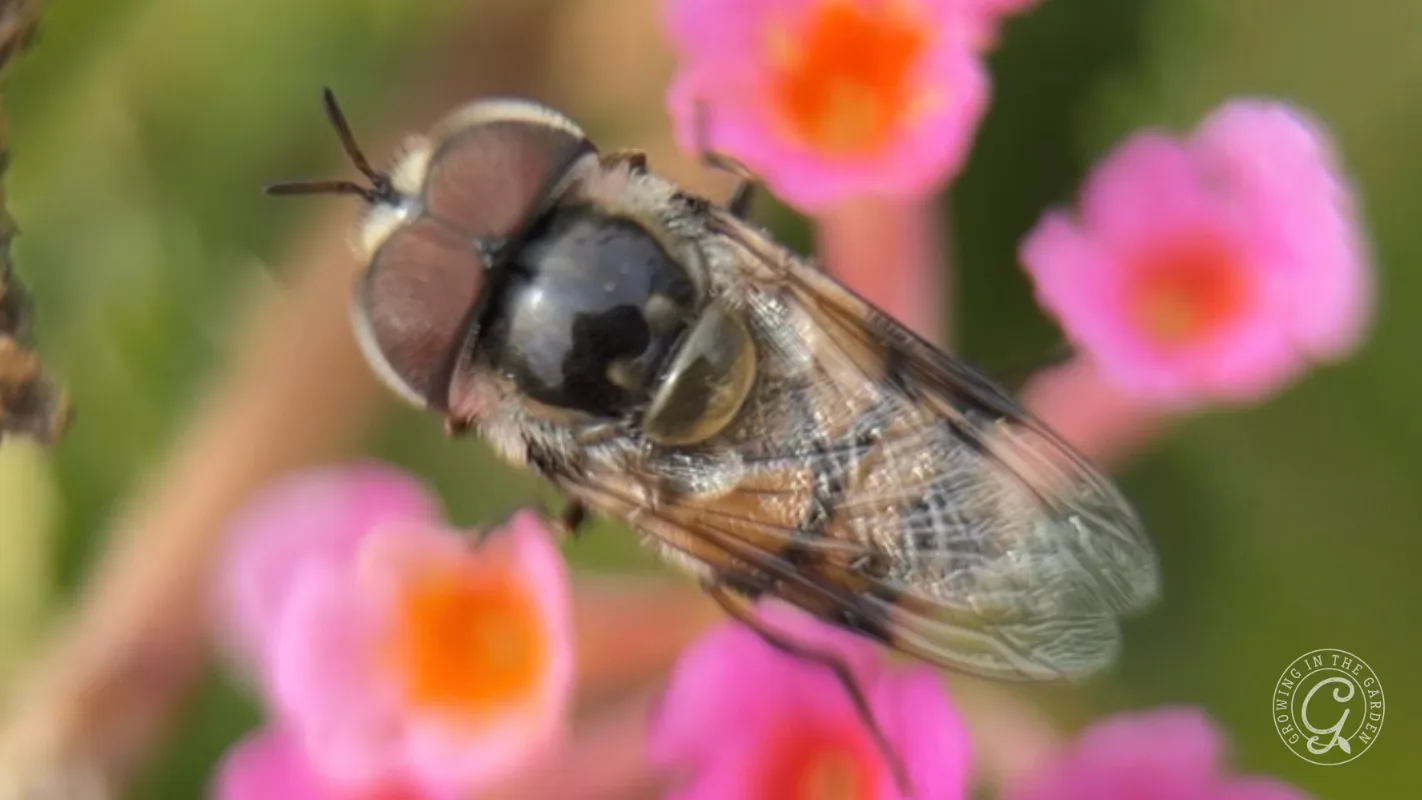
Adult Hoverfly Compared to Wasps:
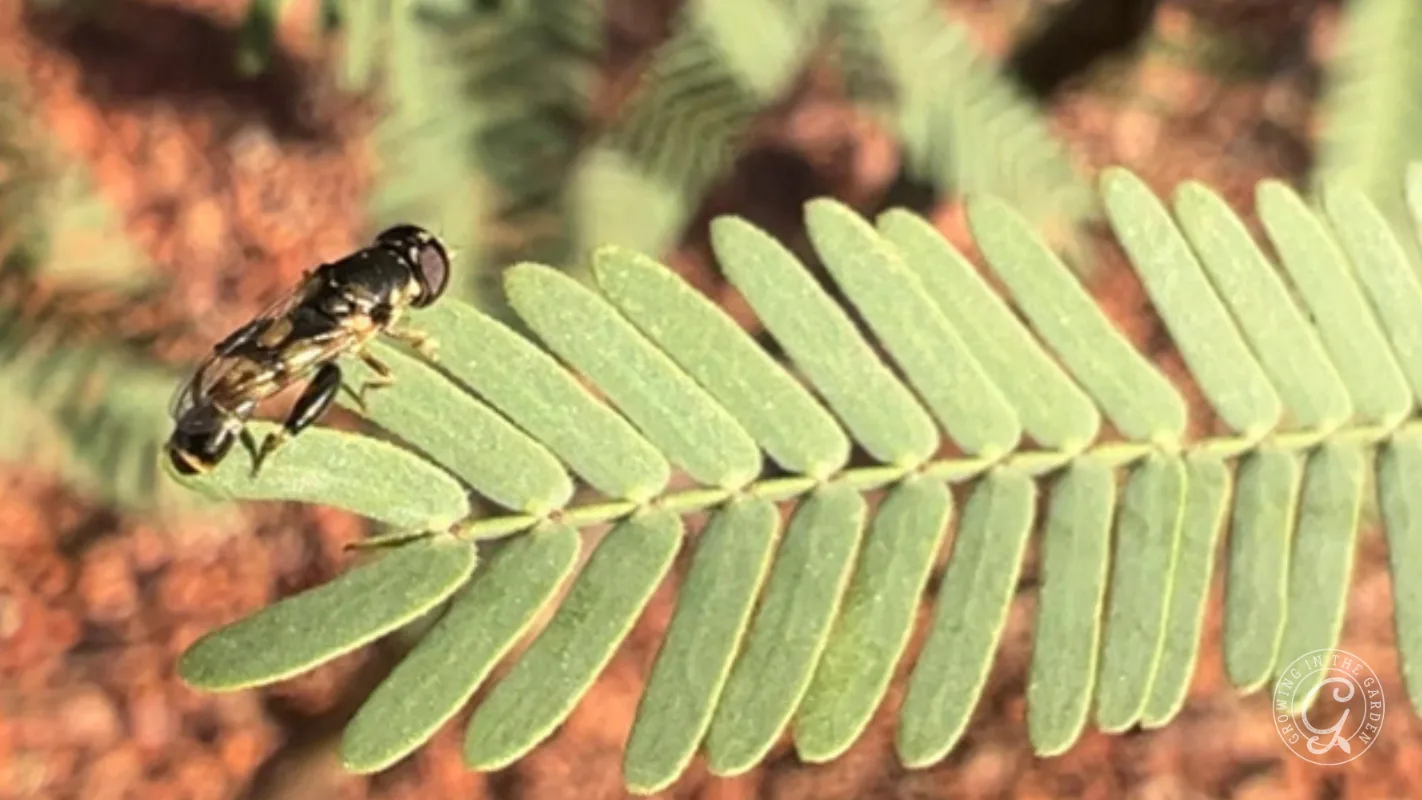
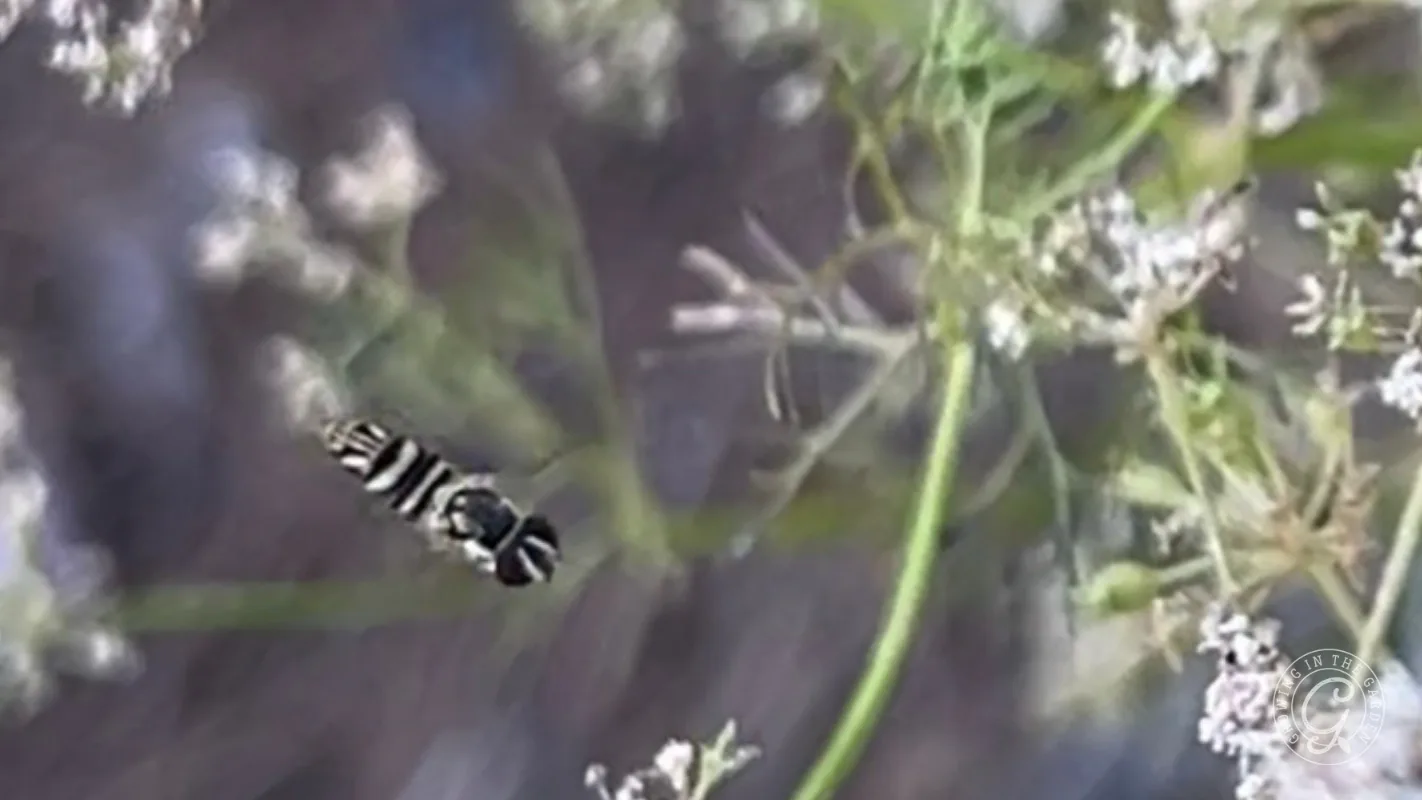
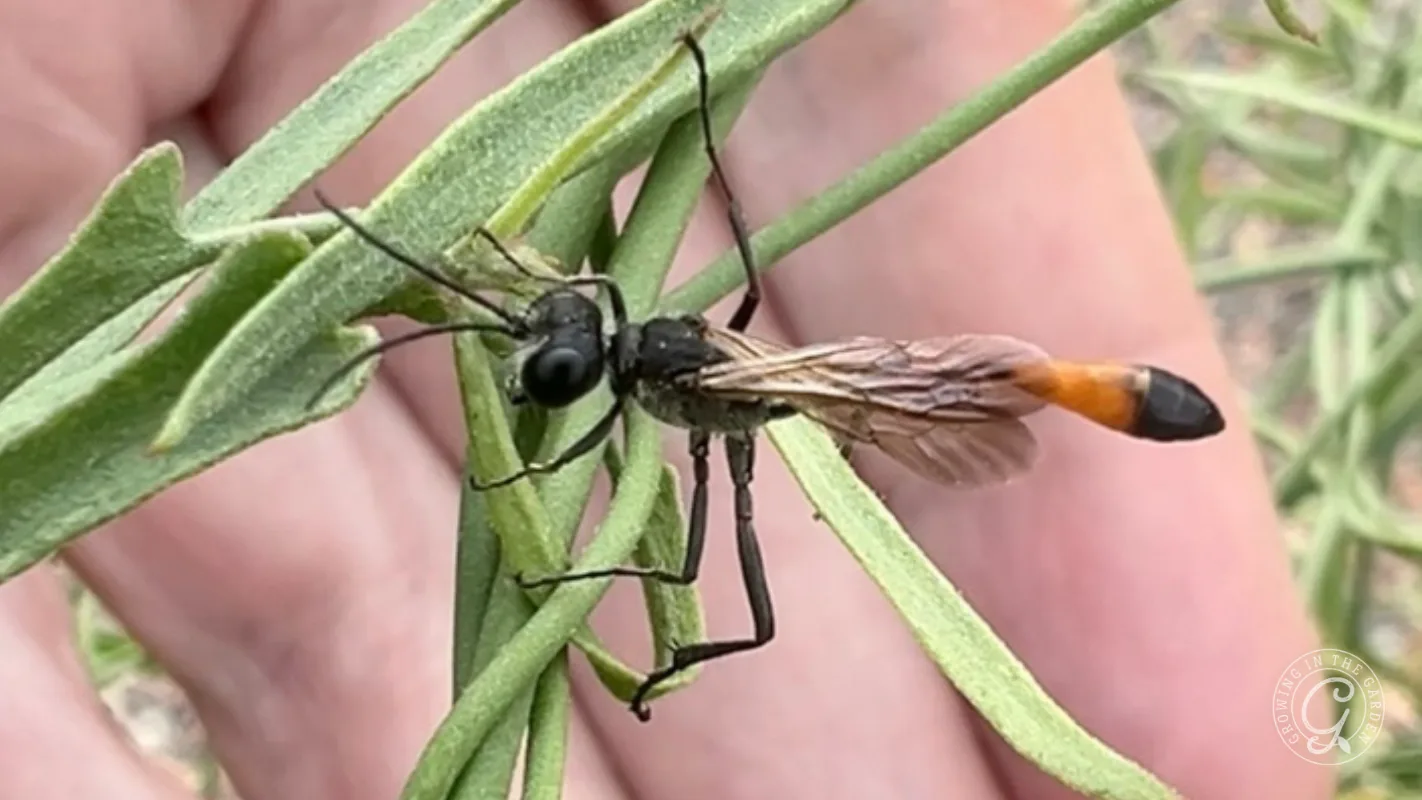
Now the focus has been about hoverflies that eat aphids, but there are other species of hoverflies. Some species are breaking down organic material, others are feasting on aphids or other soft-bodied insects, even some that focus on ants or termites. The important aspect to remember: all hoverflies are beneficial.
For a broader look at how hoverflies fit alongside the other beneficial insects working in your garden, this visual guide to common garden insects and their lookalikes is a useful companion to this post. And if you want to add plants that attract pollinators and beneficial insects, including hoverflies, daisies, yarrow, and zinnias are all reliable choices.
Hoverfly FAQs
While they do look like a wasp or a bee, hoverflies cannot sting or bite.
Two main ways: the body shape and what they are eating. The caterpillar will have a long tube-shaped body and will be consuming the plant (leaves, stems, and/or flowers). The hoverfly larva has a tapered body (thick in the middle, narrow point towards the head) and will be eating aphids.
It depends on the species. Some live in the soil, helping to break down organic matter or even in water. Other species are focused on soft-bodied insects, such as aphids, and the larvae will be found on plants with the aphids.
Most flowers will attract them. Daisies, asters, yarrow, and zinnias seem to be particularly attractive to them.
No, they are beneficial insects no matter the species. They are right behind bees in terms of being an important pollinator for plants, plus helping to control various garden insects.
Sources on Batesian mimicry:
- Evidence for Batesian Mimicry in a Polymorphic Hoverfly (Evolution)
- The Relationship between Morphological and Behavioral Mimicry in Hover Flies (The American Naturalist)
- Why many Batesian mimics are inaccurate (Proceedings of the Royal Society)
About the Author
For more than thirty years, Jean has been growing plants and spending time in nature, both in California and Arizona. With a background in fine art, she honed her skills in observation, a critical element for anyone striving to have a garden. Currently, she is finishing her doctoral studies in ecology (special focus on entomology), while helping others to work with nature in order to have a thriving ecosystem. You can find more of her work as “Red Shoe Gardener” on YouTube and Instagram.

Leave a comment on Hoverflies: An Underrated Garden Predator