
Low Desert Garden Insects with Jean Elston
If you have ever found a bug or insect in your garden and wondered whether to leave it or remove it, this series is for you. My friend Jean Elston is finishing her doctoral studies in ecology with a special focus on entomology, and she has been documenting the insects in her low desert garden with her own photos — every lifecycle stage, every lookalike, every moment of confusion that most gardeners experience but never get answered clearly.
Each post in this series covers one insect or topic in depth. Jean’s photos are original and irreplaceable. I have learned something from every single one of these posts, and I think you will too. Bookmark this page and work through them in order, or jump to whatever is most relevant to what you are finding in your garden right now.
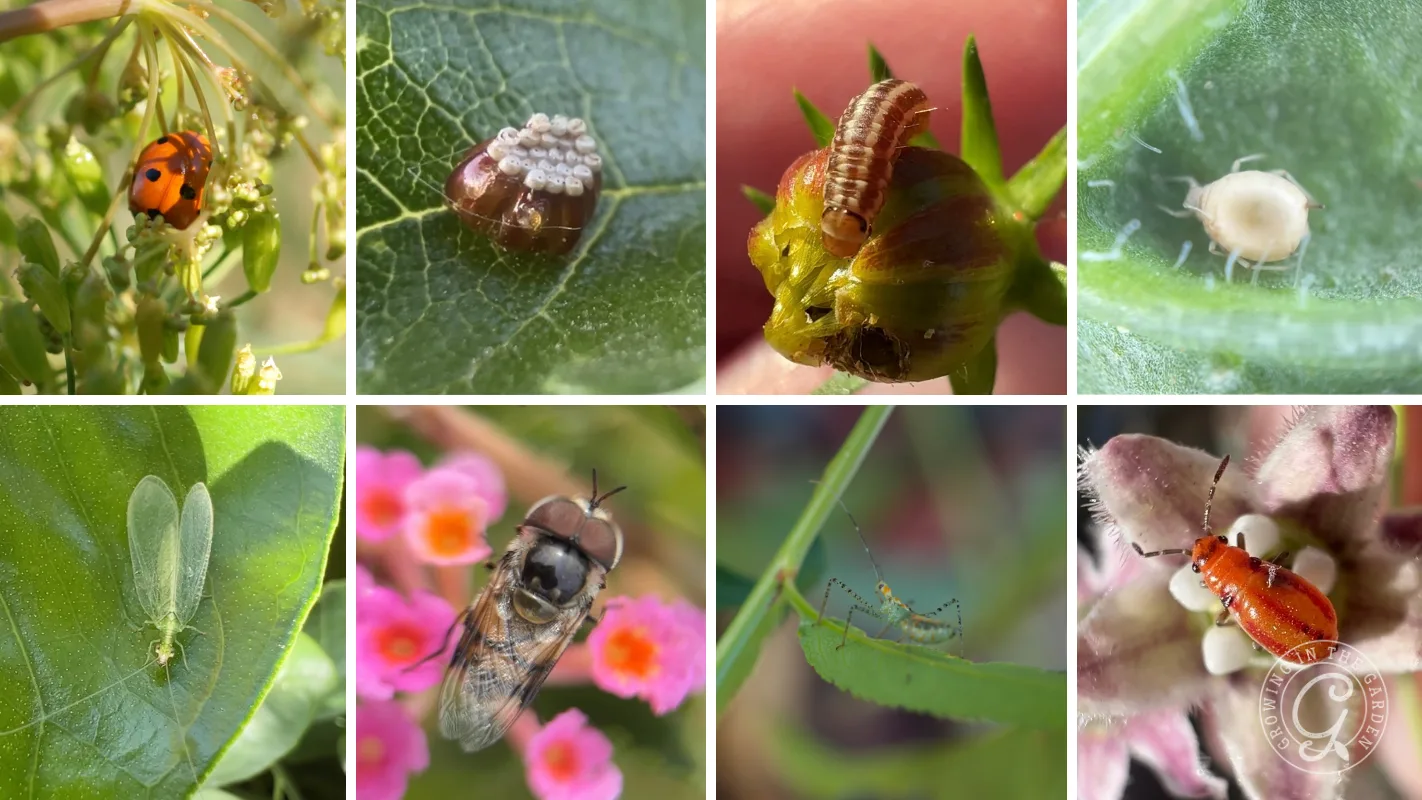
The Series at a Glance:
- 1. Ladybugs in the Garden: Lifecycle and How to Attract Them
- 2. Lacewings in the Garden: Lifecycle and How to Attract Them
- 3. Aphid Mummies and Parasitic Wasps in the Garden
- 4. How to Identify Beneficial Insect Eggs in Your Garden
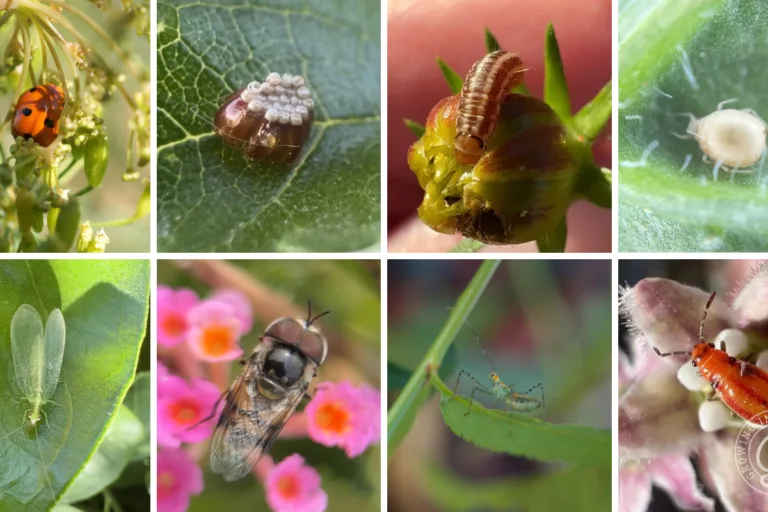
- 5. Not All Bugs Are Bad: A Visual Guide to Garden Insects and Lookalikes
- 6. A Gardener’s Guide to Hoverflies
- 7. A Tiny World on a Leaf: Predators of Thrips, Mites, and Whiteflies
- 8. How to Attract Hummingbirds to Your Arizona Garden
- 9. Tomato Hornworms: Lifecycle, Identification, & Control
- About Jean Elston
1. Ladybugs in the Garden: Lifecycle and How to Attract Them
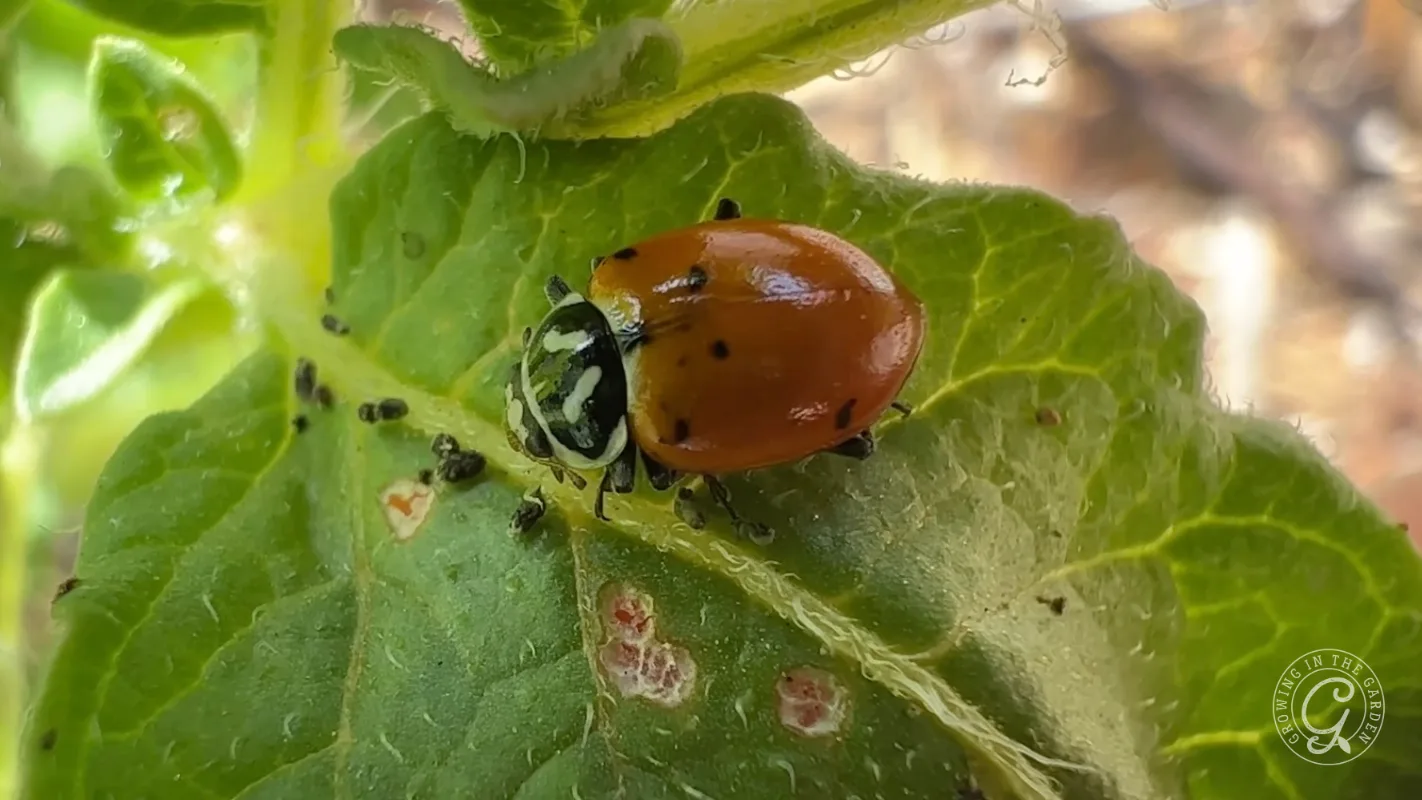
Most gardeners recognize a ladybug on sight but have never seen the eggs, larvae, or pupa up close. Jean documents every stage of the ladybug lifecycle with her own photos and explains what it takes to attract ladybugs and keep them working in your garden — including why the ones you buy almost always disappear.
Read: Ladybugs in the Garden
2. Lacewings in the Garden: Lifecycle and How to Attract Them
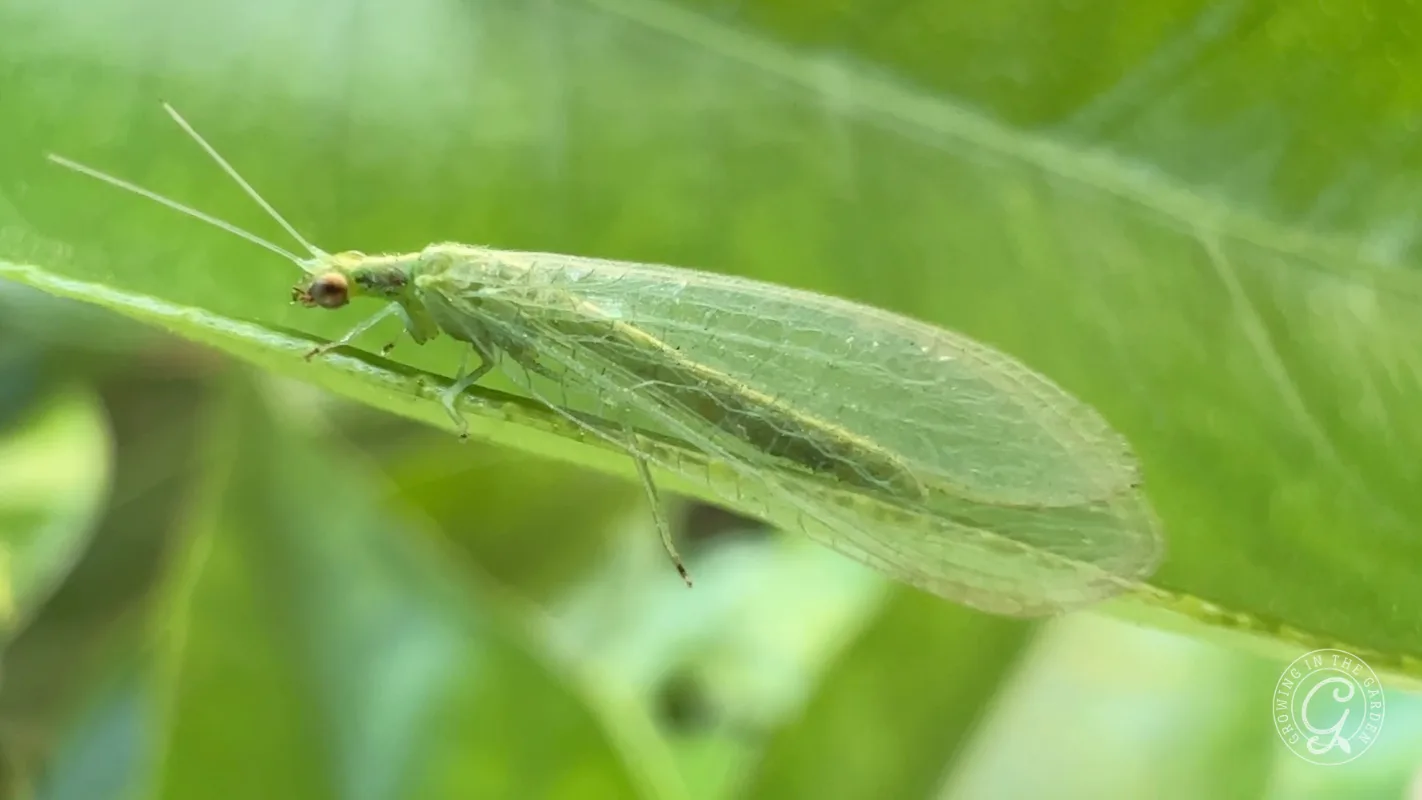
Green lacewings are one of the most effective beneficial insects for pest control in the low desert, and they are present almost year-round. Jean covers the full lifecycle from egg to adult, explains how to tell lacewing larvae apart from thrips and other lookalikes, and shares exactly what it takes to attract them and keep them in your garden.
Read: Lacewings in the Garden
3. Aphid Mummies and Parasitic Wasps in the Garden
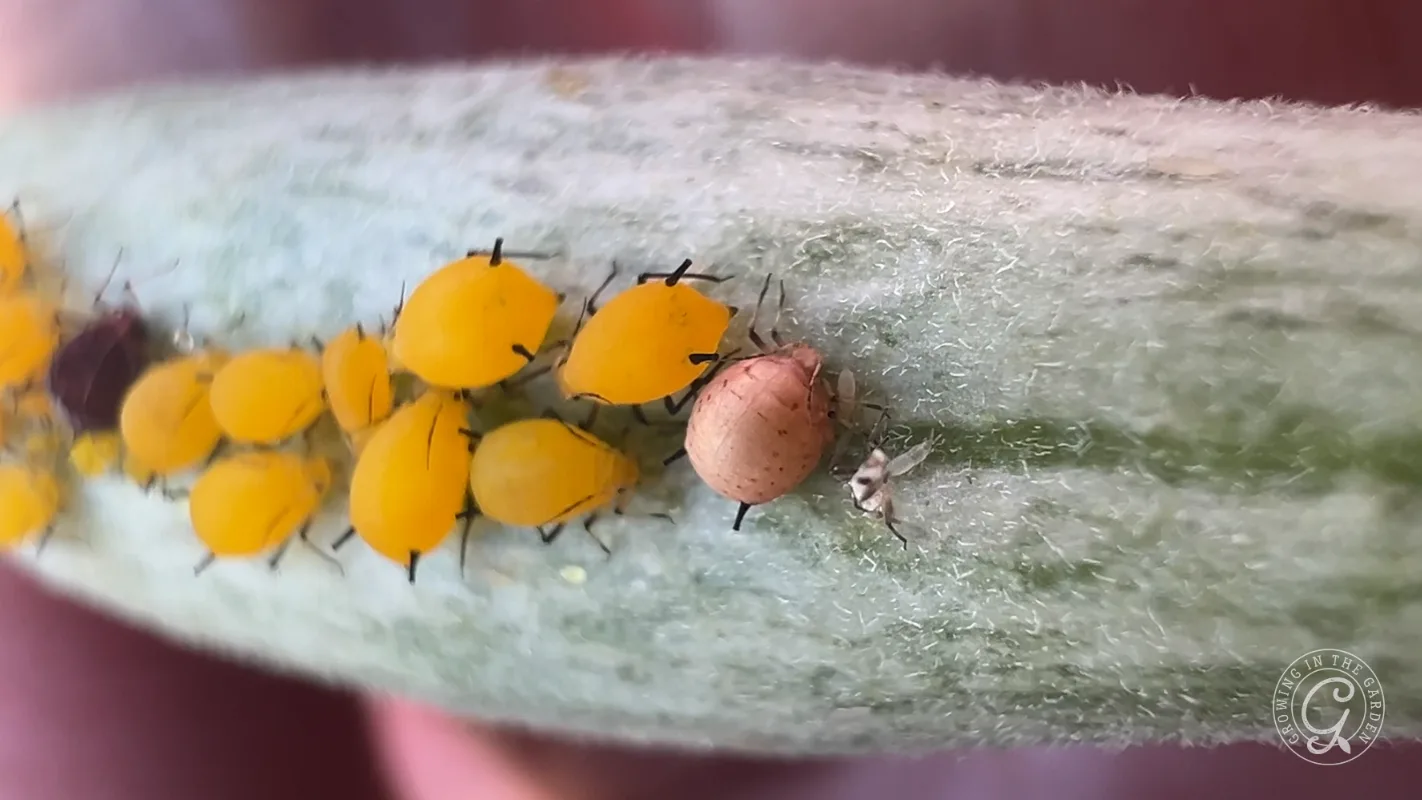
Those bloated tan aphids that are not moving in your garden are aphid mummies — and they mean parasitic wasps are already working on your behalf. This post explains the full parasitic wasp lifecycle, what aphid mummies are, and why removing them is one of the most common mistakes gardeners make.
4. How to Identify Beneficial Insect Eggs in Your Garden
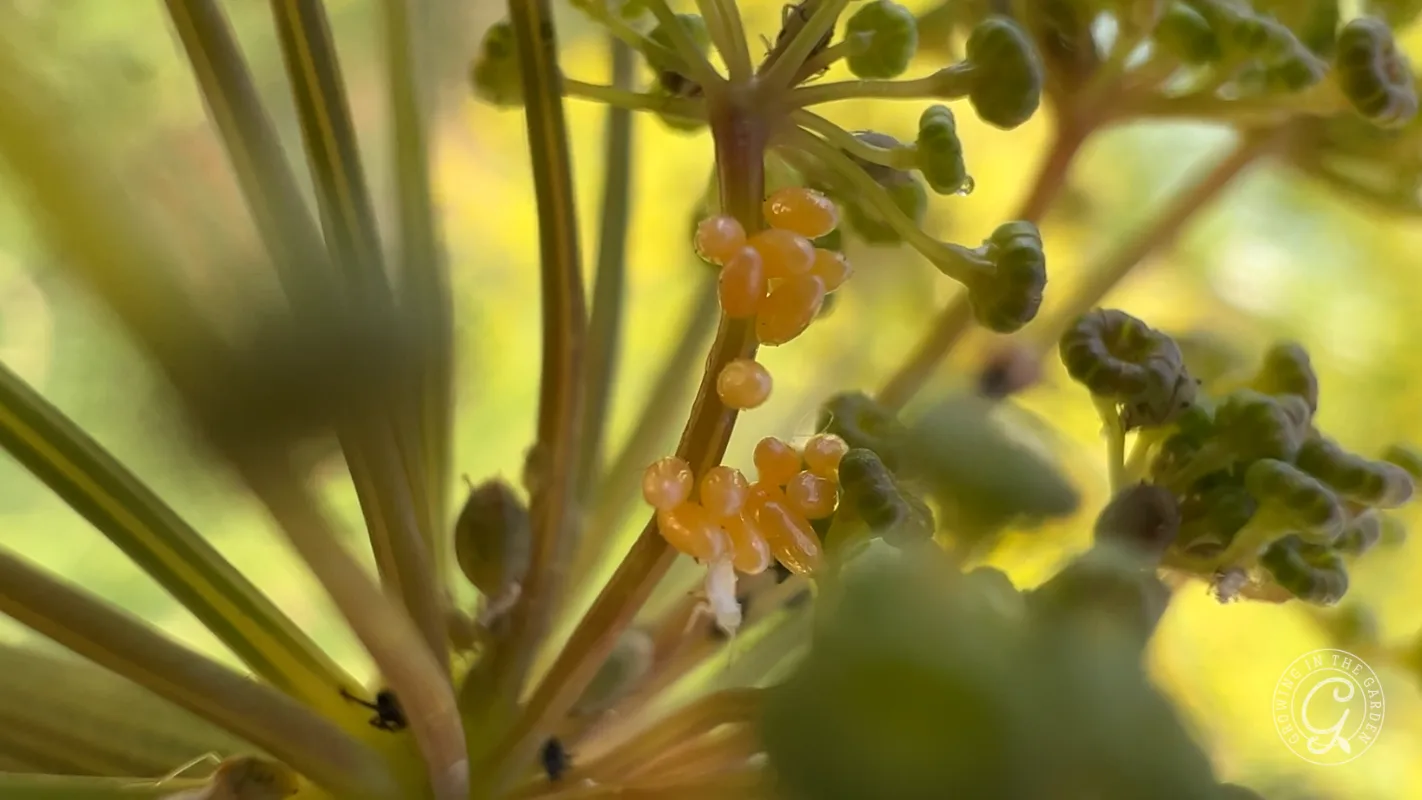
Ladybug eggs, lacewing eggs, assassin bug eggs, hoverfly eggs, and parasitic wasp cocoons — this is the identification guide to bookmark. Jean covers what each one looks like, where to find them, and how to tell them apart from pest eggs.
5. Not All Bugs Are Bad: A Visual Guide to Garden Insects and Lookalikes
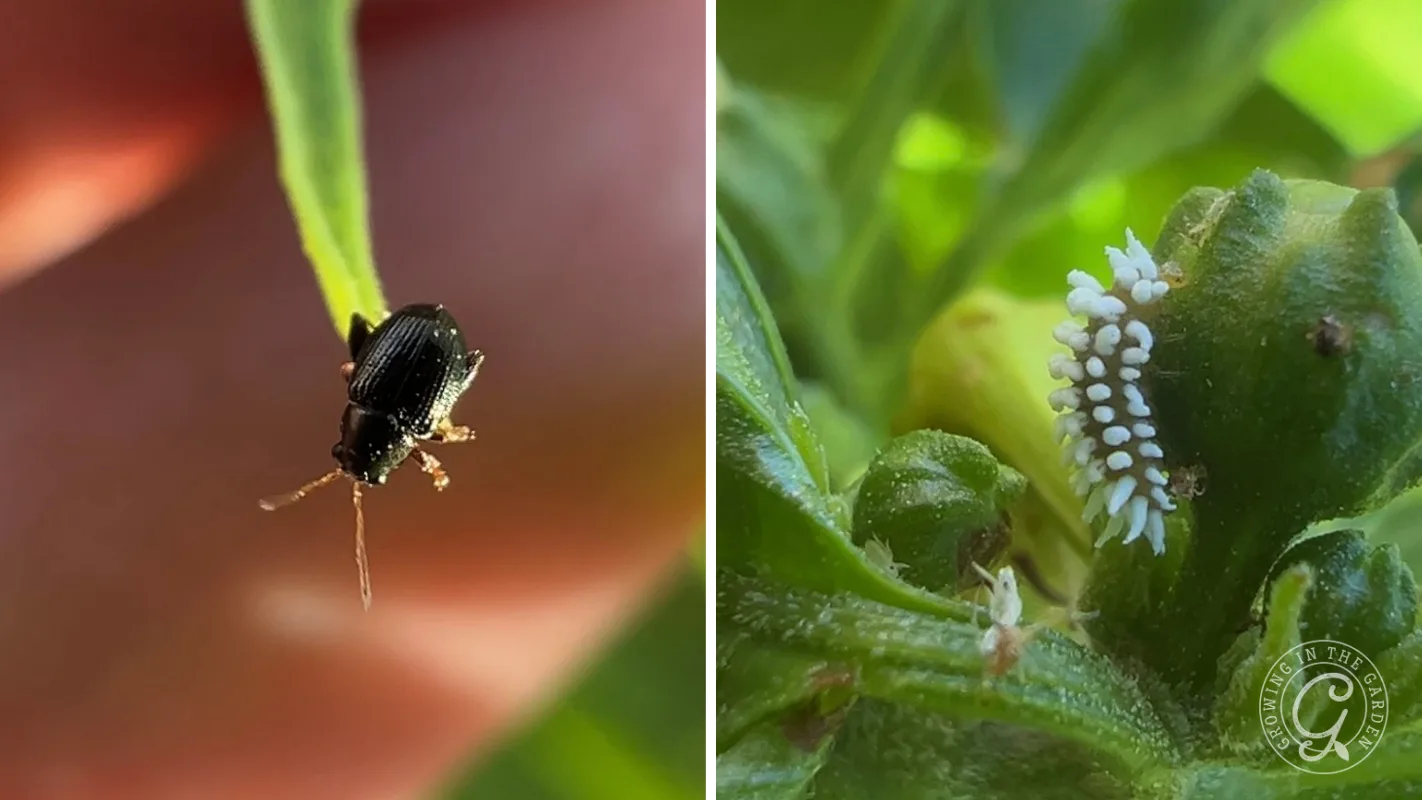
True bugs, assassin bugs, hoverflies, squash bugs, leaf-footed bugs — this post covers the insects most likely to cause confusion in the garden, including how nymphs and adults compare across species. The most practical post in the series for anyone who finds something and is not sure what they are looking at.
Read: Not All Bugs Are Bad
6. A Gardener’s Guide to Hoverflies
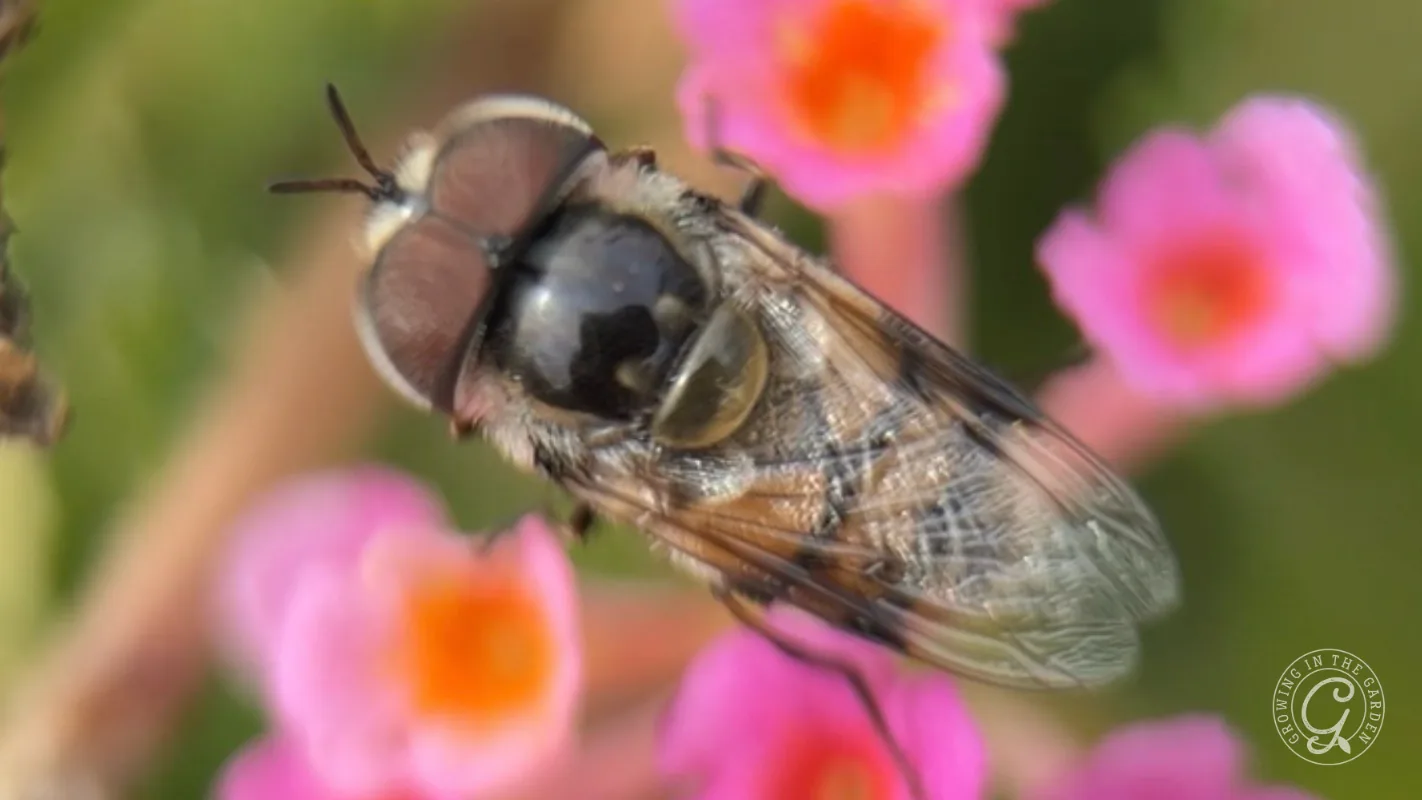
Hoverfly larvae eat up to 400 aphids during their larval stage and are regularly mistaken for caterpillars. As adults, they are one of the most effective pollinators after bees, and they mimic wasps to avoid predators. Jean documents the full lifecycle and explains exactly how to tell hoverfly larvae apart from the caterpillars they resemble.
Read: A Gardener’s Guide to Hoverflies
7. A Tiny World on a Leaf: Predators of Thrips, Mites, and Whiteflies
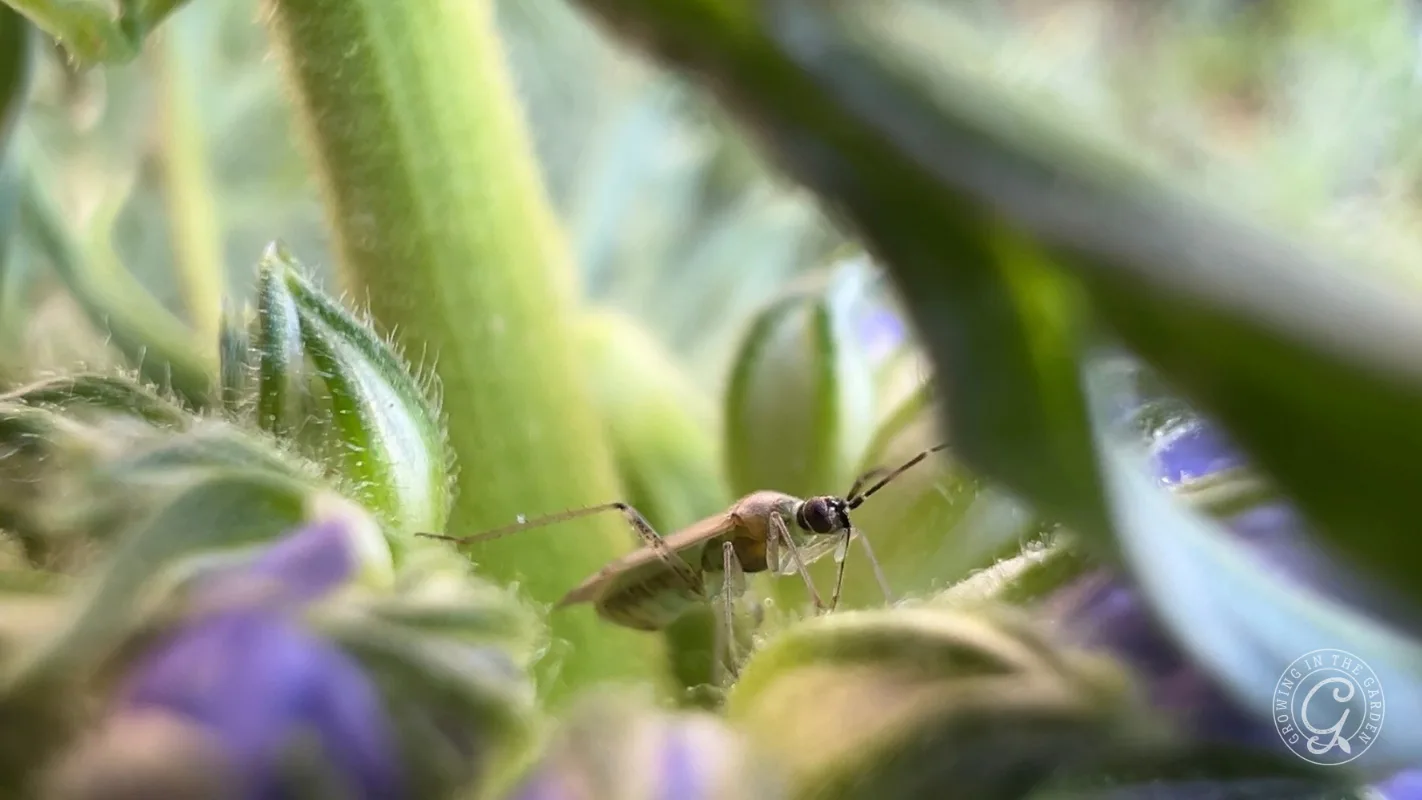
Thrips, spider mites, and whiteflies cause damage you notice long before you spot the insects themselves. Jean covers the lifecycle of all three, then introduces the predators already hunting them, including tomato bugs and stilt bugs, two beneficials that regularly get killed by gardeners who assume they are pests.
Read: A Tiny World on a Leaf
8. How to Attract Hummingbirds to Your Arizona Garden
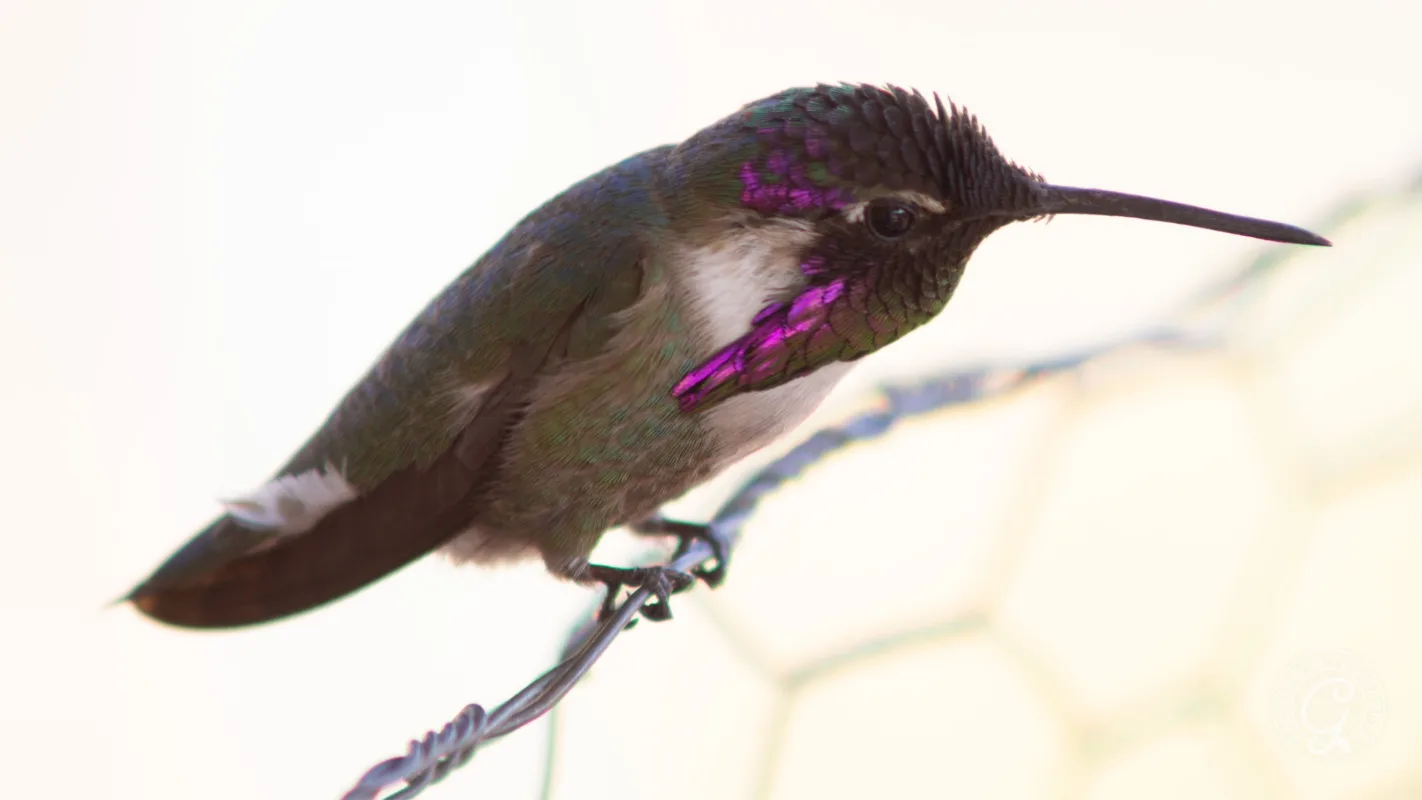
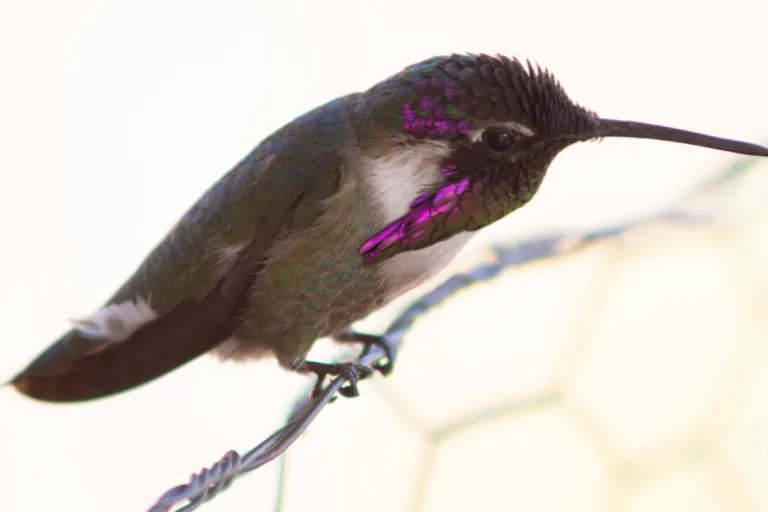
This one is a little different from the insect guides, but just as fascinating. Jean introduces a few of the hummingbirds you may see in the garden and what makes each one special, and I share the plants you can grow to help attract them.
Read: How to Attract Hummingbirds to Your Arizona Garden
9. Tomato Hornworms: Lifecycle, Identification, & Control
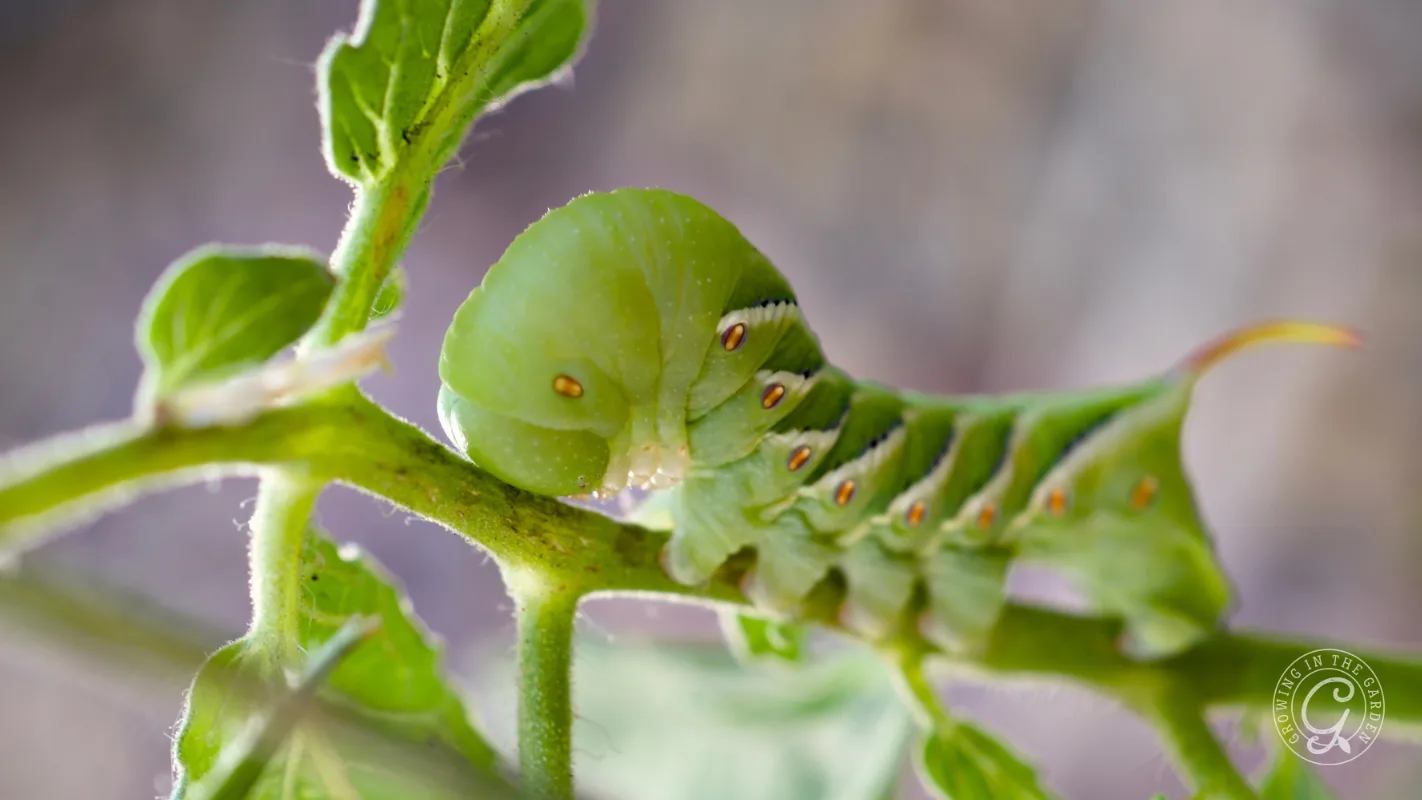
Tomato hornworms can do serious damage, but there’s more to their story. Jean shares how to identify tomato and tobacco hornworms, what to do when you find one, and the fascinating transformation from tiny egg to giant caterpillar to pollinating sphinx moth.
Read: Tomato Hornworms – Life Cycle, Identification & Control
About Jean Elston
For more than thirty years, Jean has been growing plants and spending time in nature, both in California and Arizona. With a background in fine art, she honed her skills in observation, a critical element for anyone striving to have a garden. Currently, she is finishing her doctoral studies in ecology (special focus on entomology), while helping others to work with nature in order to have a thriving ecosystem. You can find more of her work as “Red Shoe Gardener” on YouTube and Instagram.
More posts are added to this series as Jean publishes them. Check back for new entries.

Leave a comment on Low Desert Garden Insects with Jean Elston