
Arizona’s Beneficial Insects Through the Seasons
One thing I’ve learned from spending time in my garden is that insects have seasons too. I notice when pests show up, but I’m learning to pay just as much attention to when beneficial insects appear and disappear. Understanding those patterns helps me know when to intervene and when to give the garden a little more time.
That’s one of the things I appreciate about Jean Elston’s articles. Her observations help us understand the insects we garden alongside here in the low desert. In this article, she shares the changes she sees throughout the year and reminds us to keep focusing on healthy soil and plants, even when familiar beneficial insects seem to have disappeared. You can explore more of Jean’s work in her Low Desert Garden Insects series.
Key Takeaways: Arizona’s Beneficial Insects Through the Seasons
- Insects have their own seasonal cycles in gardens, affecting when they are active or absent.
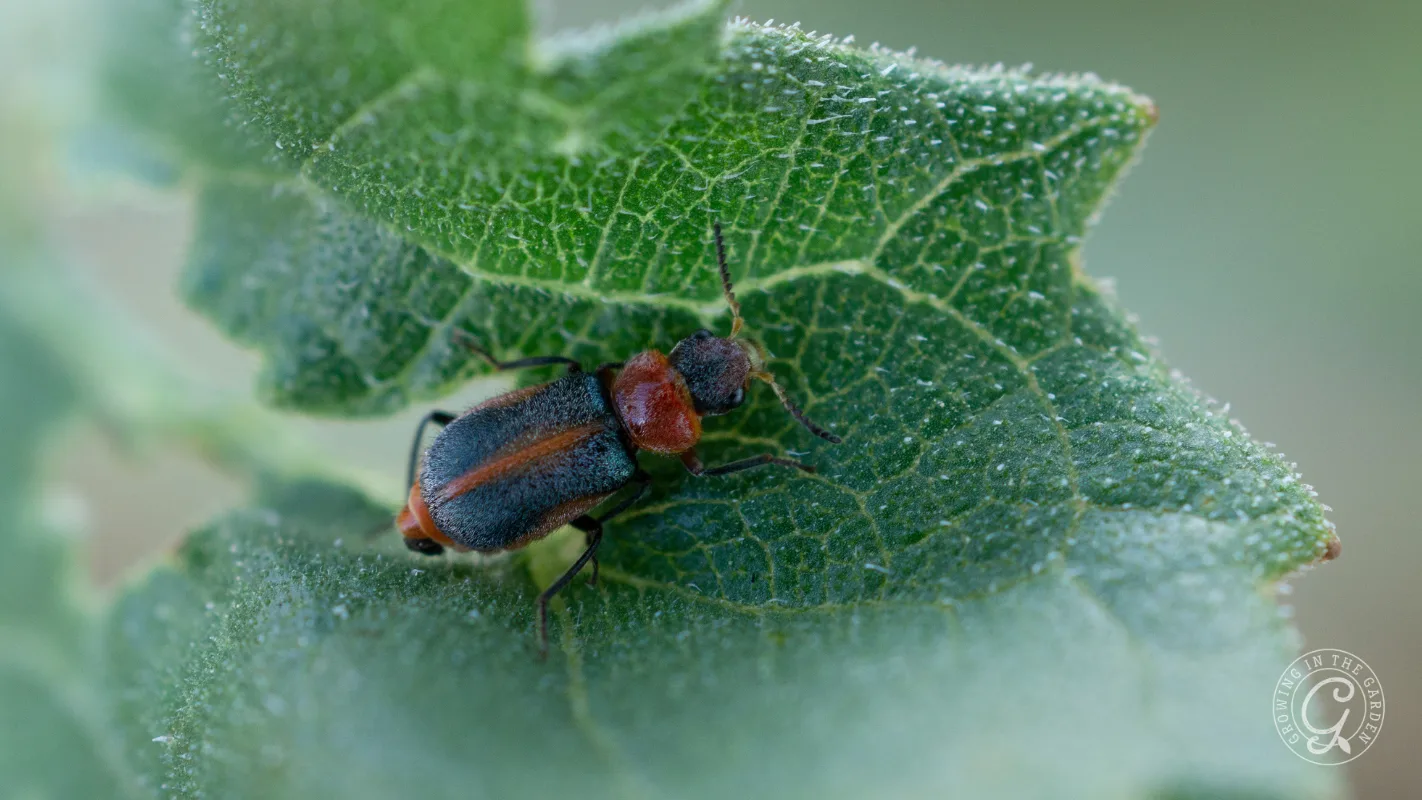
- Ladybugs tend to leave during summer heat, while Collops beetles increase in number and are effective predators.
- Beneficial insects like hoverflies and lacewings also decrease as temperatures rise, leaving gaps for other predators.
- Praying mantises appear later in the season as other insects phase out, adding diversity to pest control.
- Understanding insect patterns helps gardeners know when to intervene and maintain healthy soils and plants.
Guest post and photos by Jean Elston.
When we think of the garden, we think about seasons. Even here in the low desert, we have times for planting and harvesting, though most of us can grow year-round. We’re aware of when tomatoes will be growing, the brief window for planting cool-season vegetables, and the blazing heat of summer that will challenge us immensely.
But we’re not always thinking about there being a season for insects. Perhaps it’s something you’ve noticed without giving it much thought: certain insects are not as active during the height of summer, while others seem to show up only during the intense heat.
The fact is, there absolutely is a cycle—seasons, if you will—when it comes to insects in our gardens. Of course, this is based on my own experience in my particular garden space, and your results may be different. Location, temperature, and what is being grown all play a role in insect behavior. Still, some aspects will be similar for all of us. We’re all dealing with summer heat, and insects respond to those shifts in temperature.
Where Have All the Ladybugs Gone?
Spring is bursting with life—not just the plants, but the insects as well. Yes, there are probably aphids on the new growth, squash bugs to deal with, and other insects trying to fight us for our harvest, but the beneficial insects are out as well.
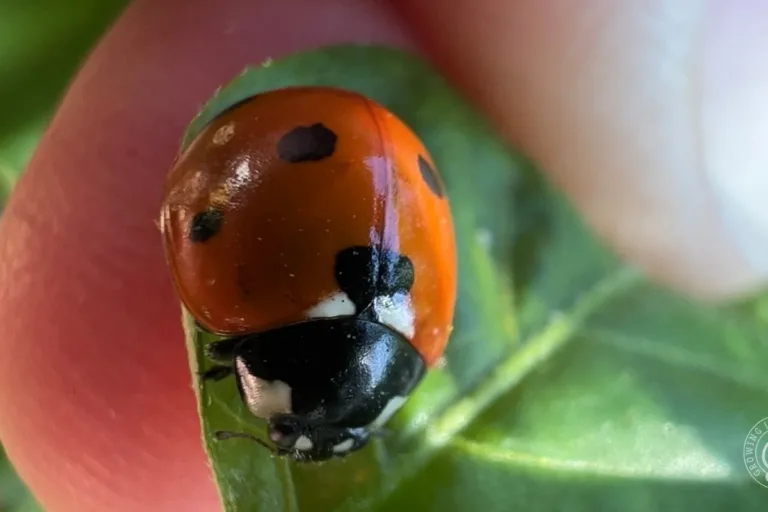
Red little domes are feasting on aphids, while their young voraciously work their way through aphid colonies. Learn more about their life cycle in my ladybug article. Alongside them are hoverfly and lacewing larvae, also enjoying the feast. The abundance can be overwhelming.
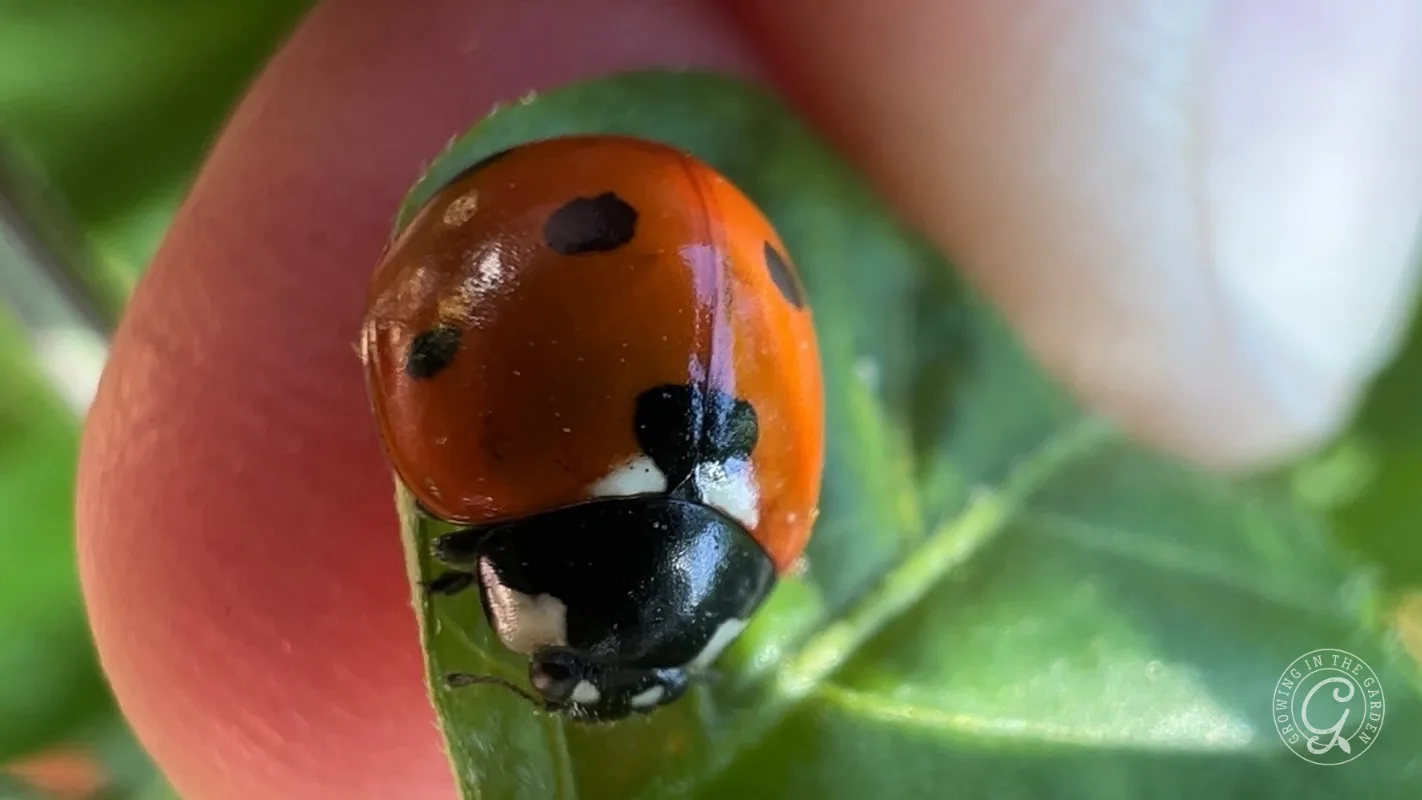
As the garden stretches into May, however, there is a shift. Temperatures are increasing, sometimes hitting 100º for a day or two and giving us a taste of what is to come. Plants that were once dotted with red ladybugs are now covered with remnants of pupal casings. Yet some of the plants still have aphids.
This is not a failing on our part. Ladybugs, particularly the red ones we generally think of, are not as heat tolerant. In my space (again, results may vary), this typically means they leave for higher elevations by late May or early June.
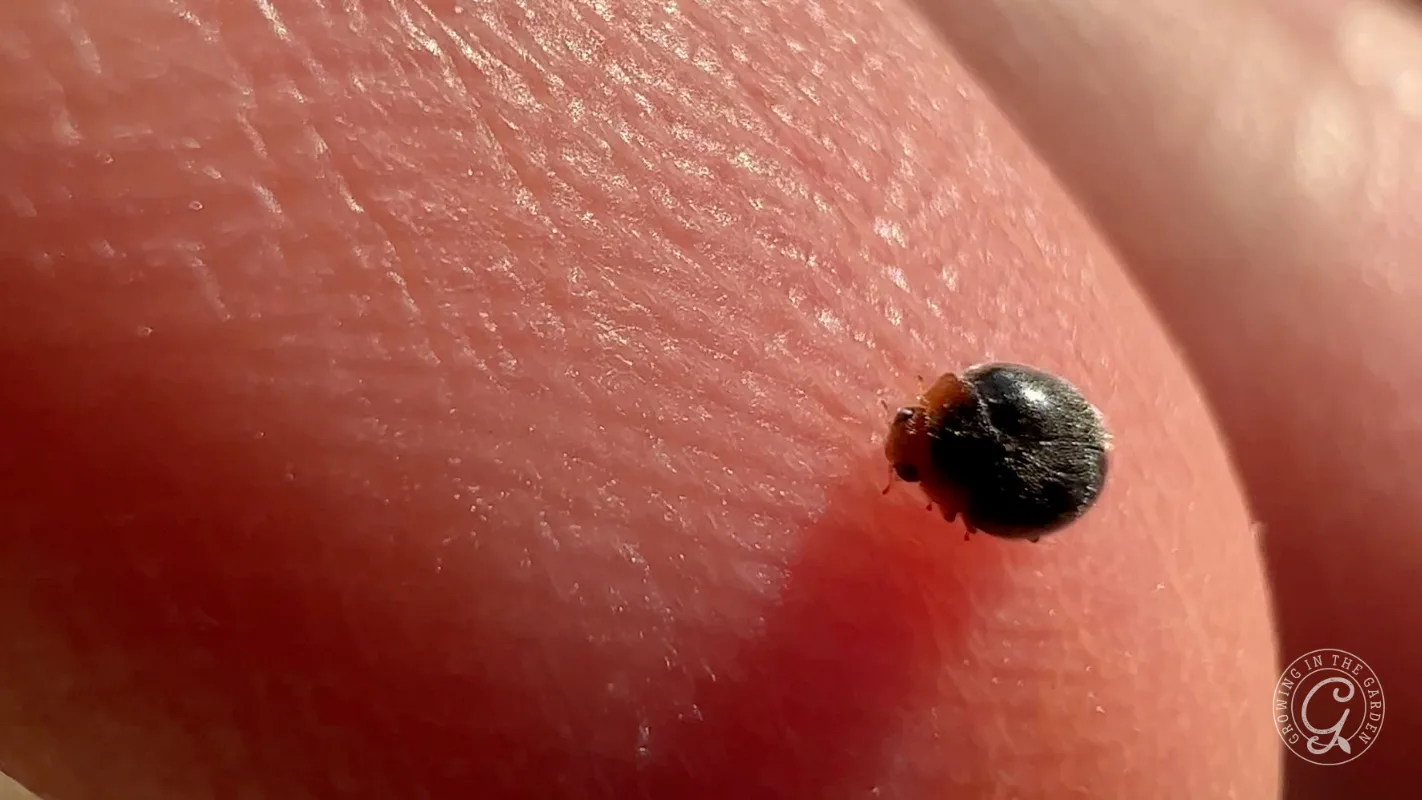
This does not mean, however, that everyone is gone. Scymnus ladybugs tolerate the heat better, and while their numbers do decrease, they seem to stay throughout the summer, increasing in number long before the others show up again in fall.
Still, aphids are an issue, and spider mites and thrips thrive in the dry summer heat. So who is stepping up to fill the gap? There are several beneficial insects, but the highlight at the moment is Collops beetles.
Flower Beetles Are More Than a Pretty Name
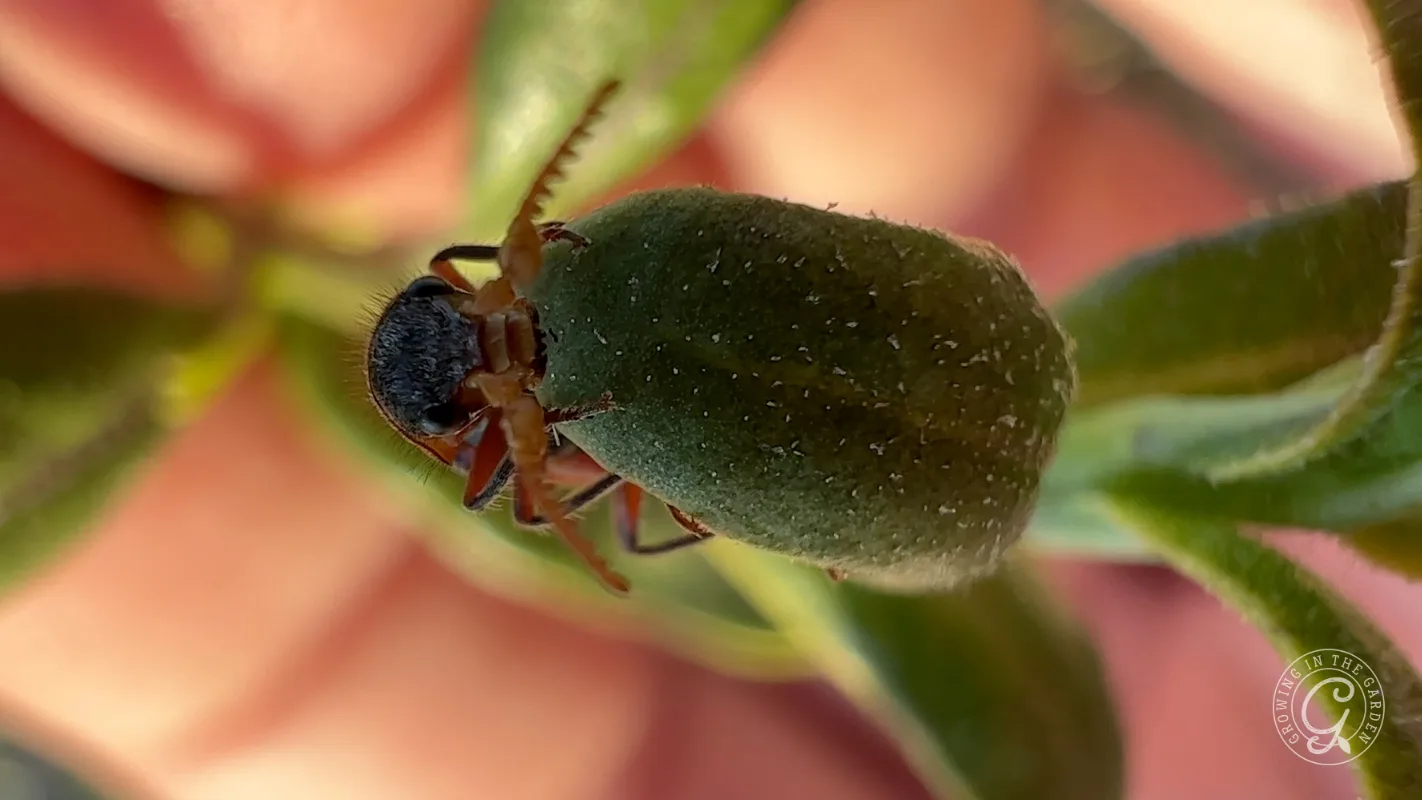
It is easy to see why these beetles could be dismissed or even considered a “pest.”
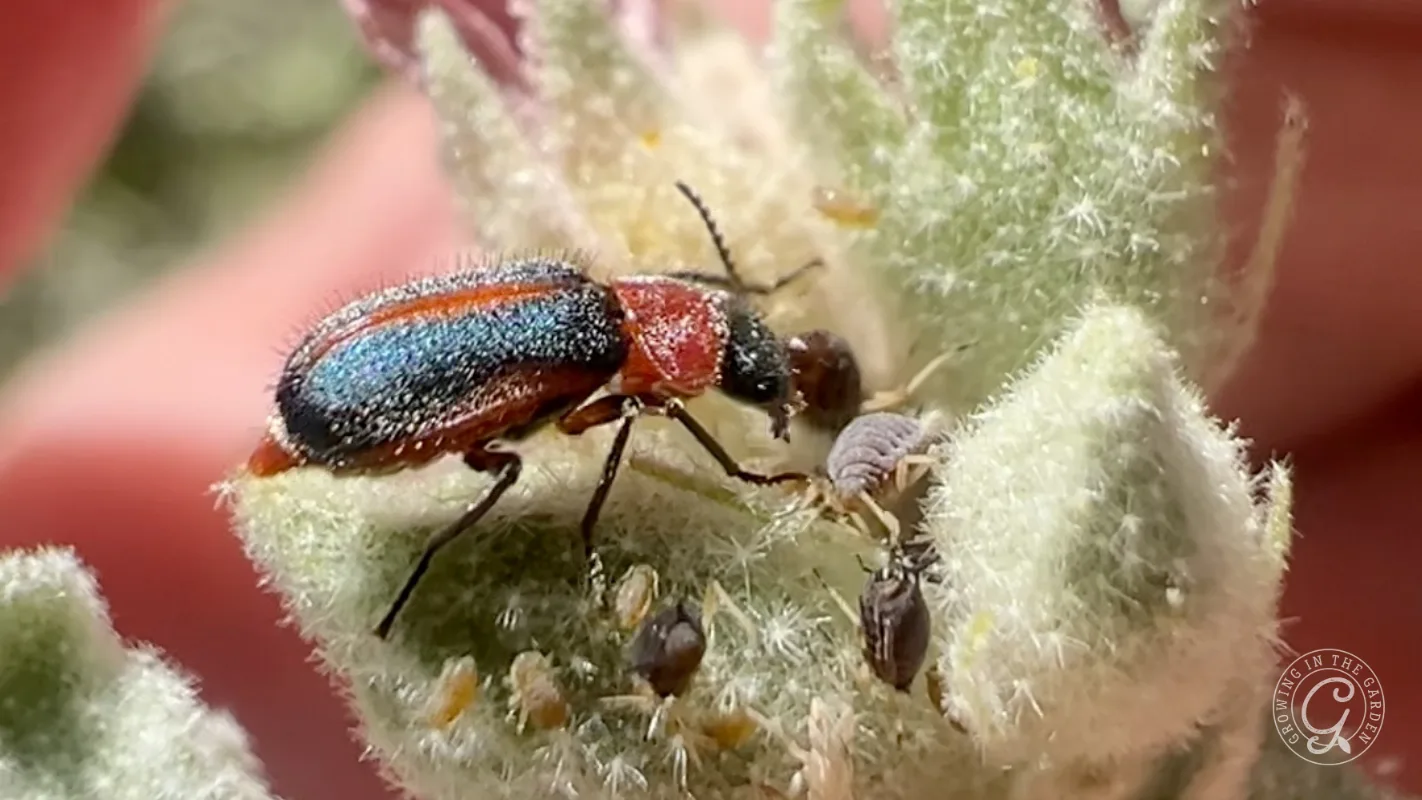
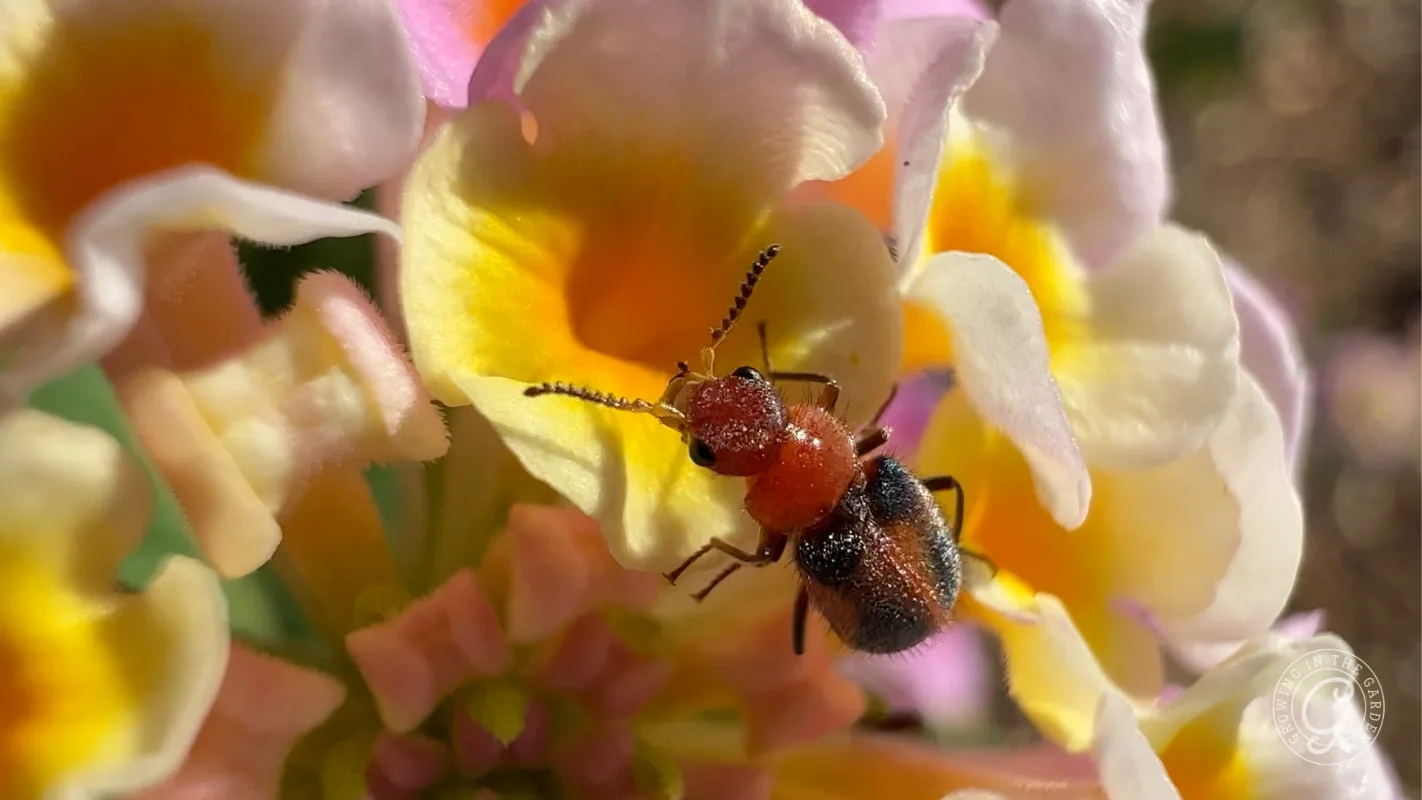
We tend to find them on flowers (hence their common name), and yes, they will feed on the nectar or pollen of a flower. That flower nibbling, however, is more of a snack. What they are really looking for are the various insects found around the flowers and stems. From aphids to whiteflies and spider mites, they consume almost any soft-bodied insect they can grab.
Even in their larval stage, which takes place down in the soil, they consume insect eggs, such as those of grasshoppers, along with other soil-dwelling insects.
More than likely, you will find these beetles throughout the year; I certainly do in my space. The heat of summer, though, seems to be when they shine. There is a greater abundance of them, and it also seems to be mating season, as I frequently encounter male and female courtship behavior.
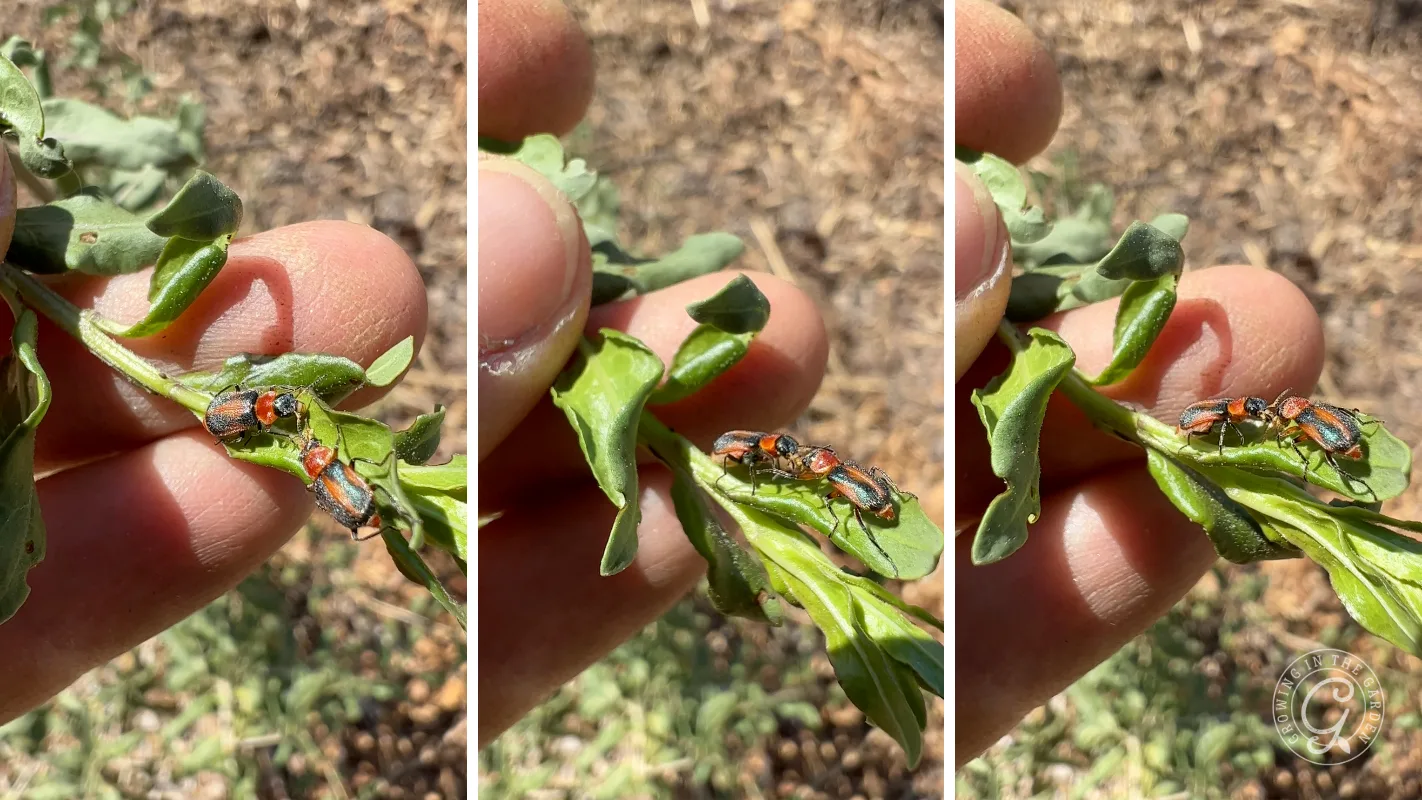
With the ladybugs phasing out at the end of May, Collops beetles seem to increase in number starting around mid-June. During the summer, I can rarely look at a plant without finding at least one wandering around on a stem.
They are still fairly frequent visitors toward the end of September, but their numbers noticeably decrease—just in time for more aphids to show up, along with the return of ladybugs.
The Least Picky Eater
While ladybugs are the first to head for the hills, other beneficial insects start decreasing as well. Lacewings, hoverflies, and assassin bugs have practically deserted the garden by mid-June.
Again, your space may be different. Temperatures play a huge role in this, as does the availability of food. By the height of summer, usually late June, it is normal for my garden to have very few, if any, aphids, which means there is even less for beneficial insects to feast on.
While the Collops beetles still manage to find enough spider mites, thrips, and whiteflies to feast on, other beneficial insects decide it is time to move on. That is when another guest shows up.
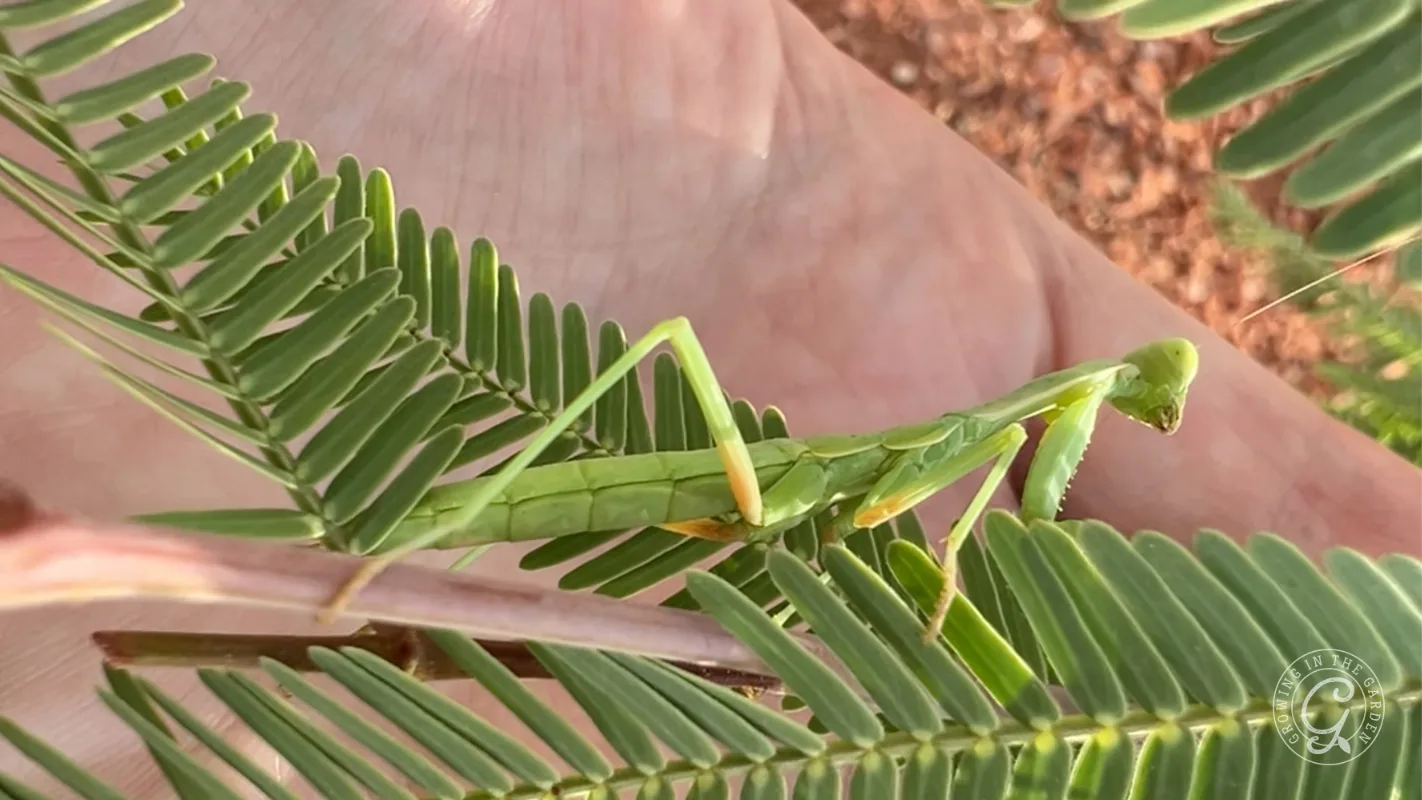
Now, this might be an insect you find regularly in your space, assuming you can find it considering how well they camouflage themselves. In my area, however, they only show up after the ladybugs have left. So far, I have never had the two in the garden together.
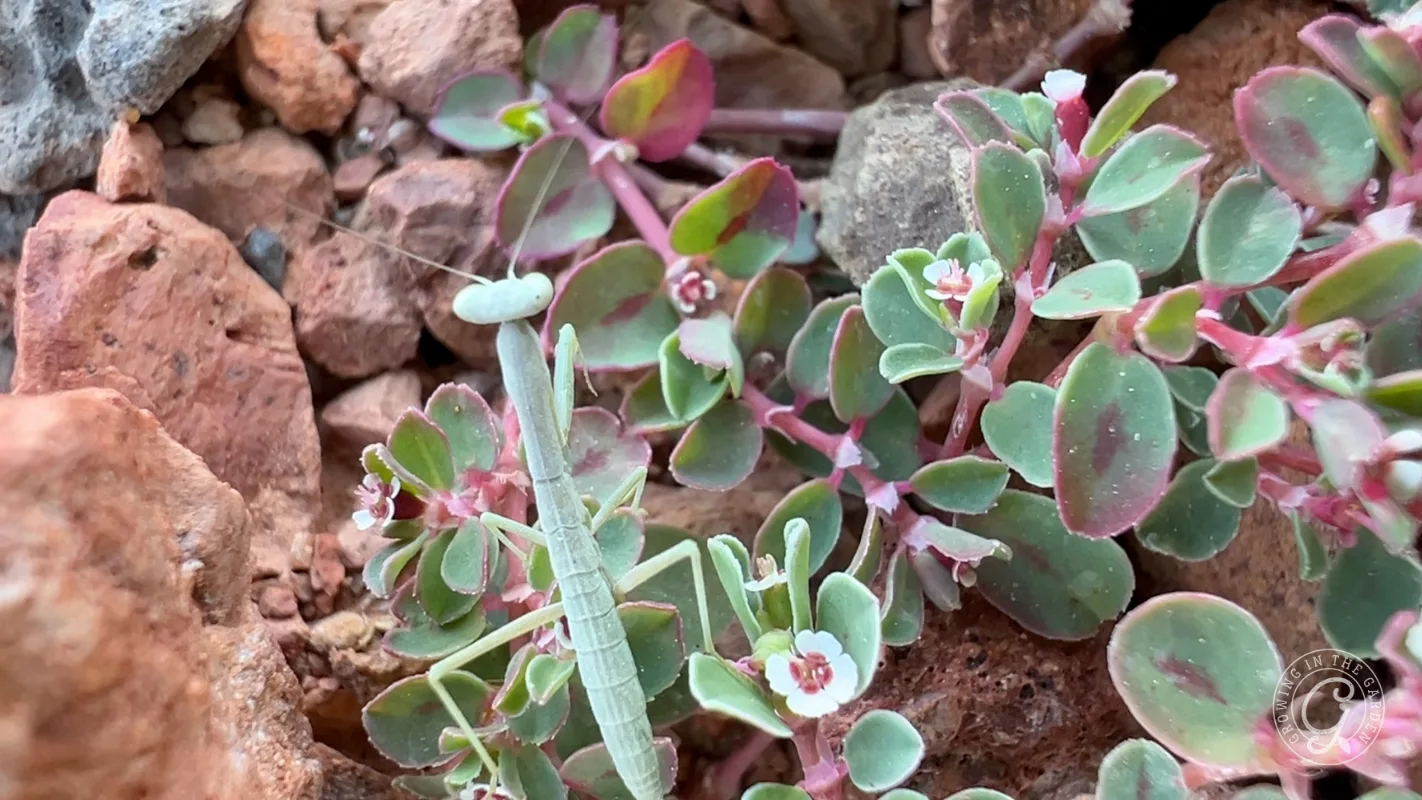
There is something unnerving about a praying mantis. You get the sense they are sizing you up, and you are thankful to be much larger than they are. They are truly remarkable hunters, though, and a great addition to the garden when they do show up. It may be a surprise to know that several species are native to our area, such as the Arizona Mantis (Stagmomantis limbata), Arizona Tan Mantis (Stagmomantis gracilipes), and Arizona Unicorn Mantis (Pseudovates arizonae). That said, it is not uncommon to find the Mediterranean Mantis (Iris oratoria) in many of our urban areas.
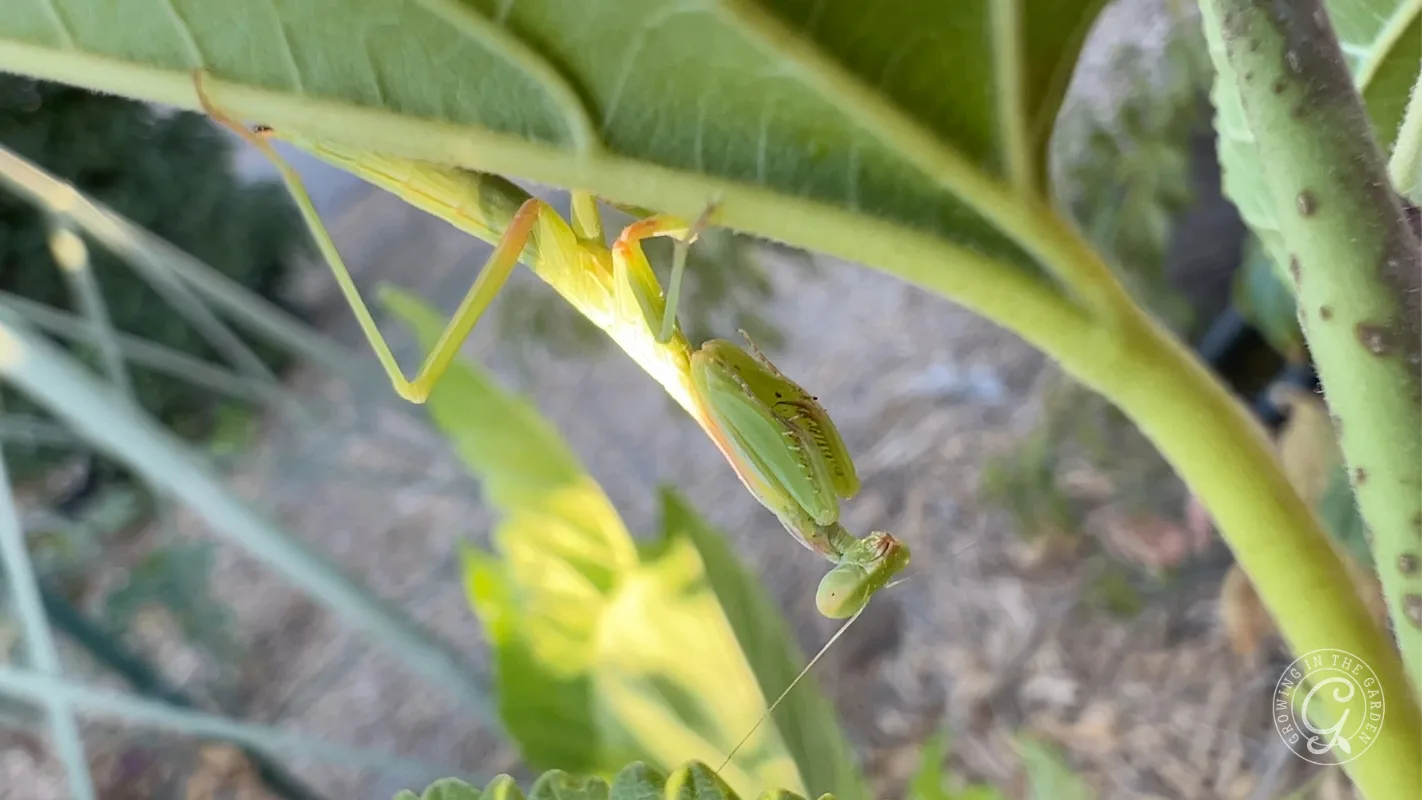
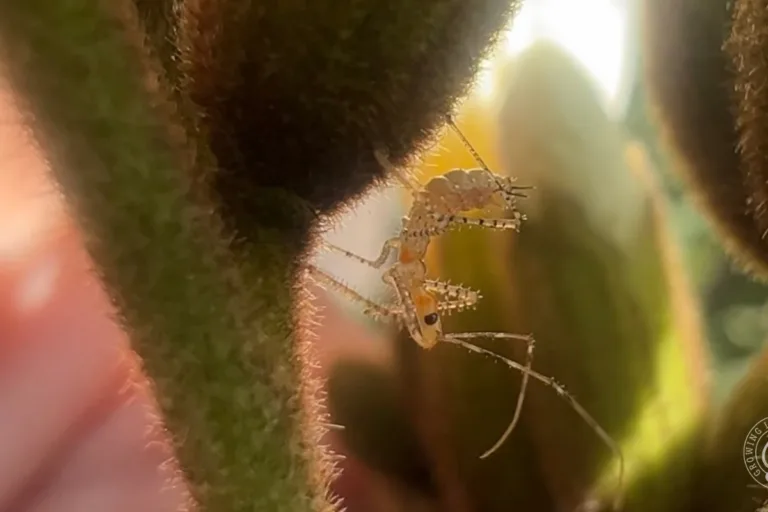
At a young stage, they are not able to fly and must walk around to find food, focusing on aphids, ants, and anything else they can grab. As they get larger, so do their meals. Crickets, grasshoppers, caterpillars—they are truly not picky eaters. Yes, this also means they will grab bees and others we consider beneficial, but the pros far outweigh the cons in this regard.
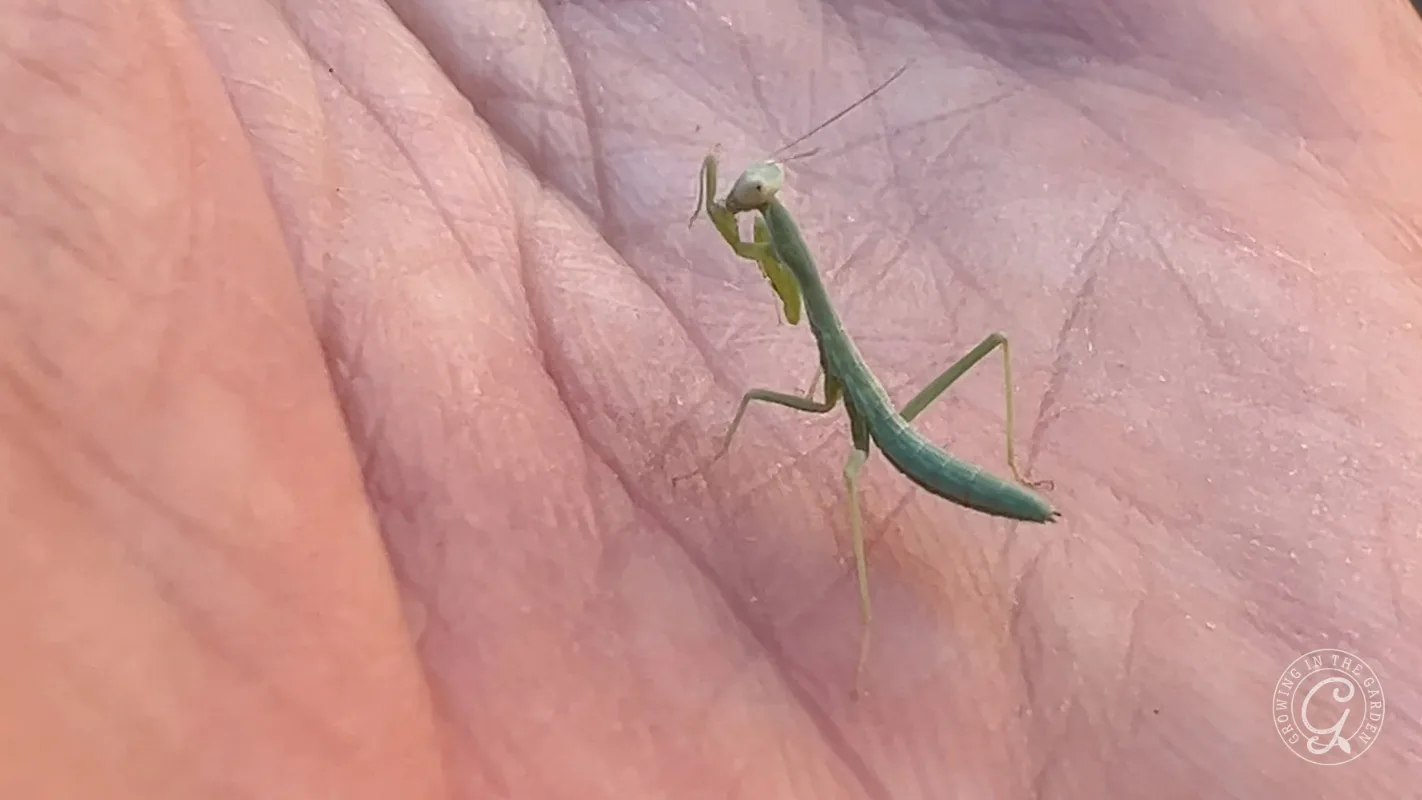
For me, just as quickly as they show up, they disappear. By late September, as the temperatures begin decreasing again, the praying mantises are gone—just in time for the ladybugs to return.
The Aerial Predators
With our warmer temperatures for much of the year, it is fairly common to have mosquitoes around beyond just the summer months. Monsoon season, however, can increase their numbers. Summer rains can also bring midges, gnats, and a few other flying insects. An increase in food means an increase in predators. So in my garden, these predators are not necessarily showing up for the first time—they are simply becoming more noticeable as their numbers increase.
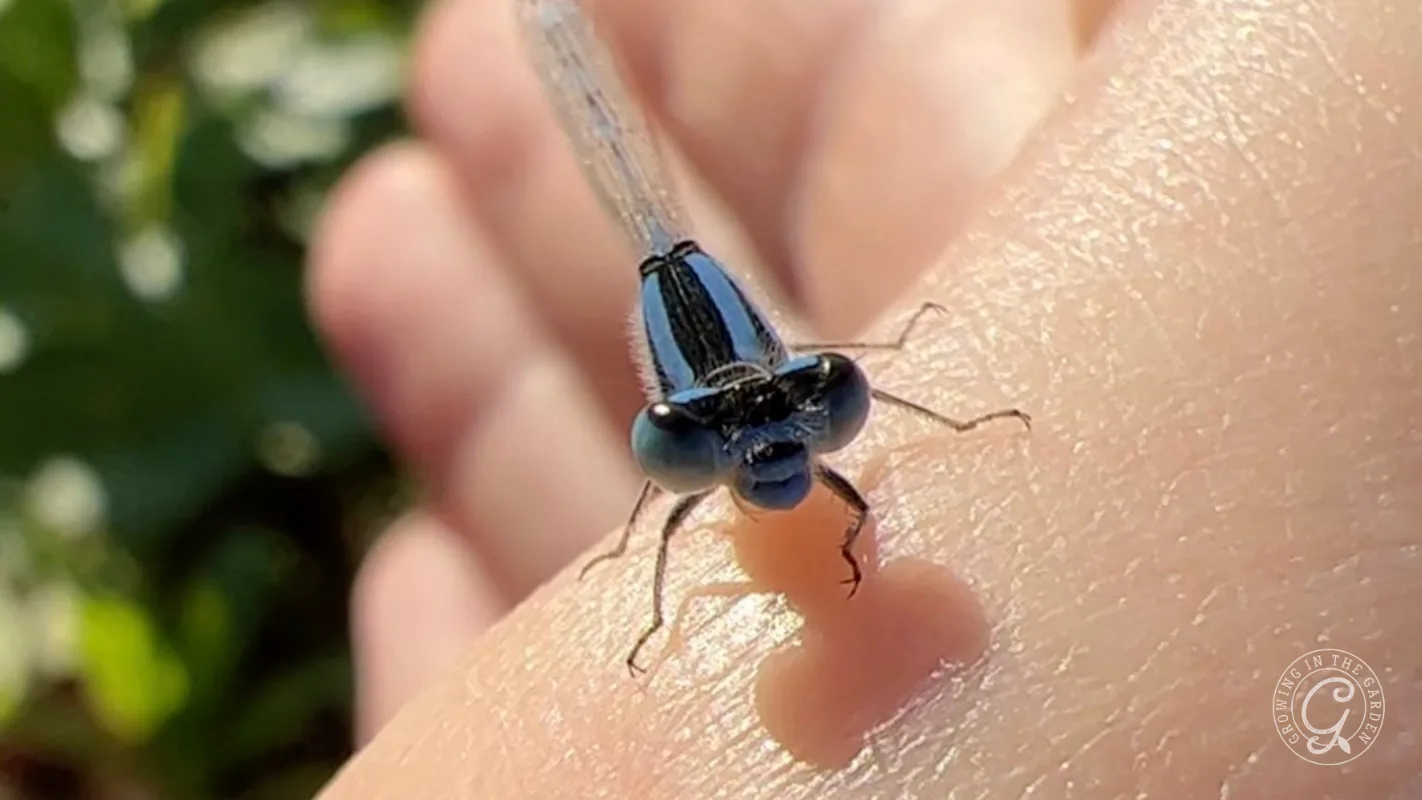
Early morning is probably the best time to notice them darting through the air, then delicately balancing on a stem or branch while watching for their next target.
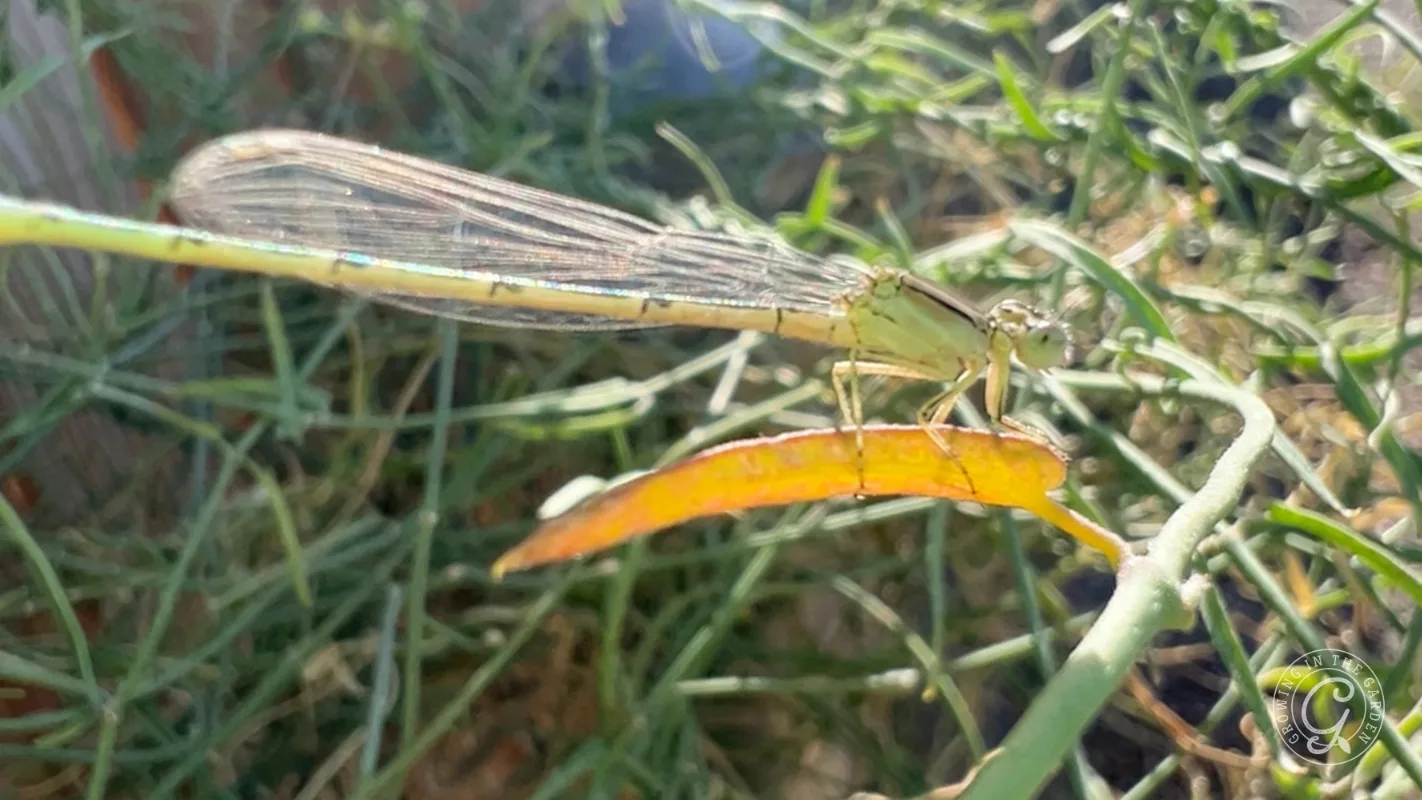
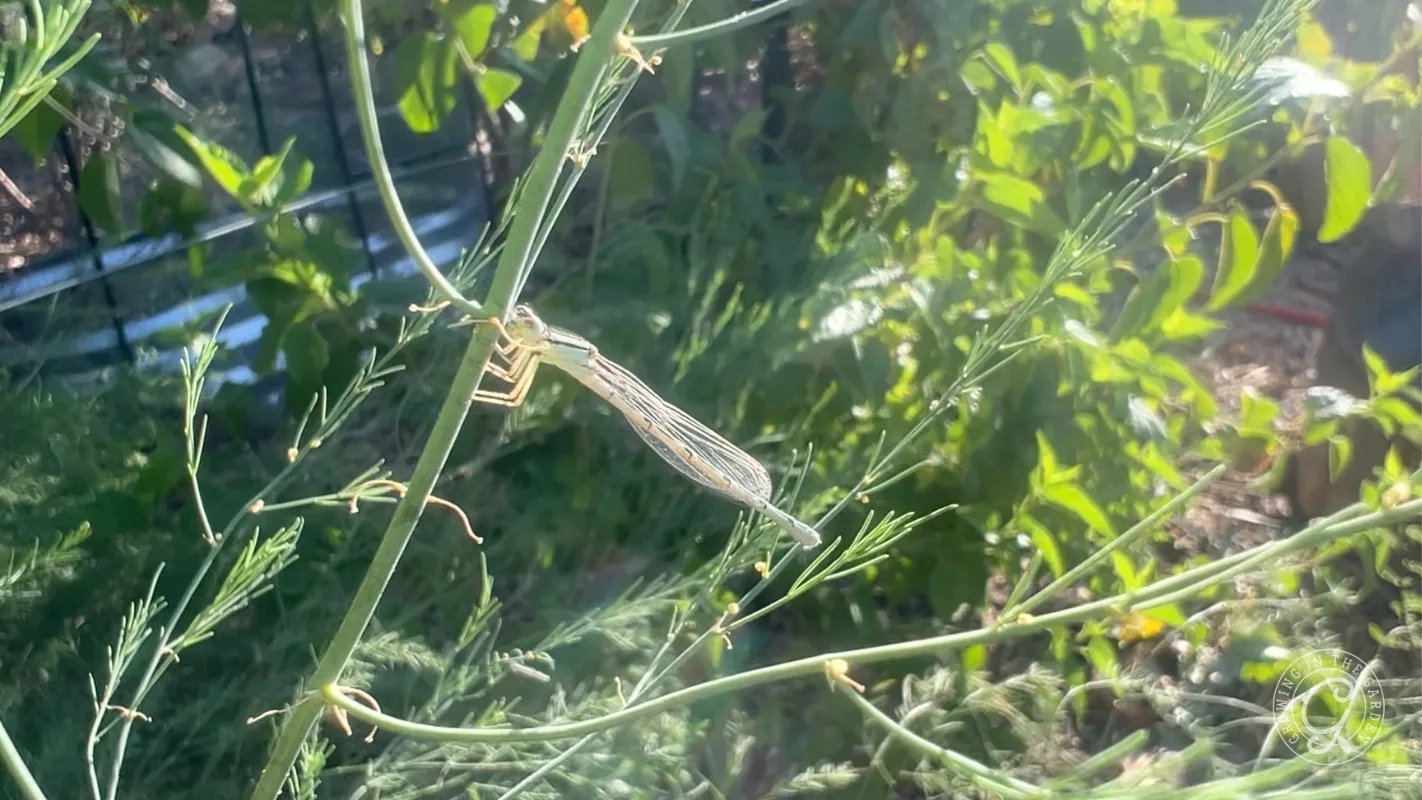
While damselflies and dragonflies have similarities, there are noticeable differences in how they hunt and in their overall resting behavior. Damselflies are smaller and fold their wings when they are resting. While they feast on similar insects, they tend to hunt by picking prey off leaves and stems. Some common ones to find in our low desert include the Vivid Dancer (Argia vivida), American Rubyspot (Hetaerina americana), Doublestriped Bluet (Enallagma basidens), and Western Forktail (Ischnura perparva).
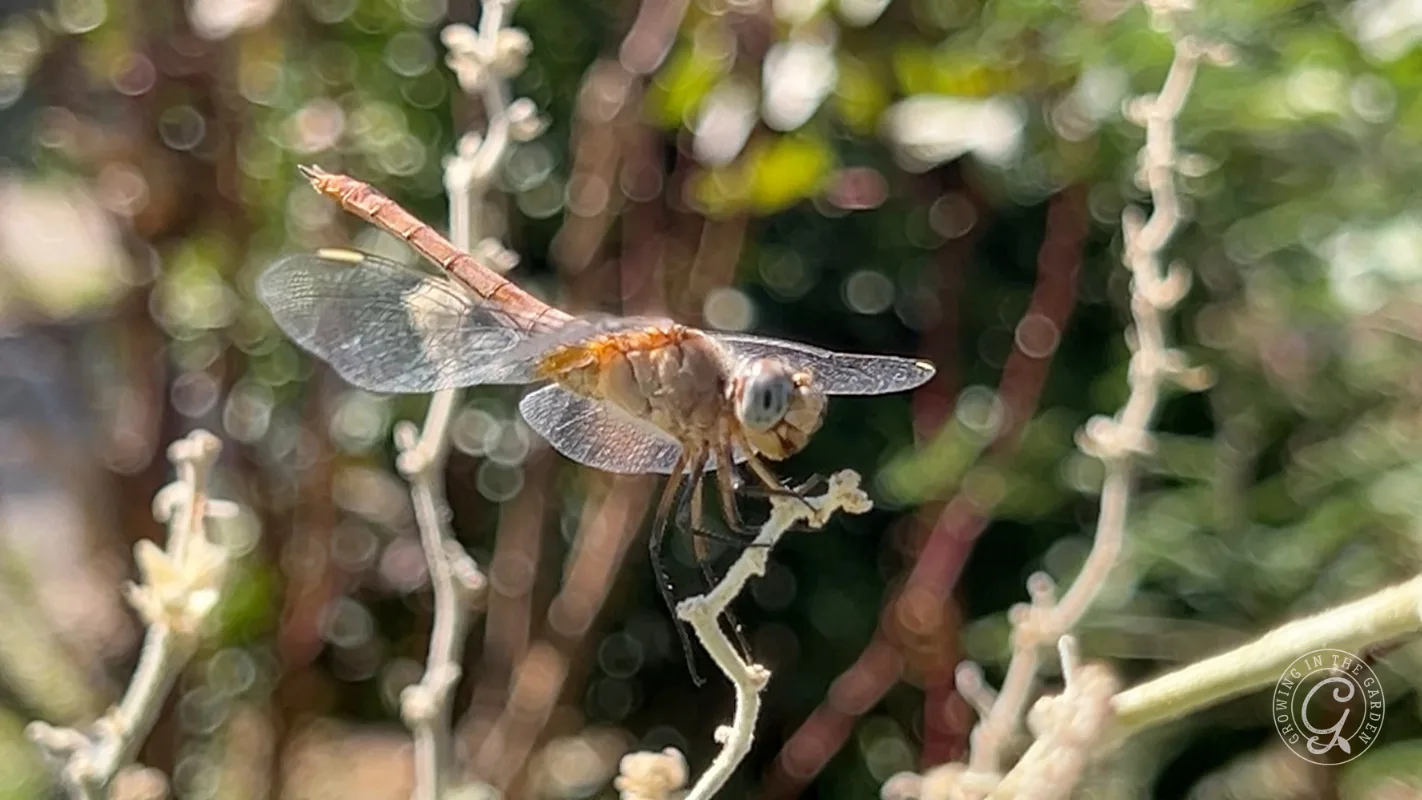
Dragonflies, on the other hand, are great hunters of the air, capturing almost anything they have targeted. When dealing with mosquitoes, there is almost nothing better than having a group of dragonflies in the garden, especially if you are able to raise the young in still water. At every stage of life, dragonflies feed on mosquitoes in their various life stages. Some common ones you might come across include the Flame Skimmer (Libellula saturata), Blue Dasher (Pachydiplax longipennis), Wandering Glider (Pantala flavescens), Mexican Amberwing (Perithemis intensa), and Blue-eyed Darner (Rhionaeschna multicolor).
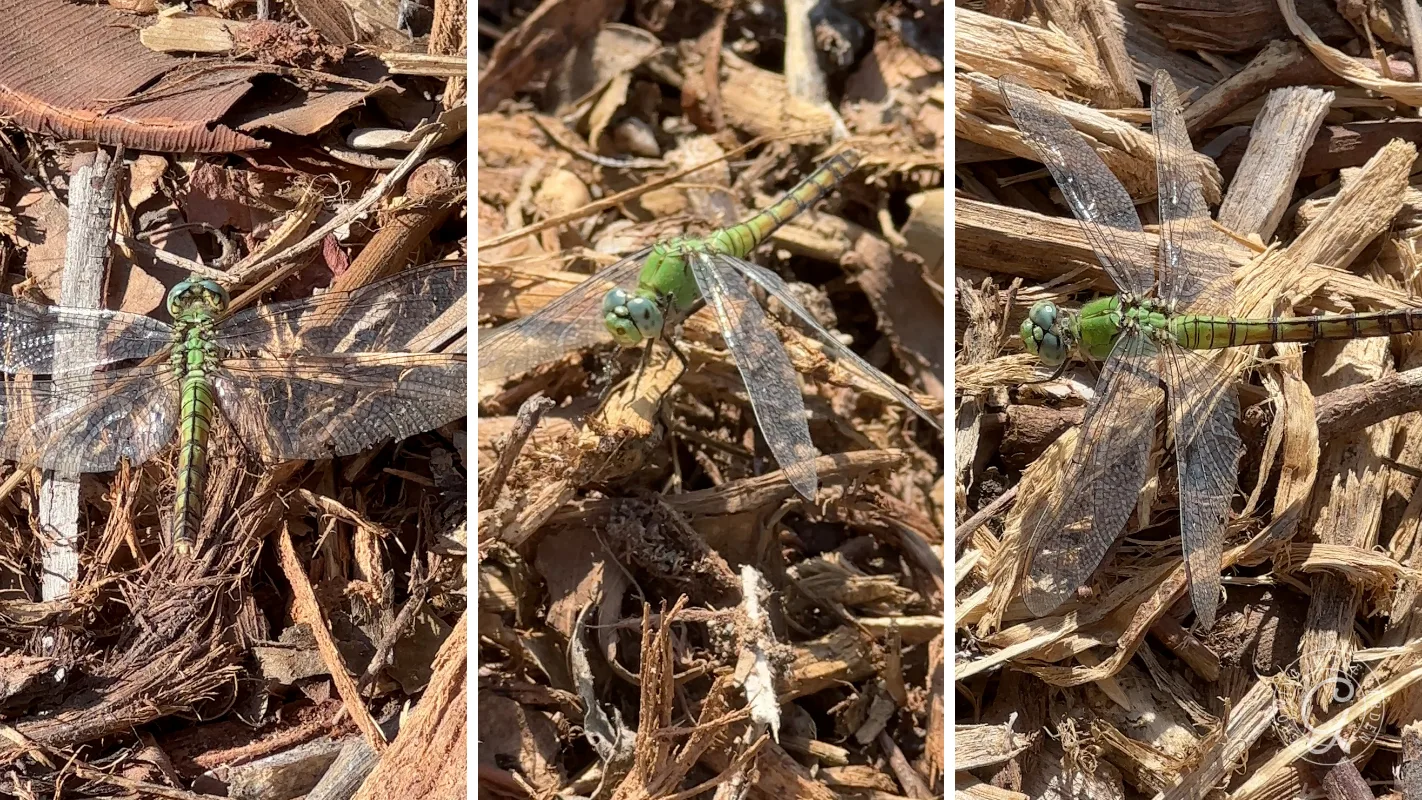
Thankfully, both insects are here year-round, though their numbers, especially the dragonflies, increase drastically in summer. They continue into early fall, and usually by November I start to notice their numbers decreasing a bit.
The Cooldown Before Abundance Returns
Eventually, the ladybugs return in fall and will overwinter in my area. Depending on how warm the winter is, some insects may show up earlier than they do in other years.
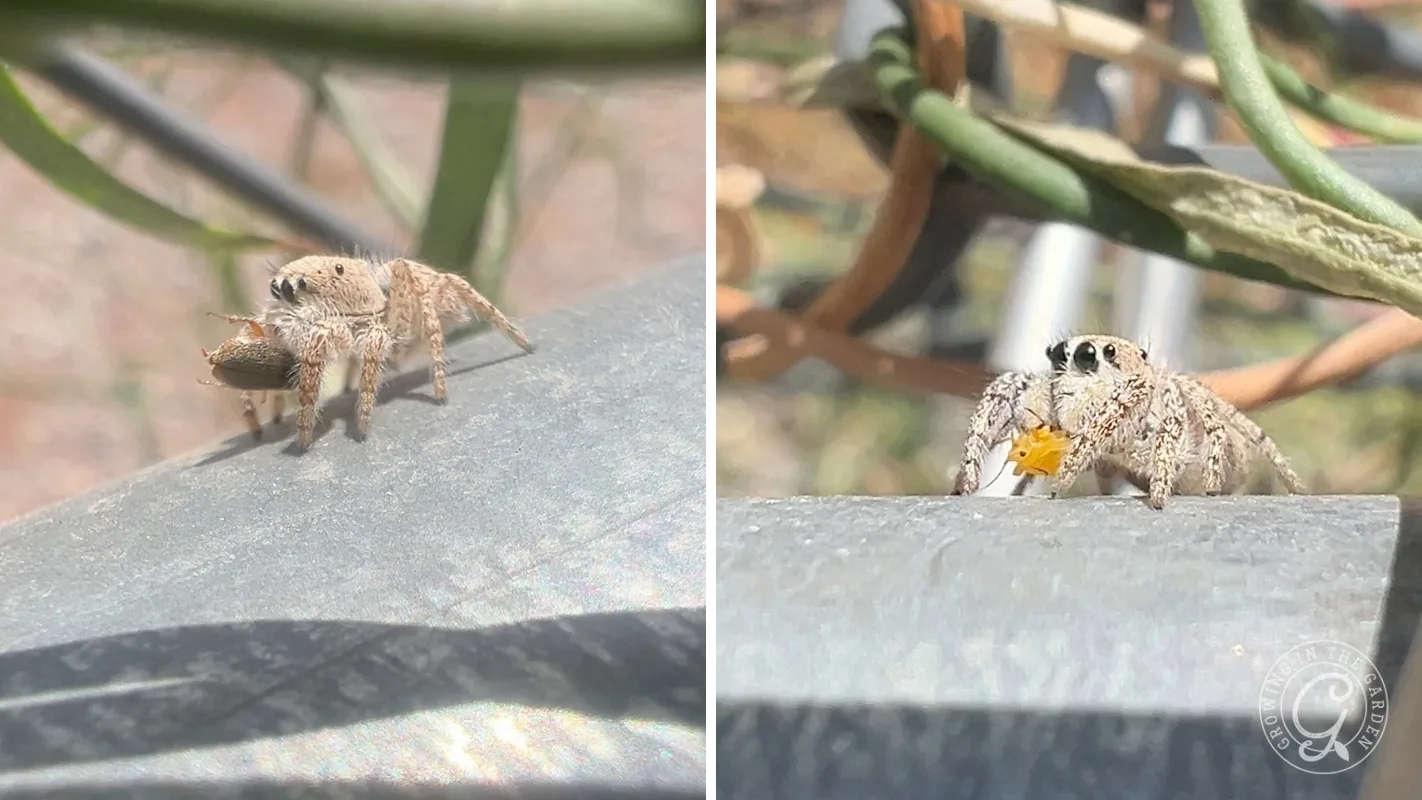
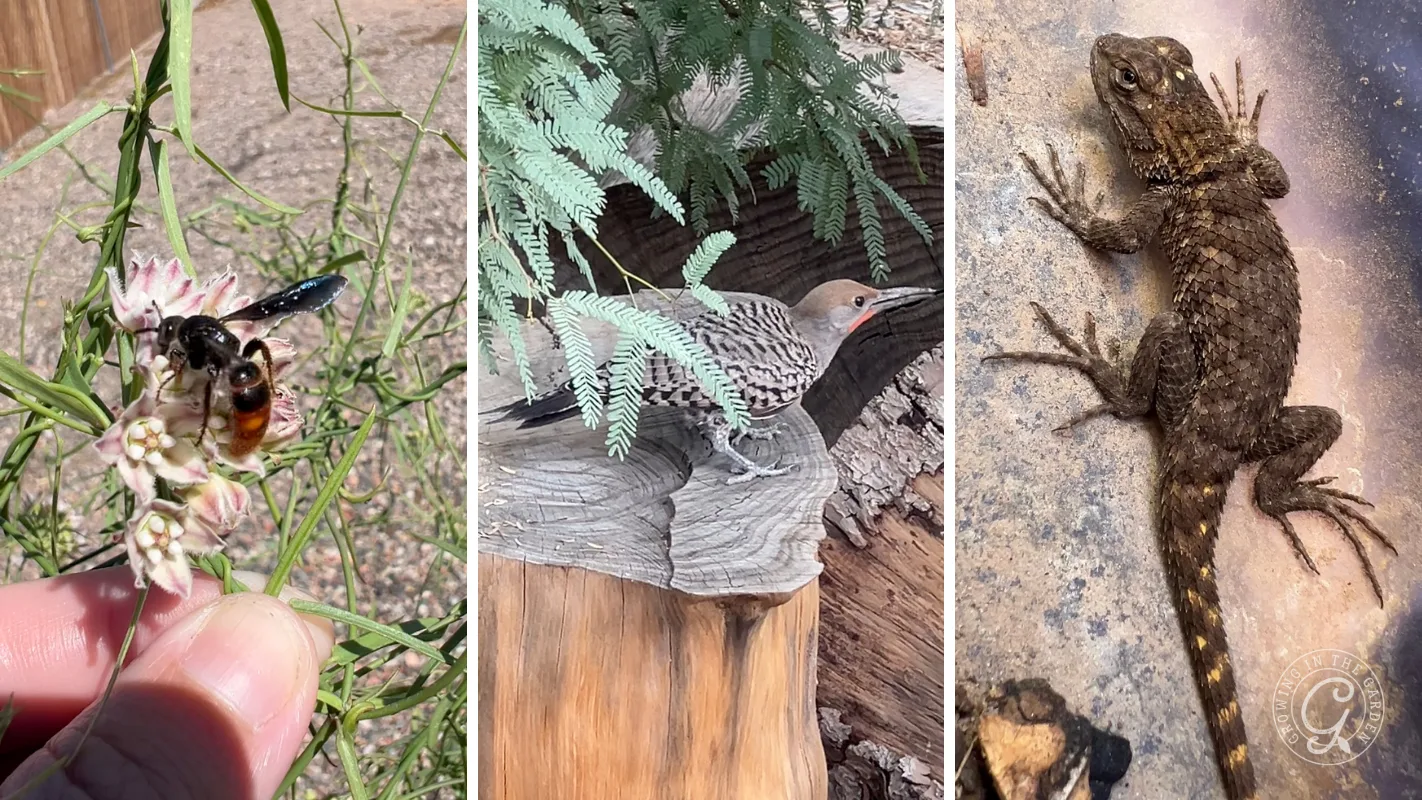
This is not to suggest that everyone leaves. Though they are not insects, plenty of spiders are still active in the garden, with jumping spiders being my favorite. Plenty of wasps are also around, dealing with caterpillars and other insects, and sometimes even spiders.
Many non-insect animals show up as well, such as geckos, lizards, and birds, feeding on everything from ants to caterpillars.
Every garden is different, and every season is different. There will be times when “someone” does not show up at the usual time, arriving earlier because of a warmer winter or later because of a hotter summer. The overall point is to remember that there are predators and prey present at every moment. Even when we are not seeing them as abundantly or as actively as we are used to, they are still there. As long as we focus on keeping the soil and plants healthy, nature will often sort out the rest.
Seasonal Insects FAQs
They can, but it is extremely unlikely. They are not looking to bite people, and as long as you are not grabbing or cornering one, there is no reason to be concerned.
They can. They are more likely to fly away than allow themselves to be cornered, but if one does crawl onto your hand, it is not unusual for it to start nibbling. It does not feel so much like a bite as a small nibble. Still, it is best to discourage them from crawling on your hands.
Typically, they are red and black, though sometimes the black can appear more blue and have an iridescent quality. Unlike other beetles with hard shells, their bodies have a softer appearance and are covered in fine hairs. Males have an enlarged area at the base of their antennae.
If the population is getting out of control and, after checking the area carefully, you truly are not seeing any ladybug larvae or other predators, a spray of water will often dislodge most of the aphids. Be careful about intervening too quickly, and avoid chemicals when possible. Plants produce scents when they are being attacked that other insects can detect. There is a good chance the predators have already shown up or are on their way. Often, it is simply a matter of waiting a little longer. For another example of the insects helping in your garden, read Jean’s article on parasitic wasps and aphid mummies.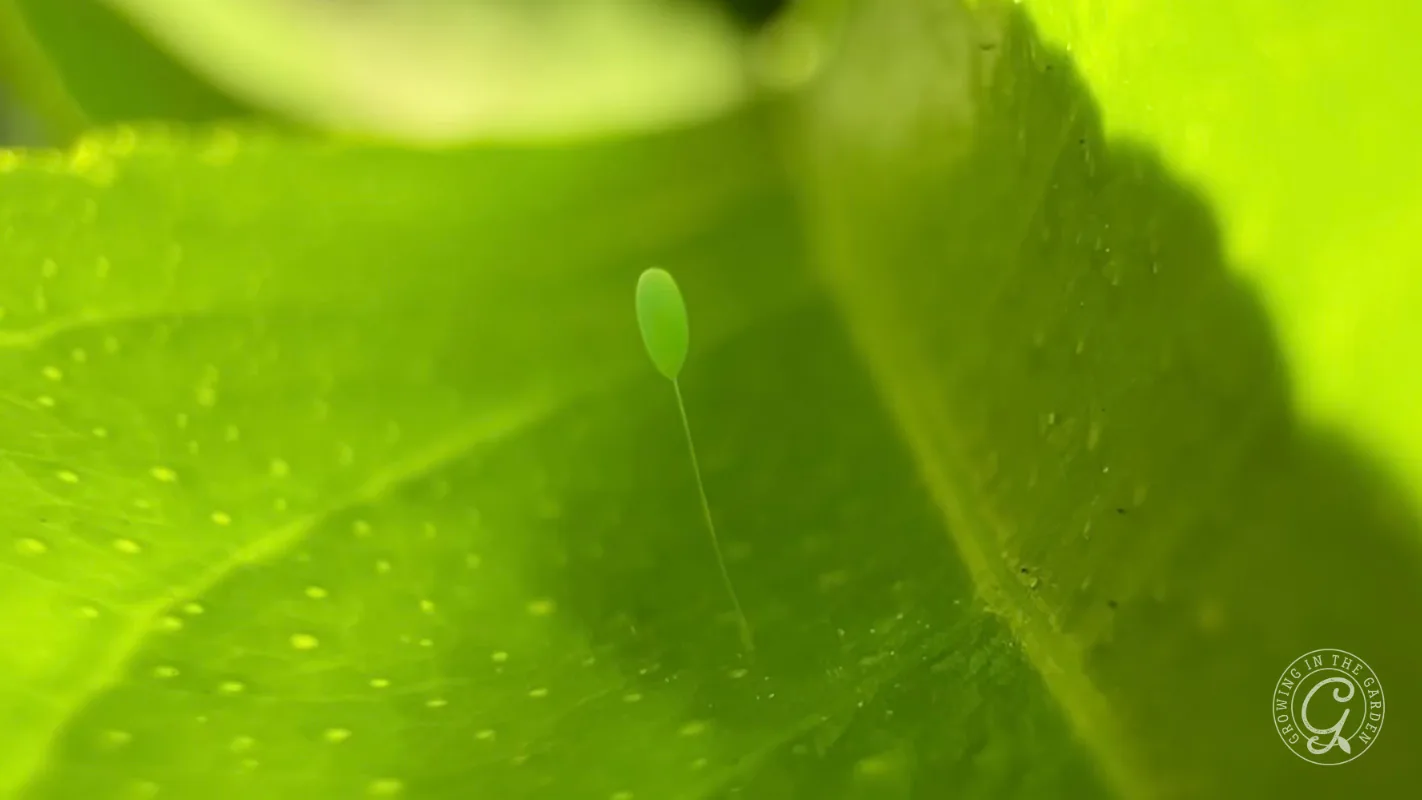
Nothing. This is simply part of the natural cycle. They will return when the conditions are right. Keep focusing on planting, growing, and building healthy soil.
About the Author
For more than thirty years, Jean has been growing plants and spending time in nature, both in California and Arizona. With a background in fine art, she honed her skills in observation, a critical element for anyone striving to have a garden. Currently, she is finishing her doctoral studies in ecology (special focus on entomology), while helping others to work with nature in order to have a thriving ecosystem. You can find more of her work as “Red Shoe Gardener” on YouTube and Instagram.

Leave a comment on Arizona’s Beneficial Insects Through the Seasons