
Not All Bugs Are Bad: Garden Insects and Lookalikes
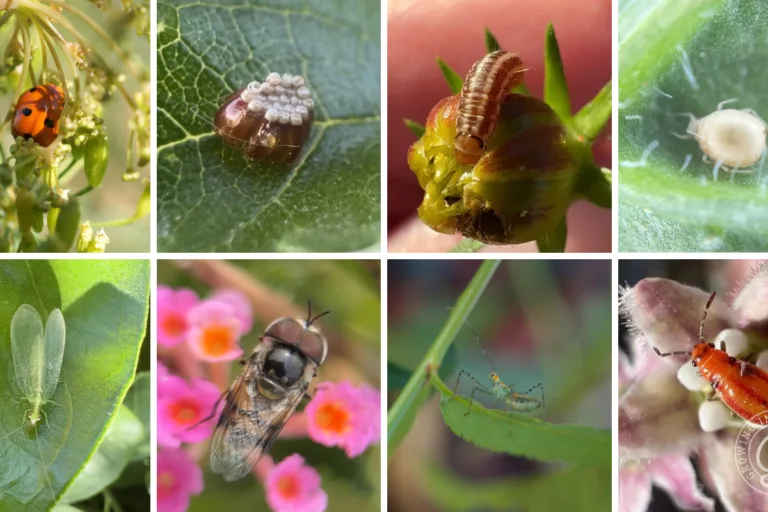
Every time I read one of Jean’s posts, I learn something I didn’t know before. This is her sixth post in the series on beneficial insects for Growing in the Garden, and it might be the most practical one yet. If you have not read her guides to ladybugs, lacewings, aphid mummies and parasitic wasps, hoverflies, and identifying beneficial insect eggs, be sure to read them.
Jean’s photos and observations have changed how I look at my garden. Apply what you are learning, and the next time you see something unfamiliar, pause and be curious before trying to kill it.
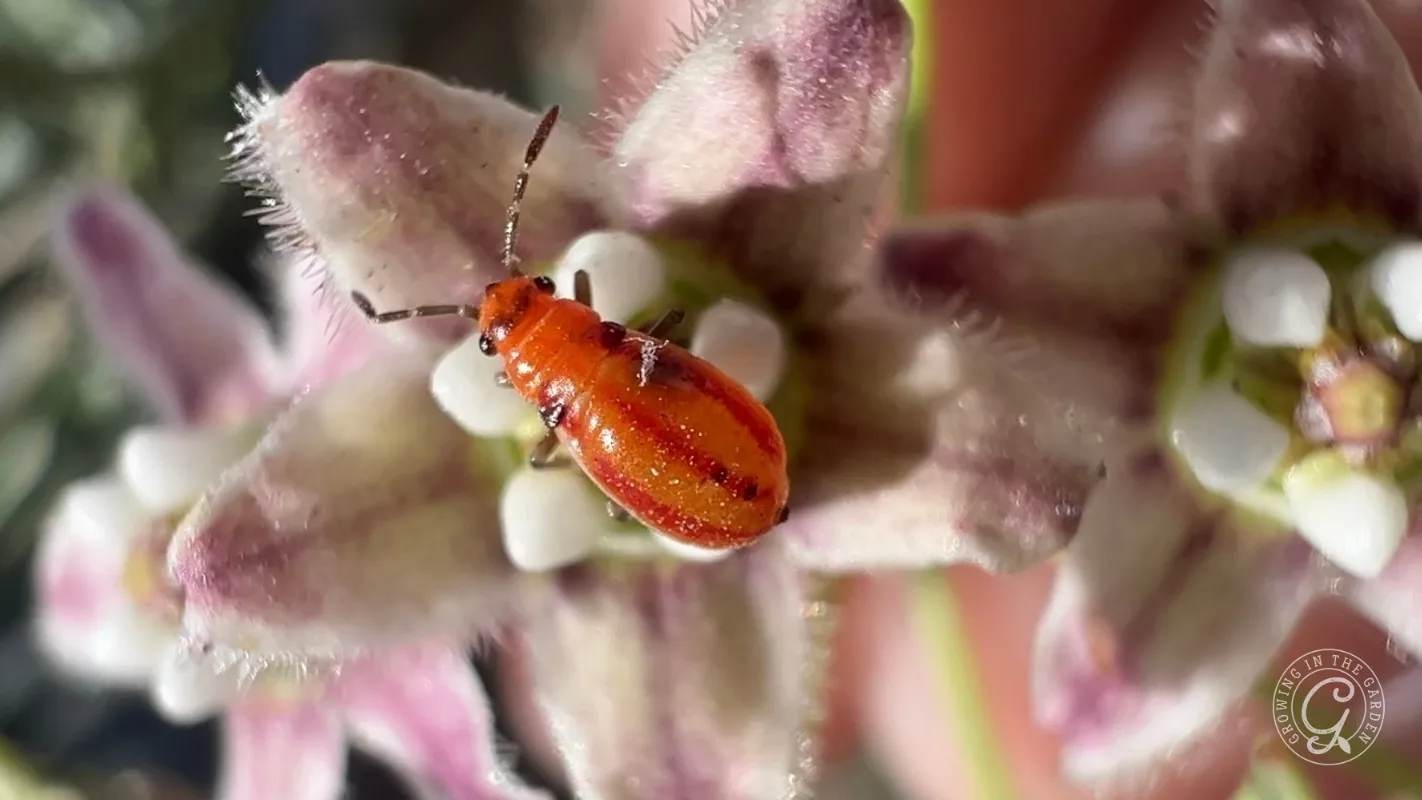
Key Takeaways: Identifying Beneficial Insects
- Jean’s post covers beneficial insects, helping gardeners identify them effectively while focusing on common garden species.
- Ladybugs, true bugs, and hoverflies are highlighted, each presenting identification challenges, especially their nymph stages.
- Observing behavior and plant interactions is crucial for distinguishing between beneficial and harmful insects in the garden.
- Readers should remember that many insects, even if mistaken for pests, can be neutral or beneficial and are essential to the ecosystem.
What We’ll Cover:
Guest post and photos by Jean Elston. This post is part of her series Low Desert Garden Insects.
We often talk about finding and identifying insects earlier in order to determine if action is required. That can be difficult, though, as so many insects can look similar to each other, especially when they belong to the same genus or family. While this overview doesn’t cover every insect that shows up in the garden, it provides a good starting point.
Ladybugs
These beetles are probably not the first insect you would think of as being confused with any other insect in the garden, as the native red spotted ladybug (Hippodamia convergens) is easily identified. The Scymnus species of ladybugs, however, could be mistaken for several other insects in both their adult and larval stages.
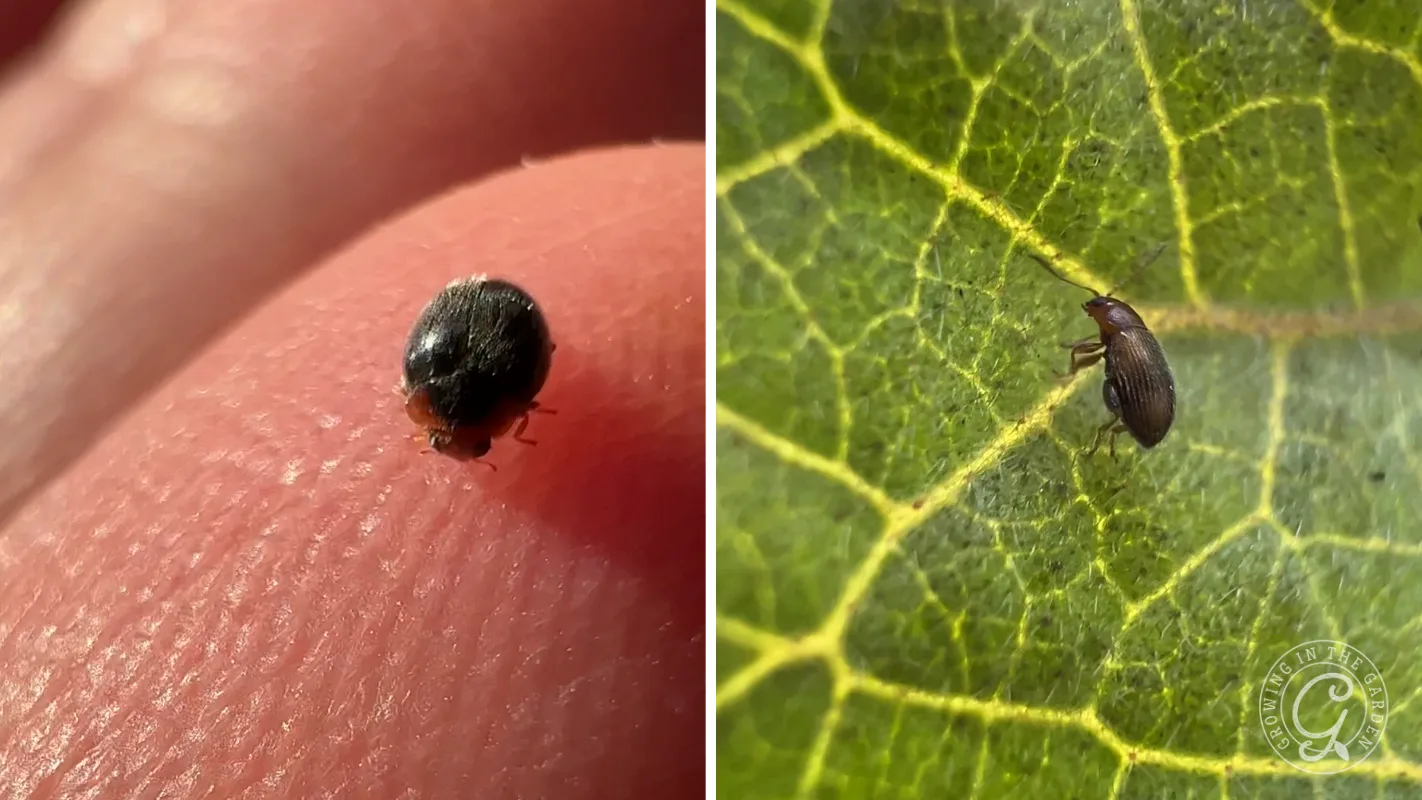
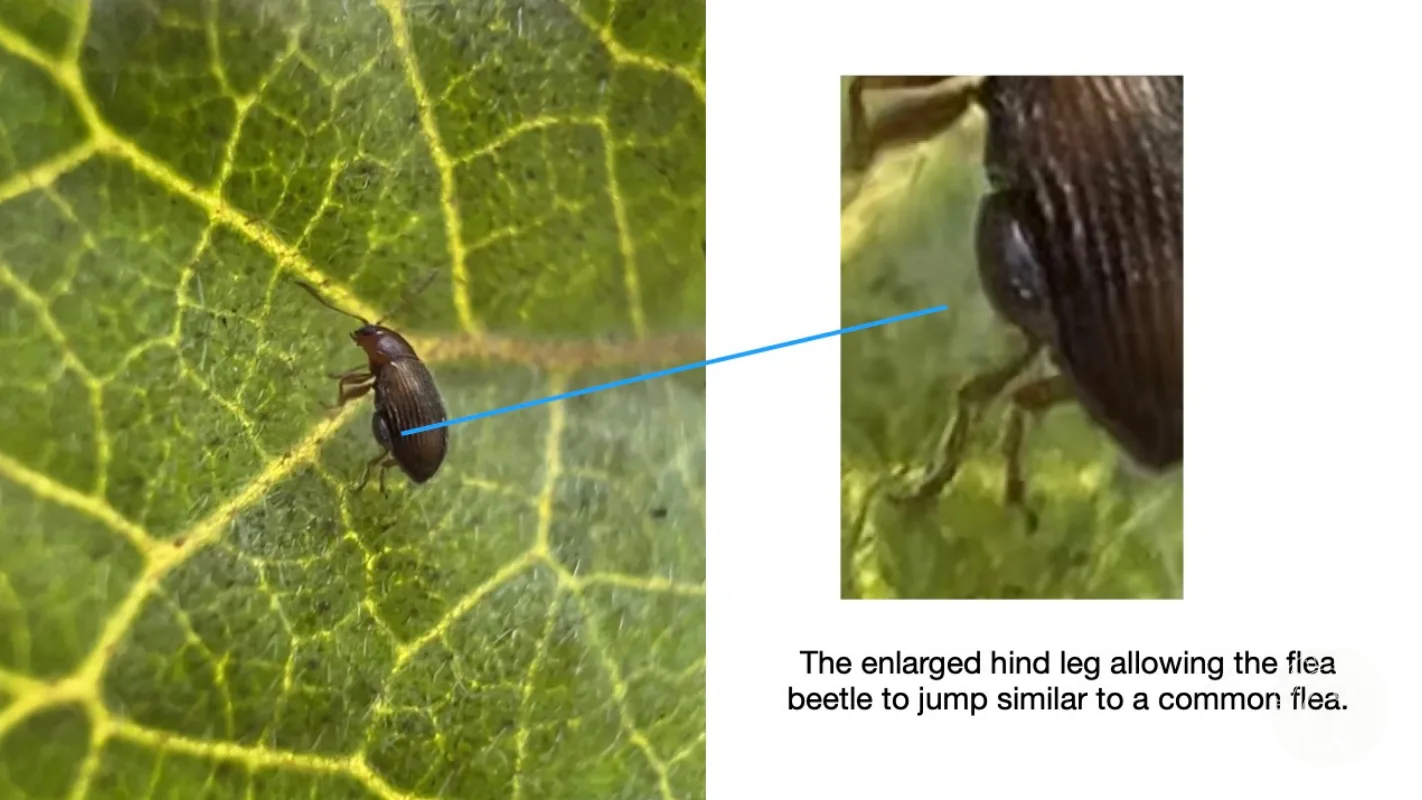
As adults, these beetles are tiny, roughly the size of a pinky nail. Their size, combined with dark coloring, makes confusing them initially with a flea beetle easily understandable. Coloring is not an aspect that can distinguish the two apart—it really comes down to size and shape. Flea beetles have a more elongated body with an enlarged back leg which helps them jump. The Scymnus ladybugs, on the other hand, have a typical ladybug shape which is domed and oval.
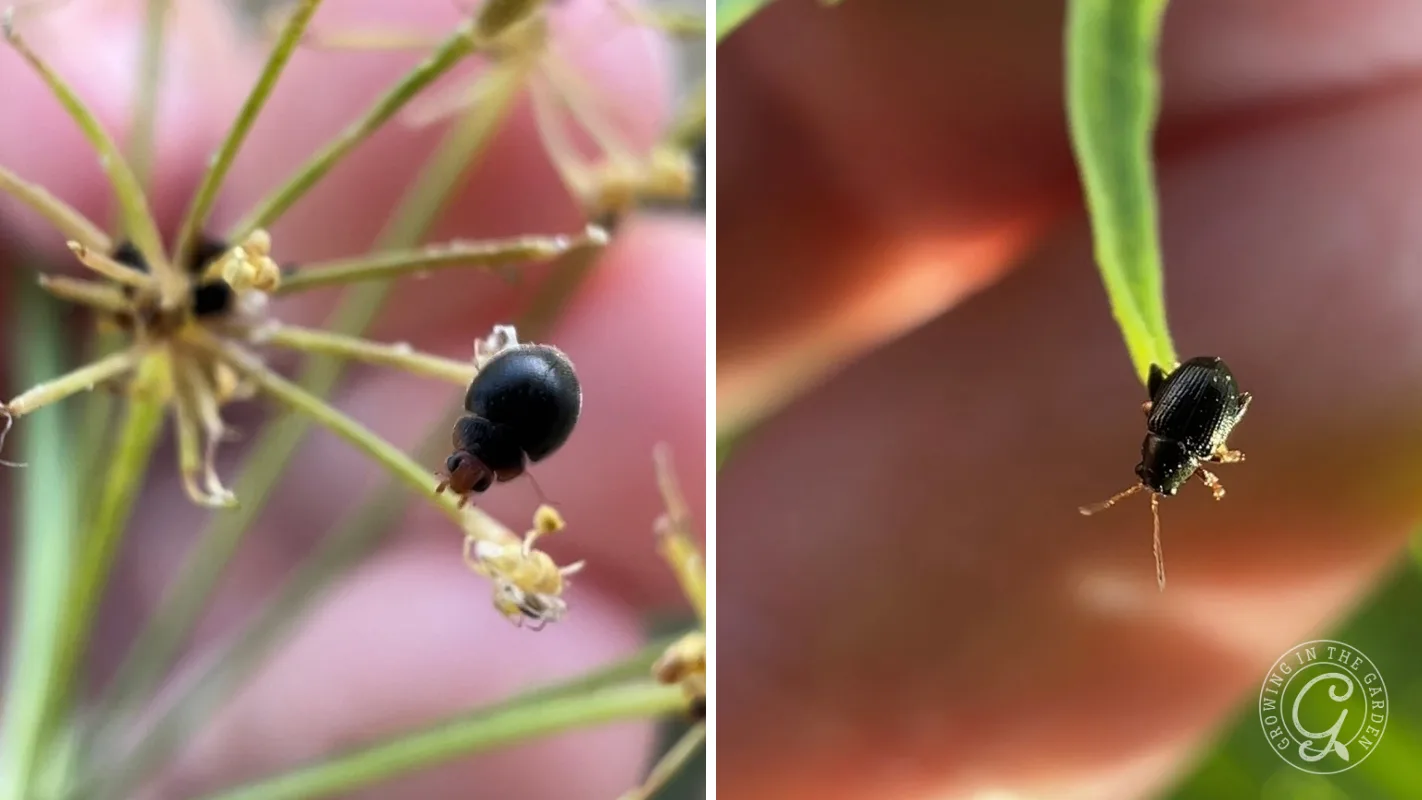
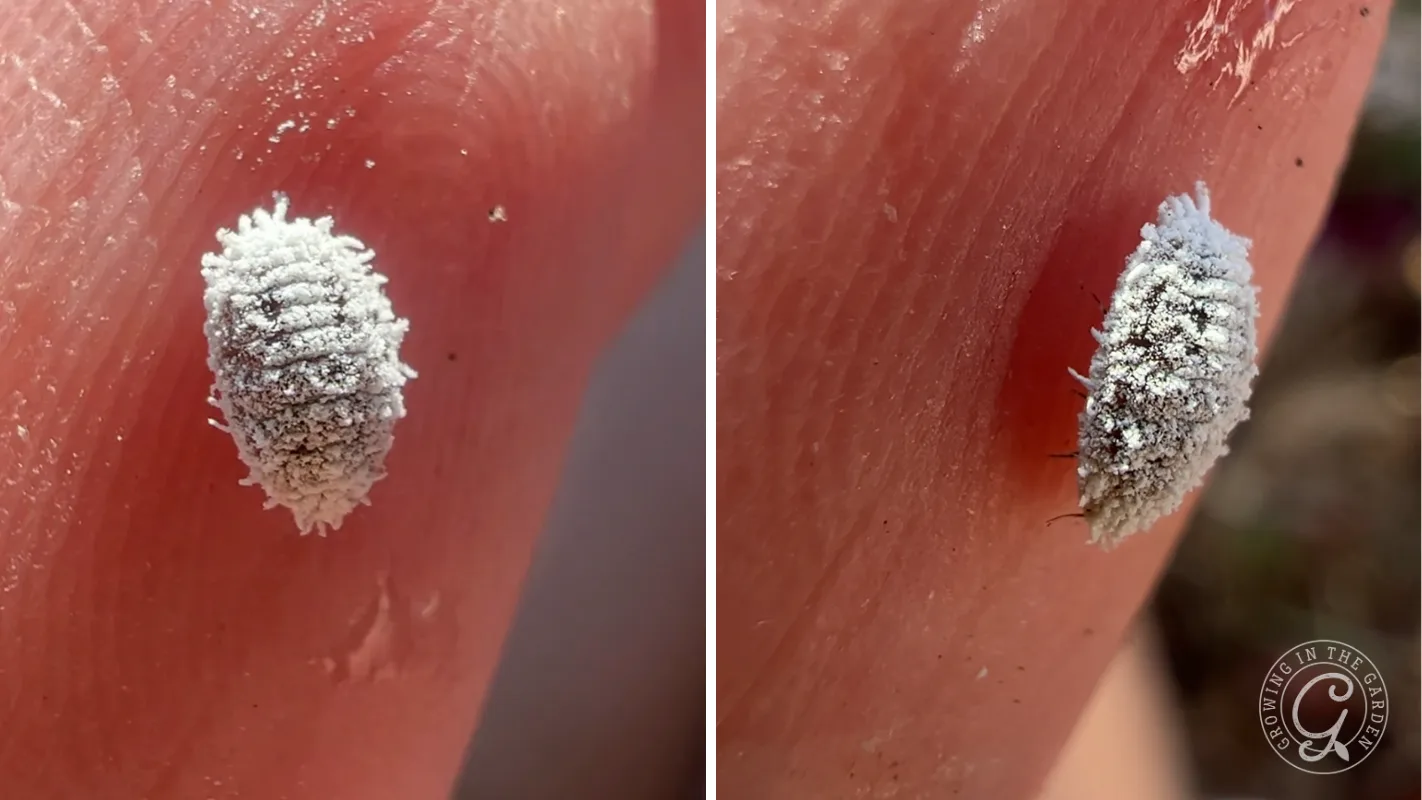
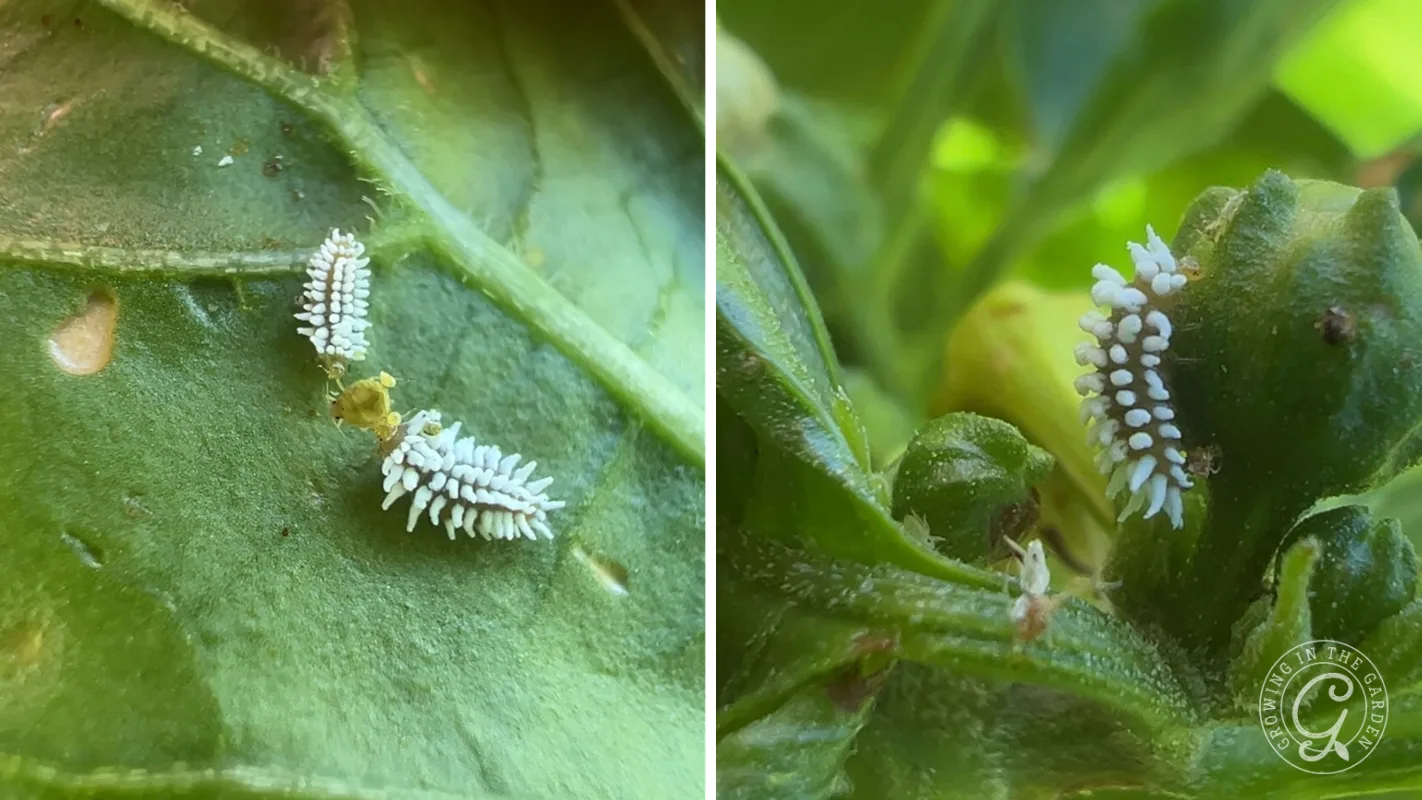
As for the larval stage of the Scymnus ladybugs, they might be confused for strange looking mealybugs. While they are not mealybug destroyers (the larvae of Cryptolaemus montrouzieri, which are larger and covered in detail in A Gardener’s Guide to Ladybugs), they do produce a white wax coating on their bodies which somewhat mimics a mealybug. Unlike a mealybug, they will be found feasting on aphids and moving quickly looking for their next meal.
True Bugs
If there was ever a collective of insects that creates confusion, it would be the group of true bugs (suborder Heteroptera). To realize that assassin bugs, squash bugs, leaf-footed bugs, and many others are all related explains why it can be hard to distinguish the difference between them.
The nymph stage (juvenile form) can be an even greater challenge, as many will look almost identical, particularly when they have first emerged. Because of this, it becomes even more critical to observe behavior and the plants you are finding the insects on. A squash bug, whether nymph or adult, will move and act differently than an assassin bug.
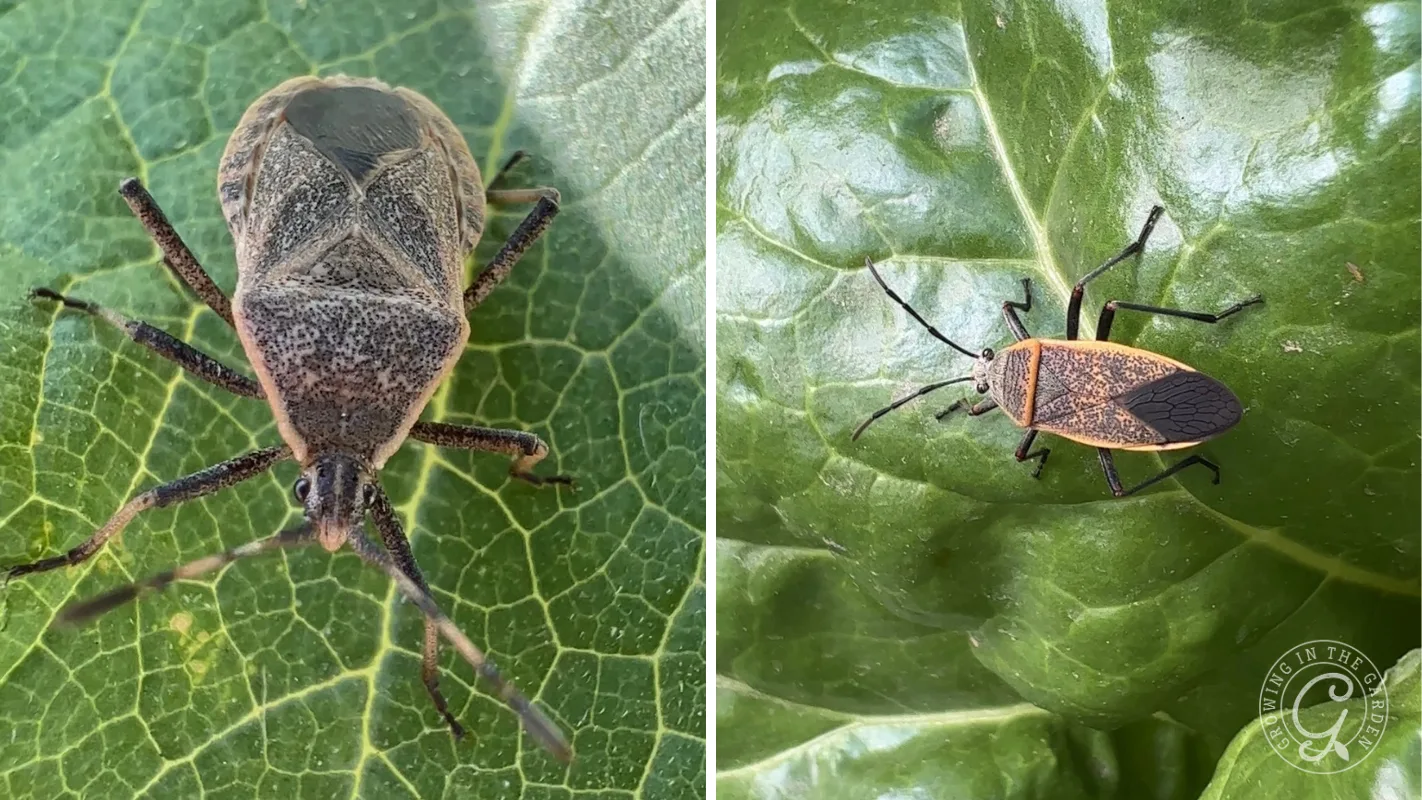
Most of us who have grown squash have eventually encountered what we commonly call the squash bug (Anasa tristis). While a number of the true bugs look similar, the bordered plant bug (of the Largus species) is the most likely to be mistaken for the squash bug in the adult form. This is not to suggest the bordered plant bug is beneficial in the traditional sense. Rather it is what I refer to as a neutral insect. There will be several that we touch upon in this post that fall in the neutral category, which honestly is a large percentage of insects.
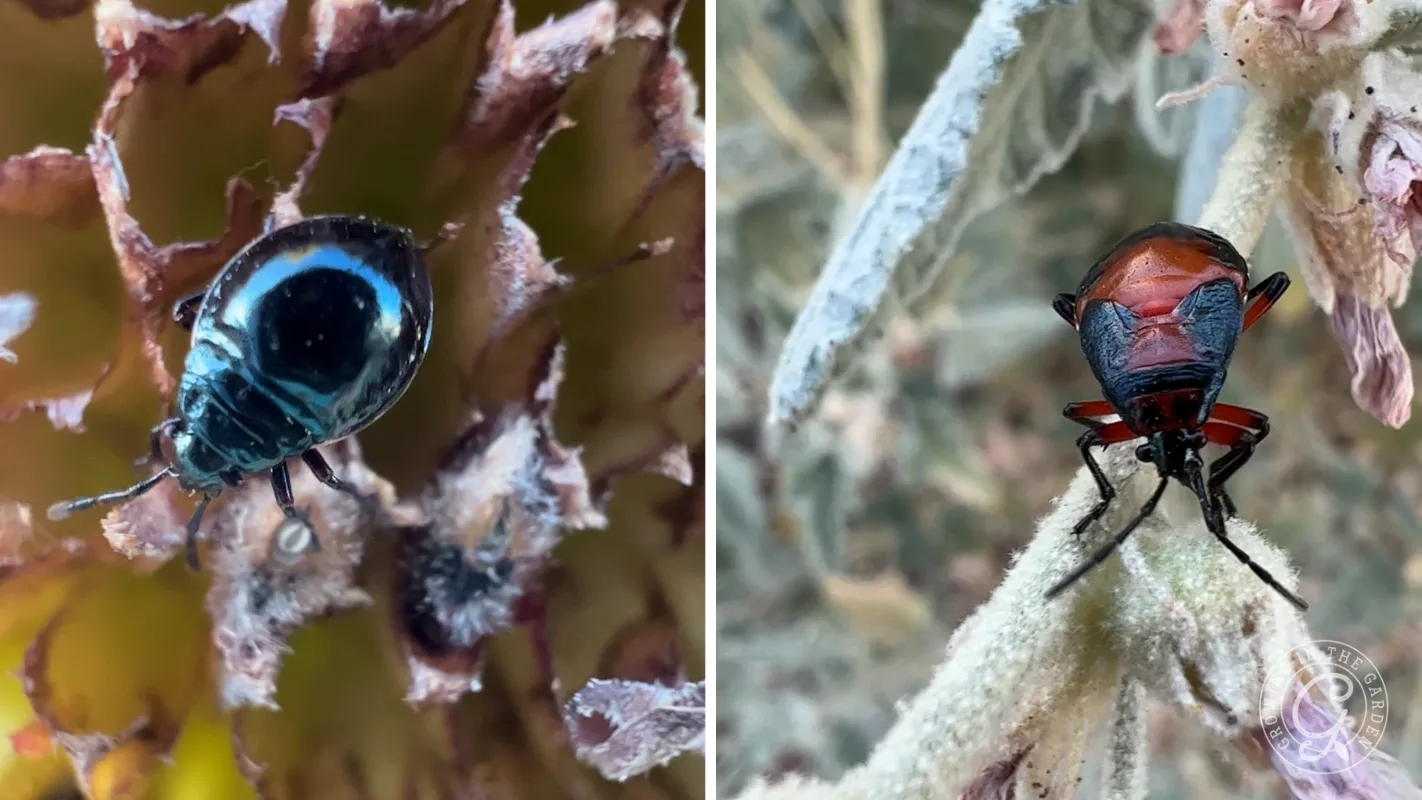
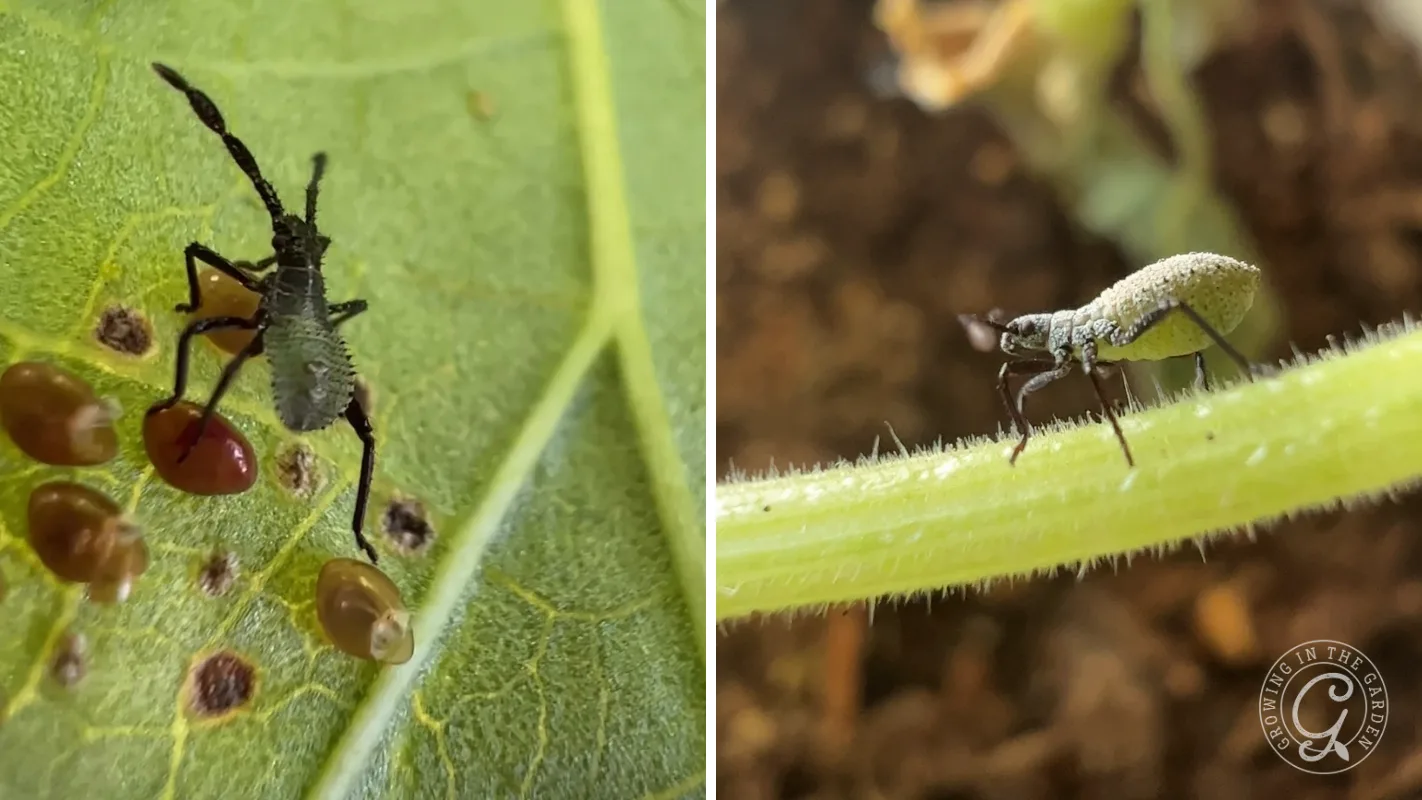
In their nymph stages, however, the squash bug and bordered plant bug look nothing alike. Instead, the squash bug nymph would be confused for a number of other nymphs.
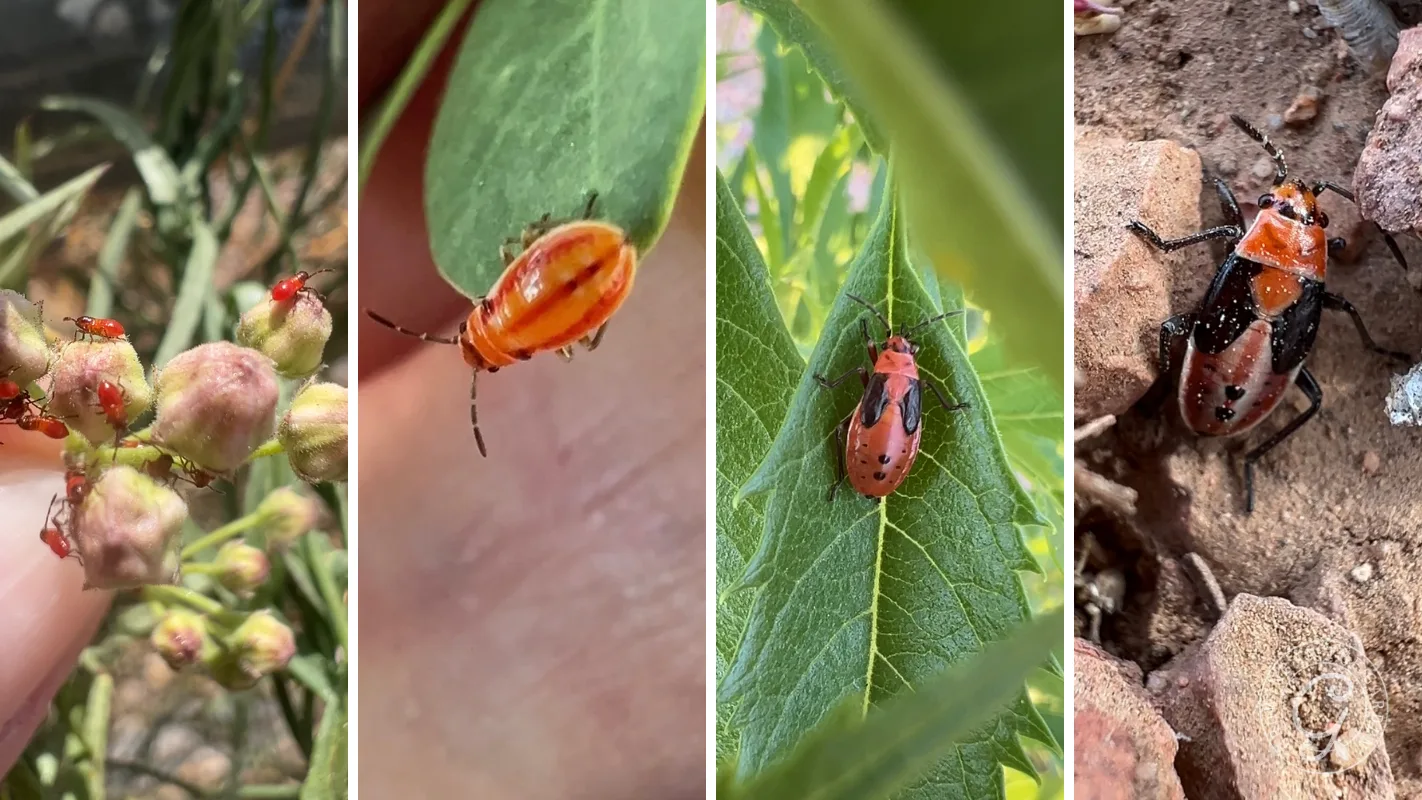
From milkweed bugs to leaf-footed bugs, a great many of the nymph stages will look similar to each other. The one that stands out among these various bugs is the assassin bug nymph.
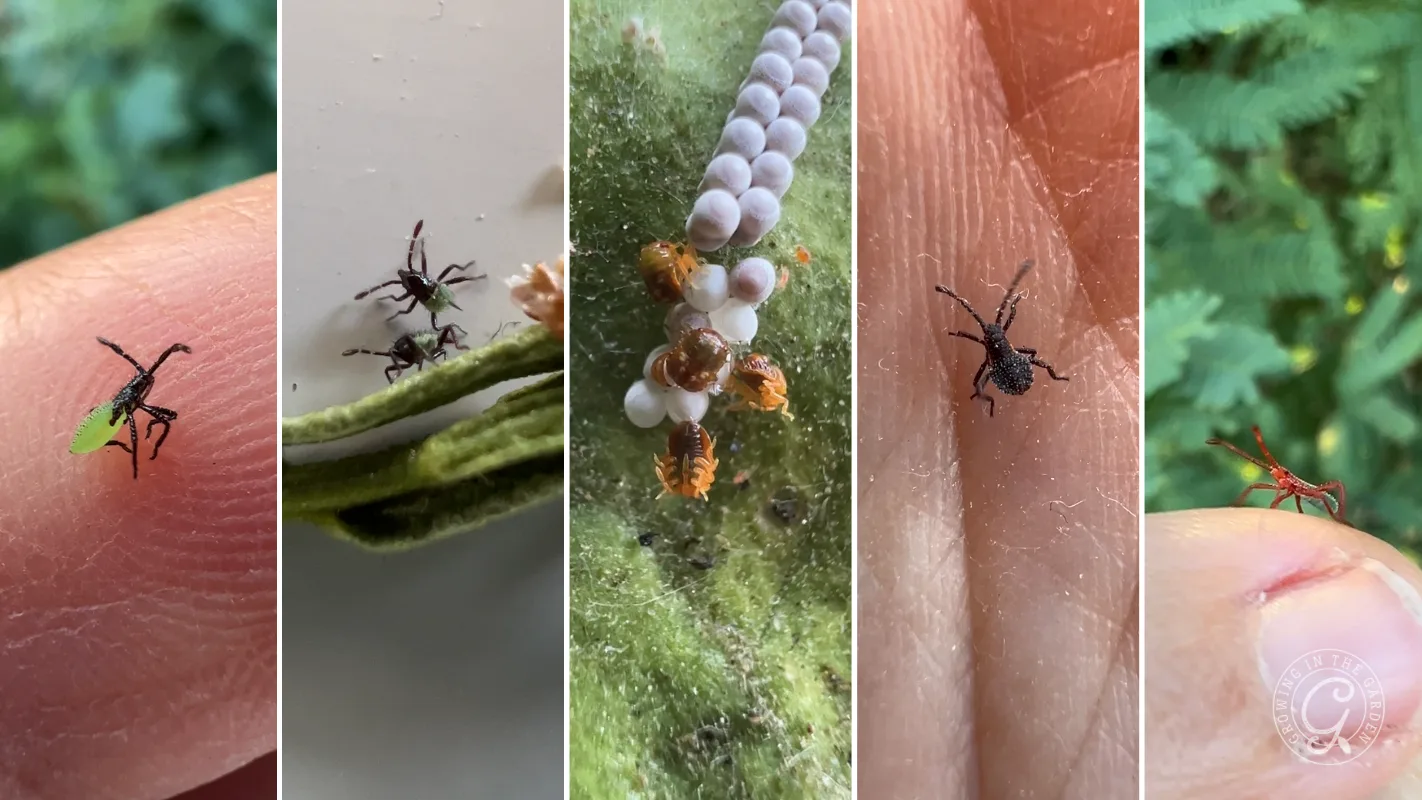
Assassin Bugs
While they are still part of the true bug group, assassins do have a unique look to them at the nymph stage. The adult stage can be a slight challenge, which will be addressed shortly.
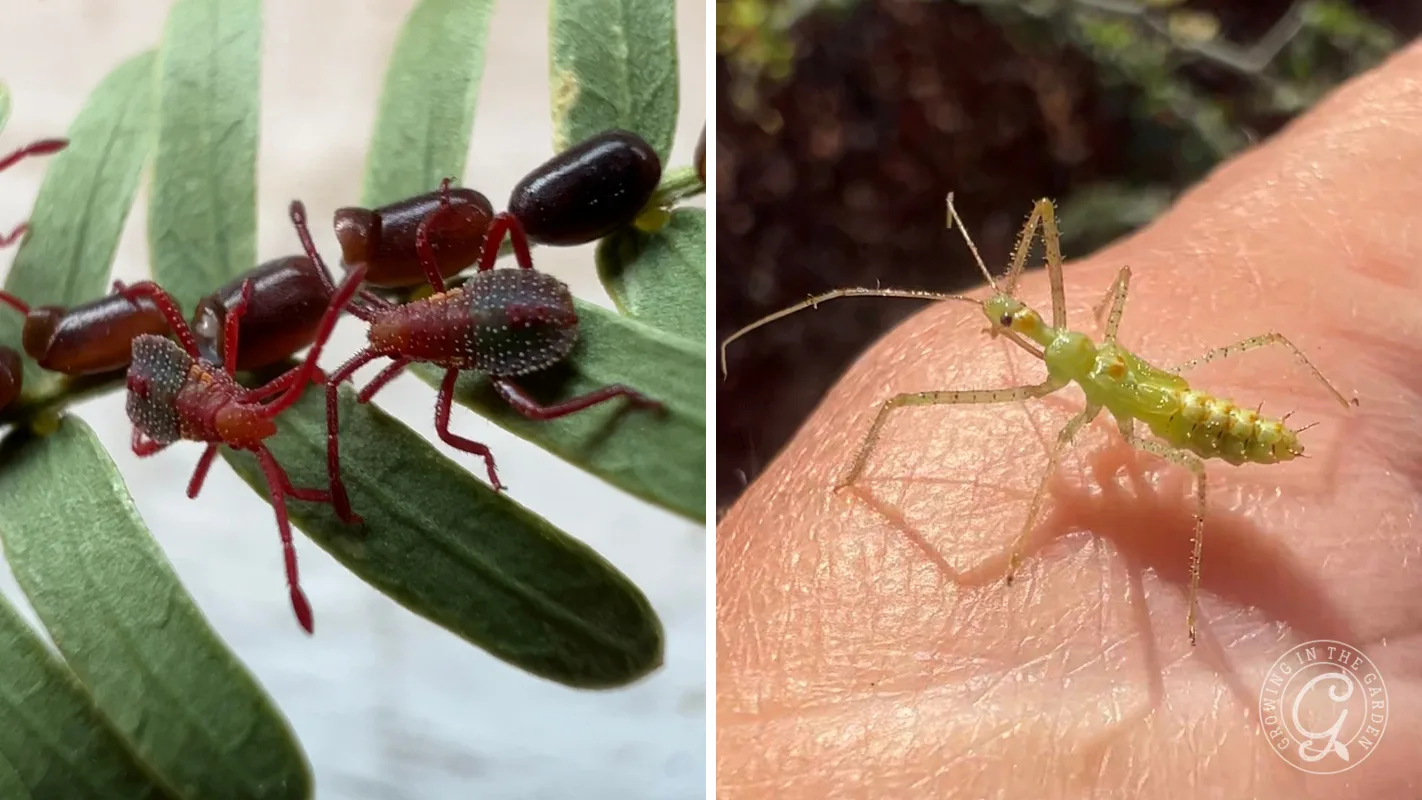
Unlike many of the nymphs already shown, assassins are more slender, with an almost delicate appearance. The body, even freshly emerged from the egg, is longer than that of other true bugs mentioned, and there are few that curve their body in a similar manner.
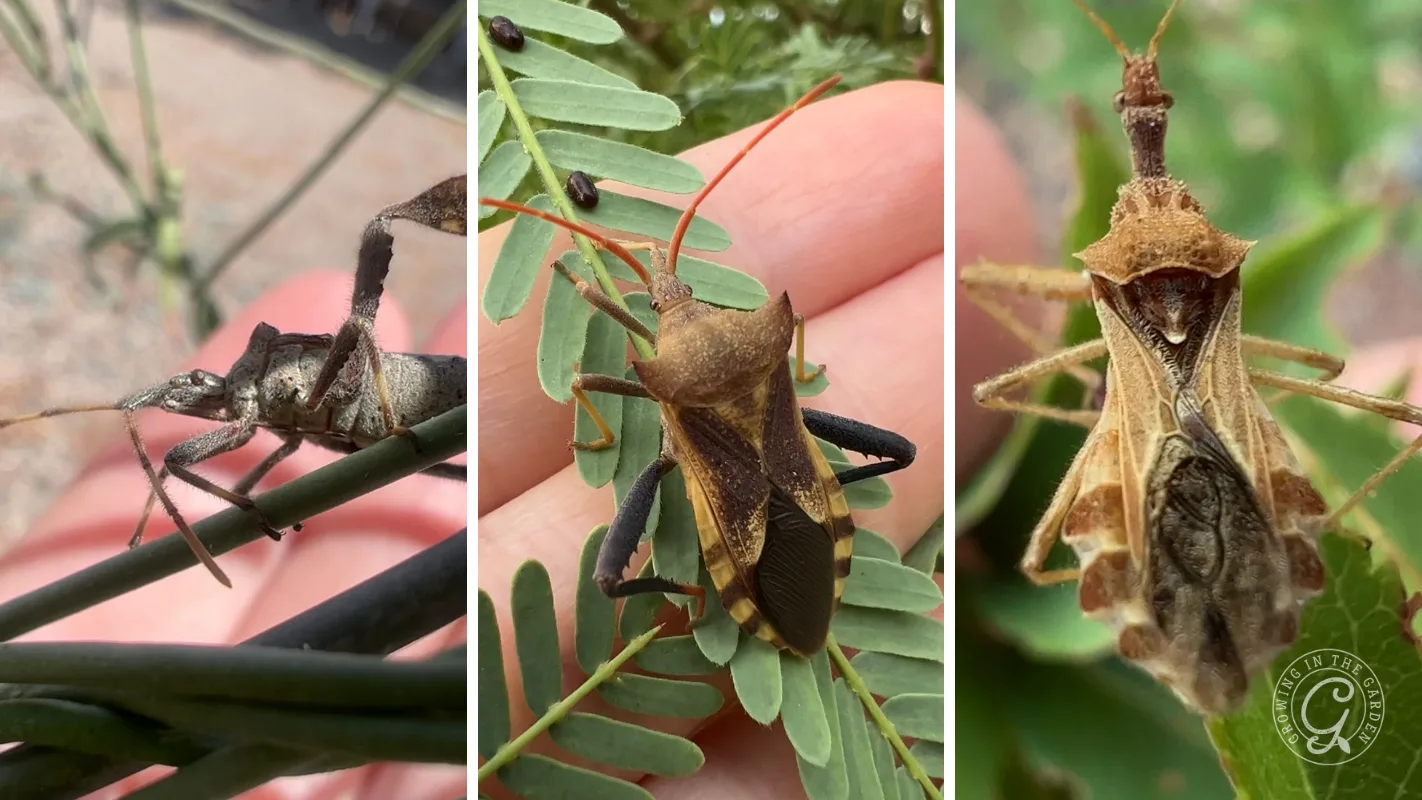
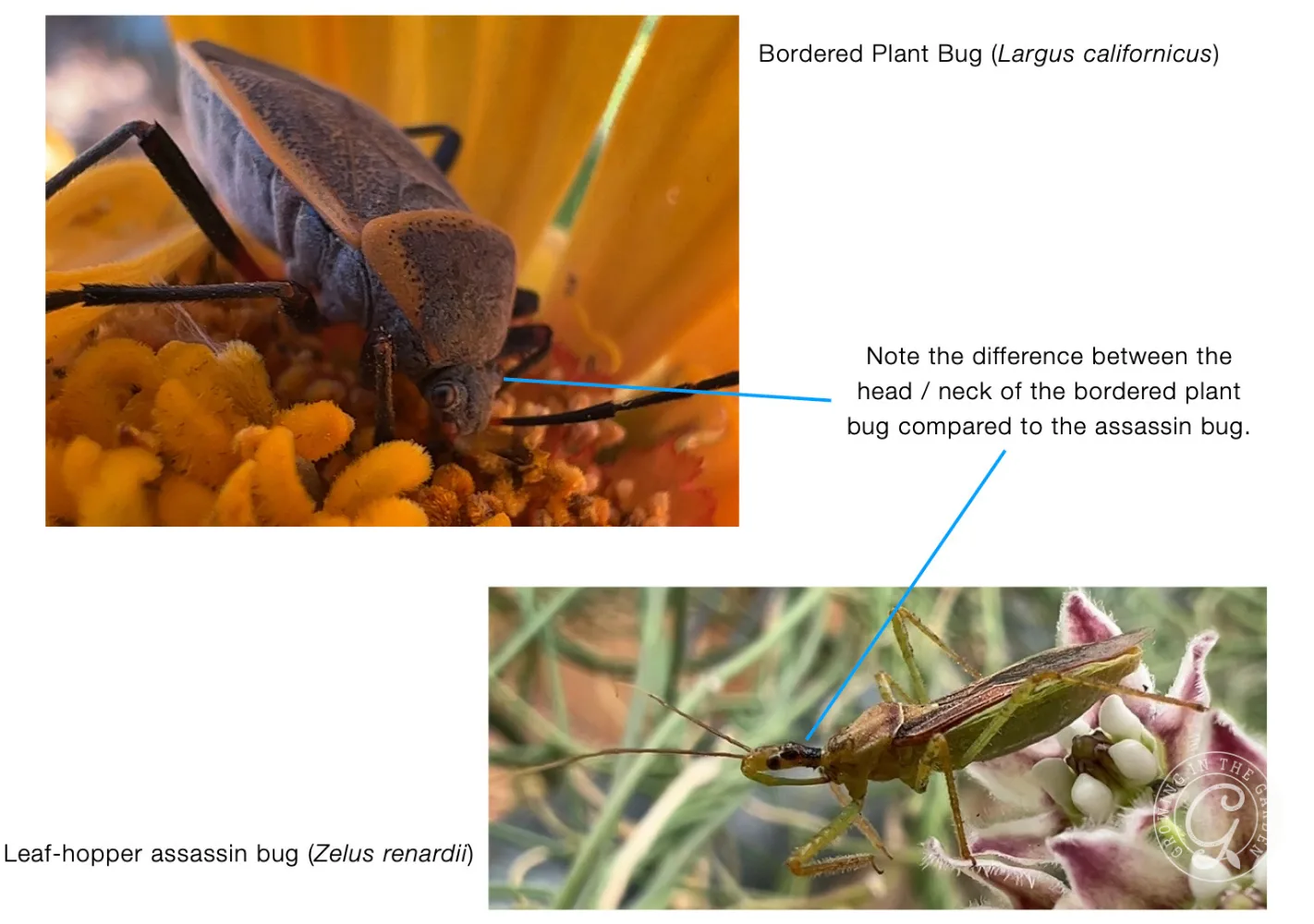
So if the nymphs are hard to identify and even the adults look similar to each other, how are we supposed to know the difference between an assassin bug and the rest? Even in the adult stage, there are distinct features about the assassin bug that separate it from the other true bugs, most notably the head shape.
Hoverflies
While there are many insects that cannot be covered in this post, it is important to highlight the larval stage of the hoverfly, which could easily have a negative case of mistaken identity.
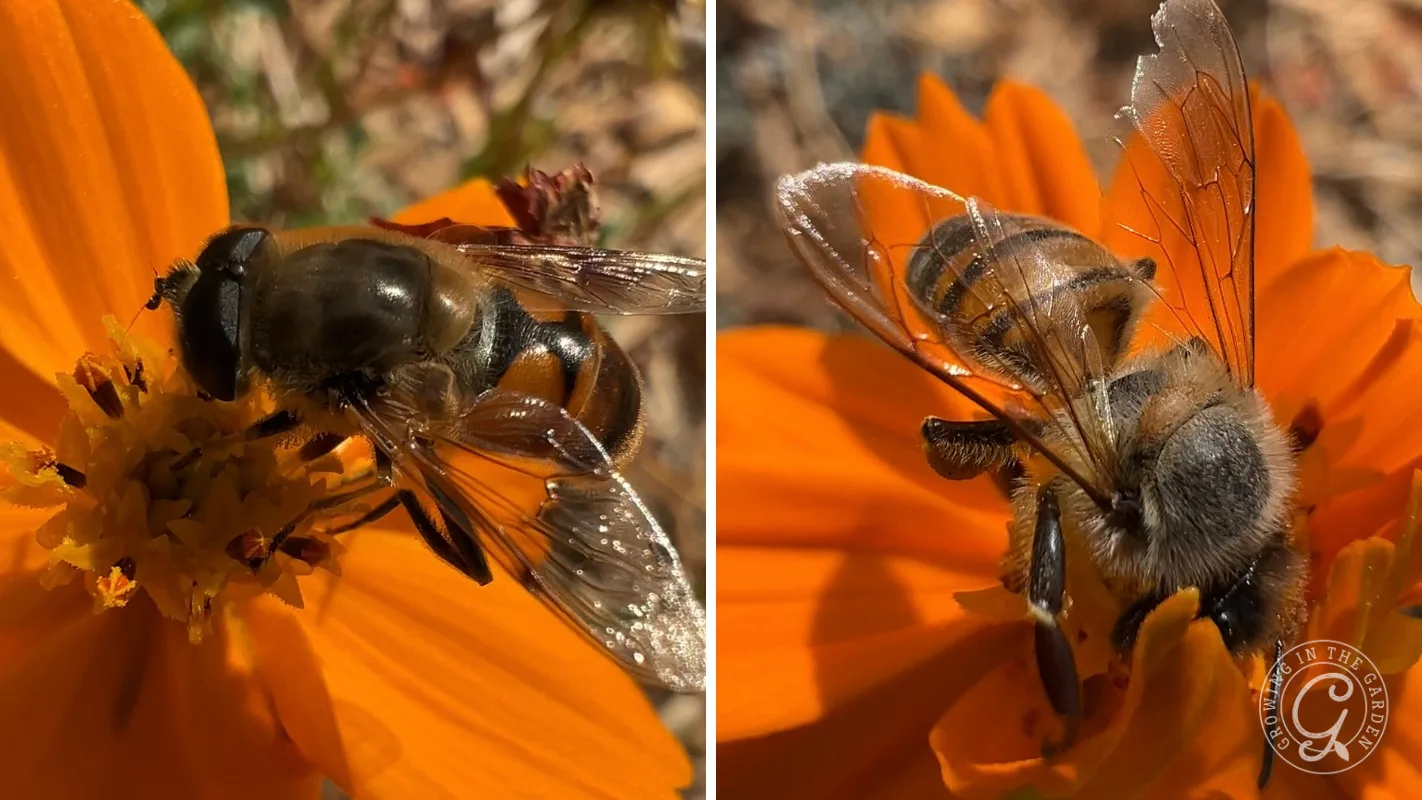
The adults are also easy to confuse with other insects. This is purposeful—a way of creating a defense from being eaten by looking more threatening (called Batesian mimicry). Hoverflies, unlike the wasps or bees they are mimicking, are not able to sting nor do they bite. The easiest way to tell the difference is the eyes. Hoverfly eyes almost touch, seeming to take up the entire head. Bees, on the other hand, have smaller ovals on the sides of the head.
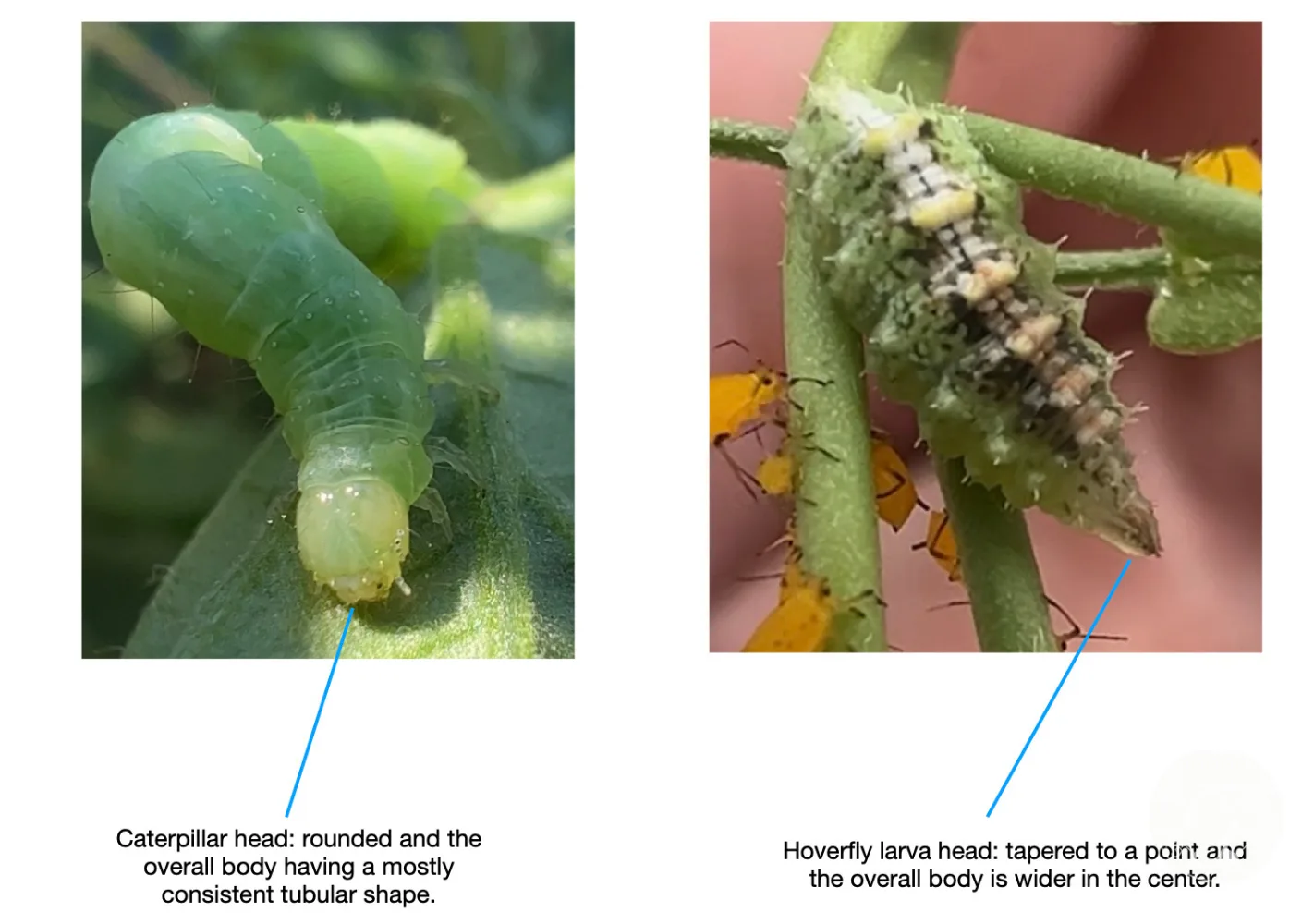
There is less concern about confusing a hoverfly adult with bees or wasps, knowing that all of them are great pollinators for the garden. It is the larvae, with their coloring and pattern, which can be easily mistaken for a caterpillar. Thankfully there are two main elements that help the hoverfly larvae stand out if we look closely: shape and location.
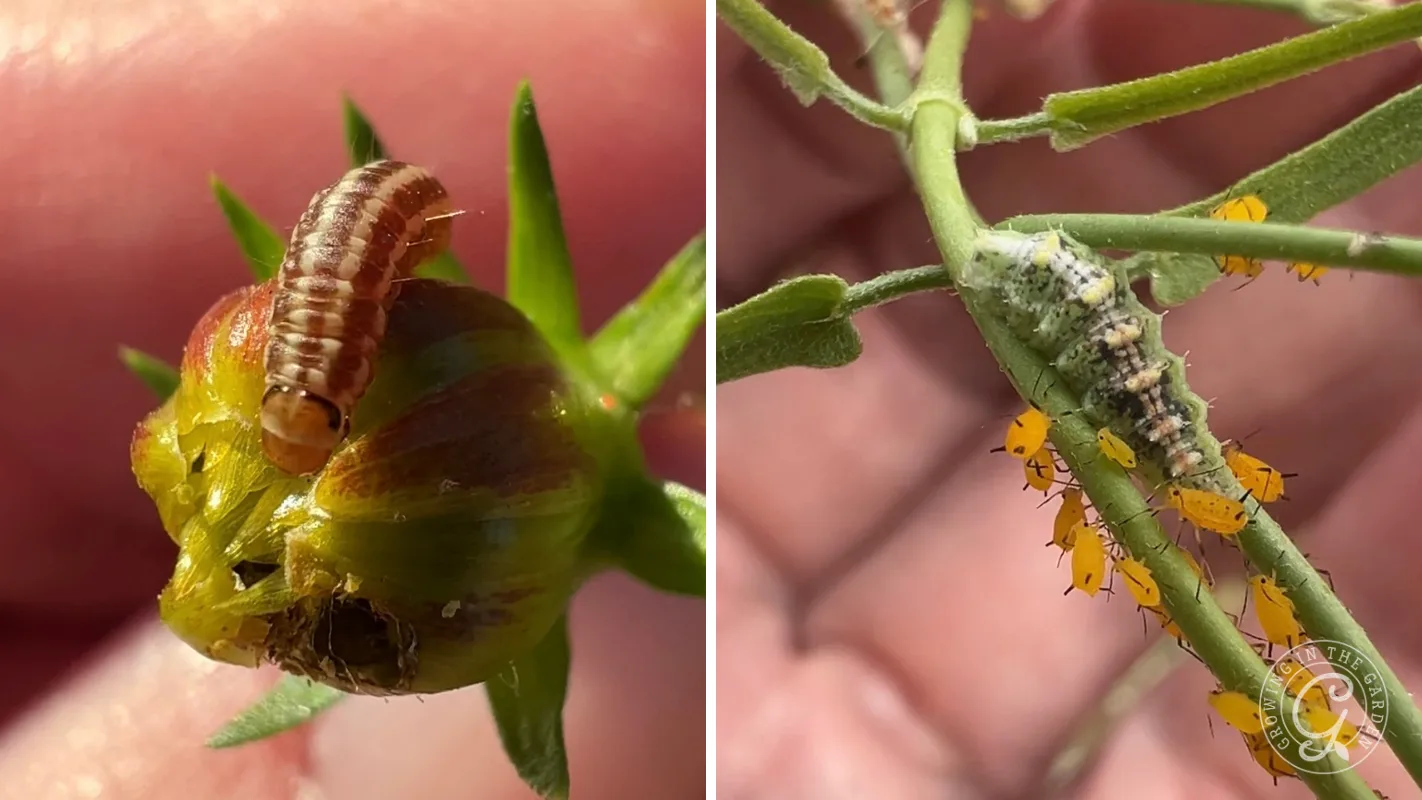
At quick glance the shape may look similar to a caterpillar, however the hoverfly lacks the legs and feet that would be found on a caterpillar. There is also the fact the body tapers towards the head, whereas a caterpillar tends to have a consistent tubular shape.
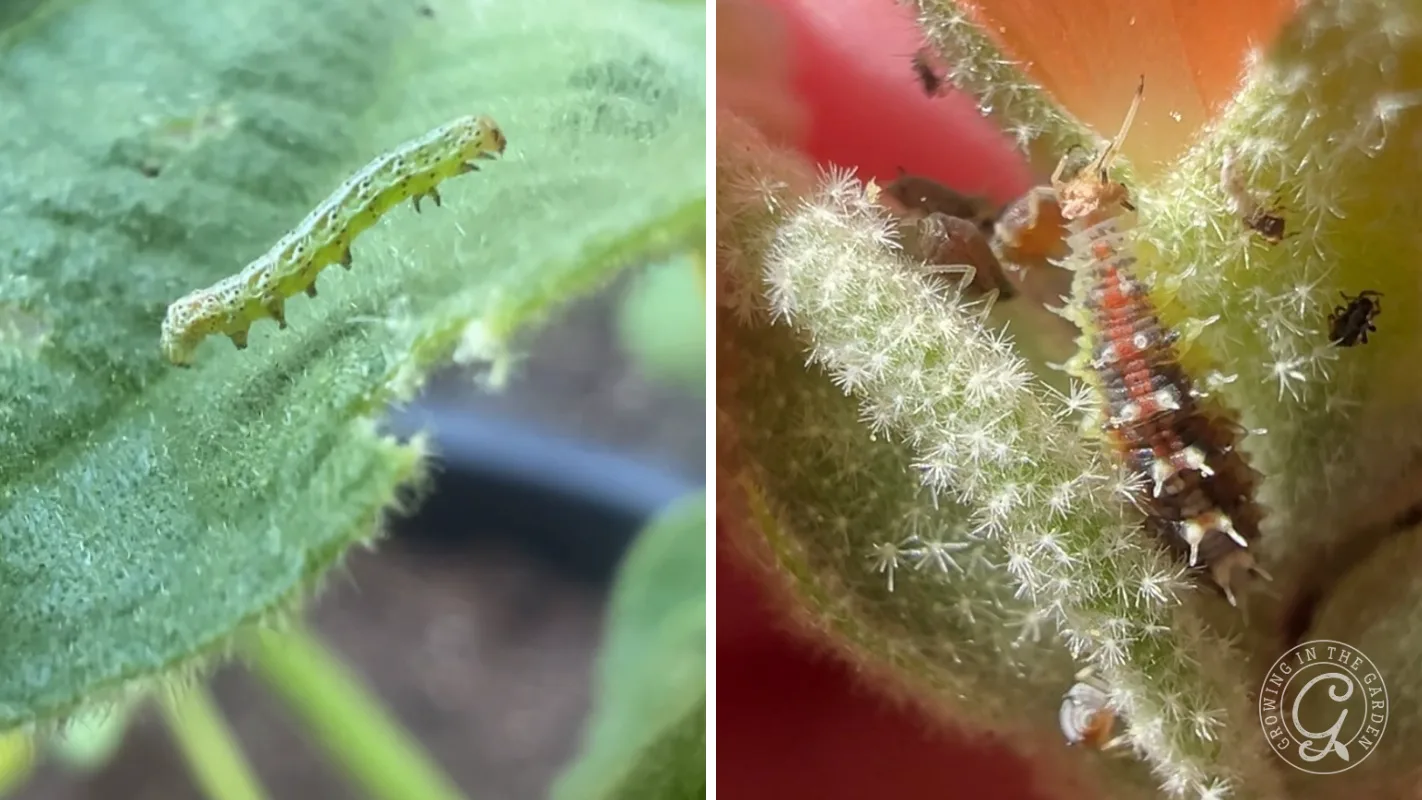
They can both be found on a flower, but they are targeting different aspects. Caterpillars (budworms and others) are consuming the leaves or the flowers, while the hoverfly are consuming aphids. So even if it is hard to tell them apart visually, if the “caterpillar” is feasting on aphids, it is actually a hoverfly larva.
For a more full description of what hoverflies look like and do in every stage read this guide: Hoverflies: An Underrated Garden Predator
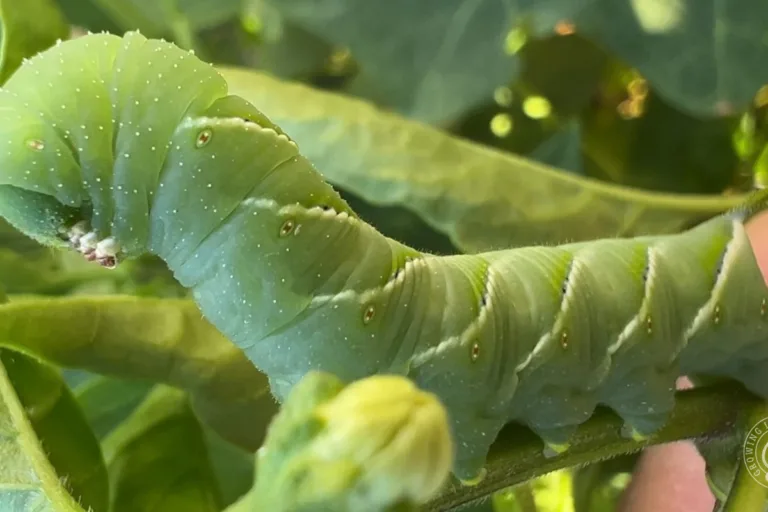
Tomato bugs and stilt bugs are two more insects regularly killed by mistake. This guide to the predators of thrips, spider mites, and whiteflies explains what they are actually doing on your plants.
Ultimately I leave most of the bugs alone. I’ll deal with eggs if necessary, sometimes intervening with the nymphs (squash bugs if I managed to miss the eggs). Unless there is a mass truly causing damage, they are not an issue. It always comes down to amount and stage—a few leaf-footed bug adults are not a reason to panic. I take it as a sign to be more vigilant about checking various plants for eggs. More often than not, the predators have found eggs or nymphs before I have needed to intervene.
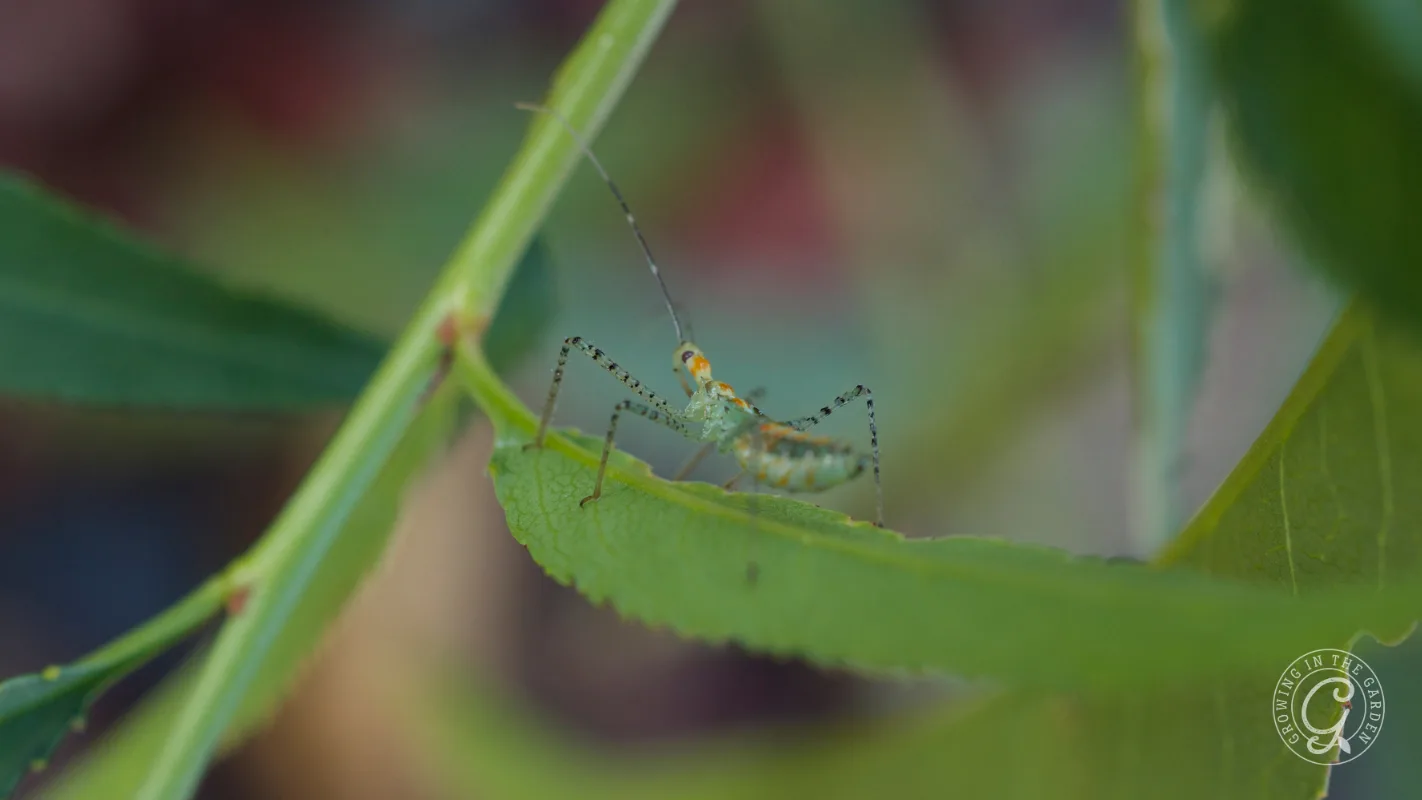
This is not to suggest we never have to intervene, as there are times when bugs such as aphids have taken over faster than the predators can consume them. It does remind us, though, that for every insect we view as a pest, there are predators — many of whom are hiding in plain sight, mimicking the very bugs we are trying to remove. For a broader look at how beneficial insects for pest control work together in the garden, that post is worth reading.
How to Identify Insects in Your Garden
Observing is critical. To observe means:
- Look at the insect from several angles, seeing how it is behaving and whether there are more than one.
- What is the plant that you have found the insect on? Is there any damage? Is the insect seen actively causing the damage?
- Are there other insects? If so, how are they behaving?
Insect Identification FAQs
Unlike other true bug nymphs, assassin bug nymphs have an elongated body even at the nymph stage, plus a head that extends away from the rest of the body. Other nymphs will be more compact with a broader body, and there is less separation between the main body and the head.
If it has a tapered end (which is the head) and is among aphids, it is a hoverfly larva. While the larva will focus a lot on aphids, it also consumes other soft-bodied insects.
No, mealybugs do not eat aphids or any other insects. If you have found a small white insect that looks similar to a mealybug, you have most likely found the larva of the Scymnus ladybug.
It is fairly easy to distinguish between an assassin bug and a squash bug, as the assassin has a prominent neck behind their head compared to the squash bug. Otherwise there are many similar features among the true bugs. One indicator is the plant you are finding the bug on. If you find it on a squash, pumpkin, or melon plant, there is a good chance it is a squash bug (Anasa tristis).
About the Author
For more than thirty years, Jean has been growing plants and spending time in nature, both in California and Arizona. With a background in fine art, she honed her skills in observation, a critical element for anyone striving to have a garden. Currently, she is finishing her doctoral studies in ecology (special focus on entomology), while helping others to work with nature in order to have a thriving ecosystem. You can find more of her work as “Red Shoe Gardener” on YouTube and Instagram.

Leave a comment on Not All Bugs Are Bad: Garden Insects and Lookalikes