
How to Grow Collard Greens: Planting, Care, Frost Tips, and Pests
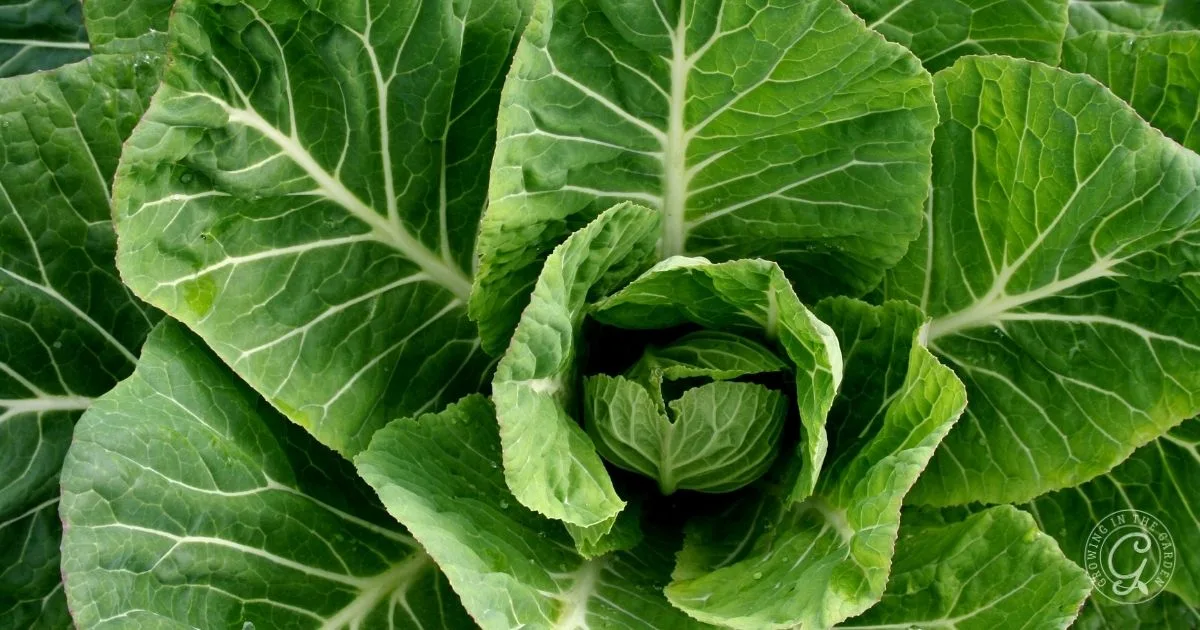
Collard greens are a beginner-friendly cool-season green to grow. They keep producing for a long time, taste better in cool weather, and tolerate frost better than many other leafy crops. If you want a reliable green for fall, winter, and early spring, collards are a great choice. Learn how to grow collard greens with the tips in this guide.
Key Takeaways
- Collard greens thrive in cool weather and tolerate frost well, making them ideal for fall and winter gardening.
- They resemble other brassicas like kale and mustard greens but offer a mild flavor and sturdy leaves.
- Plant collards in spring for a summer harvest or in late summer for a fall harvest, adjusting based on the climate.
- Consistent watering, rich soil, and pest management are crucial for healthy collard growth.
- Collards have versatile uses in meals, including sautéing, soups, stir-fries, and more.
Table of contents
Collard greens vs other greens (quick overview)
If you’re trying to decide which greens to grow this season, here’s a quick comparison. It’s also a helpful way to mix and match greens with different timing and flavor, so you have something to harvest.
- Collard greens: Sturdy leaves with a mild flavor. Very productive and one of the best greens for colder weather.
- Arugula: Fast-growing with a peppery bite. Great for quick harvests. It can bolt as it warms up.
- Mustard greens: Faster growth with a more peppery, bold flavor. Great when you want quick harvests.
- Swiss chard: Not a brassica and one of the best greens for heat. Excellent for cut-and-come-again harvesting.
- Kale: Similar to collards and often even more cold-hardy. Leaves can taste sweeter after a frost.
- Bok choy: Quick-growing and tender, but can bolt faster. Best in cool weather.
- Lettuce: Not a brassica. It bolts quickly in heat and usually performs best in mild temperatures.
- Spinach: Loves cold weather and can handle chilly conditions, but it bolts quickly as temperatures warm up.
- Malabar spinach: Not true spinach. A heat-loving vine with thick leaves that thrives in summer when most greens struggle. Best grown on a trellis and harvested often for tender leaves.
When to plant collard greens (most climates)
In cooler and temperate climates
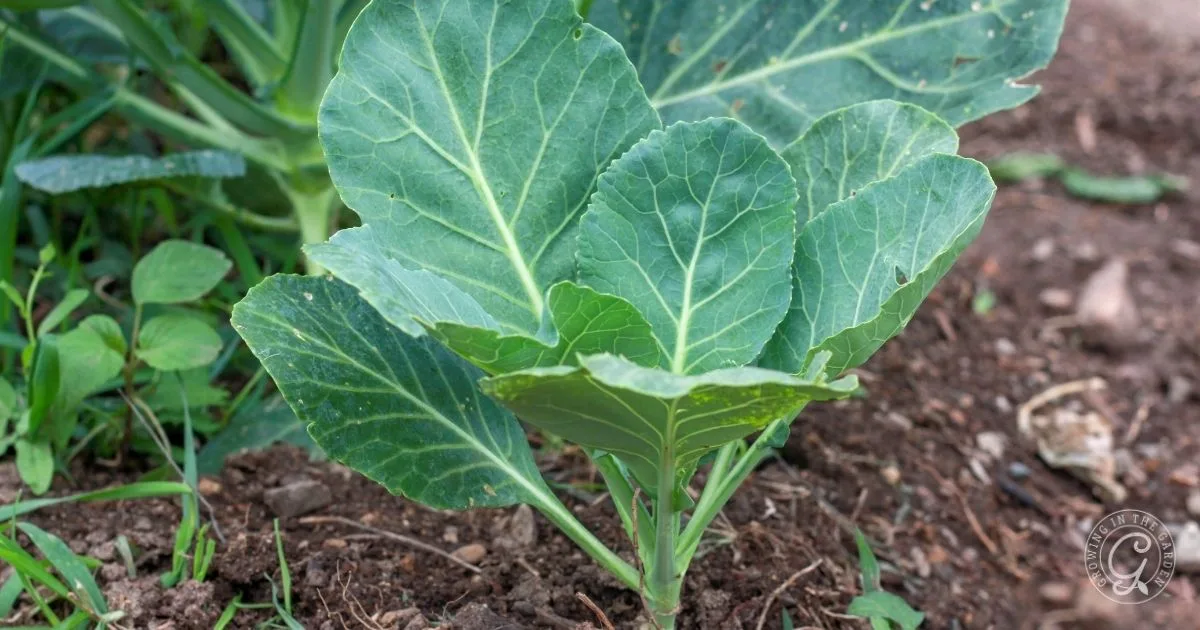
- Spring crop: Sow seeds 2–3 weeks before your last frost date, and again a couple of weeks later for a longer harvest.
- Fall crop: Sow seeds in late summer through fall so plants mature as temperatures cool (often better flavor and texture than spring crops).
In mild-winter and warm climates
- Grow collard greens as a fall, winter, and early spring crop.
- Avoid late-spring planting, as a single warm spell can trigger bolting and tough leaves.
Collard greens in Arizona (low desert planting dates)
- Start seeds indoors: August through January
- Direct sow seeds outdoors: Mid-September through January
- Plant transplants outdoors: Mid-September through February
If you want to match collard greens with the rest of your seasonal planting, my Arizona vegetable planting guide makes it easy to see what to plant when.
Hot climate tip: In early fall and again at the end of the season, plant collard greens in the coolest areas that get natural afternoon shade and less sun, so they last longer and bolt later.
How to plant collards
- Choose a spot with sun (morning sun is best in warm areas).
- Add compost before planting. Collards grow best in rich soil.
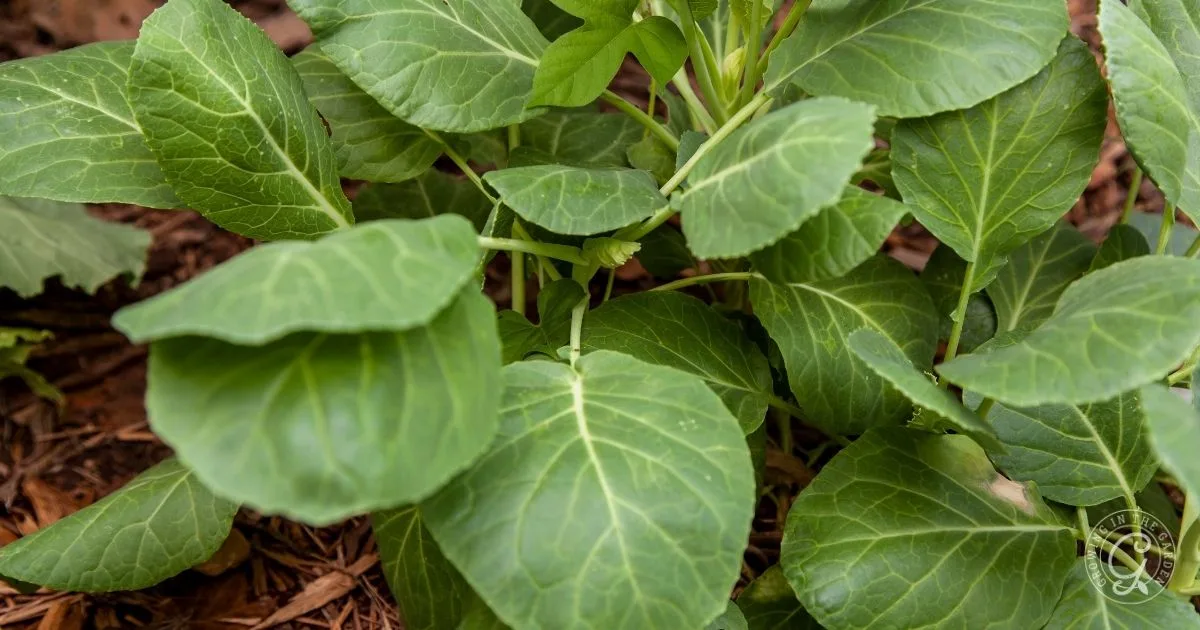
- Plant seeds 1/4–1/2 inch deep and keep soil evenly moist until they sprout.
- Thin or space plants:
- 12–18 inches apart for big plants and large leaves
- 6–8 inches apart for smaller plants or baby-leaf harvesting
If using transplants, plant them at the same depth they were growing in the pot and water well.
How to care for collards
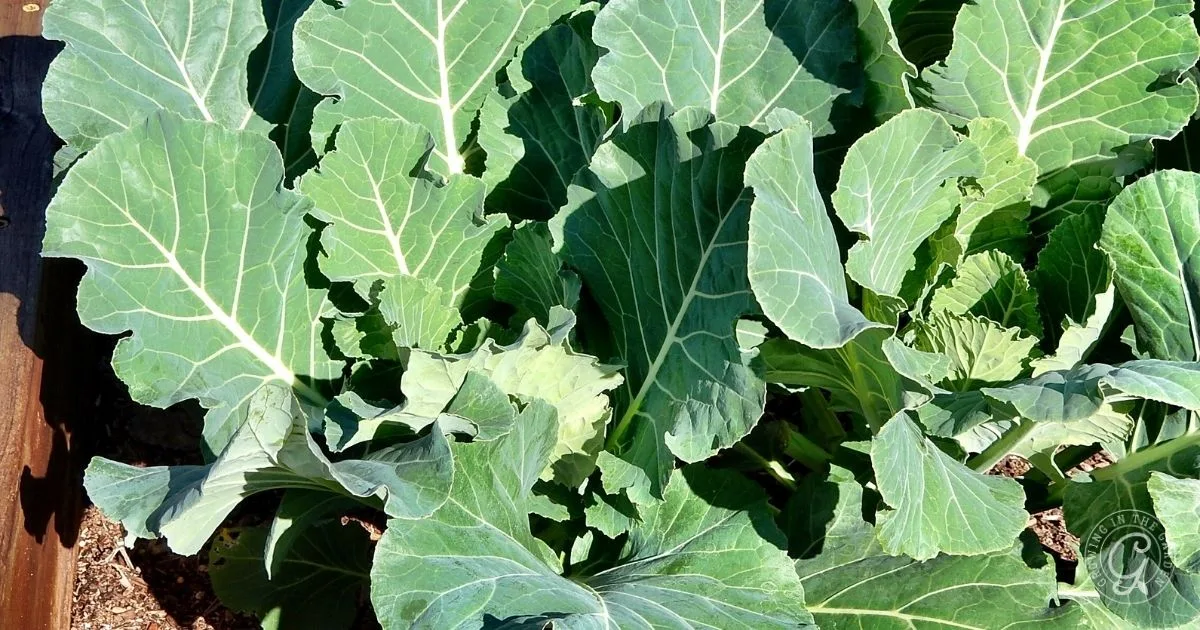
- Water consistently. Uneven watering can slow growth and make leaves tougher.
- Mulch to hold moisture and reduce weeds.
- Feed once or twice during the season if growth slows or leaves look pale. Collards are leafy crops, so they appreciate nitrogen. I like using Agrothrive.
Collard greens frost tolerance
- Collards handle frost well, and the flavor often improves after a light frost.
- Small plants need more protection than mature plants.
- When a hard freeze is coming, cover with frost cloth or row cover and secure the edges.
A hard freeze is commonly defined as air temperatures of 28°F (-2°C) or colder for several hours. This level of cold can cause significant damage to tender plants. Collards are more cold-hardy, but young plants and outer leaves can still be damaged, so covering is still a good idea.
Collards pests
Collards are a brassica (cole crop), so they grow a lot like kale, mustard greens, and bok choy, and they share many of the same pests.
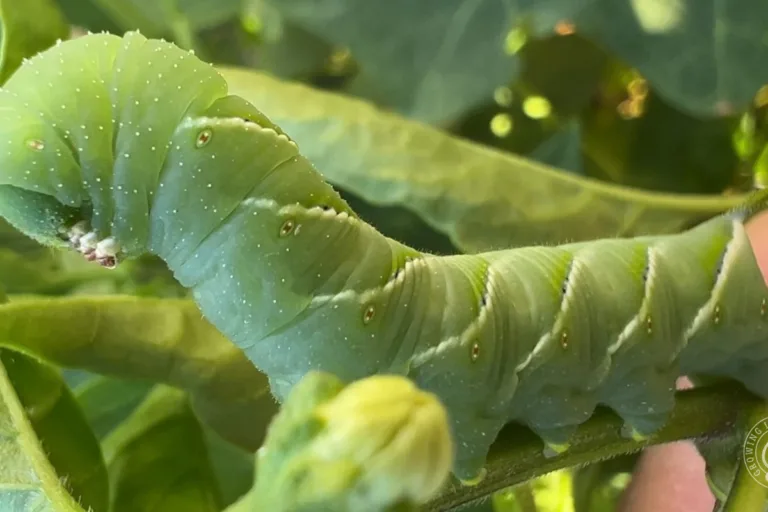
- Cabbage worms and loopers (holes in leaves, green caterpillars)
- Hand-pick or use Bt when you see small caterpillars
- Row cover helps prevent egg-laying
- Aphids (clusters on new growth, sticky leaves)
- Spray off with water or use insecticidal soap
- Harlequin bugs (black and orange shield-shaped bugs)
- Hand-remove early, row cover helps
- Bagrada bugs (big issue in Arizona, especially early fall)
- Protect seedlings and new transplants with row cover right away
- Scout often and remove nearby mustard-family weeds
How to harvest collard greens
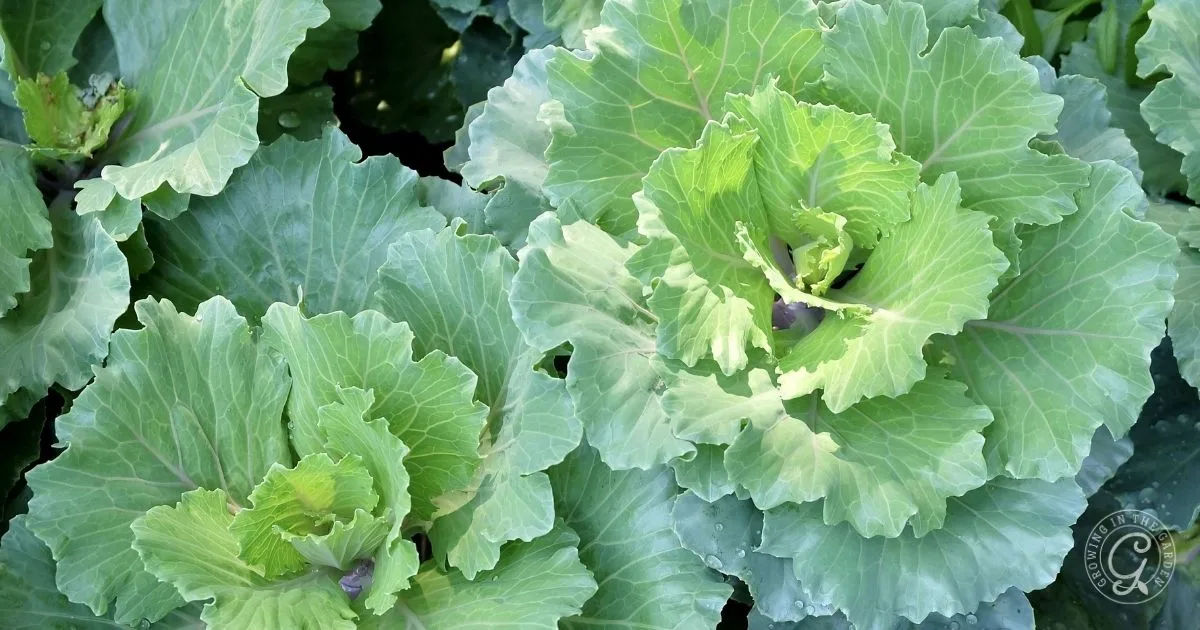
The best way is leaf-by-leaf, or cut-and-come again harvesting:
- Start with the oldest, lowest leaves.
- Leave the center growing point so the plant keeps producing.
You can harvest baby leaves early or wait for large leaves. Collards often produce for weeks.
How to use collard greens
- Sauté with olive oil and garlic
- Add to soups, beans, and stews
- Slice thin and add to stir-fries
- Use big leaves as a wrap instead of tortillas
- Blanch and freeze if you have extra
FAQ
Yes. Collards tolerate frost well, and flavor can improve after light frosts. Cover young plants during hard freezes.
Many varieties are ready for full-size leaves in about 60–80 days, and you can harvest baby leaves sooner.
Most often it is cabbage worms/loopers or flea beetles. Check the undersides of leaves and treat early.
Yes. Harvest outer leaves and the plant will keep producing.
Yes. Use a large container (about 5 gallons per plant), rich soil, and consistent watering.
Bolting can happen after a long cold period or as weather warms up in late winter and spring. Harvest heavily when you see a flower stalk starting to form.
Leave a comment on How to Grow Collard Greens: Planting, Care, Frost Tips, and Pests