
How to Grow Lobelia: Tips for Vibrant Flowers
If I had to pick a favorite flower, lobelia might be it. Its intense blue petals add a lovely pop of color to raised beds and containers, while its delicate, tubular flowers come in shades of blue, white, magenta, or purple. Although it looks dainty, lobelia can survive the winter in many climates.
In hot places like Arizona, it thrives during the cooler months if you wait to plant it until fall. Yes, it will probably die back once the scorching summer heat arrives, but growing it in partial shade can extend its life. I get so excited every fall that I usually buy transplants too early, and inevitably end up losing a few before the weather cools down enough!
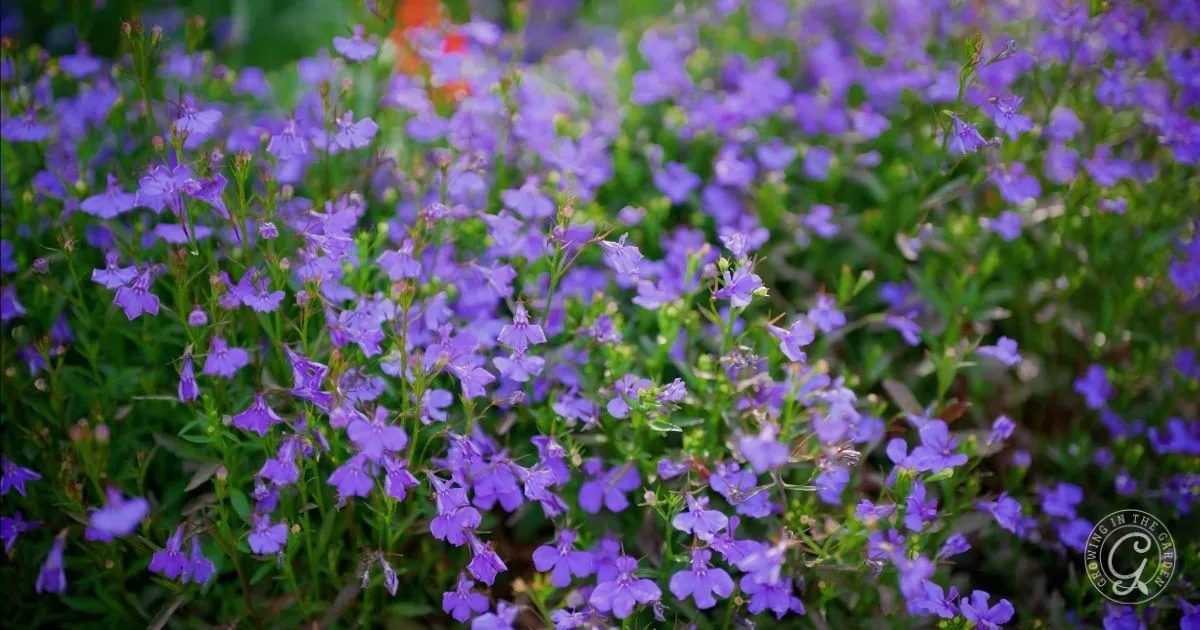
Below are my four top tips for growing lobelia—so you can add this gorgeous, easy-to-grow flower to your garden or container displays.
What We Will Cover:

4 Tips for Growing Lobelia
1. Grow Lobelia from Seed or Transplant
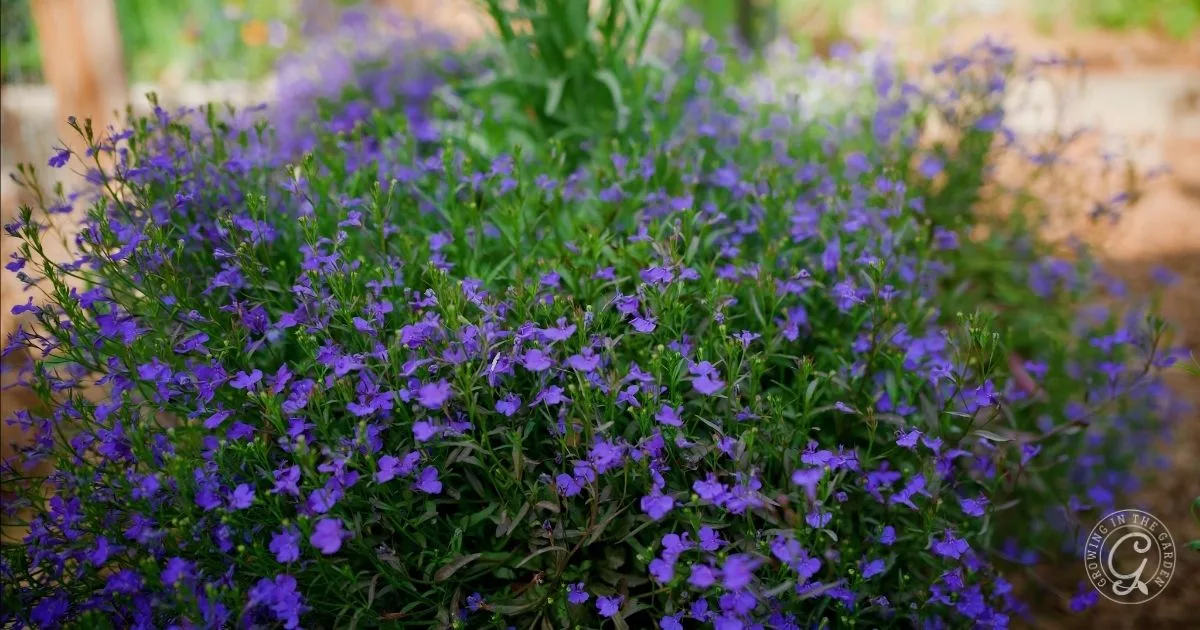
- Seeds are tricky. Lobelia seeds need light to germinate, so press them gently into the soil without covering them. Start seeds indoors 6-8 weeks before planting outdoors. However, they’re notoriously difficult to start—so if you’re new to lobelia, transplants are a much easier option.
- Look for healthy transplants. Choose compact plants with few blooms, stocky stems, and deep-green leaves. Avoid faded flowers or yellow foliage. Wait to plant until temperatures are cool in fall if you live in a hot-summer climate (like the low desert of Arizona).
Varieties to try:
- Crystal Palace – Classic, compact lobelia with dark blue flowers. Click here for seeds.
- Blue Heaven (Windowbox) – Quick blooming and weather resistant. Click here for seeds.
- Cascade of Color – Trailing multi-colored variety. Click here for seeds.
2. Plant Lobelia at the Right Time
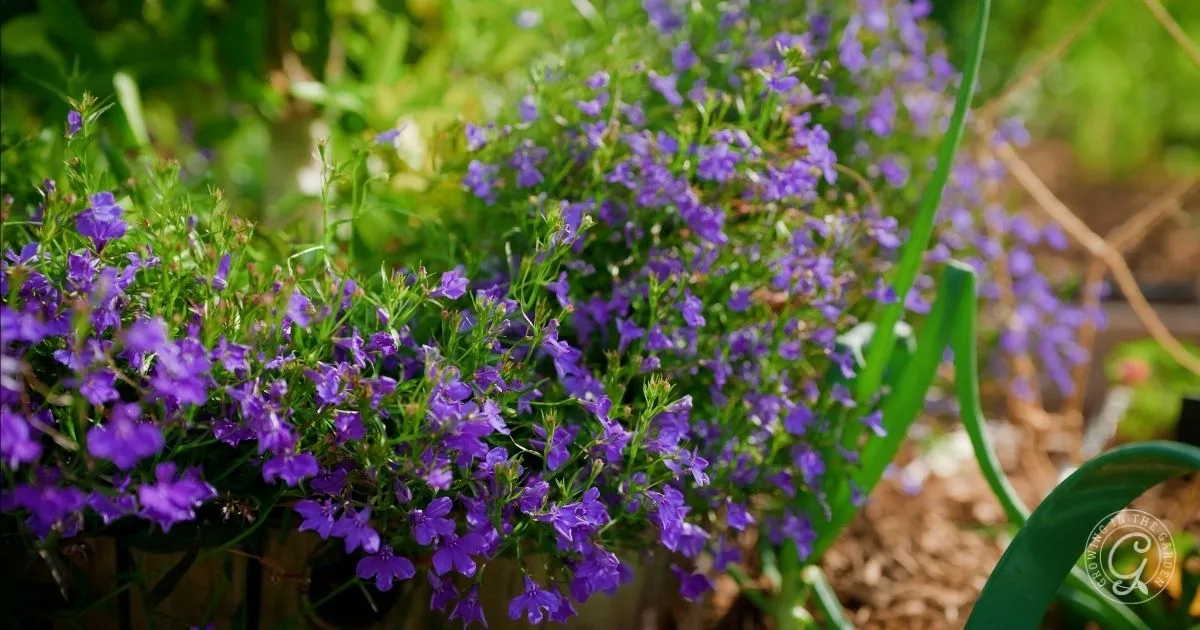
- Cool-summer or moderate climates: Plant transplants in spring after the last frost. You’ll enjoy lobelia blooms from early summer right up to the first frost in fall. Once frost arrives, pull up the dead plants and compost them.
- Hot-summer climates (like Arizona): Plant lobelia from late September through December. Lobelia blooms from early spring until temperatures soar in June. Plant lobelia in shady locations to keep lobelia alive longer.
When to plant in Arizona:
- Start seeds indoors: July – October
- Transplants outside: September 15 – December
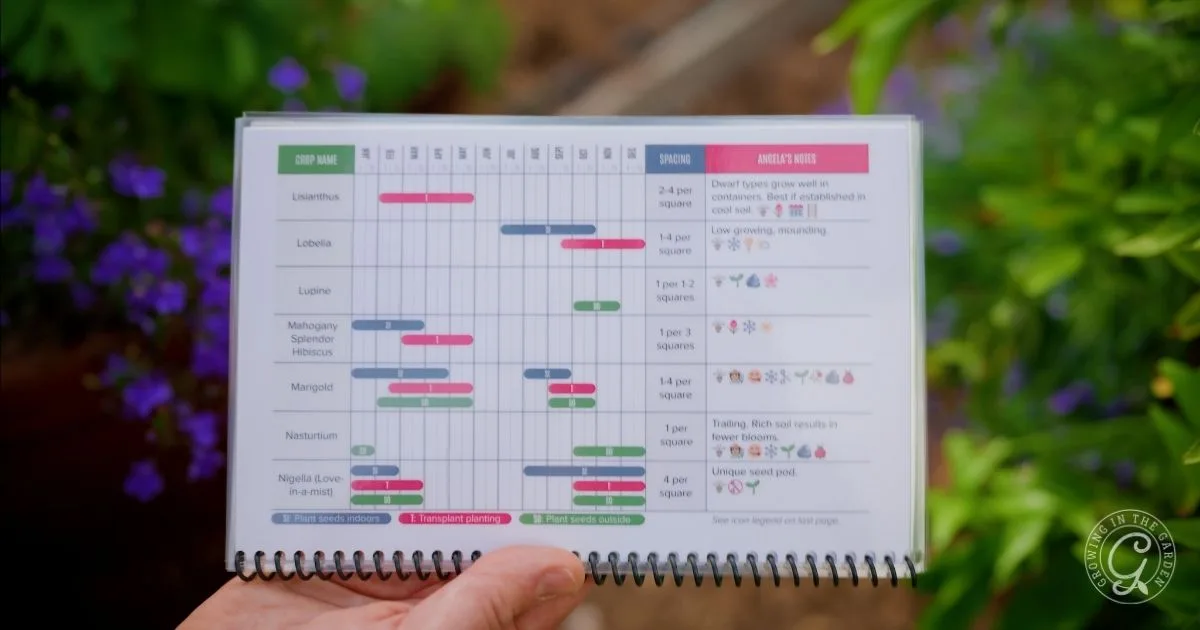
If you want a quick reference for spacing, timing, and favorites, my Flower Planting Guide can help you map out beds and containers.
3. Give Lobelia the Right Environment
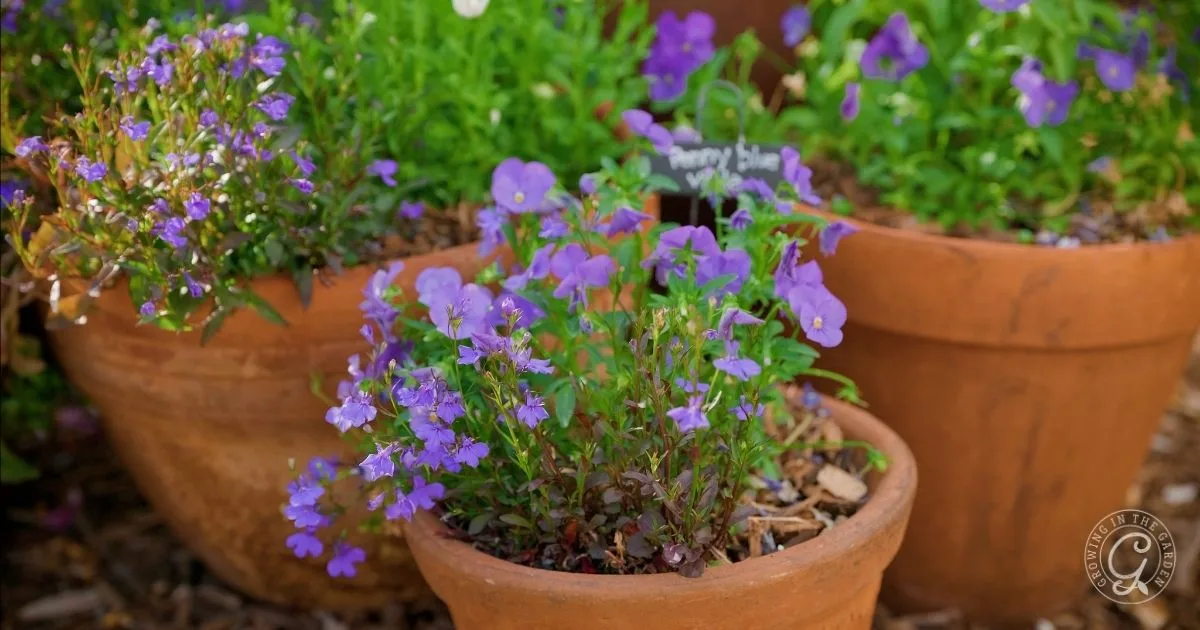
- Soil: Choose moist, rich, well-draining soil. Amend the area with compost before planting.
- Sunlight: Aim for partial sun (4-6 hours of direct light) with morning sun if possible. This helps keep the plants cooler during intense afternoon heat.
- Mulch: After planting, mulch well to retain moisture and keep the soil temperature down.
- Fertilizer: If needed, feed with a flower fertilizer after planting to encourage strong growth and abundant blooms. I often only use worm castings and compost and that seems to work well.
- Temporary Shade: Shade newly planted seedlings for the first few days to help them settle in.
4. Care for Lobelia as It Grows
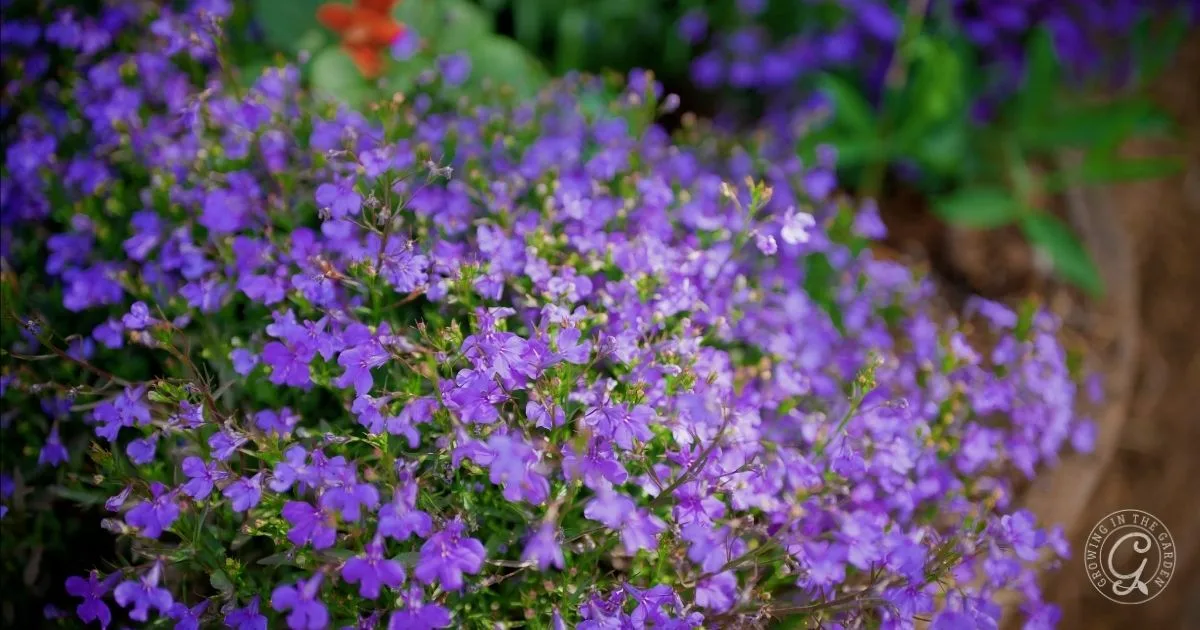
- Water: Lobelia needs consistent moisture. In hot spells, water more often to reduce stress.
- Deadheading: Remove spent blooms to encourage continuous flowering.
- Toxicity: All parts of lobelia are poisonous—keep it away from pets and children.
- Self-seeding: Allow some flowers to drop seeds, and you might see new lobelia seedlings next season.
Where Lobelia Shines
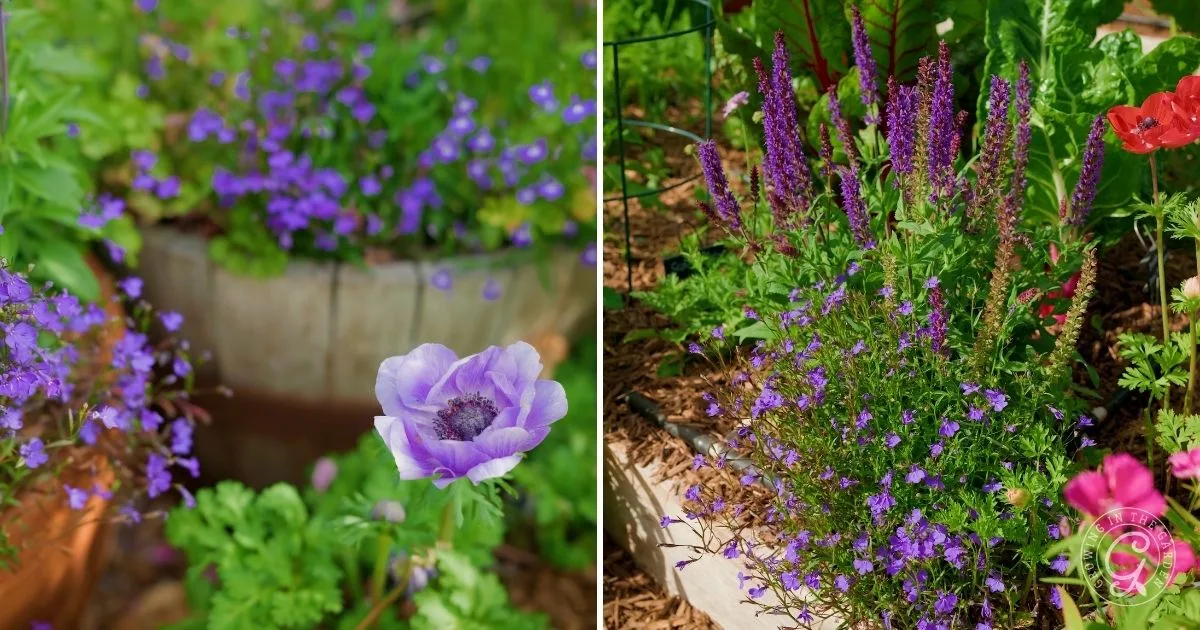
Lobelia stays compact (about 4–8 inches tall and 4–24 inches wide), which makes it perfect for edging raised beds, tucking around larger plants, and softening container rims. Its habit is similar to alyssum, and they both love to trail over the sides of post. If you are new to alyssum, see my guide to how to grow alyssum.
When I plant containers of bulbs, I like to underplant with lobelia or alyssum for instant color while the bulbs are growing. If you want the step-by-step on timing, soil, and depth, here is my post on growing bulbs in containers in hot climates.
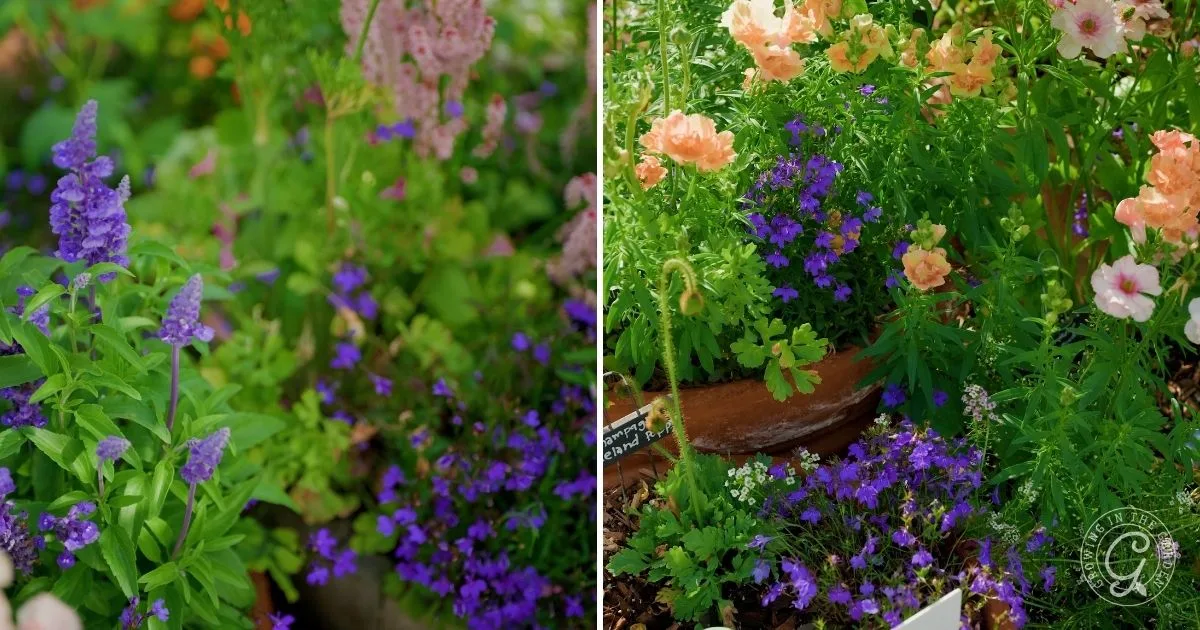
For color pairings, lobelia with blue salvia is hard to beat. If you are planning a cool-season refresh, browse my list of the 10 easiest fall flowers in Arizona and the Arizona annual flowers visual guide to find more companions that thrive through winter.
Is there anything else I’m missing? Lobelia is a wonderful cool-season annual that brings beautiful, vibrant color. If you’re in a warm region, remember to wait until fall’s cooler temperatures to plant. If you live in a moderate climate, plant in spring, and you’ll enjoy lobelia’s blue, purple, pink, or white blossoms well into autumn. And if you, like me, get impatient and buy it too soon, you may lose a few plants in the heat, but once the weather cooperates, lobelia will reward you with a stunning show. Happy planting!


I just ordered some seeds : ) can they be started directly in the garden or do they do best when started indoors ? Thank you
Lobelia does best when started indoors.
Love this! Thank you
Always enjoy your information!!
Thanks so much!