
How to Plan Year-Round Fruit Harvests in Arizona
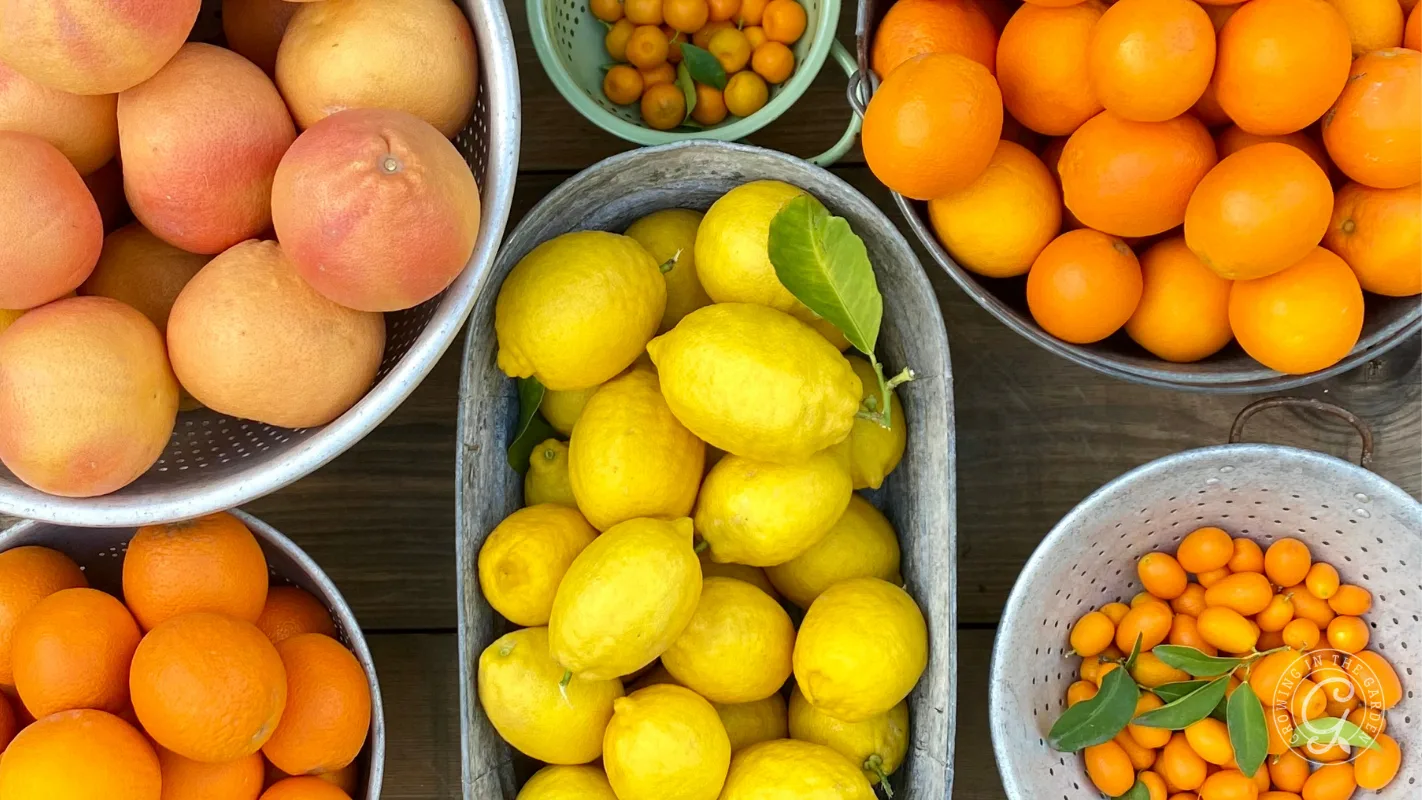
One of the things I love most about growing fruit in the low desert is how long our harvest season can be. With the right mix of fruit trees and perennial crops, you can have something ripening in nearly every season. Citrus carries us through winter, stone fruit and mulberries pick up in spring, figs and grapes fill summer, and pomegranates, dates, jujubes, and more take us into fall.
The key is choosing varieties suited to our mild winters and paying attention to when each one ripens. This guide will help you plan a low-desert fruit garden with harvests spread throughout the year.
Key Takeaways: Year-Round Fruit Tree Harvests
- Plant a variety of fruit trees and perennial crops to extend the harvest season in the low desert.
- Choose fruit trees suited to low-desert conditions, considering chill hours, early ripening, and tree size.
- Establish a food forest by layering plants for maximum productivity and ecosystem health.
- Maintain fruit trees with pruning, soil management, and pest control to ensure high yields.
- Utilize local resources like agricultural extension offices and nurseries for tailored planting advice.
What We’ll Cover:
- Why Plan for Harvests Throughout the Year
- Choose Fruit Trees That Match the Low Desert
- Plan for Different Harvest Windows
- Harvest Calendar for the Arizona Low Desert
- Maintenance for Productive Fruit Trees
- Year-Round Arizona Fruit Harvest FAQs
- Enjoy the Process of Creating Your Food Forest
- Reliable Sources for Your Food Forest Journey
Why Plan for Harvests Throughout the Year
Instead of planting several trees that all ripen at once, choose varieties with different harvest windows.
This spreads out the work and gives you fresh fruit over a much longer period.
A diverse fruit garden can also include shrubs, vines, and other perennial crops along with trees. The goal isn’t to force a harvest every single day. It’s to build a garden where something is usually coming into season.
Food Forests
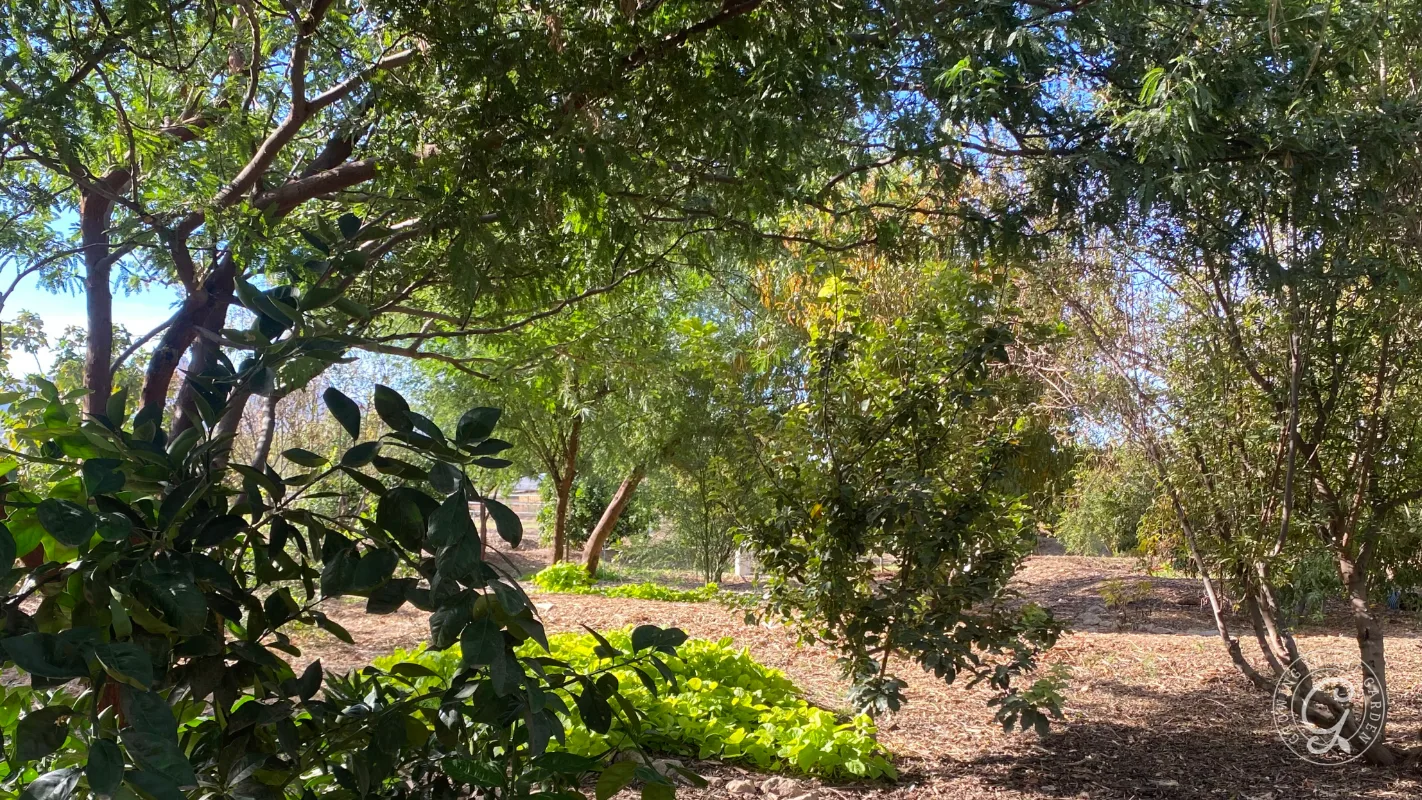
A food forest is more than just a garden; it’s a thriving ecosystem that offers a sustainable approach to agriculture. Unlike traditional orchards, food forests layer plants to maximize space and encourage symbiotic relationships. From the canopy to the herbaceous layer, every square inch is designed for productivity and health.
The benefits of growing a food forest are immense – increased biodiversity, improved soil fertility, and a daily supply of fresh produce from your backyard. This blog post explains how to start a food forest.
Choose Fruit Trees That Match the Low Desert
Not every fruit tree that survives in Arizona will produce well here.
For deciduous fruit trees, three things matter especially in the low desert:
- Low chill requirements
- Early-ripening fruit
- Self-fruitful varieties when space is limited
Understanding Chill Hours:
Many deciduous fruit trees need a certain amount of winter cold before they can break dormancy and set fruit normally. Chill hours are the cumulative number of hours that temperatures remain between 32-45°F (0-7°C) during a tree’s dormant winter period. This chilling period is critical for many fruit trees, as it influences blossom and fruit development.
The low desert usually receives roughly 300 to 400 chill hours, although the total varies by year and location. The University of Arizona recommends choosing varieties that require fewer than 400 hours for more reliable production.
I usually prefer lower-chill varieties when I have a choice, often in the 250-300 hour range.
USDA Zones Are Only Part of the Picture
USDA hardiness zones tell you about average minimum winter temperatures. They do not tell you:
- how hot your summers are
- how many chill hours you receive
- when fruit ripens
- whether reflected heat will be a problem
- whether a particular variety is suited to the low desert
Use zone information as one piece of the decision, not the whole decision.

Plan for Different Harvest Windows
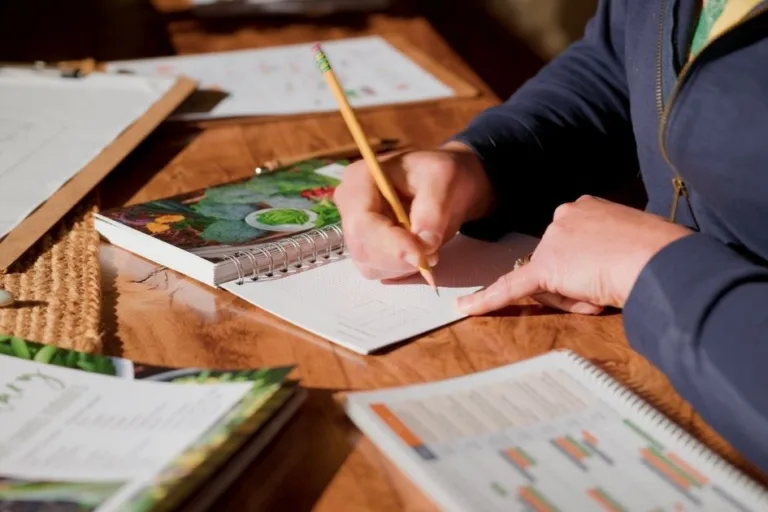
Before planting, make a simple list of what you already grow and when it ripens. Then look for gaps.
If most of your fruit ripens in May and June, adding another peach may not help much. A winter citrus, summer fig, or fall pomegranate may give you more value.
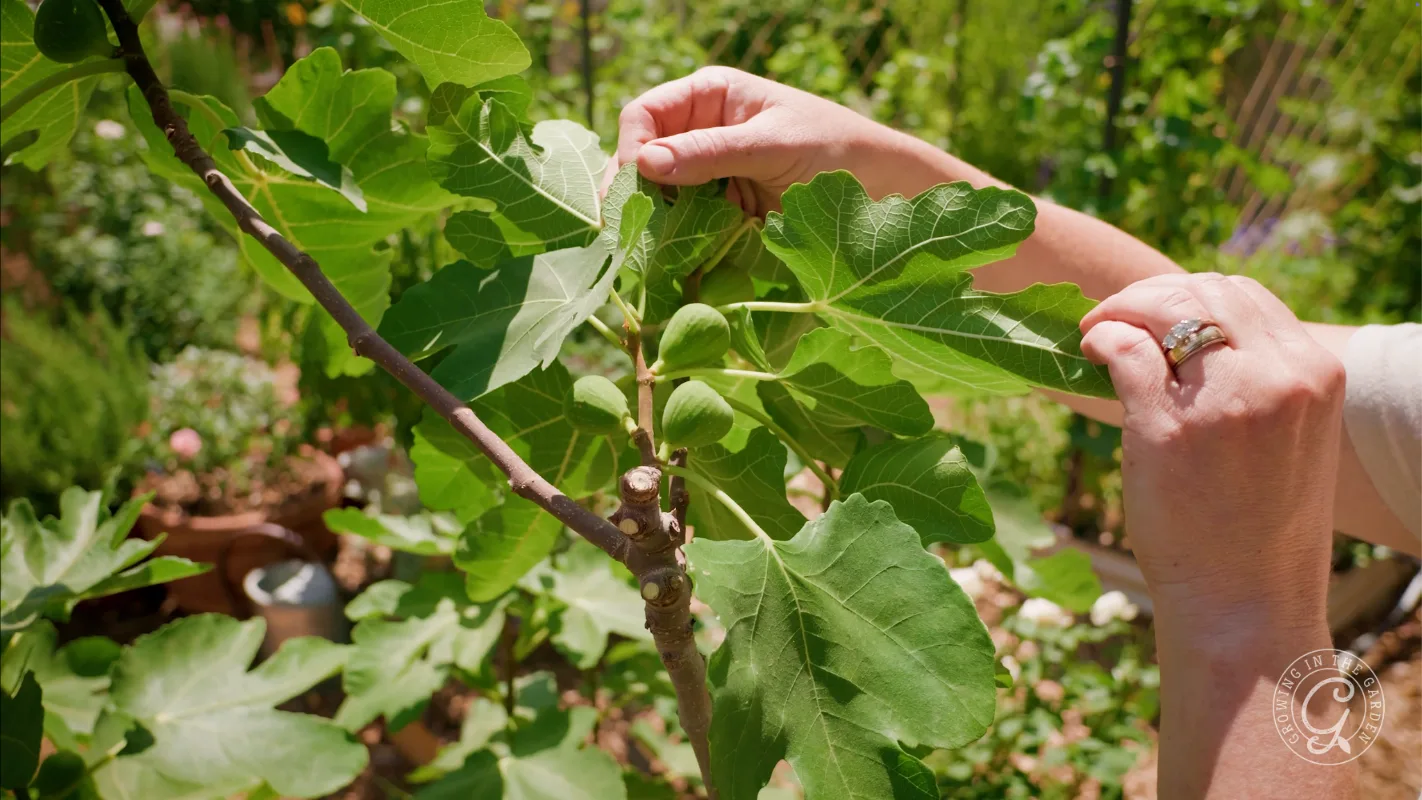
Also check mature size before planting. Fruit trees are a long-term decision, and the right location matters just as much as the variety.
Like designing a raised bed garden, strategic planning is essential to designing your food forest for year-round productivity. Knowing when each plant produces fruit helps you plan and enjoy your garden. Learn how to plant fruit trees in this blog post.
Harvest Calendar for the Arizona Low Desert
These are general harvest windows. Variety, weather, microclimate, pruning, and individual tree age can shift ripening earlier or later.
Winter Harvests: January – March
- Navel Orange
- Cara Cara Red Navel
- Minneola Tangelo
- Blood Oranges
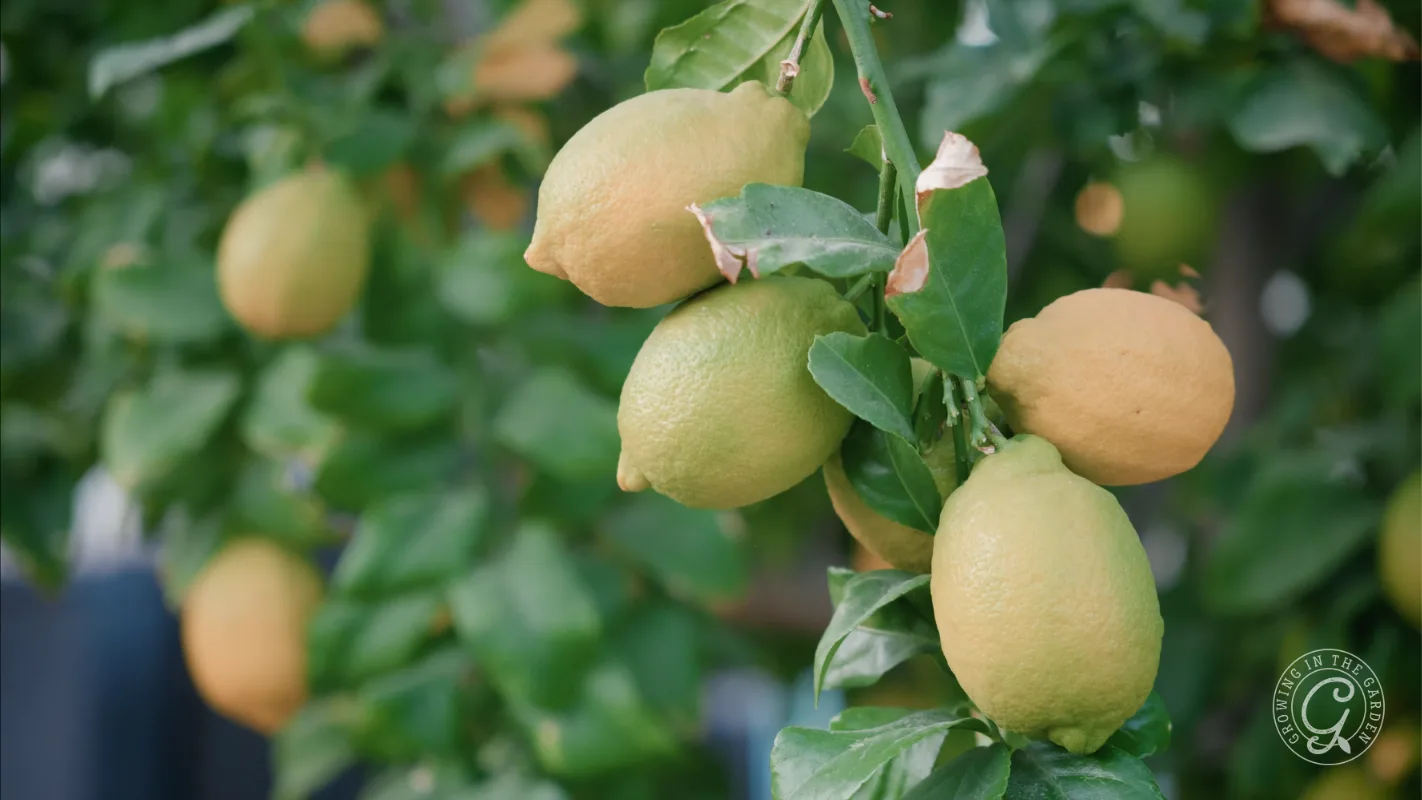
- Variegated Pink Eureka Lemon
- Lisbon Lemon
- Kumquats
- Most varieties of Grapefruits
- Valencia Oranges (through May) – learn about different citrus varieties here
*Many citrus varieties have harvest windows that overlap different seasons.
Spring Harvests: April – June
- Katy Apricot
- Gold Kist Apricot – learn how to grow apricots in this guide
- Bonanza Miniature Peach
- Earligrande Peach
- Desert Gold Peach
- Tropical Beauty Peach
- Eva’s Pride Peach – learn how to grow peaches in this guide
- Methley Plum
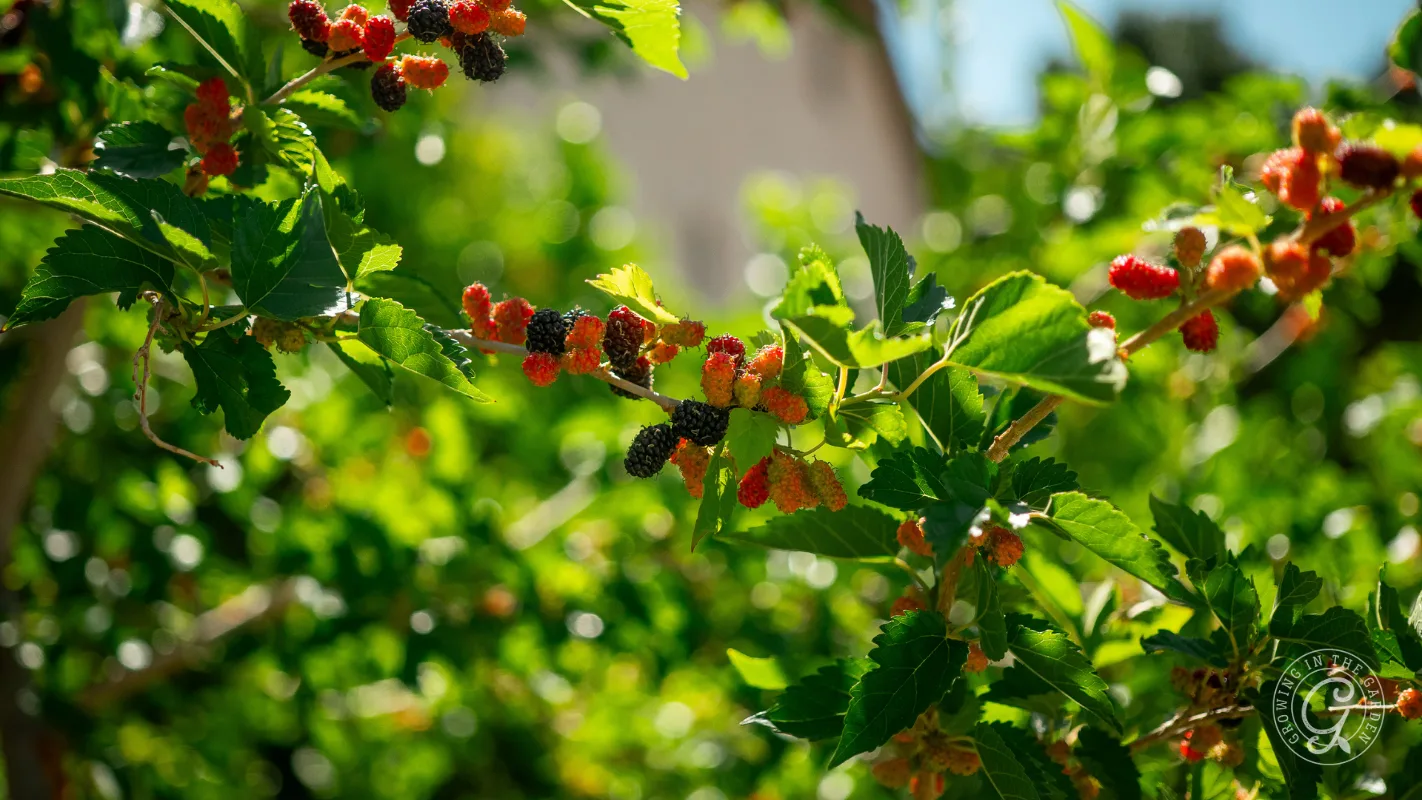
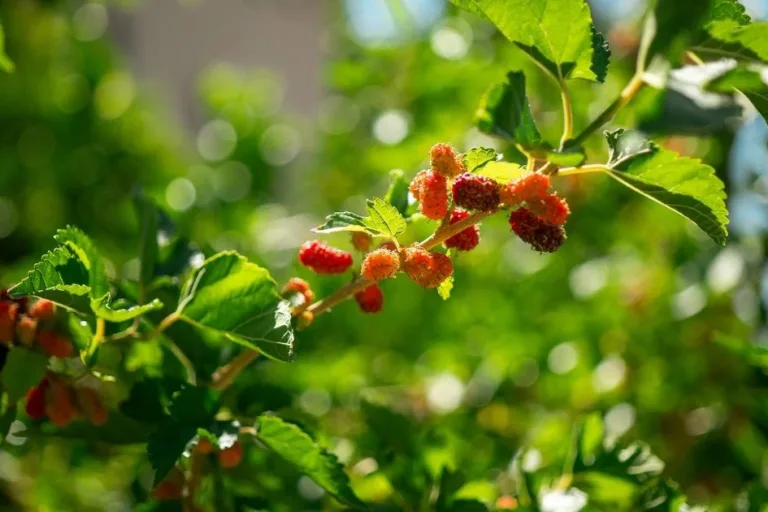
- Dwarf Mulberry
- White Pakistan Mulberry
- Dwarf Black Mulberry (also fruits in fall)
- Everbearing Mulberry – learn how to grow mulberries here
- Guava Kilo
- Thai White Guava
- Wolfberry (also fruits in fall)
- Anna Apple – find my favorite Anna Apple recipes here
Summer Harvests: July – September
- Early Amber Peach
- Mid-Pride Peach
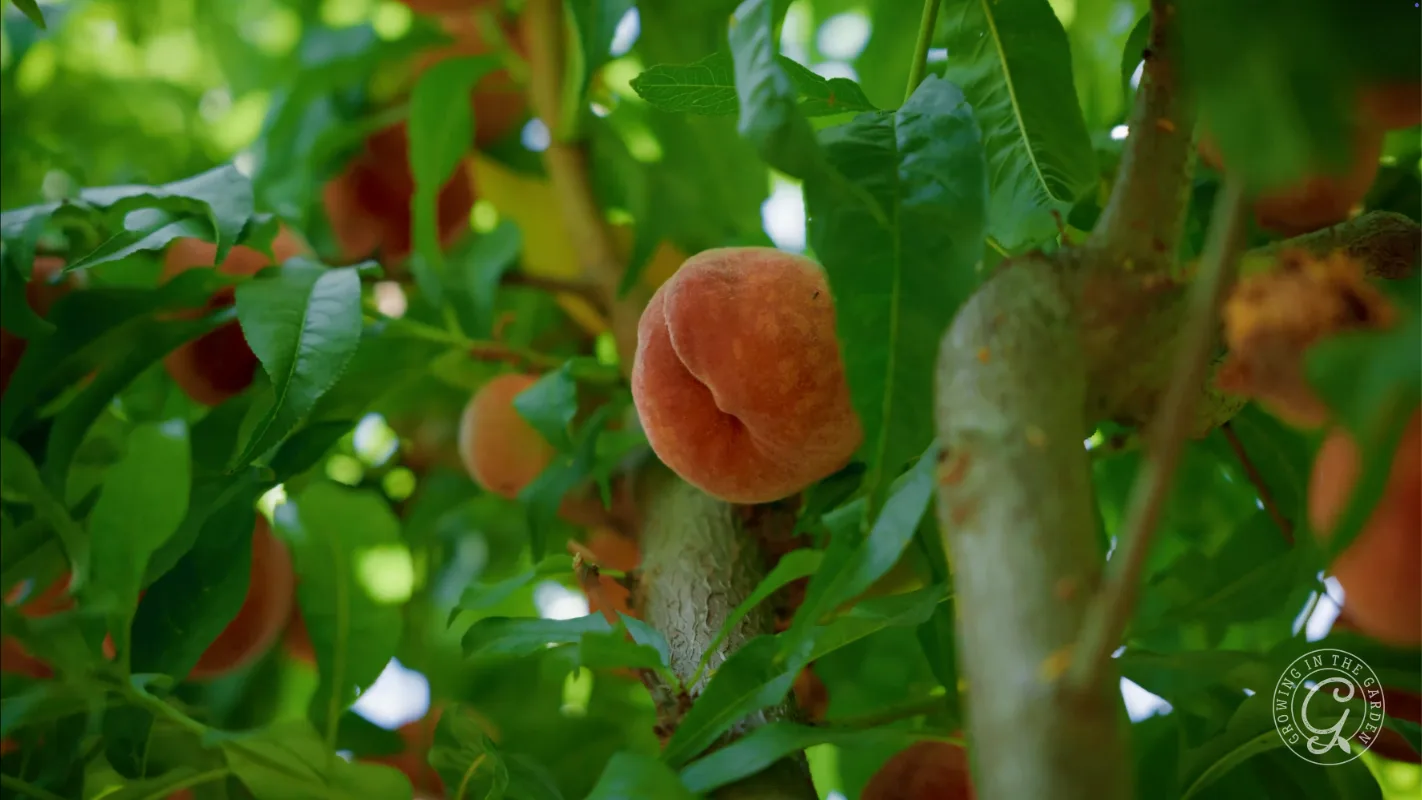
- Donut Peach
- Janice Seedless Kadota Fig
- Desert King Fig – see my fig growing guide here
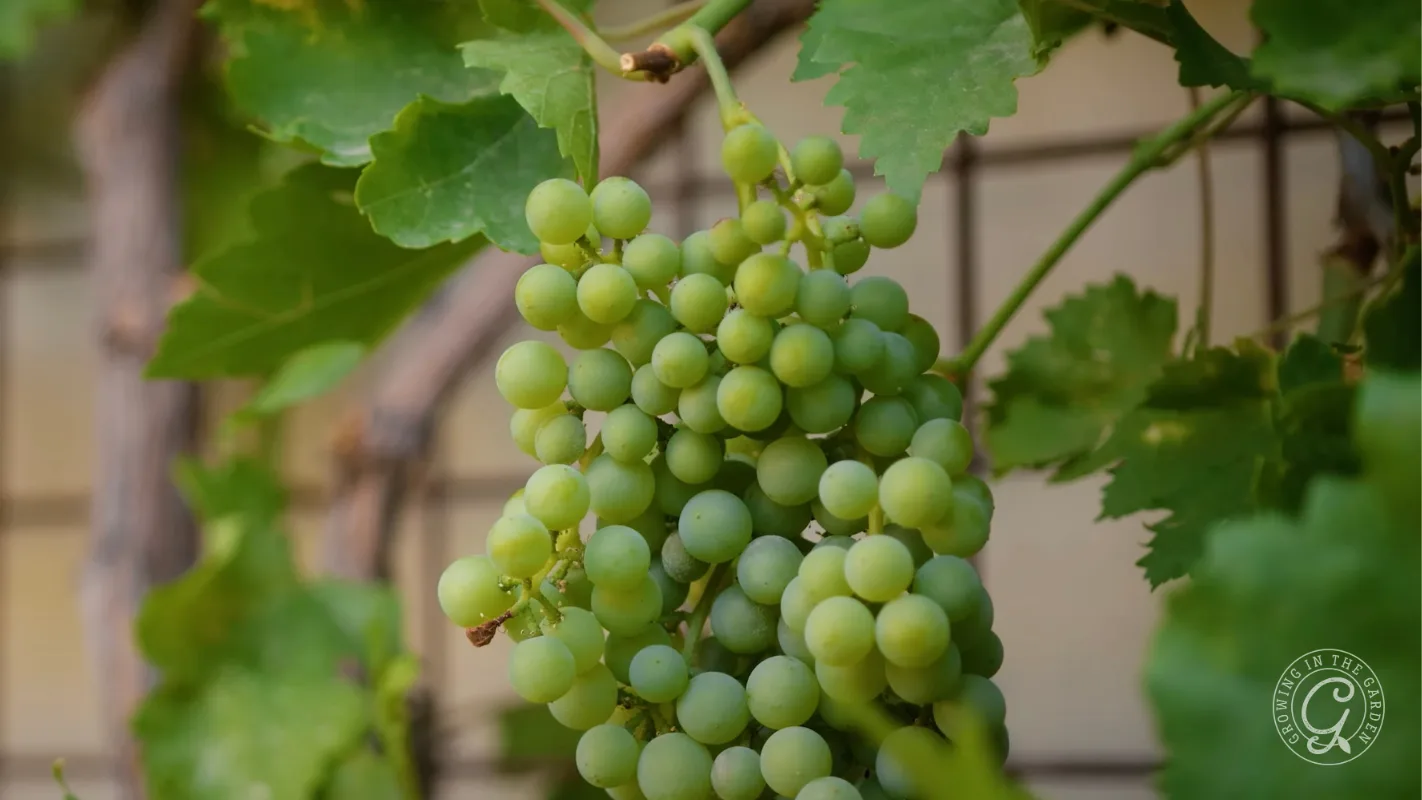
- Red Flame Seedless Grape – learn how to grow grapes in this article
- Mexican Lime (can fruit all year)
- Biew Kiew Longan
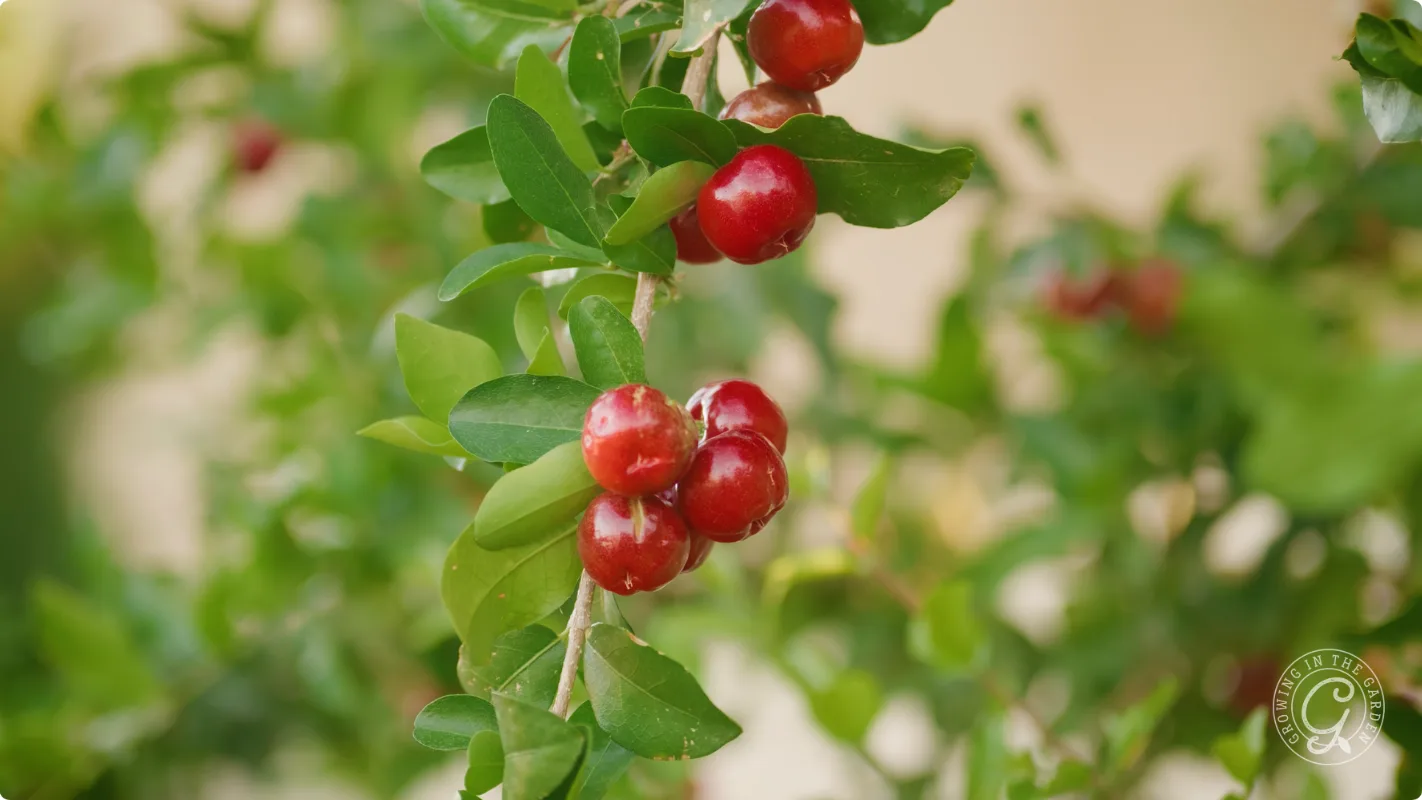
- Barbados Cherry – learn more about growing Barbados cherries here
- Banana (also fruits in fall)
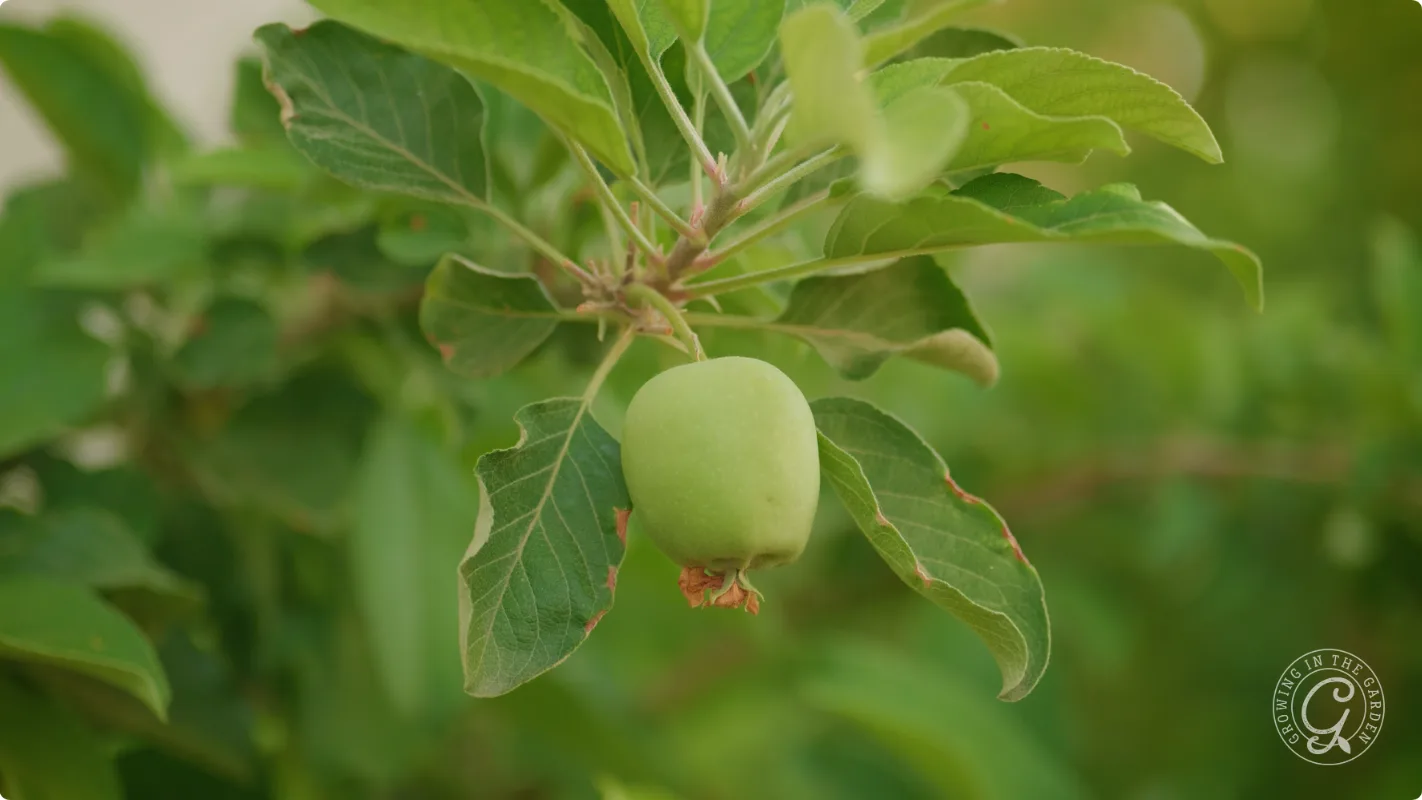
- Dorsett Golden Apple – If you want to add apples to your harvest plan, this guide explains which low-chill varieties work best in Arizona and how to get them through the heat.
- Flordahome Pear
- Jojoba
Fall Harvests: October – December
- Kieffer Pear
- Contorted Jujube
- Li Jujube
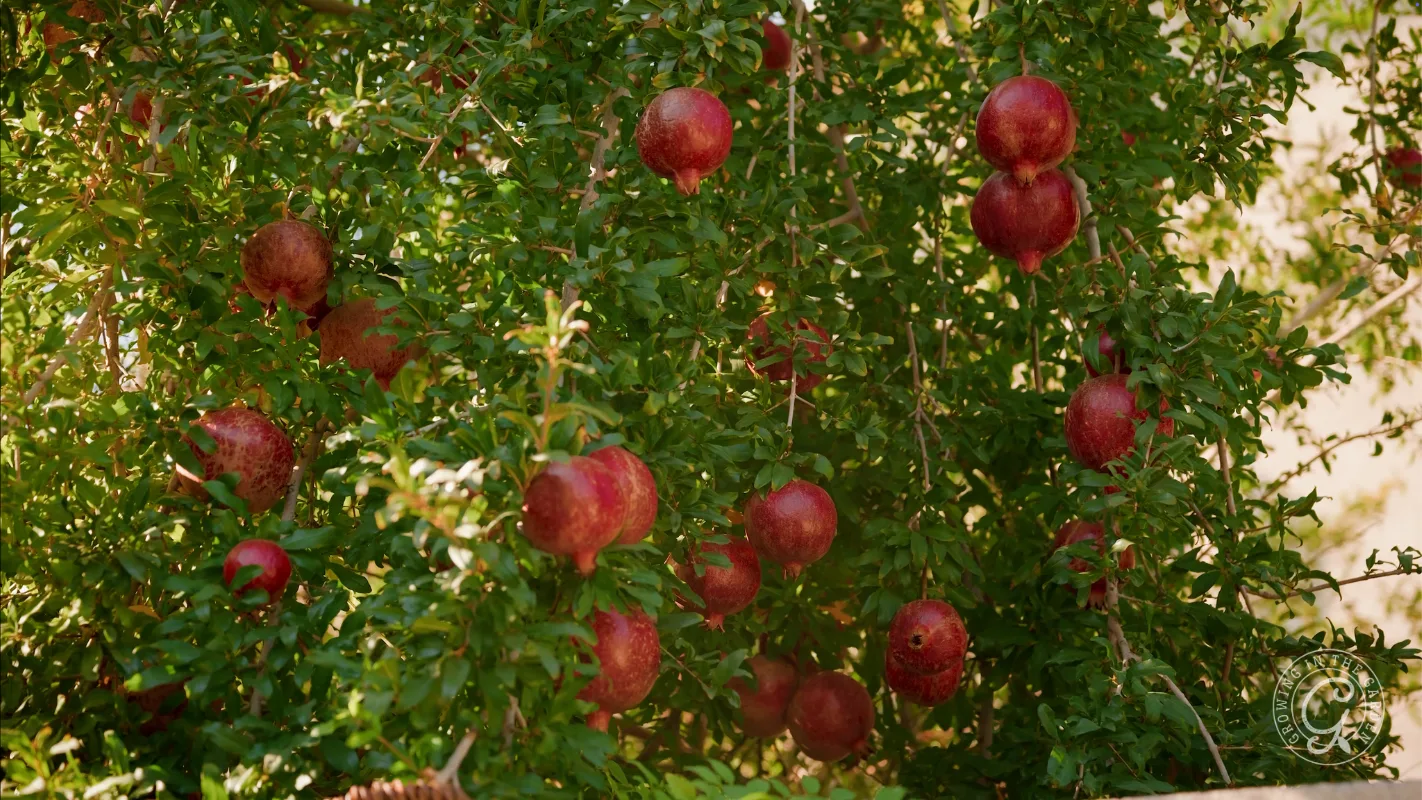
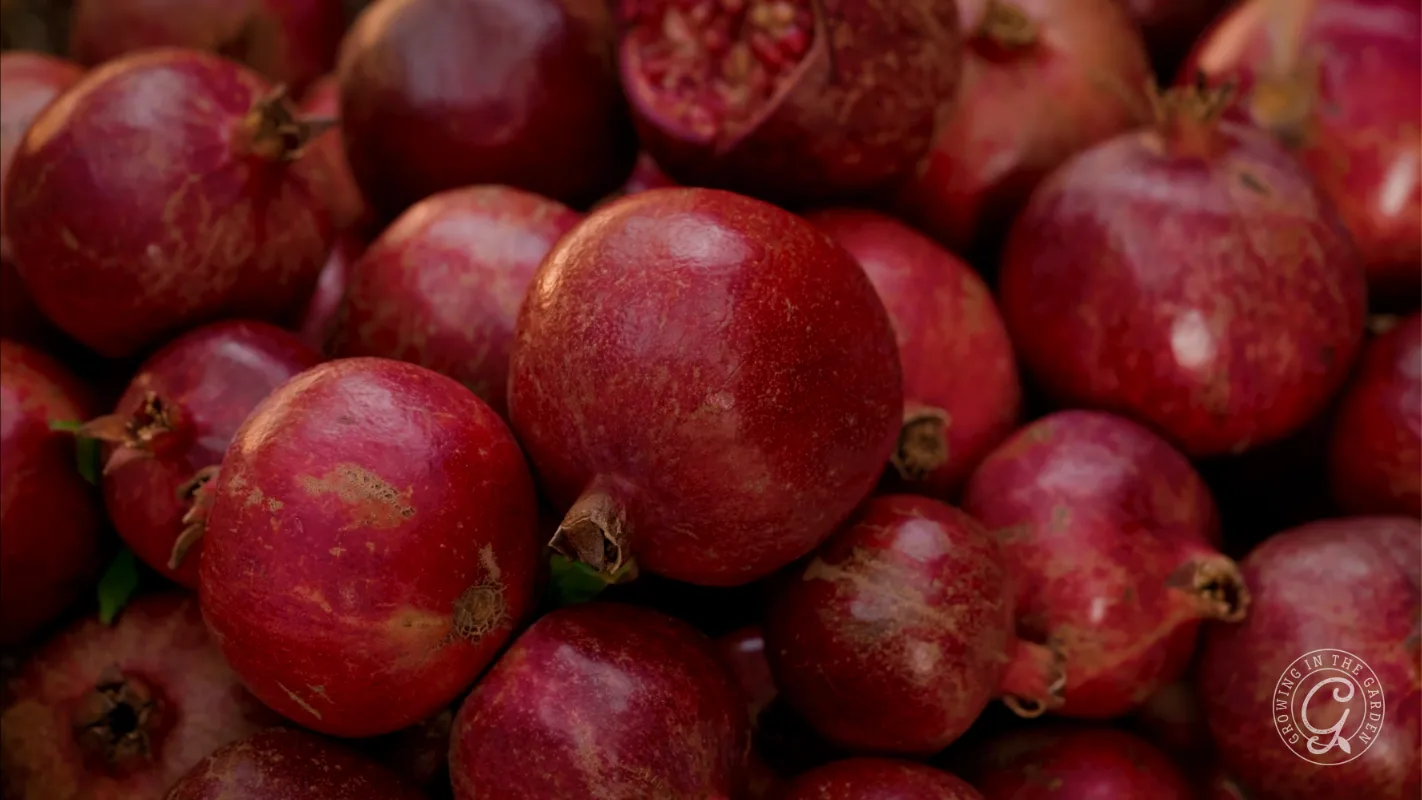
- Parfianka Pomegranate
- Wonderful Pomegranate – find out how to grow pomegranates in this guide
- Koroneiki Olive
- Manzanillo Olive
- Sugar Cane (also harvested in early winter)
- Passion Fruit (also fruits at the end of summer)
- Possum Purple Passion Fruit (also fruits at the end of summer)
- Fwang Tung Carambola (also fruits at the end of summer)
- Kumquats (through March)
- Mandarins & Tangerines (November – January)
- Eureka Lemon
- Lisbon Lemon
- Bearss Lime
- Most Sweet Oranges (December – February)
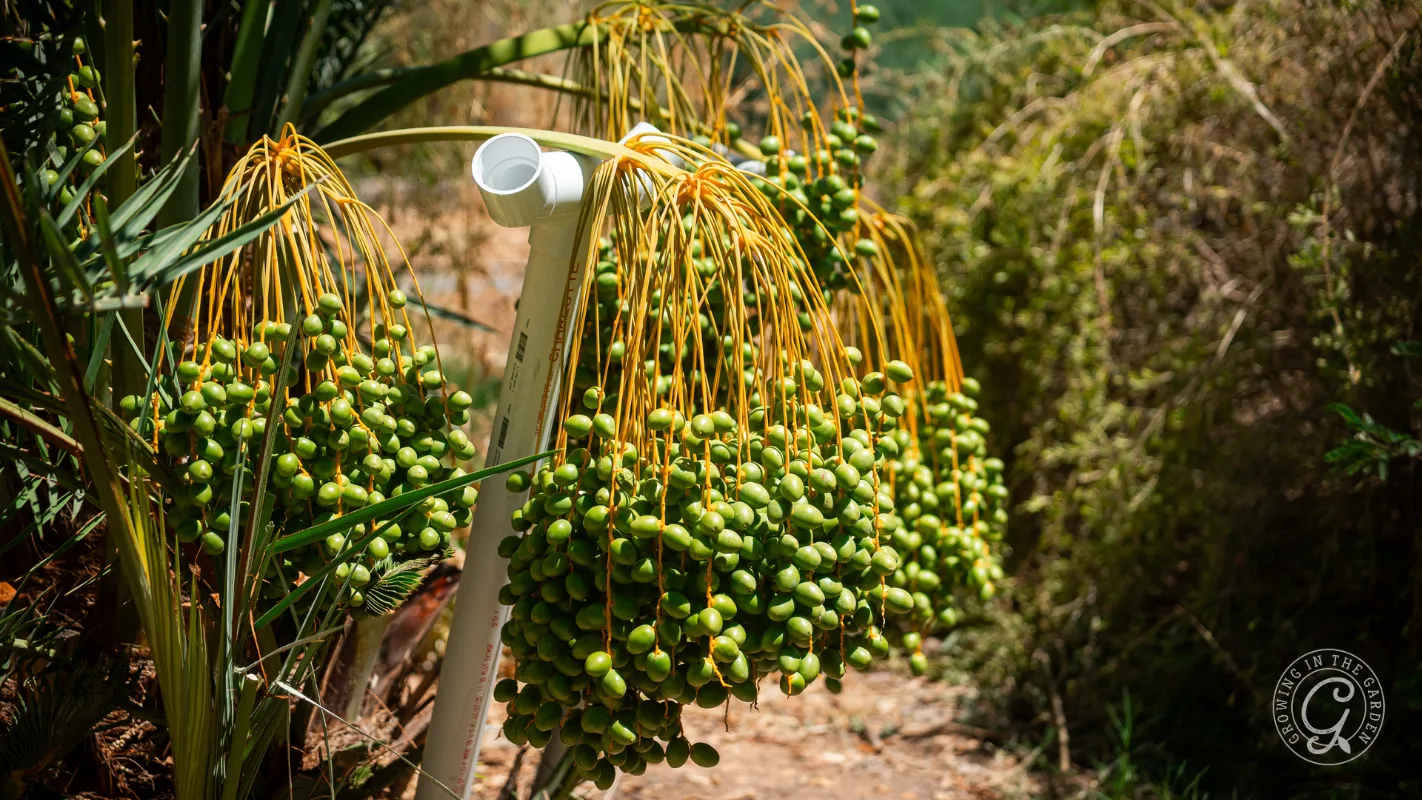
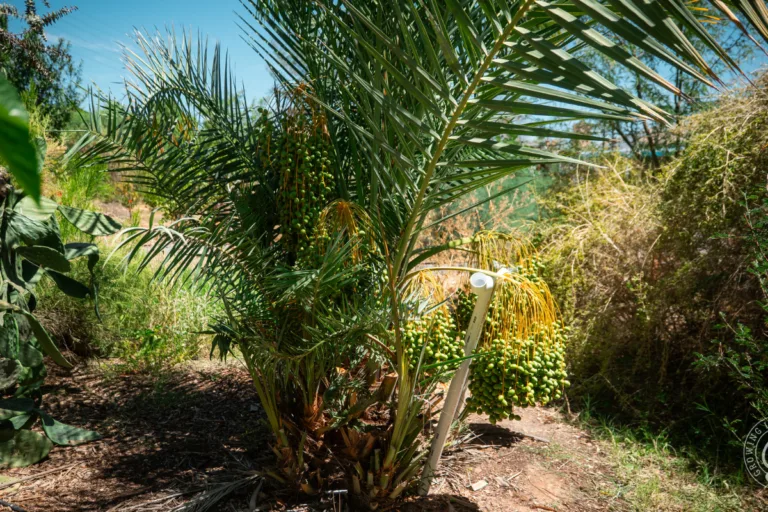
Black Sphinx dates typically ripen from September into October in the low desert. A mature date palm can produce a large crop, but harvest timing varies by cultivar and weather. Learn how to grow date palms here.
Maintenance for Productive Fruit Trees
Fruit trees are a long-term investment, and consistent care matters. Caring for your food forest requires knowledge of pruning, soil management, and natural pest control.
Prune and Thin at the Right Time
Pruning improves structure and helps manage tree size. Fruit thinning can improve fruit size and reduce branch breakage on heavily loaded trees. Learn more about how and when to prune and thin fruit trees in these guides.
Build Healthy Soil
Top-dress with compost and keep the soil covered with mulch.
I don’t till compost into the soil around established trees. I add it at the surface and let soil organisms do the work. Learn how and what to use for compost and mulch and how to organically feed fruit trees in these articles.
Water Deeply
Fruit trees need water throughout the root zone, not just near the trunk. Adjust watering frequency with the season, tree age, soil type, and weather.
Watch Before Treating Pests
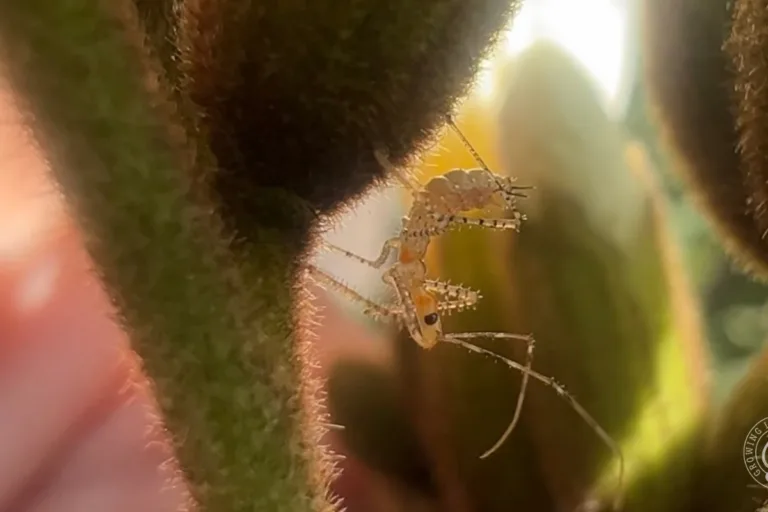
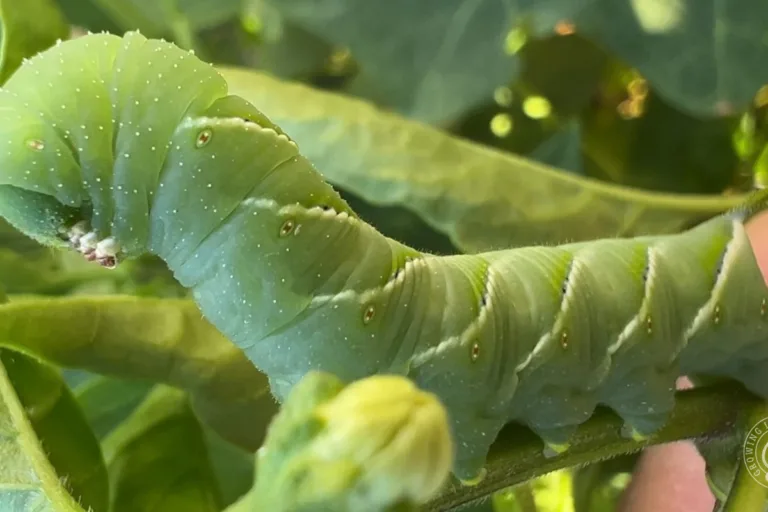
Identify the pest first and look for beneficial insects before reaching for a spray. Use targeted controls only when damage justifies it. Learn more about organic approaches to pest and disease management to keep your ecosystem balanced. I partnered with an entomologist to create a series that helps you identify and treat the most common low desert pests if you’re ready to learn more.
Year-Round Arizona Fruit Harvest FAQs
You can get very close in the low desert if you grow a mix of crops that ripen in different seasons. Winter citrus, spring stone fruit, summer figs and grapes, and fall pomegranates, dates, jujubes, and other crops can create a long harvest season. That doesn’t mean every garden will have ripe fruit every single day.
Most low-desert areas receive roughly 300 to 400 chill hours in a typical winter, although the number varies by location and year. Choose deciduous fruit varieties with low chill requirements, generally under 400 hours.
Not necessarily. A tree still needs enough winter chill to perform normally, but the variety also needs to suit your summer heat and ripen at a useful time. I often prefer varieties in the 250- to 300-hour range for the low desert when other traits also fit.
Citrus provides most of the winter harvest in the low desert. Depending on variety, oranges, mandarins, tangelos, grapefruit, lemons, and kumquats can all ripen during the cooler months.
Summer harvests can include figs, grapes, peaches, apples, Barbados cherries, limes, and other heat-adapted fruits. Timing varies by variety and microclimate.
Fall through winter is generally an excellent time to plant many fruit trees in the low desert because roots can establish before summer heat arrives. Plant bare-root deciduous trees during winter dormancy. Use the specific planting recommendations for the type of fruit you’re growing.
Prioritize self-fruitful varieties, low-chill requirements, smaller mature size, early-ripening varieties, fruit you actually enjoy eating, and harvest windows that fill gaps in what you already grow.
Not by themselves. USDA zones describe winter minimum temperatures. They do not account for chill hours, extreme summer heat, harvest timing, or reflected heat. Use local low-desert recommendations alongside USDA zone information.
Enjoy the Process of Creating Your Food Forest
When you create a food forest and plan for a never-ending harvest, remember that the journey can be as fulfilling as the fruits of your labor. Whether you love gardening or are interested in permaculture, a food forest represents nature’s resilience and abundance.
You don’t need dozens of fruit trees to spread harvests across the year. Start with what you already grow, look at when those trees produce, and choose your next tree or perennial crop to fill a gap.
The right variety matters just as much as the type of fruit. Choose low-chill varieties that ripen at the right time, give them enough room, and plan for mature size.
Over time, you can build a garden where there’s almost always something coming into season.
Note: This article was crafted for those living in mild winter climates like Arizona’s low desert, focusing on plants that thrive there. For tailored advice for different climates, adjust your plant choices accordingly.
Looking for growing advice tailored to specific plants? The Ultimate Plant Index offers detailed, alphabetically organized articles on fruit trees, vegetables, flowers, and more. Perfect for both inspiration and practical planting guidance.
Reliable Sources for Your Food Forest Journey
When you start building a food forest, it’s crucial to arm yourself with knowledge from trustworthy sources. Here are a few to consider:
- Local Agricultural Extension Office: Often a goldmine of region-specific planting knowledge.
- Native Plant Societies: Join your local chapter to learn which indigenous plants you can incorporate into your food forest while supporting local ecology.
- Local Nurseries and Growers: Local growers know plants in your area better than anyone. Their insight is indispensable for choosing the right trees.
- “Gaia’s Garden“ by Toby Hemenway. This book changed how I think about gardening harmoniously with nature.
- “Practical Permaculture for Home Landscapes, Your Community and the Whole Earth” by Jessi Bloom & Dave Boehnlein. A comprehensive guide to creating your own home ecosystem.

Hi Angela,
I’m looking for a Floradahome pear tree in Tucson. Came across a variety called Hood. Have you heard of it? I bought a Kieffer, but wanted a Floradahome.
Yes, Hood is a real pear variety and it’s one of the more reliable low-chill pears for warm-winter areas. It’s often recommended in the Southwest and tends to do better than higher-chill pears when winters are mild. Flordahome is also a low-chill pear, but it can be harder to find locally. Kieffer is a tougher, more old-school pear and it can grow in Arizona, but in warmer spots it can be inconsistent year to year compared to low-chill types. If you already bought the Kieffer and you’ve got room for one more, adding Hood (or Flordahome if you can locate it) is a good move because pears usually crop better with a pollination partner that blooms around the same time.
I’m having issues with your website am I the only one? When I logon there’s text in the wrong places, I can’t access the search.
Thanks for letting me know. It should be working now if you want to try again.