
How to Be an Organic Gardener
Organic gardening is about more than avoiding synthetic fertilizers and pesticides. It’s about creating a healthy garden where the soil, plants, insects, and other living things work together.
One of the biggest lessons I’ve learned is that preventing problems is much easier than fixing them later. Healthy soil, proper watering, planting at the right time, and encouraging beneficial insects all make a difference. You don’t have to do everything perfectly or change every gardening habit at once. Start with a few of these practices and add more as you learn. Over time, you’ll begin to see how they work together.
Here are seven principles that can help you grow a healthier, more balanced organic garden.
Key Takeaways: How to Be an Organic Gardener
- Organic gardening emphasizes healthy soil and natural systems rather than synthetic fertilizers and pesticides.
- Preventing issues is easier than fixing them later; focus on practices like composting, proper watering, and planting at the right time.
- Adopt principles like feeding the soil, preventing disease, managing weeds, and growing healthy plants to foster a balanced ecosystem.
- Encourage beneficial insects by planting diverse crops, observing before treating pests, and creating a polyculture environment.
- Start with simple changes that promote soil health and plant diversity for a successful organic gardening experience.
What We’ll Cover:
- What Is Organic Gardening?
- 1. Feed the Soil First
- 2. Prevent Diseases Rather Than Treating Them
- 3. Prevent Weeds Instead of Spraying Them
- 4. Grow Healthy Plants That Can Handle a Little Pest Damage
- 5. Observe Before Treating Pests
- 6. Plant the Right Plant in the Right Place and at the Right Time
- 7. Grow a Diverse Garden
- Start With One Change
- Organic Gardening FAQs

What Is Organic Gardening?
Organic gardening focuses on growing healthy plants while working with natural systems instead of relying on synthetic fertilizers and pesticides.
Instead of treating every pest, disease, or nutrient problem as it appears, organic gardeners focus on creating conditions that help prevent them in the first place.
That doesn’t mean you’ll never have pests or need to intervene. Even organic gardens have problems. The difference is how you approach them.
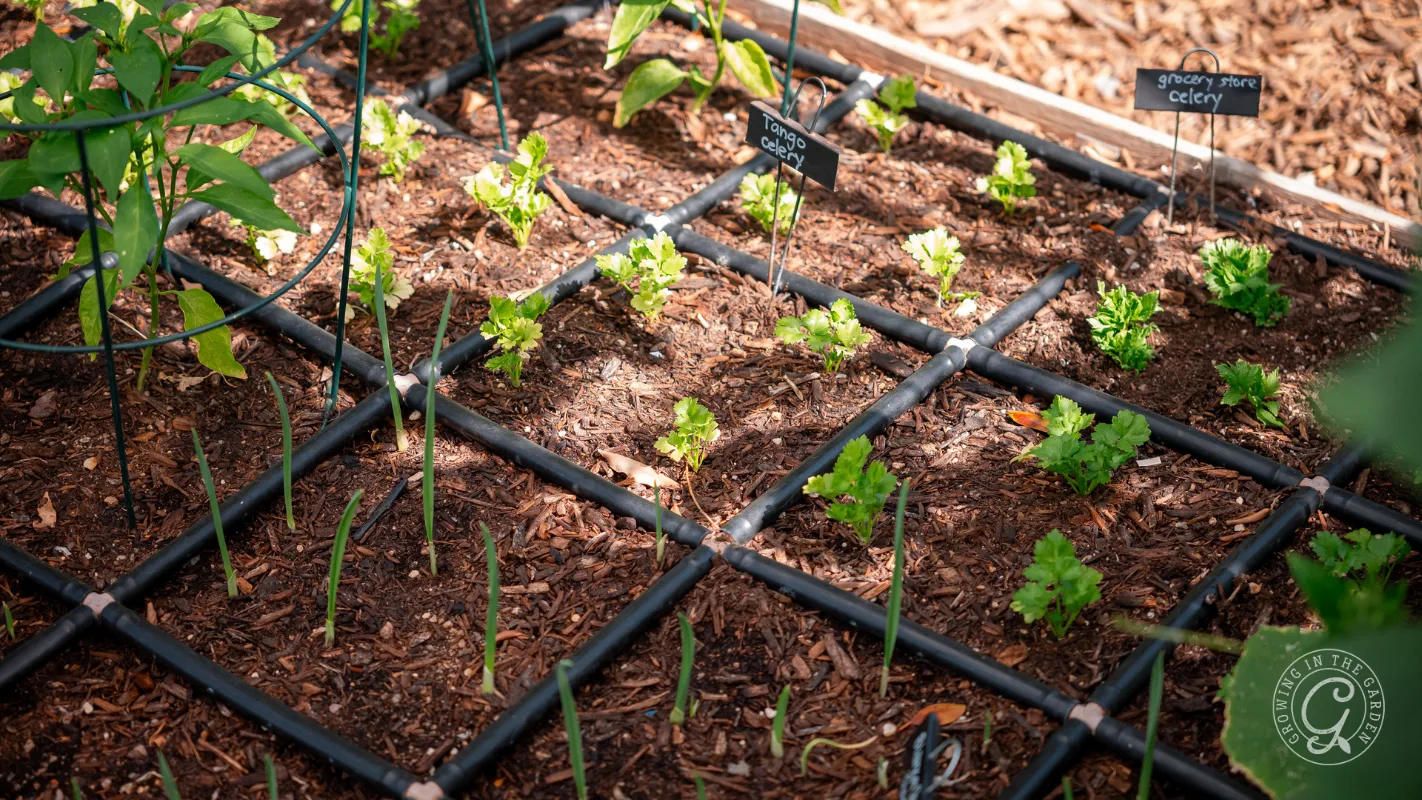
The goal is to build healthy soil, encourage beneficial insects, and grow plants suited to your garden’s conditions. Ideally, your soil gets better each season instead of becoming depleted.
These seven principles are a solid starting point for organic gardening. You don’t need to tackle all of them at once. Choose a few to work on and continue adding more as you gain experience.
1. Feed the Soil First
Healthy soil is the foundation of a successful organic garden.
Synthetic fertilizers can provide nutrients quickly, but they don’t necessarily improve the soil itself. I like to build healthy soil by adding organic matter and supporting the organisms that live in it. When you feed the soil, you’re helping create an environment where plants can get the water and nutrients they need.
Compost, worm castings, and cover crops all help improve soil over time. They also support the microorganisms and other living things that make soil healthy.
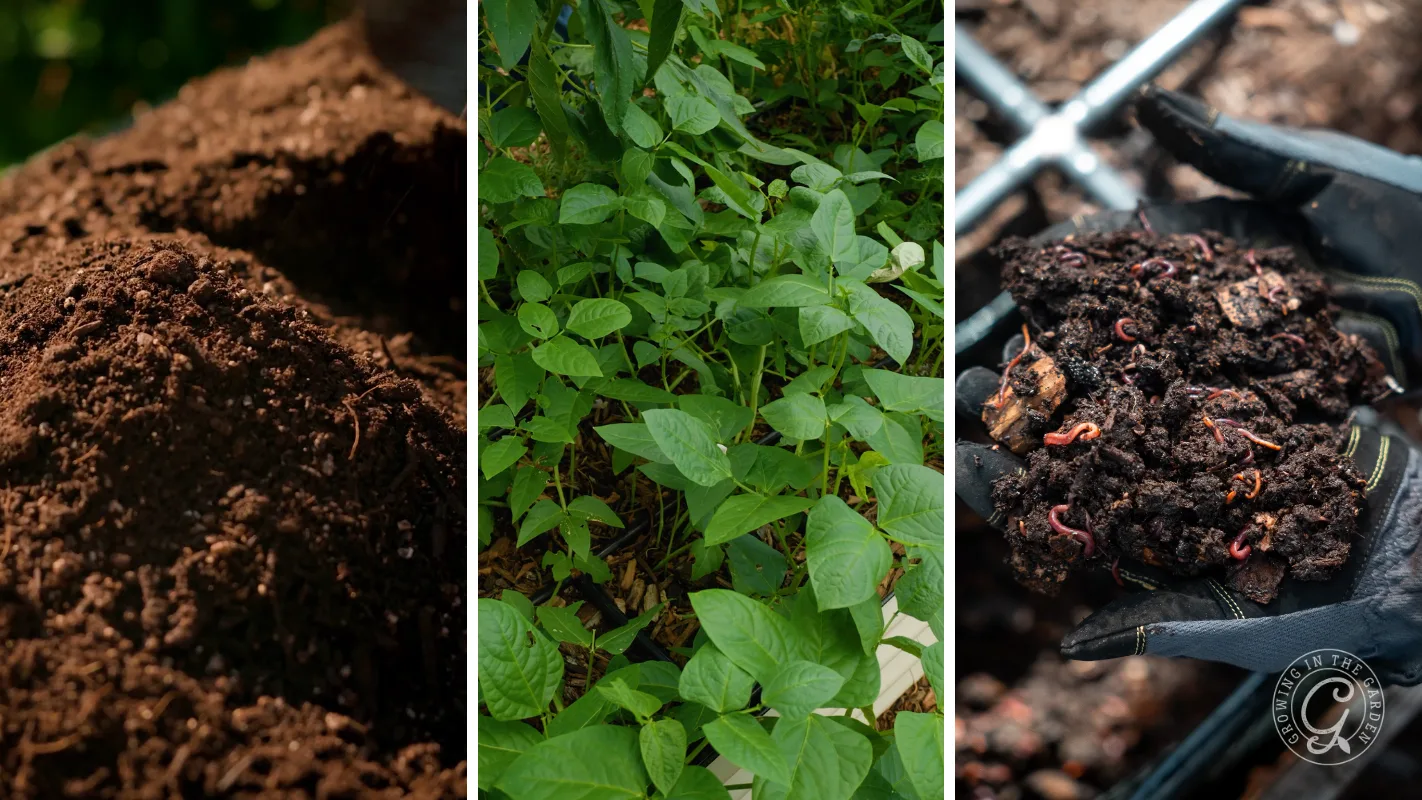
Ways to feed your soil:
- Add compost regularly. Top-dress garden beds with compost to replenish organic matter and improve soil structure. Learn how to compost right in your own garden.
- Grow cover crops. Cover crops protect the soil and add organic matter. I prefer cutting them at the soil line and leaving the roots in place rather than turning the soil. Here are some of my favorite heat-tolerant cover crops.
- Try in-bed vermicomposting. Worm composting bins let worms break down organic material right in your garden beds. Start with the vermicomposting basics in this guide.
- Keep soil covered. Mulch helps conserve moisture, regulate soil temperature, and protect the soil surface. Learn all about mulching your garden.
Adding compost is one of the best things you can do for your garden. If you’re not already composting, it’s a great place to start.
2. Prevent Diseases Rather Than Treating Them
Preventing disease is much easier than dealing with it once it spreads through the garden. I try to set plants up for success from the beginning by choosing healthy varieties, giving them enough space, and watering correctly.
Ways to prevent diseases in your garden:
- Choose disease-resistant varieties. This is especially helpful if you’ve struggled with a particular disease before.
- Water in the morning. When possible, water at the soil level to keep leaves dry and reduce conditions that encourage disease.
- Give plants enough room. Good airflow helps foliage dry and reduces conditions favorable to many plant diseases.
- Rotate crops when practical. Avoid planting the same crop family in the same location year after year, especially if you’ve had problems with soil-borne diseases.
- Remove diseased plant material. Don’t leave heavily infected leaves or plants in the garden, where disease can keep spreading. Dispose of badly diseased material rather than adding it to a home compost pile that may not get hot enough to kill pathogens.
- Add mulch. Mulch can help prevent soil from splashing onto leaves during watering or rain.
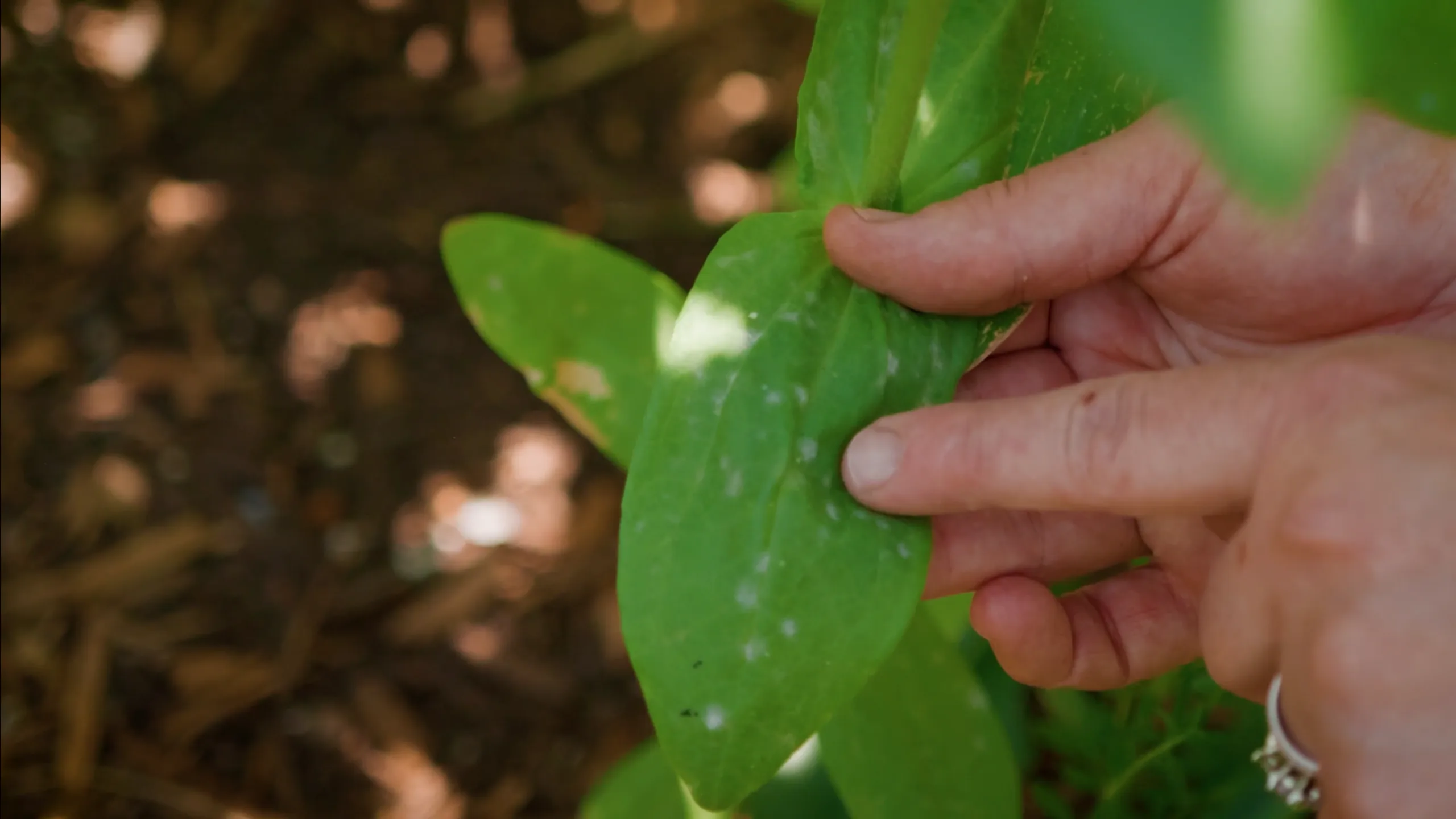
Even with good prevention, diseases sometimes appear. Catching problems early gives you the best chance of managing them before they spread.
3. Prevent Weeds Instead of Spraying Them
Weeds are part of gardening, but they don’t have to take over.
I’ve found that keeping up with weeds while they’re small is much easier than removing them once they’re established. The goal is to prevent weeds from growing and spreading rather than relying on herbicides.
Ways to manage weeds organically:
- Pull weeds before they go to seed. Removing weeds early prevents them from producing seeds that can cause problems later.
- Use raised beds. Raised beds often have fewer weeds than traditional in-ground garden spaces, especially when filled with clean soil.
- Plant cover crops. Cover crops can help suppress weed growth in areas not used for vegetables.
- Add mulch. A layer of mulch helps block sunlight from reaching weed seeds and makes weeds that do appear easier to pull.
- Remove weeds when they’re small. Young weeds are usually much easier to remove before their roots become established.
A little prevention goes a long way. Keeping the soil covered and removing weeds before they spread can save a lot of work later.
4. Grow Healthy Plants That Can Handle a Little Pest Damage
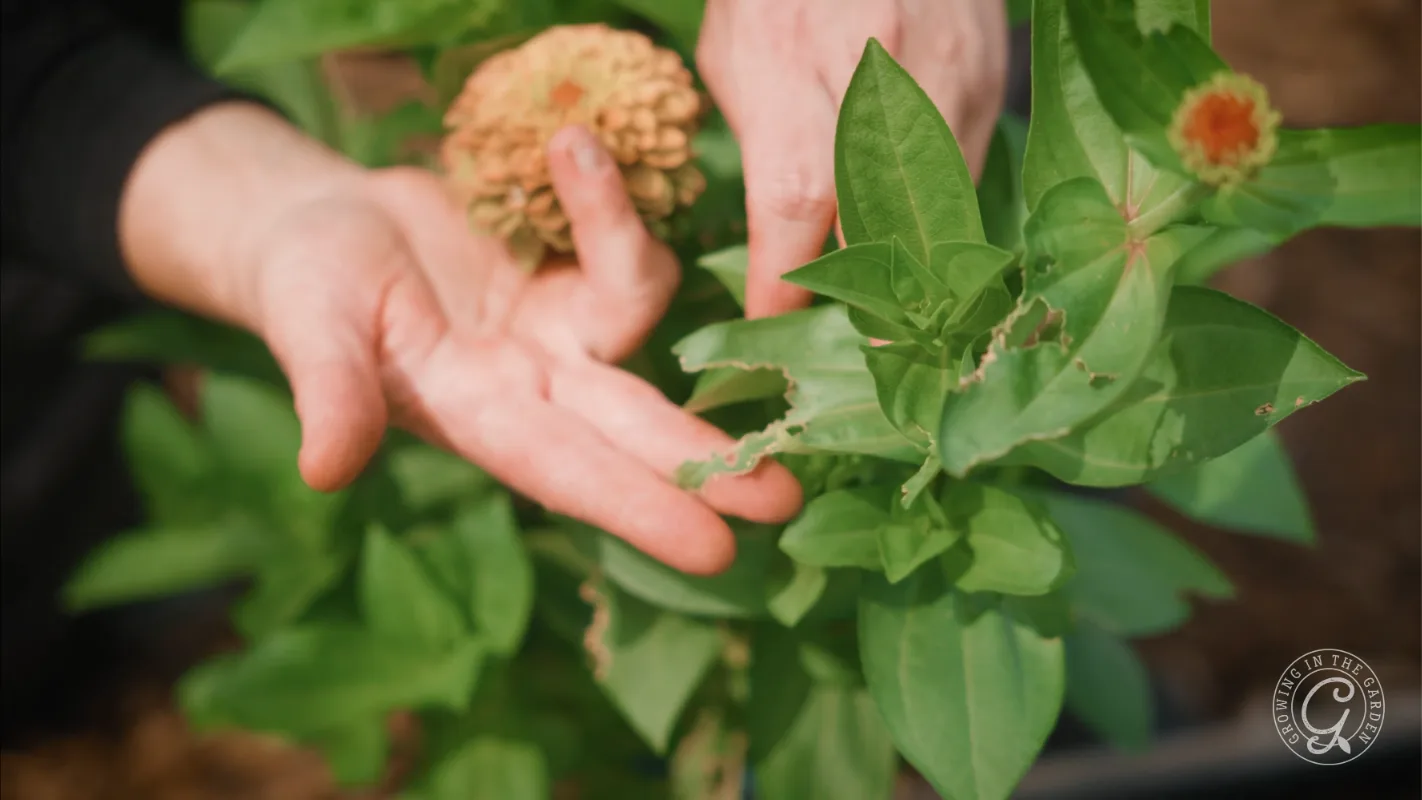
Healthy plants are generally better equipped to handle environmental stress and some pest damage.
That doesn’t mean healthy plants never attract pests. But a strong plant can often tolerate a few chewed leaves or insects without suffering serious damage. I don’t expect every leaf in my garden to look perfect. A little damage is often part of a healthy garden ecosystem.
Ways to grow healthier plants:
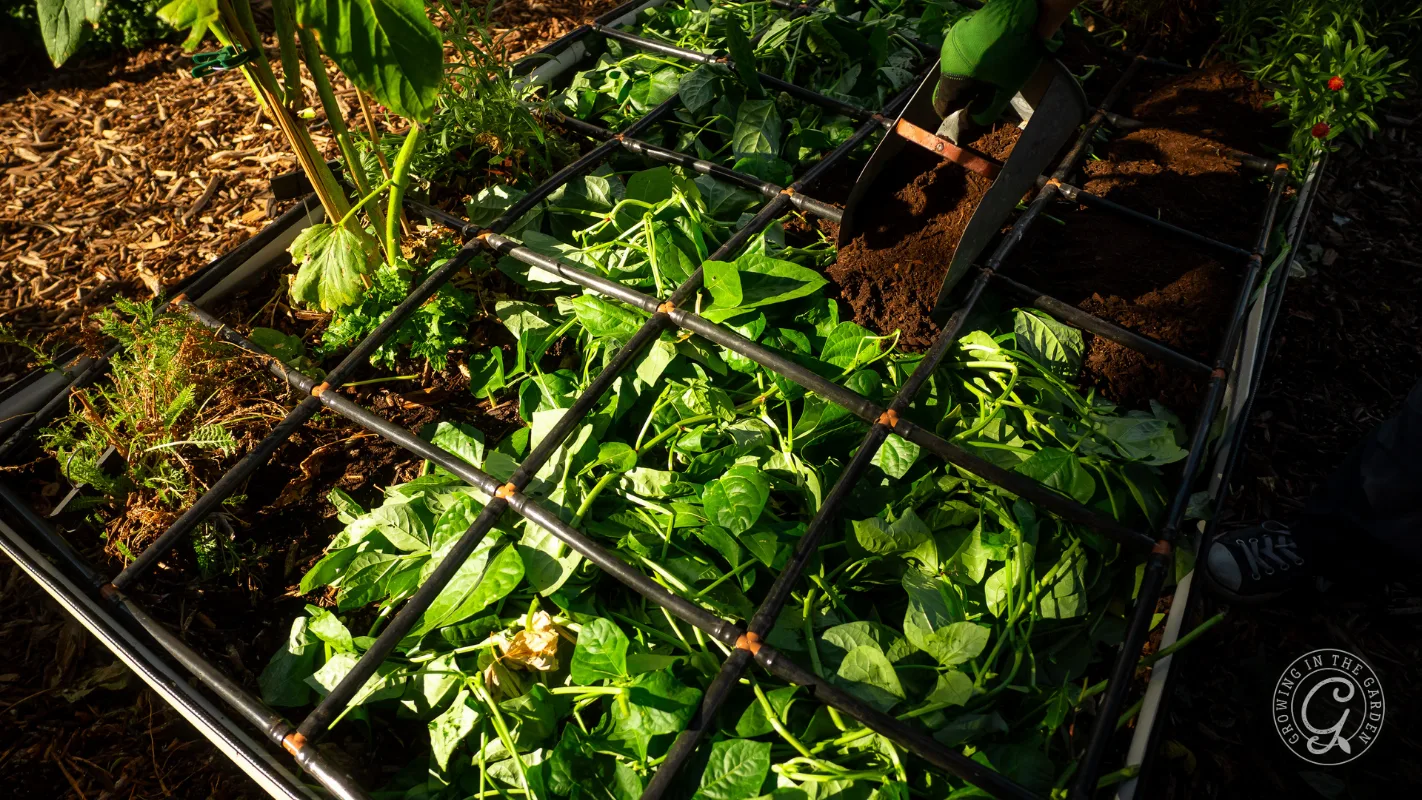
- Water consistently. Inconsistent watering stresses plants. An automatic watering system or timer can help, but check the soil regularly to make sure plants are getting the moisture they need.
- Water the entire root zone. Shallow watering encourages shallow roots. Water deeply enough to reach the root zone and support stronger root growth.
- Provide adequate nutrition. Plants need nutrients, but more fertilizer isn’t always better. Excess nitrogen can encourage tender growth that attracts certain pests.
- Plant at the right time. Every plant has preferred growing temperatures. Growing something outside its ideal season can cause unnecessary stress.
- Use mulch. Mulch helps reduce moisture loss and extreme soil-temperature fluctuations.
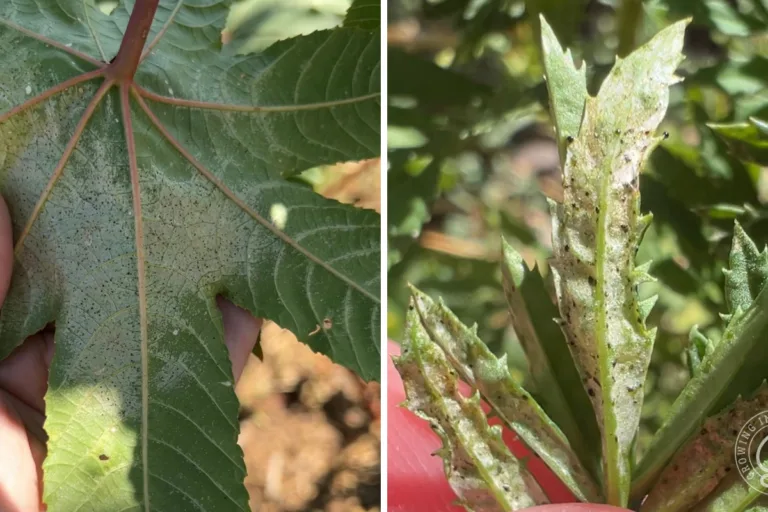
One of the most helpful things you can do is pay attention to your plants. Wilting, yellowing leaves, and slow growth can all be signs that something needs to change. Before adding fertilizer or treating for pests, look at the growing conditions first.
5. Observe Before Treating Pests
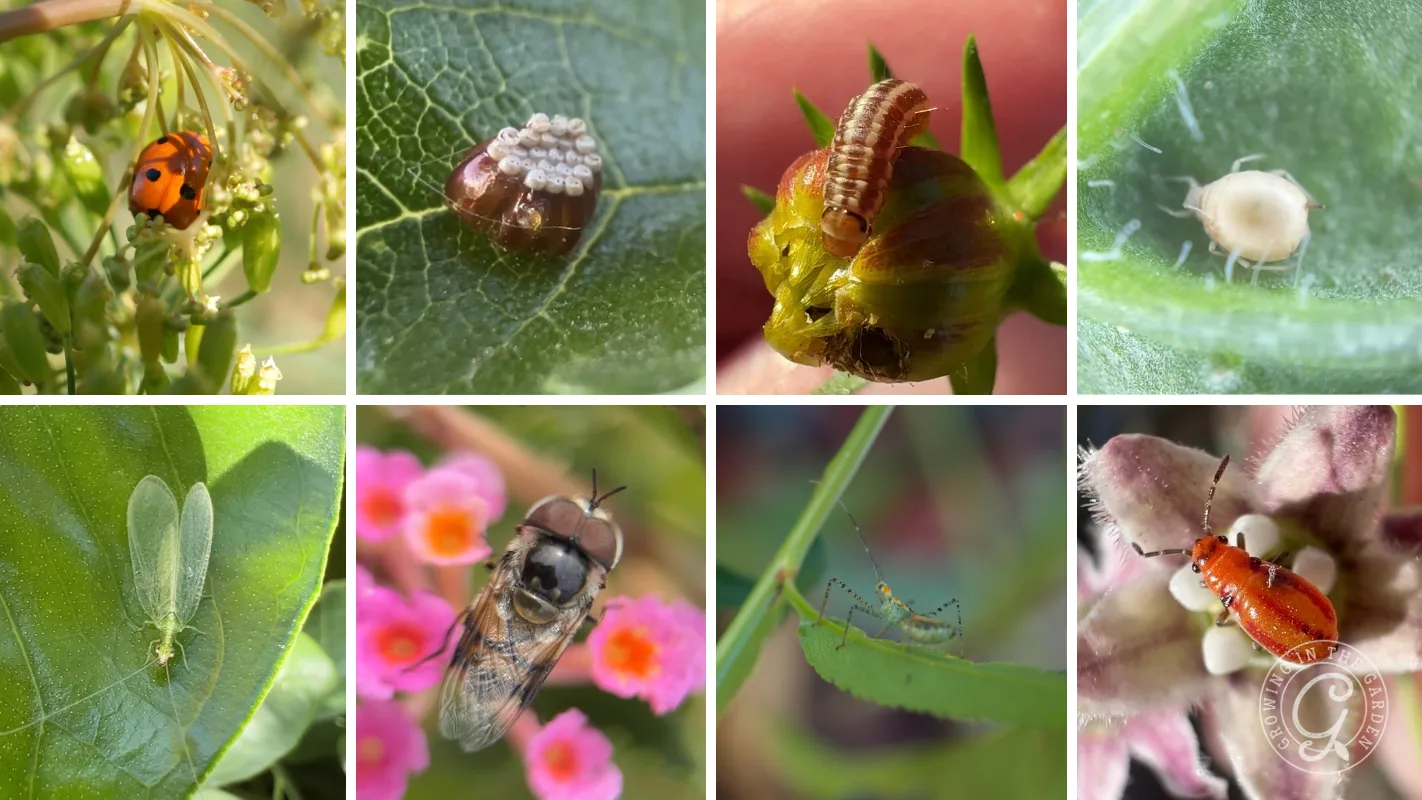
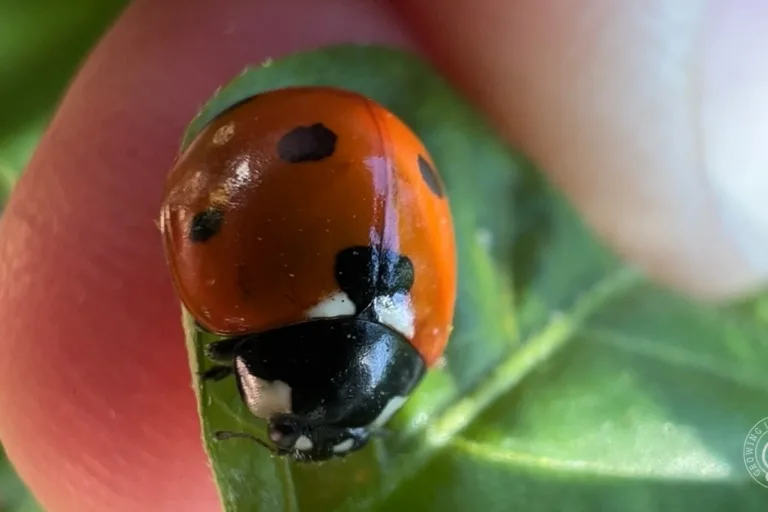
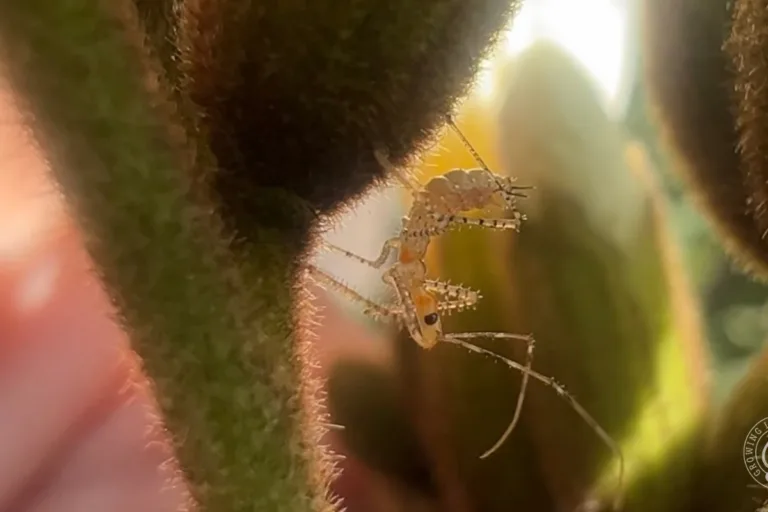
Seeing insects in the garden doesn’t automatically mean there’s a problem. One of the most important habits I’ve developed is taking time to look closely before deciding what to do. Many insects are beneficial, and some you see may already help control pests.
Not every insect needs to be removed, and not every damaged leaf needs treatment. When you notice pests, start with the least disruptive option.
Ways to manage garden pests organically:
- Identify the insect. Learn which insects are beneficial and which can damage your plants.
- Do nothing when possible. Healthy plants can often tolerate some pest damage, and beneficial insects may already be handling the problem.
- Use barriers. Floating row covers can prevent certain pests from reaching plants. Remove them when pollination is needed.
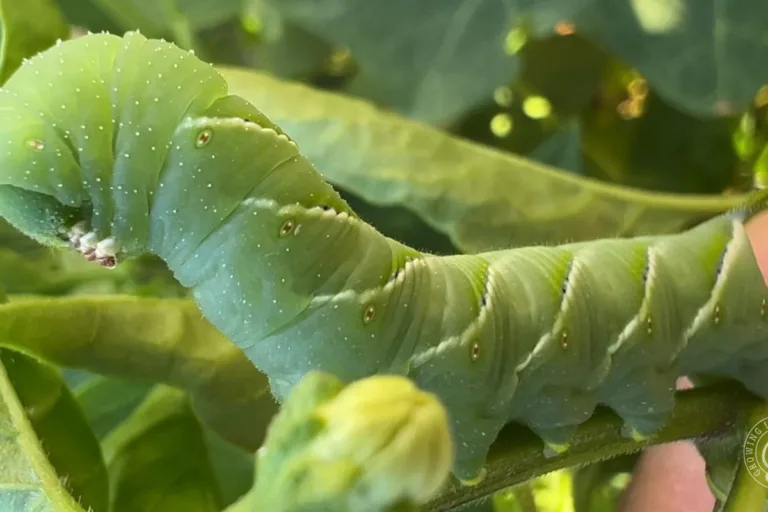
- Hand-pick larger pests. When practical, remove visible insects or heavily infested leaves.
- Spray pests off with water. A strong stream of water can help reduce aphids and certain other soft-bodied pests.
- Use traps selectively. Traps can help monitor specific pests, but sticky traps can also catch beneficial insects.
- Use targeted treatments when necessary. Bacillus thuringiensis (Bt) products can control specific caterpillar pests when you use the right product.
- Remove severely infested plants if needed. Sometimes removing a badly infested plant is better than allowing pests to spread throughout the garden.
Even organic products can affect beneficial insects. That’s why I prefer to identify the problem and try other methods before spraying.
Learning to recognize beneficial insects has made a big difference in how I approach pest problems. That is why I partnered with Jean Elston to create a series to help identify beneficial insects. Here are some of the resources that have helped me:
- Low Desert Garden Insects with Jean Elston
- Not All Bugs Are Bad: Garden Insects and Lookalikes
- Arizona’s Beneficial Insects Through the Seasons
- How to Identify Beneficial Insect Eggs in Your Garden
- Beneficial Insects as Natural Pest Control
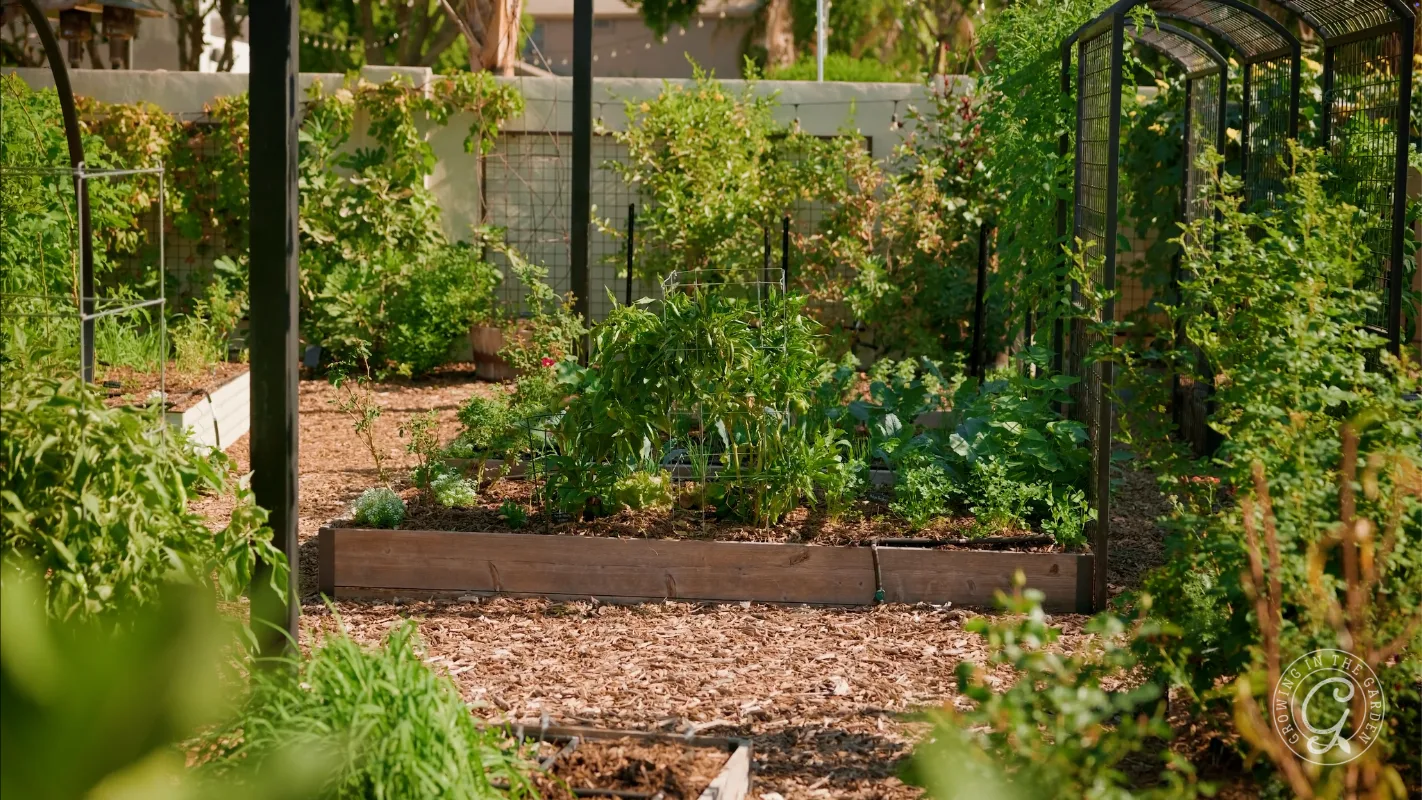
6. Plant the Right Plant in the Right Place and at the Right Time
It’s tempting to try growing something outside its normal season or in a spot that isn’t quite right. Experimenting can be fun, but plants grow best when their needs match your garden’s conditions.
Choosing the right plant for the right location and season prevents many problems before they start.
This is especially important in the low desert, where summer heat, winter temperatures, and reflected heat create very different growing conditions.
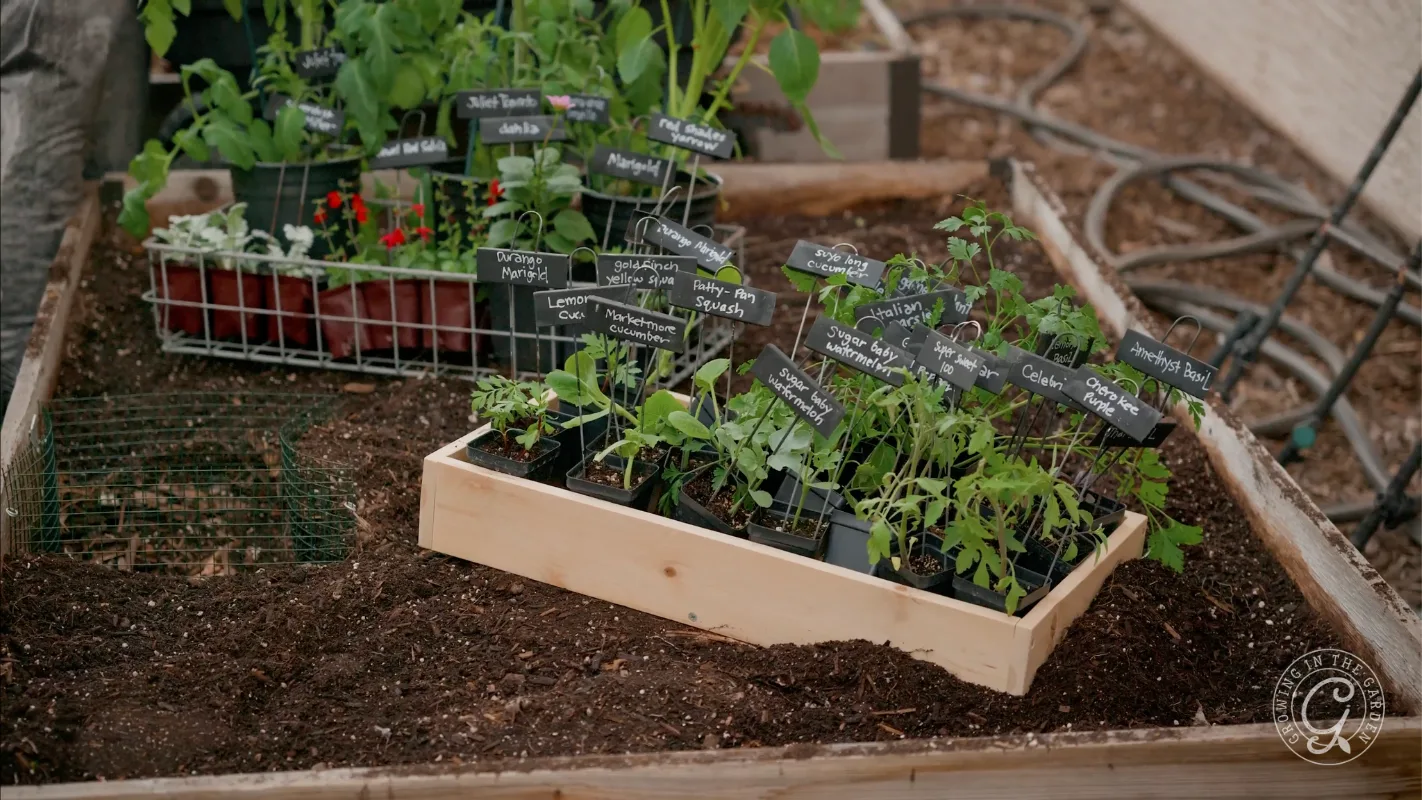
Ways to choose the right plants and locations:
- Choose plants adapted to your climate. Native and climate-adapted plants often need less intervention once established.
- Pay attention to microclimates. Different parts of your garden may receive more shade, afternoon sun, or reflected heat than others.
- Plant at the right time. Use a local planting guide to determine the best planting windows for each crop.
- Consider mature plant size. Give plants enough room to grow without overcrowding neighboring plants.
- Match plants to their growing conditions. Before planting, consider sunlight, soil drainage, temperatures, and water needs.
Growing plants at the right time is one of the easiest ways to reduce stress and avoid unnecessary pest and disease problems. I created these planting guides and calendars to make this easier. You can also check out the monthly planting guides on my blog for more guidance.
7. Grow a Diverse Garden
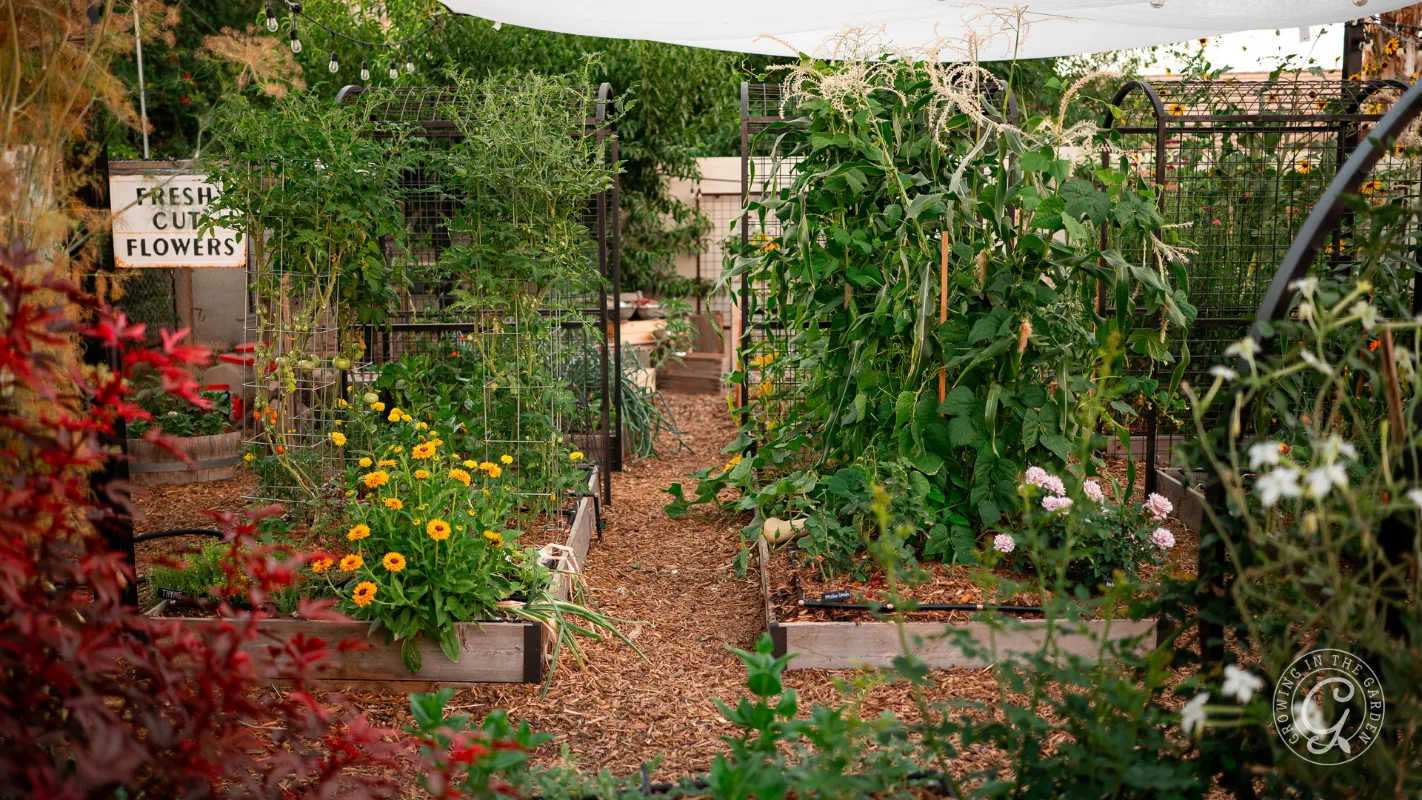
A garden filled with different types of plants supports a wider variety of insects and other wildlife. Rather than planting large sections of just one crop, I like to include vegetables, herbs, and flowers throughout the garden.
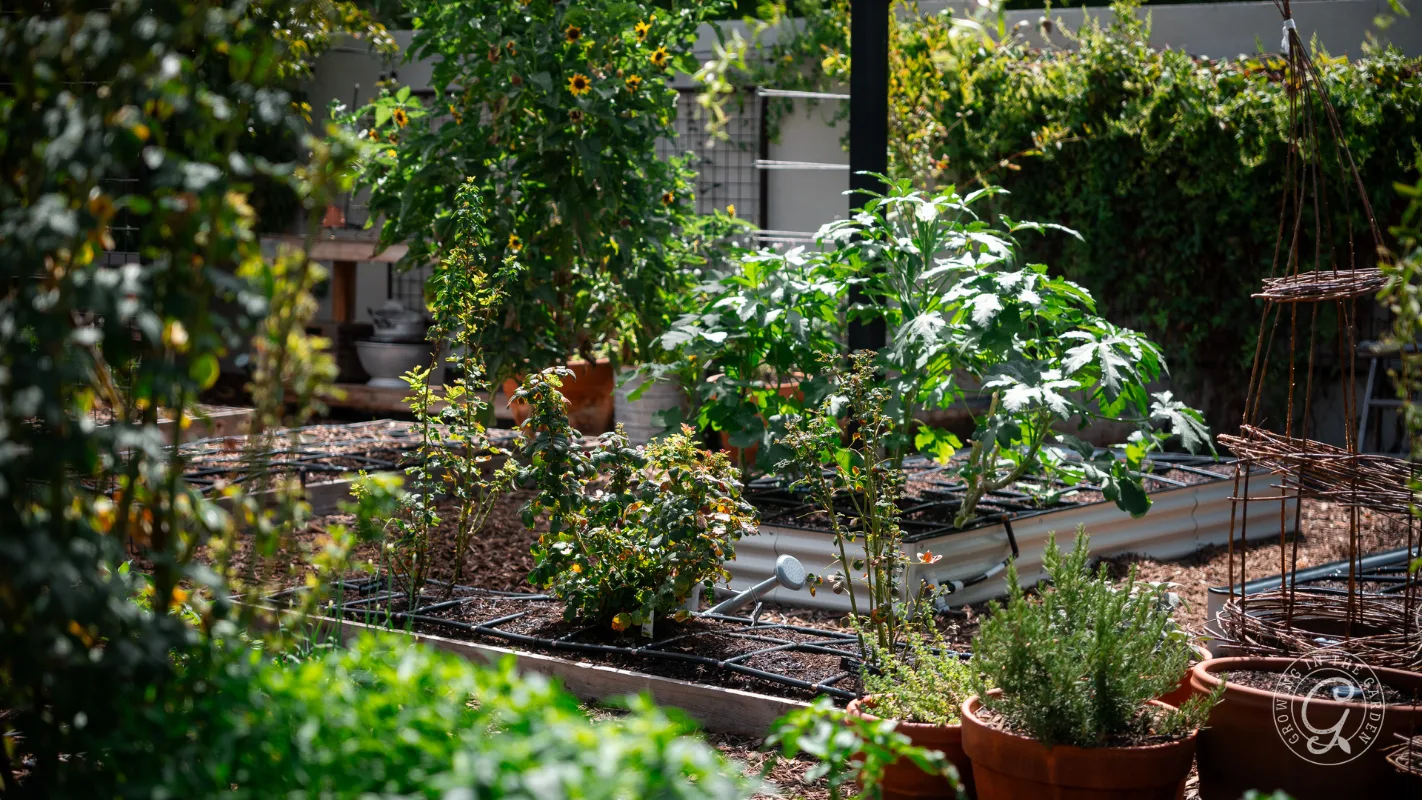
This is called polyculture, a way to create a more diverse garden ecosystem. Large plantings of a single crop, called monocultures, can make it easier for certain pests to find and spread between host plants.
Plant diversity doesn’t eliminate pest problems, but it can provide food and habitat for beneficial insects and pollinators.
Ways to encourage a healthy garden ecosystem:
- Mix different types of plants. Grow vegetables, herbs, and flowers together when their growing needs are compatible.
- Spread crops throughout the garden. Instead of planting every plant of one crop together, consider growing smaller groups in different areas.
- Practice companion planting thoughtfully. Some combinations can attract beneficial insects, use space better, or support plant growth. Here are my tips for successful companion planting.
- Include perennial herbs and flowers. These provide food and habitat for beneficial insects throughout the growing season. These are my favorite perennials for pollinators.
- Let some herbs flower. Flowering herbs can attract pollinators and other beneficial insects.
- Provide flowers throughout the seasons. Choose plants with different bloom times so beneficial insects have access to food for more of the year.
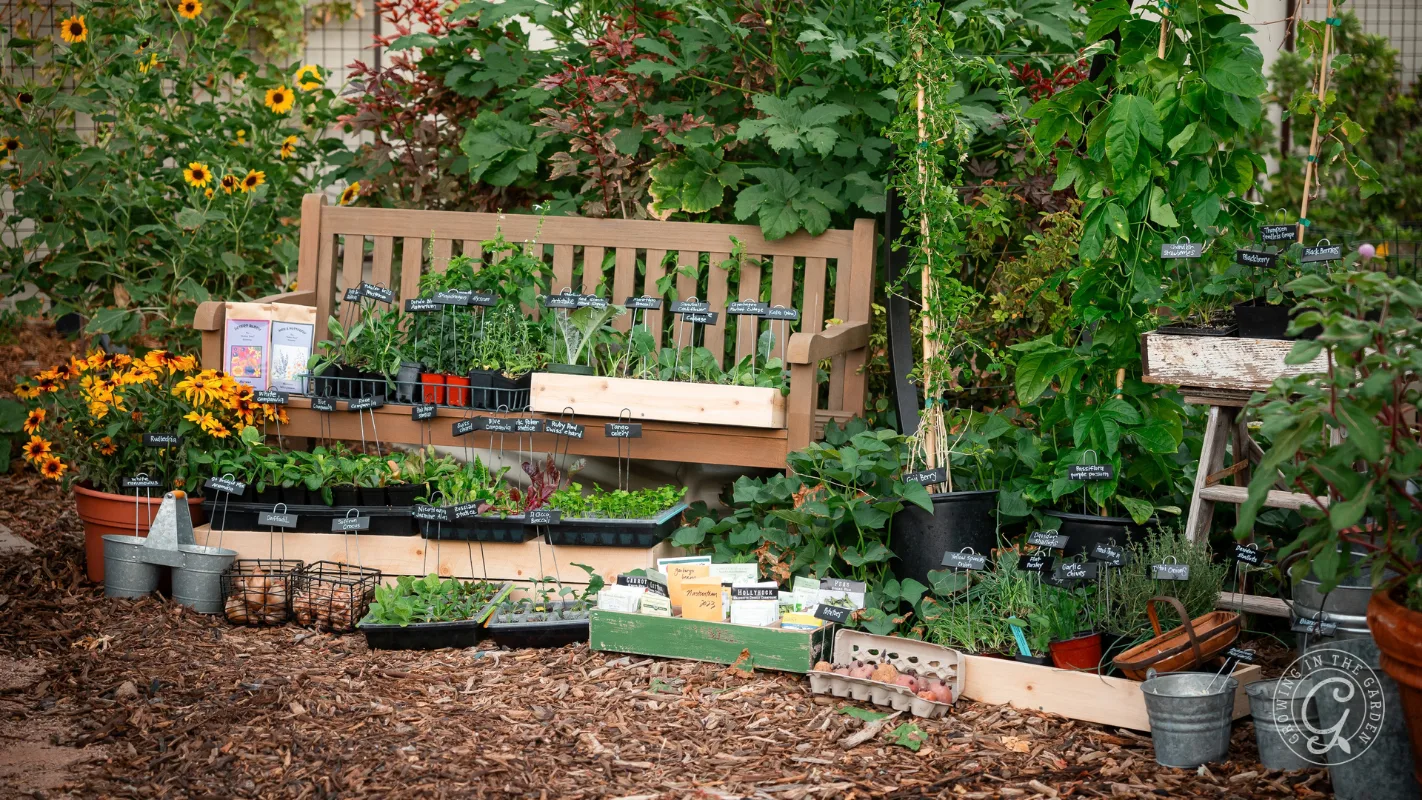
You don’t need a separate flower garden to encourage beneficial insects. Adding flowers and herbs throughout your vegetable beds is a simple way to increase diversity.
Start With One Change
Organic gardening doesn’t have to be complicated.
Start by improving your soil, watering correctly, and paying attention to what’s happening in your garden. Add flowers to encourage beneficial insects, plant crops at the right time, and learn when a problem really needs your attention.
You don’t need a perfect garden to be a successful organic gardener. The goal is to create a garden that becomes healthier and more balanced over time, with less intervention needed from you.
Organic Gardening FAQs
Organic gardening is growing plants without synthetic fertilizers or pesticides. It focuses on building healthy soil, naturally preventing problems, and creating a garden that supports beneficial insects and other living organisms.
Start with healthy soil. Add compost, choose plants suited to your climate, and cover the soil with mulch. Begin with a few plants and focus on learning what they need. You don’t have to do everything at once.
The best soil drains well, holds moisture, and contains plenty of organic matter. Adding compost regularly helps improve soil structure and provides nutrients for growing plants.
Not all bugs are bad! Many insects help control pests naturally. Identify insects before treating them, encourage beneficial insects, and use barriers or hand-picking when needed. A little insect damage is normal.
Compost, worm castings, and organic fertilizers can help provide nutrients for your plants. I prefer to improve the soil first and add fertilizer when plants need extra nutrients. Read more about my favorite way to organically fertilize my garden.
Yes! You can grow many vegetables successfully without pesticides. Healthy soil, proper watering, planting at the right time, and encouraging beneficial insects all help prevent problems. Some pest damage is normal, and not every insect needs treatment.

What about water? Do you add a filter? Whether I buy the grid or just add a drop system. Just wondering how to keep the water pure? Or does it not matter what they drink to keep it organic?
I don’t have a filter on my watering system.
Thank you!
I got some neem oil to make a pest spray for extreme cases, but I actually have no idea what “neem” is. Is it a chemical pesticide?
Neem is a natural herb that comes from the neem tree. It can be an effective form of organic pest control when used properly.
I see you have a watering grid, did you build this yourself, or purchase? If purchased can you guide me on where to purchase? I”m starting square foot gardening and no one seems to mention these watering grids?
I use the watering grids from Garden in Minutes: https://gim.ositracker.com/140976/10616 They are wonderful for square foot gardening. If you use code Angela10 it gives you a $10 discount off $100.
Here is a blog post with more information about them: https://growinginthegarden.com/best-way-to-water-raised-bed-gardens/