
What Grows in Shade? Vegetables, Herbs, and Flowers for Low-Light Gardens
Not every yard comes with good sun. Narrow side yards, north-facing beds, and gardens shaded by fences or buildings can still be productive. You just need to know which plants to choose and what to expect. This guide covers which vegetables, herbs, and flowers grow in partial shade or low-light gardens, how to make the most of the sun you do have, and what I’ve learned from years of growing in my own limited-sun side yard.
Looking for how to add shade cloth to protect plants from summer heat? That’s a different topic. I cover it here, “How to Create Shade in the Garden.”
Key Takeaways for Gardening in the Shade
- Narrow side yards and shaded areas can still be productive; choose the right plants for limited sun.
- Evaluate sunlight in your garden to determine which vegetables, herbs, and flowers grow in shade.
- Maximize sunlight by spacing plants, using containers, and providing vertical support.
- Understand challenges of growing in shade: overwatering, slower growth, and pest vigilance are key.
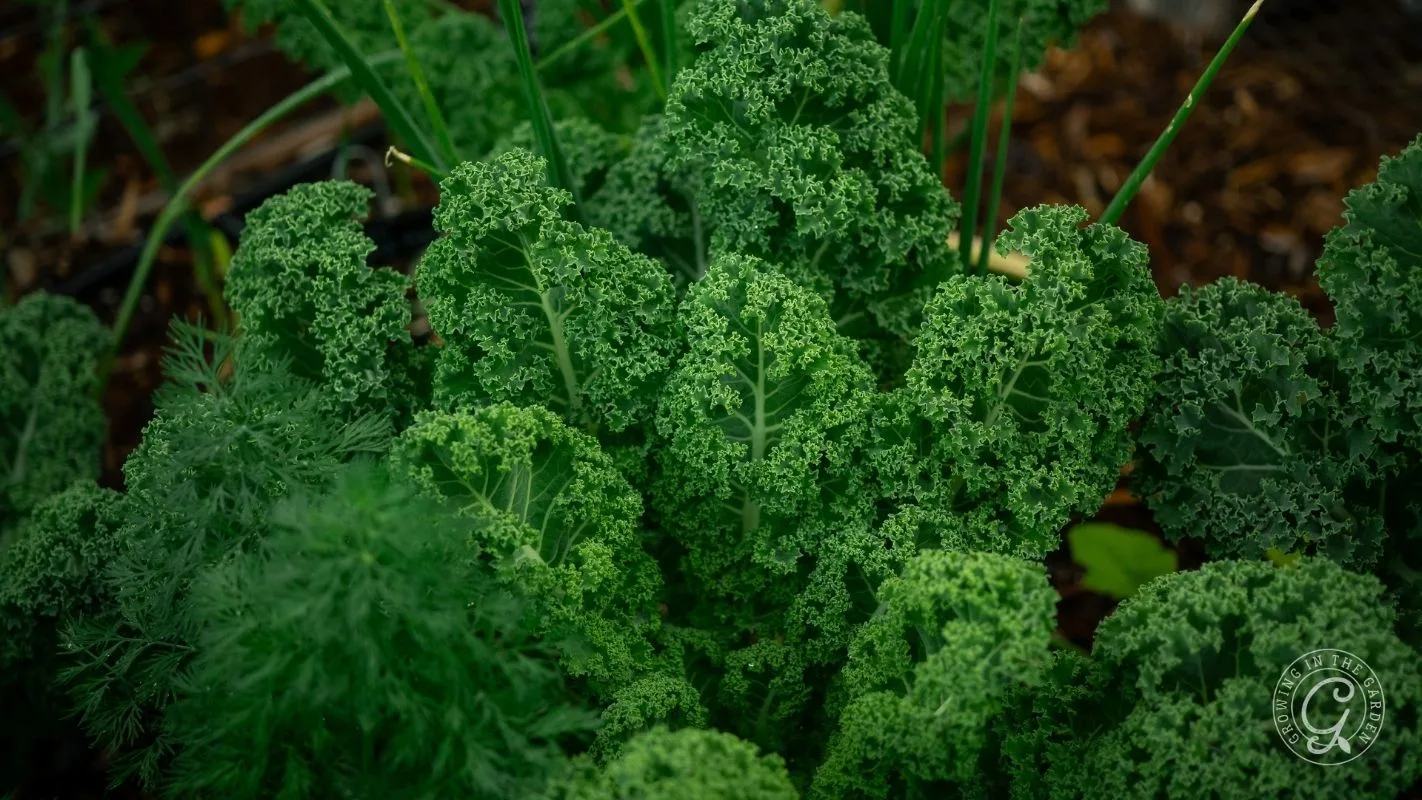
- Select shade-tolerant vegetables like kale, lettuce, and herbs like cilantro for success.
Table of contents
- 1. Evaluate your garden to determine how much sunlight it receives
- 2. Know how much sun different types of plants need
- 3. Maximize the available sunlight your garden receives
- 4. Anticipate the challenges of growing in the shade
- What I’ve Learned From Years of Gardening in My Side Yard
- 5. Plant the right vegetables, herbs, and flowers for the sunlight you have
- Shade Gardening FAQ’s

Here’s what to remember:
Plants grown for leaves do best in partial shade — lettuce, kale, spinach, and most herbs are your best options. Root crops need at least 4 hours of sun. Fruiting and flowering crops need 6 or more hours and will struggle in low light. Expect slower growth, water less than you think, give plants more spacing than the seed packet says, and plant earlier in the season to catch better sun angles. The full plant list with links is in Tip 5.
1. Evaluate your garden to determine how much sunlight it receives
One of the most important principles for gardening success is sunlight. Understanding the different terms related to the amount of sunlight an area receives matters more than most people realize when they’re getting started.
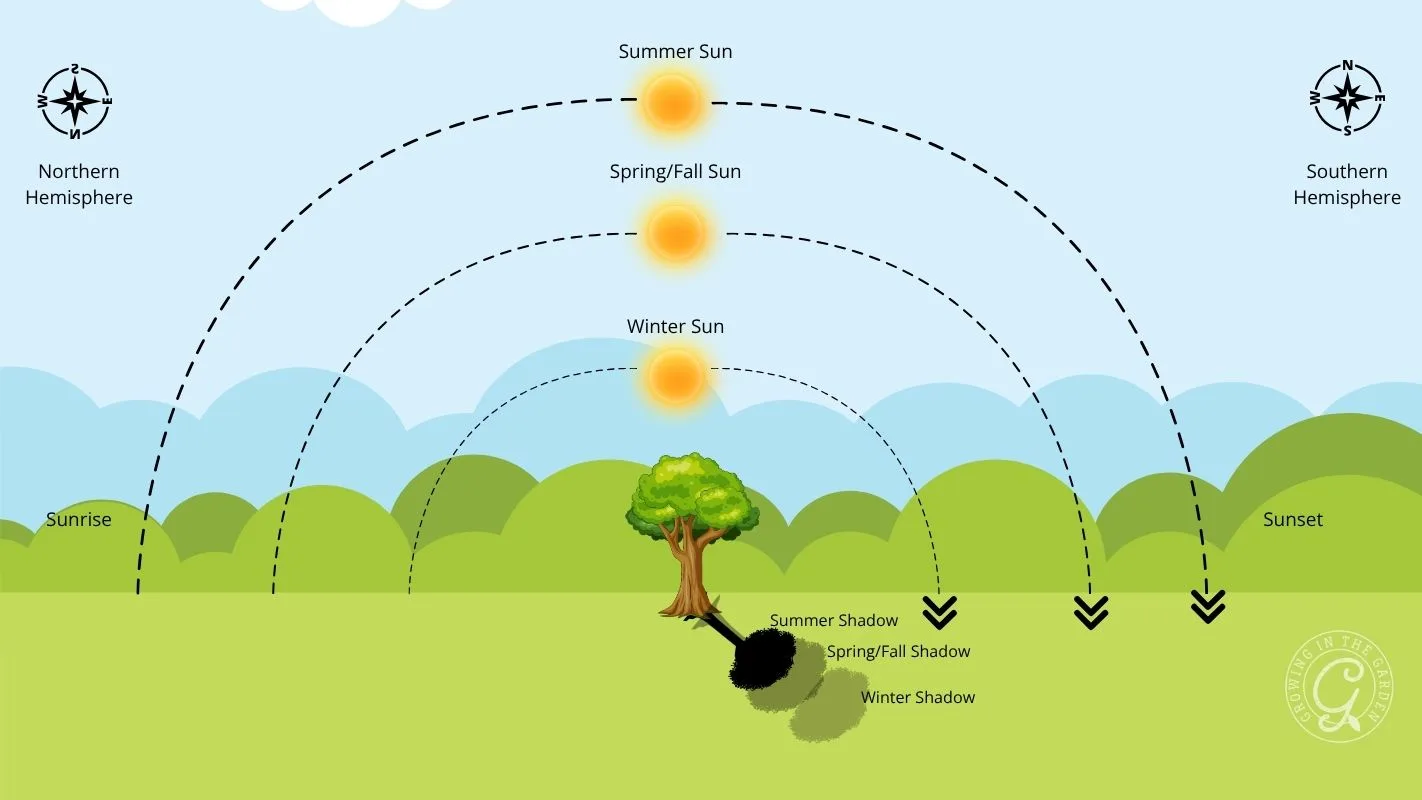
The sun’s angle changes throughout the year. Evaluate your garden at different times of day throughout the year — spring, summer, fall, and winter — to understand how much light your garden actually receives. Consider the height of surrounding trees, buildings, and other obstructions, as these all limit the light that reaches your garden. Use an app or program to map out the sun’s route and learn exactly when your garden gets direct sunlight, partial shade, and full shade. This will help you determine what plants are best suited for your space.
- Full Sun: 6 to 8 hours or more of direct sunlight daily
- Partial Sun: 4 to 6 hours of direct sunlight per day
- Partial Shade: 3 to 4 hours of direct sunlight per day
- Full Shade: Less than 3 hours of direct sun
- Deep Shade: No direct sun
Vegetables, herbs, and flowers may not grow if your garden receives less than 3 hours of sun.
2. Know how much sun different types of plants need
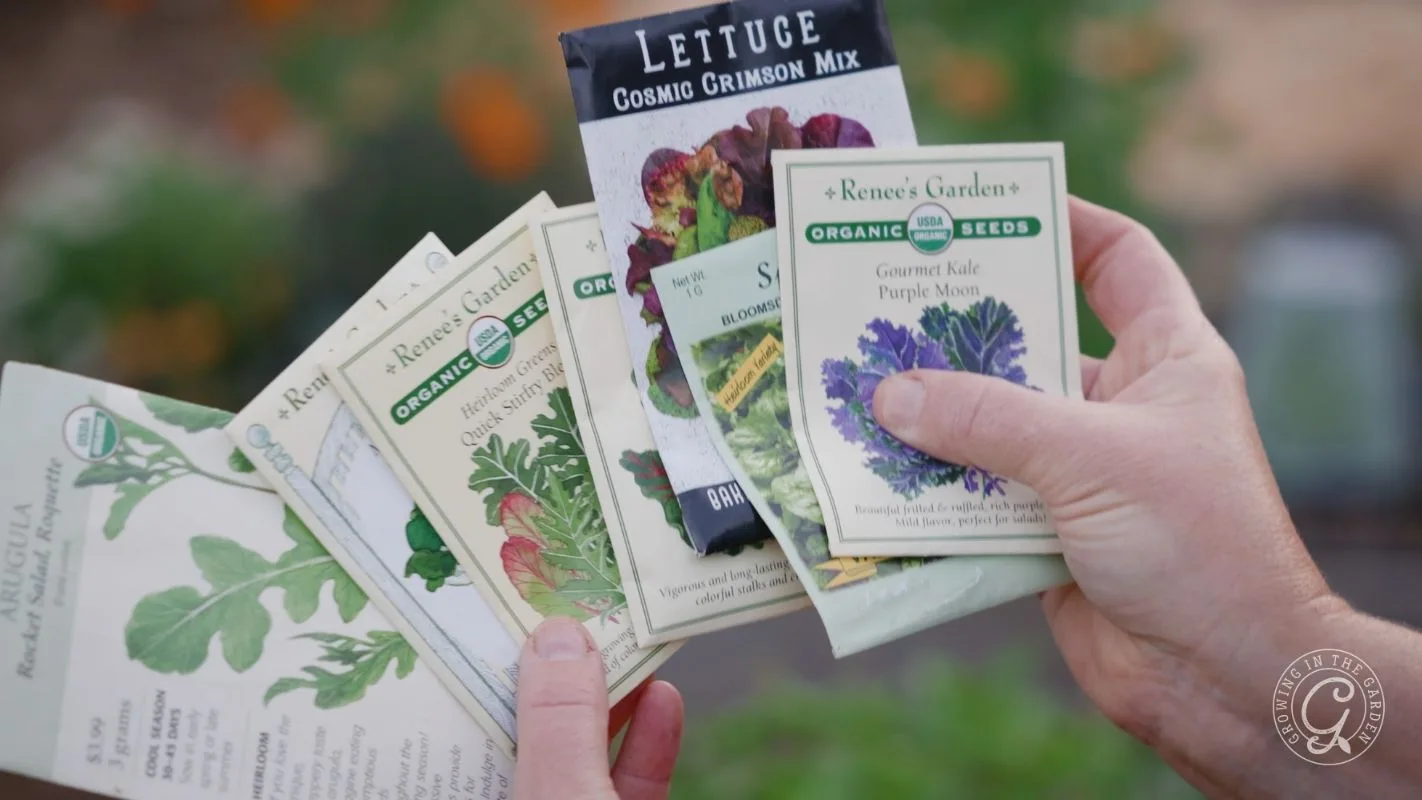
Although some plants need very little sun, plants grown for food usually need plenty of sunlight. Some types of vegetables, herbs, and flowers tolerate more shade than others, but all need sun. Most plants do best with at least 6 to 8 hours of direct sunlight each day. For example:
- Flowering plants need a minimum of 6 hours of direct sunlight
- Plants grown for edible roots need at least 4 hours of direct sunlight
- Plants grown for edible leaves need at least 3 hours of direct sunlight
3. Maximize the available sunlight your garden receives
- Leave more space between plants. Plants too close to each other will shade one another.
- Use containers or grow bags to move the garden where the sunlight is.
- Anticipate areas that will receive more sun as trees lose their leaves.
- Grow plants vertically. Place vertical supports on the north side of your garden to prevent shading of other plants.
- Be aware of microclimates in your garden and plant accordingly.
4. Anticipate the challenges of growing in the shade
- Take care not to overwater. Plants grown in areas that receive less sun will need less water. Check the soil before you water rather than going by a schedule.
- Be patient. Plants grown in less than ideal sunlight will take longer to develop than the “days to harvest” on the seed packet suggests. That’s normal.
- Expect smaller plants. Vegetables, herbs, and flowers grown with less sun may be smaller than their full-sun counterparts.
- Harvest more often. Some herbs and vegetables get leggy as they reach for the sun. Regular harvesting keeps plants more compact.
- Go easy on fertilizer. Plants require less fertilization when grown in the shade.
- Watch for pests. Pests are drawn to plants grown in less-than-ideal conditions. Daily checks and early detection are your best defense. Read this post for organic pest control options.
What I’ve Learned From Years of Gardening in My Side Yard
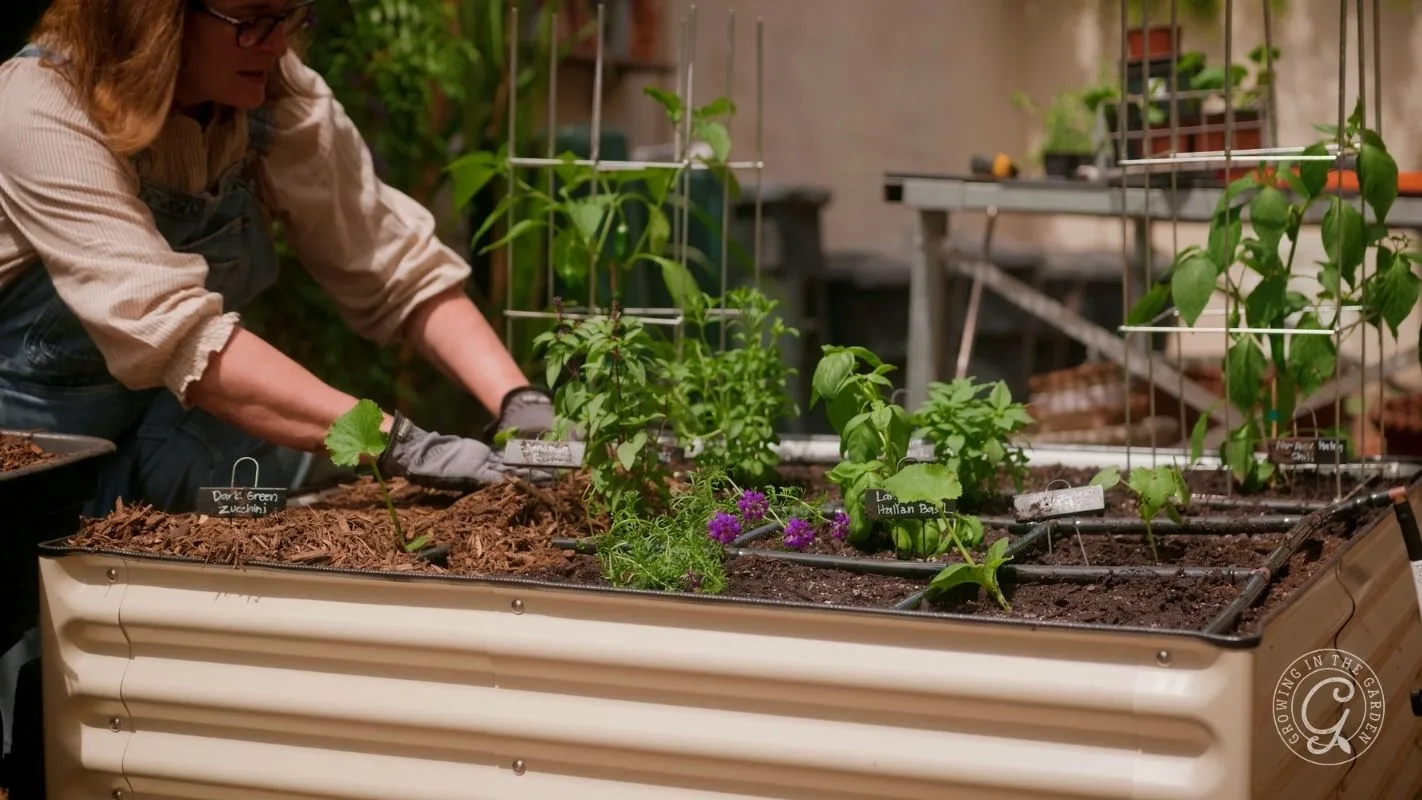
My side yard is a narrow strip between my house and a neighbor’s two-story home. It gets limited sun, the angle shifts a lot throughout the year, and in winter, the area closest to the north-facing wall gets surprisingly little light.
I gardened there exclusively for years before I had a full-sun bed. I even taught gardening classes from that space. It worked. But when I eventually added raised beds in a full-sun part of my yard, the difference was hard to miss. Things grew faster, produced more, and needed less problem-solving. The side yard didn’t stop being useful — I still garden there now — but I understood better what I’d been working with all along.
A few things I’ve figured out from that garden:
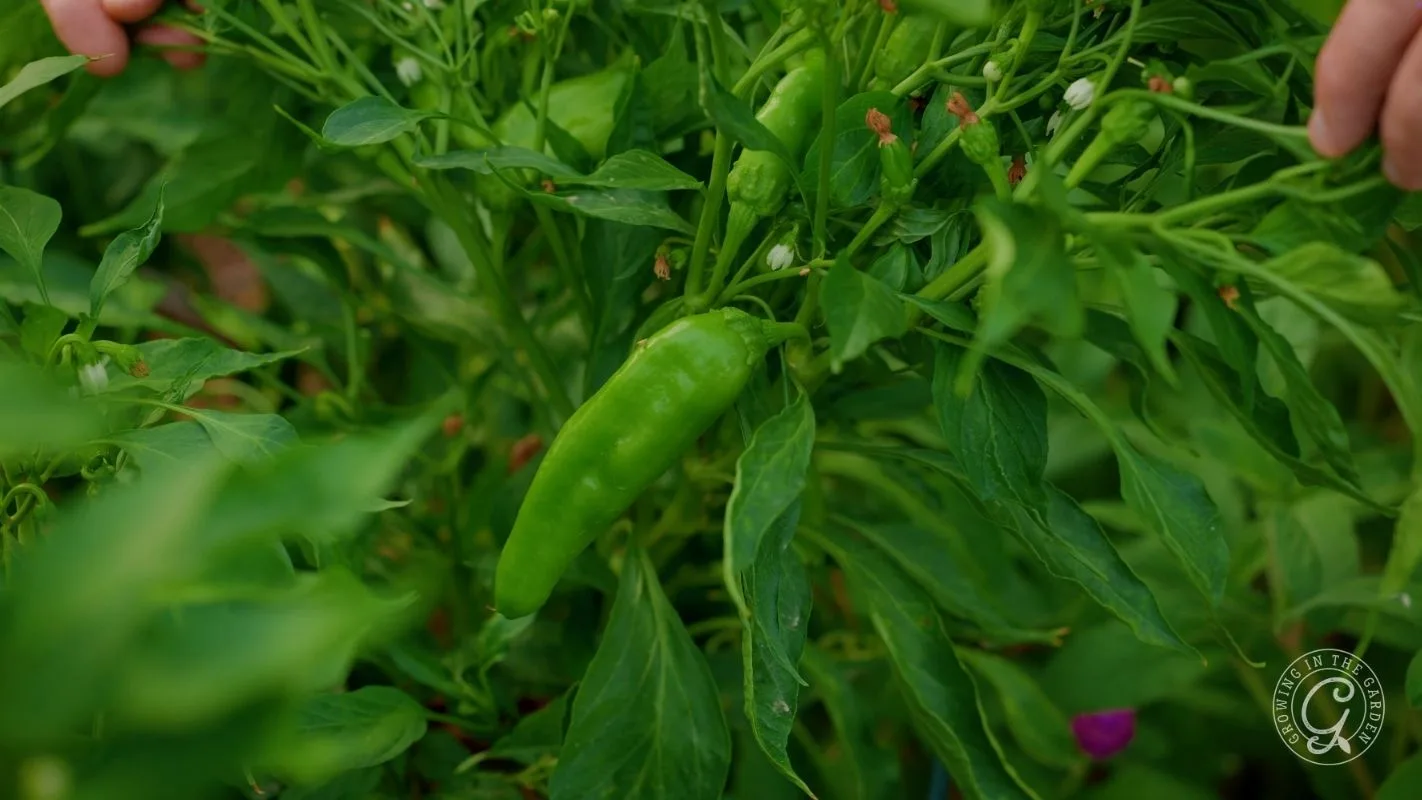
Herbs and peppers have been the real standouts. Both do surprisingly well with limited sun. Kale and leafy greens have been consistent performers too. Melons are a different story. Watermelon and cantaloupe have struggled there. They want more direct sun than that space offers most of the season.
Spacing matters more than people expect. In a low-light garden, plants that are too close compete for whatever sun is available. Give them more room than you normally would.
Plant earlier in the fall. As the sun’s angle drops through fall and winter, north-facing and shaded areas lose light faster than the rest of the yard. Getting plants established while the sun is still higher makes a real difference in how they perform through winter.
A trellis at the end closest to the house helps. Vining plants can grow up and over toward the open sky instead of staying low where the shade is deepest.
Check soil moisture more carefully. Shaded beds hold water longer. It’s easy to overwater without noticing. Check the soil before you water rather than going by a set schedule.
I’m used to the slower pace of this garden now. Things don’t move as quickly as they do in full sun, and I don’t expect them to. But the garden produces, and it’s taught me a lot about working with what you have.
Working with a narrow or difficult space?
If you’re gardening in a narrow side yard, a bed against a wall or fence, or a spot that loses sun as the season changes, a few things help:
- Plant earlier in the fall before the sun’s angle drops
- Add a trellis at the end of the bed closest to the house so plants can grow toward open sky
- Check soil moisture before watering — shaded beds dry out more slowly
- Give plants more spacing than the seed packet recommends
- Expect a slower pace and plan your harvest windows with that in mind
These spaces can be productive. They just take more attention to timing and spacing than a full-sun bed.
5. Plant the right vegetables, herbs, and flowers for the sunlight you have
(Click the links for how-to-grow guides for each crop.)
Vegetables that tolerate partial sun (4-6 hours of direct sunlight) include broccoli, peas, celery, beans, onions, cauliflower, cabbage, leeks, asparagus, and scallions.

Vegetables that tolerate partial shade (3 to 4 hours of direct sunlight): arugula, bok choy, Brussels sprouts, kale, beets, kohlrabi, parsnip, carrots, turnip, radish, lettuce, spinach, mustard greens, and chard.

Many herbs tolerate partial shade, including chervil, cilantro, dill, lemon balm, chives, thyme, ginger, lemon verbena, parsley, mint, bay, oregano, sage, and turmeric.

Flowers that tolerate partial shade: nasturtium, sweet peas, lobelia, larkspur, foxglove, impatiens, begonia, calendula, fuchsia, forget-me-not, violet, and alyssum.

Also worth knowing: if you’re curious which vegetables need shade protection from summer heat versus which ones thrive in full sun, I cover that specifically here: “Which Vegetables Need Shade and Which Thrive in Full Sun“.
Shade Gardening FAQ’s
Most vegetables need at least 3 hours of direct sun to grow at all. Even the most shade-tolerant crops do better with 4 to 6 hours. If your space gets fewer than 3 hours of direct sun, focus on herbs like mint, which handle deeper shade better than most, or use containers so you can move plants to wherever the sun hits.
Leafy greens are your best bet: lettuce, spinach, kale, chard, and arugula all handle partial shade reasonably well. Most herbs do fine with limited sun. Root vegetables like radishes, beets, and carrots need a bit more light — around 4 to 6 hours — but can work in partial sun. Fruiting crops like tomatoes, peppers, and squash need 6 or more hours of direct sun to produce well.
Yes, and noticeably. Plants in lower light grow more slowly than the same plant in full sun. The “days to harvest” on a seed packet assumes good sun. In a shaded garden, plan for those numbers to run longer. That’s not a problem — it’s just the pace of a low-light garden.
Generally yes. Shaded beds stay moist longer than full-sun beds. Watering on a fixed schedule in a shaded space can lead to overwatering. Check the soil first and let that tell you when it’s time.
The plant list and principles here apply, but the low desert has a twist worth knowing. In summer, some plants listed as “full sun” actually do better with afternoon shade in Arizona because the heat is intense enough to damage them. In the low desert, partial shade during the hottest months can extend your growing season rather than limit it. That’s a different situation from a naturally shady yard, though. If you’re adding shade to protect plants from summer heat, I cover that here: “How to Create Shade in the Garden“.

I’m looking for plants to put on my front patio that is in the shade all fall and winter. Any suggestions. I live in Phoenix.
Begonia is a good choice for shade.