
How to Grow Lemon Verbena
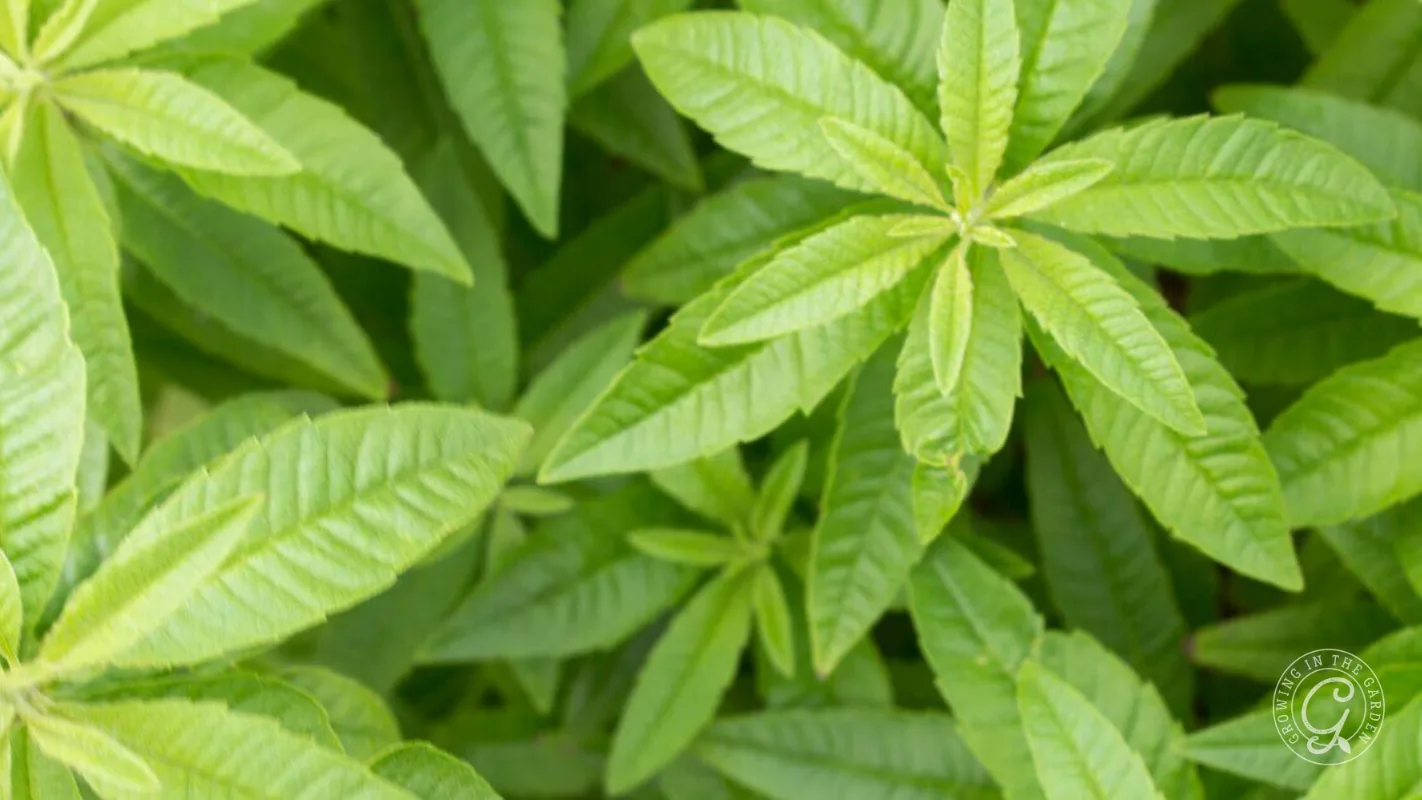
Brush past a lemon verbena plant, and the air smells like lemon. It’s one of my favorite herbs, and I use the leaves in tea and desserts.
It’s also hard to keep alive in Arizona. Lemon verbena is a perennial shrub that grows large in mild climates, but in my garden, summer heat often kills it before it gets big. So I treat it more like an annual. Still, it’s worth planting.
Here’s when I plant lemon verbena, where it does best in a hot climate, and how I harvest and use it.
Key Takeaways: Grow Lemon Verbena
- Lemon verbena is a fragrant herb that grows best when planted at the right time, ideally in spring or fall.
- Choose a location with morning sun and afternoon shade, especially in hot climates like Arizona.
- Water consistently and avoid over-fertilizing, as lemon verbena prefers well-draining soil.
- Harvest leaves regularly for culinary use, and consider drying excess leaves for later.
- Lemon verbena can grow in containers, which lets you protect it from extreme temperatures.
When I Plant Lemon Verbena
One of the first things I’ve learned about gardening in Arizona is how much planting time matters. A plant that struggles in one season may grow beautifully when planted at the right time.
Lemon verbena is a good example. Although lemon verbena is a perennial, summer heat can shorten its life, so establishing it during milder weather gives it a better start.
Growing lemon verbena from seed is difficult, so I recommend starting with a transplant or rooted cutting. Transplants are usually the easiest option.
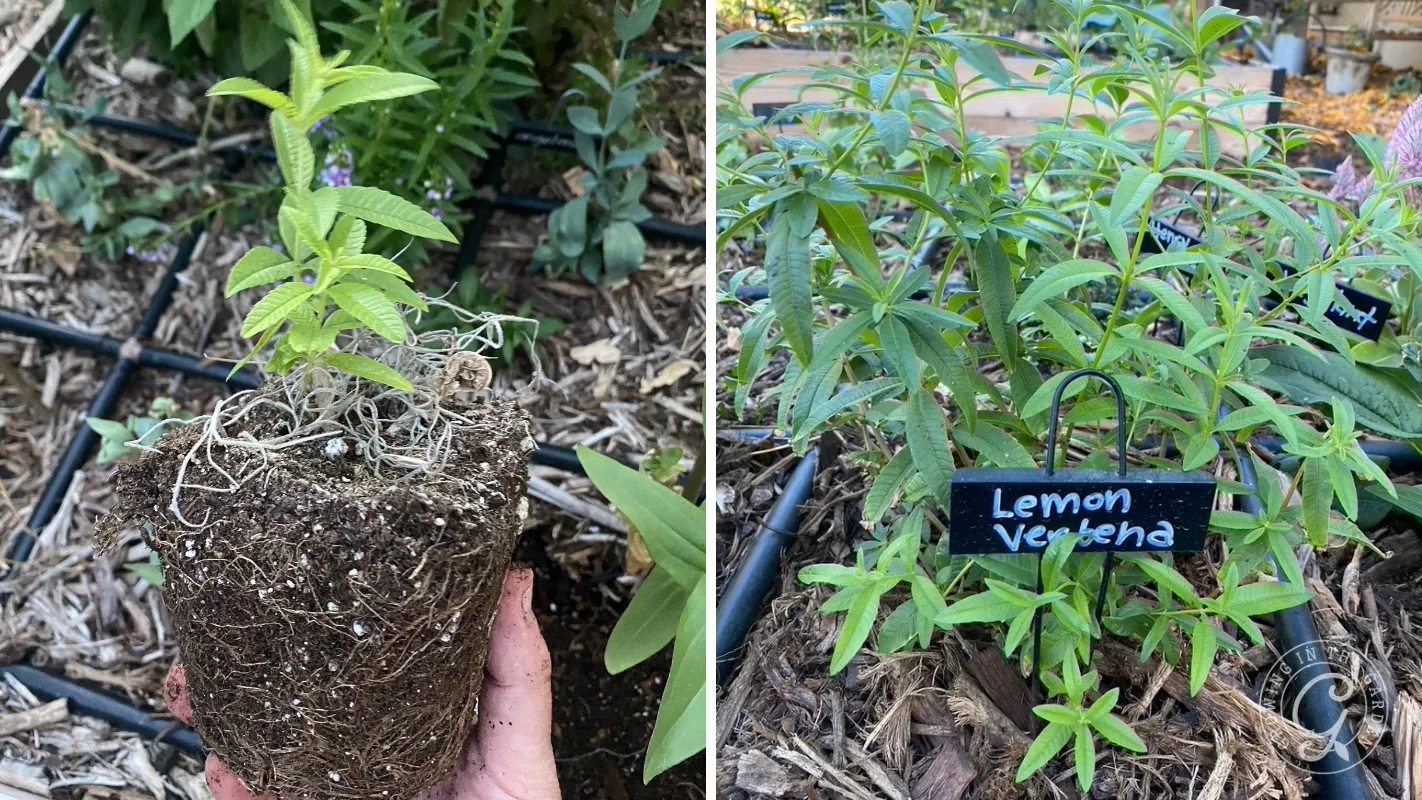
When to plant lemon verbena in Arizona:
In the low desert of Arizona, the planting windows are
I prefer planting lemon verbena in spring because it gives the roots time to establish before summer. Fall is another possible planting window, but young plants may need protection from freezing temperatures.
If you live somewhere with a milder summer, lemon verbena may grow into a much larger shrub and return year after year.
What about winter?
Lemon verbena often loses some or all of its leaves as temperatures drop. It may look like the plant has died, but it may not be. Don’t be too quick to pull it out. Give it time as temperatures warm in spring, and watch for new growth.
Where to Plant Lemon Verbena
I space plants about 12 to 18 inches (30 to 45 cm) apart in my low-desert garden. If you’re growing lemon verbena as a long-lived perennial in a milder climate, give it more space as it matures.
The plants in my garden generally stay much smaller because they often don’t survive our summers. Instead of planning for a large, permanent shrub, I let lemon verbena grow as a seasonal herb.
How much sun does lemon verbena need?
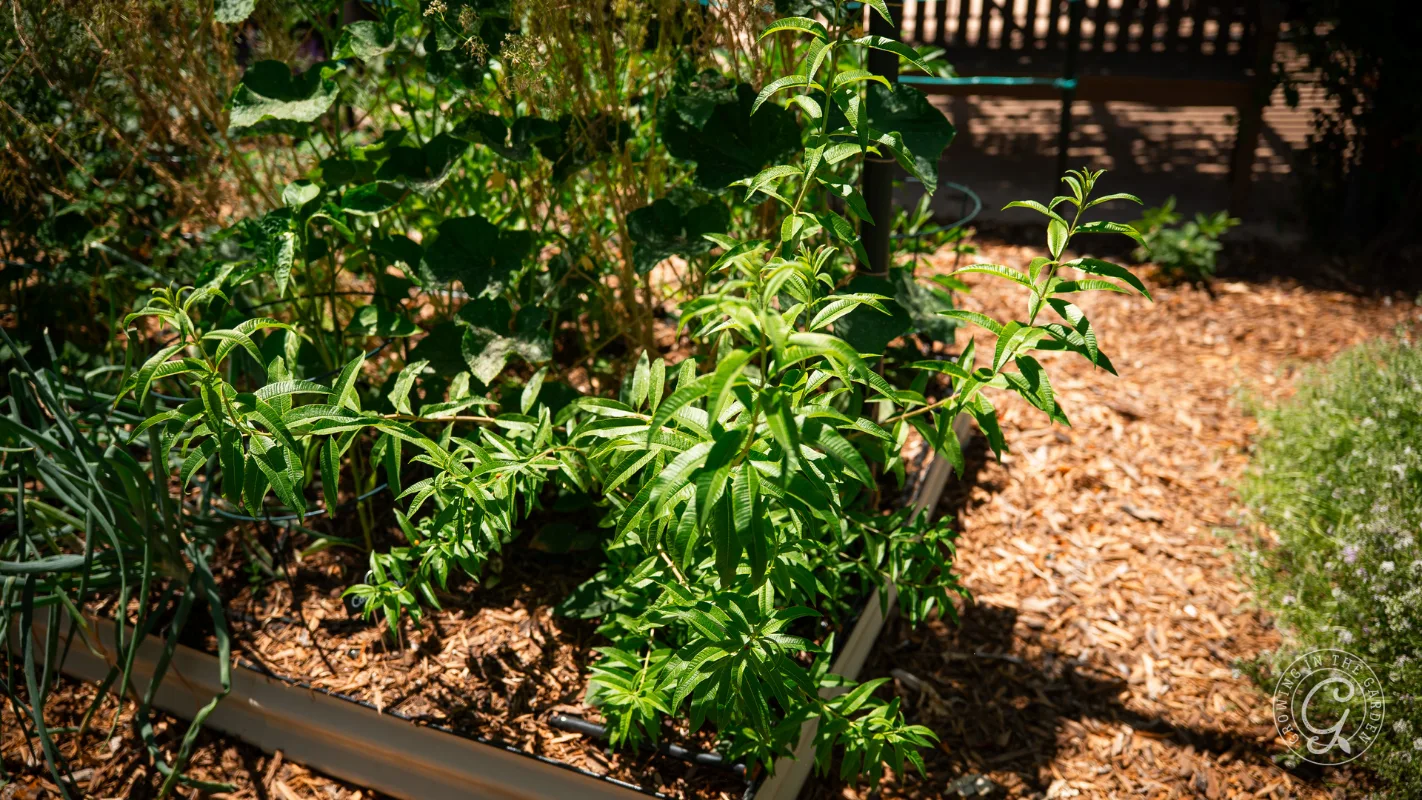
Lemon verbena loves sunlight, but full sun in a mild climate is very different from full sun during an Arizona summer. I’ve learned that with many plants in my garden. A full-sun recommendation doesn’t always mean a plant will appreciate the intense afternoon sun we get here. For more information on what type of sun exposure plants need here in the low desert, read this: Full Sun or Afternoon Shade? Arizona Landscape Plant Guide
For my lemon verbena, I prefer morning sun and afternoon shade. Avoid areas with reflected heat from walls, pavement, or other hard surfaces. Those spots can become especially hot during summer.
Even in a good spot, lemon verbena may struggle in extreme heat. Sometimes shade and careful watering aren’t enough to get a plant through an Arizona summer.
Soil and containers
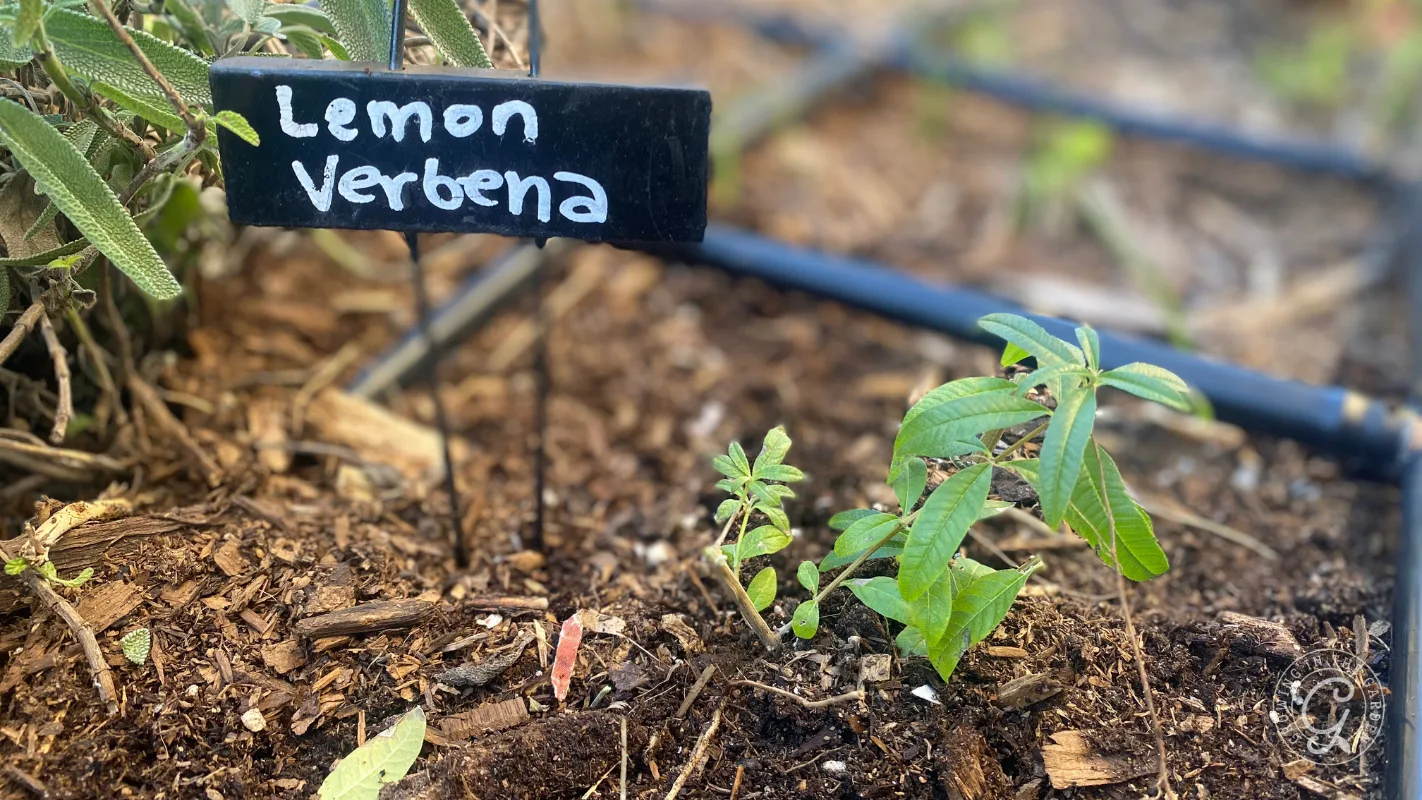
Lemon verbena grows best in well-draining soil with plenty of organic matter. I like to prepare garden beds with compost before planting. Healthy soil supports the plant without a complicated fertilizer routine.
Lemon verbena also works well in containers, especially if you’re working with limited space. One advantage of growing herbs in containers is flexibility. You can move the pot into a more protected location when temperatures become extreme. If you’re growing lemon verbena in a container, make sure it has drainage holes and enough space for healthy root growth.
Related Reading: How to Grow Herbs in Containers
Caring for Lemon Verbena
Water consistently
Lemon verbena prefers evenly moist soil during active growth. Water deeply, then let the top dry. Our hot, dry weather can dry the soil quickly, so check moisture regularly rather than relying on the same watering schedule year-round. At the same time, don’t keep the soil constantly wet. Good drainage is important for healthy roots.
Don’t overdo the fertilizer
If you’ve prepared your garden bed with compost, lemon verbena usually won’t need much additional fertilizer. A light top-dressing of compost during the growing season can help replenish nutrients. More fertilizer isn’t always better. Too much can encourage excessive soft growth without improving the plant’s health.
Prune to encourage bushier growth
Lemon verbena can become leggy as it grows. Regular pruning and harvesting help encourage branching and keep the plant looking fuller. If your lemon verbena survives winter, wait until you see new growth in spring before removing branches that cold weather may have damaged. During the growing season, pinch back the growing tips or trim stems as needed.
As temperatures drop, lemon verbena may shed its leaves. Here’s how I care for perennial herbs in fall.
Watch for pests
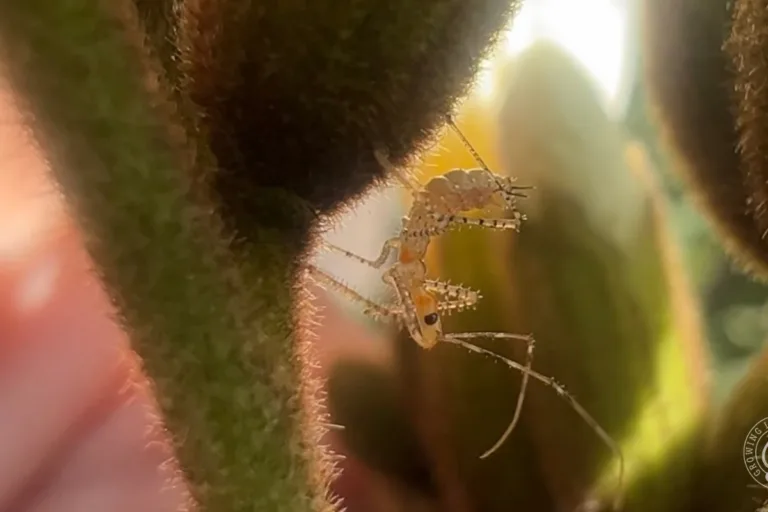
Lemon verbena is generally fairly easy to care for, but it can occasionally attract spider mites, aphids, whiteflies, and mealybugs.
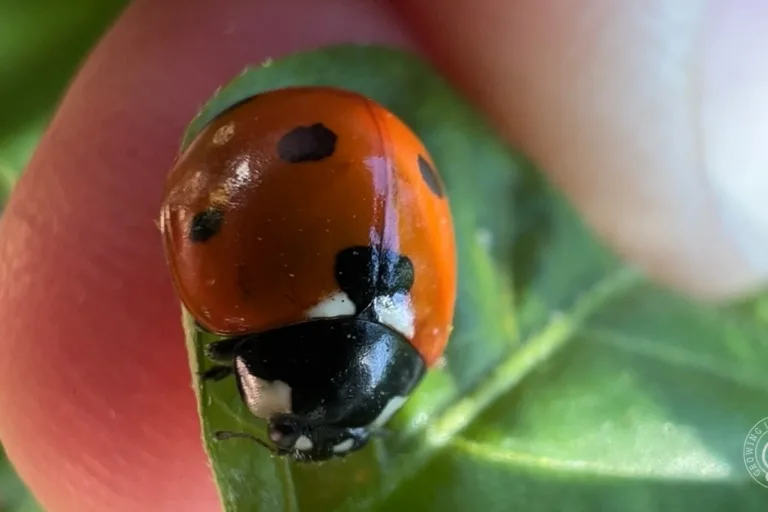
Watch for spider mites during hot, dry weather. Before reaching for a treatment, take a closer look. Many pest problems are minor, and beneficial insects may already be helping keep them under control.
Harvesting Lemon Verbena
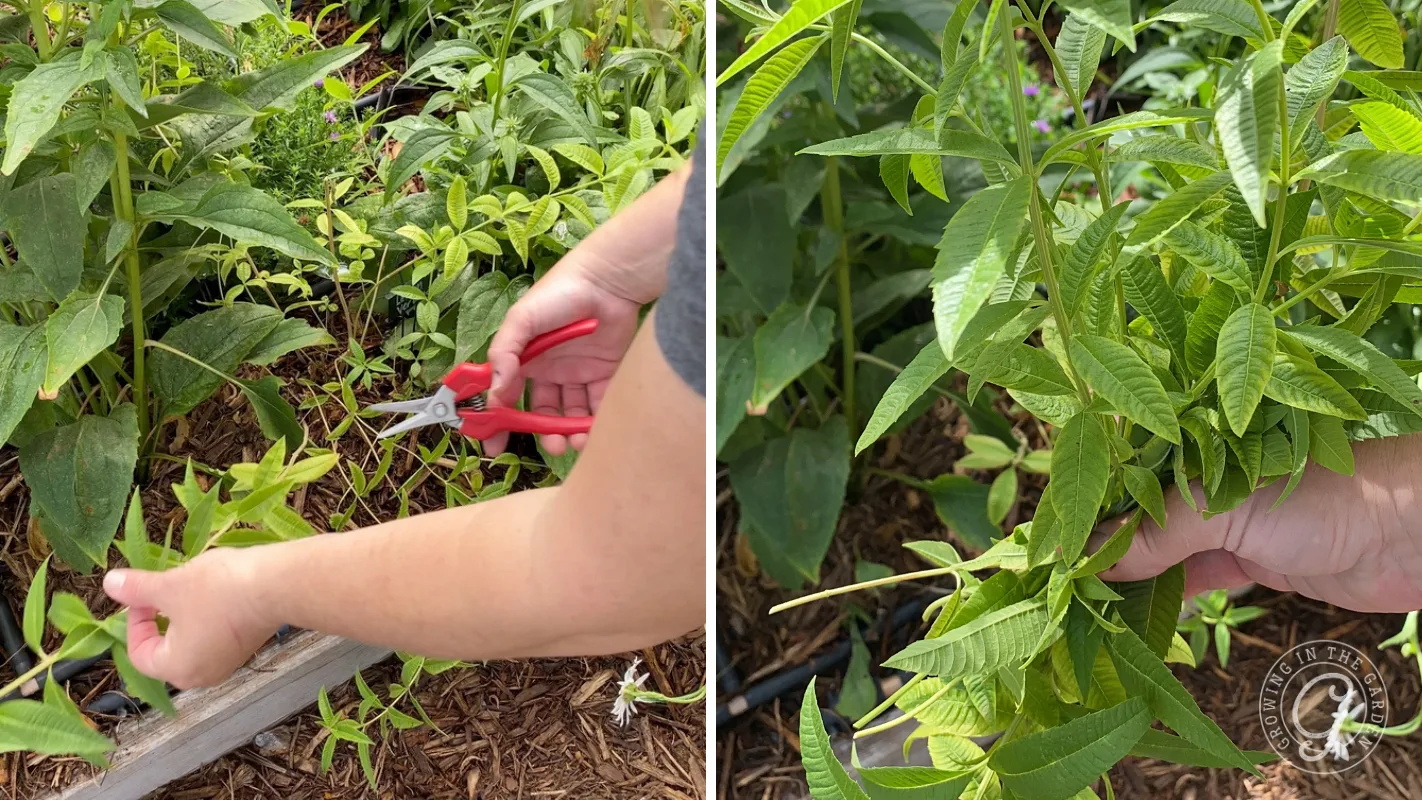
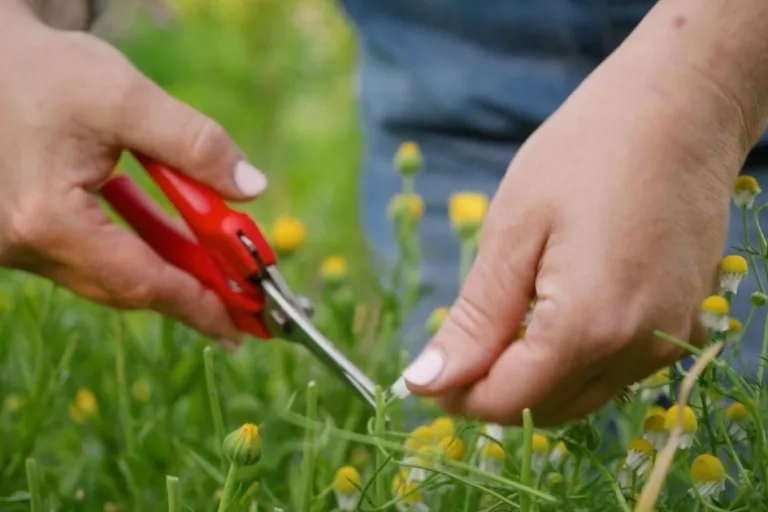
Harvest lemon verbena in the morning, after the dew has dried and before the hottest part of the day. This is a good time to collect fresh, aromatic leaves. Clip individual sprigs or pinch the tips of stems throughout the growing season. You don’t need to wait until the plant is large before harvesting. Once it’s established and growing well, light, regular harvesting encourages branching.
How to harvest for drying
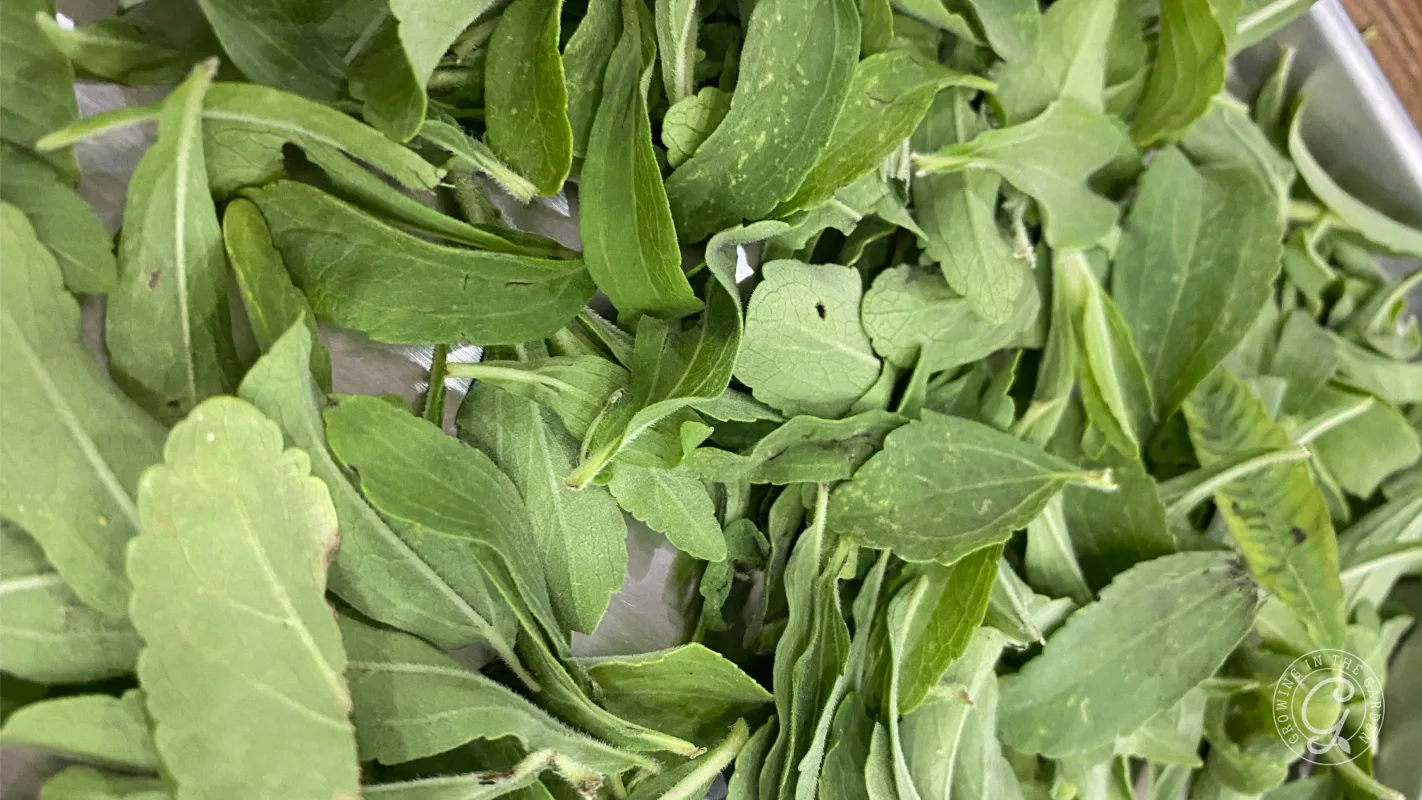
If you have more lemon verbena than you can use fresh, drying the leaves is a great way to preserve them. Harvest healthy, fragrant sprigs before or around flowering. Remove any damaged or discolored leaves. Dry the leaves in a well-ventilated location out of direct sunlight, or use a dehydrator on a low temperature suitable for herbs. Once the leaves are completely dry, remove them from the stems and store them in an airtight container away from heat and light.
Because my lemon verbena doesn’t always make it through summer, I think it’s especially worthwhile to harvest and preserve the leaves while the plant is growing well.
How I Use Lemon Verbena
The leaves have a distinctive lemon flavor without lemon juice’s acidity. You can use both fresh and dried leaves to add citrus flavor to recipes. You don’t need much. A few leaves can go a long way.
Here are some ways to use lemon verbena:
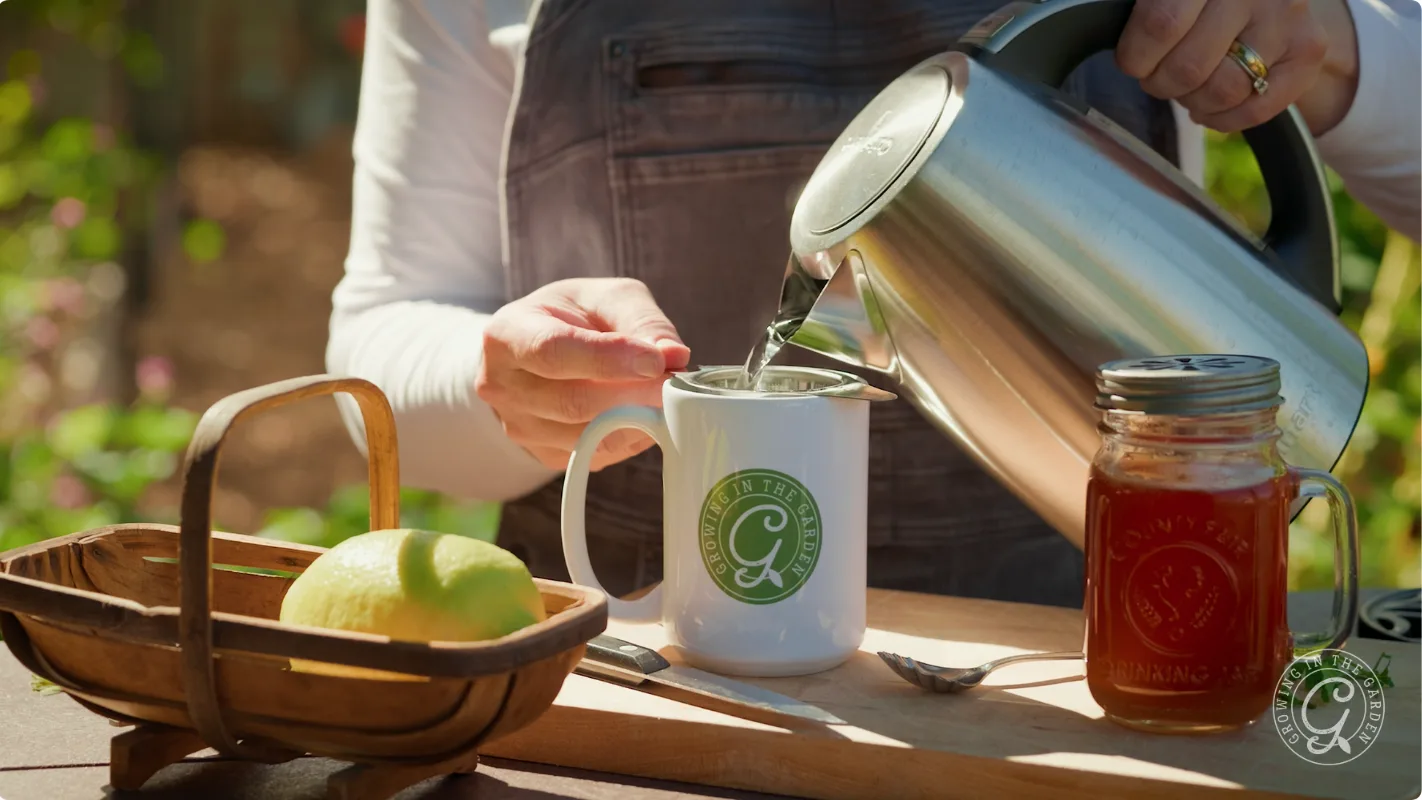
- Make herbal tea. Steep fresh or dried leaves in hot water for a fragrant, lemony drink. This video goes into more depth on growing your own herbal tea garden.
- Flavor baked goods. Add dried, crumbled leaves to banana bread, carrot cake, or other recipes.
- Infuse simple syrup. Use the syrup to flavor drinks and desserts.
- Make culinary infusions. Add lemon verbena to cream, milk, or sugar to bring its flavor into recipes.
- Add flavor to rice. Use finely chopped leaves sparingly for a fresh citrus note.
- Flavor marinades. Add whole sprigs while the marinade develops.
- Preserve leaves. Dehydrate or freeze-dry them for later use.
Lemon verbena leaves can be tough, especially as they mature. If you’re using whole leaves or sprigs to flavor a dish, remove them before serving.
Lemon verbena in flower arrangements
Lemon verbena’s scented foliage is a lovely addition to simple garden arrangements. If you enjoy growing flowers for bouquets, consider adding a few herbs for interesting foliage and fragrance.
Is Lemon Verbena Worth Growing in a Hot Climate?
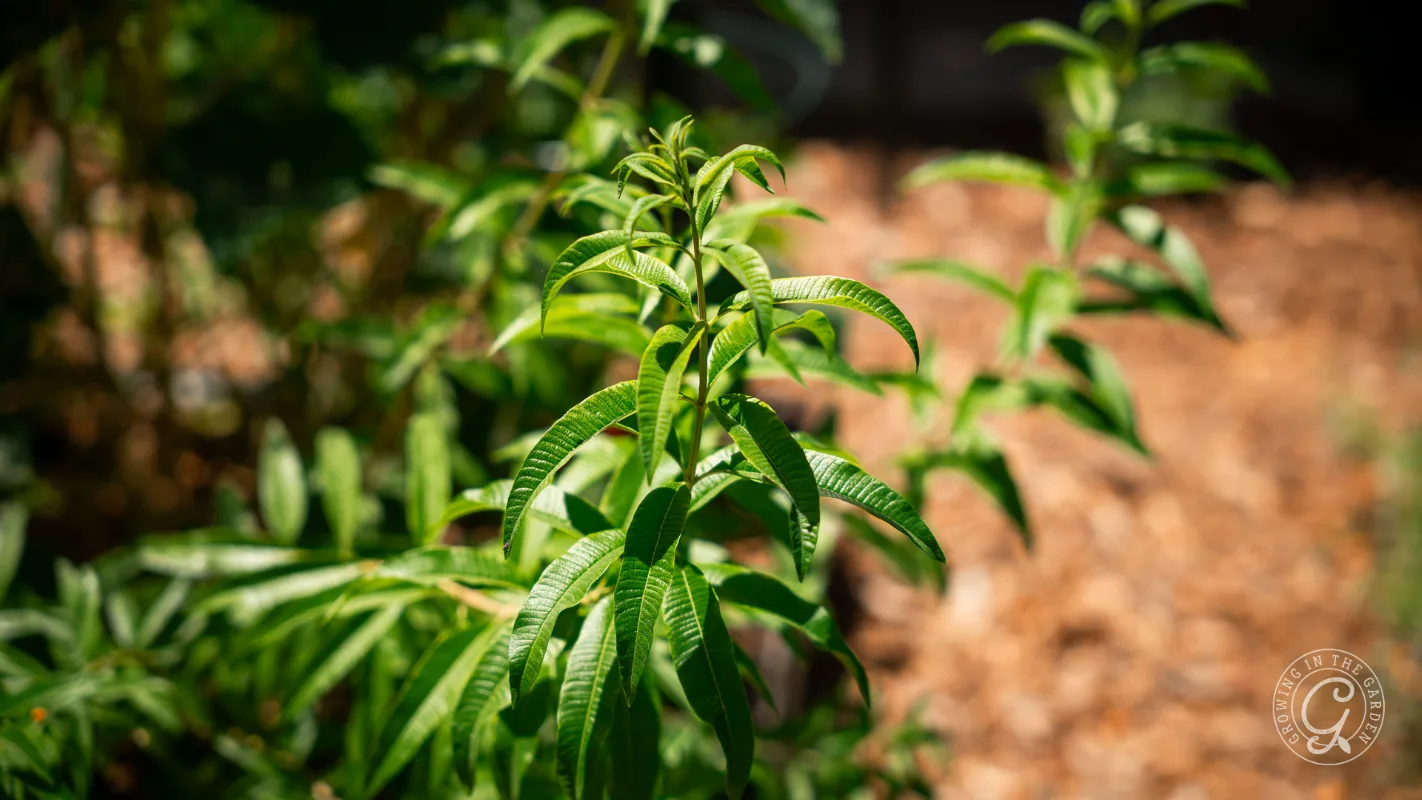
For me, the answer is yes. Its wonderful fragrance, flavorful leaves, and versatility make it worth planting, even if our summer heat eventually takes it out. Give it a good start during mild weather, protect it from intense afternoon sun, and harvest the leaves while it’s growing well.
If it survives summer and comes back for another season, that’s a bonus. If not, there’s always another planting season ahead.
Frequently Asked Questions About Growing Lemon Verbena
Not in mild climates. In the low desert, summer heat is the challenge. Plant in spring, give it afternoon shade, and keep the soil evenly moist. I treat it as a short-lived plant here.
In mild climates, it’s a perennial shrub that comes back each year. In my Arizona garden, summer heat often kills it, so I treat it more like an annual. If it drops its leaves in winter, wait for spring growth before cutting it back.
In the low desert, plant it where it gets morning sun and afternoon shade, away from reflected heat off walls and pavement. Give it well-draining soil, or plant it in a container you can move.
No. Lemon verbena grows as a woody shrub and doesn’t spread by runners the way mint does.
Dropping leaves in cold weather is normal. In warm weather, leaf drop usually means heat stress, dry soil, overwatering, or pests like spider mites.



Leave a comment on How to Grow Lemon Verbena