
How to Grow Nasturtiums in Arizona and Hot Climates
Nasturtiums are one of the easiest flowers I grow in my Mesa garden. I direct sow the big seeds in fall, water them, and by late February they’re spilling over the edges of my beds and pots in orange, red, and yellow.
In the low desert, they grow on a different schedule than most guides describe. Nasturtiums are a cool-season flower here. I plant them in fall, enjoy them through winter and spring, and the heat ends them by May.
Below is what I’ve learned from years of growing them: when to plant, how much room one plant takes, the varieties I grow, and why rich soil can leave you with a bed full of leaves and almost no flowers.
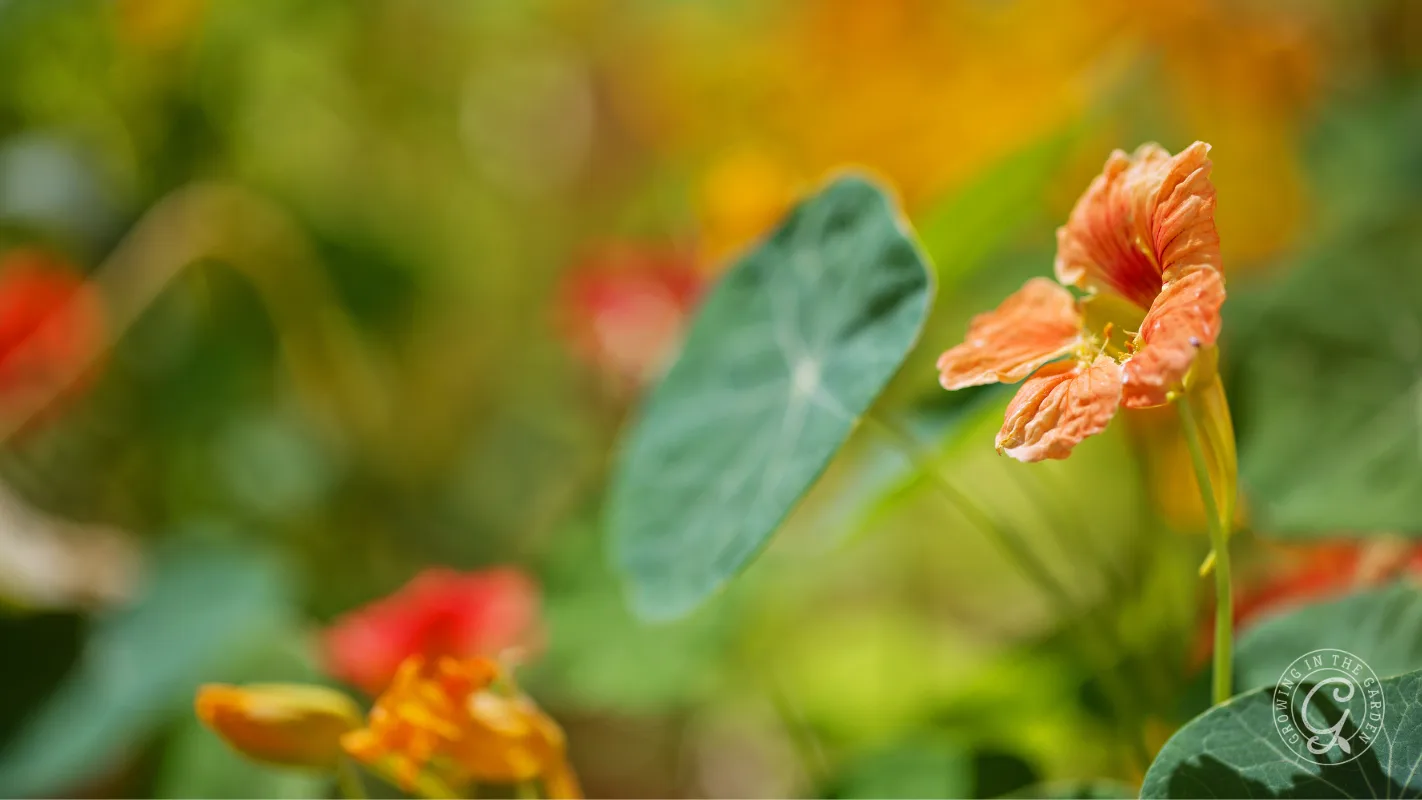
Key Takeaways: How to Grow Nasturtiums
- Nasturtiums thrive in the low desert when planted from October to January, adapting well to the climate.
- Direct sow seeds 1/2 to 1 inch deep, ensuring you keep the soil moist until sprouting within 7 to 14 days.
- Plant one nasturtium per square foot in a garden, using trailing types at edges to maximize space.
- Nasturtiums prefer lean soil and full sun, but less sun extends their blooming period into early summer.
- All parts of nasturtiums are edible; they add flavor and color to salads and can be pickled for a zesty treat.
What We Will Cover:
- When to Plant Nasturtiums
- How Many Nasturtiums Per Square Foot?
- Where to Plant Nasturtiums in a Hot Garden
- The Nasturtium Varieties I Grow
- Why My Nasturtiums Grew Leaves but No Flowers
- What Happens to Nasturtiums When the Heat Hits
- How I Use Nasturtiums as a Companion Plant
- Eating Nasturtiums From the Garden
- Saving Nasturtium Seeds
- More Cool-Season Flowers to Plant Now
- How to Grow Nasturtiums FAQs
When to Plant Nasturtiums
When I plant nasturtiums in the low desert
In the low desert of Arizona, plant nasturtiums from October through January. I try to get most of mine in during October and November, so they’re big enough to bloom heavily by late February.
Seeds planted in January still grow and bloom. They have less time before the heat arrives, so you get a shorter show.
Nasturtiums go in alongside a lot of other cool-season crops. See what to plant in the Arizona garden in October for the full list.
When to plant nasturtiums in colder climates
Where you get a real winter, nasturtiums are a spring and summer flower. Direct sow seeds around your last frost date, or start them indoors four to six weeks before your last frost. They bloom until summer heat or fall frost stops them.
How I plant nasturtium seeds
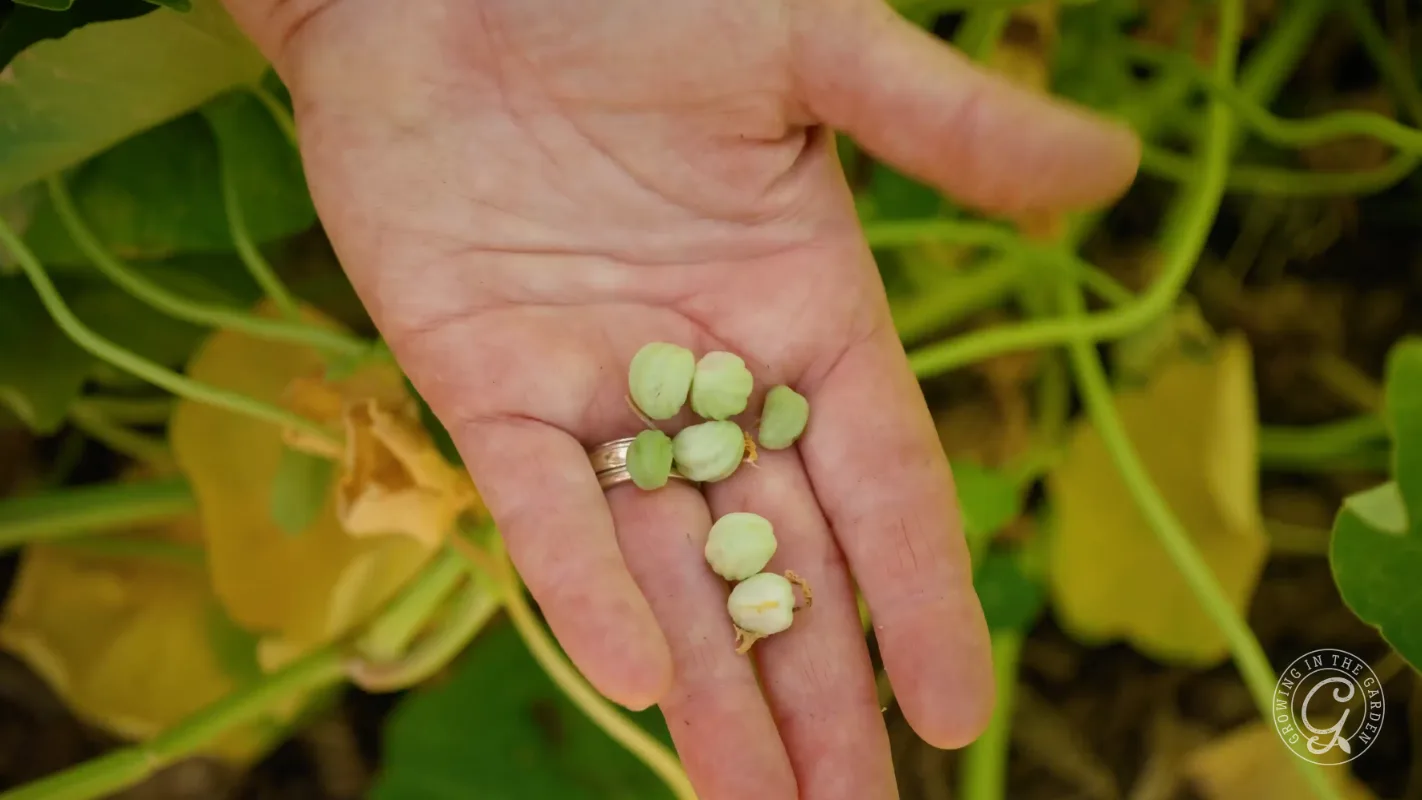
I always direct sow nasturtiums. I’ve never soaked the seeds first, and they come up fine.
Plant seeds 1/2 to 1 inch deep and keep the soil moist until they sprout, usually in 7 to 14 days. The seeds are large and easy to handle, so this is a good job for kids.
Nasturtiums don’t like their roots disturbed, which is one more reason I sow them right where they’ll grow. If you start them indoors in a cold climate, use small pots and set the whole root ball in the ground without breaking it apart.
If you’re new to sowing in the garden, here’s how to plant seeds outside.

How Many Nasturtiums Per Square Foot?
In a square foot garden, plant one nasturtium per square. Where you put that square matters more than the number.
I plant nasturtiums on a corner or the end of a raised bed so they can trail over the side. Planted in the middle of a bed, one nasturtium easily spreads across two or three squares. Given a few months, it can take over the whole bed.
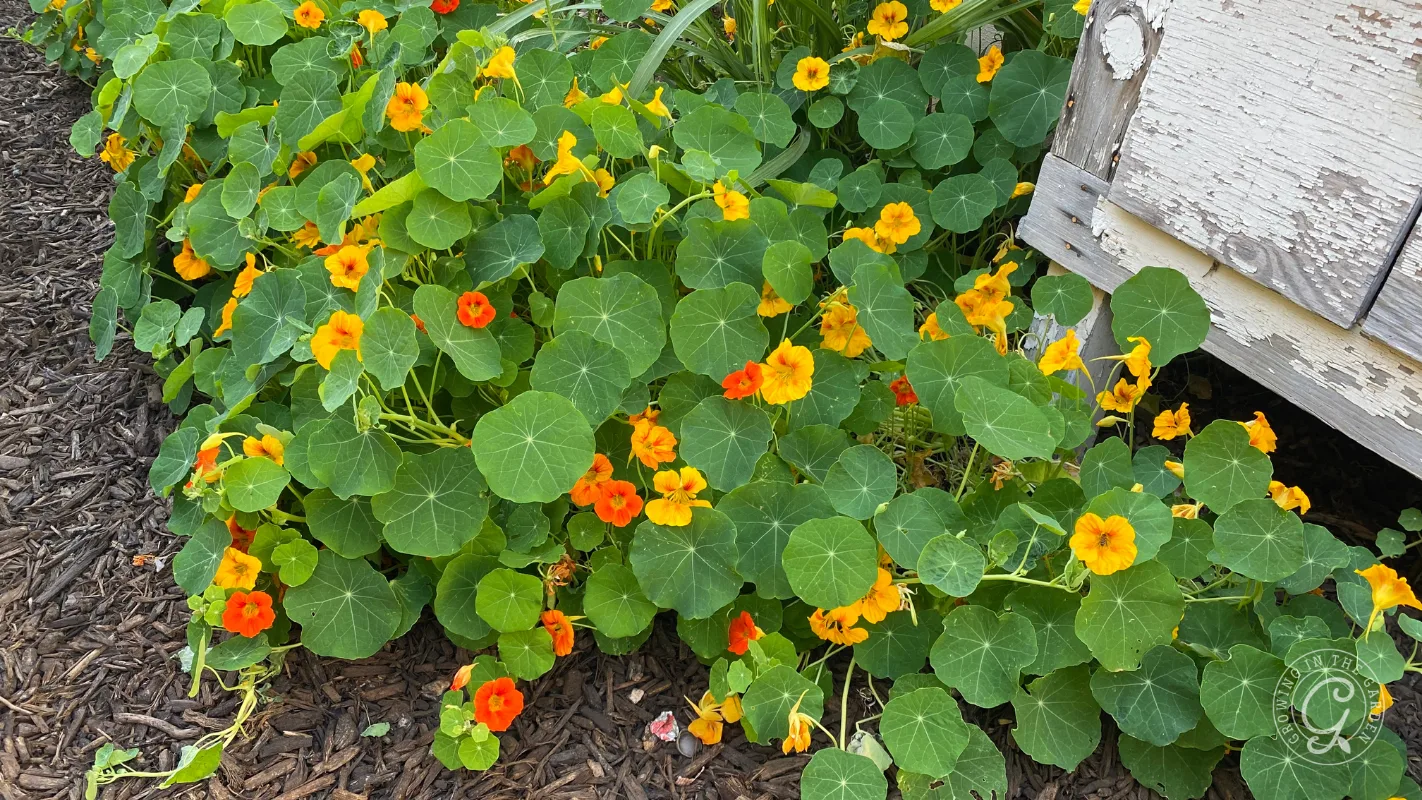
Dwarf types stay more compact and fit a single square better. Trailing and climbing types are the ones that sprawl, so give them an edge to spill over.
Outside a square foot garden, space plants about a foot apart. For other crops, see my guide to plant spacing in square foot gardens.
Where to Plant Nasturtiums in a Hot Garden
Nasturtiums want well-drained soil, regular water while they’re getting established, and plenty of winter sun. Winter sun in the low desert is gentle, so full sun works well from fall through early spring.
Location starts to matter as spring warms up. My nasturtiums in spots with less sun last a couple of weeks longer than the ones in full sun.
These are the places I grow them:
- At the edges of containers, where they trail over the sides. I planted several pots this way this year.
- Along the edge of my side yard, where they’ve come back from dropped seed for years.
- In the ground where my chicken coop used to be. That spot fills in lush and full, and I love the color it adds to the garden.
- On the corners and ends of raised beds.
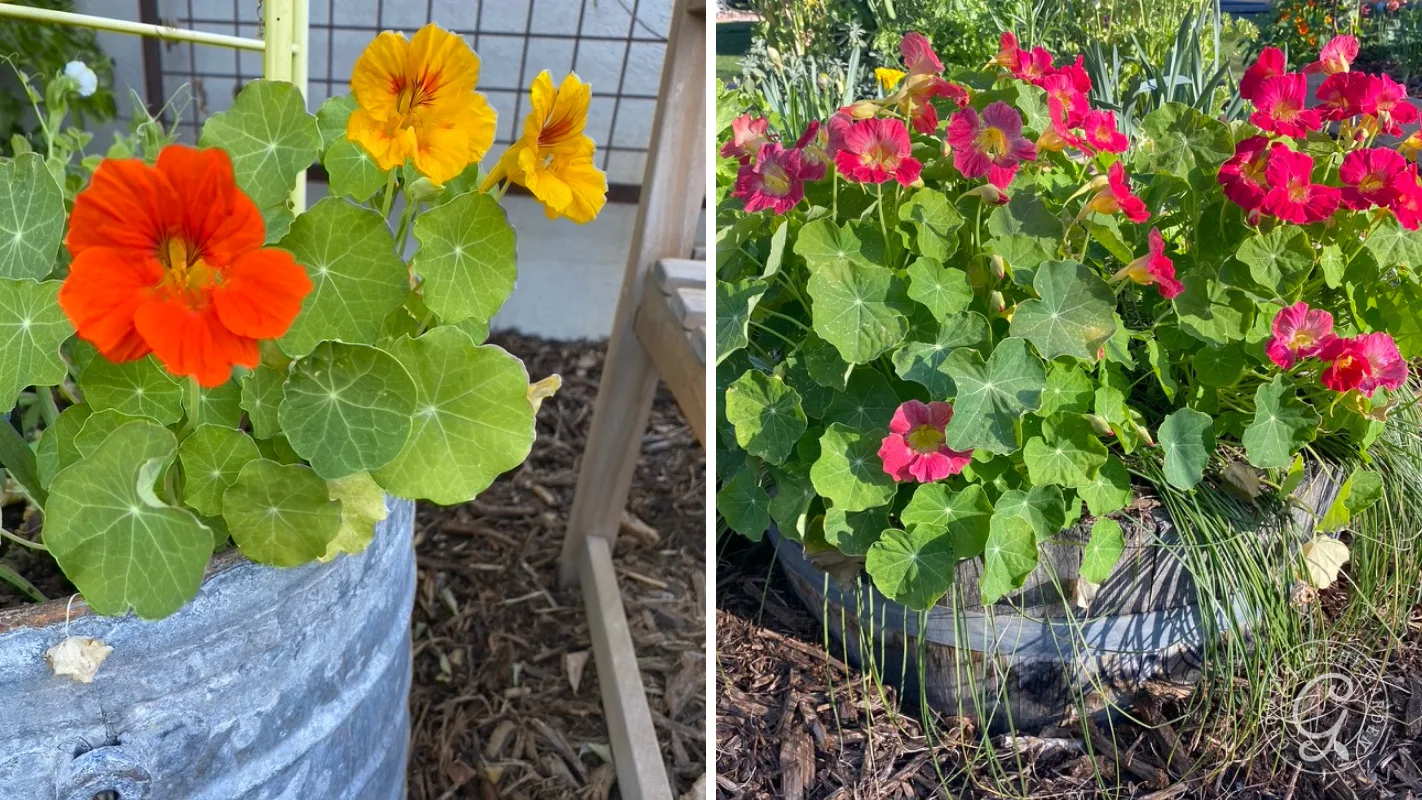
If you’re adding them to pots, these tips for planting pots and container gardens will help.
The Nasturtium Varieties I Grow
Nasturtiums come in two main growth habits. Dwarf or bush types form mounds and fit small spaces and pots. Trailing and climbing types send out long stems that spill over edges, cover bare ground, or climb a trellis with a little help.
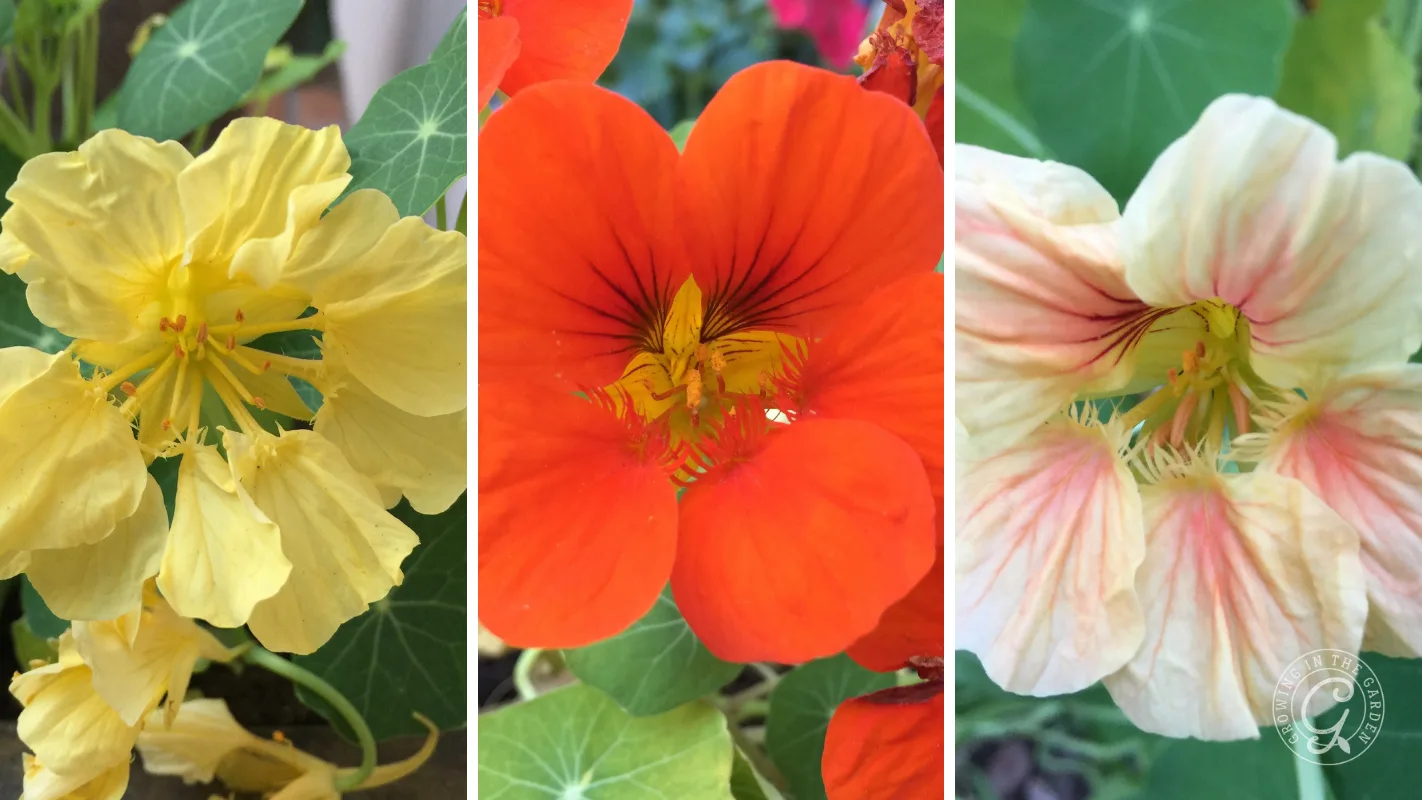
I’ve grown all of these from Renee’s Garden, and I like every one of them:
- Little Firebirds, bred for containers
- Alaska Mix, with marbled green and cream leaves
- Buttercream
- Empress of India, with dark leaves and deep red flowers
- Climbing Moonlight
- Climbing Spitfire
- Climbing Phoenix
For a pot or the corner of a raised bed, start with Little Firebirds, Alaska Mix, or Empress of India. For a fence or trellis, pick one of the climbing varieties.
If you like climbing nasturtiums, their cousin is worth a spot too. Here’s how to grow canary creeper vine.
Why My Nasturtiums Grew Leaves but No Flowers
Nasturtiums bloom best in lean soil. I learned this by comparing photos of the same spot in my yard two years apart. After I’d worked in a lot of compost, the plants grew huge leaves and very few flowers.
Skip the fertilizer for nasturtiums, and don’t give them your richest bed. Save your compost for the vegetables that need it.
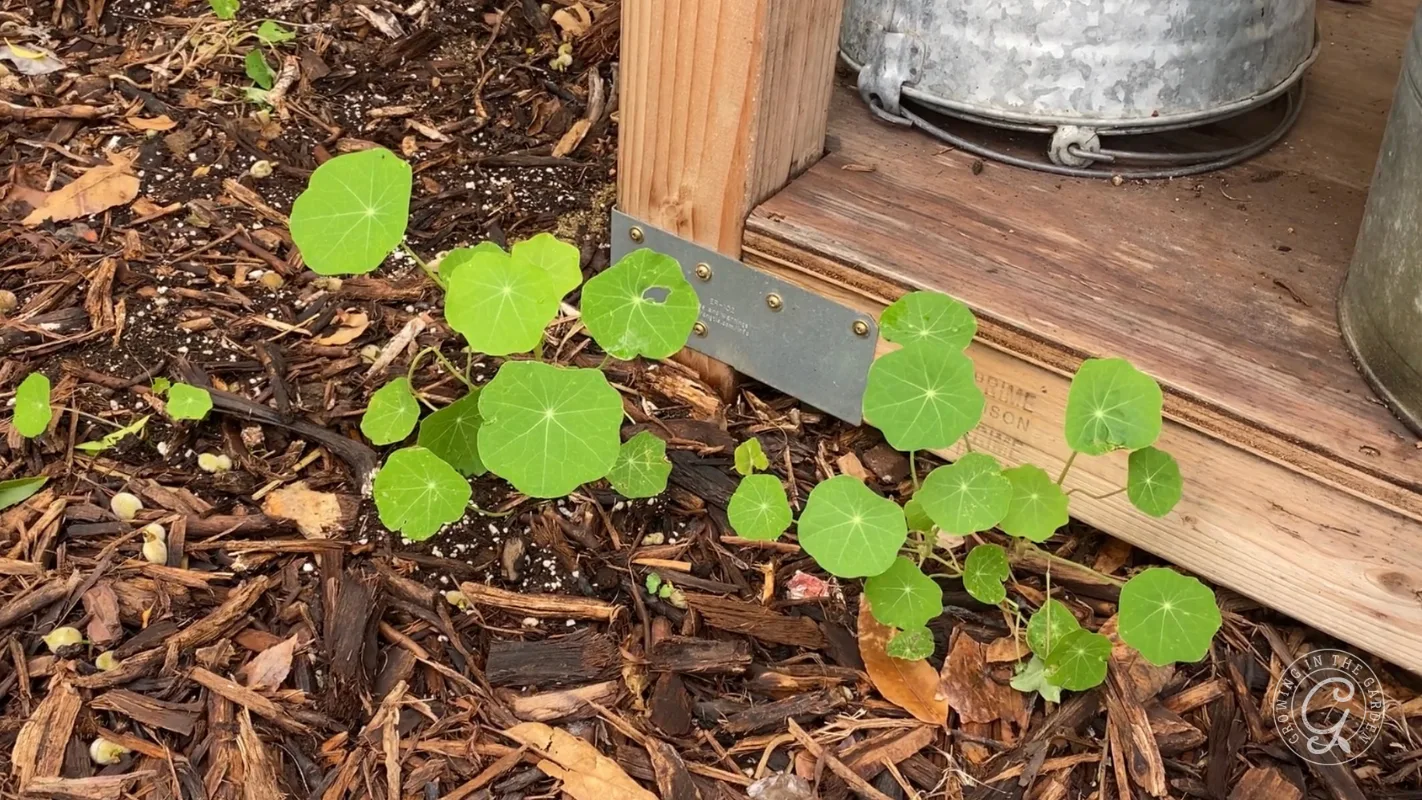
Deadheading spent flowers keeps more blooms coming. My plants hit their peak in late February and March, right when the rest of the garden needs attention too. Here’s what else to do in the Arizona garden in February.
What Happens to Nasturtiums When the Heat Hits
Heat ends nasturtium season in the low desert. Mine peak in late February and March. By the end of April many of them are done, and by May almost all of them are.
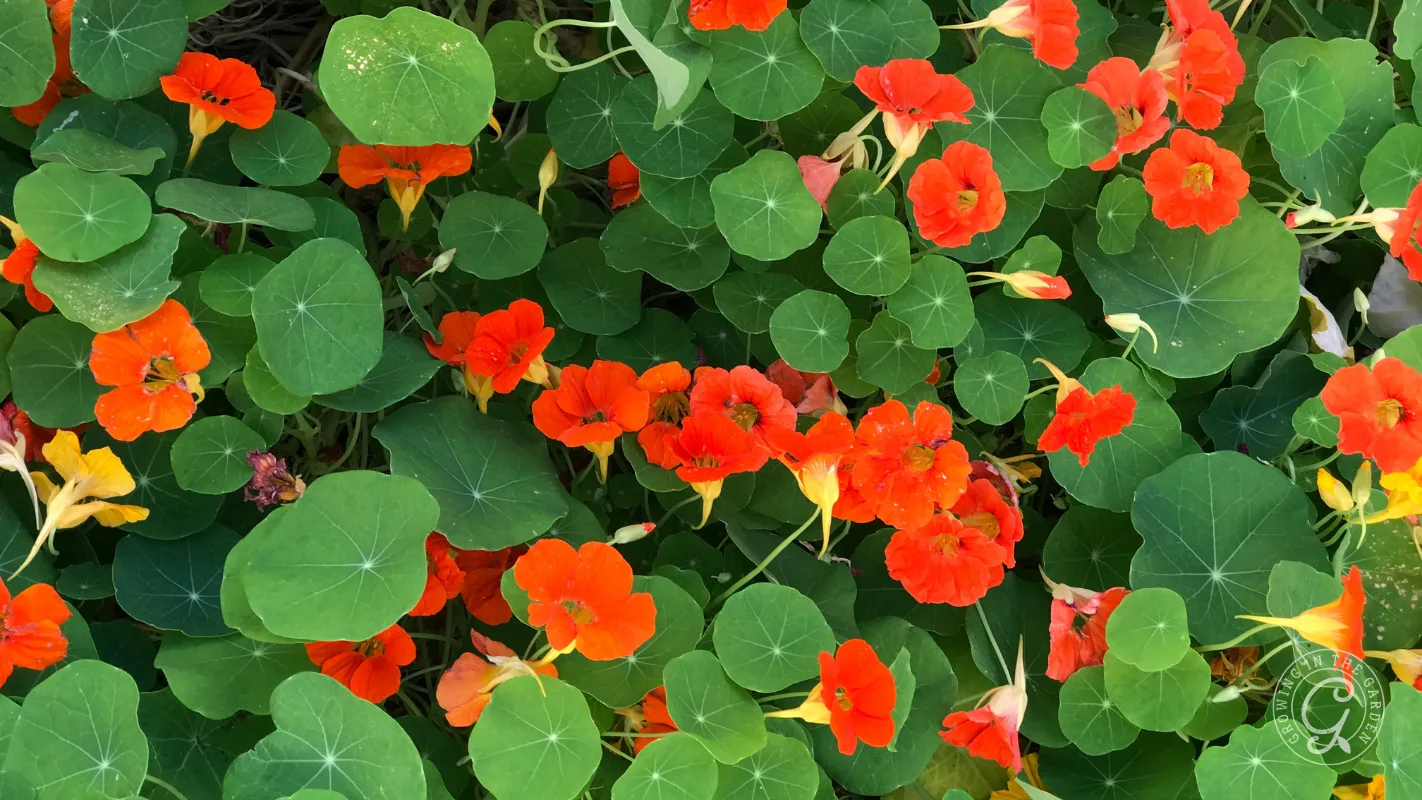
The plants with less sun hang on a couple of weeks longer. Afternoon shade can stretch the season (here’s how to create shade in the garden), but I’ve never had a nasturtium make it through summer.
They leave something behind, though. As the plants finish, they drop seeds, and new seedlings pop up on their own. Extra nasturtium seedlings are often the only weeds I pull.
Do nasturtiums survive frost?
Nasturtiums are frost-tender. When frost is in the forecast, I cover mine with frost cloth, and covered plants have made it through. Uncovered, they die. Check what to cover in a freeze before the next cold night.
How I Use Nasturtiums as a Companion Plant
Nasturtiums are a common companion plant in vegetable gardens. They may help deter some pests, such as squash bugs and cucumber beetles, and they can act as a trap crop that draws pests away from your vegetables. If squash bugs are a problem for you, read my guide to squash bug prevention and organic control.
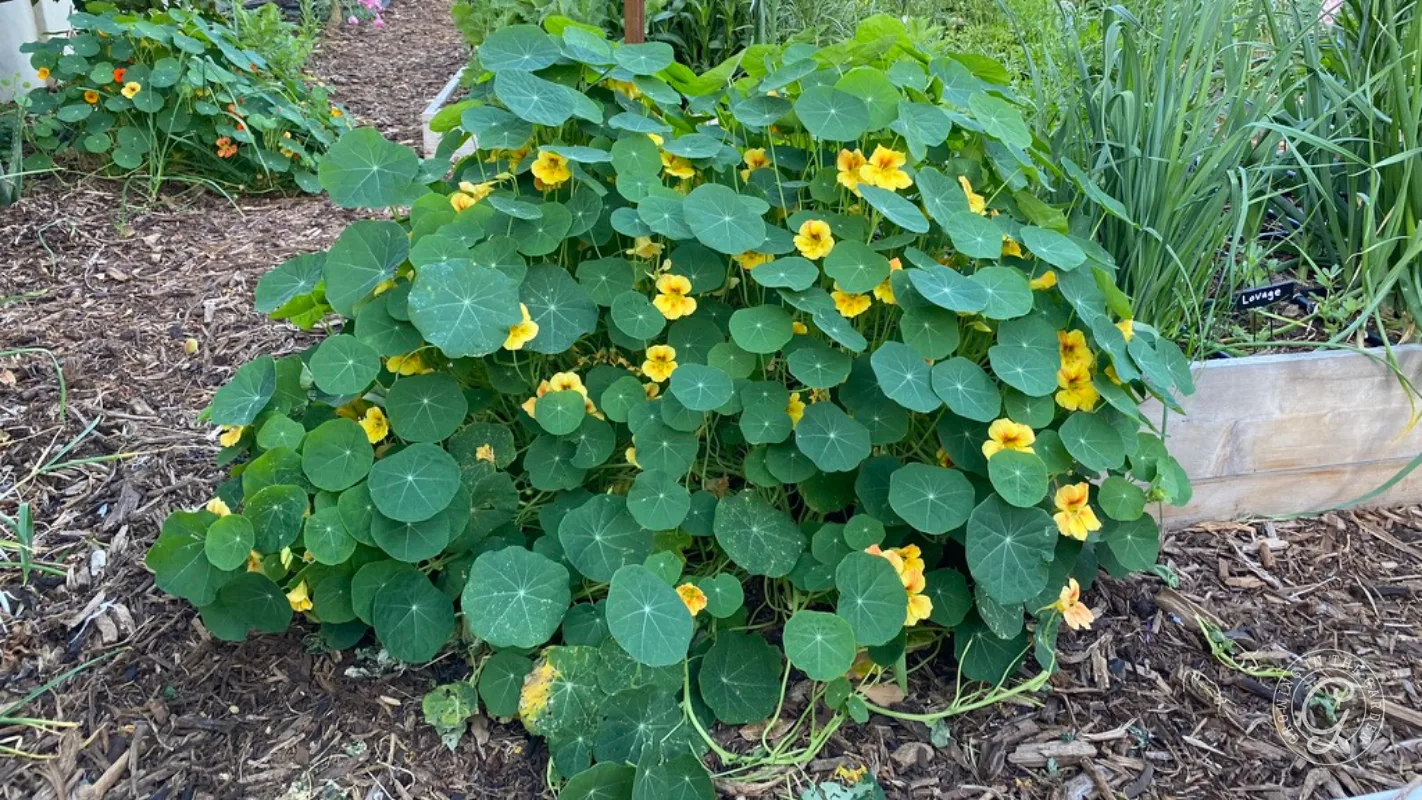
Aphids do find my nasturtiums sometimes. I don’t do anything about it. The plants keep blooming, and the heat ends the season anyway. If aphids are hitting crops you care about more, here’s how to get rid of aphids.
Nasturtiums fill gaps and add color to the vegetable garden. For more plants that pair well in winter beds, see these easy cool-season companion plants.
Eating Nasturtiums From the Garden
The flowers, leaves, and stems are all edible, with a peppery bite similar to watercress. I eat them in salads. The flowers add color and the leaves add flavor.
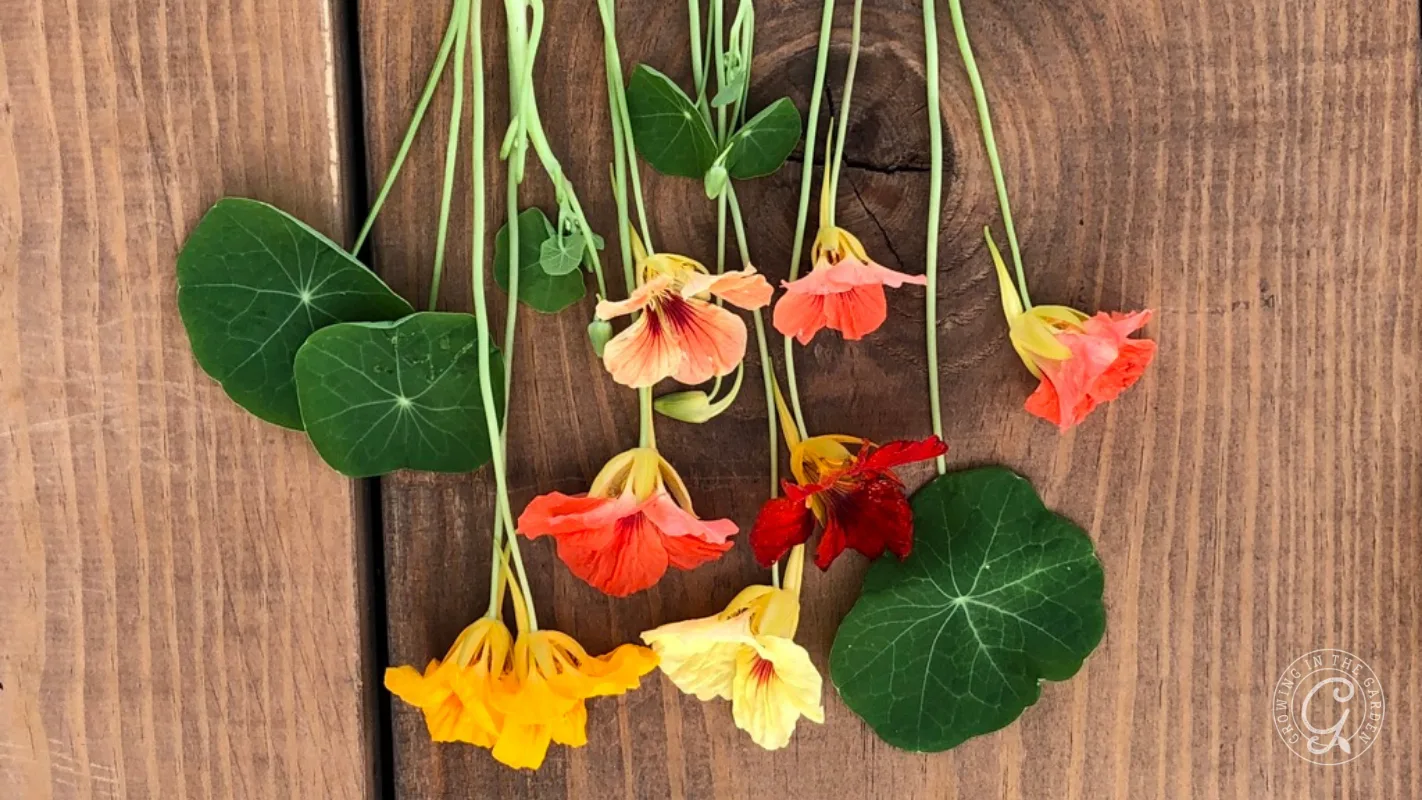
The green seed pods are edible too. Pickled, they’re often called poor man’s capers. I haven’t pickled them myself, but my friend Jacq from Epic Yard Farm makes them.
For more flowers you can grow and eat, see my guide to growing and using edible flowers.
Saving Nasturtium Seeds
Nasturtium seeds are big and easy to collect, which makes them a good first seed to save. At the end of the season, I pay my kids a penny a seed to pick them up. That deal works best when they’re pretty young.
Collect seeds once they’ve dried on the plant or dropped to the ground, let them dry completely indoors, and store them somewhere cool and dry. I keep mine in the freezer.
Any seeds you miss will likely come back as volunteers. Learn more about how to save seeds from your garden.
More Cool-Season Flowers to Plant Now
Nasturtiums are only one of the flowers I start from seed in fall. For more options, see these easy cool-season flowers to plant from seed.
If you want help keeping track of what to plant each month, nasturtiums are on the October, November, December, and January planting lists in my Grow Smarter in the Low Desert Garden Planner & Journal. Each month has a planting list, a task list, and room to note what worked in your own garden.

The Perpetual Annual Flower Planting Calendar, available in my shop, helps you learn when to plant flowers in the low desert of Arizona and whether to plant seeds or transplants.
How to Grow Nasturtiums FAQs
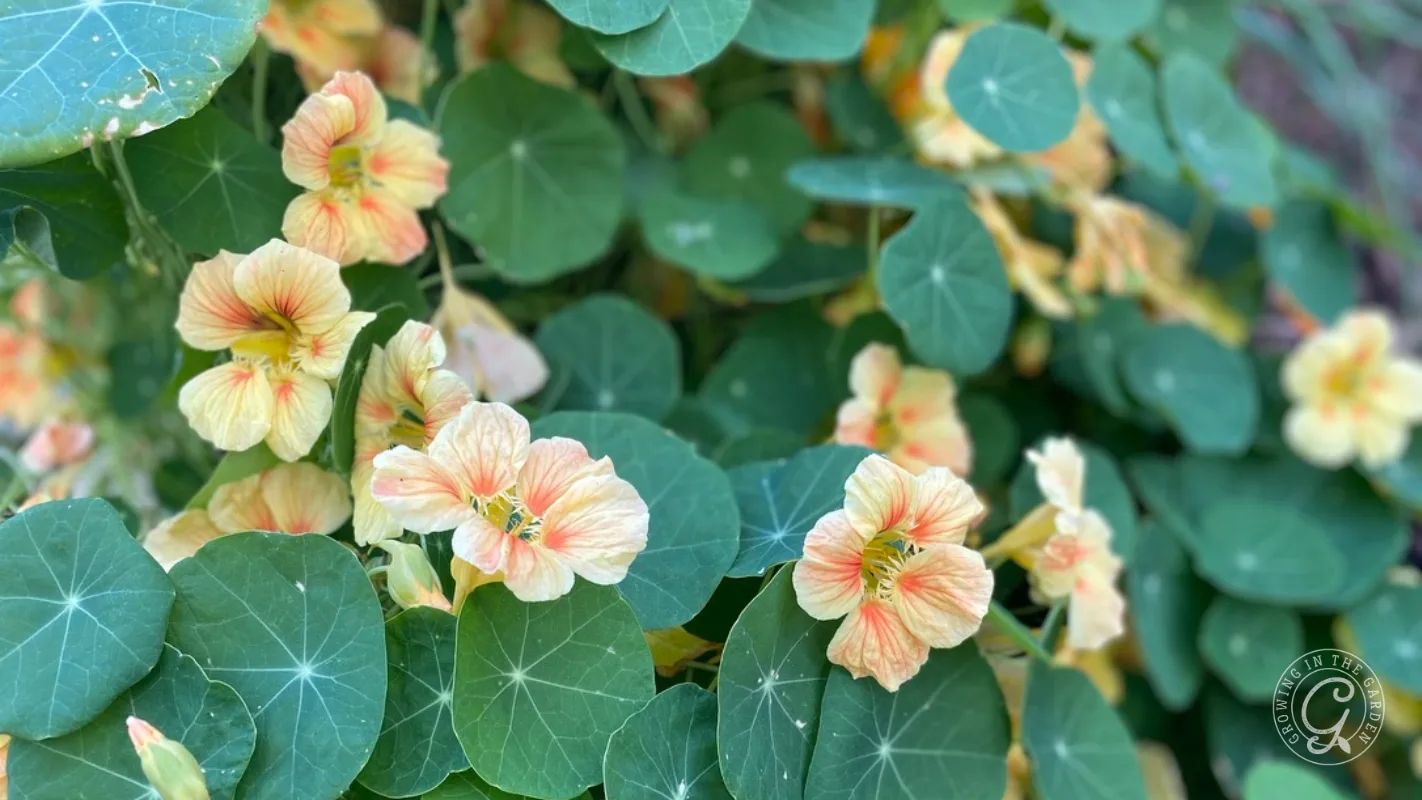
Nasturtiums are usually grown as annuals. In the low desert, summer heat kills the plants by May. They reseed easily, though, and in my garden dropped seeds come back as new plants year after year.
Usually 7 to 14 days in moist soil. I plant mine 1/2 to 1 inch deep and don’t soak them first.
In cool weather, full sun gives you the most flowers. In hot climates, plants with some shade in spring last a couple of weeks longer than plants in full sun.
In the low desert, nasturtiums planted in fall bloom from late winter through spring, with the peak in late February and March. In colder climates, they bloom from summer until frost.
You can, but their roots don’t like being disturbed. I direct sow every time. If you start seeds indoors, use small pots and plant the whole root ball without breaking it apart.


Please Help!! I’ve had to cut A LOT of leaves off my nasturtiums. Will more leaves come in?? They’re all blooming now bit I’ve cut leaves.
It depends on how warm it is where you live. Nasturtiums don’t like the heat and will begin to die back once temperatures climb.
Can you grow nasturtiums in hanging baskets?
Sure! That would be beautiful.
Is watercress in the same family as nasturtiums?