
How to Grow Canary Creeper Vine
Canary creeper is a fun vine to grow from seed. The flowers are bright yellow and deeply fringed, shaped like a little bird with its wings open, which is how it got its name. It climbs fast, spreads to cover a trellis or fence, and the bees in my garden love it.
In the low desert, canary creeper is a cool-season vine. Plenty of seed packets list it as a summer bloomer, and in milder climates, that’s true. In our heat, it grows best through a mild winter and a long spring, and it hangs on into early summer before the heat ends it. It’s a cousin of nasturtiums, and happiest in lean soil and cooler weather.
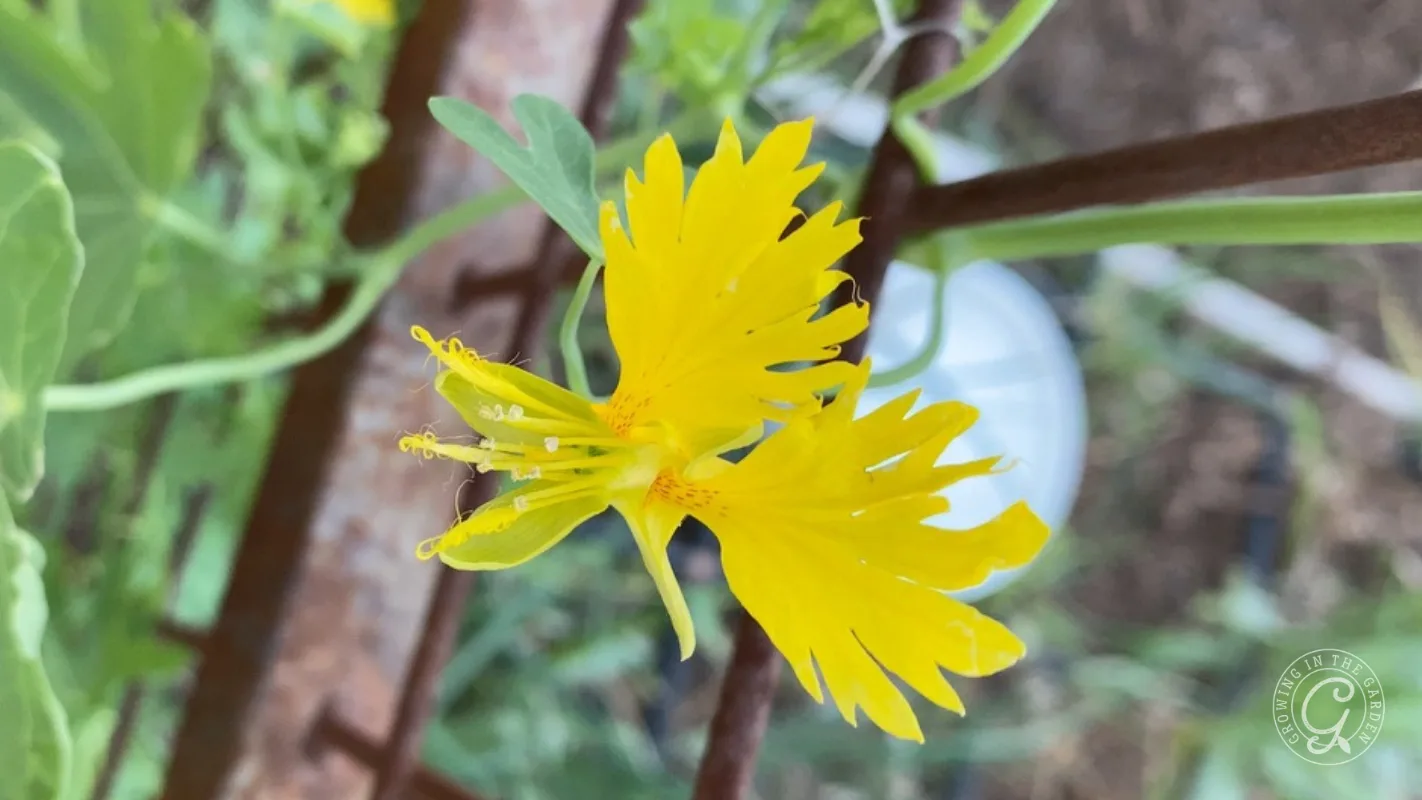
Key Takeaways: How to Grow Canary Creeper Vine
- Canary creeper is a fast-growing, frost-sensitive vine with bright yellow flowers, ideal for cool-season planting.
- You can plant canary creeper in fall or late winter for optimal growth before the summer heat arrives.
- To germinate seeds, soak them overnight and plant them in darkness, keeping the soil moist for 7-14 days until they sprout.
- Plant in a location with morning sun and a support structure for climbing; avoid overly rich soil to encourage blooming.
- Check for pests like aphids and protect plants from heat and frost to ensure a successful growth season.
When to Plant Canary Creeper in the Low Desert
You can plant in the fall and let it grow through the winter, or start it in late winter for a spring show. Either way, the goal is to give it as much cool weather as possible before summer arrives. A mild winter or a long, slow spring is when it looks its best. When it gets hot, the vine starts to struggle. Use my low-desert vine planting guide to see the planting details for other vines.
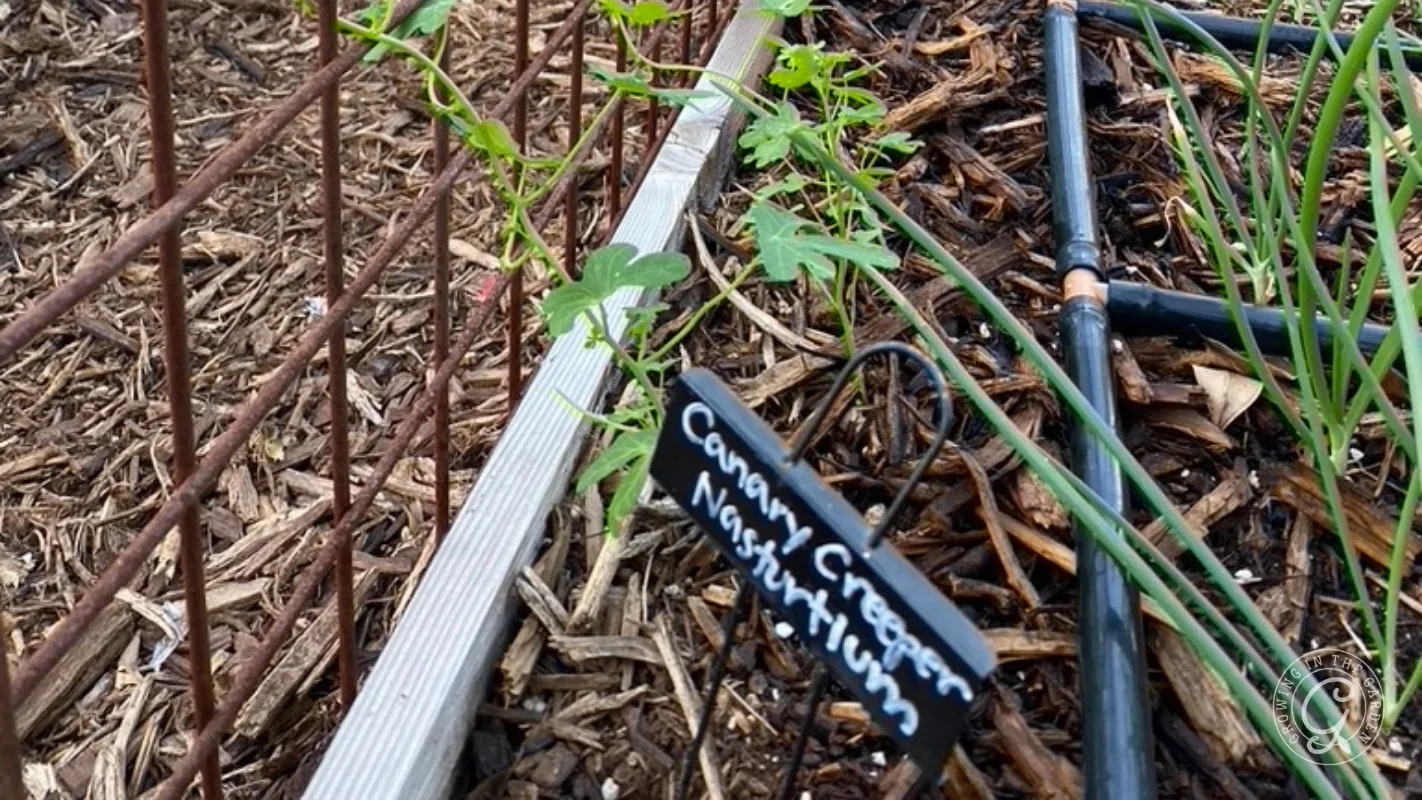
Canary creeper is frost-sensitive, so a cold winter can kill it. Our winters have been trending warmer, but a hard cold snap is still the most likely thing to end it early. Cover it when a freeze is coming, or plant it in a warmer microclimate in your yard. Learn how to cover plants during a freeze to protect them. After a mild winter, it can keep going, and it may return the next year from the seed it drops.
Starting Canary Creeper From Seed
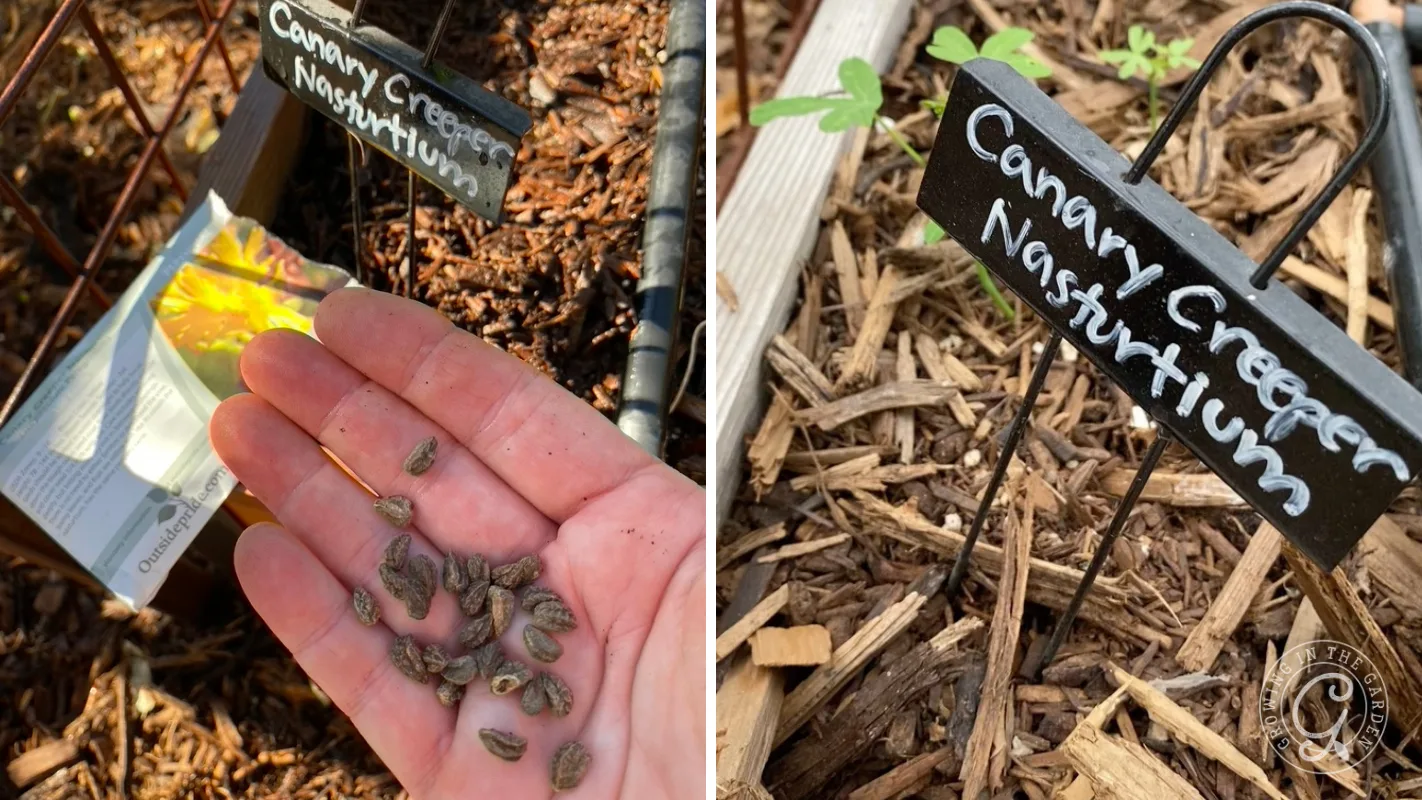
Growing it from seed is simple. Direct-sow them where you want the vine to grow, or start seeds indoors and move the seedlings out once they have several sets of leaves. Plant the seeds about a quarter to half an inch deep, spacing them three to four feet apart. Cover the seeds well, as they germinate best in darkness, and keep the soil consistently moist until seedlings emerge. Germination usually takes 7–14 days. Once the vines sprout, they grow quickly and begin climbing.
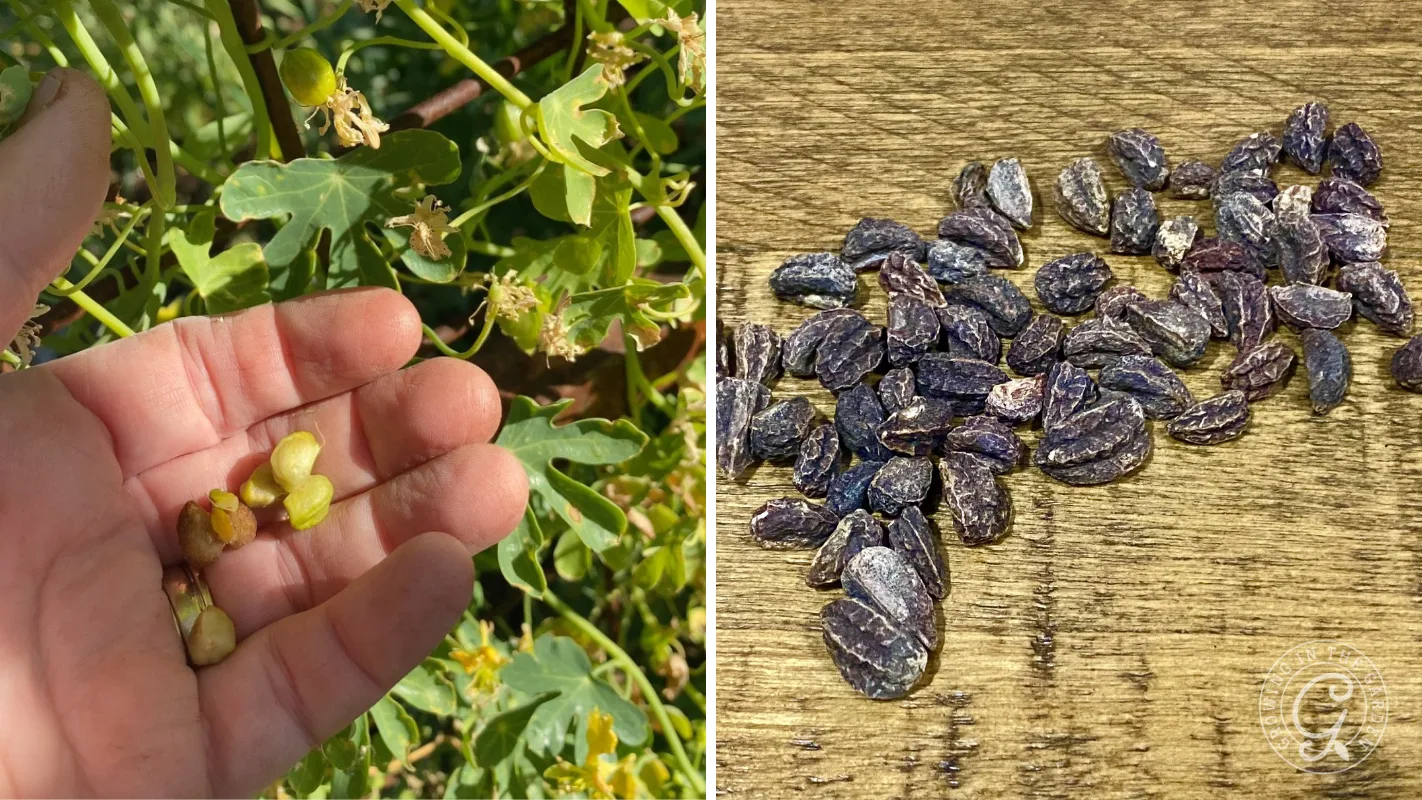
Saving your own seed is easy. The pods form and drop on their own, the same way they do on nasturtiums, so you can gather them off the vine or pick them up from the ground once they’ve dried. Keep them somewhere cool and dark, and you’ll have plenty to plant next season. Learn more about saving seeds.
Where to Plant it and What it Climbs
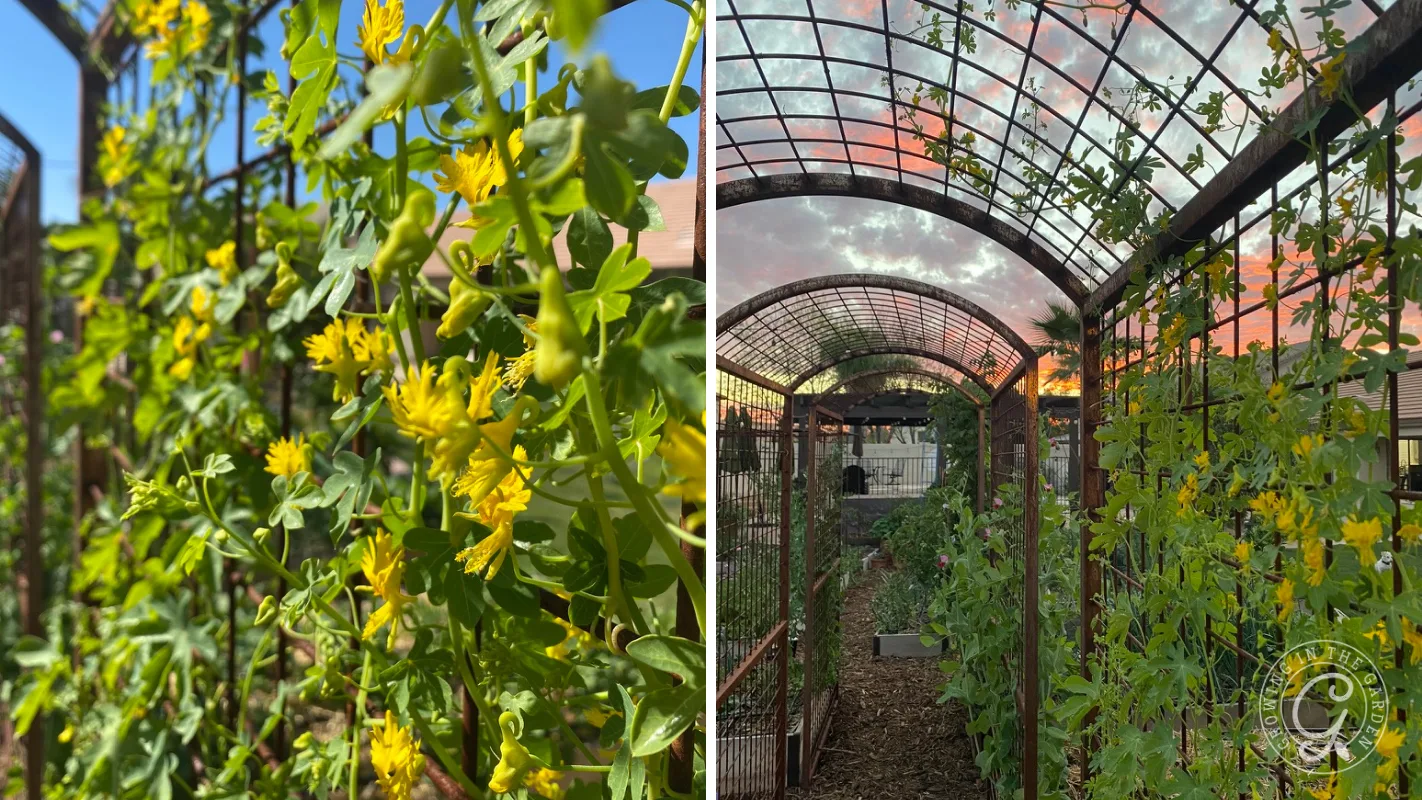
Morning light with some afternoon shade keeps it happier and blooming longer. To learn how to create shade read this guide.
It climbs by twining, so it needs something to grab onto. A trellis, a fence, a panel of netting, or even string all work. Learn how to add these and other vertical supports. Put the support in place before or right after planting so the vine has somewhere to go from the start. Here are other crops that love to climb if you’re trying to create a more vertical garden.
Caring for Canary Creeper As it Grows
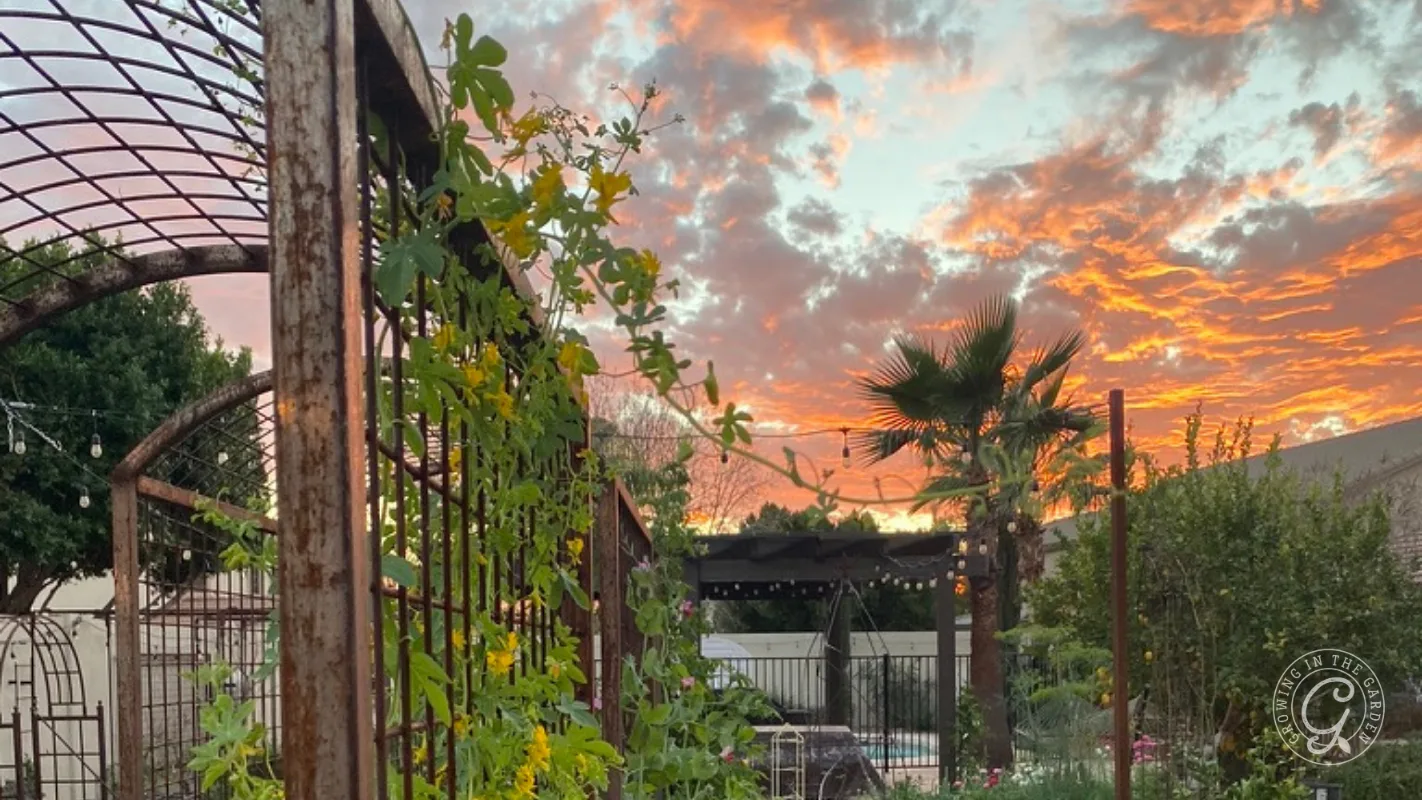
This vine doesn’t want rich soil. Too much nitrogen gives you a pile of leaves and very few flowers. Water regularly while it’s growing, and let the top of the soil dry out between waterings. A layer of mulch helps hold moisture and keeps the roots cooler as the days warm.
Once it’s established, canary creeper mostly looks after itself. Check on it as it climbs and guide the new growth onto the support if it wanders.
Problems to Watch For
The most common problem in the low desert is heat. Canary creeper grows into late spring and early summer, but once it turns hot the leaf edges start to singe. Not long after that, the vine dies. That’s normal here, and it’s the reason the cool-season timing matters so much.
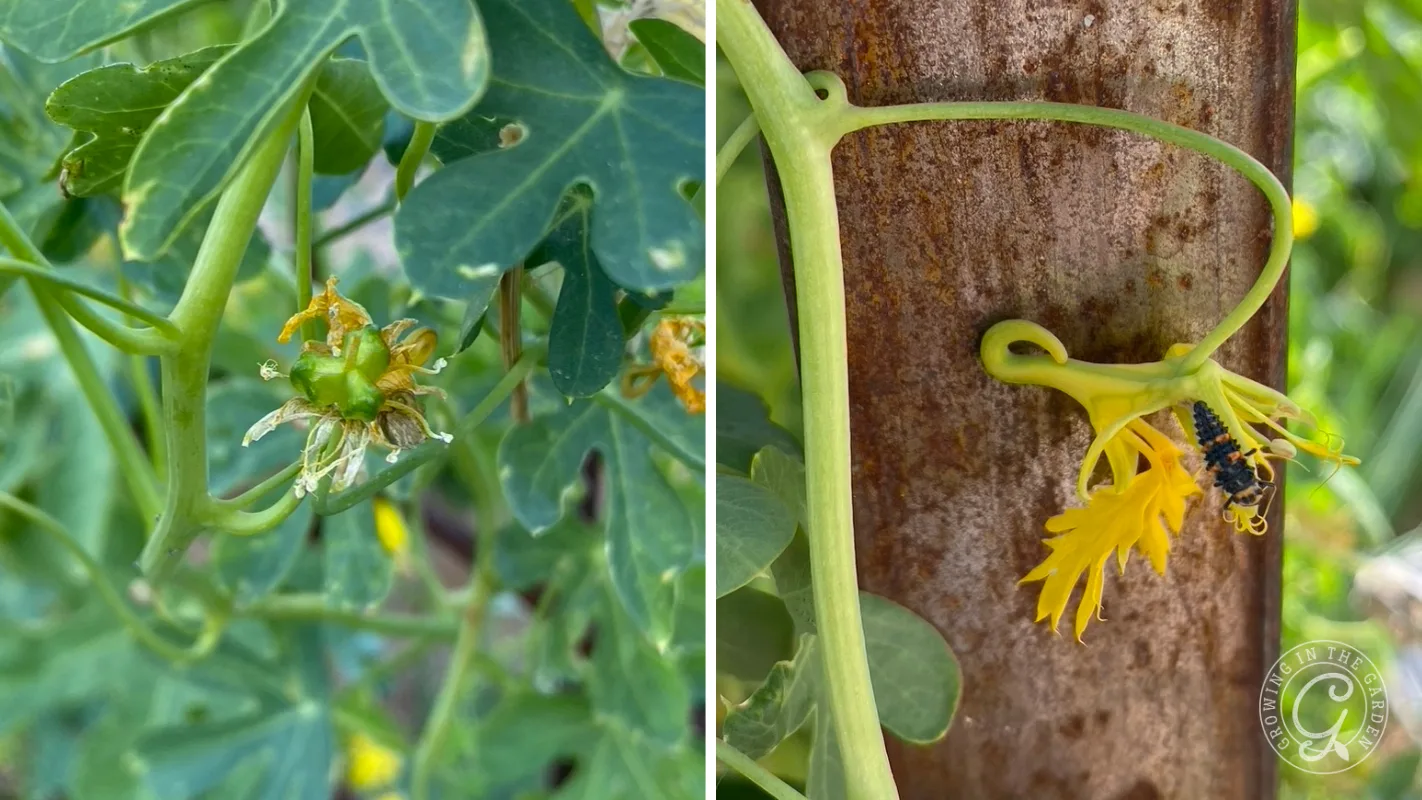
Aphids and caterpillars can turn up on the foliage, so check the undersides of the leaves if you notice chewing or curling. Allow beneficial insects to help you out with the aphids. In some yards, rabbits will go after the young plants, so protect seedlings if rabbits are a problem where you garden.
Is Canary Creeper Worth Growing?
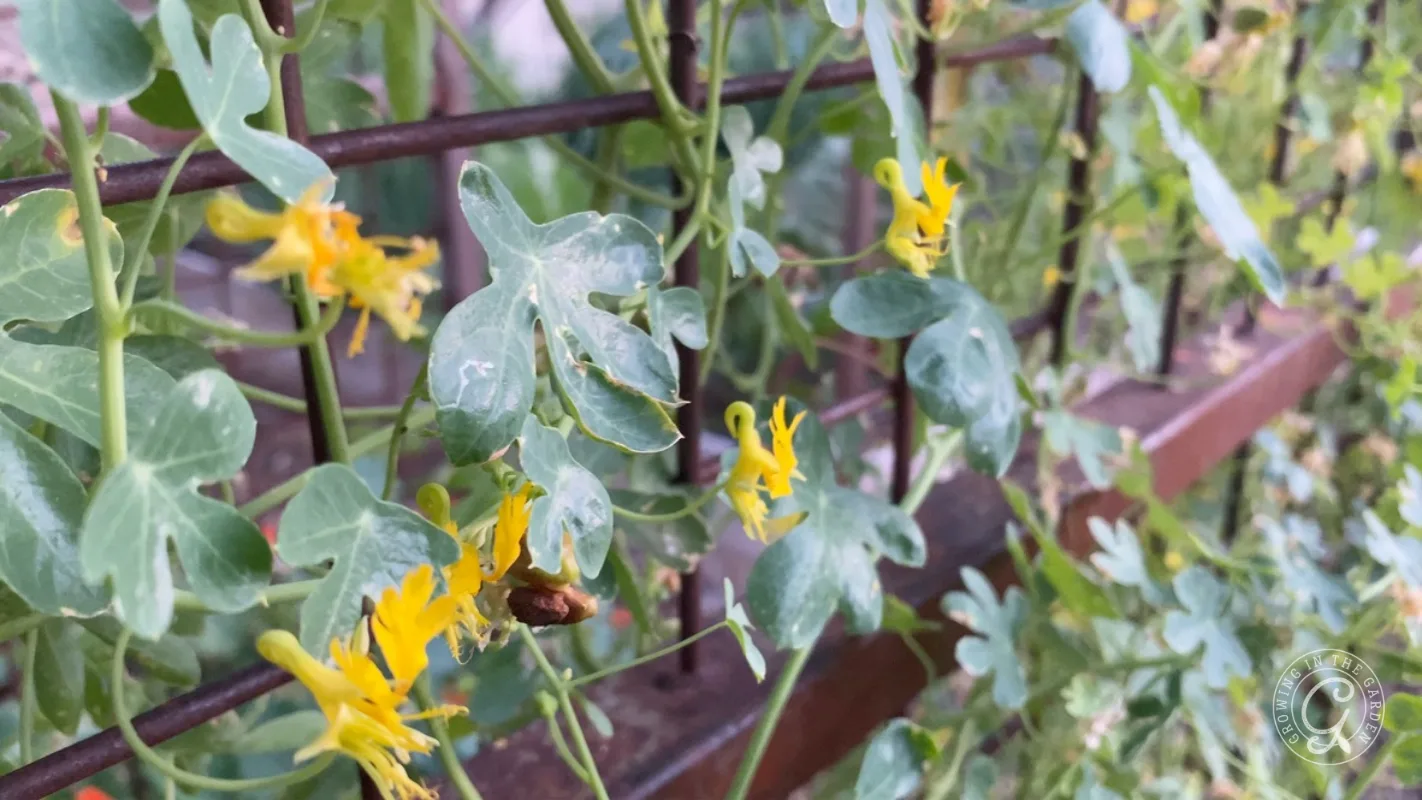
For me, it’s worth it in a year with a mild winter or a long spring. It’s an easy way to grow a vine from seed, the flowers are cheerful and a little unusual, and pollinators love it. Don’t count on this vine making it through a low desert summer. Plant it for the cool months, enjoy it while it lasts, and let it reseed if you can. If you like the idea of starting climbers this way, take a look at my other vines that grow from seed.
Canary Creeper Vine FAQs
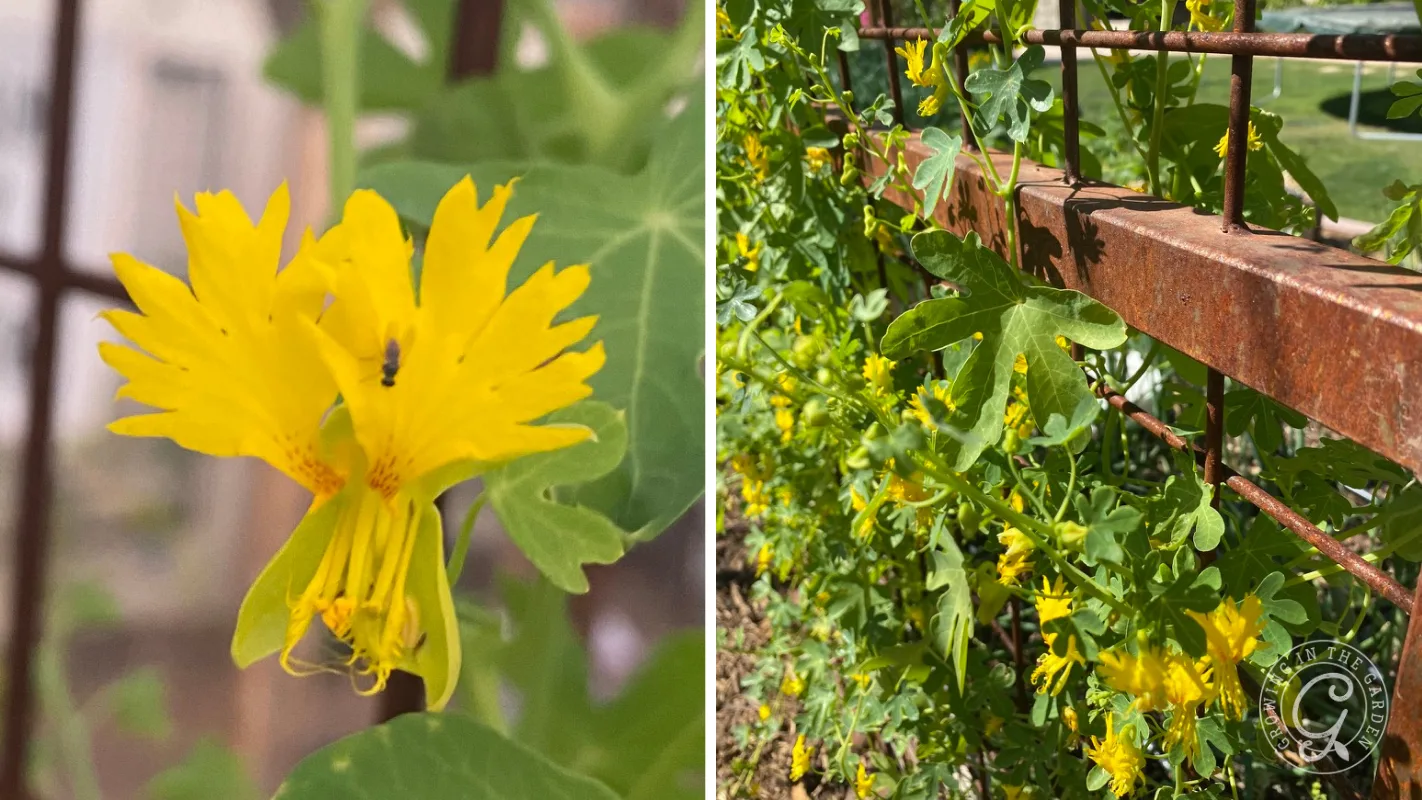
It’s a tender perennial that most gardeners grow as an annual. In the low desert, it can live through a mild winter and come back, but a hard freeze usually ends it.
After a mild winter, it often reseeds and returns on its own. The seeds are easy to save too, since the pods form and drop on their own. Collect a few each year so you’re covered if the winter runs cold.
Yes, in the cool season. Plant it in fall or late winter and enjoy it through spring. It won’t survive a low desert summer, so plan around the cooler months.
You can soak the seeds overnight to soften the hard coat, plant them about a quarter to half an inch deep, and keep them covered since they sprout in the dark. Germination takes about one to two weeks.
It’s related to nasturtiums, and like its cousins, the flowers and young leaves are edible, with a peppery, watercress-like taste.


Ok, I’ll give it a whirl…in Tucson so will see….
Thanks for the info.
It is mid February, is it too late to plant seeds?
Probably getting to the end of the planting window if you live in a hot summer climate. You could try it and see how it does.