
Ants in the Garden: When to Leave Them Alone and When to Act
If you’ve ever watched a line of ants march up your citrus tree and wondered whether you should do something about it, this post is for you. Ants in the garden are easy to blame because they’re so visible. I rarely treat for insects, and in the 15 years I’ve been gardening, I’ve treated for ants only a handful of times, when there were far too many of them. Most of the time, ants are just part of the garden. My friend Jean, who is finishing her doctoral studies in ecology with a focus on entomology, explains what those ants are doing, which Arizona ants are worth leaving alone, and when you do need to step in.
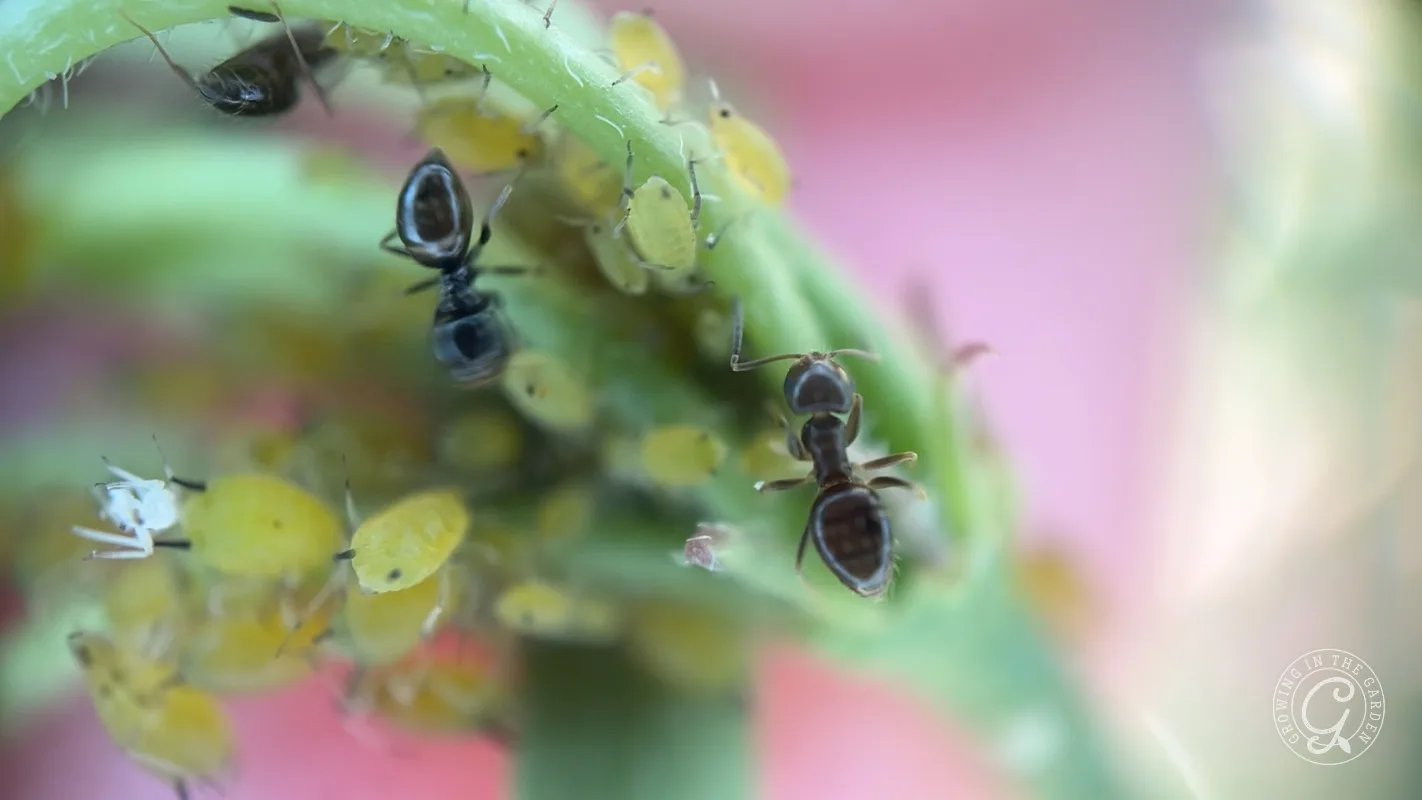
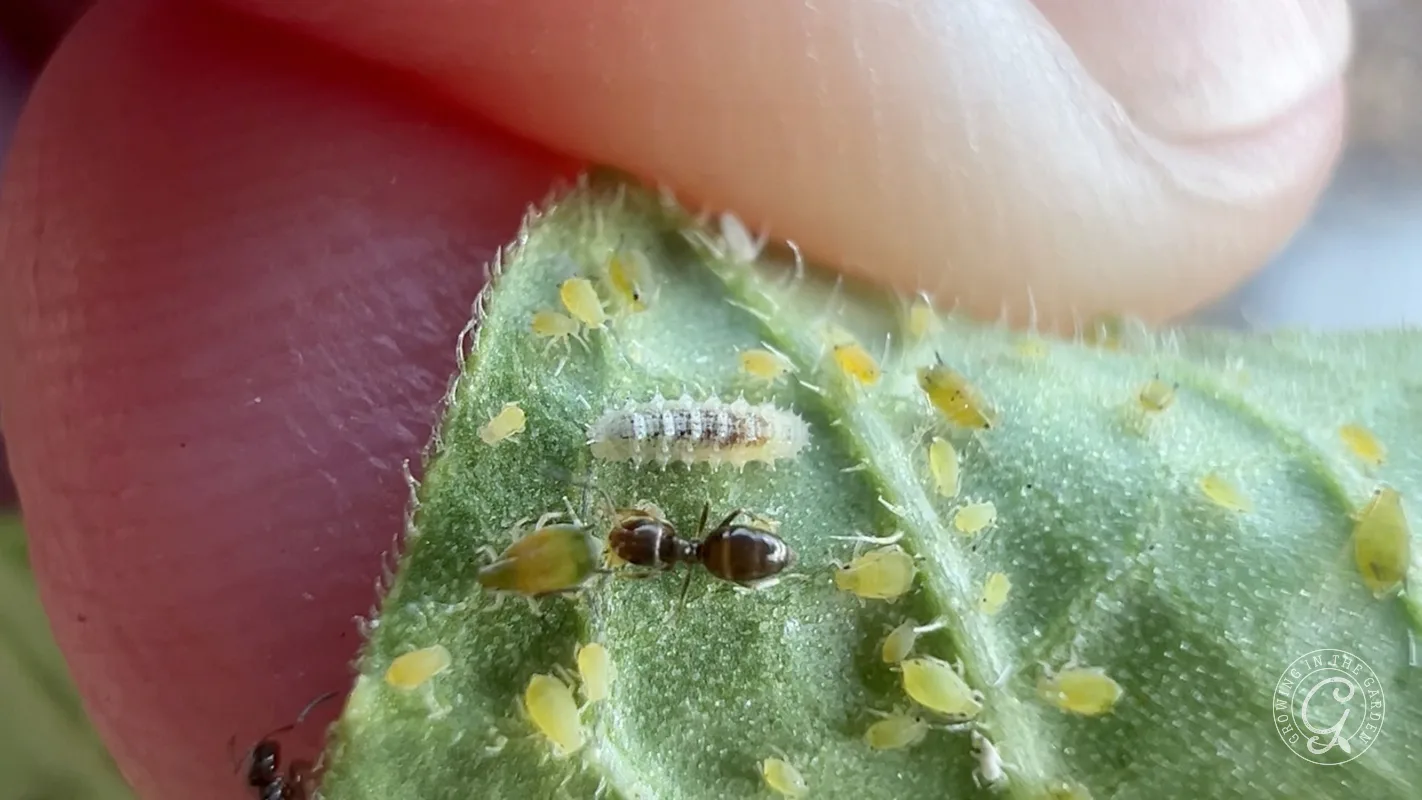
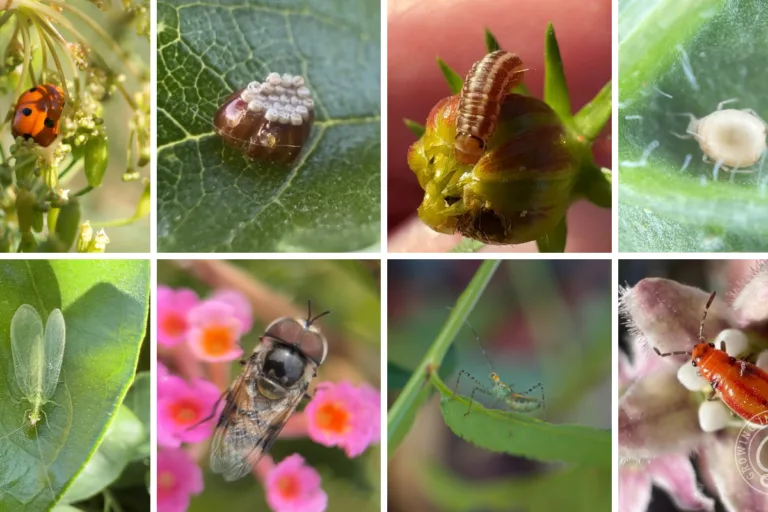
Before reaching for any bait, Jean asks one question: what are the ants doing here? Most of the time, a trail of ants leads straight to aphids, and Jean’s photos show hoverfly larvae feeding on those aphids right alongside the ants. If you’ve read her earlier posts, you’ll recognize how much good pest control comes down to observation.
This post is part of the series Low Desert Garden Insects with Jean Elston.
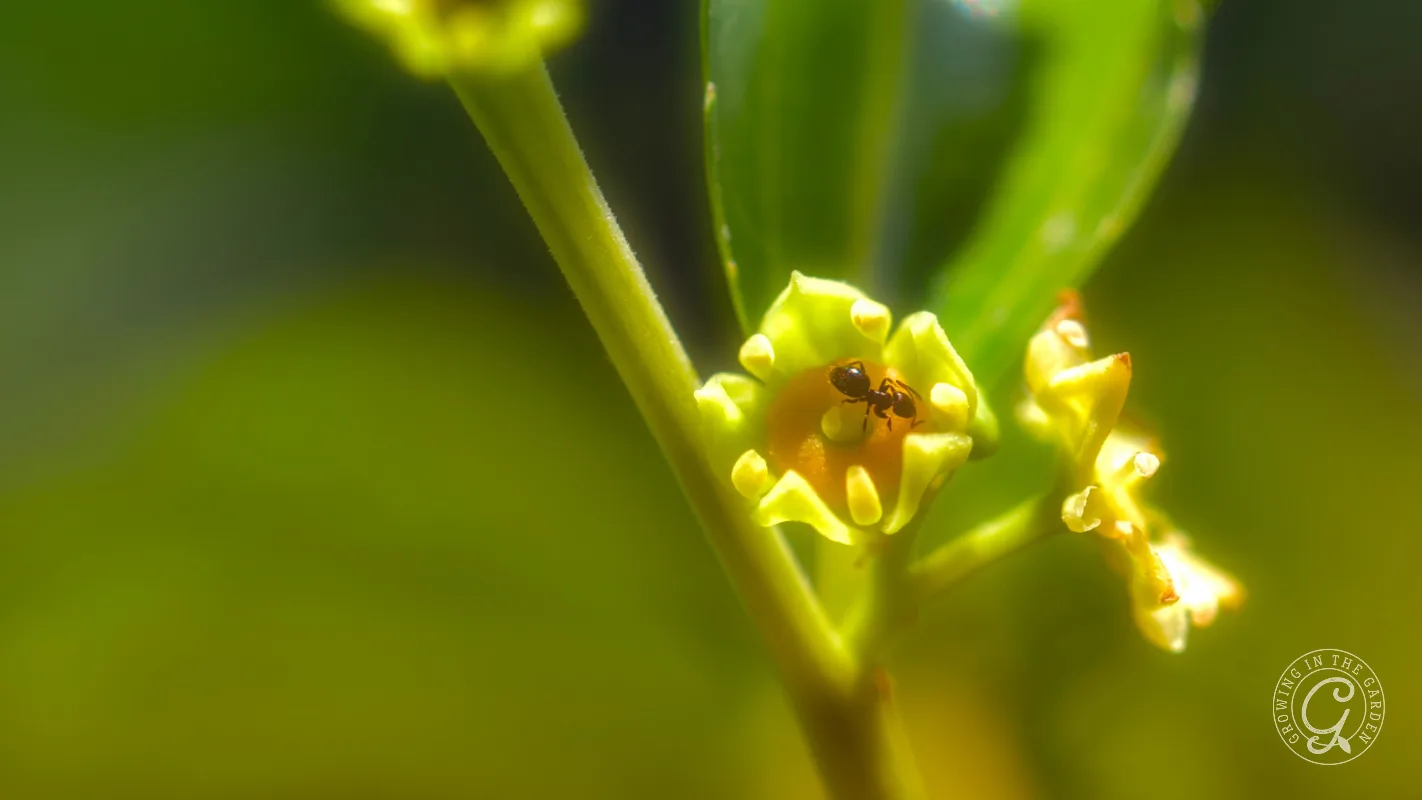
Key Takeaways: Dealing with Ants in the Garden
- Ants in the garden can be beneficial, improving soil quality and breaking down organic matter, though they may sometimes indicate other pest issues like aphids.
- Observation is key; before acting against ants, check what they are doing to determine any underlying problems.
- Some Arizona ants, like harvester ants, help maintain healthy ecosystems, while fire ants require monitoring due to their stinging nature.
- Control methods for ants should prioritize observation and natural solutions, using ant baits as a last resort when necessary.
- Instead of viewing ants as pests, recognize their role in the ecosystem and manage them through healthy gardening practices.
What We’ll Cover:
Most ants in the garden help more than they hurt. They loosen soil, break down dead insects and organic matter, and feed lizards and other wildlife. A trail of ants on a plant usually points to aphids or mealybugs, so check the leaves before you treat anything. Step in when stinging ants nest where people and pets walk, or when ants move into the house. When you do, skip the sprays and use a targeted bait.
Guest post and photos by Jean Elston
They are certainly unavoidable. They march along garden paths, trail up orange trees, and even find their way into the house.
In the heat of an Arizona summer, ants seem particularly determined.
But ants aren’t here just to annoy us. In fact, many of them are vital to the healthy garden we’re trying to create. As with so many other insects, it comes down to observation and stepping in only when there’s a real problem.
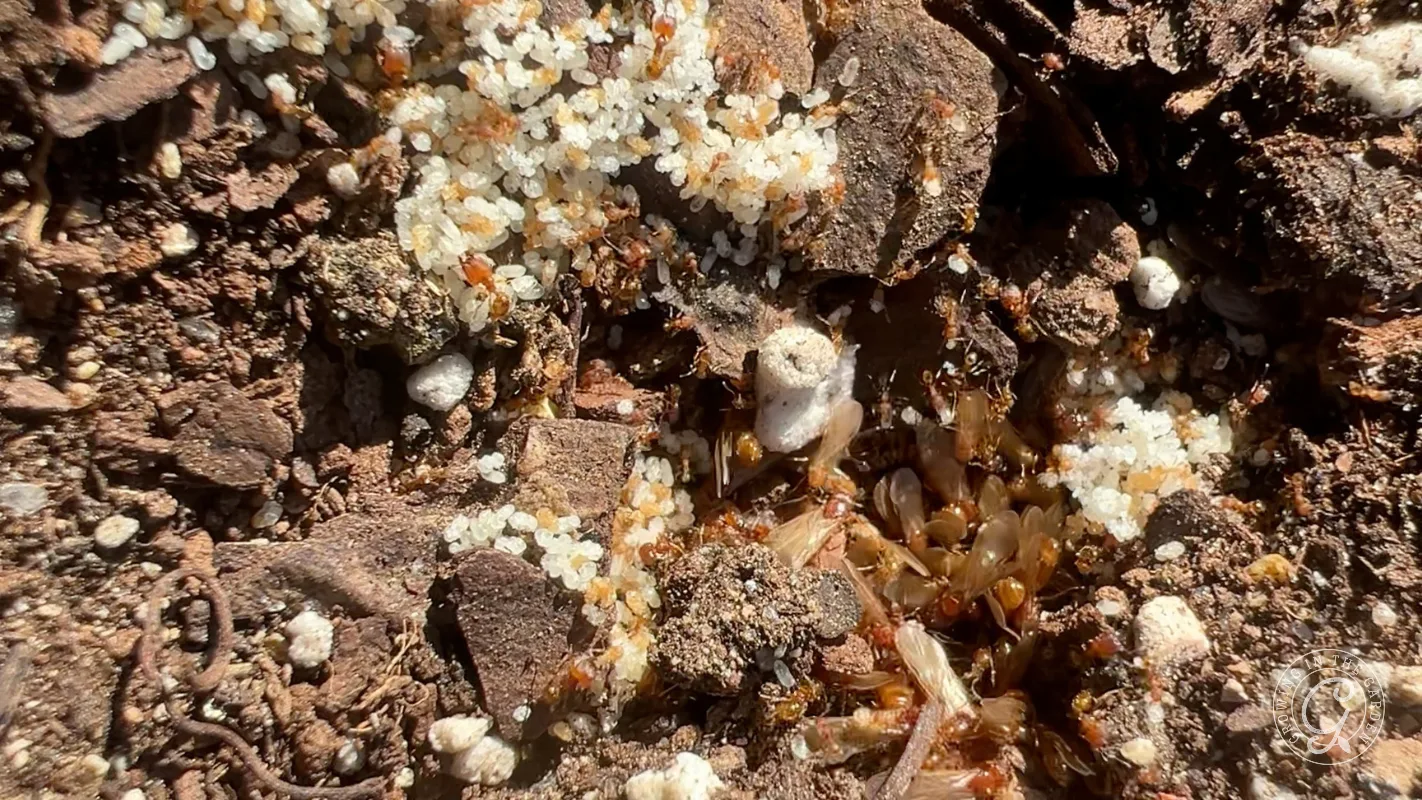
Why Are There So Many Ants in the Garden?
If gardening in Arizona has a downside, it’s that we’re creating an oasis in a challenging landscape. With scarce water, extreme temperatures, and dry air, our gardens often provide the resources many insects need to survive.
Irrigation leaves pockets of moisture. Mulch and fallen leaves make ideal hiding spots. Plants provide food and shade. With all this life and water, plenty of insects will find the space a paradise. Sap-sucking insects like aphids and mealybugs are especially happy here. Where they show up, they bring another attractive food source: honeydew.
That brings up a key point. Often the ants aren’t the actual problem. They’re a sign of one.
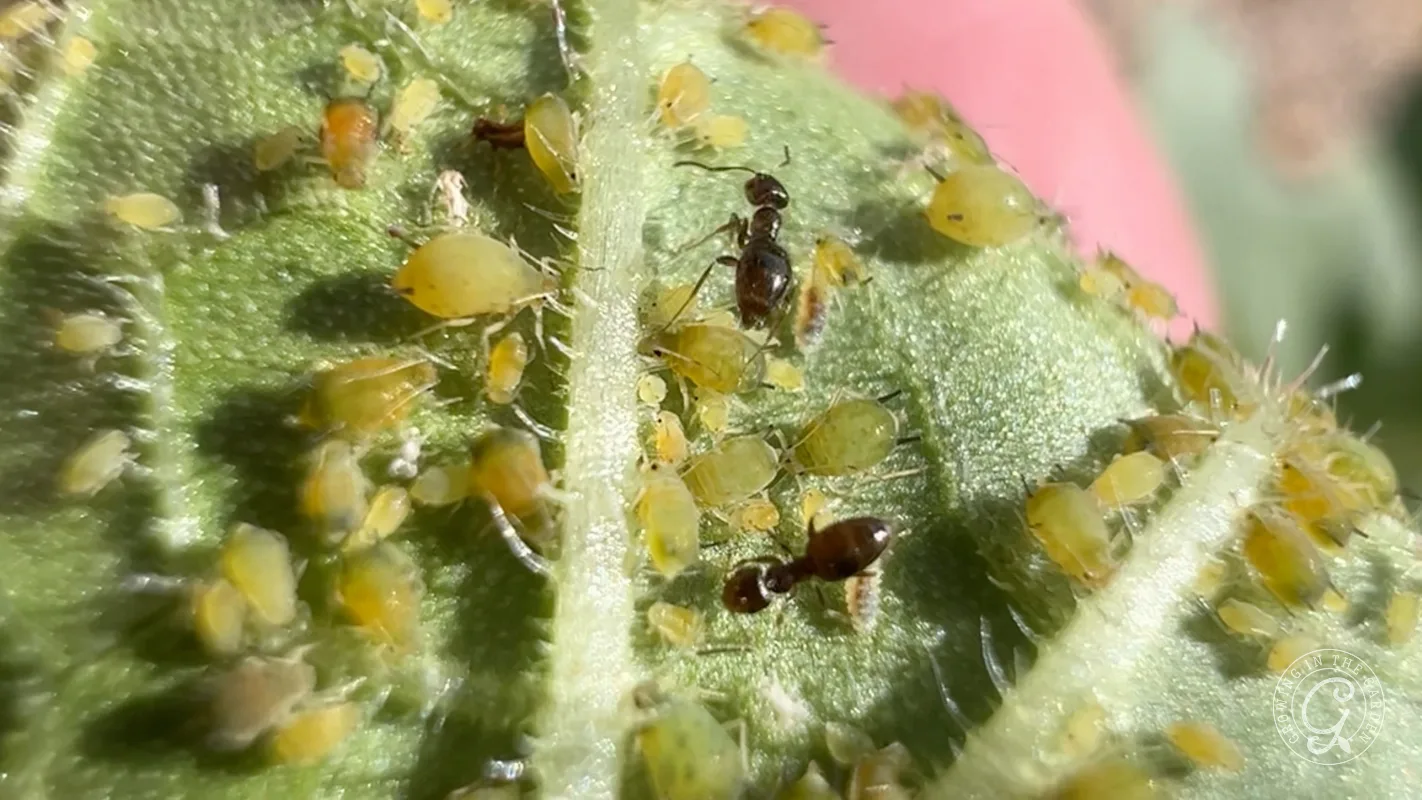
Ants often protect honeydew-producing insects like aphids. That protection can become a problem because it lets aphids or mealybugs multiply in ways other predators would normally keep in check. So instead of focusing on the ants, look at the bigger picture. If you see a trail on a plant, check the leaves and stems. There’s a good chance the ants will lead you to other insects. Ants generally don’t wander up a plant without a good reason.
Still, not every ant is after honeydew. Many play an important role in the ecosystem, though admittedly not all of them pick the best location.
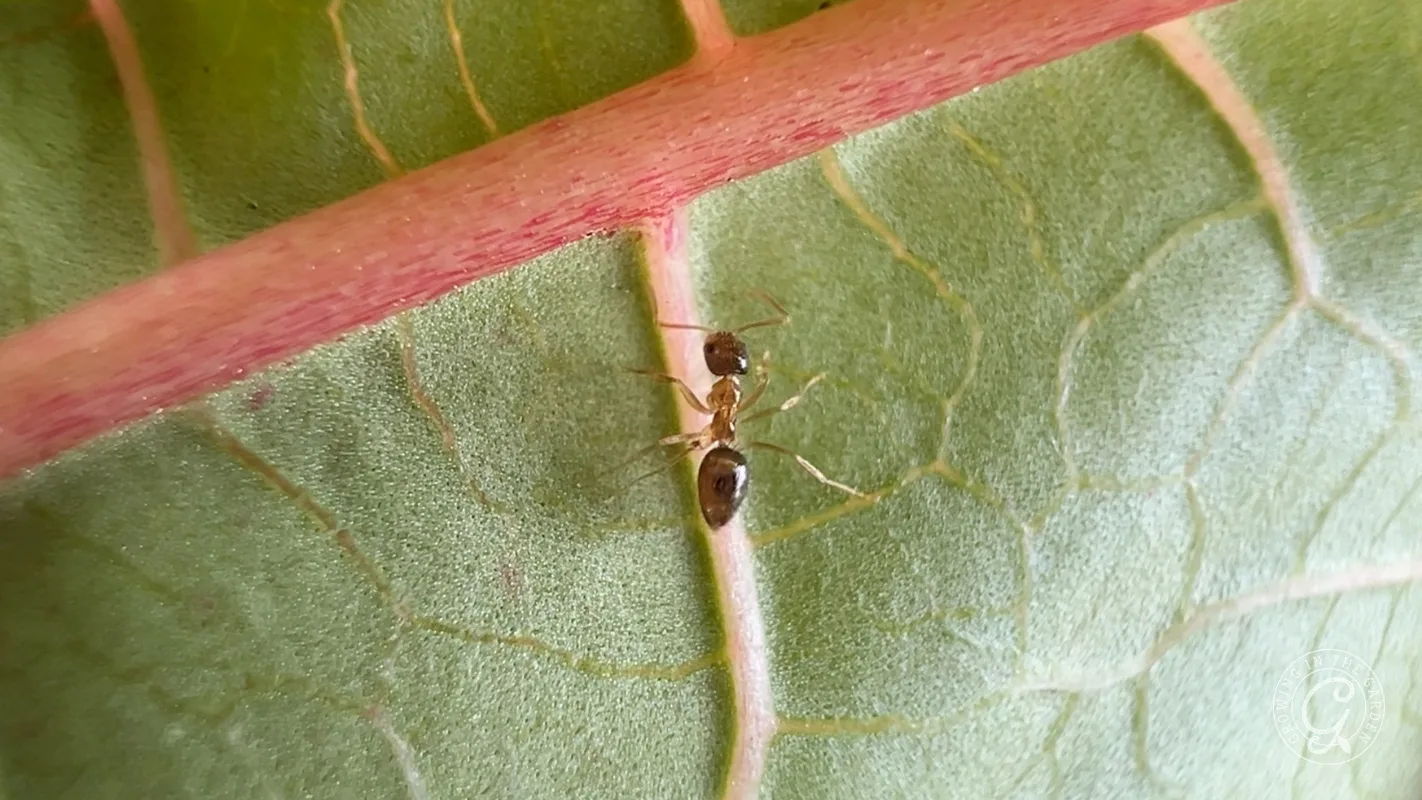
Not All Ants Are the Same: Common Ants in Arizona Gardens
It can be surprising how many ant species there are, worldwide and in Arizona alone. It’s easy to assume all ants are after sugar or trying to get into the house. In reality, most are just going about their lives, unaware that we’re trying to put a walking path through the middle of their colony.
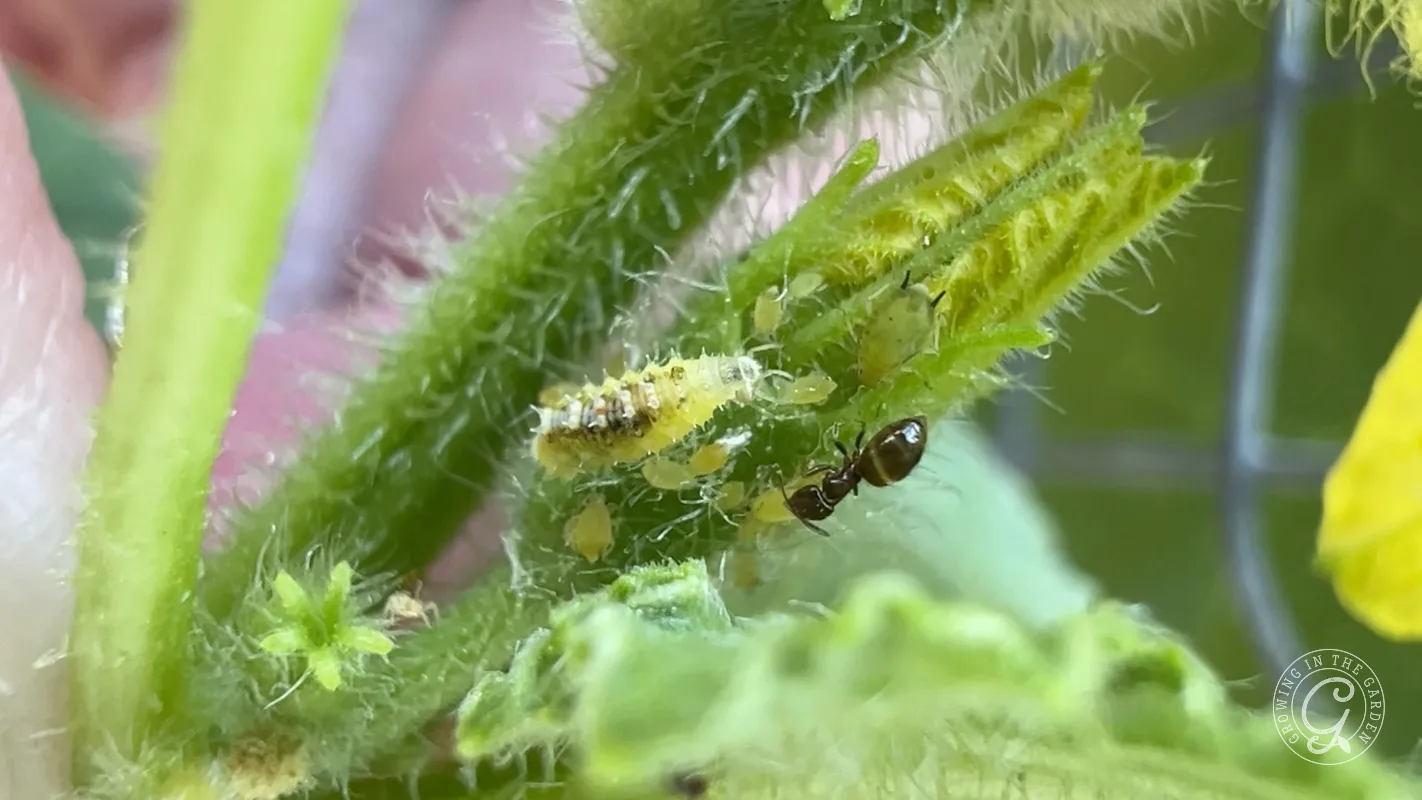
So if most ants aren’t after sugar, what are they doing in the garden?
Harvester Ants
One of the most recognizable ants in Arizona, thanks to its orange-to-reddish-brown color and larger body, is the Harvester Ant (Pogonomyrmex species).
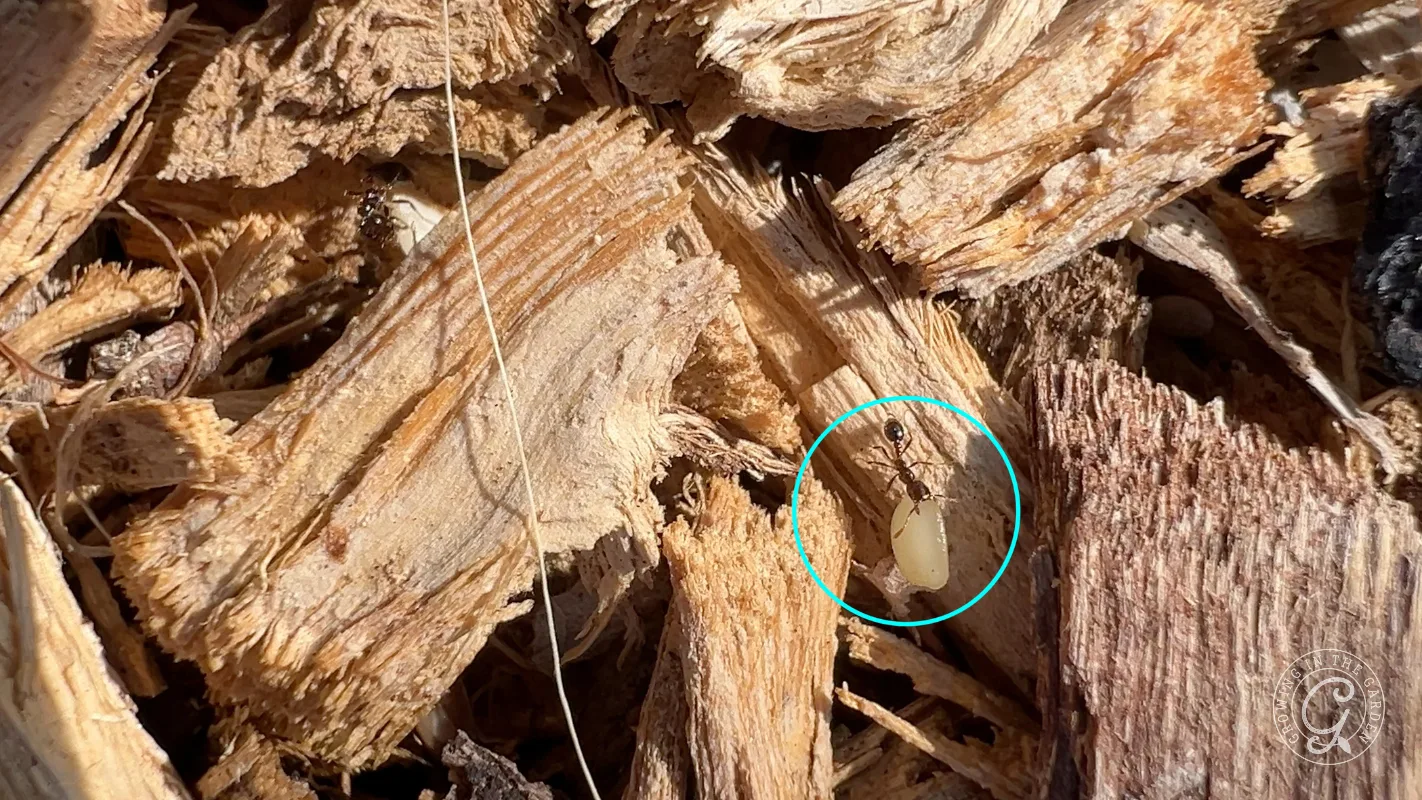
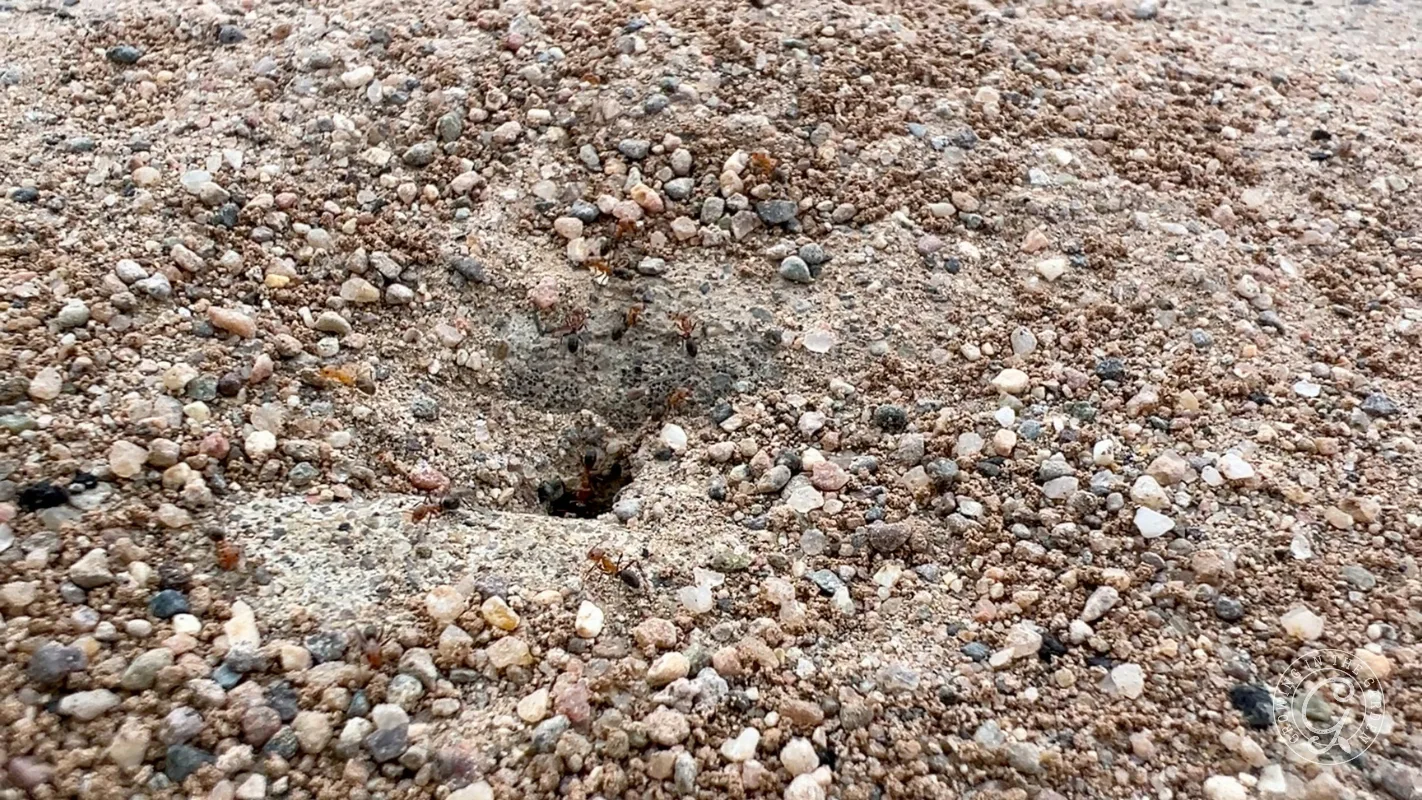
Harvester ants clear barren patches around their nests and prefer open spaces. They’re a valuable part of a healthy ecosystem because they make soil more permeable. As the name suggests, they also move seeds around, and they’re food for lizards and other animals.
There is a downside, though, and it’s probably why many people assume they’re a bad insect. They sting, and they’ll defend their nest aggressively if needed.
This is where location matters. Is the colony in an unused corner of the garden? Then keep an eye on it, but leave it alone. If the nest is in a pathway, a play area, or anywhere people walk constantly, then yes, it’s time to act.
Act in a targeted way, though. Hosing down the yard with insecticides does more harm than good. I’d skip sprays entirely and use ant baits, which workers carry back to the nest. Bait is a slow-acting poison, so results take a while, but it’s far more effective and doesn’t harm other areas. Even so, this should be a last resort. Poisoning ants can also affect the lizards and other animals that eat them.
Fire Ants in Arizona
Since we’re on the topic of stinging and biting ants, it’s a good time to talk about the dreaded fire ants.
First, there are currently no established colonies of invasive fire ants in Arizona. How long that will last is unclear, since they’ve turned up in neighboring states.
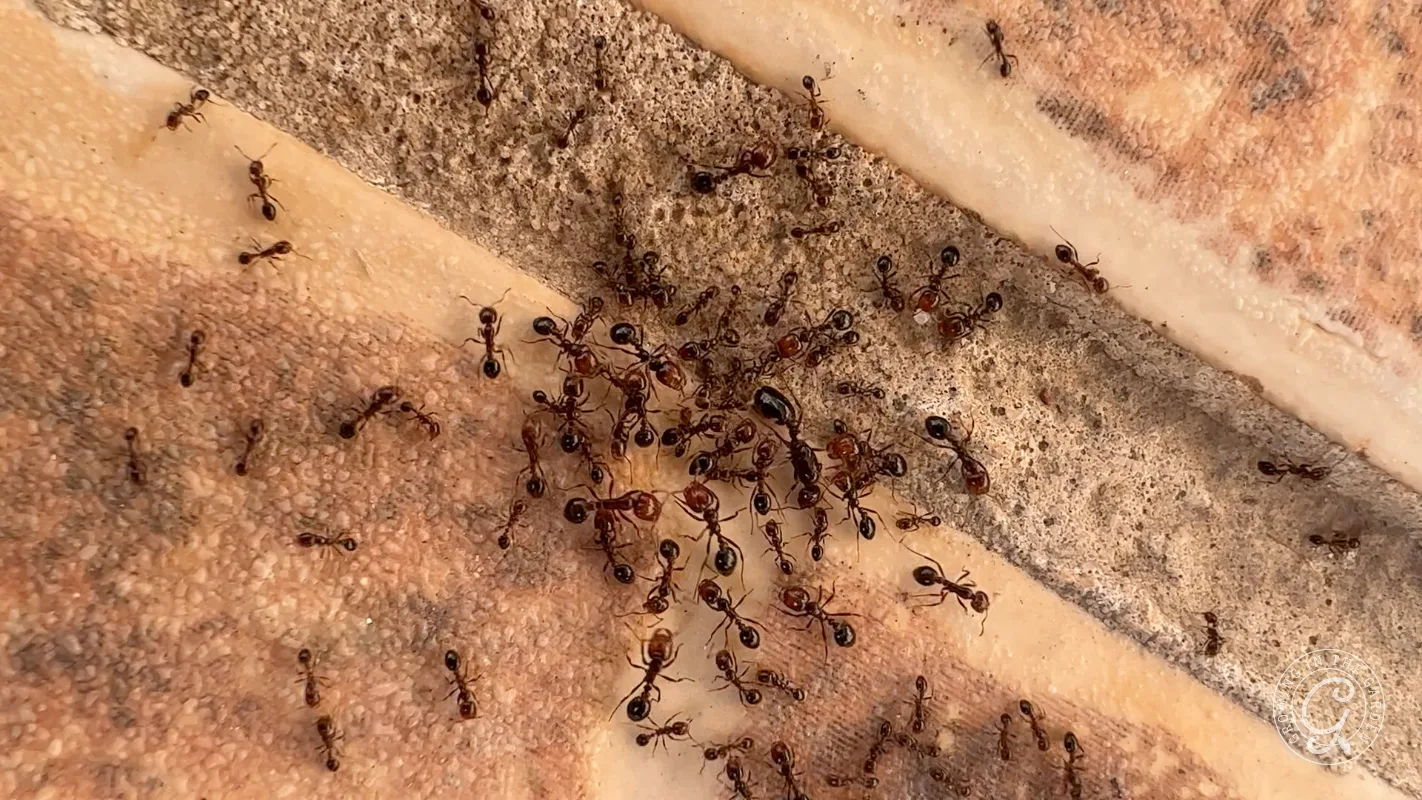
We do have our own native fire ants, though, such as the Southern Fire Ant (Solenopsis xyloni) and the Desert Fire Ant (Solenopsis aurea).
It once again comes down to location. If they’re in a raised bed, bait might be necessary. If they’re in a space you only check a few times a year, I’d leave them alone. If children or pets use the space, deal with them.
Arizona has over 300 ant species. Few are as aggressive as fire ants, but many will still deliver a painful bite if bothered too much.
Carpenter Ants
Despite their name, carpenter ants (such as Camponotus modoc and Camponotus vicinus) don’t eat wood. They have black bodies with reddish-brown legs, and they tunnel into water-damaged wood to build their nests.
Our dry climate limits where carpenter ants can live, which is good news. The bad news is that they go for places with high moisture. You don’t need to stop watering the garden. Just keep up with irrigation maintenance and let areas dry out before you water again.
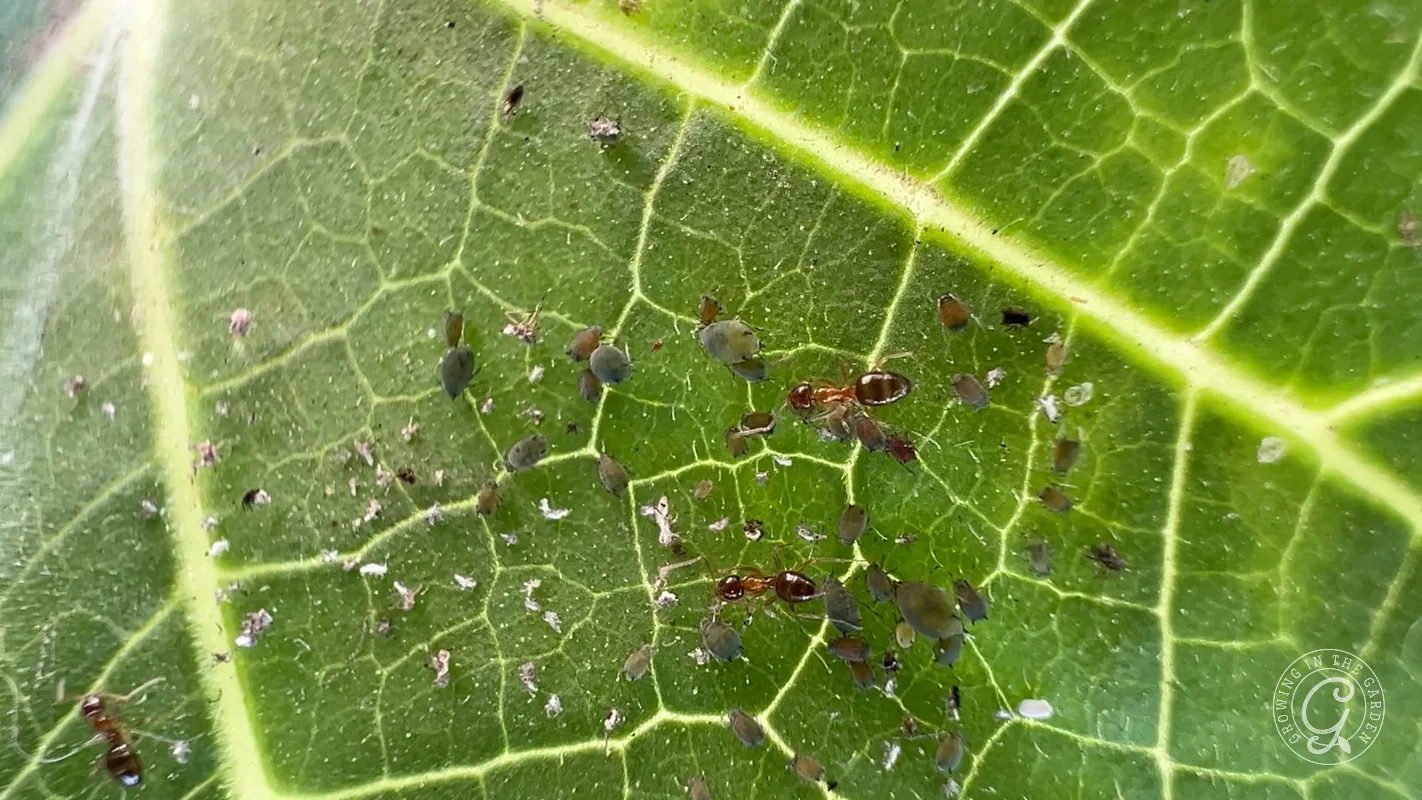
Carpenter ants still serve a purpose. Besides feeding on honeydew, they hunt termites and other insects. As with most insects, and nature in general, it depends on where the ants are and whether other creatures balance them out.
Field Ants and Wood Ants (Formica)
Ants in the Formica genus, commonly called wood ants or field ants, are regulars in the garden.
The biggest reason? Honeydew. Not every species tends aphids or similar insects for honeydew. Some are predators. They don’t sting, but they can bite. They also have a “bonus” defense: they can spray formic acid from their abdomen, though that isn’t the acid’s only purpose.
Other Ants You Might Find
There are plenty of other ants too, from the non-native Argentine Ant (Linepithema humile) to the Odorous House Ant (Tapinoma sessile). Many see our gardens as an oasis in the dry desert.
Are Ants a Pest, or Are They Helping?
Instead of asking whether ants are pests, or “how do I kill the ants,” ask this: What are the ants doing here, and how is their activity impacting the space?
At a basic level, most ants improve our soil, the foundation of everything we grow. Their nesting and tunneling help water reach the roots and improve air circulation.
Ants also help feed our plants. They move organic material around and help break down dead insects and other organic matter, releasing nutrients back into the soil in a form roots can use.
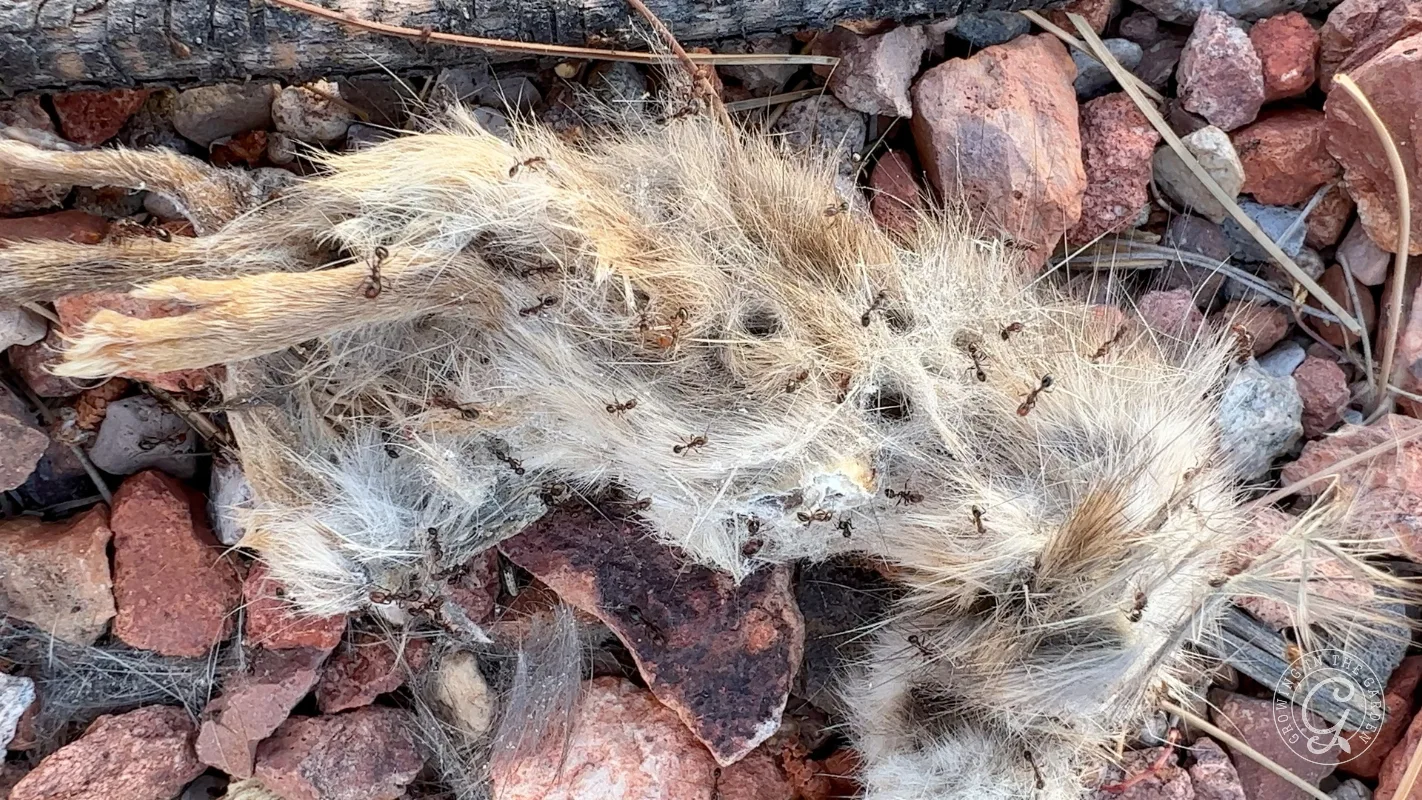
Plenty of ants aren’t focused on honeydew at all. Many break down dead insects, hunt live ones, or eat insect eggs, sometimes solving a problem before we even know it exists. It can be gruesome to think about, but dead animals have to be broken down by something, or in this case someone, to return to the earth.
So ants are both part of the garden’s cleanup crew and food for other animals.
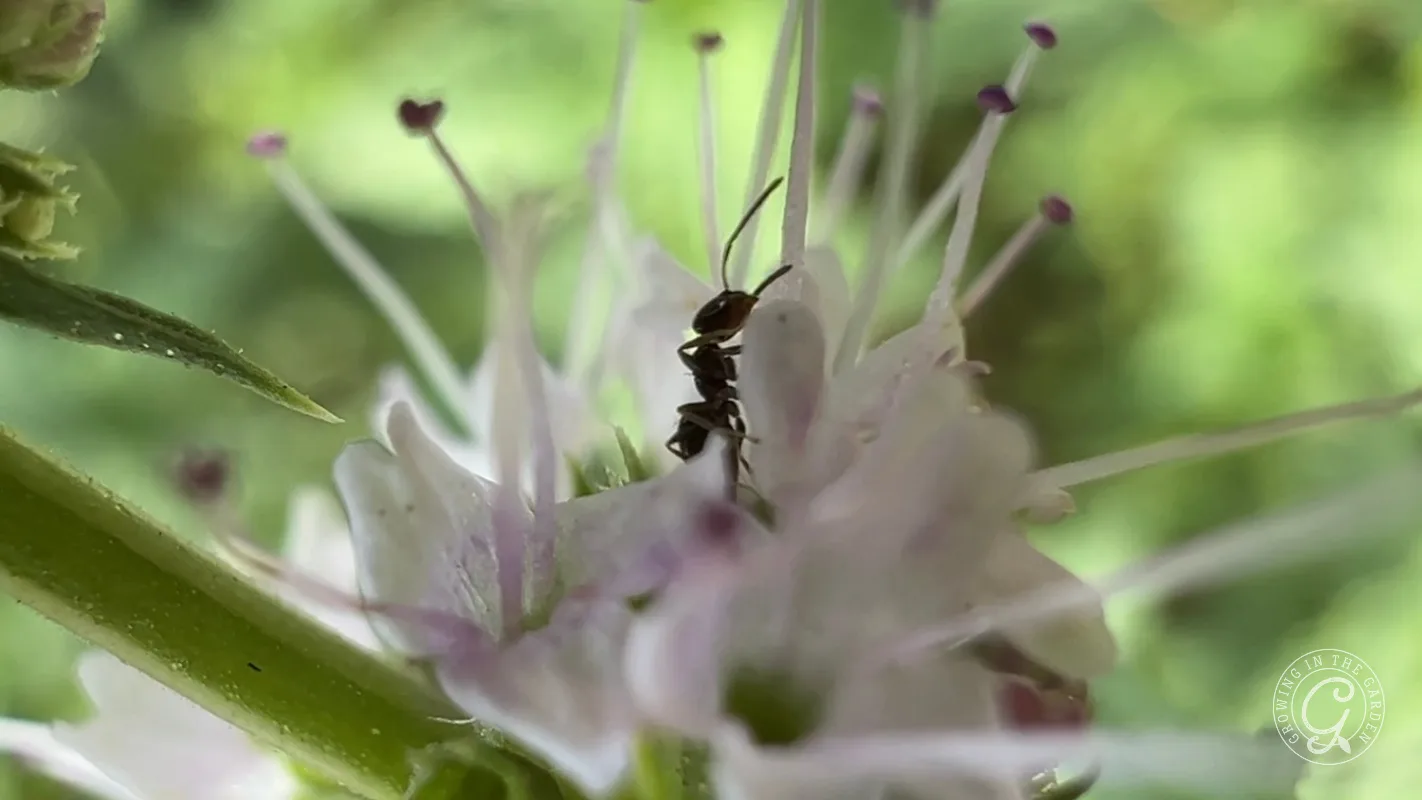
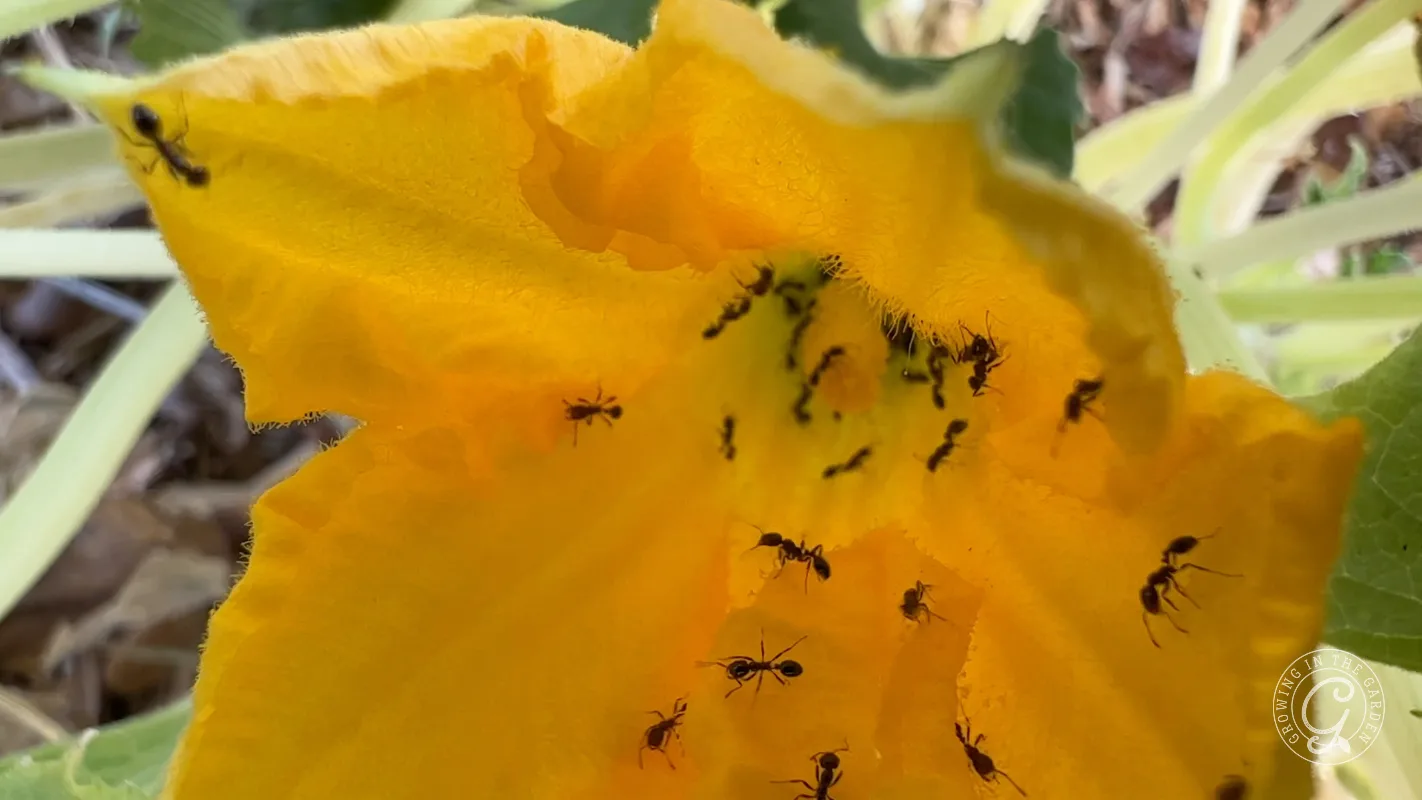
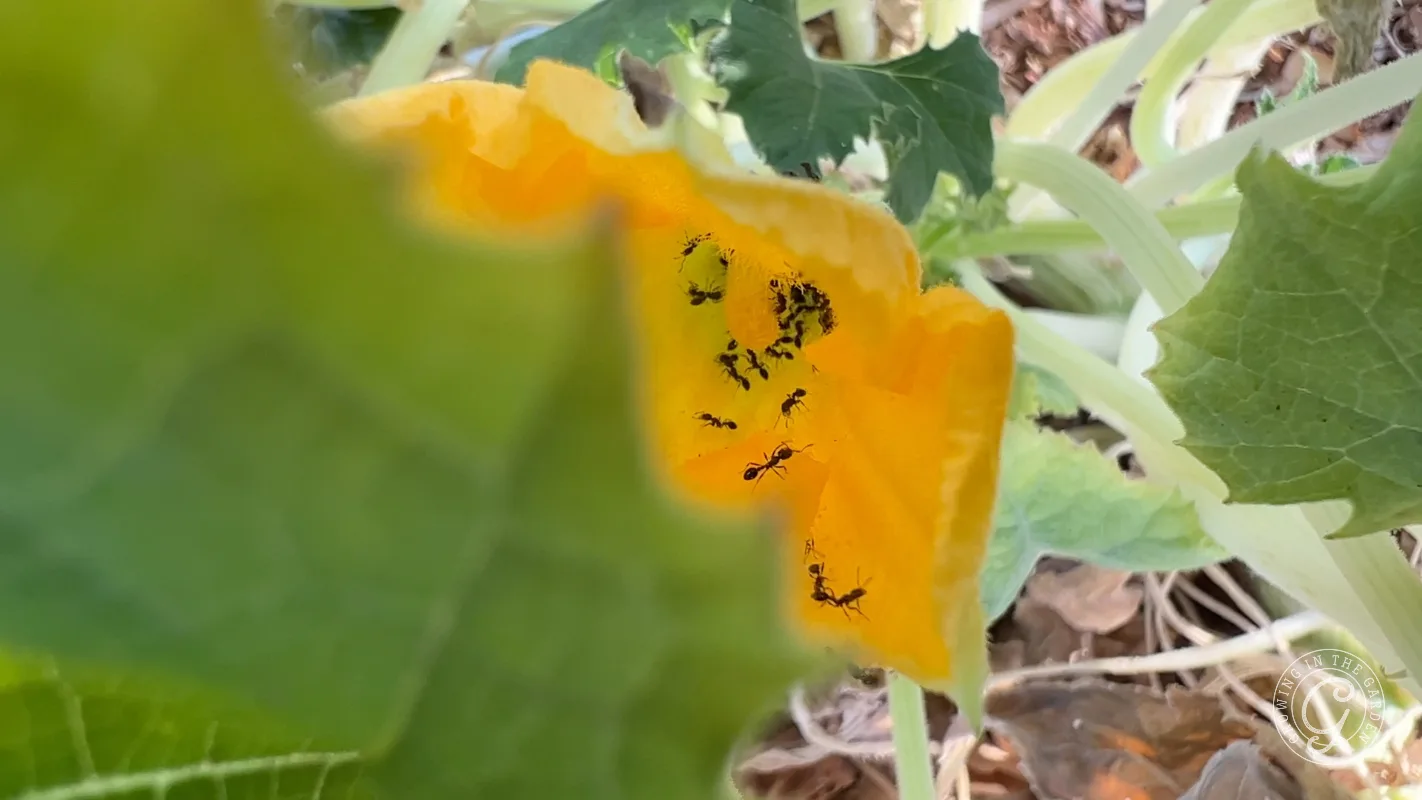
Which brings us back to observation. What are the ants doing here? If they’re just moving around, feeding on flowers, and not harming anything, leave them alone.
If you follow a trail and find the ants tending aphids or mealybugs, the aphids are the real issue, and plenty of beneficial insects can handle them if we encourage them in the garden. Sometimes, though, an active colony isn’t as harmless as we’d like.
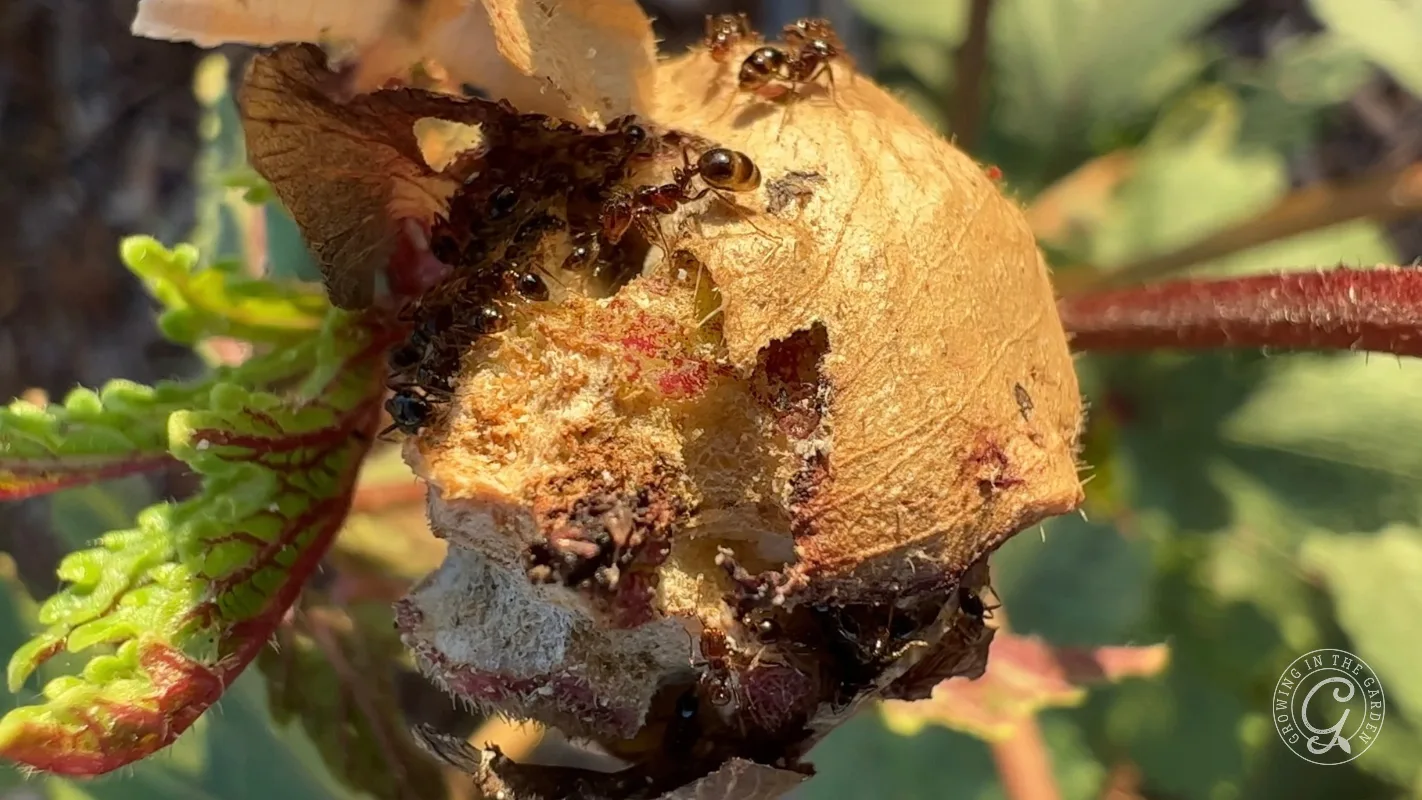
When Ants Might Be a Problem and How to Deal With It
Sometimes intervention is necessary.
I wouldn’t let ants invade the house or start damaging a structure. The other big one is stinging ants nesting where people or pets spend a lot of time. Keep in mind that colony size alone isn’t a good enough reason to step in.
Start by Observing
As always, start with the most organic solution: doing nothing. It sounds counterintuitive, but it’s the best first step. This step is about observing and asking questions. Where are they going? What are they eating? Where is the nest? Are they entering the house or climbing a particular plant?
All of this will help you decide whether there’s a real problem or just an active ecosystem. We can’t, and shouldn’t, eliminate every ant from the garden.
Remove Food and Water Sources
If ants have become a problem, start with food and water.
Fix any leaking irrigation, and pick fruits and vegetables before they sit and rot. Most importantly, check for honeydew-producing insects.
Finding aphids or other insects doesn’t mean you need to deal with them, at least not right away. Look closer for hoverfly larvae or other predators that will feed on the aphids even with ants around.
Physical Barriers
Physical barriers are another option. A sticky barrier around tree trunks or other woody plants can work, but be careful, since it can harm other creatures too.
Ant Bait as a Last Resort
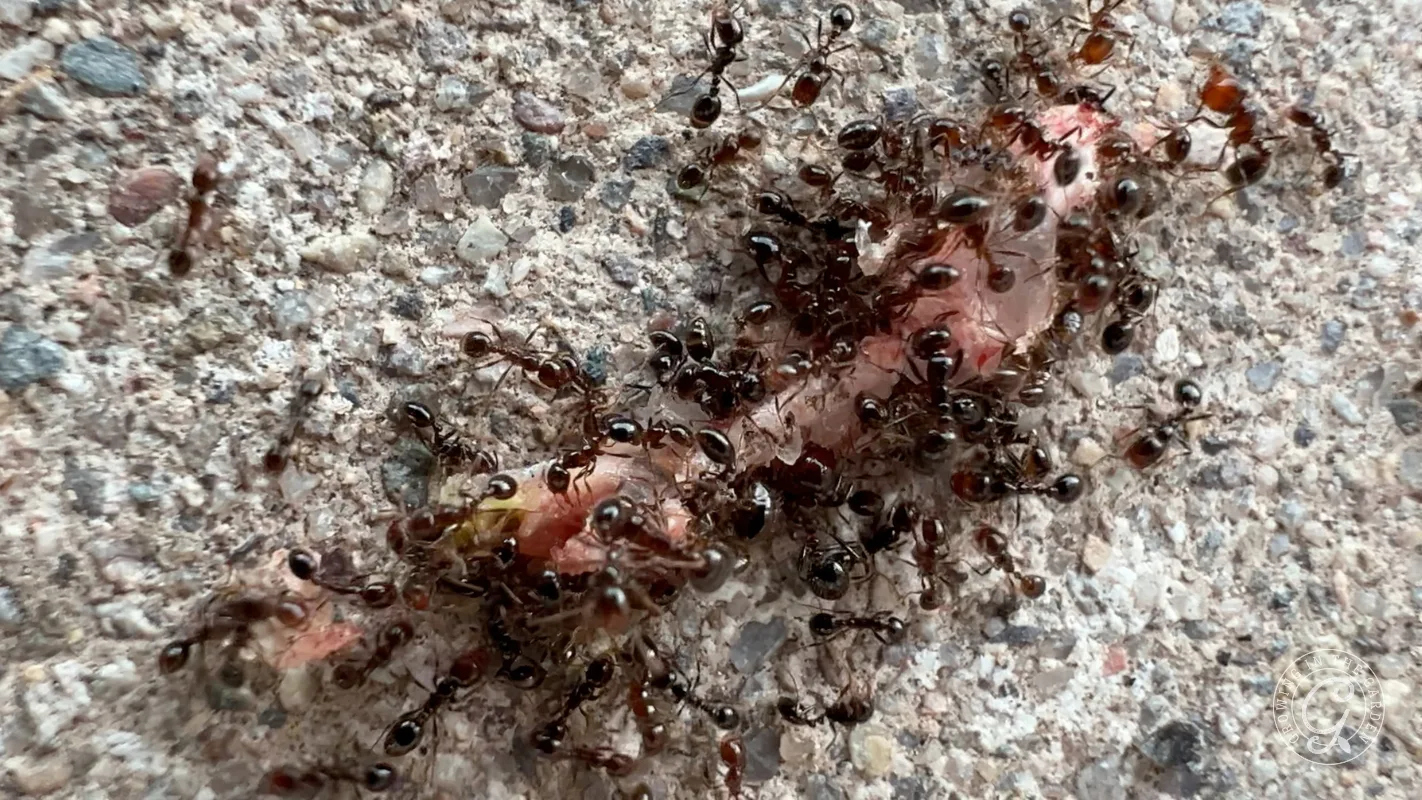
Bait should be the absolute last resort. Yes, bait takes longer, but it’s far more effective and targeted than spraying. Sprays only kill the worker ants they touch, leaving the rest of the colony untouched. Workers carry bait back to the colony and share it, so the whole colony is affected, no matter how large, without covering the garden in insecticide.
Choosing the right bait for the right ant matters, since not every ant wants the same food. Fire ants, for example, go for protein-based baits, while other ants prefer sweet baits. If ants ignore the bait, it’s likely the wrong bait for that species.
Homemade borate-based baits can also be effective. Just remember that “natural” doesn’t mean “harmless.” Boric acid and borates are still pesticides, so use caution around children, pets, and wildlife, and think about how close you’re placing them to edible plants. Here’s the ant bait that I’ve found success with in my garden.
The Best Ant Control
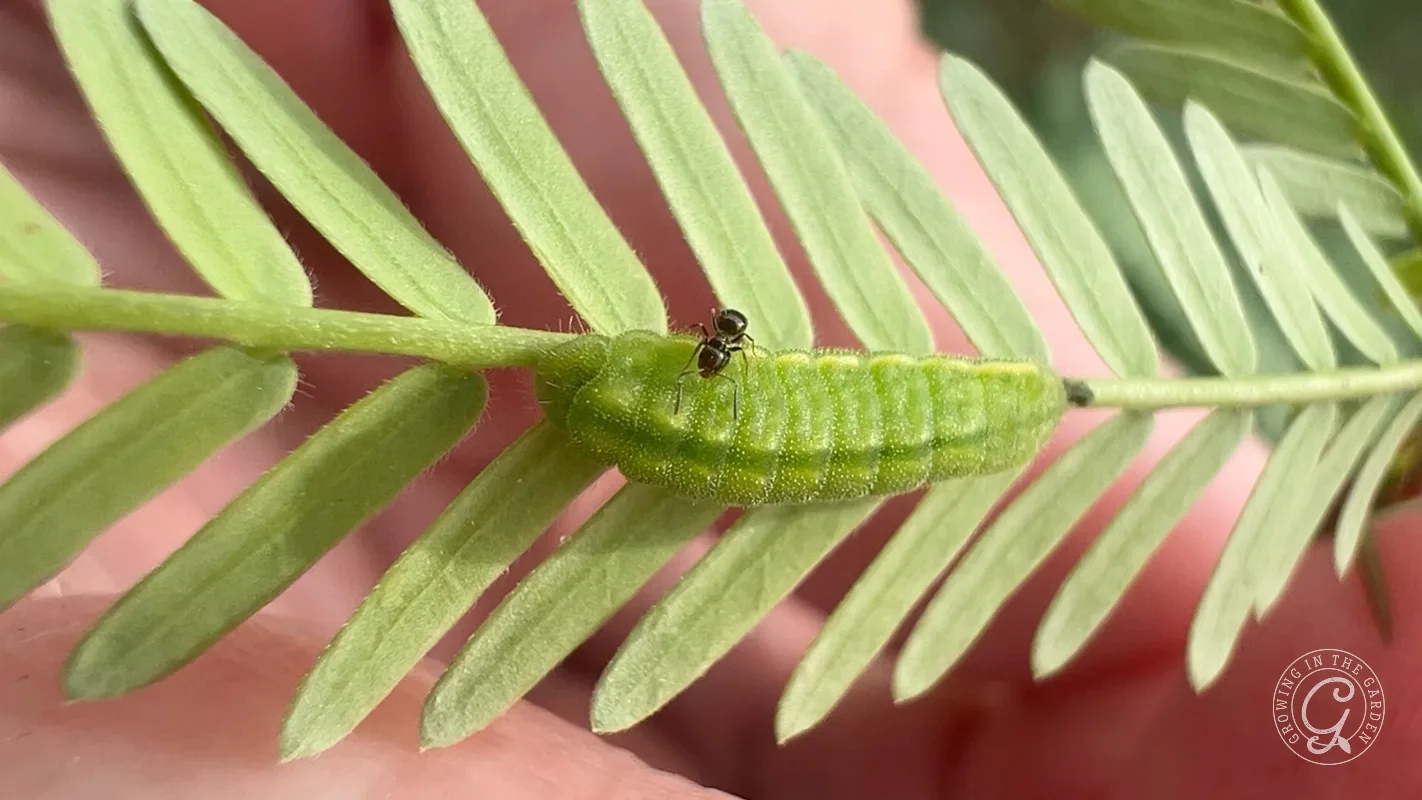
Ants are easy to blame because they’re so visible. When you see them marching up an orange tree, it’s easy to assume they’re why the tree doesn’t look good. But all insects and plants are connected.
Ants interact with aphids. Aphids interact with plants. Other insects, like hoverflies, interact with aphids. Microbes and other organisms interact with the plant’s roots. And watering affects all of it.
So ants roaming around shouldn’t be a big concern. Many are helping the soil, others are part of the cleanup crew, and all of them are food for something else.
The most effective approach is to identify the ant, prevent problems if needed, and use targeted treatment only as a last resort. This is far better for the environment, and it encourages more beneficial insects, keeping the garden healthy despite our challenging location.
Frequently Asked Questions About Ants in the Garden
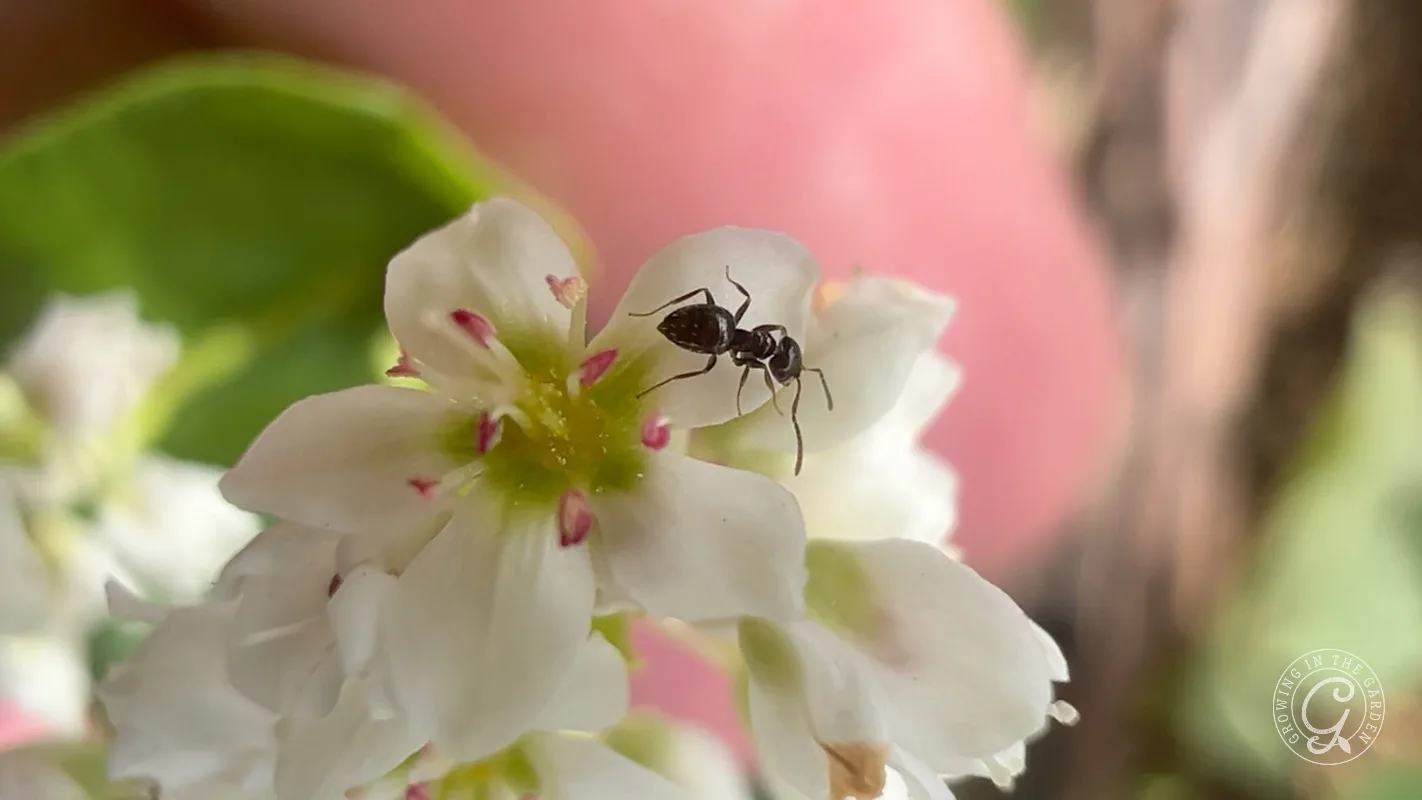
No, they’re generally beneficial. They aerate soil, help break down organic matter, and can even help spread seeds.
Arizona has hundreds of native ant species, and a low desert garden can have dozens, including native fire ants, harvester ants, and carpenter ants.
There are currently no established invasive fire ants in Arizona, but we do have a few native fire ant species.
Start by checking for aphids, mealybugs, or similar sap-sucking insects. Ants “farm” them for the honeydew they produce. Depending on the species, the ants could also be looking for moisture or harvesting the plant itself.
It depends on the species and on what they’re doing. Native fire ants, for example, can usually be left alone as long as they aren’t in an area people walk through. What the ants are doing determines whether you should step in, and how. Sticky barriers can keep them from climbing trees.
Avoid sprays. Use chemicals only as a last resort, in the form of bait in a targeted area.
Essential oils like peppermint and citrus can repel ants, though how well they work depends on the species. One spray usually isn’t enough. I’ve found it takes daily spraying for at least four days before a colony moves somewhere else.
Aim to manage ants rather than keep them out entirely. Focus on building soil that feeds healthy plants. A diversity of plants encourages a diversity of insects, which keeps the ants in check.
About the Author
For more than thirty years, Jean has been growing plants and spending time in nature, both in California and Arizona. With a background in fine art, she honed her skills in observation, a critical element for anyone striving to have a garden. Currently she is finishing her doctoral studies in ecology (special focus on entomology), while helping others to work with nature in order to have a thriving ecosystem. You can find more of her work on YouTube and Instagram at @redshoegardener.
Leave a comment on Ants in the Garden: When to Leave Them Alone and When to Act