
Homemade Lemonade from Fresh Lemons
There’s nothing quite like an ice-cold glass of homemade lemonade on a hot Arizona day. Every year when our lemon trees are loaded with bright yellow fruit, lemonade becomes a staple around here. Over the years, I’ve learned that the amount of juice and sugar can vary depending on the variety and when the fruit is harvested, so this recipe is easy to adjust.
One of the best things about growing lemons in Arizona is the long harvest season. Our lemons begin ripening in November and often stay good on the tree until April. Since citrus stores best right on the tree, we simply pick what we need as we go. Fresh-picked lemons make all the difference in this simple homemade lemonade recipe.
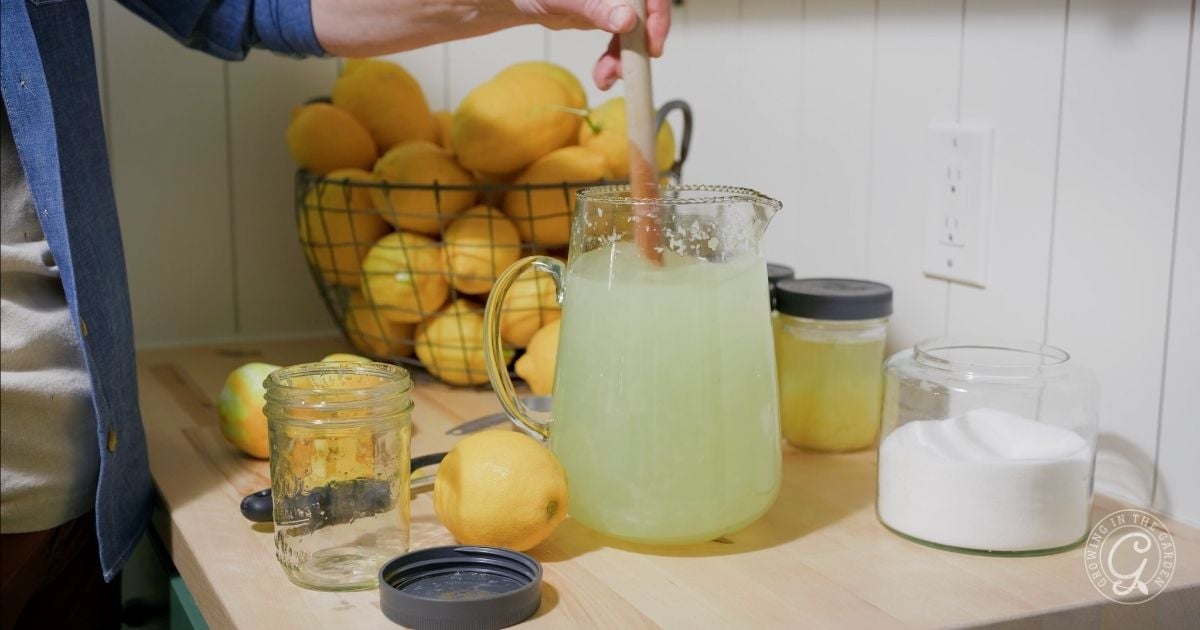
Fresh Lemonade Key Takeaways
- The homemade lemonade recipe features fresh lemons, sugar, and water.
- Adjust sweetness by starting with less sugar and tasting as you go; different lemon varieties affect tartness and sweetness.
- Freeze fresh lemon juice in pint jars for easy access; one pint equals two cups needed for one gallon of lemonade.
- Lisbon and Meyer lemons both work well, but they taste different and may need different amounts of sugar.
- For best results, always use fresh lemon juice instead of bottled juice.
I got this lemonade recipe from my sister-in-law, Julie, years ago, and I’ve texted her more times than I can count asking for it again. Adding it here on the blog means I’ll always be able to find it, and now you can enjoy it too. Thanks, Julie!
We usually turn lemon day into an assembly-line project, squeezing batches of fresh lemons and freezing the juice in pint jars. One pint is the perfect amount for a batch of lemonade, making it easy to thaw a jar anytime we’re craving a cold glass of homemade lemonade.

What We’ll Cover:
Key Ingredients
One of the best things about homemade lemonade is how simple it is. With just three ingredients, the flavor of fresh lemons really shines. Here’s what you need:
- Fresh lemons: The star of this show! Freshly squeezed lemons give this lemonade its bright, fresh flavor. If you have access to homegrown lemons, that is always preferred. Tree-ripened lemons are often sweeter, juicier, and less bitter than store-bought lemons. If you want to start growing your own read my articles on how to grow citrus and how to grow citrus in containers.
- Sugar: Granulated sugar balances the tartness of the lemons and brings out their natural sweetness. I like to start with less and add more as needed.
- Water: Cold water and plenty of ice make this homemade lemonade especially refreshing on hot summer days. To help the sugar dissolve easily, I like to mix it with a small amount of warm water first. Once the sugar is dissolved, add the fresh lemon juice and plenty of ice-cold water to chill the lemonade quickly. If I’m making lemonade ahead of time for a gathering or especially hot day, I’ll often chill the lemon juice and water beforehand so the lemonade stays cold and refreshing even longer.
Lately, I’ve been adding a splash of Barbados cherry juice to my lemonade. It balances the sweetness with a bright, tart flavor and adds an extra boost of vitamin C.
How to Make Lemonade
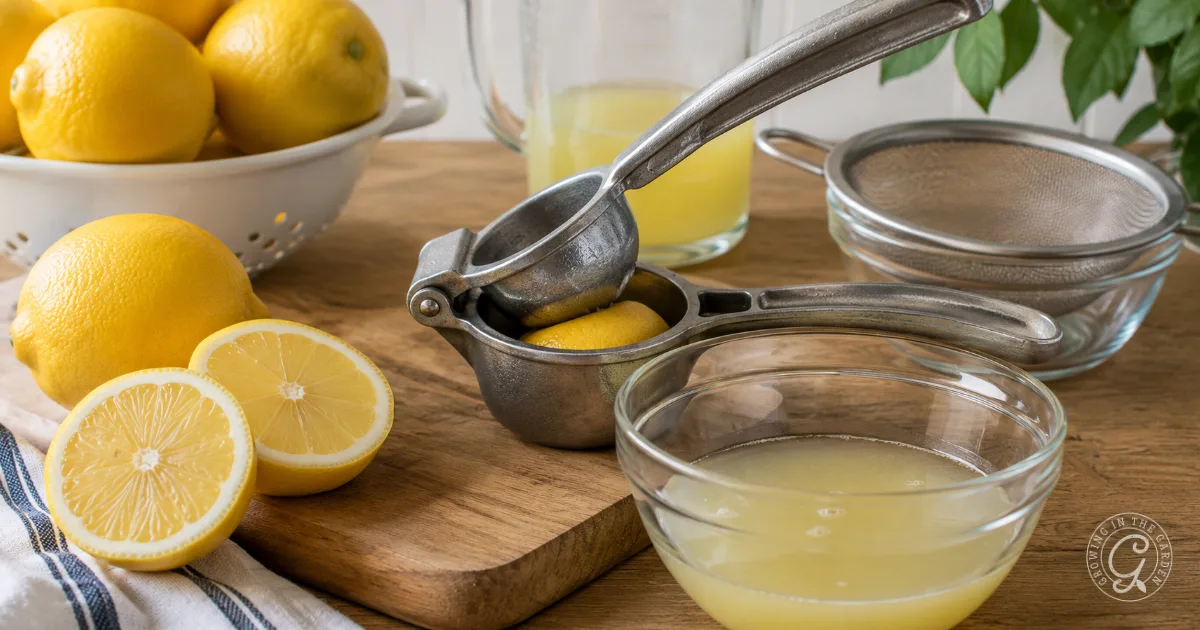
- Step 1: Rinse the lemons, cut them in half, and use a juicer to extract as much juice as possible. If you prefer a smoother lemonade, strain the juice to remove seeds and extra pulp.
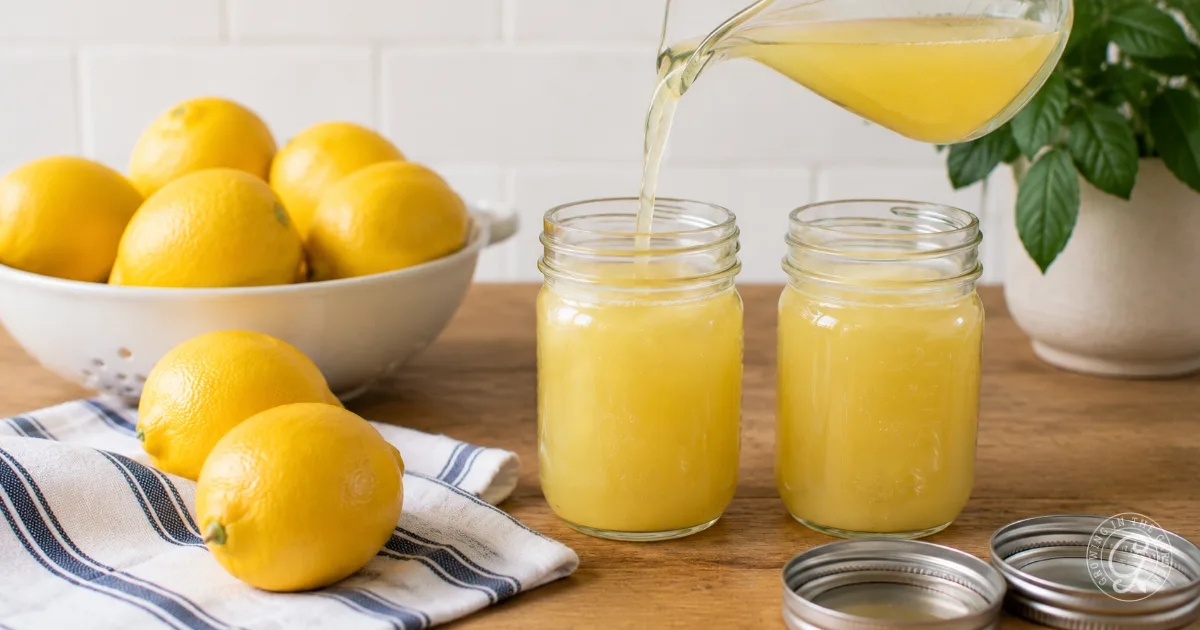
- Step 2 (Optional): Pour the juice into clean pint-size jars, leaving a little room at the top for expansion as it freezes. Place the jars in the freezer until you’re ready to use them. One pint jar (about 2 cups) is the perfect amount for one gallon of lemonade.
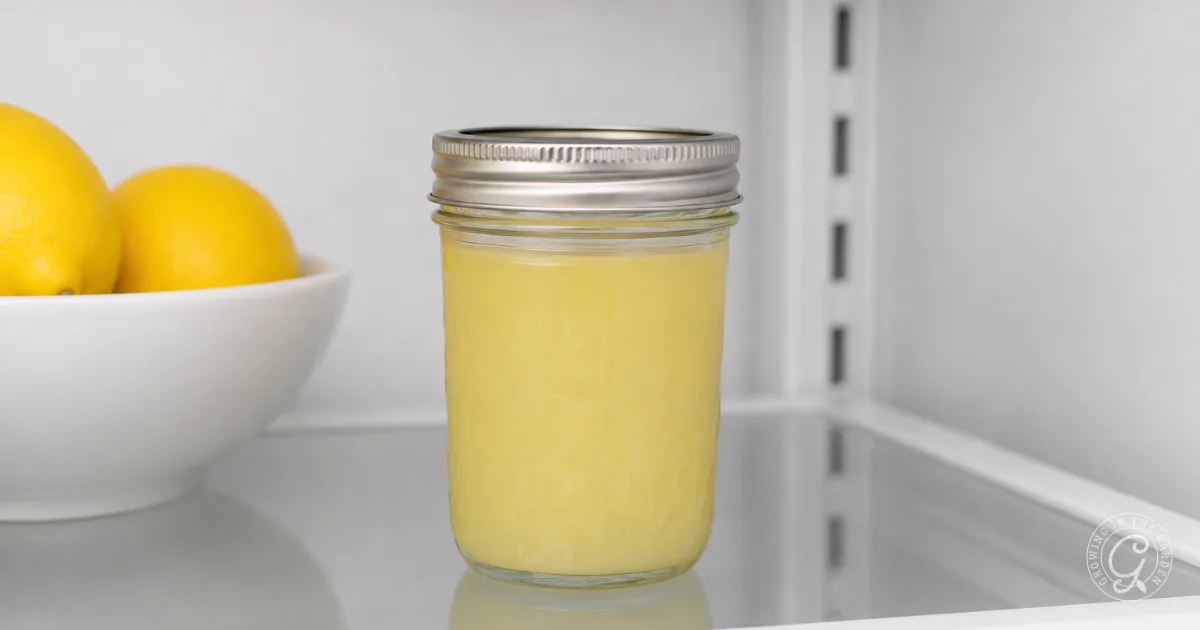
- Step 3: When you’re ready to make lemonade, thaw one jar of frozen lemon juice overnight in the refrigerator.
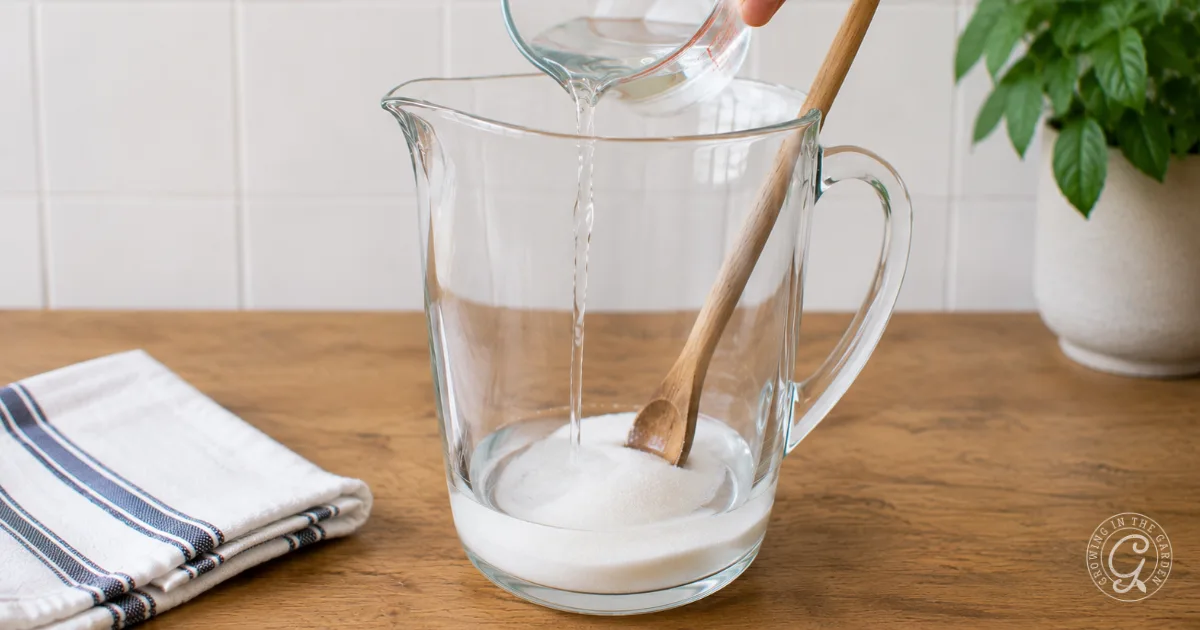
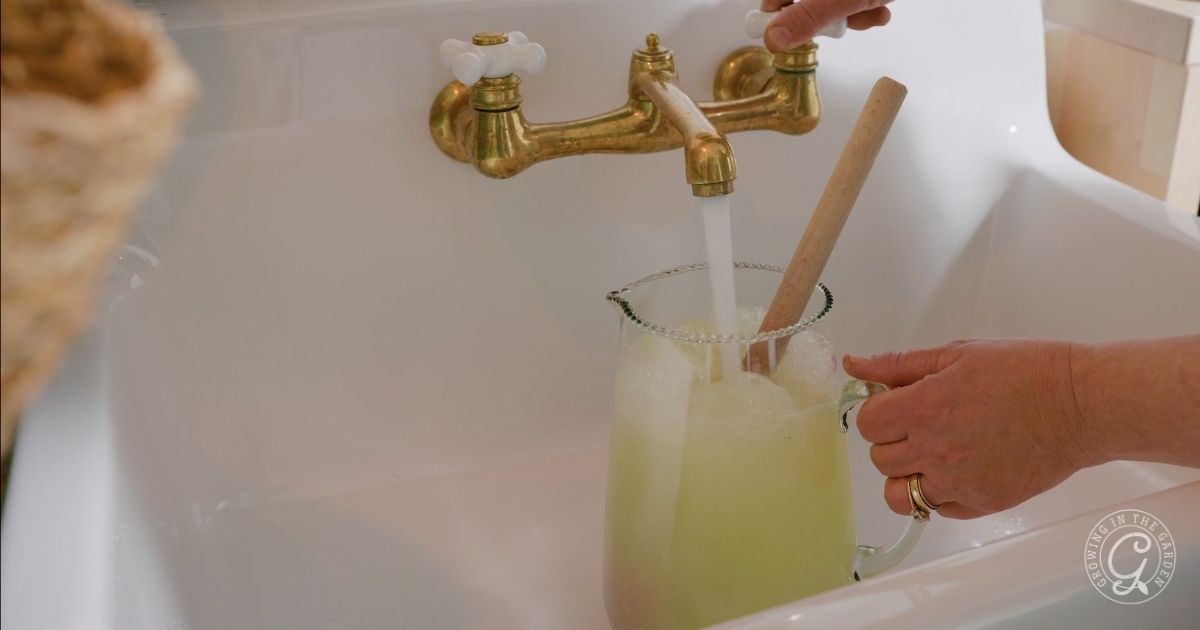
- Step 4: In a gallon pitcher, add the sugar and a small amount of warm water. Stir until the sugar is completely dissolved.
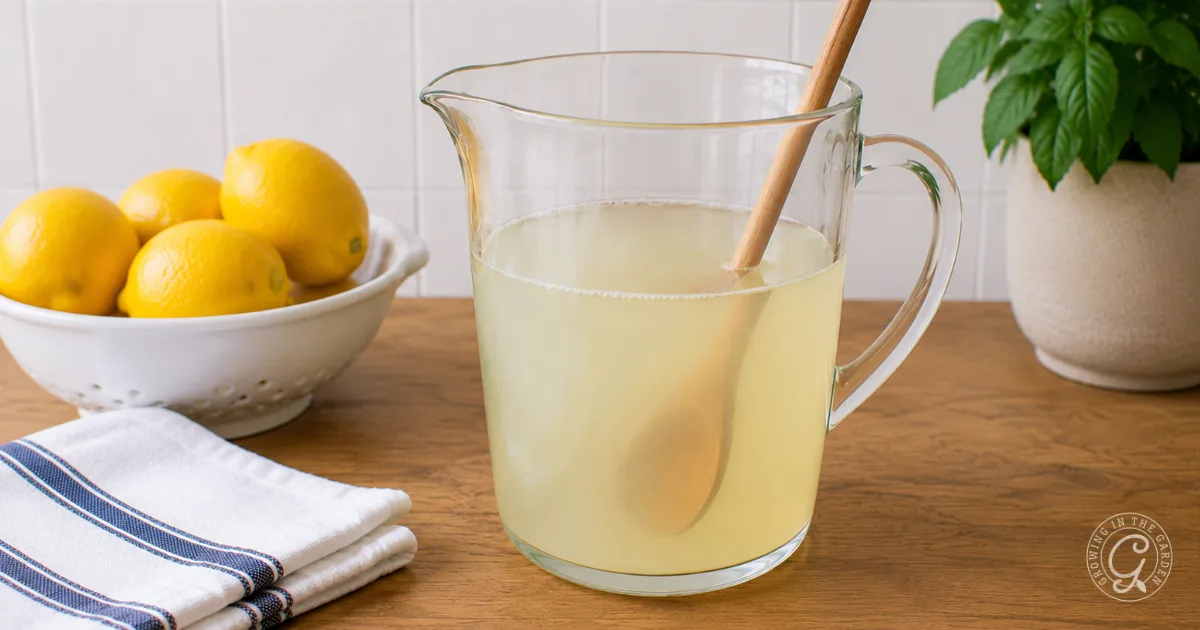
- Step 5: Pour in 2 cups of fresh or thawed lemon juice, then add cold water to fill the pitcher. Stir well to combine.
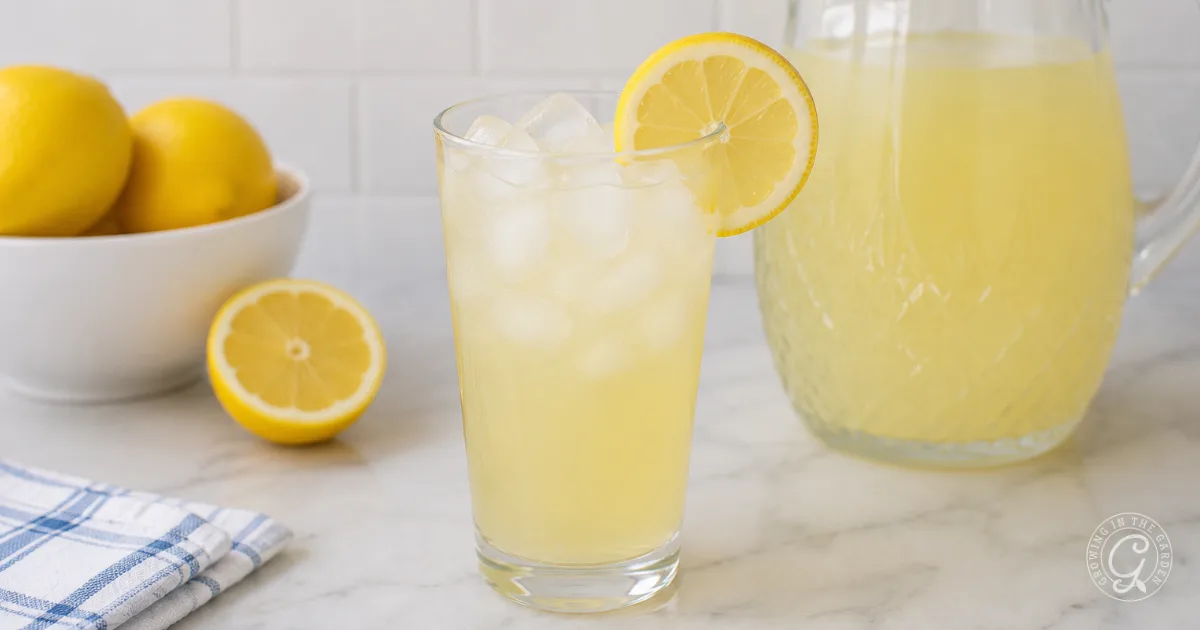
- Step 6: Pour the lemonade over plenty of ice and enjoy. Taste and adjust if needed. Add more sugar for a sweeter lemonade or more lemon juice for extra tartness.
How Many Lemons Do You Need for Homemade Lemonade?
For this recipe, it’s better to measure the juice instead of counting lemons. You’ll need 2 cups of fresh lemon juice to make one gallon of lemonade, but the number of lemons can vary depending on the variety, size, and time of year.
My Lisbon lemons get large, and during peak season in January and February, one lemon makes up to 1/2 cup of juice or a little more. At that time of year, it usually takes about 4 to 6 lemons to make 2 cups of juice.
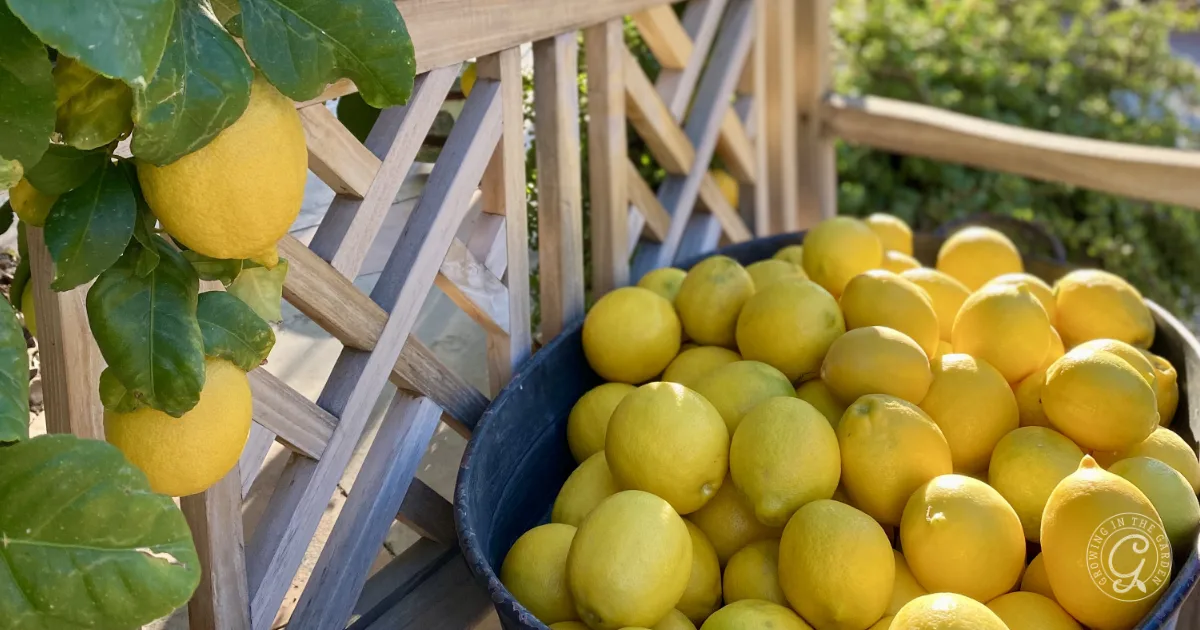
Earlier in the season (November and December), lemons are often a little more tart and less juicy. By March and April, the lemons usually begin to soften and dry out slightly, so you may need more lemons to get the same amount of juice.
For best results, measure the lemon juice rather than relying only on the number of lemons.
Why the Sugar Amount Can Vary
The amount of sugar you need depends on the lemons you’re using and your taste preference. Fresh lemons aren’t exactly the same all season long, and different varieties have different levels of acidity.
Early in the season, lemons can be usable but more tart, so I may use closer to the full amount of sugar. My Lisbon lemons are usually at their juiciest in January and February. By March and April, they often start to soften and dry out a little, and the flavor can change. Meyer lemons ripen earlier and are less acidic, so they usually need less sugar.
That’s why this recipe uses a sugar range instead of one exact amount. Start with less sugar, taste the lemonade, and add more if needed. I prefer my lemonade on the tart side, probably because I’m used to drinking lemon juice in my water each morning, but you can make it sweeter if that’s what your family likes.
Serving the lemonade over ice can also dilute it slightly as the ice melts. Using cold lemon juice and cold water helps keep the lemonade chilled without relying on as much ice.
My Favorite Way to Preserve Lemon Juice for Lemonade
When my lemon trees are loaded, I share bags of lemons with anyone who needs them and still usually have plenty left to preserve. Lemon trees can be very prolific, and freezing the juice is one of the easiest ways I’ve found to keep using the harvest after the fresh lemons are gone.
I freeze fresh lemon juice in pint-sized freezer-safe jars because one pint equals 2 cups of lemon juice, which is exactly what I need to make one gallon of lemonade. I usually try to freeze 20 to 30 pint jars each year, or as much as my freezer will hold. That gives me enough lemon juice to use during the in-between months when I don’t have fresh lemons on the tree.
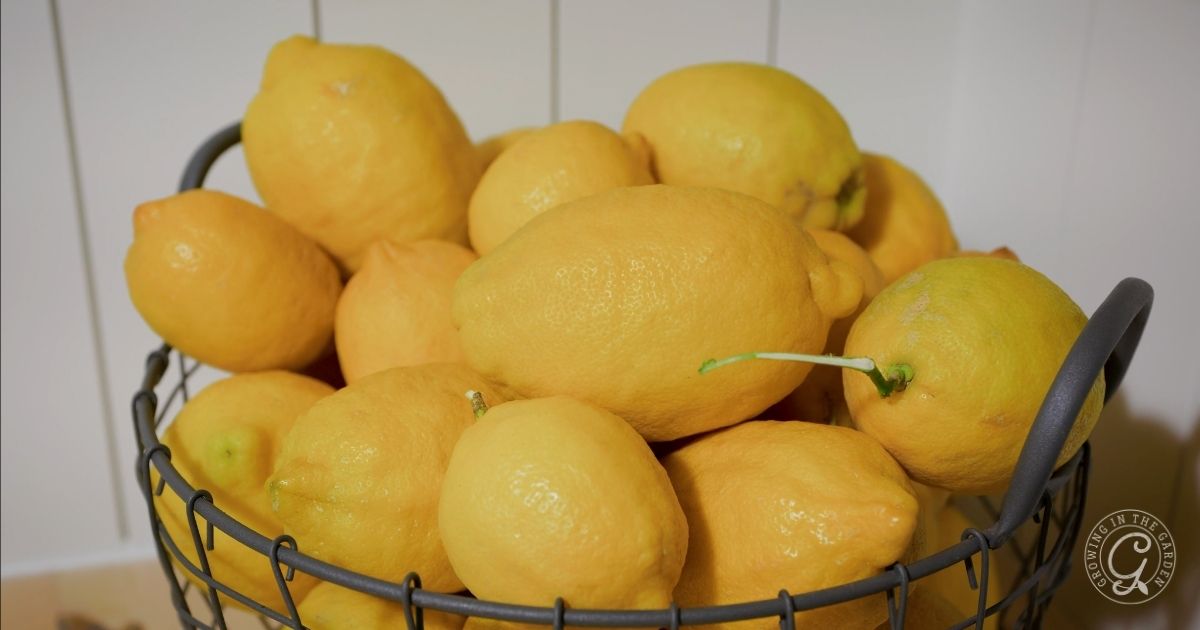
I usually keep Lisbon and Meyer lemon juice separate because they have different harvest windows and different flavors. Meyer lemons ripen earlier and are less acidic, while Lisbon lemons are more tart and usually produce later into the season.
To freeze lemon juice, pour the strained juice into freezer-safe, straight-sided pint jars, leaving headspace at the top for expansion. Add a lid, label the jar if needed, and place it in the freezer. When you’re ready to make lemonade, thaw the juice overnight in the refrigerator.
I don’t recommend freezing finished lemonade. Freeze the lemon juice instead. It takes up less space, gives you more flexibility, and lets you adjust the sweetness each time you make a fresh batch.
Here’s the simple process I use each year to preserve fresh lemon juice for homemade lemonade all summer long.
Harvest and Juice the Lemons
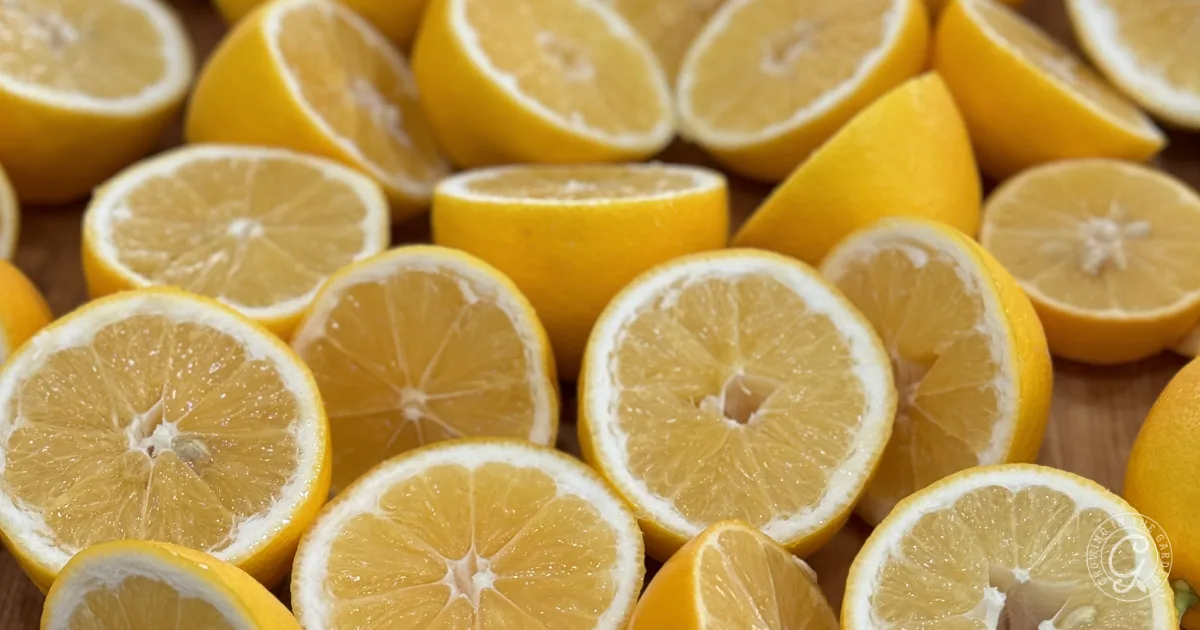
Anytime during the harvest season, rinse the lemons, cut them in half, and use a juicer to extract as much juice as possible. If you want to get every last drop, check out my guide on how to juice citrus (the same tips work for oranges and lemons).
The juicer I use depends on how many lemons I’m processing.
- For a quick batch of lemonade, I usually reach for this hand juicer. It’s simple to use, easy to clean, and surprisingly durable.
- When the trees are overflowing, and I’m freezing enough lemon juice to last all summer, I switch to this pro juicer. It’s definitely more of an investment, but if you process a lot of citrus, it’s worth every penny and makes the job so much faster.
Pour Juice Into Jars
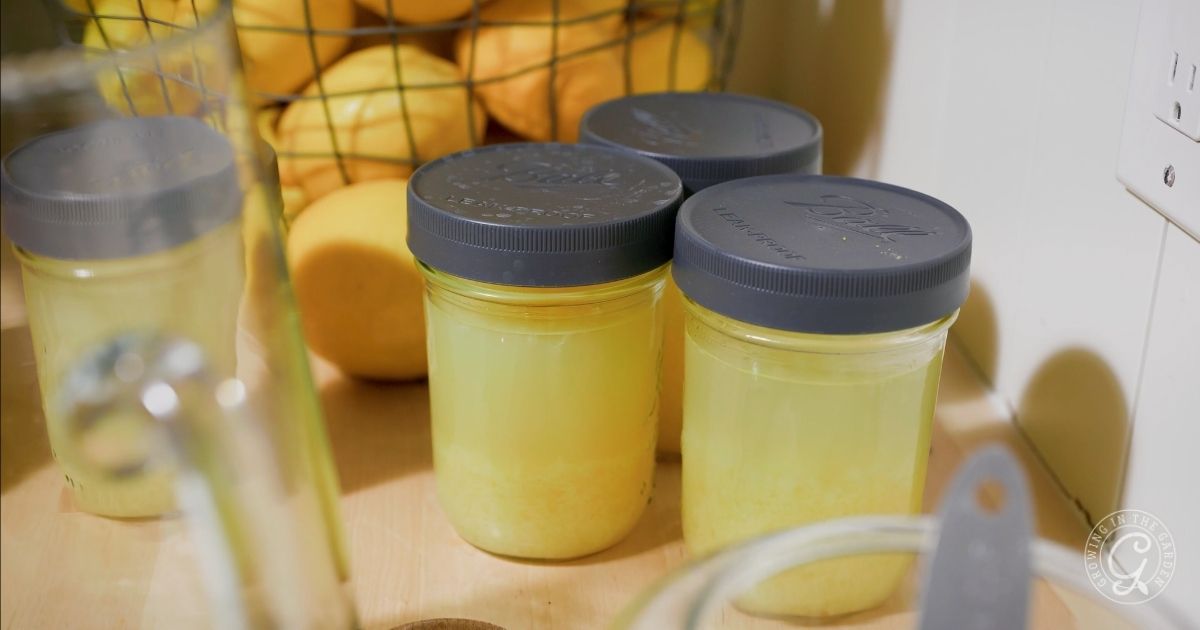
We love lemonade with lots of pulp, but if you prefer a smoother lemonade, strain the juice to remove seeds and extra pulp before freezing. Pour the lemon juice into clean, freezer-safe, straight-sided pint jars. Leave about 1 inch of headspace to allow the juice to expand as it freezes. This prevents the jars from cracking as they freeze. I usually try to freeze 20 to 30 pint jars each year to use during the months when fresh lemons aren’t available.
These are the jars I use, and these leak-proof lids have worked really well for freezer storage.
Freeze for Later
Place the jars in the freezer until you’re ready to use them. When summer temperatures rise, and fresh lemons are no longer on the tree, simply thaw a jar overnight in the refrigerator.
Freezing lemon juice in pint-sized jars keeps things simple: one jar makes one gallon of homemade lemonade.
I prefer freezing lemon juice instead of finished lemonade. It takes up less freezer space and lets me adjust the sweetness depending on the lemons and the batch.
Best Lemons for Homemade Lemonade
Almost any fresh lemon can be used to make homemade lemonade, but different varieties and harvest times will slightly affect the flavor. I usually make lemonade with Lisbon lemons because my trees are very productive, and the lemons get large and juicy during peak season.
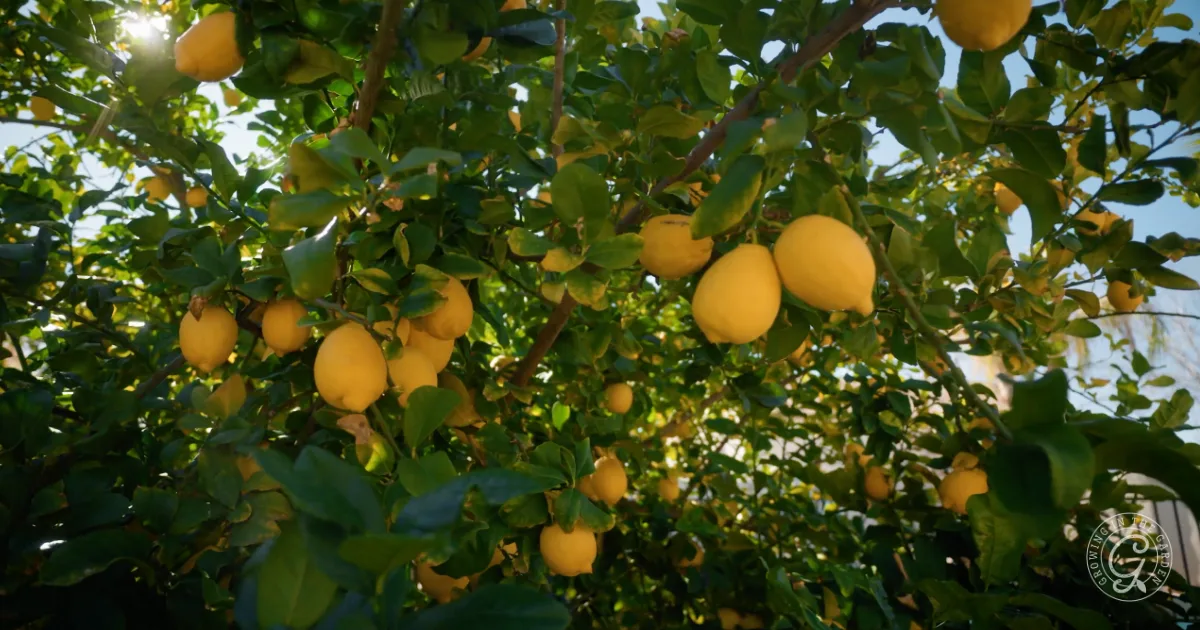
My lemons are usually at their best in January and February, when they’re especially juicy and flavorful. Earlier in the season, the lemons can be a little more tart, while late-season lemons in March and April often begin to soften and dry out slightly.
Meyer lemons also work well for lemonade. They typically ripen earlier than Lisbon lemons and are naturally sweeter and less acidic, so they often need less sugar. I usually keep the varieties separate because they have different harvest windows and slightly different flavors. If you want more information about different types of citrus read this article.
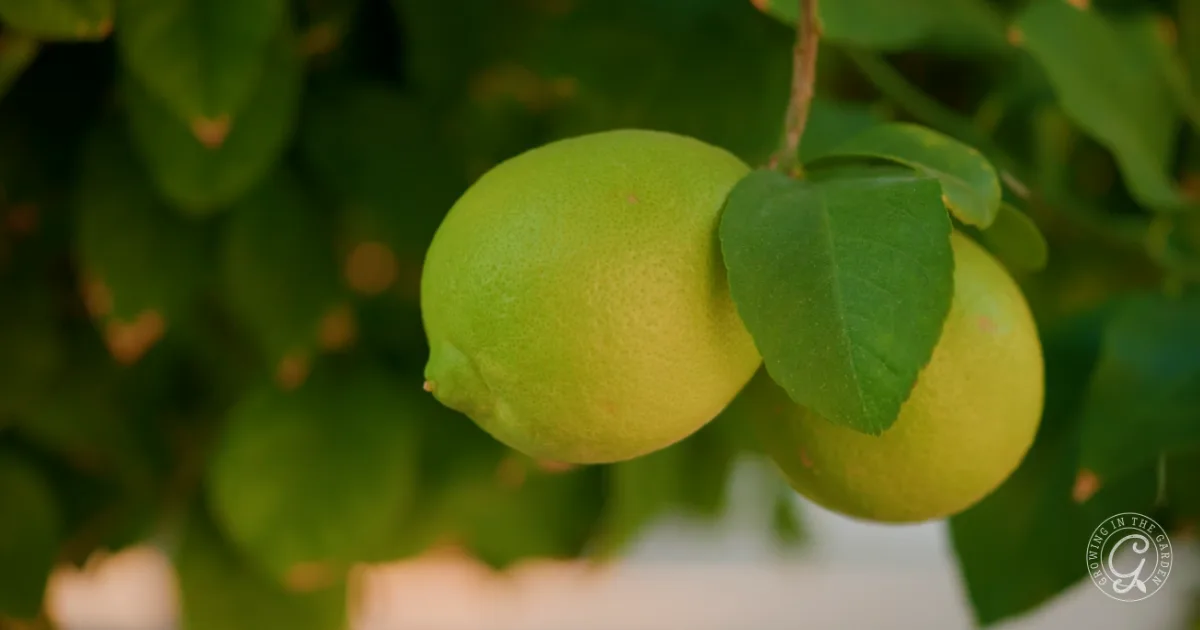
Because fresh lemons vary throughout the season, I always recommend starting with less sugar and adjusting to taste. I prefer my lemonade tart, especially served over plenty of ice, but it’s easy to make sweeter if that’s what your family prefers.
This recipe is a family favorite at potlucks and barbecues all year long. I hope you enjoy it as much as we do. Serve chips and my canned garden salsa with homemade lemonade for the perfect summer snack. For more insights on selecting and enjoying citrus, you might also be interested in learning about different citrus varieties.
Cheers to fresh, homemade (and homegrown) lemonade and the simple pleasures of summer!
Fresh Lemonade FAQs
The secret to great homemade lemonade is using fresh lemon juice and balancing the sweetness with the lemons’ tartness. Freshly squeezed lemons give lemonade a bright, refreshing flavor that bottled juice just can’t match. Dissolving the sugar before adding the cold water also helps create a smoother, better-tasting lemonade.
For this recipe, you’ll need 2 cups of fresh lemon juice to make one gallon of lemonade. The exact number of lemons depends on the variety, size, and time of year. My large Lisbon lemons usually produce enough juice that it takes about 4 to 6 lemons to make 2 cups of juice during peak season.
Yes. Homemade lemonade can easily be made ahead of time for parties or gatherings. Store it in the refrigerator and give it a quick stir before serving, since some of the sugar can settle at the bottom. I like serving it over plenty of ice, which also dilutes it slightly as the ice melts.
I prefer freezing fresh lemon juice instead of finished lemonade. Frozen lemon juice takes up less space and lets you adjust the sweetness for each batch. I freeze lemon juice in pint jars because one pint makes one gallon of lemonade.
I don’t recommend bottled lemon juice for this recipe. Fresh lemon juice gives homemade lemonade a fresh flavor, especially if you’re using homegrown lemons. Bottled lemon juice can taste flat or overly sharp compared to fresh lemons.
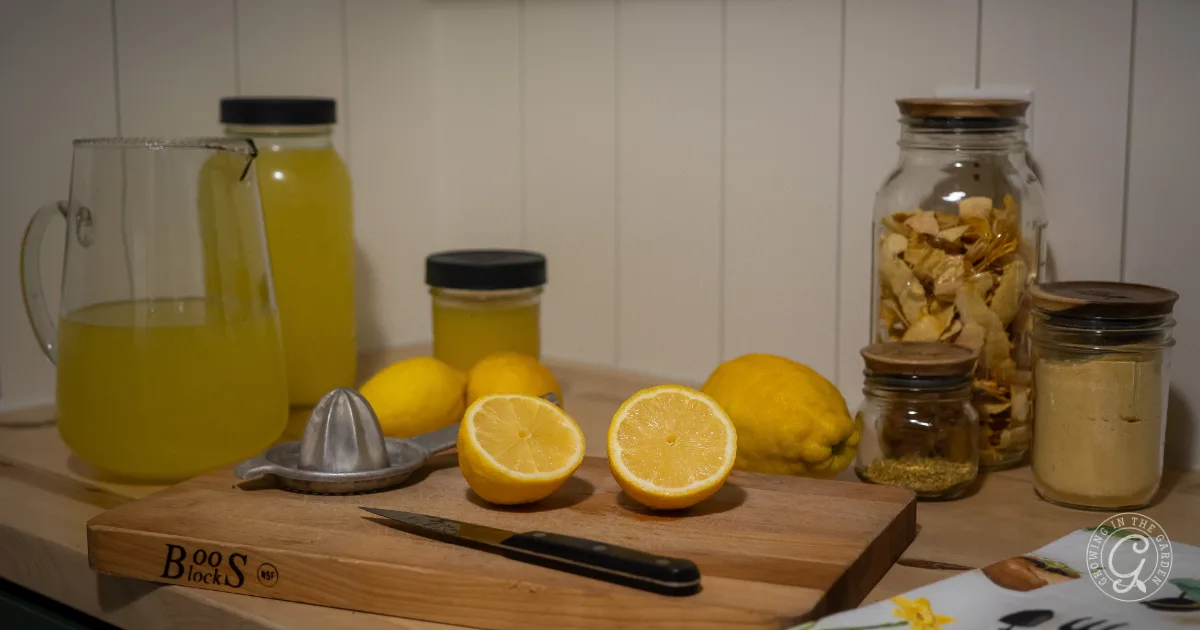
Homemade Lemonade from Fresh Lemons
Ingredients
Equipment
Method
- Anytime during the harvest window, rinse of the lemons, cut them in half, and use a juicer to extract as much juice as possible.
- If you prefer less pulp you can strain the juice. Pour into clean pint-sized jars, leaving a little space at the top of the jar to allow for the juice to expand when it freezes.
- Pop the jars into your freezer. When you’re ready to make lemonade during the summer, remove a jar and let it thaw overnight in the fridge. Freezing in pint jars makes it easy. One jar equals one gallon of lemonade.
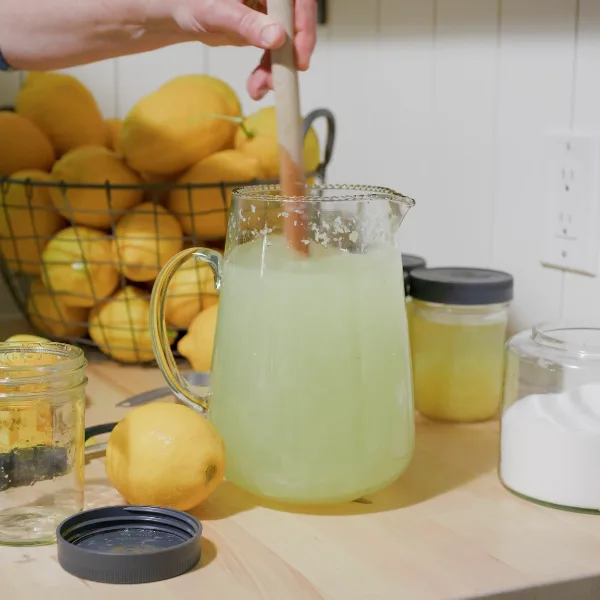
- Dissolve the Sugar: In a gallon pitcher, add your sugar and pour in a little warm water. Stir well until the sugar is completely dissolved.
- Add the Lemon Juice: Pour in 2 cups of lemon juice.
- Fill with Water: Add enough cold water to fill the pitcher. Stir well to blend all the flavors.
- Serve: Pour your homemade lemonade over ice and enjoy the refreshing flavor.




It isn’t summer without this delicious lemonade!