
Cantaloupe Growing Problems and How to Solve Them
Growing cantaloupes can be incredibly rewarding, but it comes with its own set of challenges. From blossom end rot to pest problems, knowing how to solve these common canteloupe growing problems can make the difference between a bumper crop and a disappointing harvest. Here’s a quick guide to the most common cantaloupe growing problems and their solutions.
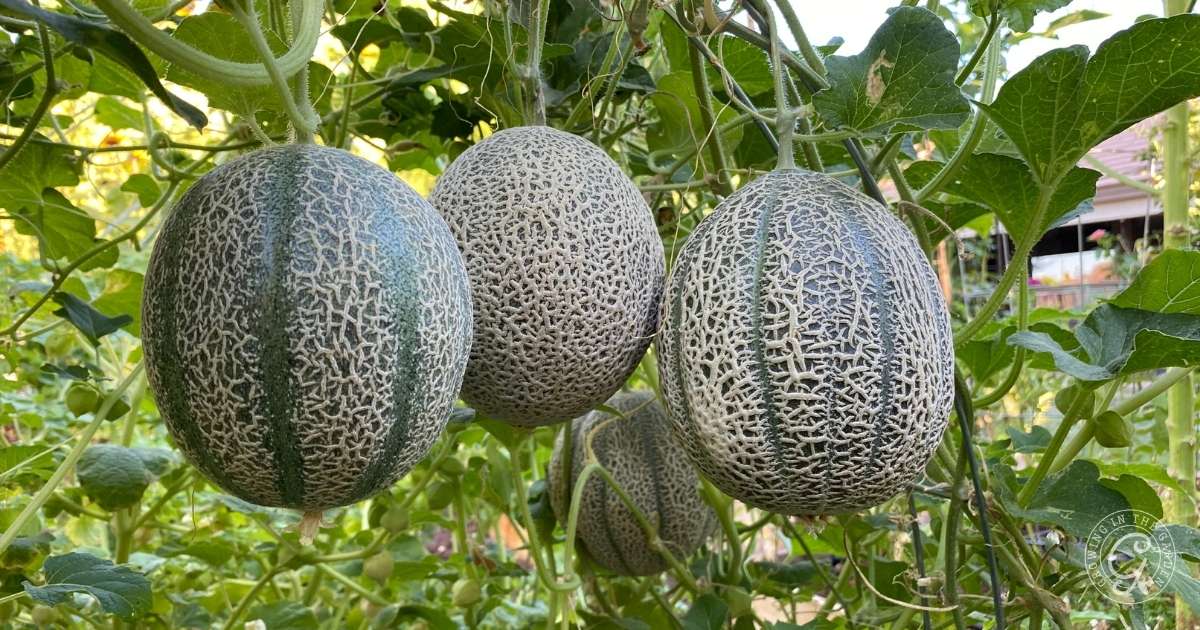
What We’ll Cover:

Cantaloupe Fruit Not Forming
Cantaloupe plants typically produce male flowers first, with female flowers appearing later. If you notice that the female flowers are withering without developing into fruit, it might be a pollination issue. Hand-pollinating can be an effective solution.
To hand-pollinate, remove a male blossom, peel back the petals, and rub the flowers together. This transfers pollen from the inside of the male flower to the female flower. Hand pollination ensures that the cantaloupe fruit will form and develop properly.

Rotten or Soft Spots on Fruit
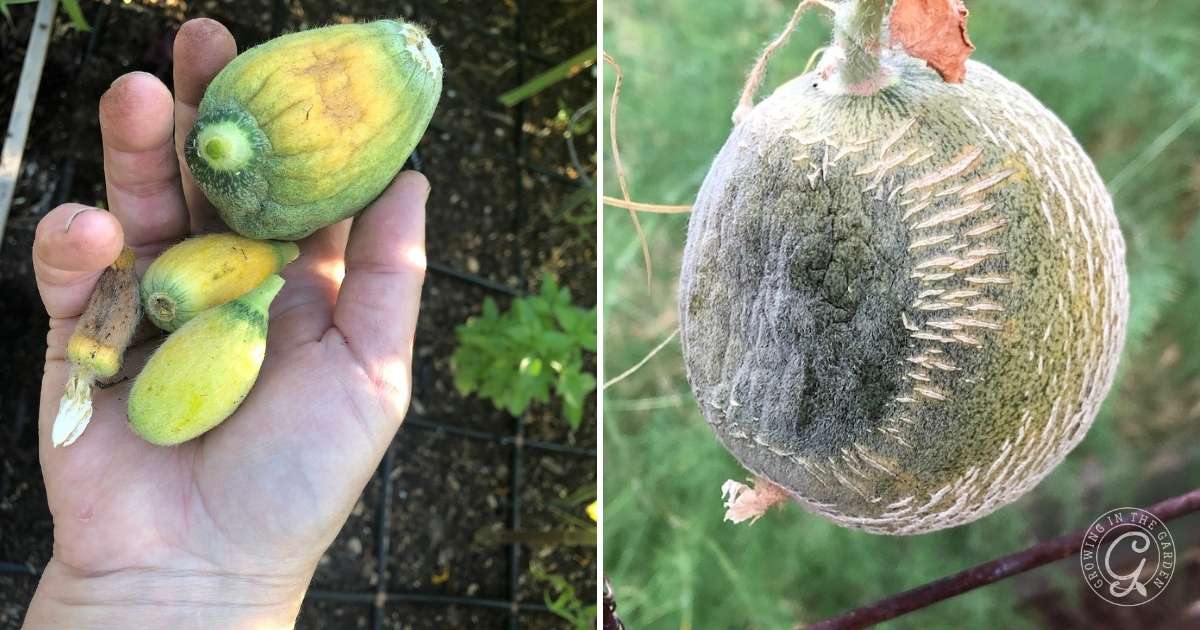
Blossom end rot manifests as a dark, sunken spot on the fruit that gradually spreads. This problem often stems from inconsistent soil moisture, which disrupts calcium absorption necessary for fruit development. To prevent blossom end rot, keep soil consistently moist, especially during dry spells. Learn how to prevent blossom end rot in this blog post.
Splitting Fruit
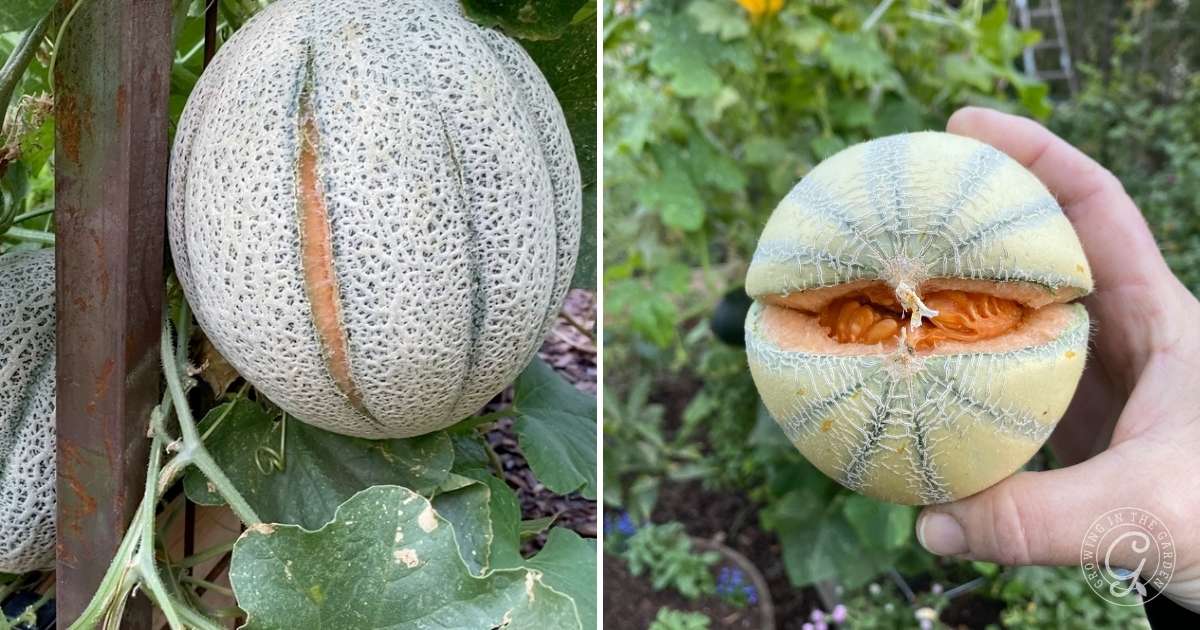
Fruit splitting is a common cantaloupe growing problem. This typically occurs when plants experience irregular or inconsistant watering, particularly after heavy rain. To mitigate this, maintain a steady watering schedule, and if a heavy rainstorm is forecasted, harvest fruits that are close to ripening to prevent splitting.
Seedlings Disappearing After Planting
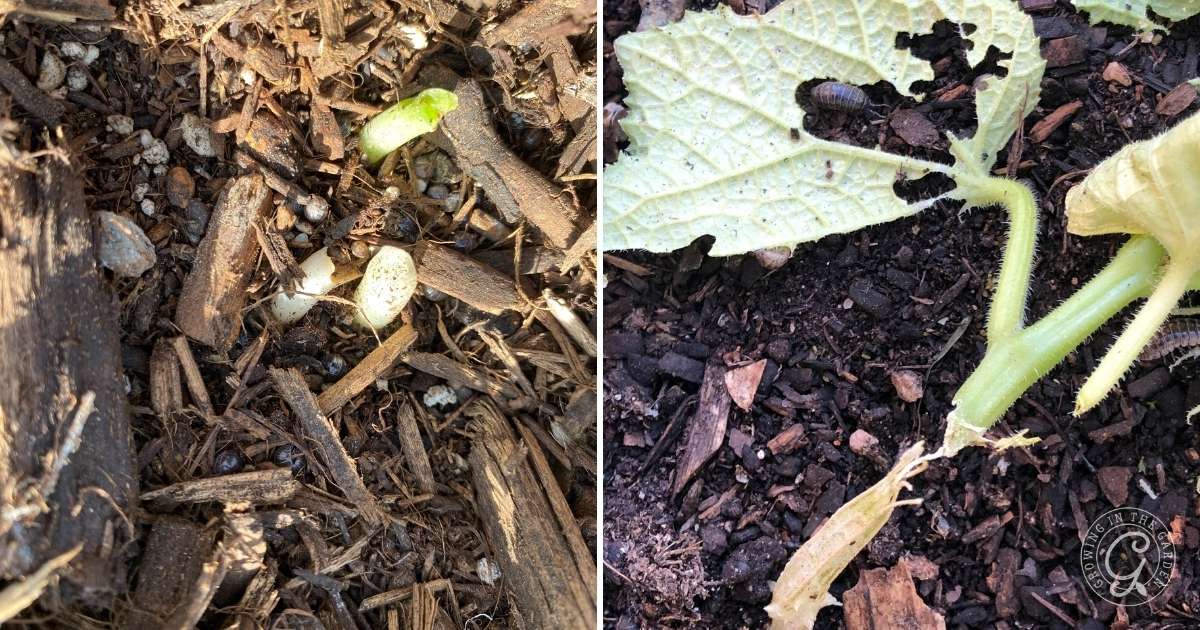
Cantaloupe seeds emerge quickly in warm soil. If you’ve planted seeds and they are not visible within a few days, you may have pest issues. Cantaloupe vines are a favorite of rollie-pollies or pill bugs. If rollie-pollies are eating seedlings, sprinkle a small amount of this slug and snail bait when you plant.
Powdery Mildew
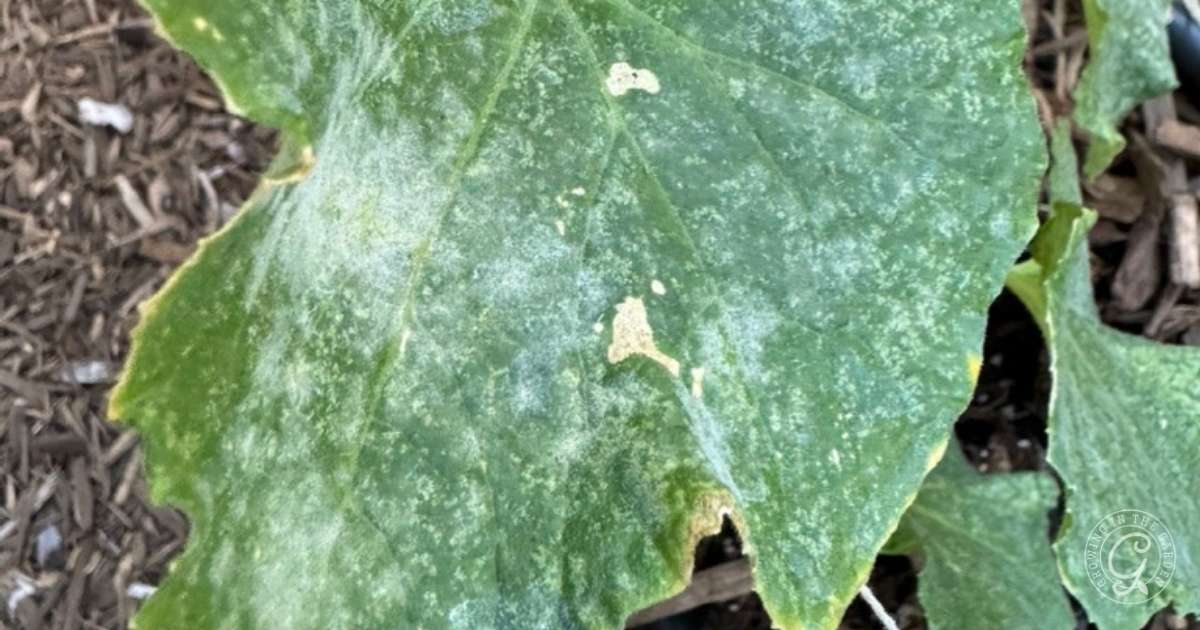
Powdery mildew is a fungal disease that thrives in humid, wet conditions and can cause white, powdery spots on leaves. It’s essential to improve air circulation around your plants by growing them vertically on trellises or using cages. Regularly remove and dispose of infected leaves to reduce spore spread. Consider planting resistant varieties like Napoli to further reduce the risk. Learn how to prevent & treat powdery mildew in your garden.
Holes in Cantaloupe Fruit
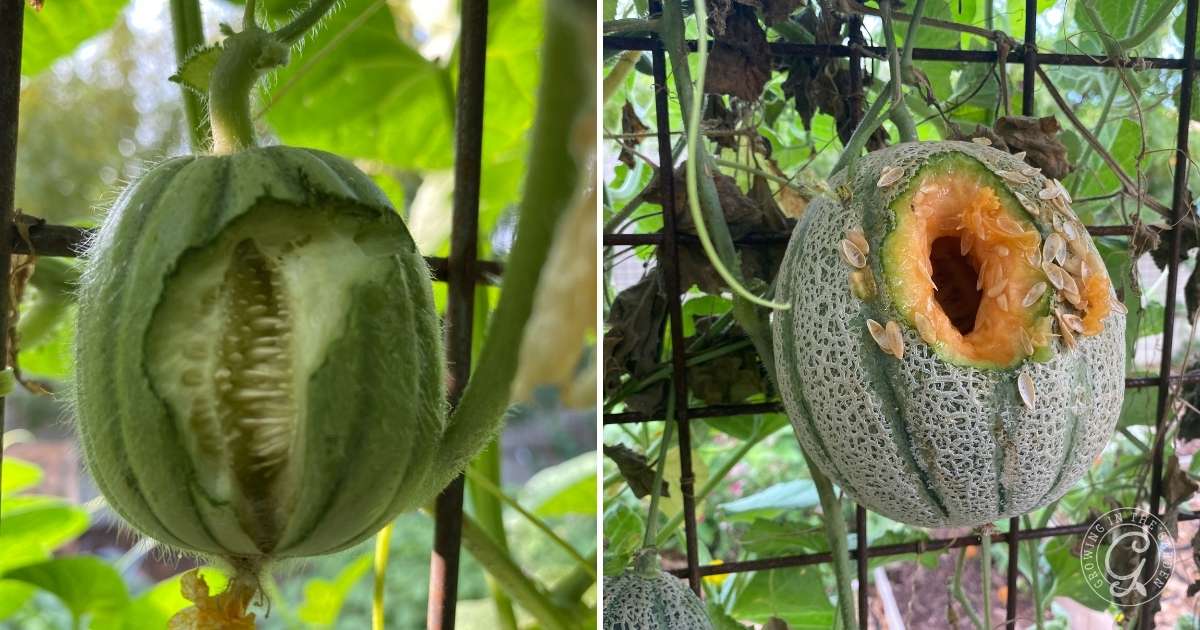
Holes in cantaloupe fruits are a common problem, often caused by pests such as birds or rodents. To protect your crop, place the fruit in mesh bags that keep pests away. Additionally, consistently setting rat traps around your garden can help catch and control rodent populations.
Cantaloupe Growing Problems and How to Solve Them
Insect Damage on Fruit

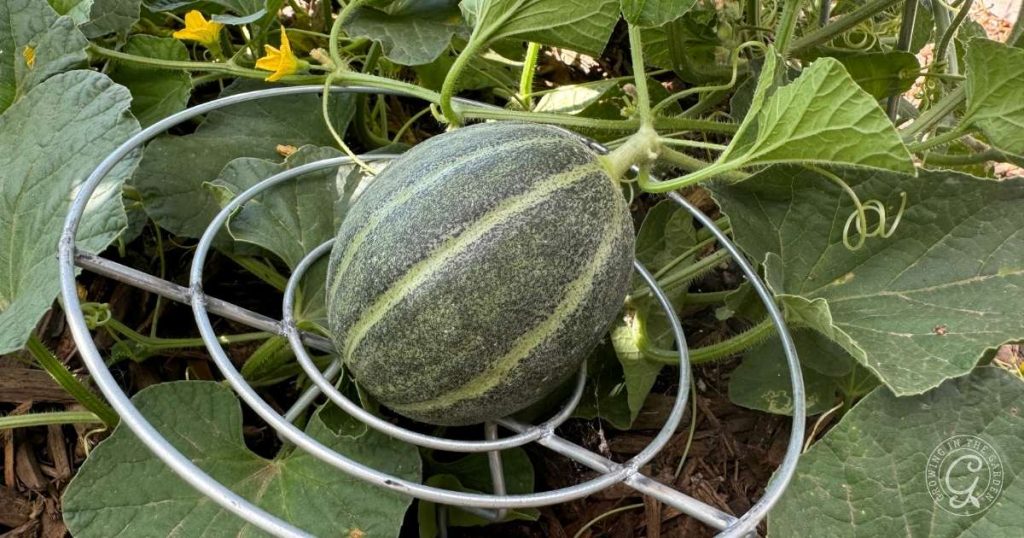
Beetles and pill bugs can be particularly damaging to cantaloupes left on the soil. To prevent this, use melon support cradles to elevate the fruit or grow cantaloupes vertically on a trellis.
Squash Bugs
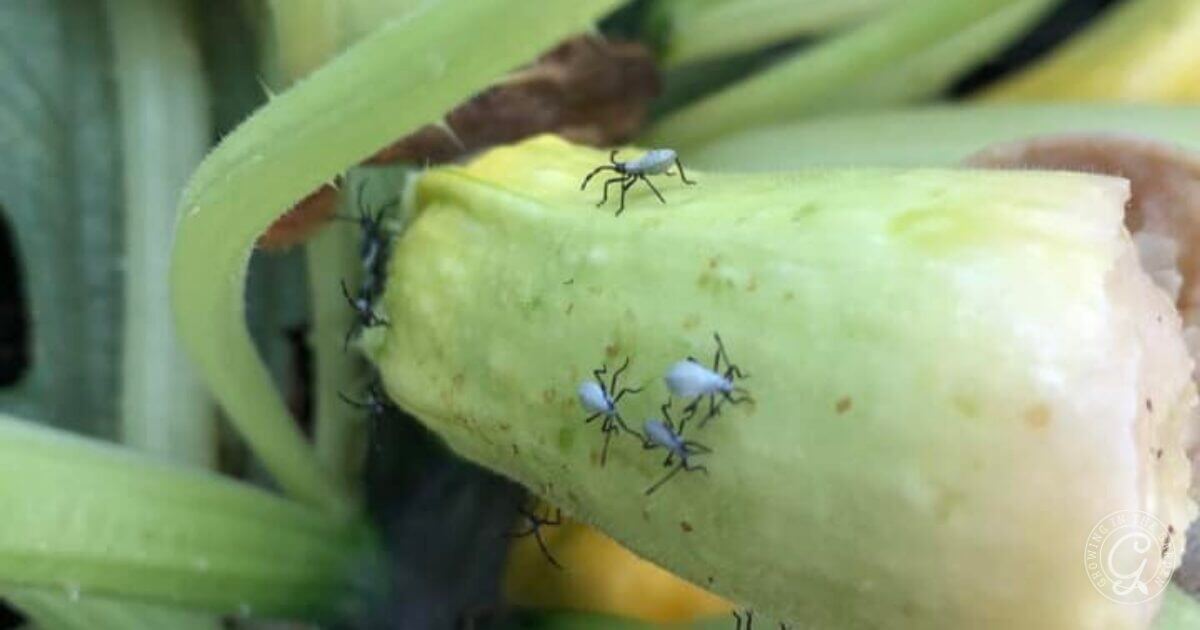
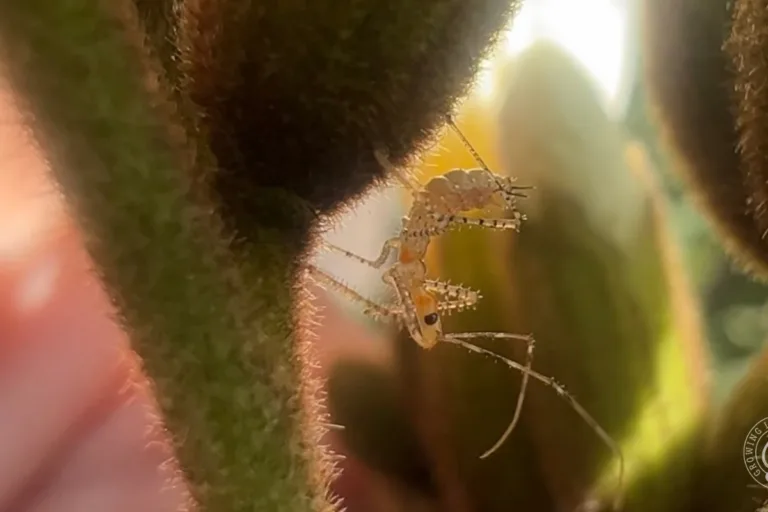
Squash bugs are notorious for attacking cantaloupes and other cucurbits. To manage these pests, practice crop rotation to disrupt their life cycle. Regularly inspect the undersides of leaves for eggs and nymphs. Removing these pests early can prevent significant damage. Learn how to control squash bugs.
Aphids on Cantaloupe Plants
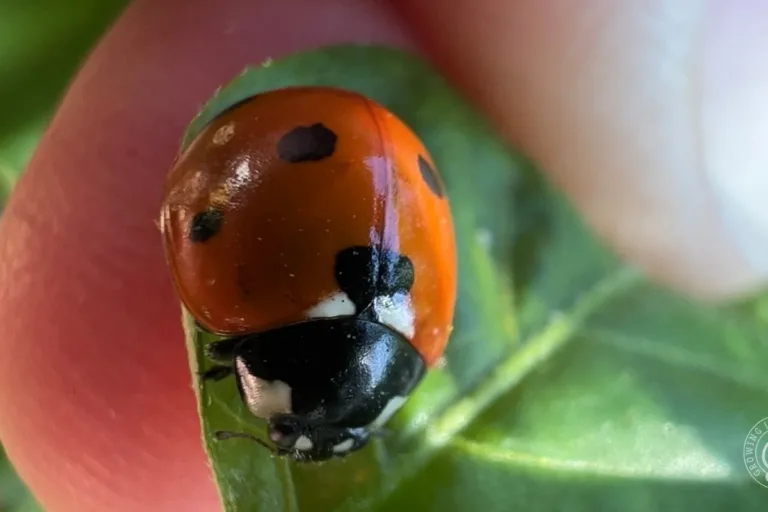
Aphids are small but can cause big problems, particularly on stressed plants. They feed on plant sap and can transmit diseases. The best defense against aphids is healthy plants. Good watering practices, enough sunlight, and healthy soil are crucial. Remove heavily infested leaves and encourage natural predators like ladybugs, which help control aphid populations. Find plants that attract benficial insects & pollinators.
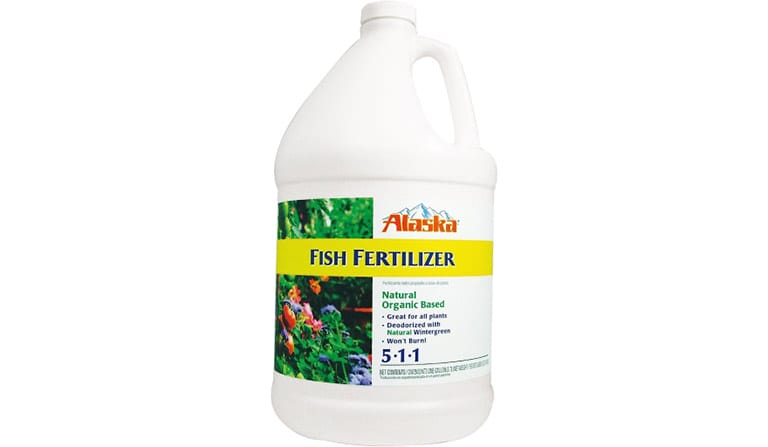
Bland or Tasteless Fruit
If your cantaloupes are bland or lack flavor, use these tips to solve this common cantaloupe growing problem:
- Rich Soil Produces Sweeter Fruit: Amend the soil with compost and a balanced fertilizer prior to planting.
- Do Not Prune Off Leaves or Shoots: The leaves produce the sugars that sweeten the fruits.
- Select Flavorful Varieties: Choose cantaloupe varieties known for their sweetness and flavor, such as ‘Ambrosia’ or ‘Sugar Cube.’
- Reduce the Number of Fruits: Limit the number of fruits per plant to one or two to allow each fruit to absorb more energy and nutrients, enhancing sweetness and flavor.
- Control Watering: About a week before melons are ripe, cut back watering as much as possible to concentrate the fruit’s sugars.
- Harvest at the Right Time: Pick cantaloupes when they have a sweet aroma and the stem begins to turn brown. Ripe fruit will have a full, sweet flavor.
Learn more about how to grow sweet cantaloupe in this blog post.
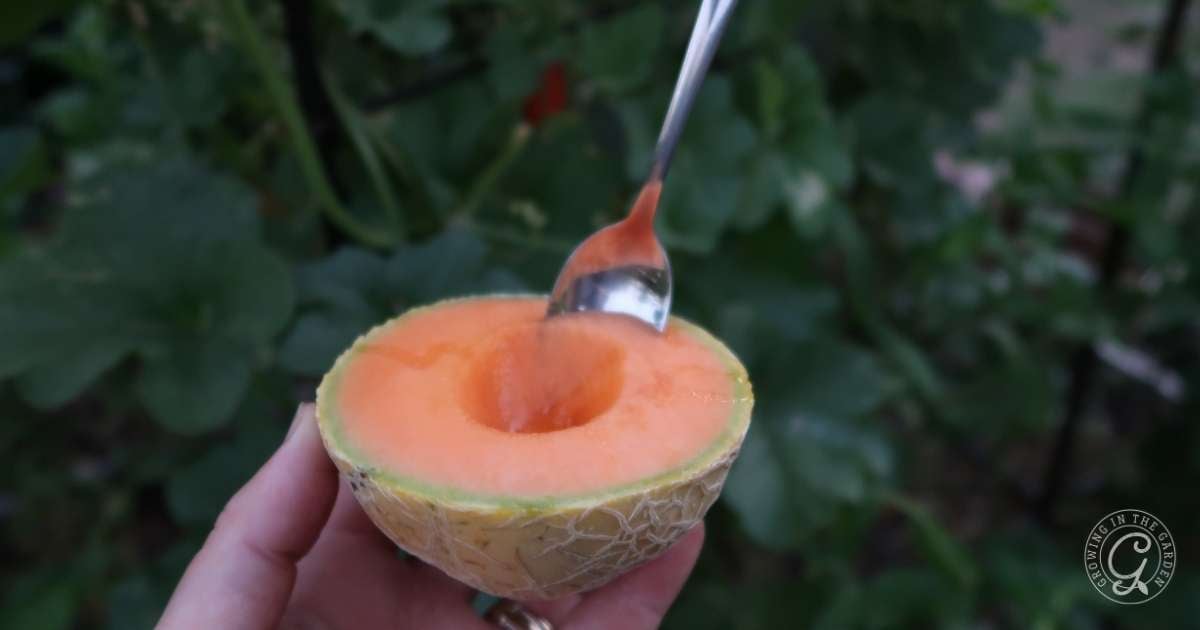
By staying vigilant and addressing these common cantaloupe growing problems proactively, you can enjoy a thriving cantaloupe harvest and make the most of your gardening efforts. Get more garden troubleshooting ideas in this blog post.

Leave a comment on Cantaloupe Growing Problems and How to Solve Them